Tag Archives: prayer

All You Have To Do by Autumn Allen

Standard
All You Have To Do by Autumn Allen

all you have

This historical fiction YA book was hard to put down.  While being invested in the characters and learning about the historical climate from an intimate account, I could feel my mind growing and my understanding deepening. The phenomenal writing quality, and the connection between the two fictional characters from two different times rooted in reality, allowed this thought provoking book to burrow into my mind, and makes me suggest it to high school English teachers to read with their students for a novel study.  Add in that the author is Muslim and that there is inclusion of side Muslim characters, makes me really really love this 432 page book.

SYNOPSIS:

Told from two perspectives: Gibran is a high school senior in 1995 at a prestigious New England, majority white prep school.  Being aware of the efforts his mother has made for him to have the opportunities he does, the incredibly bright boy isn’t content to sit back and let injustices go unchecked.  As he understands his position in his school, and perhaps in the world, he pushes to change how the system views him and on the cusp of the Million Man March he starts to get restless when others don’t support his efforts.

Kevin is at Columbia University in New York City in the wake of the Martin Luther King, Jr.’s assassination.  While the country pays service to the civil rights leader Kevin is witnessing the injustices at Columbia, and begins to question what his enrollment at the institution means and the hypocrisy it supports.  He also reflects back on choices his own family has made and what he would like his future to look like when opportunities to protest arise.

Kevin is Gibran’s uncle and their parallels show how little has changed in America.  The fears of the family, the institutionalized racism, the helplessness of a broken system.  The desire for two young men coming of age to decide for themselves where they belong, who they are, and what they are capable of in a world that wants to take that freedom away from them.

WHY I LIKE IT:

The power of this book is incredible, truly.  I really don’t have words.  I do have words about the side Muslim characters though.  Gibran’s sister is a hijab wearing convert and is respected and accepted by the family.  Kevin’s cousin and activist is also a convert and a powerful influence on the main character.  There are mentions of Muslims praying, and salams are given.  The book was beneficial to read, the Muslim characters and knowing that the author is Muslim, and reading the phrase, “In the Name of God the Most Gracious, the Most Merciful” before the dedication was just extra amplification of voices that this story brought to light.

FLAGS:

Racism, violence, police violence, incarceration, hatred, drugs, alcohol, sneaking out, partying, lying, stealing, segregation, oppression, language.  The reality of the situations discussed is not PG, but the book does not sensationalize anything for the sake of shock, it is rooted in reality and a YA audience will grasp that.

TOOLS FOR LEADING THE DISCUSSION:

Teachers, librarians, parents, teens: read this book.  Think about what you are reading, discuss what happened, what you understand, and how it makes you feel.  Preorder/order here

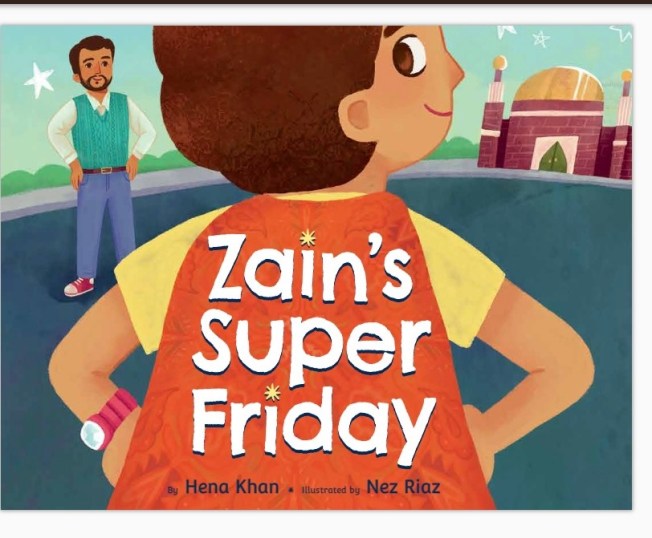
Zain’s Super Friday by Hena Khan illustrated by Nez Riaz

Standard
Zain’s Super Friday by Hena Khan illustrated by Nez Riaz

img_9576

I love the joy and normalizing of mainstream titles celebrating salat, Jummah, and the masjid becoming increasingly available for us to read and share.  This particular book is great for preschool to early elementary aged children that enjoy going to the masjid, but sometimes want to put on a cape and be the hero battling aliens, that know how to behave during salat, but sometimes have a hard time sitting still, and parents that want to play with their kids, but sometimes have to get some work done first.  With  threads of patience, kindness, and determination woven in to masjid activities, the book is both a mirror for Muslim kids and a window for those that wonder what a Friday prayer service looks like.  The 32 page book is unapologetic, joyful, and a great addition to book shelves.

img_9578

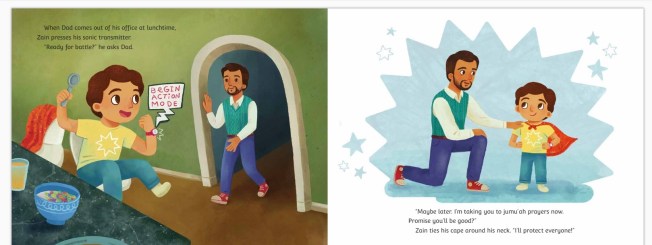
Zain wakes up early Friday morning and is ready to save the world. Dad greets Zain with a “Jum’uah Mubarak,” but has to pass on battling the aliens taking over the kitchen.  At lunchtime, when dad takes a break from work, Zain tries again to engage him in heroic play, but it is time for Jum’uah.  Zain slips on his cape and vows to protect everyone.

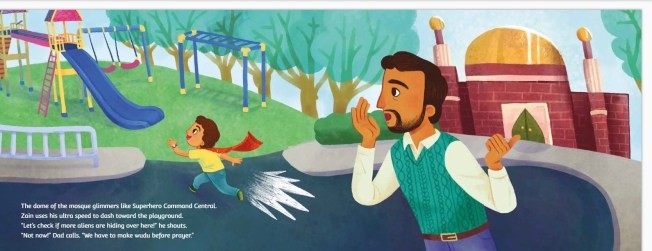
When they get to the mosque, aka command central, Zain tries again, but dad redirects him to make wudu before salat. Heat action dries his feet, but the adhan starts and giant shoes and aliens will have to wait, yet again.  During the khutbah, wiggly Zain sits by his dad, but when the Imam encourages them to stand for salat and fill any gaps, Zain takes it as a call to duty and races to the front announcing, “Here I come, Commander Imam, reporting for duty.”

The kind Imam knows just what to do, and as Zain controls his focus, even dad finds time to be a hero and battle the aliens on this super Friday at the mosque.

img_9580

I love that wudu, athan, khutbah, Imam, are all used without a glossary and that the Author’s Note is informative and unapologetic in tying it all together and making the terms clear.  I wish masjid was used instead of mosque, but I know that is just my personal preference.  I love that the Imam is kind and the dad is gentle and playful.  Even when Zain is not getting to do what he wants, he is not unhappy with being at Jumuah, or making salat, or being redirected, he just wants to indulge his imagination.  The warmth and joy of the illustrations reinforces the tone of the book, and with the inclusion of charity, and the happy ending, I can’t wait to have a physical copy of this book in my hands.

The book releases on October 10, 2023 and can be preordered/ordered here on Amazon and I’m sure will be available once released at Crescent Moon Store, where my initials ISL at checkout will always save you 10%.

img_9582

Huda F Cares? by Huda Fahmy

Standard
Huda F Cares? by Huda Fahmy

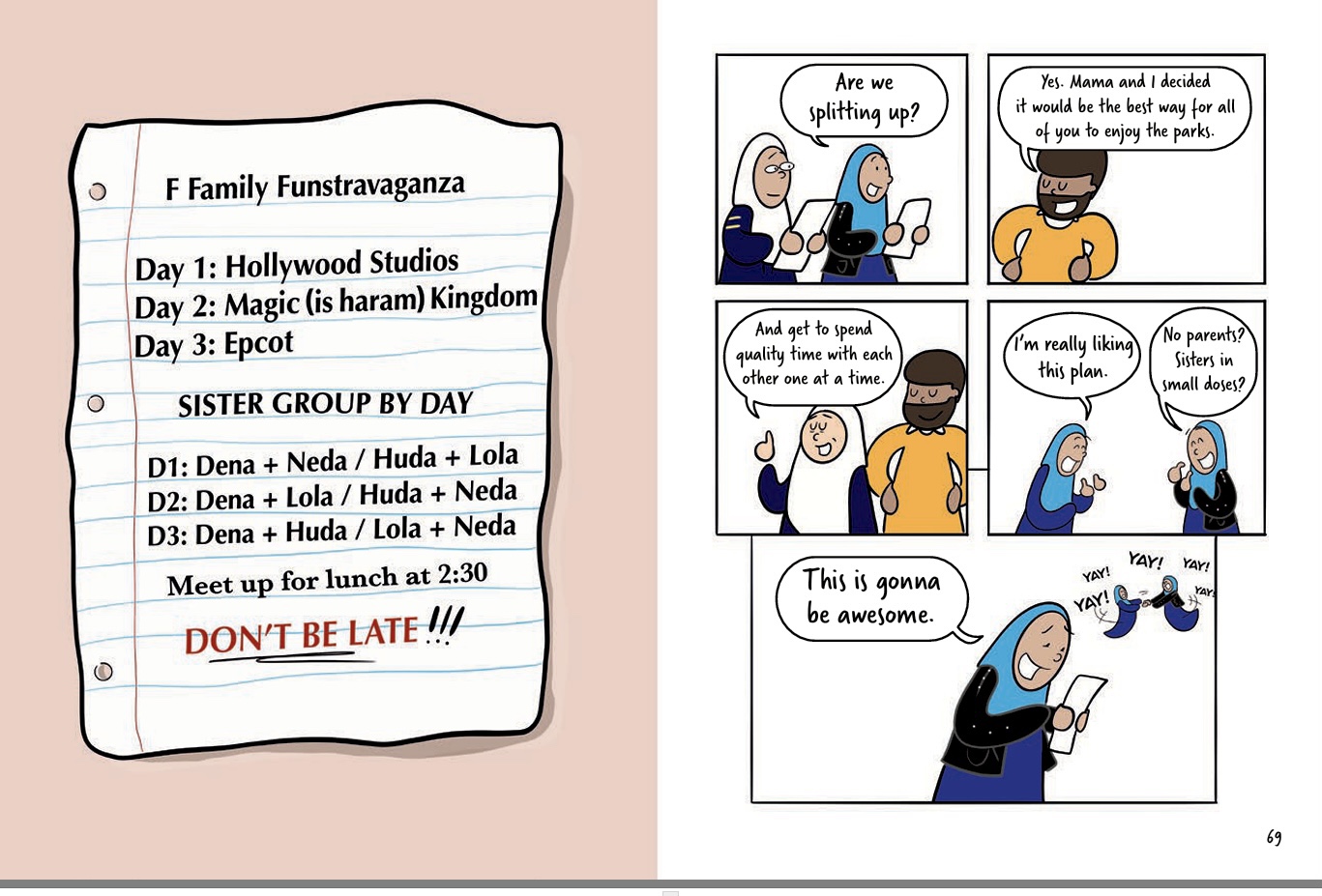
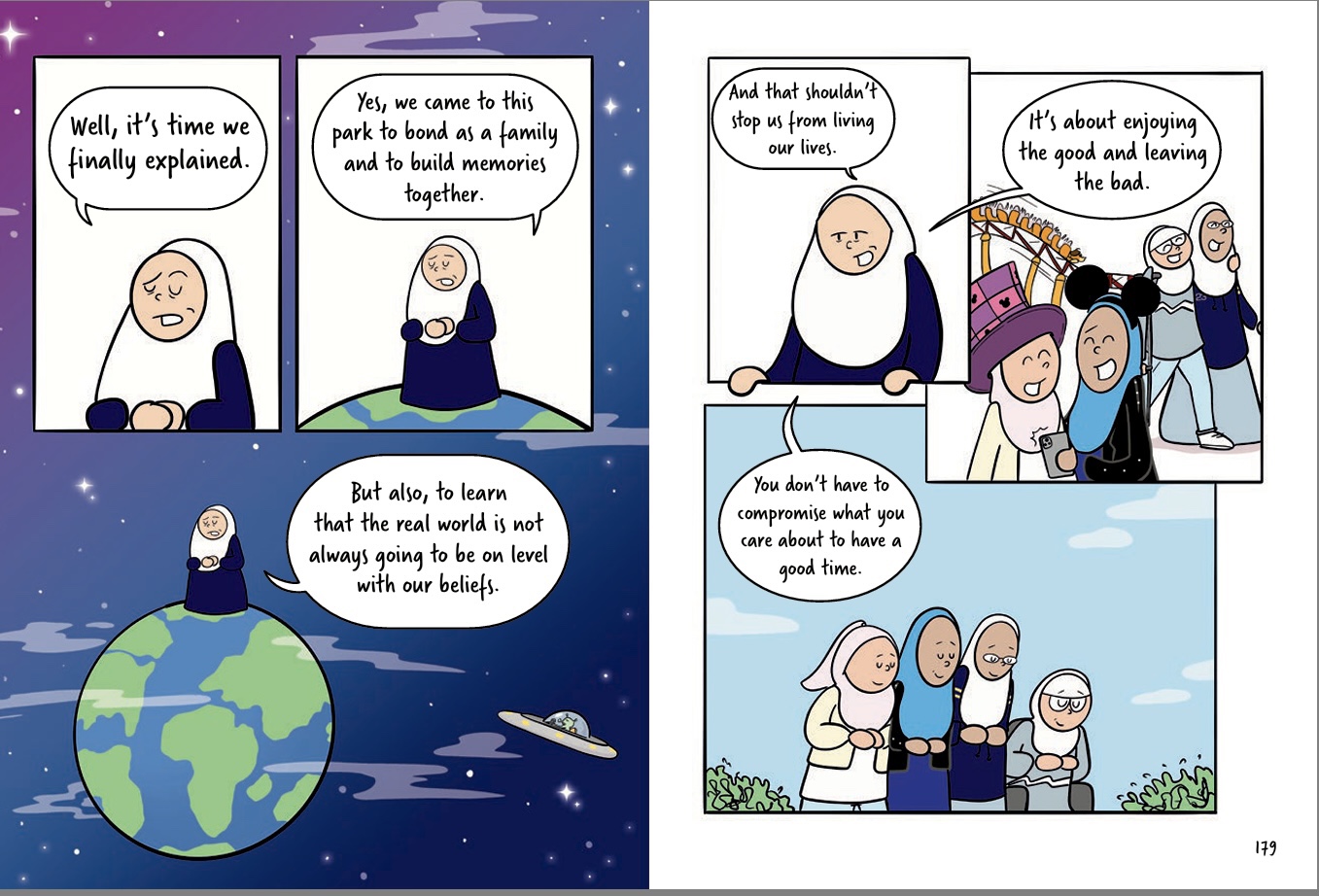
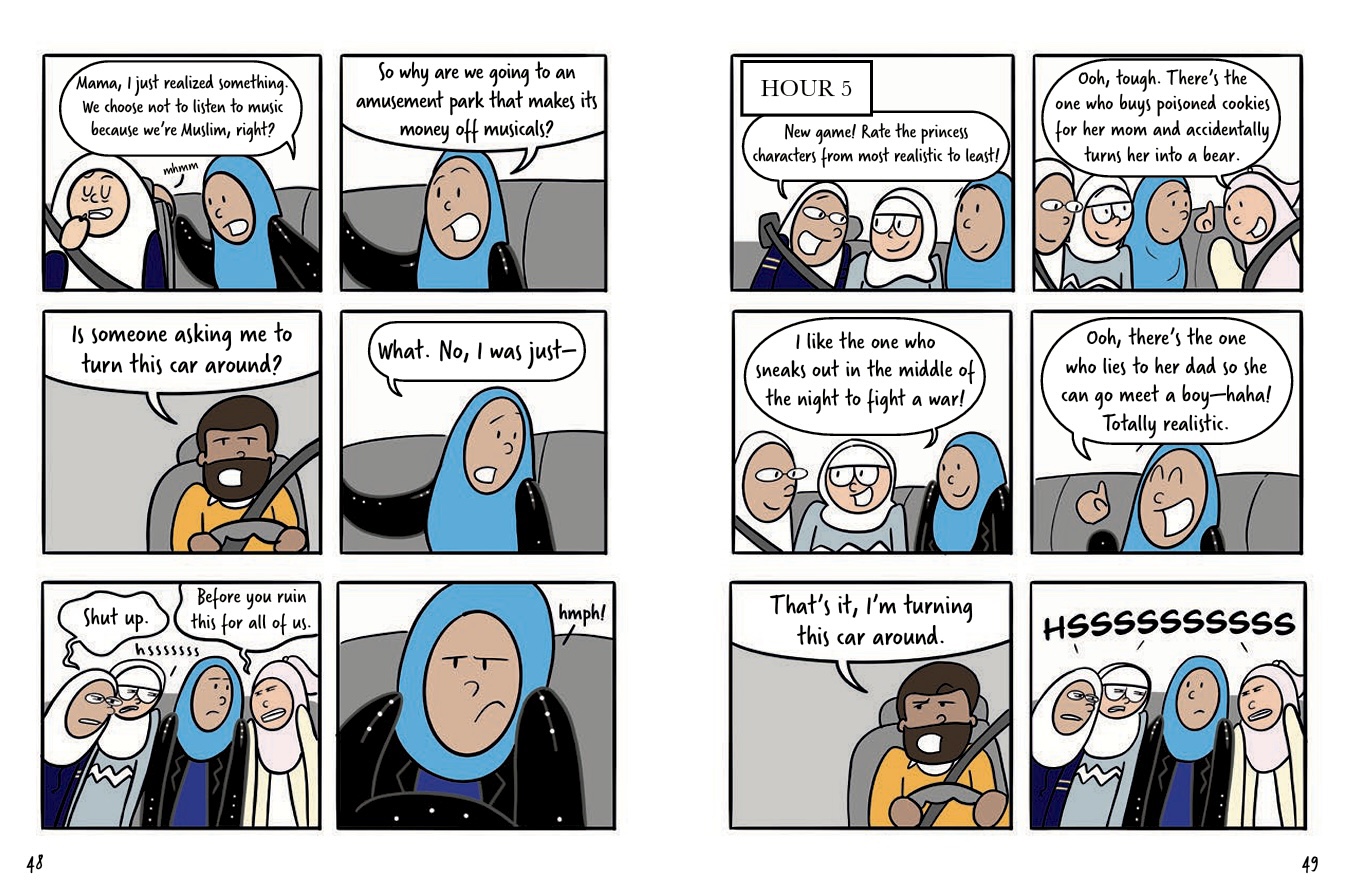
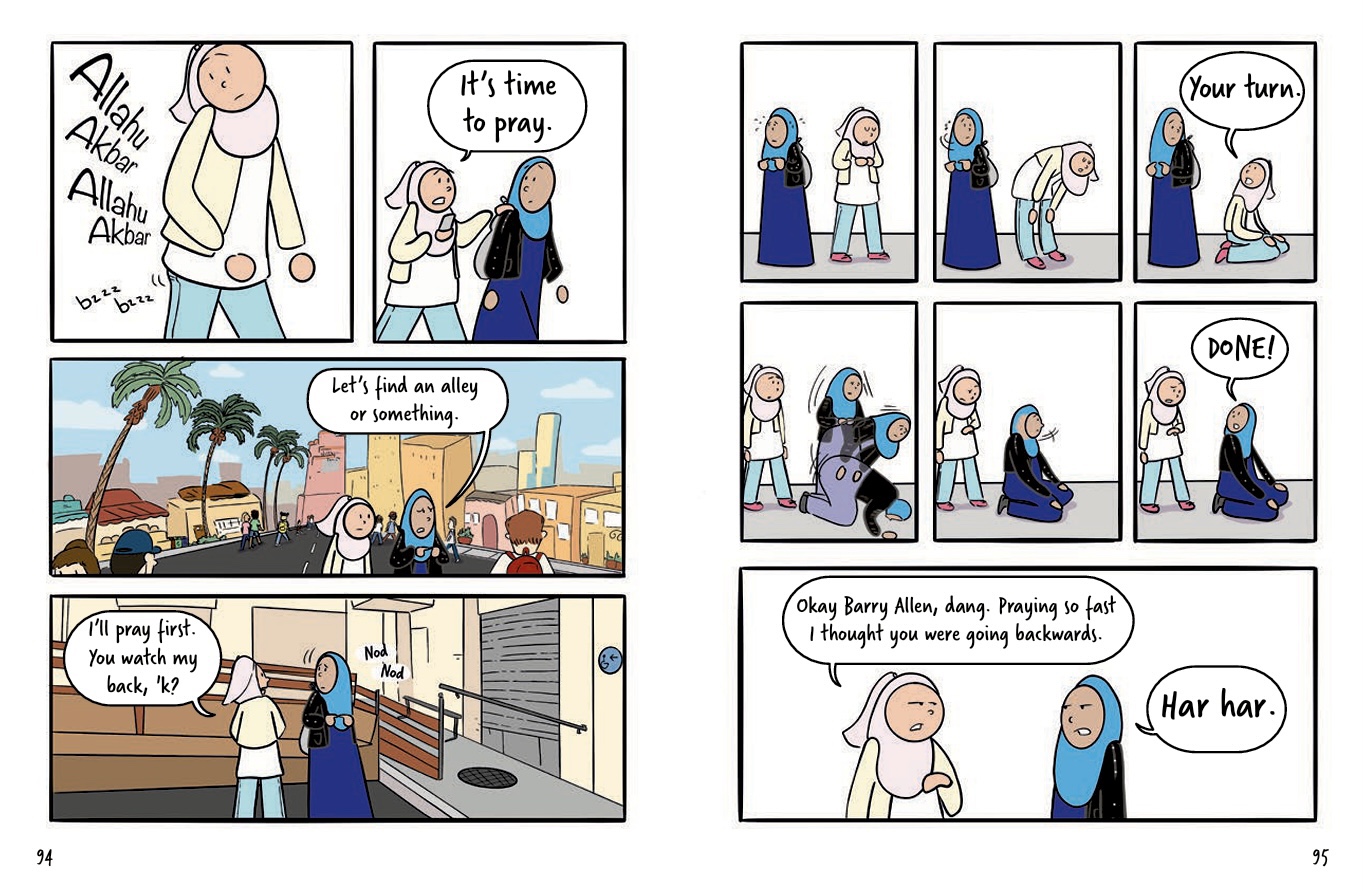
There is nothing quite like reading a YA graphic novel where you feel so completely seen, where you laugh out loud and snort at the shared idiosyncrasies, and where you don’t have to worry that the next page will normalize something haram.  This book, and the entire series, are such a gift to us all that I’m posting this review now, knowing full well that the book does not release until October, with the hopes that you will all preorder it.  This OWN voice authentic rep needs all the support we can offer it to signal to publishers that we want to see books like this published for our kids, ourselves, to share with our Muslim and non Muslim friends and that we want to see similar unapologetic voices in the future.  Huda loves Islam, she is Muslim, but that doesn’t mean she doesn’t feel uneasy at the idea of praying in public, or making wudu at a rest stop.  Her sisters sing Native Deen’s M-U-S-L-I-M to call her out, she fan girls about We Hunt the Flame, and the entire book reads like time spent with friends who can keep you laughing, comfort you when needed, and who are willing to share their very real relatable world with you as they take on Disney World.

SYNOPSIS:

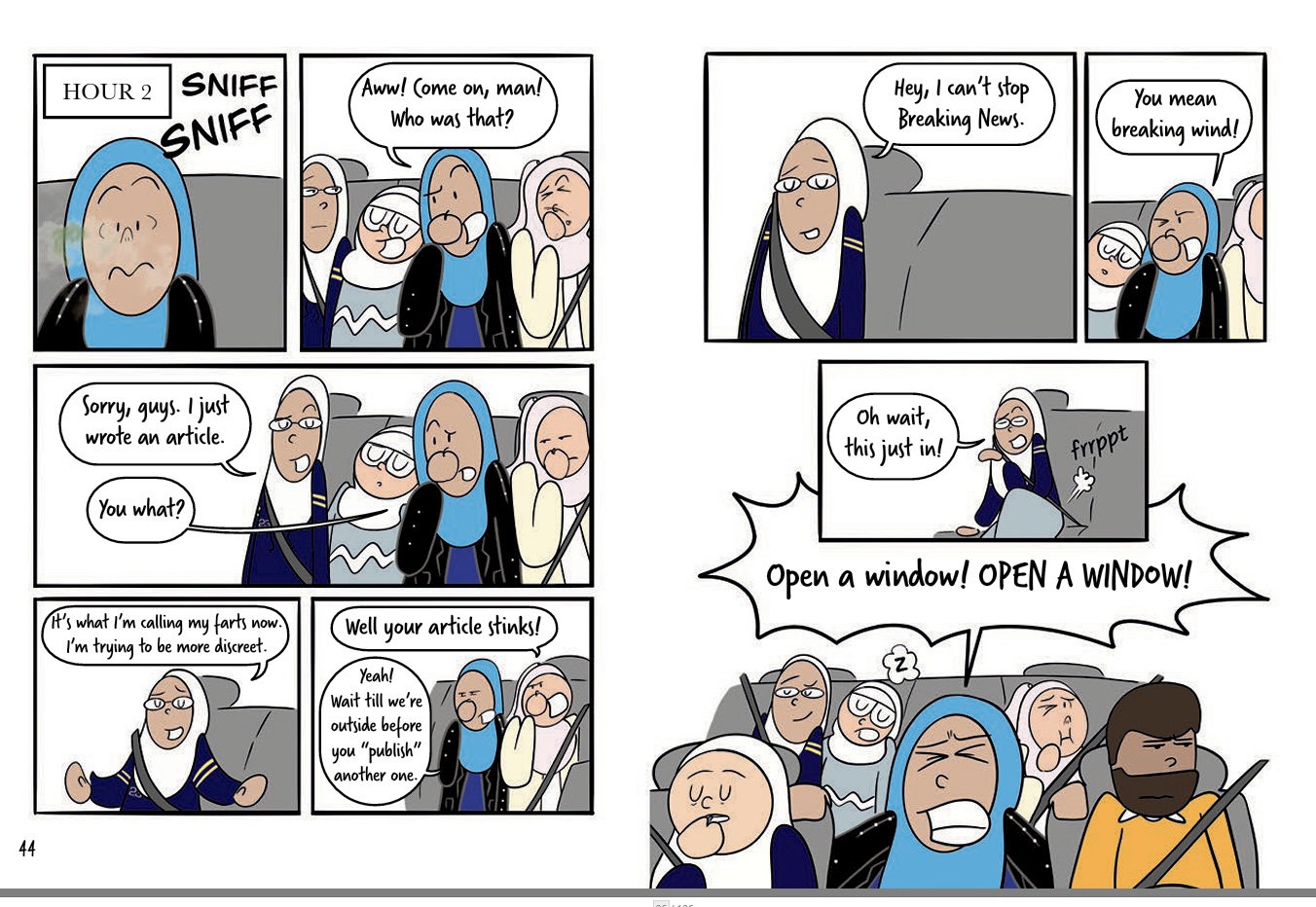
It is summer and Huda and her family are heading on a road trip to Disney World. One sister hangs back for a Quran intensive, the one sister she likes.  Determined to make the best of it she piles in the back seat of the family car with her three other sisters and they hit the road.  The 24 hour one way trip is filled with sibling bickering, rest stop stresses, and parental gems.  Once they get to the park though, their parents have some surprises for them, and Huda finds herself bonding with her sisters despite herself.

FLAGS:

Fart jokes, bullying, punching, self defensive, hitting a boy in the privates for attempting to pull off a hijab, forced physical touch, lying, nothing YA can’t manage.  The title might seem crude to some, I, personally, love the ownership of one’s name, but the book is not offensive.

TOOLS FOR LEADING THE DISCUSSION:

This book won’t work as a book club selection, but I hope it finds its way to every home, middle school and up class and library.  Boys and girls will enjoy the content and I have no doubt, like the other books in the series preteens and teens will be regularly thumbing through the pages giggling and sharing their favorite parts.  You can preorder your copy here https://amzn.to/44Be87O

Please preorder if you can, and if you cannot please request your public library to shelve it, check it out, read, suggest, and enjoy!

Definitely one of my favorite books of the year, decade…..ever?

Salat in Secret by Jamilah Thompkins-Bigelow illustrated by Hatem Aly

Standard
Salat in Secret by Jamilah Thompkins-Bigelow illustrated by Hatem Aly

img_8430

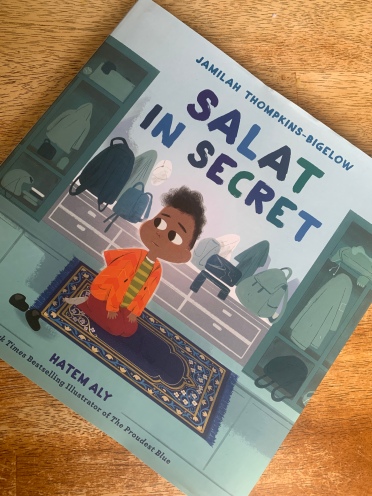
It is quite remarkable in the course of 40 pages that so many themes, layers, emotions, windows, mirrors, and relevance can radiate with ease and entertainment for children four and up.  The authenticity of the text and illustrations create tangible feels in this book, that months after reading it for the first time, I am still moved to tears, both inspired by joy and as a cathartic release of being seen.  The true mastery is that even if you are not Muslim and cannot relate to the nervousness of praying publicly, you understand Muhammad’s hesitancy and feel for him as he battles not just finding a place, but watching onlookers reactions to his father, police proximity, and being brave enough to push yourself even when you are scared.  Usually when asked what my favorite book is, I stumble to narrow it down to just one, but truly this book has raised the bar of not just traditional publishing representation, but Islamic/Muslim literature across the board.  It is a gift to read, to share, to enjoy, and a blessing that such an unapologetic book is available so widely for our children to connect with, and our non Muslim friends to see us through.  Please spend time with this book and make it available to your children, your students, your community, it really is that good, alhumdulillah.

img_8431

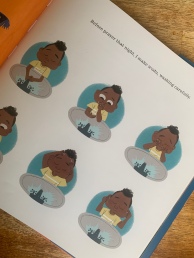
It is Muhammad’s birthday and he is seven, “Old enough to pray five times a day,” his father gifts him a prayer rug, and  Muhammad is ecstatic.  He makes wudu that night and offers salat with full attention.  He says the Sunday school words and shares his most wished for wishes to Allah swt, not even letting little sister, Maryama distract him.

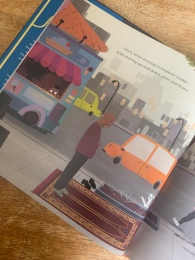
After Fajr the next morning, he is determined to find a secret place at school to pray Dhuhr. Daddy doesn’t need secret places, if prayer time comes he pulls his ice cream truck over and prays on the sidewalk, “never delay salat.”  At school, Muhammad heads to Mrs. Baker to ask for a place to pray, but his confidence waivers and he returns to his seat.

img_8432

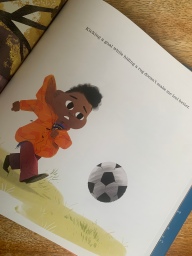
Anxiety about where to pray has him looking for spots throughout the morning, but when recess comes he finds he can’t take the prayer rug out from under his jacket.  He lingers when everyone returns to class and rushes through the words and motions in the coat closet.

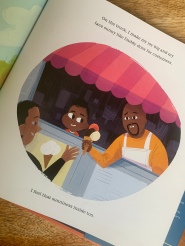
That evening he is with his daddy in the ice cream truck and the sunshine and smiles pour out of the two.  When the sun sets it is Maghrib time and Daddy heads to the sidewalk to pray, reassuring Muhammad that he can pray at home.  Muhammad watches his dad and various events spur him to make his decision.

img_8433

I love love love the way salat is approached with love and excitement and that the dad embodies safety and joy and does not pressure or force Muhammad.  The relationship is beautiful and allows for worship to be seen as both personal, as well as obligatory and merciful.  The duo also show a great parent child dynamic that warms the heart.

img_8434

I like that there really isn’t any “hate” given to anyone praying, it is hinted at, people do not understood, but the focus is not on the outside bystanders- it is what Muhammad thinks and feels.  I’m fairly certain every Muslim who has prayed in public has encountered a wide variety of responses, and this book keeps the gray to reflect and spark conversation.  It is often met with ignorance, with hate, with aggression, but it is also met with respect, apathy, and curiosity which the text and illustrations allow for.

img_8435

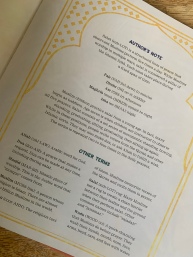
There is so much love and joy in the book as well as identity, that I don’t mind one bit that my littles ask me to read it over and over.  It is perfect for groups, one-on-one, and I cannot wait to share it in a story time, there is also an incredibly informative and heartfelt Author’s Note at the end.  If you haven’t preordered it yet, the book releases on June 6, 2023, please pre order it and signal the support for this book and future books that center authentic Muslim joy, Black Muslim representation, and OWN voice author and illustrator accuracy.  Request it at your library, put it on hold at your library, check it out, read it.  If you cannot preorder it, still purchase it when you can, inshaAllah it will be a beloved book in your home as well.

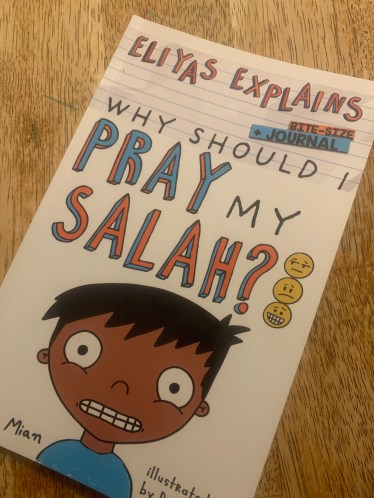
Eliyas Explains Why Should I Pray My Salah? Bite Size Journal by Zanib Mian illustrated by Daniel Hills

Standard
Eliyas Explains Why Should I Pray My Salah? Bite Size Journal by Zanib Mian illustrated by Daniel Hills

img_7821

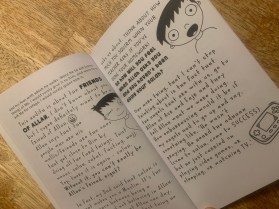
I love the Eliyas Explains books, but was a little curious what a “Bite-Size Journal” version would be, and Alhumdulillah, the silly relatable voice is the same, there just isn’t as much fictional story weaving together as the Angels and Miracles books had.  Instead it has activities and guided prompts for the reader to engage with and space for them to write.  The first 15 pages or so are Eliyas explaining about salah and what he has learned and how he has improved, and some parables through his point of view.  Then the journal pages begin, and while the first few are truly “journalistic” as it progresses to the last of the 60 pages you realize along the way there was a lot of “story” included on the activity pages as well.  The book isn’t blank pages and bound together as a book, it has text, it has hadith, it has games, it has questions, and trackers, and a lot of information.  I love that it states that it has been checked and the Shaykh’s name is included, the positive child framing, and the reasonable price point.  For first through third graders learning about salah, wudu, athan, and inshaAllah becoming more mindful of their actions and behavior, this book will be relatable, funny, and informative.

img_7823

SYNOPSIS:

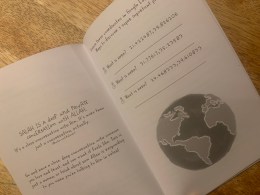
The book starts with Eliyas remembering when he was too lazy to make wudu and pray his salah, he then offers a story of an orphan and a muffin and a lady who makes the muffin to try and show readers that salah benefits and nourishes us and the maker of the muffin truly loves us.  It is a little random, but it somehow all works and kids will go along with the allegory, it isn’t drawn out.  He then moves to talking about how Allah swt loves him and what his parents told him that helped him to love praying.  There are hadith and Eliyas’s explanation attempts, drawings, and some really powerful points about angels and being accountable on the day of judgement to Allah swt.  The journal pages involve decoding, timing your prayers, writing down all the places you’ve prayed, latitude and longitude decoding and a lot more.  The book also discusses the athan and Surah Fatiha.

img_7824

WHY I LIKE IT:

I love the voice of Eliyas.  It isn’t fear driven, or punishment framed, it stays positive and motivates from a place of love, but the conscience and priorities are highlighted too.  It is such a crucial part of raising young Muslims, to lead with Allah’s love, but as kids get older you want to introduce consequences, and choices, and being accountable, and this book does it seamlessly with out it being overwhelming.

I honestly don’t know if I like the journal format or the other Eliya’s Explains books more, I do like the storytelling of Miracles and Angels and the way the facts are woven in, but I think for the topic of Salah this format works.  I am happy with mine, and you can purchase yours here from Crescent Moon Store.

img_7825

FLAGS:
None

TOOLS FOR LEADING THE DISCUSSION:

I don’t think the book would work for a book club, but in small groups at an Islamic School or Weekend School the teacher could very easily and affordably have a book for each student, or read aloud the story parts and engage the students in the activities without any difficulty at all.

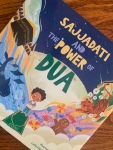
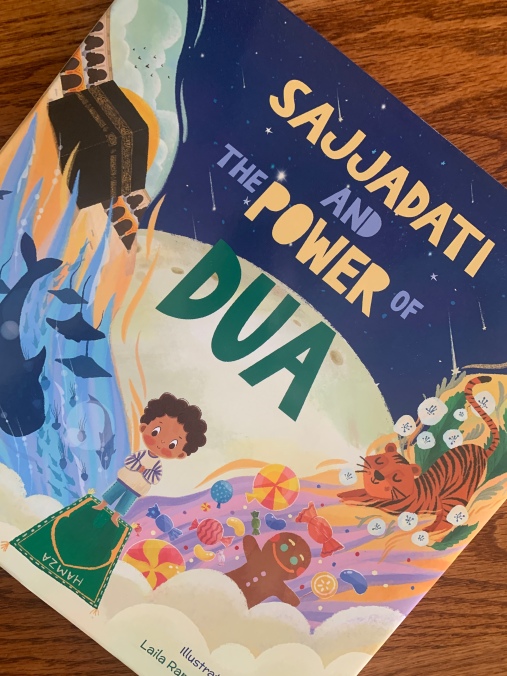
Sajjadati and the Power of Dua by Ayesha N. Rahmaan illustrated by Laila Ramadhani Ritonga

Standard
Sajjadati and the Power of Dua by Ayesha N. Rahmaan illustrated by Laila Ramadhani Ritonga

img_7520

This 38 page large hard back picture book is absolutely beautiful: the illustrations, the tone, the thickness of the pages, all come together to create a child’s wonderment about the power of salah and dua with grounding in the actual parts of prayer.  On my first reading the imaginative “magical” aspects of the prayer rug, “Sajjadati,” was sweet and endearing, but as I thought about the story and then reread it, I had some concerns.  I know the book is meant for children, I know I am a reviewer and thus am over analyzing it, so I point the following out as a “heads up” so to speak, and for you to make your own decisions if the literal text will be misleading or if the overall mood of the book will be taken as loving dua and the closeness prayer brings one to Allah swt.

img_7521

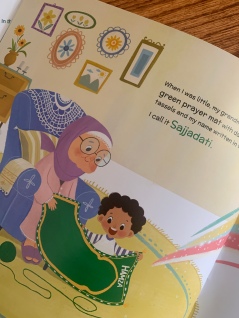
The book starts with a little boy recalling when he got his green prayer rug from his grandma, that has his name on the corner (in the illustration it is centered on the top, not in the corner) and him naming the prayer rug, “Sajjadati.” The following page, same spread, then says,  “When I have Sajjadati with me, I can pray anywhere.  And when I pray on Sajjadati, I can go anywhere.” These lines give me pause, because even if the prayer rug is lost or not with him as he grows up, he is still going to need to pray. The importance of the prayer rug seems over elevated, albeit sweet, religiously a little unsettling.  The second of the two lines, about going anywhere, is also a bit of a gateway to the rest of the book and almost encouraging one’s mind to wander during salah.

img_7522

The next page gets back on track saying that starting to pray and saying “Allahu Akbar” leaves this world behind, the little boy says surahs he has memorized, and knows Allah swt is watching him.  He asks Allah for what he wants, and his imagination takes him on adventures after each salah. He imagines flying, and being a superhero.

img_7524

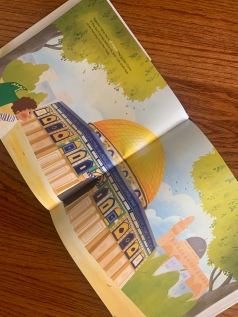
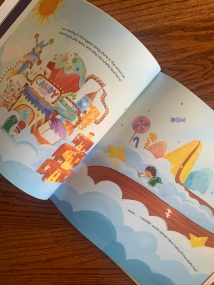
The story then returns to being in prayer, not after, and going in to ruku.  The text has him imagining he is in the “biggest candy store in the universe” wondering if Jannah has rivers of chocolate before standing up straight again saying “Sami Allahu liman hamidah,” and contemplating if there is a place where his prayers would be worth more and Sajjadati taking him to al-Aqsa.

img_7523

In sujud Sajjadati tickles his nose, but he doesn’t mind because he is closest to Allah swt in this position, and while he won’t let his “annoying little sister,” bother him, his mind does drift to being on a boat in the sea with seagulls squawking, “salaam.”

Hamza is then making dua for those suffering.  Since nothing is impossible when making dua, he is also asking for pets from the savanna, but knowing that Allah swt will provide what is best.  He makes duas to go for hajj and concludes his salah by folding up Sajjadati and finding peace in Allah swt being al-Mujeeb.

img_7525

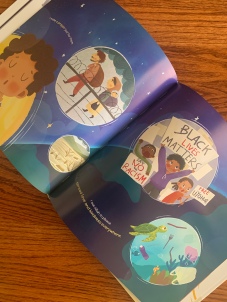
I love the heartfelt framing of salah and the interweaving of both real and whimsical wants, as well as the sprinkling of facts about prayer into the story, but I honestly struggled a bit with the juxtaposition of the parts of prayer with the day dreaming elements.  I also struggled with the tenses, and find myself constantly rewording this review to reflect the book’s timeline.  Hamza is with his family, for example, hearing the current event news, while the next set of pages has him back making dua at the end of the prayer he started at the beginning of the book.  And the hearing the news and the praying for people is all being conveyed in the present tense, not clear if he recalled hearing about strife in the world and then made dua, or paused heard and resumed his prayer, it all seemingly happening at once, but that doesn’t really make sense. The title also says dua, not salah, and so much of the book is about prayer, that I feel like the two get conflated erroneously, and dreaming big during dua is different than having your mind wander during your salah.

img_7526

The book starts with an ayat from the Quran in Arabic text and meaning of the translation in English and concludes with a glossary and space to complete a Dua List.

If this book seems like a good fit for your young child, I ordered mine from Crescent Moon Store and you if you use my initials ISL (Islamic School Librarian) at checkout you’ll save 10%.

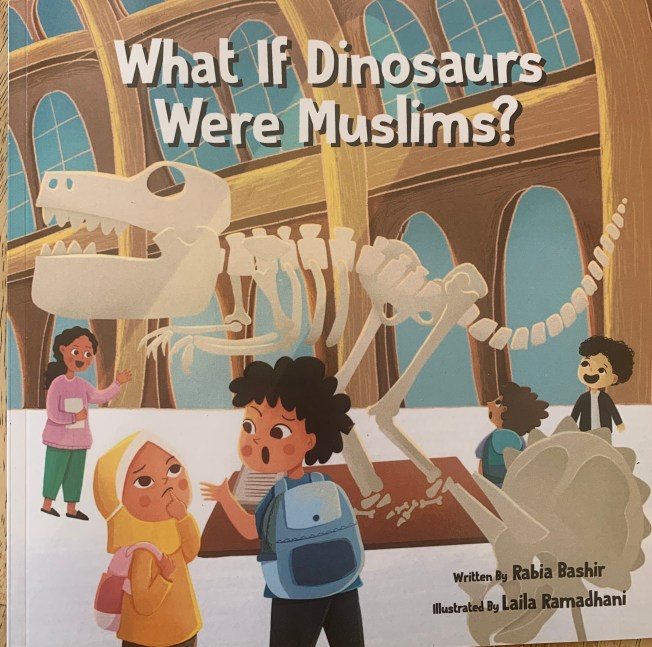
What if Dinosaurs Were Muslims? by Rabia Bashir illustrated by Laila Ramadhani

Standard
What if Dinosaurs Were Muslims? by Rabia Bashir illustrated by Laila Ramadhani

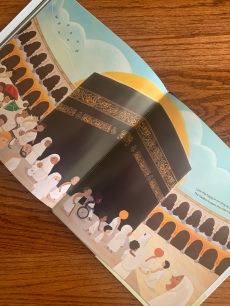
This rhyming Islamic tale wonders what dinosaurs would do if they were Muslim and alive today.  For littlest Muslim readers this repetitive tale ponders how they would eat, pray, love their mothers, respect their neighbors, dream, and feel, by tying all those things back to how Muslims behave.  The adorable illustrations kept my 6 year old glued to the story and the simple text held my 2 year old’s attention.  A fun book with wonderful supplements at the end to engage children in activities that everyone does compared to those that just Muslims do, a Fun Fact about (Muslim) dinosaurs and mums in Islam.  As well as extra activities, valuable information, and details about donations made with the purchase of this book.

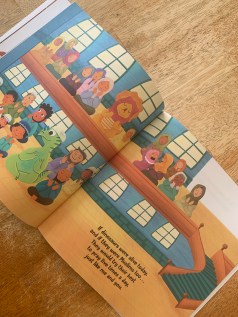
The book takes place in London and imagines if dinosaurs were alive and if they were Muslim what day-to-day life would be like.  The refrain starts out “If dinosaurs were alive today and if they were Muslims too,” before stating what they would do and having it conclude with “just like me and you.”

In a similar vein as the ever popular How do Dinosaurs series by Jane Yolen, the book teaches kids how to behave by teaching the dinosaurs.  The book is short, and the humor comes from the illustrations, primarily the facial expressions of the parents, more than from the text, but I think the wildness of Dinosaurs living today will get most little kids smiling.

The only real concern I have with the book is the text when they are in the masjid praying and it reads, “they would try their best to pray five times a day.”  I know we don’t demand our littlest ones to pray all five salat, but I don’t know if it would imply that trying to pray is sufficient even when you are older.

From start to finish I found myself smiling while reading this book aloud to my kids, even after the fourth time in a row, alhumdulillah.

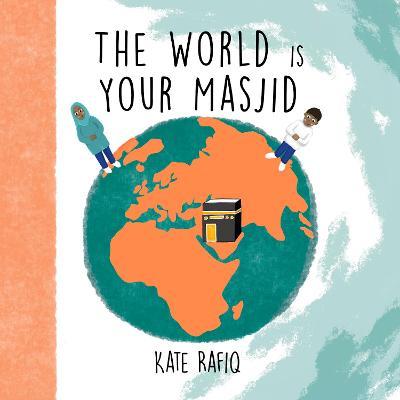
The World is Your Masjid written and illustrated by Kate Rafiq illustrated by

Standard
The World is Your Masjid written and illustrated by Kate Rafiq illustrated by

masjid

This 30 page preschool to early elementary aged book is a simple rhyming book that reaffirms all the places we can pray and touches on those that we shouldn’t.  The engaging illustrations and relatable scenarios make the book a great choice for bedtime stories and small group readings.  

Screen Shot 2021-11-17 at 11.33.41 AM 1

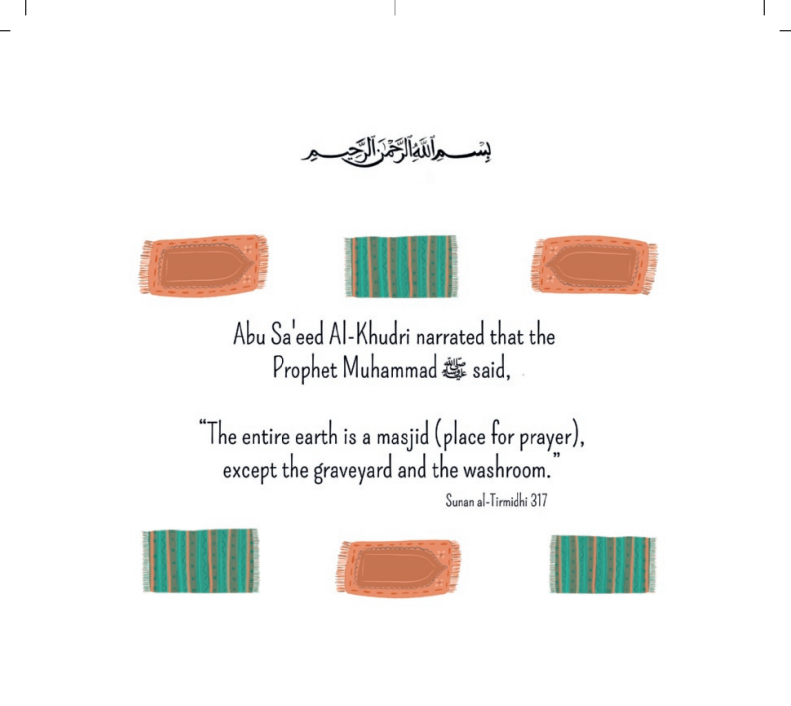
The book starts out with a hadith, “The entire earth is a masjid (place for prayer), except the graveyard and the washroom” (Tirmidhi-317) and points out that one must pray five times a day. Screen Shot 2021-11-17 at 11.37.00 AM

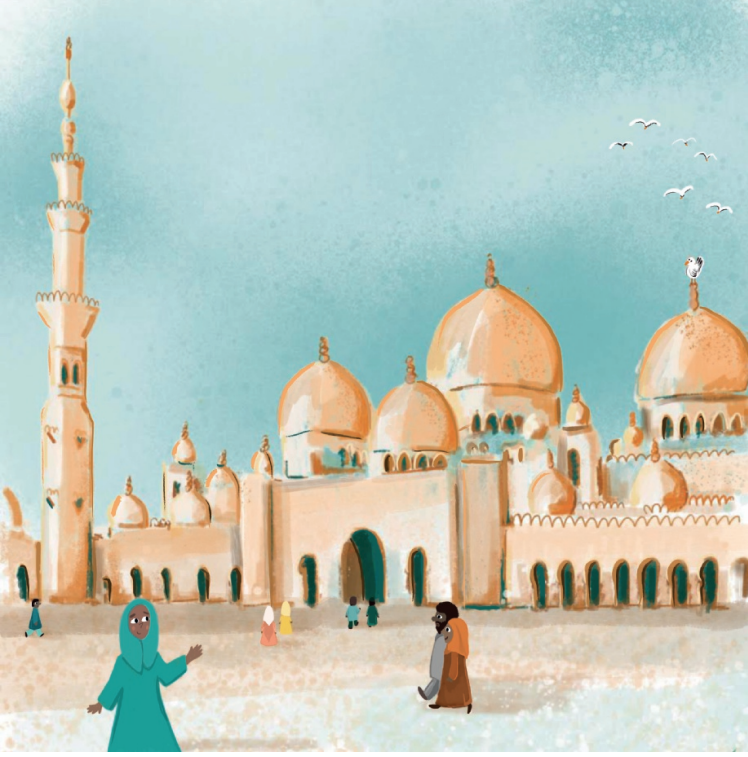
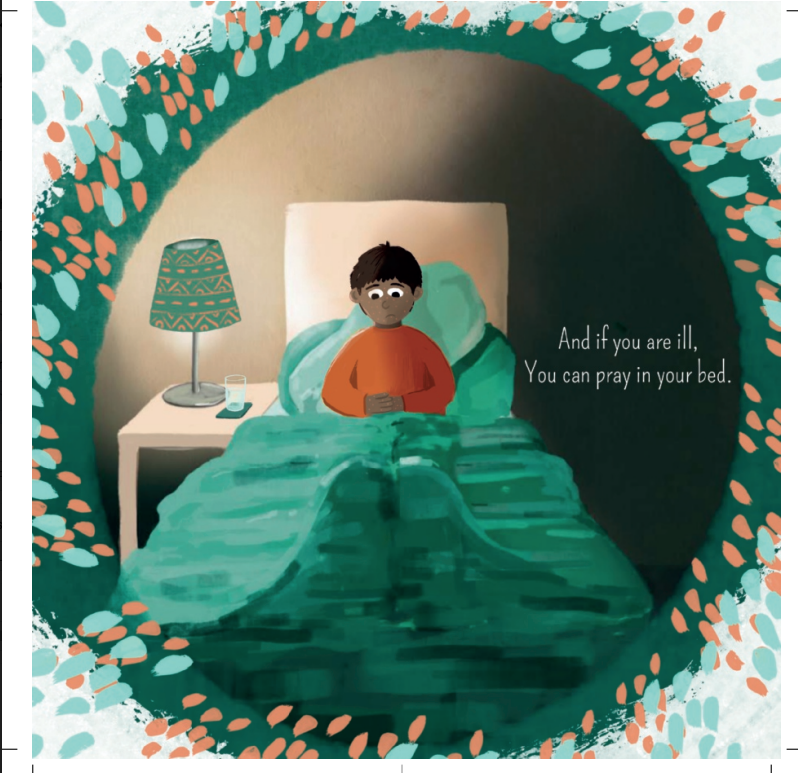
It establishes that if you pray it a mosque you can follow the imam, but not to worry if you cannot, because you can pray (nearly) anywhere: a field in the rain, school, a train, a garden, a shed, even when sick you can pray in your bed.

Screen Shot 2021-11-17 at 11.36.46 AM

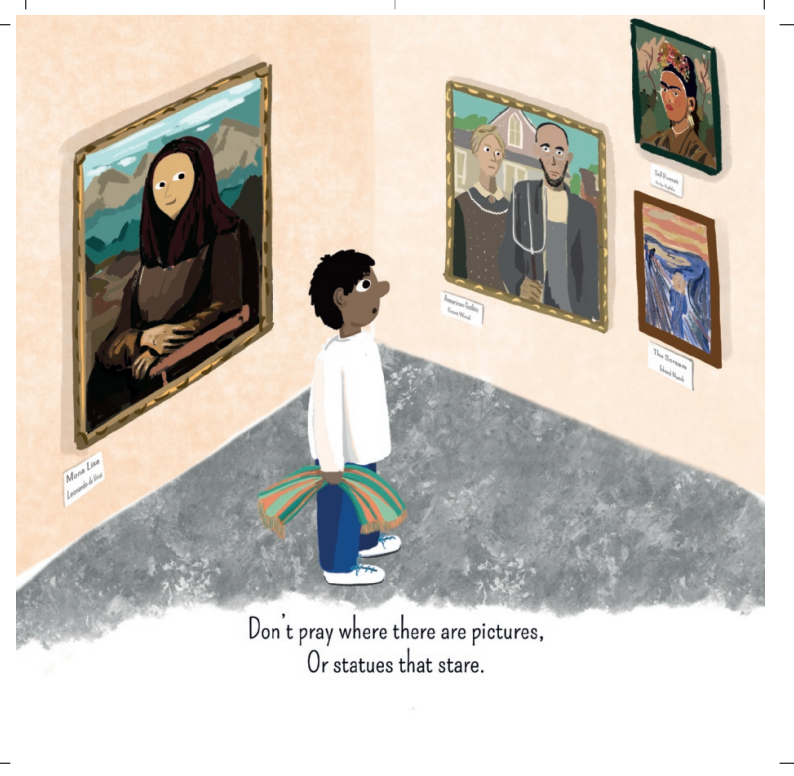
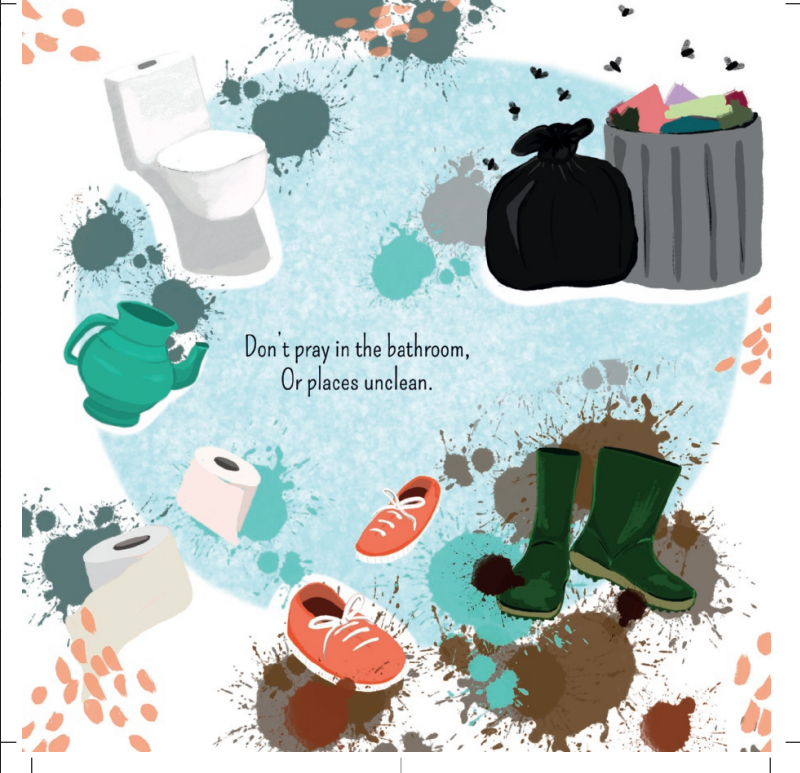
It then also turns to places you shouldn’t and can’t pray and sources a hadith about not praying where there are faces and statues that might distract you (Bukhari 374). The bathroom and graveyard are also included.  

Screen Shot 2021-11-17 at 11.35.05 AM

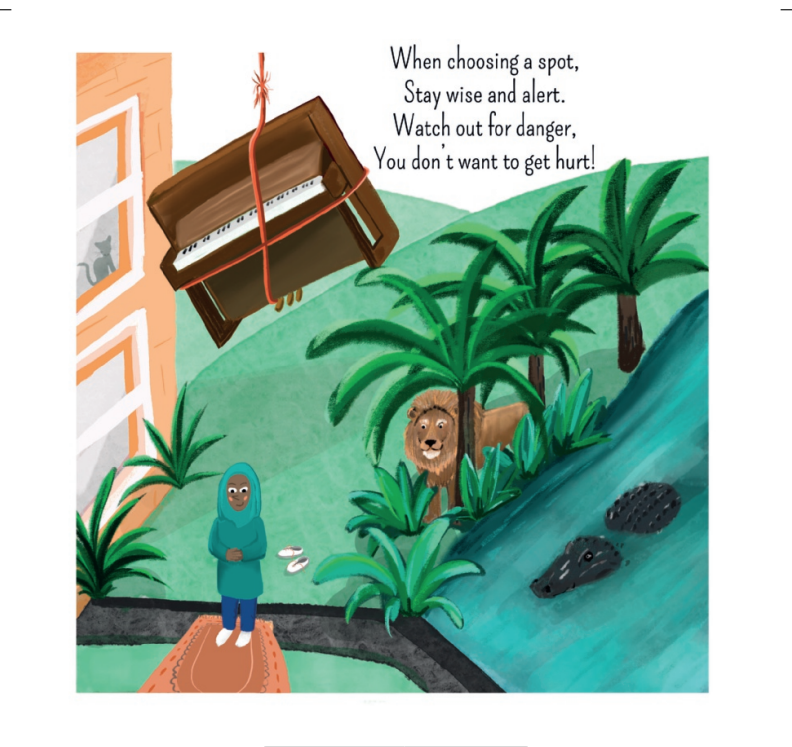
As an after thought, and for added laughs it reminds little readers to not pray in dangerous spots as well.

Screen Shot 2021-11-17 at 11.35.12 AM

Overall, I enjoyed the book and can see it pairing with In My Mosque to help create the foundation of a storytime theme about prayer and mosques.  The fact that it takes it a step further and doesn’t just list all the places serious and crazy that you can pray, elevates the book from being mediocre to being memorable and I appreciate that.  I also appreciate the Islamic sourcing, truly something that is required to show accuracy even in the “simplest” of all books.

Screen Shot 2021-11-17 at 11.35.30 AM

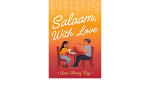
Salaam, with Love by Sara Sharaf Beg

Standard
Salaam, with Love by Sara Sharaf Beg

salaam

This 288 page YA contemporary Islamic romcom is very Islamic centered, and the storyline provides some nice twists along the way.  Unfortunately the writing is terrible.  Not the storytelling or even grammar per se, but the contradictions, errors, underdeveloped characters, and the inconsistencies. Yes I read an uncorrected proof, but this book is a mainstream major publisher presented book coming out in a few weeks, and it is in desperate need of some attention.  I really don’t think it is the author’s fault, it reads as if this was a manuscript that got shopped around and picked up and then never refined, polished, and made to sparkle.  The only saving grace is that as terrible as it is literary wise, once the main character starts to get over her “internalized islamophobia” (thank you @bintyounus for bringing this concept to my attention), the book as a whole presents a lot of unapologetic specific Islamic content on every single page: how Eid salat is different than normal salat,  the beauty of tajweed, the meanings of so many duas and surahs said regularly, the list goes on and on and doesn’t just cover the basics.  The flip side is that the characters are in a band that performs Islamic songs, but with instruments and everyone is fine with it, there are artists in the book drawing faces and portraits hang on walls, it is a romance, but it at most an arm or hand is touched and when tropes about Desi college choices are pushed back on the parents break the stereotype and relent.  There are threads of cultural-ism within Islam, Islamophobia and a violent near death experience, but the book is very clean and  honestly has a lot of potential, I have no idea why it is so sloppy.  SO SLOPPY, and I took notes, so buckle up.

SYNOPSIS:

Seventeen year old Dua is an only child and her doctor father and caterer mom are the only Pakistani and only Muslims in their small Virginia town.  They decide for Ramadan that they are all going to go and stay with family in Queens, New York for the whole month.  They have given Dua less than 48 hours notice to plan to spend the end of her summer with cousins she hasn’t seen in five years.  The parents hope that Dua will benefit from being around family, being closer to other Muslims in the month, and enjoy the cultural environment.  Dua is not excited, but when bear hugs and genuine smiles meet her at the door, she is sucked in to a bustling house and the happiness and drama that is bound to unfold.  Sharing a room with her older, law school bound cousin Mahnoor is by far the hardest relationship to cultivate.  Newly engaged, Mahnoor is quiet, reserved and deeply unhappy.  Dua makes little progress, but with Ramadan starting and her cousins setting goals for the month, Dua is determined to do better in all aspects of her life.  As she gets close to Mahnoor’s best friend, Haya, she also gets closer to Haya’s brother Hassan.   It is Ramadan though, and she isn’t good around boys, but Hassan is a hafiz and is helping her reach her memorization goals for the month, Hassan is also in a band and needs Dua’s help.  When Mahnoor’s engagement is called off to Haya and Hassan’s brother, everything comes to a standstill between the families, but when a cousin is shot, the families come back together to support one another and deal with their decisions and their outcomes.  By the end of Ramadan, every character has changed and grown and is sad the month is over and that Dua and her family are leaving.

WHY I LIKE IT:

Suffice it to say I love how Islam centered it is. I honestly checked the publishing information because of how much Islamic content is included, also for the amount of errors.  The book did not start off well for me with Dua trying to separate herself from her “religious” cousins.  The ones who practice communally and wear hijab.  She was not like “them” and the dichotomy of measuring religiosity as acceptable or not, too much or too little, enrages me.  It sets up that she practices Islam but in a relaxed manner and has been taught by her parents, and it is who she is, but it isn’t a huge part of her life.  As the story progresses, it seems that she just doesn’t know a ton of surahs, she actually is pretty religious, and devout, it is very awkward and not presented clearly, which is why I attributed it more to her being in denial or embarrassed by her identity, not about her level of belief.  Dua is also not like-able, she is incredible privileged and arrogant commenting on the size of houses and rooms, and her shoes.  About half way through she starts to comes across as clumsy, not sure then why is she always wearing heels.  Ultimately she is just not well-developed and often reads like an annoying helpless child.  The framing of Dua being a musician and not being so religious is quickly questioned as she gifts her cousins music paraphernalia, and looks at portraits on their walls.  If most are like me, and both families are praying, fasting, reading Quran, active musicians and artists and ok with hanging pictures, one would assume they are pretty in-syc with one another on their religious views and in practice.

Dua is not the only character that is poorly voiced, fractured, and inconsistent.  Her parents are so unrealistic and awkward in the beginning I physically cringed reading them telling her their reasons for going to New York.  In the car on the way, they even quiz Dua on her cousins names.  She hasn’t seen them in five years, she isn’t a toddler, she should know their names, she has clearly purchased incredibly personalized gifts for them, and is filled with detailed memories of when they all met up in Pakistan together, the whole scene is pointless. One of the cousins, Ibrahim, is blind and Dua says that a few years ago her parents had to explain to her what it meant to be blind.  Seriously?  I get the learning how to let him take the lead and how to interact, but you as a teenager didn’t know what it means to be blind? When you met him in Pakistan you didn’t know he was blind? The four year old cousin is cute and adorable, and has the vocabulary and mannerisms of a seven or eight year old at times, most times.  The 12 year old cousin has the wisdom of an old uncle and why do none of the adults in the book seem to work?  The book probably should have started at chapter five, it seems the book hits a bit of a stride that at least makes it readable.  

A huge plot of the book is the band, Sheikh, Rattle, and Roll, but the details about it are terrible.  Mahnoor is walking out the door and her mom tells her to take Dua.  The reader doesn’t know where they are going, but Mahnoor reluctantly agrees and they head out on the subway.  Mahnoor constantly is telling Dua to hurry so they aren’t late and miss it, when they arrive, the band performs one song and that is when Hassan and Dua and Haya all meet.  But the other two band members are her cousins, she is staying in their house.  What? Rabia is constantly talking, that is her character quirk, how does Dua not know that they are performing? Not know they are in a band?  No way would it not be mentioned.  And why only one song? That is so random.  At the end when they perform again on Eid, it is a concert, it is again only one song.  A concert is not one song.  Do they not practice or load up equipment, how is all this going on in one house and Dua is so clueless? 

The inconsistencies are aplenty.  A few examples: it says her cousin doesn’t wear make-up, a few chapters later has a whole face of make-up, on Eid she even does Dua’s make-up.  When they all are sitting down to write their lists of plans for Ramadan it says they don’t have to share their lists.  Yet a few lines later Dua is singled out in a very creepy way to share hers.  In a single paragraph it says that at home she prays fajr half asleep, or late and in a rush before school, but concludes the description by complaining that praying in congregation is more difficult for her to focus in.  Huh? praying while half asleep or in a rush gives you more focus than praying in jammah?  Even non Muslims are going to be scratching their heads.  At one point as Dua is trying to figure out what she wants to study and if she wants to start an MSA in her high school, since she is the only Muslim, she internally discusses how she wants to prove herself to her parents.  Then when she decides what she wants to do for her, she remarks that she isn’t just doing it to prove to her parents, but because she wants it for her.  The only problem is, no where have we seen or has it been established that her parents are requiring this proof.  

There are odd errors as well.  The athan on a phone goes off, the Uncle reaches in to his pocket for his phone and turns off his iPad.  That is a big pocket indeed.  Dua gifts Hassan a CD, really a CD? What is this 1999? Who gifts CDs in 2021? Dua starts playing a keyboard in someone elses house and no one mentions it other than the two people with her, how big is the house that you can’t hear it? The Uncle gets upset that Dua doesn’t pray Asr right at time, but a lot of people prefer Asr specifically to be prayed later within the time frame.  In a two chapter frame it mentions letting out a breath she didn’t realize she was holding three times, word for word the same.

I was genuinely surprised that music being questionable was not brought up at all, two of the bandmates are huffaz.  The author lets her own qualifiers slip in, perhaps her own desire to not take a stand that could seem alienating.  She says, “allegedly” the time right before iftar is the best time to make dua.  As Dua tries to figure out what is going on with Hassan she often remarks how it is hard or confusing “especially because he is Muslim.” Would a relationship with a non Muslim be ok, less hard, more hard? There is no lowering of any gazes, which for as religious as everyone in the book is, should have at least been mentioned even if not adhered to.  The book puts on odd stress on tasbeehs and kufis, not sure why.  

I do like the genuine love the characters have for Islam, Allah, Ramadan, salat.  It is so much a part of every thing they do, and it is lovely.  I also love Dua’s friend in Virginia, Kat, she is fasting in solidarity and wants to join the MSA even though she isn’t Muslim, but a seemingly amazing friend.

FLAGS:

The on-gain-off-again engaged couple do touch hands at Eid prayer.  Hassan touches Duas arm when she is perceived as helpless.  There are anti Islam protests and an angry man shoots Adam.

TOOLS FOR LEADING THE DISCUSSION:

If the sloppiness gets resolved, the book could be used as a high school book club choice.  Those girls love them some halal romance, and this book is incredibly religious and clean. 
Seven is Special! By Shagufta Malik

Standard
Seven is Special! By Shagufta Malik

sesven

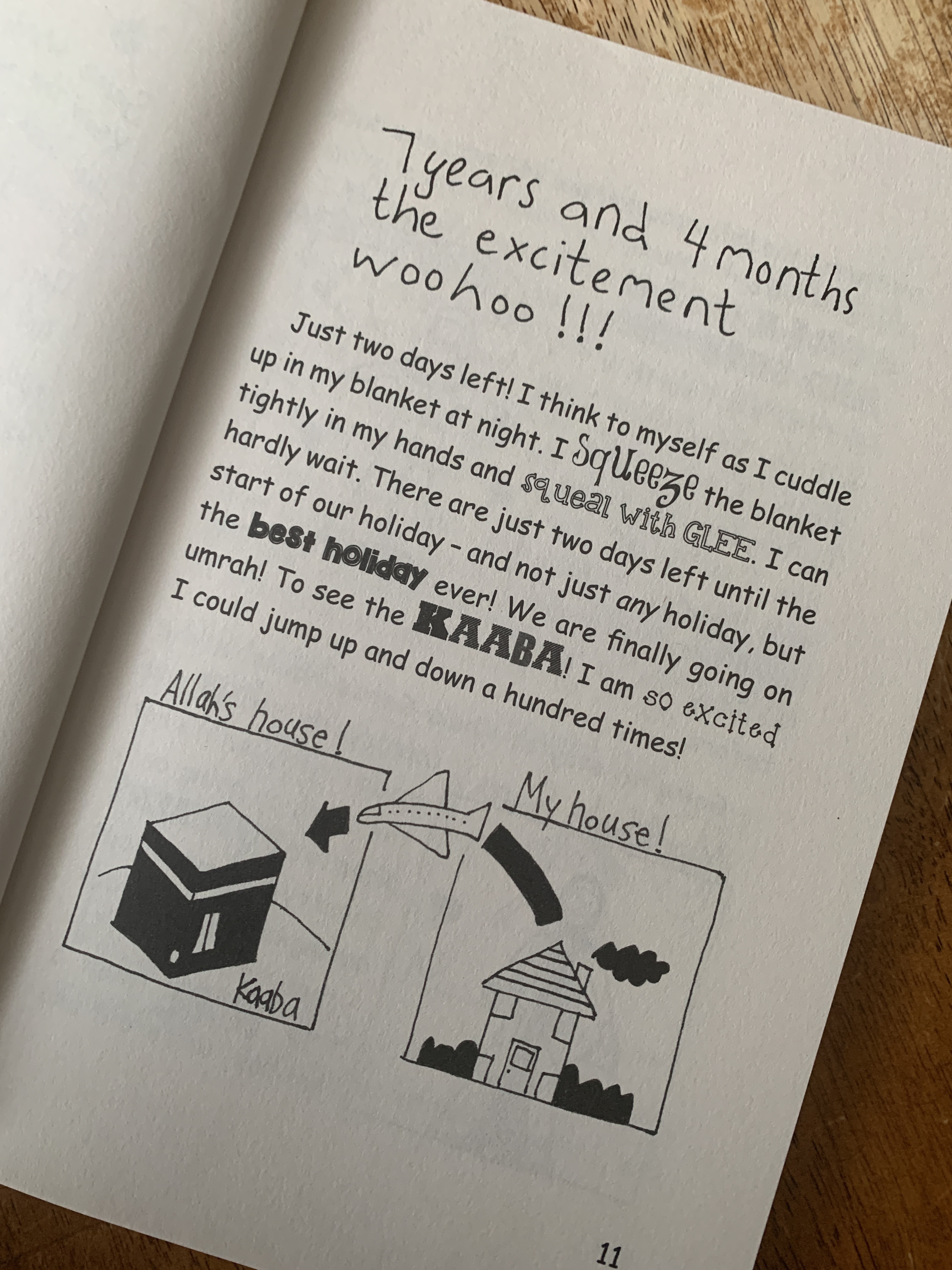
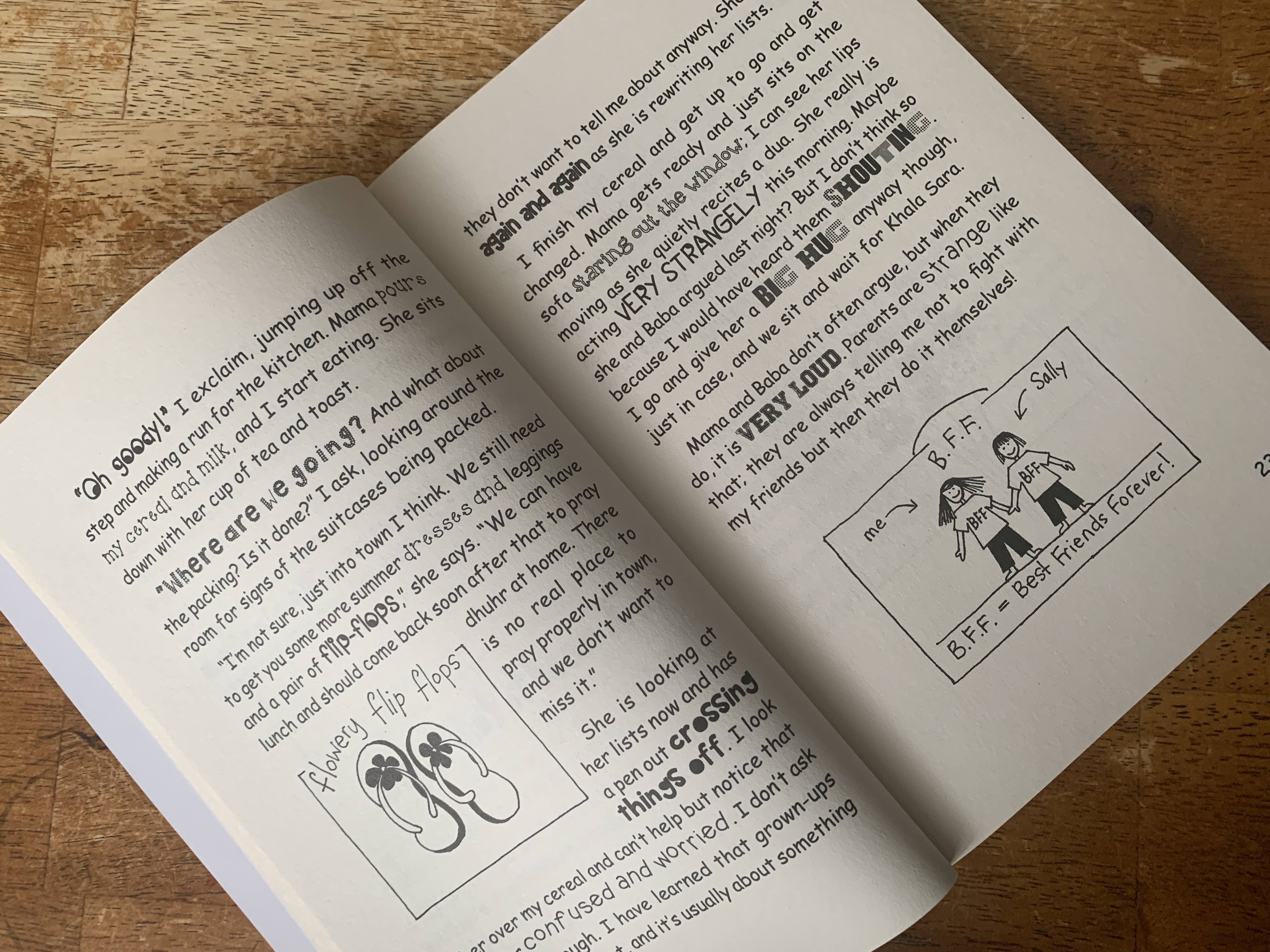
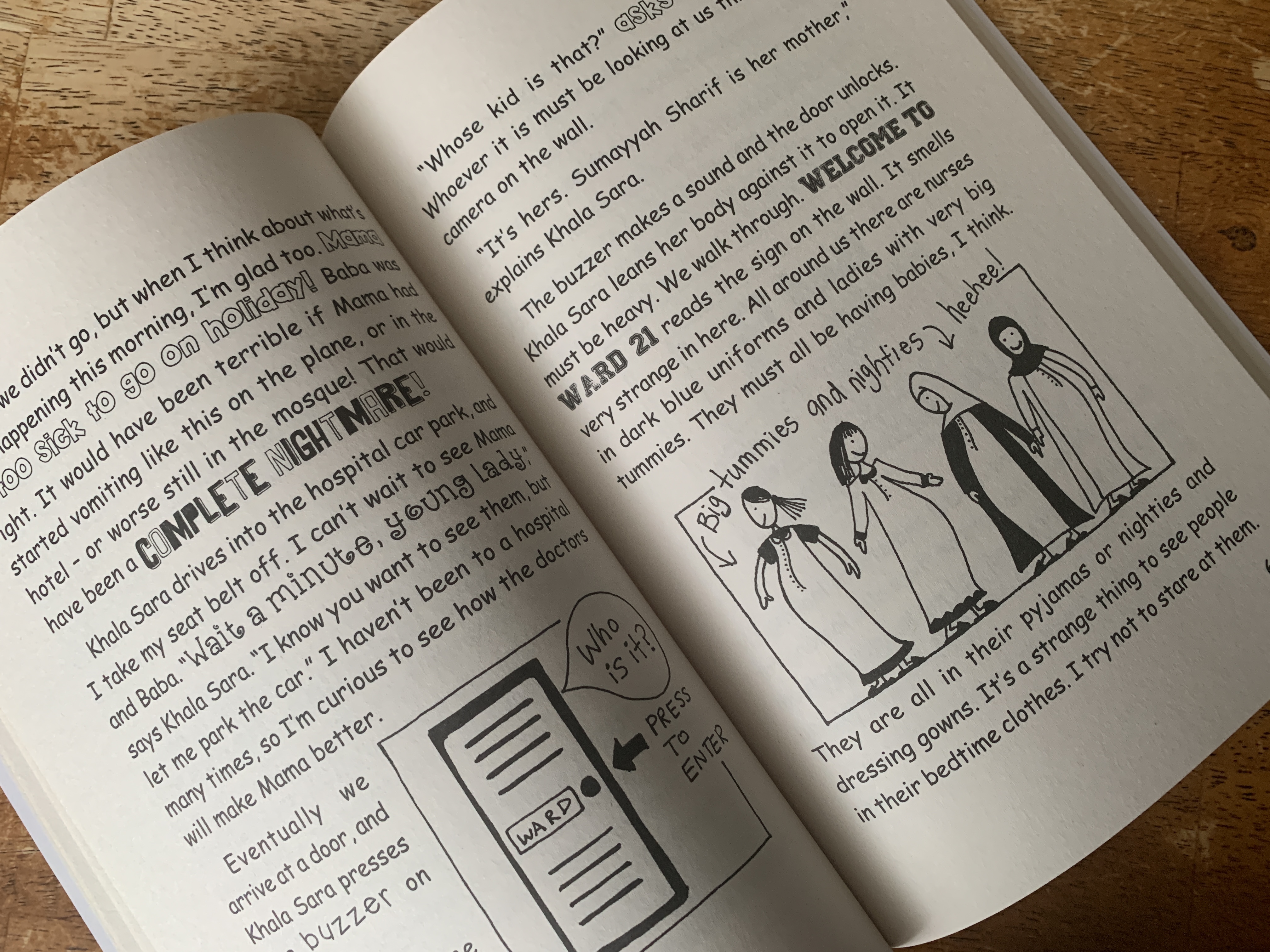
I’ve seen this book on and off over the years, but it wasn’t until I saw @muslimkidsbooknook’s post about it, did it register that it is a chapter book, with a plot and story.  I thought it was a journal for seven year olds with prompts perhaps.  Needless to say I judged a book by its cover and hope at some point the author will consider changing the title, redesigning the cover, and tightening up the story, because there is a lot to enjoy in this book, but to get to it, you have to get it in your hands, and open the cover.  The doodles, the author’s voice, and the playful font over 128 pages will appeal to elementary aged girls, but boys will find plenty to relate to as well if you can convince them to give it a try.
img_4501

SYNOPSIS:

Seven-year-old Maryam has started taking her salat more seriously, and finally the family, her parents and her, are going on a REAL holiday.  They are going for Umrah.  Maryam is so excited, but then the trip gets canceled and her mom is sick, and Maryam is tired of always feeling different than her classmates.  Will everything work out? Will prayers and duas be answered? Will eight be great?

img_4502

WHY I LIKE IT:

I love that the book stays on a seven/eight year old level, but I do question how much stress is on how sick the pregnant mom is, and how kids will understand that.  I was sick, very sick, with all my pregnancies, and my older children saw me and it still affects them, in sometimes surprising ways.  My oldest daughter says she is never having kids.  Granted she is 14, but I would worry that reading a children’s book that mirrors something that was pretty traumatic for her to see will cement her impression about childbearing.  Obviously, I could be the exception, and perhaps like many literary mirrors it would make her relate more to the story.  I know she is above the target audience, but the illness of the mom is a large part of the book, and it is very detailed and specific.  I think if you are a young child reading it, you might ask your mom if that was her experience, and it could be a lovely conversation about heaven being at your mother’s feet, and the tests and blessings of it all, but the book really doubles down on some of the details of the throwing up and vomiting, and I wish her being sick could be shown in more situational ways.  Maybe she tried to do an activity with her daughter, but couldn’t, or she had to ask another mom to help with something she normally did at Maryam’s school, etc..  There are such wonderful tangible little nuggets in the book about salat at the park, and kids duas, and making wudu in public, that I think a little reframing of the illness and symptoms is definitely in the author’s skill set.

I love the unapologetic voice of being Muslim and some of the insecurities that Maryam faces and grows from.  Kids will enjoy seeing their concerns articulated, and inshaAllah benefit from her perspective as they make decisions about their own identity and attitude.  I know some families make a big deal about starting salat at seven, but when the book starts she has been seven for a while, so I’m not entirely sure why that was the focus of the book’s title.  Additionally, the pink cover really screams that it is a girl book, and I think boys will be nervous to be reading a “girl book,” that really isn’t gender specific in the storyline.  Yes, there are all sorts of stereotypes in that assessment, but I think you all get what I’m saying.

img_4503

FLAGS:

Illness, a bit of a temper bubbling over, stress.

img_4504

TOOLS FOR LEADING THE DISCUSSION:

I think young readers that are handed the book and start it, will finish reading it.  It is a super quick read, and with the drawings and conversational language, they will enjoy the pages as they fly by.  It is an elementary read, and anyone older will probably see the foreshadowing that the mom is expecting, while the second and third grade readers, will probably be genuinely surprised.