Category Archives: Muslim Character

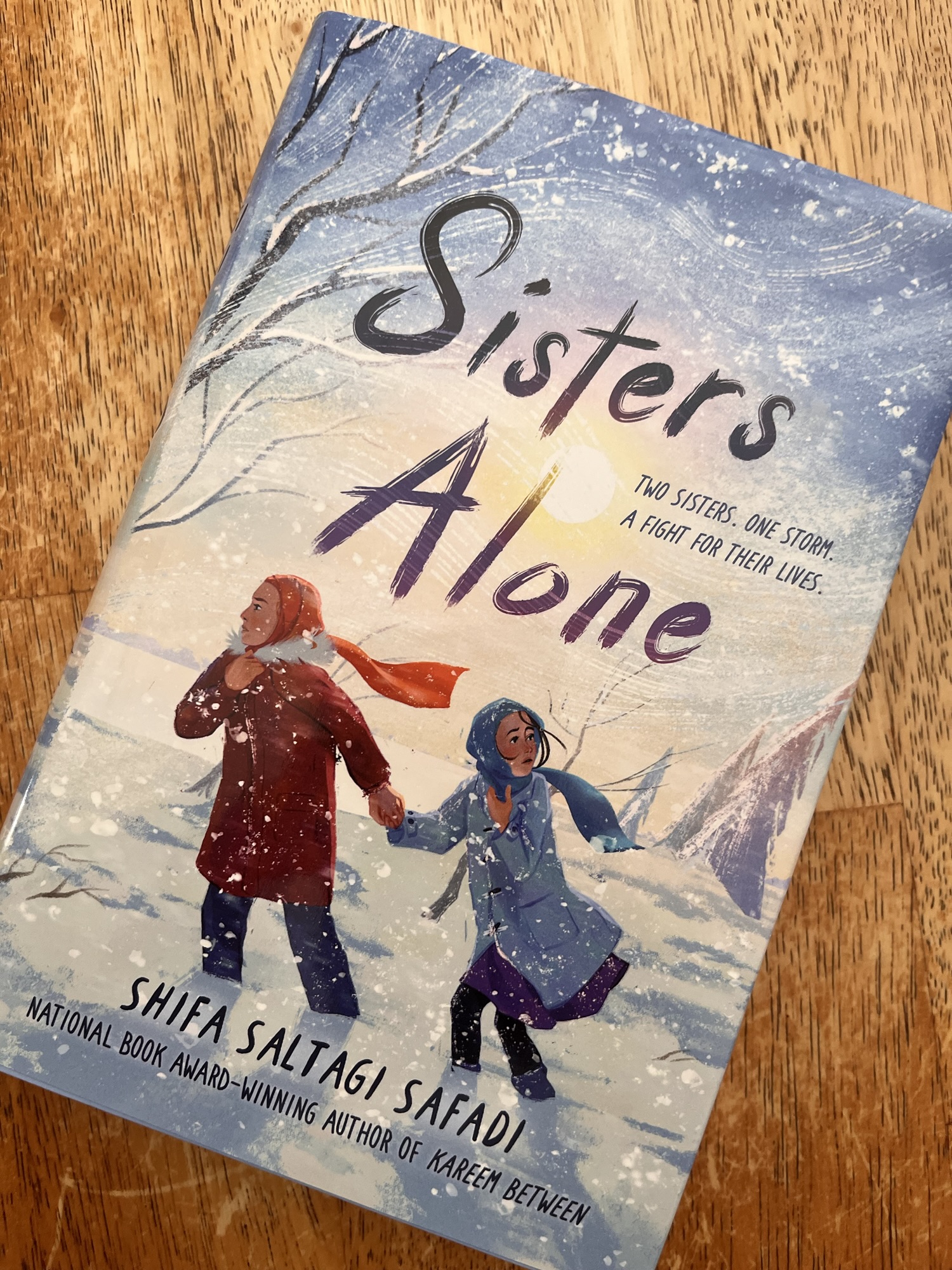
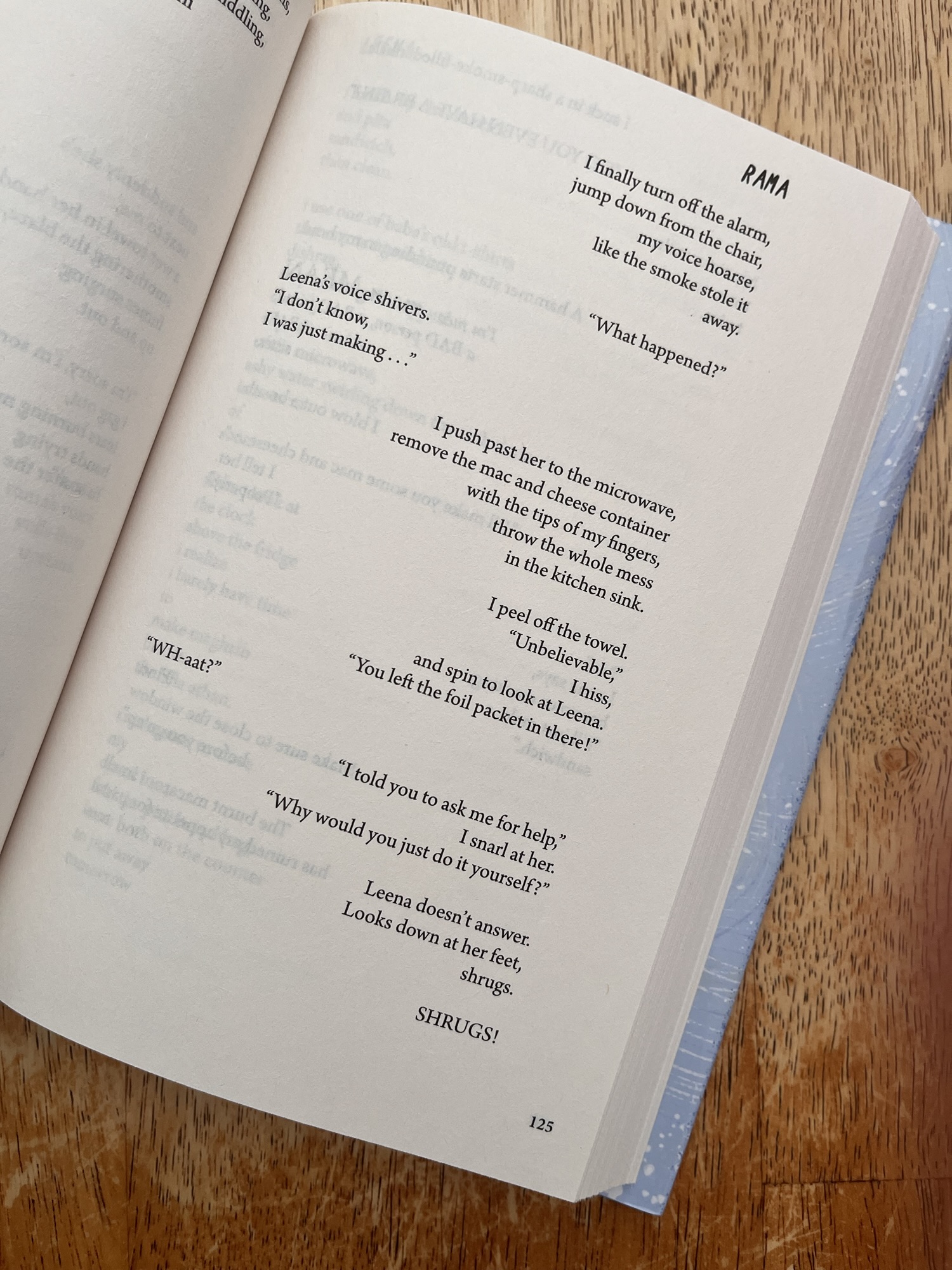
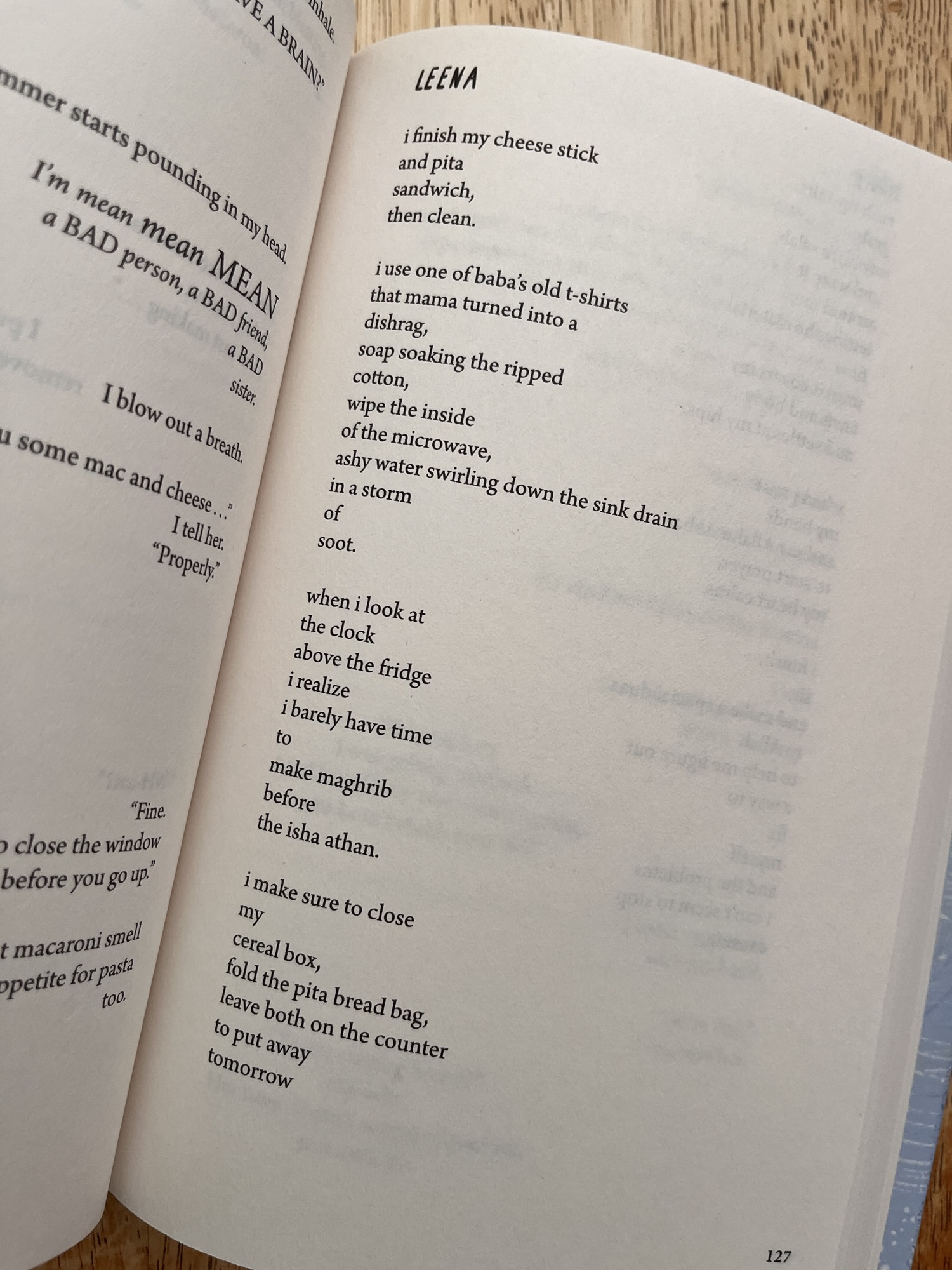
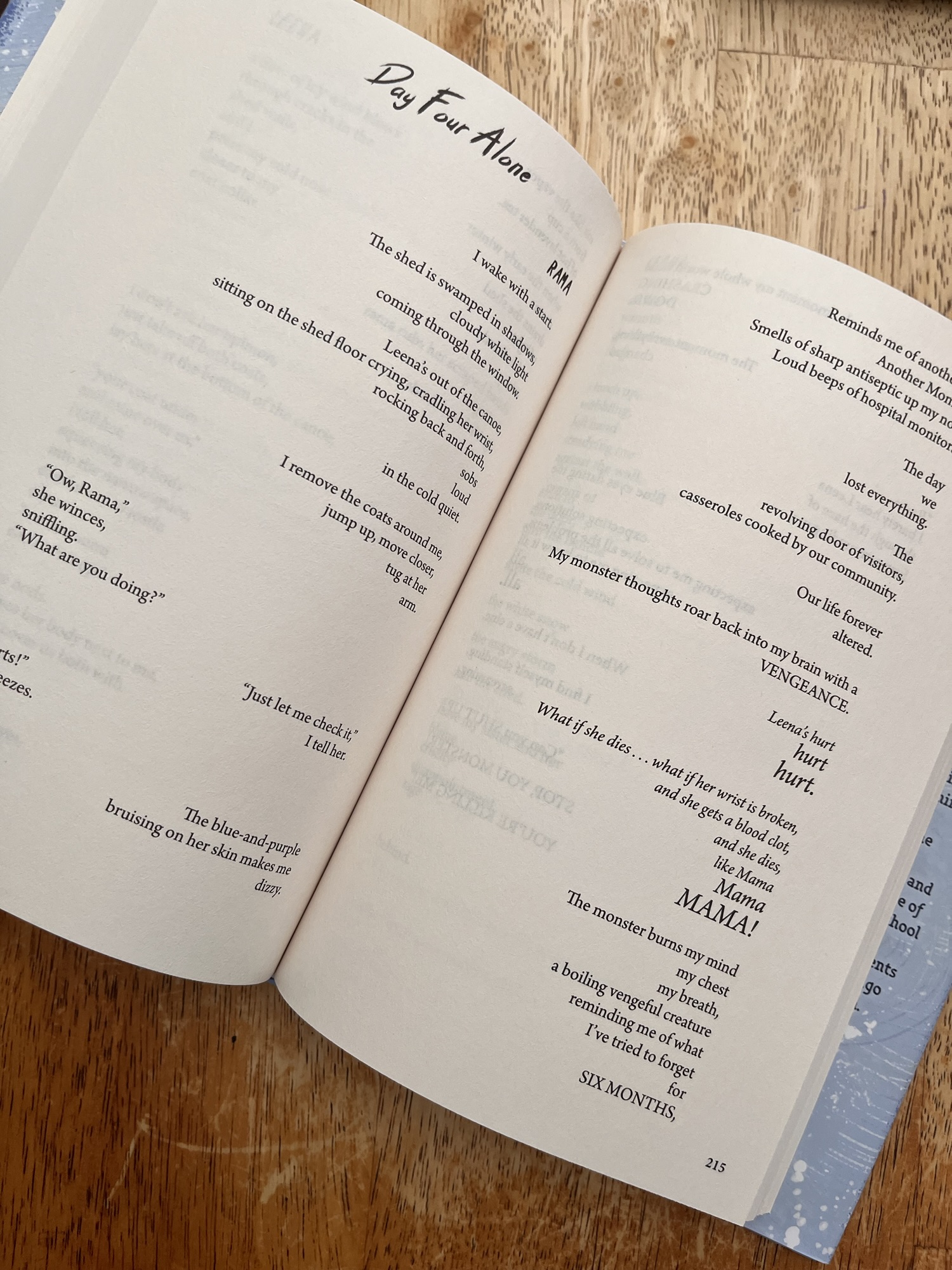
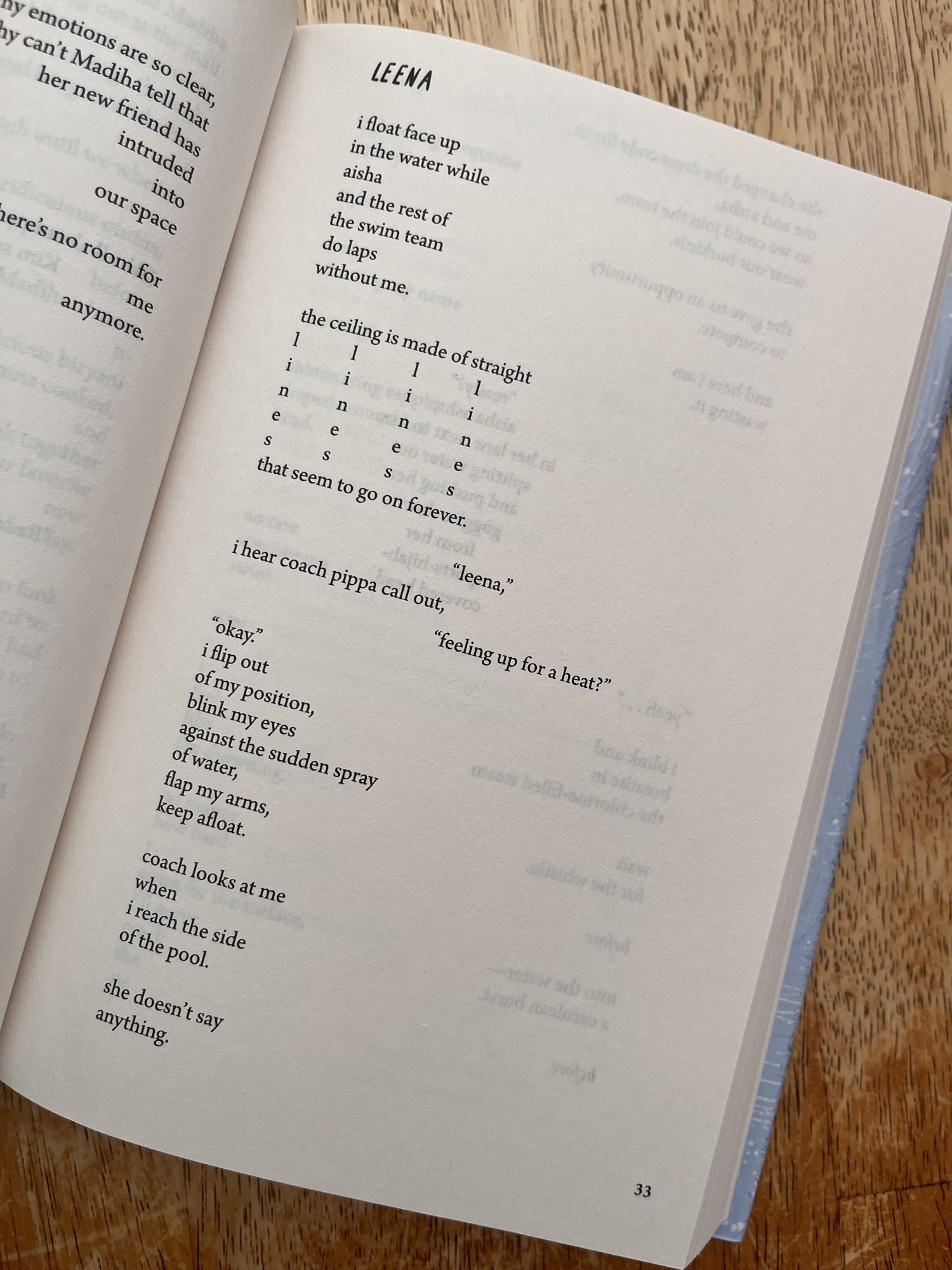
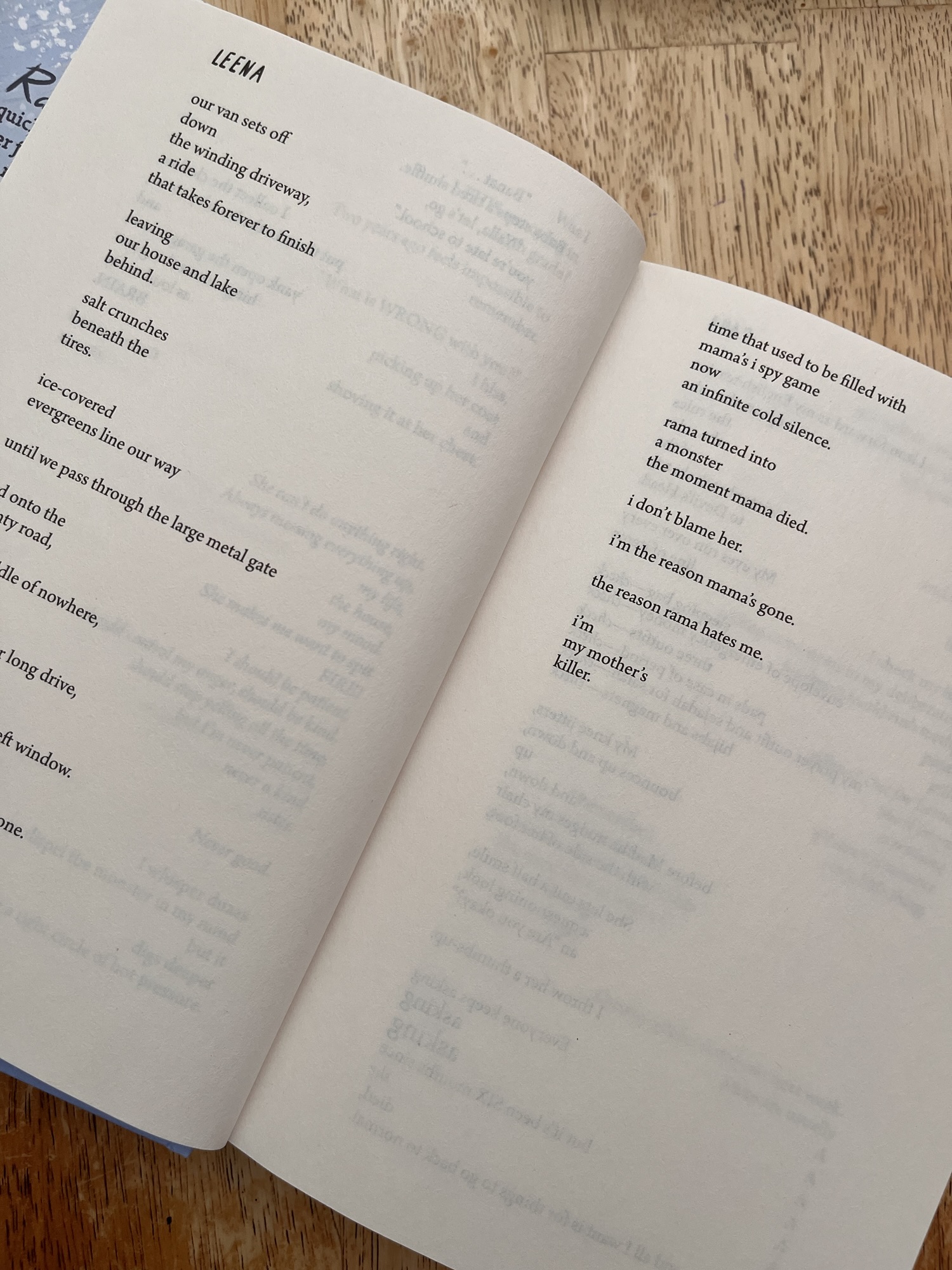
Sisters Alone by Shifa Saltagi Safadi

Standard
Sisters Alone by Shifa Saltagi Safadi

It is known from my public postings that I am friends with the author and I love this book, (see previous posts to read my gushings about the process, the challenges, and the fact that I think it should win the Newberry) so I will try and write an objective review, but I’m clearly biased.

This novel in verse told from two perspectives is best targeted for mature middle grade readers and up that can handle grief, anxiety, intrusive thoughts, survival situations, and injury.  The lyrical writing, quick pace and normalization of Islam into the characters make the pages fly by and it impossible to put down. Do not let the sparse words on the page make you assume the story is simple, the crafting of this book, is nothing short of spectacular. The numerous entry points allow the story to work on the surface, and I can promise you each reading will provide new details and connections to be discovered. From the color motifs, the weight of tragedy, the devastation of loss, the desperation, the self doubting amplified by the past, their girls’ ages, and their present predicament, are expertly balanced with the relatability of friend troubles, school trips, grades, comparisons, expectations, and family dynamics.  The heaviness is felt, but the pacing keeps the themes from bogging down the story and allows it to flow effortlessly. The only thing difficult about this book is: one: not spoiling it, hence the minimal amount of inside pages being shared, and  two: not staying up late to read it in one sitting.

This book would work wonderfully for a book club reading, even for middle school, and allow intuitive discussions about mental health to take place.  The personal backmatter into the author’s relationship to both a storm and intrusive thoughts and worries normalize that help is available, that talking to people about our challenges is not weakness, and that understanding and empathy for our ourselves and others are important skills to develop.

Minecraft: Battle of the Block by Jamilah Thompkins-Bigelow

Standard
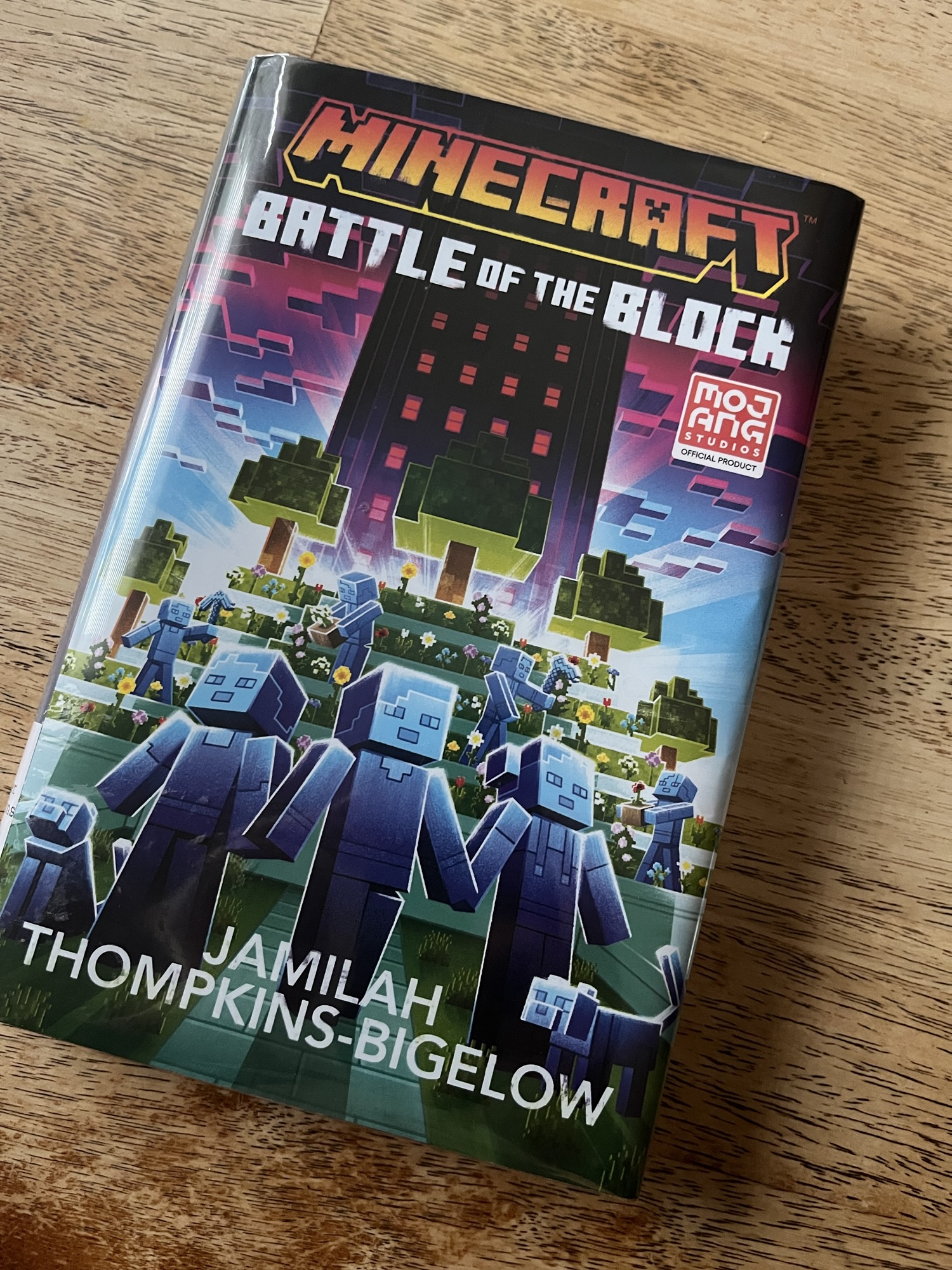
Minecraft: Battle of the Block by Jamilah Thompkins-Bigelow

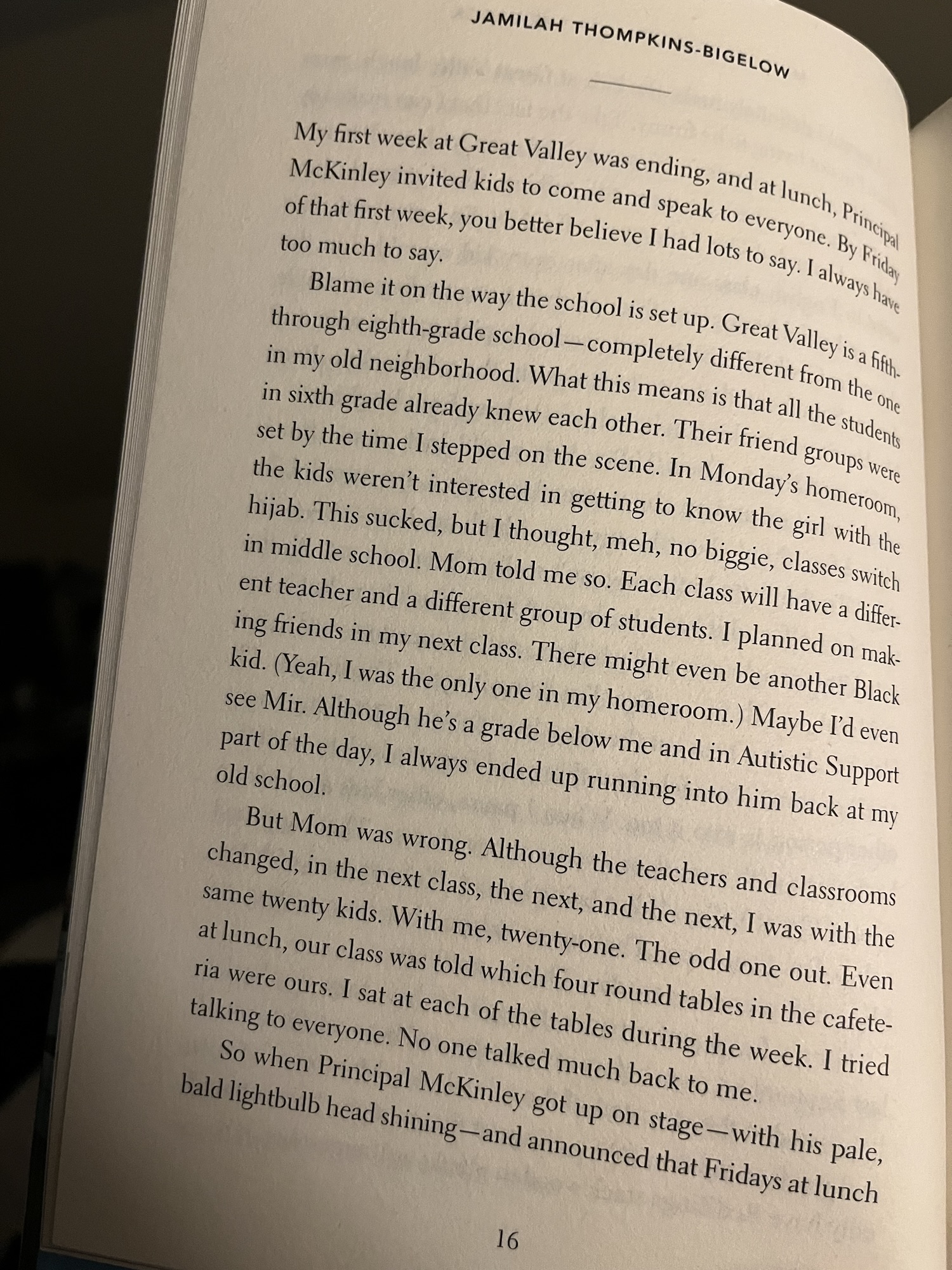
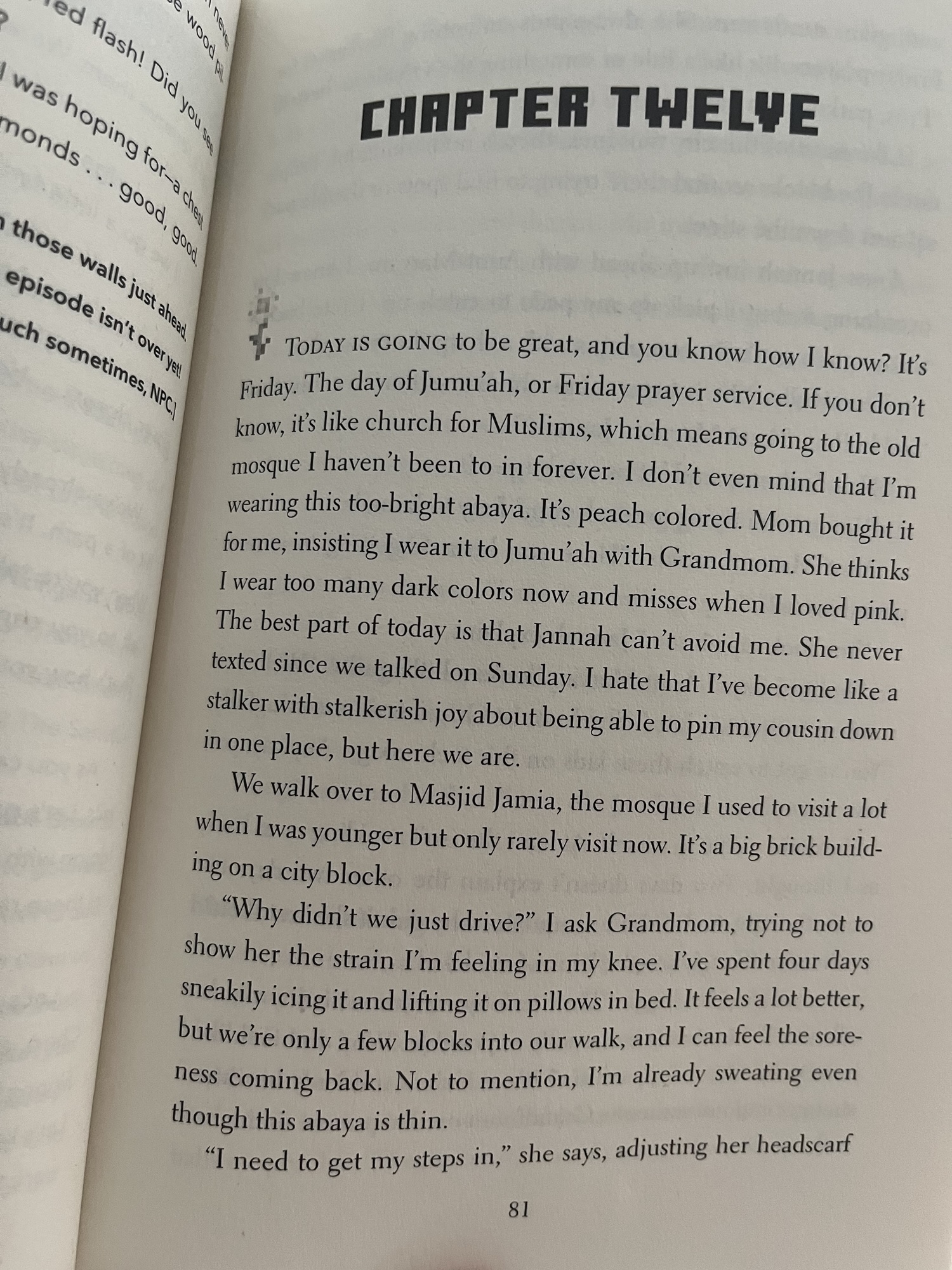
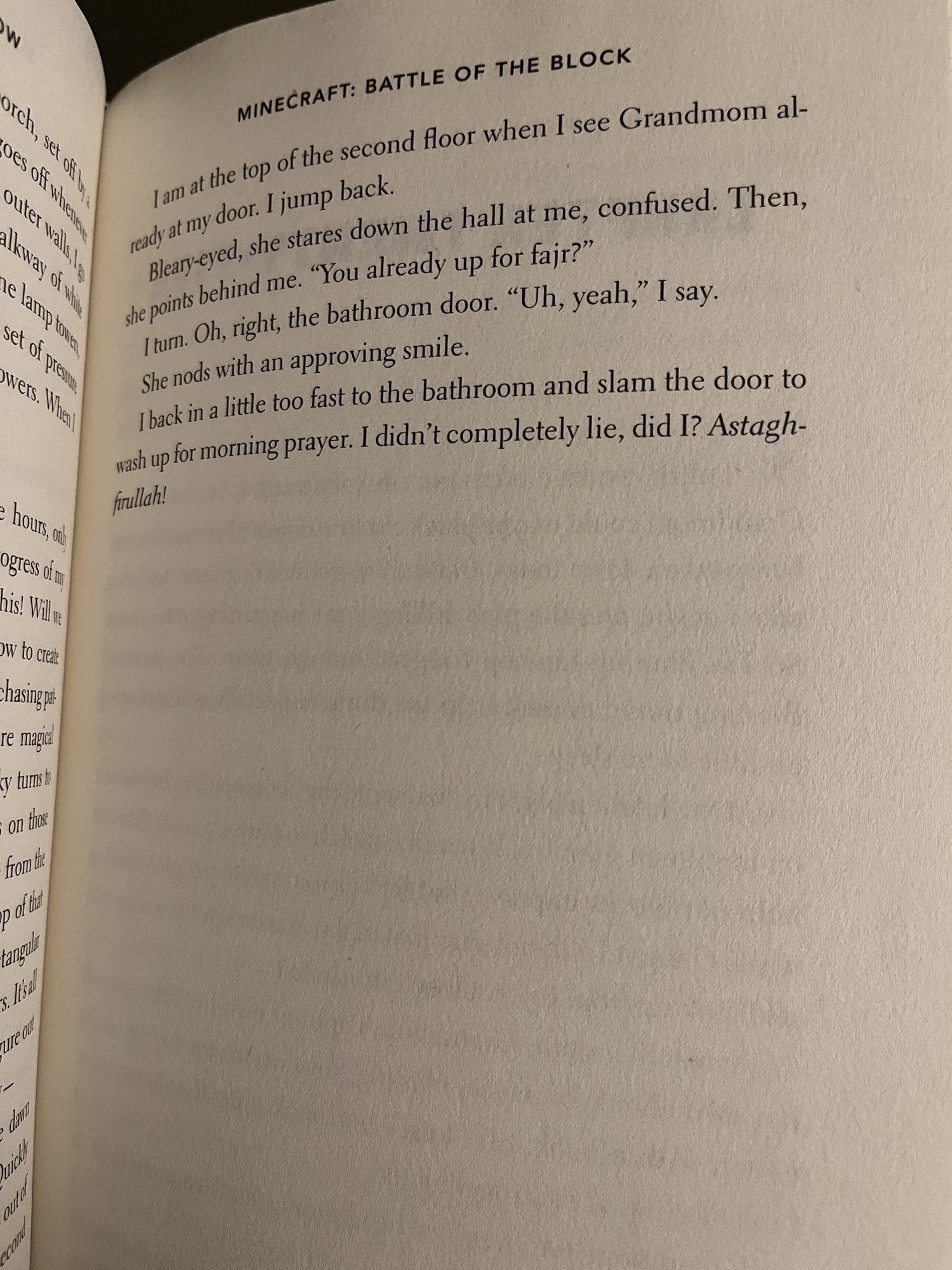
Before I ever opened the book and read the first words, this book in my heart had already accomplished so much. Not only is it an official Mojang studios official product written by a Muslim woman of color but the characters are unapologetically Muslim, neurodivergent, and burgeoning activists battling gentrification and noise pollution. I must confess I have not read a lot of Minecraft IP literature, so I don’t know where the requirements and parameters start and stop or even overlap with the author’s own style and vision. I mention this because the Islam at times feels a little overly explained, which is not typical of the author’s other work, the heartfelt cathartic release at the end though, is very much all the feels that you would expect if you are a long time fan of the author, or a sweet surprise tug-on-the heart if this is your first read of hers.  I do worry that many kids might not get to the climax though, as the pacing of this 268 page middle grade read is very slow. Perhaps the lack of movement is meant to add to the tension, and build relatability to Nzinga’s feelings of isolation and need, not just enjoyment for Minecraft, but for me it ultimately made it feel like a lot of telling and not showing, frustration with the side characters, and annoyance at inconsistencies. Yes, I contradict myself a lot in the above sentences, and I own that, I loved the ending and to get there all the threads throughout must have been intentional. I loved the Islam but felt at times it was over explained, I’m reviewing a book in a specific genre that I have not read before, focused in a world I only know about through a movie, and listening and watching my kids interact with, so this review is probably useless. Maybe the only worthwhile take away is: the book is clean, it has amazing messaging about activism, community, and speaking out, and if your kids want to read it, let them, if they can finish it they will be better for it.
SYNOPSIS: Summary taken from publisher’s blurb:

A young girl learns how to make a difference both in the real world and in the world of Minecraft in this exciting original novel!

Ever since her family moved to the suburbs and Nzinga started middle school, she’s been really lonely. Her only consolation has been working on Phantasy Philly, a special build she and her team will present at a huge Minecraft convention in just a few weeks. Nzinga, her brother Samir, and her cousin Jannah have decided to recreate and reimagine a blocky version of their old Philadelphia street. Now that summer is here, Nzinga can’t wait to return to the old neighborhood and finish their build.

But when Nzinga and Samir arrive at their grandmom’s house, things aren’t how she pictured. Jannah, usually a design whiz, seems distracted and unwilling to work on their project. Incessant drilling can be heard all hours of the day as new apartments are constructed, replacing beloved parts of their street. The constant noise makes it hard to think straight, let alone get anything done.

Nzinga sees how noise pollution and redevelopment are hurting the street, but what can she do about it? And how is she supposed to fight that battle while also inspiring her team to build their ideal Minecraft neighborhood? As Nzinga struggles to answer these questions, she may just learn how even the quietest voices can have the biggest impact.

WHY I LIKE IT:
I love a lot about this book, even aside from just the positioning and all mentioned in the opening paragraph.  I love the perspective of  the protagonist, Zing, a neurodivergent character that isn’t steeped in pity or woe is me, she offers really great insight for readers to see themselves and/or have some understanding for those around them.  Same for how Mir’s autism is presented as who he is and part of the story, not his whole identity and the point of the book.  I also love Grandmom and her modeling how the systems work to have your voice heard, to speak at a city council meeting, how to fight and get through the red tape and how exhausting that can be.  The imam is also pretty great, which is great rep to see.
I don’t like Jannah, I don’t find her arc redeeming, I don’t know why, but I just found her pretentious and mean. Her mom and Grandmom needed to sit her down and have a good conversations with her and Nzinga and help them sort through their issues as soon as they all realized that Mir and Zing have come back to the neighborhood and the two cousins are not spending time together, at all.
I think ultimately for me the problem with the characters and the pacing came down to telling not showing aspects which seemed to reveal inconsistencies as well.  Why does Nzinga want to come back so bad, all the stories of connection and community are non existent when she returns, the kids are mean to her or ignore her, the neighbors seem distant as well, and I get that it is to show the effects of the noise pollution, but it makes it feel like a huge disconnect, is she just being extra in her memories?
The Minecraft elements as well seem a bit far fetched in why Zing so desperately wants to do well at Phantasy Philly, wants to have a crew, but seems consistently waiting for someone to tell her what to build or green light her builds, at some point she should show off her abilities. We see her ability to destruct, we see Jannah and Mir’s skill, but to cheer her on, the reader needs to know what we know she is capable of, and then see her rise up.  I didn’t really feel her understanding of the noise pollution and the gentrification was properly explained either, she truly was in agreement at one point with the developers and the transition was a bit too quick. I think she needed to see the manipulation and thus the readers could also grow in their understanding of how the systems and corporations position themselves to harm society  while making the image and messaging seem like they are doing something beneficial.
FLAGS:
Lying
*Disclaimer I read this book months ago and was unable to write up a review while memories and thoughts were fresh, hence the condensed review. Forgive me for any errors.
TOOLS FOR LEADING THE DISCUSSION:
I think the political and activism threads about gentrification and community is incredible to start discussions about, I also think the idea of Phantasy Philly could and should become a reality.

Huda F Would Love You? by Huda Fahmy

Standard
Huda F Would Love You? by Huda Fahmy

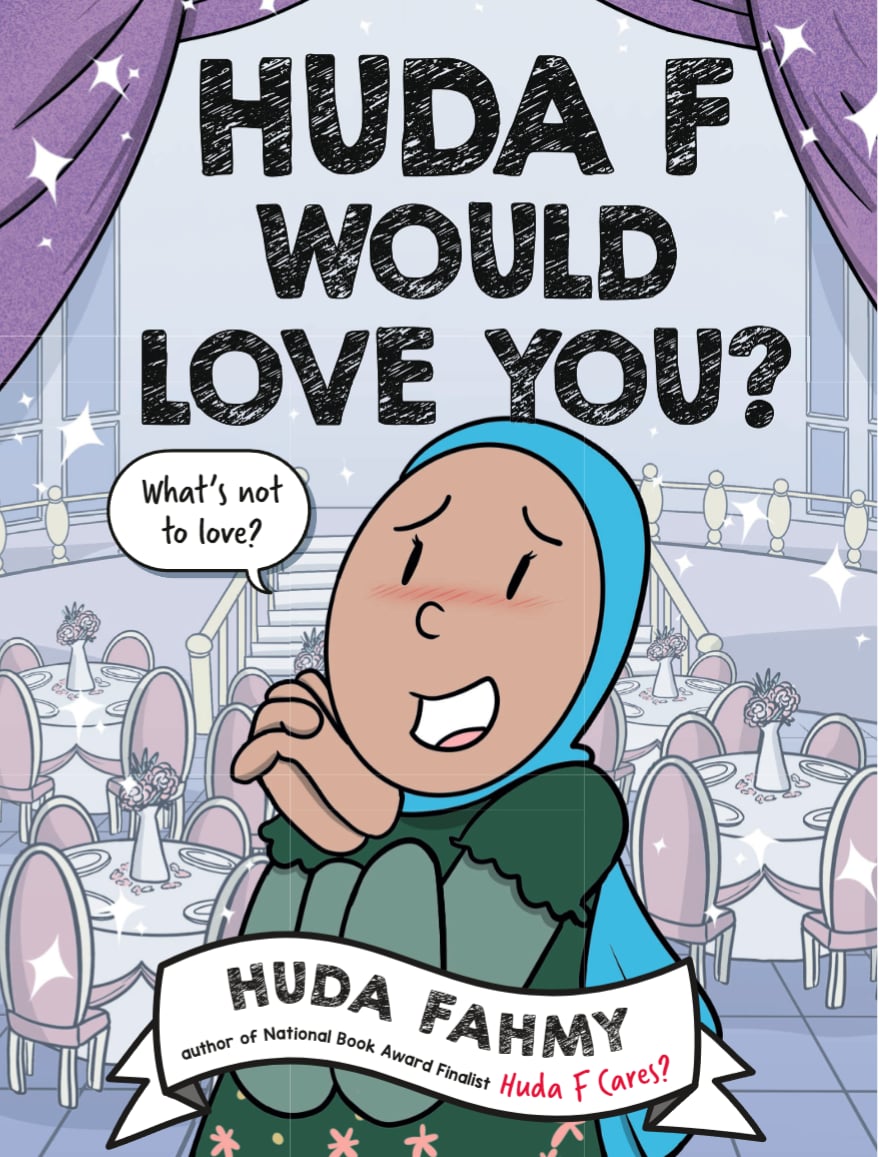
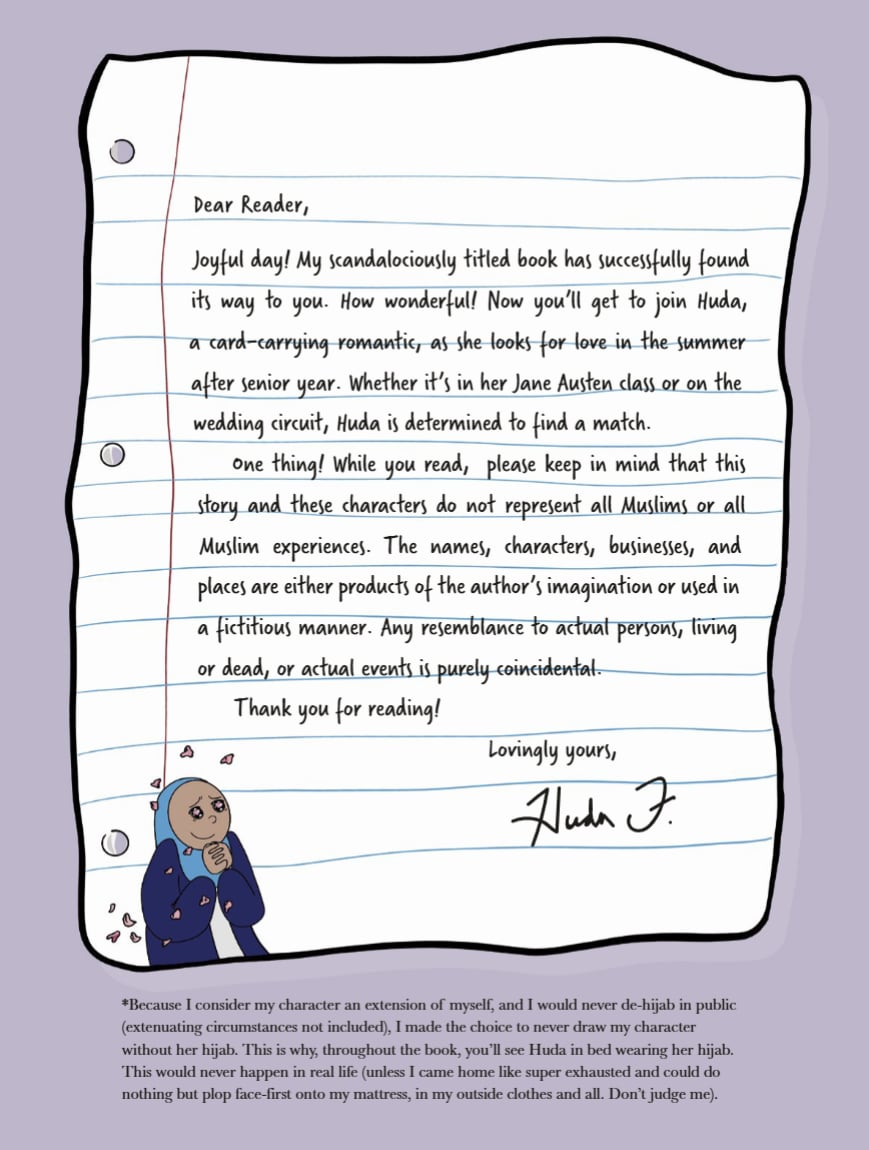
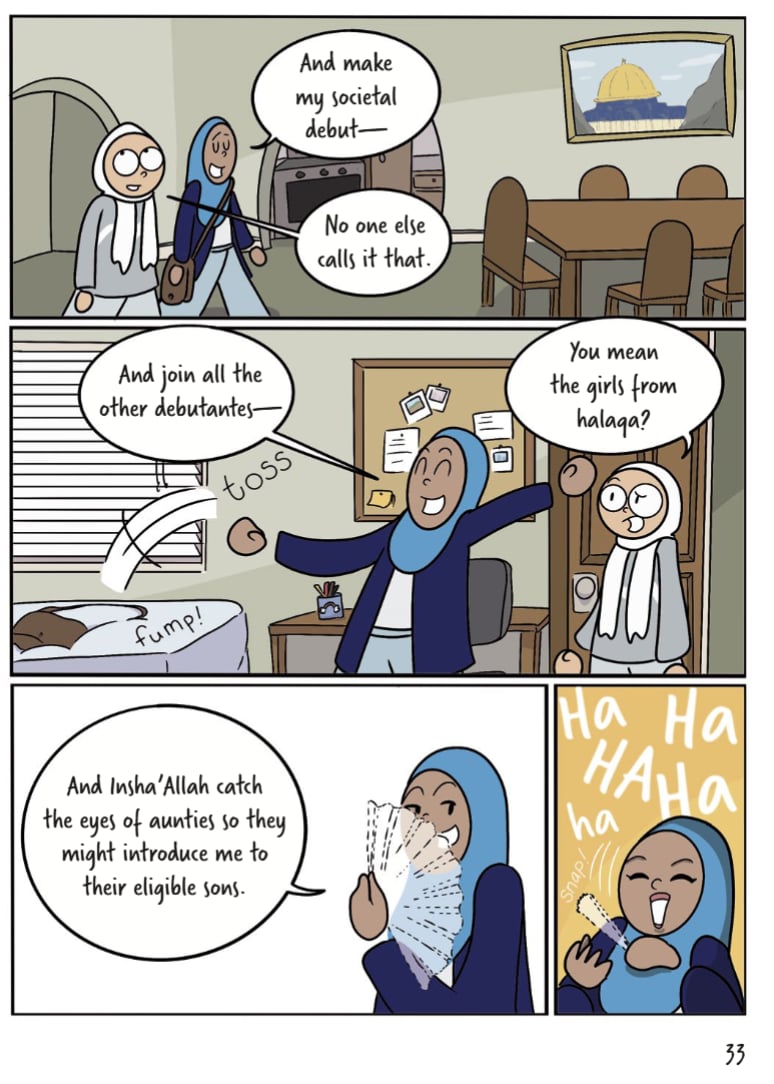
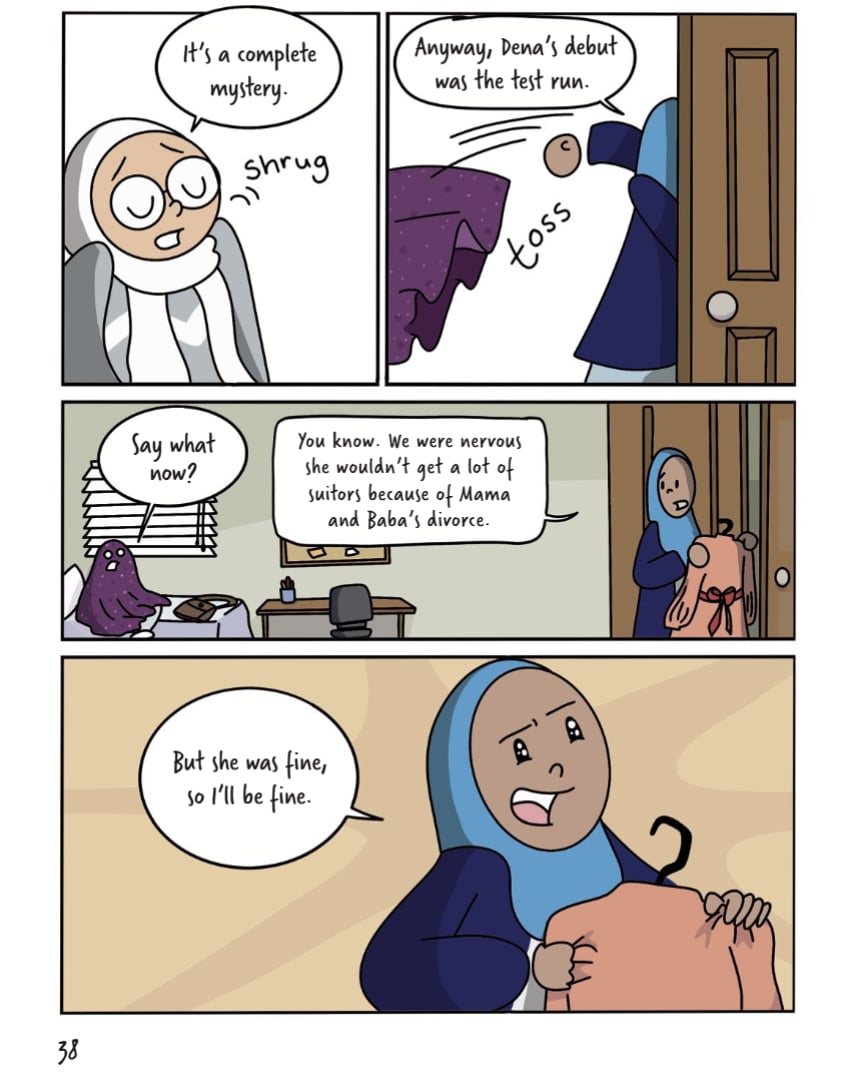
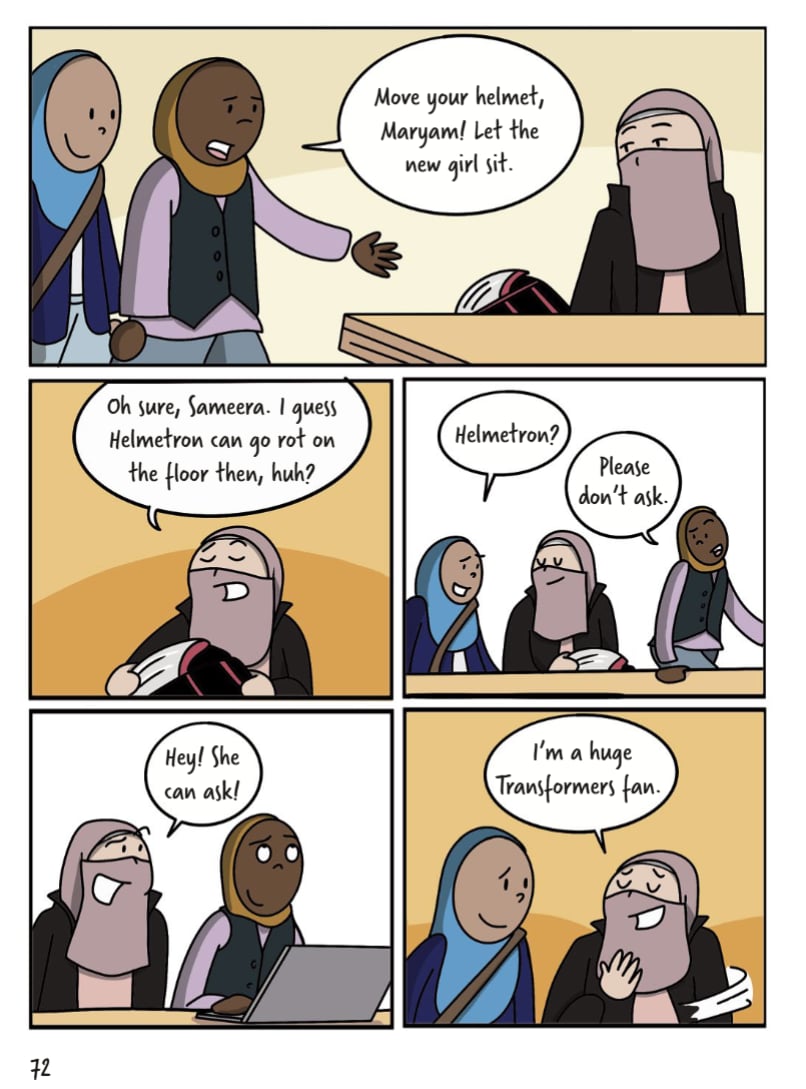
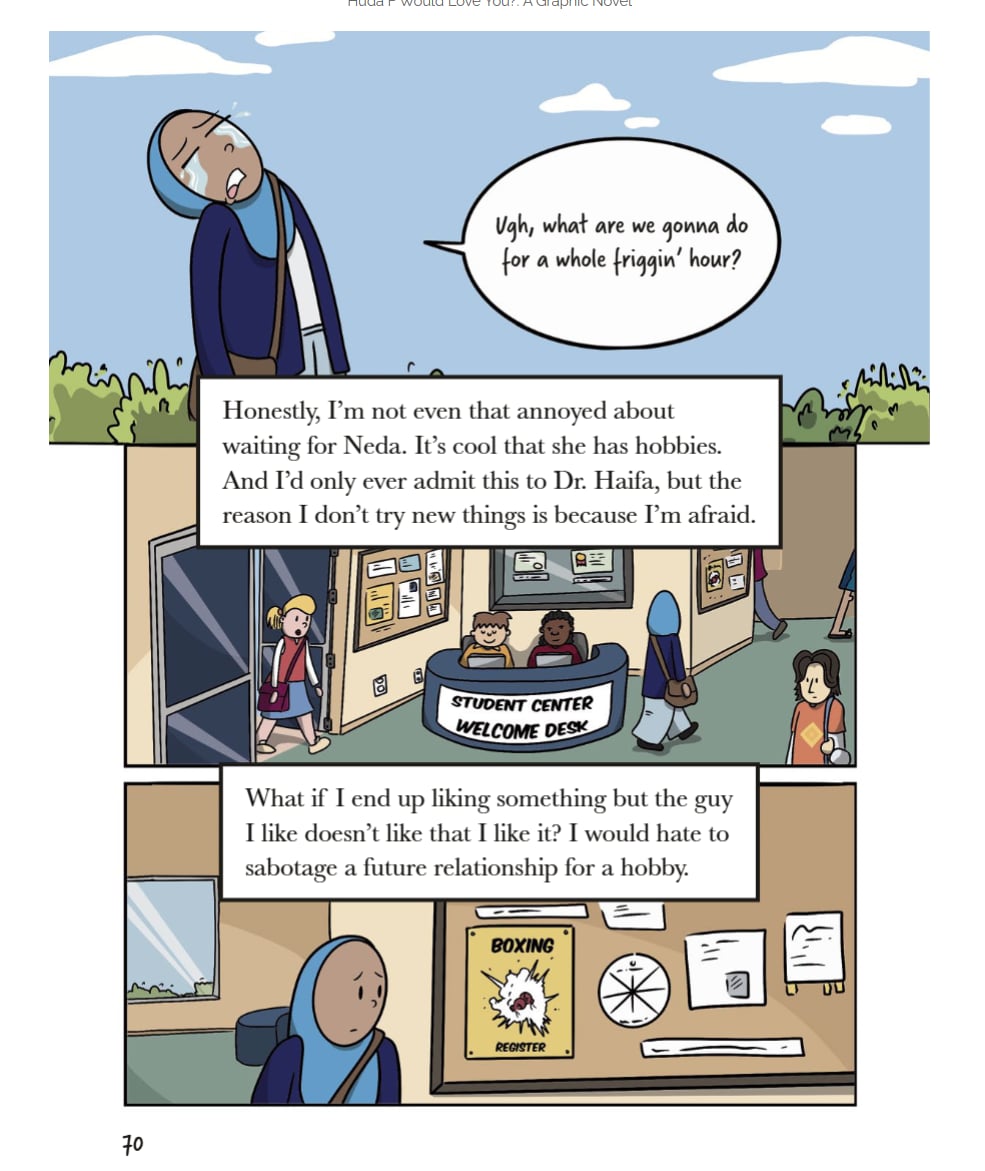
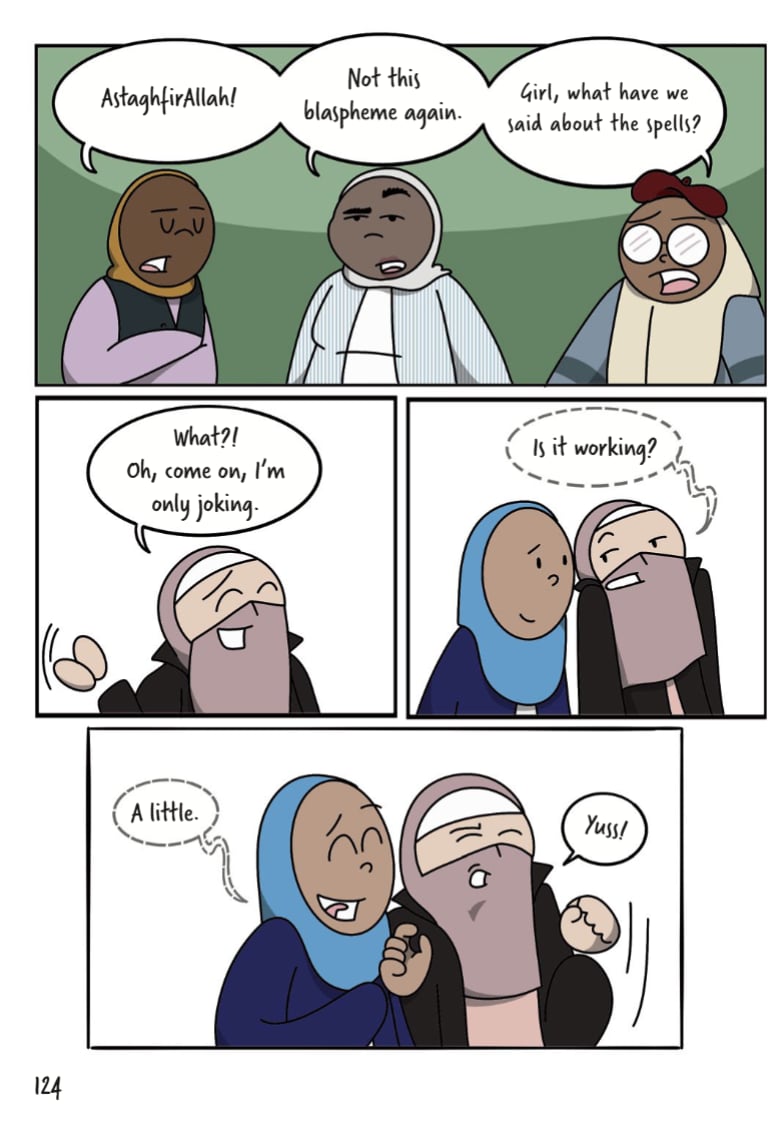
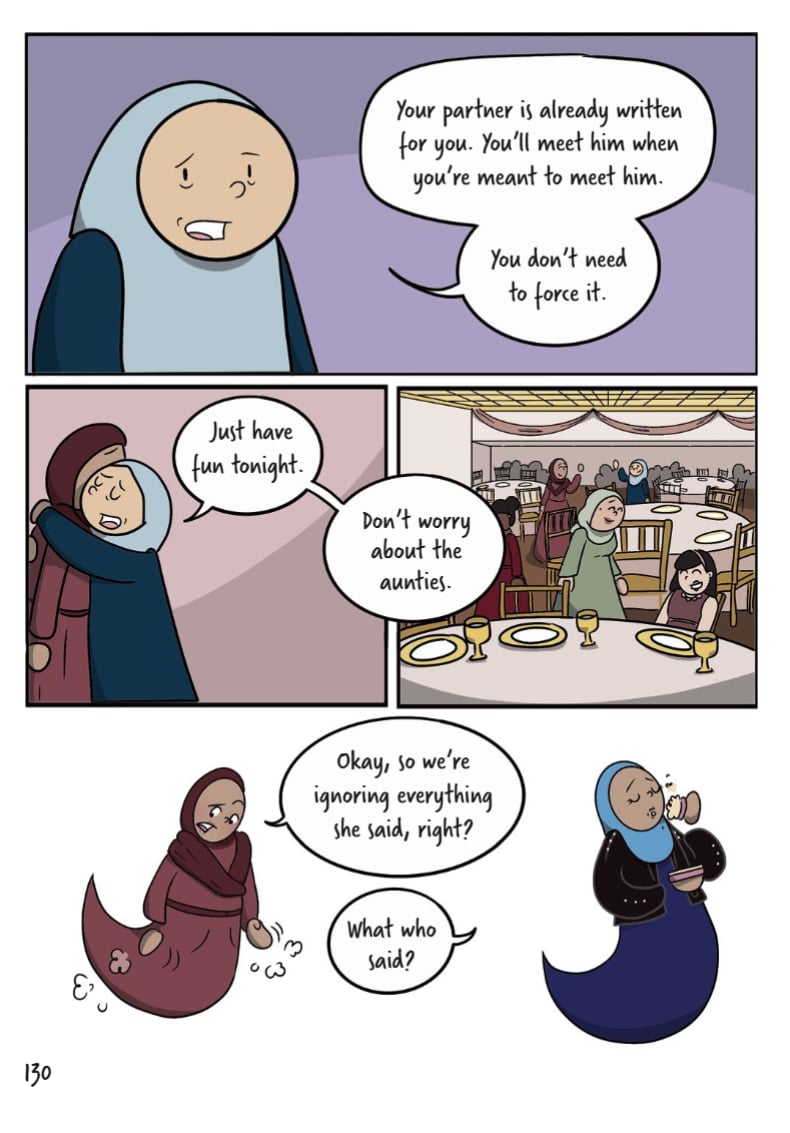
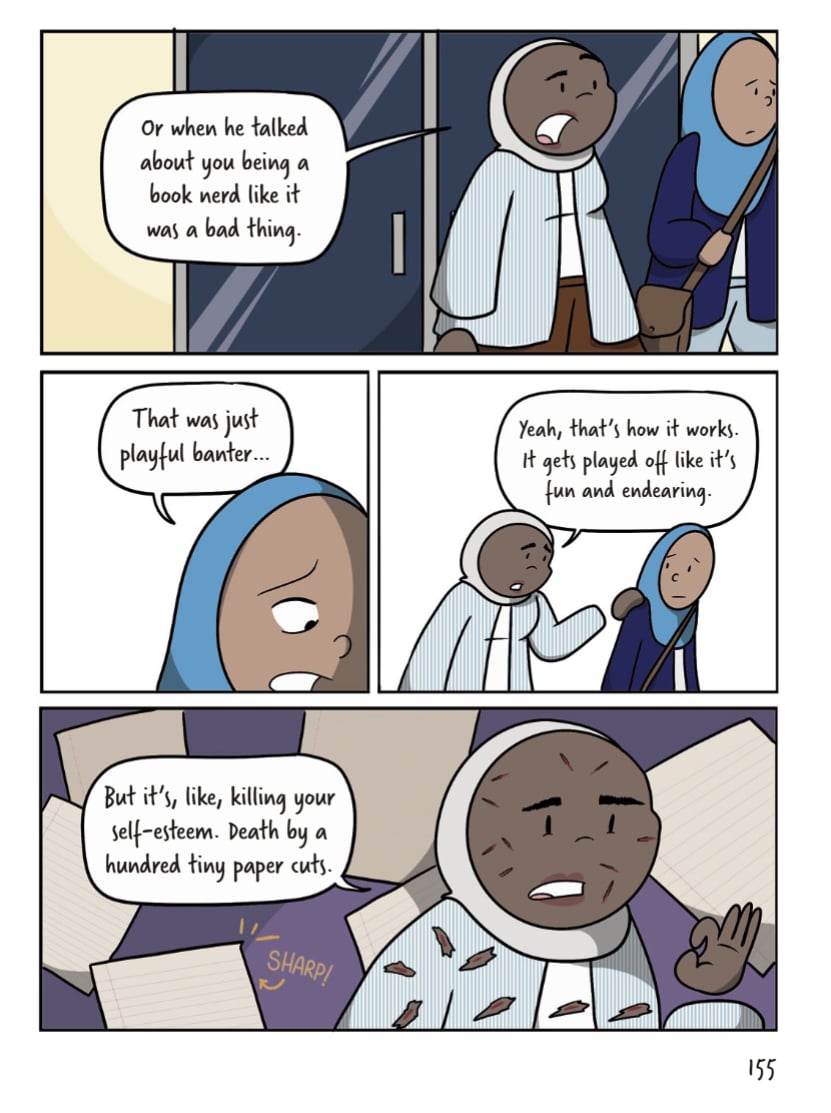
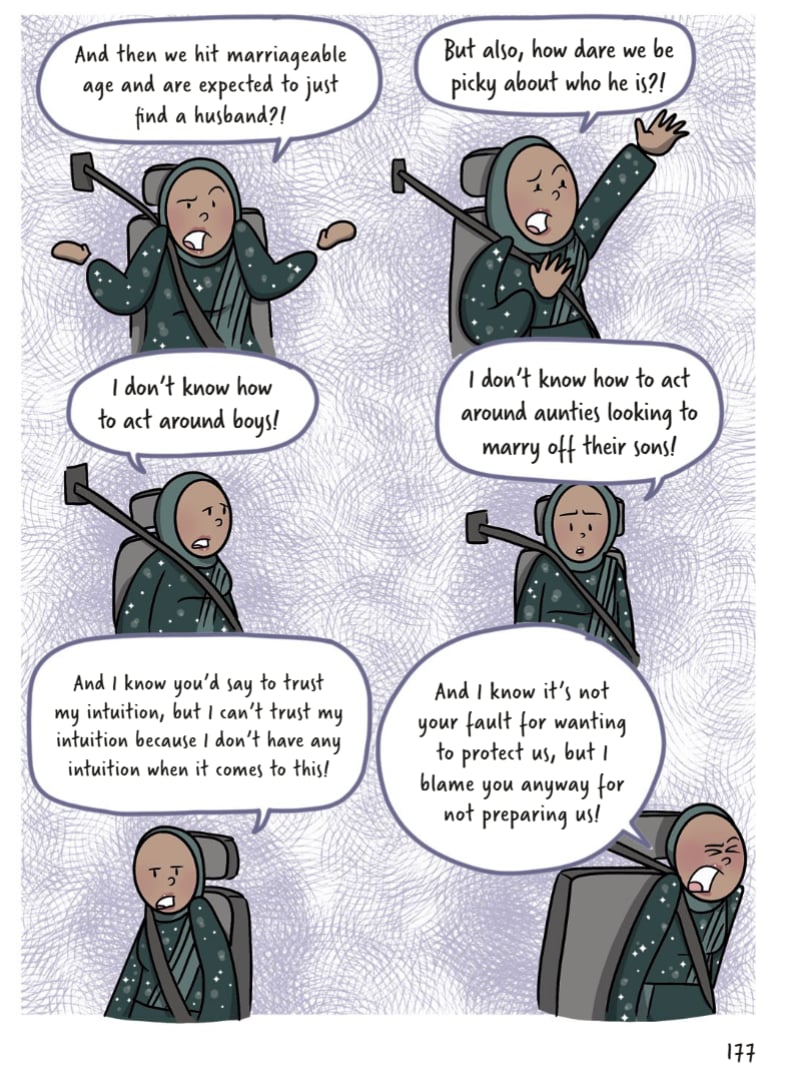
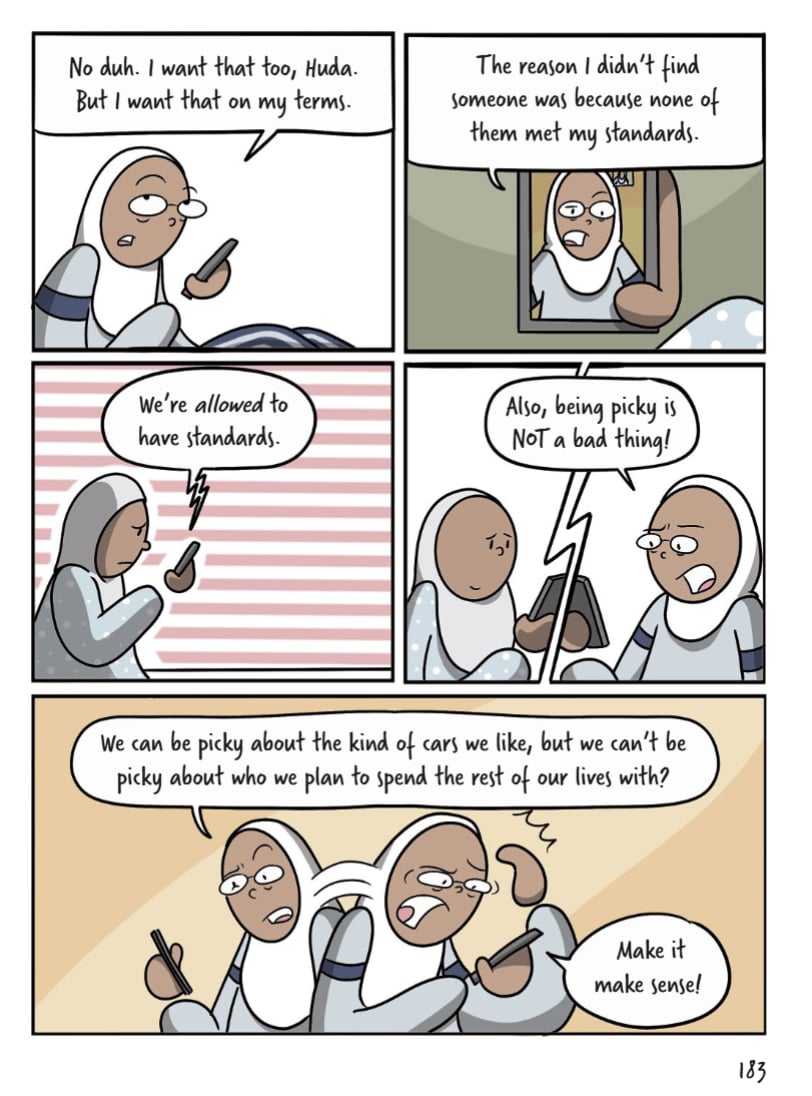
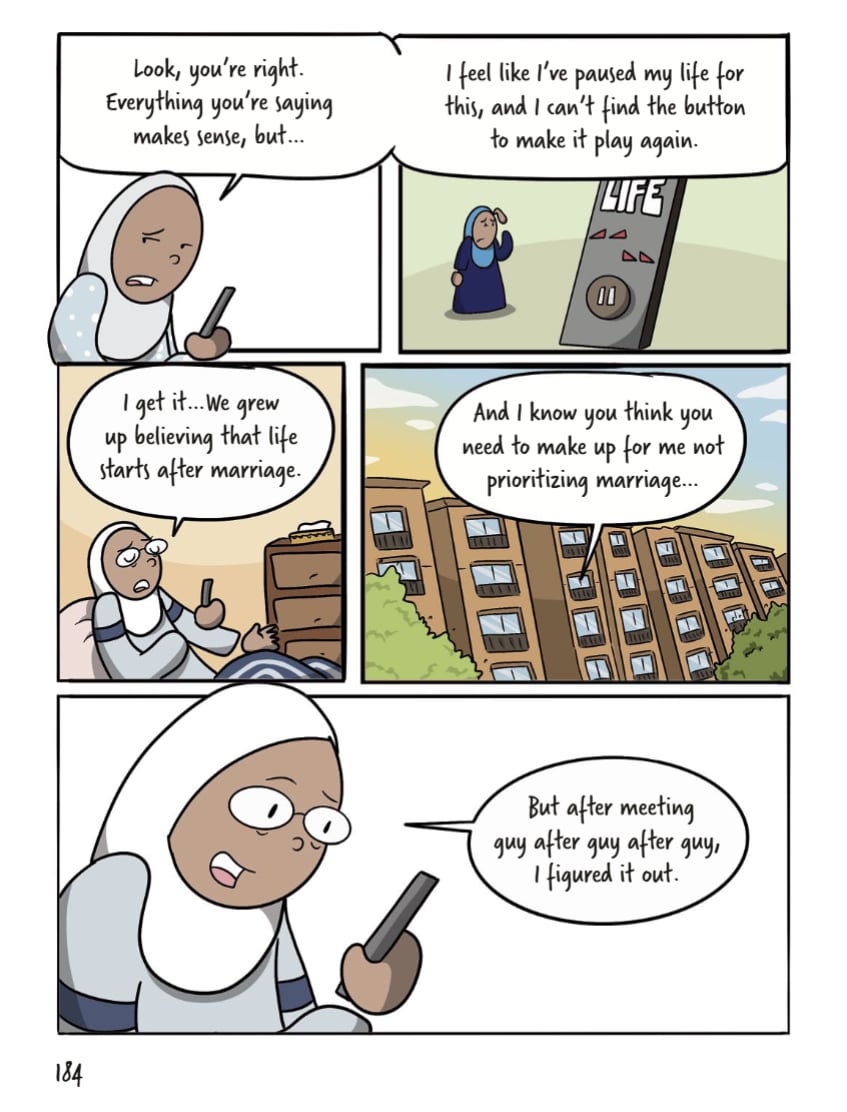
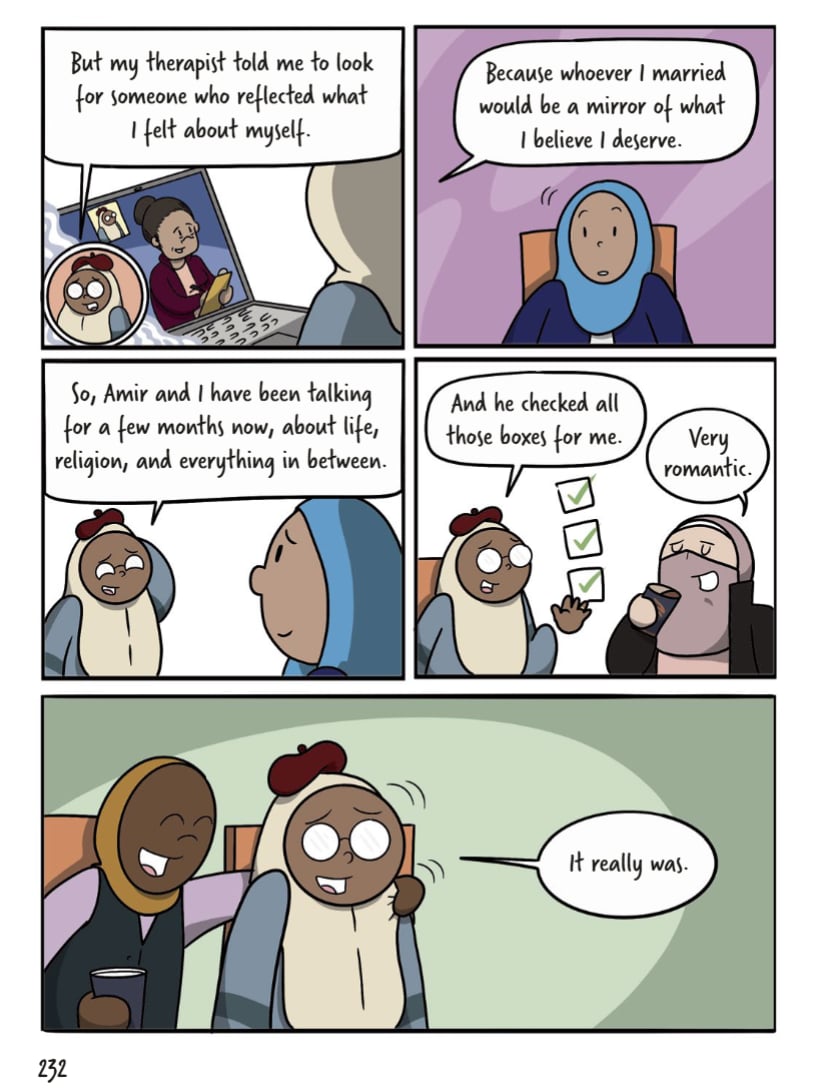
The fourth book in the beloved Huda F graphic novel series once again expertly weaves humor, life lessons, relatability, and unapologetic Islamic rep. Add in that the book is framed around a “Life and Work of Jane Austen” class, goes meta blurring tropes and plot points, and features strong real and fictional Muslim women, and I think this might be my favorite Huda F book yet, yes I’m hoping it isn’t the last. SuhanAllah truly, the author and her books are such a blessing to us all.  At 256 pages this book is a solid YA, but I think older and younger audiences, boys and girls alike, will enjoy and benefit.  The surface is a bit of a rom com, coming of age, Huda finding herself in the summer after high school with friends and family away on their own adventures, and her wanting to get married. Alhumdulillah, the author’s style and the graphic novel format keeps the story from being didactic but the character’s growth is articulated clearly to ensure the messaging does not miss.  The book dives into marriage readiness, expectations, self awareness, and as I’ve always said since her very first books, they are great conversation starters with the young people in your life.  Whether discussing mental health, family dynamics, hijab, and in this one, love, the author really has a knack for conveying powerful and important themes in Islamic ways that are hilarious, consumable, and lingering.  I highly recommend mamas (aka aunties) also read it as a reminder (haha) for how we should help our kids at this stage in their lives.

SYNOPSIS:
From the publisher
It’s the summer after Huda’s high school graduation, and love is in the air! Or it’s about to be, anyway. Because Huda has the ingredients for a perfect love story: a butt-kicking girl power squad of new friends, and a plan to woo all the aunties into setting her up with their eligible sons. But when she finds herself caught between her friends and her heart, gender roles and ambitions, and her fears and dreams, Huda begins to realize that finding her own “happily ever after” might require changing herself—or her expectations.

WHY I LIKE IT:

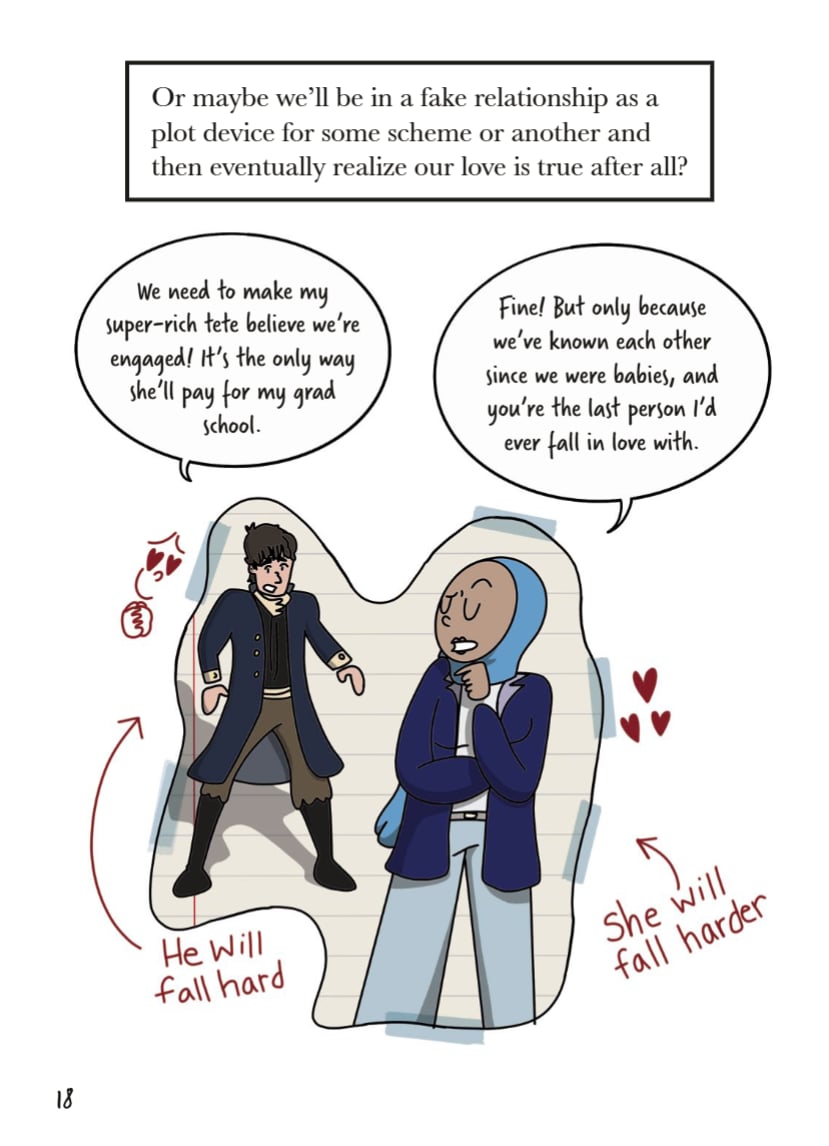
I love the Jane Austen references and the tropes of enemies to lovers, slow burn, and friends to lovers pages with the period inspired drawings, seriously had me squealing and feeling seen. I also love that no one is forcing her to marry, it is completely on her, and that everyone is supporting her to find her self, not compromise who she is, and not rush anything.  I know the disclaimer says it is all fictionalized, but the references to earlier books, and the layers of the character Huda, really make her feel very very real.  I also love how Khadijah RA and Fatima Al-Fihriyyah are brought in and mentioned, that there is a niqabi biker, and that even with Huda having sisters, she also needs her sisters in Islam.


FLAGS:

Relationships, gossip, misleading presentation

TOOLS FOR LEADING THE DISCUSSION:

This should seriously be required high school Islamic school, college/university MSA, masjid older youth group required reading. We need to be having these conversations with our youth that are wanting to get married, and humor is such a great vehicle to address the topic.  To see what awareness about our own expectations is and how it might need to be adjusted, and how to assess the potential spouse and their motives, along with building a community that truly will support you in your own growth whether marriage is the goal or not, is so needed.  Truly a great book, with a lot of entry points and utilization.

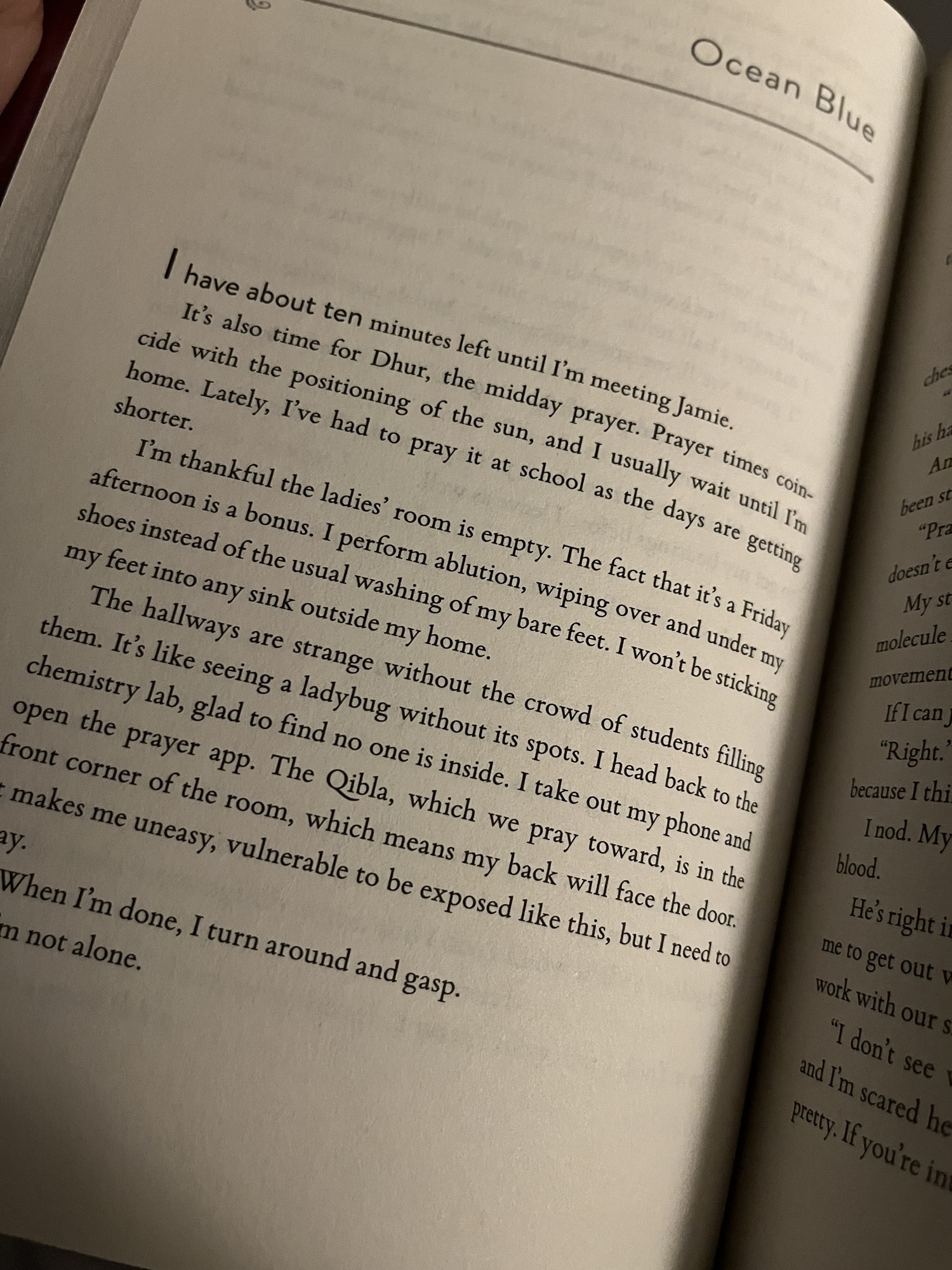
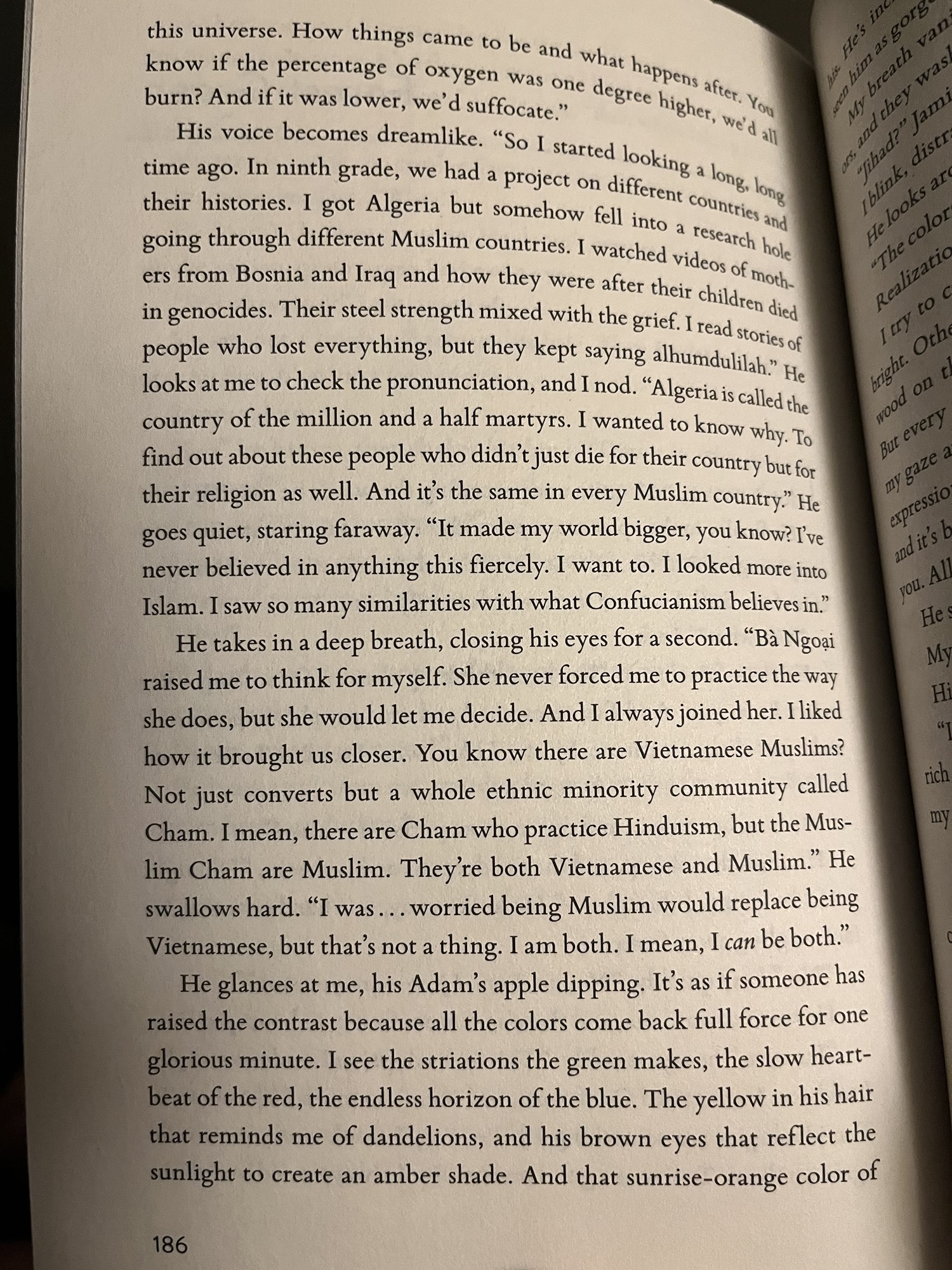
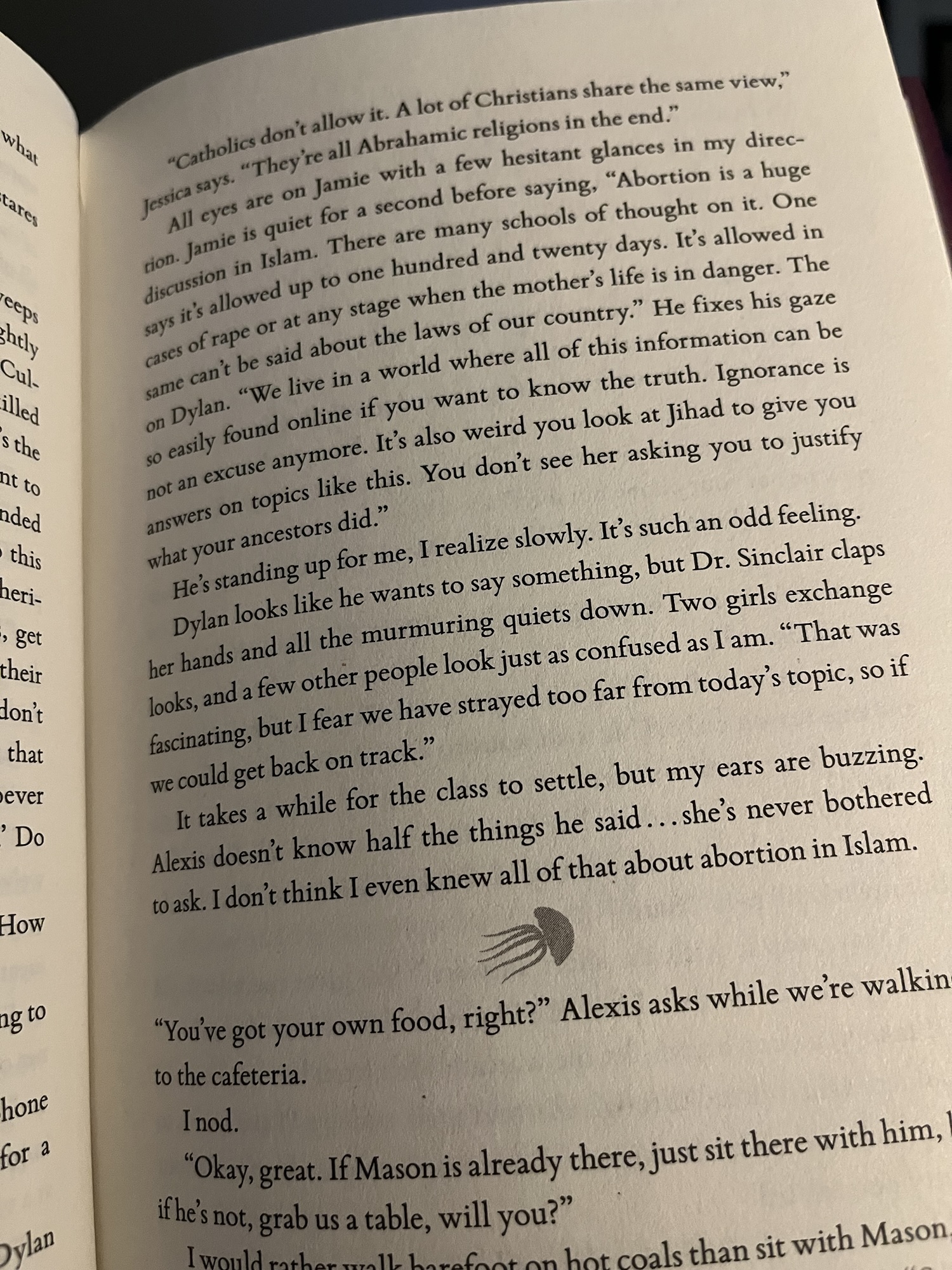
The Ocean Would Paint Me Blue by Zoulfa Katouh

Standard
The Ocean Would Paint Me Blue by Zoulfa Katouh

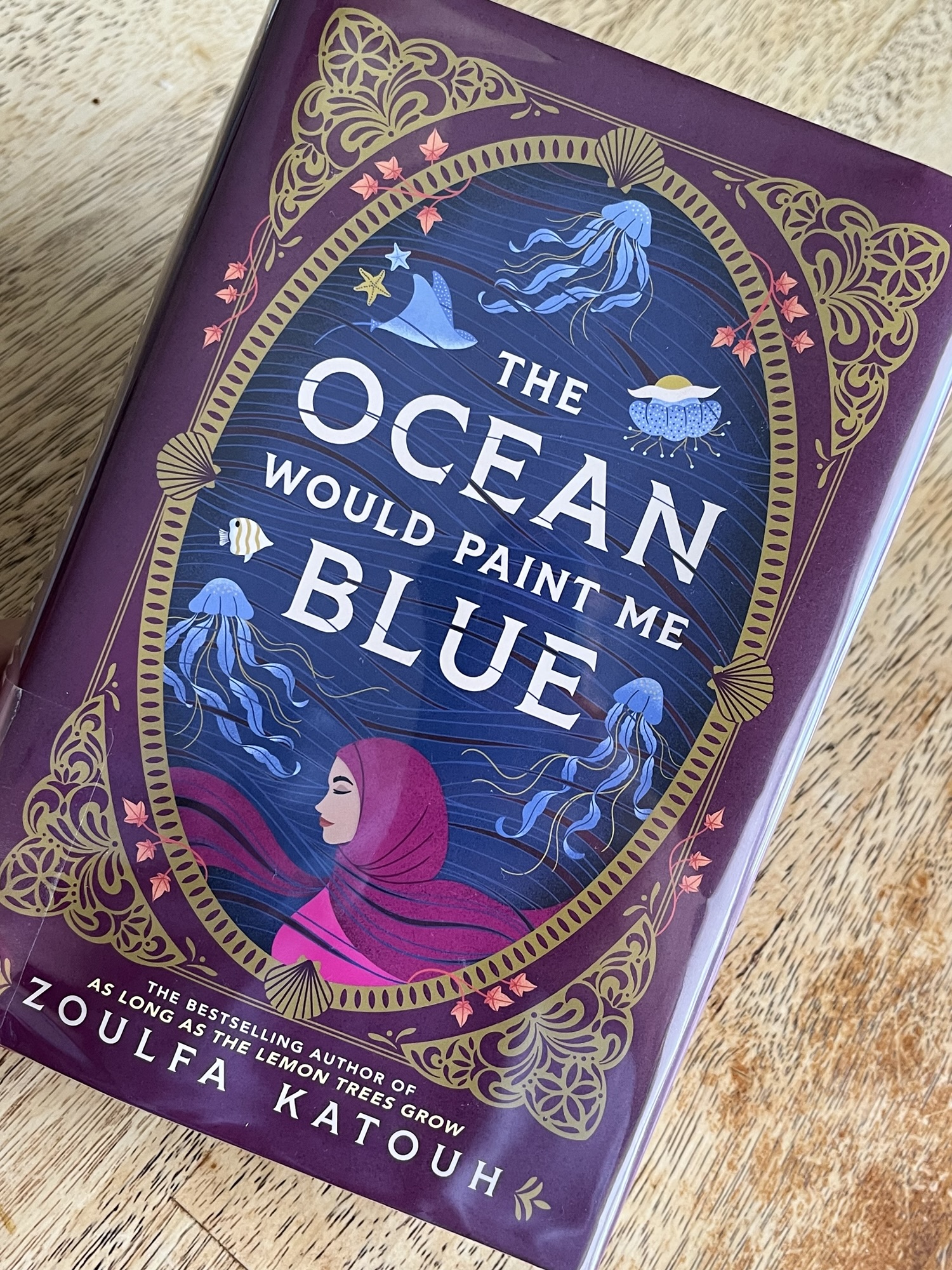
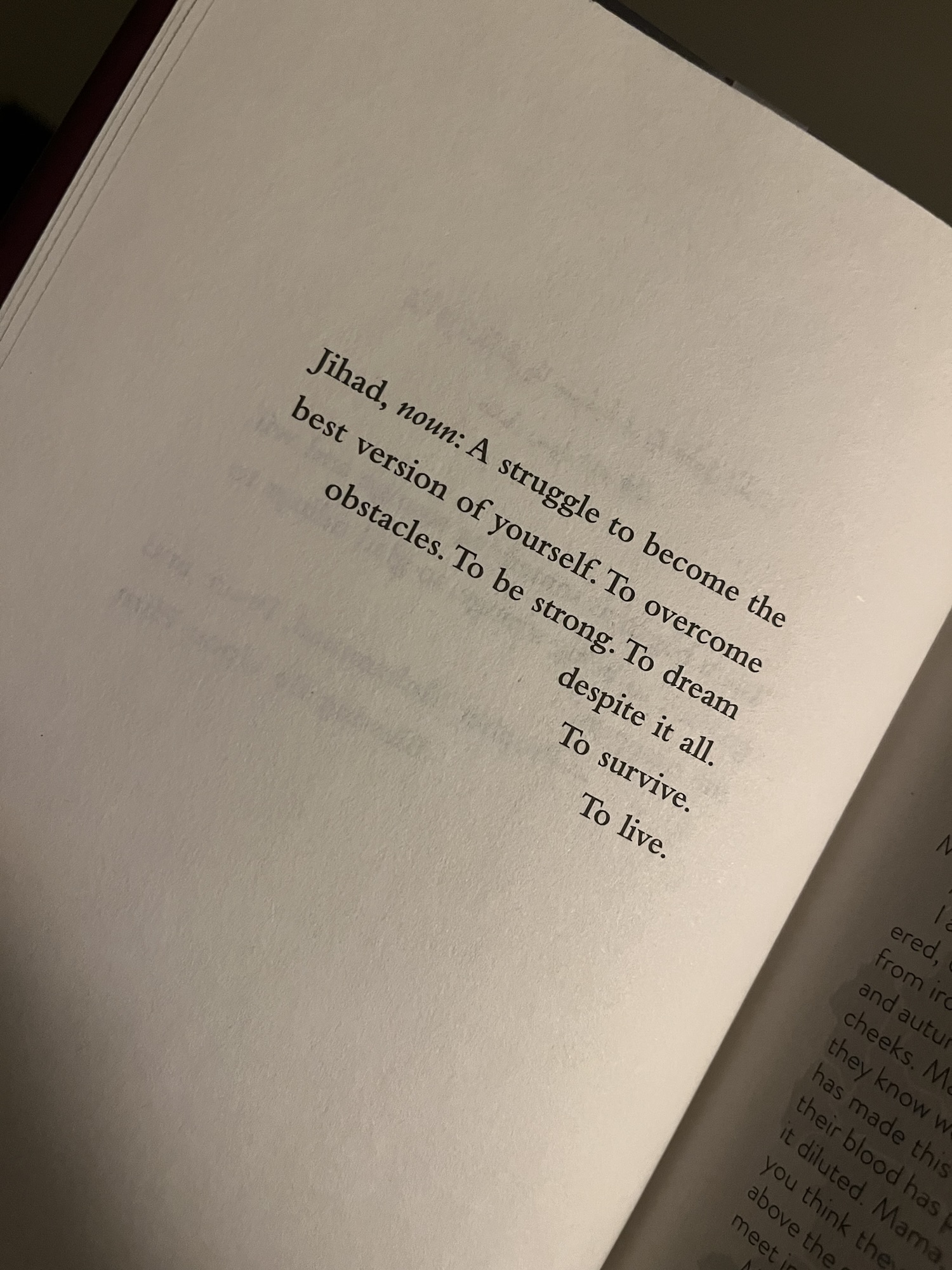
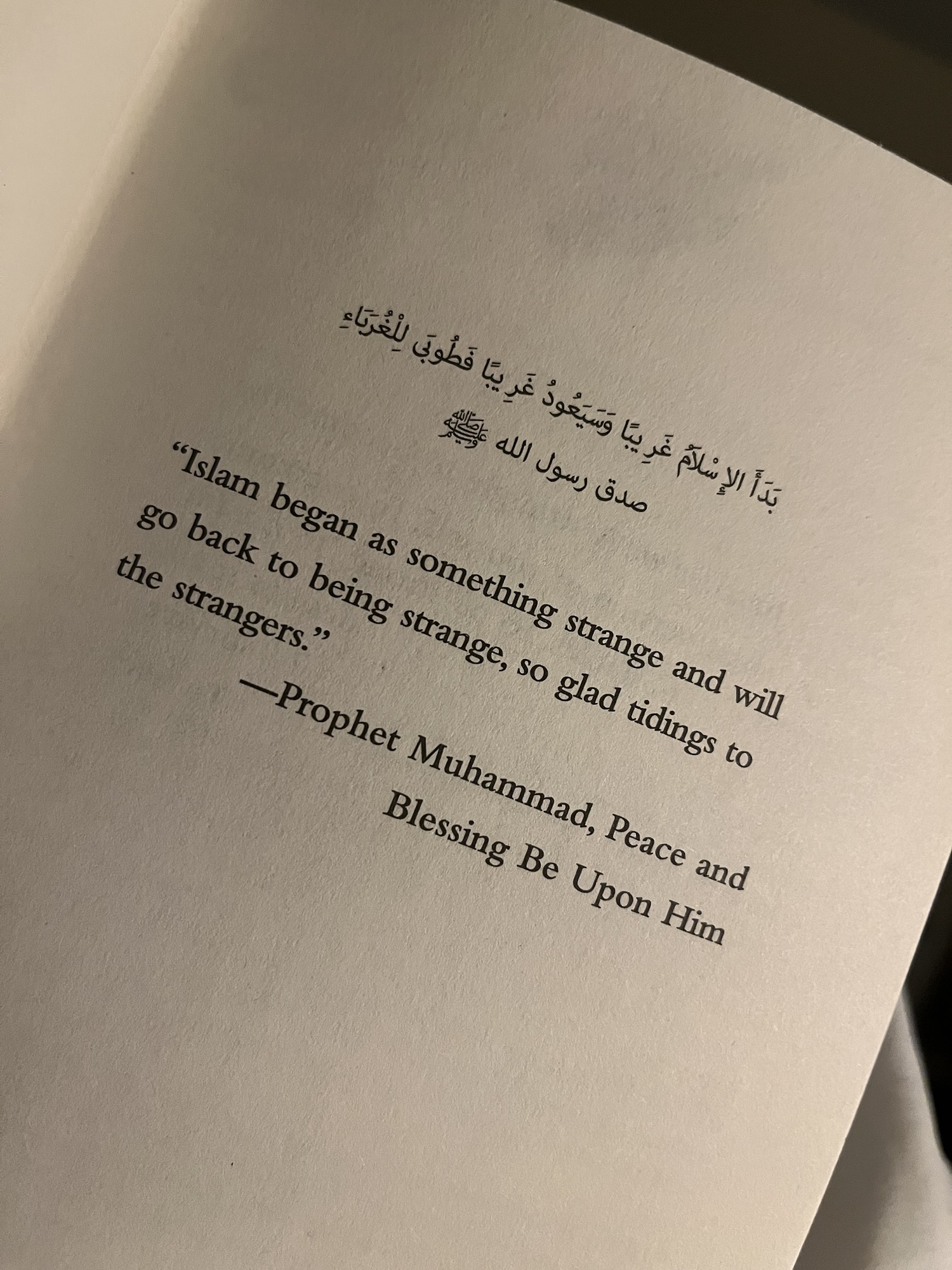
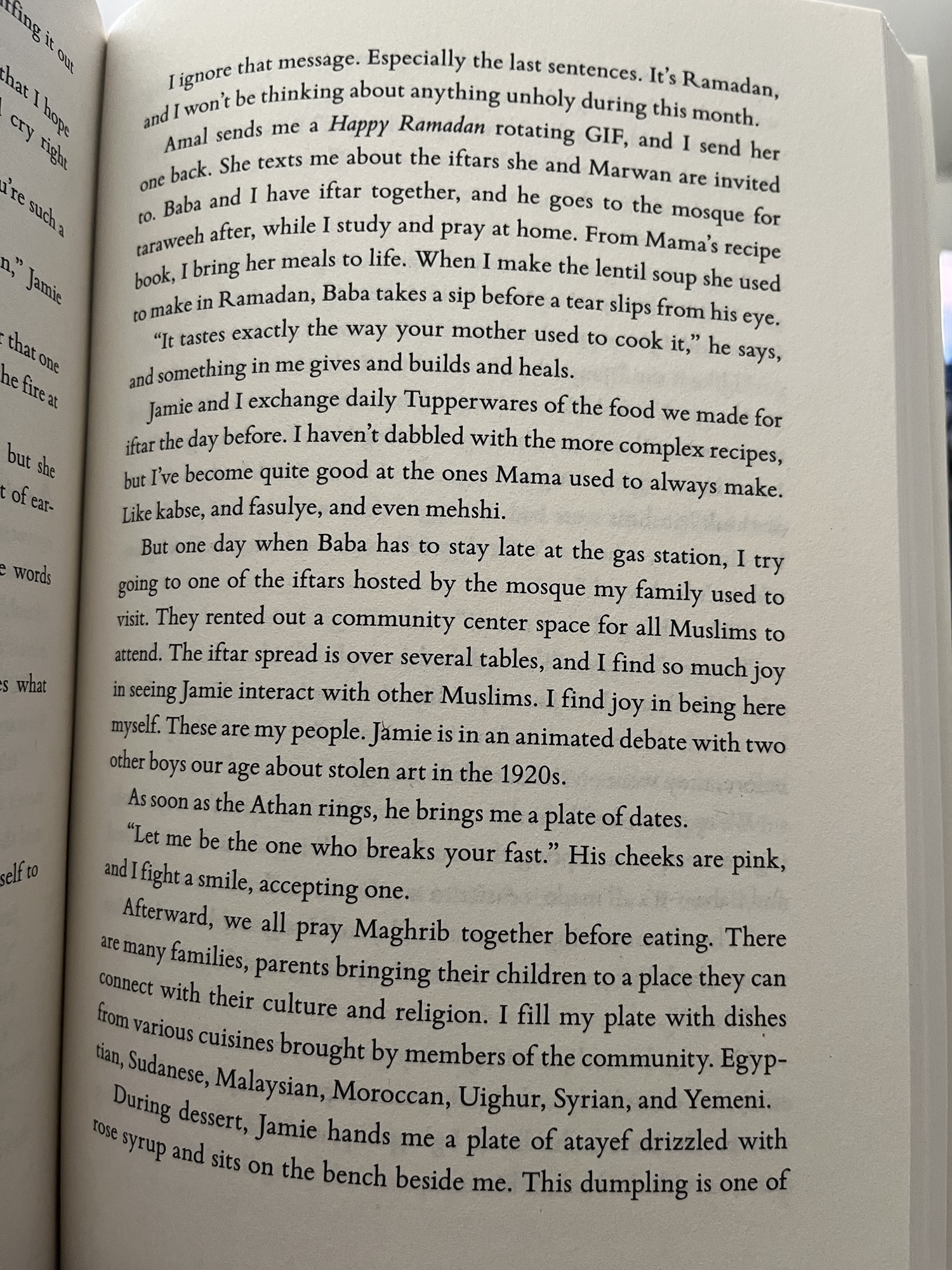
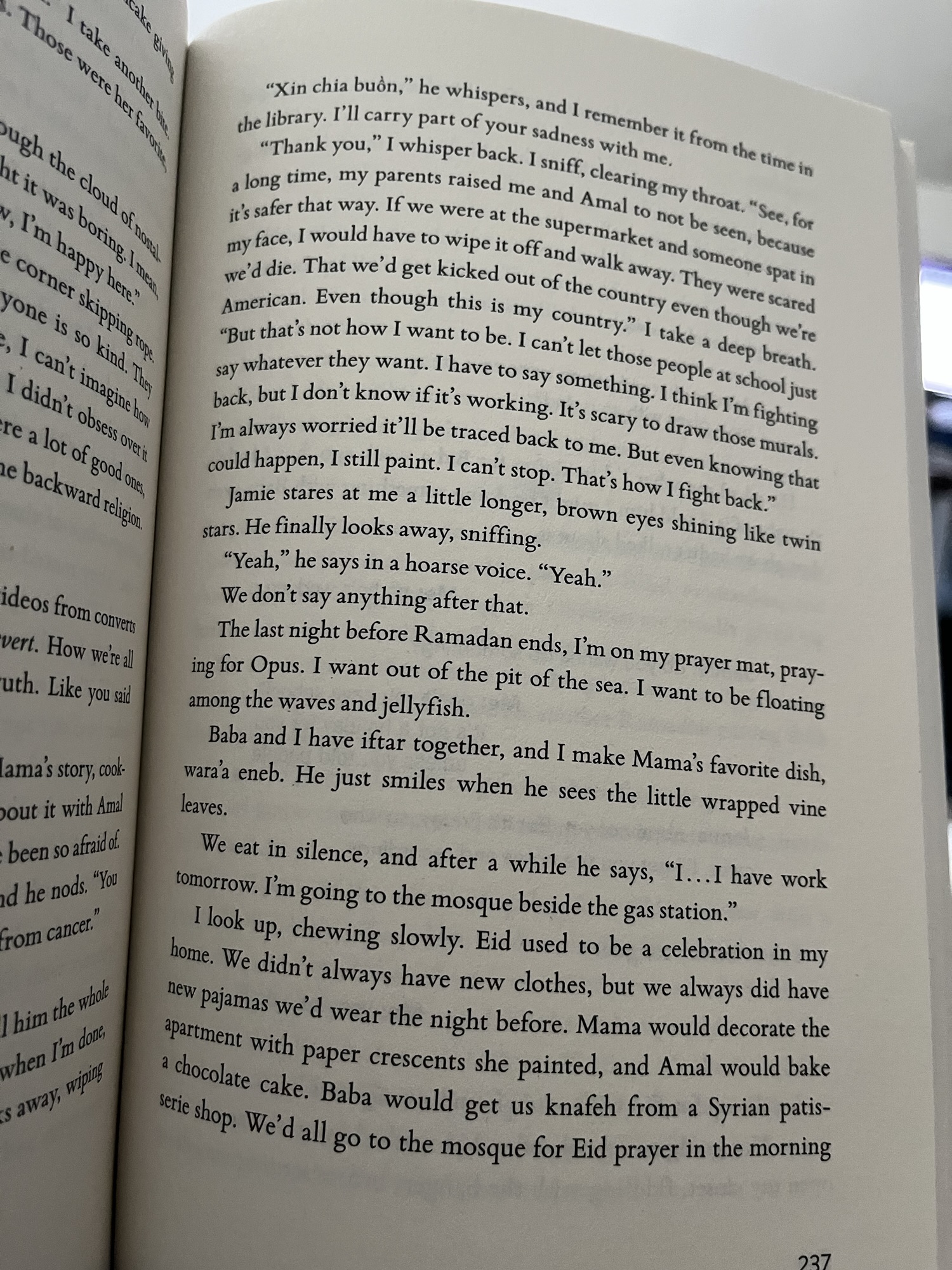
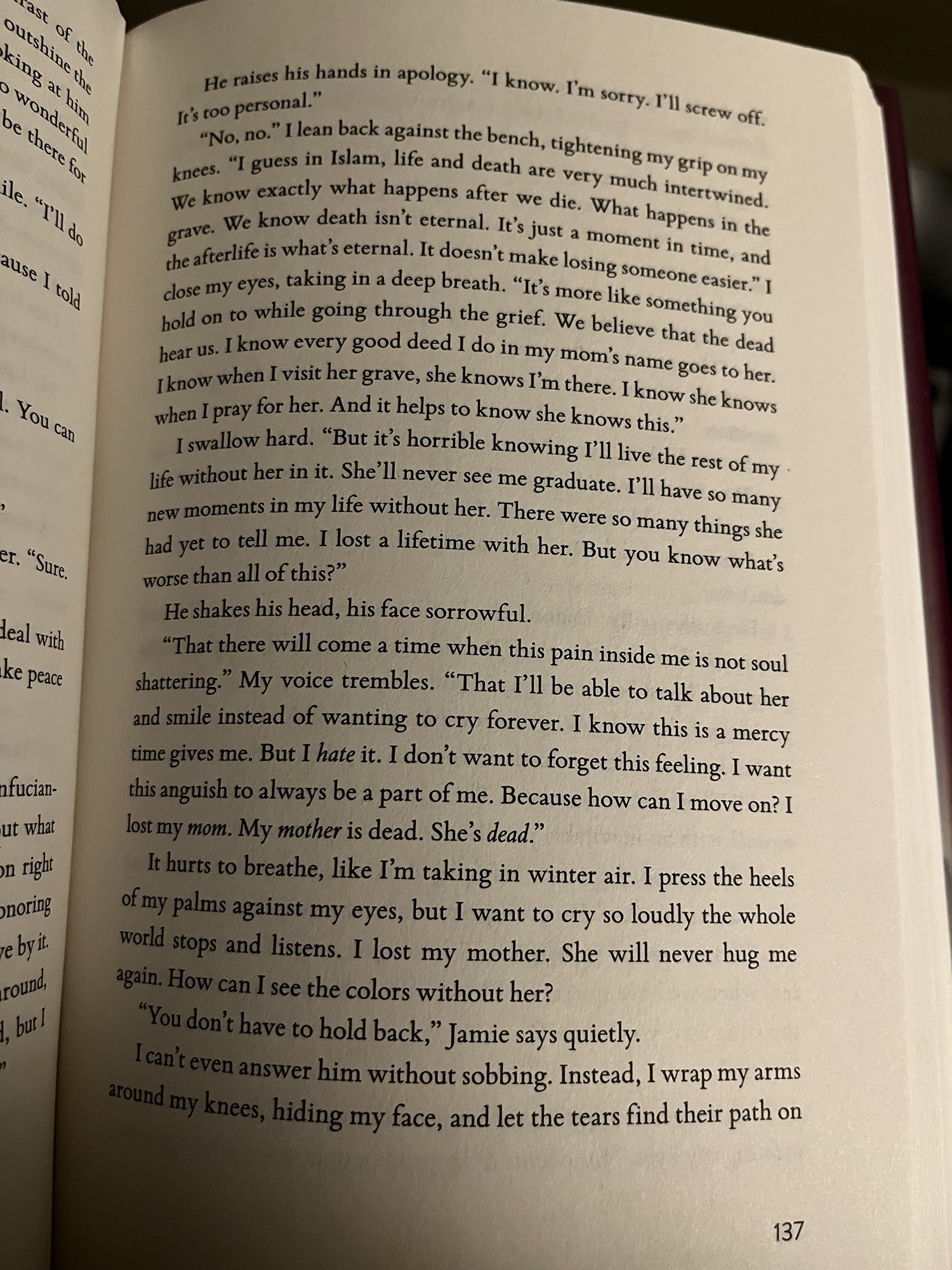
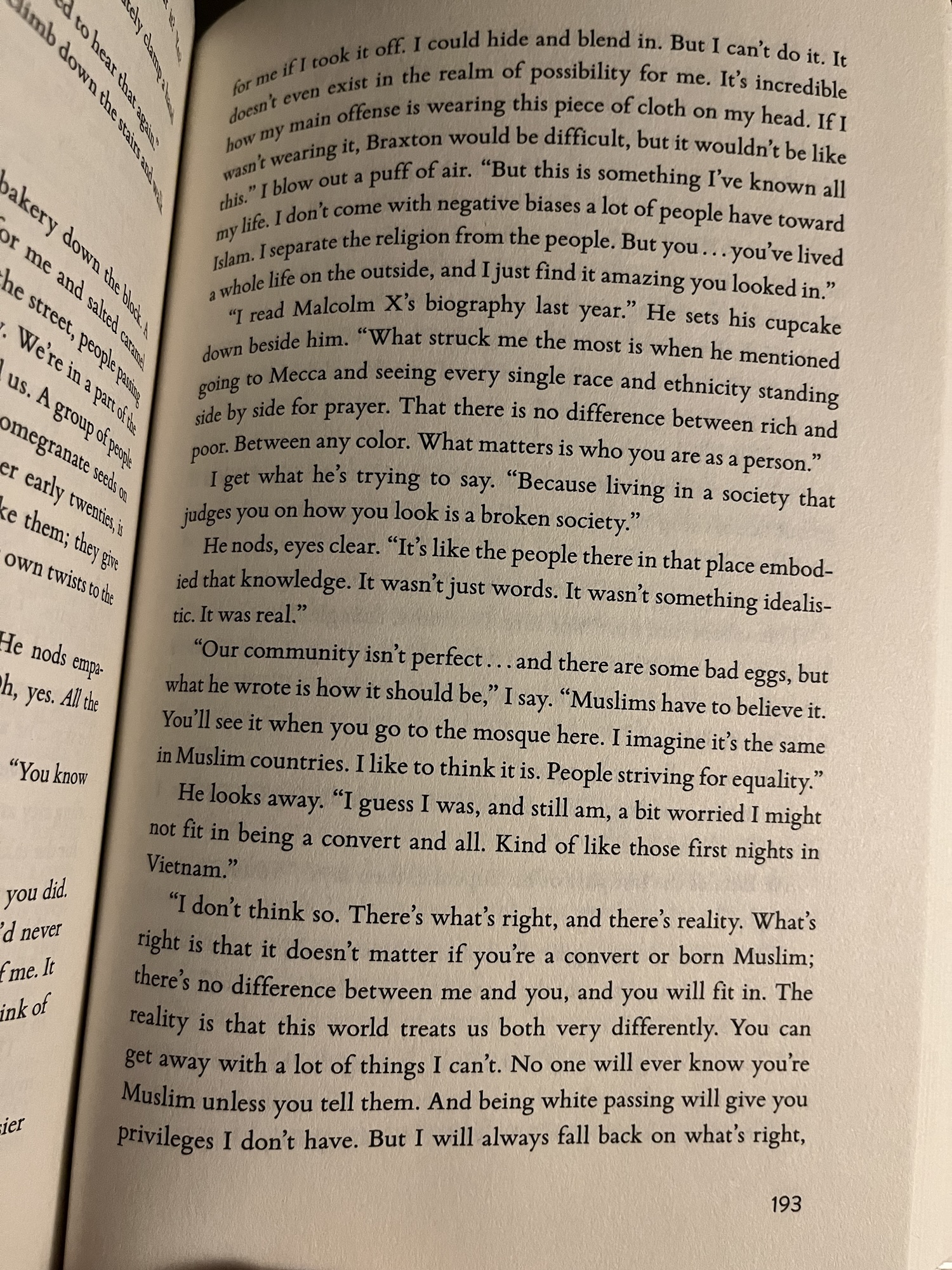
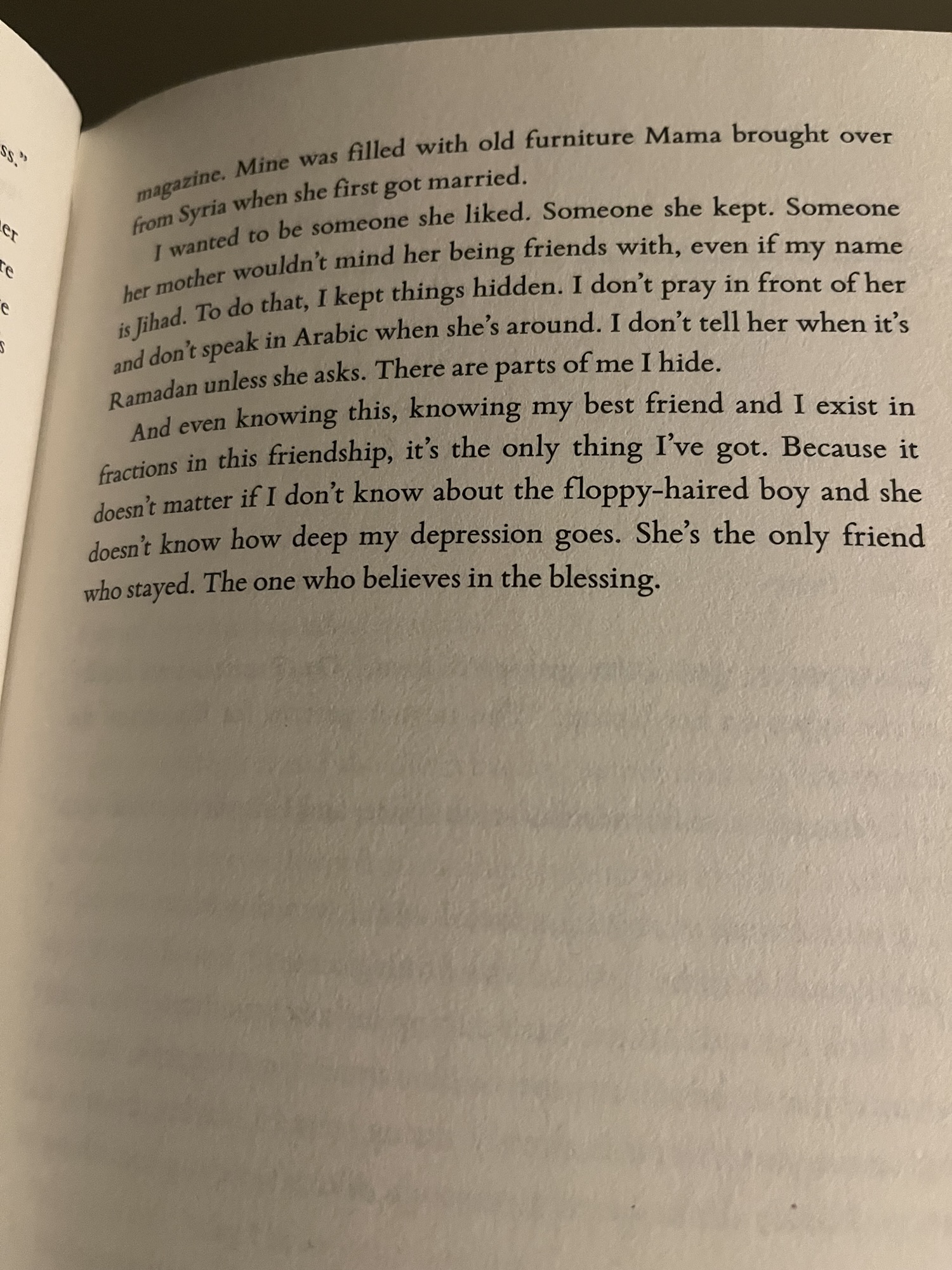
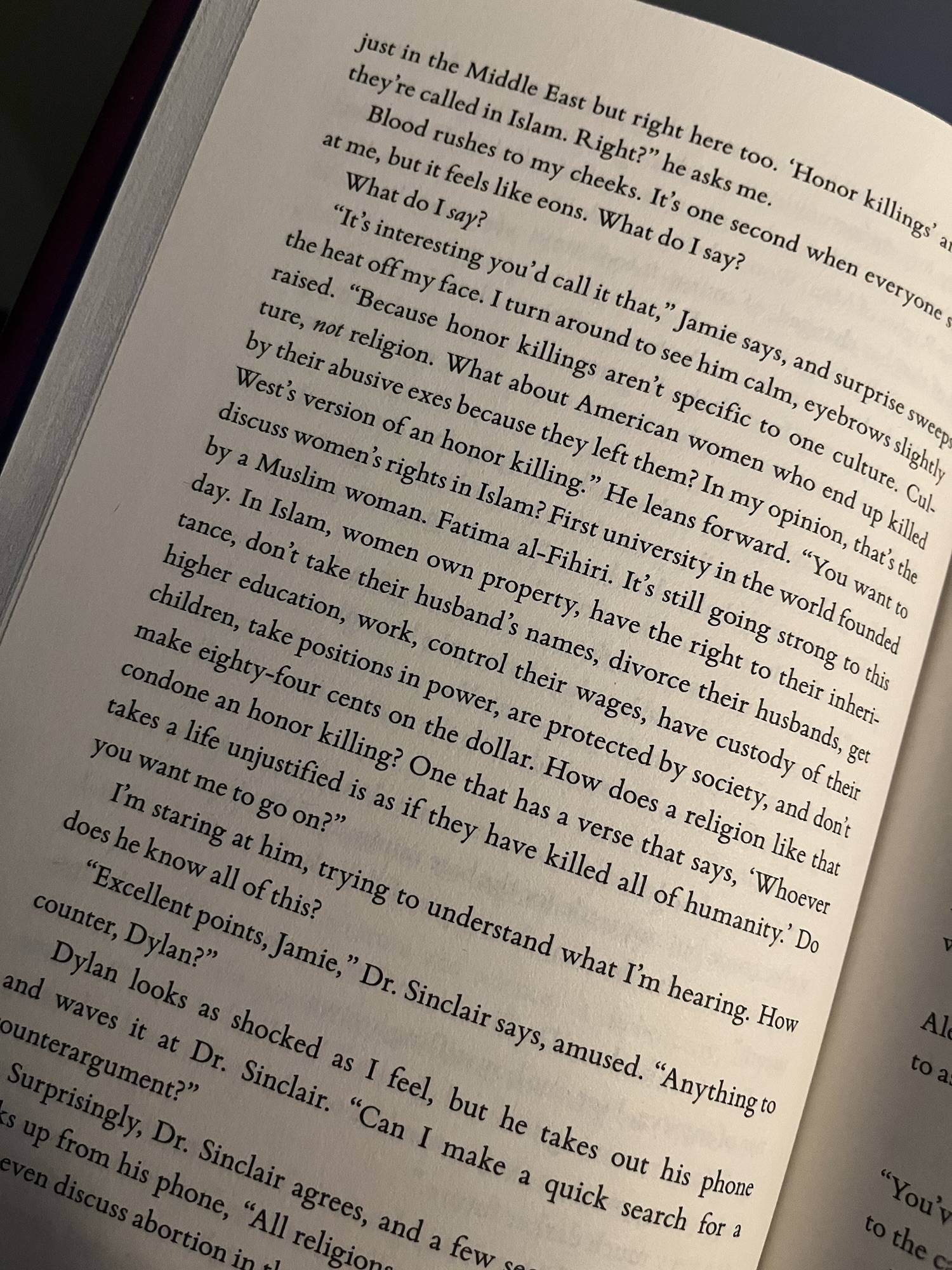
I approached reading this 358 page book with a plan: as much as possible I began with no expectations and rid myself of any Lemon Trees comparisons. And after I finished this book, which I read in two days, I have now waited a week before writing this review up, to sit with its lingering effects and takeaway impact. I did this because a YA coming of age book with a female Muslim protagonist in a new school facing Islamophobia, has been done before, the premise isn’t remarkable necessarily (like Lemon Trees), on its own. I also am not a fan of magical realism. All that to say, I really, really enjoyed the book, and appreciate what it accomplished, and the unapologetic Islam and strength of voice it did it with. A few friends remarked that teen them would have loved it, so I’d like to add that 45 year old me, also loved it. The magic realism isn’t a small thread, it is a plot point, and it adds imagery and power to a book that raises the stakes on every level. It provides a balance to the heaviness felt by Jihad’s grief, loneliness, and present bullying. I felt in many ways it also softened the questionable “halal or harmness” of the book. The relationship between Jihad and Jamie does place them in classrooms and cars alone together and sure that close of a friendship between a boy and a girl is not typically encouraged, but I would let teens read this. The book is not overly angsty, emotions are there but no acting on it, in my opinion the focus is Jihad and her finding her strength, which as a Muslim going through so much, is really empowering to see. I think young Muslim readers might find bits of her story that they relate too, but inshaAllah no one is being bullied that hard, is grieving that loss alone, is feeling that abandoned, and coupled with the “magic,” I don’t think that Jihad’s choices will normalize any haram, but rather leave the readers inspired to not lose hope. The book has a lot of Islam, not necessarily a lot of spirituality though, for me it fits with the character and what she is enduring, that she just doesn’t have any bandwidth to feel anything more. The beautiful prose brings you into the character and keeps the focus on the protagonist, the unapologetic positioning is consistent and a reminder to us all that when well done, our OWN voice stories are not just accessible and relatable to us, but to all.

SYNOPSIS:
I really don’t want to spoil this book, so I’m going to just copy the publisher’s blurb for the summary portion, you are welcome.

Seventeen-year-old Jihad Dabbagh has always seen life with a heightened sense for colors, one of many magical blessings the women in her family possess. But Jihad’s gift changes depending on her mood. When depression sets in, the world is a colorless oasis, and in the wake of her mother’s sudden death, the world has become a permanent shade of grey.

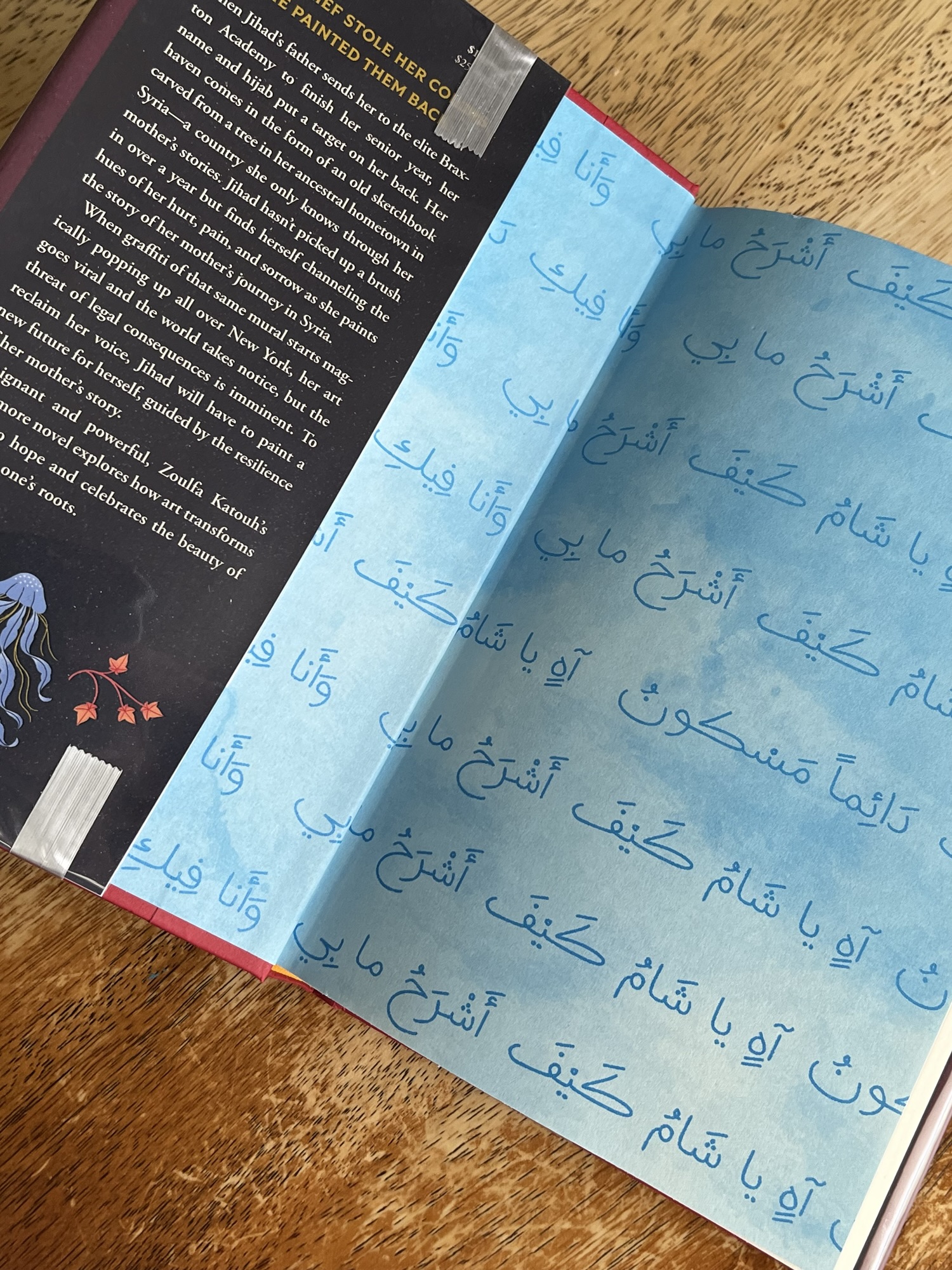
Broken by tragedy, Jihad’s family doesn’t believe her color loss. Her father sends her to the elite Braxton Academy to finish her senior year. There, Jihad’s name and hijab put a target on her back. Her haven comes in the form of an old sketchbook carved from a tree in her hometown in Syria—a country she only knew through her mother’s stories. Jihad hasn’t picked up a brush in over a year, but finds herself channeling the colors of her hurt, pain, and grief as she paints the story of her mother’s journey in Syria.

When graffiti of that same mural starts magically popping up all over New York, her art goes viral and the world takes notice, the threat of legal consequences is imminent. To reclaim her voice, Jihad will have to paint a new future for herself and Braxton, guided by the resilience of her mother’s story.

WHY I LOVE IT:

I love that regardless of what I would have done in many of the situations Jihad is put in, I can totally see, and argue, why Jihad does what she does. I think that is a testament to the writing, and while some of the relationships or side character arcs might make the most craft focused readers long for more, I was fully seeing Jihad’s world through her eyes, and ok with it. Even when major events happen to side characters, it really feeds in to how it affects Jihad and her character arc and growth.

I love the Islam and unapologetic way it is presented. There was one error about washing the bottom of her shoe while making wudu at school, but the Islam feels very real, the actions, the framing, the practice, the struggles, and it was quite refreshing.

I think in the past we have seen identity books really “other” Islam or culture and this book definitely raises the bar, by not doing that. We have also seen books that normalize haram relationships, or spend page after page trying to position the couple to not be haram at the expense of boring the reader, and I think this book is so natural in weaving it all together, that I really hope it becomes the new standard, and new chapter, pun intended, for YA Muslamic books. The book has threads of “romance,” bullying, Islamophobia, neglect, grief, family drama, violent crime, magic, but for me at the heart, once that all falls away and I sit thinking back, a week later on what I recall, it really is Muslim female strength and empowerment.

FLAGS:

Death, loss, bullying, Islamophobia, abandonment, violence, manipulation, grief, loss, boy girl friendship, threat of sexual assault, threat of violence, unwanted touch, vandalism, graffiti, systemic failure, racism, stereotypes.

TOOLS FOR LEADING THE DISCUSSION:

I would love to do this as a book club read with high schoolers. Let’s make this happen!!!

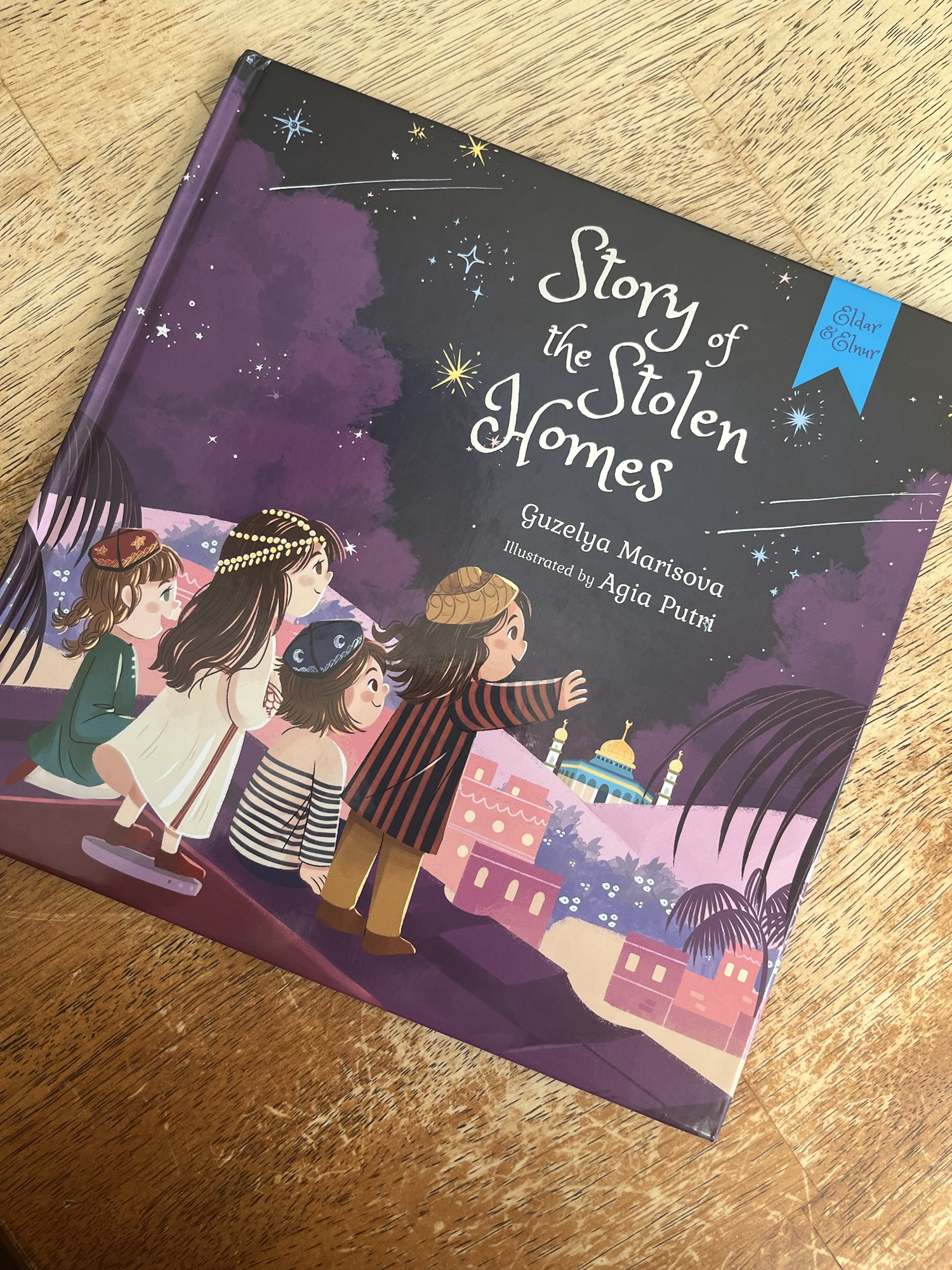
Eldar & Elnur Story of the Stolen Homes by Guzelya Marisova illustrated by Agia Putri

Standard
Eldar & Elnur Story of the Stolen Homes by Guzelya Marisova illustrated by Agia Putri


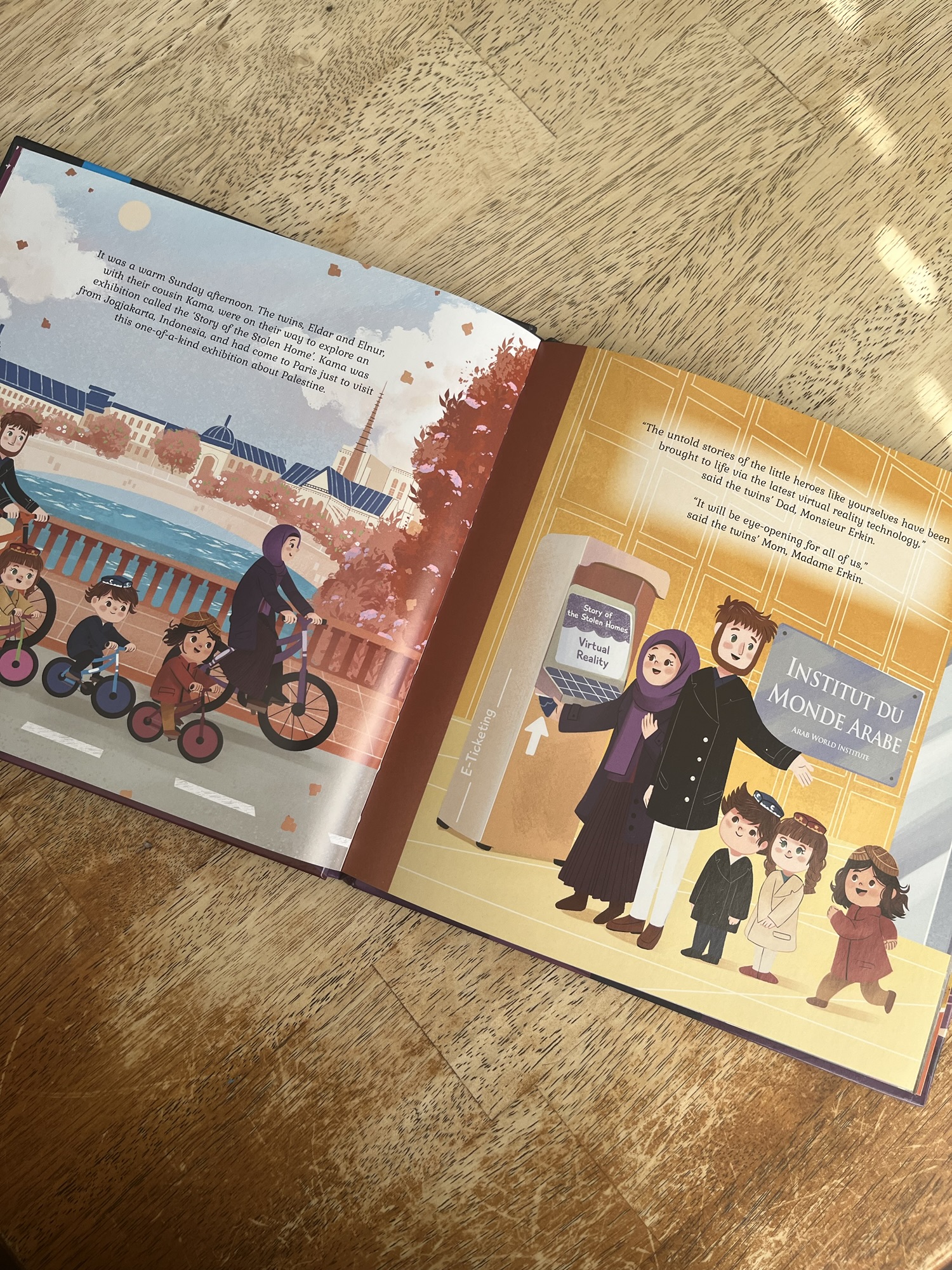
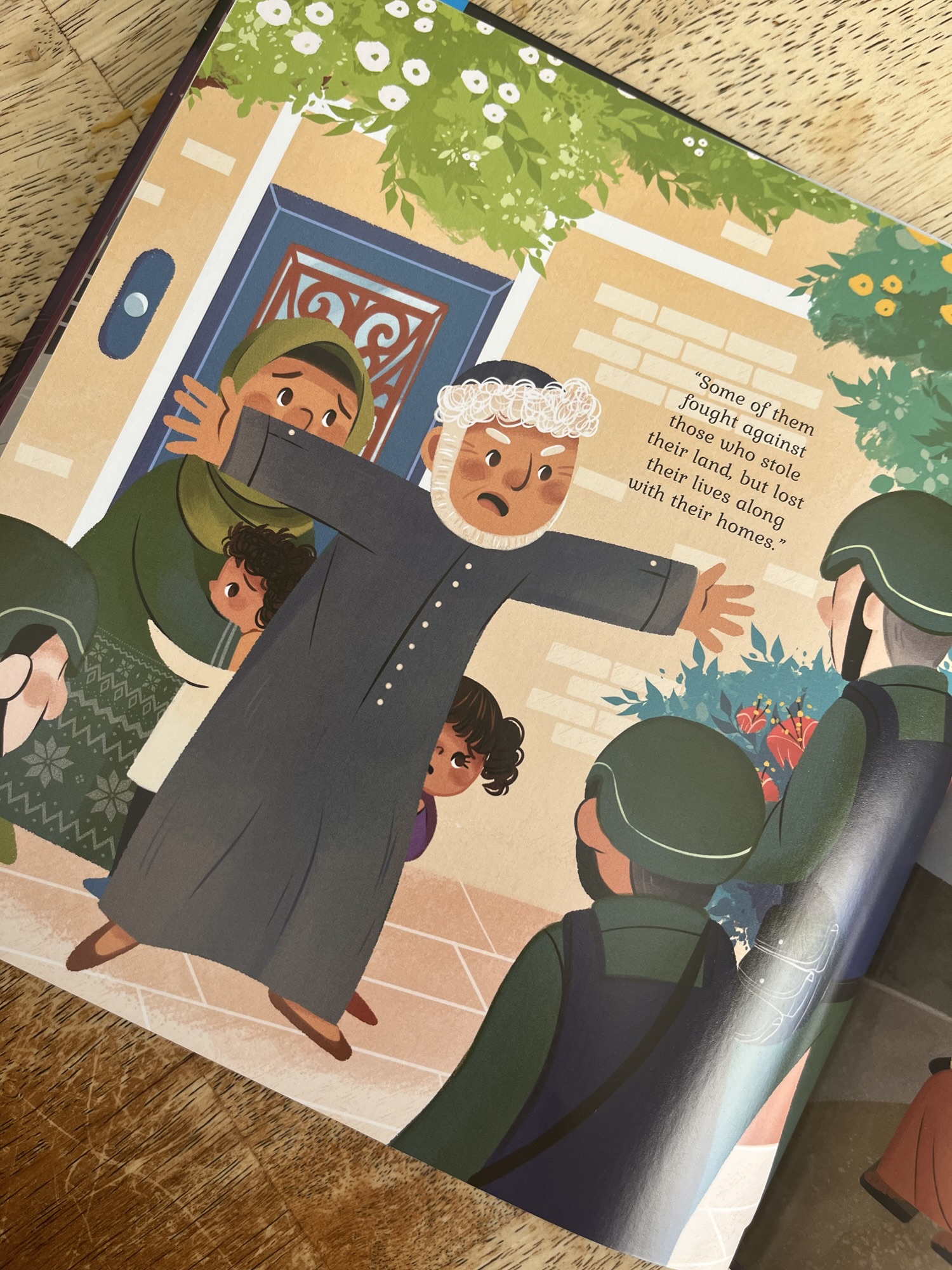
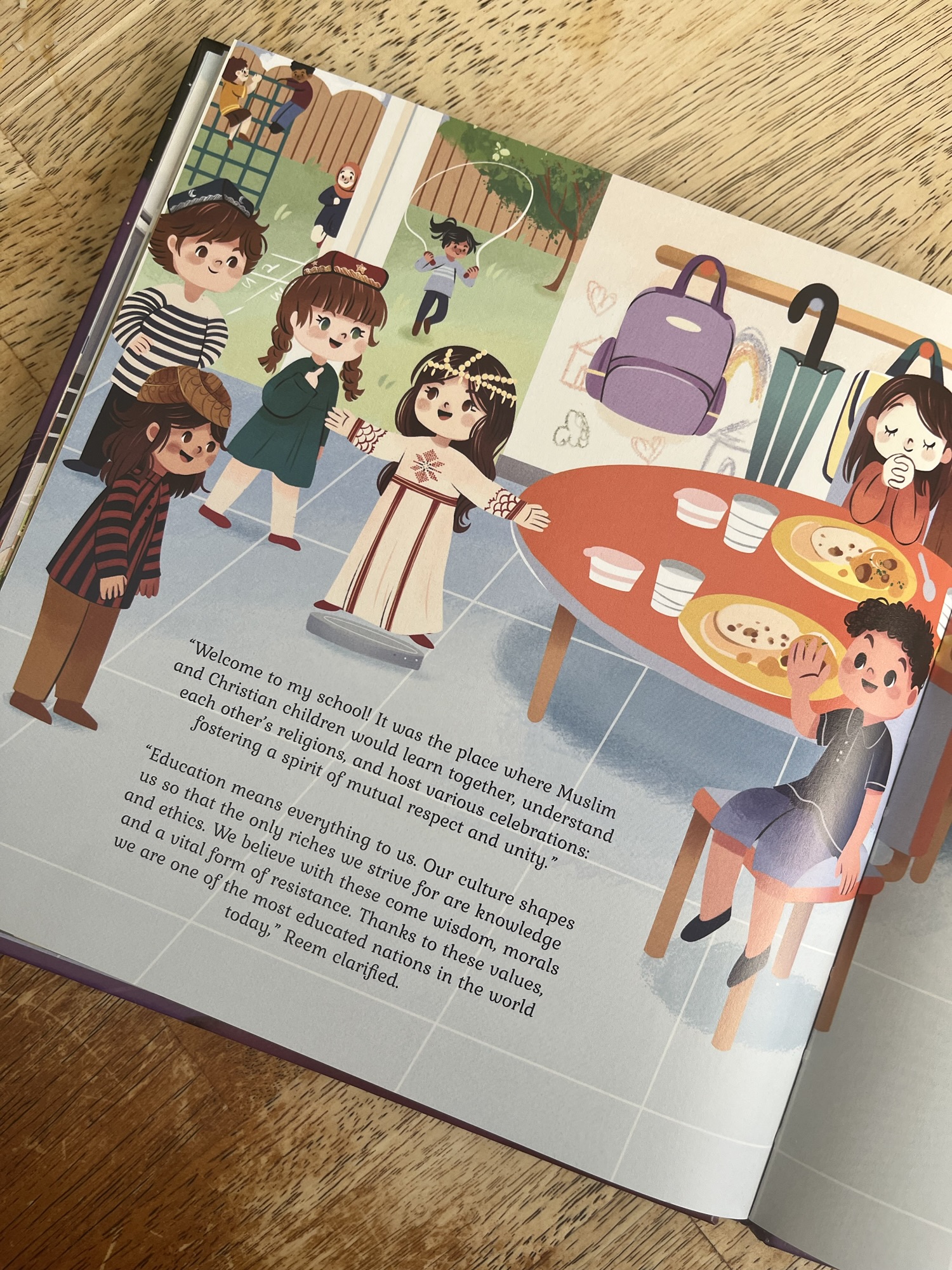
The intent of this 22 page book, to increase solidarity and bring awareness about Palestinians being forced from their homes, is admirable; Having the characters at a museum to see a virtual reality exhibit about this, is a unique to way convey the story to the readers. But yikes, the early pages are walls of text, and the positioning of the kids and their families going to the museum is really wordy and hinders readers connecting with the information to come. An editor should have been consulted, and the text condensed and simplified. Once the “Story of the Stolen Homes” begins, the text slowly reduces, and with Islamic teachable moments worked in, the book does leave one satisfied at the end, it just takes some perseverance and encouragement to young children to get there. The book is not OWN voice, as neither the author nor illustrator are Palestinian.

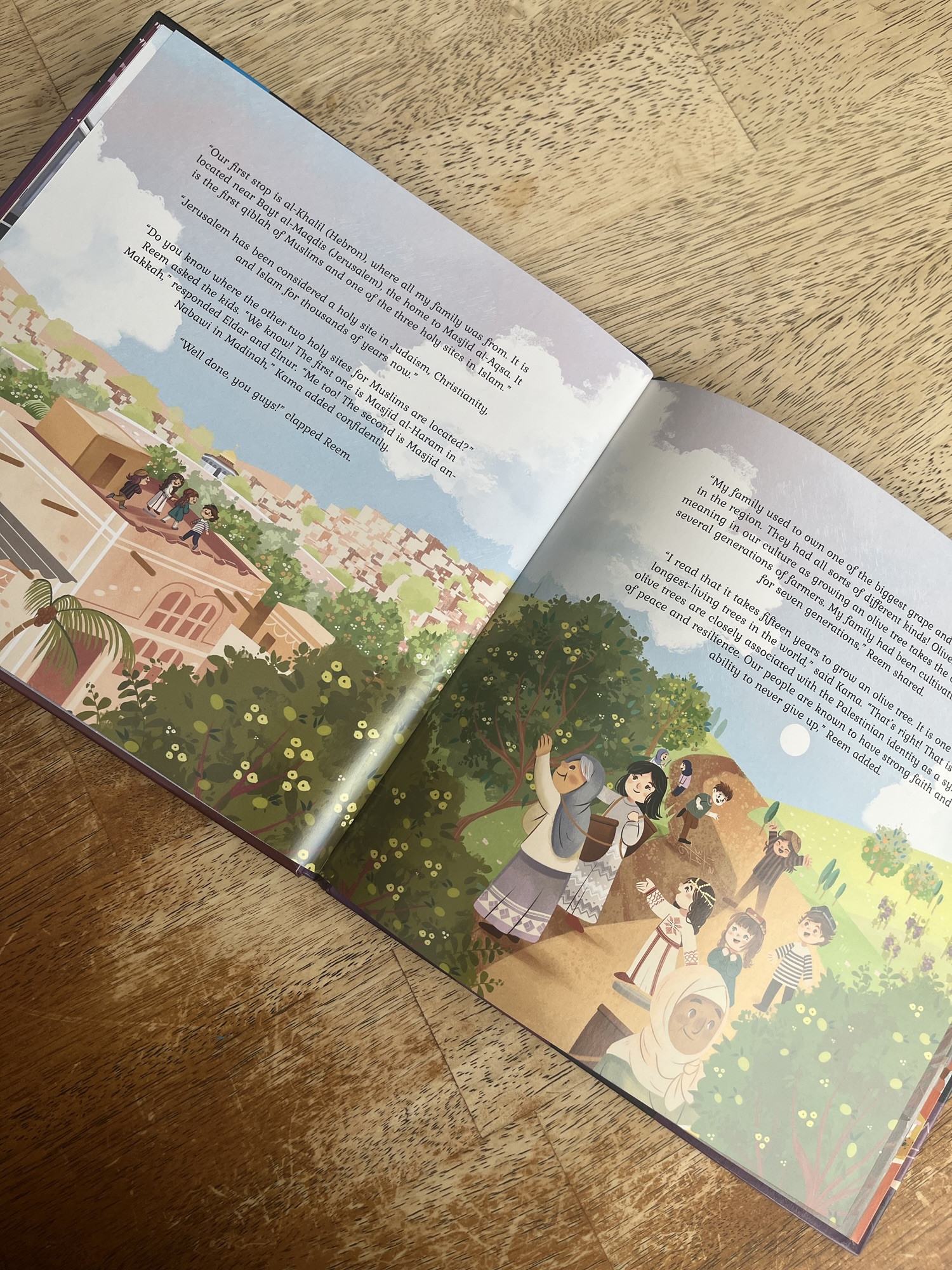
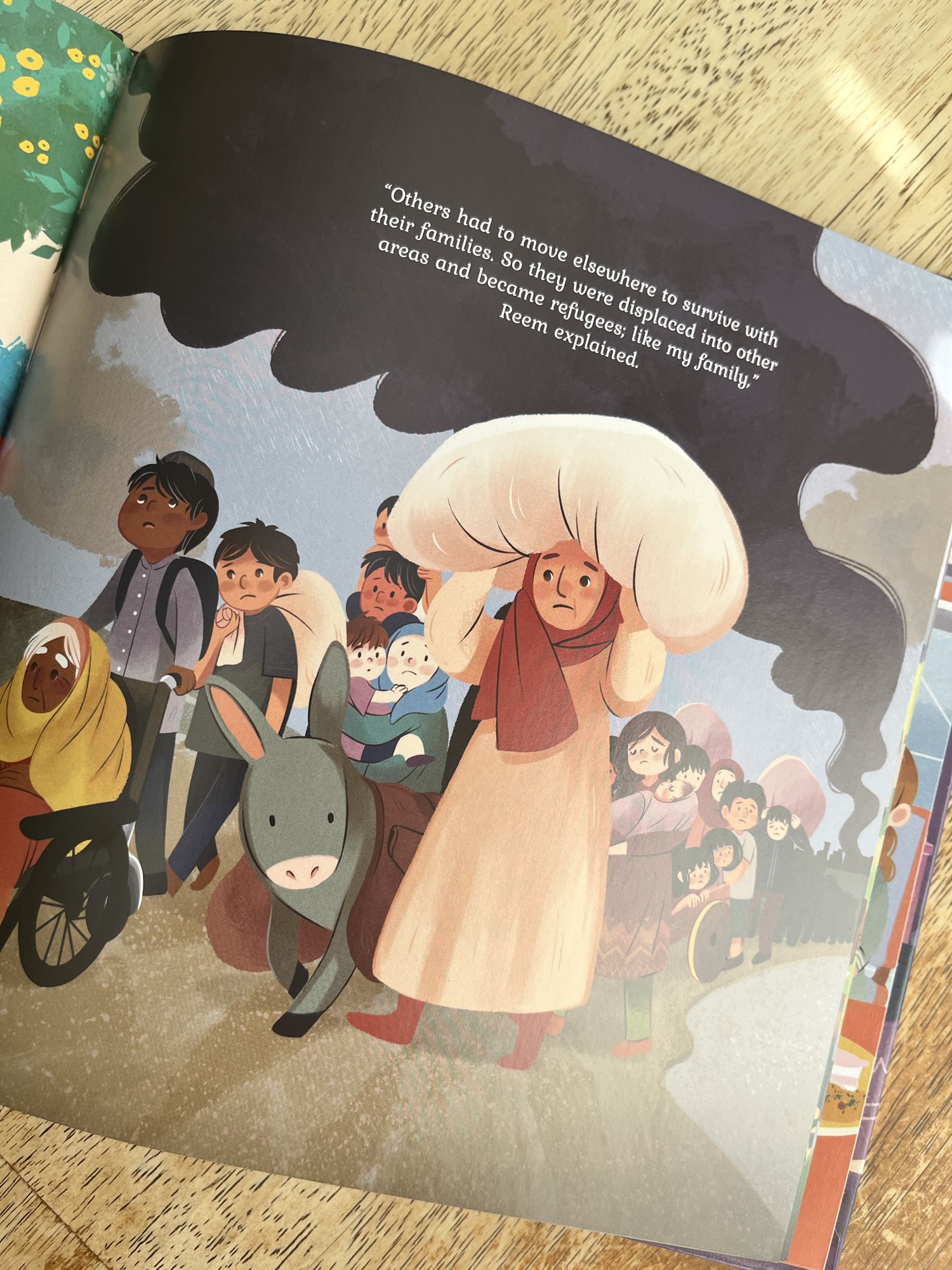
The story starts with the twins and their parents, joined by their cousin from Indonesia, heading to see a virtual reality exhibition on stolen homes in Palestine. They meet their hologram tour guide Reem, and she begins with the first stop of her home, al-Khalil. She talks about Masjid al-Aqsa and asks the kids about the other two holy sites for Muslims. They discuss olives and how the home was stolen.

The next stop is Gaza, where a once beautiful garden is killed when water is stolen, and a well poisoned. The final home stolen, is Reem’s school. The story ends with urging the children, and readers, to always be grateful to Allah swt as Jannah is the home awaiting us all inshaAllah.


The Line They Drew Through Us by Hiba Noor Khan

Standard
The Line They Drew Through Us by Hiba Noor Khan

I’ve been trying to get through this middle grade 304 page book for well over a year, and it has been a struggle. I think the emotional release by the end is well done, but the journey to get there requires enduring pacing issues, truncated plot threads and scenes, magical realism, and some really forced positioning of characters and scenarios that I don’t feel warranted the time and page space to add anything to the key points of the story. When the storytelling was at its peak though, it was enjoyable and heartfelt, and the pages flew by, unfortunately though making the difference in writing more jarring and difficult to get through. I love that the book sticks to the colonizing British being the “villains,” but the individuals themselves on all sides being seen in shades of gray. No easy feat, no doubt, to feature such a wide and diverse casts of Britishers, Muslims, Hindus, Sikhs, Parsis, Jains, etc., and to keep from villainizing or glorifying any one group. I don’t know that I understood the point of the magical realism, though, of the no named village, the banyan tree, the kids all being born on the same day, it seemed unnecessary and distancing when trying to connect to the characters and their very real partition of the subcontinent. I love the idea of the book, we need more partition stories that encourage critical thinking, and aren’t all rosy and neatly tied up. I just don’t know that a middle grade reader will be able to immerse themselves in the time and environment with the often choppy breaks in events, and locations, and abandonment of scenes with no context or tie backs provided. There are a lot of names and religious identities that muddle together, and with all characters celebrating each others holidays and partaking in community without delineation, it makes for a lot going on in the beginning, that I think will be difficult for the target audience to digest and get through to appreciate the remainder of the tale.


SYNOPSIS

Told from Jahan’s perspective the book focuses on three kids born on the same day, to families with ties to an unnamed village that can never be on a map. Their births are recorded by a banyan tree and the Muslim Jahan, Hindu Ravi, and Muslim Aisha who is nicknamed Lakshmi, grow up as intertwined as the tree’s roots. The village raises them collectively as Nanas and Nanis and Dadas and Dadis all become elders to the children, at least that is the way I decided to take it when keeping track of all the relations (and I speak some Urdu) got a bit too confusing. As they journey back and forth between the village and Lahore prior to partition, we see the kids and the near utopia that the village represents of all faiths living together and respecting one another. Jahan is becoming a hafiz, and wakes for fajr regularly, Ravi plays his instruments and goes to Temple. As partition looms we see the effects that carving up a country that has been occupied for so long starts to have on the families, the children, the anger and tensions that are escalated and the evil that brews in chaos, all while the characters at the center strive to keep connections and hope.

WHY I LIKE IT:
I love that the Islam is not watered down, even if at times the characters blur with partaking in each other’s rituals or considerations, I like that they believe what they believe and it is unwavering and largely uncompromised. I think the book does a good job of separating the collective labels from the individuals, to see that it was a trying time that brought out the best and worst in people of all ages. Craft wise, I just struggled with the going back and forth from Lahore to the village, the build up of planning the games and contests and pranks that had no baring on the story because they would just end and not be threaded through for a purpose or character growth or even resolved. As a result it just made the story wander and for me, at least, often lose interest. I loved when the trio was all in Lahore and thwarting the gang, solving a mystery and being the amazing clever detectives. Most of the scenes of them just being together were delightful and I wish they would have been connected better, the justification of why they were together and how their families all aligned to get them together were just unnecessarily exhausting.

FLAGS:

Violence, death, people being lost, people disappearing, angry mobs, ghost trains, birthdays, girl boy friendships, celebrating each others holidays, lying, boys dressing as girls to sneak in to a gangs hideout, lying, sneaking, anger, riots, music, talk of possible reincarnation, magic.

TOOLS FOR LEADING THE DISCUSSION:

I think this book would be a great supplemental assignment to a lesson on colonization or partition. If read in a small group I think a lot discussion would be needed to help shed light on the politics and ongoing repercussions that still persist and would make for a great conversation and critical thinking exercises. I would not be opposed to shelving the book, but I think once the topic and tempting cover have been exhausted, most middle school or even middle grade readers will lose interest before the story gets good, so to speak, and I can’t see many kids reading this independently to its completion, although I do hope I am wrong.

Hidaya: Wira and the Spiritual World by Fahem & Hamid illustrated by Fahem

Standard
Hidaya: Wira and the Spiritual World by Fahem & Hamid illustrated by Fahem

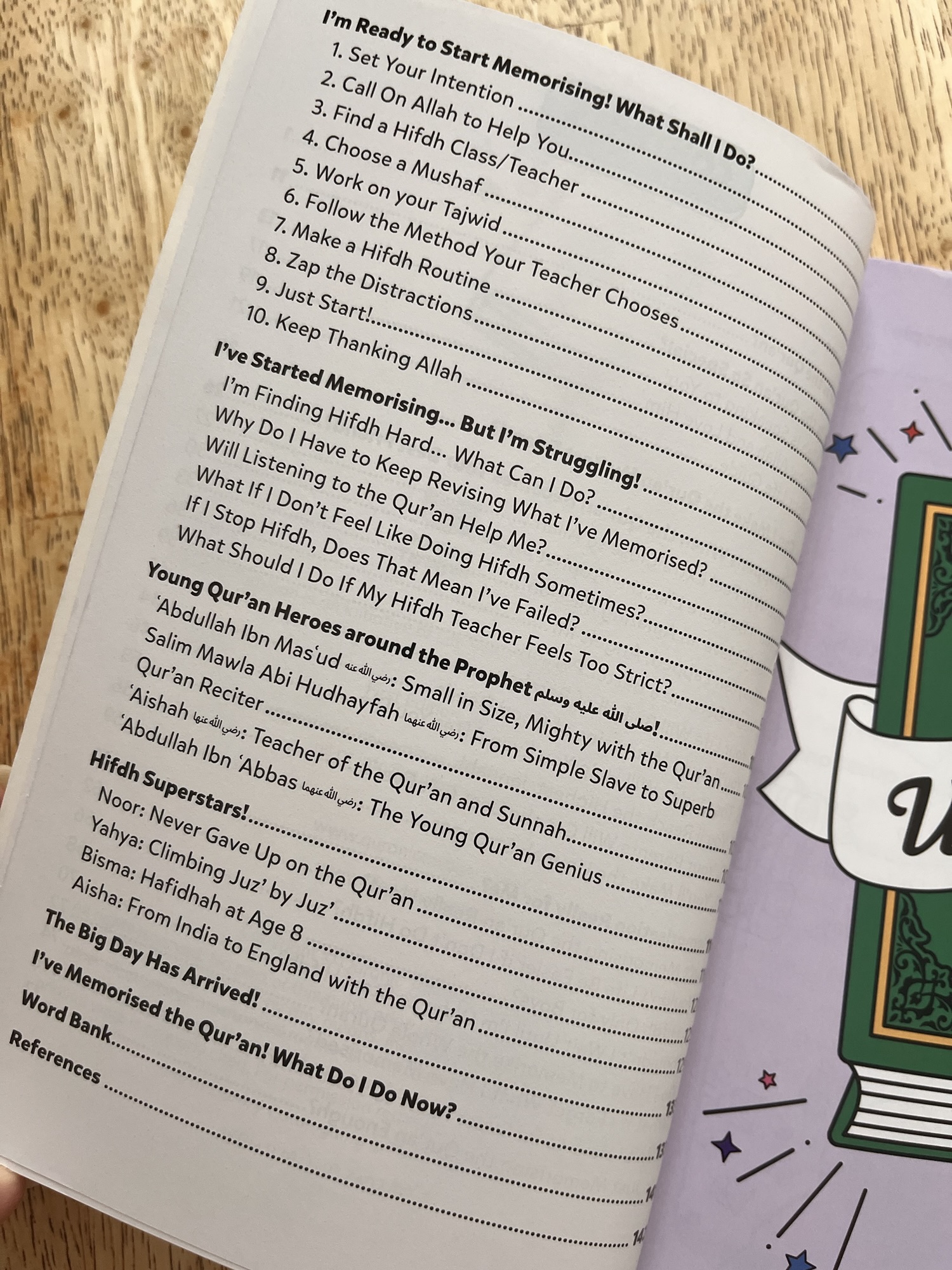
First published in 2024 I have been anxious to get ahold of this Muslim manga, and curious why no commentary reviews seem available for the book that recently released in the United States. After reading the book, I think I know, readers, myself included, aren’t quite sure what to make of it: does it skirt the line, really close, to being shirk or cross it? Does it take an Islamic concept and just twist it for fictionalized exploration? Is it a Sufi read, and thus not palatable to those that don’t practice that way? The book is just an introduction, it leaves off on rising action and so much of the aforementioned questions are left very vague, with nothing to back up any argument one way or another. As someone not familiar with Karamat and walis (other than in wedding environments), I felt uncomfortable with the premise of the book, and despite my 5th grader asking about it, I did not hand it over. The art is fantastic, I love the concept of going to a different realm to battle nafs, but again we don’t see how it is developed to know what results from that thread. The book does mention Halloween when costumes appear, presumably there is an error as it has Wira having a female pronoun on one page, when he is a boy, but it could be indicative of something more to come in the future, and there is bullying, dishonesty, and very choppy scenes, which perhaps are manga style, admittedly a genre I’m not familiar with as well. As a result, please look through the inside pages I am sharing, and decide for yourself if it is a good fit for your family or not, clearly this review is indecisive based on my own limited knowledge of manga and karamat.


The book follows Wira, his sister Hiba and some cousins as they train in martial arts, deal with bullies, and play video games. Wira, additionally dreams of being amazing like the Prophets, being a wali, and having powers. When he encounters a hermit in the jungle who has unworldly abilities and a retinue of animals that serve as spies, he and Hiba are whisked away to the Spiritual World of the Hearts. Once there they lose Master Rashmad and meet Master Hikmah. The book abruptly ends with promises of volume two to come.

The buildup is rather disjointed at this point, it is unclear why bullies and video games and a martial arts tournament and money woes have been presented. I don’t know if I will follow up with a second volume to get answers, but I did feel that even with my own lack of knowledge, just putting some thoughts out there and some inside pages, families could be better equipped to decide if the book is a worthwhile investment.


Super Nani and Captain Yaz by Saira Shah illustrated by Maria Gabriela Gama

Standard
Super Nani and Captain Yaz by Saira Shah illustrated by Maria Gabriela Gama

This 40 page picture book shows a grandma and grand daughter, not really overcoming, but make progress by putting in effort to connect despite language limitations through doll making and imaginative play. The dupatta wearing Nani comes to visit Yazmin for the first time, and once the excitement settles, Yaz comes to understand that Nani only speaks Punjabi and not English like Yaz. A bit of a stretch that Yaz wouldn’t know this about her grandma, but the overall sweetness of the story overcomes some of the weaker plot elements. And bolstered by the engaging and bright illustrations, the book does make for an enjoyable read and springboard for modeling thinking outside the box to make connections. I do appreciate the cultural rep, and the mention in passing that “Captain Yaz fights battles to save the world…even at the mosque.” I additionally like that there are directions in the backmatter for “How to make your own Superhero Rag Doll,” as well as a map of Punjab, a glossary, and “A Note from the
Author.”

Yaz wakes up to the news that her Nani is coming to visit for three months as dad stirs the curry and mom hangs bunting. In preparation Yaz puts on a shelwar kameez, has her hair braided, and mehndi applied. Once Nani arrives and doesn’t understand Yaz’s superhero explanations, it becomes clear to Yaz, that there is a problem. The two, meeting for the first time, do not share a common language. As the days pass, the excitement drains and quietness takes over.

Then Nani is sewing one day, and together the two of them make a rag doll, “Captain Yaz.” The doll becomes the catalyst for adventure and exchanging words in Punjabi, even when Nani has to go back to her home. The two find a way to keep in touch, and Super Nani joins the mix.

This book reminds me of so many Ramadan books that have the protagonist wake up wondering why the house is decorated and the family is up eating when it is dark outside. Similarly, I find it a bit odd that Yaz knew no Panjabi and didn’t know her Nani didn’t speak any English, that the family is cooking and decorating for her sudden (?) visit. The family doesn’t even make a trip to the airport, Nani just knocks on the door. I also wish there was some Islam or cultural grounding, I was very surprised they went to the mosque, it honestly felt a bit out of place. I’m probably overthinking, but by the same token I do like that the two of them, Nani and Yaz, just needed to find a way to engage with one another, the love was never in question, and distance and language were ultimately just minor obstacles.

Let’s Visit The Three Sacred Mosques: Pop-up Collection Masjid al-Haram Masjid, al-Nabawi Masjid, al-Aqsa by Sara Khan illustrated by Ali Lodge

Standard
Let’s Visit The Three Sacred Mosques: Pop-up Collection Masjid al-Haram Masjid, al-Nabawi Masjid, al-Aqsa by Sara Khan illustrated by Ali Lodge

This gorgeous boxed set is sold as a unit, so I will review all three of these 20 page, thick 8 x 8 board books with two pop up spreads in each, in one post.  Each book features Huraira,  a little gray cat, taking our littlest Muslims in to Masjid al-Haram, Masjid al-Nabawi, and Masjid al-Aqsa. The factual beautifully illustrated books share basic details and information about each location, often breaking the fourth wall to keep the reader engaged. The backmatter of all three features a spread with key facts, a “Check your knowledge” quiz, with answers, and finally a spread featuring activities.  Much like the author’s first series, this collection is both informative, easy to engage with, and spans a wider age than the typical board book. Adults and children alike will enjoy spending time in the pages learning about and reflecting on these three important masajids.

The series does a good job picking and choosing key facts to share without overwhelming the pages, and readers.  The illustrations also complement the text and make it easy to understand and remember the details such as the al-Aqsa complex being more than one structure, the Rawdah being between the minbar and the Prophet’s house, and showing the Haram without it feeling like a Hajj book.

A few pages of the Masjid al-Haram book are a bit text heavy to look at, but the lines flow, and I don’t see them being cumbersome.  I was surprised the books sit backwards in the thick cover, but overall the quality is solid, both in structure and in content, alhumdulillah.

The Glowing Hours by Leila Siddiqui

Standard
The Glowing Hours by Leila Siddiqui

This 336 page adult gothic horror book frustrated me.  When I got stuck reading the electronic arc, I waited until publication and checked out the physical copy, when I got stuck reading that I switched to an audio version.  It had so much positioning and build up and details that I really was hoping I’d be rewarded with some fantastical imagining and historical fan fic bringing to life a period of history among real notable writers and a mysterious summer they spent together in 1816.  Told from a “Mohammedan” house maid, Mehrunissa Begam’s experience working for the Shelleys, shows us how her misfortune brings her into the company of Mary, Percy, Polidori, Claire, and Lord Byron at Lake Geneva and specifically the Villa Diodati. The author researched the people, the times, and the setting, and obviously took liberties to not only fill in the blanks, but to make a fictional story of it all. But so many threads and details left untugged on, made the book slow and drag in some places, and seem glossed over and underdeveloped in others.  The book is an adult read, with a mature scene, killing, death, power struggles, manipulation, haunting, and the like, and there is really no Islam.  Mehr doesn’t put the label of faith on herself even though she regular recounts her family lineage as being religious and the shrines that people come to pray to as being salvation for so many.  The crux of the hauntings, or at least a contributing factor, I think, SPOILER is not the literary folks Mehr looks down on, or the love and power triangles the house manipulates amongst them all, but the taweez, the amulet she wears from her deceased mother.  So culture more than religion is definitely a part of the story, but in an othered sort of way. The tale at hand hints at the horrors the house hosts and its inhabitance endure, that inspire the writings of Mary Shelley’s Frankenstein and John Polidori’s The Vampyre.

SYNOPSIS:
I’m just going to copy and paste the blurb from the publisher, so as to not give anything further away. 

Summer 1816: London is a hostile place for the newly disembarked Mehrunissa Begum, who’s come to deliver her brother’s letter of inheritance before returning to her comfortable life in Lucknow, India. Only, she can’t find her brother anywhere and has no money for the return trip. With nowhere else to go, Mehr finds refuge in a boardinghouse for Indian maids. If she can’t find her brother, she reasons, she will get a job and start saving.

Mehr is soon hired at the English estate of Mary and Percy Shelley, young artists of burgeoning fame who are on the run from secrets of their own. Mary is brooding and quiet, but takes a curious liking to her new maid, asking her to accompany the Shelleys and her stepsister, Claire—as well as the eccentric Lord Byron and his physician, John Polidori—to Lake Geneva for the summer.

Almost immediately, Mehr notices strange, ghostly events at the villa. The walls breathe, portraits shift, and phantoms appear like unbidden guests who refuse to leave. The weather is fierce and foreboding, showing no signs of softening its relentless pall. And as Mary Shelley begins work on what will become her earth-shattering literary phenomenon, Mehr finds herself trapped in the villa as the rest of its inhabitants descend into madness.

WHY I LIKE IT:
I don’t find the last paragraph of the provided above blurb accurate, it takes a while for creepy to be fully recognized, and by the time it does, I felt short changed by all the hints that amounted to nothing.  It is highly possible I missed a lot of the symbolism or connections, I’m happy to be schooled on the literary merits, but key players being absent from scenes while everyone is in one house, conversations being stilted, random items being stressed, only to be of no consequence later, example: What was up with the grapes? The grape pickers? What did sleep quality have to do with it all? Why did Mehr even need to be there, she was a terrible maid, and wasn’t likeable.  I get trying to show the hold Byron had on them all, but so often I couldn’t make sense of Percy and Mary’s dynamic, seemed they were all sleeping with each other and trying to gain literary genius credentials, but it was almost like the showing and telling didn’t always match.  I love the premise and I do get that the historical truths and intertwining relationships and power struggles and emerging the reader in the time really do resemble world building, but it takes forever to get to any action, and once it does it seems too shallow. I reread the prologue at the end, and appreciated it much more after completing the book, so if you pick it up and it makes little sense, you aren’t alone.

As for the Islam, I understand a Westerner may have called a Muslim, a Mohammedan, but it felt icky that Mehr didn’t push back on it.  She mentions the athan, and that she is descended from Prophet Muhammad saw, but says she doesn’t believe in it.  She is prodded to do what she does because the inheritance that her brother is to receive is larger than hers per Islamic rulings, her Uncle is shamed by Mehr’s mother’s actions, marrying a foreigner, and, Mehr’s actions don’t ever imply that she is Muslim or that she views the world through an Islamic lens.  I hope it is clear that a taweez is not religious, but rather cultural practice, but since it ushers in the supernatural, I don’t know how it is perceived or intended to be perceived.

FLAGS:

Very adult

TOOLS FOR LEADING THE DISCUSSION:

As odd as it is, I actually would love to talk to someone who read this.  I really hope I just missed some crucial, aha moment, and that it really wasn’t just sadly underdeveloped for what it set out to do.  I maybe might have enjoyed this article interview with the author more than the book itself.

https://www.lapl.org/collections-resources/blogs/lapl/interview-author-leila-siddiqui