Tag Archives: wali

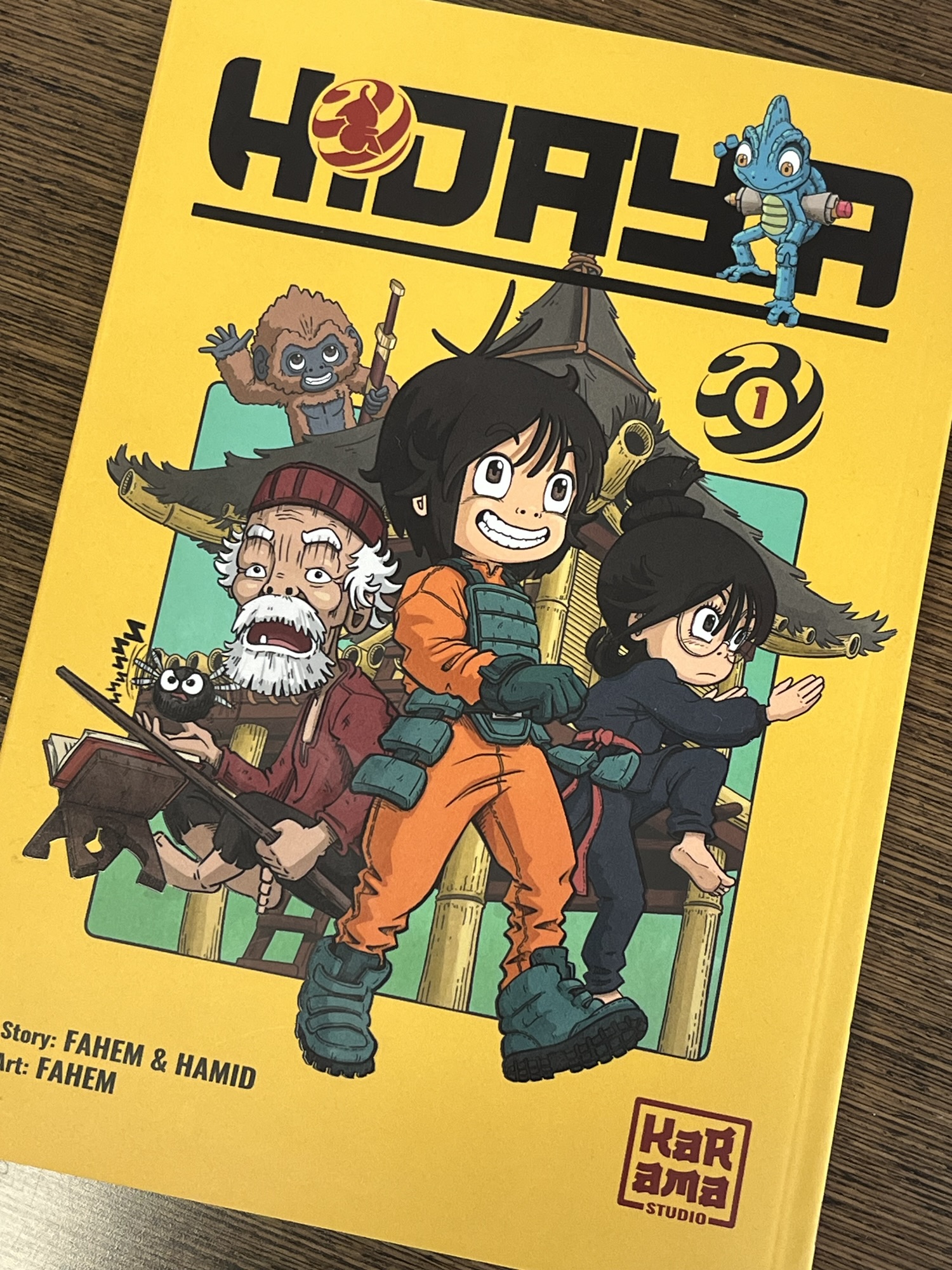
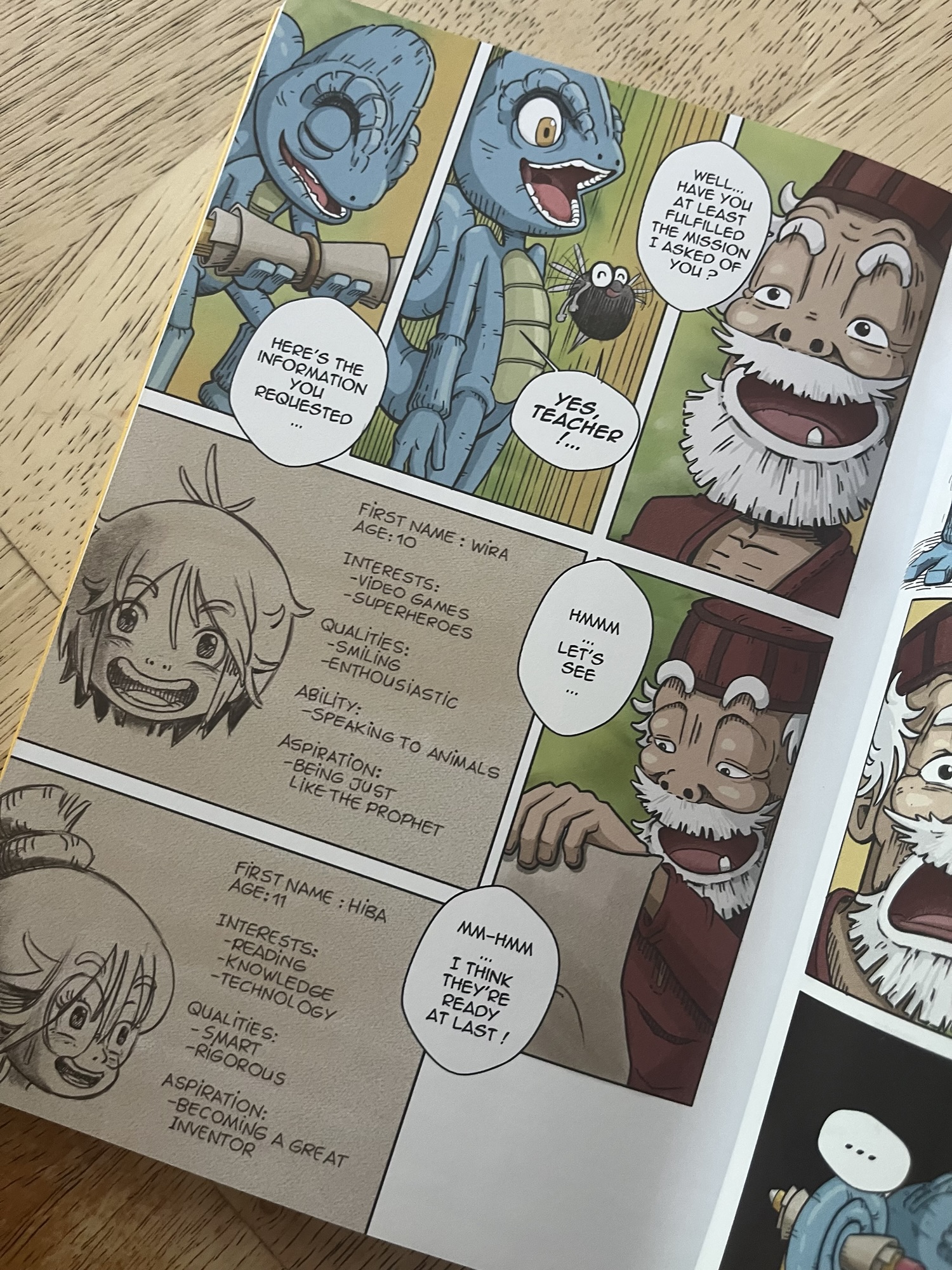
Hidaya: Wira and the Spiritual World by Fahem & Hamid illustrated by Fahem

Standard
Hidaya: Wira and the Spiritual World by Fahem & Hamid illustrated by Fahem

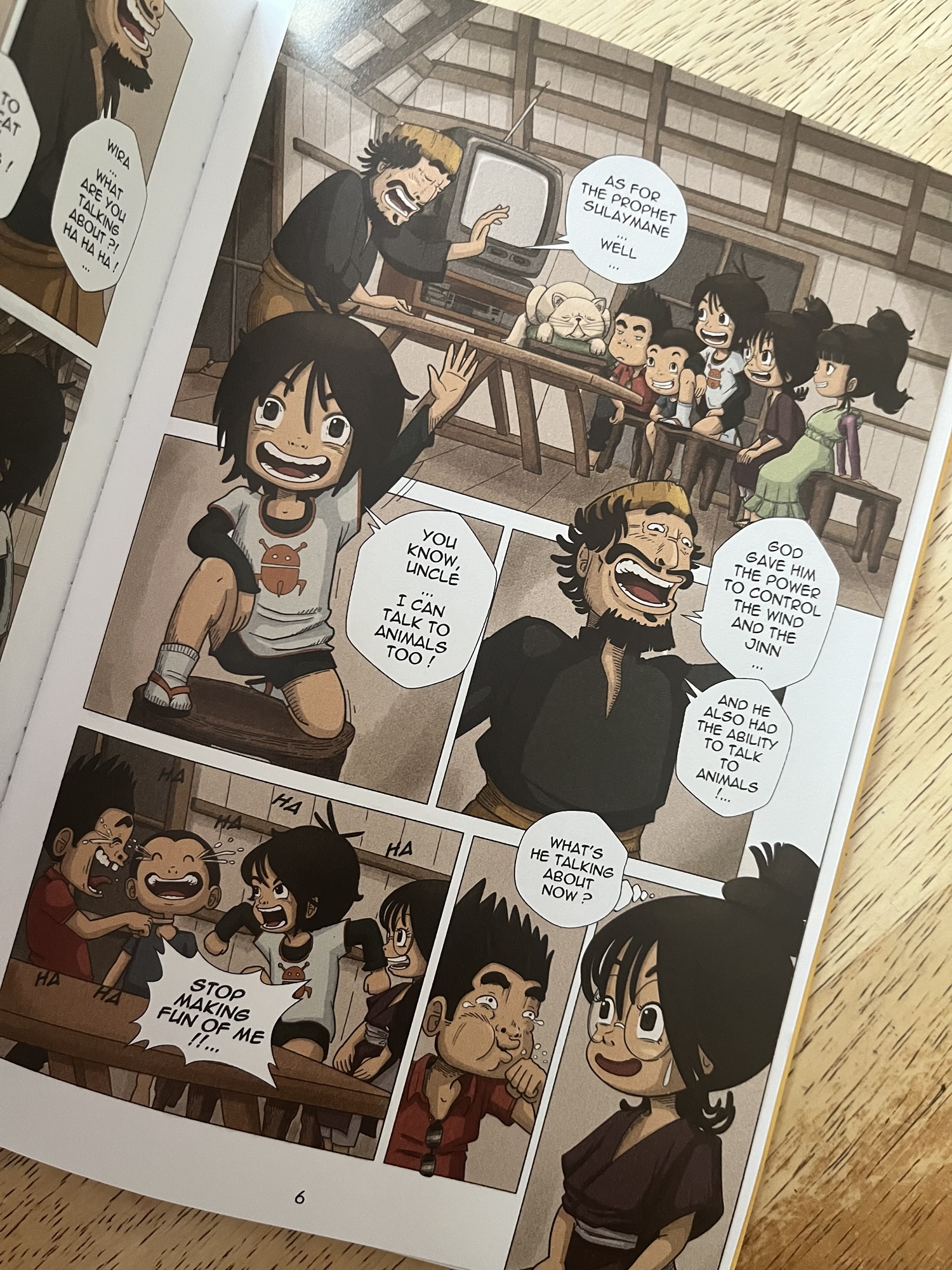
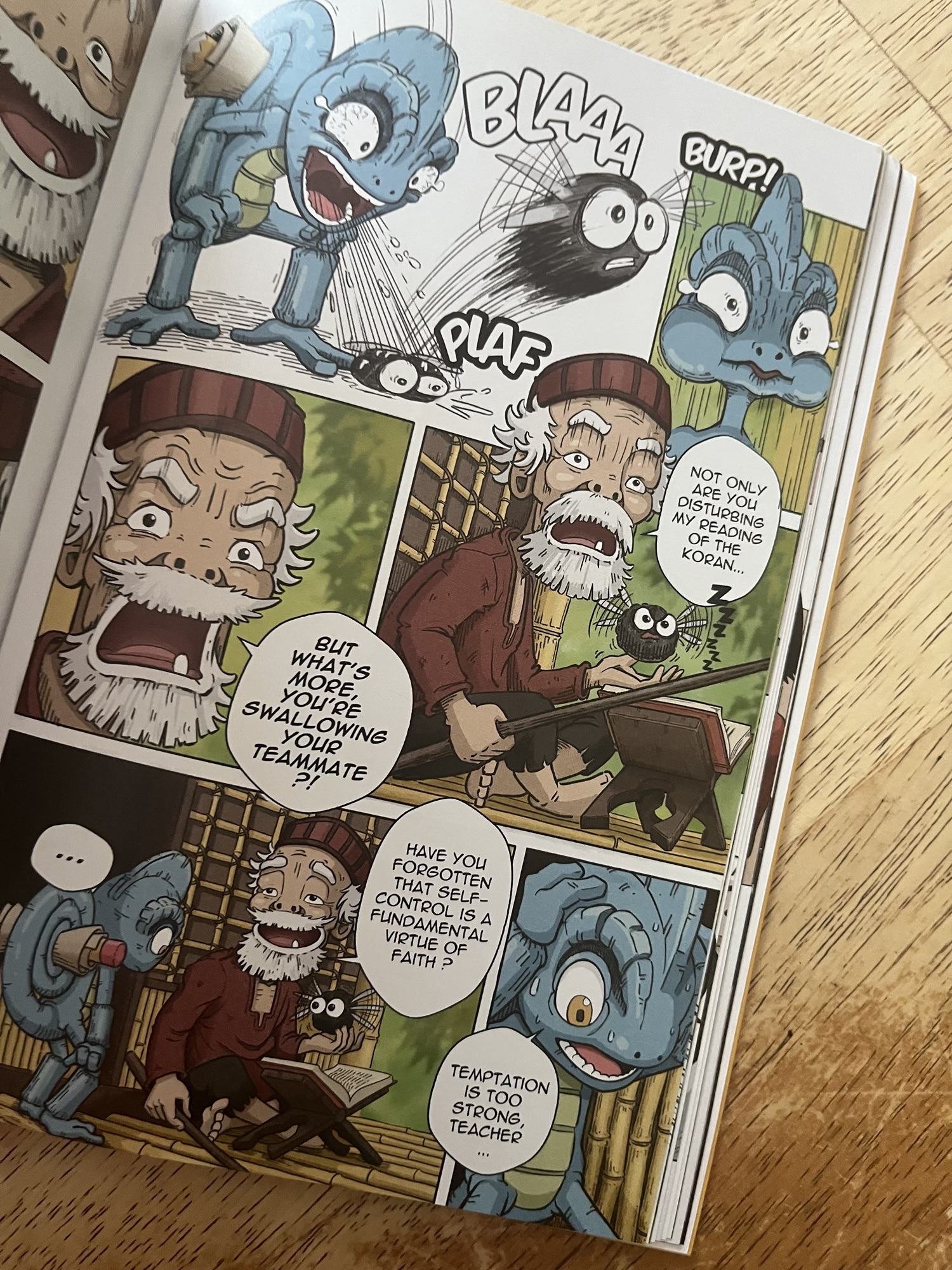
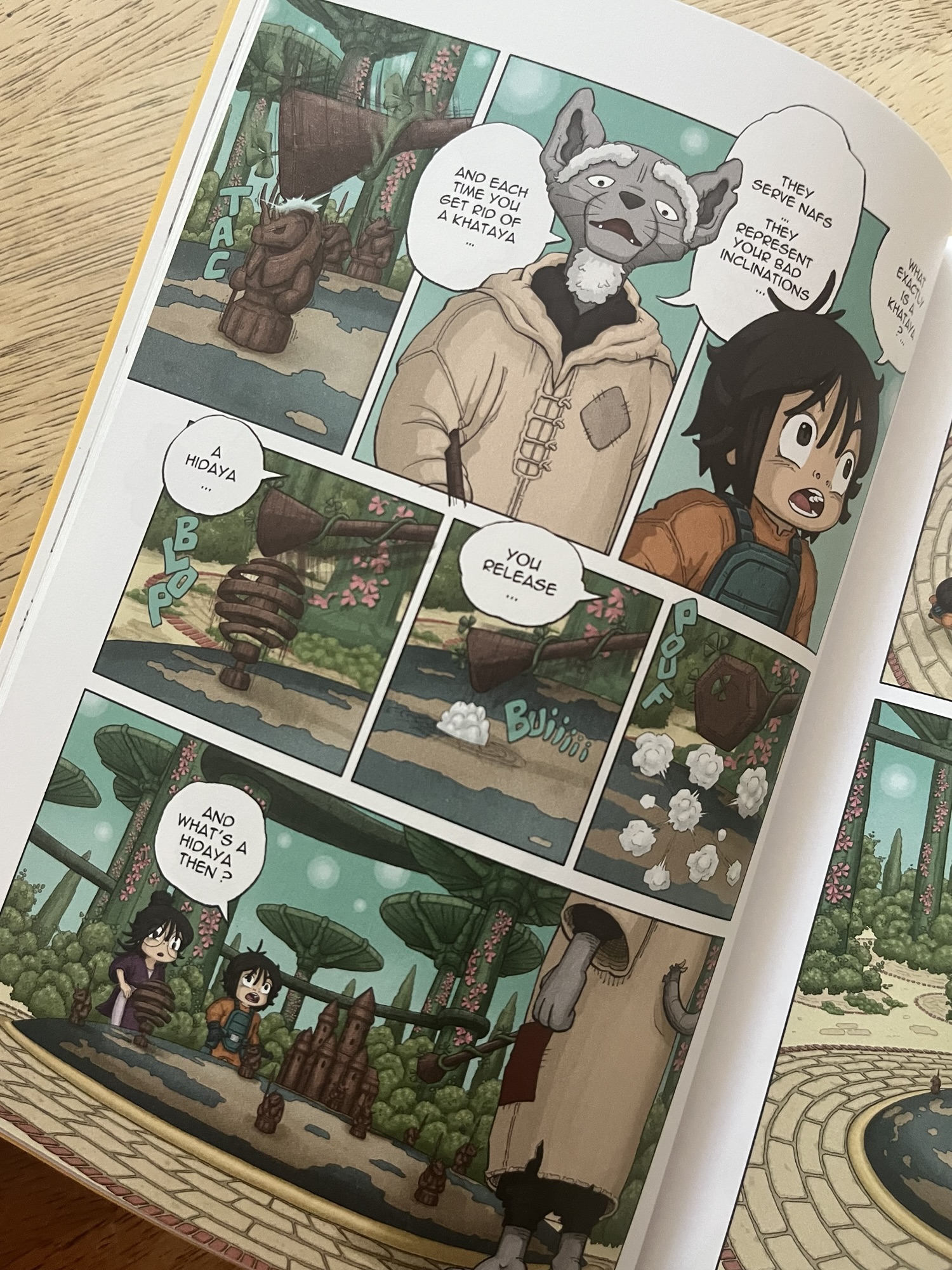
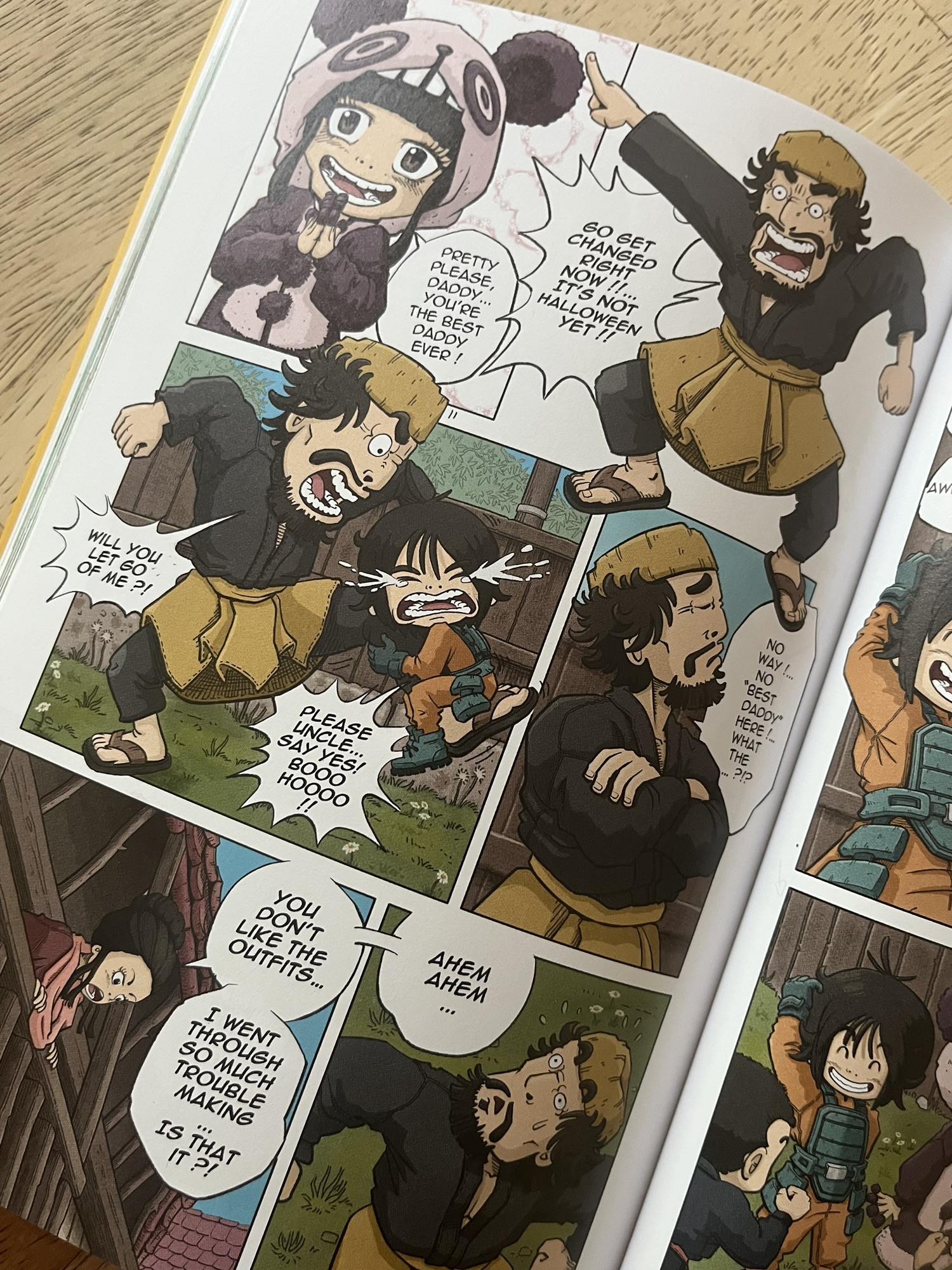
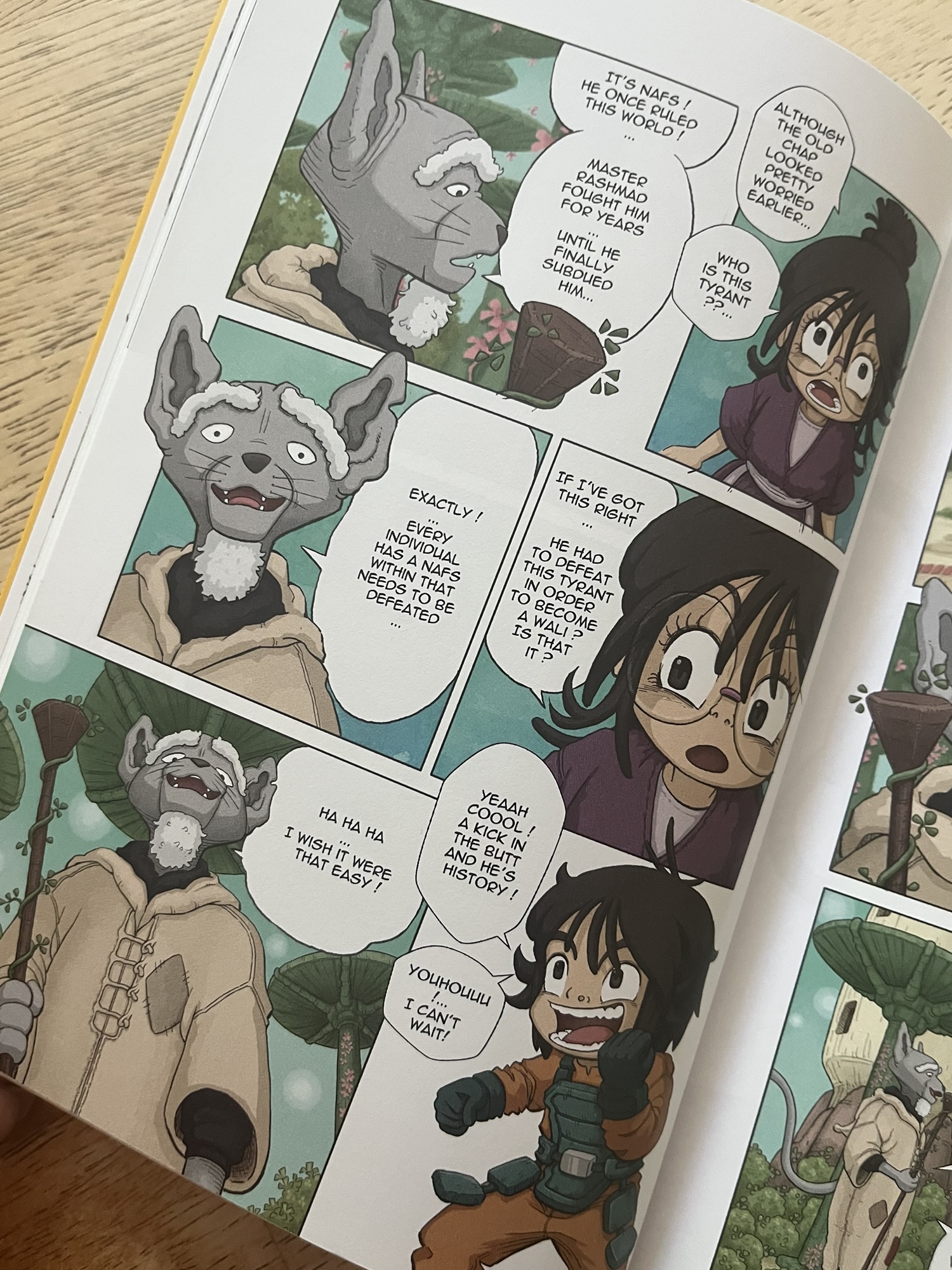
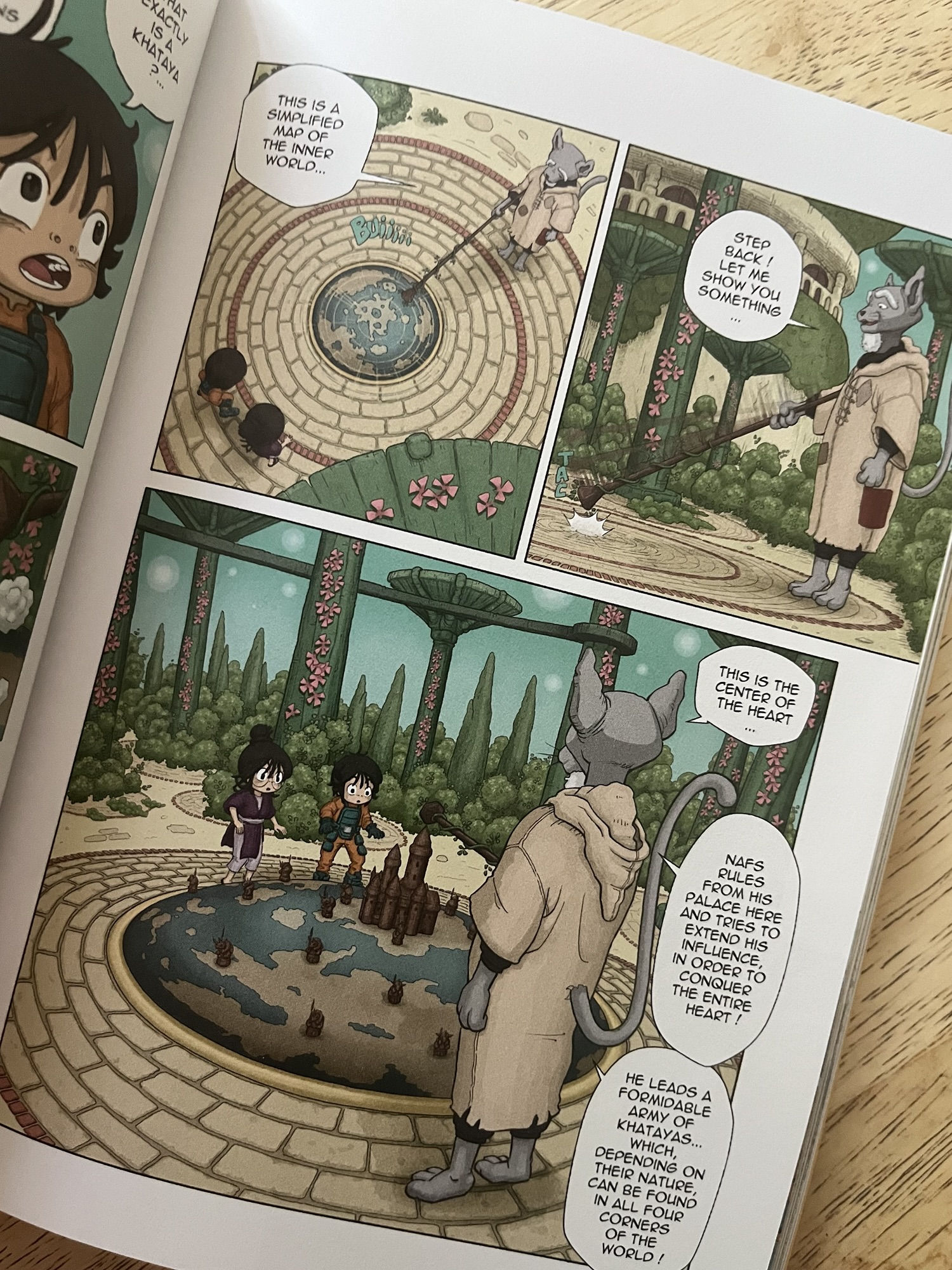
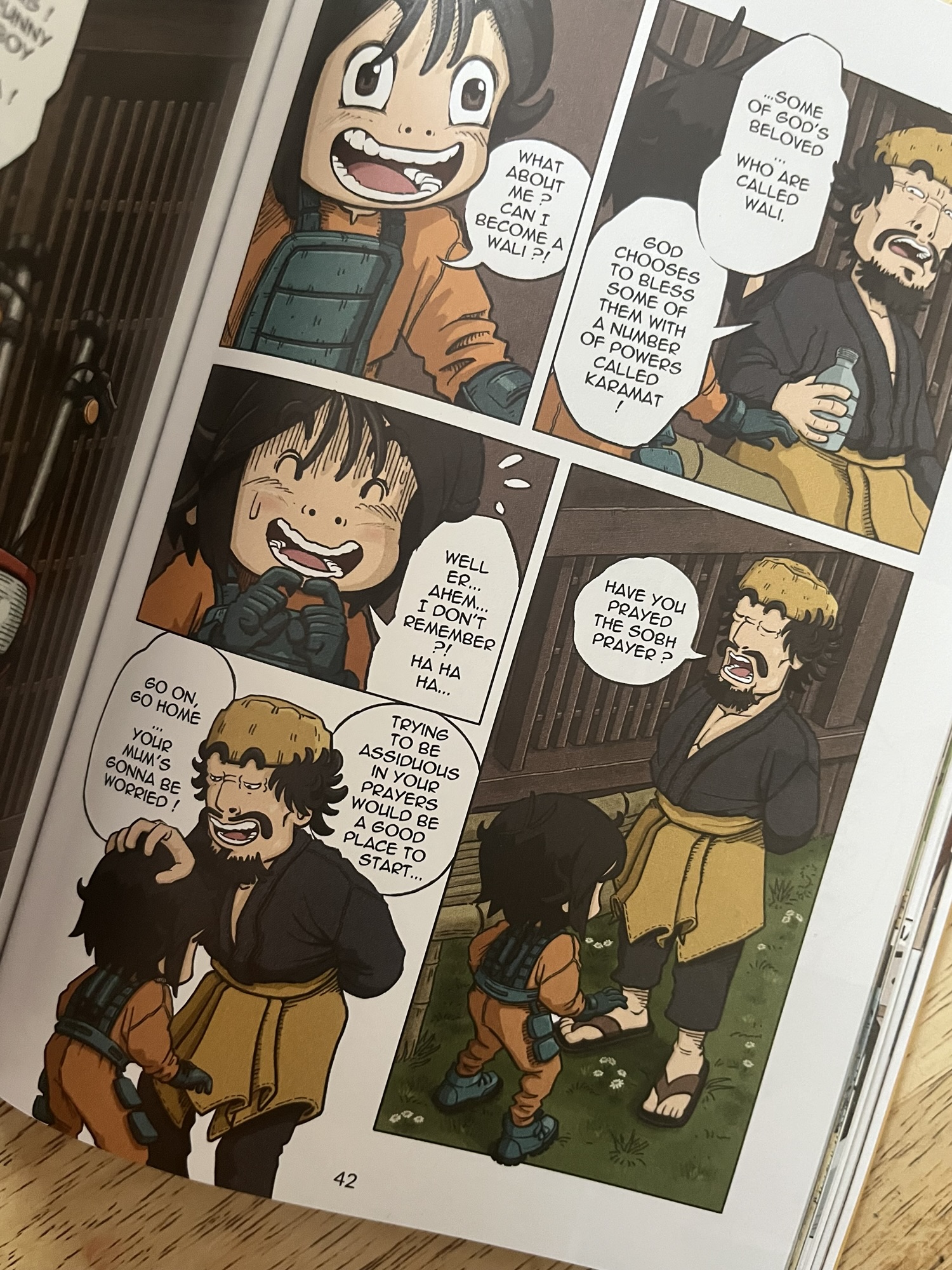
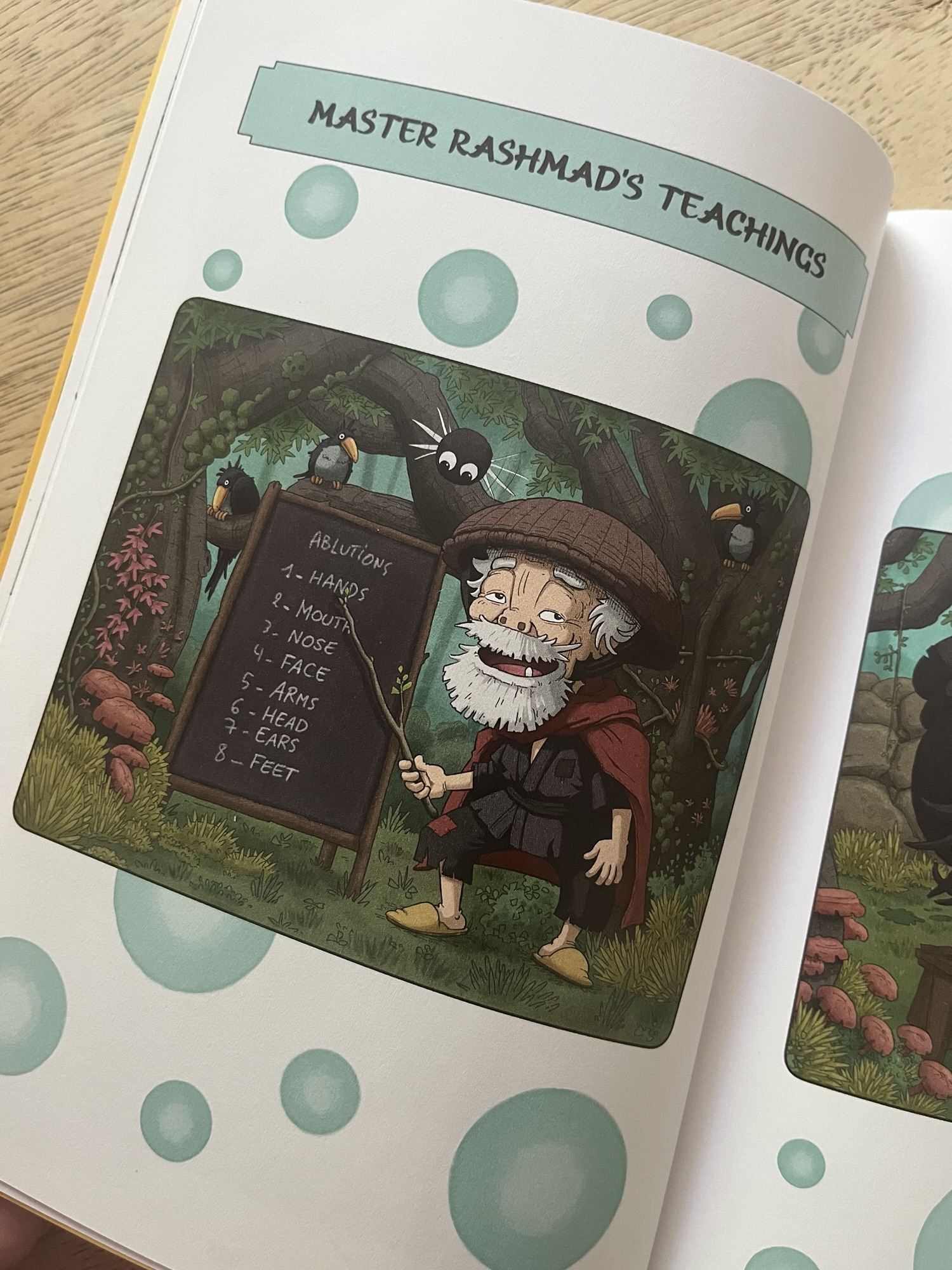
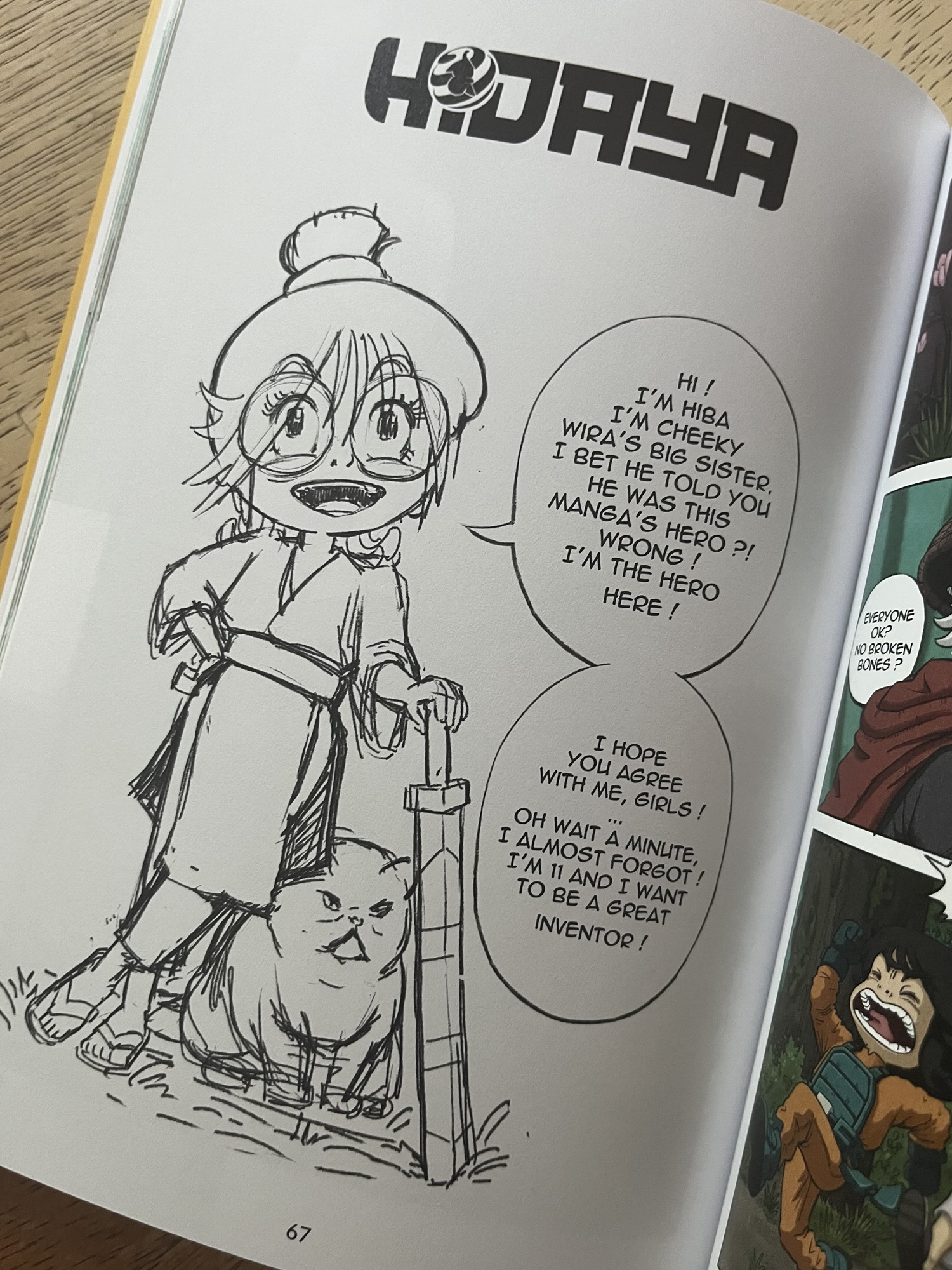
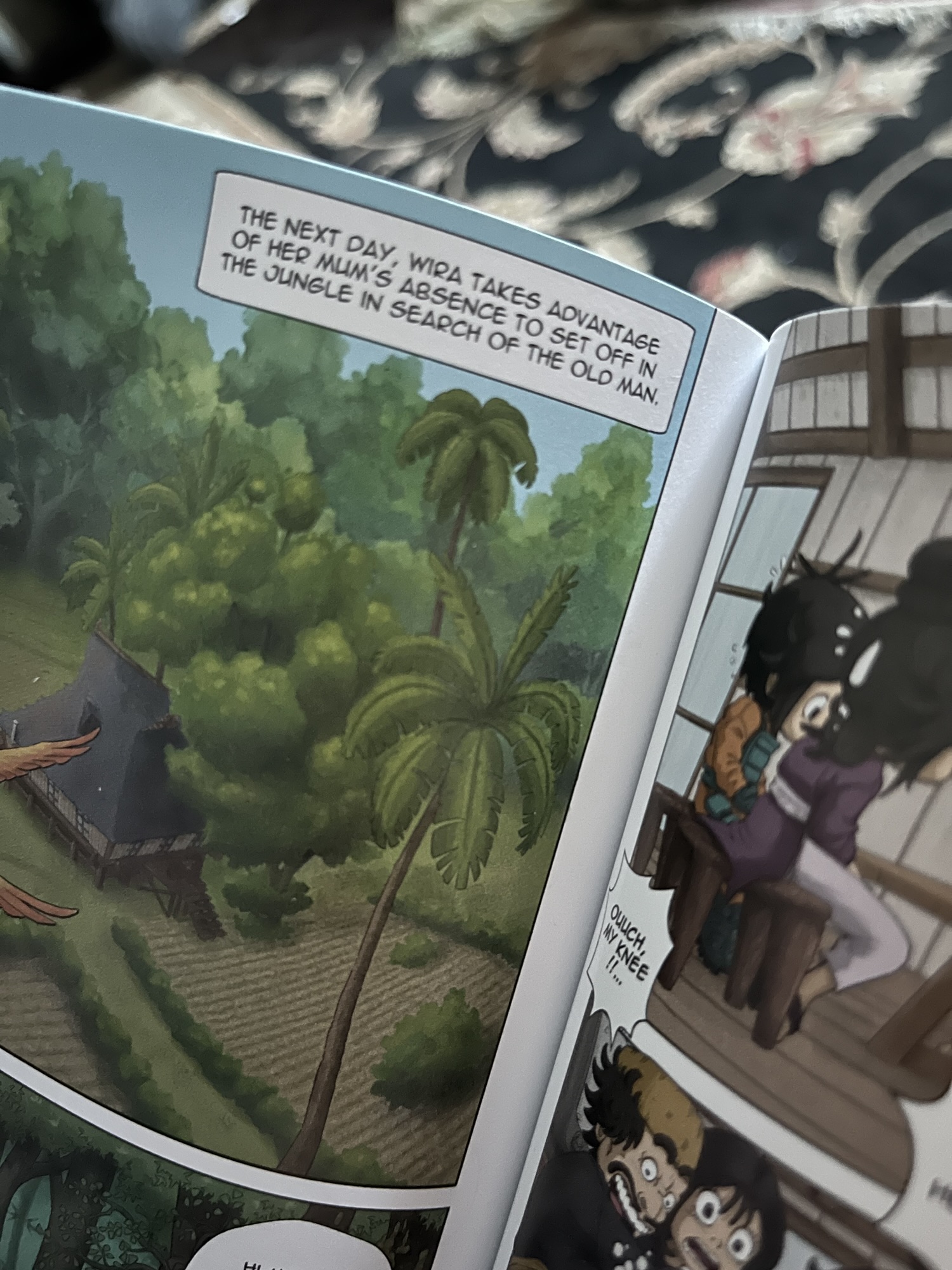
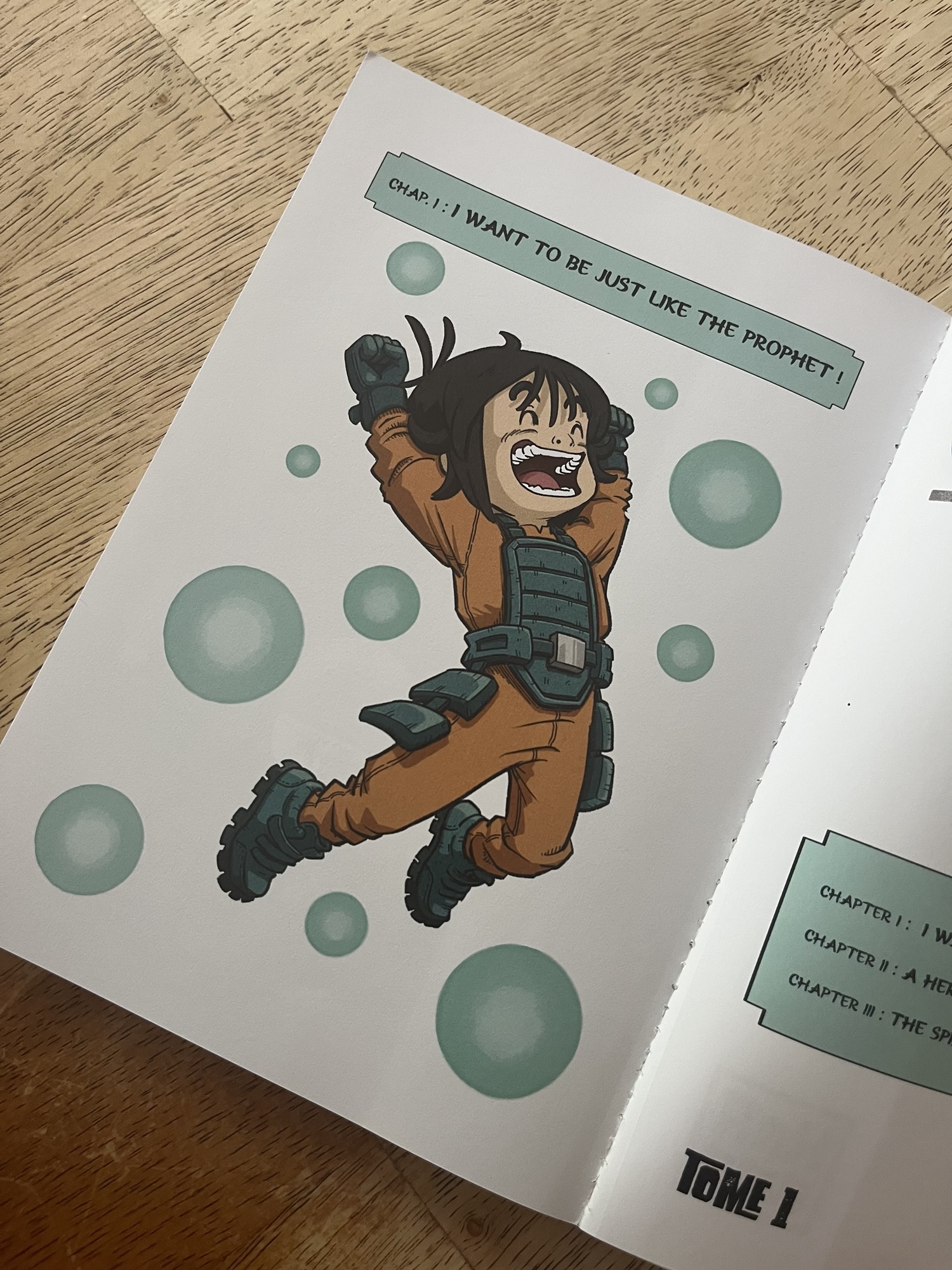
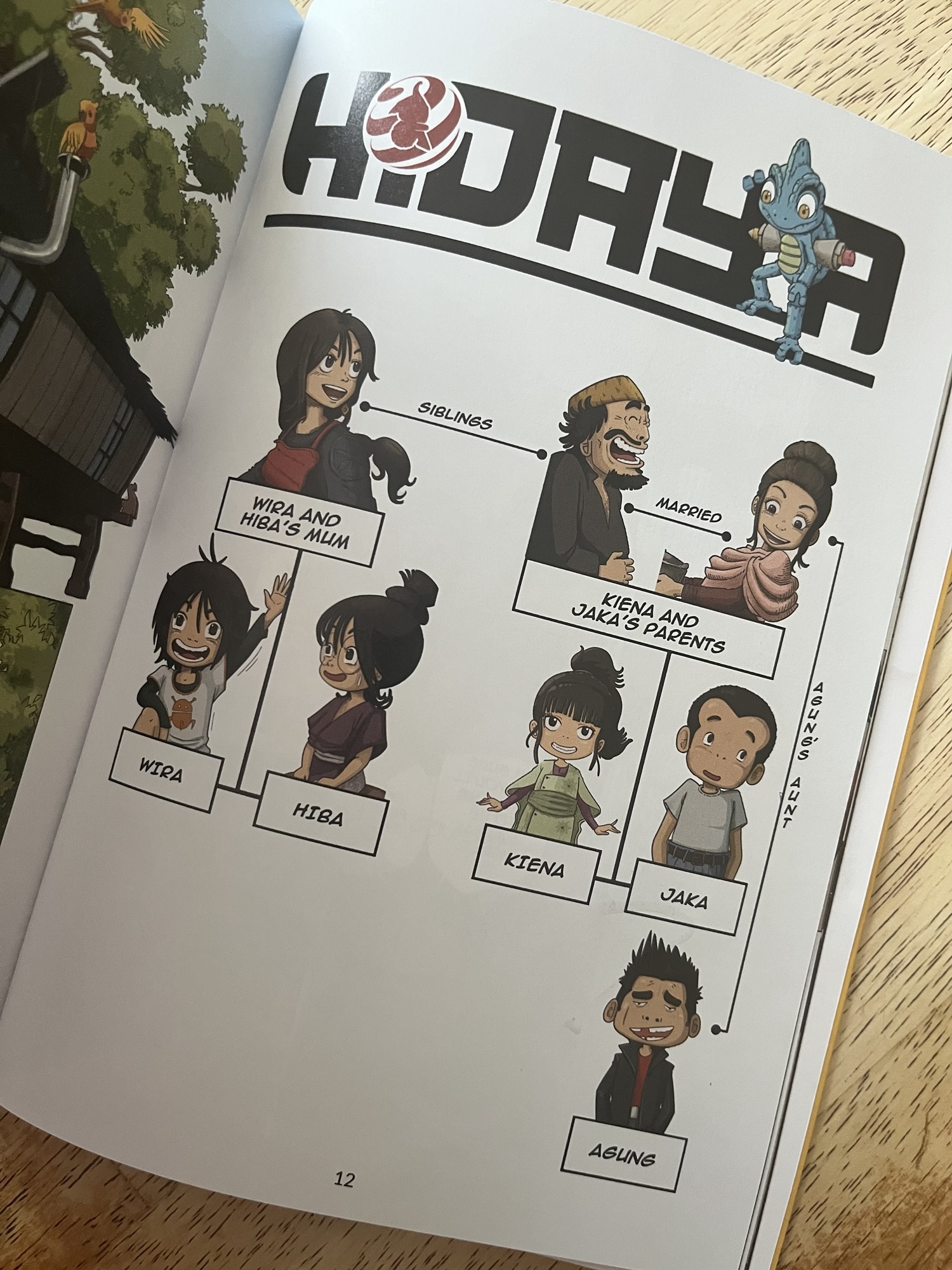
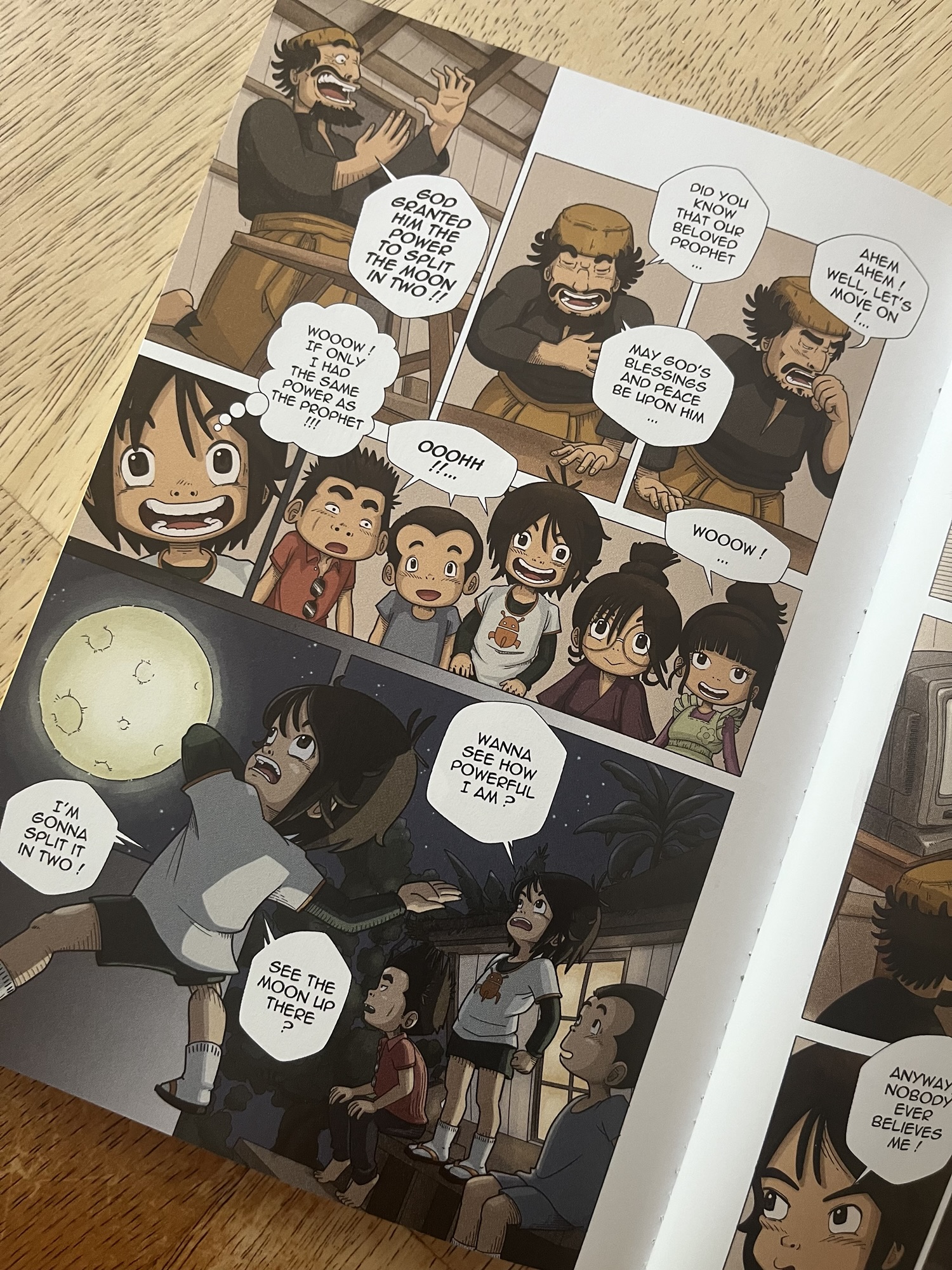
First published in 2024 I have been anxious to get ahold of this Muslim manga, and curious why no commentary reviews seem available for the book that recently released in the United States. After reading the book, I think I know, readers, myself included, aren’t quite sure what to make of it: does it skirt the line, really close, to being shirk or cross it? Does it take an Islamic concept and just twist it for fictionalized exploration? Is it a Sufi read, and thus not palatable to those that don’t practice that way? The book is just an introduction, it leaves off on rising action and so much of the aforementioned questions are left very vague, with nothing to back up any argument one way or another. As someone not familiar with Karamat and walis (other than in wedding environments), I felt uncomfortable with the premise of the book, and despite my 5th grader asking about it, I did not hand it over. The art is fantastic, I love the concept of going to a different realm to battle nafs, but again we don’t see how it is developed to know what results from that thread. The book does mention Halloween when costumes appear, presumably there is an error as it has Wira having a female pronoun on one page, when he is a boy, but it could be indicative of something more to come in the future, and there is bullying, dishonesty, and very choppy scenes, which perhaps are manga style, admittedly a genre I’m not familiar with as well. As a result, please look through the inside pages I am sharing, and decide for yourself if it is a good fit for your family or not, clearly this review is indecisive based on my own limited knowledge of manga and karamat.


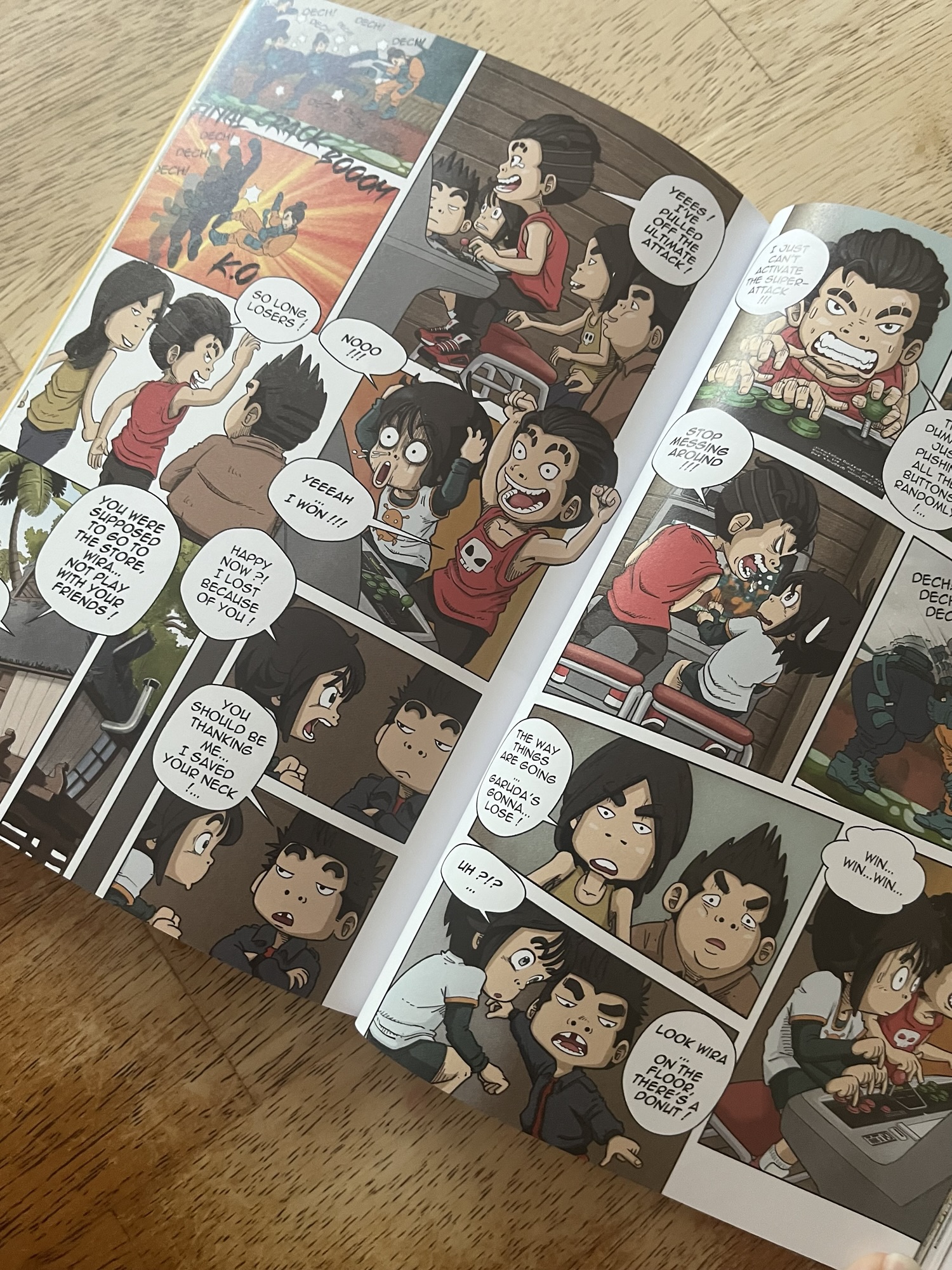
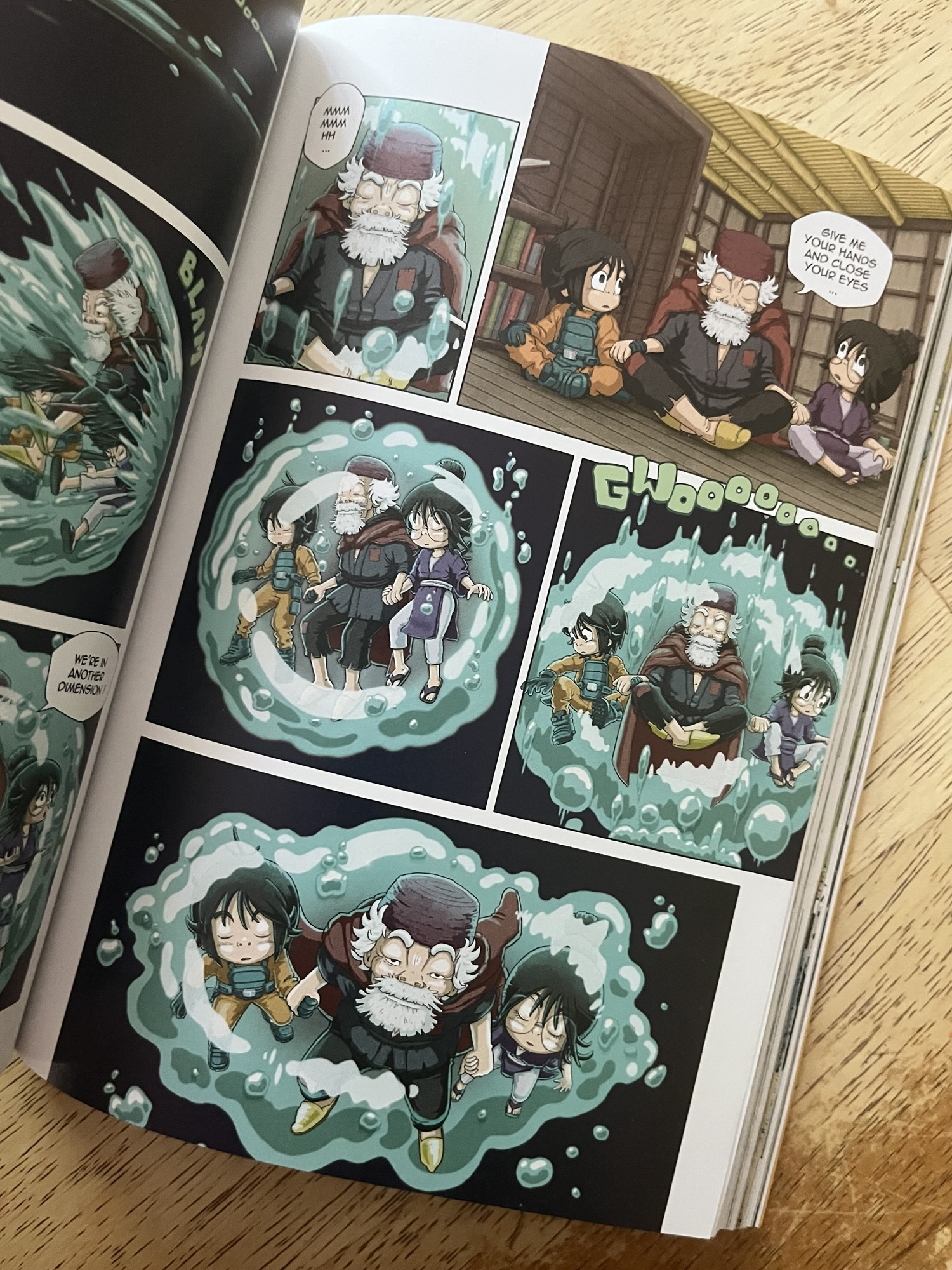
The book follows Wira, his sister Hiba and some cousins as they train in martial arts, deal with bullies, and play video games. Wira, additionally dreams of being amazing like the Prophets, being a wali, and having powers. When he encounters a hermit in the jungle who has unworldly abilities and a retinue of animals that serve as spies, he and Hiba are whisked away to the Spiritual World of the Hearts. Once there they lose Master Rashmad and meet Master Hikmah. The book abruptly ends with promises of volume two to come.

The buildup is rather disjointed at this point, it is unclear why bullies and video games and a martial arts tournament and money woes have been presented. I don’t know if I will follow up with a second volume to get answers, but I did feel that even with my own lack of knowledge, just putting some thoughts out there and some inside pages, families could be better equipped to decide if the book is a worthwhile investment.
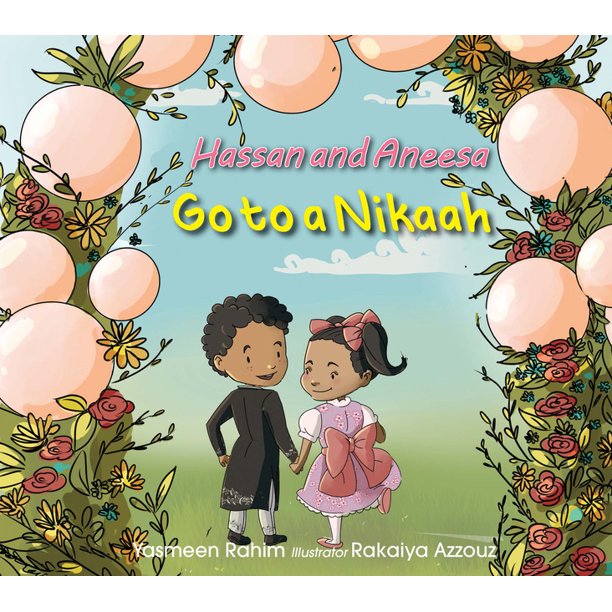
Hassan and Aneesa Go To a Nikaah by Yasmeen Rahim illustrated by Rakaiya Azzouz

Standard
Hassan and Aneesa Go To a Nikaah by Yasmeen Rahim illustrated by Rakaiya Azzouz

hassan and aneesa

The latest installment in the Hassan and Aneesa series caught my attention because there just aren’t a lot of books about an Islamic marriage process (it is Desi tinged).  Cultural weddings you often see, but despite the misleading title of them just attending a Nikaah, they actually walk the reader through the steps from wanting to get married, to getting to know someone, praying Salatul-Istikhara,  agreeing on a mahr, signing contracts, and a walima.  The idea and premise is brilliant and greatly needed, the finished product, not so much.  Somehow I had forgotten how tiny in size the books in the series are (6.5×7.5), making it all visually cluttered and the text often hard to see over the illustrations.  And while I love how the concepts and terms are defined, the point of view of having it witnessed and detailed by the brother sister duo is often awkward and wordy.  I wish the author would have ditched the familiar characters, and just written a book about the marriage process for kids.  The vacillating between a fictionalized story, factual requirements, kids witnessing their parents helping their cousin get married, makes for a tangled book that fails to connect to readers seven and up, let alone two and up like the book claims. If you’re kids are asking about how Muslims marry or seem curious about a halal way it can be done, I suppose this book would provide a way to understand some of the key facets in broad strokes, but it needs editing, and more space to show joy and excitement in a book about families and a couple coming together.

img_9813

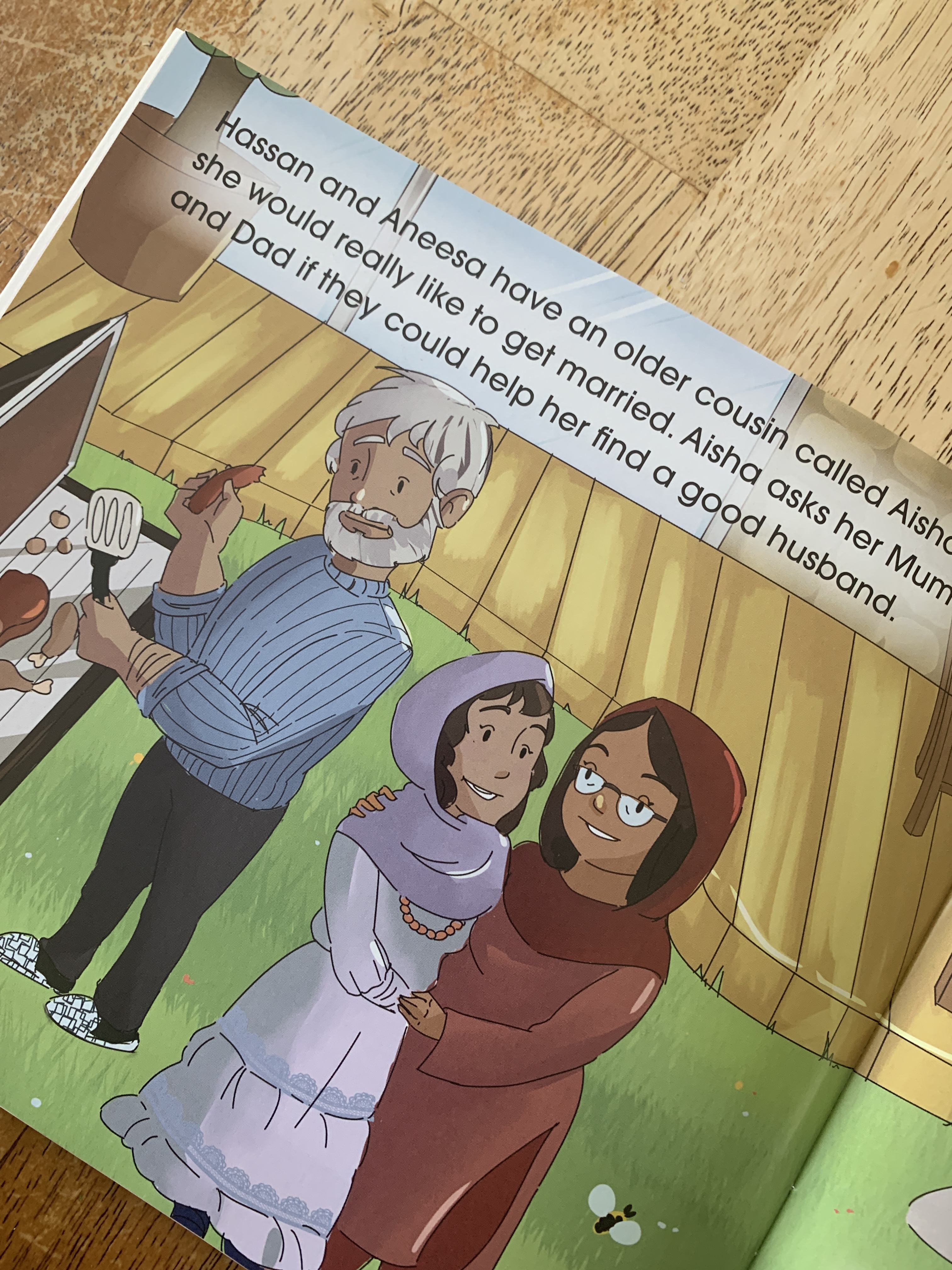
The very first page set the tone for me, the overly dressed girl at a barbecue and the way her name seems to be so formally introduced.  Perhaps it is a difference of culture, but the book never bounced back from the heavy handed tone.  Aisha wants to get married and asks her parents to help her find someone.  They ask her what she is looking for and she tells them.  I like what she includes kindness, love of Allah, funny, etc.  I wish it would have suggested that she had given it a lot of thought before answering though.

img_9814

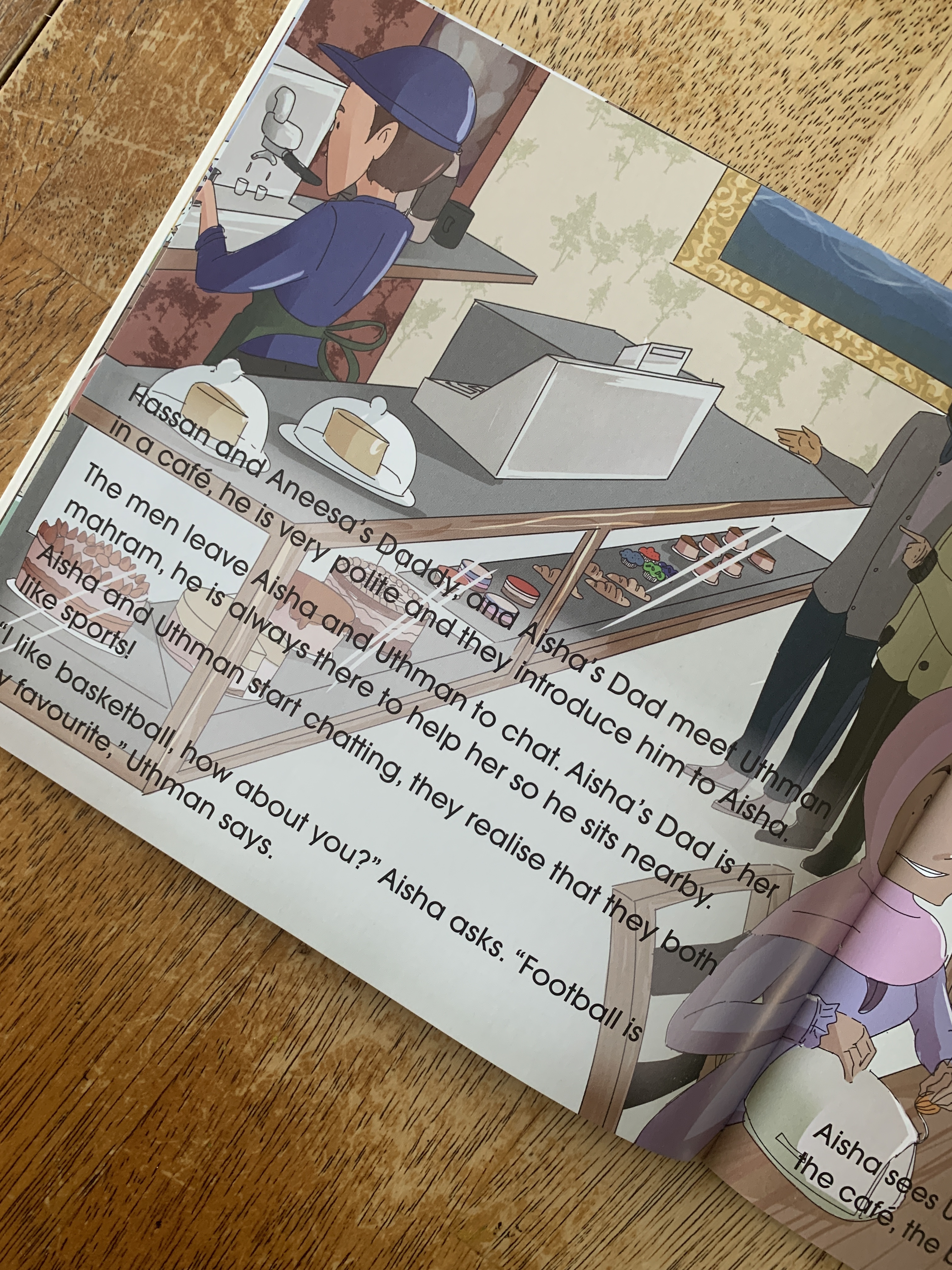
Aneesa and Hassan’s mom and their aunt are discussing Aisha’s want to marry at their painting class and a friend over hears and suggests her son Uthman.  The families agree to have the two meet in a cafe with Aneesa and Hassan’s dad and uncle so that her mahram is nearby.  Uthman and Aisha both enjoy sports and Uthman interacts with a baby at another table impressing Aisha.  They both pray istikhara and decide that the families should all meet.

img_9815

It is then time to pick out a dress and hand out invitations, which at least involves Hassan and Aneesa, but the pages are so cringe and awkward from the phrasing, to the structure of the concepts.  The spread is disjointed and you’ll catch yourself shaking your head and making a face every time you read it.

Mehndi is next and I’m not sure why it focuses on Aneesa not sitting still and looking sad when her design is ruined.  It seems like an odd inclusion in what should be a joyous book.  Hassan is entrusted with gift to hold on to by Uthman for Aisha, and the Imam gives a khutbah about marriage.

Contracts are then signed with Aisha her wali, uthman and the imam and each party is asked if they agree.  They have already decided on the mahr and then Hassan hands over the gift.  The walima feast is delicious and the reader is encouraged to go back and find the cat in the illustrations.

As for illustrations I do like that the main females are shown out of hijab at home, and in hijab while out.  At the wedding there are different shades of brown, different loves of covering and not covering, there is a guest in a wheel chair and the couple and their families seem happy.  I found it odd that it says they are in love, since there isn’t a lot of emotion mentioned before the last page and I wish the text on numerous pages wasn’t mixed in with the pictures.

The book concludes with a glossary of terms.