Category Archives: Muslim Character

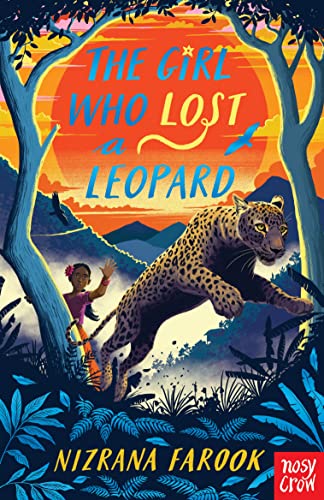
The Girl Who Lost a Leopard by Nizrani Farook

Standard
The Girl Who Lost a Leopard by Nizrani Farook

leopard

This stand alone middle grade read by Muslim author Nizrana Farook is similar to her first two books about an elephant and a whale in that it is set in Serendib a long time ago and revolves around a beautiful wild animal and clever, endearing, determined young children. This actual story is an easy read at 203 pages (the end of the book is the first four chapters of one of her previously published books).  I think seven and eight year olds will enjoy getting to know Selvi and the beautiful leopard Lakka that she considers a friend.  For me the ending took an odd turn that seemed out of place, but up until then I was enchanted by the lush imagery, sheer determination, and sweet friendship shared within the pages.  The main character is not Muslim, but presumably some of the side characters are with names such as, Amir and Salma.

SYNOPSIS:
Selvi and her mother live in a small home on the mountain.  Most days she runs wild with a golden leopard she has named Lakka.  She keeps her distance, but there is a pattern to their interactions, and when Selvi’s mother finally allows her to go to school, and she finds the other children unkind, Lakka becomes her only friend.  One day poachers are on the mountain hunting not just any leopards, which are protected by the queen, but the rare golden one that is often seen in the area, Selvi tries to interfere.  And before she knows it, they are after her.  She hides near a home, and when the poacher’s come looking for her, she is at the mercy of Amir to lie and say he hasn’t seen her.  Amir is a classmate, a mean one, but he has seen her before with the leopard, and suddenly Lakka is not so alone.

Between making friends at school, battling her uncle’s rules to start behaving more ladylike, and keeping a leopard safe, the adventure is fast paced and the story entertaining.

WHY I LIKE IT:

I love kids outsmarting adults and saving the day, it makes for good story telling.  I don’t want to spoil the ending, but I really felt like it was forced.  I truly do not understand why the children needed to take a drugged Lakka to the port and back.  Why not leave him with the new friends and go to the port without him? He is a wild animal, we have been given reasoning for so much of the human animal interactions to be believable, that this seems to be negligent.  So much could have gone wrong and for what? There was no need.  The kids wanting to see punishment handed out is motivation enough for them to make the journey in my opinion.  Sigh, I don’t know that younger kids will be as bothered as I am, but I think fourth graders and up will definitely question it and be confused.  I also don’t know that I have ever seen the sneak peak of another book included at the end, being for a book previously published.  Aren’t they usually for upcoming releases? Either way, it seemed to make the last portion of the book deflate a bit for a story that was engaging, entertaining, and hard to put down until then.

FLAGS:

Lying, poaching, abuse, threats, killing, animal cruelty, bullying.

TOOLS FOR LEADING THE DISCUSSION:

This would be a fun read aloud in a classroom or at bedtime.  The short chapters have little illustrations above the headings that hint at what is to come, and the writing style is perfect for short blocks of time.

The book is available on Amazon

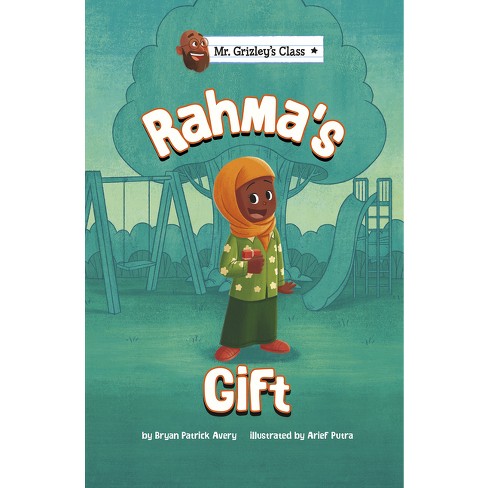
Mr. Grizzley’s Class: Rahma’s Gift by Bryan Patrick Avery illustrated by Arief Putra

Standard
Mr. Grizzley’s Class: Rahma’s Gift by Bryan Patrick Avery illustrated by Arief Putra

rahma

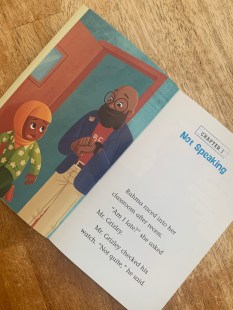
This 32 page early reader is part of Mr. Grizzley’s class, a series that sets out to help promote social and emotional skills in real life settings for ages five to seven.  The diverse class is featured in all the books with one student being the focus of each individual book.  This book highlights Rahma, a visibly Muslim girl of color, who has a gift of helping others with their problems.  The richly illustrated story shows what happens when she is having troubles with a friend, and what Mr. Grizzley and fellow classmates can do to help her find a solution.  I like the premise, I like the focus, I like the illustrations, but I did not understand the messaging.  I don’t understand why Rahma had to own the entire apology.  Sure, friendship is more important than a small misunderstanding and moving on by saying your sorry, even when it isn’t all your fault, has merit- but the book doesn’t take all that in to consideration.  It has Rahma taking responsibility for Madison not talking to her, Madison misinterpreting something Rahma did and getting jealous, and Rahma owning all the lacking communication, when clearly both of them failed to do so.  I found myself confused reading the book the first time, clearly I must have missed something, right? No.  And now writing this, I’m actually quite upset.  So, while the idea of the book and series might be sweet, I don’t feel like this particular book was well executed.  I have not read any others in the series, and thankfully checked this out from the library.  There is nothing particularly Islamic or religious in the book other than the hijab Rahma wears.

img_3111

The book starts out with Rahma nearly late for class because she was helping other kids resolve an argument.  It is a gift of Rahma’s to help others work out their problems.  When she tries to tell her best friend Madison about it, Madison doesn’t respond.  When Rahma tries again, Madison says, “I’m not speaking to you.”

img_3112

As a result when they pair up for math, Rahma works with Annie.  She tells Annie she isn’t working with Madison because she is mad at Madison for not speaking with her. Annie prods a bit and Rahma says, “I’m not talking to her if she won’t talk to me.”  Annie encourages Rahma to find out what is wrong.

Mr. Grizzley is then told, and he also tells her to find a way to find out why she is mad. At recess, Chad comes to thank Rahma for helping him and Ashok, and when she tells him her problem he gives her, her advice back, “listen to the other person.”

img_3113

Rahma definitely is in a pickle since Madison won’t talk to her, but with incredible maturity she tells Madison she doesn’t know what she did to make her angry, but she is sorry that she feels bad.  Madison caves and tells her she is jealous because Rahma made a necklace for Semira and she understood it to mean that because she didn’t make one for her, she didn’t want to be her best friend any more.  Semira and Rahma explain that Semira’s dog was sick and she was sad, so Rahma made it for Semira to cheer her up. The girls hug and all is well.

img_3114

The book concludes with directions on how to write an apology letter, a glossary, questions to talk about, and prompts to write about.

I loved Rahma’s phrasing of her verbal apology and wish that would have been the focus of the book: how to take someone’s feelings in to account even if you don’t know how you contributed or even if you feel you did not do something wrong.  As it is written with the two page spread at the end on how to write an apology note though, I feel like Rahma took on a lot of the blame unnecessarily.  I know I’m reading in to it a lot, but I don’t like the vibes that the book gives.  Madison in my opinion was in the wrong multiple times throughout, and Rahma each time took ownership and worked through it.  Yes, truly that is a gift, but I really hope people don’t take advantage of Rahma in the future.

img_3115

The Kaya Girl by Mamle Wolo

Standard
The Kaya Girl by Mamle Wolo

This sweet middle grades book about two girls in Ghana is a friendship story and a rags to riches gem.  The 336 pages immerse you in a rich and vibrant culture and share a story that while at times simplistic, really pulls you in and makes the over the top happy ending, tearful and joyful.  I read the entire book in one setting and loved that there was no glossary, or white pandering; the story works in the explanations and details for those unfamiliar with West African cultures to share a story about classism, friendship, growing up, and challenging stereotypes.  I loved while so much was new to me and culture specific, so much, at the same time, was universal and relatable to all.  The story is OWN voice, the main character is a wealthy girl,  but the friend is a poor Muslim one.  I am not sure where the religious representation ended and the cultural practices started, but the book does not criticize any culture or traditions, it only criticizes the mindset that one is superior to another because of where they are from.  I also don’t know that the Muslim character will mirror global Muslim experiences, but having the character identify as Muslim and be such a wise and determined friend, makes her a great character to cheer on and love no matter the reader’s background.  This would be a great book to teach, to shelve, to read aloud, and to discuss.

SYNOPSIS:

Fourteen year old Abena is spending her summer with her aunt in Makola market while her mother has traveled to London to give birth.  Abena’s father is a physician and her friends are part of the wealthy and privileged class that attends American schools, vacations abroad, lives in mansions with servants, and have the latest phones.  In a bit of a culture shock spending the weekdays with her aunt at the bustling market, Abena starts to see her country and its people in a different light. One day while getting out of her aunt’s car she makes eye contact with a kayayoo, a porter who carries customers purchases on their head.  She snaps a picture of the girl who appears about her age wearing an orange scarf, as she secretly is working on a journalism competition, and something about the girl intrigues her.  The two smile and carry on.  Later when they meet again they realize they do not share any common languages, they both speak a number of dialects and languages, yet somehow the girls connect.  Day after day they sneak away to have lunch together and learn about one another as they learn each other’s language, culture, history, and dreams.  Faiza opens Abena’s eyes to so much about Ghana that she had never known existed and Abena teaches Faiza English, science, shows her the internet and gives her the foundation for how to read and write.  Abena’s aunty does not approve of their friendship: stereotypes and assumptions about poor Muslims from the North prevent her from treating Faiza as an equal.  Yet, she doesn’t forbid the friendship either.  As the girls’ friendship grows, summer vacation comes to an end and goodbyes will have to be made.  Things get expediated though, in a climax of misunderstandings, regrets, and friendships separated by class and religion.

WHY I LIKE IT:

I love that right before Abena sneaks Faiza on to the laptop to Google dinosaurs, and the solar system, and cities in Ghana and maps, I was Googling images of geles, okro and Makola market, maps to see where Hausa and Dagomba regions are, and enjoying learning about people because it is so enriching whether fictional or in real life.

I love that there isn’t judgement by either girl on trying to understand why children are given to aunts to raise or why women are forced to marry.  It shows so much without othering any facet of sub culture within Ghana or anywhere for that matter.  Abena’s cousins aren’t put down for being wealthy, or Faiza for being poor.  Even the Haji looking for a fourth wife is not favorable because he is old and has brown stained teeth, not because there is judgement upon him having more than one wife or the family wanting their daughter to marry him.

I often remark that I like middle grade books that don’t tie everything up in a neat and tidy bow, but this book went the other extreme and tied everything up far in to the future, that I ended up loving the extreme nature of it as the tears of joy dripped off my cheeks.  If you are going to do it, do it for a reason, and this book did it to great effect.

Faiza is Muslim she wears hijab and stops Abena from taking it off at one point, but then at the end she has braids hanging out from underneath her scarf.  There are crushes and hugging between Faiza and males and an implied potential romantic relationship between Faiza and a non Muslim male that is never given pause.  A character goes for hajj, it mentions a space that Faiza uses for prayer, and it mentions Faiza’s Muslim family members getting drunk.  Nothing more than these details are given about being Muslim, other than her being labeled as a Muslim and identifying as one.

FLAGS:

Theft, crushes, lying, classism, racism, running away, drinking beer, getting drunk, forced marriage.

TOOLS FOR LEADING THE DISCUSSION:

I think that the book would lend itself very easy toward discussion and appreciating a people and culture that for many in the west would be new and unfamiliar.  I think outside research to supplement would be a natural extension and that the characters, their voices, their lives, and experiences, will stay with readers of all ages as we can rest easy knowing that they got their happy endings.

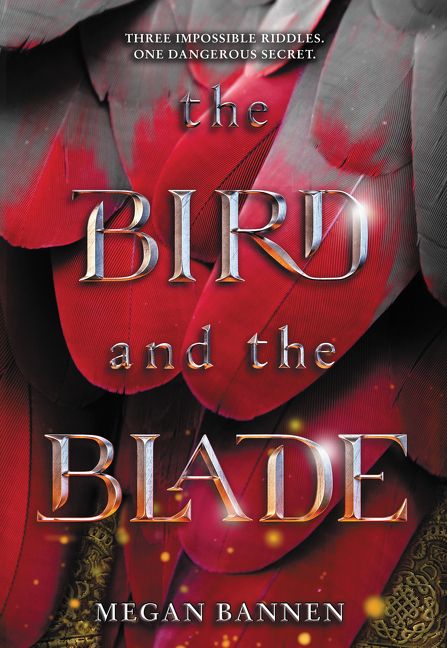
The Bird and the Blade by Megan Bannen

Standard
The Bird and the Blade by Megan Bannen

bird

I didn’t know what to expect as I opened this 416 page book: it was recommended to me, my library had it, and I wanted a break from reading on a screen, so I dived in.  The map, the character list, and the setting of 13th century Mongol empire had me bracing for a complex read. I gave myself a goal of a few chapters to see if I could connect, but by page 20 I was completely absorbed and not to be disturbed.  The character driven plot is written in a rather contemporary manner, although the setting is historical fiction (with a lot of noted liberties) it reads really quickly and easily.  It is definitely 16 and up, romantic YA and has triggers of suicide, murder, drowning, death, war, abuse, misogyny.  While reading it, there often felt like there were holes in the plot as the story builds on itself in quiet layers- the story is fairly linear just broken up and rearranged in time, but the informatio

n shared is gently teased out, and nearly every hole filled by the final page.  I think if someone told me about the book in detail, I would not have read it.  There are many things that I feel like I shouldn’t like about it, but truth be told, I enjoyed the story.  The tokenish Islam found a way to convince me it was done intentionally, the (few) main characters present held my intention at all times, the backmatter detailing the research and liberties just all combined masterfully, that I feel compelled to share the story on my platforms even though the Islamic rep is only slightly more that the YA equivalent of a #muslimsintheillustrations tag.

I tried really hard not to include spoilers, so forgive some of the vague sentiments.

SYNOPSIS:

The story without any spoilers is quite simple- a slave girl, Jinghua, is mourning her dead brother and comes across Prince Khalaf, son of Timur, the ruler of the Kipchak Khanate, while working in the family’s service.  Shocked by his kindness, and persona, she falls hopelessly in love with him and when his family is exiled she decides to stay with the prince and the khan rather than flee.  They journey together and their feelings grow.  To save his family’s rule, however, Prince Khalaf decides to attempt to wed the daughter of the the Great Khan.  Princess Turandokht is exceptionally beautiful, wise, and powerful.  She refuses to wed and has set up a test for any prince wishing to try and marry her.  She has three riddles, each one to be answered in seven minutes, anyone who answers wrong is immediately put to death.  Numerous suitors have been killed.  When Khalaf sneaks off in the night to test his wits, the story of how how intertwined Jinghua and Khalaf’s stories are comes to light before the final riddle is answered.

WHY I LIKE IT:

It is not OWN voice, it is researched and based on a tale from The Thousand and One Days, but having very little to no knowledge of Mongol history (I’ve read the book Ghenghis Khan and the Making of the Modern World years ago, but that is about it), and have never seen or read the opera, poetry, or stories that this tale has presented as, I have nothing to compare it to. The book does not need knowledge of the story or time frame to make sense, but the backmatter is well done and makes the process of the story more fulfilling.

For the majority of the book, Islam and the khan and prince being Muslim is just a label occasionally remarked upon when the khan praises the Eternal Blue Sky, instead of Allah swt, and that is about all.  In fact Allah swt I don’t think is ever mentioned in the book.  Based on the information in the back about Mongol’s and a few dialogues in the book it seems that many practices were a hodgepodge of many faiths and traditions, especially by leaders to unite their subjects.  A few ayats from the Quran are mentioned as are some hadiths loosely, which are sourced at the end.  Khalaf gets drunk, and acknowledges that it is haram, and sleeps next to Jinghua for warmth which he also notes is haram.  It mentions a few times that he prays.  There is a weird emphasis on his turban, but it could be culturally Muslim (?), so I let it slide.

The first person voice really sets a good pace for the story, and all of its twists and turns, but does make the love, crush, infatuation theme seem very naïve in the beginning, with more telling than showing.  I think it is accurate for Jinghua, but does require the reader to just accept it and keep reading.  It seems at times she is also rather helpless and so desperate to be seen that the stereotype is a bit cringe, particularly at the end.  I get that appearance and women’s worth is tied to the time and setting, but it still doesn’t completely absolve how triggering the main character’s portrayal can be.

Jinghua’s religious beliefs of the Song Dynasty made me understand the offerings made to her ancestors and the ghost of her slain brother to be religious in context, not literary fantasy.  Many places have labeled this a fantasy romance book, but I don’t know that the world building was fantasy as much as it was historical reimagining.  Either way, there are ancestral ghosts that the main character dreams about and often sees, the epilogue pushes this element, but in my mind still adheres to the same point of ghosts and ancestors being a religious thread.

A found the fear of water story detail a little forced as she was not scared of water when washing out the bloody clothing in the river alone, but then was terrified to stand near a river.  Perhaps a minor detail, but one that I noticed none the less.

My favorite character is the the cantankerous old goat, I’m not going to say much about him other than if at first you hate him, stick around, he might win you over.

FLAGS:

There are multiple suicides and it is glorified, seen as a mercy, and shown as an act of desperation.  There is cruelty and classism along with misogyny and reducing a woman to her appearance.  There is talk of penises and them being seen when urinating, as well as one scene of an erection being felt.  There is killing, war, battle. murder, death, that is fairly detailed.  There is language and crudeness.  There is talk of rape, and affairs, and fornicating.  There are a few kisses, one while a character is drunk, one forced upon a nonconsenting woman. Jinghua disguises herself as a boy. There are theological concepts present and ghosts.  Alcohol and wine are consumed. Nothing is over the top or overly stressed to the point of being obnoxious, but it is present and older YA readers can probably handle it.

TOOLS FOR LEADING THE DISCUSSION:

I would love to discuss with readers, but not my students, I don’t think it would work for an Islamic school book club selection.  The “Muslim” character gets drunk, kisses two different women, has an alter to honor the dead, places offerings of wine.

Marya Khan and the Incredible Henna Party by Saadia Faruqi illustrated by Ani Bushry

Standard
Marya Khan and the Incredible Henna Party by Saadia Faruqi illustrated by Ani Bushry

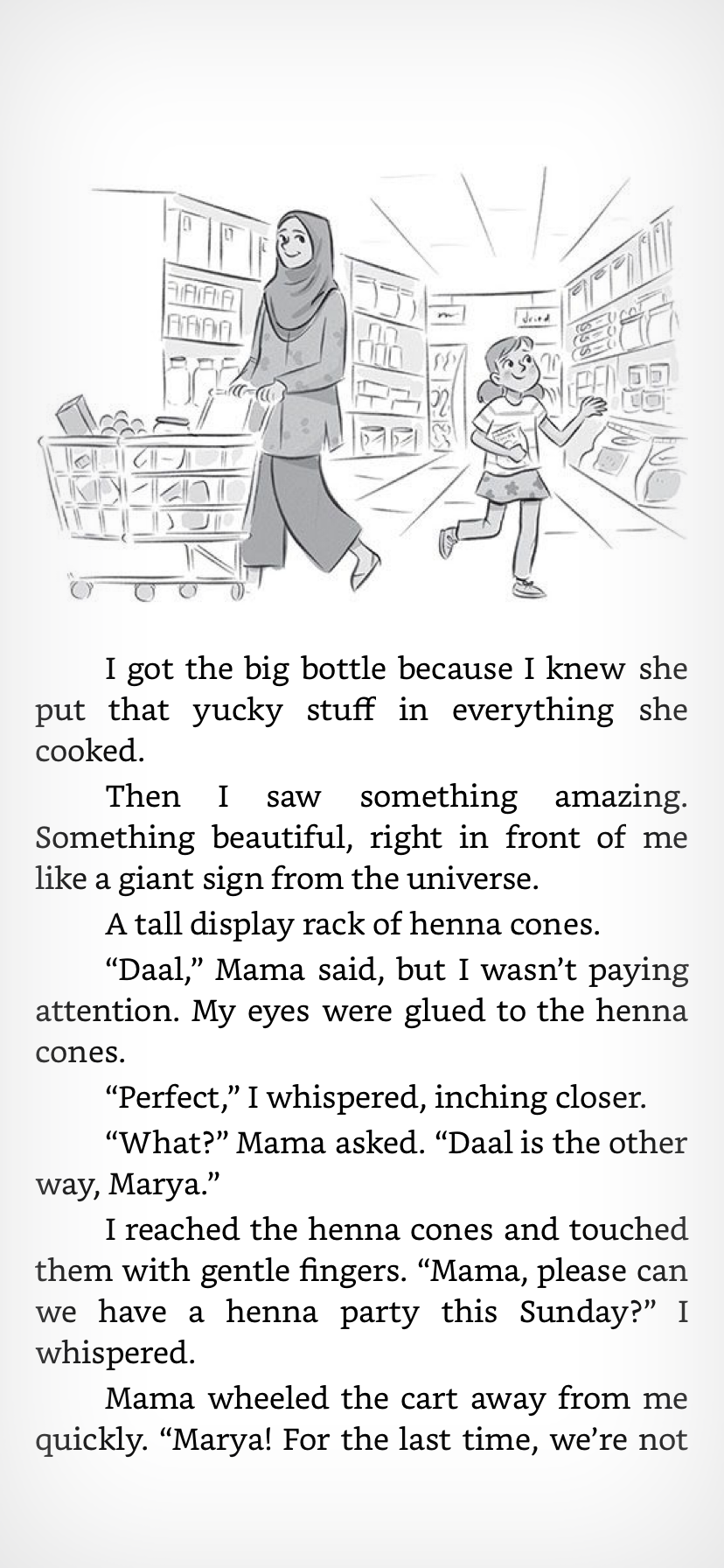
I thoroughly enjoyed the voice and playfulness of this 144 page early chapter book.  Mary Khan is a hoot as she navigates third grade, her Pakistani-American family, and the politics of birthday parties.  There is not a lot of Islam sprinkled in, save a few salaams, but the mom and Dadi wear hijab which is mentioned in the text and in the illustrations. Culture is presented warmly and her current stresses are not tied to her faith or background.  There is mention of witches and churrails, and she calls her sister one too, some lying, and numerous over the top efforts to be helpful as “Operation Help the Khans” is put in to action.  Nothing a first or second grader won’t be able to handle or understand, and a great series in between the author’s Yasmin books and her Must Love Pets series.

img_8910

SYNOPSIS:

Marya’s birthday is two days after her neighbor Alexa’s, her rich spoiled neighbor who is also in her class, and in her seating group.  The youngest of three kids Marya often feels that no one listens to her, and her wanting a birthday party this year, is met with the same dismissal in her eyes.  Aliya is a teenager and Salman, who she calls Sal to her grandmother’s chagrin, is in 5th grade, so Marya often finds herself hiding out in her Dadi’s room watching dramas in Urdu that she doesn’t really understand.  When she sees a birthday on the screen with henna, a band, and an elephant, Marya doesn’t want just any old party, she wants it all. 

Every year Marya’s best friend Hana comes over for pizza, cake, and a sleepover, but when Alexa hands out beautiful invitations to everyone at school, Marya says she too is having a party, a henna party.  Hana knows something is up, but it is full steam ahead for Marya as she devises a plan to convince her family to allow it to happen. With her mom’s flower shop busy with an upcoming wedding, there are lots of ways that Marya can help around the house, and then her family will have to let her, right? If only something could work out as Marya plans.  Then to top it all off, Marya starts to feel bad for the annoying Alexa and in a moment of kindness invites her to her party. It will just be boring pizza and cake, but if Marya can be nice to Alexa, perhaps anything is possible, and there might be more surprises in store for them all.

img_8923

WHY I LIKE IT:

I love the vocabulary calendar words thrown in and the fertilizer smell that permeates all.  The story line might not be the most unique, but the silly disasters and the spunk of Marya make her endearing and the book enjoyable.  I love that the stress isn’t her culture or religion, she is a Pakistani American Muslim and she has concerns that all kids have, everywhere.  I also love that the mom owns her own flower shop and is passionate and successful in her work.  

One thing I didn’t quite get was why henna is called henna in the book and not mendhi? There are desi food names included, I wish it would have also maybe had a conversation in the book explaining that it is called mendhi in Urdu, but they are calling it henna.  I love that Dadi doesn’t like Salman’s name getting shortened and that mom’s hijab is remarked upon in a normative way. 

I probably shouldn’t like the comments that Marya makes about her sister, but I laughed, and yes she is cheeky, but it is funny and love filled, I hope. She also makes mean comments about Alexa, but the growth arc shows improvement and reads real.

img_8922

FLAGS:

Name calling, lying, teasing, mention of jinn, birthday, bands.

TOOLS FOR LEADING THE DISCUSSION:

Too young for a book club, but definitely preordering for the school library.  

Thank you to Netgalley and Amulet Books for the arc.  You can preorder your copy HERE


Mona’s Scrapbook Adventure by Nouha Deliou illustrated by Kadhima Tung

Standard
Mona’s Scrapbook Adventure by Nouha Deliou illustrated by Kadhima Tung

mona

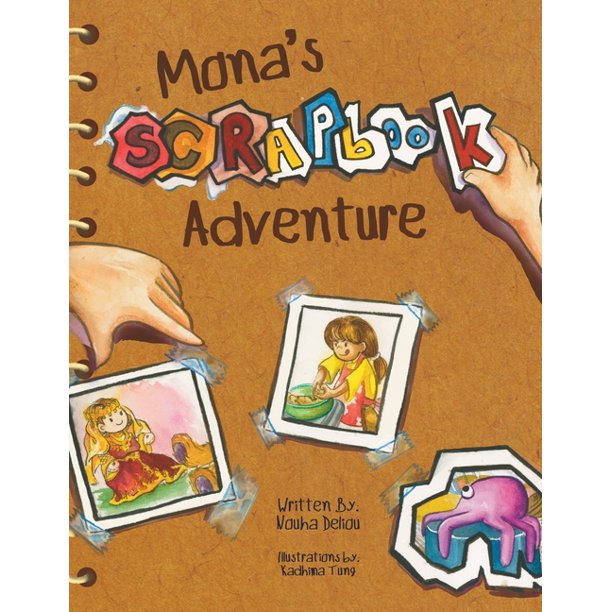
Algerian culture, as far as I’ve seen, is incredibly underrepresented in western literature and not represented at all in children’s books.  I love that this author, who felt the same- did something about it.  This 40 page colorful story incorporates Algerian traditions and culture with universal themes of sibling love, wedding excitement, and being sad about change.  The OWN voice warmth shows Muslim characters in America holding to traditions and making new ones.  The book is long, but is not text heavy.  For toddlers and preschoolers up to second grade, I can see readers enjoying the detailed descriptions of the dresses and foods, and feeling the feelings of little Mona as her beloved older sister prepares for her wedding and ultimately leaving with her husband.

img_2564

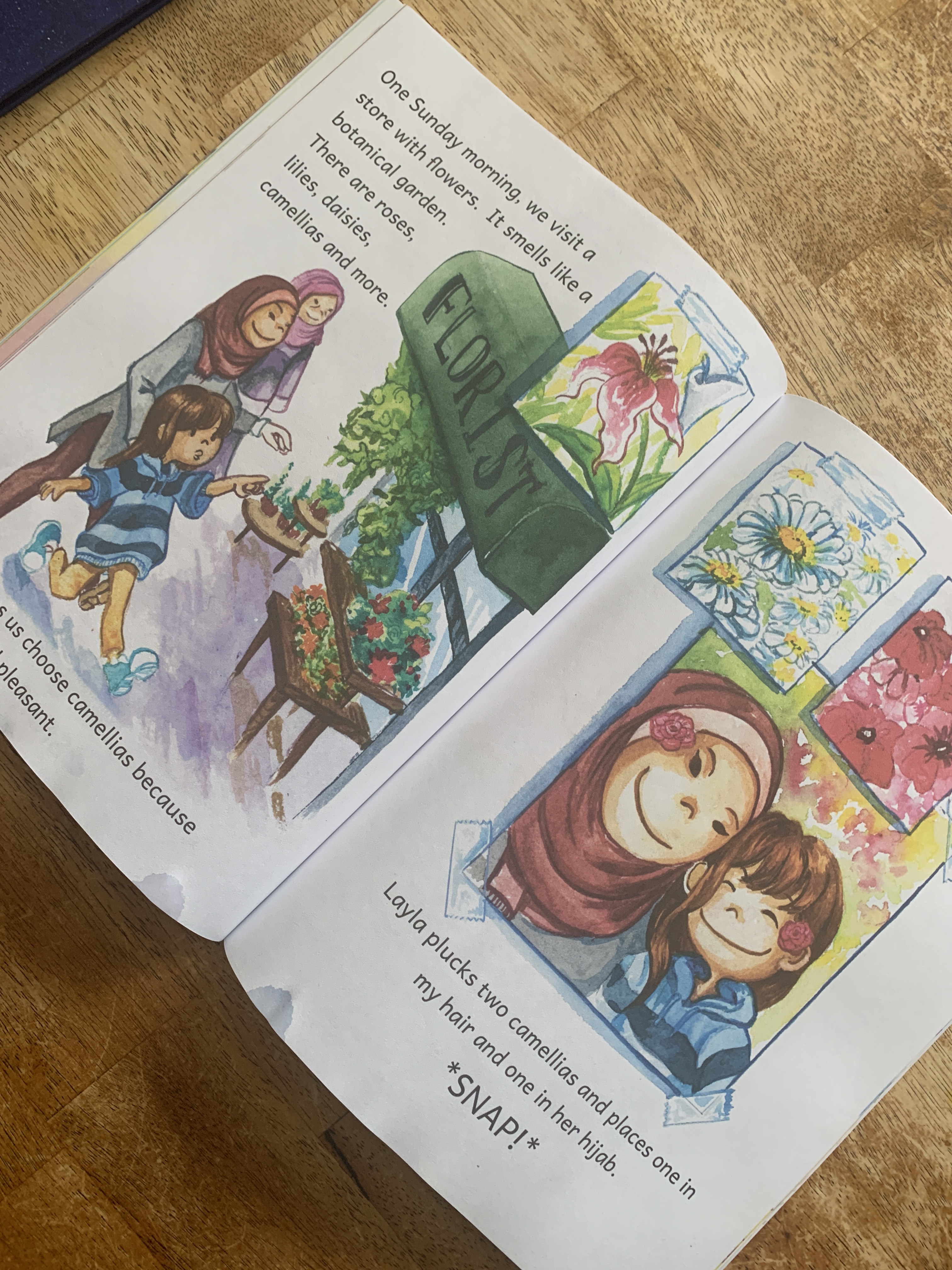
The book starts on the morning of the big day, Layla’s engagement.  Mama explains to Mona that the Imam will do the kitab and that her older sister is excited because she has known Ahmed since school and likes him a lot.  Once dressed Mona watches Layla get ready in traditional Algerian clothes.

img_2565

When Ahmed and his family arrive, he and Layla announce that after the wedding they will be moving from New York to Arizona.  Mona is devastated, as the women start to zaghreet in celebration. She wonders if she can go with them, but decides she can’t leave her parents.  Later that night, Layla and Mona chat and decide that Mona will help plan for the wedding and they will make a scrapbook.

img_2566

Over the next few months, clothes are bought, cakes are tasted, flowers are decided upon, and Arayech is made.  The night of the henna is fun, but then it is the wedding, and then time for Layla and Ahmed to go. Happy tears and promises to always be connected conclude the story before a scrapbook page for the readers is revealed to make their own designs.  That is followed by a glossary, and information about the author and illustrator.

img_2567

I love the detail about the different cultural and regional Algerian dresses in the illustrations, the Algerian traditions shared through the text, and the connection between the two sisters. The book is available in hard back or paper back and I got mine from Crescent Moon Store  

https://crescentmoonstore.com/products/monas-scrapbook-adventure?sca_ref=1601585.fIPhoqtScY

Fight Back by A.M. Dassu

Standard
Fight Back by A.M. Dassu

fight back

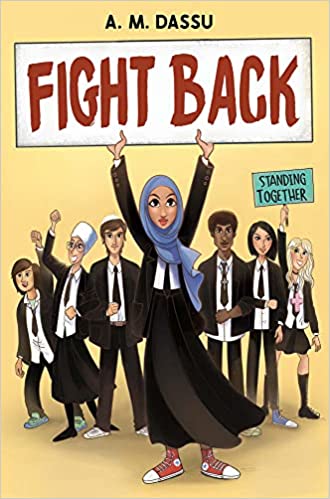
At 384 pages, this middle grades book takes on hijab, terrorism, Islamophobia, finding your voice, and fighting back.  At times the book was insightful and smoothly written, at other times the voice seemed childish and the writing directionless.  The inconsistencies don’t ultimately make the book good or bad for me, but rather very forgettable.  I read the book over the span of three days, but honestly remember very little about the book without looking at my notes.  The writing just isn’t particularly strong.  I never connected with the main character, and no it wasn’t because I didn’t agree with her wearing hijab out of solidarity, I accept that people make the decision for a variety of reasons, somehow I just never felt sympathetic to her as a person, or found myself cheering her on.  Her naivety vacillated too much for me to find her believable, and the pacing of the book made it hard to get revved up.  I think upper MG and middle school readers will be a better fit for the book with hate speech, assault, school bans, concert, musical references, and alt right indoctrination.  I think the book is worth shelving in a classroom/school library and I’m considering it for a book club selection, but I’m skeptical that the book would be finished, even if started, by most readers without some incentive to see it through.

SYNOPSIS:

Aaliyah and her friends are at a K-pop concert when a terrorist attack kills and injures numerous people.  A Muslim takes responsibility and with it coming on the heels of numerous London attacks, Islamophobia is at an all time high.  For 13-year-old Aaliyah, it is a stranger yelling at her mother in a parking lot, her best friend Lisa ignoring her, and her brother getting riled up in retaliation, that gets her to wonder why her mother wears hijab, when she started, and decide to start covering herself, in solidarity. As a result for Aaliyah there is now increased bullying at school which results in physical assault, and teachers turning a blind-eye.  It reaches an all time high when a religious display ban goes in to effect.  Still dealing with trauma from witnessing horrific violence, Aaliyah decides to push back.  Finding her inner strength and finding allies in a few good friends, and a secret cat adoption, she finds enough motivation to keep her plugging forward against the growing hate in her world. When she finally finds her voice will it be enough to overturn the ban and save her brother? Nope, not going to spoil it.  The fight is not a one-and-done, as anyone who has gone up against racism and systemic oppression knows, and this fictional book keeps that integrity and doesn’t give a happy ending, but rather hope and motivation.

WHY I LIKE IT:

I like that the Islam is centered in a consistent and empowering way.  At times it is a perspective that I’m not completely onboard with, but a few pages later the insight is powerful and the messaging clear.  I found it odd that Aaliyah doesn’t know when her mom started covering or why, or anything about hijab, it comes off very immature. The book keeps culture and religion separate, hijab a choice, and I like that it was Aaliyah who wants to cover even when her parents try to talk/force her out of it.  I find it a little off that she doesn’t go to the mosque, but her father consulted with masjid folks when looking for advice for handling the alt right groups.  She prays a few times in the book and it being mentioned is nice.

I like that the kids in the book think for themselves, and that the adults don’t have all the answers.  I enjoyed the passages asserting why the family came to the UK generations ago and why they have stayed, is powerful.   A few of the characters that are really strong at the start don’t ever get mentioned again.  Which is fine, but I did wonder about Harpreet and why Yusuf’s friends weren’t contacted when Aaliyah was sleuthing about.

Loved the literary shout-outs, and the hypocrisy of allowing swim caps and hats but not hijab, but sigh, didn’t love the cat thread.  I think I just don’t like fictional cats, I sound like a broken record.  I think the inclusion was to show how much Aaliyah had to keep hidden in her life and how she needed comfort, but I don’t know, sigh, I found the contrast of tone jarring to the pacing.

There is a glossary at the end, and the definition of Hijab is a bit odd, highlighting Western and South Asian terminology and not the Middle Eastern or even global use of the Arabic word.  I don’t know that the glossary is even needed as the book really tries to establish that the characters are a part of their society and don’t need footnotes and differential treatment, so the inclusion of a glossary for me, diminished the point a bit.

FLAGS:

Assault, hate speech, bullying, fear, death, injuries, bombing, terrorist attack, lying, music, mention of a transgender/gender neutral student, a rainbow pin. sneaking out.  Criticism of police, alt right indoctrination.

TOOLS FOR LEADING THE DISCUSSION:

The book is unique in showing affects of the alt right and not having it all work out in an MG book.  It shows the anxiety and fear that Muslims often feel and the determination of not becoming victims. It also does a good job of showing that something like a religious symbolism ban doesn’t just affect Muslims, but people of various faiths and culture, and thus when common ground is found, there are more allies that one often thinks.  I think it could work for a middle school book club and undoubtedly the discussions would be great, but I am given pause with the main characters view of hijab as not being something in the Quran, but rather done in protest and in solidarity.  I think once I see which kids are interested in book club I can gauge if it is something that we can work through and discuss or not.

Anisa’s International Day by Reem Faruqi

Standard
Anisa’s International Day by Reem Faruqi

international

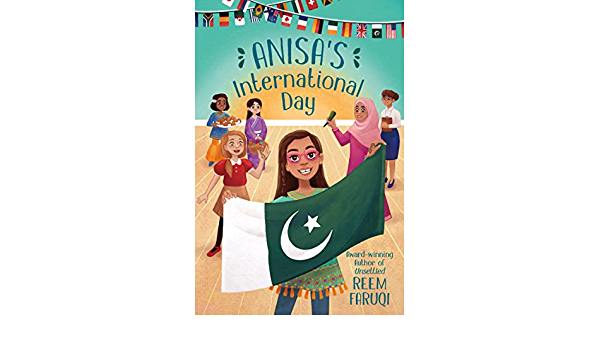
Full of determination, creativity, culture, misunderstandings, and learning from your mistakes, this story will resonate with readers 6-10 who want to solve problems on their own, stand out and be special, and who must own up to their mistakes when they happen.  In just under a hundred pages of story, the characters are developed and made memorable, the voice realistic, and the story engaging and enjoyable.  I love that there is no cultural or religious identity crisis, no parental fixing of problems, and no preachy moral overtones.  There are many lessons learned, explored, and threaded through the book, but the incredible writing never lets the threads overpower the story.  The emotional attachment to Anisa has you cringing when she messes up, cheering for her to solve a problem, and sighing in relief when amends are made.  The backmatter is quite robust with recipes, a glossary, numerous activities, and notes from the author.  I know the book says it is meant for grades 3rd through 7th, but I think early chapter book readers will enjoy it the most.  There is not a lot of Islam in the book, but enough that Muslim readers will appreciate the representation and OWN voice authenticity.

SYNOPSIS:

Anisa is an artist, a baker, and pushes herself to be ingenious in all she does.  With her aunt’s wedding coming up, her and her sister and their A-Z Bakery are tasked with making cookies for a party, and her Nani in Pakistan has even sent clothes for her to wear.  Included in the package is a beautiful kurta that Anisa decides to wear to school.  Inspired by her pride in her culture the teacher, Miss Torres, decides the class will have an international day.  Anisa can’t wait to bring samosas, but Prerna from India commits to bringing them first and ingenious Anisa can’t copy her.  To make matters worse, Anisa’s best friend Katie doesn’t seem to like the mehndi Anisa got put on at the dholki.  Misunderstandings, assumptions, and hurt feelings get amplified when Anisa takes action, and when everything gets put out in the open, she will have to find a way to make things right.

WHY I LIKE IT:

I love that the drama is not over sensationalized, it is on par for 3rd grade and the solutions are as well. The teacher and Anisa’s parents are supportive and present, but they don’t solve the problems or force reflection, the children in the story do.  I love the subtle backstory of Anisa and Prerna seeming to be in competition, but finding support in one another as the story moves through.  I also love that no one puts pressure on Anisa to be the most creative or the best at anything, it genuinely feels like her personality and a standard she expects for herself.  I was glad that there was no cultural (or religious) self doubting.  The problems with a friend is communication, approval, and misunderstanding.  The mehndi is the catalyst, but it is not meant or perceived to be a symbol of a whole culture and identity.  It is just mehndi. Of course I also love that the apologizing is not just saying sorry, but rather making things right.

There is mention of the aunt wearing hijab and taking it off because Anisa’s dad is not home, that is tucked in and appreciated.  There are black and white illustrations sprinkled throughout that show women in hijab (#muslimsintheillustrations) as well.  The pictures are not finalized in the arc I received, so I will update the included images in this review at a later time.

FLAGS:

There is mention of music, not sure if it is just drums, or other instruments as well. Makeup is also worn by the adult women and mentioned a few times.  Anisa is mean, but she does apologize.

TOOLS FOR LEADING THE DISCUSSION:

I think fans of the Yasmin series (Saadia Faruqi) will move on to this book, and also enjoy the upcoming Marya Khan series also by Saadia Faruqi. The book fills a gap for this reading demographic, and will add relatability, representation, and warmth to whatever shelf it is placed on.

Sitti’s Bird: A Gaza Story by Malak Mattar

Standard
Sitti’s Bird: A Gaza Story by Malak Mattar

img_2562

I hate that this book is so timely.  It was written by the author/illustrator recalling the 2014 airstrikes, but alas, has anything changed for the Palestinians’ suffering at the hands of the Israeli occupiers amid the  apathetic silence of the world?  This 32 page picture book shows family love and daily life while Gaza is under siege.  The heartbreak of a young girl’s reality and perception shows the reader, in a simple empathetic, heart-wrenching, real-life example how her dream was limited and caged because she is not free.  The book is not sensationalized, nor graphic, it is written by someone who endured this as a child, and has written the book for children. The theme is not even political, but more hopeful as art is found as a respite and way to keep dreams from completely dying.  May Allah swt ease the suffering of those under occupation and free Palestine, ameen.  

img_2557

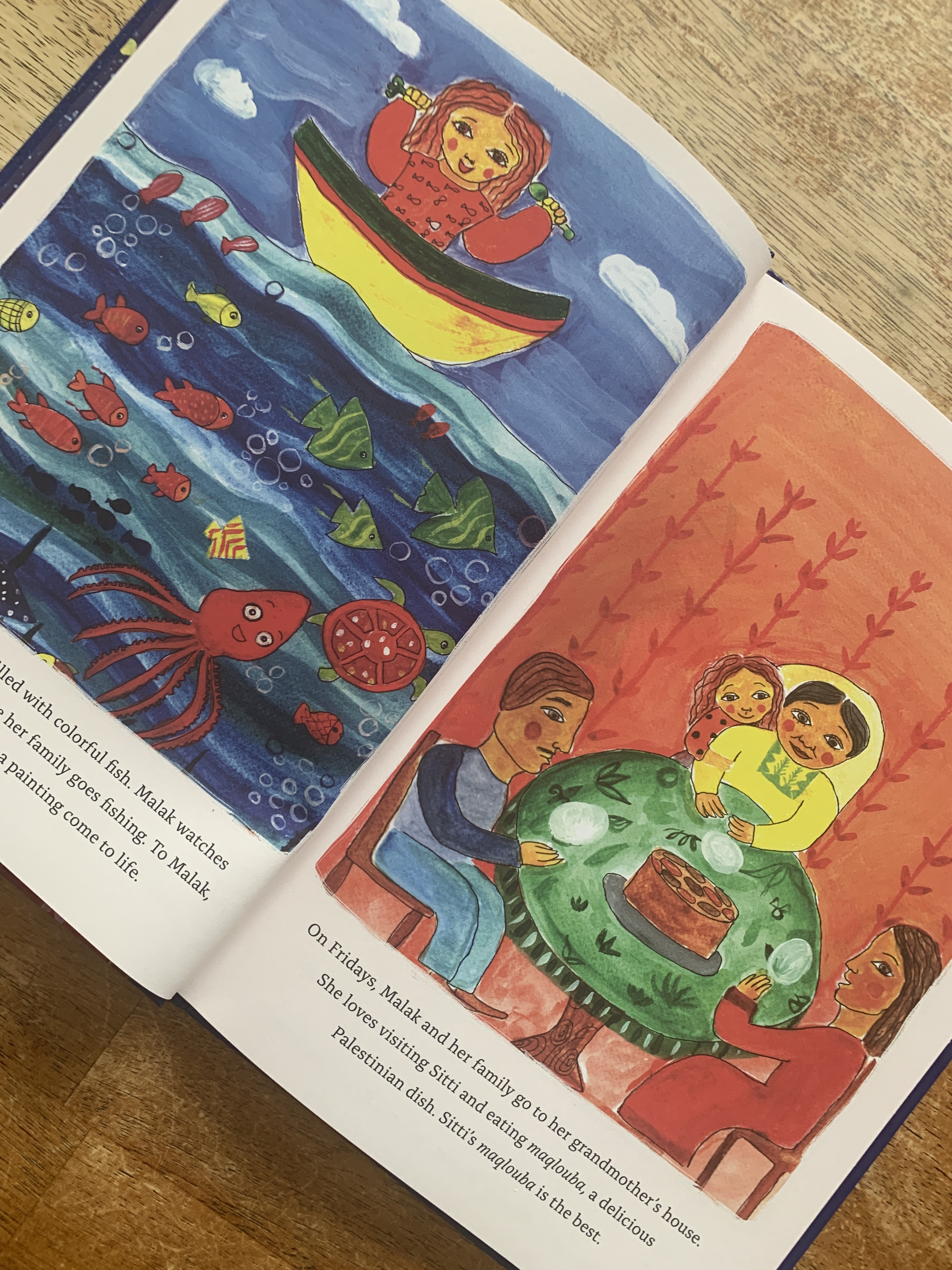
The book starts with a little girl and her parents going to Sitti’s house for the best maqlouba.  Sitti has a beloved bird, Malak wonders if she too is in a cage.  Her grandmother encourages her to fly in her dreams.  At school she is happy with her friends, playing games, listening to stories, but when an explosion sends them all home, she won’t get to return for 51 days.

img_2559

Constant airstrikes keep the family home and in fear.  Malak finds some paints and starts to create.  Sitti’s bird is lost when Sitti’s home is destroyed, but somehow shows up at Malak’s home.  Eventually Malak returns to school and she shows her teacher all her paintings. Her teacher decides to host an exhibit. 

img_2560 

People show up and marvel at her art work.  Months later an international exhibit invites her to attend with her parents, but sadly she must decline.  Gaza is closed.  She cannot leave.  

The book is hopeful, but does not have a happy ending, and I think the weight of that makes this book all the more powerful: because it is timely, because occupation persists, because dreams cannot be made into reality, generation after generation, this story inshaAllah will inspire some change and lots of compassion.

img_2558

There is nothing Islamic in the book, save some #muslimsintheillustrations, the author is Muslim.

Available here at Crescent Moon Book Store https://crescentmoonstore.com/products/sittis-bird?sca_ref=1601585.fIPhoqtScY  

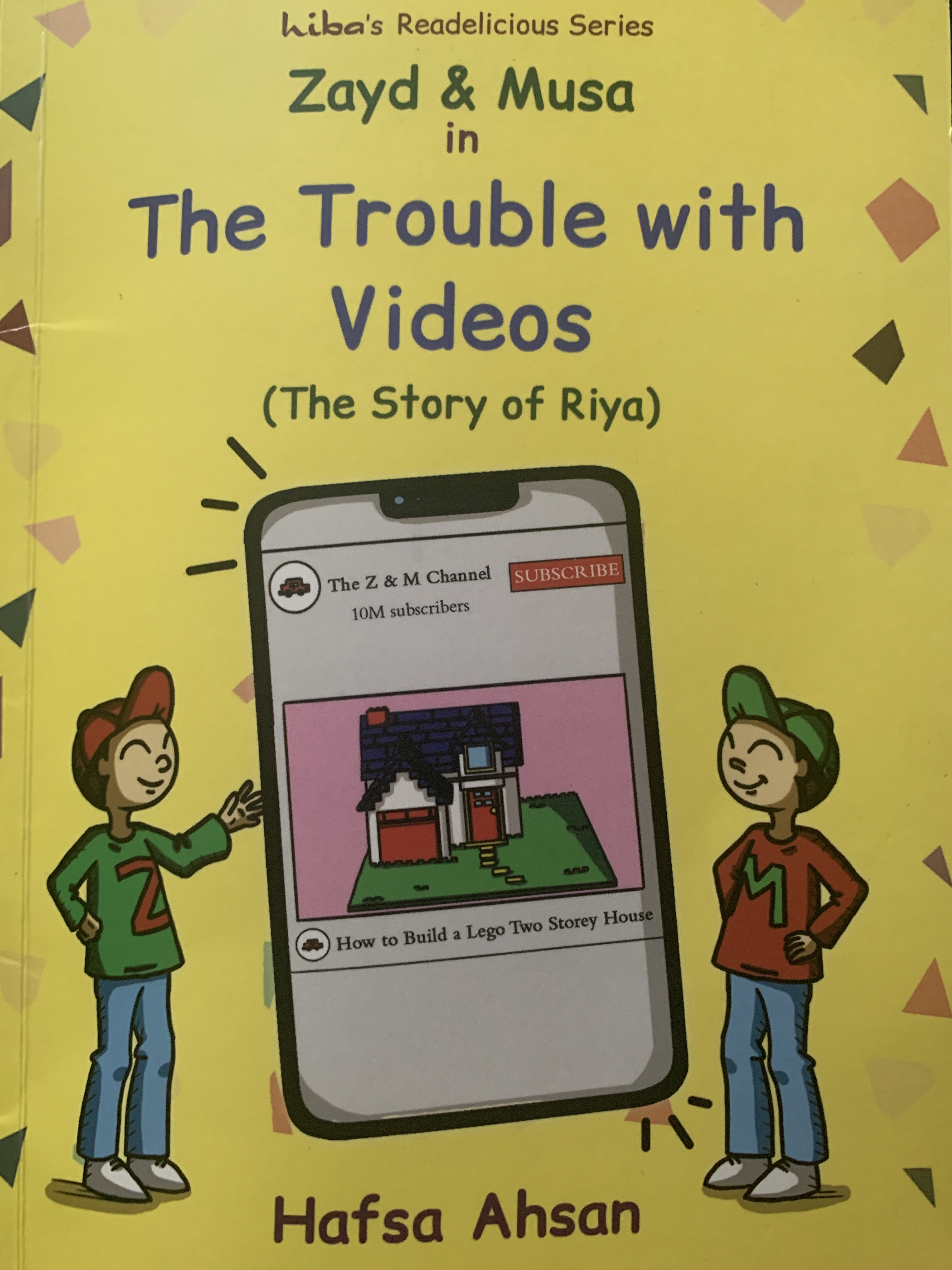
Zayd & Musa in The Trouble with Videos (The Story of Riya) by Hafsa Ahsan illustrated by Yusra binte Absar Kazmi

Standard
Zayd & Musa in The Trouble with Videos (The Story of Riya) by Hafsa Ahsan illustrated by Yusra binte Absar Kazmi

img_2466

This illustrated 64 page Islamic fiction chapter book is meant for early readers, but it was a good reminder for me as well.  Tackling the rarely covered topic of Riya (to do good deeds only to be seen by others), the book has been checked by a religious scholar (and his name included), features Quranic references at the end of the story, and the book is entertaining, relatable, funny, and adorably, albeit simply illustrated, by a child no less.  Like the first book in the Hiba’s Readalicious Series, there are a few grammar errors, and the Mommy/Daddy references read childish, but the story has interest, heart, humor, and both myself and my children found the book engaging on its own while also lending itself to worthwhile discussion around the dinner table.

SYNOPSIS:

Twins Zayd and Musa don’t have a smart phone and their friend Isa not only has one, but also has a YouTube channel.  Isa’s desire for likes and followers gives Zayd and Musa a variety of feelings, and with the context of their involved parents, friendly neighbor, and their own conscious, they learn about riya, and that often things in life are not just good or bad, but one’s intention that matters.

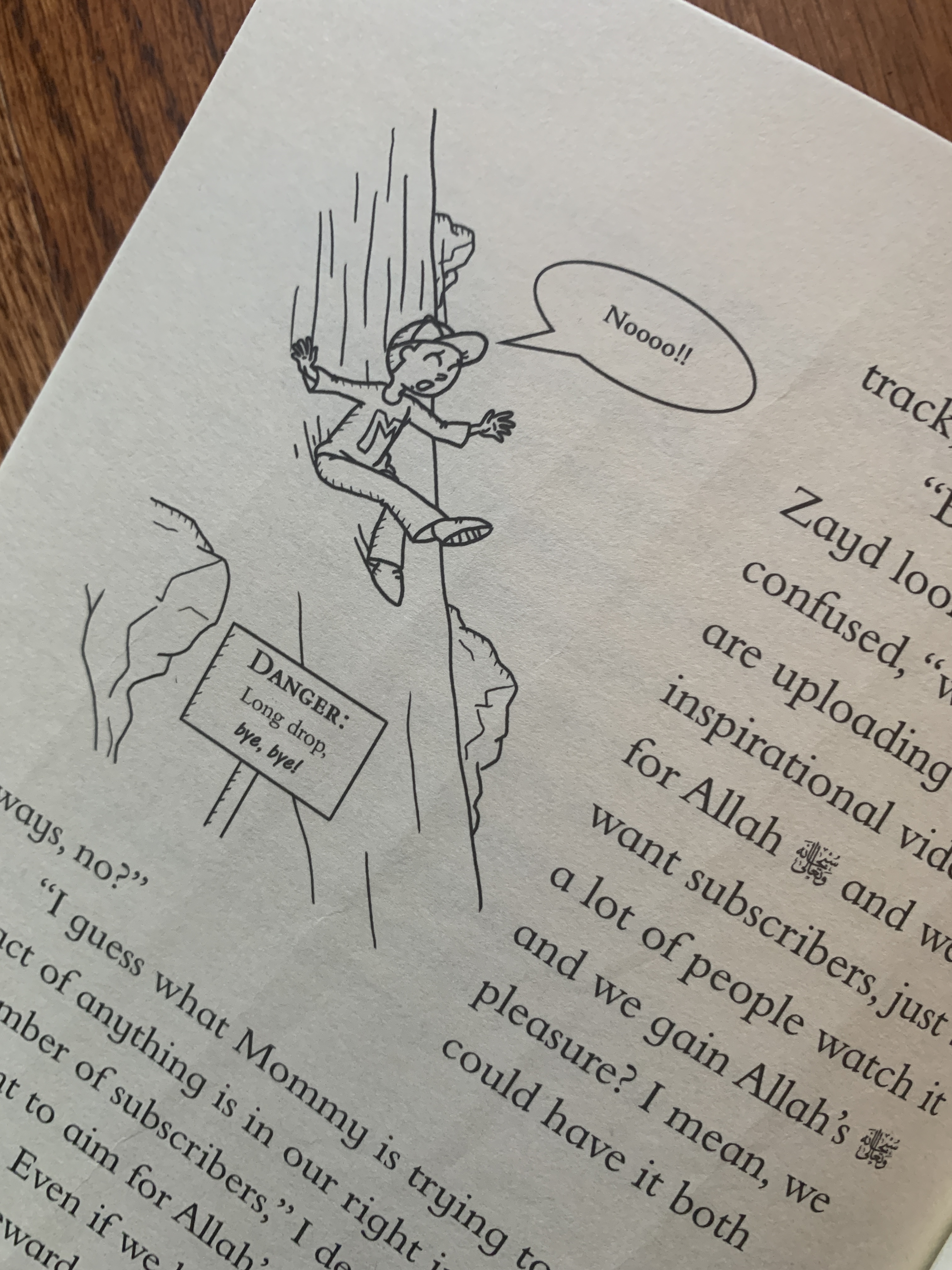
The illustrations not only illustrate the text, but also include talking bubbles with additional comedy or facts about screen usage, internet availability and study results as pertaining to the topics raised.

WHY I LIKE IT:

I love that the topic isn’t just handed down from the adults in the story, the boys and their point of view flesh it out and make it so the reader will actually understand the concept and hopefully recall it later in life.  The humor makes it relatable and the lessons while preachy, it is that type of book, are not presented as good/bad, right/wrong, it shows different scenarios, and how we all must constantly check our intentions, not just the “antagonist” of the story.

FLAGS:

None

img_2462

TOOLS FOR LEADING THE DISCUSSION:

The book lends itself to discussion with older children than the intended audience.  While the book is meant for say a six year old, the discussion using the examples in the book, at least for my children, was much more relevant to the middle schoolers.  Naturally, teaching early readers about intention is still a valuable lesson, but I’d encourage 10 and up to also read the story, so that discussion from their perspective can occur.  It is an easy read for older kids, but a beneficial one- just give them a heads up that the kid parent relationship is notably cringe and babyish, the lessons however are food for though.