Tag Archives: religion

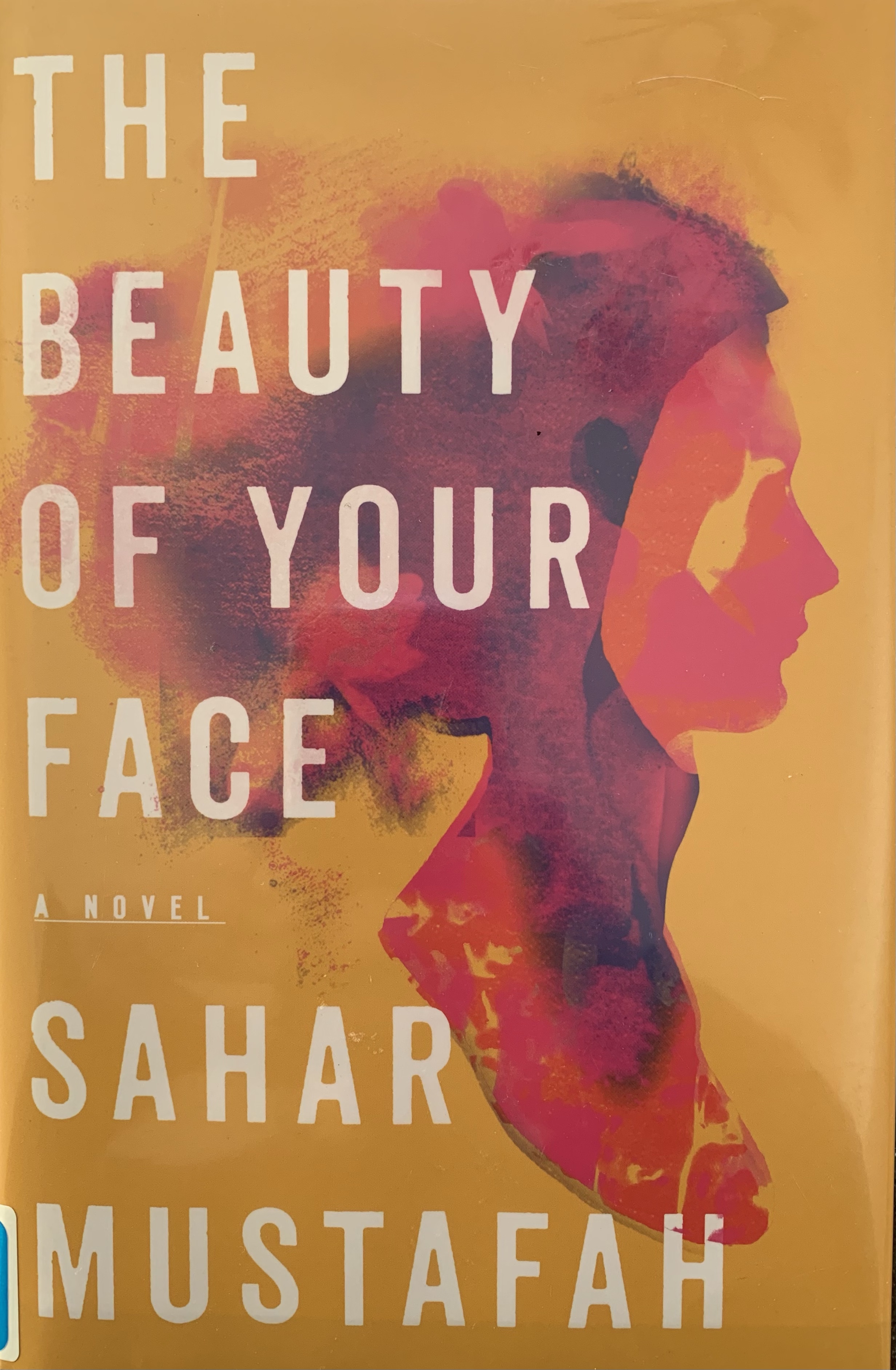
The Beauty of Your Face by Sahar Mustafah

Standard
The Beauty of Your Face by Sahar Mustafah

img_7145

I had debated picking up this book knowing that it isn’t labeled YA and I’m painfully behind on a stack of books I want to review, but after reading @muslimmommyblog’s review I opened the first page: that was 24 hours ago, I couldn’t put it down.  I’ve seen a lot of comments about this book being more YA than adult fiction because it tidies everything up so precisely at the end.  I’ve also seen critiques from non Muslims that it is overly preachy at times.  Many Muslims are so swept away by the rawness and presence in Islam in the book that they are making their teens read it.  So I wanted to read it and review it to determine if it is appropriate from my perspective for teens, and offer my take on it.  Ultimately I think while much of the Palestinian-American protagonist’s life story in the book occurs as a child and young adult coming of age, that the “flags” are so critical to the story and so numerous, that no matter how deftly and non specific she handles these issues and moments, that the book really is meant for more mature readers. I’ll detail it more below in the FLAGS section but to highlight a few mature spots mentioned in the book to varying degrees:  extra marital affair, alcohol, making out, groping, nudity, sex, voyeurism, killing, shooting, physical abuse, profanity, suicide attempt, bigotry, etc.  The writing is absolutely superb, and it isn’t sensationalized, but it is there and provides understanding as to why the characters often are as they are to a point that you need to understand them with a certain clarity.  I would think this 298 page book would most appeal to early college age readers where one is hopefully open minded enough to understand the characters relationship with religion whether they are Muslim or not, old enough to have some of their own life to reflect upon, and on the cusp of a new chapter that they realize the role their choices can make as they move forward.

SYNOPSIS:

Afaf’s life story unfolds out of order and with occasional interruptions from an outside point of view.  It opens with her at work, as a principal of an Islamic girls high school in Chicago as we see her dealing with parents upset with things taught at the school and the balance she tries to achieve in guiding her girls to be strong, confident, well-informed Muslims in a diverse America.  It then flips back to 1976 and begins the tale of Afaf’s life with her parents, immigrants from Palestine, her older sister and younger brother.  Not ever feeling like she fits in at school, she loses any sense of normalcy at home when her 17 year old sister Nada goes missing.   There were problems at home before: her mother never being happy, Afaf never feeling her mother’s affection, her father having having an ongoing relationship with another woman, but as days and months go by, and no clues can find Nada, it will be the event that seemingly tore the family apart.  Afaf’s mother has a mental breakdown, Afaf’s father takes to drinking, and thus Afaf and her younger brother Majeed have to navigate much of their life on their own.  In high school Majeed finds baseball and becomes the ideal student and son.  Afaf lets white boys feel her up and has a reputation for being easy.  She doesn’t cross the line, but her reputation and name on the back of bathroom stalls is fairly accurate.  When their father is involved in a car accident, he finds Islam.  The family is very cultural, but not religious at all.  Eventually Afaf and her brother accompany their father, much to their mother’s protests to the Islamic Center and while Majeed has no interest in religion let alone Islam and never returns, Afaf feels an instant peace and the opportunity to redefine herself and continues to go and study Islam.

The book jumps regularly in sections, not every other chapter, and at some point it shows Afaf as an elementary school teacher making the commitment to wear hijab and preparing to wed a Bosnian man with a broken war filled past.  It jumps and has her brother home from law school visiting and her mother attempting suicide by drinking drano and being found laying naked in a bath tub.  After recovering, her mother returns to Palestine and never returns.  In yet another vignette, it has Afaf and her husband and father preparing to go for Hajj, where her father passes away, and has her returning to find she is expecting her third child a little girl.  There are other surprises that I’ll not reveal, but some of these jumps are interrupted by a voice of a radical alt right mant who walks into the girls school and starts shooting, finding himself face to face with the principal, Afaf.

WHY I LIKE IT:

I am seriously blown away at the quality of writing, and the interweaving of religion and culture.  It is a main stream book and it has a lot of religion in it.  It isn’t so much long passages of preaching, the father would like it to be that way, but the other characters keep him in check.  But the quiet transformation of Afaf and having Islam save her from a life she was not content with.  I love that it has joy and happiness despite all the tests and obstacles.  The book could have been really heavy and drag, but it wasnt, it was compelling and hard to put down.  The characters will be with me a while and I can see myself rereading the book just to visit them again.  

I was a little confused with Afaf’s limited Arabic and her mom’s limited English.  How did they communicate? I get that perhaps it was symbolic of their broken relationship, but seriously when Afaf is seven and not understanding Arabic and her mom is not understanding the police and neighbor in basic English, something is a bit off.  I like that insight is given as to why Afaf is fooling around with any boy that wants her and that it shows it isn’t about the acts themselves.  I also like how it showed her conflicts in reporting an Arab child in her class being abused at home by her father and how the response was so sad by the community.  While Islam saves her and holds her to a higher standard, it doesn’t appeal to her brother, it doesn’t remove the hypocrisy of people who are Muslim: abuse, owning liquor stores, and it doesn’t make everything better for her.  She has to suffer consequences of her choices, she just feels that Islam gives her the tools to persevere and understand and have hope.  

I love the food, oh man, hearing all the dishes being cooked and served and cleaned up after, really made me very hungry.  The cultural elements of the music and songs and oud really ground the book and make the OWN voice value ring so true and strong.  The racism and bigotry feels very real as well.  The author is the daughter of Palestinian immigrants and the way that she articulates such pointed examples of not being given the chance to move up in the elementary reading group, side comments the high school coach makes to her, and the general stereotypes thrust upon her, are very powerful.

FLAGS:

So there is a lot, as stated in the intro, but I want to articulate a bit of why I maintain older teens for the book even though it isn’t overtly sensationalized. I’ll walk through some of the major flag themes.:

Take the drinking. The father is an alcoholic, but the mother and children hate it, Majeed drinks beer with his friends, but isn’t Muslim, yet the Khalti is somewhat religious and they pour amber drinks at Thanksgiving. So there is some moral lesson, which I think you could argue is fine in YA or even middle grades.

Relationships/sex/body: The father is having an affair with a much younger woman, they refer to her as sharmoota and everyone knows about it, no other details are given. Afaf lets boys touch her naked body, but draws the line at intercourse, she says she on some level doesn’t want to do that to her parents or something of that nature. Right before proposing marraige, her and Bilal do kiss. Once they are married it mentions them making love in the mornings. It mentions masterbating and blow jobs. The shooter and his girl friend have sex, the shooter watches an Indian neighbor nurse her baby through the door and sees her exposed breast with some detail and then goes home and masterbates. When the mother is pulled out from the tub after attempting suicide it doesn’t just mention she was naked, it comments on her pubic hair.

Violence: An Arab Muslim male classmate, drives Afaf away from her bike and the slaps her telling her basically that she should not be such a slut. Afaf punches another girl in a fight at school. A child in Afaf’s class is being hit by her father. Mother lashes out at Afaf, she ends up burned. The climax is a mass shooting where 14 students and a teacher are gunned down and killed. Self harm: car crash while drunk, suicide attempt with drano.

Minor: Yeah there is music, and Halloween,

TOOLS FOR LEADING THE DISCUSSION:

This would make a great book club selection for those in their early 20s and up. It is well done, just not for younger readers. The book is very popular and numerous author interviews can be found with a quick Google search.

The Servant by Fatima Sharafeddine

Standard

img_6859This 157 page young adult book is translated from Arabic and while at times the story seems intentionally choppy, at other times it seems that the translation is making it more jarring than it needs to be.  I found the book interesting and powerful, in much the way a short story can be, but the length was awkward, as it was too long for a short story, and not long enough to really read as a novel with detail and depth and connection.  I love the growth and retaking of control that the protagonist embodies and I absolutely love the ending being left intentionally unresolved.  There is no mention of religion in this story set in Lebanon, until nearly the end when it states that she is Muslim.  I wonder if the translation took out some of the ‘Salams’ and ‘inshaAllahs’ that would have clarified it a bit even if prayer, or the athan or any outward signs of being a Muslim are clearly absent.  The book is probably fine for ages 13 and up.
SYNOPSIS:

Faten is essentially sold in to servitude by her family.  Her family lives in a village outside Beirut and when money gets tight she is forced to go and work as a house keeper/maid for the Zein family.  Once a month Faten’s father comes and collects her salary showing little to know affection for the eldest of his children. The small Zein family has two daughters and lives in a flat.  While the girls are in school, Faten cooks and cleans and dreams of being a nurse.  The family is not particularly cruel to Faten, they often refer to her simply as ‘girl,’ but they are not particularly kind to her either.  The highlight of Faten’s day is watching a young man across the street that drives a dark blue car, come home, study, and play piano.  On occasion she catches his eye, so he knows she exists, but the two know nothing about one another.  On Faten’s 17th birthday she decides she is going to gift her self something, and writes a letter to the blond man across the street.  She has her only friend in Beirut, Rosalynn, a much older house servant in the apartment downstairs from Sierra Leon, deliver the letter which asks the boy to meet her so that she might seek his help in a very important manner.

When Faten and Marwan meet, Faten asks him to obtain information about how she might study nursing and change her future.  The two secretly meet with Rosalynn’s help on Sunday’s, Faten’s one day off.  Faten borrows May’s books to study as she learns what exams she must take to make her dream a reality.  Marwan helps her with questions she needs assistance with and Faten and Marwan become close friends, with both feeling some attraction for one another just beneath the surface.  One day however, they are discovered by a friend of Mrs. Zein at a beach side cafe, drinking coffee and Faten is forbidden from leaving the apartment as a result.  With the oldest girl, May, married now, and nothing to look forward to on her days off, Faten dives in to her studies and is more determined than ever to pass her exams.

To even take the multiple day exam requires a few lies, a few favors, and the willingness to take a huge risk.  When the Zein’s find out she is let go, and now must face her parents back in the village.  With the help of her childhood friend, Faten clings to hope, confidence in her ability, and determination to pave her own way on her own terms.

WHY I LIKE IT:

I love that while Faten is the victim of cruel parents, and an unfortunate circumstance, she rises up and fights for control.  I love that she has feelings for Marwan, but that they don’t overshadow her future goals, nor does she become overly dependent on him.  I really love her strength in handling the situation with him when it is good, when it is tested, and when she has to walk away.  There are elements of it being a love story, but that is just one thread of the book, her charting her own path is much more the central story line.  I wish her religion and his religion would have come to the surface more, and sooner.  Lebanon is a diverse place and just saying they were of two different faiths could have provided a lot of insight and fleshing out of the culture and the dynamics the two would have faced.  The classism is a bit obvious, but even when that is explored it provides a better understanding to the characters and to the arc they are moving on.  I like that her childhood friend and family are so loving and that her mom is not completely written off as a passive flat character.  Overall, I like the story and the book, set in the 80’s it really could have gone a lot of ways, but it held close to the theme and provided enough side details that it felt grounded, believable and ultimately was enjoyable to read.

FLAGS:

When May is entertaining suitors there is some ogling that young kids might question.  There is a lot of lying and deception and the possible romance between Faten and Marwan that in the text is pretty clean, but there is some hand holding if memory serves and implied desire for the friendship to be more.

TOOLS FOR LEADING THE DISCUSSION:

The book offers a lot in terms of classism and forced labor to be discussed and the cliffhanger ending between Marwan and Faten would allow the readers to decide if they could be together despite their different faiths, economic status and families, or not.  I probably wouldn’t do it as a book club, but if I were a high school teacher, I might offer some sort of extra credit assignment involving the book, as the ending really lends itself to the reader projecting the characters’ futures based on their own perspectives which would be fascinating to hear.

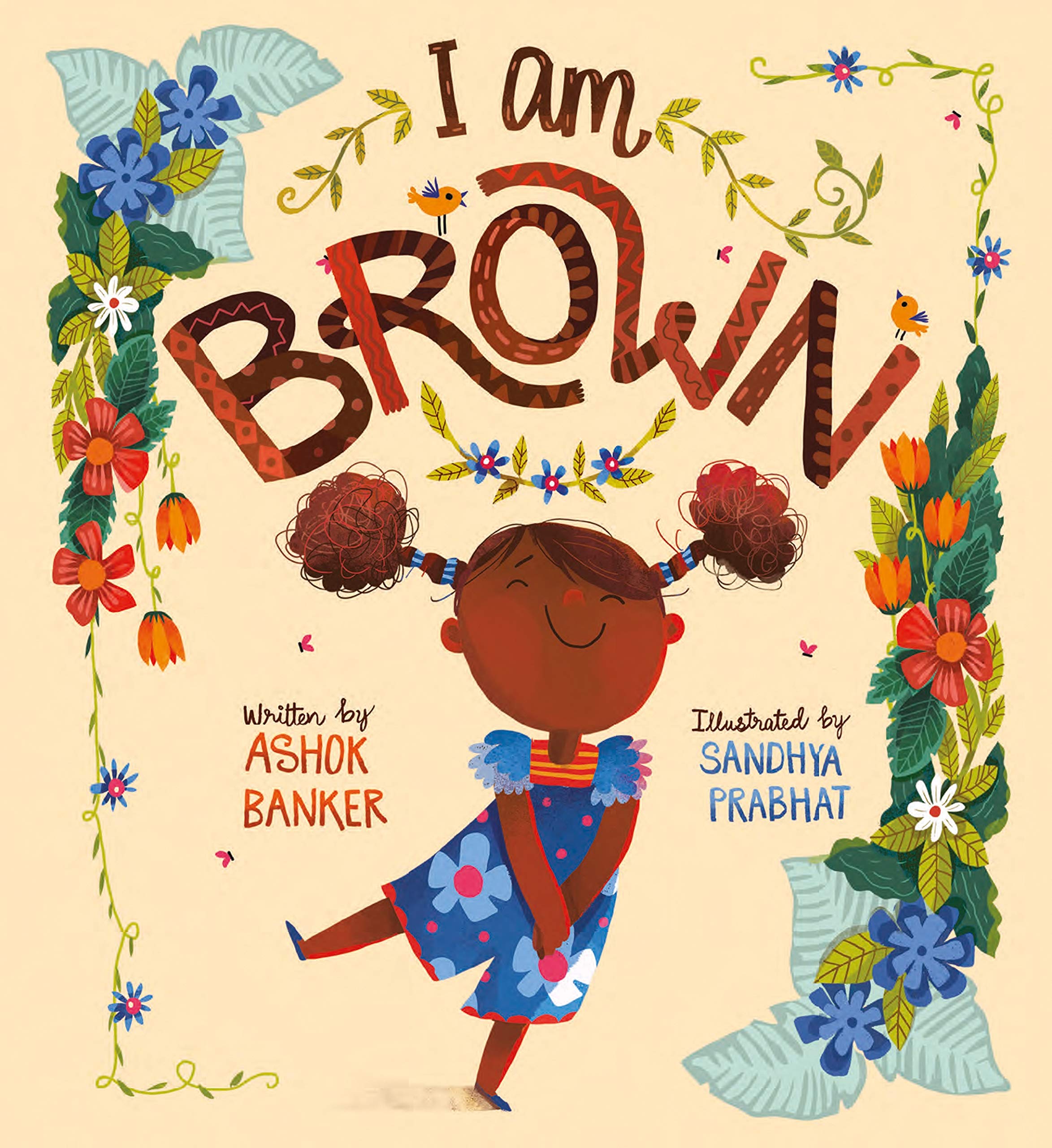
I am Brown by Ashok Banker illustrated by Sandhya Prabhat

Standard
I am Brown by Ashok Banker illustrated by Sandhya Prabhat

This 40 page celebration of diversity within the label “brown” is a sweet and powerful book that shows how the color of our skin is beautiful and perfect while at the same time making it clear that who we are and what we can be is not defined by our appearance.  The book shows adorably illustrated brown children finding strength in different cultures, clothing, religions, languages and dreams, which will hopefully empower children everywhere (and of all colors) to take labels that may have negative connotations and turn them in to positive affirmations of identity and strength.  There isn’t a story with a plot, but with the regular inclusion of a girl with a scarf on, and the mention of a mosque, I thought to highlight it.  The book is perfect for preschool and up.  

img_6226

The book starts with a little girl identifying herself as brown, beautiful and being perfect.  It then stretches to her being love, friendship and happiness.

img_6228

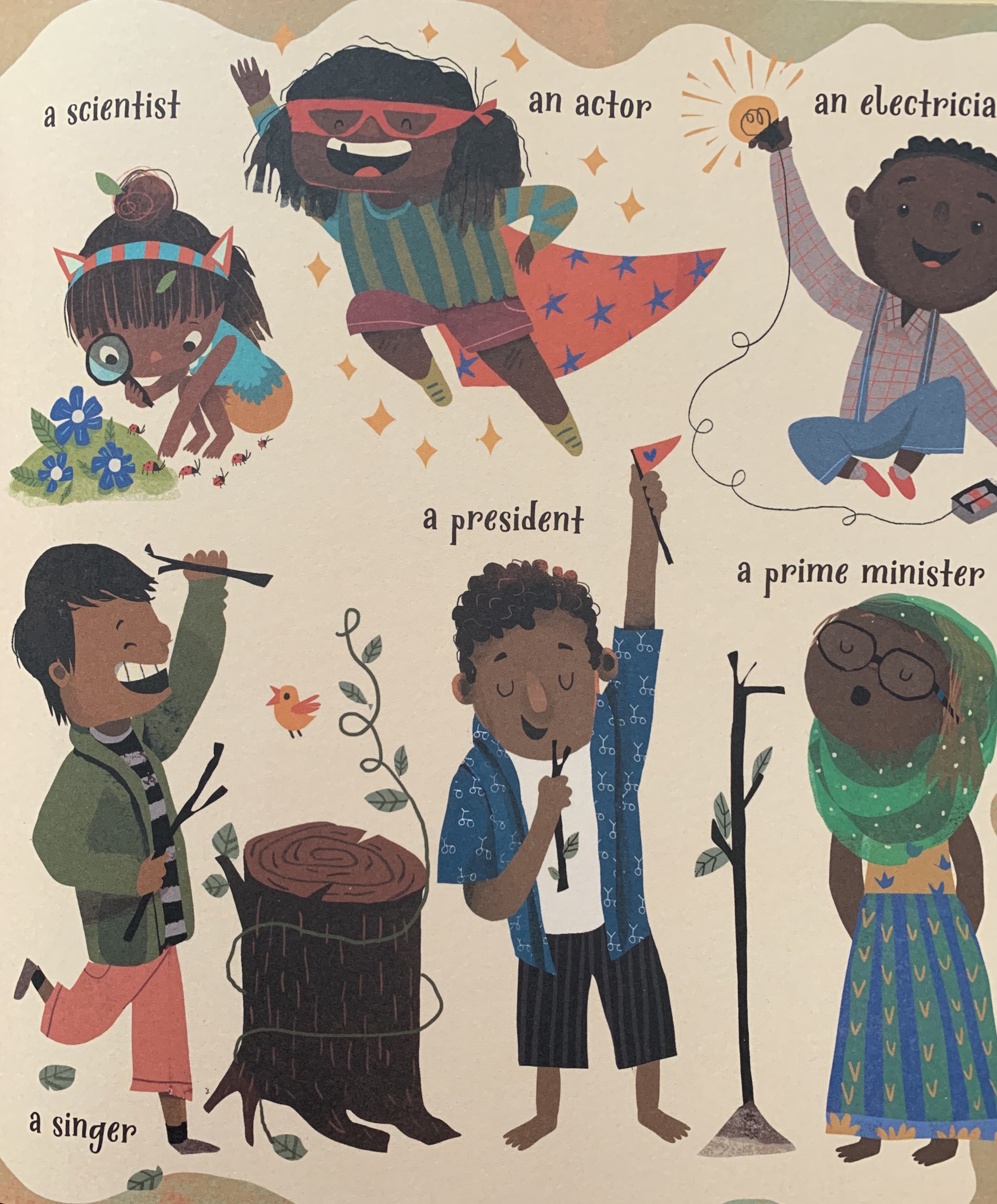
From there it branches out to a whole cast of kids identifying the variety of things they can be, from a writer to an electrician to a prime minister. the same kids then do and make and work on things before identifying where they come from and what languages they speak.  

img_6227

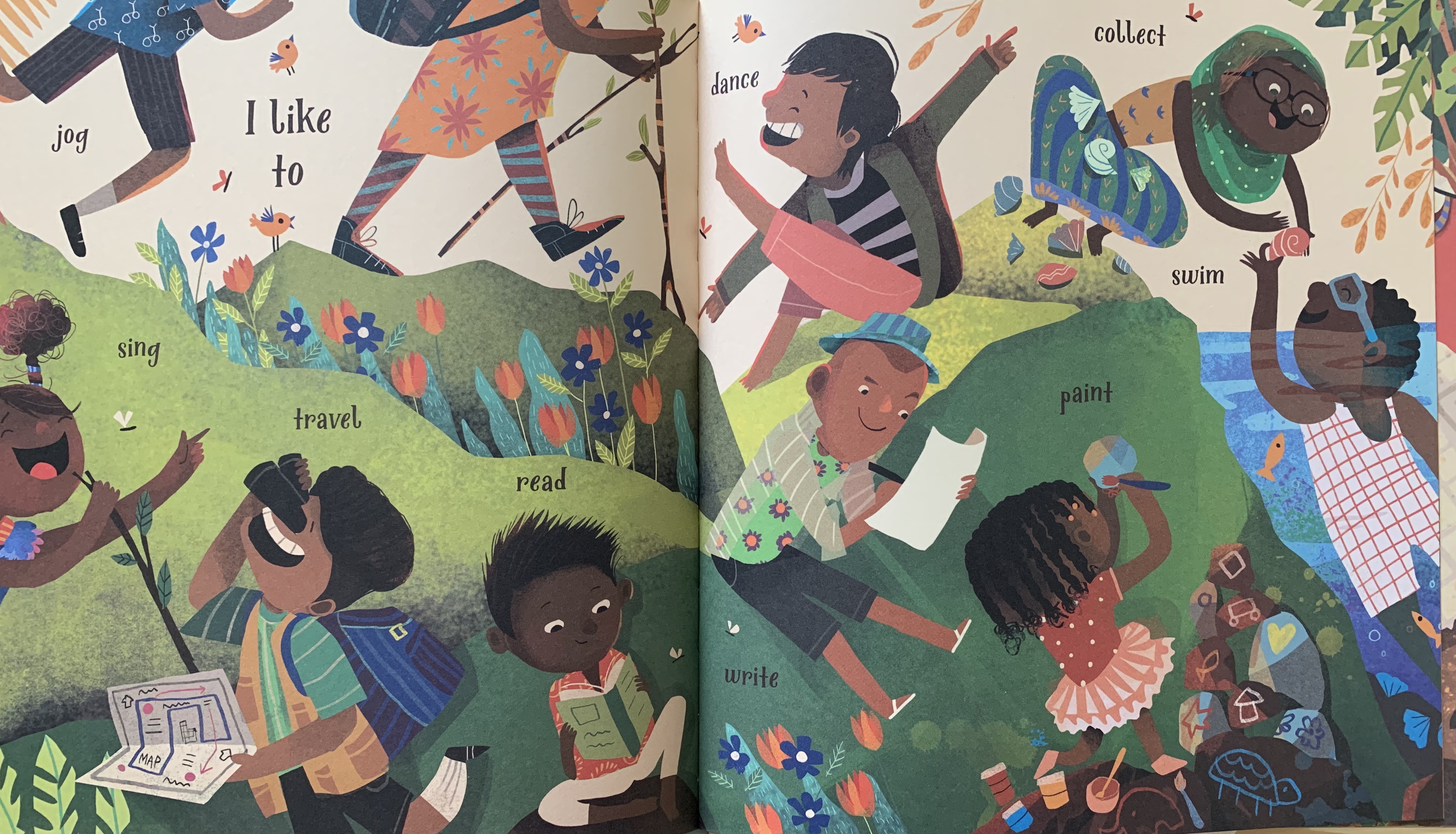
The kids all have different hair on their heads and faces and even no hair at all. They live in different dwellings, they like to do different things. 

img_6229

Brown people are not a monolith, the kids show that they eat different foods in different ways, that they wear different clothes.

img_6230

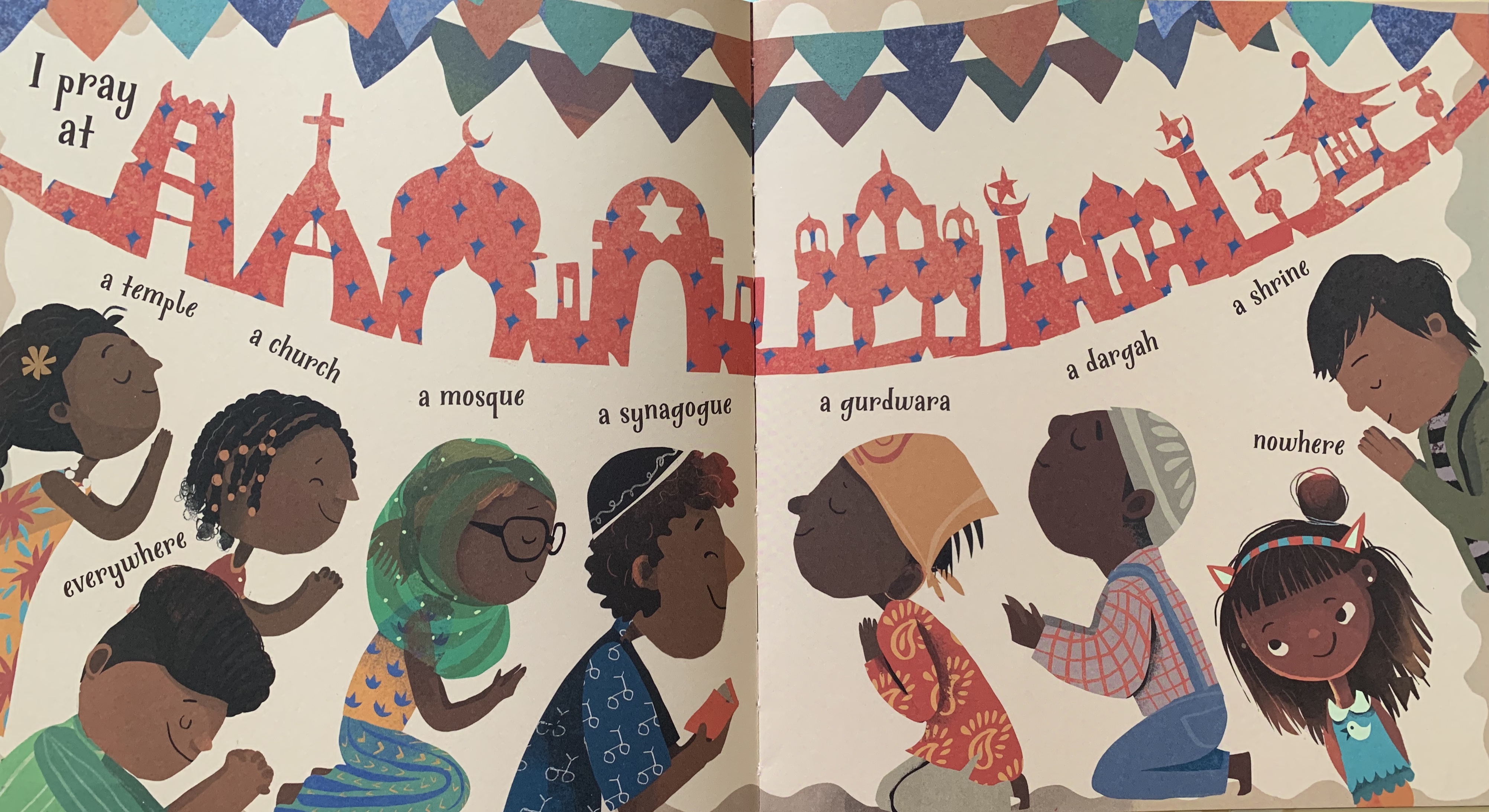
People with brown skin are roommates and teachers and friends and classmates.  Some go to temple or church, others a mosque or shrine, some not at all. 

img_6231

The book ends with a close up of three smiling faces proclaiming, “I am brown.  I am amazing.  I am You.”

img_6232

I’m sure people will argue that if you switch out white for brown the book would be deemed racist, and you are correct it would be.  But as a group that is marginalized as “other” and often the darker brown you are with in the brown subset moves you “value” and “worth” down, makes a book celebrating the strength and beauty of “brown” so necessary and heart warming.  I personally am the lightest “brown” imaginable being only half Pakistani.  So, believe me I have privilege in the desi community, but I don’t find this book offensive at all.  I’ve read this book at least a dozen times and my impressions alternate between beaming with pride and tears that so many beautiful people feel less than because of skin color and yes, anger too,  that people are MADE to feel less than.   May we all be more inclusive, more loving, and more open to the diversity of the human being. Ameen.

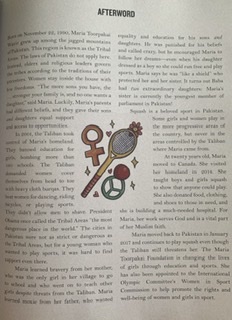
A Girl Called Genghis Khan: How Maria Toorpakai Wazir Pretended to Be a Boy, Defied the Taliban, and Became a World Famous Squash Player by Michelle Lord illustrated by Shehzil Malik

Standard
A Girl Called Genghis Khan: How Maria Toorpakai Wazir Pretended to Be a Boy, Defied the Taliban, and Became a World Famous Squash Player by Michelle Lord illustrated by Shehzil Malik

maria

This children’s biography of Maria Toorpakai Wazir, Pakistan’s world famous squash player, is simplified and suitable for children 2nd grade and up.  At 42 pages with bright illustrations older kids will understand a little bit more about the cultural norms that were being oppressive and the strength and risks Maria took to play a sport she loved and defy the Taliban while disguising herself as a boy. Younger children will probably only get her determination and perseverance, which is impressive in its own right.
C9A2CED0-B2A4-43F9-942A-B5A32B0B7E9C

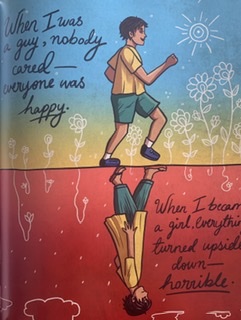
In 1990, Maria was born in the mountains of the Tribal Areas in Pakistan.  Conservative society and strict gender roles amplified by the control of the Taliban in 2001.  Maria’s parents supported rights for their sons and daughters, and allowed Maria to cut her hair, dress like a boy, and play sports.

9C7E2AE9-5668-48C6-8E41-304F1583B644

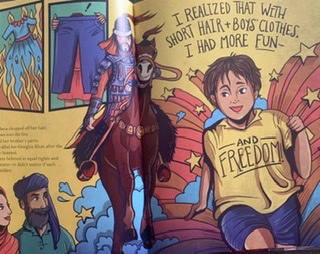
Her father called her Ghenghis Khan after the great warrior and when the family moved to the city of Peshawar he even introduced her as his son to people.  As Ghenghis, Maria was always picking fights and encouraged instead to play sports to channel her wildness.

2FB5AF13-2468-44A6-ACD2-1A118F69F9C6

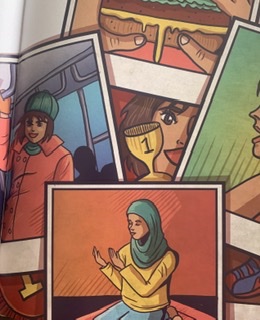
She fell in love with the game of squash, and when she went to join the Squash Club she had to submit her birth certificate which revealed that she was a girl.  The director let her join the club, as the only girl among 400 boys.  But now her secret was out.

713C71CE-338C-4241-BD6F-05091868E560

She was bullied and her family ridiculed, but she kept playing and kept winning.  The President of Pakistan awarded her honors for her outstanding achievements, but that infuriated the Taliban and they threatened her family.

FF2A709B-F539-44B0-92FB-48C336C2213B

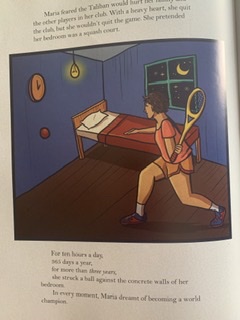
As a result Maria had to hide, and would practice at night, in secret, and for 3 years she played against the wall in her bedroom.  Appealing to squash clubs around the world for help, she finally heard from Jonathon Power in Canada, willing to help her get away from the Taliban and be able to play.

3915AD01-442F-4473-9571-9D798C8B1389

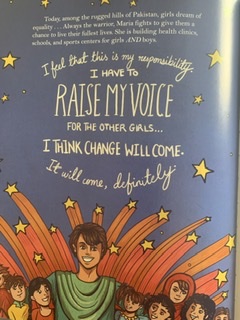
She left behind everything she knew at 20 years old to train in Toronto.  She still represented Pakistan in tournaments.  She studied, she prayed, she succeeded.  She now is back in Pakistan establishing health clinics, sports clubs, and schools for girls and boys.

The story is inspirational, and well told, it shows how culture limited her, not religion, and that in a larger city, culture was a little less conservative.  Muslim and non Muslim children will be inspired by her efforts, her willingness to look like a boy and her determination to excel.  Muslim kids will enjoy that it shows her praying, but might be surprised to see her in shorts and tank tops.  The book would be a great conversation starter about women’s rights and how it isn’t just in Pakistan that women struggle to have equal opportunity and respect.  It also might many children’s first exposure to the sport of squash.

138B3D8B-B868-437B-B7C8-5674879B81DA

There is an afterward at the end with more information.  A list of additional reading about other inspirational women, a selected bibliography and a highlight timeline of female firsts in sports.


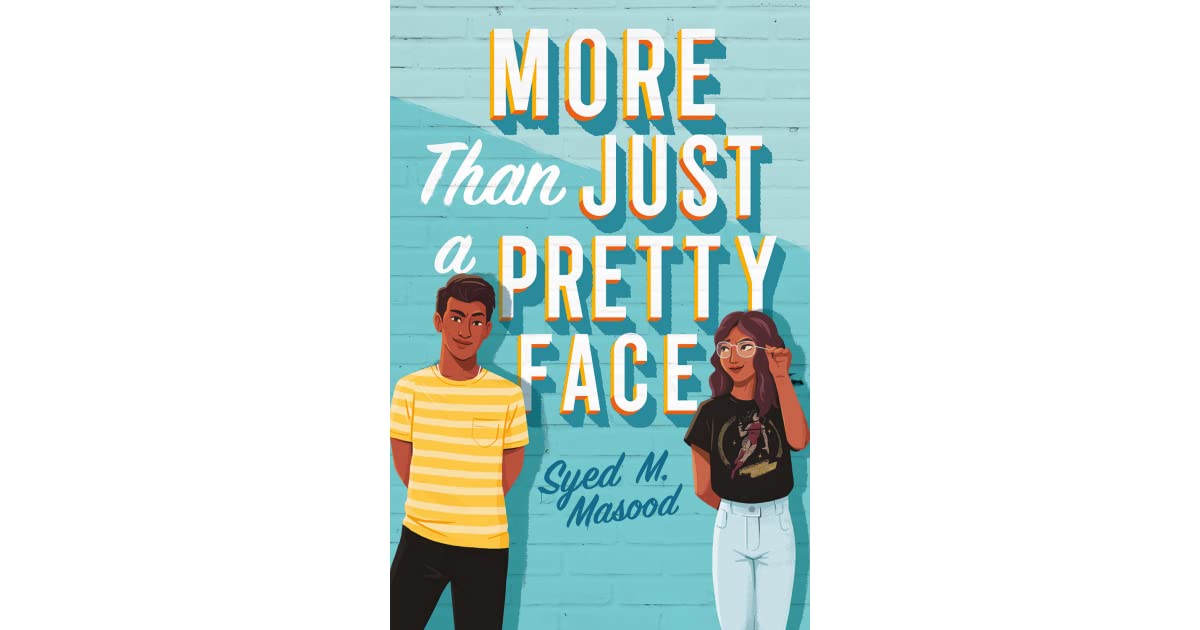
More Than Just a Pretty Face by Syed M. Masood

Standard
More Than Just a Pretty Face by Syed M. Masood

more than just a pretty face

This book is a Muslim YA romcom OWN voice written by a Muslim male.  Woah, right? And the actual story, sigh (blush) I enjoyed it, and part of me is disappointed in myself for how much I enjoyed it.  Most of the characters are Muslim and all over the spectrum in their religiosity so to speak, there are a lot of jokes at the expense of tenants in Islam and trivializing of certain concepts which really isn’t something to celebrate, but it reads real and there is a lot of Islam that is front and center and deep and though provoking. For most non Muslim readers, I’m sure 15 or 16 and up would be fine with the content and 353 page length, but as a former Islamic School Librarian, I’d have to reserve recommendations to college age.  The protagonist is 19, there is talk of sex, but not crass, the main female character has a past that includes a sex tape, and there is a lot of language, but its also really funny and really relatable and really sweet and takes place in high school.

SYNOPSIS:

Danyal is a pretty face, but he isn’t very bright.  He goes to an elite private school though somehow, and while he is admittedly dingy, he is also very kind, innocent and generous.  He was held back at some point in school and is 19 as a senior in high school.  He works in a French restaurant and dreams of being a chef.  He has no desire to go to college and as the only son of Pakistani immigrants, they are not thrilled with their son’t future plans.  Danyal is pretty chill about it though and his mom wants to arrange his marriage, and he is willing, although he is crazy in love with his friend’s twin sister.  He is religious and hasn’t really broken any of the Islamic relationship rules, he prays fajr, and just kinda floats through life doing the best he can and forgiving himself and others when they mess up.

When his mom arranges a meeting with Bisma he is willing to get to know if they are a match.  She however, fully discloses her past to him when they head out for coffee, which involves her rebelling, once a few years earlier, against her father and going to a party, further rebelling and getting drunk and then making the poor and regrettable choice to sleep with someone.  To make matters worse, the event was video taped and spread around the community forcing the family to move.  Bisma is pretty religious and really studious and really sorry, but her father and most community people don’t let it go.  Danyal thinks that is stupid, one mistake shouldn’t haunt her forever, unfortunately he doesn’t think chivalry and pity are enough of a reason to marry her as he doesn’t think they are meant for each other.  Basically, he is still really crushing on Kaval.  So he and Bisma decide to be friends.

When Danyal’s history teacher in a fit of spite nominates Danyal for a prestigious Renaissance Man competition, Danyal calls on Bisma for help.  The topic is Winston Churchill, the beloved British leader, but Danyal quickly learns he is not beloved by most Indian subcontinent people.  Kaval offers to help so that Danyal can win the competition, impress her parents and then maybe give them a chance.  But, suddenly Danyal doesn’t know if that is what he wants.  He wants to be himself, he wants to be accepted, he wants Bisma.

WHY I LIKE IT:

You know how it is going to end, you don’t know entirely how it is going to get there, but you know where it is headed, yet the book is still compelling and fun.  Between the banter of the religious friend, and the no longer religious friend, the advice the French Chef bestows on Danyal and Danyal’s complete and utter cluelessness to everything, the book is really warm and the characters really like-able.  I dislike the stereotype of the “religious” character, but the other side characters are better developed.

On occasion I think Danyal’s stupidity is over done, he isn’t an idiot, he just isn’t book smart. So when he doesn’t know what “break a leg” implies for example, it seems a tiny bit off.  I know his friends say he isn’t funny, but I think he is hilarious, especially with his commentary on the Desi community.  “It is the curse of brown boys everywhere.  We either die young or we live long enough to see ourselves become uncles.”

The role of Islam is incredibly prominent, and the characters understand what it means to be Muslim differently.  Sometime I agreed with them, sometimes I didn’t, sometimes the characters didn’t agree with each other, sometimes they did.  There is a lot to think about: destiny, Allah’s mercy, Qalb-e-saleem (a pure heart), caring for the less fortunate.  Even politically there is a strong thread of colonialism, which the characters wrestle with and with being immigrant’s children.   There is a lot packed in, but it flows so smooth and the writing rich with authenticity, that quite often I would laugh out loud and read various lines to my young children.

FLAGS:

Talk of sex and losing virginity, but not detailed, just stated.  The chef is a lesbian.  There is lots of language including the F word, not thrown in effortlessly, usually for a reason, and often reprimanded.  There are a few kisses on the cheek and lips between Danyal and Bisma, but in a Disney princess movie sort of way.

TOOLS FOR LEADING THE DISCUSSION:

Not for middle or even high school book club. I don’t think that it is a completely “halal” romance story, but I think I wouldn’t be concerned if juniors and seniors were reading it, I think they would love it, and I might just have a few that I want to suggest it to…


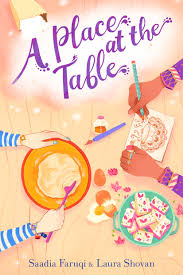
A Place at the Table by Saadia Faruqi and Laura Shovan

Standard
A Place at the Table by Saadia Faruqi and Laura Shovan

a lkace at the table

This fabulously fresh and honest book told in alternating OWN voices shows how two seemingly different 6th grade girls discover how much they have in common as they learn about themselves and their families along the way.  Sarah is a Muslim Pakistani-American, and Elizabeth is Jewish and has an English immigrant mom, the two come together over food, family stress, discrimination, and middle school social drama to form a solid friendship.  But fear not, it isn’t easy and the book will keep upper elementary/ early middle school girls hooked.  Not sure if boys will be as drawn to it, but if they can get over the brief mention of having a period, they too will enjoy the story.  The 336 page book shows how much we have in common, and how hard fitting in can be for everyone.

SYNOPSIS:

Sarah is starting a new school, a public one, having been at a small Islamic school prior to 6th grade.  She is not happy about it and to top it off, her mother is teaching an after-school cooking class at the school that she is required to attend.  Hoping to sit in the back drawing and go unnoticed, she finds she can’t sit quiet when her classmates start giving her mom a hard time.  Unaware of why she had to leave her previous school, and tired of her mom needing her help with her catering business, Sara also has to help her mom study for her citizenship test, handle two little brothers, deal with no friends at school and not being able to celebrate Halloween.

Elizabeth loves cooking. Her mother does not.   She is excited to learn Pakistani food at the cooking club even if her best friend thinks they shouldn’t be learning things from “them.” Elizabeth is admittedly nerdy, and struggling with a life-long friend finding others to spend time with, her life at home is difficult too.  Her dad is always traveling for work, and her mom is depressed with the recent passing of her mother in England, to the point of not really functioning.  With Elizabeth doing the cooking at home, and trying to get her mom to study for her citizenship test, Jewish holidays and obligations get neglected, and Elizabeth not knowing how to help her new Muslim friend handle racism,  is spiraling herself.

When the two girls decide to give each other a chance they find they might be able to be more than just cooking partners, but it seems like one of them always does something to mess it up.  Either saying something hurtful, getting defensive, or not sticking up for each other.   The girls get their mom’s together to study for their test, but it isn’t so easy for the girls, who are hesitant to trust one another.
An upcoming cooking competition, offers the girls a chance to make a cross cultural fusion dish that can wow the judges, help Sarah’s family’s financial situation, prove to the school that diversity is a good thing, and hopefully give the two girls a solid friendship.

WHY I LIKE IT:

I love how authentic it sounds and feels and how it doesn’t focus on boys or crushes, but on friendship between two girls at an awkward point in their lives and the family stresses they are experiencing.  The book is for all readers and does a great job of not going overboard with what the girls face.  I love how tolerant they have to learn to be with one another and that they have to learn to drop their defensive guards.

I read the book in two settings and didn’t want to put it down, it has enough pull that you really want to see where the book is going and are happy to overlook the slight repetitiveness of them stressing about the competition, but doing nothing but talking about the stress. Really the competition doesn’t even seem that important at the end, but considering everything going on, that to me is exactly as it should be.

I love the rich culture of Pakistan, England, Islam, and Judaism that seep in and never get preachy or dogmatic, but get celebrated and experienced.  This is why OWN voice books are so beautiful and powerful.  Admittedly, Elizabeth’s family is not super religious, but a few more similarities would have been nice.  Yes her brothers are eating pepperoni Hot Pockets, but a shout out about halal/kosher marshmallows would have really rung true for so many of us that stock up at Passover.

I also love how the side characters have substance and aren’t just used as a foil to show something about the main characters.  They get a little flesh on their own, and that enhances the richness of the story.  Seeing that they have their own struggles to overcome as well shows how none of us have it all together, and that we are all capable of improving ourselves.

FLAGS:

The girls meet during school hours when Elizabeth lies about her period starting to get out of class.  Sarah mentions that hers has already started.  Elizabeth mentions that her Jewish grandmother is visiting her son and his husband, nothing more is said, just that.  There are some derogatory things said about Sarah and being Muslim and Pakistani, but really mild.

TOOLS FOR LEADING THE DISCUSSION:

I want to find a way to do this book for a middle school book club.  I’ve already told my 13 year- old daughter it is required summer reading.  The Muslims have diversity within themselves, some wear hijab, Sarah does not.   The book is so relatable and the personas sound the age for their views and struggles and perspective.  The financial stress, the mental illness, the immigrant experience, the racism, the politics, are all wonderfully woven together, and the food, well, there is a reason I didn’t recommend this book at the beginning of Ramadan, you are welcome.  Happy Reading.


Khadijah and Cat: Ramadan is Here by Shamsa Ahmed illustrated by Afsaneh Bagherloo

Standard
Khadijah and Cat: Ramadan is Here by Shamsa Ahmed illustrated by Afsaneh Bagherloo

khad and cat

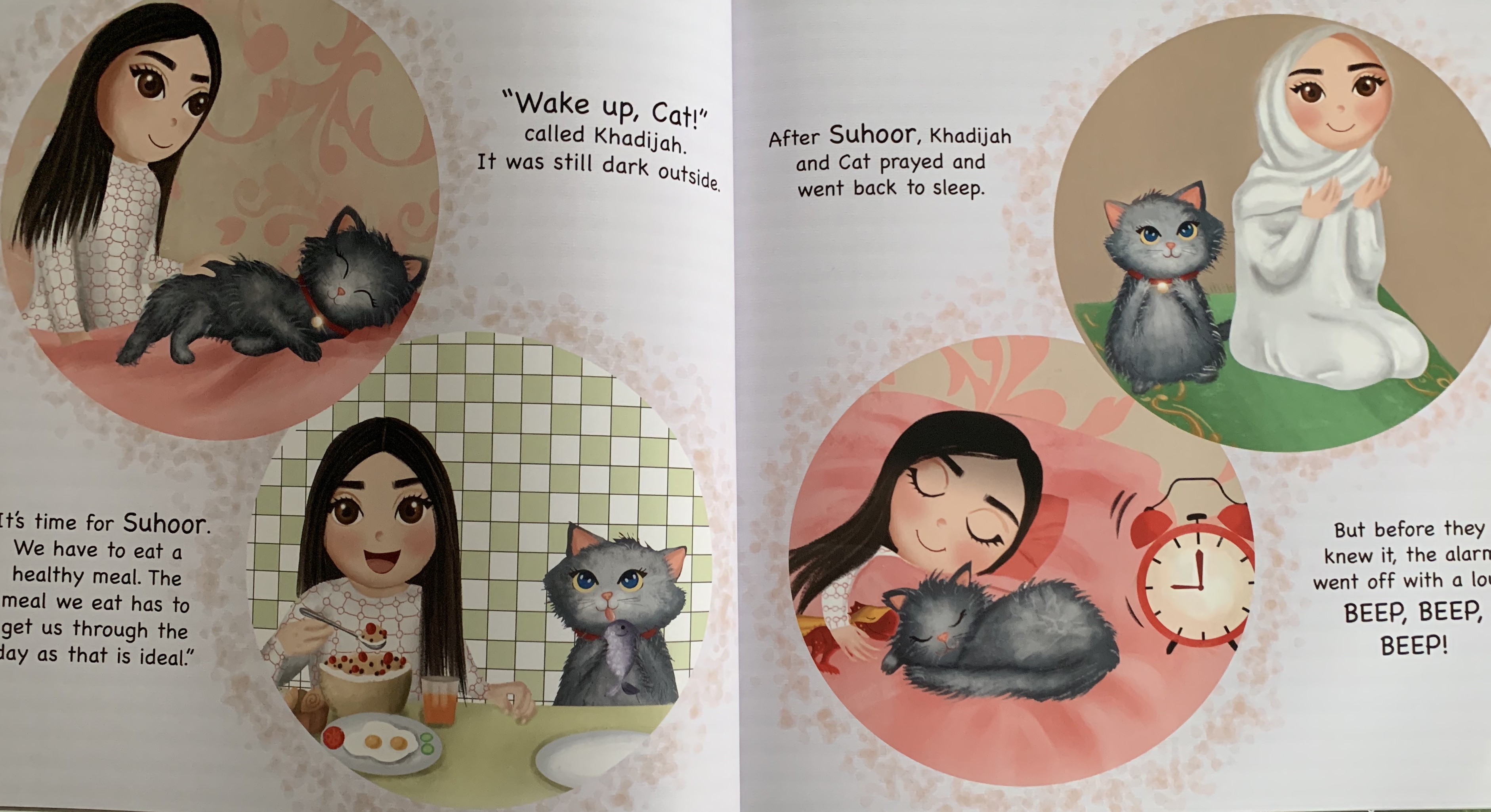
New this year in the Ramadan category is this gorgeous 40 page hardback book that mixes information about the blessed month with personable characters very well.  It stays on track without getting silly, even with a talking cat and a reoccurring super hero dinosaur, but I don’t understand the attempted rhyme scheme.  I’ve read the book over a dozen times trying to map it, and sometimes it is so natural that it makes reading it aloud smooth and lyrical, and sadly a few times it seems so forced that it makes the sentence nonsensical or awkward.  There is so much information, so beautifully paced and illustrated for children 4 and up, that I’m willing to overlook the few sentences that irked me to recommend this book for you and your children to enjoy this Ramadan.  Without a glossary though, it is probably best for Muslim children, or those with someone who can explain words such as: suhoor, iftar, adhan, SubhanAllah, dua, Allah, etc..

47EC69E5-532D-49CE-BA55-31787B8FF517

Khadijah and Cat are looking for the moon to know if it is the start of Ramadan, and once they find it, they rush to spread the news.  Immediately everyone starts decorating and celebrating and sharing delicious food.

663D21CA-B838-4CE3-8205-7CF1561B267E

They then head home to sleep so they can wake up early for suhoor.  They make a point to eat something healthy to sustain them for the whole day, then they pray and go back to sleep.

87F8555A-229B-40B8-8FC3-EAC757057BFE

Cat wakes up ready to eat and is surprised that they have to wait until sunset before they can eat or drink anything.  Khadijah explains that Ramadan is a holy month and one of the five pillars of Islam.  The illustrations show the other pillars, but the explanation of Ramadan is a bit advanced with words such as regression, unpriviledged, compassion, and purifying.

CA7C44AE-AD4B-41EF-BBBF-0B802A42CCC9

The next page continues listing off what Khadijah and Cat are learning about Ramadan, as they spend time praying and reading the Holy Quran.  At the sound of the fourth Adhan they break their fast.  The names of the salat or that they pray five times a day is not mentioned, but lends itself to a great teaching point.

789953D0-E39D-4847-A274-F72BA6BC941A

They then pray and eat and take the neighbors some gifts.  Cat is convinced that the day was good and is ready for the next 30.  The last ten nights are identified as important and Laylat al Qadr is mentioned as being special, but it does not tell why they are unique.

1684103F-25CF-4E67-A13C-50A8D50FAF0D

Khadijah and Cat then invite you to fast and see why Ramadan is so special.  The end of the book has some questions, a Ramadan count down and a coloring page.  I was surprised that there was not a glossary as the Arabic words in the text are enlarged, and often not defined.

C1681A56-BE04-4CE0-917C-7A5F3DFA3F9C

I love the font and binding and horizontal 10 x 11.5 layout.  The illustrations are gorgeous and the details in the decor and Khadijah wearing hijab while out, but not at home are very well executed.  I’m not sure why the Meer-Rex is in the book, he is never identified or given attention, maybe in future books he will have more of a role, inshaAllah.

I ordered mine from Crescent Moon Store and received it within days of placing the order, thank you!

Rami the Ramadan Cat by Robyn Thomas illustrated by Abira Das

Standard
Rami the Ramadan Cat by Robyn Thomas illustrated by Abira Das

rami

This delightful little story about a boy, a lost cat, Ramadan and making friends, has a great lesson in empathy and understanding even when things are hard.  The 28 page beautifully illustrated glossy book (8.5 x 11)  is set in Ramadan, but is enjoyable for children 5 to 9 all year long.

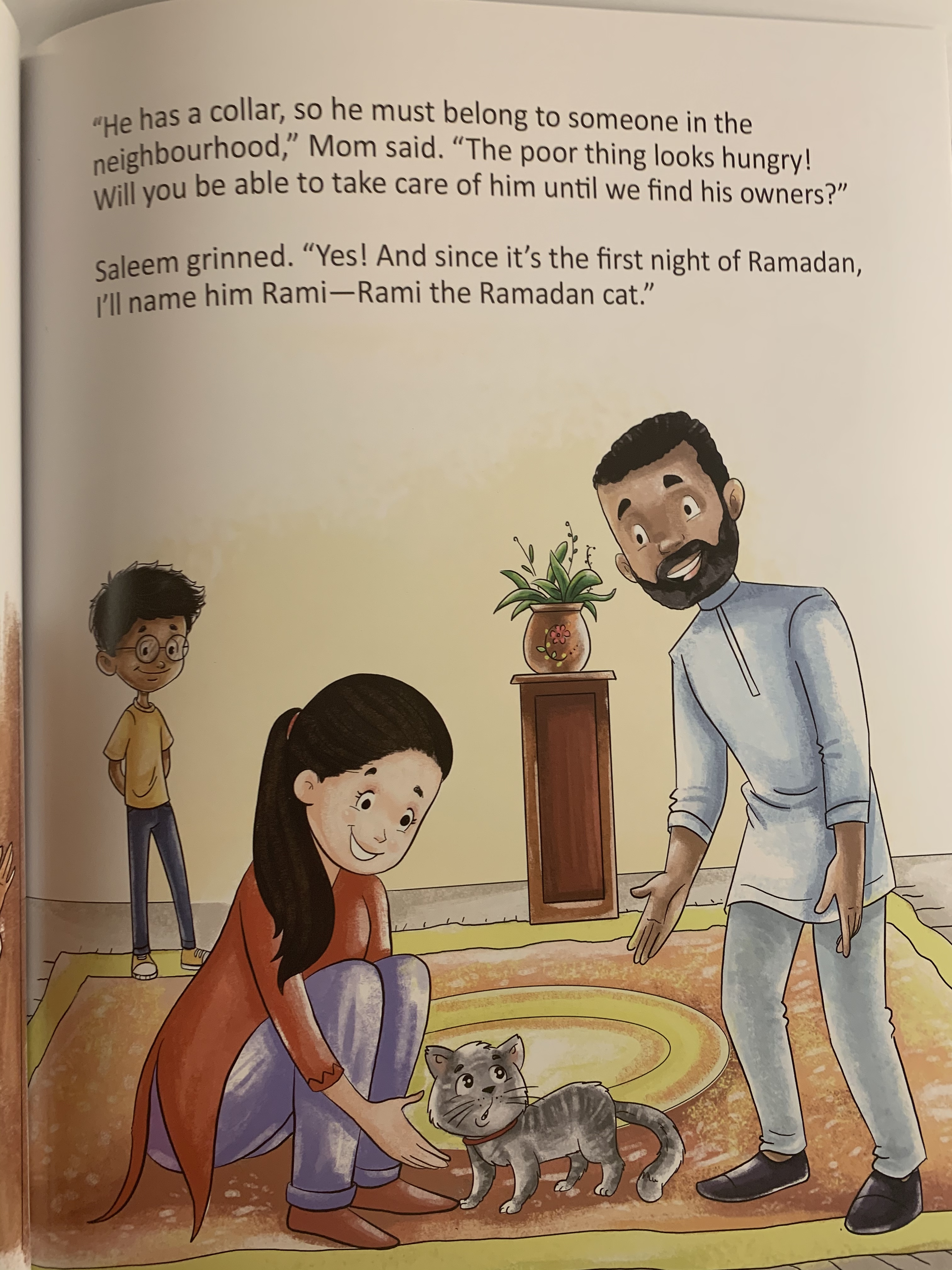
Saleem has just moved to a new city with his parents and doesn’t know anyone.  Feeling lonely on the first day of Ramadan he is outside sulking when he sees a lost little cat.  He brings it in and his parents help him take care of him until they can find the cat’s owners.

B342E851-726B-4B8A-9B63-F381F5C1009D

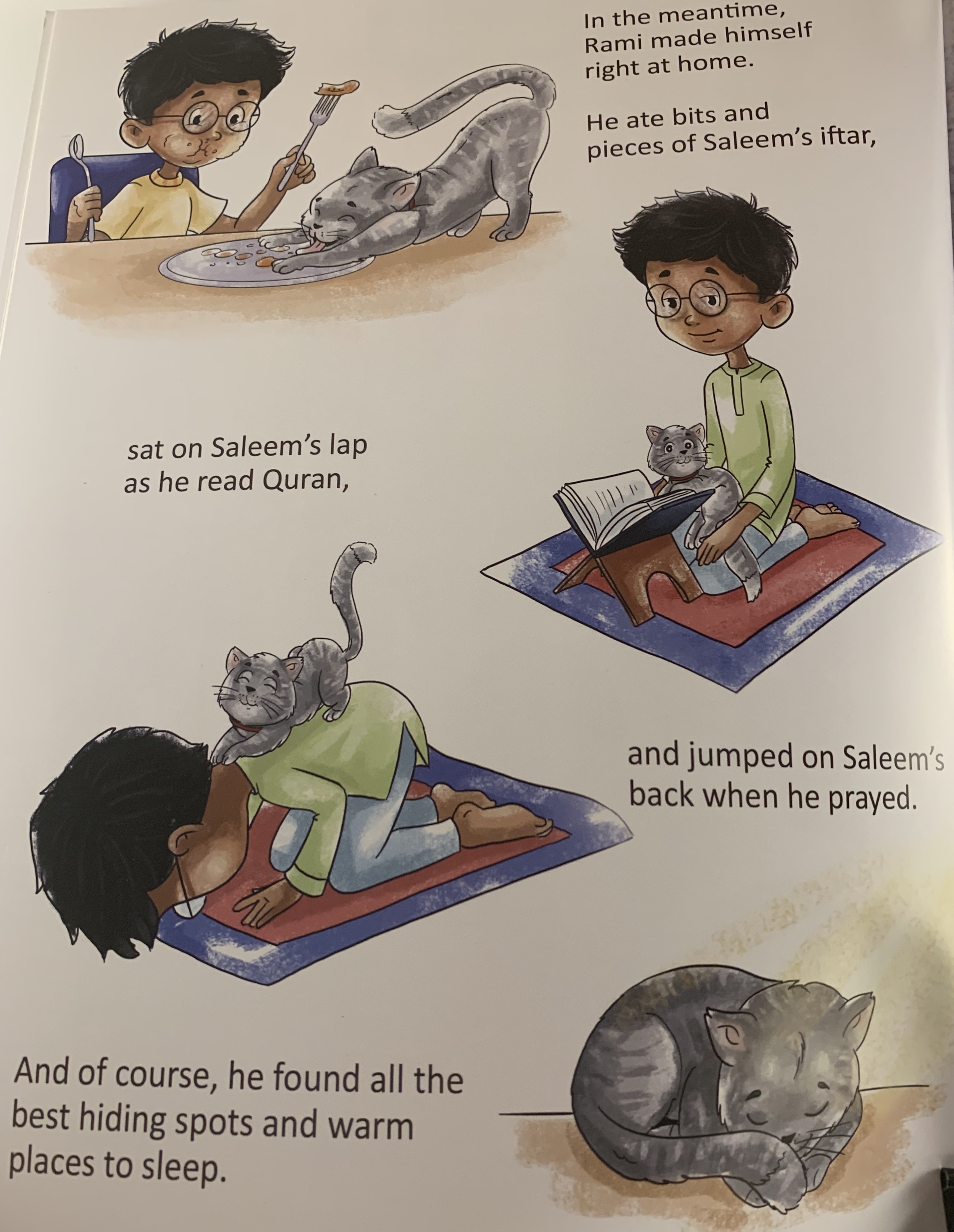
Saleem decides to call the cat, Rami the Ramadan cat for his timely appearance.  The next day the family makes flyers to post around to try and find Rami’s owner.  But no luck even after a few weeks, and secretly Saleem starts hoping they never find the owners.  Rami is his best friend, he jumps on Saleem when he is praying, keeps him company when he reads Quran, even shares his iftar with him.

22F7C85A-8891-4121-A608-421511688C49

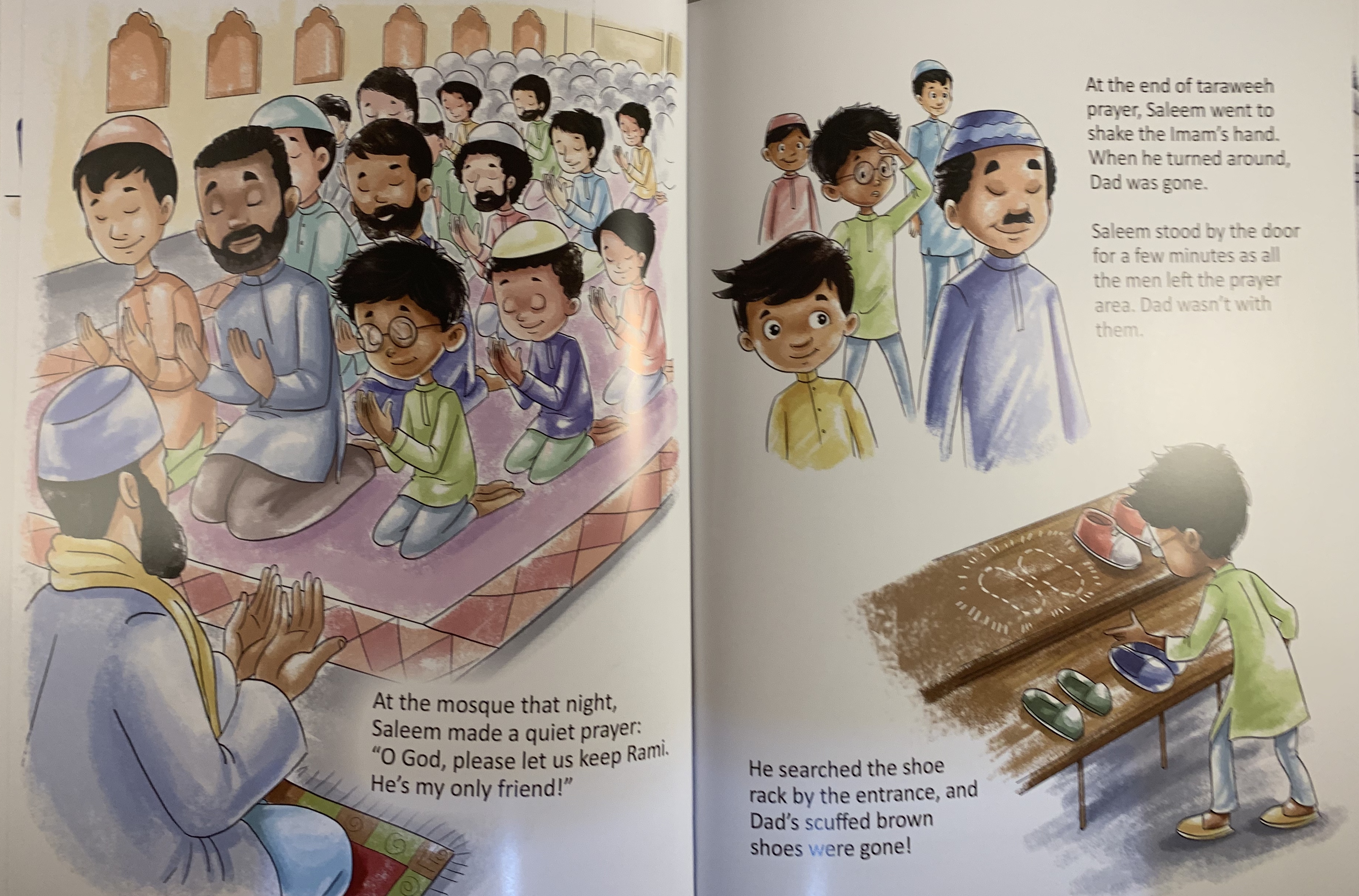
One night at the mosque, Saleem makes Dua that Rami will stay with him forever.  After Taraweeh, Saleem can’t find his father, he waits by the door as everyone leaves, but can’t see him, he checks the shoe rack and his shoes are gone.  Feeling scared and alone he wonders if his father left him.  When his father returns from the washroom, Saleem is relieved, but wonders if that is how Rami felt that first day of Ramadan.

6E10660E-7FE3-4341-AF7E-B75EDF45DC8E

The next morning Saleem and his mom knock on every door in the neighboorhood until they find Rami’s owner.  When they find her, she is a nice lady, and tell Saleem, the cat’s name is Sammy.  Rami gives her his address and asks her to contact him if she ever needs someone to cat-sit Rami.

3634A3A5-B74D-4505-8C44-AED216D38872

Saleem’s Eid isn’t very fun without his only friend.  After prayers, there is a knock at the door, Sammy’s owner has come to offer to let Saleem keep Rami if he promises to bring him around to visit with her and her grandkids sometime.  She has other cats and sensed that he was missing Saleem.

16157CCA-24F9-4BDD-A661-B3353B6775C4

Saleem’s parents invite the lady, Mrs. Tompkins and her grand kids in to celebrate eid with them and Saleem and the children play with Rami, the best eid present ever.

The book shows Saleem praying and reading Quran and going to the masjid, but it isn’t preachy.  I think even non Muslims would enjoy the book and not be confused by anything Saleem and his family are doing.

I love that the mom so clearly wears hijab out of the house, but not in the house.  That there is some skin color diversity in the book, that Mrs. Tompkins is in a wheel chair.  I also love that the new friends, and only friends are presumably non Muslim, and that a little gray cat brought them all together, Alhumdulillah.

Neither This Nor That by Aliya Husain

Standard
Neither This Nor That by Aliya Husain

neither this nor that

This 251 page novel reads like a biography that has no climax or real conflict in its linear retelling of the protagonist from 3rd grade to a junior in college.  If you are part or all Desi, raised in America in the ’80s and ’90s and have fond memories of NBC’s Must See TV, rolling your pants up, your family packing Corning Ware sets to take to the homeland, and the joys of TJ Maxx, you might enjoy the nostalgic similarities you too experienced, but even at that, with no plot or character arcs, the book is easily forgettable and you might forget to finish it.  For all my critiques of Muslim stories that don’t read authentic, this one definitely does, she doesn’t rebel, she doesn’t ever go against Islam, but because she is similarly not ever tempted to, I think most readers won’t relate to this fictional girl, who’s biggest worry is smelling like her mother’s cooking.  The book seems to just want to tell her life story, and getting through it is the point of the book, not making emotional connections, giving the reader something to think about or even inspiring others, which is ultimately a missed opportunity that this book could and should have capitalized on.

SYNOPSIS:

It is the first day of school for Fatima Husein the eldest of many daughters in her Indian American suburban home.  With a mother who doesn’t speak much English and parents that don’t seem to understand Fatima’s desire to fit in, the stage is set that will carry through the entire book of Fatima loving to study and separating herself as the girl at school pretending to be more American than she really is, and the girl at home pretending to be more Indian than she feels.  As the book follows the character through college, along the way Fatima and her family have extended maternal family move to America from India and then move back, they take a trip to India which is not enjoyed at all, her dad’s family then moves from India and settles near them, they move to be closer to the masjid, and they go for Hajj.  Characters bounce in and out: school friends, community friends, cousins, etc.. The only real constant is Fatima’s love of school and her paternal grandmother grumbling about her getting married. There are the ups and downs of life that are shared, most very specific to a ABCD (American Born Confused Desi) living in the ’90s.  Fatima is religious and Islam is important to her and she never waivers in her black and white view of things.  It does take her a little while to wear hijab, but there is no real self reflection and catharsis, it is just states she wants to fit in and isn’t ready.  The conclusion is she finally accepts a proposal from the son of an old family friend who lives in Chicago.  Not so much because she likes him, but more because she has no reason not to say yes and her parents are in favor it.

WHY I LIKE IT:

If this were a biography and it was someone famous, the minutia of day to day living might be compelling, but as it is fiction and you have no idea where the story is going, it just seems to tell a story about a typical girl doing typical things.  It has value in that it shows how normal and boring even, a normal Muslim family is, but it gets really preachy at times and really dry.  None of the side characters are memorable.  I have no idea how many sisters Fatima has, when her grandfather passed away I felt nothing, when two who families died in a car accident Eid morning on their way to prayers, I had to flip back to see if the characters had ever been mentioned before.  It seems like the whole point is to get to the end, and more heart and less tedium would have made this book an amazing example of American Muslims in America.  The first page mentions friends and there is no follow up to where they are or what happened to them, and this happens all through out the book, there are no emotional connections, nor attachments among the characters to include the reader into their plight as well.  The protagonist one must assume gains her voice from the author’s experiences herself, but it just lacks internal dialogue and conviction.

Fatima lives through the Gulf War and makes big changes and has to find her place, yet the book just tells us all this, it doesn’t show us how she internalizes and processes and emerges from the experiences shared, it just gives an example and then comments on it.  The font and layout visually looks like a text book, and at times, the internal structure reads like an essay, sharing an anecdote, backing it up, and moving on to the next event on the time line.

I feel like I know the character, it definitely comes from a place of shared experience and credibility, but you have no idea where it is going, and just like I doubt anyone would want to read my life story, the book needs a little direction and editing.  In the author interview posted below in the “Tools to Lead the Discussion” she mentions that mainstream publishers wanted more rebelling and she wouldn’t compromise.  I agree with her, we need books that don’t follow that assumed track, I think that the presentation of the story, however, as it is, is lacking.  The integrity is there, but the character is really flat, and there are plenty of literary tools that could enhance the story without compromising Fatima’s character to drugs and alcohol and boys.  The book was self published in 2010 and I really hope at some point the author will re-edit it, to make it relevant to preteens and teens today and more personable.  Ultimately making it so that the successes Fatima has are cheered on by the reader, who are also inspired by her accomplishments while staying true to her beliefs.

FLAGS:

Considering how many pages are dedicated to how she and her sister are to behave in India as to not seem naughty or as arrogant Americans, the curse words flow pretty regularly in the book, and the way she speaks to her elders and in front of her elders is not always kind.  There are side comments about hooking up, STDs, and drinking, nothing any of the characters engage in, but judgments regarding these topics for those that do is present. She also talks about her mom’s failure to discuss menstruation before hand, to exemplify how things are only discussed once they need to be dealt with.

TOOLS FOR LEADING THE DISCUSSION:

I don’t know that as a book club selection today’s youth would voluntarily pick up and read this book.  There might be some ability for a teacher to assign it and then turn around and make the students write something similar about their experiences in a fictionalized form.  I think students would struggle to relate to Fatima with the outdated references and the lack of conflicts and climaxes in the narrative.


Muslim Girls Rise: Inspirational Champions of Our Time by Saira Mir illustrated by Aaliya Jaleel

Standard
Muslim Girls Rise: Inspirational Champions of Our Time by Saira Mir illustrated by Aaliya Jaleel

rise

Women you have heard of, some you are meeting for the first time. Some you like, some you disagree with, women that cover, women that don’t, some young, others older, some athletic, some academic, some a little bit of both.  One fictional, a few political, but in the end, all strong women of today, all Muslim, all unique, from all over the world, all known for paving the way for others to follow.

C51C5834-B3C5-4D19-94B3-99B21ADF83EA

In 42 pages, 19 females are highlighted and illustrated to inspire Muslim and non Muslim boys and girls alike, but really Muslim girls will get the most out of it.  Sure a female gets mentioned here or there in other compilations of influential people of our time, but this one, well, this one seems mostly for us.

2D8175C8-0798-4AC1-BF15-D0A9C284AEA9

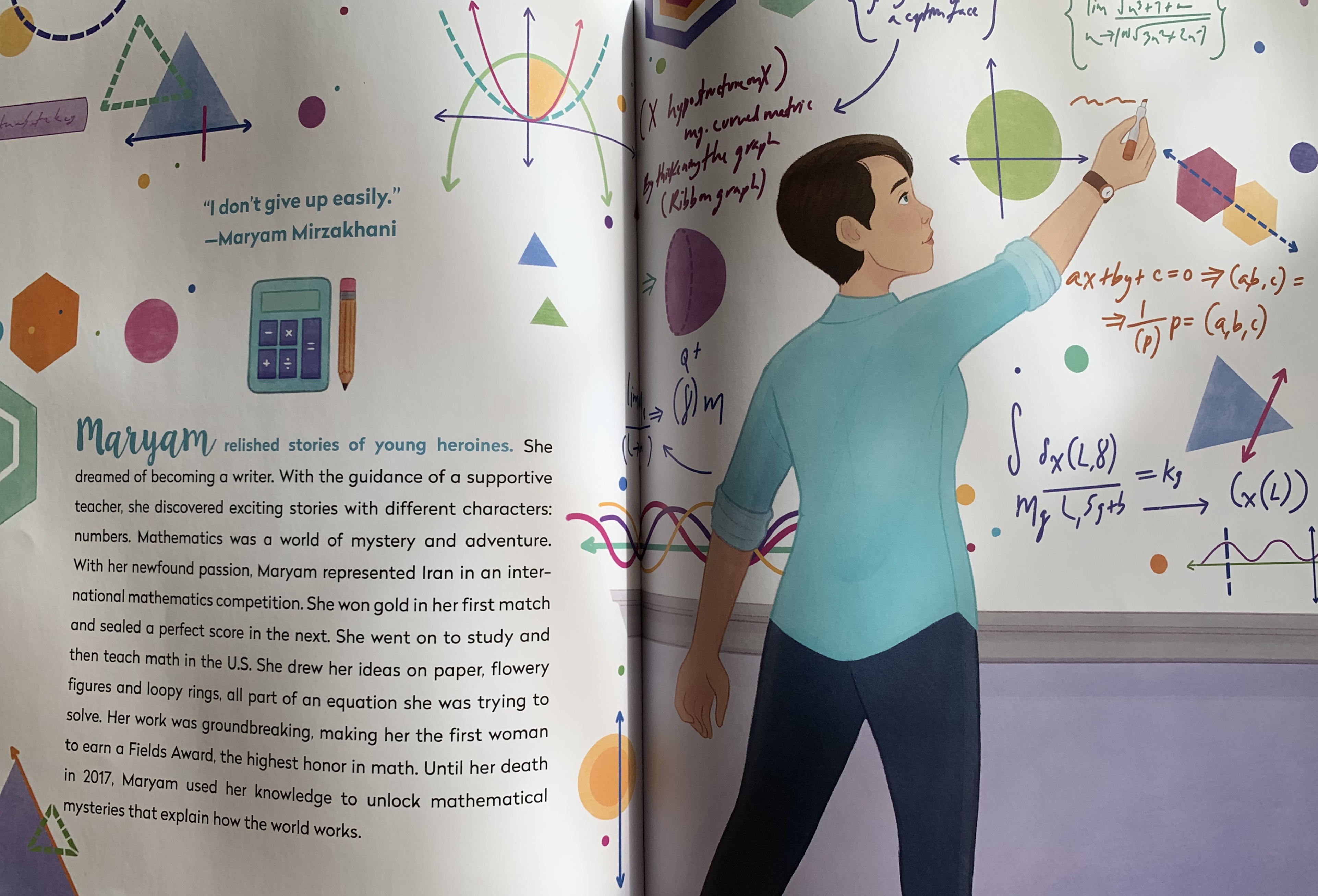
There are famous females in science, activism, fashion, film, sport, education, media influencers, make-up artists, you name it, and Muslim’s participate, so finally a book shining a light on the best of the best.  With each person getting a full two page spread, a few tidbits about who they are and what they are “famous” for are detailed in easy to read sentences that inspire, and if you haven’t heard of them before, enough general knowledge to get acquainted.  A few felt a little generic, but once you have a name, Googling them or researching them, is obviously, not difficult.

6D798E55-709C-442A-8DFF-4BA184C960E1

I wish there was a bit more information detailing who was chosen and why.  At first I thought it was  US or “western” movers and shakers, but then you have Maria Toorpakai Wazir, the tennis player in Pakistan, and Shirin Ebadi from Iran.  So then I thought ok, they are all contemporary, but Maryam Mirzakhani passed away in 2017.  Needless to say, one could argue that the list is arbitrary, and I think I would agree.

85FF7A9C-FD80-4F37-A1DE-B8726762E9CB

One could also argue, that these women may make history for notable things, but that they might say or do things that you might take issue with, and again, I agree.  They are people, they are fallible, and diverse, and have different perspectives and life experiences, but that’s ok, infact I think that might even be the point.  We all have different passions, and paths, and views and yet at the end of the day we should be able to lift each other up and inspire.  I think every person who reads this book will find someone that sounds or feels or looks like them, and that is a good thing, no, a great thing!

9C6EB606-F612-40BF-A947-092D2B76F1FE

My favorite was the Kamala Khan entry, because I didn’t realize the G. Willow Wilson was Muslim.  I erroneously assumed the other co-creator, Sana Amanat gave Kamala’s back story and home life its sense of OWN Voice, and I love that I learned I was wrong from a book.

2EC5EAF4-87F4-406C-B4D1-C95341536B66

The illustrations are right on and do an amazing job of conveying the character and the inspiration of the collection.  The book is much needed and I hope they do a similar style book for Muslim women in other time periods.

Special gratitude and appreciation to Gayartri Sethi (IG @desibookaunty) for gifting me this book for no other reason than to share the power and strength of women, and being a leader in that, by sending me a beautiful book.  May I learn from your generosity and pay it forward! Thank you.