

This middle grades 208 page book is part of a series, but this particular installment is co-authored by Hena Khan, takes place in Pakistan, and features Muslim side characters in the quest to find and protect the mythical, magical, and illusive unicorns. The adventure is quick, the cultural and religious references sincere and appreciated, the characters quirky and fun, and the writing smooth and enjoyable. I can’t speak for the whole series, but I think second to fourth grade readers will enjoy the eccentric teacher, the clever kids, and the knowledge about animals, culture, and geography that is woven in to the story to keep it engaging. I don’t think you need to read the books in order, but I would encourage it.

SYNOPSIS:
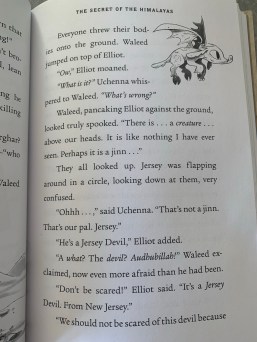
Elliot and Uchenna are elementary aged students and also members of the secret, Unicorn Rescue Society. When a classmate starts a newspaper and interviews local businessman, the kids teacher, Professor Mito Fauna spots what he thinks is a unicorn horn in an accompanying picture and is determined to go and protect, once found, the imaginative creatures. He enlists the kids and Jersey, a creature with a blue body, red wings, a goat face, clawed front legs and hooved hindlegs, to set off in his single propeller plane for the Himalaya mountains of Pakistan.
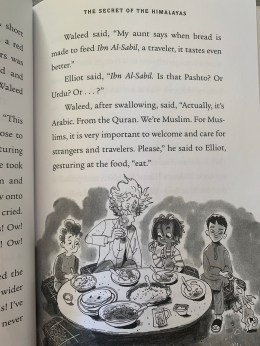
They arrive in Torghar, Pakistan and make a rough landing that nearly kills a local boy. Alhumdulillah, Waleed is fine, and in true Pakistani and Islamic tradition the boy takes the visitors to his grandmothers home to be fed and welcomed. Waleed agrees to help the Americans find a man known only as the “Watcher,” to see what he knows about unicorns and the hunters that come to poach for sport.
Hiking the mountains and getting short of breath makes each act that much more difficult, but alas the kids find the Watcher, aka Asim Sahib, but sadly *SPOILER* don’t find unicorns. Rather a species of mountain goats, markhors, that have two long twisted magical looking horns. The wealthy businessman brothers also show up in their helicopter to capture, not kill the markhors.
The rescue society follows them and learn that the sinister brother are testing out the magical properties of a bezoar on pit viper bites. Needless to say it doesn’t work and the rescue society must rescue the dying butler, and captured markhors. All is not lost, even if they didn’t find any unicorns, at least they made new friends, and know that if they haven’t found the unicorns yet, hopefully no one else has either.
WHY I LIKE IT:
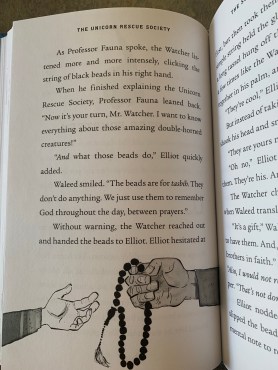
I love that there is praying, and thikr, and ayats from the Quran quoted and explained in the book regarding saving animals, caring for each other and trusting Allah swt. There is culture regarding taking gifts, welcoming guests, drinking tea and even breaking stereotypes of what a boy from Lahore visiting his family in the mountains knows and doesn’t know. It isn’t preachy on any accounts, but the messages relayed in their silly way are very well woven in and leave a wonderfully represented impression of Islam, Muslims, and Pakistan.
The diversity featured in the book is nice, even within the main characters: one is an African American girl, one a Jewish boy, and the teacher is Hispanic. The story at the end, A History of The Secret Order of the Unicorns, takes place during the reign of Charlemagne at a monastery, and features a boy named Khaled and his little sister Lubna. It is clearly intentional and a reflection of the author and illustrator.
FLAGS:
There are some possibly gross moments featuring the goats licking urine, tea being made from the markhors’ saliva and the near death of a man requiring venom to be sucked from his leg.
TOOLS FOR LEADING THE DISCUSSION:
The book is definitely below a middle school book club level, but I think younger elementary teachers and parents would see students get hooked on the series and would benefit from having the books around.





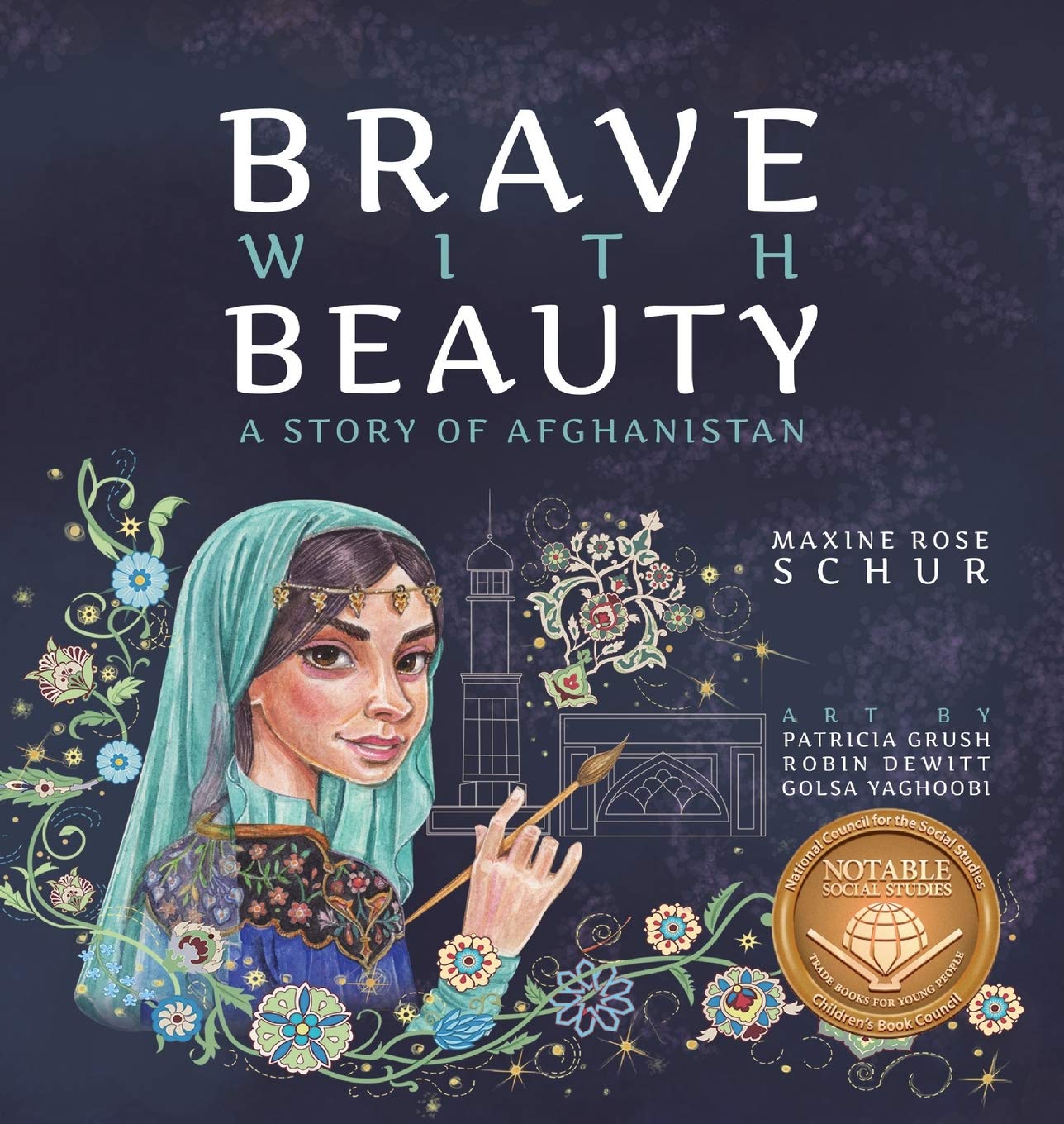


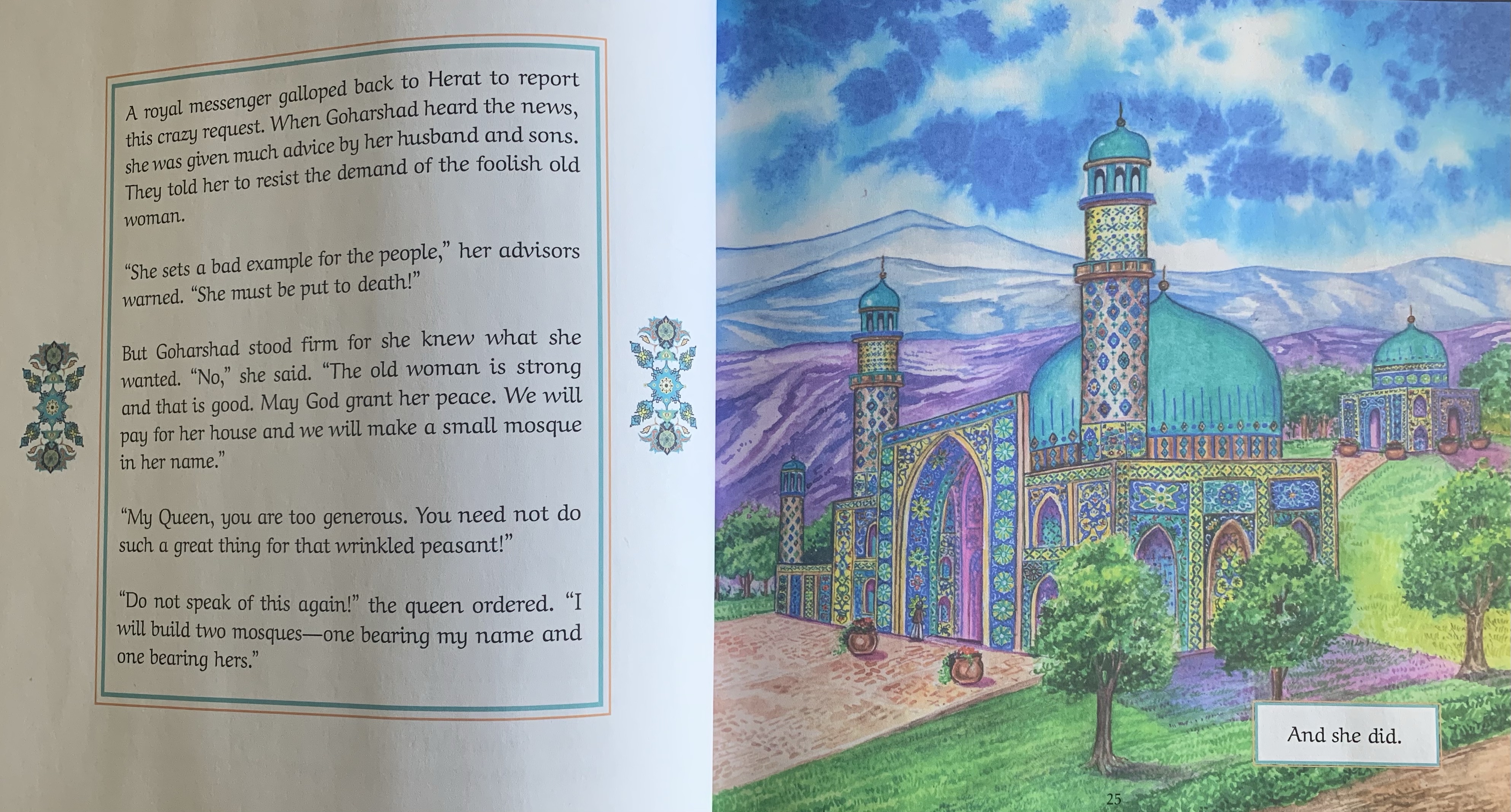
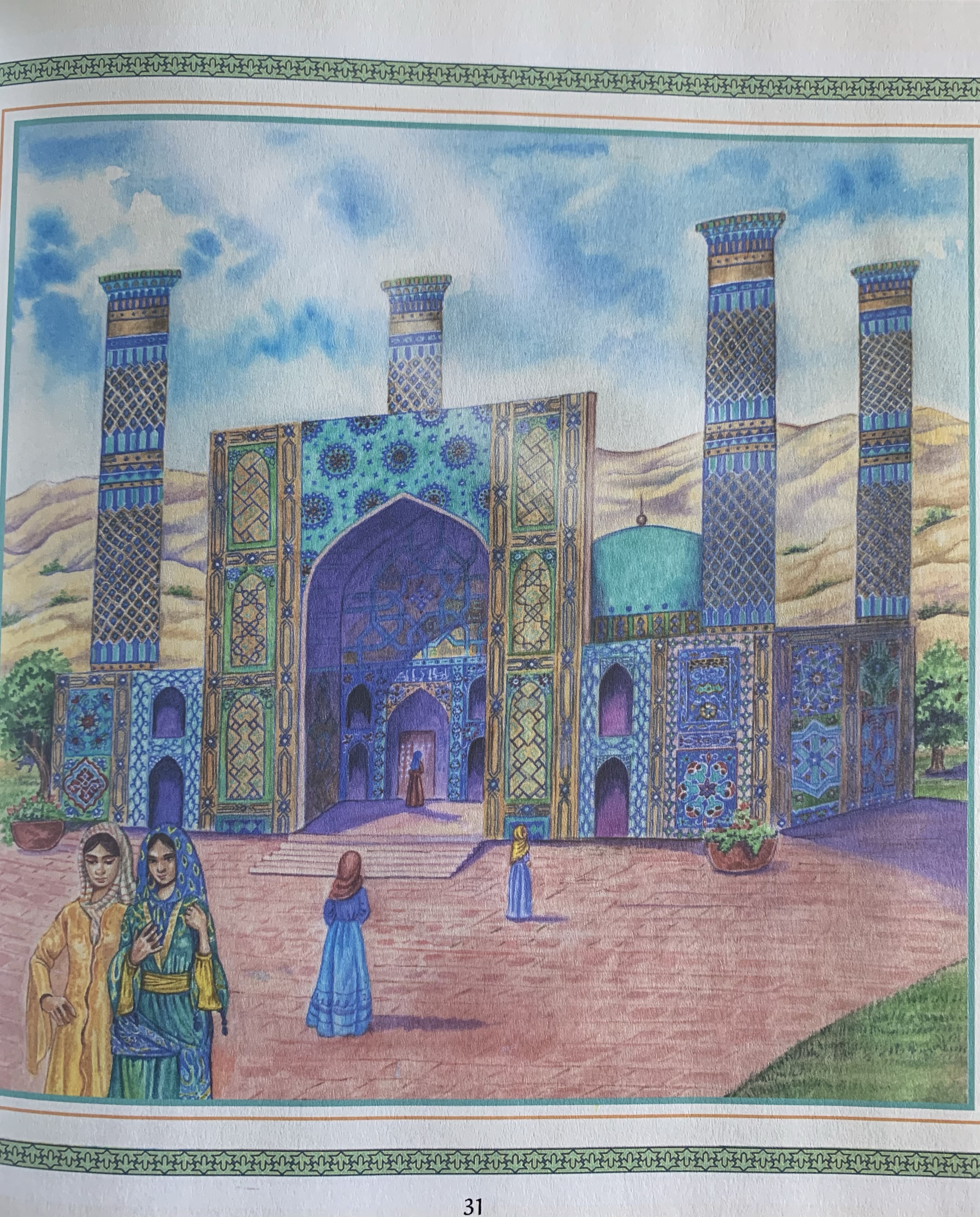


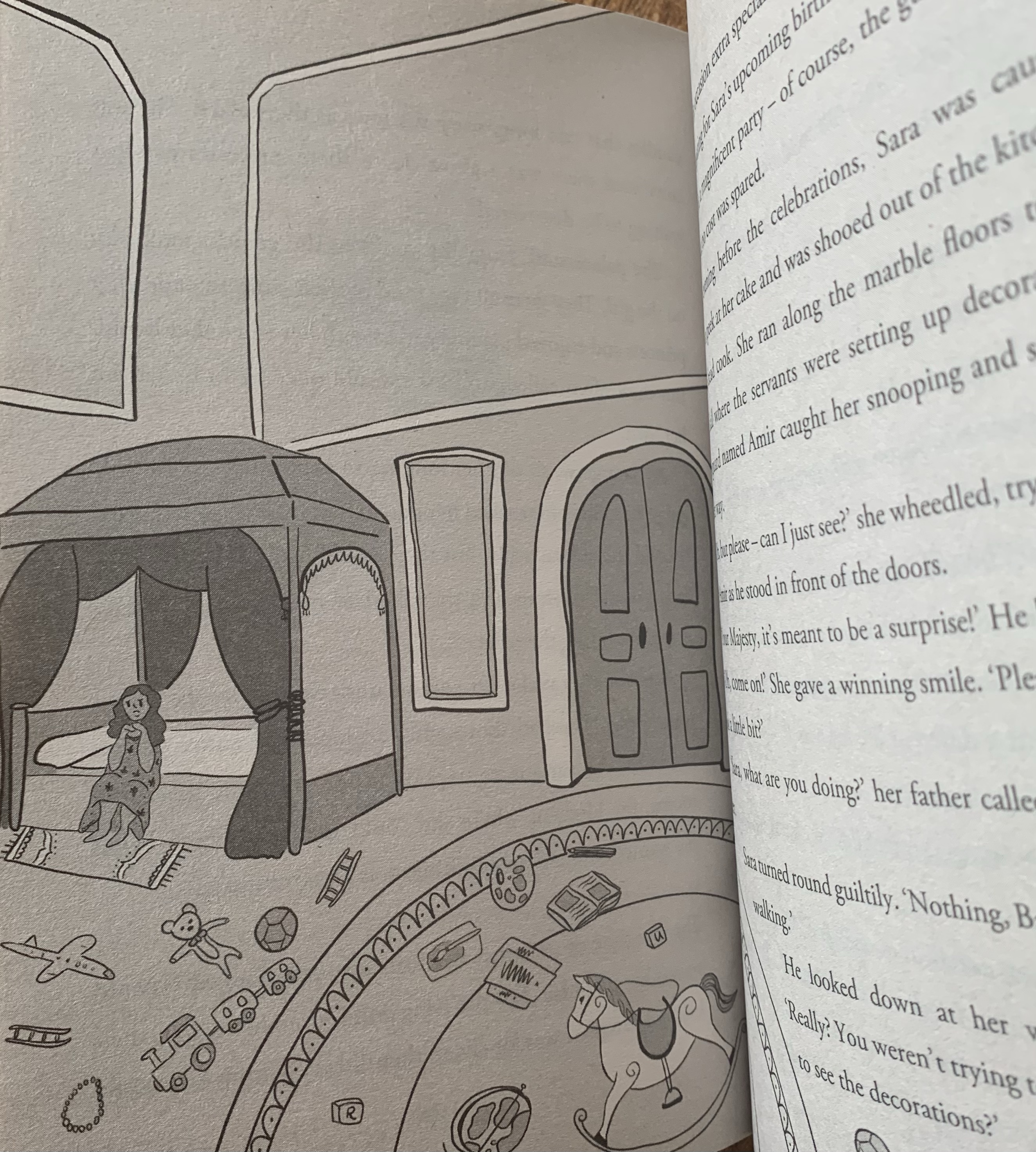

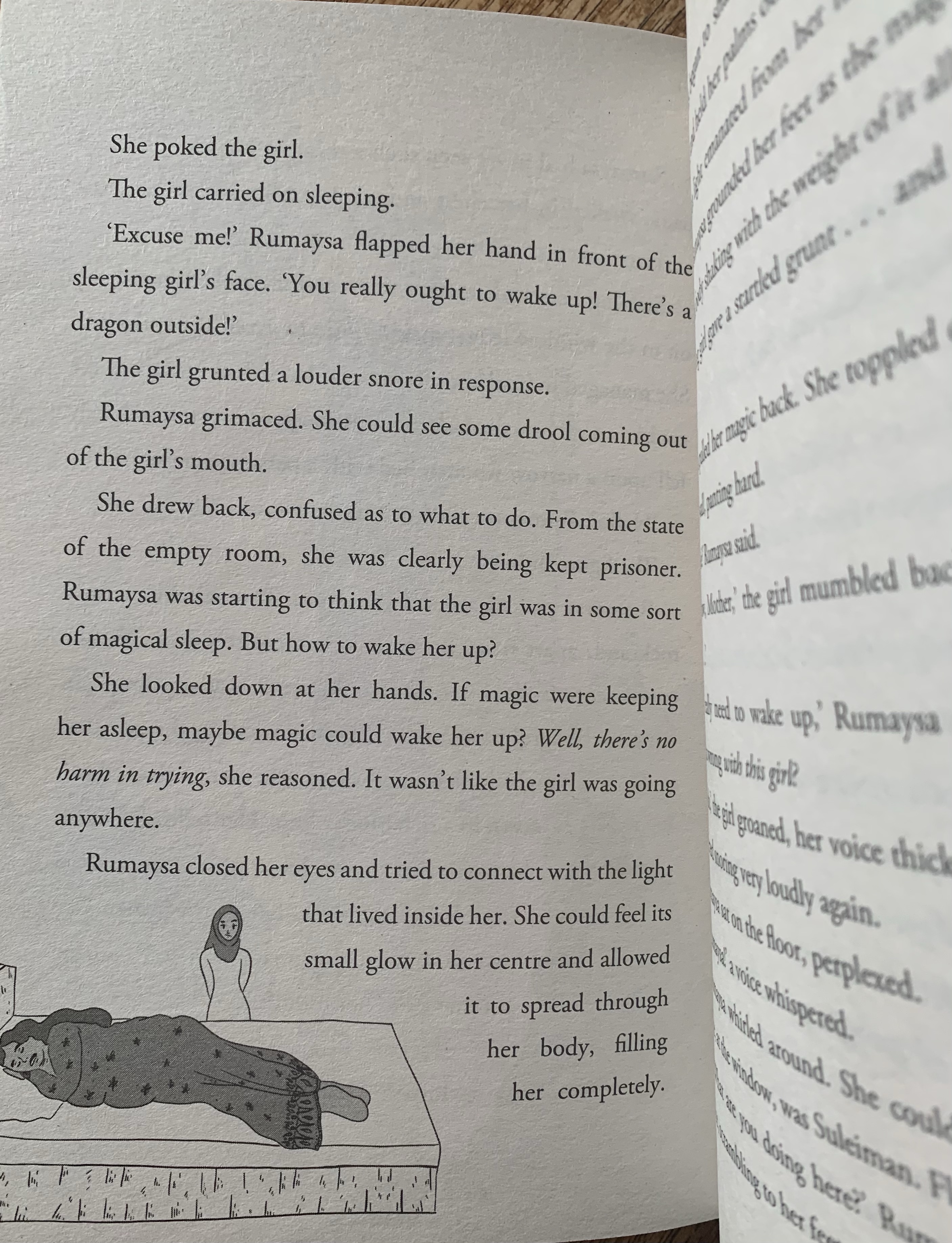
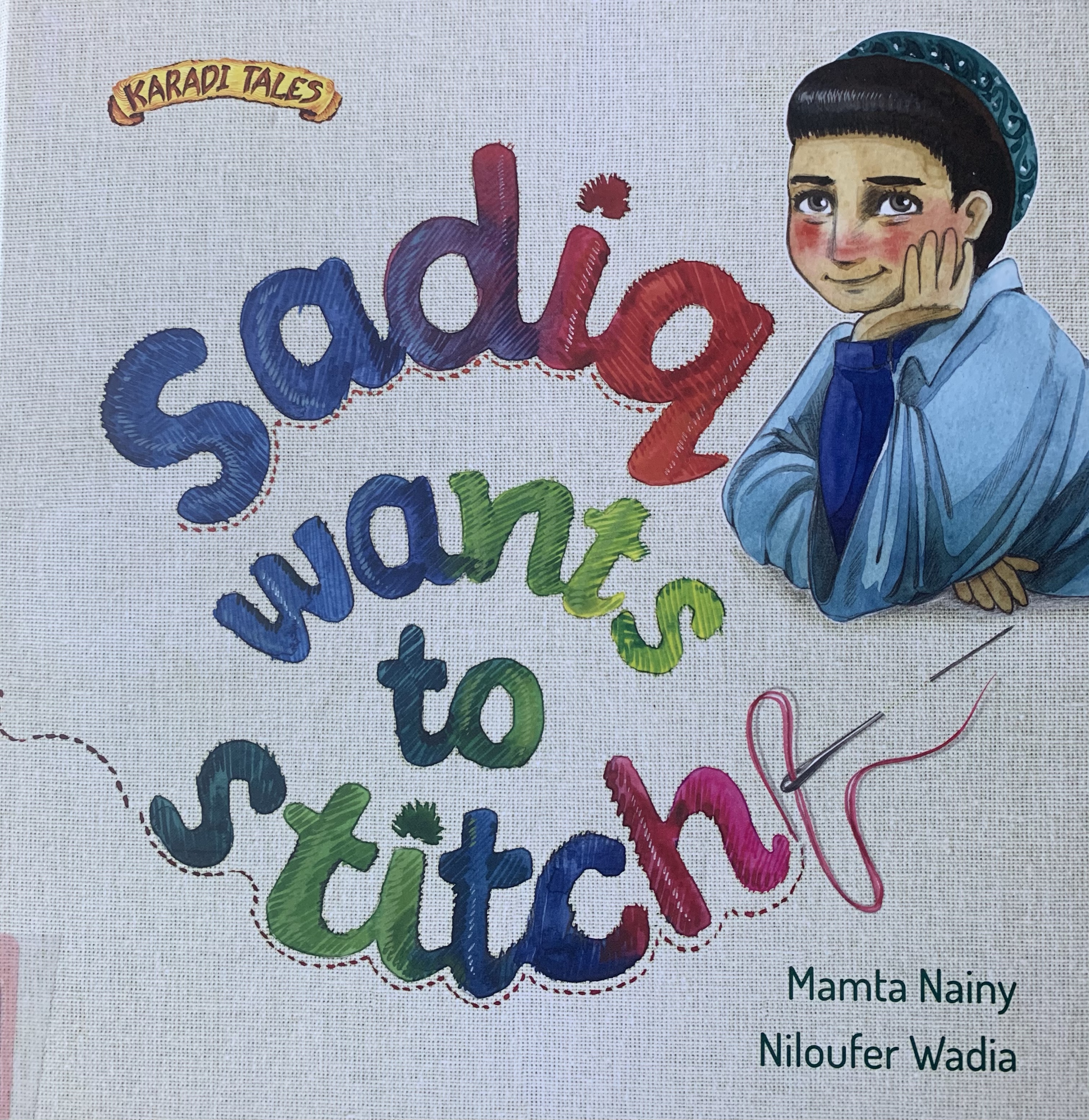
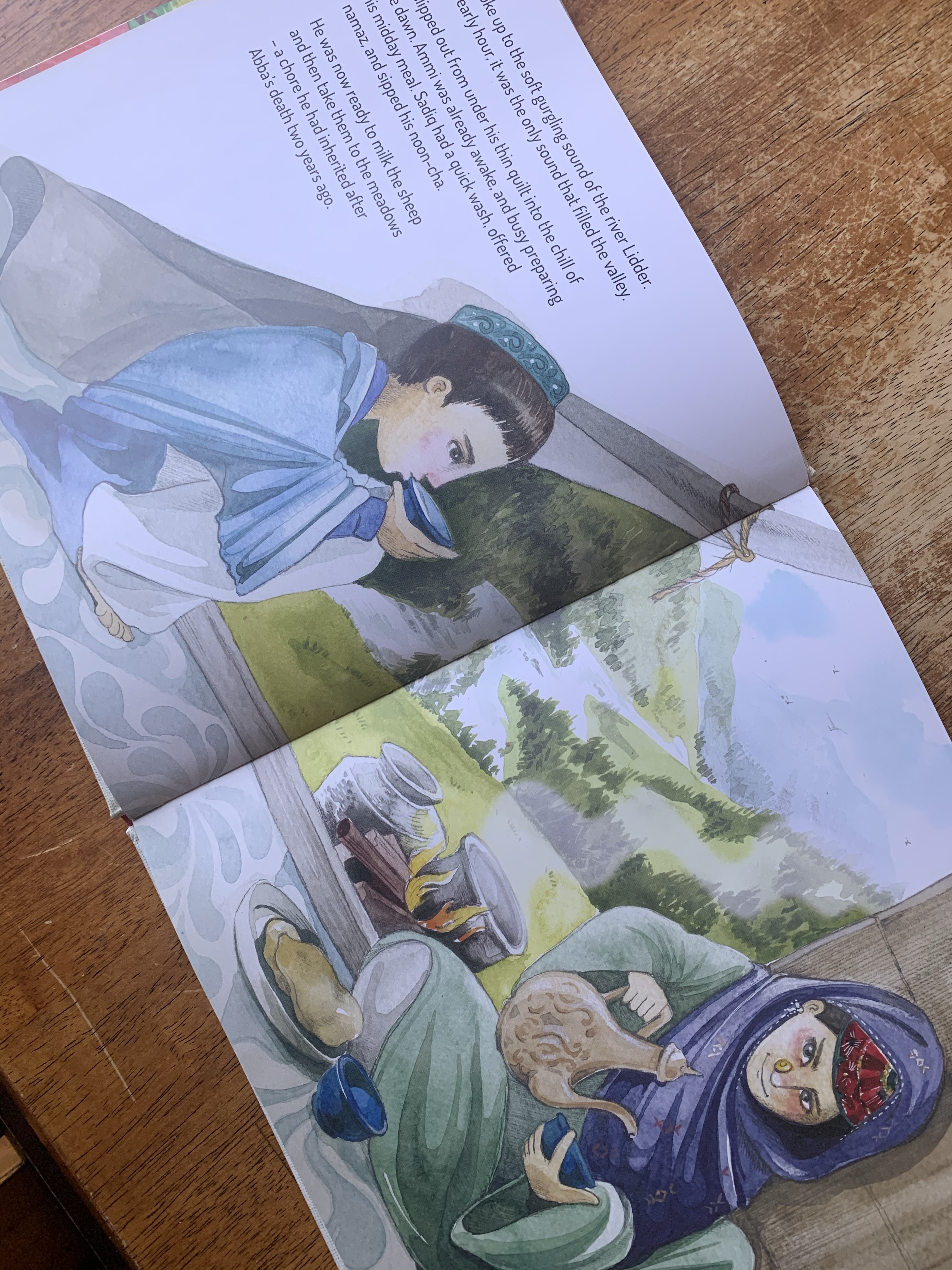
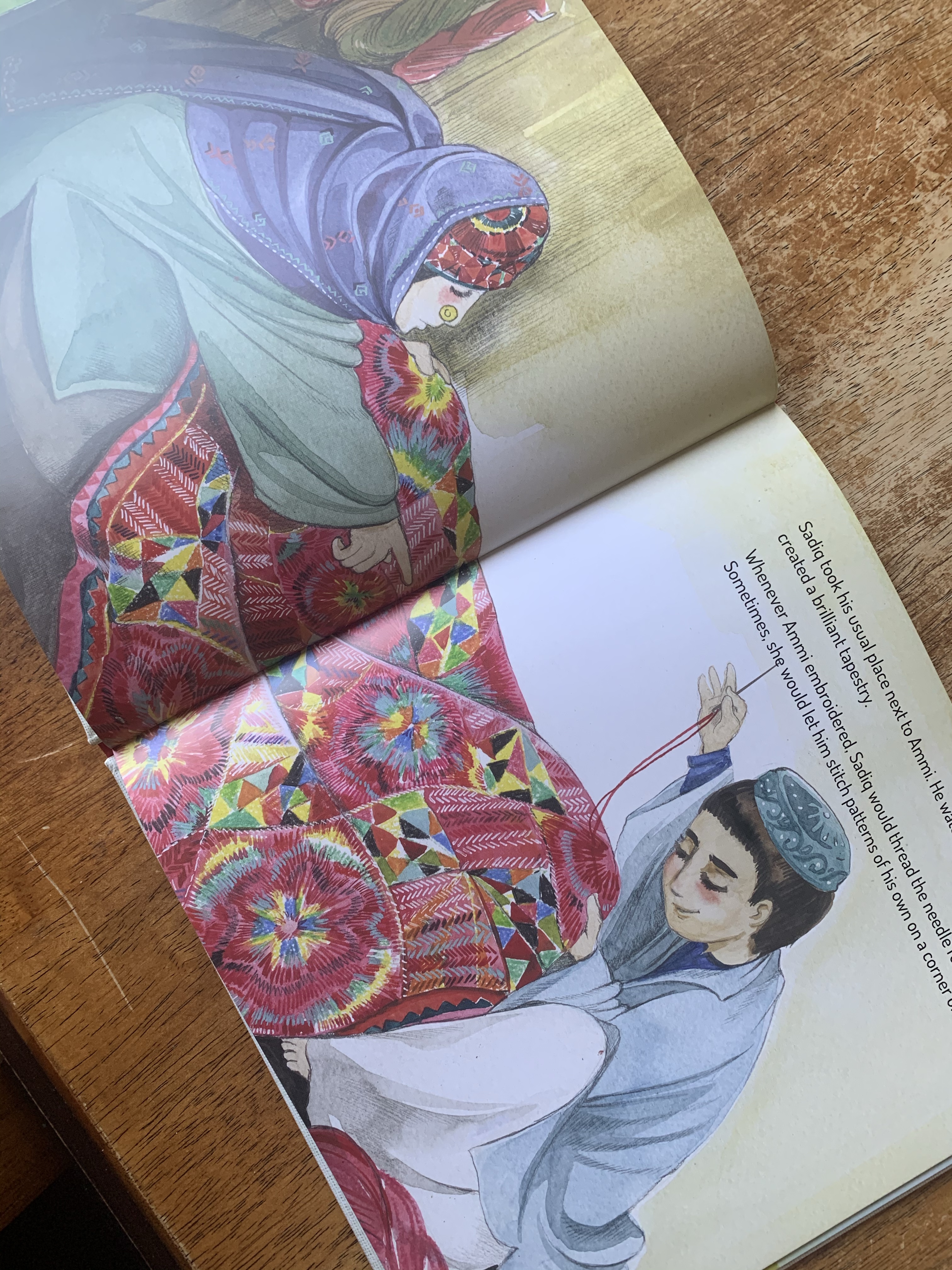
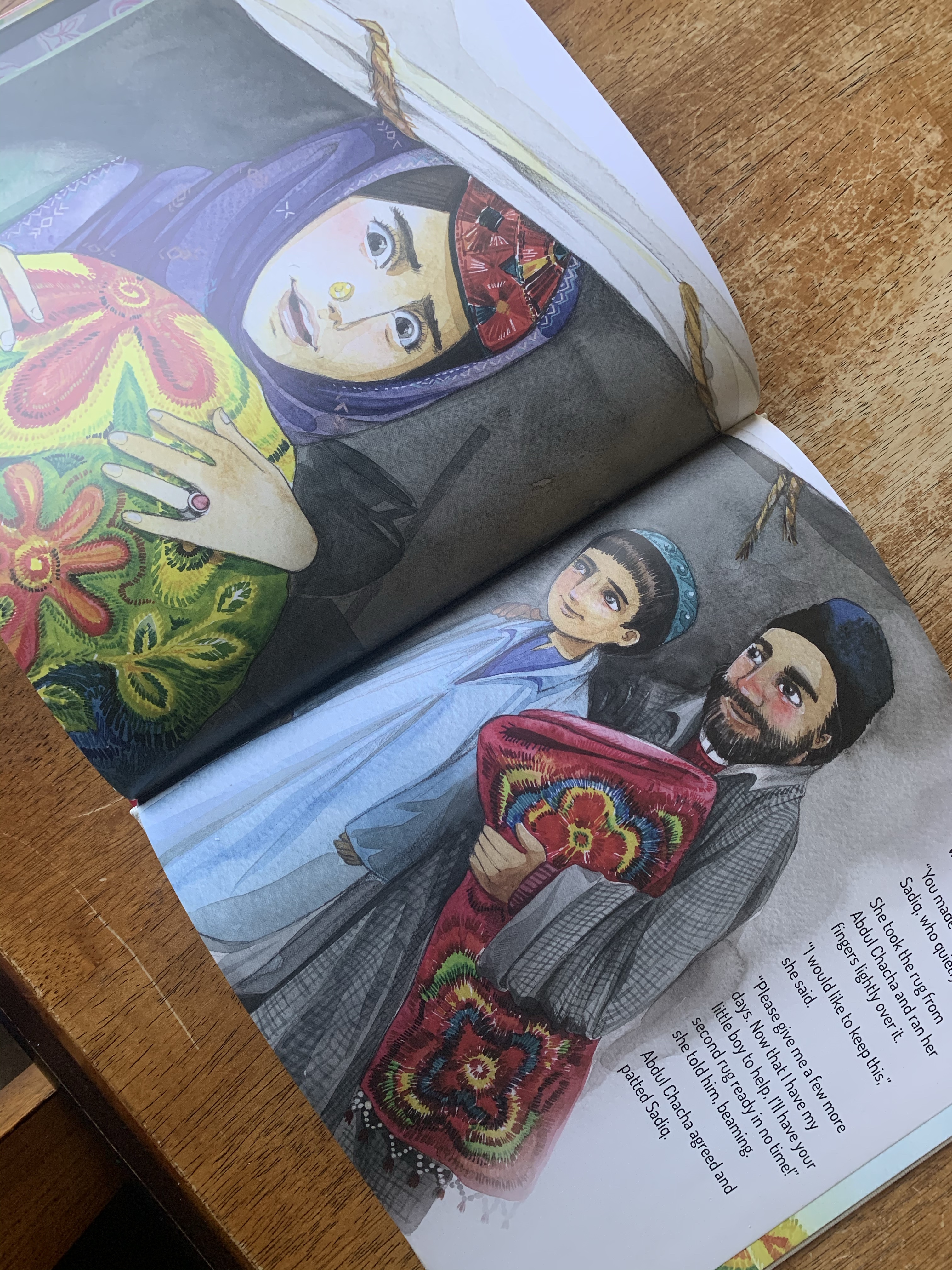
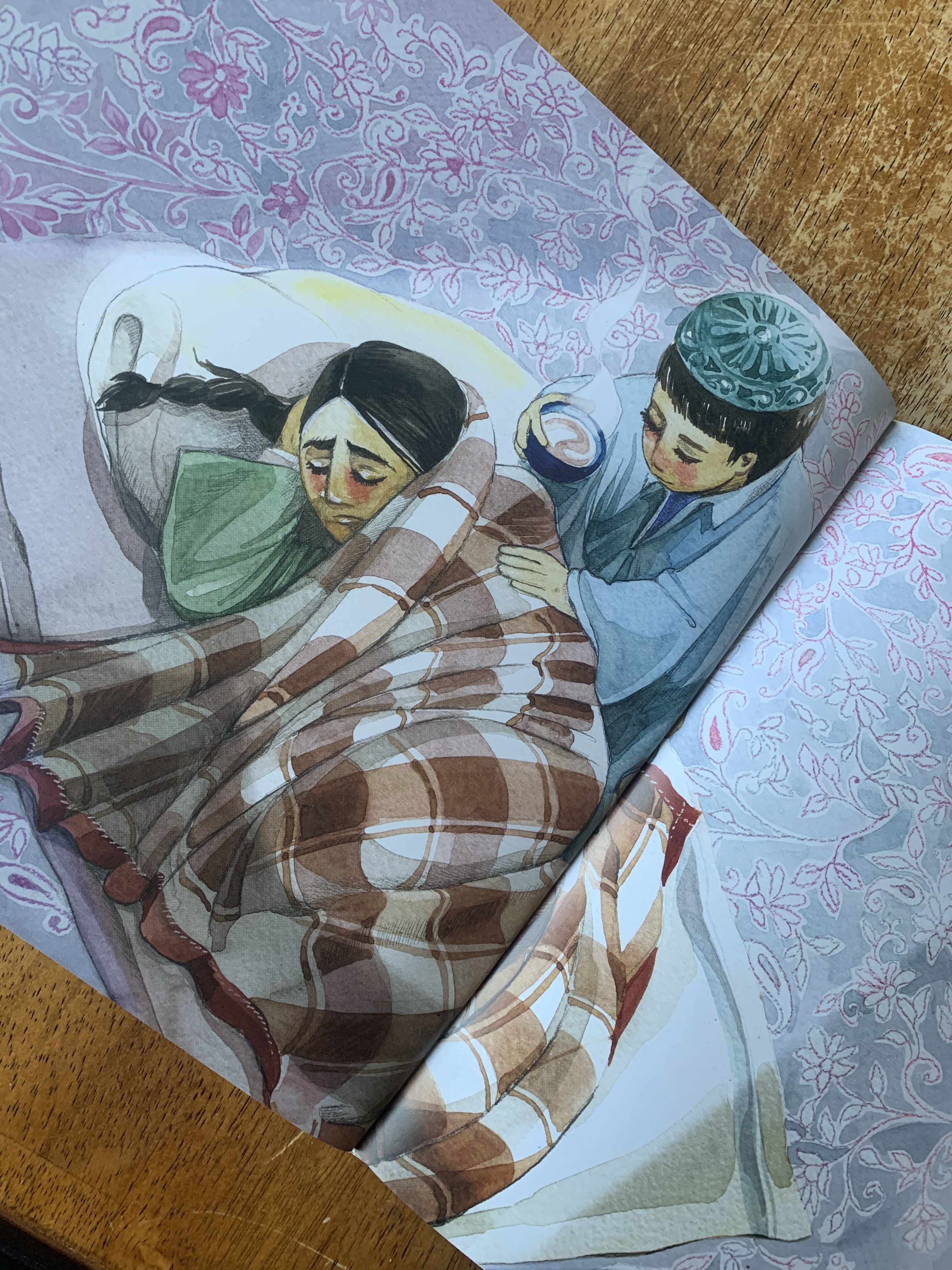
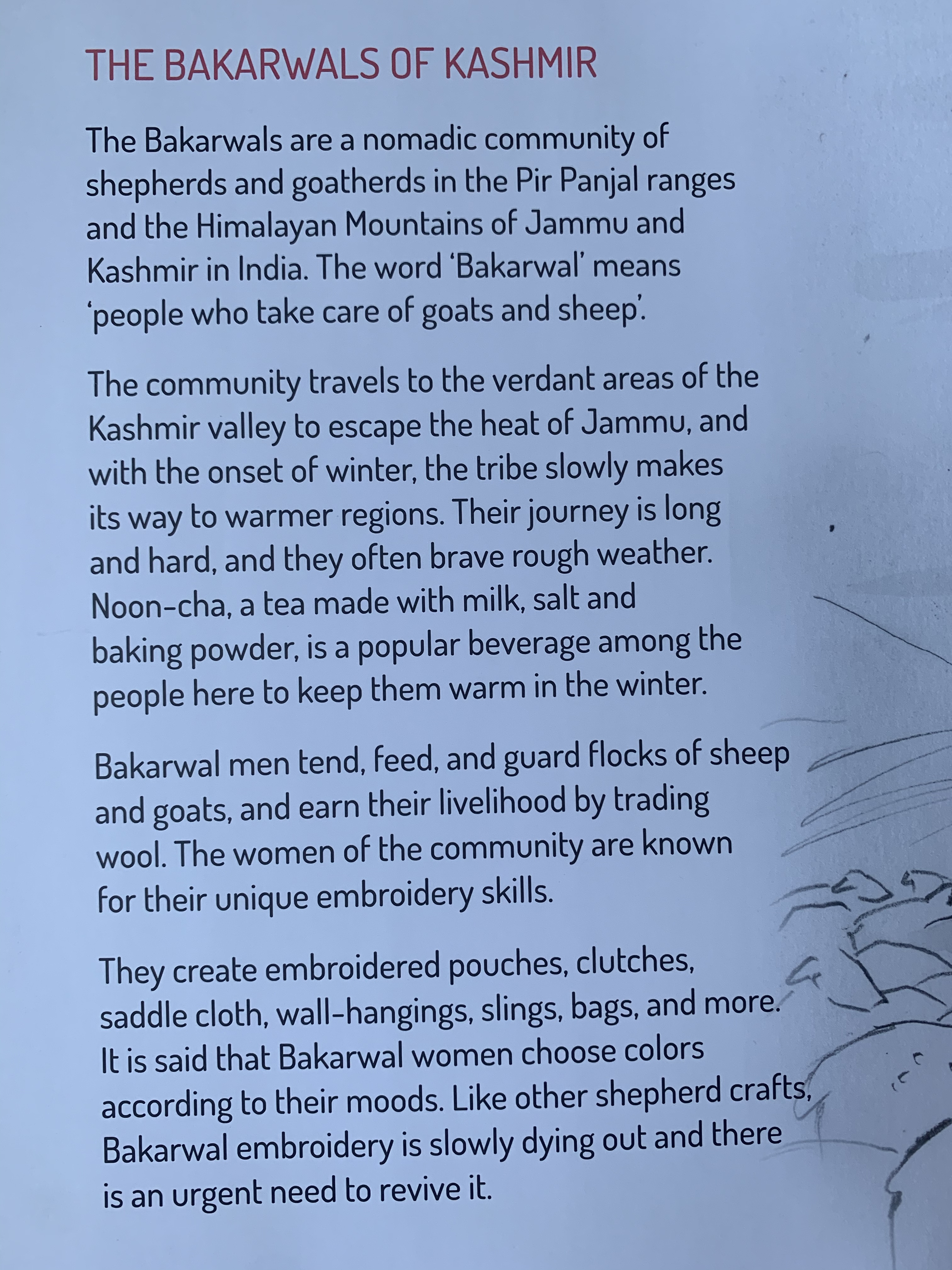


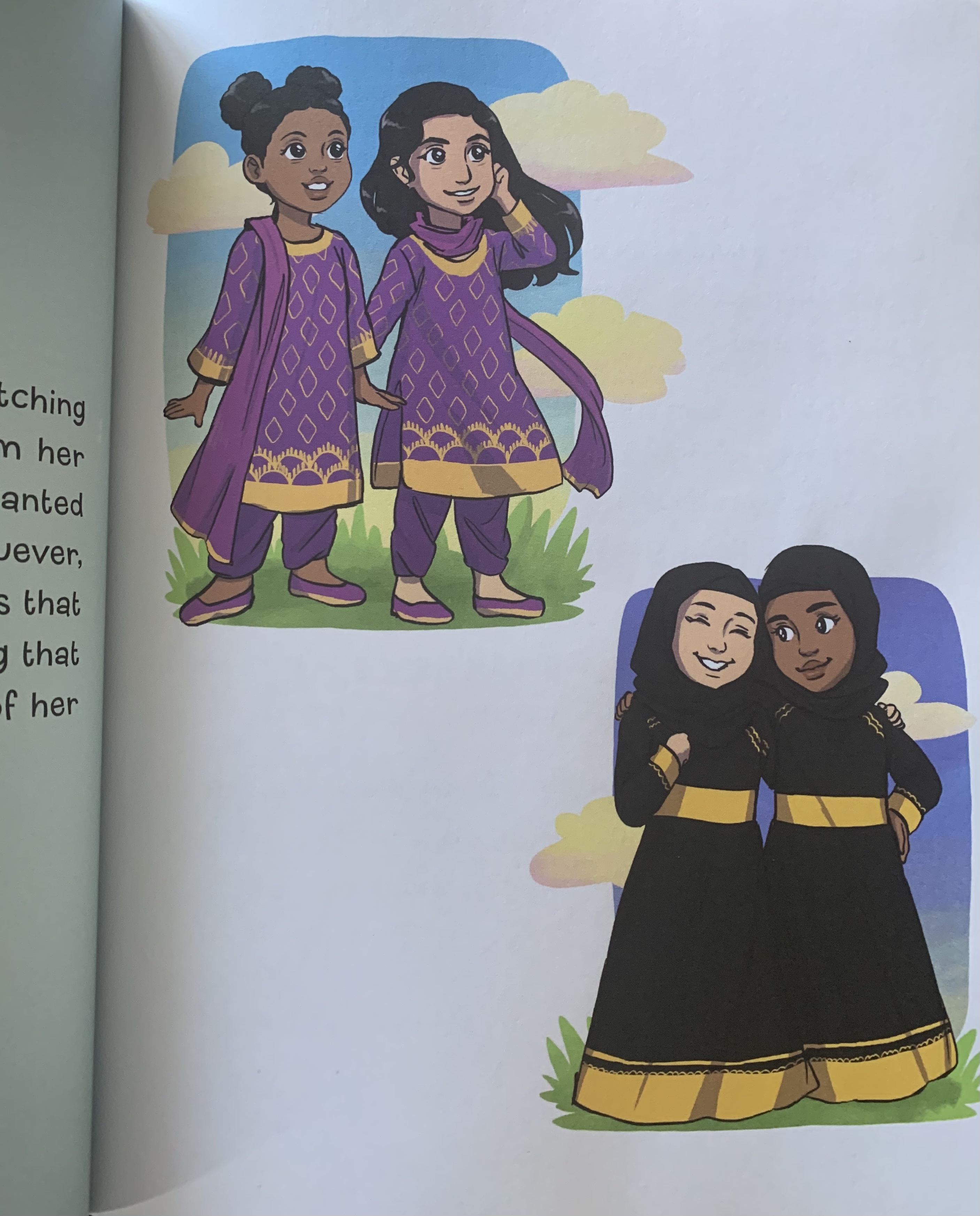
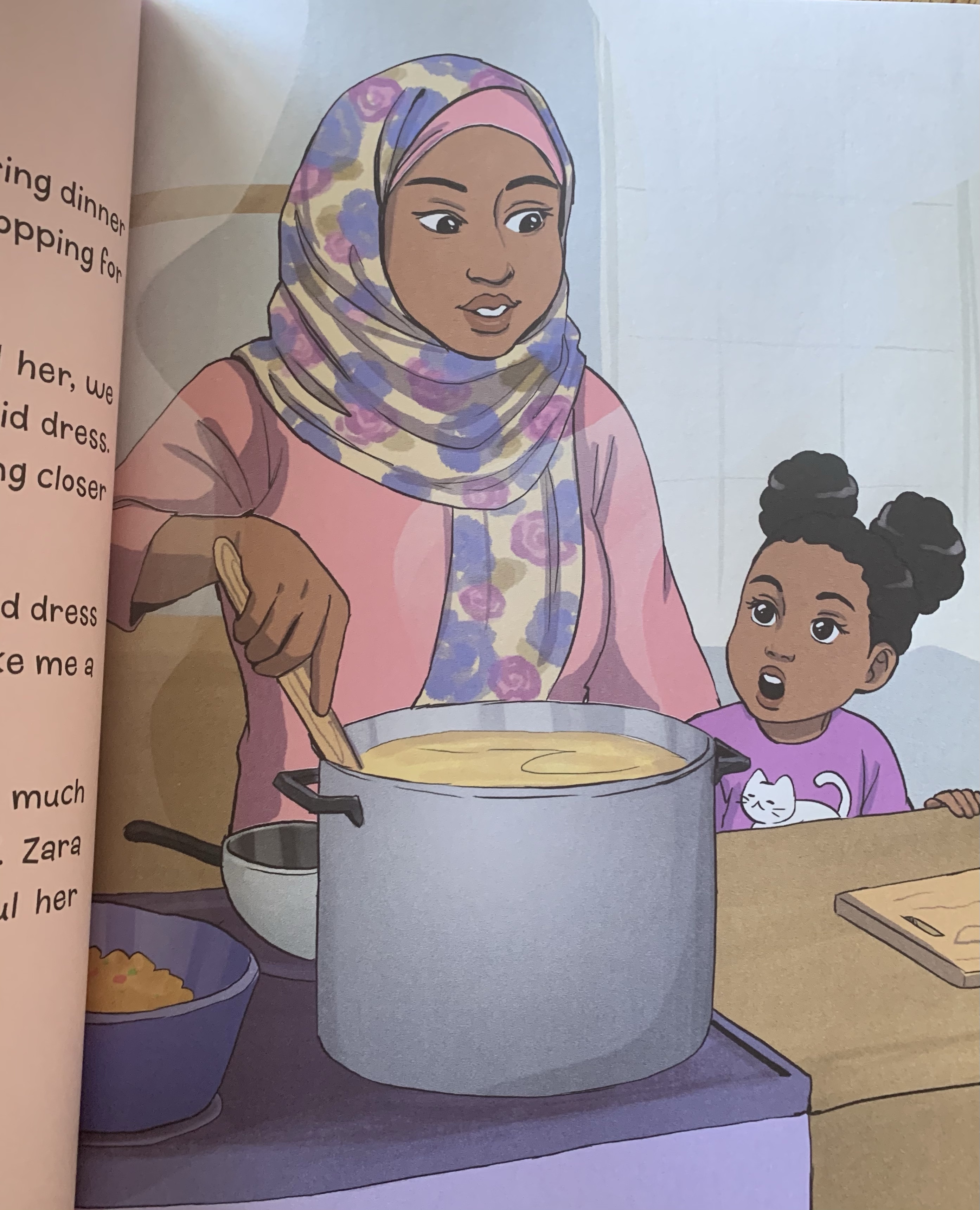


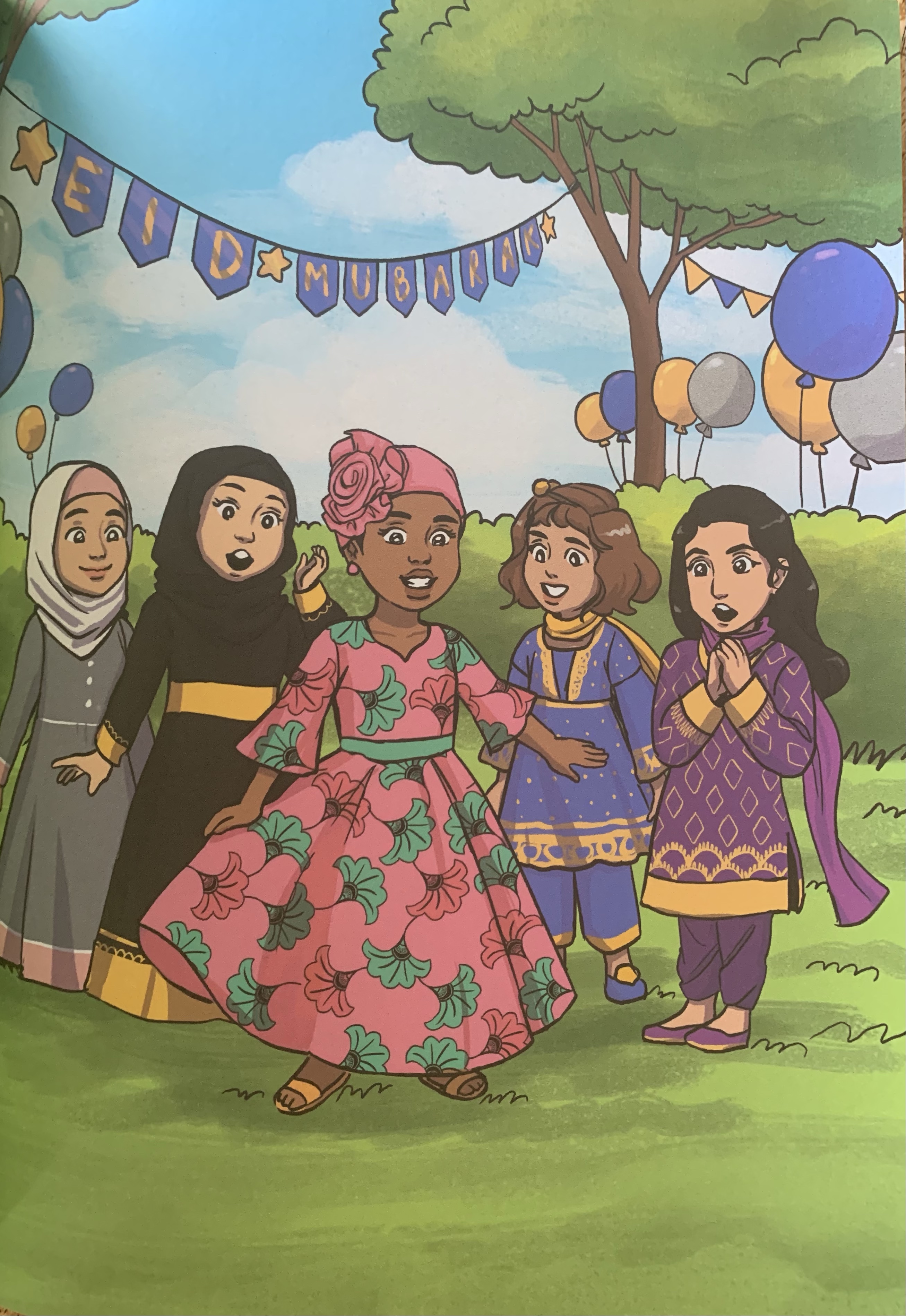

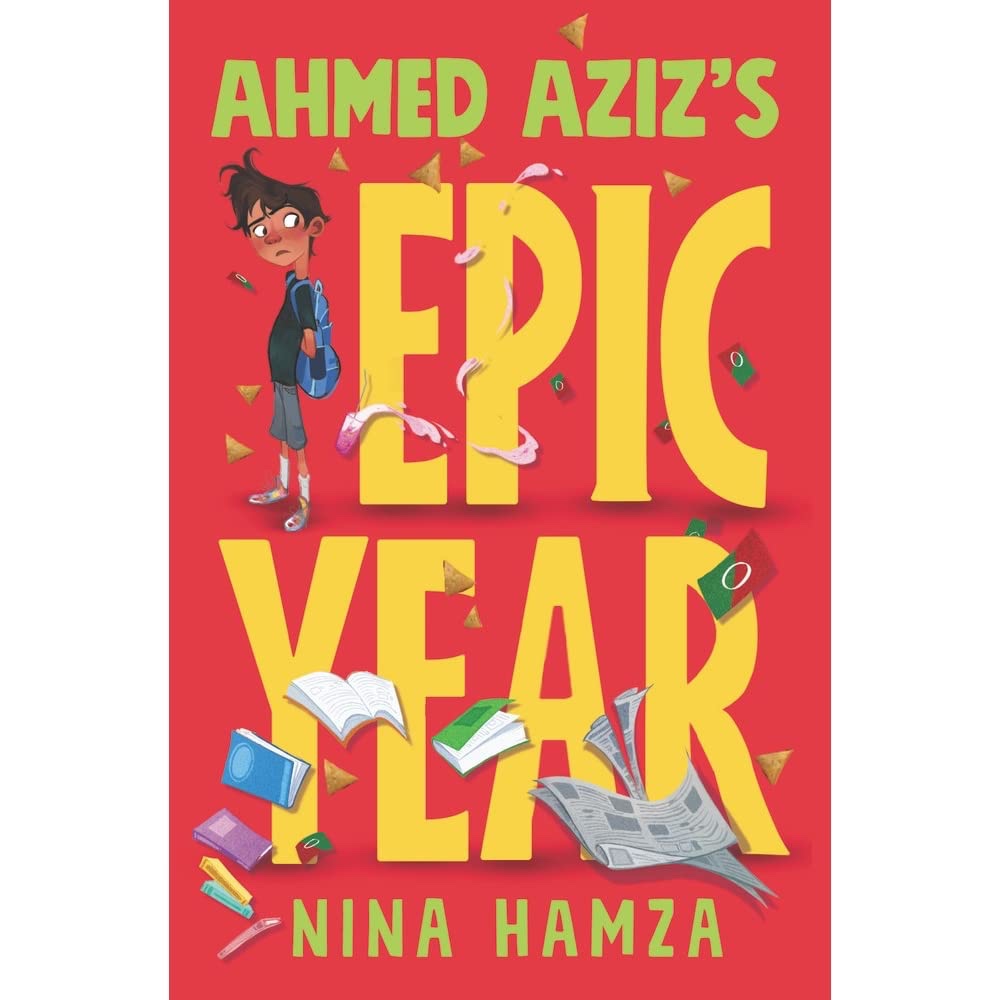
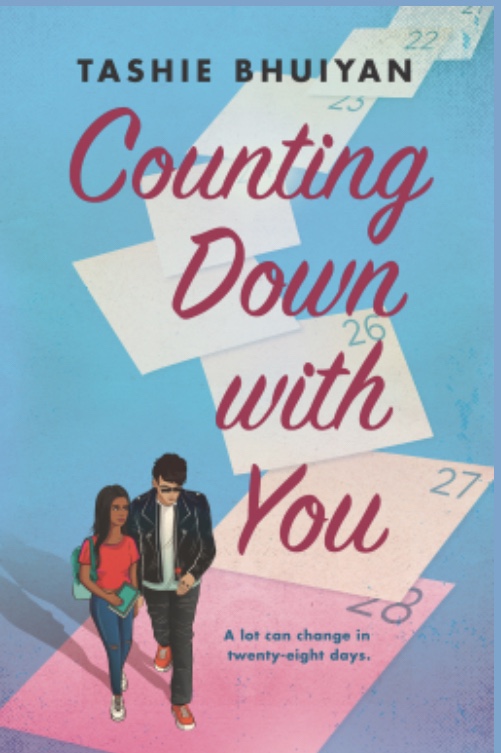
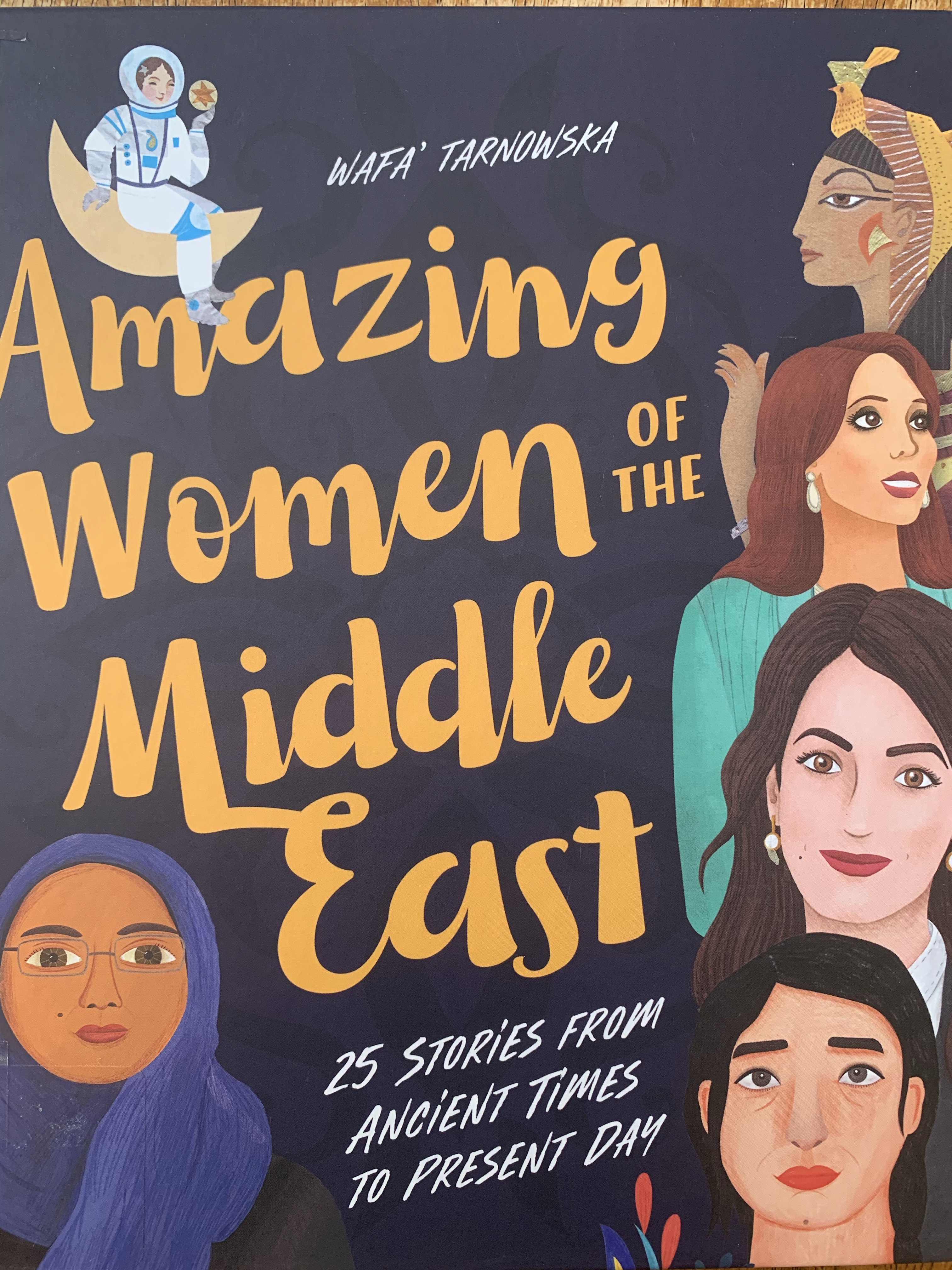 A nonfiction picture book for teens that features amazing women from ancient times to the present day. Many of the women featured are Muslim and each entry receives a teasing summation page with a full page portrait from one of five international artists before a two page, more in-depth biography is presented. The 112 pages feature an introduction, and a map to start the book off, and acknowledgements and a glossary at the end. There are large time gaps that I wish would have been commented on, the geographical pool includes India which surprised me, and in one of the entries the way hijab is discussed seemed judgmental to me, but other than that the stories are absolutely remarkable. There are amazing women in every culture and throughout all time periods, but to see one that highlights a region that is stereotypically oppressive to women is a sight for sore eyes. I learned so much and marveled at the intellect, bravery and determination shown from being rulers of empires to intellectuals to scientists and artists everything in between.


