Tag Archives: change

Tyger by SF Said illustrated by Dave McKean

Standard
Tyger by SF Said illustrated by Dave McKean

I don’t know that I’ve ever read a book like this 304 page middle grade fantasy, dystopian, highly illustrated adventure. It delves into philosophy, alternate universes, slavery, racism, politics, magic, identity, friendship, betrayal, human rights, education, following your dreams, saving the world, and a talking immortal tiger. It started a little stilted for me, but as the book progressed, I began to see that a lot of detail about all the above mentioned threads would make for a very adult, very lengthy read, and this is meant for 9-12 year olds, albeit they would need to be able to handle the darkness of the book at times, and caregivers, be aware there is a public hanging of a child. The author is Muslim, and the protagonist and a side character identify as Muslim.  There is not much about Islam, or shown in practice, but that they are afraid to learn and practice their faith is mentioned briefly. I think kids will enjoy the read, and not get hung up on threads unexplored as I did.  The illustrations really make it a book that feels exciting to spend time with, and one that will linger with the reader.  I look forward to sharing it when it releases soon in the US, as it was published in 2022 in the UK.

SYNOPSIS:

In short the book is about a boy, Adam, living “in an alternate London where the British Empire hasn’t ended and slavery was never abolished.” In a partitioned off Ghetto as a minority from the vague “Middle East,” who is unable to go to school, or even draw, he makes deliveries for his family to help keep them afloat. During one such delivery he encounters a tiger, an animal like so many others that is extinct, her name is Tyger, and she speaks.  She is an immortal searching for Guardians to help her heal and open a portal to the city.  When Adam, who is immediately connected to her, cannot find a Guardian, she begins to train him, time is short and when he discovers his friend Zadie, short for Scheherazade, has some training from her father, the two set out to open the doors of perception, imagination, creation, and  revelation, to save the day.

WHY I LIKE IT:

I really like that this book opens up larger discussions about society, self, literature, imagination etc, and can really be adapted to mean different things depending on what the reader brings to it. The book addresses these themes in a way that doesn’t talk down to the reader, and in many ways allows the simple bad guy of the story to not be the takeaway point, but rather the journey of understanding perspective, points of view, empathy, creating something, and hope to be far more important.

The identity of the characters being Muslim initially was just a label, one that just made Adam and Zadie more “other,” but a few cleverly crafted sentences about hiding their names, their skin color, and whether it worked or not, allow the reader to reflect on if denying yourself to appease others is effective or not, or rather more importantly knowing when and in which situations it could be a benefit or a selling out of who you are.  Zadie and her father seem to practice, and one point Solomon ( Suleiman), offers his prayers, he says Assalamualaikum and Bismilliah. Adam and his family on the other hand, have hidden their faith so as to fit in better, and thus it is simply an identity label.

I liked that the illustrations weren’t just stunning in their own right, but also highlighted the mood, and metaphysical elements of the story.  I feel like I could teach not just a few lessons on this book, but dozens, and who knows if they would be correct, but I think this book would be fantastic as a read aloud in a classroom for the story at hand and for the discussions.  The darkness, the excitement, the hope, really gripped me, and while I could opine on plot holes and lack of articulation, in some key scenes, I appreciate that over explanation would take away from all that the book gets right.

FLAGS:

Racism, oppression, colonialism, slavery, hanging, power imbalance, betrayal, lying, sneaking, fighting, killing, magic, fantasy elements.

TOOLS FOR LEADING THE DISCUSSION:

Where to even start, this book needs an educators guide, stat. I looked online and couldn’t find one and I hope that will be corrected soon because if you read my thought above, you know there is a lot to discuss.

Huda F Wants to Know? by Huda Fahmy

Standard
Huda F Wants to Know? by Huda Fahmy

Huda Fahmy books always make me laugh, but this is the first one that made me cry. Centering mental health and her parents divorce, we see Huda grappling with change, loss, anger, and resolve in a raw vulnerable way. While ever hopeful, and at times comical, the book is also incredibly moving and insightful.  Whether as part of the Huda F series or her two graphic novels prior, her autobiographic books always tackle heavy topics in a joyful, hilarious, honest way that appeal to girls and boys from middle school and up.  I know at 263 pages, this book is a YA read, but in my house my kids (daughter and sons) have loved reading her perspective about hijab, arranged marriages, identity, and sibling relationships. The unapologetic Muslim authenticity is unparalleled, and that non Muslims champion her books as well, truly shows the value of good story telling, and gives me hope in an often bleak world. Huda’s books are staples: new books are anxiously awaited, previous books are regularly reread, and Huda F Wants to Know? continues in that tradition.  This book isn’t just fun, it is important- it normalizes mental health, empowers families shaken up by change, and makes us all feel seen and less alone. SubhanAllah.

The book starts with Huda’s plan for her junior year in high school, her friend Nabz and her are determined to buckle down and get scholarships.  When Huda’s parents call a family meeting, she thinks she just might be getting a car, but instead she and her sisters learn, their parents are getting a divorce. The book then rewinds to show a little lead up before Huda’s world shatters, and junior year’s blue print is tossed aside.  We see her going to the masjid for weekly halaqas where Sr Amal discusses topics like societal pressures, family expectations, gender bias in education, and other relevant topics.  At one such gathering, Dr Haifa came to talk about mental health.  We also see her crushing on a boy at school, fighting with her mom and sisters, and the girls going on a road trip to a Muslim convention.

Every storyline, every twist, every page really, has Islam woven in.  It is the way the characters see themselves, see their world, handle stresses, find peace.  Mental health is not separate from the hadith and sunnah, it is blended and approached in a holistic manner.  Divorce is understood Islamically, and the clarity in which it is articulated will, I imagine, be so reassuring for Muslims who have gone through it, and seen others go through it.  Just as my boys years ago read That Can Be Arranged, and became incredibly curious about marriage in Islam, I have no doubt that this book, will also be a powerful conversation starter for so many.  I don’t know if that is part of why Huda write, but it definitely is a result of her books.  I wish I could ask her, I’d also want to know how she decides what to share of her own life, where the line of reality and fiction for her is and how she sets and maintains those boundaries? I also desperately would like to ask her if she plans to write forever, because the world benefits from her books, needs her books, I know I do.  No pressure or anything.

 There are resources for mental health at the back of the book, some even specifically for Muslims. Please preorder this book and/or request it at your local public library as a show of support, it releases in April.

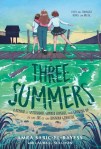
Three Summers: A Memoir of Sisterhood, Summer Crushes, and Growing Up on the Eve of the Bosnian Genocide by Amra Sabic-El-Reyess with Laura L. Sullivan

Standard
Three Summers: A Memoir of Sisterhood, Summer Crushes, and Growing Up on the Eve of the Bosnian Genocide by Amra Sabic-El-Reyess with Laura L. Sullivan

three summers

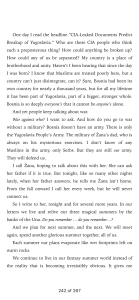
It is difficult and probably rather inappropriate for me to offer a “review” of a memoir, after all who am I to have opinions on someone’s lived experience.  And this non fiction book in particular is so desperately needed and important, as OWN voice middle grade literature about Bosnia is fairly non existent. So continue reading my thoughts with a grain of salt, suffice it to say, that I enjoyed the book, and loved the author’s YA book The Cat I Never Named, but ultimately I struggle to suggest this for the intended audience of 8-12 year olds.  As a child my family was involved with Bosnian refugees in the 90s, as an adult I understand that Islam, and being Muslim, is not a monolith, as someone who can empathize with loss and heartache, I couldn’t put the book down.  Yet, I truly doubt that many fourth graders will feel the emotional climaxes that are not shown, but told.  That they will understand the timeline and what is about to happen if the book were to continue.  That they will feel a connection to the characters who read so much older than them.  If the book was fiction, I would say the characters read YA, with the bikinis and details of body growth, kissing, making out, having boyfriends, and dancing at the discotheque, cigarette smoking, backless dresses, noting which neighbors are having affairs, and trying to become their “truest self,” but the book is a memoir, this is the author’s life when she was 11, 12, and 13.  In an environment where her maturity is noted as being heightened because of the loss of her brother and her personality, the book shows cultural norms, that will still strike contemporary reader as being much more adult in nature. Islamically, the label of Muslim and Bosniaks, is ever present.  Bosniaks were massacred for being Muslim, period.  The book never shows them praying, or mentions Allah swt or the Quran, covering is something only the older generations did, they do drink alcohol on occasion, but they have a cow slaughtered Islamically and burials are done in accordance with Islamic principles.  There is kissing, having boyfriends is not problematic unless they are Serb, the only imam mentioned does weird black magic type things.  So while the label of “Muslim” may feel to Muslims readers more like a cultural marker at times, it is none-the-less incredibly empowering to see that Amra takes pride in her Bosniak identity and doesn’t shy away from it. Other flags/triggers are domestic abuse, bullying, physical violence, attempted drowning, accidental drowning, death of a sibling, kidnapping, imprisonment, threat of war, racism, Islamophobia, music, fortune tellers, lying, threatening.  The backmatter offers a timeline and thus gives some information about the rape, torture, genocide, abuse, and destruction.

SYNOPSIS:

The book starts with a visiting fortune teller giving Amra and her family hope that her older brother Amar will be pain free soon. Amar suffers from Marfan syndrome, and is frequently weak, teased, and in pain.  But he is also wise and patient, brilliant and gentle, and beloved by so many, and Amra is broken when he passes away.  To help break her from her debilitating grief, her parents reach out to a cousin in Belgrade, who has long been estranged for marrying a Serb, to come visit for the summer.  Zana and her younger sister Vedrana, engulf Amra in warmth and adventure and the summer on the River Una is just what Amra needs.  The next summer Zana and Amra resume their idyllic adventures of swimming, make-up, crushes, and coming of age, with only a hint of fracture based on religious lines creeping in the final days.  The following summer Amra is starting to mature on her own and understand the world around her.  Her father has lost his job, been kidnapped essentially and tortured, and while nights dancing at the discotheque give laughter and light, the girls final summer, is the end of peace, and innocence for all Bosniaks.

WHY I LIKE IT:

I love the end, that there are real life updates of the people in the book.  It made me cry.  It is also so timely to what is occurring in Gaza and how no matter how clear it is that it is genocide, and it is oppression, and it is racism, some just cannot see it.  The book is joyful, but the reality of the backmatter is heavy, and real, and important.

I like that the book shows Bosnia and the culture and the traditions, the few books I’ve read focus on the war, and the rich culture and deep history doesn’t get to shine like it does here.

I do wish the book was more showing than telling.  I know it is a memoir, but at times it was just too advanced commentary and insight.  I fully believe the author is brilliant, and at 11 years old was pondering her life, but most readers just aren’t at that age, and the tangents keep the readers at arms length.  The book says it is about crushes, so I don’t want to keep harping on it, but it really is Amra and Zana and a gaggle of other female cousins quite often worrying about boys, and crushes, and kissing.  It doesn’t get obnoxious, but it isn’t a line here or there, it is the bulk of the book.

FLAGS:

Domestic abuse, bullying, physical violence, attempted drowning, accidental drowning, death of a sibling, kidnapping, imprisonment, threat of war, racism, Islamophobia, music, fortune tellers, lying, threatening, death, loss, grief, affairs, cheating, racism, bare bodies, crude jokes, crushes, kissing, making out, sneaking out, smoking, drinking, developing bodies, bullying, internalized Islamophobia, kidnapping, imprisonment, dancing, black magic imams.  The backmatter offers a timeline and thus gives some information about the rape, torture, genocide, abuse, starvation, and destruction during the Bosnian genocide.

img_4254-1

TOOLS FOR LEADING THE DISCUSSION:

I think with some context about war, about communism, the Ottoman empire even, this book could be used in a teaching setting to allow the time frame to be seen from those living it, but, for more mature middle school to early high school readers.  It is a lot for MG and that it is non fiction makes me want it to be understood and appreciated and I don’t know that for the intended demographic, even with context and guidance it would be achieved. There really isn’t a plot, it is a memoir, and the pacing and assumed context knowledge I feel like, just wouldn’t be there for the typical western middle grade reader.

Muhammad Ali and Malcolm X: The Fatal Friendship by Randy Roberts and Johnny Smith adapted by Margeaux Weston (A Young Readers Adaptation of Blood Brothers)

Standard
Muhammad Ali and Malcolm X: The Fatal Friendship by Randy Roberts and Johnny Smith adapted by Margeaux Weston (A Young Readers Adaptation of Blood Brothers)

bloodbrothers

A lot of us Muslims name drop Muhammad Ali and Malcolm X in discussions about civil rights quite often, and at least, speaking for myself, I thought I had the general idea about the relationship between these two iconic figures. I have read a fair amount of books in my quest to identify books that show how Islam shaped the men as opposed to those that tend to gloss over their eventual conversion to Sunni Islam, but I read this book as if it were fiction and I didn’t know what was going to happen next.  I have not read the original Blood Brothers, but this young readers adaptation is well done in conveying the politics, environment, struggles, and humanity of these two men.  Their flaws and growth, their tests, their friendship, it really is a compelling read. The focus on their friendship puts Nation of Islam as the focus, but the book does a good job of identifying it as being different than Islam.  As their friendship falters, Malcolm X goes for Hajj and is seen to change, and choices made by Cassius Clay show the men quite distant at the time of el-Hajj Malik el-Shabazz’s assassination, even though eventually their paths proved quite similar. The 240 page book is MG, but I think middle school readers (in classrooms, book clubs, and on their own) will better appreciate the intersection of these two giants, the events of their time, and the legacy they have left for us all.

SYNOPSIS:

The book is a snapshot in time, sometimes focusing on Malcolm X, sometimes on Cassius Clay, sometimes of their time together.  It starts with background insight and then shares the rise of both of them in their respective worlds, Nation of Islam and boxing.  Threaded through it all is the influence that Elijah Muhammad had on them, and key events they experienced that shaped their thoughts and opinions on race relations, politics, religion, and life.  It shows Malcolm X as the teacher, and leader taking in Clay and believing in him against the Nation’s wishes and thus when Muhammad Ali pushes him away the reader sees the Champ in a different light.  It shows deception and manipulation, as deep and riveting as the best fiction out there, but is very vulnerable in showing regret and both individuals’ ability to keep learning and growing.  The conclusion highlighting Muhammad Ali reaching out to Malcolm X’s daughter Attallah, and the forgiveness that took place in restoring the love between the two men and their families, really was a cathartic release that reminds readers that for as idolized as these two figures are in pop culture and history, they were very real people.  The book has a Biography at the end that breaks down sources by Government Documents, Archival Collections, Newspapers, Magazine Articles, Books, and Websites.  It is a “Selected Biography” that is seven pages long.

FLAGS:

Racism, manipulation, assassination, hate crimes, stereotypes, propaganda, oppressions, abuse, police brutality, assault, bombing, arson, attempted murder, fear, threats, killing.

TOOLS FOR LEADING THE DISCUSSION:

I have preordered a book for my own children to read and one for the school, I really think this book needs to be easily accessible for middle school students in libraries, classrooms, and homes.  I would love to do this as a middle school book club, I think the authentic perspective will give our youth who have heard of Malcolm X and think they know Muhammad Ali some insight into really spending time with what they did, what they faced, and how remarkable their friendship was.

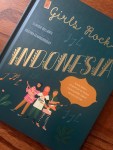
Girls Rock: Indonesia by Claudia Bellante illustrated by Josefina Schargorodsky

Standard
Girls Rock: Indonesia by Claudia Bellante illustrated by Josefina Schargorodsky

img_8112

This book is part of a series that claims to want to bring the world closer to American children.  It is based on a true story, with noted liberties taken regarding the protagonists, and yet the Author’s Note says she went to Indonesia and was unable to meet with the characters whose lives the book is about.  I am not against non Muslims and non Indonesians per se writing a book about Muslims in Indonesia, nor am I naïve to the fact that music inspires many and radicalism is a real threat, but to conflate ideas without explanation, and not containing that OWN voice authenticity or biography feel, really leaves this book fighting against self made stereotypes and trying to seem woke and relevant while maintaining a very Western American paradigm of what it means to be happy and fulfilled.  The book (and series) may have had good intentions, but it just felt off to me, and with a publisher suggested reading age of 5-8, I think this book assumes too much about the readers prior understanding of hijab, Quran, Indonesia, music, heavy metal, radicalization, small village life, culture, Islam, Quran, imams, and prejudice and fails to assist in connecting the concepts, opting to use them interchangeably and ultimately making the 32 page book rather pointless.  I think if older children read it, it is one of those books that makes one feel like they are cultured and supportive of those breaking stereotypes, but I think Indonesian and Muslim readers will just be confused about why a book is supporting sneaking and lying and why music is ok, but loud metal is not, and why a Muslim teacher could have a band years before, but the current characters are receiving backlash now, amongst so many other things.
img_8105

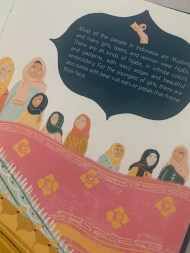
The book starts with basic information about Indonesia: Java, Jakarta, religion, and the motto.  It also includes hijab as something some Muslims wear but does not detail why or what it entails.  It then introduces the reader to three girls that go to school and study Quran, as the pride of their parents and village. The girls feel something is missing and while they are “studying” they in reality are often secretly watch YouTube videos after learning about the heavy metal band Metallica from their teacher.
img_8106

The girls want to learn to play, but fear their parents will get mad, why they would get mad is not articulated, so they go to their teacher and whisper their passion for heavy metal “as if they are confessing a sin.” Their teacher, Pima, says she used to play in a metal band, and that they can use the instruments in her garage to learn and practice.

img_8107

So while their parents think they are studying, they are playing music.  The book says music is not against their dreams, not against Islam, they choose to wear hijab, they start to write their own lyrics, and their teacher arranges for a producer to come listen to them. The girls worry the imam will get mad and so will their parents. When a local interview airs, the teacher asks negative folks, “who says a girl in a hijab can’t play loud music? Does the Quran forbid following your dreams?”

img_8109

Pima regrets letting the naysayers deter her from her music dreams, but earlier said her band broke up when the members moved or got married.  The parents seem fine when a festival in Jakarta is about to happen and presumably they live happily ever after.

img_8108

The backmatter then throws in radicalism and Muslim feminist groups, and I’m not sure what the takeaway would be for Muslim or non Muslim children reading this book.  I admittedly haven’t read the other books in the series, but I would be skeptical of their portrayal of cultures and religion after reading this one, it isn’t so much that it is wrong, but it just seems to water the reality down to make it more “palatable” and “acceptable” to American children which results in strong themes of “othering” and dismissal.

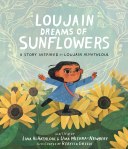
Loujain Dreams of Sunflowers by Uma Mishra-Newbery and Lina Al-Hathloul illustrated by Rebecca Green

Standard
Loujain Dreams of Sunflowers by Uma Mishra-Newbery and Lina Al-Hathloul illustrated by Rebecca Green

loujain

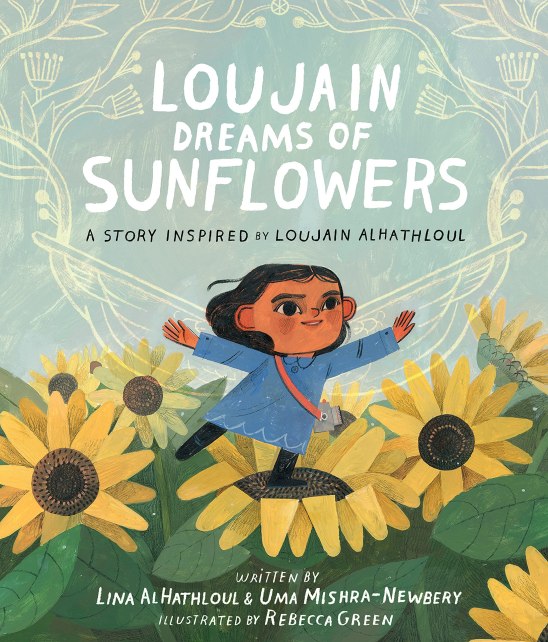
This 40 page early elementary book based on the efforts of the real life woman, Loujain AlHathloul, and her work to change the laws regarding women driving in Saudi Arabia, had a lot of promise.  Unfortunately, the symbolism connecting flying and driving, just didn’t work for me.  No one can flap their arms and fly, so to demand gender equality for an unrealistic action, is a big stretch that ultimately stretches itself too thin.  There is nothing Islamic, except women wearing a hijab in a few illustrations, or even Saudi specific in the book.  It talks of the desert, but the country is unnamed.   Overall, I just had so many questions such as: if she was flying before sunrise- how was she not seen returning from the sunflower patch, can women then never leave an area, are there ways they can fly as passengers, are there other modes of transportation, at what age are children allowed to fly, and so many more, that they prevented me from being inspired by the story.

loujain1

The book starts with Loujain believing in her self and knowing that one day she will fly.  She dreams of a place of a million sunflowers, a picture her dad has given her inspires her to seek out bright colors, capture them on film, and hang them in her room.

loujain2

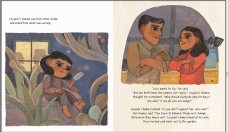
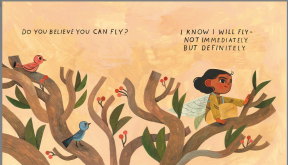
In the morning her father straps on his wings, and flies off.  Loujain is not allowed to fly because she is a girl.  Her family tells her that one day she will.  When she tells the kids at school, they laugh at her.  When she pushes her dad to teach her, her mother advocates that he should.

loujain3

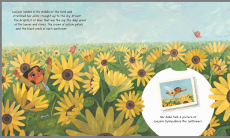
Loujain and her father practice flying before the sun rises, and finally they make the long journey to see the sunflowers.  Her father takes a picture of Loujain, and it appears the next day in the newspaper.  Other girls are inspired and begin to demand the right to fly too.

loujain4

I love the mom in the book, and her encouraging of Loujain’s dad to teach her.  She asks him, “if you don’t support her, who will?” I don’t know why the mom isn’t wearing a hijab on the last page though.  It seems like there is a subtle message there about hijab being legally required as well.

loujain5

The book is a reach, and for me it didn’t connect or leave an impression.  The information about the prison sentence and push back to achieve the legal change was far more interesting and memorable, but only a few paragraphs long at the end.

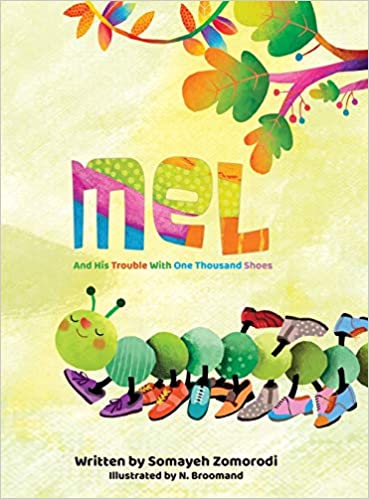
Mel and His Trouble with One Thousand Shoes by Somayeh Zomorodi illustrated by N. Broomand

Standard
Mel and His Trouble with One Thousand Shoes by Somayeh Zomorodi illustrated by N. Broomand

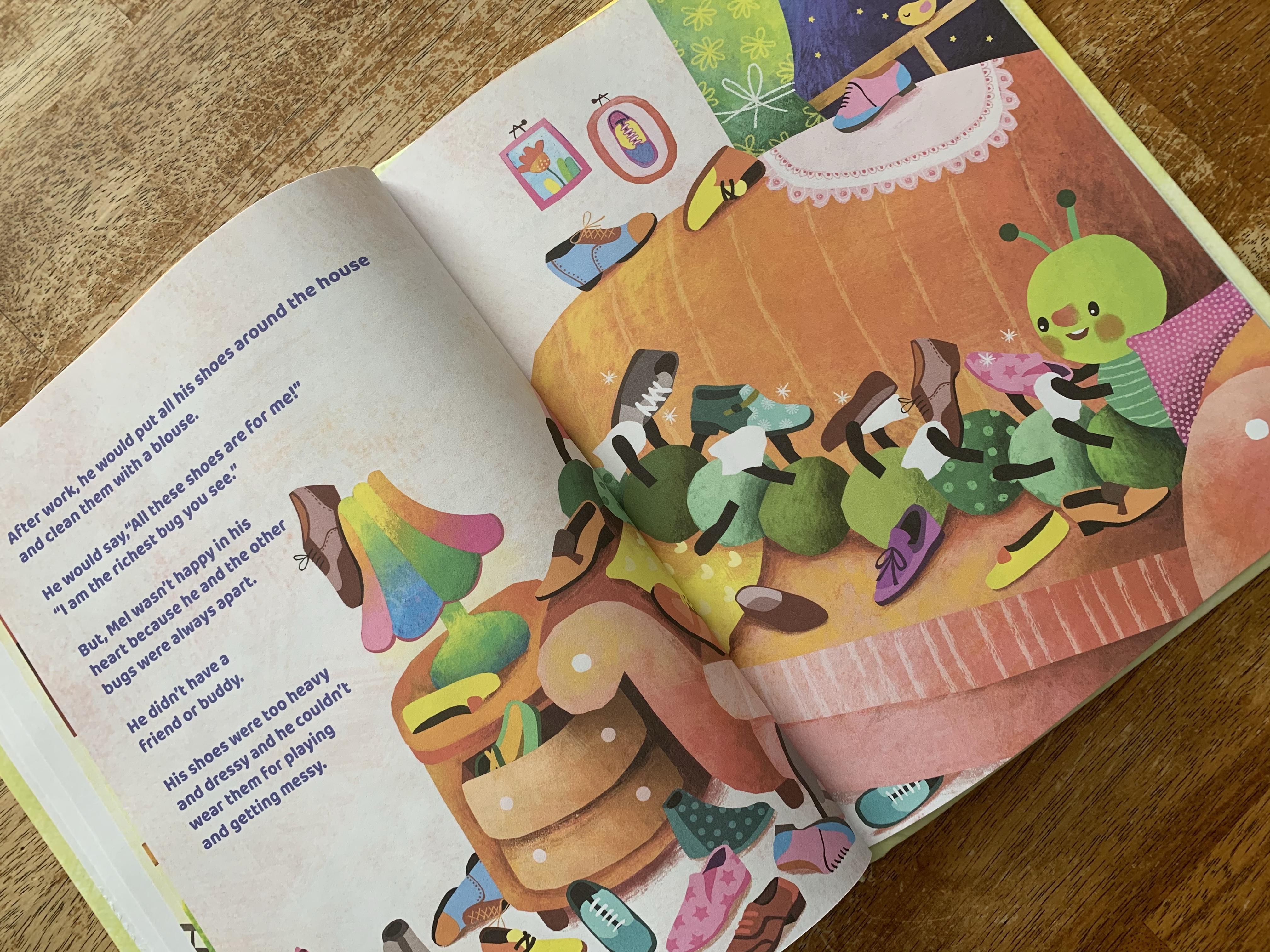
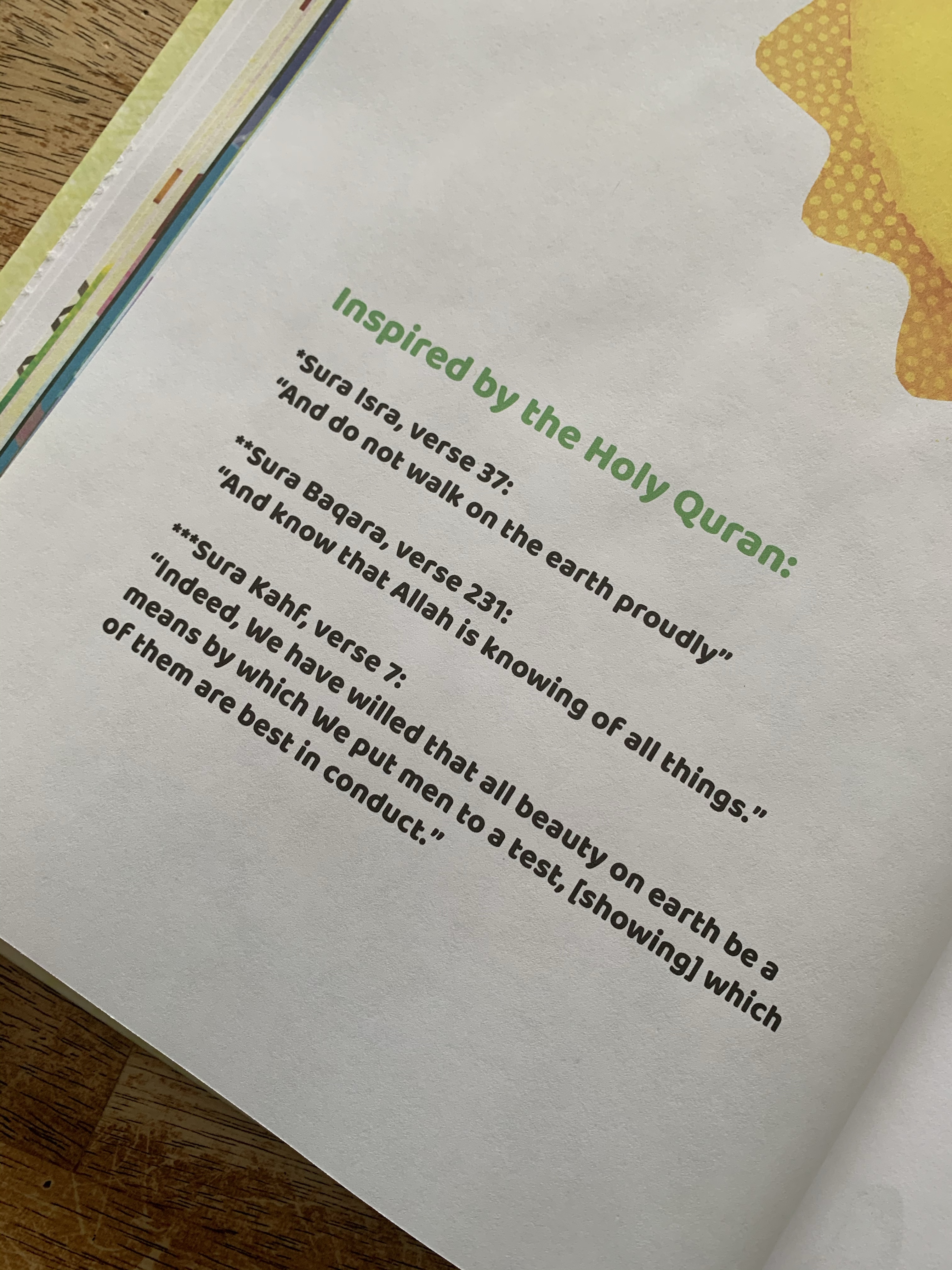
The book has a solid premise, although it reads a lot like The Very Greedy Bee, and has lovely 8.5 by 11 pictures on its 24 pages, but unfortunately the text is all over the place. The story contradicts itself, it is overly wordy, and way to rhymy. Yeah, rhymy isn’t even a word, but if it were, this book, would be a great example. I struggled with the font as well, the lowercase f looks like a capital F, and no matter how many times I read it, I’d get tripped up thinking an interior word was being capitalized. The book says that it is based on the ayat in the Quran that reads, “And do not walk on the earth proudly,” and even has two other ayats listed at the end as inspiration, but really it is a single page and a single character that blurts out the ayats from the Quran that talk about walking on the earth proudly and this world being a test. While the illustrations are fun, it just isn’t enough to make the book a solid read to convey humbleness and gratitude. Children will be lost in the text, confused by the inconsistencies, and disappointed in the super quick resolution.

Mel the millipede lives in a farm next to a well. He has one thousand feet and although he doesn’t need shoes, he likes to collect them. He has 950 and is working to find the remaining 50 to complete his collection.

It says, “No one was as happy as Mel; one could tell.” Then on the next page as he cleans his shoes with a blouse it is revealed that he isn’t happy in his heart because he is always alone. But the picture stills shows him smiling.

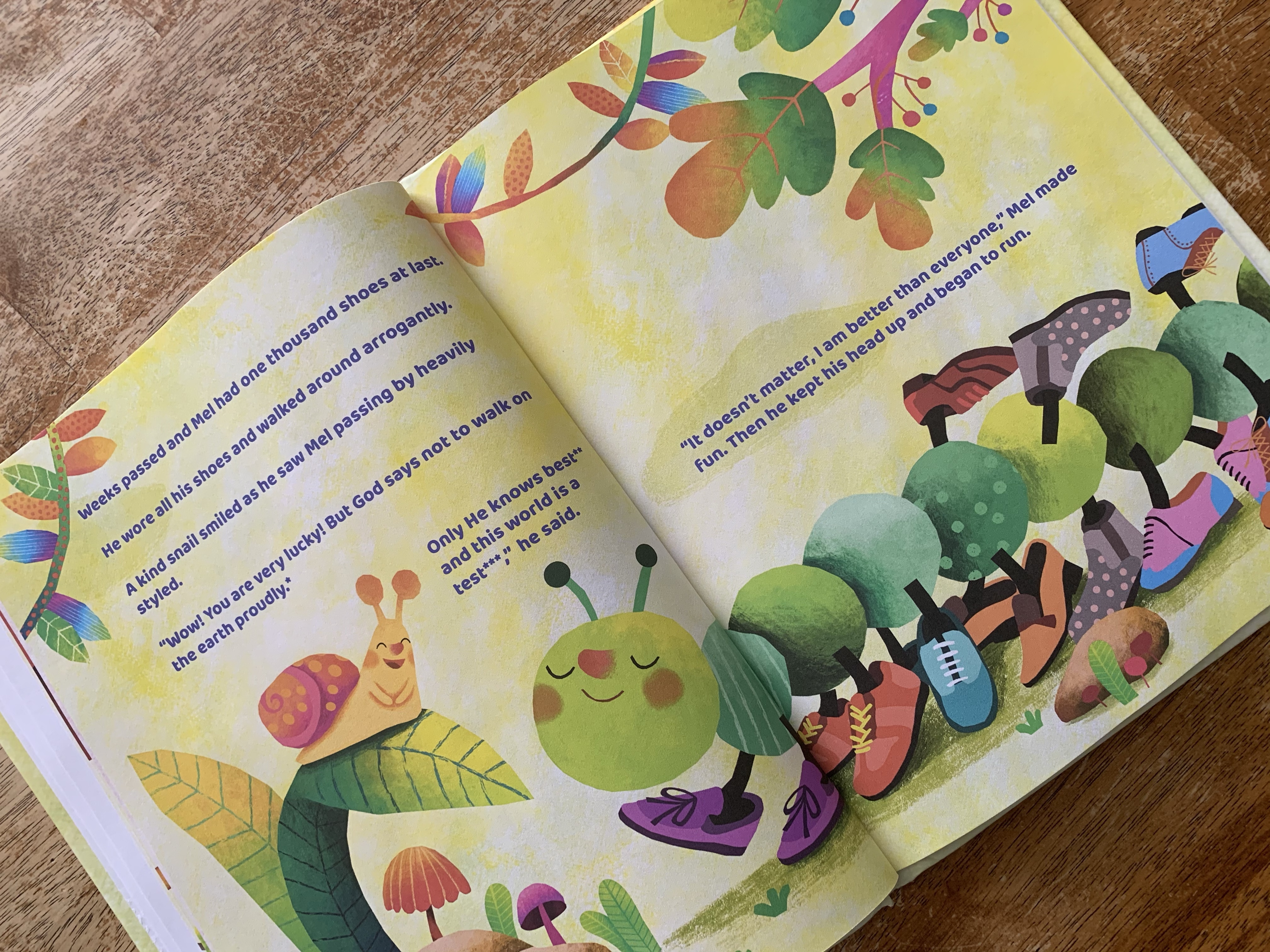
He finally has his 1,000 shoes, we don’t know how or where he got them, when a small snail tells him that “God says not to walk on the earth proudly. Only He knows best and this world is a test.” There is no explanation, Mel just says “it doesn’t matter, I am better than everyone.”

This whole time walking, Mel has been wearing his shoes although it has mentioned that he can’t wear them because they are heavy and he doesn’t want to get them dirty. As he watches the other bugs fly kites and balloons he is sad that he can’t play because his shoes are too heavy. But he has been walking outdoors and is on a mushroom lamenting with his shoes on. Those flying kites aren’t moving much…one is a worm, one a snail, very inconsistent.

One night a moth knocks on his door warning Mel of a flood. Mel ignores the frantic urgings, fearing that it is a trap to get his shoes. He thinks everyone is jealous of his shoeing. The flood waters sweep him and his shoes out of the house and throughout the night he risks his life multiple times to save his beloved shoes.

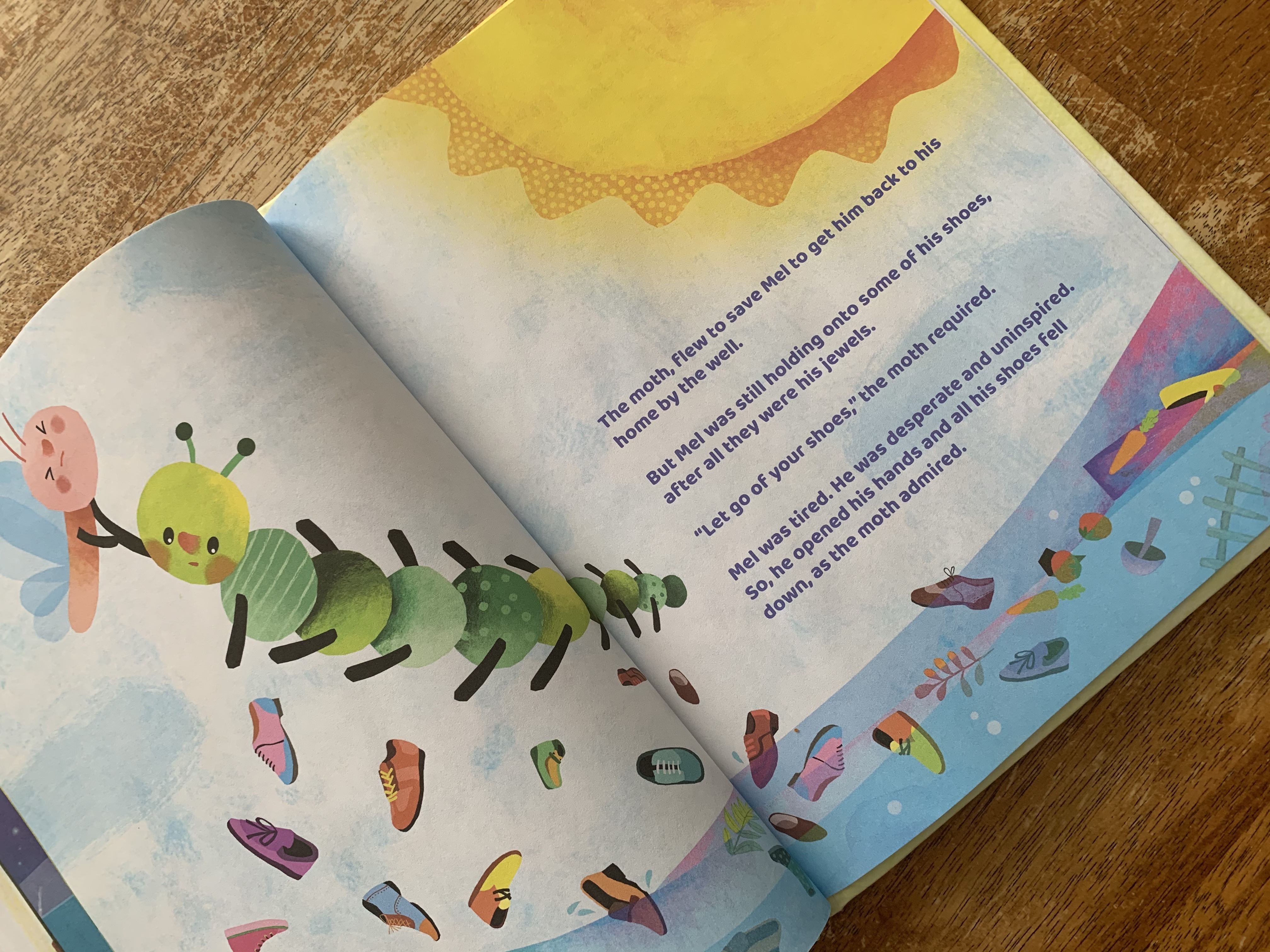
When morning arrives, he is still trying to save his shoes, when moth, attempts to save Mel. To get Mel back to his house, he will have to convince him to drop his shoes. Mel is tired and desperate and uninspired so he drops his shoes and is brought to dry land. I don’t think uninspired is the right word, shouldn’t be be grateful and willing to change to save his life? But even that notion is a stretch because in the illustrations he is so close to land. He could just swim over, shoes or no shoes, moth doesn’t need to be flying him to safety. Additionally, when the water recedes, won’t his shoes still be there?

The conclusion is Mel hugging moth and apologizing to the bugs. I’m not sure what he is apologizing to them for, nor is it explained. Since the book claims to be based or inspired by ayats, I feel like this would have been a good place for a moral cathartic lesson, but alas, it just says, “the end.”

A Galaxy of Sea Stars by Jeanne Zulick Ferruolo

Standard
A Galaxy of Sea Stars by Jeanne Zulick Ferruolo

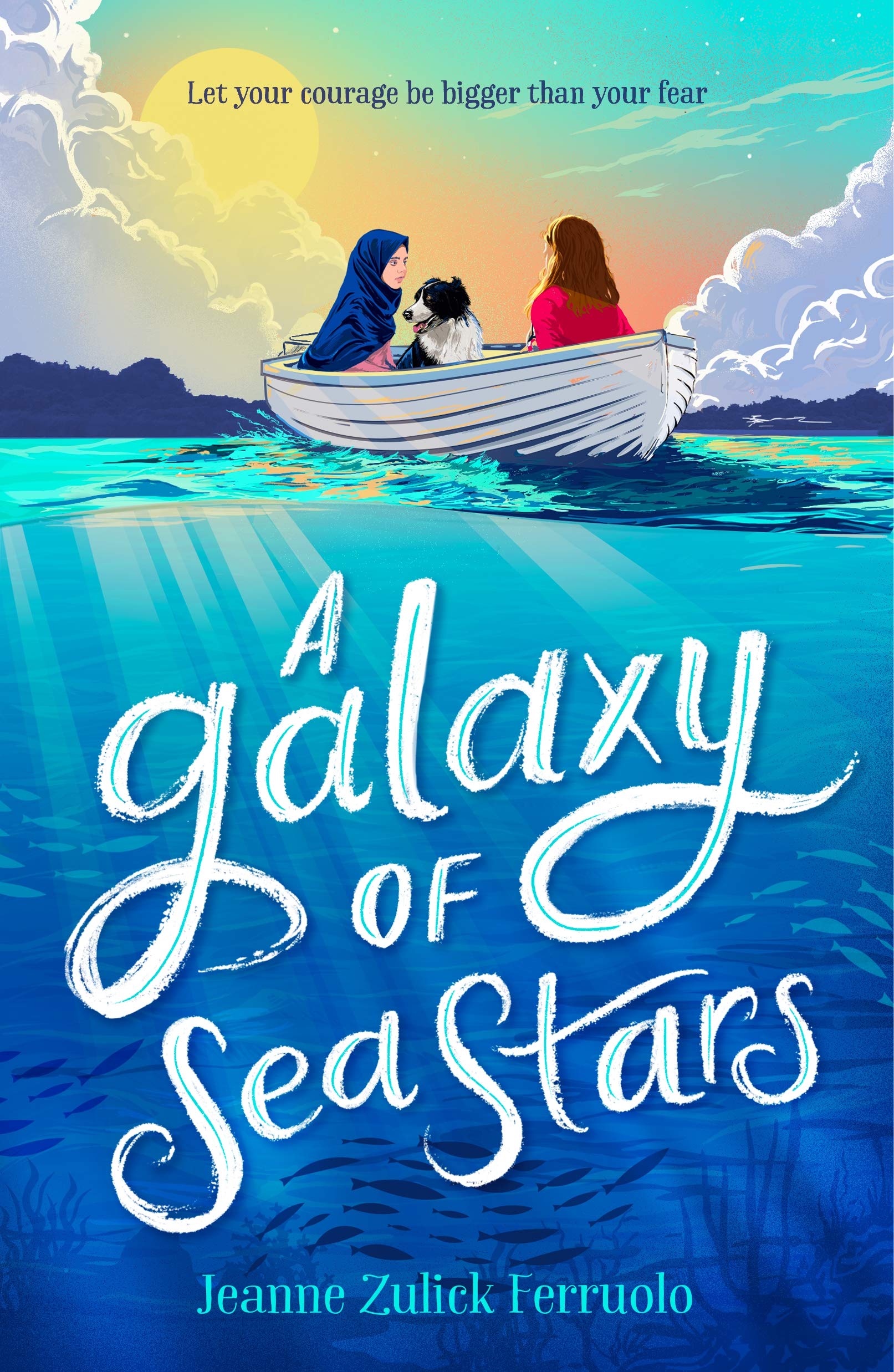
This middle grade, 330 page book is an easy read that touches on concepts of change within friendships and families with the back drop of life in a coastal town, finding courage, and Islamaphobia. While early middle school readers might find the book a bit predictable and cliche’, the characters, lessons, and fluid storytelling would still make the book worth their time.

SYNOPSIS:

Eleven year old Izzy spends her summer days in Rhode Island on her skiff mapping out the floor of the pond that runs next to the ocean. Fearful of the open ocean, she is, however, confident and independent in her abilities to navigate the calmer water and understand what is beneath the surface. Her father has recently returned from Afghanistan and with his post traumatic stress disorder making him angry and not the same as before. Izzy is further thrown into turmoil when the family moves out of their house and into the marina, her mother extends her already summer long absence to Block Island and middle school at a new regional school is about to start. As always she hopes to lean on her fellow sea stars, Zelda and Piper, best friends since kindergarten, however, things with them don’t quite seem the same either. Add in that her father’s translator from Afghanistan and his family have just moved in upstairs with their two young boys and 11 year old daughter Sitara, and Izzy has a lot to handle and navigate.

Piper and Zelda decide to take television production class first period to make sure they have at least one class together, Izzy is incredibly shy and while she appreciates that this has all been arranged she isn’t confident that it is a good fit for her. Dragged along, as it seems she often is by her much more confident friends, It is arranged that Sitara will also be in the class. Right away Piper and Zelda decide that they don’t like Sitara and her hijab and her “different-ness” and exclude her and by extension Izzy from their lives. As Sitara and Izzy get closer and start to learn from one another, Piper and Zelda lash out and go from ignoring to being mean to Izzy and Sitara. Sitara explains to people on the announcement show why she covers and helps Izzy to understand that her father was in danger after helping the Americans and that they had to leave Afghanistan. The anniversary of 9/11 however, turns many students into verbally berating Sitara and her having her hijab pulled off in the lunchroom. When Izzy figures out that her former sea stars were involved in the planning she is devastated and must take the lessons from Sitara and her Czech Grandma to have more courage than fear, find her voice, and do something to make things right.

WHY I LIKE IT:

I love that Izzy has a lot going on in her life and in many ways Sitara has been through a lot, allowing them to encourage each other to keep moving forward. There are some parallels in losing their homes and dealing with change that they comfort each other with, but the two characters combined show readers that strength and bravery occurs when you are afraid, and that most people aren’t truly fearless. I really feel for Izzy, her friends may have been there for her on occasion, but by and large they seem kind of dismissive of her and her fears. I think she sees them as equal, but I don’t get the feeling that they see her that way, they may be protective of her, but they kind of bully her in to doing what they want. Every few chapters is a flashback to a pivotal point in the sea stars friendship and even before Sitara enters the dynamic, I started to question Piper and Zeldas sincerity. Their best friend just moved, her dad came back from serving in Afghanistan, and her mom is not coming home, they should be concerned, not belittling her for liking art and wearing old clothes. The mom is another painful plot point, like lady I get that you have stuff going on in your life, but really you are just going to leave your child? Ya, I wasn’t a fan of hers.

I like that the story addresses Islam and Islamaphobia, and while it is very much in the story, it isn’t really about it. Izzy is front and center, and even she takes a while to warm up to Sitara. I love that it shows what Afghanis that helped fight against the Taliban went through and how painful it is for them to resume life after doing so. I think this point is so lost in mainstream understanding whenever there is a terrorist attack, that this is what the refugees are leaving, that people in Afghanistan and Iraq and Syria are running from, and when they get called terrorist it hurts that much more, because their whole lives and people they care for have suffered from the real terrorists.

I really wish there was a map, I wanted to visualize better the breachway and had I not lived in Rhode Island for a few years I probably wouldn’t have understood Block Island’s location to to the mainland. Like with so many middle grade novels I wish there was some more depth to the characters, but I truly appreciated that there wasn’t a completely happy ending, and that growth occurred in so many characters, but at different rates. It really made it clear that we all need to continuously work to get to know one another, find our voice, our courage, and be willing to change.

FLAGS:

Clean.

TOOLS FOR LEADING THE DISCUSSION:

I don’t do an elementary book club, but I think this would be a great recommendation for those that do. There is a lot to discuss and explore that kids can relate to. The majority of the characters are female, but I think the themes are universal enough that boys will enjoy the book as well. I’m confident all readers will learn something new about sea stars and possibly even television production in this sweet story.

Teach Us Your Name by Huda Essa illustrated by Diana Cojocaru

Standard
Teach Us Your Name by Huda Essa illustrated by Diana Cojocaru

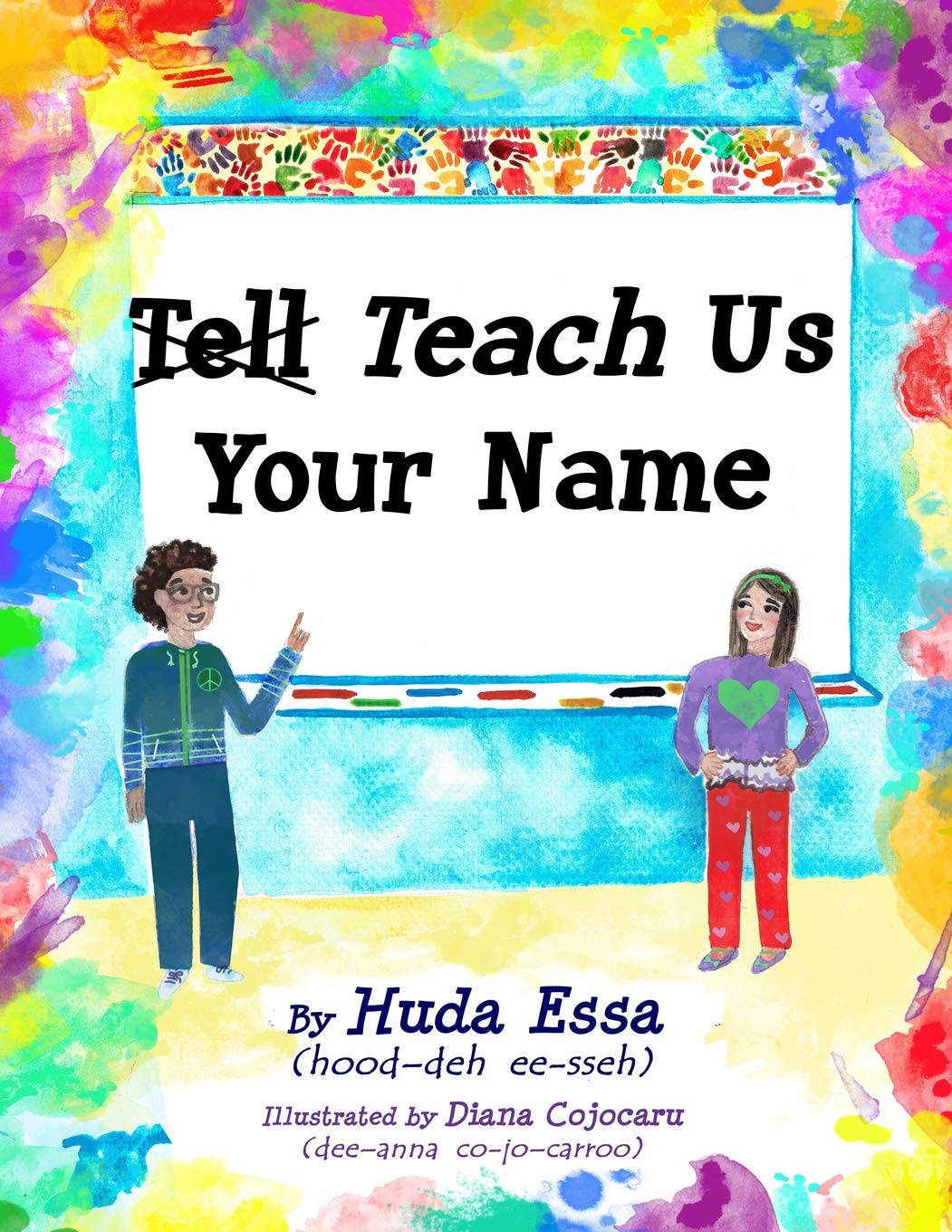
name cover

This book will resonate and empower anyone who has a “different” name, and hopefully provide insight and awareness for us all.  This 32 page picture book for grades 1st and up has a self empowering message, a confidence building approach, and problem solving tips to achieve a desired goal in a respectful way.  Written by a Muslim author, the book’s text is well done, unfortunately the pictures are inconsistent to me, some are beautiful and detailed, others seem rushed and unfinished.

IMG_0476

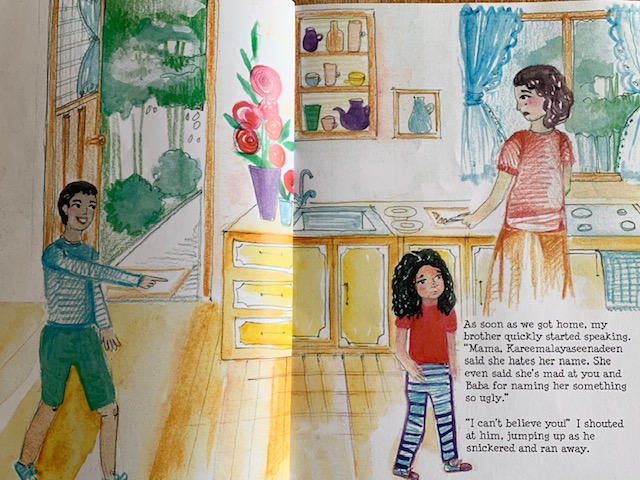
There are 20 letters in Kareemalayaseenadeen’s name, and the first day of school is such a stress for her.  She fears the teacher stumbling over her name, the other children laughing, and her unable to tell them how to pronounce her name correctly.  Her mom tries to explain that for some people the kids at school have hard names, and that for some people her name is easy.

IMG_0477

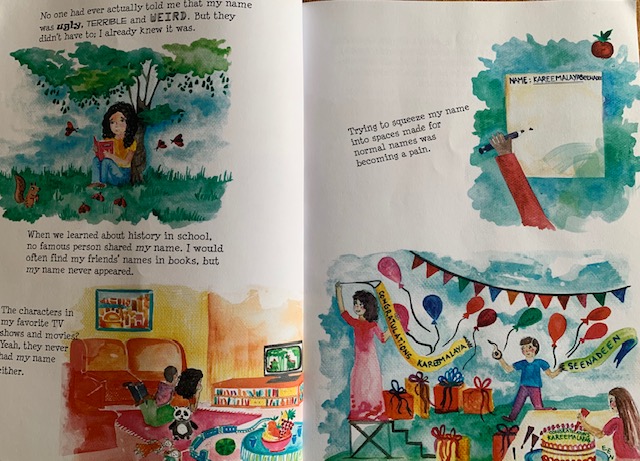
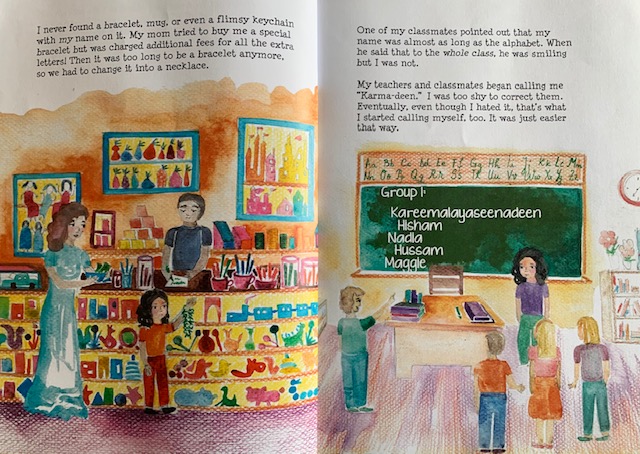
She reflects that in fact no one has ever made fun of her for her name, but that in history class she never sees her name, or on TV or in movies or on key chains.  She can hardly fit her name on her worksheets, and fitting it on banners is impossible too.  Eventually the kids kust call her Karma-Deen and even though she dislikes it, she is too shy to speak up.

IMG_0478

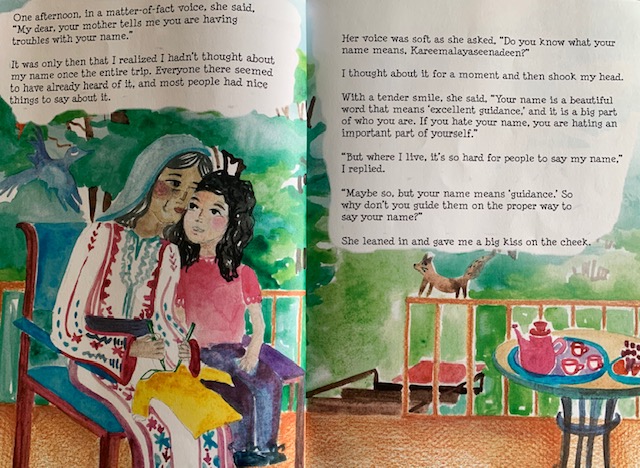
Over the summer, Kareemalayaseenadeen goes on vacation to visit family.  She doesn’t even think much about her name where everyone can pronounce it and say it with ease. Her Sittee though, has heard about her anxiety and sits with her to help her work through it.

IMG_0479

Sittee asks Kareemalayaseenadeen if she knows that her name means “excellent guidance” and that her name is a big part of her.  If she doesn’t like her name she isn’t liking an important part of herself.  She then urges her grandaughter to guide others on the proper way to pronounce her name.

IMG_0480

On the flight home, she ponders her grandma’s words and how to guide others to proper pronouncation, without being rude or settling on them shortening her name.  When she gets home she puts her plan in to action. And it works!

IMG_0481

When Kareemalayaseenadeen grows up, she becomes a teacher and each year she reads this book she has written (the one I’m reviewing) and asks her students to teach her how to say their names.

IMG_0482

The importance of how valuing someones name values the person and their family and culture is really one that as a society we have to keep working on.  We can say  names from Lord of the Rings, and Star Wars and Game of Thrones with no problem, so why can’t we try and pronounce someone’s name who is real and next to us and important to us? We have become lazy, and we need to do better, this book is sweet and kind and should really be read regularly as a reminder to us all, that names are beautiful.

IMG_0483

There is nothing religious about the book or even culture specific. There is a hijabi in the illustration of the market place in the unspecified “overseas country” and the name Kareemalayaseenadeen has Arabic bits, but a lot of names do as well, grandma is refereed to as Sitti, but isn’t defined, so the book is definitely meant for eveyone, especially those who will never find their name on a mug at a gift shop!


Unlikely Friends by Sahar AbdulAziz

Standard
Unlikely Friends by Sahar AbdulAziz

unlikely friends.jpeg

Another wonderful book by a Muslim author that doesn’t discuss Islam, but is expertly written and such a great read, that I wanted to highlight it here on the blog.  At 293 pages and involving a teen character I was really on the fence if this would qualify as “young adult,” so I reached out to the author to ask, and she, mashaAllah, responded! Unfortunately, she felt it wouldn’t quite qualify, even though it is a bit of a coming of age story.  So, why am I still reviewing it?  Because I think high schoolers (muslim and non) would really enjoy the book, and with finals nearly over, anyone in that demographic looking for feel good story that is pretty clean (Ramadan is nearly here), I think this book would be a great choice! And full disclosure, yes I’m biased, the librarian is the hero!

SYNOPSIS:

Told from multiple points of view the linear story brings together two introverts, Irwin and Harper, that have a lot of real and serious issues pressing them.  Their traumatic back stories are slowly revealed as the two unlikely friends come together to deal with their current predicaments.

Irwin is an old ornery librarian that doesn’t like people or change.  He is set in his ways and the stubborn Harper, a young high school student for some reason latches on to him.  He tries to shake her, but finds he is genuinely concerned about her and despite his better judgement finds himself helping her and getting tangled in to her messy home life.  

Surrounded by a cast of developed and diverse characters the fictional world of Irwin and Harper is both believable and realistic.  Irwin’s author neighbor is losing her memory, slowly, but noticeably, his deceased fiance’s daughter passes away shaking his routine, and his colleagues at the library are funny and annoying in their own ways.  Harper’s father is released from prison and her mother must make a stand to resist falling into old drug habits, all while trying to make ends meet and put food on the table.

WHY I LIKE IT:

I like that it reads so very smoothly.  You feel Irwin’s shell cracking and you see that he is so much more than just a stereotypical grumpy old man.  You also see Harper’s mother, Olivia concerned that her daughter and an old man are becoming friends.  You probably could predict how things will end up, but the way it is written you aren’t really worried, you are just enjoying getting to know the characters presented.  Overall, it really is a great lens to remind us all that friendship, real friendship is incredibly valuable.  In a world of filters and digital everything, sometimes our humanity is all we have.  I also like that people are given the chance to change and grow, the group of main characters are not stagnant or one dimensional, their challenges and dilemmas are brought in to the open and you feel for them as you would a real person.

The only two questions that stood out as inconsistent with the characters and story development are why didn’t Harper just get a job to help out her and her mother’s financial situation? Plenty of teens have jobs, so that seemed a little off to me.  Secondly, Olivia works at a supermarket presumably or a market of some sort, so it would seem that an employee discount or nearly expired food section would make their food insecure situation a little less severe.  Granted its fiction, but these two jarring concepts seemed to hold me back from completely being swept away.  

FLAGS:

The book is clean in terms of what is explicitly conveyed.  The details that make it possibly/probably not suitable for younger readers are the drug histories of Harper’s parents and what they did to acquire drugs, what they did when on drugs and what was allowed to take place around Harper when she was a child.  Darren, Harper’s father, believes that Harper was sexually abused by someone when he was high and this memory haunts him.  It isn’t explicit, but it is there.  Some mention of Olivia waking up in dealer’s beds is again mentioned in passing, but not detailed.  One could imagine two druggies trying to raise a child and get their next hit, but a lot of the understanding will come from the prior knowledge the reader has of such scenarios, not from the text itself. 

There is the idea that physical abuse was common between Darren and Olivia and is shown in Darren’s temper when he throws a vase against a wall after coming to Olivia and Harper’s home when released from prison.

There is some mention of Irwin’s fiance’s relationship with her ex-husband in that he cheated on her regularly.

So definitely, the book has elements for older readers, but the way the topics are discussed: drugs, abuse, infidelity, are not glorified or even detailed, more they set the stage in defining the current conflicts the characters face, the pasts they must over come, and the environments that they want to improve upon.  I think 15 and up could handle it.

TOOLS FOR LEADING THE DISCUSSION:

I’m thinking to recommend this book to the Sister that runs the high school book club.  I think there would be so much to discuss and myths to dispel that an older group would benefit from the experience and work the author does and writes about in this book.

Plus the fact that the author so easily responded to me, might inspire a group of teenagers to reach out and be equally inspired.