Tag Archives: quran

Raisah and the Boat Trip by Nadia Ali illustrated by Fatma Zehra Köprülü

Standard
Raisah and the Boat Trip by Nadia Ali illustrated by Fatma Zehra Köprülü

img_0124

I’ve seen this book reviewed and promoted on social media.  I’ve even read the reviews.  Yet for some reason I thought the book was a refugee story. It is not.  It is a family’s trip out on a boat interwoven with what they see and ayats from the Quran.  It can be read as a simple straight forward story, or the interspersed ayats can be paused for and discussed.  Honestly the book probably will not be asked for multiple times by young children, but as a teacher, librarian, parent, you are going to reach for this book quite often.  It is a book that can be used in story times about Allah’s creation, the ocean, science, experiences, and the signs that help us know Allah swt.  And for that reason I wish the book was larger.  It is great for bedtime, but the 9 x 9 size makes it cumbersome for story times, even for small groups.  Technology can help, but I really just wish it was a bit bigger to enjoy the simple illustrations and increase the sense of wonder Raisah feels upon the vast ocean.

img_0126

The book starts with Raisah, Mama, and Papa getting on a boat and heading out on the ocean.  They observe the water getting darker the further they go out, the saltiness of sea water compared to river and lake water, and then they turn off the engine and pull out their fishing rods.

img_0125

They joke about what they will catch while dropping the fact for readers about the blue whale being the biggest creature in the ocean, before a cargo ship catches their attention and they marvel at transportation opportunities on the sea.

img_0127

There are seven ayats from the Quran included in the 28 page book and the surah number and ayat are sourced.  The book can be ordered here from Crescent Moon where code ISL saves you 10% at checkout or here from Amazon.

img_0128

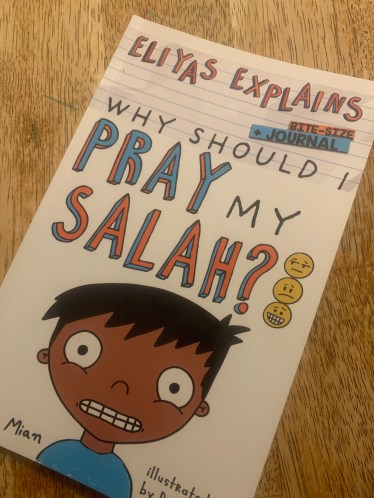
Eliyas Explains Why Should I Pray My Salah? Bite Size Journal by Zanib Mian illustrated by Daniel Hills

Standard
Eliyas Explains Why Should I Pray My Salah? Bite Size Journal by Zanib Mian illustrated by Daniel Hills

img_7821

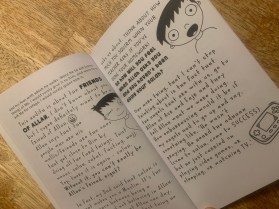
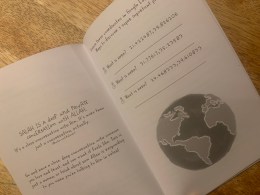
I love the Eliyas Explains books, but was a little curious what a “Bite-Size Journal” version would be, and Alhumdulillah, the silly relatable voice is the same, there just isn’t as much fictional story weaving together as the Angels and Miracles books had.  Instead it has activities and guided prompts for the reader to engage with and space for them to write.  The first 15 pages or so are Eliyas explaining about salah and what he has learned and how he has improved, and some parables through his point of view.  Then the journal pages begin, and while the first few are truly “journalistic” as it progresses to the last of the 60 pages you realize along the way there was a lot of “story” included on the activity pages as well.  The book isn’t blank pages and bound together as a book, it has text, it has hadith, it has games, it has questions, and trackers, and a lot of information.  I love that it states that it has been checked and the Shaykh’s name is included, the positive child framing, and the reasonable price point.  For first through third graders learning about salah, wudu, athan, and inshaAllah becoming more mindful of their actions and behavior, this book will be relatable, funny, and informative.

img_7823

SYNOPSIS:

The book starts with Eliyas remembering when he was too lazy to make wudu and pray his salah, he then offers a story of an orphan and a muffin and a lady who makes the muffin to try and show readers that salah benefits and nourishes us and the maker of the muffin truly loves us.  It is a little random, but it somehow all works and kids will go along with the allegory, it isn’t drawn out.  He then moves to talking about how Allah swt loves him and what his parents told him that helped him to love praying.  There are hadith and Eliyas’s explanation attempts, drawings, and some really powerful points about angels and being accountable on the day of judgement to Allah swt.  The journal pages involve decoding, timing your prayers, writing down all the places you’ve prayed, latitude and longitude decoding and a lot more.  The book also discusses the athan and Surah Fatiha.

img_7824

WHY I LIKE IT:

I love the voice of Eliyas.  It isn’t fear driven, or punishment framed, it stays positive and motivates from a place of love, but the conscience and priorities are highlighted too.  It is such a crucial part of raising young Muslims, to lead with Allah’s love, but as kids get older you want to introduce consequences, and choices, and being accountable, and this book does it seamlessly with out it being overwhelming.

I honestly don’t know if I like the journal format or the other Eliya’s Explains books more, I do like the storytelling of Miracles and Angels and the way the facts are woven in, but I think for the topic of Salah this format works.  I am happy with mine, and you can purchase yours here from Crescent Moon Store.

img_7825

FLAGS:
None

TOOLS FOR LEADING THE DISCUSSION:

I don’t think the book would work for a book club, but in small groups at an Islamic School or Weekend School the teacher could very easily and affordably have a book for each student, or read aloud the story parts and engage the students in the activities without any difficulty at all.

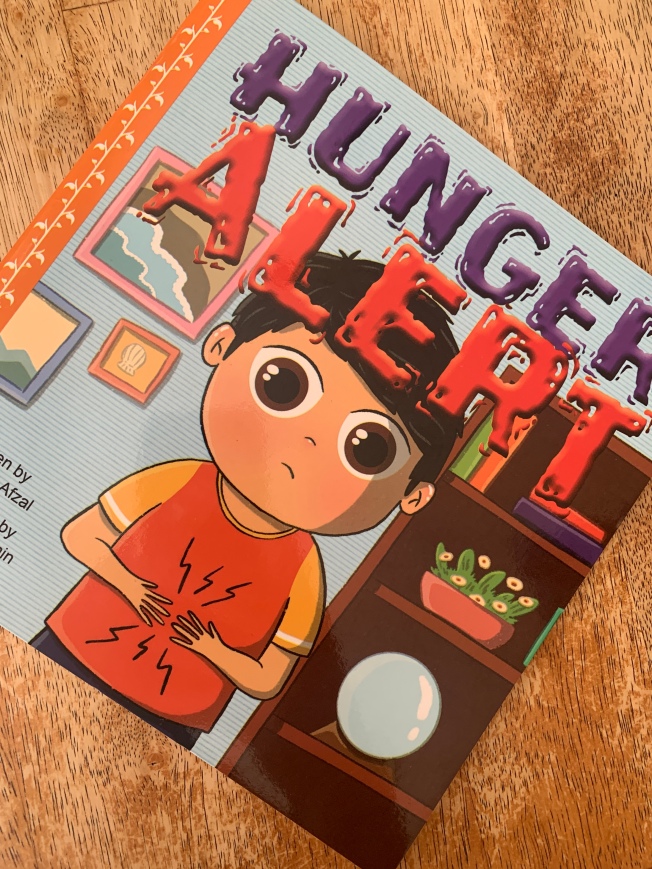
Hunger Alert by Shazia Afzal illustrated by Sania Hussain

Standard
Hunger Alert by Shazia Afzal illustrated by Sania Hussain

img_6919

On my first read through, this book came across as a bit text heavy and the presentation didn’t quite fit with the content for the target audience, but when my seven year old read it, then reread it, and my 12 year old picked up and read it and both said, “it’s good,” I realized, the target audience is not little kids, nor is it adults, it is kids who have fasted and have felt the pangs of hunger.  The character is getting through his first day, but the relatability is for kids everywhere fasting for the first time the hundredth time and everywhere in between.  It is Islam centered, I appreciate the healthy food temptations and the unwavering that fasting needs to be done, but as an adult and an educator, so often I wanted to interject Islamic touchstone to getting through the day asking Allah for help, talking your self up and increasing your determination by knowing the Angels are recording your struggles and you will be rewarded in the akhira, and while Quran is read, and a surah loved, and Islamic phrases included, the focus of the book is a little boy in a very idyllic family trying to keep hungry thoughts away. The small 8 x 8 soft back book with 22 thick cardboard pages would be a bit hard to share at story time, but the simple concept story is fine in smaller groups and at bed time.
img_6920

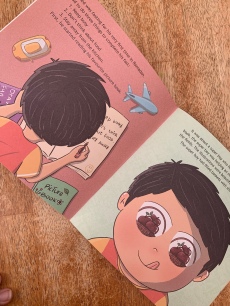
The books starts with Ahmed fasting for the first time in Ramadan, he has a list of things he needs to complete his fast: 1-Keep busy, 2- Don’t think about food, and 3-Stay away from the kitchen.  I found when reading it to my younger kids I would pause here to discuss why we fast, and that we are doing it for the sake of Allah, so we need Him to be successful, not distractions.

img_6921

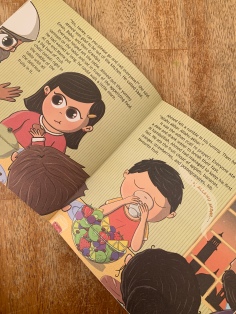
Ahmed starts with reading his favorite book about a charitable boy, the illustrations though had baskets full of shiny, big, read apples.  “Grr, Hunger Alert!” He runs to his brother’s room to keep busy with a soccer video game, but the prize on the screen are big, yellow bananas. “Grr, Hunger Alert!” This continues throughout the day, including while reading Surah Rahman, and the pomegranates trigger yet another Hunger Alert. When Grandpa asks him to take strawberries to his mom and his mom is in the kitchen, each of his rules will have to be broken.

img_6922

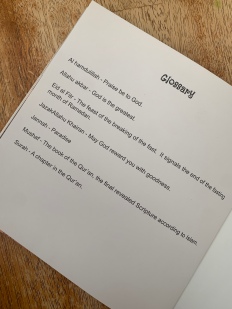
With iftaar approaching and fruit chaat waiting, Ahmed will have to persevere to complete his fast.  There is a glossary at the back and the book you can search online to find where the book is available near you http://www.compassbooks.ca

img_6923

Moon’s Ramadan by Natasha Khan Kazi

Standard
Moon’s Ramadan by Natasha Khan Kazi

moon

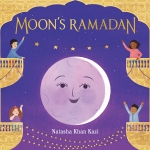
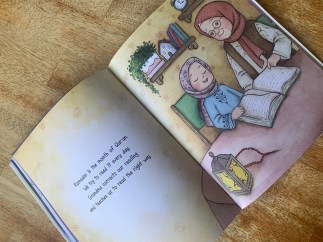
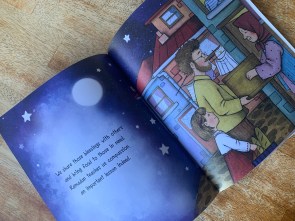
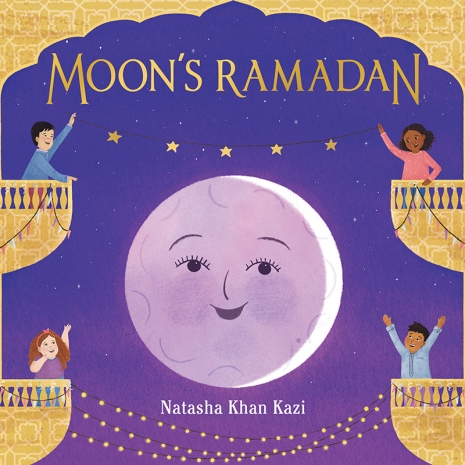
This beautiful lyrical book has a simple premise of the moon looking down on people celebrating Ramadan as it circles the Earth, but stands out as being unique thanks to the poetic language and engaging illustrations.  Each spread shows moon in a different phase over a different country, and the joy, activities and worship that Muslims are partaking in during the blessed month.  I’m embarrassed to say, I didn’t realize that the author is also the illustrator until I sat down to write this review, and honestly it makes sense, as the story text and illustrations work seamlessly together.  The tone of the book, the details in the pictures, and the rich language make this a good read for a large audience.  Little ones probably won’t fully understand the poetry, but they will be mesmerized none-the-less and feel the excitement.  My three year old calls the moon all year round, the “Ramadan Moon” and he understood that the Moon in the story is excited seeing us celebrate and worship.  He consistently would still be peeking in windows or searching the scenes, not quite ready for me to turn the page long after the text was done being read.  Older kids will appreciate the shared global bonds of Muslims and the cultural specifics too.  They will grasp the information shared and beliefs touched upon in the flowing words that do not preach.  My only criticism is that the book starts with Moon saying, “Hello.”  In an Islamic centered book I would have expected to see Assalamualaikum, especially since it appears on the page where moon is above Egypt, so I’m not sure why the English greetings is used.  The book has a glossary and notes at the end making it a great addition to Muslim and non Muslim spaces alike.  I plan to read the book for a Masjid story time as the large hardback book will work just as well for a group of kids as it does at bed time.

Told from a personified Moon’s perspective, the book begins with Moon smiling at Earth as people all over the world excitedly point and look up at her, but once they see her, they rush off to prepare for the month. Over Turkey, the Ramadan Drummer awakens sleepy people for suhoor and over Indonesia he sees families gathering for iftar. As each day passes Moon grows fuller watching the children do good deeds and people sharing their wealth.

Nights of Taraweeh and listening to the Quran over Somalia, sharing treats in the United Kingdom, and  interfaith among neighbors in the United States bring joy to Moon.  And as the waning crescent sees henna being put on hands in Dubai the month is coming to an end.  People once again look to the sky, but they cannot see Moon in Argentina, Moon is new.  It is Chaand Raat and then it is Eid.  Moon is back in Egypt watching people celebrate and then the world returns to looking up at Moon and she beams with love and gratitude.

There are diverse characters of a variety of skin tones, mobilities, ages, body size and abilities featured all throughout the book in a positive and inclusive normalizing manner.  The backmatter makes the concepts more accessible and the book work on different layers.  I really enjoyed the book and am excited to share it.  I purchased mine at Crescent Moon Store where using my initials ISL (Islamic School Librarian)  will save you 10% it is also available here at Amazon Even my local public library has it on the shelves already! Happy Ramadan!

Ramadan Nights by Jenny Molendyk Divleli illustrated by Halime Nur Sevim

Standard
Ramadan Nights by Jenny Molendyk Divleli illustrated by Halime Nur Sevim

img_6768

This rhyming softcover picture book sets the tone of the month with its large heartfelt images on cardstock thick pages.  The book mentions tarawih, reading Quran, suhoor, iftar, compassion, Laylatul Qadr, eid, but does so in a way that reflects what Muslim kids know and love about the month.  It is not overly descriptive, nor does it define the terms. It shows Muslim kids in Ramadan living their lives and draws out the emotional joy felt in acts of ibadah, not in the gifts and parties alone.  The rhyme works and isn’t terribly forced and the 8.5 by 11 size and the introductory framing of major Ramadan activities makes the book a good addition for toddlers and up. I plan to use this for a masjid story time for Muslim kids ages 4-9, but it can be used in non Muslim settings easily as well.

img_6770

The book starts out with decorating the home for Ramadan, as the city decorates outside too.  Ramadan has arrived, the moon has been seen with binoculars, and Tarawih at the mosque is where everyone is praying, and kids are playing.  Mornings start with the Ramadan drummer waking people up for suhoor, but mom is already up cooking.  The first few days of fasting are hard waiting for iftar, implying it gets easier.

img_6771

The kids and their parents make duas and thank Allah for their blessings as well as share their blessings with neighbors as they learn compassion.  The kids practice reading Qur’an every day with Grandma and before you know it, it is the last ten nights and Laylatul Qadr and then eid, alhumdulillah.  The 32 page book ends with prayers of gratitude and hope that Ramadan will be seen again.

img_6773

The book really is well done, there is no plot or story, but it introduces the month to little ones, reminds older ones what to expect and does so with accuracy and mirroring.  The book will lend itself to spark discussions about what a readers’ family can look forward to in the month, how one should behave in a masjid, perhaps some Quran goals and some appreciation for parents.  The poor mom helps decorate, stays up early to cook suhoor, cooks yummy iftar, and lays out Eid clothes all while wearing hijab.  InshaAllah a point to mention when reading how amazing moms (and dads) are in making Ramadan memories while fasting themselves.

img_6772

I purchased mine from https://crescentmoonstore.com/ if you use my initials at checkout ISL (Islamic School Librarian) you can save 10% or click this link directly to go to the book.

Ramadan Mubarak!

Animals in the Qur’an Search & Find by Jenny Molendyk Divleli illustrated by Guliz Gerdan

Standard
Animals in the Qur’an Search & Find by Jenny Molendyk Divleli illustrated by Guliz Gerdan

img_6282

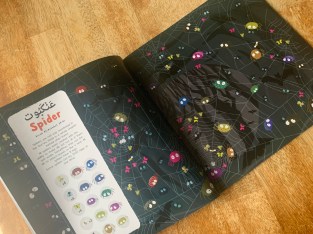
This book is targeted to preschoolers, but with the minor details the book sends readers looking for, I think children up to third grade will enjoy the mix of fun and learning that this book offers.  The book uses animals in the Qur’an as the theme for each two page spread, tells what surah the animal is mentioned in, and some Islamic context, as well as some basic facts about the animal.  Over 45 pages kids will learn about bees and snakes, donkeys and wolves, and dive in to the challenge of finding a spider with spots looking to the left or a fish with strips swimming to the right.  My three year old can not differentiate between some of the more specific markings of this cow or that, but he still loves the illustrations and benefits from the brief factual text. This book is a great addition to school, masjid, and home libraries with its Islamic foundation, beautiful large execution, and wide audience appeal.

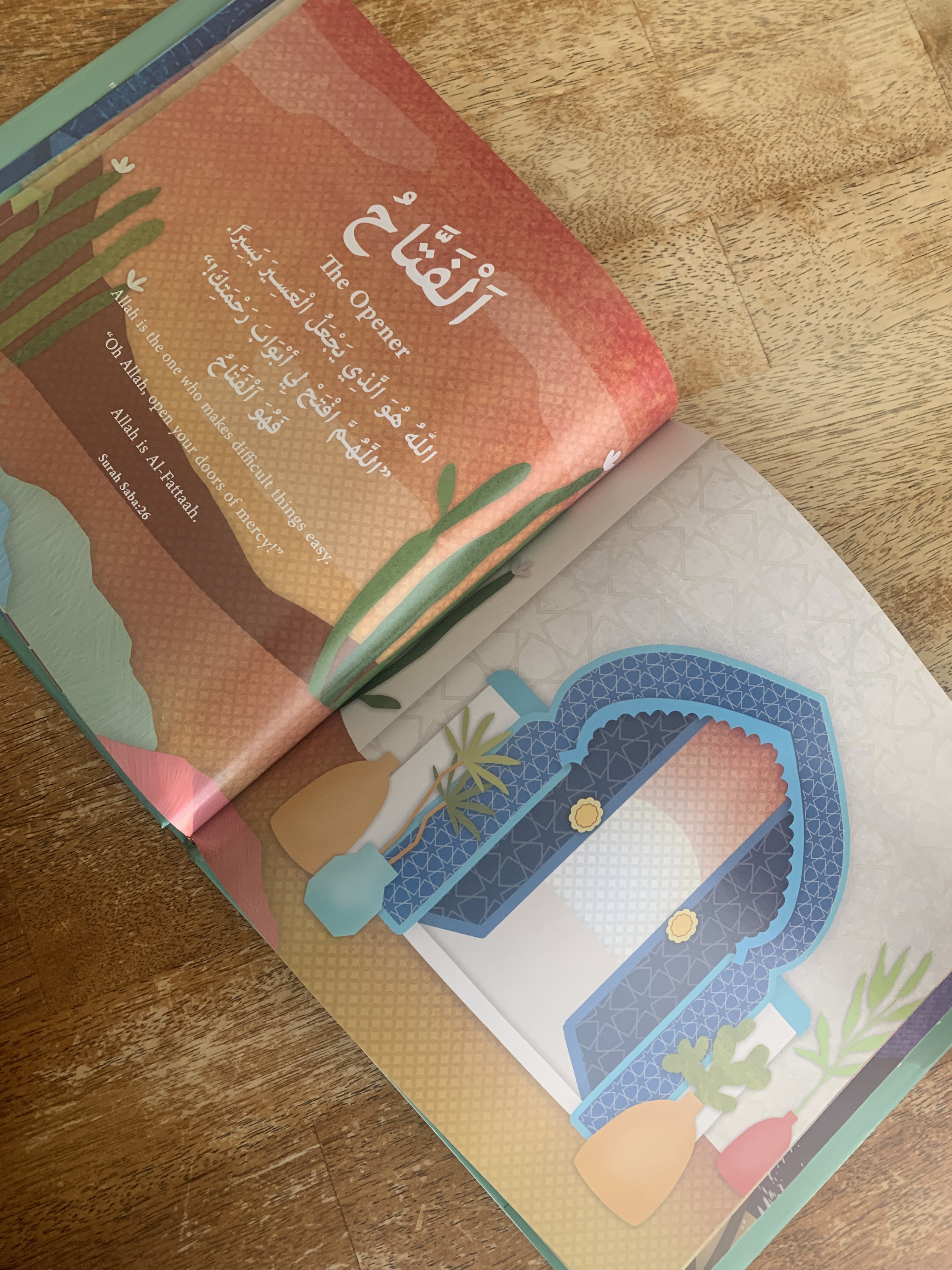
The book starts with the Arabic ayat of verse 45 in Surah Nur and the English meaning of the translation.  It then establishes the format of the book, and then lists the 20 animals featured, where they are found in the Qur’an and on what page number, in the table of contents.

Each page offers the animals and some nature elements to be found on the large 10 x 10 pages.  The pictures are playful and colorful with the print quality glossy and a sturdy thickness.

img_6287

I enjoy the book and think most families with young elementary aged children will as well.  You can purchase a copy here from Crescent Moon Store and if you use my initials “ISL” at checkout, you will save 10%

Call Me By My Name: 99 Names of Allah by Ayesha N. Rahmaan illustrated by Azra Momin

Standard
Call Me By My Name: 99 Names of Allah by Ayesha N. Rahmaan illustrated by Azra Momin

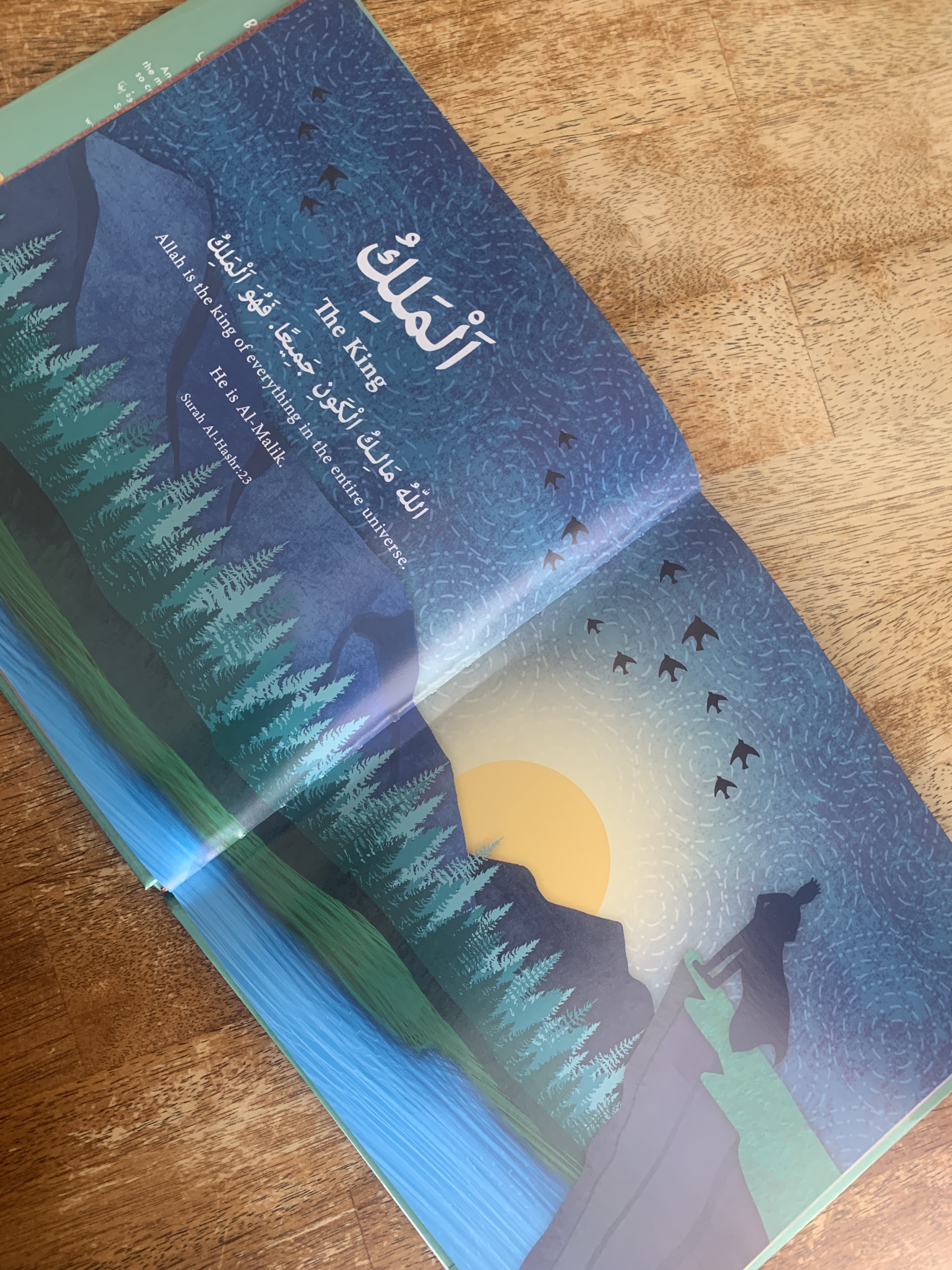
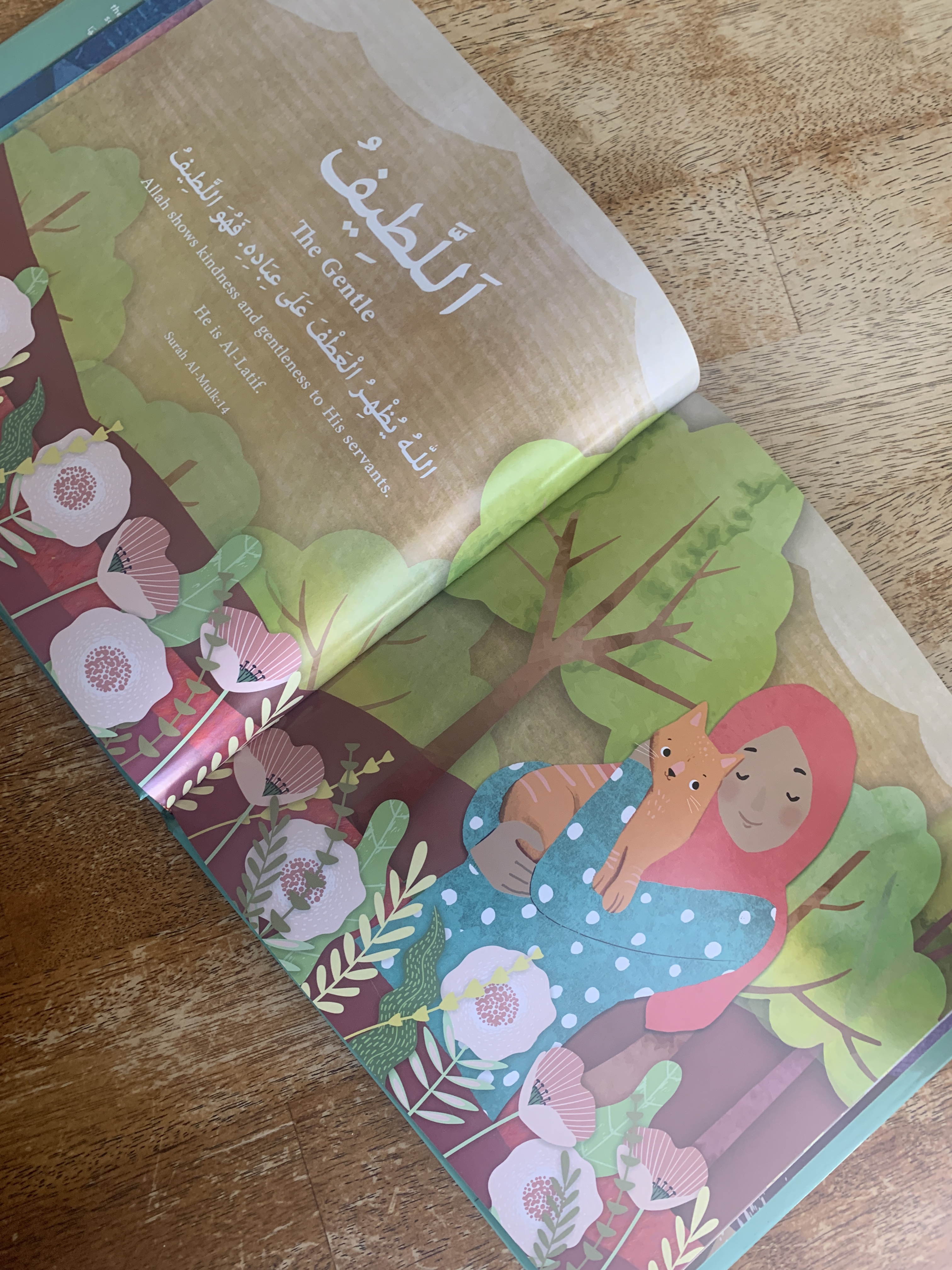
If you are going to put out a book that has been done hundreds of times before; think numbers, alphabets, Islamic phrases- then be sure and make your book stands out.  And while yes there are numerous English and Arabic books of all sizes about the beautiful names of Allah, this book does in fact stand out.  The shiny cover, with or without the dusk jacket, the sturdiness in your hands, the illustrations, the large font and easy to read English and Arabic (with harakat), is an absolute joy to read, look through, and talk about with children four and up.  The book works in a lot of settings for a lot of ages because of its simplicity, presentation, and appeal.  Kids will pull this off the shelf and look at it without prompting, just as adults can discuss the names, and build lessons off of the ayats included.  The versatility of the book is why I’m stretching out of my comfort zone of fictional reads to review this Islamic non fictional book.

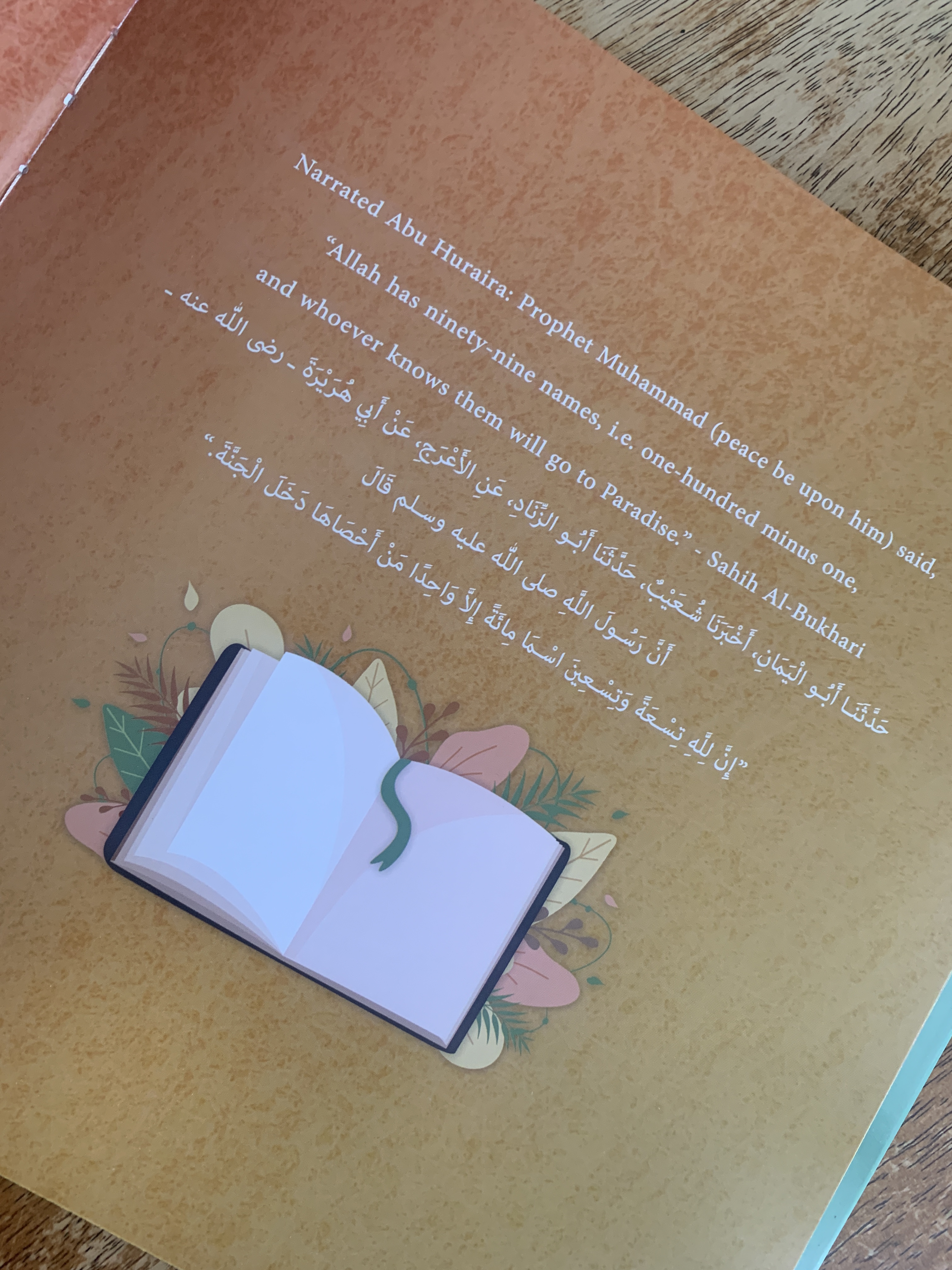
The book starts with establishing that the 25 of 99 names included are those “specifically mentioned in the Holy Quran, with a reference to the surah and aya where each name can be found.”  It shares an aya about the Asmaa Al Husna and a hadith narrated by Abu Huraira and then starts right in.

Most of the names are given a two page spread, a few are only given one, and the English, Arabic, aya, and source are provided.  The illustrations are joyful children and nature scenes.  The book concludes with a spread of all 99 names in English and Arabic with the translations.

You can purchase a copy here.

Zayd & Musa in The Trouble with Videos (The Story of Riya) by Hafsa Ahsan illustrated by Yusra binte Absar Kazmi

Standard
Zayd & Musa in The Trouble with Videos (The Story of Riya) by Hafsa Ahsan illustrated by Yusra binte Absar Kazmi

img_2466

This illustrated 64 page Islamic fiction chapter book is meant for early readers, but it was a good reminder for me as well.  Tackling the rarely covered topic of Riya (to do good deeds only to be seen by others), the book has been checked by a religious scholar (and his name included), features Quranic references at the end of the story, and the book is entertaining, relatable, funny, and adorably, albeit simply illustrated, by a child no less.  Like the first book in the Hiba’s Readalicious Series, there are a few grammar errors, and the Mommy/Daddy references read childish, but the story has interest, heart, humor, and both myself and my children found the book engaging on its own while also lending itself to worthwhile discussion around the dinner table.

SYNOPSIS:

Twins Zayd and Musa don’t have a smart phone and their friend Isa not only has one, but also has a YouTube channel.  Isa’s desire for likes and followers gives Zayd and Musa a variety of feelings, and with the context of their involved parents, friendly neighbor, and their own conscious, they learn about riya, and that often things in life are not just good or bad, but one’s intention that matters.

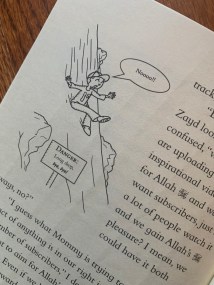
The illustrations not only illustrate the text, but also include talking bubbles with additional comedy or facts about screen usage, internet availability and study results as pertaining to the topics raised.

WHY I LIKE IT:

I love that the topic isn’t just handed down from the adults in the story, the boys and their point of view flesh it out and make it so the reader will actually understand the concept and hopefully recall it later in life.  The humor makes it relatable and the lessons while preachy, it is that type of book, are not presented as good/bad, right/wrong, it shows different scenarios, and how we all must constantly check our intentions, not just the “antagonist” of the story.

FLAGS:

None

img_2462

TOOLS FOR LEADING THE DISCUSSION:

The book lends itself to discussion with older children than the intended audience.  While the book is meant for say a six year old, the discussion using the examples in the book, at least for my children, was much more relevant to the middle schoolers.  Naturally, teaching early readers about intention is still a valuable lesson, but I’d encourage 10 and up to also read the story, so that discussion from their perspective can occur.  It is an easy read for older kids, but a beneficial one- just give them a heads up that the kid parent relationship is notably cringe and babyish, the lessons however are food for though.

Hamza’s Pyjama Promise by Marzieh Abbas

Standard
Hamza’s Pyjama Promise by Marzieh Abbas

hamza

When I flipped through the book standing on my porch as the delivery truck drove away, I groaned a little internally at the simple illustrations, terrible font, large amount of text on each page, and the four fingered boy at the center of it all.  Alhumdulillah, I gave it a chance and ended up really liking it.  The book stayed with me, then I read it to my kids and it stayed with them.  Then I mentally made a checklist of all the teachable ways this book could be used in an Islamic school classroom, story time presentation, bedtime reading, and even just as a regular reference point.  This Islamic fiction book packs a lot of information in while connecting to religious concepts kids are most likely familiar with and silly points that will make five to eight year olds giggle.

img_2180

The book opens with verse 65 from Surah Yasin in English meaning of the translation and the Quranic Arabic.  The story then begins with it being bedtime for young Hamza and him running up the stairs to put on his rocket pyjamas.

img_2181

When he brushes his teeth he looks in the mirror and finds notes hanging all over addressed to him.  The first letter he reads is from his hands reminding him to wash them before he does anything and reminds him Prophet Muhammad (SAW) “said the best Muslim is the one who doesn’t harm others with his hands or tongue.”  It then mentions that the left hand doesn’t like carrying weight so use your body to ensure you get your book of deeds on the Day of Judgement in your right hand.

img_2182

The book continues with eyes, ears, tongue, nose, and feet writing messages urging Hamza to cover his eyes when something inappropriate pops up on the screen, or protecting his ears from listening in on other people’s conversations.  Every point of how to act is connected to an ayat in the Quran or Hadith of Rasullallah.

img_2183

After reading the letters, Hamza makes wudhu, says a dua before bed which is shared in English, promises to take care of the body Allah swt has blessed him with and then asks the readers what their pyjama promise is.

The book concludes with pictures and captions of Hamza’s bedtime routine of brushing his teeth, reflecting on his day, making wudhu, reciting tasbih (SubhanAllah 33 times, Alhumdulillah 33 times, and Allahu Akbar 34 times), reciting Ayat ul Kursi, and sleeping on  your right side.

img_2184

There are no sources in the book, but most seems “general knowledge” so to speak.  And for as preachy as the book may sound in my review, it really isn’t.  The character’s voice or rather the body parts’ voices are relatable and light.  I think young ones enjoy that they are hearing things they have probably heard before and making a connection to them being repeated in a new way.  Having your body parts talk is both silly and sobering as the target age group can imagine it happening.  It really reminds kids that their actions are seen and recorded, in a non scary or overwhelming way.

I look forward to sharing this book in library story times, masjid story times, and regularly with my own children.  The publisher is a Shia press, but I don’t think any Muslim would find anything controversial in the book (please note though I am not highly educated in these things). And while American’s may find the spelling of pyjama hard on the eyes, with the exception of that one word the book is not region specific or difficult to connect to for global readers of any age.

Let’s Think about Allah’s Great Garden by Ali Gator

Standard
Let’s Think about Allah’s Great Garden by Ali Gator

allah's garden

At 22 pages this book’s title aptly describes the contents within: at times factual, sometimes breaking down the fourth wall and asking readers to do something engaging, at times fictionalized, and often meandering and reflective.  The book is all over the place and only cohesive in theme.  It has sat on my shelf untouched by my children for quite a while, but when I needed options for the library during Earth Day, this book did a great job in facilitating discussion with pre k to 1st grade.  It isn’t a story time book so to speak, but it gets kids thinking and can be tailored to their level of discussion.  I don’t think that is how the book was intended, and as it is written it is rather unimpressive, but when pulled apart it did serve a very specific purpose.

img_9837

The book starts out with a few lines about Allah’s blessings of all things particularly trees and plants and gardens.  I wasn’t sure if it was trying to rhyme or not, but I think the first lines are just incidental rhyme as the flow and words quickly unravel. It talks of climbing trees and the narrator’s father telling him to be careful. It then discusses watermelons and how they grow in the ground, not on a tree and asks readers if they can see the watermelon seeds in the illustrations.

img_9836

The book focuses on the life cycle of plants: seeds, flowers, trees. Drawing on that information it then shows the little girl collecting seeds to plant.  It then talks about the planting process and the needs all growing things have to prosper if Allah so wills it.

img_9838

Then the book gets interesting and starts to discuss the plants mentioned in the Qur’an before returning back to the half hearted narrative remarking on how the flowers complement the color of their house.

img_9839

The story seems to then end, but it isn’t denoted that the remaining pages are factual or set aside as back matter, it just pivots and begins discussing rain in Surah an-Nahl, Trees in Paradise as mentioned in Qur’an and Hadith, and then again, but this time in table form, the fruits and vegetables mentioned in the Qur’an, and highlighting dates specifically.

img_9841

The book is all over the place, and I doubt it will be read again until next year.  There are a few other books that have come out about his topic, and I plan to look in to them to see if they work better for story time readings and child engagement.