

This 40 page month-by-month celebration of Arab culture, both old an new, will be a source of pride and smiles for readers of all ages. The author is an Arab American of Lebanese decent and the illustrator was born in Lebanon. The book shows Muslim’s teaching others about Ramadan, looking up hijabi fashions, as well as making cookies at Easter and dressing in sleeveless shirts. To be Arab is not a monolith and this book seems to convey that culture and tradition and love are all it takes to be included in the broad diverse identity of being Arab.


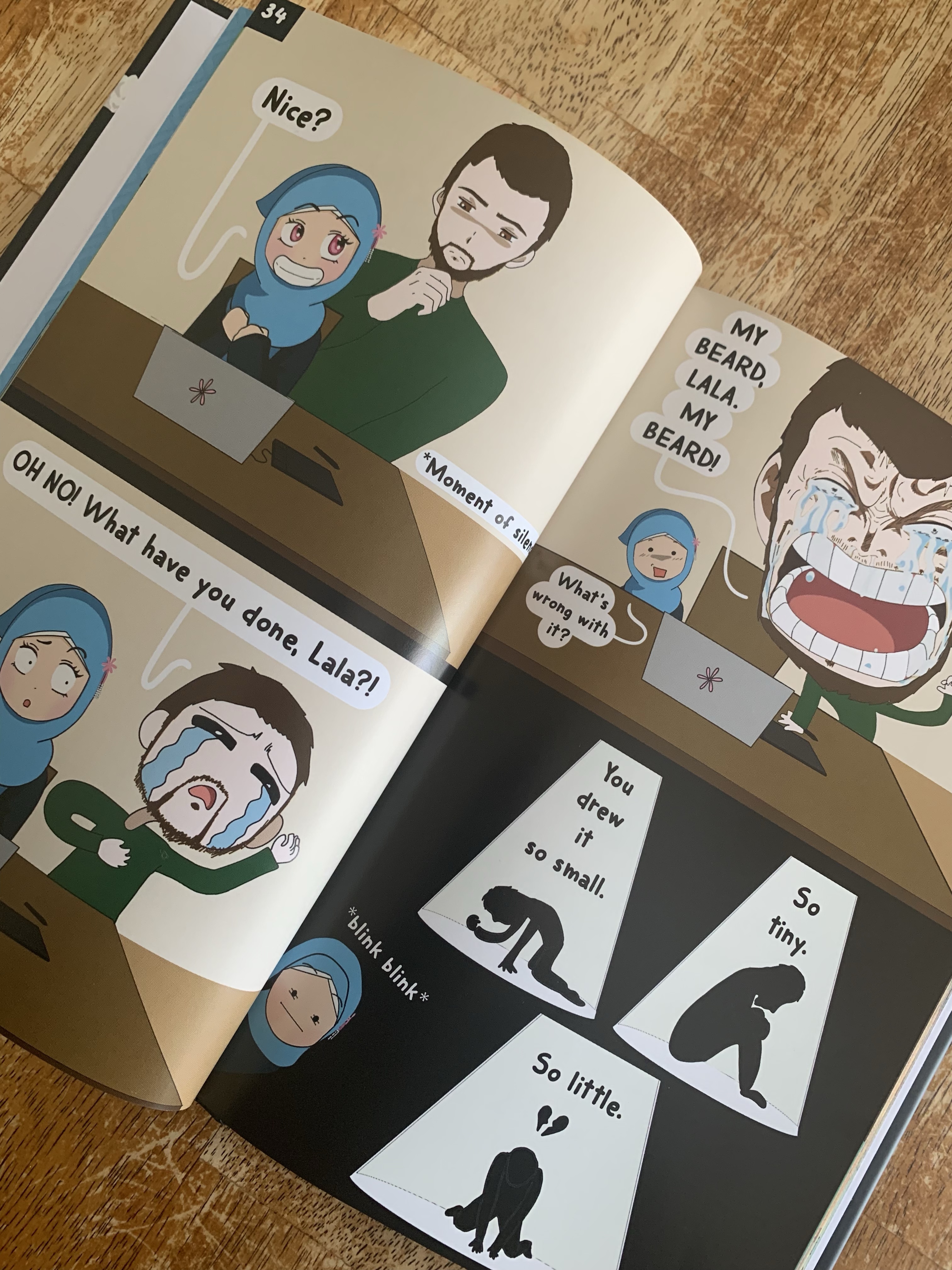
January starts with finding stars with Arabic names, and February recalls how a comic about Martin Luther King, Jr. helped inspire the Arab Spring. The kids in turn make a comic to teach others about Ramadan. March is a chuckle about Arab time, and April is making maamoul with Sitti for Easter. May is learning to write Arabic and June for gathering grape leaves to make warak enab. July is picnics that remind mama of Morocco and making perfume with familiar smells and memories.


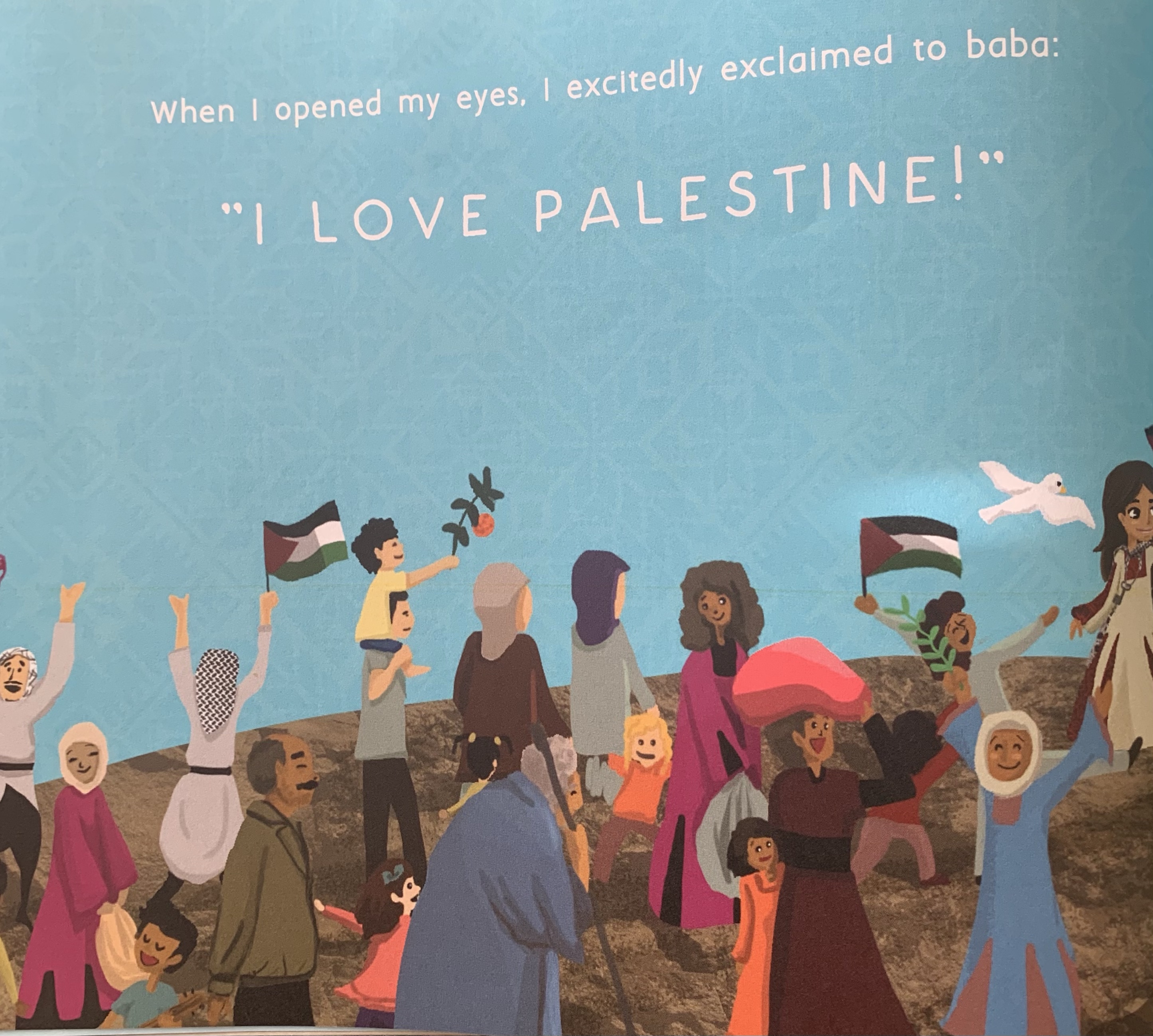
August is playing the doumbek with Dad who is in an Arab band. September is researching hijab costumes to wear to comic con. Dressing up like Umm Kulthum wins first prize. October is pomegranate time, which means the kids jump in the tub to eat and enjoy the messy fruit. Chilly November air requires the Palestinian keffiyeh to keep memories warm, and December when friends are busy over winter break it is time for sleep-overs and henna parties.


I like that dressing up is not for Halloween and that while some examples are country specific, many are general. The book specifically mentions a few Arab countries, but the electronic arc did not include all the supplemental information that the published hardback book will contain. I can’t wait to check it out and gift to my Arab friends and their children.










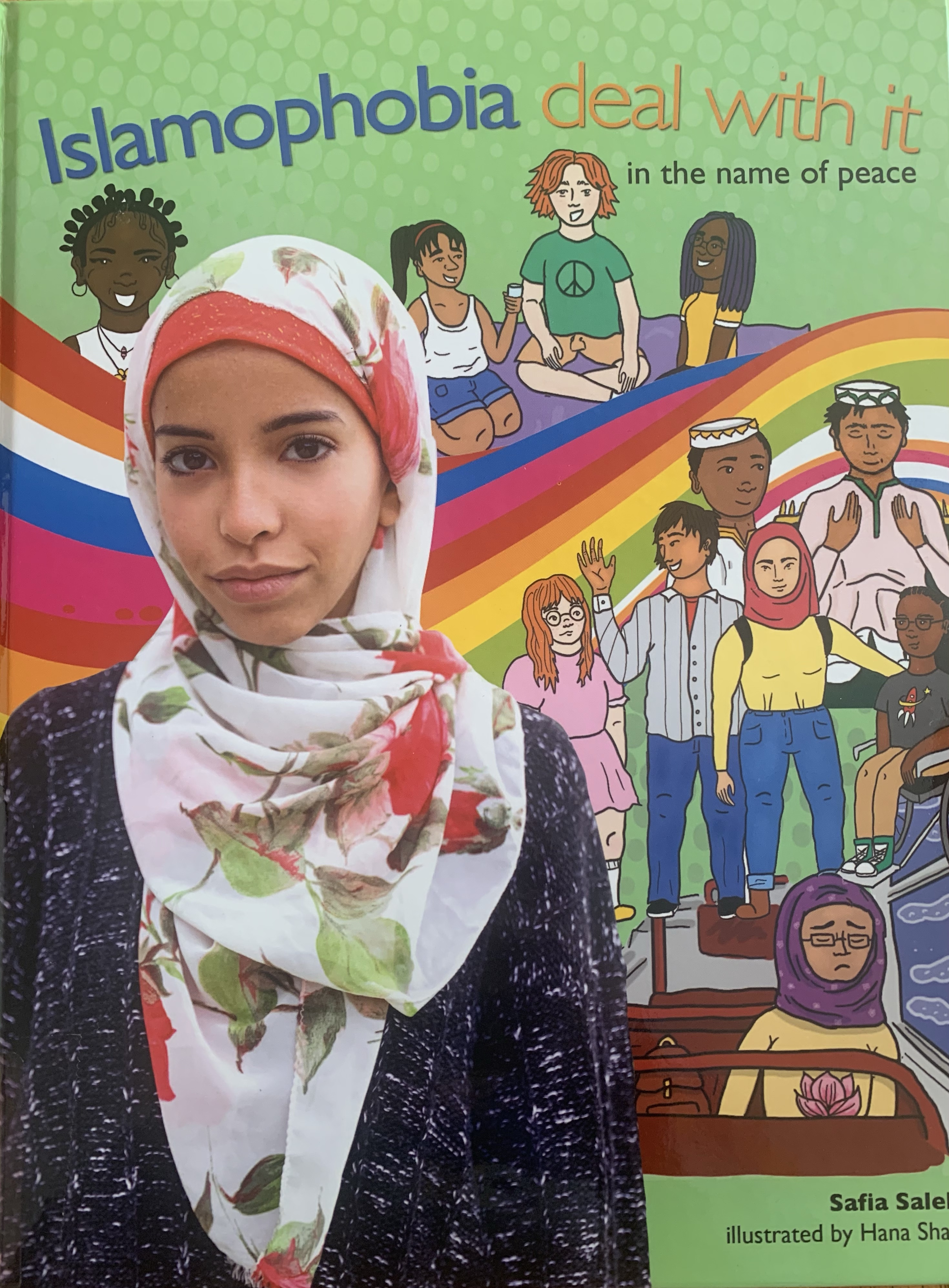


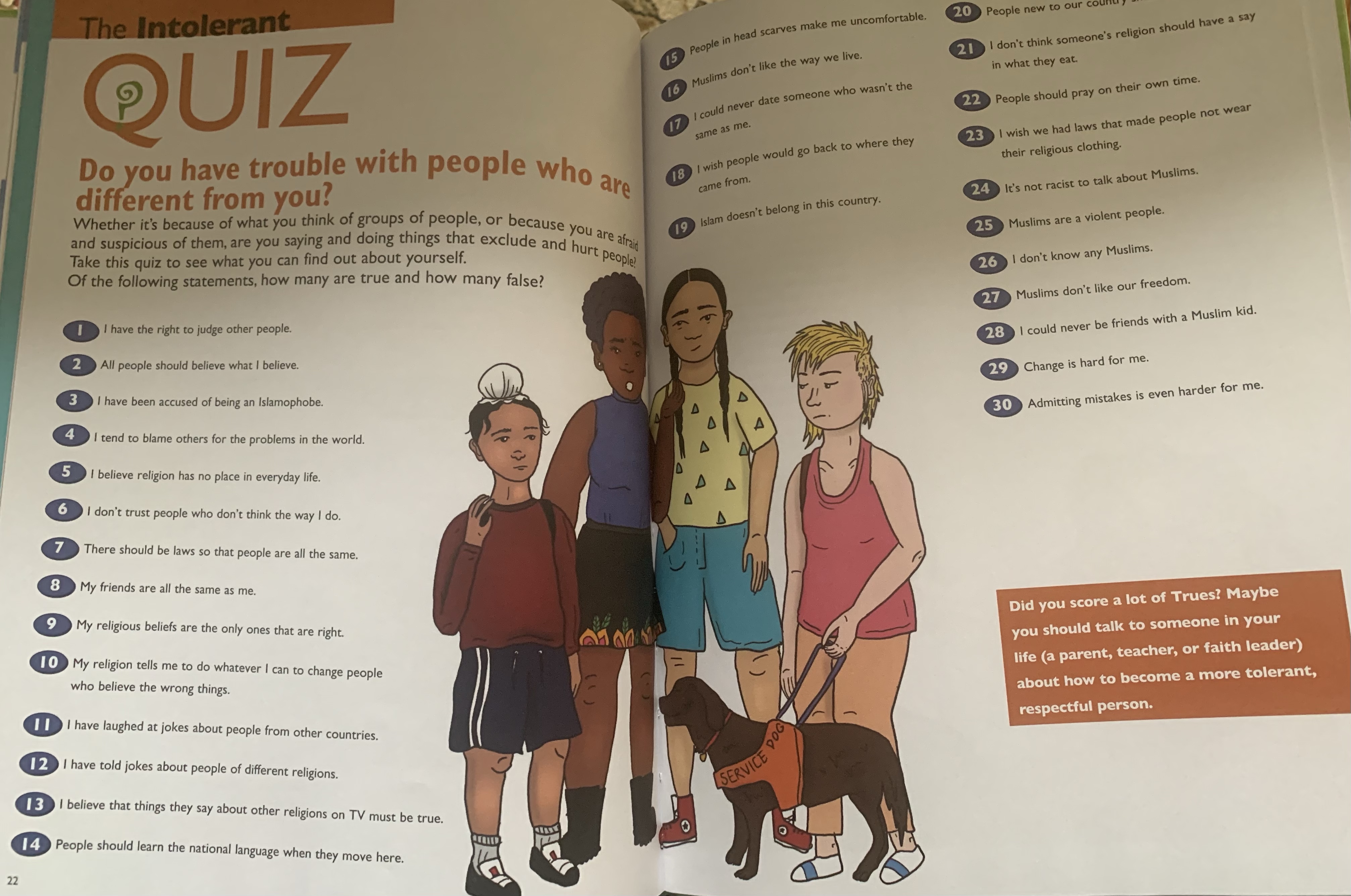


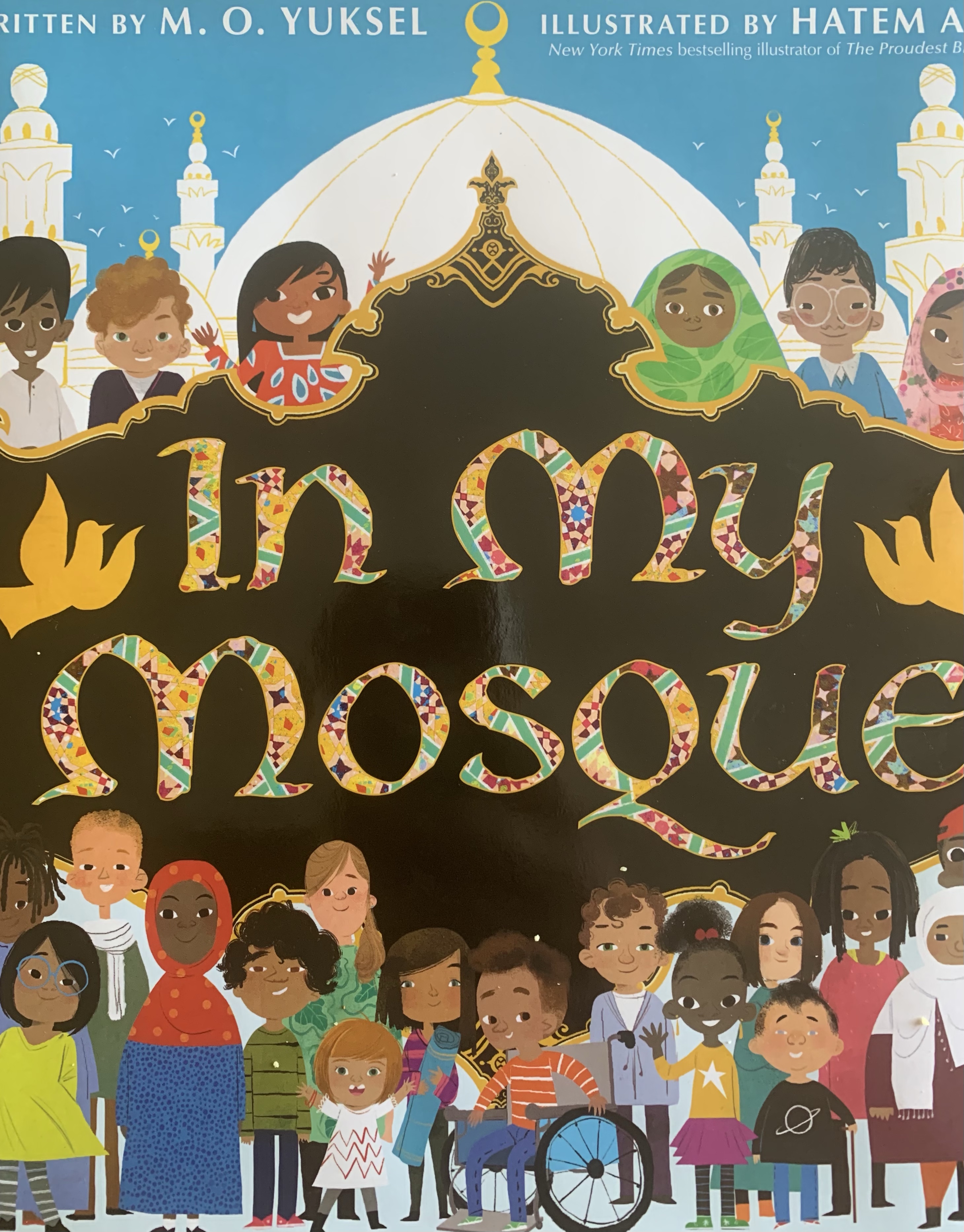

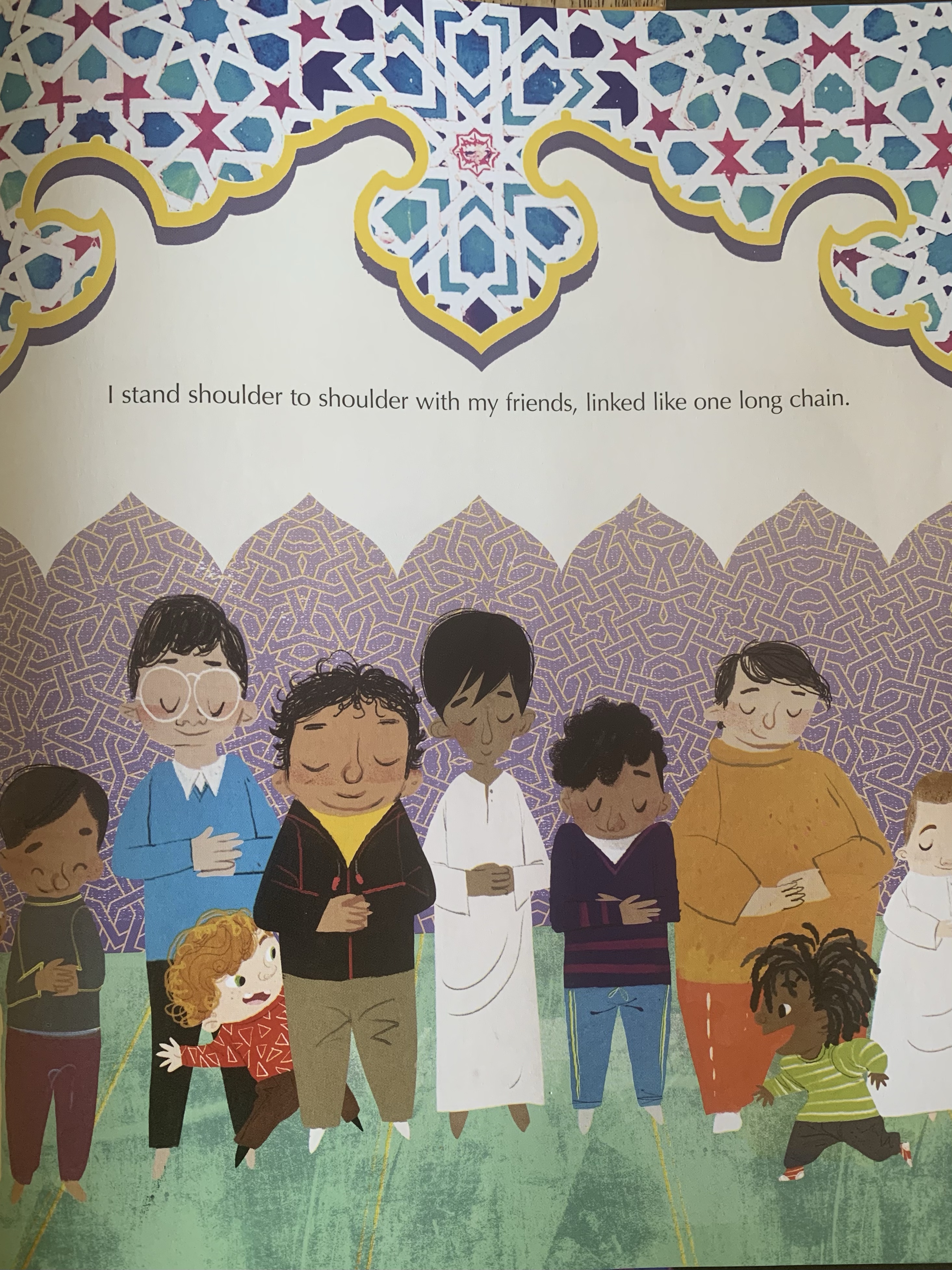


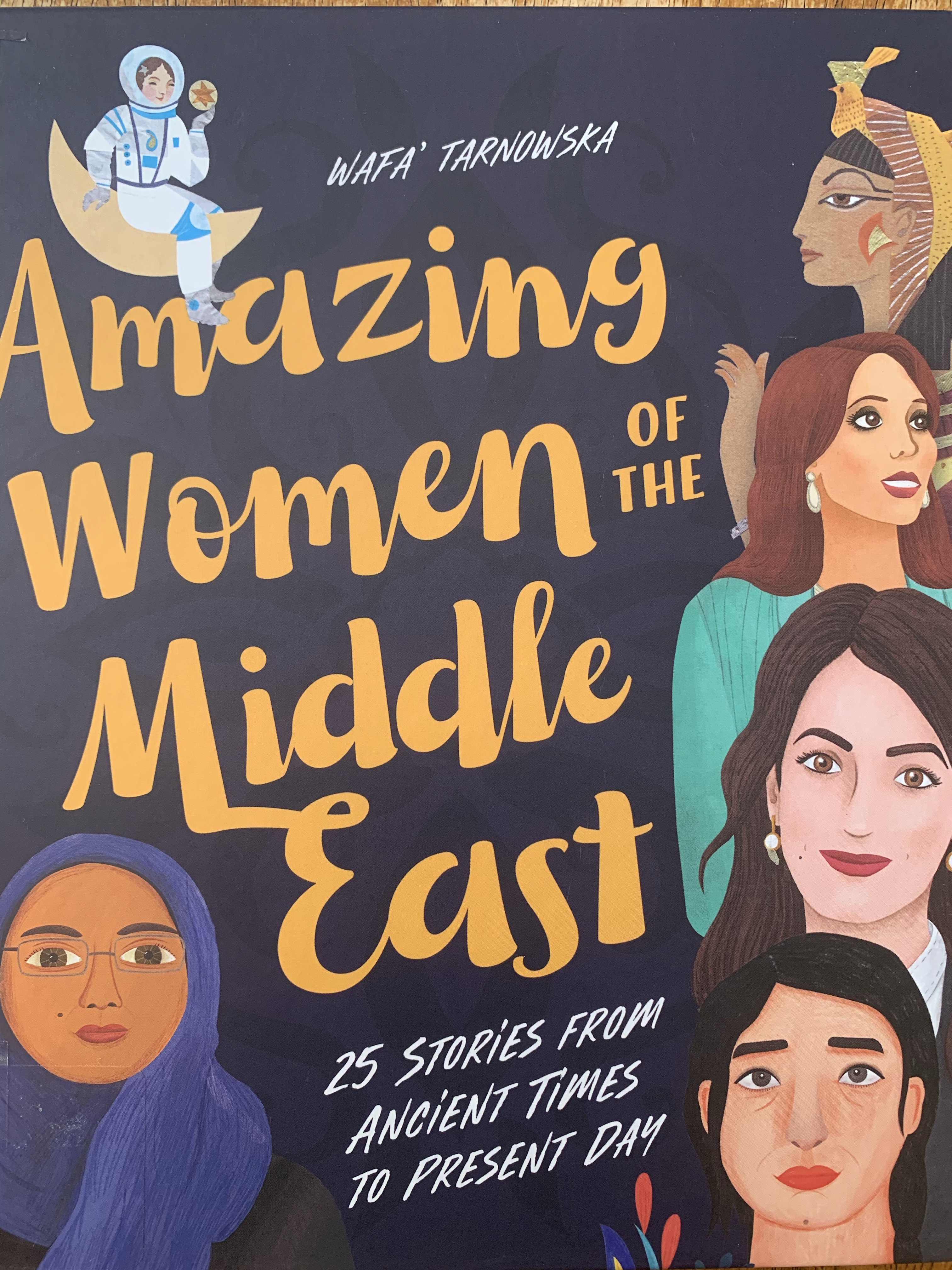 A nonfiction picture book for teens that features amazing women from ancient times to the present day. Many of the women featured are Muslim and each entry receives a teasing summation page with a full page portrait from one of five international artists before a two page, more in-depth biography is presented. The 112 pages feature an introduction, and a map to start the book off, and acknowledgements and a glossary at the end. There are large time gaps that I wish would have been commented on, the geographical pool includes India which surprised me, and in one of the entries the way hijab is discussed seemed judgmental to me, but other than that the stories are absolutely remarkable. There are amazing women in every culture and throughout all time periods, but to see one that highlights a region that is stereotypically oppressive to women is a sight for sore eyes. I learned so much and marveled at the intellect, bravery and determination shown from being rulers of empires to intellectuals to scientists and artists everything in between.










 Islamic School Librarian