Tag Archives: friends

Unsettled by Reem Faruqi

Standard
Unsettled by Reem Faruqi

img_7503

This book is a great OWN voice, middle grade coming of age book that rings with truth and hope in its poetic lines that sweep you up and keep you cheering.  Over 352 pages the author’s semi-autobiographic story of coming to Peachtree City, Georgia from Karachi, Pakistan beautifully unfolds.  I absolutely loved this book and the way it is told, in verse.  The details, often small, ring with such sincerity that even those that have never moved to a new country, or been to a new school will feel for young Nurah Haqq and be inspired by her success, touched by her hardships, and disappointed in her mistakes.

img_7544

SYNOPSIS:

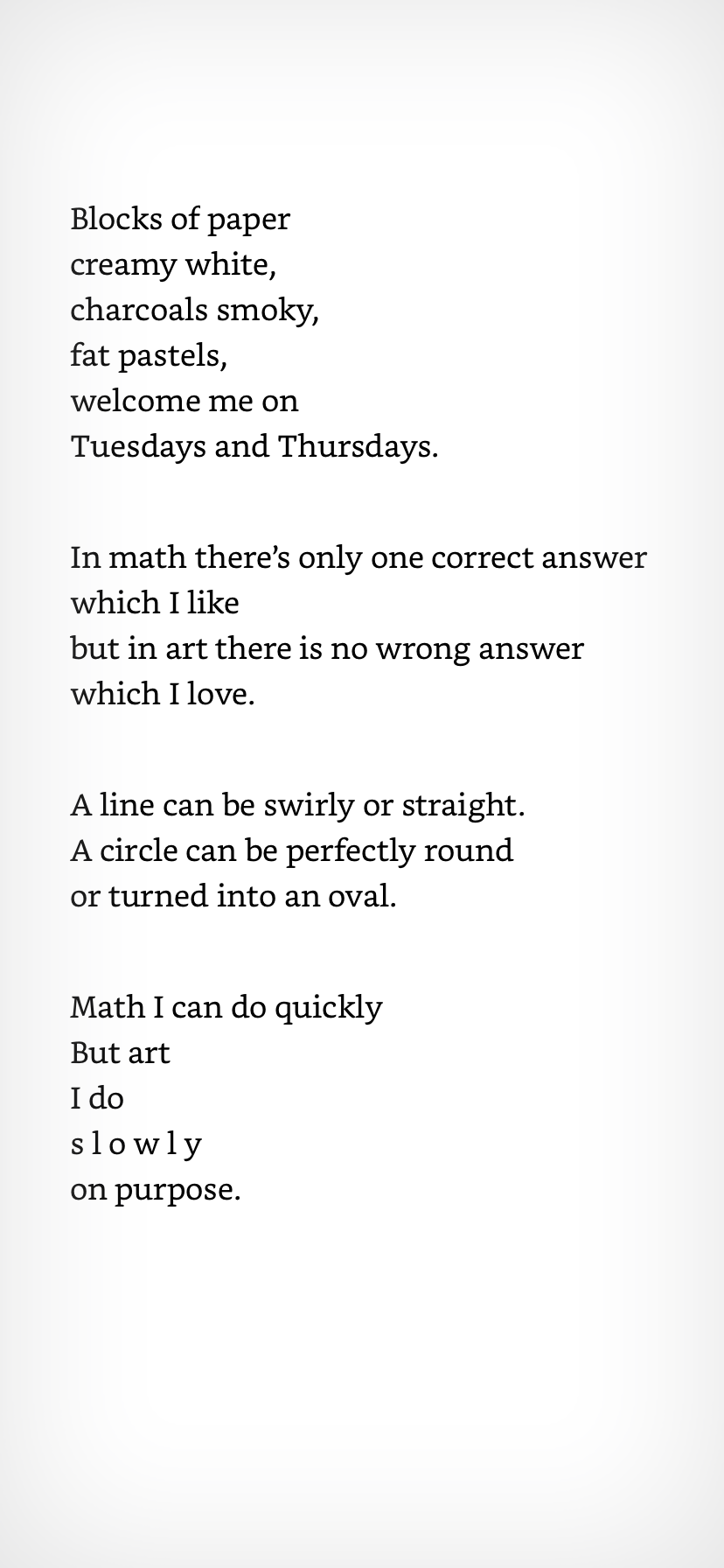
Nurah’s best day is spent on the beach with her best friend Asna, playing in the warm waves and riding camels.  However it ends up also being her worst day, when she returns home to her father’s news that they are moving to America.  Strong, confident Nurah who spends time with her grandparents, swimming with her older brother Owais, and excelling at math in school is reluctantly leaving it all behind to start anew.

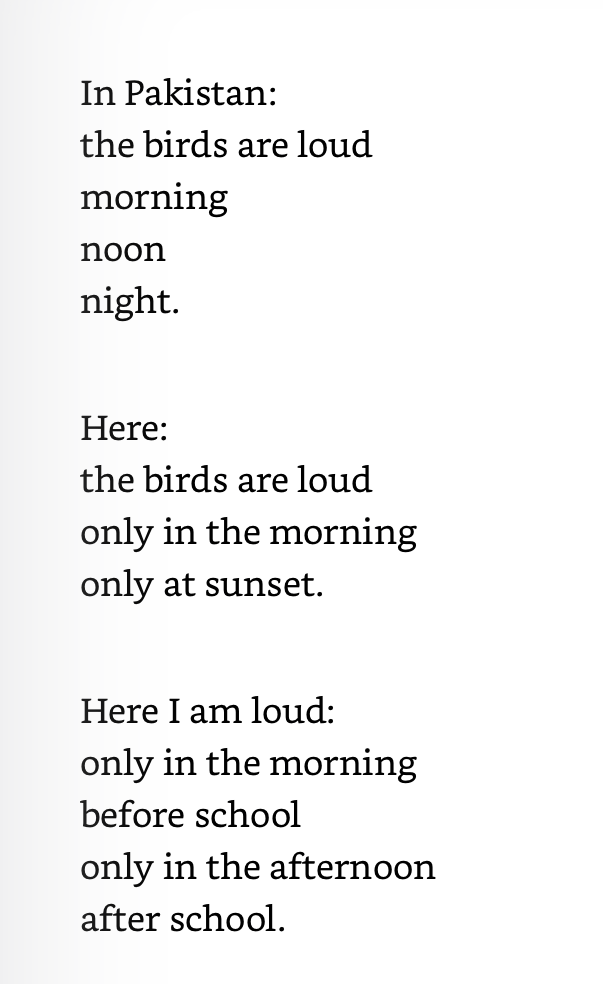
When they arrive in Georgia the family of four settles in a hotel until they find a house.  Everything is different and new, and the transition with no friends and family difficult for the entire family.  The way words are pronounced, the way the air feels and the birds chirp all make Nurah long for home.  When they find a swimming pool at the rec center, things start to slowly change.  Owais was a medal winner in Karachi, and will be one here too, people start admiring him, and Nurah tries to bask in his light.

School starts and math is a relief, but people are white, so white, and a boy reaches out to shake her hand.  She feels betrayed that she has been told the schools in America are better, and lunchtime, with no one to sit by is a huge stress.  She questions her clothing, her appearance, and the weather.

Her and Owais try out for the swim team and make it, and Nurah makes her first friend, Stahr. Stahr lives a few houses down from their new house and when Nurah’s mom has a miscarriage, it is Stahr’s mom who comes to show support and give comfort.  The support is reciprocated when Stahr and her mom need help escaping from her abusive father.

As Nurah works to win swimming races and be more like her brother, she works to find her voice and use it to defend others and herself.  A terrorist attack committed by someone claiming to be Muslim sets the family up to be targets.  In a moment of jealousy, Nurah doesn’t intervene to help her brother and the consequences are huge.

img_7502

WHY I LIKE IT:

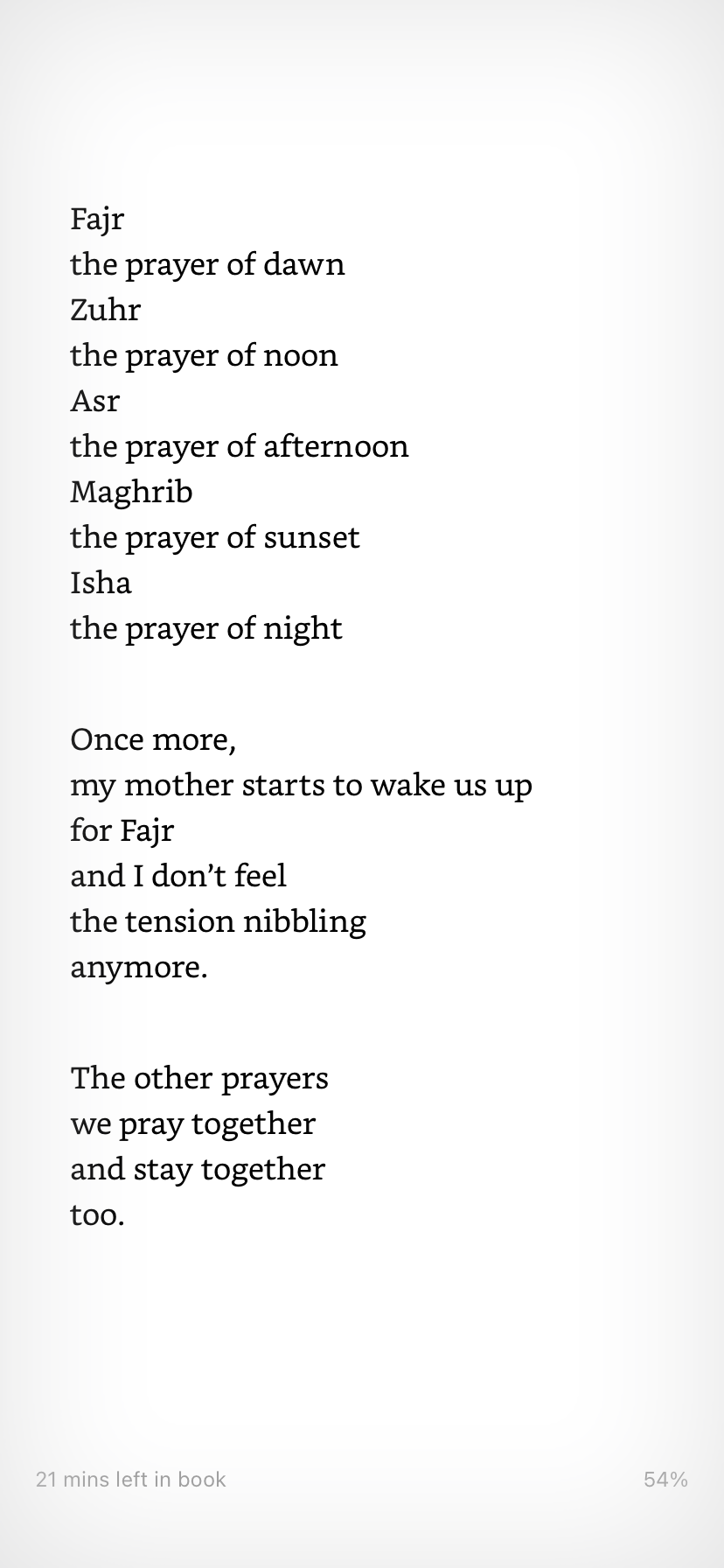
I love the details and how they are articulated.  I related to so much of Nurah’s feeling and impressions, that I reached out to the author and found her to be just as endearing as her character.  The feeling of being different when swimming because of your decision to be modest, the role of food to comfort you and make you feel at home, the older brother that you so desperately want to resemble and be like: All of it hit close to home for me.  I love how religion and culture are so much a part of the story and about the character’s identity, not to be made preachy, just to understand her and her experiences.  She goes to the masjid, she prays, she starts to wear hijab. I love how she finds her voice and defends those that can’t, but that her path is not easy.  She makes mistakes and she has to challenge herself to do what is right.  The backdrop is always trying to “settle” in a new place, but the story has it’s own plot points that are interesting and simply made more impactful by Nurah’s unique perspective.

There are lots of little climaxes and victories for Nurah that show her to be well-rounded and relatable.  You cheer for her early on and enjoy the journey.  The only slight hiccup I felt was the name confusion of her Nana and Nani (Nana), it is explained, but it was a little rocky for me, it might be based on a real thing in her family, but once that is resolved, the book flows beautifully and smoothly.

img_7545

FLAGS:

Nothing a 3rd/4th grader would find alarming, but none-the-less:

Crushes: Nurah has a crush on a boy at school when he shakes her hand and picks her for a lab partner, but she moves on from him while still maintaining a crush on her brother’s friend Junaid.  Nothing happens, she just thinks they are cute.

Miscarriage: Her mother has a miscarriage and it details a blighted ovum and the mental strain on the mom and family in the aftermath.

Abuse: Stahr’s father is abusive

Hate: There are bullies, discrimination, physical violence.

TOOLS FOR LEADING THE DISCUSSION:

The book is a little below level for my middle school book club, but I think it it was on a bookshelf and a middle schooler picked it up, they wouldn’t set it down until they were done reading it.

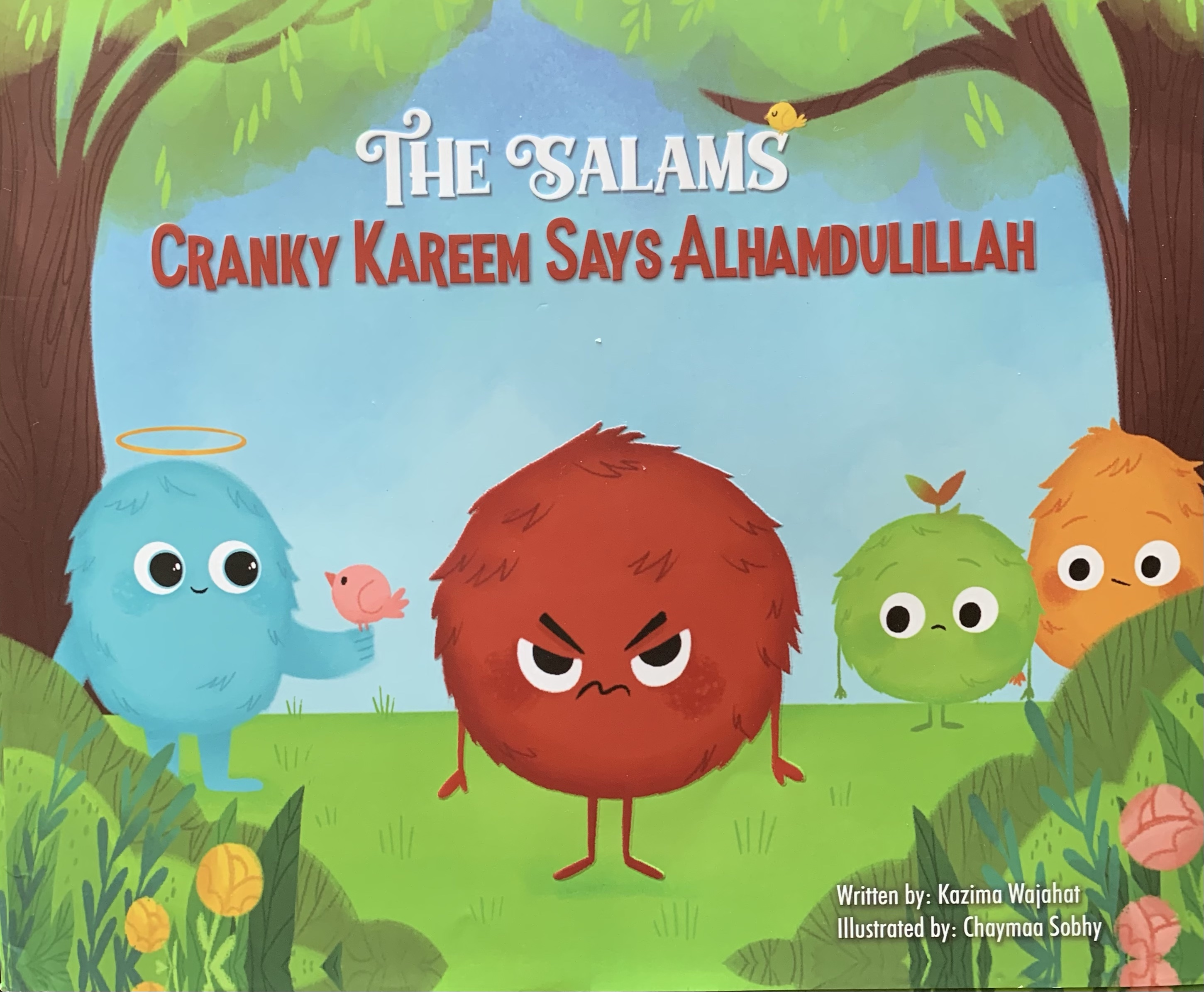
The Salams: Cranky Kareem Says Alhumdulillah by Kazima Wajahat illustrated by Chaymaa Sobhy

Standard
The Salams: Cranky Kareem Says Alhumdulillah by Kazima Wajahat illustrated by Chaymaa Sobhy


img_6616

Part of me is tempted to channel my own Cranky Kareem and say how awful this book is, just because I know that the author reads my reviews of her books with bated breath, but alas I cannot lie even in jest as the book is truly adorable.  This 40 page book in a new series highlights and starts to fill the gap in children’s Islamic fiction that is so needed.  There are a number of books and series for toddlers teaching them to say Bismillah, Assalamualaikum, and MashaAllah and all the praise-filled Islamic expressions, but they are very basic, this book, and hopefully the rest of the series, goes a bit deeper.  It shows how to truly mean what you say, how to glorify Allah not just in your words, but in the way you think about things, handle stresses, and carry on.  The concepts and amount of text probably will most appeal to mature kindergarteners to early second graders at bedtime or in small groups.  I do wish that Cranky Kareem apologized to Happy Hamdi after he relentlessly attacked him at the masjid, but in much the way Oscar the Grouch gets away with being so negative, the characters in the book and the readers alike will have to settle for Kareem finally learning the lesson, in this case, of being grateful to Allah (swt) for everything.

img_6611

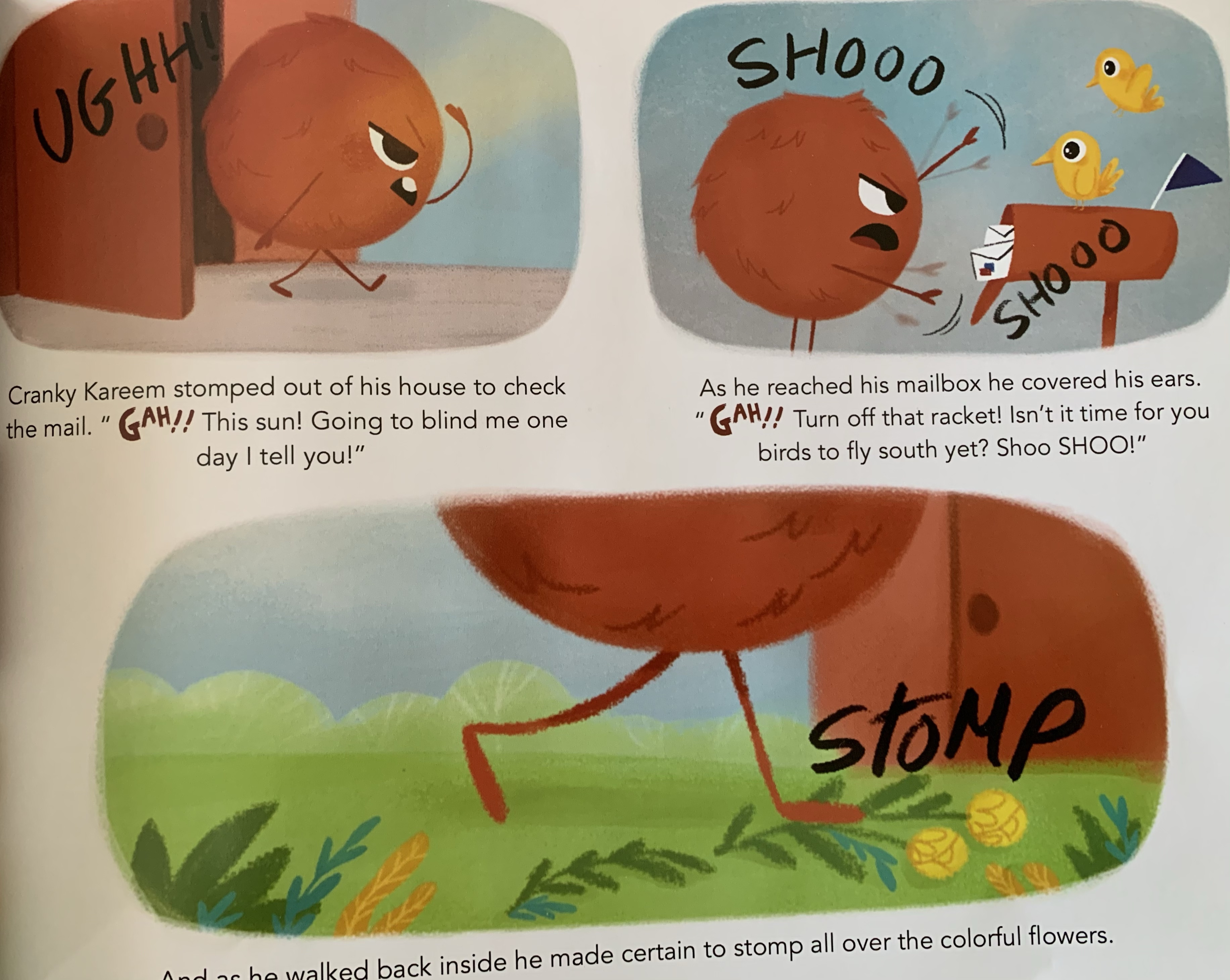
The book starts out with Happy Hamdi waking up in Salamville and praising Allah in appreciation of the fresh air, birds, flowers, and allergy medicine that works.  Across town Cranky Kareem is having the opposite kind of morning.  The sun is blinding, the birds annoying, coffee bitter, and he’s out of milk for his cereal.

img_6612

When Kareem finally finds some peace and quiet on a bench at the park he is disturbed by Happy Hamdi and all his happiness.  As Hamdi and bounces off to talk to Greedy Gamal and Healthy Hassan, Cranky Kareem gets an idea.

img_6614

When Happy Hamdi heads to the masjid, Cranky Kareem sticks out his foot to trip him.  Hamdi falls and gets a bruise on his nose, but still says Alhumdulillah. He then knocks sticky baklava on him and again he responds with Alhumdulillah, he then dumps a bucket of ice water on Hamdi, and Happy Hamdi says Alhumdulillah once more.  When he leaves the masjid, Hamdi’s car is not working and he has to walk home.

img_6613

Kareem can’t take it anymore and confronts Hamdi.  Happy Hamdi explains that he was hungry and didn’t mind the syrup, then the water washed the syrup off and now that he is walking home, his fur is drying.  Flabbergasted by Happy Hamdi, Cranky Kareem stomps off.

img_6615

Convinced that Hamdi’s happiness is an act, Kareem pauses to ponder how his plan failed.  Healthy Hassan jogs by and bumps in to him, knocking him off the train track and causing Kareem to twist his ankle, just before a train goes swooshing by.

Realizing that the bump saved his life, Cranky Kareem expresses his appreciation to Allah swt by saying Alhumdulillah.

I love the illustrations and the horizontal layout of the book.  The book is cute and I can’t wait to share the rest of the series with my kids.  Thank you to Crescent Moon Store for having this, and so many wonderful books available.


Hey, Presto! by Nadia Shireen

Standard
Hey, Presto! by Nadia Shireen

presto

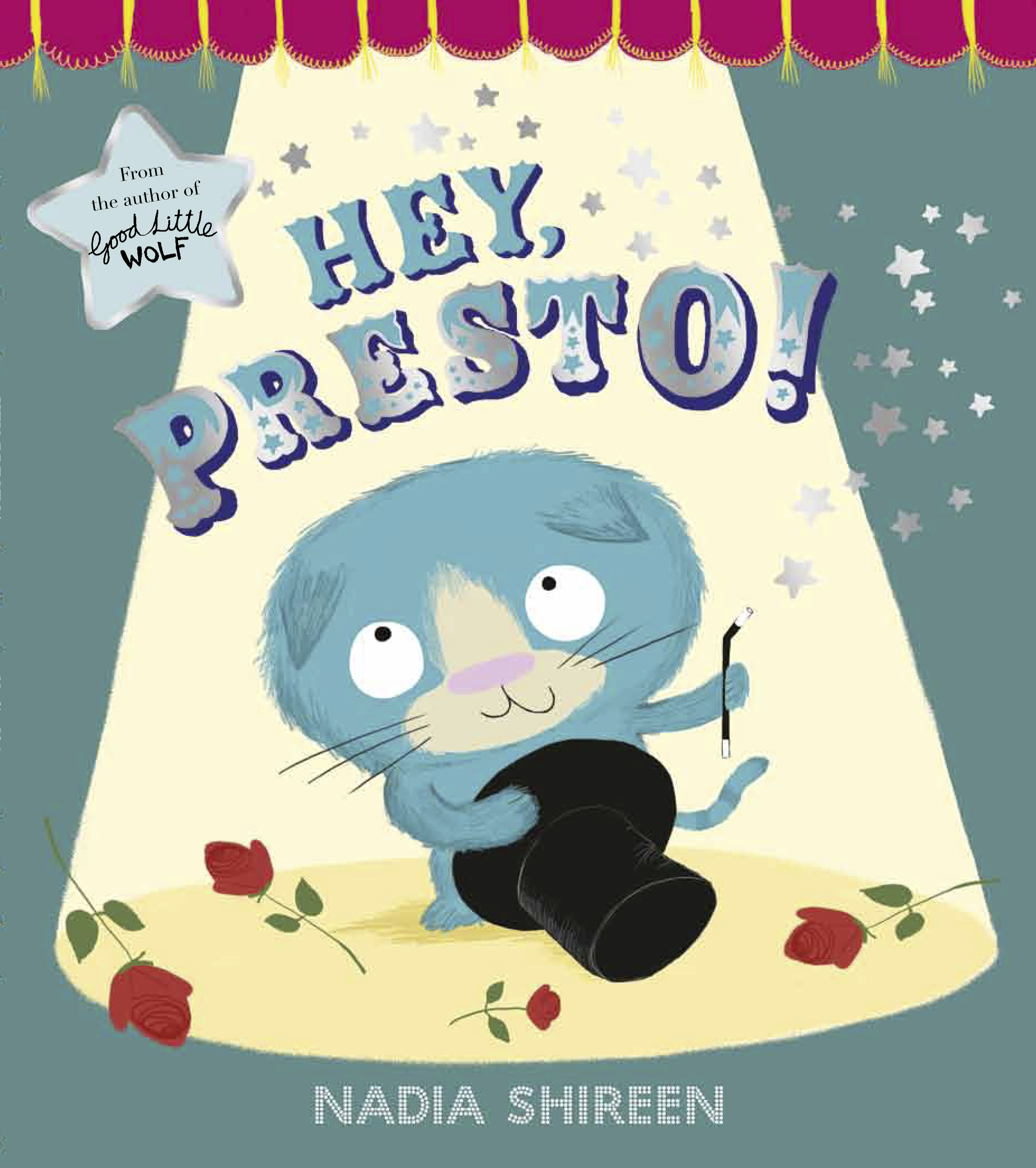
This 32 page picture book about friends learning to appreciate each other is both silly and sweet.  An AR 2.6 the book is great for preschool through third grade and gives lots of teachable moments along the way if you want to make it more than just a fun book.  There is nothing religious, but I believe the author, who is also the illustrator, is Muslim.

3D98CA51-5683-4B47-AA1D-D2D59EC0534B

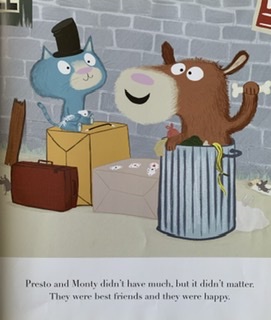
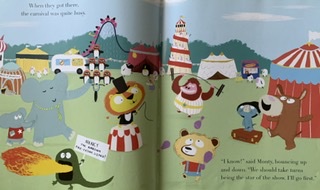
Presto and Monty are best friends.  Presto is a brilliant magician and Monty is good at singing, eating ice cream and making funny faces.  When the carnival comes to town the two decide to put on a show and become famous.

A14B6C11-5B00-402D-AC0B-6471AD953433

Monty suggests they take turns being the star of the show, and Monty decides to go first.  Monty isn’t a magician, so Presto stays behind the scenes to make sure the tricks work.  Somehow, this is how it ends up going night after night after night.  Presto never gets his turn.

BD1712A8-2E13-4AA5-9E7A-902456DD1820

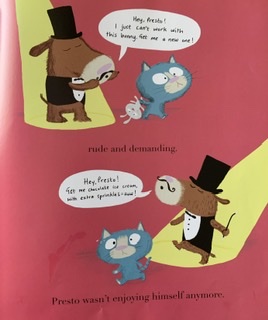
Monty gets bossier and bossier, demanding things of Presto and being rude.  Presto is no longer having fun.  When Monty signs a contract to go on TV with his magic show, Presto has had enough and leaves.

C0366580-AF19-4A17-A787-22C33A3CBF90

When showtime rolls around, Monty realizes Presto has left and has to try and learn magic real quick.  The show doesn’t get off to a good start when none of the magic tricks work.  As the show goes from bad to worse Monty realizes how bad of a friend he has been.

5DF12A03-2366-4EE7-A7F9-FA6BD355C730

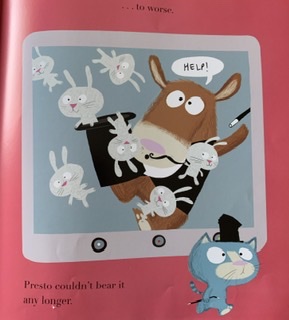
Presto watching from home can no longer bare it and rushes to save the day.  Monty promises things will be different and the two of them cook up a new act and realize together their show is perfect.

1A295E46-CE70-46DF-AC17-976B023930AA

Solar Story: How One Community Lives Alongside the World’s Biggest Solar Plant by Allan Drummond

Standard
Solar Story: How One Community Lives Alongside the World’s Biggest Solar Plant by Allan Drummond

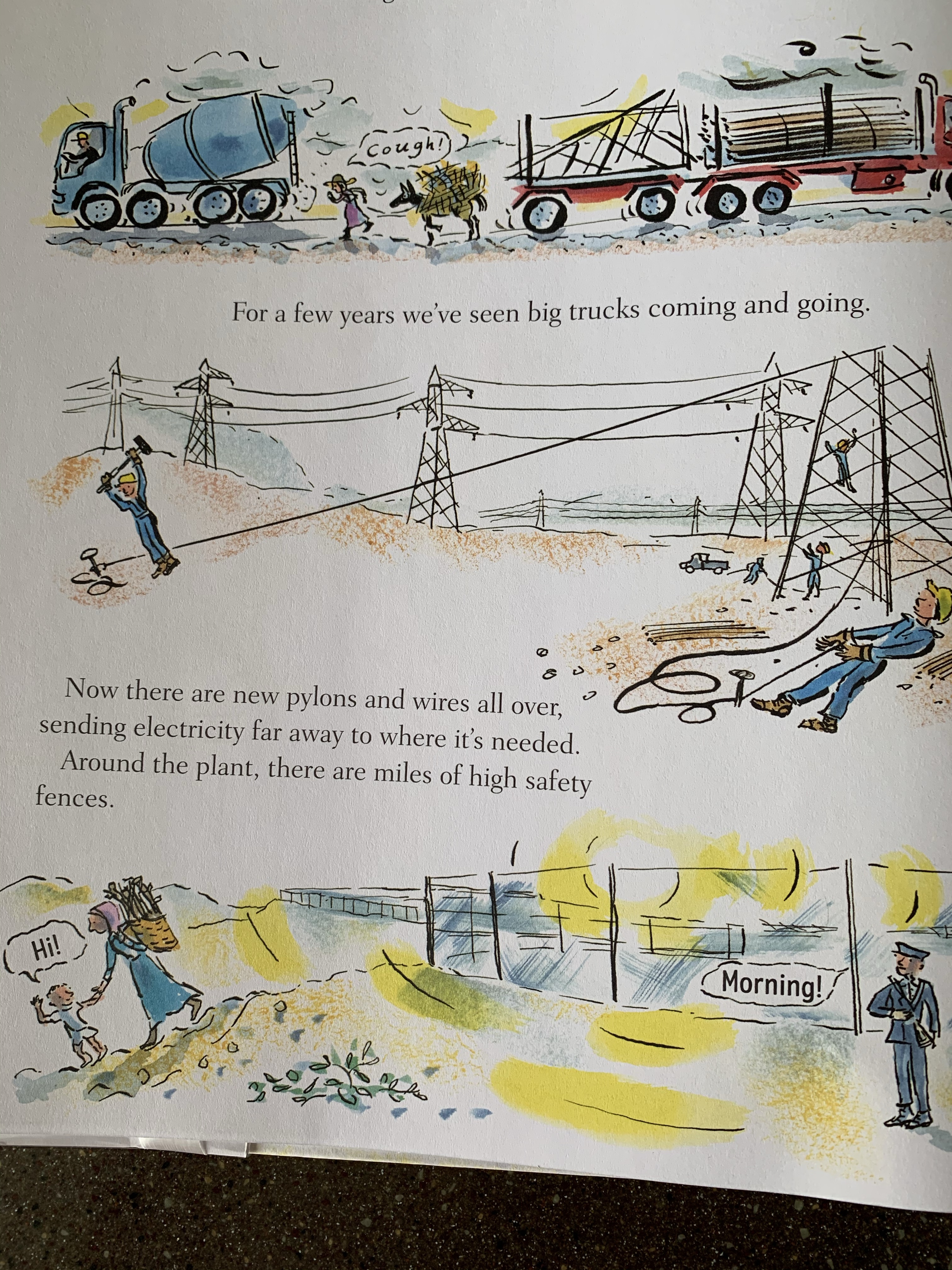
Set in Morrocco, the fictionalized framing of a children’s story about solar energy and sustainability at the the world’s largest solar plant in Ghassate will appeal to curious children in kindergarten and up. Told through the every day life of Jasmine, a little girl living near the plant, the concepts are not technical, but give a broad overview allowing readers to understand how impressive solar energy is, as well as the disparity that exists in the world. Over 40 pages with factual sidebars and an author’s note at the end, children who enjoy the story and are curious about the reality of it all will find an easy opportunity to learn more.

Jasmine and her friend Nadia live in Morocco between the High Atlas mountains and the huge Sahara desert. It is always sunny where they live.

They talk a lot about making energy from sunshine as they watch trucks going and coming from the world’s largest solar plant. Their teacher likes to ask them about the big changes happening in their world.

As the villagers tend to their sheep and cows, they cook on open fires and bake bread in clay ovens all while keeping an eye on the workers making the largest solar tower in the world. Jasmine’s dad rides a mule to work and many classmates parents work at the state of the art plant. The contrast is obvious.

The next day at school Miss Abdellam the teacher asks the students about sustainability. And the book doesn’t define the concept right away. First the class goes on a field trip to the solar plant.

At the plant the size of 3,500 soccer fields they see the 660,000 mirrors that follow the sun like sunflowers and bounce the rays to the 800 ft tower. The tower gets to a thousand degrees on top and heats water whose steam powers turbines and is turned into electricity.

The kids go home to work on their sustainability homework. With no internet or computers even, they have to think for themselves. The remaining pages define and provide examples of how solar power is changing life for the villagers and improving life for people not just in Morrocco or Northern Africa but potentially the entire world.

I love that the concept of sustainability isn’t just a definition it shows how it is in every day things, and those every day things lead to big things that are both tangible and ideological. The author/illustrator acknowledges his own surprise and bias when he learned that the largest solar power plant was in Nothern Africa. I love that some of the females wear hijab, and some do not, and that the teacher and some of the parents at the solar plant are female. There is nothing religious even mentioned in the book, but the visibly Muslim characters are empowering and honest for a story about science and Morocco.

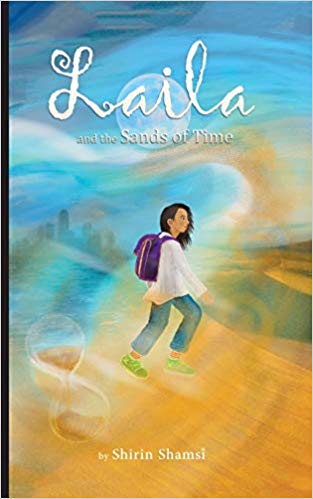
Leila and the Sands of Time by Shirin Shamsi

Standard
Leila and the Sands of Time by Shirin Shamsi

shirin shamsi

This 127 page book has a lot of potential, but ultimately didn’t win me over.  It is one of those that needs a good editor to encourage the author to flesh out the characters, take advantage of a potentially cathartic resolution, and fill the gaping holes in the story.  Meant for ages 8-12 the tiny font, and tight spacing, make the book really dense and intimidating to look at and read.  The book, as written, should be well over 200 pages, if spaced appropriately for the target audience.  Once you accept the presentation and get in to the story, it isn’t an awful read, it just could have and should have been so much more.  I hope the author revisits it and polishes it up- the time travel, the science DNA component, and the death of the protagonist’s parents, offer a lot for Muslim and non Muslim readers to sink their teeth in and be swept away by, but ultimately, I don’t know that most readers will be motivated to finish the book, and those that do, won’t remember anything about it.

SYNOPSIS:

Laila’s dad has recently died, and with her mother having died years earlier, Laila is now 13 and an orphan living with her stepmom and baby sister.  Feeling resentful that her dad remarried and had a child that took time away from her in his final span of life, doesn’t make Laila a very kind person at home.  Her best friend Beth, even points out how cold she is to her family.  With school vacations approaching, Laila is headed for Umrah with her dad’s brother, her uncle, and his wife.  While making tawaf, Laila loses her aunt and uncle in the crowd and finds herself transported to 7th century Arabia.  She hears a baby crying and learns that the baby’s life is in danger.  To save her, she must get the baby, the baby’s mom and baby’s sister from Makkah to Yathrib.  The only way to do that is to join a caravan, and they can only join a caravan if they have a male escort.  So Laila chops off her hair, acts like a boy, and gets them in the caravan.  They meet bandits along the way, but nothing too scary, they arrive in Medina and right before they meet RasulAllah, Laila finds herself back in the present.  She is in a hospital, but the doctors do not know what is wrong with her so they release her.  She returns to the US, relays the story to Beth, and decides that at an upcoming field trip to study DNA, she is going to submit the baby’s hair that she still has for dating.  The results show it is from 1400 years ago and a family heirloom of her step moms reveals that the baby is a great great great great… grandmother of her’s.  Resolved to open her heart to her family, Laila is a changed person, alhumdulillah.

WHY I LIKE IT:

I love the premise, it is like Sophia’s Journal and When Wings Expand  thrown together and scrambled.  Laila is struggling with her faith and is trying to find it, while also finding a way to move forward after losing her father.  There are just a lot of things that aren’t answered, are contradictory, or don’t make sense.  It says she learned Arabic because her mother spoke it, her dad is desi, but really no hiccups speaking in 7th century Arabia other than forgetting the word for scissors?  She at one point said she was a cousin from the north, but while on the caravan mentioned that she had never travelled through the desert.  There really should have been more action with the thieves and the regrouping when the men came back.  Similarly, her gender reveal should have been a bigger deal than it was.  I was hoping there would be a mention of if her hair was long or short when she awoke in the hospital, I don’t think I missed it, but maybe, or maybe it wasn’t there.  Once back home, there really needed to be a reunion scene with Laila and her stepmom and half sister, I mean the whole point of the time travel was to save a baby. Really? Nothing? I was disappointed that it was glossed over and mentioned as a retelling to Beth and pushed aside.  The second climax is when the DNA testing is being questioned, but I didn’t get the need for the babysitter and everything to be rearranged for a two second conversation with the principal accusing Laila of theft, a phone call should have sufficed, plus when Laila and Beth mention it to the scientist, it seems everyone was questioned, but Beth wasn’t, something wasn’t consistent there either.  Overall, the book needed more action for a book that involves time travel and more emotional attachment and character connection for a book that involves a newly orphaned young teen girl.

I like the conveying of Islamic facts and information and history in a fairly smooth way.  At the beginning, Umrah being explained was a little text bookish, but it smoothed out as the book progressed.  I love the little flashbacks at the beginning of each chapter, I wish there would have been some information about the remarriage of her father and her emotions on the matter at that time.  It is one thing to be grieving, but really she is a brat to her step mom, and if the uncle and aunt live right there, not sure where they live, someone should really be working on getting them all some family therapy, not a quality situation for anyone.

FLAGS:

none

TOOLS FOR LEADING THE DISCUSSION:

I wouldn’t use the book as a book club selection, nor would I think it would get read if on a classroom shelf.  I might use the premise of going back in time to meet Prophet Muhammad, as a writing prompt though.  Would be a good assignment with factual and Islamic references to get kids stretching their imagination to make it all come together and work.


Thorn by Intisar Khanani

Standard
Thorn by Intisar Khanani

thorn

I finished this book, all 512 pages, and before closing it at 12:44 am, I picked up my phone and sent the author a thank you message on instagram.  Yes, it was that good and that fun, and so well written and so encompassing that I don’t feel like I read a book, I feel like I got to know a friend.  There is abuse, and death and sexual assault, but I think thirteen and up can handle and appreciate the crimes and the severity of them, as they are not taken lightly.  The book has magic and royalty, but is so much more about choice and justice and making life meaningful, that Thorn will stay with you as you imagine her life, long after you turn the last page.  ***I did not know it was a retelling of Goose Girl by the Brothers Grimm prior to reading the book, and only read it after writing this review, so forgive me for being so swept away by Falada and Kestrin and loathsome to Corbe’ and Valka, if it so irks you that I am.***

SYNOPSIS:

Princess Alyrra is set to marry Prince Kestrin in a neighboring country.  Unloved and unwanted by her own mother and abused by her brother, none of the royal family can figure out why the King of Menaiya would be coming to see her and appraise the match.  One possibility is because the royal Menaiyan family tends to disappear at alarming rates, and Alyrra might just be a princess that no one will miss.  When a Menaiyan mage comes to warn her and is pushed aside by a magic Lady, Alyrra may be leaving an abusive brother, but getting herself a much bigger nightmare to manage.

Alyrra is known for her honesty.  She stood up for a servant against a Lord’s daughter and prospective wife for her brother, and since then, the royals despise her and the servants adore her.  She spends her time with the holsters and cooks and they keep her aware of her cruel brother’s locations.  When the visiting entourage comes, they see her tormentor and give her a security detail, as well as see how she is beloved by the staff.

Once the match is arranged she is off to Menaiya with Valka, the girl she revealed to be a thief.  Along the way, the Lady presents herself again and switches Valka and Alyrra’s bodies, to give Valka another chance to be queen and to use the real Valka as a tool to destroy the royal family.  The only person in the traveling group aware of the switch, and that can see through it, is Falada a white talking horse, that only speaks to the real Alyrra and refuses to be ridden.

When the girls arrive at the palace, the pretend princess dismisses Alyrra, who has decided to rename herself Thoreena, Thorn.  She asks the king if there are any available positions and thus becomes the Goose Girl.

Thorn is still summoned to the castle to write letters home for the imposter and the prince and former security quad find something off with a former lady of the court finding such contentment in manual labor.  As she settles in to life with the other employees she finds laughter and companionship and only Falada prods her to reclaim her position as princess and save Prince Kestrin from the Lady.

When Falada is killed, and street justice is called on to avenge the brutal rape and killing of a friend, Thorn must decide to enjoy her quiet life or step up and be the change the people and royals of Menaiya need.

WHY I LIKE IT:

I love that it isn’t a sappy love story, it really could have been, but Thorn is calling the shots and she is enough without anyone or with everyone.  I love that she is secure in any role and that her sense of loyalty and obligation comes from within.  The writing is seamless, so often things are repeated and forced upon in a first person present tense story, but this read easily and held my interest.  I love the titles and some of the sprinkling of made up words, it gave depth and richness, as well as the struggle that Thorn had to go through to speak the language.  I loved that she had to work to acquire the skills to communicate and that it was a part of the story, it didn’t just happen, nor did it get swept aside.

Thorn is religious, but no idea what religion or what it means, she seeks going to the temple for peace and clarity, and we know she takes off her shoes, but that is about it.  The author is Muslim and the book is superb.  I had my daughter read it before I read it, and she in turn made me read it, even watching her younger siblings so I could sneak away.

FLAGS:

Death, murder, public execution, hanging, sexual assault, rape, abuse, violence.

TOOLS FOR LEADING THE DISCUSSION:

I am thinking to do it as a book club book if and when we return to school.  It would depend a bit on the group, but I think older middle school could handle it toward the end of the year.  There is a lot to discuss, a lot that readers could understand differently regarding the Lady, when her secret identity was blown, the value of love and choice, that I am confident that the conversation would be rich and enlightening.

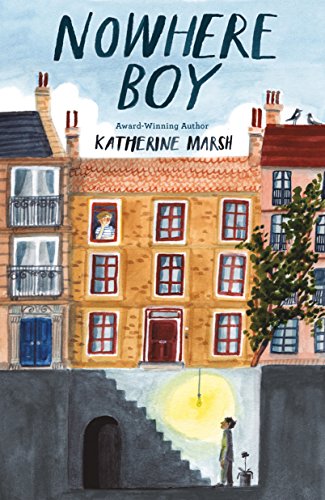
Nowhere Boy by Katherine Marsh

Standard
Nowhere Boy by Katherine Marsh

boy

I was not expecting to be so absorbed by this 362 page AR 5.4 book.  I knew it was about a Syrian refugee in Brussels and his friendship with an American kid living in Europe for a year, so I knew that Islamaphobia and immigration would all be factors.  I also knew that as a middle grade book it would be optimistic, and a bit of a stretch at times,  but when I had to pause in the first chapter to wipe the tears off my cheek, I knew that while it could be billed as, another refugee story, it really was going to be a poignant story about humanity and friendship and family and making a difference, so I settled in and was swept off to Belgium and the adventure of two determined kids.

SYNOPSIS:

The book opens with 14-year-old Ahmed on a boat with his father hoping to reach Greece from Turkey, when the boat stalls, his father and two other men, the only other people on the dinghy that know how to swim, jump into the sea to drag the boat.  When a storm swell hits them, his father is lost and Ahmed, who left Syria when an explosion killed his mom and sisters, is all alone.

Max is 13 and his parents and sister have just arrived in Belgium for a year.  Not a great student, Max learns that he will be going to a local school where French is spoken, and will be repeating 6th grade.  Less than thrilled with the news, he is additionally hurt that his parents didn’t tell him first.

The two stories start off separate with Max trying to find his footing in school and scouts where he understands very little, and has no desire to learn, and is also getting picked on by a kid named Oscar.  He learns about the history of his street and house during World War II from his after school tutor and a police officer that used to live in the house they are renting and makes regular checks on how it is being maintained.  

 Ahmed has been staying with Ibrahim and his family, another man that tried to drag the boat in the sea, but with news that they are probably going to be forced to return to Iraq, suggests that Ahmed register in as an unaccompanied minor so that he could find a place to stay.  Ahmed knows that if he registers in Beligium he will never make it to England, he hires a smuggler for 300 Euros to get him there.  When the smuggler steals his money and his phone, Ahmed worries his organs could be next, and jumps out of the moving car,  

Ahmed runs through a neighborhood looking for shelter and safety and some warmth from the frigid air.  Ahmed finds the basement of a house unlocked, he then finds a wine cellar room that is empty and decides to stay for the night as he figures out his next step. One day turns in to two and before he knows it, he has a routine of finding food upstairs during the night, which he records so that he can repay the family one day, caring for the family’s discarded orchids, and working on his English.  Then one day Max goes downstairs and discovers Ahmed living there.

Deciding he isn’t a terrorist, Max decides not to turn Ahmed in nor tell his parents, and the two become friends.  The two enlist Farah, a nice Muslim girl at school to help, and they get Oscar too, to forge papers to get Ahmed in to school.  While the biggest problem should be keeping a kid hidden in the basement, and keeping him fed and entertained, the situation is compounded as terrorist attacks by Muslim extremist plague the city and Europe, making everyone on high alert.  The police keep checking in and anti immigrant sentiment rises.  When Ahmed gets accused of being a bomb maker his secret is out, but can his knowledge of how a jewish boy was hidden in the neighborhood during the war keep him free? Nope, I’m not going to spoil it, you have to read it, trust me, you’ll thank me for it!

WHY I LIKE IT:

I love, love, love, the history parallel, and the truth in the story of Albert Jonnart and Ralph Mayer that is woven into this modern fictional story.  I love that Max so plainly says that the stories are the same and that laws that aren’t right shouldn’t be followed, yes! The book reads a lot like Refugee by Alan Gratz crossed with The Boy at the Back of the Class by Onjali Q. Rauf with the kids being so heroic and determined and awesome, throw in a dash of The Diary of Anne Frank, switching out a boy for a girl, a Muslim for a Jew, the basement for the attic, and a diary for a fictional story, and you have this book.

I love that the adventure and excitement shows how resourceful kids can be even when they don’t share common language.  Max speaks English and is learning French, he is helping Ahmed learn better English and some French, when they talk to Farah who speaks Moroccan Arabic /Berber, they often have to go through Oscar who speaks French and English.  Yay, for American television and kids who’s hearts are bigger than the obstacles they are taking on.  Additionally, when the kids hit a dead end, they reach out to Jews in America for help, knowing that the two religions have more in common than politicians and the media would like to think.  Seriously, kids should rule the world.

Ahmed is a religious boy that prays, refuses meat even when hungry to ensure it is halal, and makes sure that Max knows in Islam kindness and charity are the norm and commands, not the violence that people are doing in the name of his religion.  A lot of the moms of the kids at school where hijab, and the author gets the Islam right and believable.  It doesn’t get preachy, but a fair amount of information about Islam is shared.

FLAGS:

A lot of lying. Some violence, death, hate speech. There is mention of smoking and the adults I think drink wine at one point.

TOOLS FOR LEADING THE DISCUSSION:

I’m hoping to do this as a middle school book club selection, because it really is so good.

Author’s website: https://katherinemarsh.com/books/nowhere-boy/

Teaching: https://www.teachingbooks.net/tb.cgi?tid=60364


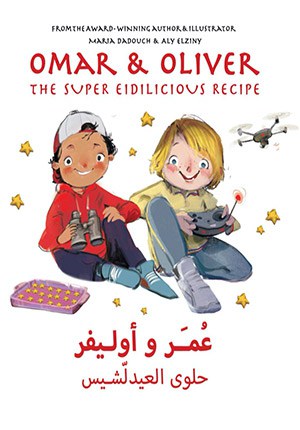
Omar & Oliver: The Super Eidilicious Recipe By Maria Dadouch illustrated by Aly ElZiny

Standard
Omar & Oliver: The Super Eidilicious Recipe By Maria Dadouch illustrated by Aly ElZiny

omar and oliver

This super cute Eid book works great for ages 5 and up.  Written in both Arabic and English, not just translated in to both languages, the book features a Muslim celebrating Eid and a Christian boy working together to try and get Omar’s sister’s cookie recipe so they can be the best cookie cooks ever!  The book would work for either Eid and with the adorable illustrations, and included recipe, the book will get lots of requests all year round.

FD053694-FBC1-4E5A-AE24-83ECB746C1C1

Omar is excited that his friend and neighbor, Oliver, is sleeping over the night before Eid.  They boys are playing when Omar’s sister Judy brags that her friend has given her the best cookie recipe in the entire world.

Naturally, Omar and Oliver want to be the best too and offer to help Judy.  She refuses, and the quest to get the recipe is on, so that Omar can make them for Eid and Oliver for Christmas.

EEAEB882-C2C0-47C2-81C9-1262372C5C23

The boys try to steal it through the kitchen window.  But Judy catches them and slams the window shut.  They then try binoculars from the stairs, but the boys can’t write fast enough and Judy grabs an umbrella to shield the recipe.  Undeterred the boys pull out a drone, but the zoom on the camera isn’t quite good enough.

The boys then see Judy rushing out of the kitchen and run in to see if she left the recipe.  They don’t find it, but they peek at the cookies and see that they are golden brown and if left in any longer might burn.

6A93627C-F29C-462A-AE8B-D5819C0127F0

Tempted to let them burn, a sign on the fridge saying, “Eid: a time to share and show we care,” makes the boys realize saving them is the right thing to do.  Judy says she too saw the sign and rushed out to copy the recipe for the boys.  They then all work together to make lots of Eidilicious cookies and share them with everyone on Eid.

The book starts with some tips for parents on how to present the bilingual book and ends with a cookie recipe, as well as some information about what Muslims and Christians celebrate.  I love the illustrations and that they are two page spreads, but the page with the note is the whole resolution and the note is split on the folded binding and honestly I missed it when I read the book myself and when I read it at bedtime to my kids.  When I opened the book wide to take pictures it was crystal clear, and if you were reading it to a group you might not have an issue.

7EA4AAC0-C237-4ED9-81FA-8CD39832C997

I also didn’t love the word, Mashallamazing, I obviously get what it is trying to do, and I feel like it works with Eidilicious, but that Mashallamazing is a stretch.  Additionally, if it is claiming to be an interfaith book, a word like that might need some explaining.  I got a bit hung up on it, so I had my 13, 11, and 9 year olds read it and they did as well.  I also didn’t think the pulling out of the story to ask the reader if the boys were successful in getting the recipe was necessary after each attempt.

Disclaimer: I don’t speak Arabic and cannot comment on that, sorry!


The Day Saida Arrived by Susana Gómez Redondo illustrated by Sonja Wimmer translated by Lawrence Schimel

Standard
The Day Saida Arrived by Susana Gómez Redondo illustrated by Sonja Wimmer translated by Lawrence Schimel

saidaThis absolutely gorgeous lyrical book will sweep you up and hold you tight as you imagine a world where more people take the time to get to know one another through the power and beauty of language.  Over 32 pages that are exquisitely and whimsically illustrated the words dance and come to life in English and Arabic as a friendship is formed.  Perfect for preschool through 3rd graders, older children and adults alike will be softened by the kindness and example shown between two little girls.

saida1

Told from the perspective of a little girl that meets a new girl in school named Saida and decides right away that they are going to be friends.  Unfortunately Saida speaks only Arabic, and the little girl only English.

saida2

But it is no problem, because the little girl is going to help Saida find her words.  She is going to look everywhere to let her get rid of her tears and throw away her silence.  So that she doesn’t see questions and sadness locked up in her.

saida4

That night at home, the little girl’s parents tell her about Morocco and find it on the globe.  They explain that Saida’s words don’t work here and that her words wouldn’t work in Morocco.

saida5

Undeterred the two girls start teaching each other words in their languages.  Some stick, some float away, but the two learn and communicate and connect. They find friendship in learning each other’s words.

They recite a poem by Jacqueline Woodson and tells stories about Marrakesh. The two girls plan to travel the world together. The book concludes with both alphabets shared and the reader wishing to join the little girls on their adventures.

saida 3

I was blown away by the presentation of the book and the feeling of compassion and cultural appreciation depicted.  Such a beautiful approach to welcoming someone different in to your life.

There is nothing Islamic or religious in the book, or really even cultural, aside from language.