Tag Archives: forgiveness

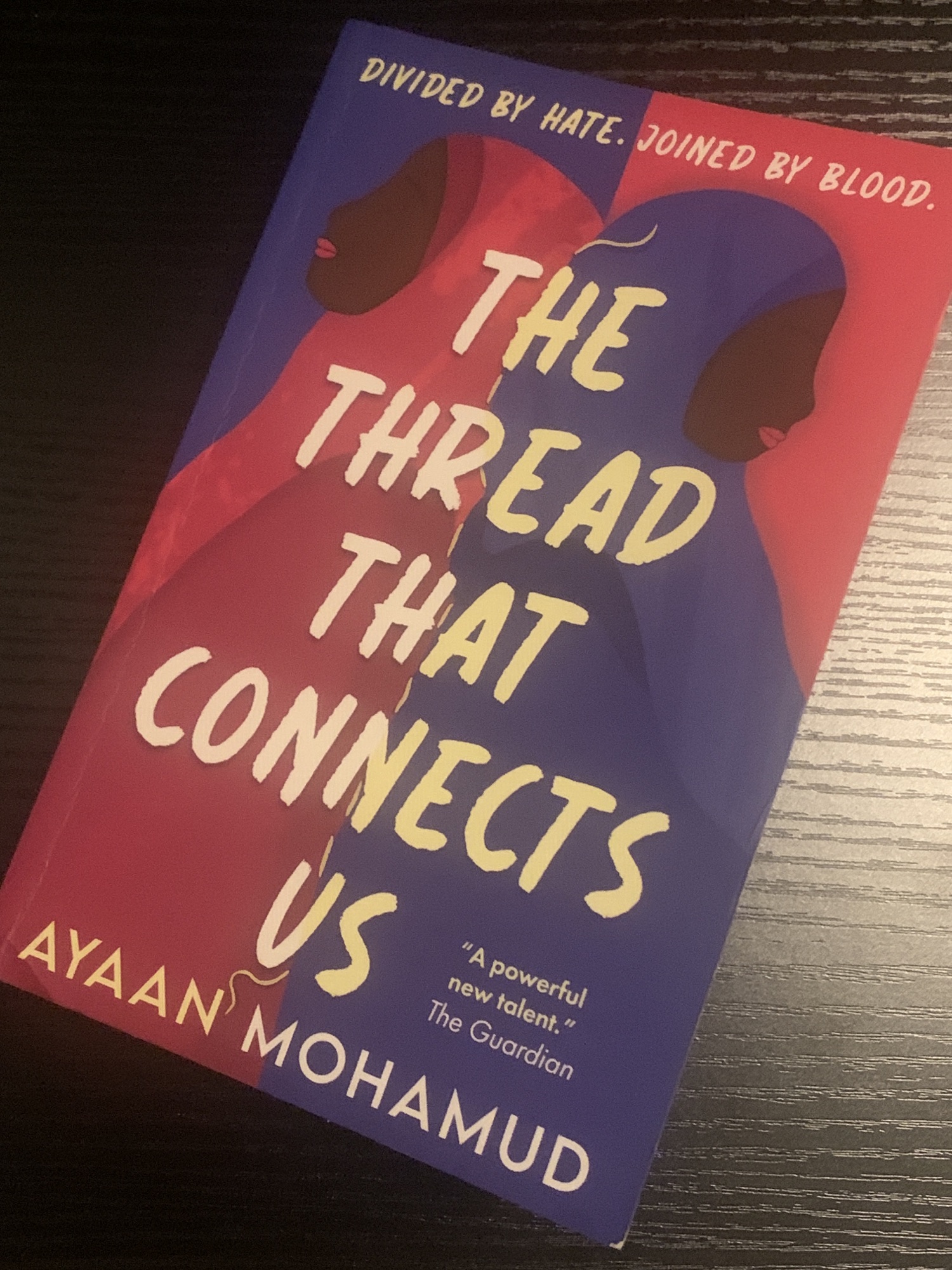
The Thread that Connects Us by Ayaan Mohamud

Standard
The Thread that Connects Us by Ayaan Mohamud


At just over 400 pages this book expertly blends the stresses of school, bullies, and friends in the UK with the twists and secrets of broken families, shattered hearts, and a past that needs to be reckoned with.  Told in dual perspectives from girls thrown together by the actions of their parents, Safiya and Halima maintain distinct voices that are rich with Somali culture, Islam, vulnerability, and ultimately love and hope.  The book is YA, but the premise is a bit mature and is better suited to older teens in my opinion, I think a high school book club would be wise to consider this book, as once you start reading, it is difficult to put the book down. 

SYNOPSIS:

Safiya is mature beyond her years.  Since her father abandoned her and her mother five years prior, she has managed the bills, the upkeep of the home, and for the most part her grades. Hooyo checked out and is rarely more than a silent being curled up unable to care for herself, much less her daughter.  With the the help from the community, particularly her best friends and neighbors Muna and Yusuf, Safiya has a found family that helps her weather the tough times.  When her dad moves back to London with his new family from Somalia, Safiya is forced to deal with not only all the painful memories of her past, but also the very real presence of her family living in her neighborhood, showing up to Eid prayers, and taking over the safe haven that school has often served as when home life has been so cold and lonely.

Halima’s father died when she was young, and life with her Hooyo in Mogadishu was good until her mother remarried, Safiya’s dad.  Her two younger half brothers that came further added to the rift between her and her mother, and now that they are moving to England with the husband, despite her protests, has her plotting a way to return to her home.  The language, the culture, the weather, are all added stresses to finding her way, and are compounded when she gets paired up to have Safiya show her around and help translate for her in school.  

The two girls hate each other, at least they have that in common, but their inability to avoid each other forces them to interact more than either wish to do.  As questions, and secrets are voiced, the two girls realize that they might have to work together to get what they want, and figure out their past.

WHY I LIKE IT:
I really enjoyed the owning of the characters’ language and culture and faith and how easy it was to be invested in their world.  Nothing pulls you out of the story, it is rich and lush and the reader can figure out why even though there is a crush, nothing is going to happen, and why they are wearing hijabs, and waking up to pray fajr, the balance is both inviting and educating, without the reader even realize it is happening, because hello, we are to busy trying to figure out what these two girls’ parents have done. 

The story has layers, and the emotional attachment I feel to both these girls, made me glad the story was over, they deserve some peace, but also desperate to know that they are going to be ok in the future too.  I can’t say too much without the risk of spoiling, but the writing is strong, the plot solid, the details intentional and relatable, and the characters very real.

FLAGS:

Lying, bullying, fighting, assault, crush, drug use, arrest, accusation, gossip, abandonment, relationships, edibles, affairs.

TOOLS FOR LEADING THE DISCUSSION:
This would be such a great upper high school read, the way the story unfolds will keep readers hooked from the first page and motivate those that start, to finish.  Students will see themselves in the characters, and be sleuths themselves trying to uncover what secrets are true and how do the pieces of the puzzle fit together.

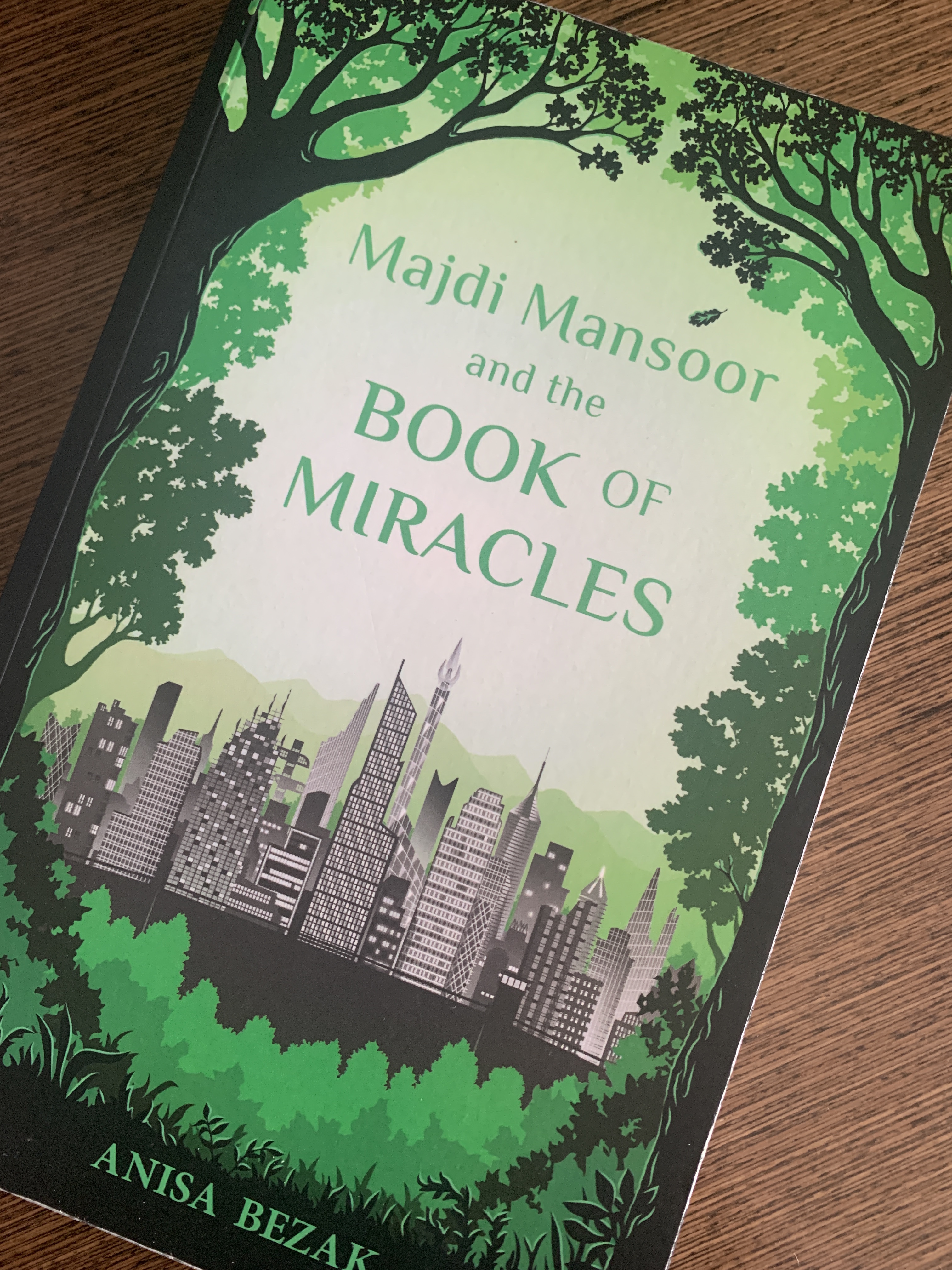
 

Majdi Mansoor and the Book of Miracles by Anisa Bezak

Standard
Majdi Mansoor and the Book of Miracles by Anisa Bezak

img_0030

I don’t think I have ever seen or even heard of any dystopian Islamic fiction reads, we have a handful of Islamic historical fiction, and dystopian with Muslim characters, but the genre made me curious, and with that motivation I began the 458 page book.  The beginning didn’t immediately grip me, but I told myself to read a hundred pages before deciding to DNF it or keep reading, and long before that arbitrary mark, I was intrigued by the story, invested in the characters, and impressed by the consistent writing, pacing, and role of Islam.  The book is preachy and idyllic, but that is to be expected, the way Islamic ideas and concepts and concerns were included as plot points though, is surprisingly well done.  For much of the story, I kept wondering who the target audience would be.  The vocabulary is a bit advanced, and the pages full of small text.  The book starts story wise-solid middle grade, but I think by the end I would recommend this book for advanced middle grade or early middle school Muslim readers.  I’ve heard from some adults that they read a chapter to their kids each night, and I think that aloud younger kids might also enjoy the story and be swept away to a future land run by a corporation where religion is banned, books are a thing of the past, a boy speaks only in Quranic ayats and hadith, and bullies of all sizes will have to be faced.

SYNOPSIS:

Twelve year old Jacob is an orphan in Tanas World and is unwillingly part of a gang.  One day in a boarded up old building he finds a book, a physical book, the Quran.  Religion is not allowed, Islam most of all, but he reads the book, and even though he doesn’t believe, he keeps rereading the pages.  When an attempt to steal some tech takes him outside the boundaries of the walled off city, he meets a small boy, Majdi Mansoor, who talks in a peculiar way. When threatened by the gang, Jacob decides to take Majdi’s side and that one act sets the two boys on a course that will change them forever.

I don’t want to give away too much, but Jacob is taken in by the Mansoor family who live in isolation and in hiding outside Tanas Corps patrols.  The parents are kidnapped, the children seek to save them and along the way meet smugglers, a Muslim community corrupted by bidah and djinn, Muslim Defense Unit rebels seeking revenge, and the executives who want the MEECA device to imprison the planet.

WHY I LIKE IT:

I was honestly impressed with the quality of writing, but I honestly don’t know if it was because my expectations were so low, or in fact was sufficiently edited and refined.  The characters have heart, the world building is believable, and the Islam is handled with an even hand.  At times members of the Mansoor family are too “good,” but Jacob has a sense of humor, is fallible, and curious which allows the story to stay moving and on task. There are some major plot points that are not resolved, and I’m assuming the political details will play out in the second book.  I’m hoping at least. The book doesn’t talk down to the reader, but older readers might find it too preachy.

I’m hoping my early teens who love Islamic fiction chapter books such as The Broken Kingdom series, The Adventure of Nur Al-Din books, and The Moon of Masarrah quartet will similarly enjoy this.

FLAGS:

Death, bullying, manipulation, assault, revenge, danger, whispers of shatan, bidah

TOOLS FOR LEADING THE DISCUSSION:

I would love to do this as a Middle School book club, I think it would be a bit too cheesy, but I think there would be some great discussions to be had about seeking, temptation, bidah, forgiveness, and the way that Majdi talks and Islam is woven in to the text.

When a Brown Girl Flees By Aamna Qureshi

Standard
When a Brown Girl Flees By Aamna Qureshi

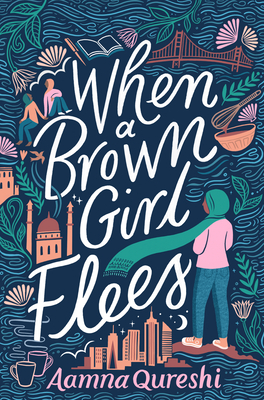
when a brown girl flees

I was both nervous and excited to read this contemporary book having loved the author’s fantasy, but unsure how a Brown Muslim Pakistani American girl running away from home would be presented.  Alhumdulillah, the author approached the story from a place of love.  There is no internalized Islamophobia, self othering, or in broad strokes even an identity crisis. The protagonist has made decisions, drastic ones, and is trying to piece her life back together on her own terms, but the love of culture, family and faith, is always upheld.  It reads like Islamic fiction, with very didactic passages and moral positioning, I’m still quite surprised that it is traditionally published.  The version I read had grammar errors, so I’m hoping that they will be corrected when the book releases in a few weeks.  The story is engaging, but the writing a bit monotone.  Much of the story is telling, not showing, and because of the surface level spoon feeding of so much of the plot, when the catalyst or rationale is not provided, the book seems underdeveloped, or lacking, unfortunately.  I would not recommend this book for the target audience of YA readers (12/13 and up) it contains sex, slut shaming, self harm, depression, suicidal thoughts, physical and emotional abuse, profanity, and mentions drug use.  I do think though, early college age readers will enjoy and benefit from reading the book.  At a time in the reader’s life when they are defining themselves on their own terms, owning up to their own mistakes and laying out a future path, this book will provide relatability amplified by religious and cultural touchstones.  The heart of the story is the connection of a girl with Allah swt after she has sinned, the guilt and regret she feels, and how she finds herself, and returns to try and fix things with her family.  The characters are flawed and the overall messaging beautiful, hopeful and uplifting.  Unfortunately, it just reads like an early draft and I wish it had a bit more refinement.  Keeping that in mind though, it does have a place, and I’m glad to see our “new adults”  can find reflections of  themselves in a piece of literature that amplifies their Islamic identity instead of criticizing or questioning it.

SYNOPSIS:

The book starts with Zahra deciding to run away from home.  She parks her car, leaves her phone and catches a flight to New York from California.  The reader doesn’t exactly know why she is running, only that a few days after high school graduation she is escaping a toxic home life, an impending wedding, and misery.  As the story peels back layers we start to see some of the nuance of what she is running from as characters from her past find her and physical space allows her some perspective to see her own role in her “old” life.  When she arrives in New York, it isn’t the city life that she seeks, but rather the nature and pace of Long Island that offers her a fresh start.  She heads to the masjid, makes a friend, and starts to put her life together without parental obligation, outside interference, and self loathing.  She cannot run forever though and she cannot escape herself.  She must confront her past, own her mistakes, be honest with her new friends, and find peace with her family, not because she has to as a Brown daughter of immigrants, but because she trusts Allah, loves her family, and wants to “fix” things.

WHY I LIKE IT:

I’m a sucker for books that show redemption through the love and mercy of Allah (swt).  Yeah her new friends were idyllic in their family life, relationships and worship, but we all want friends that make us better Muslims, so I let it slide. Islam is centered, she wears hijab, she reconnects with salat, it is her identity even when she is just going through the motions. The author at times conflated culture and faith, but it never issues blanket statements or falls into universal stereotypes for Desi culture or Muslims.  She does a good job of keeping the negatives to the people and the critiques to the failure to push back on dangerous expectations. My issues weren’t the character flaws either, I’m onboard with the messiness of being human and the ability to seek and receive forgiveness from our creator.  I just wanted to feel things more.  So much was just told when it should have been shown.  I wanted to see the stress and anguish of her family life, not simply told it was depressing.  I wanted to see her cutting life long friends out and being isolated, not told she had lost her friends.  The book focuses on her running, and why she ran, but a big plot point for why she ran, having sex, needed more fleshing out.  Why was she driven to such an act? I know that she was depressed, I’m not belittling that, but what pushed her to such a strong stance, when she was already allowed on the school trip, she hadn’t yet been given the ultimatum and over and over the book says “I miss my family,”” I miss my home,” “I miss my mom.”  I didn’t feel the connection or understand what she was feeling, thinking, and it seemed like a huge hole in the book.  For all the themes of mental illness, faith, generational trauma, misogyny, abuse, expectation, depression, lying, culture, life choices, higher education, family dynamics, self harm. the book never quite felt rich with emotion or deeper than the surface level story.  At the beginning the author says she first wrote the book when she was a senior in high school, and while that may have made the main character’s perspective and voice ring true, as a successful author now, I wish she would have added the nuance, the insight, the subtlety that would have drawn the reader in and allowed them to get inside Zahra’s head and heart to see her and perhaps even themselves.

FLAGS:

The author and book identify triggers in the book “please be mindful of TWs: depression, anxiety, emotional abuse, physical abuse, self-harm, suicidal ideation, slut-shaming, PTS.”

There is also music, boys and girls alone in cars together, lying, cursing, generational trauma, misogyny, abuse, expectation, depression, anxiety, guilt, life choices, higher education, family dynamics, cutting, a brother who is often high or smells like weed/pot, it mentions partying, a sexual event, deceit, physically assaulted by a parent.  Nothing haram is glorified, but it is there and it is detailed, and not everything is resolved.

TOOLS FOR LEADING THE DISCUSSION:

I would not be able to shelve or teach this book in an Islamic school library, but in a college MSA book club or a youth group of a similar age this book would be incredible to read and discuss.

The Together Tree by Aisha Saeed illustrated by LeUyen Pham

Standard
The Together Tree by Aisha Saeed illustrated by LeUyen Pham

img_7924

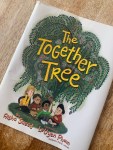
Being the new kid, not having friends, and being teased are not new themes in literature (or life), so if you are going to write a book about them, take a lesson from Muslim author Aisha Saeed and make sure the story is heartfelt, emotional, and well-told.  There is no Islam in the book, no foreign culture, or teasing because of skin color, it is a boy named Rumi who has moved from San Francisco to the other side of America and his shoes, with their drawings and colorings, that cause the kids to stare and start bullying.  Rumi seeks solace under a willow tree and fellow classmate Han has to be brave to put a stop to the mistreatment by finding his voice and not simply staying silent.  The text and illustrations provide a lot of opportunities for children to see themselves in the story, in the various characters, and ruminate over the actions and feelings from different points of view.  The book is lyrical, it is not heavy handed or preachy, and the Author’s Note at the end is equally touching and hopeful.

img_7925

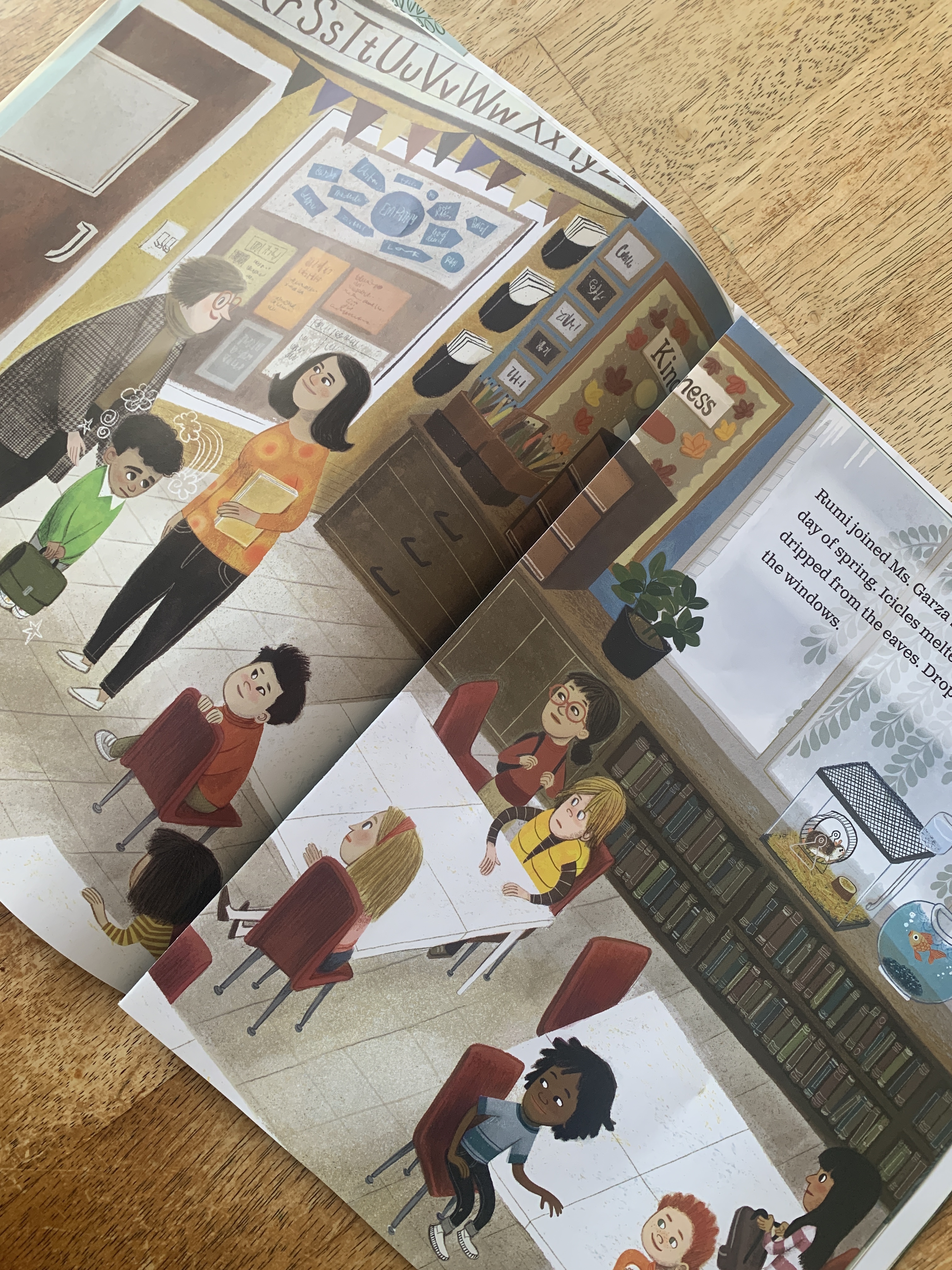
Rumi is quiet, and on his first day in Ms. Garza’s class the kids stare at him as he stares out the window.  At recess he wanders off to sit beneath the willow tree when Asher, Ella and Han leave the swings to see what he is up to.  Asher and Ella start to make fun of Rumi, Han is uncomfortable, but stays quiet.

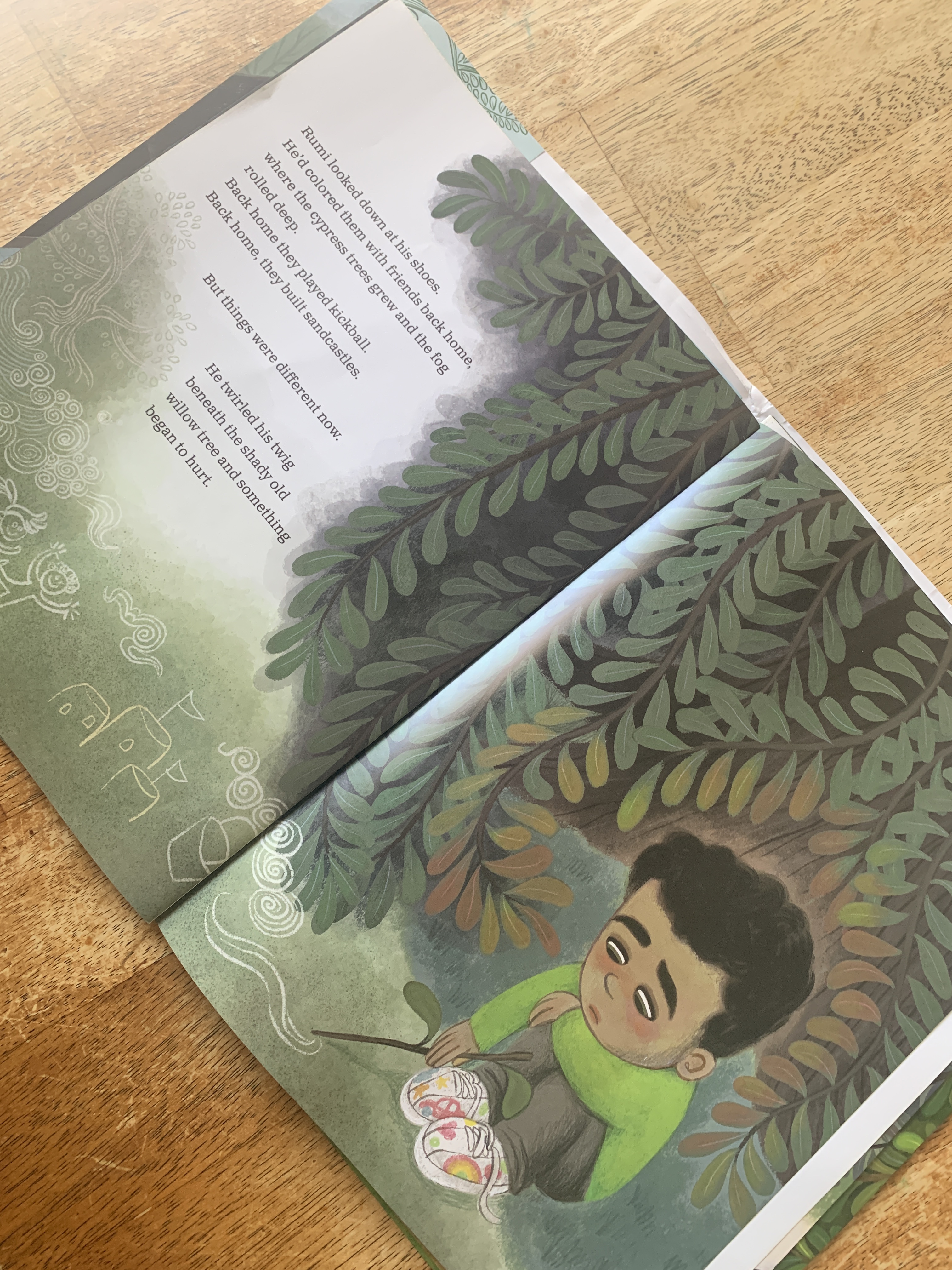
Rumi recalls coloring his shoes with his friends, and how different it was to where he is now, he picks up a twig to twirl as the hurt grows. In music class when the giggling starts, he tries not to cry.  At recess he retreats to his refuge under the tree.

When the bullying escalates, and tears fall, Han speaks up and breaks the cycle. Others follow and see the world Rumi has created with his twig and are drawn to it and to Rumi.  Forgiveness is asked for, and granted and the tree becomes a place of friendship and togetherness.

img_7928

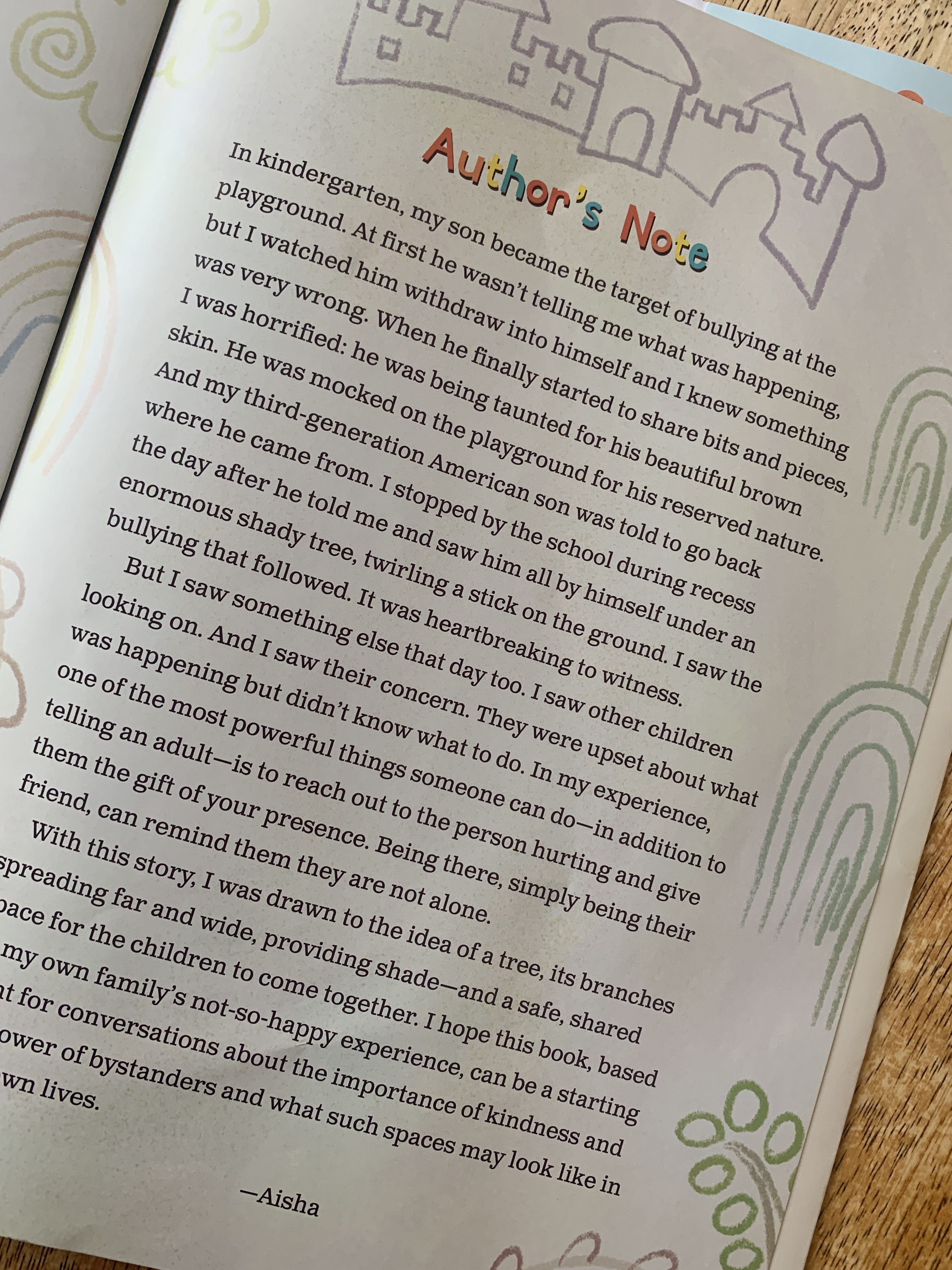
The Author’s Note shares the real life observations of the author about her son in kindergarten and how while heartbreaking, there was also hope in the concern shown by other kids that simply weren’t sure what to do.  I love that even though Rumi is being teased for his shoes and being different, he doesn’t stop wearing his shoes or try and clean the drawings off.

img_7926

I think this book is a must read in classrooms and homes were kids can slowly peel back the pieces and see where they can relate, how they can plan to act, and what parts they identify with.  The book is deliberate and slow, and while a child could read it on their own and enjoy the story and illustrations at hand, the real power it has, is being a catalyst for discussion and empathy and speaking up.

Pre order/order here on Amazon

img_7927


Hey, Presto! by Nadia Shireen

Standard
Hey, Presto! by Nadia Shireen

presto

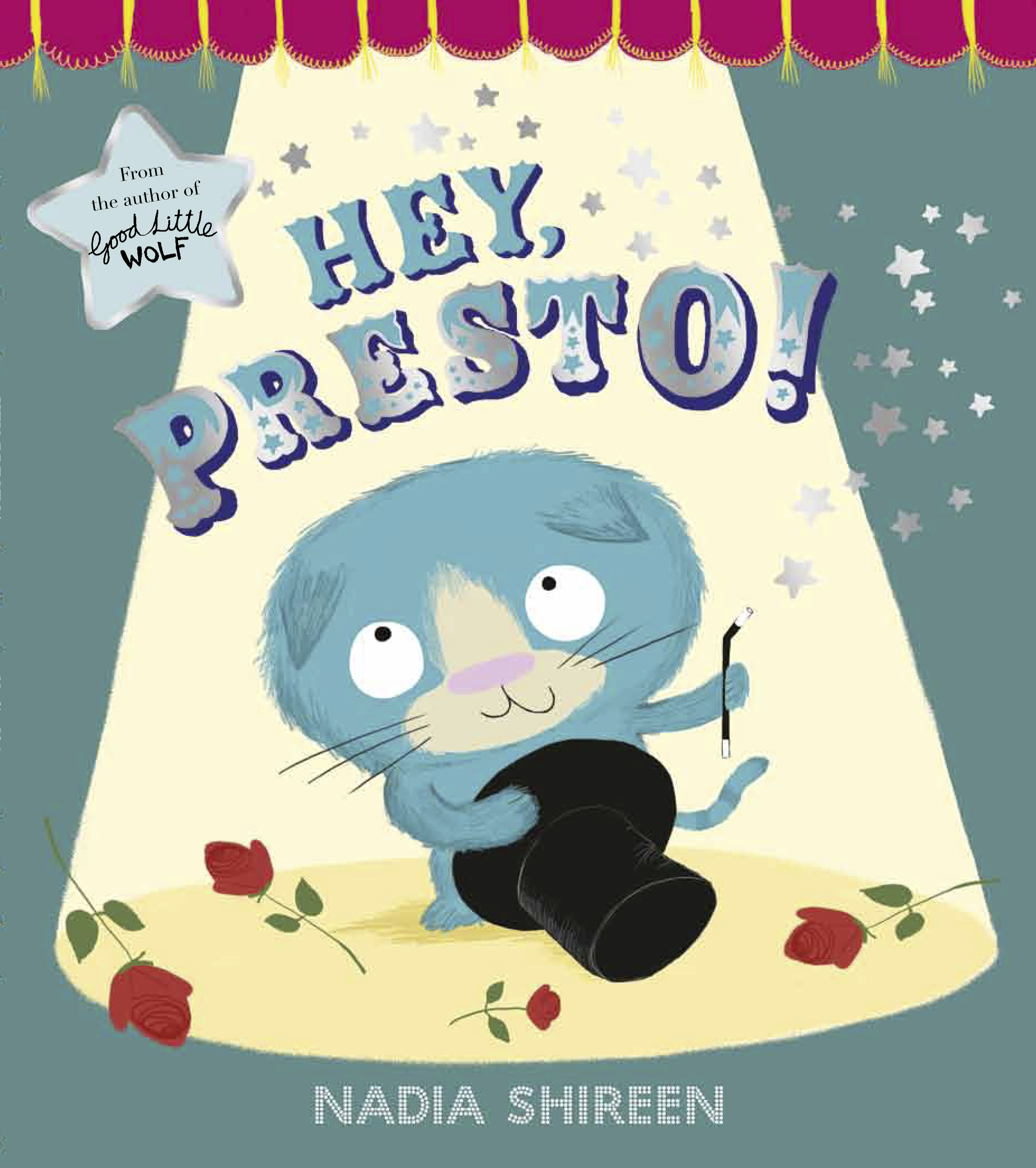
This 32 page picture book about friends learning to appreciate each other is both silly and sweet.  An AR 2.6 the book is great for preschool through third grade and gives lots of teachable moments along the way if you want to make it more than just a fun book.  There is nothing religious, but I believe the author, who is also the illustrator, is Muslim.

3D98CA51-5683-4B47-AA1D-D2D59EC0534B

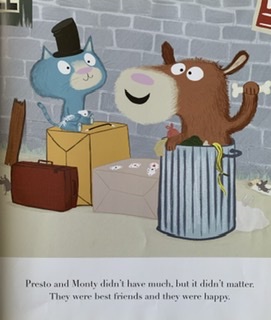
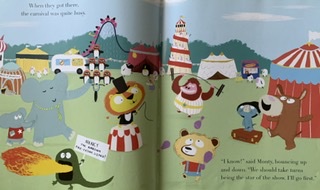
Presto and Monty are best friends.  Presto is a brilliant magician and Monty is good at singing, eating ice cream and making funny faces.  When the carnival comes to town the two decide to put on a show and become famous.

A14B6C11-5B00-402D-AC0B-6471AD953433

Monty suggests they take turns being the star of the show, and Monty decides to go first.  Monty isn’t a magician, so Presto stays behind the scenes to make sure the tricks work.  Somehow, this is how it ends up going night after night after night.  Presto never gets his turn.

BD1712A8-2E13-4AA5-9E7A-902456DD1820

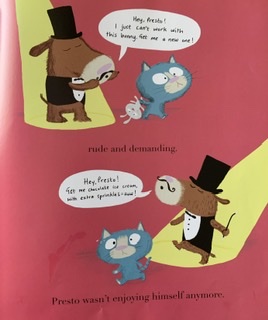
Monty gets bossier and bossier, demanding things of Presto and being rude.  Presto is no longer having fun.  When Monty signs a contract to go on TV with his magic show, Presto has had enough and leaves.

C0366580-AF19-4A17-A787-22C33A3CBF90

When showtime rolls around, Monty realizes Presto has left and has to try and learn magic real quick.  The show doesn’t get off to a good start when none of the magic tricks work.  As the show goes from bad to worse Monty realizes how bad of a friend he has been.

5DF12A03-2366-4EE7-A7F9-FA6BD355C730

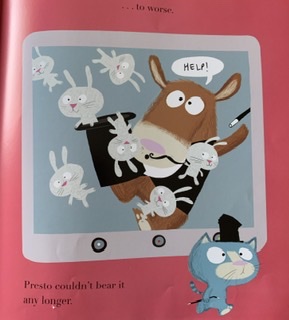
Presto watching from home can no longer bare it and rushes to save the day.  Monty promises things will be different and the two of them cook up a new act and realize together their show is perfect.

1A295E46-CE70-46DF-AC17-976B023930AA

Let it Go: Learning the Lesson of Forgiveness by Na’ima B. Robert and Mufti Menk illustrated by Samantha Chaffey

Standard
Let it Go: Learning the Lesson of Forgiveness by Na’ima B. Robert and Mufti Menk illustrated by Samantha Chaffey

let it go

1AA90D6C-5528-4766-B486-219F31FF7AEC

This 32 page rhyming book follows a little boy around as he is weighed down by a lot of things not going his way.  He doesn’t want to forgive until he is the one that hurts someone else and realizes we all make mistakes, forgiveness is not a weakness, and we all feel angry at times.  The book breaks from the story to ask the reader to think about their emotions in various situations, and encourages the reader to talk about their feelings.  The framework is Islamic and the repenting to Allah swt is part of the message. I found it awkward to read independently, but I read it to a small group of my own kids and their cousins, seven in all, ages four to thirteen, and it worked very well to discuss what the boy was feeling and how they would react.  I think this book would be great in a classroom or as a book an adult reads to a child at bedtime to encourage conversation.  I had to point out to the little ones, that the knapsack was getting bigger with the little boys anger, and explain what it was, but as a tool to foster dialogue it was incredibly powerful.

AF3C685C-9745-42B2-96C3-53F2B28B50B7


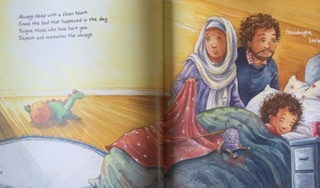
The book starts out with a poem/du’a by Mufti Menk that sets the tone for the book.  It makes clear that we are all human and feel things and that this book is a tool to understand and emotionally grow from.  No one is going to get in trouble or be reprimanded.

997B392B-E053-4EB3-AAAE-B40023247F90

The story stats with the little boy waking up happy and ready to have a wonderful day.  But then when he comes down for breakfast, his sister has eaten the last piece of toast.  The book asks the reader, “how do you feel when things don’t go your way?” and asks the little boy to let sorry make it better so that he can let it go.  But the little boy doesn’t want to let it go, he wants to hold on, and as a result it makes his heart feel heavy.

71B6DCC3-5B85-423E-A3F7-6F1F3DC80136

This pattern is followed throughout the book giving examples when the boy doesn’t get included in a game at school with his friends, when his friend kicks his football (soccer ball) in to the road and it gets popped by a passing car, and at dinner when his older brother laughs at him.

5BAA4271-891B-4D25-8451-B1A787D4C1F9

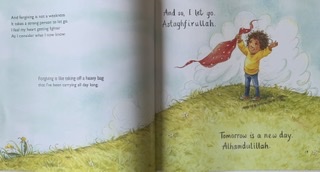
He then picks on his sister at bedtime, and doesn’t even know why he is doing it, and realizes that he too has made a mistake.  He learns that “it takes a strong person to let it go,” and that “forgiving is like taking off a heavy bag that I’ve been carrying all day long.”

4D498CEE-6886-40ED-925B-6D230205CB6C

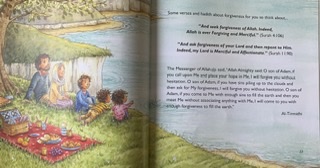
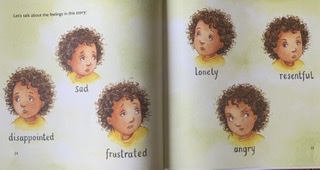
The book ends with some verses and hadith about forgiveness.  Has some facial expressions with emotions to discuss, and space to write down things that make you feel angry, hurt, or sad as well as a place to share what makes you happy, grateful, and safe.  There is also a glossary of Islamic Arabic terms on the inside back cover.

D5E111E7-2791-466B-9343-B362E7D4EB23


Forgiveness by Isa Beaumont

Standard
Forgiveness by Isa Beaumont

IMG_3669

This dual language book, is structured and feels like a leveled reader, but is more geared for fluent reading five to seven year olds.  It definitely has more complex diction and vocabulary than an emerging reader would be able to handle in English, I have no idea about the Arabic.  

SYNOPSIS:

The concept in 26 pages is how to forgive others and react calmly when we are upset.  The book is brightly illustrated on glossy sturdy softbound pages, and the characters are found in all of the company’s stories and plush figures at https://www.littlemaysoor.com/

IMG_3670

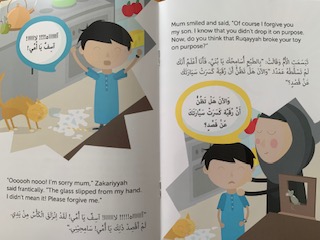
Little Zakariyyah has been behaving well, and as a result his mom gets him a new red toy car, he loves it and plays with it in the garden everyday. His sister Ruqayyah wants to play with it, he agrees and when he hands it to her, she accidentally drops it and it breaks.  In anger Zakariyyah begins screaming for her to “Go away from me!” Mom comes out to see what is going on and calm everyone down, she takes Zakariyyah inside and pours him some milk.  When she hands it to him, his hand slips and he drops the glass breaking it and making a mess. Mom forgives him and obviously highlights the similarities to what just happened with his sister and the toy car.  Mom then gently guides him to acknowledge his poor behavior and asks him what he things he should do.  Zakaraiyyah knows he needs to ask Allah swt for forgiveness and then apologize (apologise) to Ruqayyah.  Once he does this, his sister shares some sweets with him and reminds him of a hadith, “The strong one isn’t he who can overpower others.  Instead, the strong one is he who can control himself when he becomes angry.”

IMG_3671

WHY I LIKE IT:

Before the story begins there are six points you can implement before reading the story, and after the story, there are beginner and advanced concept questions and a place to write the answers provided.  The book has an agenda and it achieves its mark in showing a moral concept in an Islamic framework.

The book is written in British English which could make the spelling a bit confusing for new American readers, but manageable.  I honestly don’t know if the book was written in English then translated to Arabic or the other way around.  Some of the wording seems awkward so it could be attributed to it being translated from Arabic or it might just be the American/British difference.  For example Zakariyyah loves playing in “a small sand pit for children,” why not just say, sandbox? Again not terrible, but rationale for why I think children sounding out words might be a bit young for the target audience.  

I liked the story and how it lets the reader see the similarities to the events that unfold, just like I loved that the mom asked Zakariyyah what he should do, rather than dictate or scold him.  I was surprised when I read it, how smooth the ending was, because it really could have had Ruqayyah come across as a know-it-all and it didn’t.

The beginning of the book stumbled a bit with the set up trying to tell about Zakariyyah, why he got the toy and then staging the plot of the book.  If he had been playing with the car everyday, is it still a new car? Also the illustration before he drops the milk has him sitting at the table with a glass a milk in front of him.  Sure, maybe it was the second glass that he dropped, but it’s noticeable.

IMG_3672

FLAGS:

Clean

IMG_3673

TOOLS FOR LEADING THE DISCUSSION:

The book is obviously too short for a book club per se, but I think if you had a small group of readers, or are home schooling, you really could ask a child to read the book and then reflect back what they understood and what they learned and how they hope to put it in to practice.

Even with not reading the Arabic, the book is pretty solid in its approach and I plan to check out the other books in the series as I do a lot of story times with basic morals as themes.


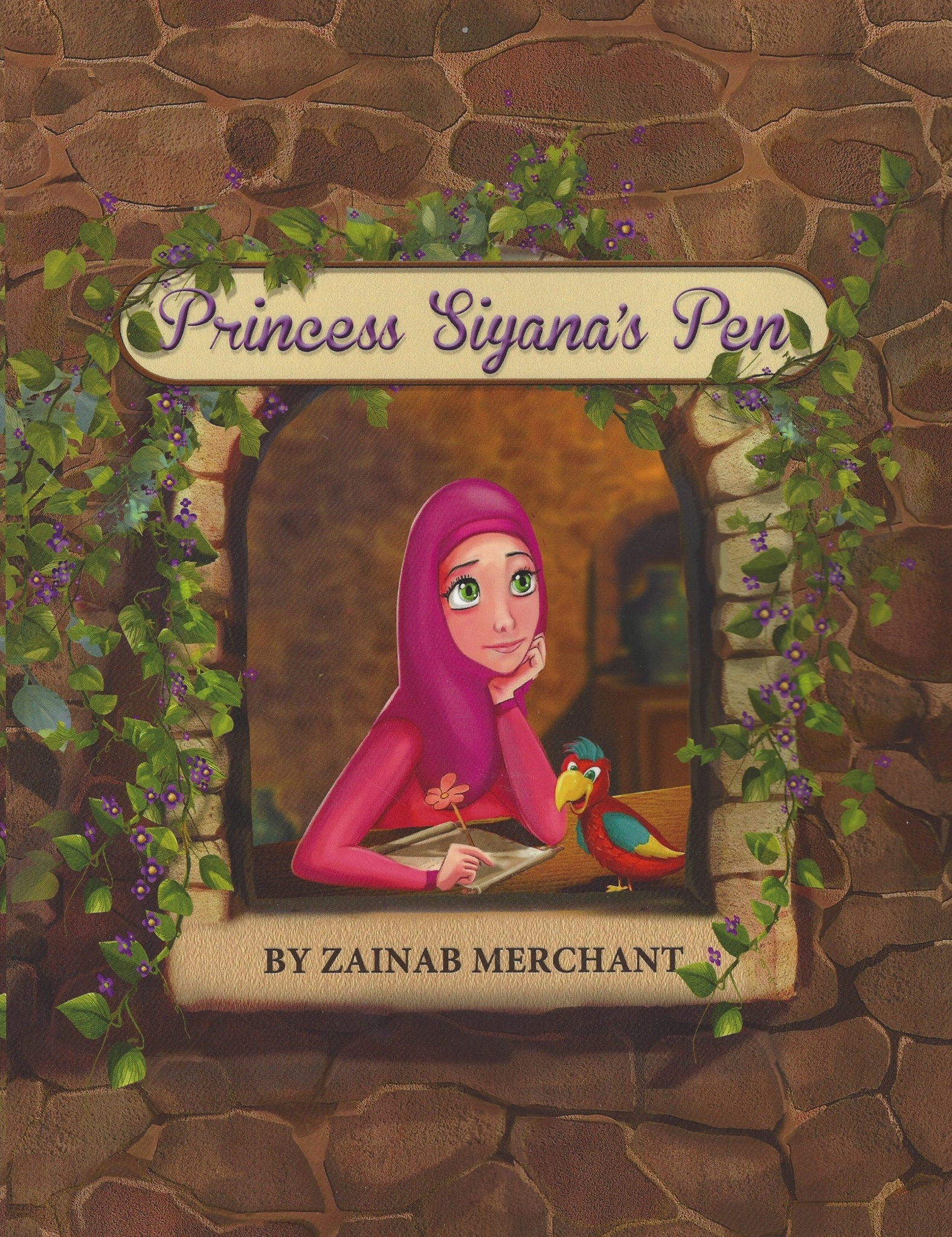
Princess Siyana’s Pen by Zainab Merchant

Standard

Princess_Siyana_s_Pen.jpg

It is hard to not compare a big, brightly colored Princess book to the golden standard of a Disney princess story, which obviously isn’t fair. But for as much as I wanted to love this strong Muslimah and her doe-y eyes as she saves herself and the kingdom, I felt the author let me down.  The plot feels overly familiar, it is like a mix of Rapunzel in Tangled (minus the tower and Mother Goethel), Anastasia (not Disney, but in the same genre), throw in Jafar and (a nice) Iago from Aladdin, sprinkle in Islamic wisdom and insights, and tada you have Princess Siyana.

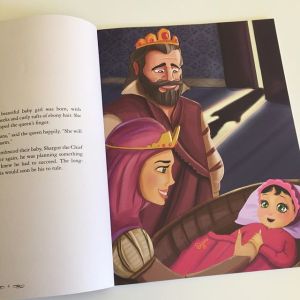
Siyana is the daughter of King Tariq and Queen Fatimah, the wonderful rulers of Lusitania.  While still a baby, the evil Chief Advisor Shargor kidnaps the young princess and leaves her in the neighboring mountainous kingdom of Baetica.  As her kingdom searches for her, a traveler in Baetica finds her and gets her to Ms. Salma at El Sol Orphanage.  Her life is good growing up. She shares her knowledge of modesty and salat with the younger girls at the orphanage, and has a very close relationship with Ms. Salma.  Meanwhile, in Lusitania, Shargor has imprisoned the King and Queen and is ruling unjustly and ineffectively.  When Siyana is 16 years old Ms. Salma surprises Siyana with a trip to Baetica for an interview at Baetica Academy, Siyana’s dream school.  While there, a tornado tears the two apart, and Siyana is rescued by an elderly couple.  This couple is struck by her name and fill her in on the story of the missing princess.  Siyana boldly journeys to the castle, storms in, frees her parents, forgives Shargor and presumably they all live happily ever after.

The author puts not just Islamic values of forgiveness, and kindness to others in the story, but pushes the point of hijab and talking to Allah (swt) as well.  Siyana discusses how at the orphanage they don’t cover, but when they go out they do.  One of the younger girls even asks her, “why wear such a pretty dress if no one can see your hair?”  Hijab comes up a few times through the book and isn’t too awkward.  However, I felt the concept of writing letters to Allah (swt) a little forced and less smooth, especially considering it is the title action of the book.  Once a week the girls at the orphanage write letters to God with special pens Ms. Salma had given them. They then drop these letters in the lake.  A bit odd for the environment in my opinion, but I get it I’m cynical.  In her first letter she writes about wanting to help others and even remarks, “Oh my Lord, my Guide, my Everything, How I’ve missed you, even though I talked to you just an hour ago in my Salaah!” The author has Ms. Salma explain that you can always talk to Allah (swt) and that duaas and letters are good, but remembering Him in your heart is the best.  Siyana writes two letters in the book, and the letters aren’t long, but it seems like the lead up in to them and after them, explaining the connection to God through many different forms is good, and which are better, and which are required, etc., gets a bit wordy.  Again I do acknowledge my own unease with writing letters so formally to Allah (swt) in literature. I have now reviewed a few books were it presents itself, and in all cases I find it weird, and I don’t know why.  Interestingly the Author never uses the word Allah (swt), but she does use hijab and salaah.  And there is space at the back of the book to write your own letter to God.

I do like that the plan is for Princess Siyana to rule the kingdom and that she is traveling for educational reasons when the tornado strikes.  I also like that Ms. Salma seems to be a strong independent woman and that Siyana, doesn’t wait around for someone to save her parents, she takes control, trusts Allah, and saves the day.

12729432_218382801843197_1944575424_n

The book is beautiful and big.  The illustrations are radiant and well done.  At 40 pages long, there is also a recipe for Macaroons and amaze at the end, the story is quite long in both the number of pages, and in the amount of text on each page.  I would place it on at least a 3rd or 4th grade level for reading, and possibly a KG or 1st grade level for story time.  The book isn’t dry, but it would definitely test a 3 or 4 year old’s attention span.  Obviously it is an Islamic alternative to the mainstream princess story, but at $19 and the way it is beautifully presented, I guess I wanted more than just Islamic morals infused into something so familiar.  I feel like the author could do more, it is definitely within her writing ability and the publisher, Sun Behind the Cloud, who it seems is responsible for the illustrations as well, definitely know what they are doing.

There is a youtube teaser: https://www.youtube.com/watch?v=6qS_Jw2rp8Q

and an interview with the author https://www.youtube.com/watch?v=HCclUg9pUXI

siyanas-pen-1-600x600