Category Archives: 3rd grade and up

Horse Diaries #6: Yatimah by Catherine Hapka illustrated by Ruth Sanderson

Standard
Horse Diaries #6: Yatimah by Catherine Hapka illustrated by Ruth Sanderson

yatimah

I love that a reader talked to her mom about this book, and then they brought it to my attention. Published in 2011 it is book six in a popular middle grade series told from the horse’s perspective where each book features a different culture from around the world and is set in different time periods. This book is told from an Arabian horse’s perspective in the 9th century and details her growing up an orphan, trying to understand the Bedouin humans around her, and establishing herself as a war mare.  Allah swt is mentioned quite often, as is Arab hospitality, and some guests at one point are briefly mentioned as they are on their way to Hajj.  My problem with the story is the portrayal of the raids.  I don’t know enough about Bedouin culture in the 9th century to opine on the accuracy of the raiding that would occur between tribes, but when juxtaposed with the humble God fearing, grateful religious people, blatantly stealing from the neighbors, it is hard to cheer for Yatimah and her humans at being thieves.
SYNOPSIS:

The birth of Yatimah takes the life of her mother, the beloved war mare of Nasr.  Her loss puts distance between the Bedouin leader and the foal.  Nasr’s daughter Safiya, however, has a soft heart for Yatimah and the two form a close bond. As Yatimah is accepted to nurse from another mare and grows with the companionship of her colt, Tawil, the two young horses show the reader how when the grazing starts to disappear in the desert, they are fed dates, and when those start to deplete they move to more fertile lands.  Always on the move, they raid other camps to steal sheep, and camels, and horses as needed, and work to prevent other’s from stealing from them.  Since the death of Yatimah’s mom, Nasr has not found a proper war mare, and thus the training of Yatimah begins. The climax is a raid that will give Yatimah a chance to prove herself and win over the still distant Nasr.

WHY I LIKE IT:

I love the illustrations and the detail that often accompanies them.  I also really appreciate the appendix at the end that gives information about Arabian horses, Bedouins, and war mares.  I learned a lot about the specific strengths of Arabian horses, and why the Bedouins favored riding mares over stallions. 

I liked that many of the exhausting stereotypes were not present in this book in regards to women.  Safiya is a young girl at the beginning and then starts to wear hijab as she grows, but she is still free to come and go as she pleases it seems.  Her father respects her and shows affection and kindness to her throughout.  I just find the premise a little off that we readers, are hoping that Yatimah becomes the lead thieving horse.  It mentions that it doesn’t make sense to the horses, but to have that be the whole point of the story, leaves a bad taste in my mouth, especially when the story could have been developed in so many other ways to focus on something a little bit more positive.

img_6527

FLAGS:

Stealing, thieving, death, loss.

TOOLS FOR LEADING THE DISCUSSION:

I think the book would be fine on a classroom bookshelf, but I wouldn’t highlight it unless I was prepared to discuss with young readers the culture and why perhaps this was such a part of the lifestyle.  I would not want to perpetuate any stereotypes of Muslims, or provide a negative impression on readers that are drawn to these books because of their love of horses.  I learned a lot by reading the books, but I worry what a 8 to 10 year old would take away about a culture and religion after reading such a story, I fear the word barbaric may arise.

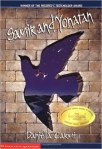
Samir and Yonatan by Daniella Carmi

Standard
Samir and Yonatan by Daniella Carmi

samirandyon

I saw this book at the library and was shocked: a Palestinian pov story written by an Israeli.  I checked it out, braced myself, and got ready to rage.  Except it isn’t blatant, and I can’t just chop it up to obvious hate, but that isn’t to say that the 183 page middle school book should be shared and deemed harmless: it subtly minimizes the occupation of an entire people, it in many ways glosses over the apartheid taking place.  It gives the inequity lip service, and I’m sure many western non Muslim, non Palestinian readers will find the book balanced, but I never could quite shake the looming shadow throughout, of trivializing the oppressive regime that is Israel.  I don’t know if the undermining is intentional, and I couldn’t find anything with a Google search to see how the book was received by Israelis in 1994 when it was published (it was translated in 2000), but either way it provides a great example as to why OWN voice books are so much more powerful.  This is not the oppressors’ story to tell.  I’m not saying the author isn’t sympathetic to the Palestinian struggles or that she actively supports encroachment of Palestinian homes, I honestly don’t know her stance.  I do know that the lived experiences of Palestinians though, is best left to be told by people that live it, have lived it, and those that feel loss because of it.  It is not a narrative to be told by the force that is causing the pain.  My biggest worry is that readers will take away from the story that the situation isn’t that bad, that Israelis are taking care of this poor injured Palestinian boy out of the goodness of their hearts so they must be nice, and at the end of the day the two sides are just two opposing forces, but the people once they get to know each other, bond over the fact that they pee the same and can be friends.  It waters down that it is, and was, major international powers backing the Israelis and that it is not, nor has it ever been, a simple disagreement between two equal sides. No I don’t expect every book about the region to detail the specifics, but don’t tell me that killing of children, a life of checkpoints, curfews, and fear can all disappear over a few months when the “enemy” provides medical care, regular meals, and arts and craft times. I’m not Palestinian and I can see the short-sided reality of that real quick.  It leaves young impressionable readers with a very skewed view, no matter how diplomatic the author attempts to be on the surface.  And I cannot support it.

SYNOPSIS:

Palestinian boy Samir injures his leg in a bicycle accident, quite seriously, and his mother who cleans for an Israeli lawyer is able to get him a special permit to be taken to the Jew’s hospital to be cared for by a visiting American surgeon.  He speaks broken Hebrew, but understands quite a bit as he has worked in a Jewish grocery store in the past.  When he gets to the hospital, he is placed in a room with other children to wait.  He stays there for weeks until the doctor can arrive and then even after the procedure he stays for physical therapy for weeks before he can return home.

While he is there, he gets to observe and know, in some ways, the other patients.  Yonatan is always buried in a book, but at night, when the other kids go to sleep he talks to Samir and plots with him a trip to Mars.  Yonatan’s mom lives in American, he lives with his dad who is an astronomy professor.  He also ethically is a vegetarian and saves his kabobs and chicken from his meals to give to Samir.  There is a girl that was hit by her father and refuses to see him, and one that is like a princess that doesn’t like to eat.  Tzahi wears a colostomy bag and is always jumping around and causing trouble.  His brother is a paratrooper in the Israeli army and he hates Palestinians.  It is hard for Samir when the brother comes to visit, the fear is real.

Samir’s younger brother Fadi was recently killed by Israeli soldiers and the memory, horror, and anguish is still very fresh for Samir and his entire family.

WHY I LIKE IT:

At first I really couldn’t articulate the saccharin taste the book was causing to form in my mouth as I read.  The curfews, and check points and loss of Fadi was being discussed and contrasted to the luxury of the Israeli hospital, and then it began to occur to me that, it was almost worse than just being blatantly hateful.  The placating and sugar coating slowly diminishes the horrors of reality.  At the beginning Samir doesn’t want to go to the hospital, he would rather have a limp, but the narrative slowly becomes about the kids in the hospital also have stressing and hard lives, and that seems sweet, except, their issues while specific, are universal.  Samir’s leg is as well, but the oppression of his people is systemic and helping him doesn’t erase that the same people running the hospital killed his brother, dictate his reality, and his future opportunities.  It is not enough for the “anti Palestinian child” to have a surgery that corrects his ability to urinate and at the very end, they pee in to the planters.  It might work on the surface, but it trivializes too much. If Samir would have gotten to tell them about his life and his pains, and his experiences, and they would have accepted them as valid, maybe I could see bridges being built, but bonding over basic human functions, and celebrating that an Israeli boy finally talks to a Palestinian, isn’t compassion, it is arrogance.

The only real positive takeaway I had of the book was that even in the tiniest human kindnesses Yonatan showed Samir it was something for Samir to contrast with his life long friendship with Adnan.  That growth of realizing what makes a good friend was more humanizing and affectionate than any other storyline in the book.

FLAGS:

Murder, fear, harassment, oppression, bullying, teasing, violence, gun violence, abuse, talk of urinating, showering in front of others.

TOOLS FOR LEADING THE DISCUSSION:

No way, I will never have Palestinian children read about their life experiences from an Israeli person speaking through a Palestinian character.

The Boy Who Met a Whale by Nizrana Farook

Standard
The Boy Who Met a Whale by Nizrana Farook

whale

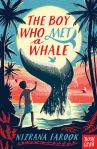
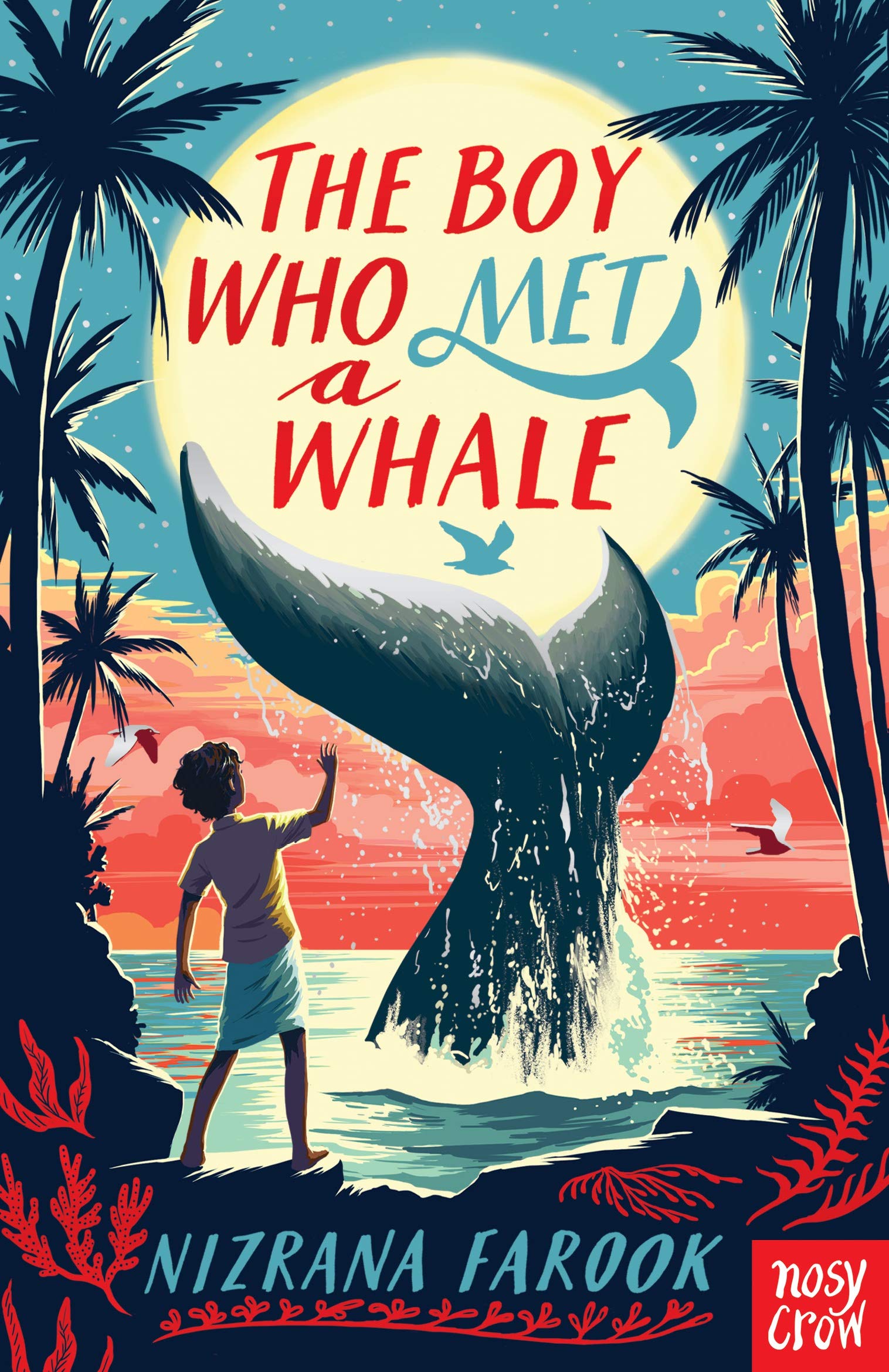
I have a vague memory of being told that this book features a Muslim family when I reviewed the author’s first book, but I can’t find the message, nor recall who sent it and to where.  The text does not suggest any religion by any of the characters, but that being said there are “Islamic” names present in this 195 page middle grades book by a Muslim author and set in Serendib, the old Arabic name for Sri Lanka.  The fast paced story pulls you in and sets three kids up for adventure, overcoming fears, outsmarting adults, and becoming heroes along the way.  I didn’t love this book as much as The Girl Who Stole an Elephant, but it probably isn’t fair to compare them.  The book was released last year in the UK and will release shortly here in the US, I don’t know that I would rush out to purchase it, but I would definitely put it on hold at the library.  It is an adventure filled read from a boy protagonist perspective, it starts with a mutiny, features treasure, plotting, close encounters with a whale, and bringing justice to murderers and thieves.

SYNOPSIS:

Zheng has never had much of a family, and when his Captain’s First Mate and the cook poison their merchant ship crew and leave them to die, Zheng escapes.  He washes up on the shore of Serendib, not far from Galle, and is found by local fisherboy Razi.  Razi is a fisherboy that doesn’t fish, or rather no longer fishes, not since his father was killed by the sea.  Razi just tries to help get Zheng some food and get him out of the sun, but when Marco and Cook question him about the whereabouts of Zheng, he protects the boy and gets himself involved.  Promising not to tell anyone about Zheng, he immediately tells his twin sister Shifa.  Shifa is the rational one int he group and doubts Zheng’s adventure stories.  Her quick thinking and clever sneakiness provides time-and-time again in the book, a chance for the three kids to rescue each other, find the treasure, and return it.  

WHY I LIKE IT:

I love that the book is so fast past and unapologetic.  The descriptions of the island, and the plants and sea life, really is impressive and insightful into a country and culture not often explored in children’s books.  My mommy heart did not like that the kids would just leave for days at a time, and they never even thought that she might be worried, spoiler, she was! 

I like how subtly the grief and loss of the father manifested in Razi.  How he had to reconcile his emotions and start to move forward.  It isn’t in your face, but I would imagine that any child who has gone through something similar, would be reassured by seeing a fictional character experiencing something similar.  It is reinforced by Zheng’s lack of family and his need to find a “home.”

I felt like a few plot holes were too quickly glossed over in the heat of action.  I don’t know that it is a result of carelessness, I think it was more to keep the story fast moving and appropriate for the target audience, but I could have used a little filling in of the gaps: the ease of pulling people in to boats, where Zheng was going at the end and how it was all figured out, how Cook and Marco found Zheng, how everyone in Galle immediately recognized the dagger, why the kids were never killed even though numerous people were drugged at the beginning without a second thought, what the praise was for the returning of the dagger, what the oxen cart owner’s response was to the damaged cart, etc..

I wish there would have been a prayer to Allah swt at some point, or a bismillah, or an Assalamualaikum. The sister’s name, Shifa, and the medicine man that she trains under, Abdul Cader, imply a tinge of Islam, but I would have liked a tiny bit more, the book sets itself for lots to be sprinkled in, the children nearly die multiple times, but it was never there.  

FLAGS:

Death, lying, sneaking, near death experiences, grief, loss, theft.

TOOLS FOR LEADING THE DISCUSSION:

This would be a fun elementary read-a-loud with the short chapters and fast paced action.

Click to access The-Girl-Who-Stole-an-Elephant-Comprehension-worksheet.pdf

An Ayesha Dean Novelette: The High School Heist by Melati Lum

Standard
An Ayesha Dean Novelette: The High School Heist by Melati Lum

ayesha deen mg

If you are a long time fan of Ayesha Dean and you have been waiting for some children in your life to grow up just a little, so you can share the strong Muslim detective books with them, you are in for treat.  This book is a short novelette for middle grade readers!  It isn’t a prequel detailing her personal backstory, but it does show how she got her first taste of sleuthing at age 13.  If you are new to the series: the book like all the others is Islam centered, fast paced, authentically voiced, and an overall fun read.  Unique to this book is that it is for ages 8 and up, and takes place in Ayesha’s home country of Australia.

SYNOPSIS:

Ayesha is at a new school, she has recently started wearing hijab and she just wants to settle in to it all with friends Jess and Sara.  Things have been going missing from year eight lockers, but it isn’t until Ayesha is a victim does the concern really hit home.  Add to that getting paired with the jerk Dylan Wyley for a project in Indonesian class, and Ayesha is not having a good day.  When she senses some suspicious activity, she is on the case: ready to get her stolen book back, take down a bully, put her Tae Kwon Do training to use, and make it to the library to pray her salat on time.

WHY I LIKE IT:

I really enjoyed the relatable voice of young Ayesha, having read all of the other books in the series, it was sweet to get a peek of her in her younger school days.  I love how much Islam is in the book, and not in a preachy way, but rather in a ‘I’m Muslim and this is how I see the world and this is what I do’ sort of way. I’m not going to lie though, I wanted more backstory on how she became friends with Jess and Sara, how she settled in to living with Uncle Day when her parents died, and all the backstory four books solving crimes around the world just couldn’t get to.  But I fully realize, that is just something I may never get (hint, hint) and will have to be content with the fast paced, culture and Islam rich stories that we thankfully get.  I’m not complaining, I just get overly invested.

To all my arrogant ignorant readers out there, that like me, might be a bit confused about Australian schooling and culture- I embarrassed and humbled myself and annoyed the ever gracious author to learn more about Ayesha’s world.  In Australia the lockers are located in the students’ homeroom classrooms (tute rooms), hence they don’t often padlock them.  High school refers to ages 12-17, and sometimes 11th and 12th grade are called senior school, and “How did you go” is a phrase in Australian English.  See, aren’t you glad I asked, now we know, and can widen our view together.

The only thing that I think I would have liked to see would have been a bit of pause before Ayesha got into a fight.  It is high energy, and she does it to help someone, but I feel like at 13 years old, in a book for 8 year olds, and as someone familiar with Tae Kwon Do, it should have been more articulated that she was nervous to engage in a physical altercation, and was only doing it because she could not diffuse the situation, get the victim away, and thus had to step in.  I recognize that pulling out of the scene might have made it lose momentum, but I felt a little off celebrating a school fight without that pause of introspection.

FLAGS:

Fighting, stealing, bullying, Islamohobia, racism, bigotry.

TOOLS FOR LEADING THE DISCUSSION:
The book is short and for a younger age than I meet with, but I look forward to purchasing the book on February 20, 2022 to have available in the school library for anyone to pick up and read, inshaAllah.

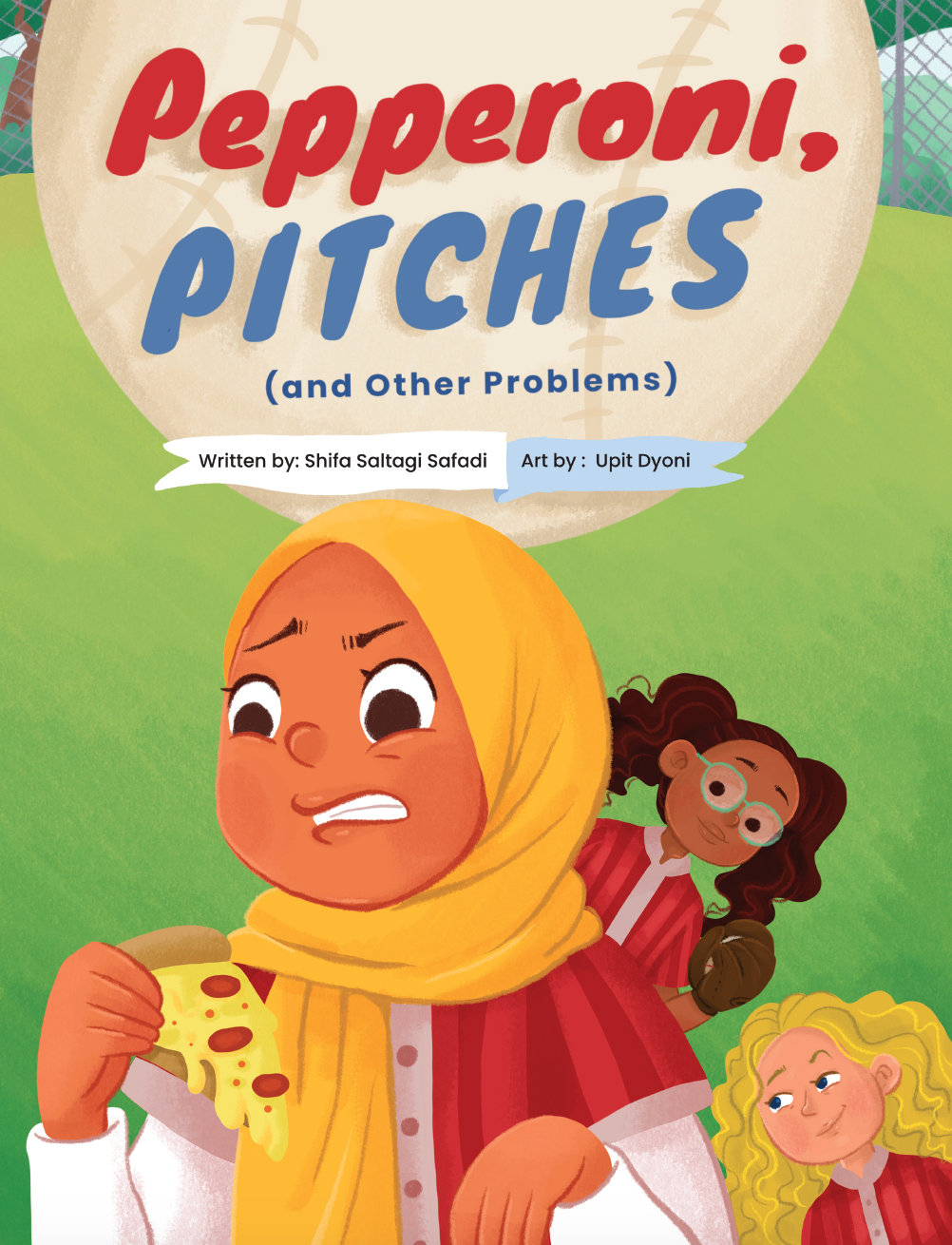
Pepperoni, Pitches (and Other Problems) by Shifa Saltagi Safadi illustrated by Upit Dyoni

Standard
Pepperoni, Pitches (and Other Problems) by Shifa Saltagi Safadi illustrated by Upit Dyoni

pitches

I absolutely love how smart this book is, and how it allows for elementary aged readers to feel that “aha moment” when they read it, get it, and realize that they need to remember the lessons because it could happen to them.  The illustrations are an added bonus and are perfectly aligned with the tone and text of the story.  My only issue, is the title.  Pitches reads as a euphemism for another word and since the book involves girl drama, teasing, and misunderstandings, it really is hard to not have that thought zap your brain when you see the title.  Perhaps if the “and Other Problems” would have used a bigger font on the word “Problems” the alliteration would have been more obvious, and hidden the word “Pitches” a bit.  If I’m alone in this, I apologize to the author and publisher, (I’ve mentioned my concern to them), but for others that saw the word and questioned the content, rest assured it is about baseball and the book doesn’t have even a speck of questionable content.

img_4682

Amira is at a new school, and luckily it is Tuesday, Pizza Tuesday to be exact, and she can’t wait to dive into a cheesy slice.  Unfortunately, Olivia takes the last cheese piece and when Amira asks if she will let her have it, Olivia says she had it first.  Stuck with an egg salad sandwich that smells, Amira sits alone and broods.

In gym they are playing baseball, but no one knows how good Amira is, and she is picked last.  When Amira is up to bat, Olivia is the pitcher and her pitches are terrible.  Amira still mad about lunch and afraid that the others will blame her for not hitting the unhitable balls, shouts, “you’re supposed to aim at my bat.”  Everyone laughs, but Olivia runs off clearly upset.  The new pitcher sends a decent throw and Amira hits a home run.  The captain of the team praises her, and Amira is hopeful she’ll have someone to sit with her at lunch.  After class, Amira sees Olivia crying in the bathroom and no one asking her if she is ok, Amira doesn’t feel so well, and doesn’t ask either. On the bus ride home Amira is greeted with cheers for her home run, but Elena the captain, isn’t among them.

img_4683

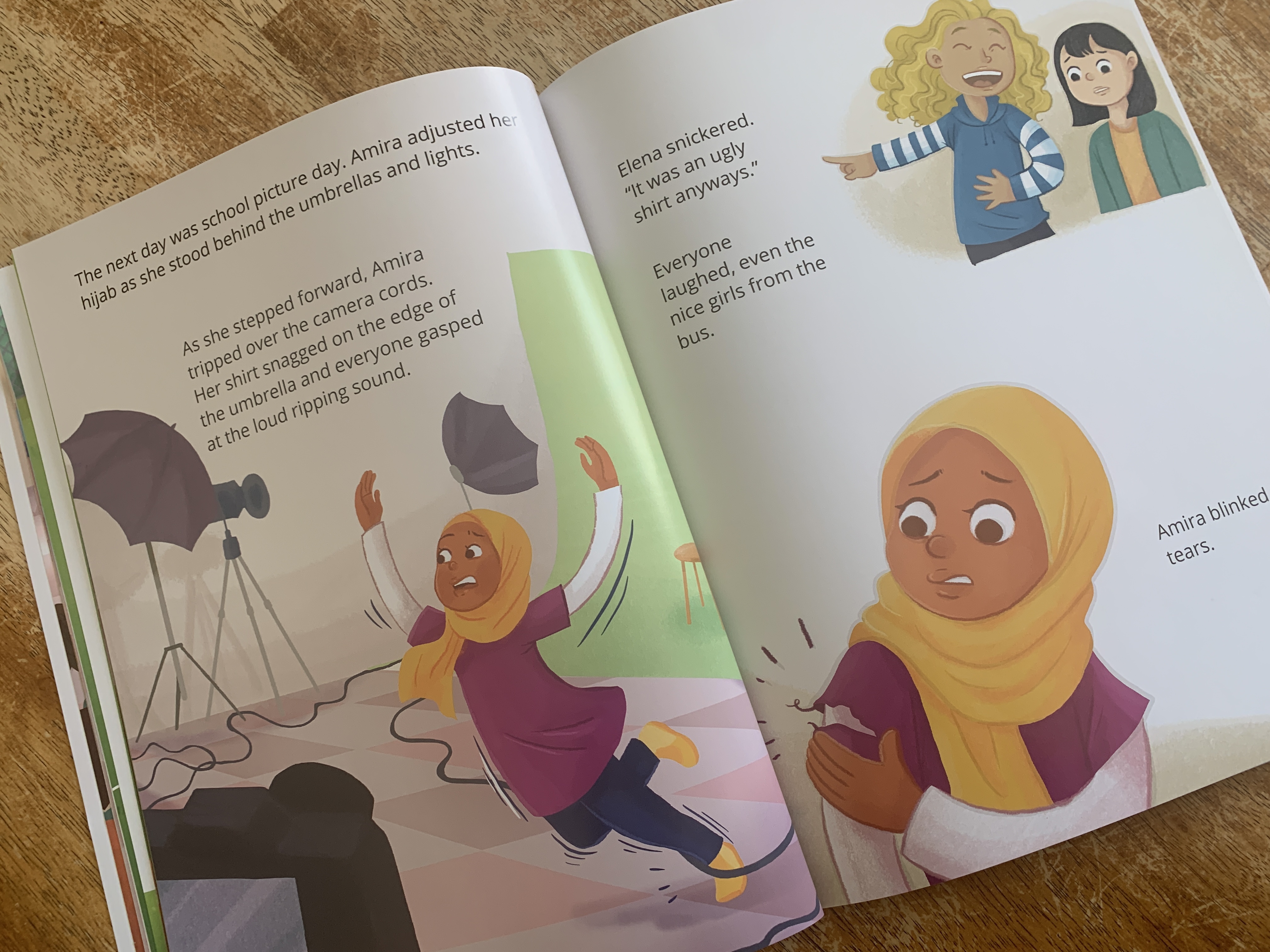
The next day is picture day, and Amira trips and rips her shirt.  Everyone laughs, Elena says, “it was an ugly shirt anyways.”  Only one person offers her help.  Could Amira have misread the whole class dynamics?  How should she move forward?

Sorry, I’m not going to spoil the ending, but the message about owning up to your choices is stressed, along with making kind decisions, and sometimes needing to take a step back and understand things from someone else’s perspective.

img_4684

Like nearly all Ruqaya’s Bookshelf books, the story is universal, but the characters, illustrations, and point of view is a relatable Muslim one that allows our young Muslim readers to feel seen and celebrated.  The reliable large glossy pages make the book a great deal for your money and is available on the publisher’s website: http://www.ruqayasbookshelf or from my favorite bookstore http://www.crescentmoonstore.com

img_4685

Daring Dreamers Club: Piper Cooks Up a Plan by Erin Sodenburg illustrated by Anoosha Syed

Standard
Daring Dreamers Club: Piper Cooks Up a Plan by Erin Sodenburg illustrated by Anoosha Syed

piper

This is book two in the series, I couldn’t get the first book from the library, and I wasn’t willing to wait for the one that focuses on Muslim character, Zahra’s story to be published, it could be a few years.  At 224 pages this middle grades book is fairly formulaic with five diverse girls becoming friends, each book featuring one girl’s story with the others serving as supporting characters, and with the tie-in to Disney Princesses, I really didn’t expect much. Imagine my surprise when I found myself enjoying the characters and their lessons and struggles, sigh.  The book is sweet, the characters like-able, and the author really doesn’t try and force all the characters into every scene.  The book focuses on Piper and the other girls add to her story where it helps, they don’t all have equal time and it doesn’t get confusing because of it.  You can even read the books out of order.  Zahra wears hijab and her Islam is mentioned in a journal entry where she discusses the five pillars, the importance of charity, and getting dirty looks.  There is nothing preachy, but none of the other character’s are defined by their faith and I truly don’t know if I’m bothered by the singling out of Islam being her identity or flattered by it.

img_4279

SYNOPSIS:

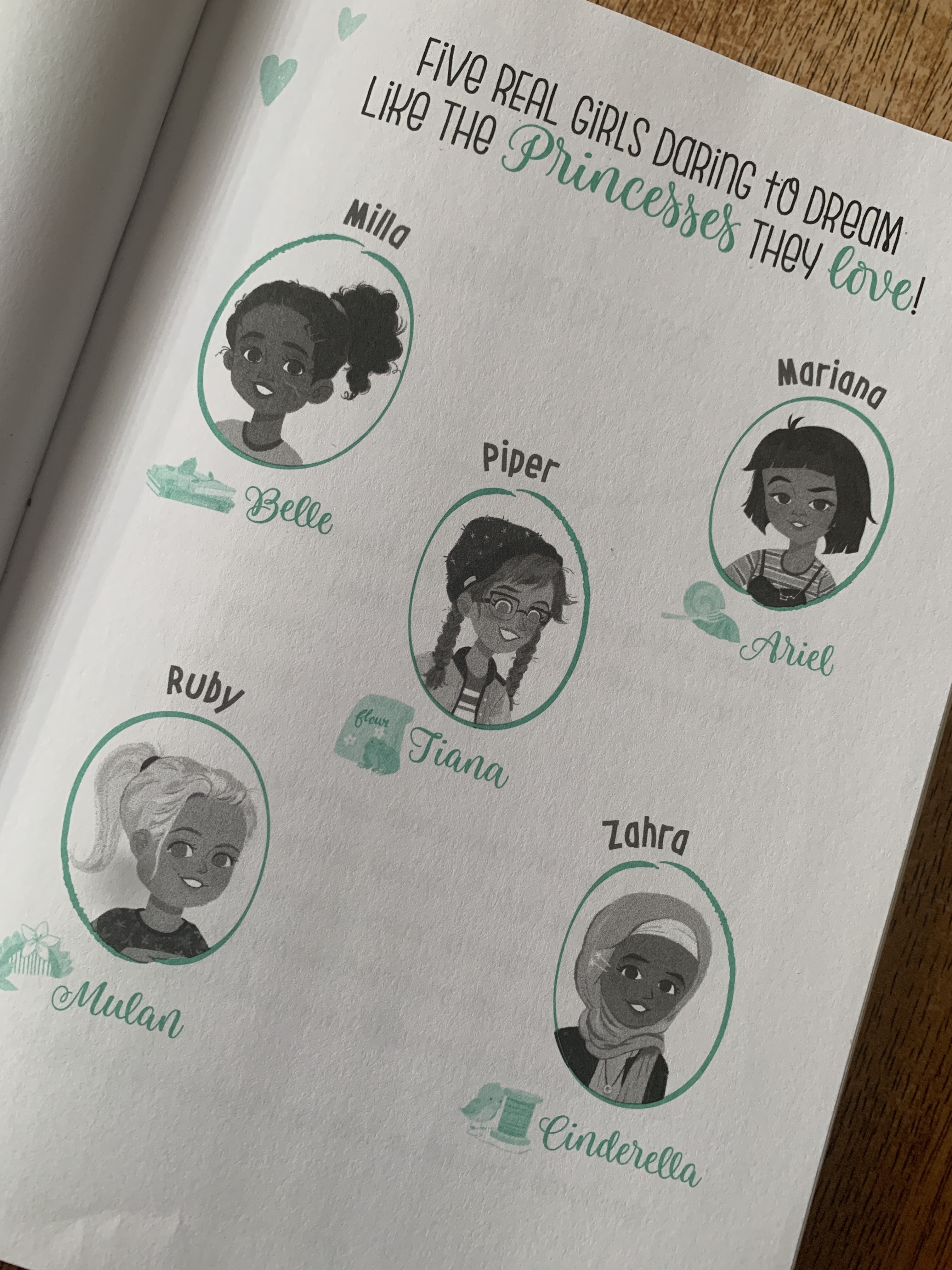
Five girls are grouped together at school in an advisory class to help prepare them for middle school: Milla, Piper, Ruby, Mariana, and Zahra.  Their advisor loves Disney Princesses and in their weekly journal entries has them write about their assigned Princesses as they explore their similarities and how they would tackle challenges, face fears, and the like.  The girls are diverse in family dynamics, race, religion, ability, etc.  Milla is African American with two moms and food allergies.  Zahra is good at art, Muslim, and likes to sew.  Ruby is a twin, her parents are divorced and she is great at sports.  Mariana is hispanic, and is an amazing swimmer.  Piper is Jewish, has dyslexia and loves to cook.  In the book she is struggling with school, while she excels in her food science creations.  She gets accepted to appear in a kids cooking show competition, but will need the help of her Daring Dreamer friends to prepare for the challenges about to be thrown at her during the competition, and to help her from falling behind in school.

Each girl has their journal entry presented in the book which helps to understand more about the different girls, as well as a little bit of introspection to the events happening in the larger story.

WHY I LIKE IT:

I like that the characters are really supportive, and the lessons aren’t so on the nose.  Piper isn’t just told that she doesn’t have to win the competition to have value, you feel it long before she accepts it herself.  Her personality really comes through and it isn’t for attention or for sympathy, she helps a competitor, there is no giant round of applause or moral reflection, she just helps.  I love that even though the story is Piper’s and her dream, there are larger issues woven in and felt, not necessarily preached. Piper is the middle child and feels she has to prove herself, she remarks on how being pulled out of class in early elementary school to get help has made it hard for her to ask for academic help now, the role of confidence and how charity and giving back is important, even while her own family’s financial situation isn’t clear.  I like the role of Piper’s siblings, they are quirky, but loving, and they work through their annoyances to help each other.  It is heartwarming.

I have my own mixed feelings about Disney Princesses, as a child of the 80’s, the 90’s brought all the glory of Jasmine, and Ariel, and Belle, and Mulan, and my friends and I definitely identified with different characters.  I may or may not have tied my hijab up many a days and claimed that I was Mulan in high school, but somehow with my own daughter I didn’t really bring the Princesses in to her day-to-day existence, I don’t think she has even seen all the movies, we read books (we didn’t even have a tv when she was little), she’s 14 now.  It had become too commercialized, I worried about the messaging more.  This book reminded me of what my friends and I as older “kids” channeled the Disney Princesses to be.  It wasn’t all about pink and sparkles, it was battling the bad guy, hanging on to your dreams, and persevering when things were tough.  This book channels those thoughts, it isn’t in your face Disney, it is more muted, and I appreciate that.  It is a solid middle grade read and I think an enjoyable one at that.

img_4283

FLAGS:

In this particular installment, there are no crushes, no holidays, no music, one character has two moms, but in this book, I don’t know that a casual reader would pick up on it. It says “Moms” once, it might be a bigger deal in the story that focuses on Milla, but I haven’t read it to comment.  There is lying and Piper tries to justify it, but I think it is clear and has its own resolution.

img_4284

TOOLS FOR LEADING THE DISCUSSION:

It is much too young for a middle school book club, but I think because it is such an easy engaging read, that in a home, or classroom, the book would be appealing to 3rd graders and up.

The author’s website: https://www.erinsoderberg.com/daring-dreamers-club.html

img_4280

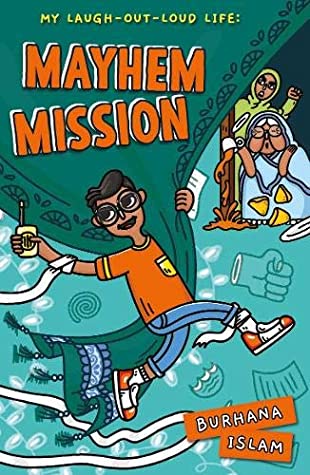
My Laugh-Out-Loud Life: Mayhem Mission by Burhana Islam

Standard
My Laugh-Out-Loud Life: Mayhem Mission by Burhana Islam

mayhem

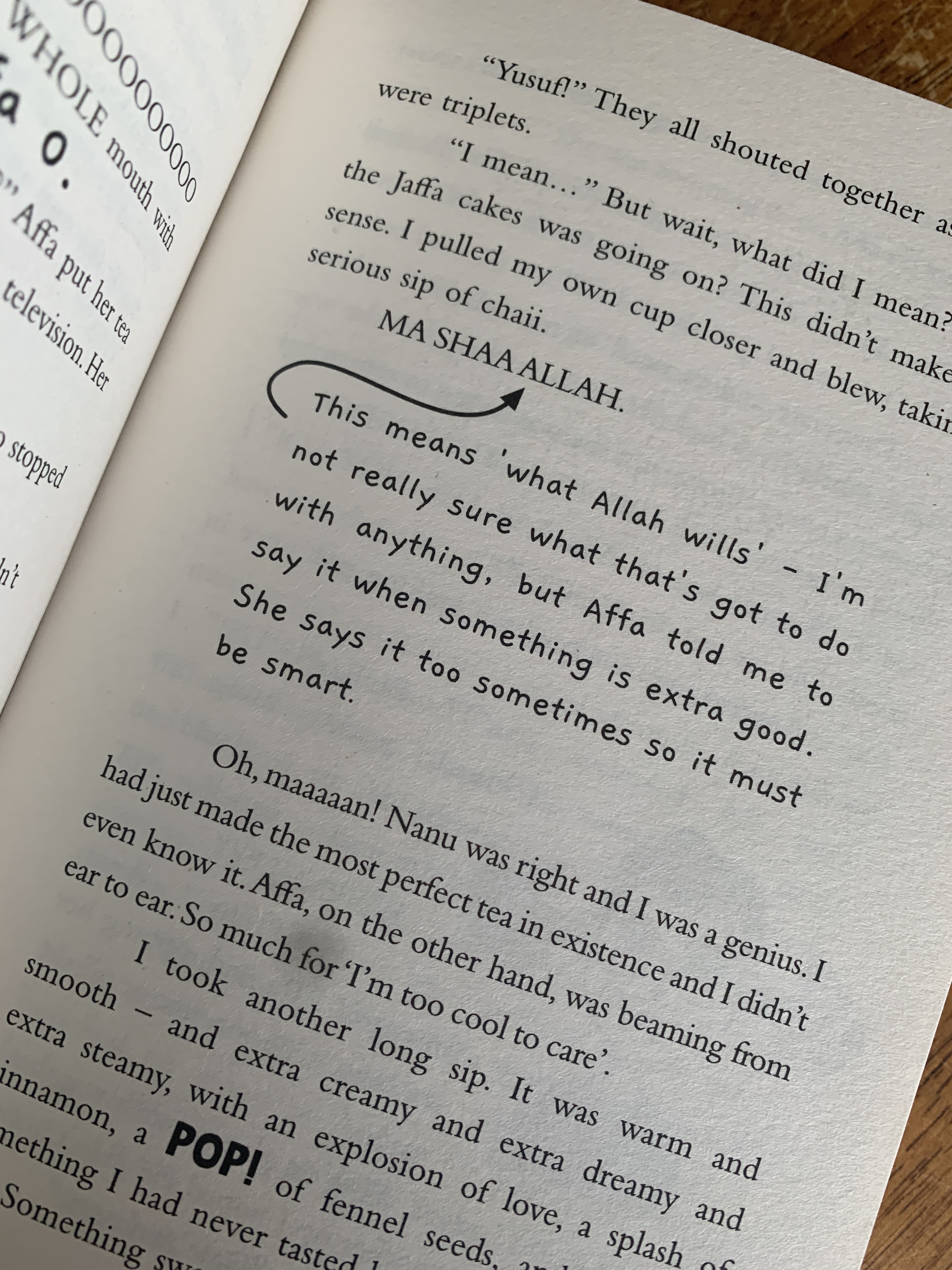
Fairness aside, any book about a genuine Muslim British boy written in first person with doodles, lists, and hilarity for middle grade readers is going to be compared to the Planet Omar Books, and not only do they have the advantage of being first, but they also have set the bar really high.  This 266 page book is decent and fun, and if your children enjoy Omar, they will enjoy this, but even my kids compared the two and found this one just a bit lacking.  The story is outrageous and funny and has a lot of heart, the writing is sufficient, it just feels like the story gets away from the author.  Information is given for no reason and to no purpose, the story loses its way and fumbles around for a bit in the middle, seems to get off track at points, and is a bit weak in character development.  That being said, would I purchase and read future books in the series? Absolutely! I love that the standard and quality for books with Muslim characters by Muslim authors for our children are at this level.  There is no apologizing for Islamic Bangladeshi culture in this book, and the mainstream publication means Muslim and non Muslim children are seeing a nutty, loving family that they can relate to in a myriad of ways, alhumdulillah.

img_4078

SYNOPSIS:

Yusuf’s much older sister is getting married, and she remarks that he now needs to be the man of the house.  Unsure of what that means, he asks Sheikh Google, and is not prepared to do what it entails.  Not at all, he is only nine, but rather than discuss it, he decides instead that he must stop the wedding. So, with a bit of help at times from his cousin Aadam, it is full steam ahead to sabotage the upcoming nuptials.  With little time, he attempts to make his sister unwanted in her inability to cook, keep her hidden in her room by removing all the hijabs in the house, spreading rumors that she has died, ruining her wedding dress, and more, so much more.  It is cringe worthy at times, and hard to put down at others, but alas there is a happy ending, and lucky us, we get to read all about it in Yusuf’s year five what I did over summer vacation essay.

img_4077

WHY I LIKE IT:

I love that the family dynamic is a single mom, her mom, and the two kids.  I think it is important to show some diversity that reflects the family situations of many Muslim children that have thus far been a bit down played.  The book is relatable and contemporary with Marvel references, while tossing in everyday cultural references too.  The family prays, does tasbeh, memorizes Quran, covers, etc.  The book tries to give some depth to the characters, such as Yusuf’s eczema, but it kids don’t get it and the text muddles it to the point, that it misses connecting to the readers.  Also, even kid readers get that a simple conversation could have prevented most everything in the book.  Time is tight, but not that tight for things to get so outrageous.  The book is a British, but I think US readers can handle it, they may, like me, have to Google Jaffa Cakes, but I think they will be fine.
img_4076

FLAGS:

Deceit, sneaking, lying, gossip, destruction of food and property.

TOOLS FOR LEADING THE DISCUSSION:

I don’t think the book would lend itself to a book club, but I think home and classroom and library shelves will benefit from hosting this book.

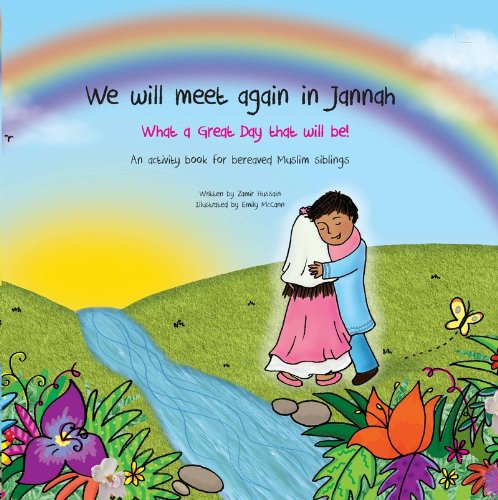
We Will Meet Again in Jannah: What a Great Day that will be! An Activity book for Bereaved Muslim Siblings by Zamir Hussain illustrated by Emily McCann

Standard
We Will Meet Again in Jannah: What a Great Day that will be! An Activity book for Bereaved Muslim Siblings by Zamir Hussain illustrated by Emily McCann

jannah

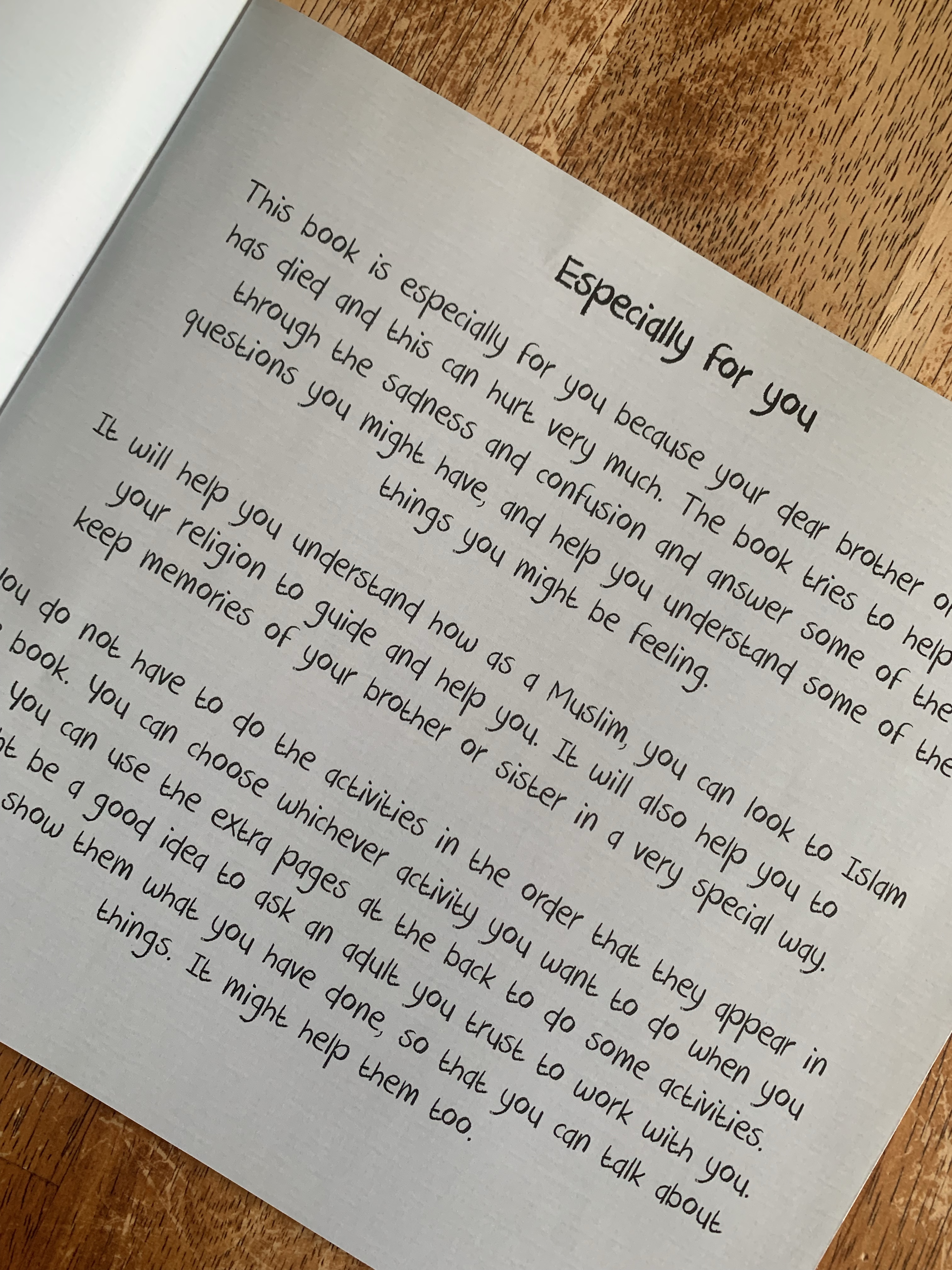
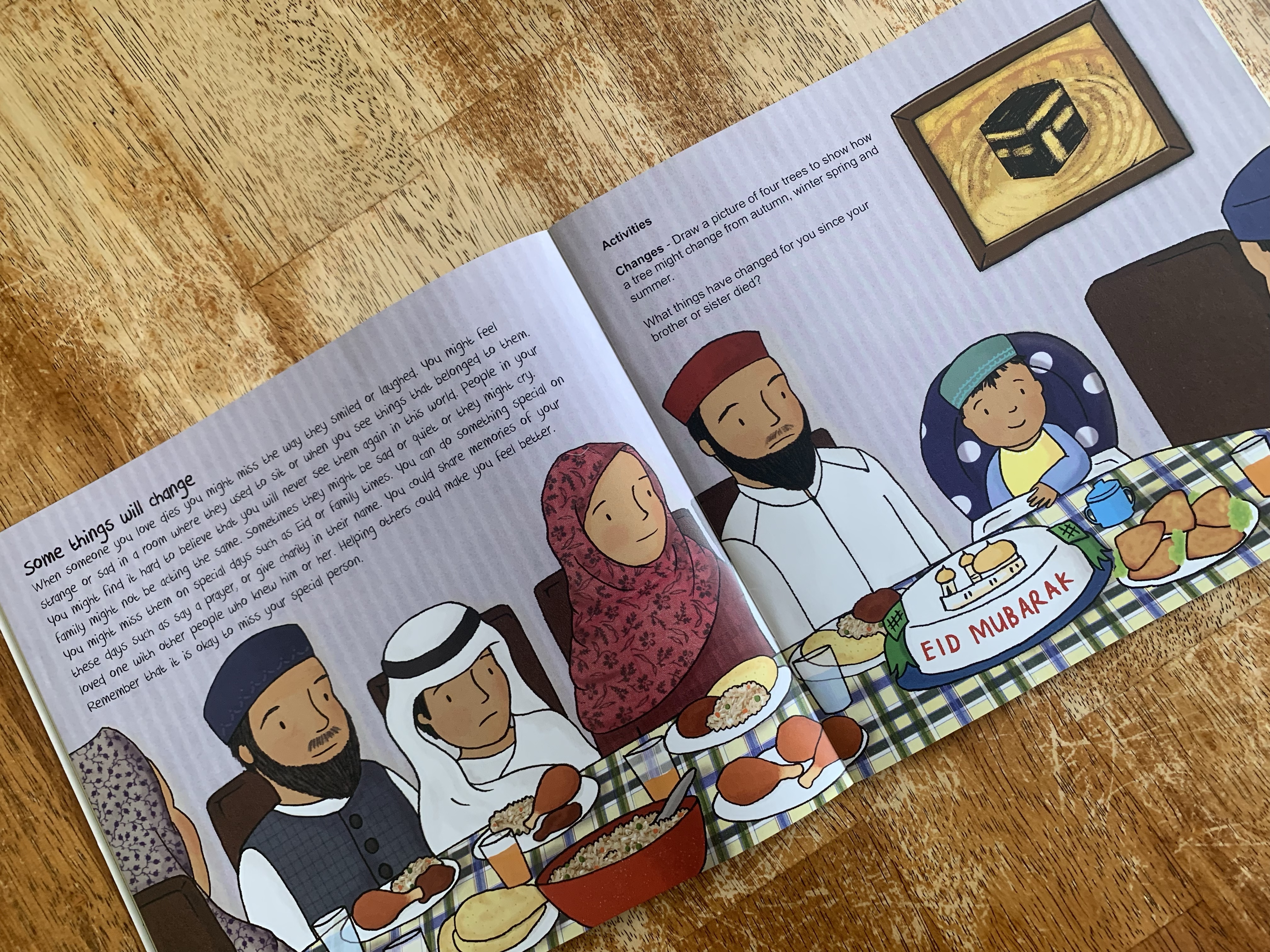
I don’t review workbooks, or a lot of non fiction books, but by far the most thematic requests I get asked about, are children’s books about bereavement.  The loss of a friend or loved one is just not a topic that you see covered very often, if at all.  Sure there are books about jannah, but they are more silly and framed as a reward, not about the loss felt that would precede paradise.  This 32 page paperback activity book is part reassurance, part encouragement, part discussion starter, and part remembrance all within a faith framework.  Much of the book is not sibling specific, perhaps a few tweaks and you could have a grandparent version, a parent version, an aunt or uncle version, etc.,  even as a parent you may consider adjusting the book as you share it if you are unable to find a specific book for your child’s needs.

img_3901

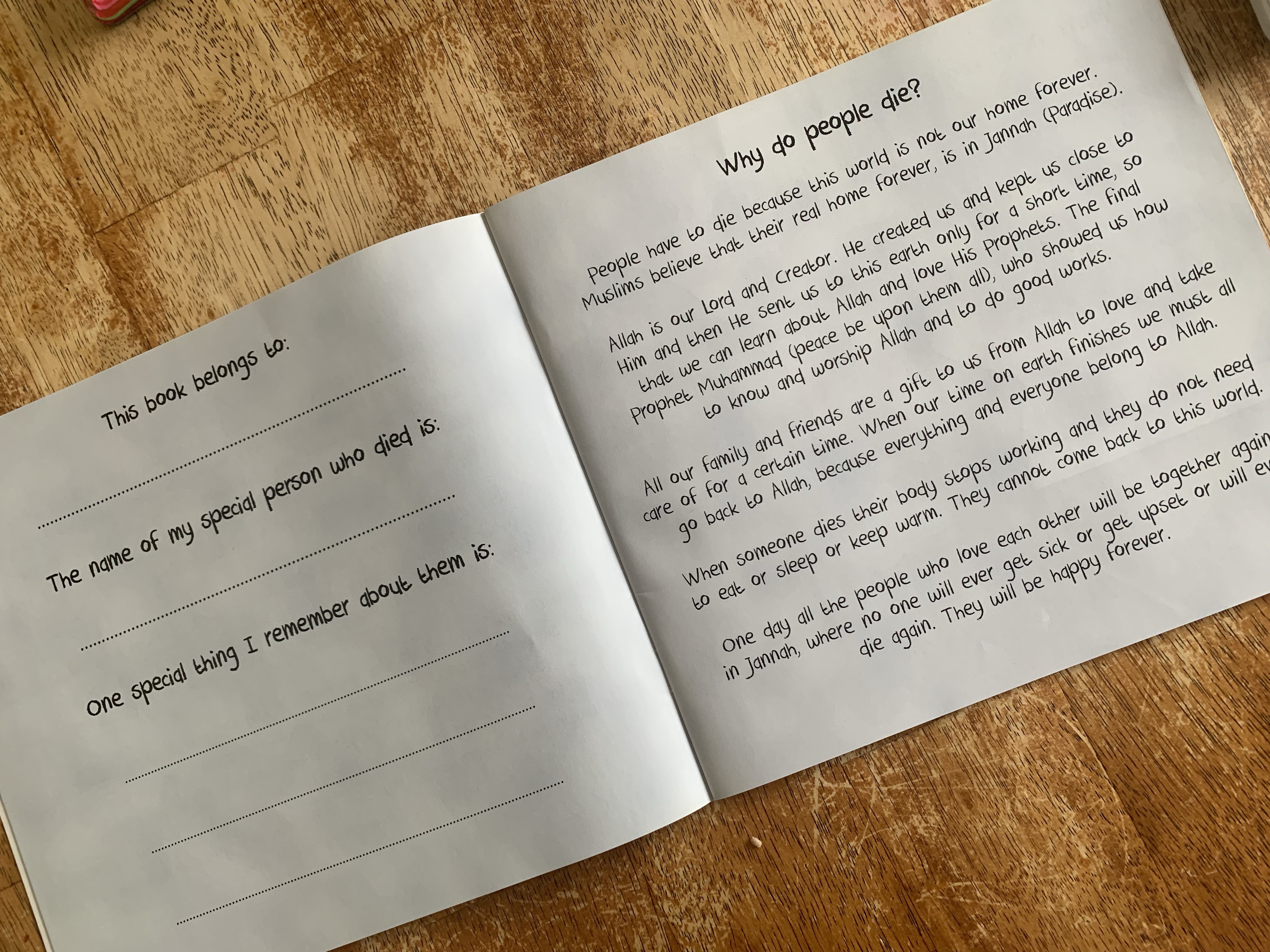
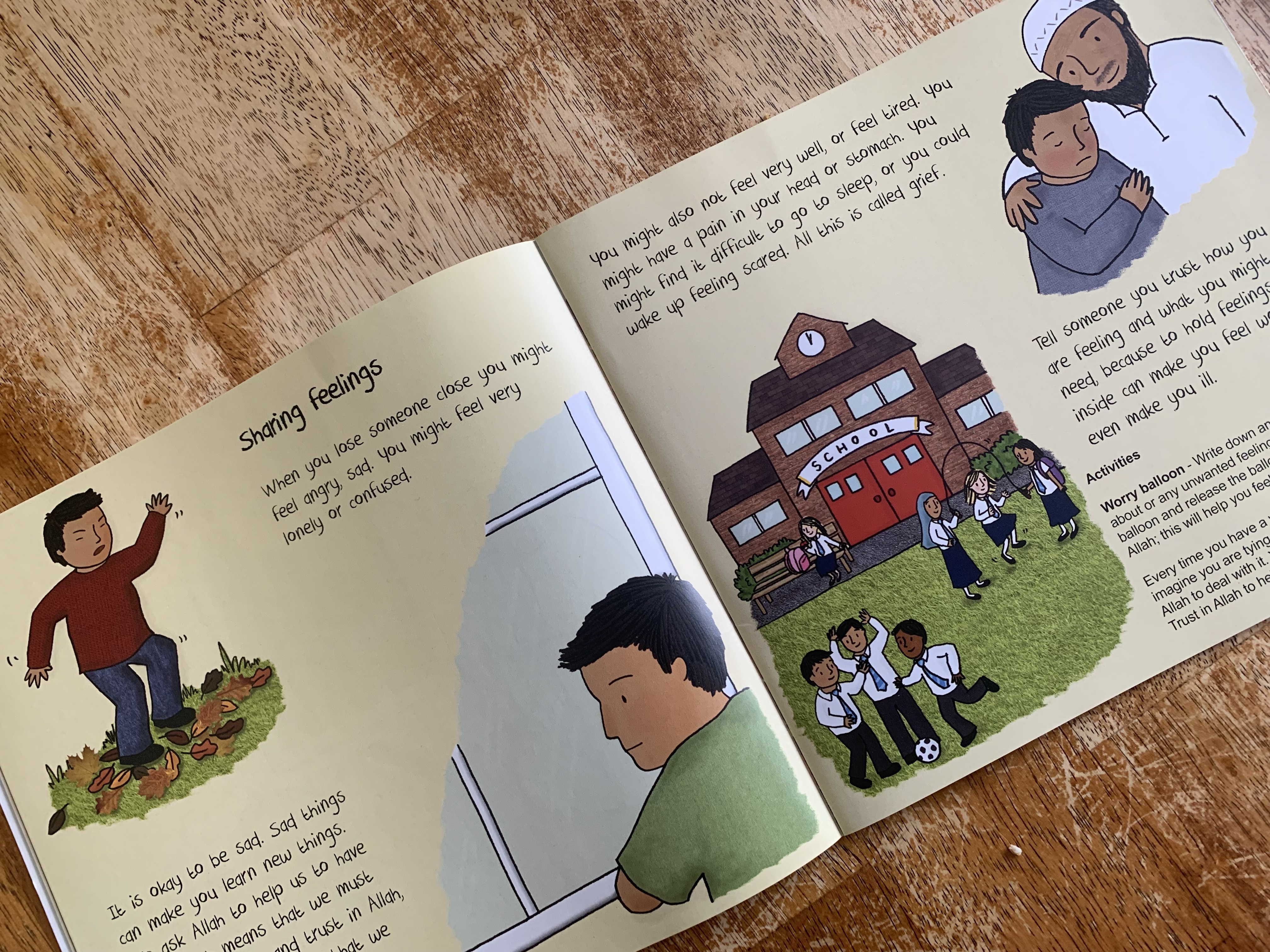
The book starts with the author talking to the reader and setting the tone about what has occurred and what is to follow in the book.  It then asks the reader to write or share who they are, who passed, and something special they remember about them.  It discusses why people die and then starts the two page spreads that address a theme and presents an activity to help you feel better, or to remember or celebrate the one who has died.  Topics include: You’re never too big to cry, It’s not your fault, Talking and sharing the pain, Some things will change other’s will stay the same, etc..  Some of the activities are wonderful and can be done in any order, at any time, and others, you may want to adjust.  The idea of releasing a balloon, for example, with your worries in it, is symbolically effective, but not so great for the environment.  The end of the book has additional resources on how to use the book, things to do with the child, further support,  additional resources, and Islamic guidance.

img_3902

I love that Islamic foundations and vocabulary are not just used, but explained in a very age appropriate, non condescending manner, through out.  I love that it is clear that you don’t have to talk if you don’t want to, that it is not the child’s job or responsibility to make the adults feel better, that nothing is anyone’s fault, and that there is no right or wrong way to grieve.

img_3903

I wish the book was larger in size and perhaps hardback so that the activities that require writing would have more space and ease in completing.  The text for the activities is also very tiny.  I also wish that the author’s qualifications for such advices was included.  I Googled the author to find out:  “Zamir Hussain is a Muslim Chaplain at Birmingham Children’s Hospital and has pioneered resources in Islamic health care. She has published several books for bereaved Muslim parents and siblings. She has also developed the first UK blended learning resource, including care plans and pathways for Islamic daily, palliative, end of life and bereavement care for paediatric staff. Zamir has worked as a Muslim Chaplain for both the Heart of England NHS Trust and Birmingham Children’s hospital for over five years, where she has also run training courses for the staff as well as delivering training and talks on care for Muslim patients to organisations around the country.”

img_3904

We need more books about coping, talking, dealing, understanding death for our children, inshaAllah this is a start, alhumdulillah.

The Great (Food) Bank Heist by Onjali Q. Rauf illustrated by Elisa Paganelli

Standard
The Great (Food) Bank Heist by Onjali Q. Rauf illustrated by Elisa Paganelli

food bank

As an adult setting out to read this book, I imagined that the goal of the book was to bring awareness to a specific issue, food insecurity, and to rally support to help others with this basic need.  The beauty of Muslim author and activist Onjali Q. Rauf, however, is that even with such a clear intent, the storytelling, character building, and  enjoyment of the book makes you connect to the plot and issues and feel the message, not just be told it.  For children seven through 12  with no prior expectation of the book, they will be emotionally effected by the reality shown and feel empathy and compassion for characters that will hopefully translate into their real life.  My 10 and 12 year old boys read the book in about an hour, not realizing what the book was going to be about and hounded me to read it with glowing reviews.  This 103 page middle grades book has diverse characters (none are Muslim), and is a great story, a great educational tool, a great empathy check, and a great resource for how to get involved to start helping food banks, and breakfast clubs, all while being funny, relatable, kind, and engaging.

img_3836

SYNOPSIS:

Nelson, his younger sister Ashley, and their Mum work together to make hard “tricky” months manageable.  They are creative with their meals, they go to breakfast club, and they use their vouchers on Thursdays at the food bank.  Some times though, it isn’t enough, Mum has to pawn her jewelry, they go without meals, and generous friends share their snacks.  When the food bank starts running low, Nelson breaks his secrecy about breakfast club and his close friends Krish and Harriet are determined to help figure out why donated food isn’t reaching the bank and what they can do to make sure it does.

img_3837

WHY I LIKE IT:

I love that it shows how the family has food insecurities on a day-to-day basis and how never feeling full affects so much of the characters’ attention.  I also love that it shows their mom works, she is a nurse and works really hard, they don’t steal or load up on food that is donated, they are very grateful for all assistance given and their friends don’t judge them.  It shed light on a different narrative that many children perhaps don’t think about: that people they know and are close with, might be hungry.  I think the maturity of the kids is a lesson to adults reading the book too, that reminds us that kindness and assistance doesn’t need to come with judgement or arrogance.  The characters are all really likeable, they aren’t perfect, but even though the book is short, you feel your heart being affected by them in their handling of the mystery and the larger concept of hunger.

img_3838

FLAGS:

None

TOOLS FOR LEADING THE DISCUSSION:

I would read this book aloud in a classroom (2nd-5th), and if I get a chance to participate in Lunch Bunch (where a book is read to children while they eat their lunch) at our local Islamic School, I will start off with this book.  I think kids have bigger hearts than we often think they do, and while they might not recall the less fortunate when you want them to finish all the food on their plate, they often notice kids without lunches at school and share without prompting.  

Here’s a great clip and reading by the author: https://www.youtube.com/watch?v=NVYBLh0kODc

Happy Reading!


Amira & Hamza: The War to Save the Worlds by Samira Ahmed

Standard
Amira & Hamza: The War to Save the Worlds by Samira Ahmed

amira and hamza

Make sure you are sitting in a comfy spot when you crack open this middle grades fantasy adventure, because it hits the ground running from the very beginning and doesn’t let up over 368 pages.  The like-able and relatable brother sister duo snarkily banter and bicker about everything from cultural Indian (Desi) folklore, religious stories, Marvel, Lord of the Rings, He-Man, Arabic Sesame Street, Star Wars, hygiene, fears, potential science fair projects, and food, all while battling jinn, devs, peris, and reality as they work to save the worlds.  The book is chalked full of STEM concepts, cultural touchstone, Islamic footholds, pop culture, and fun, as one character remarks, it is the ultimate fan fiction. I regularly Googled people, references, and concepts, and ended up learning quite a bit.  And don’t fret if you ever get lost or confused, or something doesn’t make sense, you don’t have to worry that you missed something or that the author left a gap in the narrative, the book moves quick and Amira’s constant dialogue and commentary points out all the ridiculousness of what they are experiencing and the questions that she wishes she had time to ask, explore, and discover.  The author never loses control of the narrative, and keeps the world building on level without skimping on details and understanding.  I have not loved any of the author’s previous books in their entirety, I think this one, however, is her best one yet, and the switch to middle grades is a good fit.  

SYNOPSIS:

Twelve-year-old Amira and her 10-year-old brother Hamza are heading to the Shriner’s Madinah Temple in their hometown of Chicago to explore the exhibit of Ancient Astronomy artifacts, or as Hamza calls it “tools that belonged to dead Muslim Astrologers.”  Hosted by the Islamic Society of Ancient Astronomy corresponds with the eclipse viewing party of the incredibly rare super blood blue moon.  In typical Hamza fashion however, a Nerf gun is brought and things are touched.  When Amira is tasked with bringing her brother up to the roof to learn how to use the telescopes, the two scuffle over a small box with a tiny moon inside, a series of snatching and tussling between the siblings cause the Box of the Moon to break, or rather start working.  As day turns to night, the moon seems to be breaking a part, and everyone in the world is suspended in sleep except for Amira and Hamza, and an entire jinn army is heading their way.

When jinn leaders Abdul Rahman and Maqbool reach the children they must convince them that they are not there to harm them, but rather to recruit them as the chosen ones to save the worlds: Qaf and Earth and the barrier, the moon, that keeps the realms separate from destruction at the hands of Ifrit.  The confusion over there being two of them creeps up, but is squashed as Suleiman the Wise left tests to prove that the chosen one is properly equipped to battle Iftrit as it has been prophesized.  The children must work together to prove themselves they must then actually seek out and defeat Ifrit.  As tests and challenges arise, it becomes clear (pun intended) that the two are not the chosen ones, but with no option of turning back they must forge ahead none-the-less.

“What? We’re Indian, dude, we were basically born half doctor.”

WHY I LIKE IT:

I love Amira and Hamza’s banter.  The references are at times laugh out loud funny.  Similarly, I was impressed by all the historical and STEM concepts intertwined in the story, there is even a tiny bit about mental health.  I learned about parts of the moon, historical figures, folklore, and more.  The characters are Muslim, Amira wears Ayatul Kursi around her neck and they talk of Sunday school.  The book isn’t religious though, in they aren’t saying Bismillah before they embark on things, or supplicating when in danger, but they greet different beings with peace, and the framing is clearly from an Islamic paradigm.  I think the high speed pacing works for most of the book, and somehow you still get to know and connect with the characters, but at times a slight pause to clarify a point would have been nice.  I would have liked to have the kids proving they were the chosen ones a bit more articulate and dramatic before hand rather than in retrospect.  I feel like the jinn transportation of cauldrons could have used a bit of backstory as well.  And a little fleshing out of the scroll, the government structure and communication methods of Qaf, would have helped some of the transitions between the action.  I read a digital ARC and it had a page reserved for a map, and I think when the physical book comes out that will be really helpful, as I didn’t quite fully understand the 18 realms and their locations  in comparison to the locations the children encounter.  

FLAGS:

UPDATE:  I TOOK THIS BOOK AS COMPLETE FICTION. THAT THE ISLAMIC PREMISE WAS A STARTING OFF POINT, AND DIDN’T DWELL TOO MUCH ON THE ACCURACY.  I READ AN ADVANCED READER COPY OF THE BOOK THAT DID NOT HAVE ALL THE SUPPLEMENTAL AUTHOR’S NOTES AND RESOURCES AT THE END.  I WAS UNAWARE THAT THE AUTHOR FELT SHE WAS INCOPERATING FACT AND ACCURACY IN THIS INCREDIBLY FICTIONALIZED BOOK. AND AS A RESULT I AM NERVOUS TO SUGGEST THIS BOOK TO THE MIDDLE GRADE INTENDED AUDIENCE.  IF YOU HAVE A MUSLIM CHILD THAT IS WELL VERSED ON PROPHET SULAIMAN, THE CONCEPT OF FICTION, AND IS OLDER THAN THE IMPRESSIONABLE EIGHT OR NINE YEAR OLD INTENDED AUDIENCE, ONLY THEN PERHAPS WOULD THIS BOOK WORK FOR YOU.  IT WOULD BE VERY MISLEADING IF YOUR CHILD TAKES THE TWISTED STORY AS FACTUAL AND BASED ON THE NOTES AND RESOURCES AT THE END, THIS VERY WELL COULD HAPPEN. To read more about the concerns you can click here and head over to Muslim Mommy Blogs take on the book.

There is magic and magical beings. A transgendered jinn.  It mentions Amira and Hamza celebrating Halloween. Death and fighting.

TOOLS FOR LEADING THE DISCUSSION:

I think this would be a great audio book to listen to with the family or a read aloud in a middle grades classroom.  It is too young for middle school readers to not find it slightly predictable, but if you had it on a classroom or home shelf I am sure it would be picked up, read, enjoyed by middle grades and middle schoolers alike.  It reads much like the Rick Riordan Presents series and I hope that there are more books featuring Amira and Hamza in the future.