Category Archives: strong women

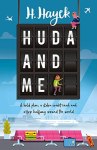
Huda and Me by H. Hayek

Standard
Huda and Me by H. Hayek

huda

At 194 pages, this book just became required reading for all my children save the two year old.  Meant for middle graders, I absolutely loved this book.  Sure literary siblings often run away and have adventures, think Claudia and Jamie Kincaid from Mixed Up Files, or the sisters in Ticket to India, but this Australian Muslim duo adore each other and are doing it to reach their parents and save their other five siblings from an evil Aunty babysitter.  In some ways the book couldn’t and hopefully wouldn’t really happen, it is plausible however, and the way it is written bouncing back and forth in time until the resolution, and the absolute authenticity of the characters make the book hard to put down and had me laughing out loud.  The book is for everyone, Muslim kids specifically though, will feel an incredible kinship to the Muslim family and relate to the anxiety of making wudu in a public restroom, the shock of having the athan clock tossed in the freezer, the nervous looks between siblings hoping someone else will speak up about what Muslims can’t eat, mistaking a nun for a hijabi, amongst so many other little sprinkled in examples.  The power of OWN voice writing is exemplified and celebrated, and provides a mirror that a large swath of Muslims children, not just Lebanese Australians will benefit from and enjoy.

SYNOPSIS:

There are seven children in the family and when Mum and Dad announce that they have to make an emergency trip to Lebanon, the kids don’t understand why they need Mum’s friend Aunt Amel to stay with them in Australia.  They don’t really even like Aunt Amel, but they don’t really know her either and as their parents leave, they have no choice but to endure until their parents return.  When Aunt Amel assigns them all duties: 17 year old Omar is the 24/7 chauffeur, Kholoud becomes her personal stylist, twins Suha and Layla must keep her supplied with baked goods and tea, Akeal is the butler, Huda is the maid and little Raheed will be glued to her, some of the kids think it could be fun until they realize they are being used to provide Aunt Amel with a holiday in exchange for her staying with them. The kids are required to be up by five in the morning, are not allowed to talk to their parents, and some are even kept from school to provide the services Aunt Amel demands.  The kids grudgingly try to endure, but spunky Huda is pushing back, and with the help of the retired Polish Sleep Doctor next door, a plan is hatched, tickets are booked, and Akeal and Huda are making a run for Beirut. Along the way they will be met with an Islamaphobic teen pulling off Huda’s scarf, a variety of minders keeping track of the unaccompanied minors through airports and plane rides, and baited breath as they have obstacles at every step to find their parents in a country they have never even been to before.

WHY I LIKE IT:

The book is incredibly well written, I sometimes stumble a bit with Australian authored books, but this one was easy and universal in most of the dialogue and vocabulary. I enjoyed what was sprinkled in, and as a privileged American didn’t get lost at any point.  The shifts in the timeline to keep the story fast paced and moving also made the stress of “if they could pull off the escape” a little bit subdued allowing the experience and dialogue and connections along the way to really be enjoyed.  I think it was a smart move to not have it be full steam ahead, gritting your teeth, but more in the moment seeing why they had to do what they did, and how it was panning out for them.

I absolutely love that the family is unapologetically Muslim living in a western environment.  They don’t celebrate birthdays, but they seem ok with make-up, they pray, the mom wears hijab I believe, but I don’t think the sisters do, it really is such a relatable family with their own quirks and tests and they are active and doing their best.  It could be my family or most families I know, well lately my kids bicker a lot, that’s why it is required reading for them, but that is off track.  Back to the book, I was so proud of Akeal sticking up for his little sister wearing a scarf to be dressed up and not backing down from confronting her harasser.  I love the spunkiness but maturity of Huda.  From page one you are cheering them on, and it doesn’t let up.

FLAGS:

Kids scheming and lying and running away, all for good cause mind you.

TOOLS FOR LEADING THE DISCUSSION:

This would be super fun to read aloud to a 3rd or 4th grade class, but I don’t think it would work for a middle school book club, it is just too quick of a read.

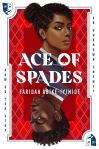
Ace of Spades by Faridah Àbíké-Íyímídé

Standard
Ace of Spades by Faridah Àbíké-Íyímídé

spades

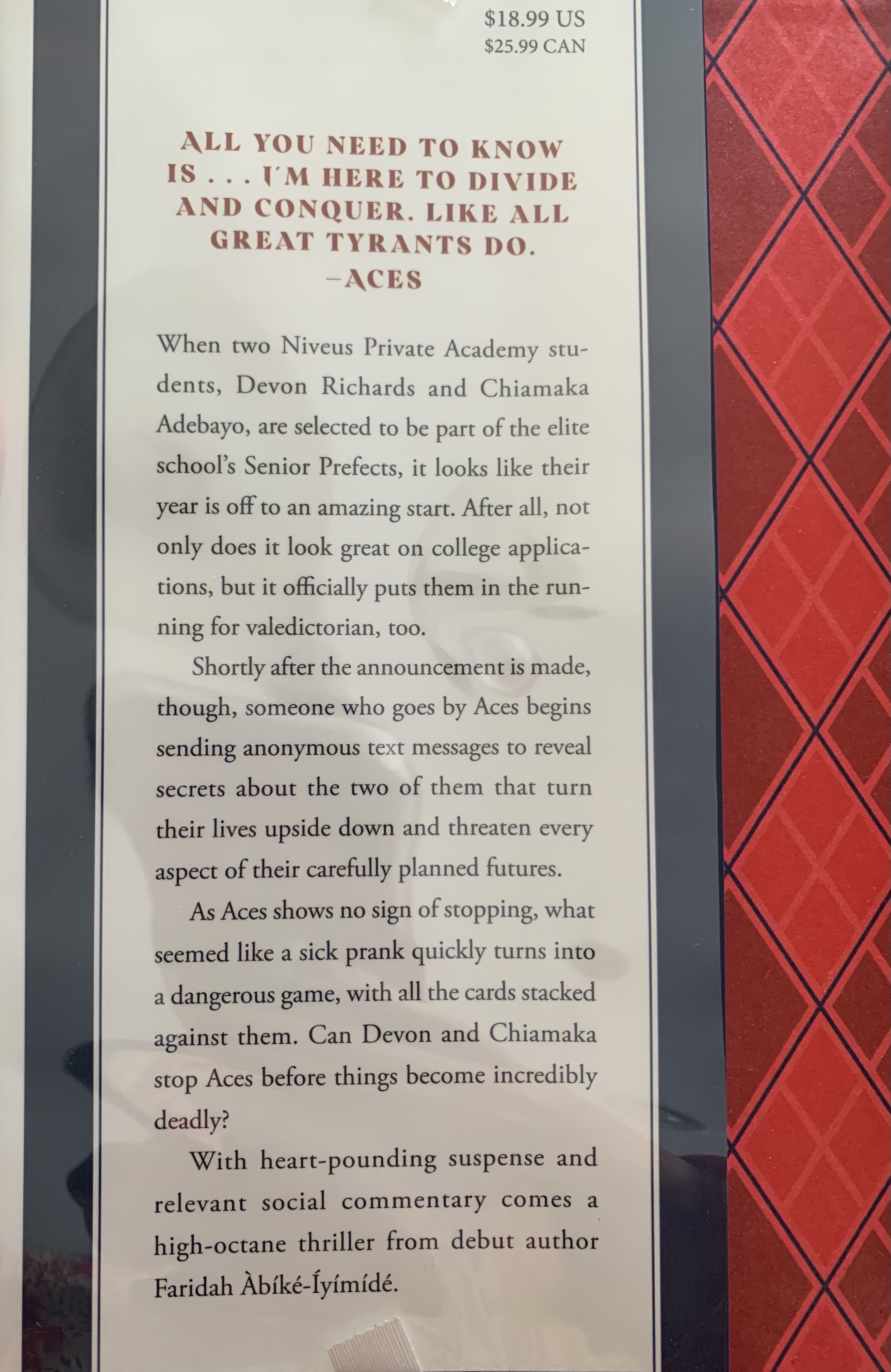
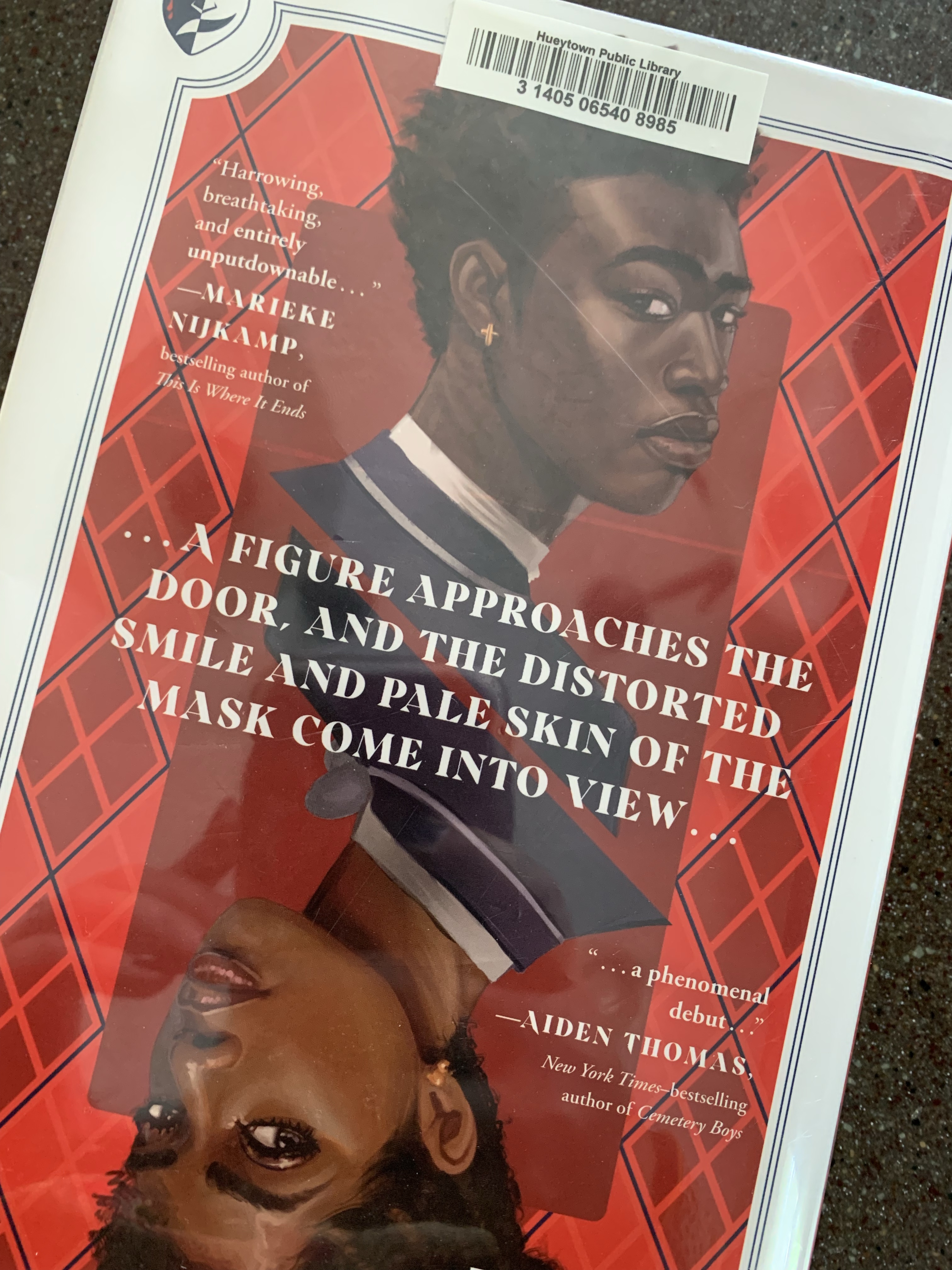
I had heard about this 420 page YA thriller and how it was written by a Muslim student at University and the seven figure book deal that she earned. It is constantly described as a combination of Gossip Girl and Get Out, having never seen either of those, I relied on the back of the book and the inside flap to see if it was something I would like to read and suggest my young teenage daughter, (and followers to read). Based on the suspense teasing and plot involving racism, I figured a contemporary YA book set in high school would have some relationship, sexuality, language and drugs, so at the last minute I decided to read it first. Alhumdulillah, I’m glad I did. The book has sex and relationships and sensual encounters between gay, queer, lesbian, bisexual, and heterosexual characters on EVERY SINGLE PAGE. I considered stopping, it was a over the top, forced, and honestly a little hard to read at times, but I continued because the commentary on racism and suspense storyline was well done that I was genuinely curious to see the climax and resolution. I write this review as a heads-up and to opine on the lack of mention of the amount of romance and sex in the book and in its blurbs. As a reader and someone who recommends books to people a lot, knowing what the majority of the book is about is helpful. To completely not mention something that is such a huge part of the book is frustrating, and so I’m writing this up more as an FYI, than a thorough and in-depth review. There are no Muslim characters, and the only mention of religion is a side character reading the Bible. Coming from an Islamic School Librarian standpoint, without exception this book would be considered inappropriate.

SYNOPSIS:

The book is told in two alternating personalities, Devon and Chiamaka. Two senior black students at a prestigious private high school. The only two black students. Chiamaka is the top of the school hierarchy, head prefect, planning on Yale for pre-med and the girl everyone wants to be. Devon is a scholarship student who plays music and dreams of Julliard. He flies under the radar and has one friend. When the book opens both are named Senior Prefects at the opening assembly of the school year, and no one is more surprised than Devon. The glory of such an honor is short lived however, as anonymous texts start popping up exposing secrets about the two. The two characters have skeletons they would rather not have exposed, and even though they barely know each other, they eventually resolve they must work together to figure out who is out to destroy them.

WHY I LIKE IT:

I like that the whodunit aspect really had me on my toes. I honestly, however, didn’t like either of the characters at all. The book has a lot going on, aside from the texts and secrets being exposed, that I wish would have gotten more page time. The two characters have very different, but very impactful home lives. Devon’s father is absent and it is learned he was executed on death row, his mom works three jobs, he has younger brothers and they struggle financial so that he has a chance at education. He lives in a tough neighborhood and runs drugs to help out with money. He hooks up with multiple guys in the book, and tries to keep it a secret so that he doesn’t get further harassed by the neighborhood guys, but it seems everyone knows he is gay even before the texts start coming. Chiamaka is Nigerian from her mom and Italian from her father. Her father’s family doesn’t accept her and her mom because of their skin color, so they no longer go to Italy to visit. Both parents are physicians and are never around. Chiamaka has no friends, picks boyfriends to further her power agenda, and spent her entire junior year having sex with her best friend, Jamie, with the hopes that he likes her too. She eventually realizes she likes a girl and hooks up with her. By-and-large for both main characters, only their sexual relationships are really explored, and most of them are brief. Thus it kind of limits the relatability to the characters in other facets of their lives. Not that people and characters have to be like-able, but they have a lot of layers, and it would have been nice to get to know them better as people, not just as shell minority representatives in a system built for them to fail.

Only a few side characters are developed, presumably just enough to make them suspect, but to drop information like one of them getting incarcerated and not explored, one diagnosed with diabetes and told without prompting and then dismissed, makes it feel like a lot is crammed in for no real purpose. As a debut novel by a young author, the writing is obviously amazing. I just didn’t connect to the characters, and the parts of the book I did like were overpowered by parts that I felt were overly forced. I will definitely read anything she writes in the future, although I will definitely research the books more thoroughly know what I’m getting in to.

FLAGS:

There is violence, sex (hetero, gay, and lesbian), cursing, drinking, drug use, drug selling, romance, kissing, hit-and-run, conspiracy, making out, drug dealing, physical beatings, passing out drunk, drunk driving, lying, cheating, racism, bigotry, hate speech, gaslighting, privilege, death, gun violence, destruction, murder, attempted murder, crude language, assault, blackmail, misogyny, homophobia, voyeurism, institutionalized racism, and probably more. Mature content.

TOOLS FOR LEADING THE DISCUSSION:

There is no way I would suggest, recommend, or encourage this book to Islamic School high schoolers.

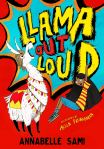
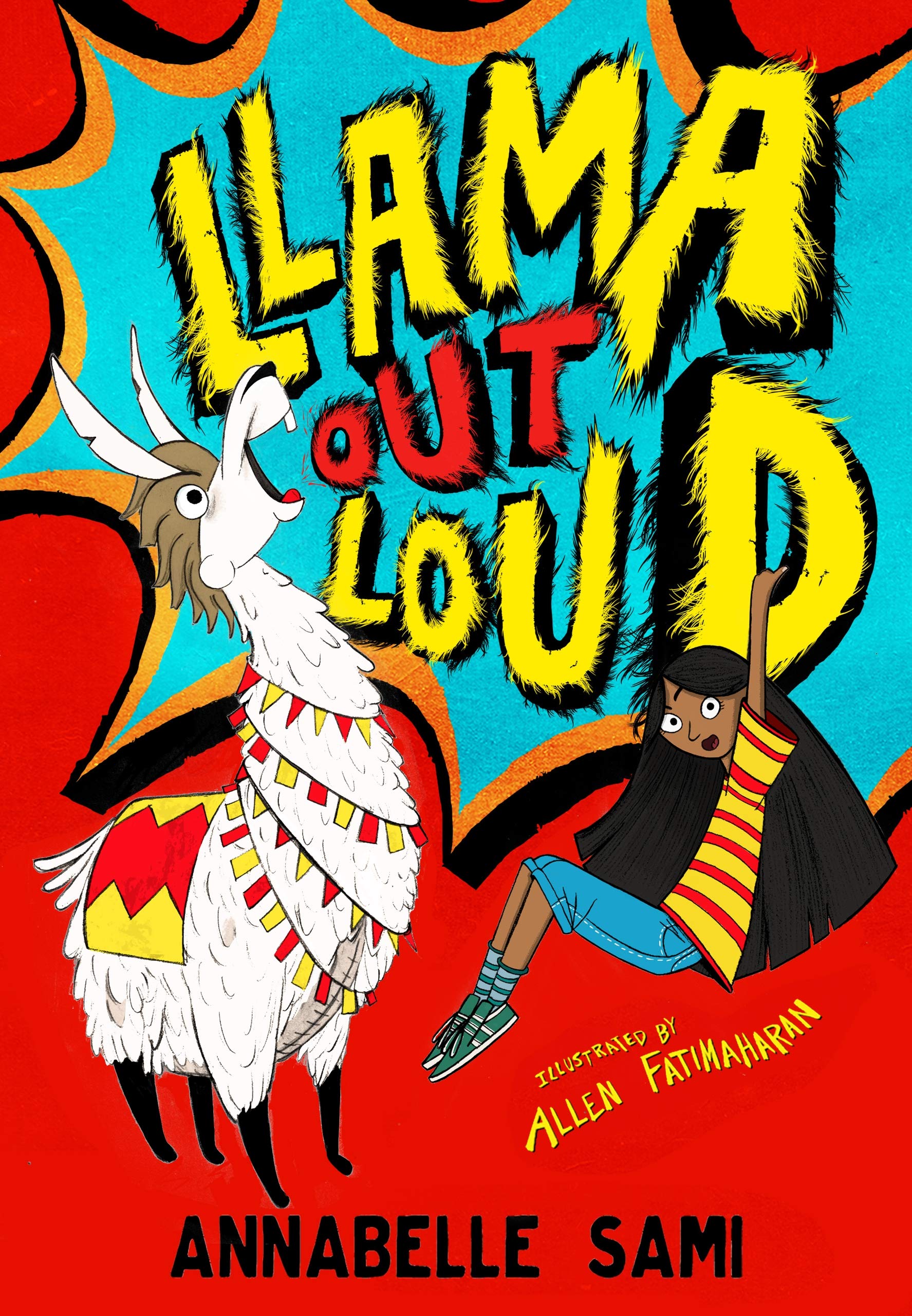
Llama Out Loud by Annabelle Sami illustrated by Allen Fatimaharan

Standard
Llama Out Loud by Annabelle Sami illustrated by Allen Fatimaharan

llama

This 245 page middle grade doodle filled novel features a Pakistani-British protagonist as she endures life with a family that yells, brothers that prank, aunts that meddle, and now a magical talking obnoxious stuffed llama.  Yasmin Shah stopped speaking years ago, and a 10th birthday wish has brought about Levi, a llama who uses highly unconventional methods to help Yasmin stand up for herself and find her voice.  At times funny, tender, and relatable, the book similarly often feels really forced as it relies on predictable jokes for cheap laughs:  bum worms, wee wee taunts, the threat of being sent to Daadi in Pakistan as a punishment, bras and knickers being thrown around, etc..  The overall message is good and silly, and middle graders will probably feel some anxiety and frustration with Levi, but ultimately enjoy the book, and look forward to future books in the series.  

SYNOPSIS:

Yasmin lives in a full loud home.  It is her 10th birthday and she feels completely unseen.  Her mom has made her a lovely cake, but when her brothers use pepper to make her sneeze, the cake gets destroyed and she once again meets the wrath of her family.  She wishes she could stand up for herself, and just like that her life gets a whole lot crazier.  A stuffed old stained llama she saw in the market and her aunt decided to gift her, has sprung to life and won’t stop talking.  Levi seems determined to make Yasmin’s life even more miserable.  He shows up in her backpack at school and his misguided help gets her detention, he doesn’t want her to be friends with the octogenarians she plays checkers with at the local senior center and embarrasses her and gets her banned, life at home is more miserable too as he takes revenge on Yasmin who keeps trying to get rid of him.  At times it is hard to know if Levi is really trying to help and is just really misguided, or if he is out to get her.  As Yasmin loses her elderly friends and the chance to be checkers champion at the OLD home, she slowly lets new kid Ezra wear her down and possibly be her friend.  The climax reveals not just her voice, but a remorse for Levi that further helps Yasmin determine what her life will look like moving forward.

WHY I LIKE IT:

Antics aside, the story is about Yasmin being pushed/encouraged to be heard in her life.  The jokes amplify the need for her to find her voice and defend herself, her love of the old people and determination to win the checkers tournament is endearing, and her struggles with kids her own age shows real heartache.  I absolutely love Ezra and his mannerisms.  He is new at school, trying to meet Yasmin where she is at, and encourage her all while trying to focus, channel his energy, and fit in as well.  Yasmin’s family redeems itself and I think readers will get the exaggeration of much of the antics, but really Levi is annoying and while younger readers might find him hilarious and well-intentioned, I think anyone older than the intended audience will just want to strangle him.  

The illustrations, the comic strips, and the little flourishes on the pages are wonderful.  They bring the book to life and provide the charm and humor that the text needs to connect with the readers.

The only religious thing mentioned is Eid at the beginning.  Some of the women in Yasmin’s family wear a scarf on their head and her teacher wears hijab, it isn’t mentioned in the text.  I could not find if the author or illustrator identify as Muslim, I read that the author’s father is Pakistani so culturally and perhaps experience wise it is OWN voice, and reads with a lot of authenticity.  

FLAGS:

Possible verbal abuse, anxiety and bullying.  Mention and illustrations of undergarments.  Plotting and planning to harm/destroy a magical talking toy.  Practical jokes, threats, lying, deception, back talking, deceit.

TOOLS FOR LEADING THE DISCUSSION:

I don’t think I’d use this as a book club selection as it is for younger children than middle school.  But I think it is a fun book to have around the house and classroom for middle grade readers to pick up and chuckle over.

A Pocketful of Stars by Aisha Bushby

Standard
A Pocketful of Stars by Aisha Bushby

This middle grades magic realism novel draws you in and pulls on your heartstrings pausing only to offer pointed commentary on friendship, self-awareness, and self acceptance.  Oh sure there were parts that seemed a bit repetitive and parts I had to read again because the continuity was just off enough to have me confused, but the book has power, and especially for a debut novel I was blown away.  Well, actually I was in tears, and thats a pretty strong emotion to be felt in 246 pages, so be impressed.  I don’t know if the author identifies as Muslim, she was born in Bahrain and has lived in Kuwait amongst other places.  The main character, Safiya,  experiences her mother’s memories in Kuwait where Eid and the Athan are briefly mentioned and a few characters wear scarves.  There are culture rich Arabic names, but no religion is mentioned outright.  Saff has Christmas money, eats pepperoni, a side character has a boyfriend and they kiss, and there is just a touch of magic to tie it all together.

SYNOPSIS:
Safiya’s parents have been divorced for a few years, and when she chose to live with her dad, her Saturdays became one-on-one time with her mom.  Her mom, Aminah, is a lawyer from Kuwait who can chat with anyone and everyone about anything and everything.  The complete opposite of video game loving Saff who struggles to find her voice, and has nothing in common with her articulate, headstrong, independent, theater loving mother.  The two rarely get along and after a particularly intense fight, Safiya decides to not spend Saturday with her mom, but rather head out with her best friend Elle and new year eight friends at the mall.  When her dad tells her to come home asap, she knows something is up, but could never have imagined how life altering the days events are about to become.

Aminah is in a coma, and Safiya is full of regret and fear.  As she sits next to her mother’s hospital bed and drinks in her perfume, she is drifted to a far away land filled with a crumbling house and a magic like quality.  Approaching this oddity like her favorite video game, she explores her mother’s memories, and finds a girl not so different from herself.  As reality and magic merge in young Saff, she begins to sort through her feelings toward her mother and come to peace with what she has to do and endure and overcome.

In the process of handling her life-changing home situation, Saff, also finds the strength to call out cruel acts from classmates, find her voice, and cut out toxic friendships while cultivating supportive ones.  The journey on both fronts will have readers cheering for Saff while wiping away tears.

WHY I LIKE IT:

I love the quick pace and rawness of the characters.  Grandma, mom, and Safiya all say and do things they regret while hot and angry and have to learn the consequences and humbling that needs to occur to fix what their words have broken.  No character is completely good, nor completely bad, and in a middle grade book that is powerful. Each one has relatable qualities that really make the book memorable.  

Safiya has to really work out what is going on with her best friend, Elle, and what she is willing to accept and what lines she is not willing to cross.  The character’s maturity is inspiring, and I love it.  She doesn’t fancy boys (yet), and doesn’t see liking boys a sign of maturity.  She doesn’t want it forced on her, and she doesn’t want to give up things that she enjoys just to “fit in.” The fact that she can articulate how Elle is a chameleon blending in to her surroundings where she is just a plain old lizard is wonderful.

I enjoy the magical trips to Kuwait.  They don’t show much of the culture, but what is revealed is lovingly conveyed.  I like that it did acknowledge that Aisha knows Arabic, but struggles a bit to read it.  I would have loved more Arabic words sprinkled in, but at least it accounted for the linguistic abilities as it jumped between countries.  The book is set in England, so some of the concepts or phrases might need a bit of explanation for younger American readers.

I wanted more information about the backstories just beneath the main story line.  How did Safiya’s parents meet? Was the divorce amicable? Did her dad have any family around? How did Aminah leave for England at such a young age alone? How come Saff never visited Kuwait? How come Saff didn’t know about Aminah’s friends? How did the friends take Aminah leaving? Why didn’t they just email her the invitation? Why did they still have it? How did the girls meet in the middle of the night? I know that the book is middle grades, but just a bit more would have helped some of the holes feel shallower, and the overall story details more polished.

FLAGS:

Teasing, death, boyfriend, kissing, illness, verbal fighting. Nothing middle graders can’t handle, although the mom is kind of terrible to Aminah at the beginning.

TOOLS FOR LEADING THE DISCUSSION:

I think this would be an awesome fourth or fifth grade book to read and discuss. I don’t do a book club for that age, nor do I have children in that age group at the moment, but I am planning to suggest it to teacher friends I know.  The book would appeal to boys and girls, but I think girls especially those going through friend dramas and girls butting heads with their moms will really benefit from this quick memorable read.

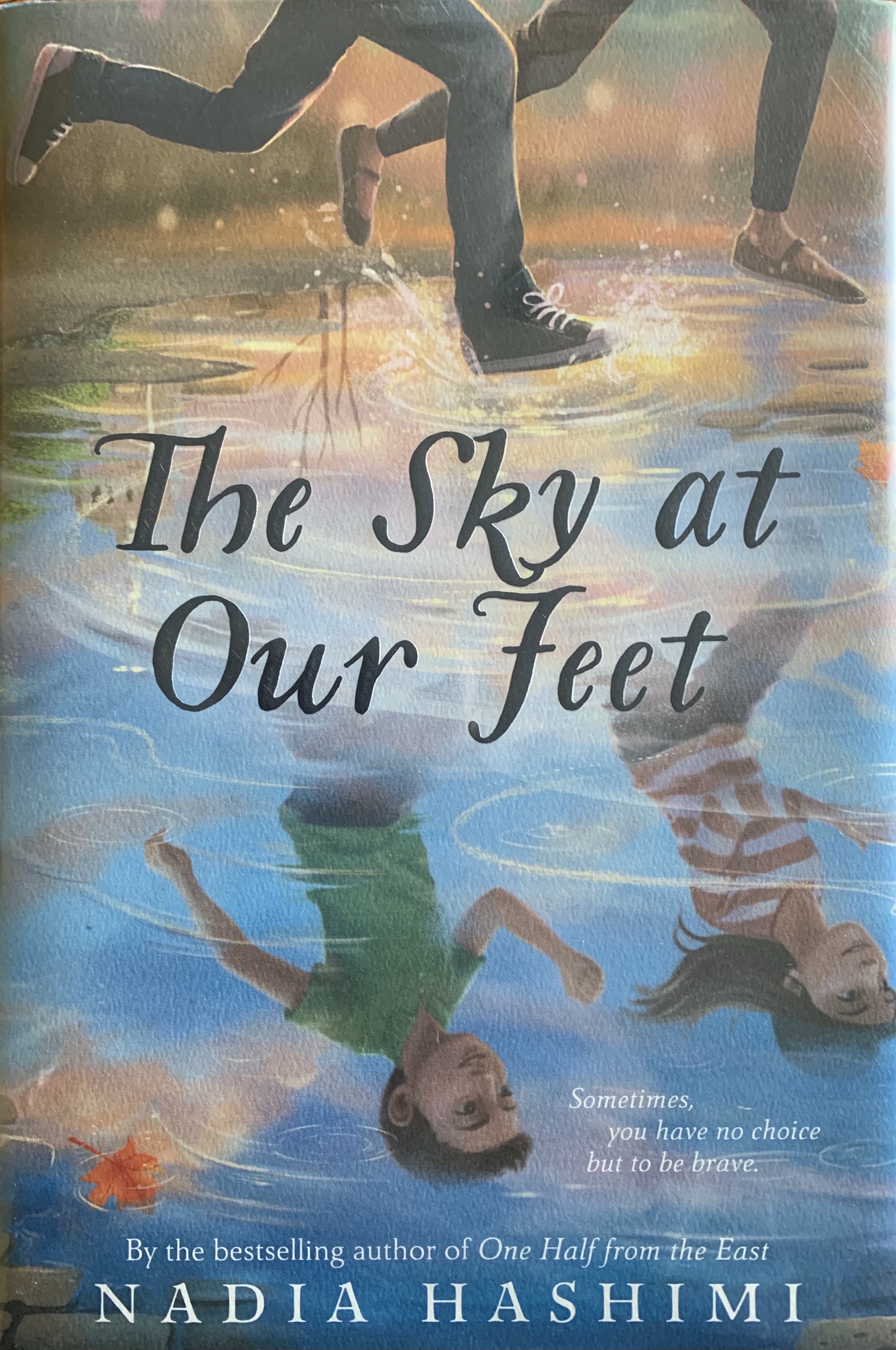
The Sky at Our Feet by Nadia Hashimi

Standard

This 295 page middle grades AR 4.8 book is a fast passed romp through New York City as two 12-year-old kids explore freedom and fear in a new city while grappling with their own sense of identity and what it means.  The OWN Voice story features immigration, chronic disease, family, bravery, and friendship.  There is lying and avoiding police, sneaking and “borrowing” a horse, but it is all for a good cause, and third grade and up will enjoy this read.  There is very little religion in it, but the main character does say salam, notice the similarities between amen and ameen, and reference eid as his holiday. 

SYNOPSIS:

Jason D, known only to his mom and aunt as Shah, was named by a nurse when his mom wanted to make sure he had an American sounding name, and his middle initial D is for December, which comes from her staring at a calendar when asked if she wanted her son to have a middle name.  Life is fairly simple, he enjoys sneaking on to the roof of his apartment building to imagine training pigeons, his mom works at a dry cleaners, they walk where they need to go, money is tight, but they do ok, and his dad passed away before he was born.  His mom is from Afghanistan, but he doesn’t speak much Dari and his mom speaks English, but not confidently.  On her birthday as they are about to enjoy a cupcake he saved up for, the news in the background is covering protestors chanting for illegal immigrants to go home, and Jason’s mom starts to tell him about how she ended up overstaying her visa and  is living in the US illegally.  

Jason’s dad worked with the US military in Afghanistan and with his work came the promise of visas to America for him and for his wife to study.  Many of the locals though didn’t like that he was cooperating and vowed to take their revenge.  With the family in the US and Jason’s mom starting to study medicine, Jason’s dad had one more job in Afghanistan and sadly was killed by anti American Afghans.  Fearful to return, she chose to stay, but with a new baby, few resources, no family and friend support, eventually she was forced to drop out of school and remain undocumented knowing that to return would be at great peril to her and her son.  At some point she befriends an Indian lady, Seema and to Jason, she is Aunt Seema, the only family other than his mother that he knows.  

When a few weeks later Jason sees his mother being taken away by two officers, he knows that this is what she warned him about when she told him the truth about her legal standing.  Terrified and alone, Jason only knows that somehow he has to get to New York to Aunt Seema so that they can figure out how to save his mom.  He grabs a few pictures of his father, whatever money he can find a broken address and heads to the big apple from New Jersey.

Having never been to NYC or really out of his hometown, he loses his backpack to a dog, and struggles to figure out how to get a ticket to get in to the city.  When he arrives at Penn Station he is overwhelmed and exhausted and passes out, hitting his head, and landing himself in the hospital.  

When he awakens he is met by doctors making sure he is ok, and police trying to locate his parents, he opts to pretend he has amnesia and can’t remember anything.  This buys him time, and also acquaints him with Max, a girl with wires coming out of her head and who claims they are running tests on her to understand her level of genius.

The two hit it off and hitch a plan to escape the locked hospital floor, have a day of adventure in the city, and get Jason D to his aunts house.  Naturally this plan is going to have all sorts of obstacles, but thats the story and that is where the fun and discovery unfolds.

WHY I LIKE IT:

I was impressed at how emotionally cathartic the conclusion was.  I hadn’t realized how invested I had become in these two kids and their run through the city.  It was touching, and heartfelt, and a big sigh of relief when it all wrapped up.  I like that both kids are so very different, yet dealing with similar thematic issues from different perspectives.  Max is an epileptic and is kept on a short chain to ensure her safety. She is trying to find and define who she is outside of the medical diagnosis.  Jason is trying to understand if he can be American and Afghan and what that means about where he belongs, and where home is.  There is a lot that they ponder over as they run through central park and the zoo, duck into subways, and get all sorts of turned around on the streets.  Through it all though the kids show just how clever and smart they both are with the quick thinking, riddle solving abilities, and perpetual optimism.  It is at times far fetched, stealing a horse and bumping in to your doctor in the New York City Marathon, and at other times completely plausible, sneaking in to a zoo with a field trip group and ducking through turnstiles to get on the subway.

FLAGS:

Lying, stealing.

TOOLS FOR LEADING THE DISCUSSION:
This is a bit young for even early middle school readers, but would make a great addition to a summer reading list.  I think kids will marvel at the riddles and determination of the two protagonists and imagine a world where kids could maybe get away with such a bold adventure.

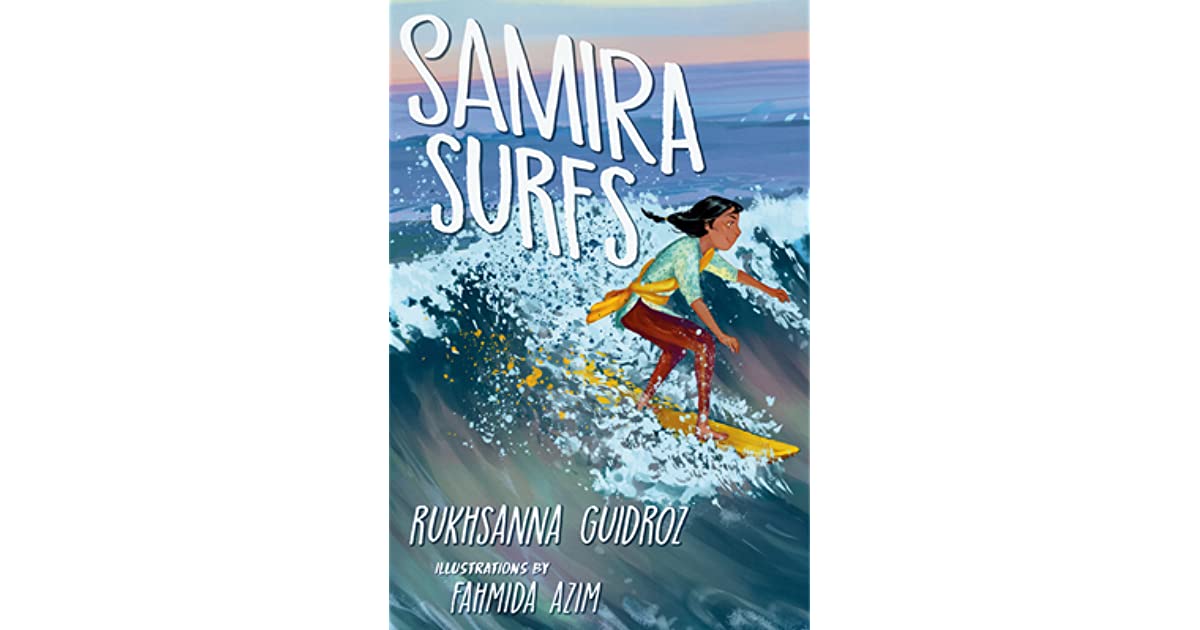
Samira Surfs by Rukhsanna Guidroz illustrated by Fahmida Azim

Standard
Samira Surfs by Rukhsanna Guidroz illustrated by Fahmida Azim

surfs

I have been anxiously waiting for this middle grades 411 page book in verse to be published.  The last few books I’ve read in this style with smart strong female protagonists have blown me away.  This book unfortunately really fell flat.  I think the difference is most OWN voice narrative do so well in prose when the emotion can be felt and explored deeply, so that when the story moves forward with sparse words the reader can forgive the gaps and jumps.  This didn’t have that insight, sadly, and just left a lot of holes for me. The author’s family on her father’s side is Muslim, she is Persian Indian Chinese, not Rohingya or Bangladeshi, and that isn’t to say that she can’t write a story about them, but it just felt lacking, and this is my assumption as to why.  The author is a surfer, and that is where the detail and passion really shines. The book is fine, it just didn’t inspire me or move me.  It checks boxes for having characters with strong Muslim identities, highlighting a persecuted population, showing diversity within subcultures, and showing universal similarities, so I’m glad the book was written and is available, I just wanted it to be so much more.

img_2388

SYNOPSIS:

Samira and her family have recently made the perilous escape from Burma to Bangladesh.  Burma decided that the Rohingya must be killed and convinced the majority Buddhist to turn on their Muslim neighbors.  Her parents and brother survived, but her grandparents, her Nana and Nani, drowned on the way.  Samira’s family were turned away from the over filled refugee camp in Cox’s Bazar and have set up with others, their own meager living on the outskirts.  Samira’s father works for very little illegally as a shrimper, her brother as a waiter, and she sells eggs on the beach to tourist.  Ever on the lookout for police and from angry Bangladeshis, life is lonely and frightening.  Slowly Samira starts to make friends with other girls, her brother Khaled is helping translate and is beloved by his employer.  When their father gets injured however, the family is thrown in turmoil as they need his income.  At this same time Samira starts to be tempted by the ocean and the surfer girls that seem so free and fearless as they take on the waves.  Knowing that her family will not support her surfing, her brother agrees to teach her how to surf in secret, like he is teaching her to read and write English.  A surfing contest is announced for boys and girls with a substantial monetary prize for the winner, but Samira is not allowed to be in the water, and the Bangladeshis in charge of the surf boards are not happy with how much potential Samira has to win the competition.

img_2389

WHY I LIKE IT:

I love that the story brings some awareness to the under represented Rohingya and that it shows resilience and strength.  It talks about religion, they opt not to fast in Ramadan because the father is weak after his accident and he proclaims that if he isn’t fasting no one should.  The men go to the mosque, the mom talks about hijab.  Cultural words are dropped in and foods mentioned.  The illustrations are fun and engaging and do a good job of breaking up the text and keeping the reader connected.  I loved the dad and his way of supporting his kids, I also loved the brother sister relationship, but ultimately, the plot holes just overwhelmed the straightforward story line.

I wanted to know more about the tourist near this refugee camp, who were they (Bangladeshis? foreigners?) and what was that dynamic like.  I wanted to know where the eggs came from and how that was set up as a job for Samira.  How come the family was nervous about Samira being on the water since that was how her grandparents died, but not her brother? I get that as a female grows the family might not want her in a bathing suit out swimming for modesty issues, but I didn’t like how the book just chopped it up to swimming being against Islam, clearly she was taught to swim and obviously it isn’t.  I was looking forward to some big reveal about the brothers notebook of drawings.  I thought maybe he would get them to a newspaper or get them shared somehow to give insight to what his people were experiencing.  It seemed like it was teased that there was going to be a climax there, but there wasn’t and it felt misleading.   I didn’t get the whole standoff with the other surfers protesting if Samira wasn’t allowed to surf they wouldn’t either.  If the organizers weren’t letting her that makes sense, but why would her parents care? There wasn’t a clear connection and the speed and vagueness in which it was resolved was disappointing as it was presumably the point of the story.

img_2390

FLAGS:

Fairly clean.  There is bullying and mention of death.

img_2379

TOOLS FOR LEADING THE DISCUSSION:

I don’t think I would do this for a middle school book club.  It is a solid middle grade read.  Possibly it could be used to supplement a larger unit of study about refugees or particularly the Rohingya.  Older readers will be left with more questions than they had when they began the book though, and wonder what the point of the story was at all.

img_2373

The Wild Ones by Nafiza Azad

Standard
The Wild Ones by Nafiza Azad

wild ones

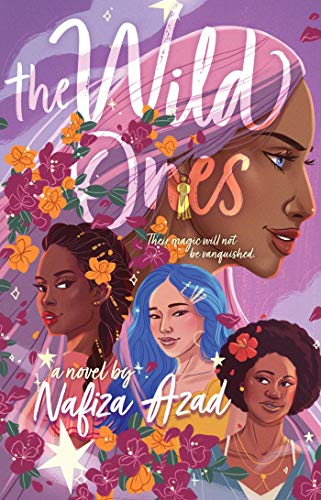
At times this 352 mature YA book was really hard to read for a variety of reasons: the subject matter, the writing style, the pacing of the story, and the numerous characters and inconsistencies.  At other times, the book was descriptive, and ethereal and hard to put down.  It took me over a month to finish the book because it really is all over the place and a lot of internal force and motivation was required to get through it, yet for all its flaws, I find my thoughts drifting back to it often.  The book contains a lot of violence against women, as that is the thread that brings this feminist group together.  There are hetero, lgbtq+, trans, and nonbinary individuals and relationships in the book, but they are not explicit, the rape, assault, suicide, prostitution, child trafficking and murder are more detailed.  The book takes place all over the world, and often mentions the athan being called or a mosque being passed.  Many characters have “Islamic” names, but there is no religion specifically practiced in this hijabi authored women powered tale.

SYNOPSIS:

The premise of the book is simple and straightforward.  A girl, the daughter of a prostitute, is betrayed by her mother when she is sent to a man.  As she runs through the city to escape, she crosses paths with a young boy who tosses her a box that contains stars.  A star embeds itself in her palm and allows her to enter a place called the “Between.”  The Between is a magical corridor made of magic that contains doors that lead to locations all over the world.  Once she enters she stops aging and is now made of magic.  She has the power to scream which can destroy other middle worlders and she can go invisible when around normal humans.  She travels the world finding other girls betrayed by those who had been entrusted to protect them, and offers them a star and a place in the Wild Ones.  This has been going on for centuries.  When the boy with the star eyes is in danger, he is reunited with the girl and her gang, and they pledge to protect him.

WHY I LIKE IT:

The concept of the book is pretty good, but the plot for more than half of the book it seems focuses on the girls constantly arriving in a new location, exchanging diamonds for local currency, finding food, and getting settled in, before doing it all over again.  It is repetitive and pointless.  Sure it is nice to read about exotic locations and savor local foods, but these girls live forever essentially and we learn so little about them or what it is they do.  Toward the middle of the book you start to see them helping other girls, but this should have been made clear much earlier on, I’m sure many people stopped reading before they saw how part of each girls’ healing involved helping others.  It is not developed or shown, which I think other than the two encounters detailed would have created some connection between the characters and the reader.

The cause of most of the confusion is that there are 11 Wild Ones, and you never really get to know any of them, the point of view switches between Paheli, and unknown speaker, and it has pages of prose from other Wild Ones that are neither explanatory of their life before or in relation to what they are currently experiencing. The fourth wall is broken periodically, but inconsistently.  So often, I just had no idea what was going on.

At times the characters speak like they are the teens that they are when they entered the Between, really noticeably and painfully, but they are decades old at the youngest, and centuries old for some of them.  Also, Taraana is presented as a young small boy that needs coddling a lot, although he too is centuries old, but then as the girls start protecting him, he suddenly is this incredibly handsome man in love with Paheli.  I get that their physical ages are suspended, so a relationship really might be possible and not creepy, but Taraana seemed to change, and it wasn’t explained.

The world building overall is weak, which is a shame, because it isn’t disjointed from the real world, it is just a slight addition to what the reader already knows.  If the Between is just hallways how is there a library? Can you live in the Between? Can all middle worlders access it? If so why aren’t the corridors crowded?

The pain of the girls, their rage, their ability to deal with their traumas in their own way and time, is very empowering.  I wish the sisterhood was more mutual than blindly following Paheli, like lost little children.  These girls/women can decide what to partake it, and leave the group if they want, so they are strong and capable, they just don’t seem to get to show it as they bounce around from place to place to place eating and doing what they are told.

The book almost seems to have been written in sections and then dropped in to place.  Much of the character information comes too late to make the story resonate.  Sure part of it is intentional to clarify and create “aha” moments, but it creates really boring stagnant chapters, when these girls should be fierce and powerful, not lounging and mundane.

There were a few spelling errors and grammar gaps, but I read an advanced readers copy, so I’m hopeful they will be resolved.

FLAGS:

Prostitution, rape, assault, suicide, death, murder, child trafficking, torture, drowning, infanticide, girl/boy kissing, girl/boy and girl/girl flirting. Many of the online reviews make it seem more lgbtq+ than I felt it was.  There are two lesbian characters that flirt and imply that their relationship will move forward, but within the Wild Ones they aren’t all hooking up.  Paheli and Taraana kiss, but nothing more graphic.

TOOLS FOR LEADING THE DISCUSSION:

I don’t think there is any way I could do this as a book club selection at an Islamic school, nor would I want to. The book has powerful commentary on the status and crimes against women the world over, and possibly older, say early 20 year olds, would benefit from reading and adding their voices to a dialogue regarding life experiences. But, the story line might be too simplistic for older readers to bond with, and the confusion and inconsistencies may not be worth the time needed to finish the book.

I Can Help by Reem Faruqi illustrated by Mikela Prevost

Standard
I Can Help by Reem Faruqi illustrated by Mikela Prevost

i can help cover

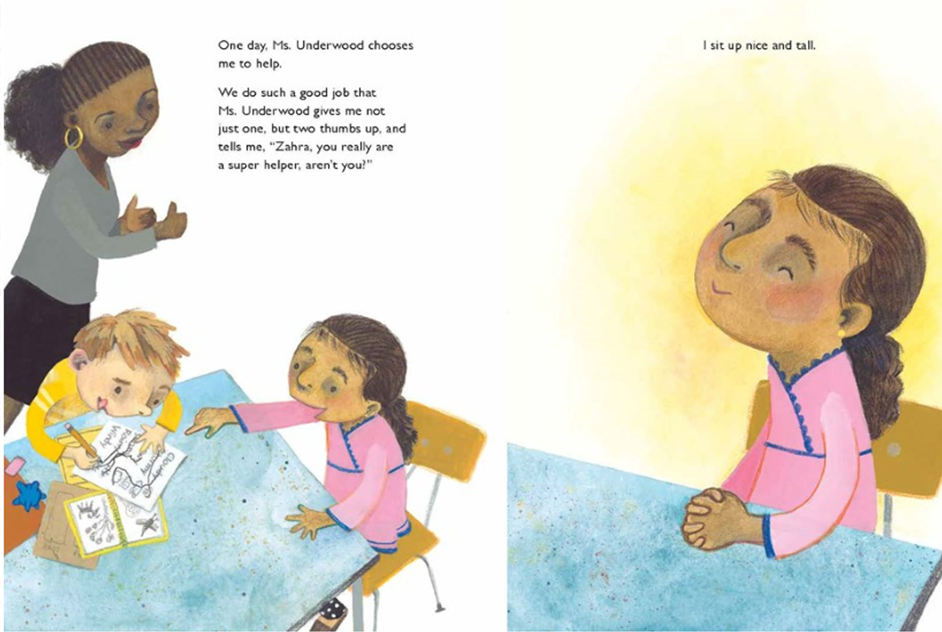
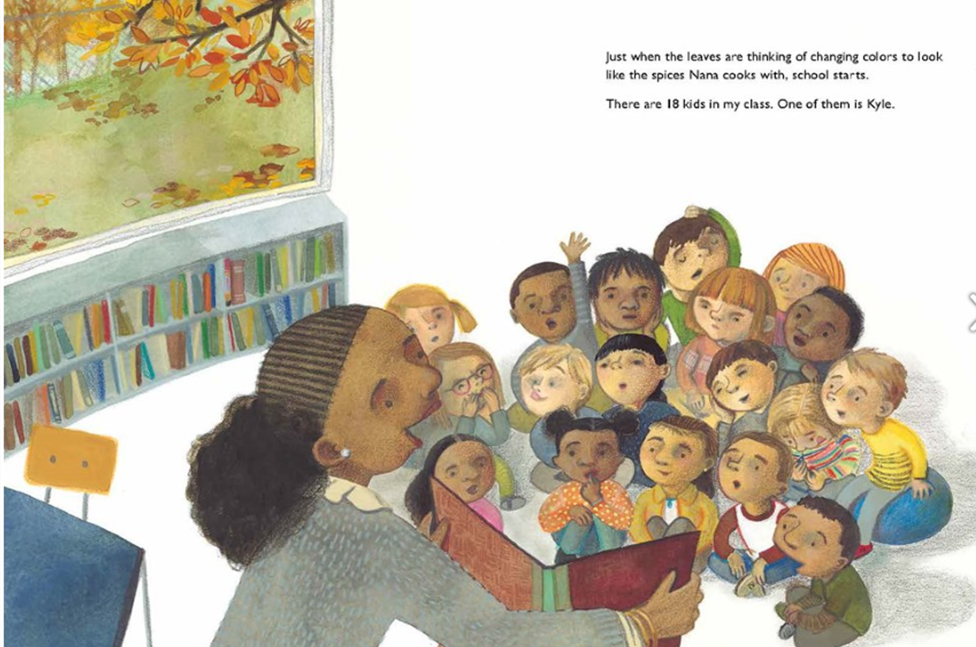
This 44 page early elementary book is absolutely beautiful: the message, the relatability, the representation, the heartfelt author note.  Reem Faruqi is brilliant.  Once again she takes something so personal to her and allows the readers to see pieces of themselves in her OWN voice narrative.  This book at it’s core is about peer pressure, but the way it stays with the reader will resonates deeply and powerfully.  Readers will remember the choice Zahra made and the way it changed not only her relationship with Kyle, but also her own view of herself, while forgetting the names of the classmates that teased her and made her question herself.  It is not the outside reprimanding that gives this book it’s strength, but the guilty conscious that such a young character has to come to terms with as she moves forward.

  i can help 3

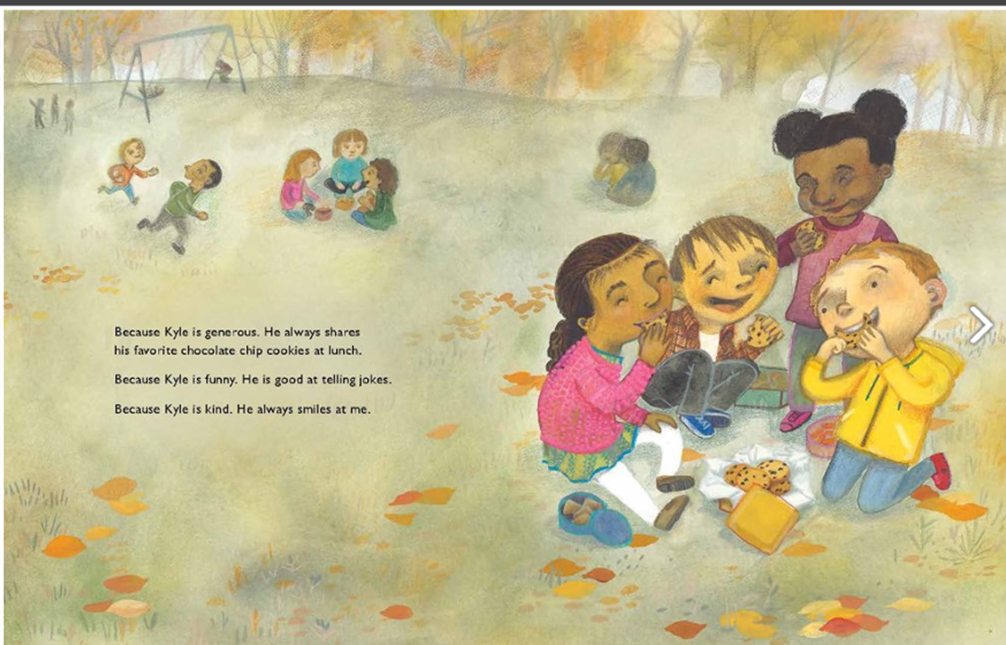
There are 18 kids in Zahra’s class in early fall, when the leaves are about to be the color of Nana’s spices.  One of the kids is Kyle.  Kyle often needs a helper, and Zahra is happy to help him with his cutting and gluing and writing.  The two have become friends.  Kyle is funny and nice and shares his cookies.

i can help 2

Zahra also likes the praise she gets for being such a good helper.  One day when the leaves have darkened, Zahra is climbing a tree and hears some of the girls making fun of Kyle.  She doesn’t want to listen, but her ears want to hear.  When she comes down, they ask her why she helps him.  She doesn’t really know.

i can help1

When she is helping him later, she sees the girls staring at her, and she snaps at Kyle.  The next day Ahmed helps Kyle instead.  Zahra misses being around Kyle, but he says that she is mean and he doesn’t know her any more.  Zahra doesn’t know herself any more either.

i can help 5

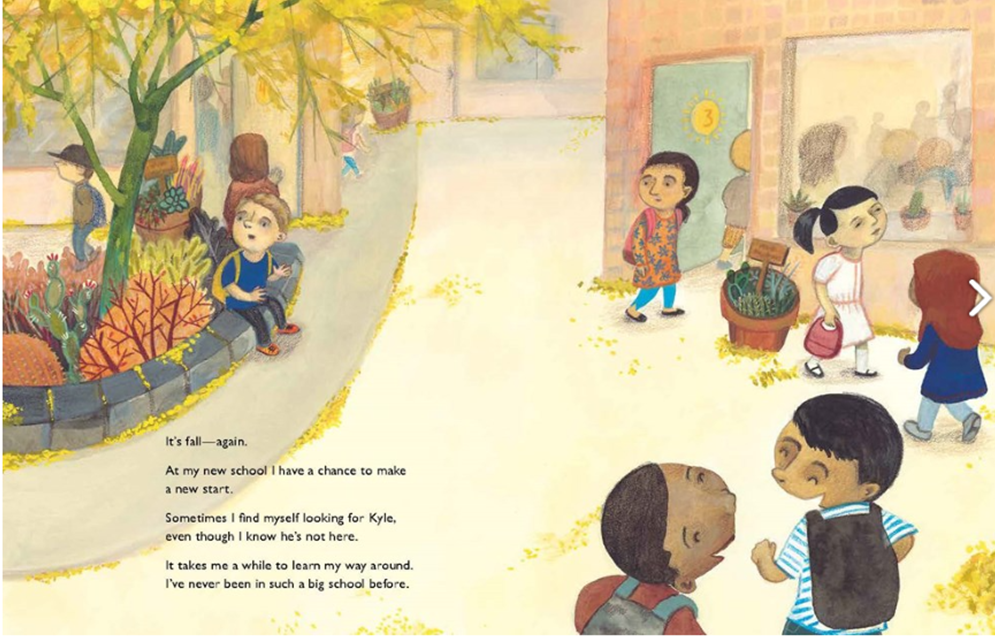
The next year finds Zahra at a new school, and when the opportunity presents itself for her to help someone, she jumps to offer herself as a helper remembering Kyle and finding her voice, one that she recognizes.

i can help8

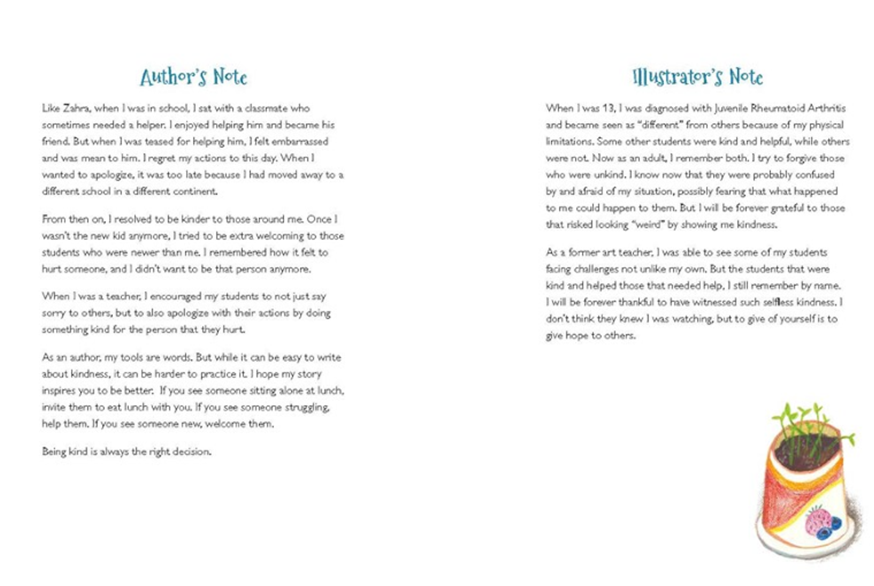
The book is inspired by the author’s own experience, and the rawness and relatability shines through.  The illustrator also relates to the book and needing help with physical limitations.  There is nothing overtly religious or cultural other than the mention of the spices, Zahra’s and Ahmed’s names, and the term for Zahra’s grandfather.  The diverse kids in the classroom and the universal messaging make this book a must read for every kid and big person.  Be kind, always be kind.

i can help 9

Silverworld by Diana Abu-Jaber

Standard
Silverworld by Diana Abu-Jaber

silverworld

At 304 pages this middle grades fantasy OWN voice book attempts to weave together a granddaughters love for her Teta, with her adventures in a mythical world that only she can save.  In much the same way of Narnia, or Gregor the Overlander, or even Alice in Wonderland, the book takes a realistic character and pushes them, in this case Samara aka Sami, just beyond, into a world filled with mystery, adventure, and lessons.  The Lebanese flavor sprinkled in adds a little depth and uniqueness to the story, and aids a bit in the world building, but it isn’t a strong presence outside of ifrits and character’s names.  Teta is a Beduin that has a prayer rug and tarot cards and a painting of the Virgin Mary that she calls Fatima, and Sami’s deceased dad was American and the house has Christmas lights.  At one point the book remarks that Teta “likes to pick and choose her beliefs.”  The premise starts with Teta showing signs of dementia: speaking in a language no one but Sami can understand, and not eating and seeming present, the resolution as a result could give children the wrong idea about treatments for such real conditions, and adults might want to make sure their middle graders wont be triggered by the decline of a loved one.  The book is written well and holds reader’s interest, the world building is decent and the character’s relatable, I don’t know that it is overly memorable, but it is a fun light magical read with culture and family and friendship at its core that readers will enjoy.

SYNOPSIS:

Sami and her brother Tony, along with their attorney mom Alia and maternal grandmother, Serafina, have just moved to Florida from Ithaca, New York.  The children’s father was killed and the family has moved a few blocks away from his sister to start anew.  Sami is not settling in, and to make matters worse, Teta has stopped talking coherently, and Aunt Ivory and Alia are looking for a nursing home to place her in.  For some reason though, when it is just Sami and her grandma, she can communicate just fine, and Teta tells stories of her adventures with her flicker Ashrafieh in Silverworld.  Sami doesn’t necessarily believe the stories are true, but she gets the idea to use her Teta’s fairy stories to try and save her grandma, but when she finds her Teta’s spell book and peers into an old beloved mirror, Sami is taken to Silverworld and realizes that it is not just her grandmother’s future at risk.

In a world of flickers and shadows, Sami finds two balancers that taker her in and guide her: Dorsom and Natala.  The world is a reflection of the Actual world, but the Shadow Nixie is consuming the land and taking prisoners.  The balance is off, and Sami is convinced that this darkness is what is also harming Teta.  Between shadow spies and giant rotifers, magic and prophesied destinies, Sami must push her fear away and accept that she can be the one to set things right.

WHY I LIKE IT:

I like that Sami has to step in to her own and fight for what she wants, even when she is afraid.  I love the relationship she has with her Teta it is very warm and palpable.  I feel like the “saving Silverworld will save her Teta thread,” however, is lost in the middle of the book, it might be the catalyst and might have worked out that way in the end, but I don’t know that the middle makes the case that the two efforts are one and the same.  I appreciate that there are glimpses of Lebanon in the story with the athan in the background and spinning dervishes, but outside of Teta and a bit of the food, the cultural elements seemed a bit forced and deliberate instead of stemming from a natural flowing place.  A bit odd since it is an OWN voice novel, but maybe I was just wanting more. I would have liked more information about how Teta settled in America, learned English etc., or about her tattoos and Beduin upbringing. Another thing that seemed off to me was the close relationship of Dorsom and Sami at the end.  I hadn’t over nearly 300 pages realized that they were that much closer than Sami and Natala.  I even went back to see if I had missed something, but I couldn’t find that I had.  I wasn’t entirely sure why they were going to see Nixie either, I mean yes it was logical for they type of book it is, but I don’t know that Sami really had a plan for Silverworld or her Teta, she was just going to Nixie’s castle to get there.  There were also a few inconsistencies such as Sami wishing her and Tony could go fishing or surfing, when the book has made it clear that Sami is afraid of the water, particularly the ocean.

FLAGS:

There is magic, killing, death. There is talk of goddesses, there is a female character, a shadow, that has two flicker husbands and children with them both.

TOOLS FOR LEADING THE DISCUSSION:

I don’t think this would appeal to middle school readers, it is a solid middle grade book.  I do think fourth and fifth grade shelves would benefit from having this book available to be picked up and enjoyed.

Roots and Wings: How Shahzia Sikander Became an Artist by Shahzia Sikander and Amy Novesky illustrated by Hanna Barczyk

Standard
Roots and Wings: How Shahzia Sikander Became an  Artist by Shahzia Sikander and Amy Novesky illustrated by Hanna Barczyk

roots and wings

At 40 pages, this biography about Pakistani born artist Shahzia Sikander is filled with culture and experiences.  The story shows the influences of her family, the city of Lahore, her love of math, and her art education have in shaping her in to the artist she is today.  The book features photographs of her work at the end, but I found it odd that she didn’t illustrate the book herself.  The playful blocky pictures and text would appeal to first or second graders with some assistance, but would be better suited for readers a bit older if they are unfamiliar with some of the cultural and artistic vocabulary.  There is no mention of Islam in the book, when researching, it says her family is Muslim.  It seems she went to Catholic school, and a road trip was taken that included visiting the Sistine Chapel.  A few illustrations show people in hijab and it mentions the athan ringing out five times a day.  The book was interesting, but I wish I could have found it at the library, rather than purchasing it.  I don’t know that it will be read more than once, but that speaks more to personal preference, rather than the quality of the book. If you enjoy fine art, are from Lahore, are a fan of Shahzia Sikander’s work, you will definitely enjoy this book.

img_1695

The story starts with a girl stepping in to a painting with many rooms, filled with many people in a joint family.  It is her (Shahzia’s) home, and her family.  The rooms are filled with ancient fables, Russian fairy tales, poetry, English, Urdu, Bollywood songs, and American Westerns.

img_1696

Outside is the city of Lahore, in Pakistan, streets rich in smell and color and sound exist: orange jalebi and strings of jasmine, sounds of Qawwalis and pop music, the melodic call to prayer from the minarets.  As a child she plays cricket and climbs trees and flies kites.  Up on the roof she trains pigeons and looks out at the horizon.  

img_1697

When it gets hot, her family heads north.  They once traveled all the way to Rome.  She visited the Sistine chapel, her and Michelangelo share a birthday.

img_1699

At school she is shy. She loves math, as it is a tool to understand the world.  She finds she is also good at drawing birds, and people.  She studies miniatures with a magnifying glass.  Eventually training in miniature painting with a master.  Art becomes her ticket to new worlds.

img_1698

She heads off for America, taking her roots with her, but once she arrives she cannot leave.  Her passport is the wrong, color.  She lives in New York and cannot return to Pakistan for nine years.  Now she can travel and soar and share her work with the world.

img_1701

There is a glossary at the end and more information about Shahzia and her paintings.