Tag Archives: Muslim

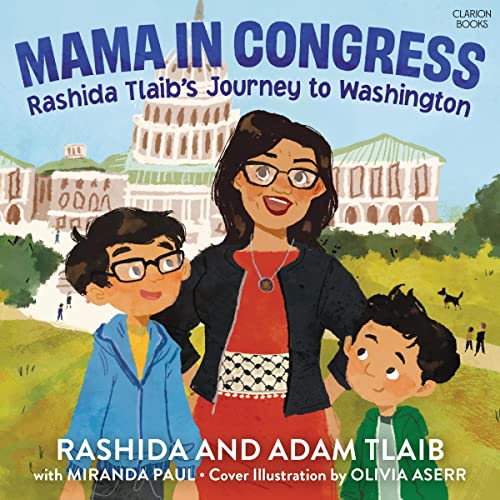
Mama in Congress: Rashida Tlaib’s Journey to Washington by Rashida and Adam Tlaib with Miranda Paul illustrated by Olivia Aserr

Standard
Mama in Congress: Rashida Tlaib’s Journey to Washington by Rashida and Adam Tlaib with Miranda Paul illustrated by Olivia Aserr

mama in congress

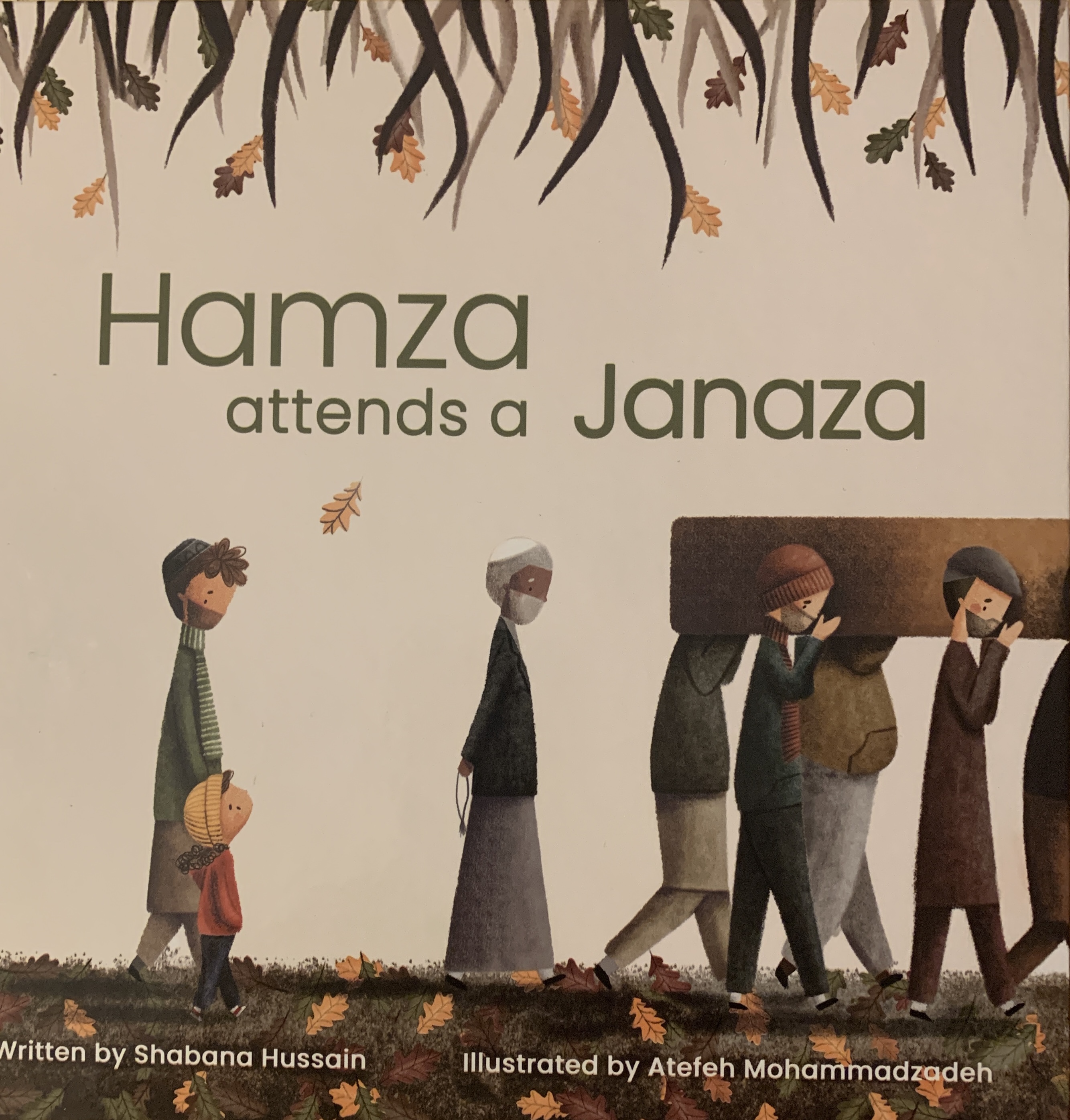
I wasn’t particularly looking forward to this book.  Books by politicians are always suspect, by a politician currently in office- more so, and a book written about one’s self can be a little self promoting to say the least, but when I saw my library had it, I put it on hold and thought to give it a shot.  Surprisingly, the book is really cute.  It is framed as her son (one of the contributors) telling his mom’s story, it owns that while yes she was one of the First Muslim Congresswomen, there were a lot of people before her that ran and paved the way.  What really shocked me was the amount of Islam in the book: Salat-al-Istikharha, actively learning about Islam not just as culture, there is an Ayat from the Quran, etc.. The book says for ages 4-8 and for the amount of text on the pages, there is no way a preschooler will sit through this. I can see this book, however, being used in an elementary classroom to teach about the American political system, and inspiring kids that they can make a difference, that they can rise to positions of leadership without compromising who they are, and that no matter their background, and that they can be successful in following their dreams.  I don’t think Congresswoman Tlaib should be put on a pedal stool for some of the policies she has supported or bills endorsed, but I think even if you don’t support her politically, her story and her accomplishments do show possibilities for minorities to reach the highest levels of government.  The fact that she is a Palestinian Muslim Women and has found success in the context of American government as told from a child’s perspective, really surprised and impressed me, and I can see it being a worthwhile story to share with young students.

The book starts with two boys on the steps of the capitol, Adam and Yousif wondering if the president is their mom’s boss, and mom, saying that no, the 700,000 people in the district she represents are.  The book then pulls back and Adam starts to tell the story of him and his brother going to work with their mom, Congresswomen Rashida Tlaib the representative from Michigan.

img_4036

Before she was elected their yama and yaba immigrated from the West Bank to America, where Rashida was born.  Eventually there would be 14 kids born and Rashida would choreograph dances, basketball games, and seek privacy to dance like a pop star, or chase after the bookmobile.

img_4037

Comments toward her well-spoken mother to learn English, embarrassment at the smell of the factory polluted environment, and an offer by a high school teacher to join the debate team, helped pave the way for Rashida to find her voice and make changes.

img_4038

Rashida was the first in her family to graduate high school and from there she went to college and then law school.  She also started to learn more about Islam and the reasons behind her family’s traditions.  Her favorite passage from the Quran became, “with hardship comes ease.”

img_4039

She started working with an elected official from the Michigan House of Representatives and started a family.  When a seat became vacant she was encouraged to run.  No Muslim had ever been elected to the Michigan House and even her own yaba didn’t think people would vote for an Arab, so she prayed Salat al-Istikhara and did a lot of thinking.

img_4040

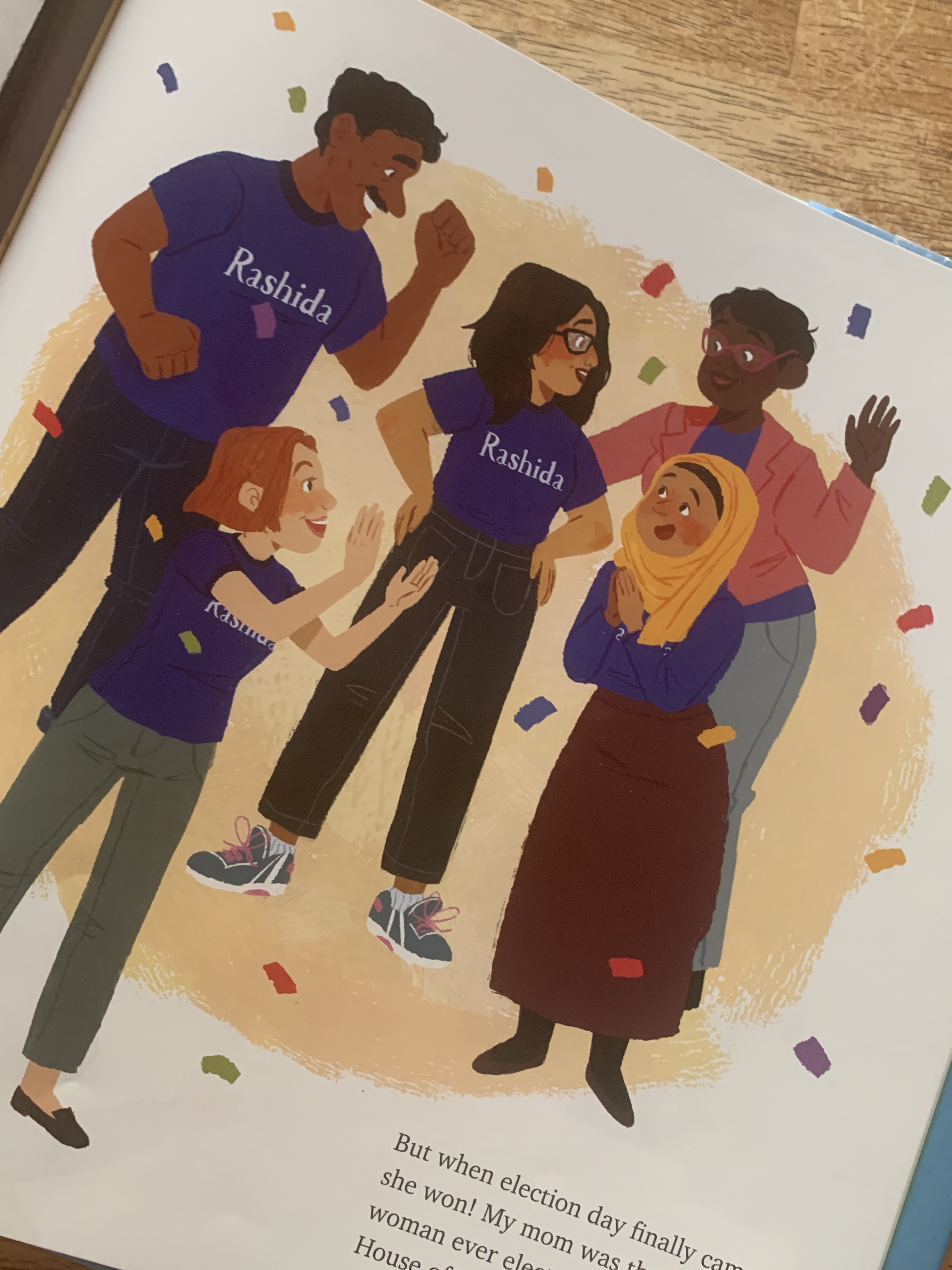
The book shows what she wanted to accomplish and how she went door-to-door and found both success and hardship meeting with the people.  Ultimately though, she won the seat and held it for many years.  When Adam was 12 she decided to run for the U.S. House of Representatives, and he and his brother joined in to help knock on doors.

img_4041

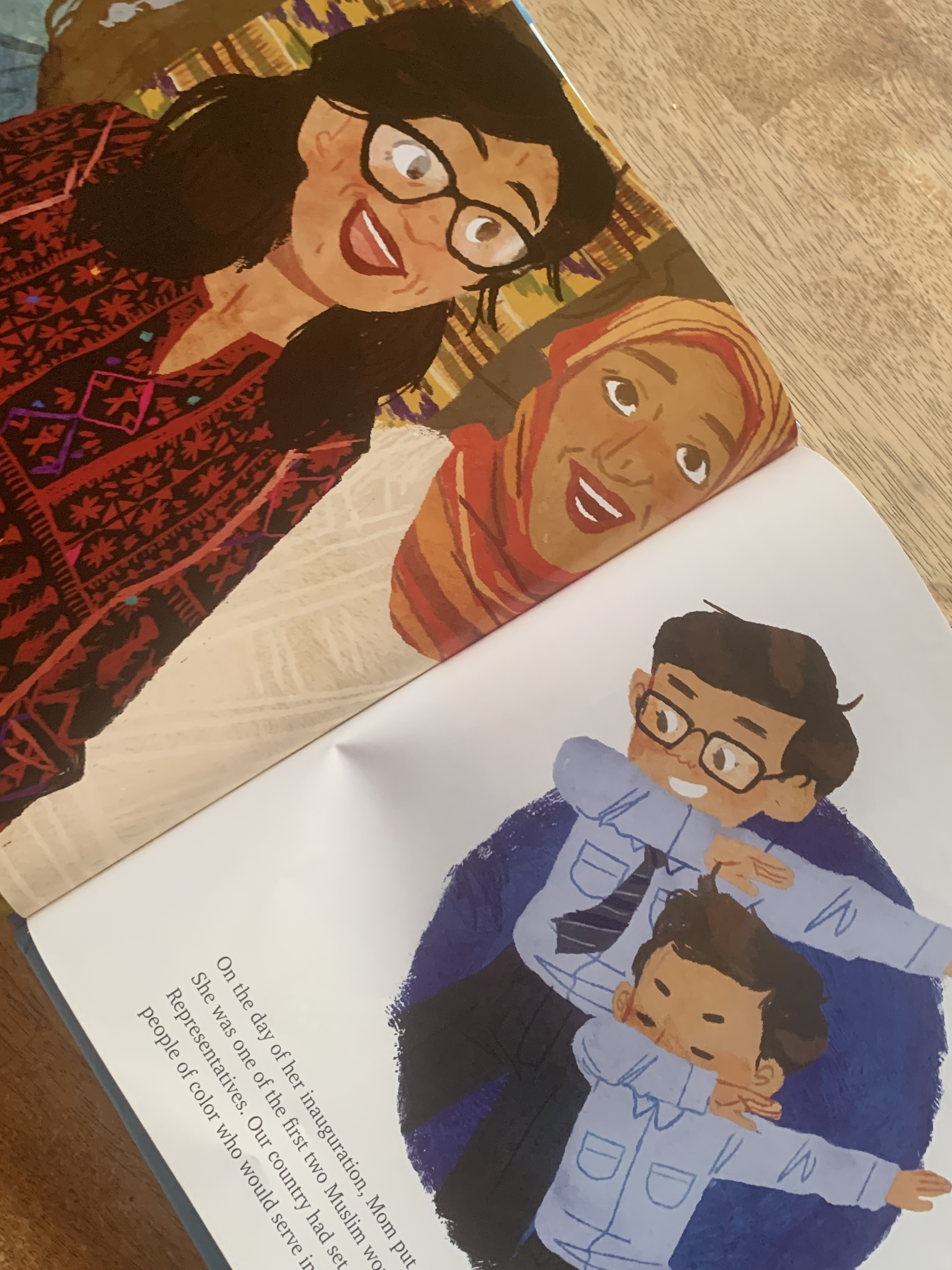
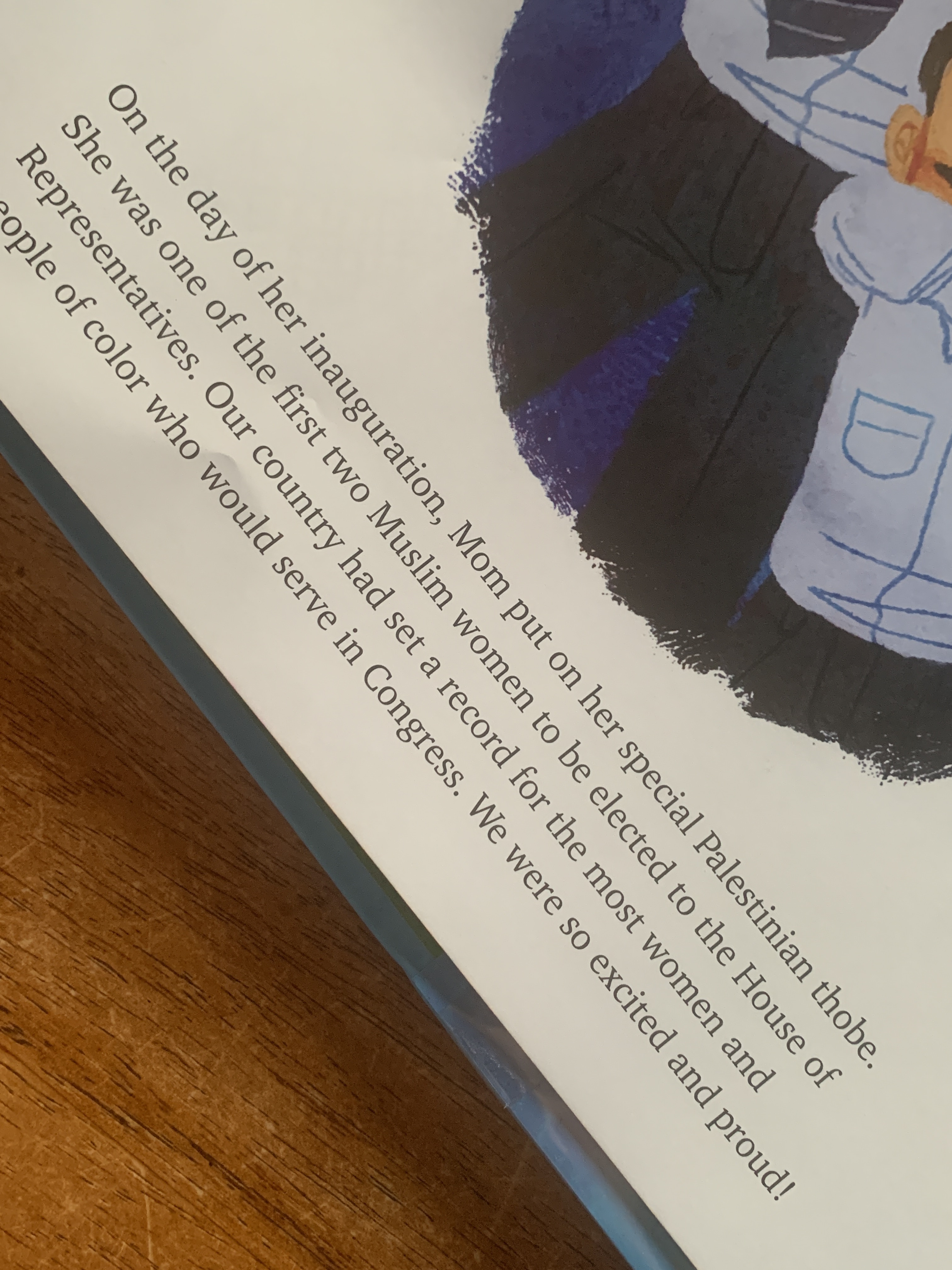
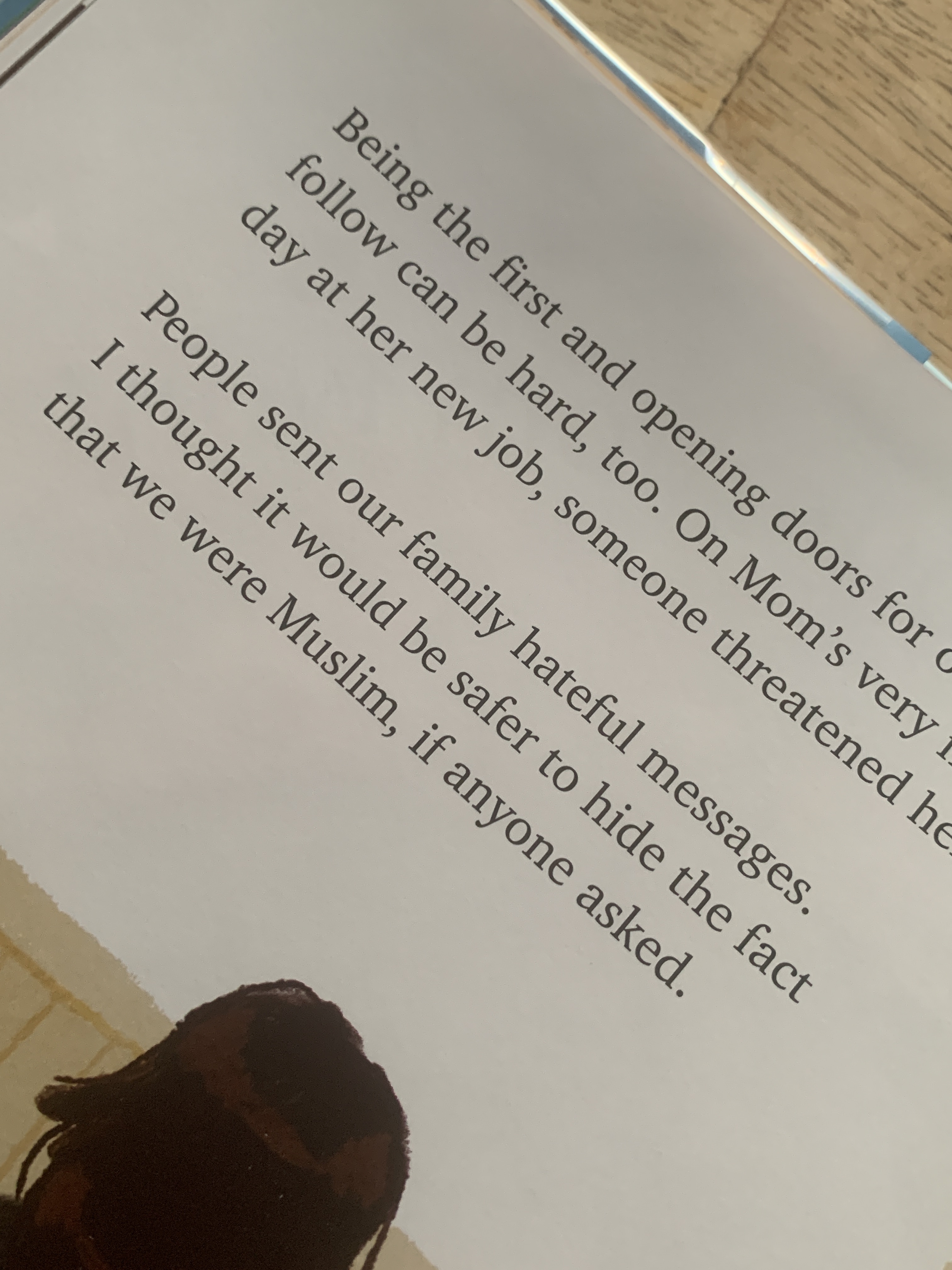
She won, and was one of two Muslim women to be elected that year.  Adam and Yousif dabbed in celebration at the inauguration as their mom was sworn in in her Palestinian thobe. On her first day, however, there were threats, and Adam though they should hide the fact that they were Muslims.  Their mom told them it is important to be their authentic selves, “that sometimes it takes many to run for there to be a first.”

img_4042

The book concludes with a glossary, an infographic of the branches of government. Can be purchased here.

The Kaya Girl by Mamle Wolo

Standard
The Kaya Girl by Mamle Wolo

This sweet middle grades book about two girls in Ghana is a friendship story and a rags to riches gem.  The 336 pages immerse you in a rich and vibrant culture and share a story that while at times simplistic, really pulls you in and makes the over the top happy ending, tearful and joyful.  I read the entire book in one setting and loved that there was no glossary, or white pandering; the story works in the explanations and details for those unfamiliar with West African cultures to share a story about classism, friendship, growing up, and challenging stereotypes.  I loved while so much was new to me and culture specific, so much, at the same time, was universal and relatable to all.  The story is OWN voice, the main character is a wealthy girl,  but the friend is a poor Muslim one.  I am not sure where the religious representation ended and the cultural practices started, but the book does not criticize any culture or traditions, it only criticizes the mindset that one is superior to another because of where they are from.  I also don’t know that the Muslim character will mirror global Muslim experiences, but having the character identify as Muslim and be such a wise and determined friend, makes her a great character to cheer on and love no matter the reader’s background.  This would be a great book to teach, to shelve, to read aloud, and to discuss.

SYNOPSIS:

Fourteen year old Abena is spending her summer with her aunt in Makola market while her mother has traveled to London to give birth.  Abena’s father is a physician and her friends are part of the wealthy and privileged class that attends American schools, vacations abroad, lives in mansions with servants, and have the latest phones.  In a bit of a culture shock spending the weekdays with her aunt at the bustling market, Abena starts to see her country and its people in a different light. One day while getting out of her aunt’s car she makes eye contact with a kayayoo, a porter who carries customers purchases on their head.  She snaps a picture of the girl who appears about her age wearing an orange scarf, as she secretly is working on a journalism competition, and something about the girl intrigues her.  The two smile and carry on.  Later when they meet again they realize they do not share any common languages, they both speak a number of dialects and languages, yet somehow the girls connect.  Day after day they sneak away to have lunch together and learn about one another as they learn each other’s language, culture, history, and dreams.  Faiza opens Abena’s eyes to so much about Ghana that she had never known existed and Abena teaches Faiza English, science, shows her the internet and gives her the foundation for how to read and write.  Abena’s aunty does not approve of their friendship: stereotypes and assumptions about poor Muslims from the North prevent her from treating Faiza as an equal.  Yet, she doesn’t forbid the friendship either.  As the girls’ friendship grows, summer vacation comes to an end and goodbyes will have to be made.  Things get expediated though, in a climax of misunderstandings, regrets, and friendships separated by class and religion.

WHY I LIKE IT:

I love that right before Abena sneaks Faiza on to the laptop to Google dinosaurs, and the solar system, and cities in Ghana and maps, I was Googling images of geles, okro and Makola market, maps to see where Hausa and Dagomba regions are, and enjoying learning about people because it is so enriching whether fictional or in real life.

I love that there isn’t judgement by either girl on trying to understand why children are given to aunts to raise or why women are forced to marry.  It shows so much without othering any facet of sub culture within Ghana or anywhere for that matter.  Abena’s cousins aren’t put down for being wealthy, or Faiza for being poor.  Even the Haji looking for a fourth wife is not favorable because he is old and has brown stained teeth, not because there is judgement upon him having more than one wife or the family wanting their daughter to marry him.

I often remark that I like middle grade books that don’t tie everything up in a neat and tidy bow, but this book went the other extreme and tied everything up far in to the future, that I ended up loving the extreme nature of it as the tears of joy dripped off my cheeks.  If you are going to do it, do it for a reason, and this book did it to great effect.

Faiza is Muslim she wears hijab and stops Abena from taking it off at one point, but then at the end she has braids hanging out from underneath her scarf.  There are crushes and hugging between Faiza and males and an implied potential romantic relationship between Faiza and a non Muslim male that is never given pause.  A character goes for hajj, it mentions a space that Faiza uses for prayer, and it mentions Faiza’s Muslim family members getting drunk.  Nothing more than these details are given about being Muslim, other than her being labeled as a Muslim and identifying as one.

FLAGS:

Theft, crushes, lying, classism, racism, running away, drinking beer, getting drunk, forced marriage.

TOOLS FOR LEADING THE DISCUSSION:

I think that the book would lend itself very easy toward discussion and appreciating a people and culture that for many in the west would be new and unfamiliar.  I think outside research to supplement would be a natural extension and that the characters, their voices, their lives, and experiences, will stay with readers of all ages as we can rest easy knowing that they got their happy endings.

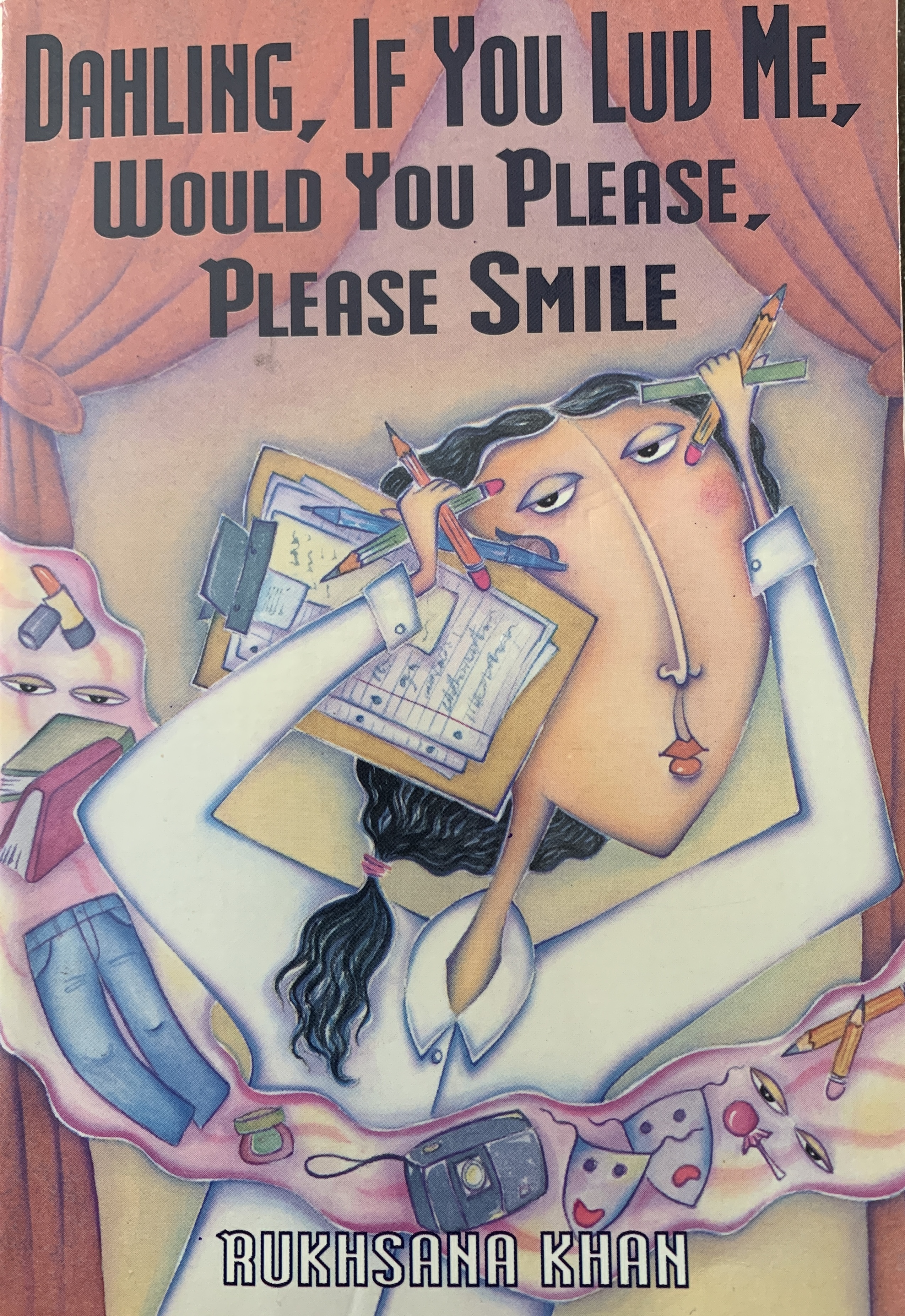
Dahling, If You Luv Me, Would You Please, Please Smile by Rukhsana Khan

Standard
Dahling, If You Luv Me, Would You Please, Please Smile by Rukhsana Khan

img_1788

I’m not sure how I missed this 1999 published YA book by the OG-groundbreaking-industry-changing- Rukhsana Khan, but until @bintyounus mentioned it to me recently I didn’t even know it existed.  The book has so much Islam, ayats, hadith, salat- Islamic fiction self-published often doesn’t have as much as this mainstream book has, but I would be lying if I didn’t say that some of the content was a bit shocking.  Part of my surprise I think comes from the fact that the book is only 206 pages, it takes its title from a game I remember playing in elementary school at recess, the main character is in 8th grade and the cover is soft pinks.  This book is solid YA both now, and nearly 25 years ago, it carries some incredibly heavy themes: attempted suicide, topless photographs, sexual coercion, cigarette smoking, assault, racism, misogyny, toxic relationships, neglect and more (see flags below).  The book is memorable and hard to put down, the Islam is confident and explored, even when weaponized by an older sister, but there is no denying the story telling abilities of the author, and  while I won’t be letting my 11 or 13 year old read it any time soon, I know I benefitted from reading it- reminiscing about wanting Lucky Jeans and standing in awe of how EVERY. MUSLIM. DESI. author making it in mainstream today is benefitting from the path paved by Rukhsana Khan.  On behalf of readers everywhere- thank you.  Thank you for fighting to tell your stories your way, raising the bar, and offering real Muslim characters from a Muslim voice. 

SYNOPSIS:

Zainab has no friends and doesn’t own a pair of Lucky Jeans, she is the only one in 8th grade that doesn’t.  She feels like if she could trade in her polyester pants for the “cool” pants everyone has, she’d be accepted.  When that plan fails and lands her in trouble, she gets tasked with directing her house’s school play.  The teacher convinces her that it will be a way for her to make friends, and earn her classmates respect, but middle school is never that easy.  Everyone is in love with Kevin, including Zainab, but he is a jerk and if he isn’t the lead, no one else will audition.  Jenny is poor, but has a big chest, so even though she is nice to Zainab, she is more in love with Kevin who only wants her for one thing, and takes advantage whenever his girlfriend isn’t around.  Add to the drama Zainab’s very strict older sister who lists off Zainab’s faults every night with Islamic references to try and make Zainab a better person, and this coming of age story will require Zainab to sort through it all and find her own way to be.  There are a lot of subplots that circle around the play, social circles, toxic relationships, and self growth, that while the characters are worried if they will win the competition and break the curse, the readers (at least this 41 year old mama) are hoping that the characters will survive the year unscathed. 

WHY I LIKE IT:

I love that the family is the same family that will become its own story in Big Red Lollipop just grown up, with names changes, and that the story is summarized.  I’m still a little torn if I love the raw grittiness of the way the two sisters interact or if it goes too far and leaves a bitter taste about Islam.  I really am on the fence about how young readers, both Muslim and non Muslim, in 1999 and in 2022, would view the role of Islam in the dynamic.  I think it reads powerfully, but I had a hard time going back to look at it through my 13 year old eyes and it as an adult it is intense.  I still can’t believe that this book was published with how much Islam it contains, even the play put on in a public school was religiously centered.  White privilege is called out and stereotypes about whites are stated, a Hindu character and the Muslim main character work through their baggage, economic privilege is opined on, women’s rights and expectations discussed, comments about “othering” are present-  it really covers a lot. Quite impressive in a lot of ways. 

The relationship and love themes are not shied away from which caught me off guard.  I expected some making-out and heavy petting, but was surprised it went to topless photos, a character’s mom being a nudist, and that there is a lot of forced touching.  I think for most Islamic school 8th graders, this book would be too mature, in fact I genuinely hope it is. Not to say it is not accurate, but it is very critical to the story and I think would need some discussion.  

I love that the characters draw you in, as much as you despise everyone picking on Zainab, you know she isn’t a pushover and you really pull for her.  I didn’t want to put the book down and kept reading because I wanted to make sure she was ok, see what choices she made, and in a fairly short book, that is remarkable story telling.

FLAGS:

The book is for mature readers in my opinion.  There are relationships, assault, cigarettes’, nudists, kissing, spying, sexual assault, coercion, topless nude photographs, attempted suicide, bullying, teasing, cheating, physical assault, language, verbal abuse, stereotypes, talk of female anatomy, and use of Islam to hurt.

TOOLS FOR LEADING THE DISCUSSION:

I don’t know that I would shelve this in the library, I would see if perhaps there is a version with a different cover, one that might signal a more mature reader.  I would worry if an early middle schooler read this, I think it would be a lot for them to take in, process, and reflect on.  It isn’t a light read, and would need some discussion, but ultimately I don’t know that a middle school book club at an Islamic school would be the right place for it. It could be for sure, but not the one I’m currently at.

Ordinary People Change the World: I am Muhammad Ali by Brad Meltzer illustrated by Christopher Eliopoulos

Standard
Ordinary People Change the World: I am Muhammad Ali by Brad Meltzer illustrated by Christopher Eliopoulos

muhammad ali

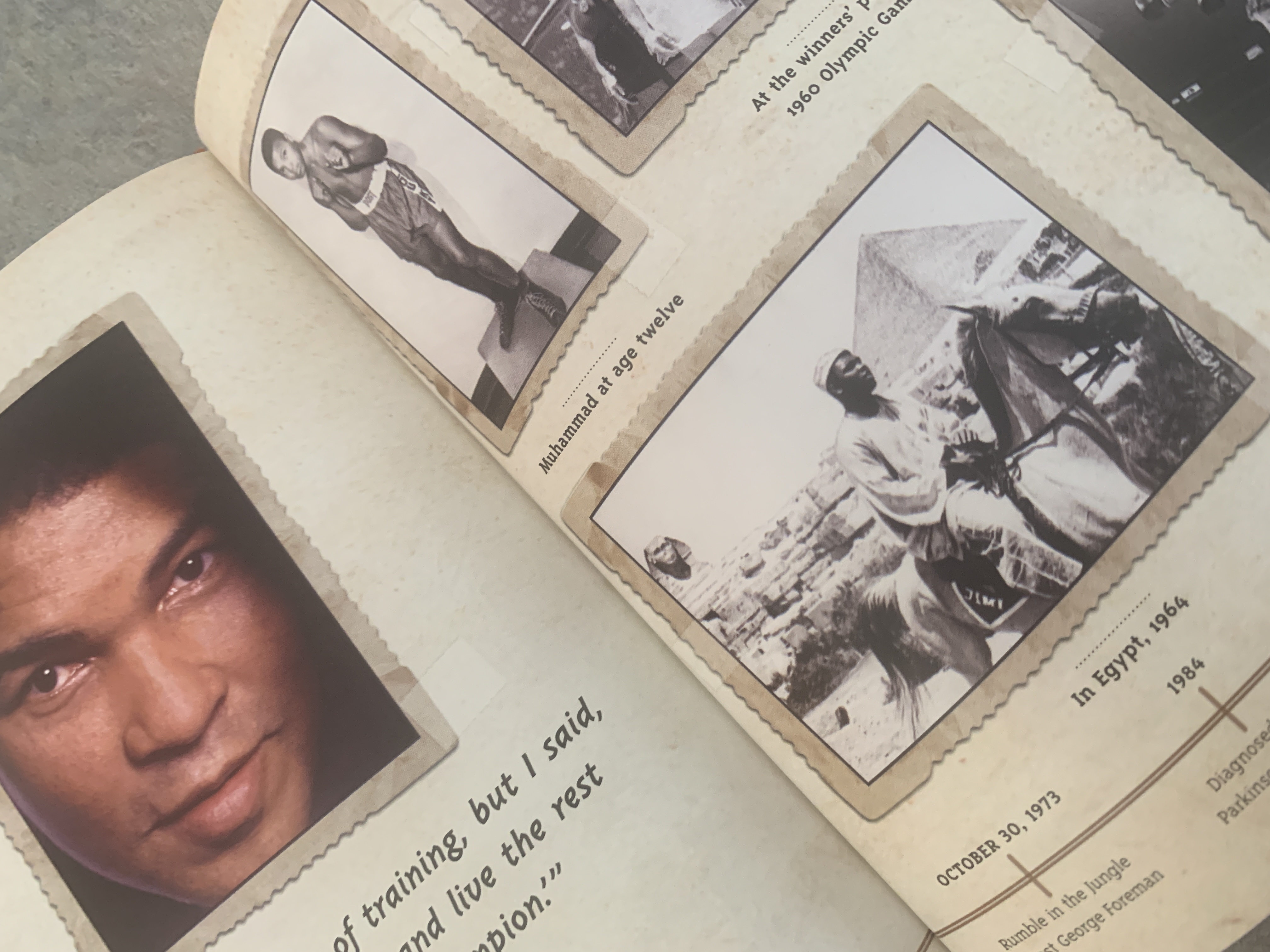
I think this 2022 published biography of Muhammad Ali just might be my favorite.  At 40 pages long and meant for first graders and up, it actually mentions that he is Muslim in multiple places.  So often these biographies about him or Malcolm X fail to incorporate their religion and just relegate their name changes to a footnote or after thought.  The book is engaging, informative, it is sourced, and the illustrations adorable.  My kids and I have read the book multiple times and are still enjoying the detailed illustrations (they even include #muslimsintheillustrations) and text.  Sports fans and even those that are not will appreciate what Muhammad Ali achieved, overcame, and accomplished.

The biography starts at Muhammad Ali’s birth and ends with his fight in Zaire- detailing his personality, growing up, how he got into boxing, becoming Muslim, refusing to go to war, and his biggest fights.  It weaves in how he worked against racism, standing up for his religion, and living life on his terms, at every step.  As the chronological story fades, it shows him lighting the Olympic flame in Atlanta, and the text starts to focus on the lessons that Ali fought to highlight, by encouraging us to continue his legacy.

The illustrations show how his message is still powerful and inspiring to athletes, kids, ordinary people-everyone, the world over.  Ali stays depicted as a small child throughout, and the author captures his charisma, charm, and entertaining persona.  The final spread before the sources and further reading suggestions show a timeline of Muhammad Ali’s life and a few photographs of his life.

I need to read the other books in the series to see if they are just as engaging.  Undoubtedly Muhammad Ali’s story is entertaining and inspiring even when poorly written, but I have a feeling this particular biography really shines because the author and the subject matter came together.  I highly recommend this book for families, schools, and classrooms alike.

You can order it at Amazon and if you use this link, I get a few pennies! Thanks!

img_1293

Welcome to the New World by Jake Halpern illustrated by Michael Sloan

Standard
Welcome to the New World by Jake Halpern illustrated by Michael Sloan

new world

I really like the concept and approach of this 192 page non-fiction graphic novel.  It isn’t a memoir or OWN voice retelling, it is basically an in-depth news story about a Syrian refugee family that has been fact checked and then illustrated.  Unfortunately, parts of the story are really choppy and unresolved, details shared for no purpose and occasionally reinforcing of stereotypes.  The book is an easy read and the Muslim family is shown to practice and be fleshed out, but more than once I found myself questioning what the author’s commentary was suggesting/implying based on what was being included.  I allowed my 12 year old son to read it before I was finished, but the last few pages had both misogynistic and homophobic slurs coming from bullies so I made sure to discuss that with him.  I think upper middle school to YA is probably the ideal readership because of the subject matter of escaping war, facing financial insecurities, PTSD, bullies, islamophobia, and navigating a new environment when you are not quite a child, but not yet an adult either.

SYNOPSIS:

Naji’s family is undecided if they should leave Syria or not.  Part of the family has permission to travel to Connecticut in America, but part of them still do not, including Naji’s grandmother.  The war has already imprisoned Naji’s father and uncles in the past and with the US election showing Trump having a chance, they feel like they need to make a decision quickly.  Naji loves all things American and is the only one in the family anxious to get to the US and get on with life, but when the moment of saying good-bye arrives, he has doubts.

Once they arrive in America, all their doubts multiply as life is difficult, help is hard to come by, and day to day fears of safety have not been left behind.  School, finding jobs, learning the language, and facing hate are just the big things that plague a family who has left everything to start over in this detailed account that follows Naji and his family as they navigate their new world.

WHY I LIKE IT:

I like that the book has been approached as a news article.  I just didn’t like the unresolved threads that seem to take up so much of the narrative only to be abandoned.  I really struggled with the idea that Naji knows America and obviously media is global, but is shown to be confused by a dining table.  I didn’t like the commentary of Naji’s sister Amal and her hijab, I find it hard to believe there aren’t other hijabs in the school or larger community and why it is made to be such a big deal by her, and those trying to help her.  It would seem small after everything she has been through.  I do like that there are a few other Muslims in the school and at least they discuss that there is not a nearby masjid.  I wish other Muslims would have been around to help settle the new family.  I know a few groups that helped in immigrants in New England, so that there were no Muslims in the welcoming groups seemed hard to accept.  By and large it does show Islam being practiced, not just names and hijabs, which I appreciated, but for a book that is based on a real family, with graphics, I really expected a stronger emotional impact that ultimately for me was just not there.

FLAGS:

Death, abuse of power, war, language, bullets, shooting, kidnappings, detainment, destruction, kids making out in hallways, implied rape/sexual assault, death threats, racism, islamophobia, misogyny, slurs, name calling, differential treatment, fear.

TOOLS FOR LEADING THE DISCUSSION:

This wouldn’t work for me for a book club selection, but if I ever teach a journalism class again, I think I would some how incorporate this book as a way to show what journalism can be, and also as a clear way to show how what parts you include and what parts you keep out affect the messaging of the story as well.

Nura and the Immortal Palace by M.T. Khan

Standard
Nura and the Immortal Palace by M.T. Khan

nura and the immortal palace

This 272 page unapologetically Muslim MG tale takes on some heavy concepts: child labor, jinn, education, and gulab jamun- I mean greed.  Through the eyes of feisty, determined, clever, and strong Nura, though, the trials of life and society are never without hope, a sense of adventure, and good intentions.  The characters are likeable, the Islam wonderfully present and often centered, the social commentary remarkable, but the framing for me, made it a bit of a struggle to read at times.  It is set up like Alice in Wonderland or even Silverworld, where the characters living in a real world stumble in to an alternate reality, and thus the world building occurs in real-time so to speak.  The reader has no idea what is going on until it is happening, no clue what the rules and constraints of the fantasy world are until some detail is needed to help or hinder the protagonist, and personally I struggle with this wandering style of narrative.  I have mentioned before that as a child I really never read fantasy, and I think this is why, I  need the context to ground the story so that I might lose myself in the adventure at hand.  If you are fine with this framing and at ease with Islamic jinn fantasy, then this book will be a lot of fun.  If you find fantasy “shirk-y” do know that Ayat ul Kursi is used to save the day, but that there is a lot of imagination regarding the beings made of smokeless fire, a casino is present along with dancing, indentured labor, and the fear of death.

The book releases in July 2022, and as always pre-orders help show support for books, authors, and the OWN voice content that they entail, so if this book seems like a good fit for your 3rd/4th grade reader and up you can pre-order it here: https://amzn.to/3MVvxQo

SYNOPSIS:

Nura lives in the small industrial Pakistani city of Meerabagh.  Her father has passed away and her family is too poor to send her to school, instead she must work so that her siblings might eat.  Her mother works in a sweat factory and Nura in the mica mines.  The illegal child labor and cruel owners provide less than ideal working conditions for the children forced to mine the sparkly mineral.  Nura’s mom wants her to quit, Nura herself doesn’t enjoy the torment, but somehow she takes it on as a challenge to be the best miner in Meerabagh, pushing her self deeper into the fragile tunnels.  With bestfriend Faisal always warning her about going too far, she decides to finally listen to her mother and quit the mines, but not after she makes one final effort to find the rumored “Demon’s Tongue” treasure.  She digs too deep though, and the mines collapse, children are lost, Faisal among them. Determined to find her best friend, she plunges in to the fallen mines and finds herself on the pink waters outside the luxurious jinn hotel, the Sijj Palace.

Nura has always been warned about jinn, qareens and the tricks they play on humans, but when a life of luxury is dangled in front of her, Nura pushes her better judgement aside to enjoy a life she has always dreamed of.  It isn’t just the food and clothes, but it is the respect and honor she is given as she wins a food eating contest, gambles in a casino, and gets decorated for a dance party.  It all comes crashing down however, when in an attempt to impress the painted boy, she cuts off his horn.  Status revoked, Nura is sent to the labor force, where she will remain for eternity, imprisoned and at the disposal of the hotel.  What is more, after the three day festival of Eid al Adha, her memories of her life before coming to the jinn world will disappear. Nura is determined to escape, but nothing in the jinn world is easy, and for a 12 year old girl with fading memories, this might be more than she can endure.

WHY I LIKE IT:

I love that Nura is unapologetically Muslim.  Even though she is poor, there is time spent on the pages detailing the feeling of Eid al Adha, the familial togetherness and community festiveness even if it all is meager, it still has value.  I also really like the relationship between Nura and Faisal.  They drive each other crazy and have nothing in common, but they never give up on each other.  They act like siblings, tolerating each other’s annoying quirks, while never wavering on their concern and worry for one another.  It is sweet and well fleshed out.

The threading of education was also done well.  Nura finds the idea of school repulsive, but it grows and changes as the obstacle of being illiterate slows her down, and ultimately she changes her mind.  The growth arc is subtle, but powerful, and Nura’s intellect, cleverness, and ingenuity is never dimmed as a result of her lack of formal schooling.

The characters, even the “bad” ones are given some depth and sympathetic qualities, and Nura has to recognize some of her own flaws and choices as she journeys through the book.  Desi culture is present primarily in food and clothing, but it adds depth to the story and flavor to the experience.

The food eating competition, however, didn’t really impress me.  I get that it was to flesh out the jinn world and show Nura’s smartness, but I thought the jinn in the water were eaten, only to have them reappearing, and the founding premise is that jinn are tricksters, so to have Nura tricking them seems to blur the lines of integrity.  Also the bird was critical, and then never seen again, the scene just didn’t read as tightly edited or as clear as it should have in my opinion.

I didn’t love that a casino either, or that it was so central to the story. If it would have said something about gambling being haram and jinn being free to do what they want, like it did when discussing how Eid is celebrated by non practicing jinn, I might have not been as bothered,  but it seems an odd setting nonetheless, for a middle grade book.

FLAGS:

Gambling, child labor, indentured servitude, magic, fantasy, jinn, destruction, bombing, fire, death, fear.

TOOLS FOR LEADING THE DISCUSSION:

I think this could work as a middle school book club read.  It is a little below level and age, but there is a lot to discuss and connect with, that I think it would be a lot of fun.  Our school is ok with fantasy reads, so for us it definitely deserves a place on the bookshelf in a classroom, school library, and possibly (depending on your views of fantasy) a home library.

Grandpa Ali and Friends Volume 1 By Yasin Osman

Standard
Grandpa Ali and Friends Volume 1 By Yasin Osman

grandpa Ali

This 46 page comic strip compilation follows the intergenerational Somali-Canadian members of a family. With crossword puzzles, word searches, advice, and graphs sprinkled in-the book at times was laugh-out-loud funny, heartwarming, ironic, and honestly, there were things that I didn’t quite understand-and those perhaps were my favorite parts.  The book features Muslims and immigrants and life in the west, and those I could relate to, but I am not Somali, and there aren’t a lot of Somali books available, so I loved the opportunity to see the culture and humor and themes that a book written authentically chose to highlight.  The book is not a graphic novel, the characters and their situations are not a cohesive narrative, so if I didn’t understand a particular joke, it didn’t linger or carry over.  By the time the book was done a sense of love, community, and joy left me waiting for the next installment and a desire to read more voices that are not easily found in Muslamic YA literature.
The humor is at times culture and experience specific, and I feel honored almost to witness a book for a particular group by a member of that group and thus don’t feel a need to “review” the book in my typical fashion.  I simply wish to highlight that it exists, share some inside pictures, and hopefully send some support its way. You can purchase it on Amazon.

Happy Reading y’all.

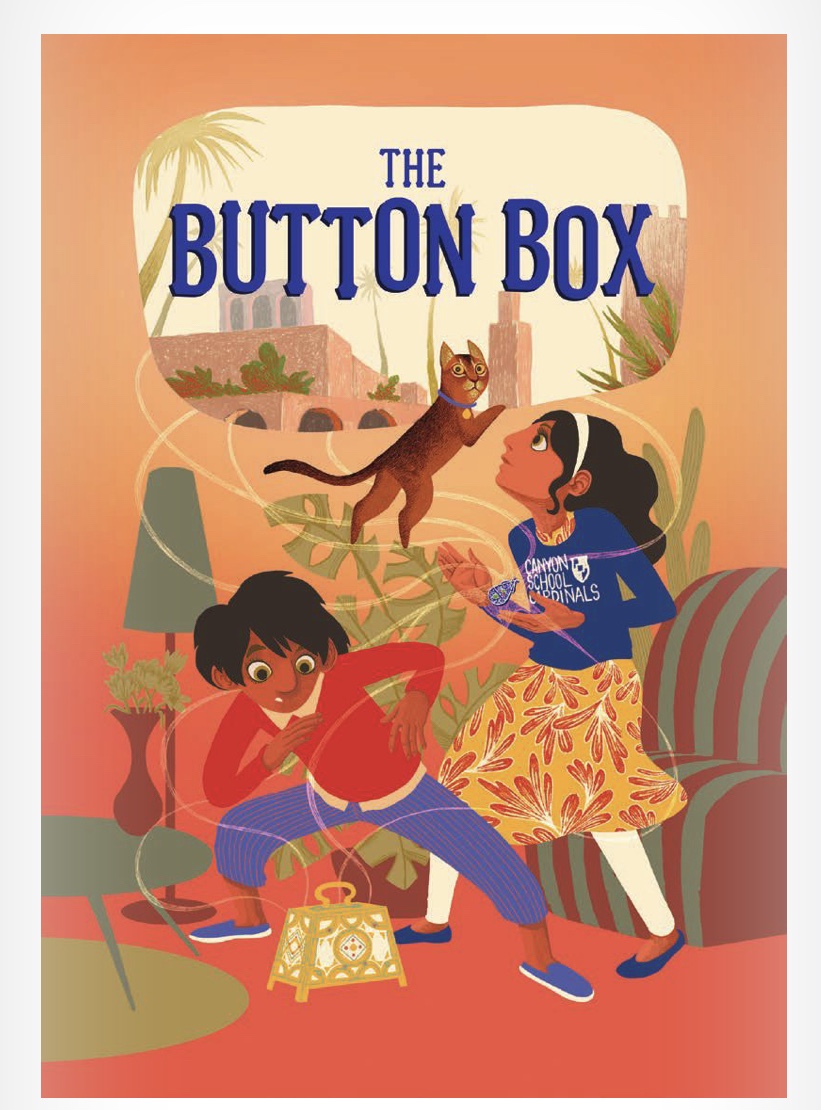
The Button Box by Bridget Hodder & Fawzia Gilani-Williams

Standard
The Button Box by Bridget Hodder & Fawzia Gilani-Williams

img_8336

This 152 page book reads like a historical fiction interfaith Magic Treehouse for middle grades tale, and I thoroughly enjoyed it! I learned about Sephardic Jews, the language of Ladino, Prince Abdur Rahman, and a tiny bit about the Abbasids overthrowing the Ummayads.  I love that it starts with a map and ends with sources, facts about what information is real in the book and what is fiction, and a bit about Muslims and Jews and how to be an ally if you witness prejudice.  The book is co-authored, and in many ways the Jewish narrative does take the majority of the focus, but the Islamic phrases sprinkled in, the Islam practiced by a major character, and the setting, allow for both religions to shine and combine to make a compelling magical time traveling story for third graders (and their parents) and up.

SYNOPSIS:

Cousins Ava and Nadeem are in fifth grade and spend their afternoons afterschool with their Granny Buena.  Granny and Ava are Jewish and Nadeem is Muslim, though they believe differently, they always seem to find more that is the same, and respect is always given.  When they face bullying at school Granny Buena pulls out a crystal box full of buttons and tells the children, and the cat Sheba a tale about their ancestor Ester ibn Evram.  When she stops the story short, the two kids exam the button closer and find themselves back in time tasked with saving Prince Abdur Rahman and getting him from Africa to Spain.  They aren’t sure if that will be enough to get them back to their own time though, but they don’t have time to overthink it because if they fail, the Golden Age of Islam won’t happen, peace won’t come to Muslims, Jews, and Christians in the region, and their Jewish ancestors may face the backlash of helping the Muslim escape.  Along the way, they learn about their own family traditions, beliefs, and gain wisdom to handle their bullying problem at school.

WHY I LIIKE IT:

I love that I learned so much, and from what I could Google and ask about from those more knowledgeable, the facts about the time period and cultures all seem to check out.  Only one passage comparing Jewish belief and the text of the Quran is phrased oddly in my opinion, the rest of the Islamic sprinkling is well done.  There are numerous bismillahs, mashaAllahs, stopping for salat, quoting of the Quran and more.  The narrative is primarily Jewish, but the setting Islamic with athans being called and Salams being given.  The book does have a lot of Jewish detail, but I don’t think it was preachy, and the further uniqueness of Ladino words and culture I think would appeal to all readers no matter how familiar or unfamiliar they are with the two religions.

There are some questions that as an adult reader I wanted to know more about: how Nadeem and his mom are practicing Muslims in a strong Jewish family, how making sure history happened as it happened the first time sent the two kids back…then why were they sent there at all, is there going to be more button adventures, were their two cats or was it the same cat?   Honestly, a lot of the more obvious fantasy plot holes were accounted for and done quickly and simply: how their clothes changed but the button remained, how they could speak the language, how confused their aunt would be when her real niece and nephew arrived, etc.. The writing quality kept it all clear for the reader, and did so without the pacing of the story suffering.

FLAGS:

Near death experience, magic, mention of killing, fear, deception, bullying, fighting, physical altercation, misogynistic assumptions.

TOOLS FOR LEADING THE DISCUSSION:

This would be a great story to share if I return to the classroom. The history, the religions, the storytelling would provide so much to connect to and learn about.  As a book club selection though, it would be too young for our middle school readers and ultimately too short.  I would consider it for a read a loud with fourth and fifth grade.

To Purchase: Here is the Amazon link: https://amzn.to/3D9LyxI

Horse Diaries #6: Yatimah by Catherine Hapka illustrated by Ruth Sanderson

Standard
Horse Diaries #6: Yatimah by Catherine Hapka illustrated by Ruth Sanderson

yatimah

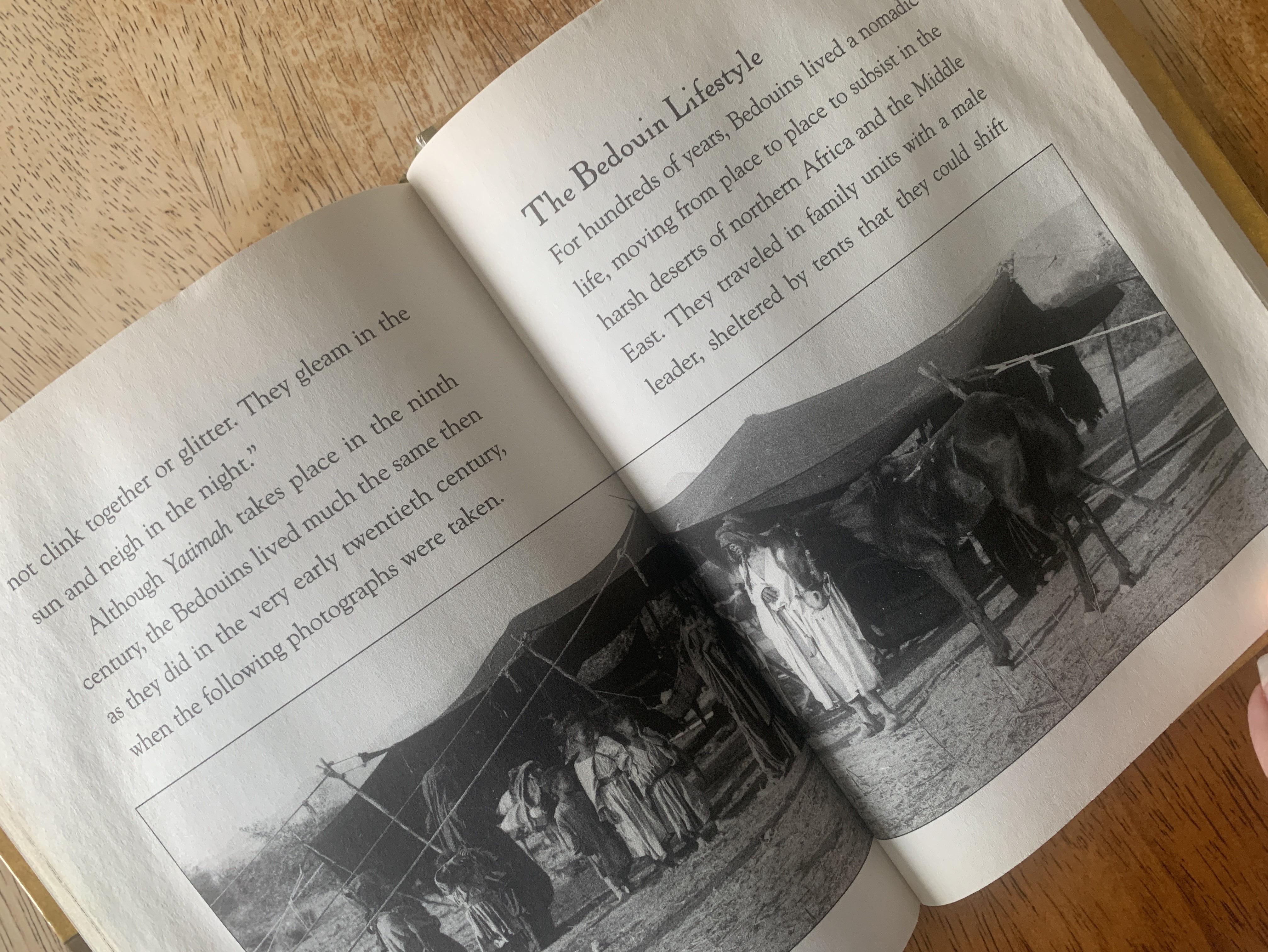
I love that a reader talked to her mom about this book, and then they brought it to my attention. Published in 2011 it is book six in a popular middle grade series told from the horse’s perspective where each book features a different culture from around the world and is set in different time periods. This book is told from an Arabian horse’s perspective in the 9th century and details her growing up an orphan, trying to understand the Bedouin humans around her, and establishing herself as a war mare.  Allah swt is mentioned quite often, as is Arab hospitality, and some guests at one point are briefly mentioned as they are on their way to Hajj.  My problem with the story is the portrayal of the raids.  I don’t know enough about Bedouin culture in the 9th century to opine on the accuracy of the raiding that would occur between tribes, but when juxtaposed with the humble God fearing, grateful religious people, blatantly stealing from the neighbors, it is hard to cheer for Yatimah and her humans at being thieves.

SYNOPSIS:

The birth of Yatimah takes the life of her mother, the beloved war mare of Nasr.  Her loss puts distance between the Bedouin leader and the foal.  Nasr’s daughter Safiya, however, has a soft heart for Yatimah and the two form a close bond. As Yatimah is accepted to nurse from another mare and grows with the companionship of her colt, Tawil, the two young horses show the reader how when the grazing starts to disappear in the desert, they are fed dates, and when those start to deplete they move to more fertile lands.  Always on the move, they raid other camps to steal sheep, and camels, and horses as needed, and work to prevent other’s from stealing from them.  Since the death of Yatimah’s mom, Nasr has not found a proper war mare, and thus the training of Yatimah begins. The climax is a raid that will give Yatimah a chance to prove herself and win over the still distant Nasr.

WHY I LIKE IT:

I love the illustrations and the detail that often accompanies them.  I also really appreciate the appendix at the end that gives information about Arabian horses, Bedouins, and war mares.  I learned a lot about the specific strengths of Arabian horses, and why the Bedouins favored riding mares over stallions. 

I liked that many of the exhausting stereotypes were not present in this book in regards to women.  Safiya is a young girl at the beginning and then starts to wear hijab as she grows, but she is still free to come and go as she pleases it seems.  Her father respects her and shows affection and kindness to her throughout.  I just find the premise a little off that we readers, are hoping that Yatimah becomes the lead thieving horse.  It mentions that it doesn’t make sense to the horses, but to have that be the whole point of the story, leaves a bad taste in my mouth, especially when the story could have been developed in so many other ways to focus on something a little bit more positive.

img_6527

FLAGS:

Stealing, thieving, death, loss.

TOOLS FOR LEADING THE DISCUSSION:

I think the book would be fine on a classroom bookshelf, but I wouldn’t highlight it unless I was prepared to discuss with young readers the culture and why perhaps this was such a part of the lifestyle.  I would not want to perpetuate any stereotypes of Muslims, or provide a negative impression on readers that are drawn to these books because of their love of horses.  I learned a lot by reading the books, but I worry what a 8 to 10 year old would take away about a culture and religion after reading such a story, I fear the word barbaric may arise.

What if Dinosaurs Were Muslims? by Rabia Bashir illustrated by Laila Ramadhani

Standard
What if Dinosaurs Were Muslims? by Rabia Bashir illustrated by Laila Ramadhani

This rhyming Islamic tale wonders what dinosaurs would do if they were Muslim and alive today.  For littlest Muslim readers this repetitive tale ponders how they would eat, pray, love their mothers, respect their neighbors, dream, and feel, by tying all those things back to how Muslims behave.  The adorable illustrations kept my 6 year old glued to the story and the simple text held my 2 year old’s attention.  A fun book with wonderful supplements at the end to engage children in activities that everyone does compared to those that just Muslims do, a Fun Fact about (Muslim) dinosaurs and mums in Islam.  As well as extra activities, valuable information, and details about donations made with the purchase of this book.

The book takes place in London and imagines if dinosaurs were alive and if they were Muslim what day-to-day life would be like.  The refrain starts out “If dinosaurs were alive today and if they were Muslims too,” before stating what they would do and having it conclude with “just like me and you.”

In a similar vein as the ever popular How do Dinosaurs series by Jane Yolen, the book teaches kids how to behave by teaching the dinosaurs.  The book is short, and the humor comes from the illustrations, primarily the facial expressions of the parents, more than from the text, but I think the wildness of Dinosaurs living today will get most little kids smiling.

The only real concern I have with the book is the text when they are in the masjid praying and it reads, “they would try their best to pray five times a day.”  I know we don’t demand our littlest ones to pray all five salat, but I don’t know if it would imply that trying to pray is sufficient even when you are older.

From start to finish I found myself smiling while reading this book aloud to my kids, even after the fourth time in a row, alhumdulillah.