Tag Archives: Family

Tyger by SF Said illustrated by Dave McKean

Standard
Tyger by SF Said illustrated by Dave McKean

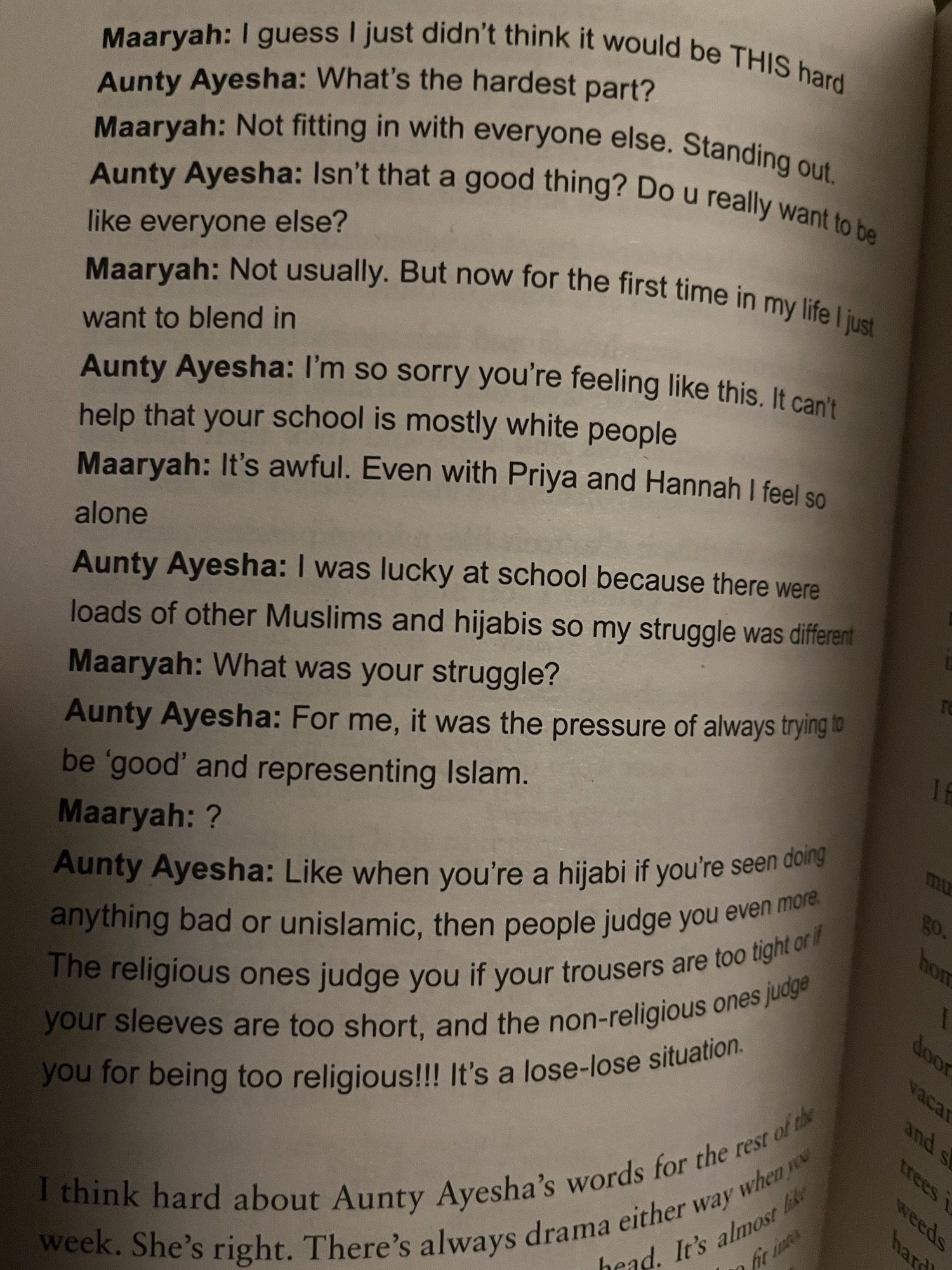
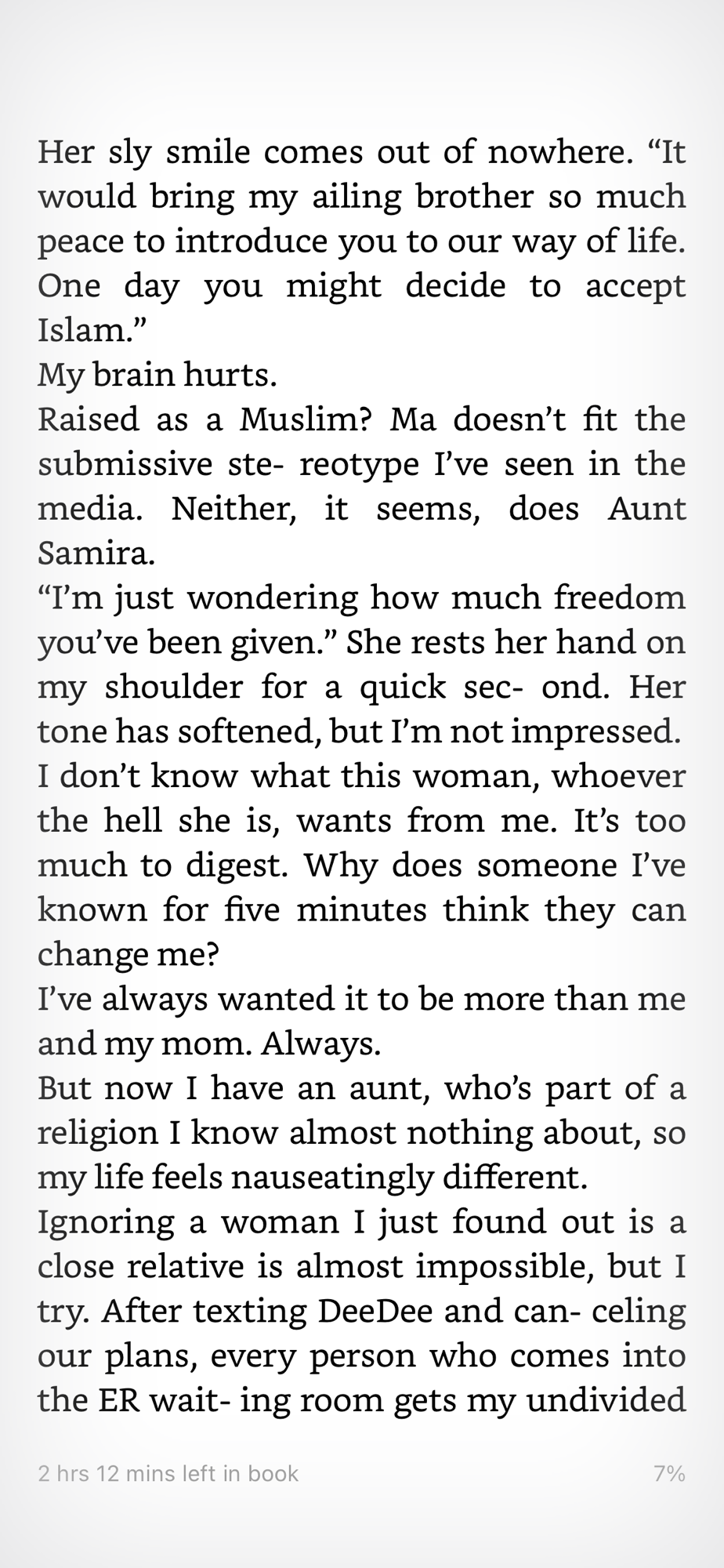
I don’t know that I’ve ever read a book like this 304 page middle grade fantasy, dystopian, highly illustrated adventure. It delves into philosophy, alternate universes, slavery, racism, politics, magic, identity, friendship, betrayal, human rights, education, following your dreams, saving the world, and a talking immortal tiger. It started a little stilted for me, but as the book progressed, I began to see that a lot of detail about all the above mentioned threads would make for a very adult, very lengthy read, and this is meant for 9-12 year olds, albeit they would need to be able to handle the darkness of the book at times, and caregivers, be aware there is a public hanging of a child. The author is Muslim, and the protagonist and a side character identify as Muslim.  There is not much about Islam, or shown in practice, but that they are afraid to learn and practice their faith is mentioned briefly. I think kids will enjoy the read, and not get hung up on threads unexplored as I did.  The illustrations really make it a book that feels exciting to spend time with, and one that will linger with the reader.  I look forward to sharing it when it releases soon in the US, as it was published in 2022 in the UK.

SYNOPSIS:

In short the book is about a boy, Adam, living “in an alternate London where the British Empire hasn’t ended and slavery was never abolished.” In a partitioned off Ghetto as a minority from the vague “Middle East,” who is unable to go to school, or even draw, he makes deliveries for his family to help keep them afloat. During one such delivery he encounters a tiger, an animal like so many others that is extinct, her name is Tyger, and she speaks.  She is an immortal searching for Guardians to help her heal and open a portal to the city.  When Adam, who is immediately connected to her, cannot find a Guardian, she begins to train him, time is short and when he discovers his friend Zadie, short for Scheherazade, has some training from her father, the two set out to open the doors of perception, imagination, creation, and  revelation, to save the day.

WHY I LIKE IT:

I really like that this book opens up larger discussions about society, self, literature, imagination etc, and can really be adapted to mean different things depending on what the reader brings to it. The book addresses these themes in a way that doesn’t talk down to the reader, and in many ways allows the simple bad guy of the story to not be the takeaway point, but rather the journey of understanding perspective, points of view, empathy, creating something, and hope to be far more important.

The identity of the characters being Muslim initially was just a label, one that just made Adam and Zadie more “other,” but a few cleverly crafted sentences about hiding their names, their skin color, and whether it worked or not, allow the reader to reflect on if denying yourself to appease others is effective or not, or rather more importantly knowing when and in which situations it could be a benefit or a selling out of who you are.  Zadie and her father seem to practice, and one point Solomon ( Suleiman), offers his prayers, he says Assalamualaikum and Bismilliah. Adam and his family on the other hand, have hidden their faith so as to fit in better, and thus it is simply an identity label.

I liked that the illustrations weren’t just stunning in their own right, but also highlighted the mood, and metaphysical elements of the story.  I feel like I could teach not just a few lessons on this book, but dozens, and who knows if they would be correct, but I think this book would be fantastic as a read aloud in a classroom for the story at hand and for the discussions.  The darkness, the excitement, the hope, really gripped me, and while I could opine on plot holes and lack of articulation, in some key scenes, I appreciate that over explanation would take away from all that the book gets right.

FLAGS:

Racism, oppression, colonialism, slavery, hanging, power imbalance, betrayal, lying, sneaking, fighting, killing, magic, fantasy elements.

TOOLS FOR LEADING THE DISCUSSION:

Where to even start, this book needs an educators guide, stat. I looked online and couldn’t find one and I hope that will be corrected soon because if you read my thought above, you know there is a lot to discuss.

Always Be My Bibi by Priyanka Taslim

Standard
Always Be My Bibi by Priyanka Taslim

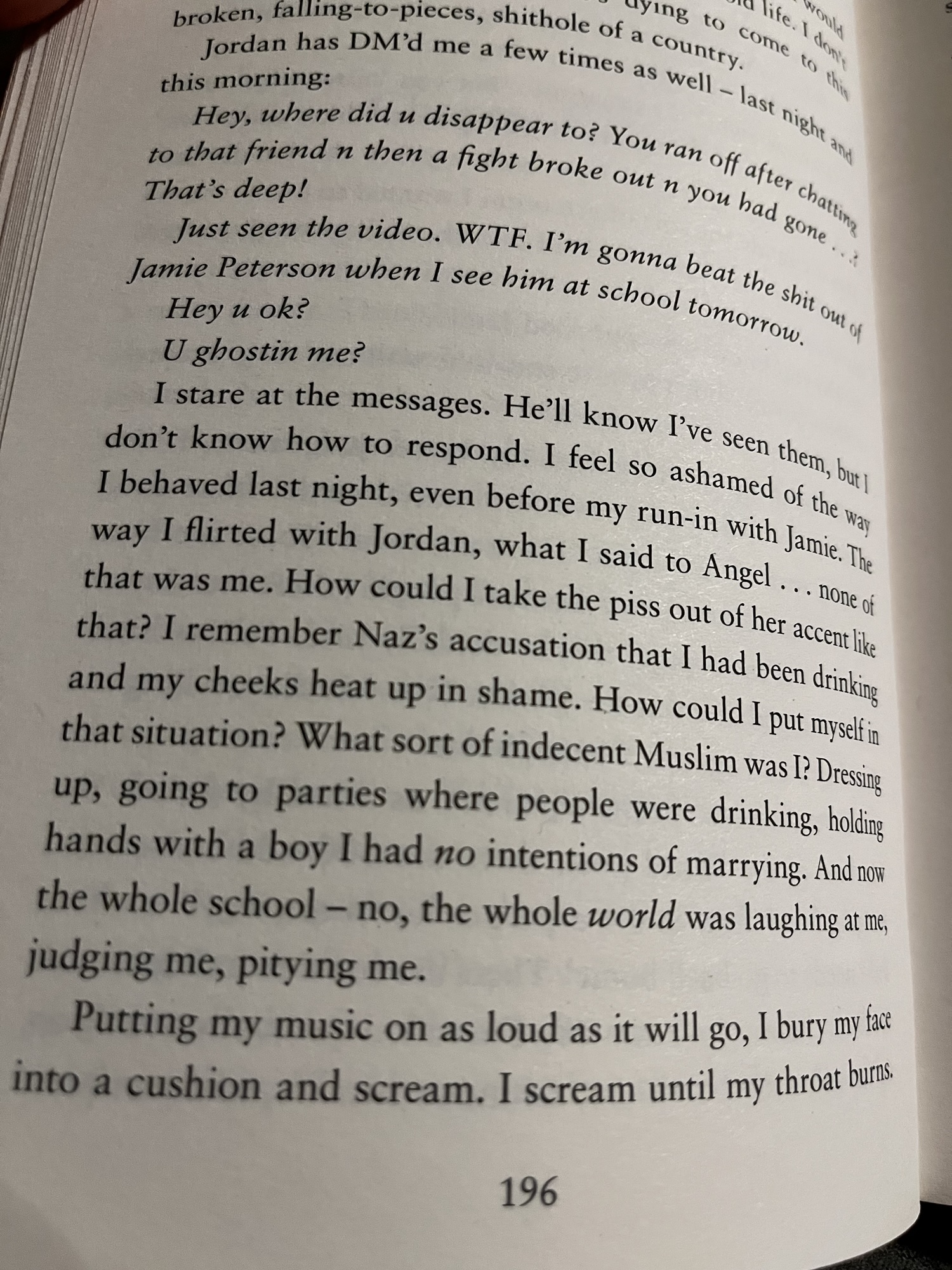
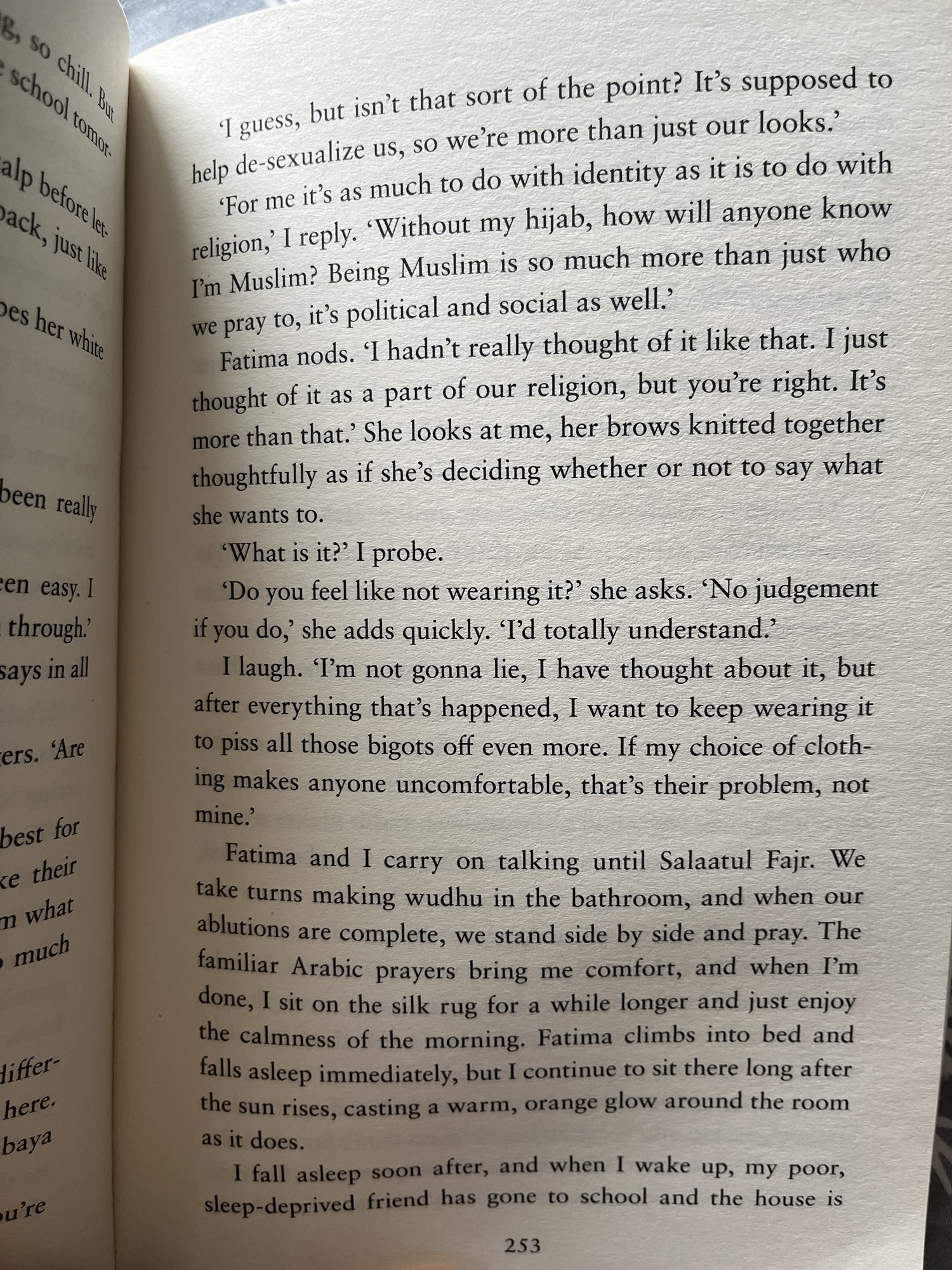
I had pretty low expectations going into this 368 page YA romcom- as often YA is really “adult” and if the characters/author are Muslim in a “romance” it tends to become a heavy handed rebellion against Islamic principles. So imagine my surprise when the book really is meant for teenage readers. The protagonist loves her culture, and it is established really early on that they are Muslim, but aren’t religious.  Sure as an “Islamic School Librarian,” I wish the characters practiced Islam, and that the the kissing and hugging was labeled as haram, but for the fictional story on the page, that is cultural based, it is a delightfully chaotic and fun read.  Note, the kissing and haramness occurs when they are “sneaking out,” and reads as if they are sneaking out from parental rules, not Islamic ones, as they do not view the world through an Islamic lens.  The protagonist’s sister is presented as religious in that she wears hijab, and left a prestigious private school to attend a local Islamic one, but it is not a major plot point, and if anything shows that Islam is not a monolith or something forced, really though it just shows how different the siblings are.  Does that mean the writing is some literary genius? No, not really, but it is a quick light summer read that I enjoyed. The main character, Habiba, aka Bibi, reads as a Bangladeshi Cher from Clueless through and through, and while at the start it was a bit annoying, I ultimately found her endearing by the end.  There are plot holes, but I didn’t care too much given the quick pace and the nature of the book. The ending though, was drawn out and too long, and the book could have been easily 50 pages shorter. All in all it was fun to be transported to a tea estate in Bangladeshi for a wedding, and I wouldn’t have a problem with 15 – 16 year olds or so reading the book.

SYNOPSIS:

Bibi is in hot water with her father for sneaking off to prom with a boy, the deal has always been no dating until her older, perfect, law school bound, sister Halima gets married.  And her punishment for the summer is working at the family restaurant, one of the many Royal Fried Chicken locations in the chain they started that makes her family, chicken royalty. When hijab wearing, no haram dating Halima springs on her family that she is getting married, the family all heads to Bangladesh for the summer to get to know the groom’s family on the massive tea estate, and celebrate the wedding. Oh and Bibi’s punishment will be transferred from working fast food, to working in the fields under her new brother-in-law to be’s grumpy, serious, younger brother, Sohel.  Bibi also holds her father to his end of the deal and when the big book of biodatas arrives, she is ready to have her chaperoned dates as promised.

As the prickly family of inlaws look down on Bibi and her family, Bibi and surprisingly, Sohel join forces to break the pair up. As the book unfolds their mission changes, the bio data book causes drama, old flames are sought after, and the wedding takes some surprising turns.

WHY I LIKE IT:

As I write this, I’m rolling my eyes at the fact that I really did read it in two sittings and was amused. Bibi is spoiled and clueless and yet does have a good heart.  As with most romantically inclined books, a whole lot of suspension of reality takes place and side characters are not fully fleshed out.  Halima and Sunny met in college, and there families are from the same part of Sylhet, infact Baba worked on the Rahman’s tea estate before coming to America.  The grandma is woefully underdeveloped, I get that she is a side character but the girls spend so little time with this woman they love so dearly is a blaring hole. I really didn’t get some of the scenes after the midpoint, they felt like filler and they felt forced: friends coming from America, the bachelorette party turned amusement park trip, Sohel not sticking up for Bibi, the half hearted love triangle, and the Bibi Baba multiple rehashings.
I did like that the title of the book though comes from something Baba says to Bibi, and not from a love interest, that made me smile. And I liked that the “dates” were supervised, it is vague if the dates in America would have been, or if once Halima was married she would have been allowed to “date” with a western definition, but I kind of liked that it wasn’t defined.
FLAGS:

Disrespect, sneaking out, kissing, hugging, close boy girl friendships, sneaking out, language.
TOOLS FOR LEADING THE DISCUSSION:
Definitely not a book to spotlight as a book club selection, but one that I would have on the shelf and not mind older high schoolers reading.

Eliyas Explains: What was Prophet Muhammad (saw) Like? by Zanib Mian illustrated by Daniel Hills

Standard
Eliyas Explains: What was Prophet Muhammad (saw) Like? by Zanib Mian illustrated by Daniel Hills

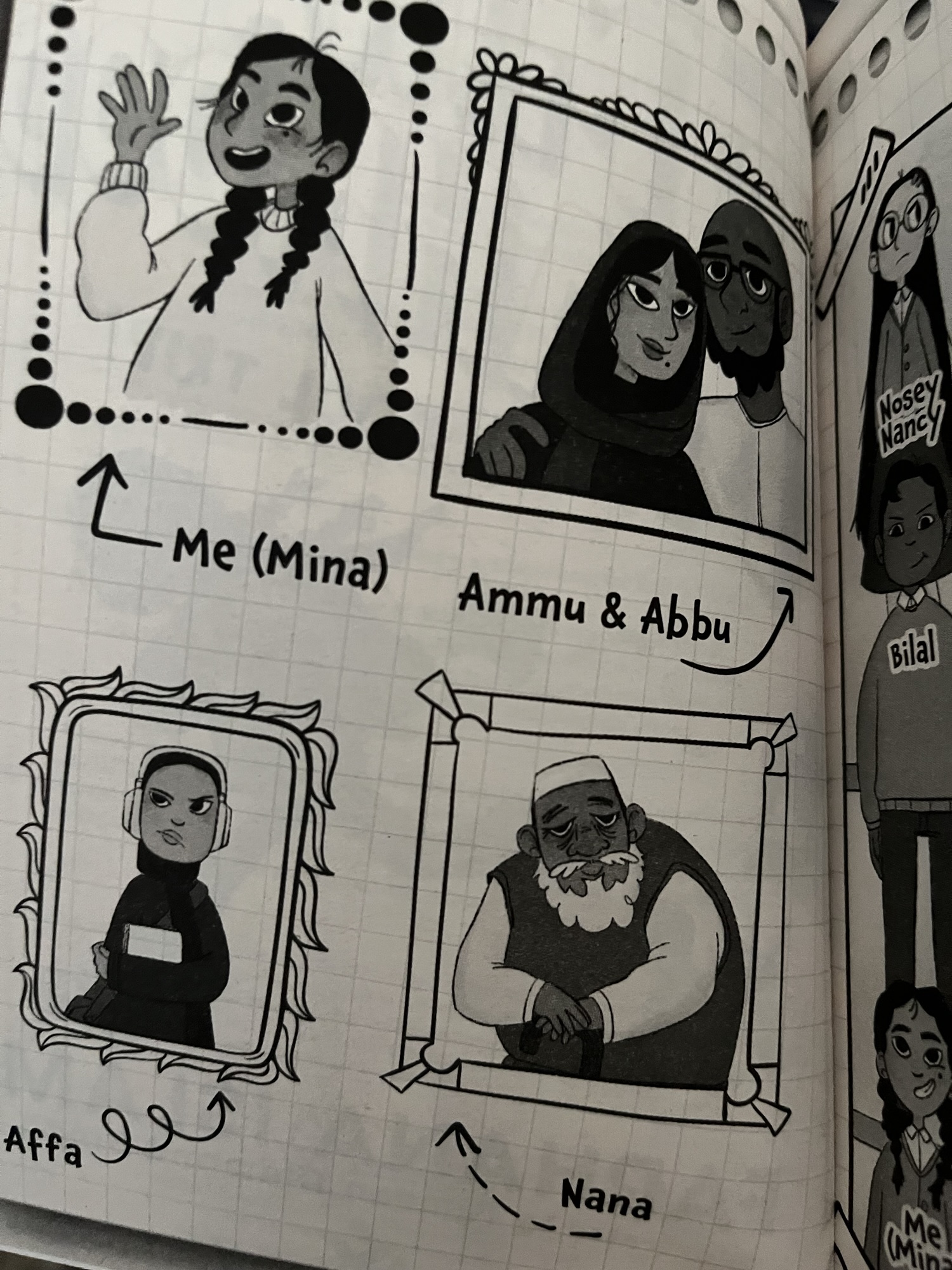
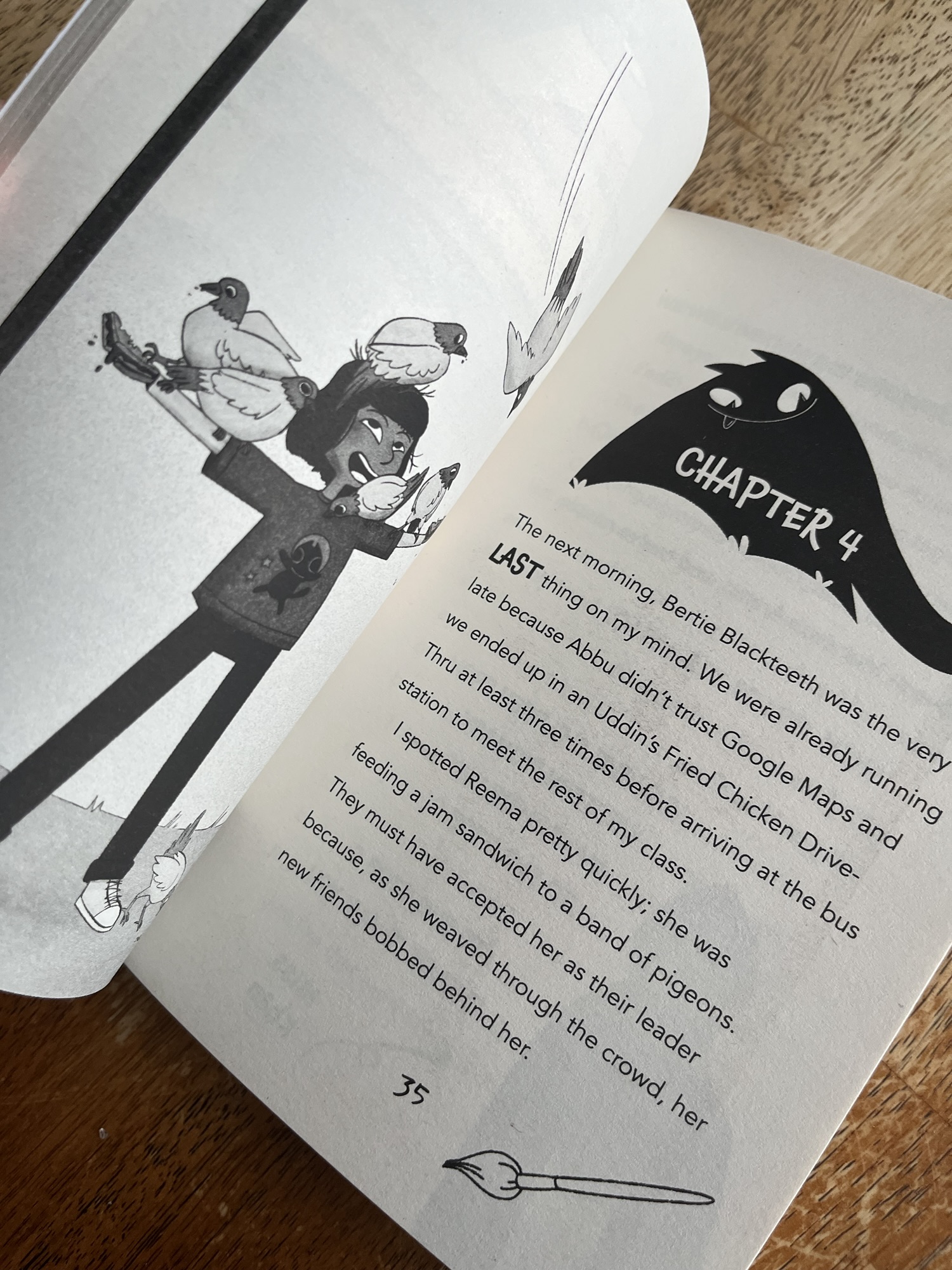
Zanib Mian once again fills a void in the literary world for our children using her easy to read and relate to protagonist’s voice.  Over 149 pages, filled with illustrated doodles, details about our beloved Prophet Muhammad (saw) flow through the fictional framing of Eliyas and his family heading to the airport to pick up their Mamoo.  It starts with the standard introduction of characters that all Eliyas books have, so while it is part of the series it can be read as a standalone as well. But really if you have children 5-14, you should invest in the entire collection.  Also, as with the rest of the series, the book is checked by a Shaykh who is named at the beginning so that the reader can enjoy the Islamic details that are to follow. I know there is some debate about the cave and the spider, a story shared briefly within the pages, but I will leave it to those more knowledgeable to decide upon.  The book works well read aloud and independently, either way I’m confident children will enjoy the story, learn something new, and grow in their love of our Rasul Allah, alhumdulillah.

SYNOPSIS:

Eliyas’s dad’s uncle, Haroon Mamoo is coming for a visit, and while Mum wants to make sure they leave at a specific time to get to the airport, Dad isn’t stressed, he had a dream about Prophet Muhammad saw the night before and the kids want to hear all about it.  The story progresses weaving in things around them with Mum and Dad tying them to the sunnah.  From a fight at the airport, to a pigeon getting stuck, to Haroon Mamoo seeming to have gotten lost. The book is preachy, in the best way possible, as Eliyas and Aasiya banter, crack jokes, and learn along with the reader.

WHY I LIKE IT:

I love Eliyas’s voice and the weaving of a fictional story to convey the non fictional sunnahs that are truly the heart of the book.  The information presents in an easy way for children to hopefully remember it, and to also see how they should be behaving and acting in their own lives. The fun fonts, illustrations, and layout make it inviting to pick up and keep reading.

FLAGS;

None

TOOLS FOR LEADING THE DISCUSSION:
This book is not a journal, like some in the series are, but provides ample opportunity to discuss points on each page.  

Music of the Mountains: A Story in Pakistan by Sabrina Shah illustrated by Manal Mirza

Standard
Music of the Mountains: A Story in Pakistan by Sabrina Shah illustrated by Manal Mirza

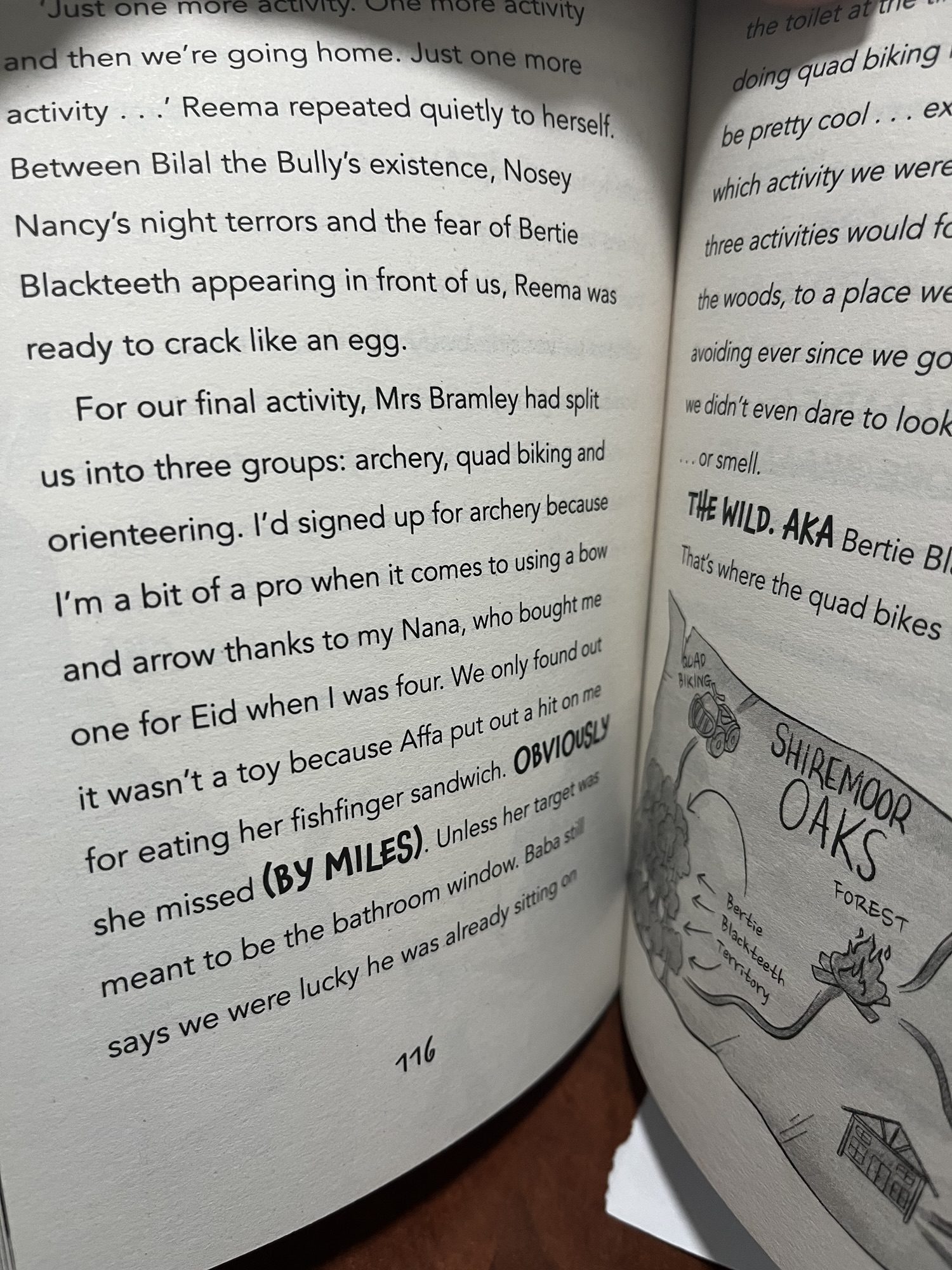
Set around an Eid concert in the North-West Frontier in Pakistan, a young girl must find her courage to play the rabab in front of an audience, even though she is still learning her first song. The beautiful illustrations of Manal Mirza and focusing on an under represented population, made me hopeful that this book would transcend the musical focus and weave in Islam and culture. Sadly, though, the book falls victim to cliche lines that mean nothing, and a story that doesn’t make a lot of sense once you move past the superficial attraction. The backmatter infographics about the rabab, where it can be heard, details about the Pathan/Pashtun people, What Eid is, the traditional clothing, and a Pashto Glossary, add to the vibe of the book, but still fail to offer any specific “hospitality, courage, and rich traditions,” that are only ever referenced in generalized terms and statements.

The book starts with Roohi’s favorite time of day, the sun is settling behind the snow capped mountains and her family is gathering around to listen to her grandfather, Neeka Baba, play the rabab. No they aren’t praying maghrib, or breaking their fast, so presumably it is not Ramadan.  When Neeka Baba plays, “songs full of rhythm echo through the cherry blossom hills.  Songs from long ago tell stories of folklore, heroes, and love. . . songs of Roohi’s ancestors.” A beautiful sentiment, but it is not a thesis statement or main idea of the book as we, the reader, never learn about her ancestors, or folklore, or about the culture.” We are just told they all had courage, and she needs to channel that strength.

She will need strength to play the rabab at her school concert, except remember “she hasn’t even learned a whole song yet.” She also worries she won’t be as good as her grandfather, but presumably he has been playing longer and she is just starting, so I never connected why she felt she should be as good as him.  No one in the story compares them, or says she should be as good as him, or even strive to be as good as him.  There is nothing that hints that this is even a part of the characters development other than the repetitive refrain that she must “play with the courage of those who came before her.” So the cathartic release of being told “to play like yourself” also seems forcefully contrived and not a natural arc of growth and understanding.

As Eid creeps closer, Roohi has lessons with her grandfather on the rabab, and then Neeka Baba coughs and is in the hospital. The reader has no idea how this man falls ill, or recovers, if it was sudden or a known affliction, but he is no longer the focus, the rabab is, and so the story continues.

At the school concert, Roohi is introduced as playing music from the North-West Frontier Province.  Hold up, yes I thought I skipped a page.  They live in the North-West Frontier, don’t they, this is a school concert? What an odd introduction, did they travel? At the end there is a “smile as wide as the lush valleys back home.”  When did they leave home? And why a silent prayer, why not a “bismillah.” Isn’t the point of OWN voice to have the little details and the voice that can’t be imitated by researched work?

I am going to spoil the ending, she freezes, Mama and Neeka Baba help her find her beat in the audience and she steals the show so to speak. The ending is sweet, but not anywhere near as heartfelt as it should have been if the audience would have been shown the strength and courage of the Pashtun culture, not just repeatedly told it, felt the warmth of their hospitality, the rich ancestral values that would be threads that manifest in the music that she is hoping to share with others. Sadly we are just expected to know that they all exist and cheer for Roohi to succeed.

Disappointing, considering how fantastic the illustrations are, sigh.

Your Friend From Palestine by Nabila Adani

Standard
Your Friend From Palestine by Nabila Adani

This book is absolutely gorgeous, from the raised text on the cover, the sweeping illustrations with tangible details, the Islamic threads, and the heart, but…yeah you knew something critical was coming, the rhyme is not consistent, and the biggest hurdle for me, is that there is no backmatter.  I can’t say that I’m “bringing this up again,” because I don’t know that the debate ever dies down: can you write a book about something personal that you have not lived through? In this case can a non Palestinian write a book from a Palestinian perspective? As a former journalist and long time reader, I still maintain that you can, but backmatter detailing your own limitations, what efforts were made to have the book verified by those with OWN voice experience, and background information on why this is pertinent and relevant are mandatory. And this book does not offer them.  Nothing feels off about the contents, and anyone with a heart, has seen and felt everything on the pages about our brothers and sisters living under occupation and through genocide. So is it a good book, yes. Do I think it has value, yes. But, is it authentic? Is it accurate? Is it enough? Does the focus on hardship and destruction open eyes or diminish Palestinian joy? Why wasn’t a Palestinian brought in to cowrite the book with the author illustrator? Was it sensitivity read? I am not able to answer these questions, I simply bring up my concerns for you to decide for you and your children. While the book ends on hope for a free Palestine, and a safe Gaza, the oppressor is unnamed.

The book starts with children on a beach playing when they find a message in a bottle.  The message is from Khalid, a child in Gaza telling the finder about his life and asking about theirs. He likes to play football, but sometimes it isn’t safe, he likes to read stories but often can’t because there are no lights, and he dreams of swimming in a swimming pool, because they often don’t even have water to drink.

Khalid then tells the finders of the bottle, and thus the readers, to not lose hope, “to hold on to your imaan.” And it highlights what we can all do to help.  “You can pray for us! Send charity! Spread the news!” and tell people about Palestine. So that one day we can meet at the Dome of the Rock, pray at Masjid Al-Aqsa, and be together in a free Palestine, inshaAllah.

The illustrations are beautiful and the framing effective in connecting with readers, and highlighting the similarities before revealing the obstacles. Again why I wish there was backmatter, so that it didn’t feel simplistic, but rather bringing it down to a younger audience level.  With dialogue, explanation, and context, the book can be powerful, but on its own, I feel the lacking authenticity, transparency, and details about Palestine, make the book in need of an update before future reprintings.

Detective Aunty by Uzma Jalaluddin

Standard
Detective Aunty by Uzma Jalaluddin

The author may have returned to her fictional Golden Crescent neighborhood, but with her best writing yet, the focus is not romance like in her earlier books, it is a murder mystery.  If you think of it, who better to solve a mystery than an unassuming Desi Aunty with a knack for observations, getting people to talk, and prying into other people’s business? I say it with love, this book was such a fun read, I’m sure I should have paid more attention to craft and arcs and writing style, but honestly I devoured the 336 pages in two settings, and genuinely hope that Kausar is just getting started. The adult read isn’t salacious, it does feature a murder, some marital dramas, crime, fraud and the like, I think mature teens that aren’t bothered by a grandmother protagonist will enjoy the read. The first chapter is a bit dry and feels like an info dump, luckily it isn’t a long chapter and I ultimately, appreciated it getting the stage set and then slipping out of the way so the story could get good. The telling and not showing takes a while to flesh out, the author does a good job of threading it through, and by the mid point you really get a feel for the characters and appreciate the early statements that set the tone, and the book’s ability to tie up nearly every thread it presents.  There isn’t a ton of Islam, many of the characters are Muslim; the traditions and cultural expectations are plot beats in the story, even if the action and expectations are not overtly seen through an Islamic lens or with Islamic boundaries.  

SYNOPSIS:

Kausar Khan has always noticed things around her, and when needed, used those observations to position certain outcomes.  When she gets a call from her daughter in Toronto that she needs her mom to come help with the kids as he is wanted for murder, Kausar Khan leaves North Bay and returns to a city filled with memories of tragedy to try and help.  Sana asks her mom not to get involved and to just help with the cooking, cleaning, and childcare, but old friends, new secrets, and the high stakes of a murder are not going to keep this Aunty from unraveling the truth.

WHY I LIKE IT:

I love the concept, the execution, and that it didn’t unravel at the end.  I read the last few pages with the same intensity as the climax, trying to figure out whodunit.  The play on traditions and stereotypes to lure suspects in, and the wit and charm of using the religion and culture to advance the plot were flawless.  Sure, I wish the characters threw in some commentary on men and women being alone together not being ok, or some Islamic insight into marriages and rights.  It seemed intentionally lacking, and that is unfortunate. I also felt the thread with the son coming from the UK was painfully underdeveloped, the heart of the book though was strong.  And I loved the side commentary on marriage and women’s roles.  It was insightful and added depth, it didn’t come across as angry or like the author had an axe to grind, which was refreshing.  

FLAGS: 
Murder, affairs, fraud, pyramid schemes, theft, racism, gentrification.

TOOLS FOR LEADING THE DISCUSSION:
The book won’t work for a school book club, but is a perfect summer read to giggle about and chat about with friends.

The Last Resort by Sumayyah Hussein illustrated by Rania Hasan

Standard
The Last Resort by Sumayyah Hussein illustrated by Rania Hasan

Once I got over my disappointment that the no parking sign on the bottom left of the cover was a deer and not a unicorn (clearly it is a deer, no shade to the illustrator), the 149 page early chapter book with illustrations was a decent read.  The messaging about family time was a little didactic, but the twist of having the child want it, opens it up to be both reflective for kids also craving family routine, and those that don’t appreciate what they have.  I do wish that the climax of the “noise” was amplified and built upon to add some urgency and tension. And the resolution a little more explained as I don’t know that most target readers will quite grasp what was going on in the resolution.  I know I would probably complain if it was over explained, but here we are.  The book is not preachy in its portrayal of faith, the family is Muslim and they pray and worship as part of their daily routine. The text and spacing, along with the full page black and white illustrations that present once nearly every chapter, make the book accessible and inviting for 2nd and 3rd graders.  I know I sound like a broken record, but the book really just needed a bit more polishing to truly shine, it isn’t a bad read, but based on my own kids interaction with the book, once they put it down, they forgot about it, and just weren’t motivated to pick it back up.

SYNOPSIS:

Mahmoud’s family has recently moved to Edmonton, and everyone is busy.  It is summer vacation and he is already bored. When he finds out his one friend is going away all summer, he devises a plan to force his family to come together. He finds a hotel near Banff, marks the calendar, and hopes for the best.  The family comes together, but the hotel has broken beds, toilets that don’t flush, roaches in the kitchen, and an elevator that they are told is out of order, but is still in use.  The family starts to turn on Mahmoud, but when he explains how everyone is too busy to spend together, they decide to make the best of the situation.  Weird noises and details that don’t add up, send Mahmoud exploring and ultimately make it a vacation to remember.

WHY I LIKE IT:

The story is sweet, and I am always a sucker for kids that solve problems. I hope that one day, self sufficiency in fictional characters will rub off on readers, but alas it hasn’t happened to mine yet.  The book is fine, the pieces are there, the writing is decent, it just needs a bolt of energy to make this a book that kids really would gravitate to and read over and over again.

FLAGS:

None: maybe a little anxiety and gross factors, and a kid books a hotel without permission.

TOOLS FOR LEADING THE DISCUSSION:

The book should be on shelves in libraries (I wish Ruqaya’s Bookshelf Books were in public libraries), but definitely in school libraries, classrooms, and homes. I don’t think it has enough to discuss in a book club setting as it is a simple linear story with only one plot line. SPOILER kids may need a bit of help understanding what a front is and what was being done with the animals, and why a hotel in Canada outside of a National Park all came together to make it an ideal criminal headquarters for such activities.

The City of Jasmine by Nadine Presley illustrated by Heather Brockman Lee

Standard
The City of Jasmine by Nadine Presley illustrated by Heather Brockman Lee

With a release date of May 6, I really wanted to wait to post a review because the images are gorgeous in the electronic version, and I can only imagine how moving and captive they will be presented in a physical format, but alas I know the importance of presales and am sharing to hopefully encourage you to preorder and/or request from your library, this gorgeous 40 page OWN voice book.  A love letter to Damascus, and the sights, sounds, smells, taste, and feelings that the author remembers despite the mountains and oceans that now separate her, are lyrically shared with readers on a journey through the city. The ethereal lilting of words draw readers of all backgrounds in, and the complimentary gorgeous illustrations convey a palpable sense of beauty, love, and memories of home.  Even on a screen, they force you to get lost in their beauty. The cadence of the words allow natural pauses that tug on your eyes and draw them toward something in the images not seen before, forcing the readers and listeners alike to hesitate before turning the page.

The book starts with a little girl telling where she comes from, “the City of Jasmine,” “the Umayyad Mosque,” “Ghouta,” “Damascus,” “Qasioun,” “Qala’at Dimashq,” headers for spreads rich with poetry, wonder, and longing.

Neighborhoods of diverse families gathering, and sharing the foods that bring people together, and quiet bookshops that facilitate travel through time. Family memories built around orchards and fountains and laughter and love.  So far away from the author now, the memories are not lost, they can be touched when the scent of jasmine is “breathed in, and breathed out.”

The book concludes with an author’s note and a glossary.  Those of us who are not Syrian, and who have never been, after spending time with this book will undoubtedly be tempted to add Damascus to our bucket list of travel plans, and inshaAllah as the country rebuilds such trips will come to fruition.

Say Something, Poupeh Babaee!: A Graphic Novel by Haleh Massey illustrated by Ghazal Qadri

Standard
Say Something, Poupeh Babaee!: A Graphic Novel by Haleh Massey illustrated by Ghazal Qadri

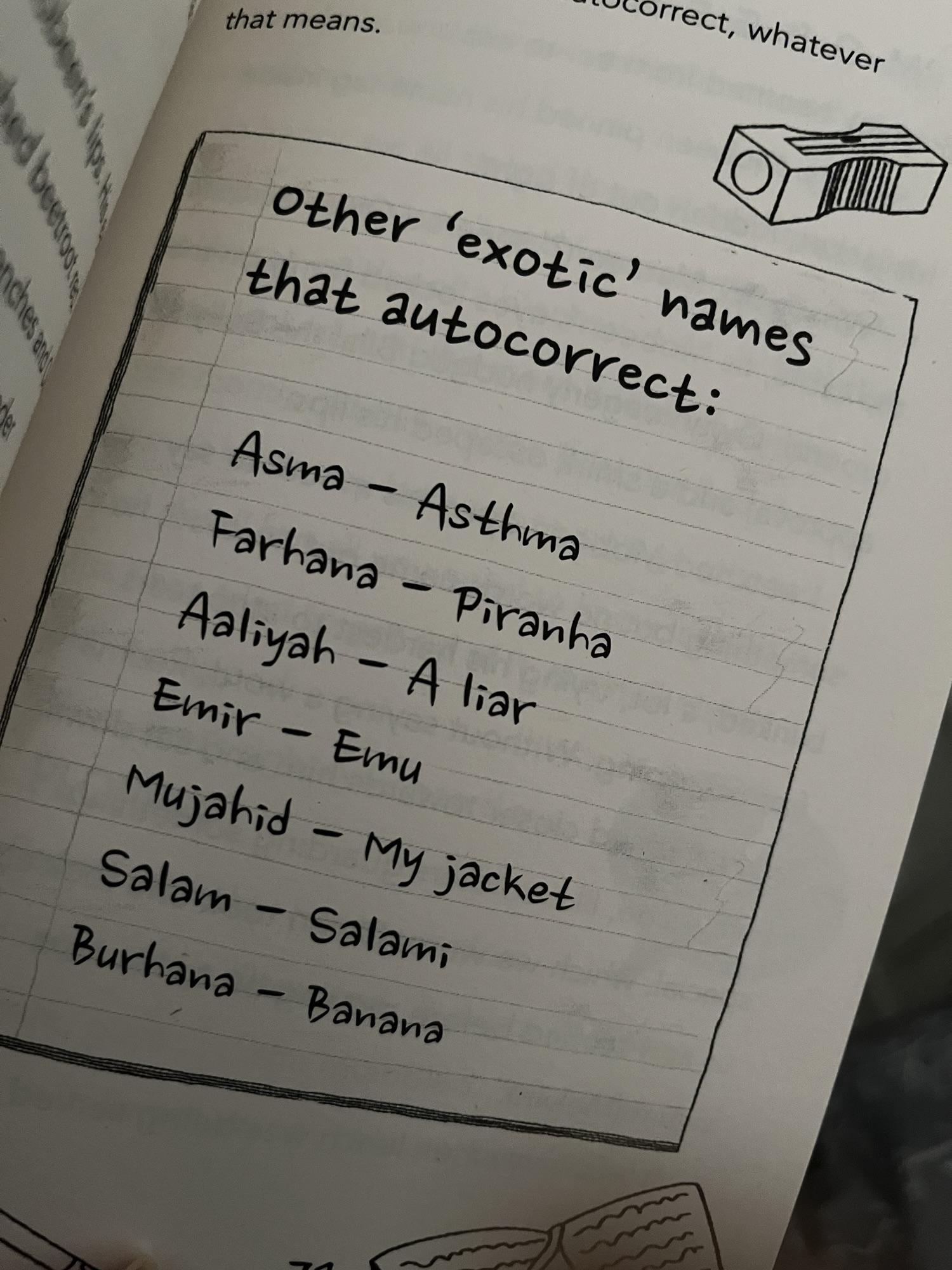
I had planned to just flip through this 176 page middle grade graphic novel to see primarily if there was any Islam mentioned, and if so, to see how it was framed. The blurb makes it clear it is culturally Iranian immigrant in focus, and set during the Muslim ban.  The heightened intrigue is that it isn’t just metaphorically about finding your voice, the character is labeled as having selective mutism and the author who is a clinical psychologist truly has her protagonist voiceless in nearly every setting for the majority of the book. The bright illustrations, and easy read though, had me reading the book front to back and finding that Islam is by-and large-not present. The flashbacks to her life in Iran show her wearing a scarf, and praying, and the memories are warm and inviting, with no internalized Islamophobia or political commentary, or Islamic practices at all following Poupeh to America. In fact when sought after news is finally heard the family exclaims, “it’s a Christmas miracle.”  It is hinted that the female cousin has a girlfriend, and the book features a lot of stereotypes about aggressive men, name mispronunciation, bullying for ethnic foods, and anti immigrant ideologies.  On the plus size it normalizes therapists, shows character arcs for the main and minor characters, and shows that inability to speak, doesn’t mean someone doesn’t understand.  While the book was better than I thought it would be in many ways, it ultimately didn’t have a climax, all the build up for two questions, really fell flat for me.  I also felt like while the Muslim ban was a fairly unique premise (shout out to Kareem Between!) all the other tropes are overly done, and render the book forgettable even though the format of a graphic novel should make it a standout.

SYNOPSIS:

Poupeh Babaee has come to America from Iran alone, her parents were held up settling their affairs, and they didn’t want her to miss more school, so she is sent ahead to stay with her aunt, uncle, and cousin. She understands English, but when she messes up the national anthem on her first day of school and is teased, she simply stops talking, not even to correct when everyone starts calling her “poopy baby.”  When the Muslim ban blocks travel for her parents to come, the fate of her family rests on being able to plead their case in an immigration interview. Yes, she is 10 and will be asked two questions to determine if her parents are terrorists or not.  There is teasing, tension with the cousin she has to share a room with, and a sympathetic therapist that flesh out the story of trying to get Poupeh to say something.

WHY I LIKE IT:

I like many of the pieces, and I like the format, but I really felt that the build up to the interview, the pressure she was under, was not warranted by the interview itself.  Had some commentary existed about the brevity of the interview or the chaos of America’s immigration policies perhaps it would have been worth the anticipation.  As written though, it felt rushed.  Same for the portrayal of the men in the story: from Poupeh’s own father, her uncle, to Trevor’s dad, all are aggressive, and I’m glad her own father apologizes, but again, it felt rushed and anti-climatic.  I don’t expect literary masterpieces from most mg graphic novels, but some of the “meanness” seemed abrupt for shock value, and made the cousin, the dad, the uncle read very inconsistent.  I had hoped a therapist author would have brought not just a storyline of mental health, in this case, selective mutism, but some nuance to the immigrant experience, moving beyond food, clothes, and names.  Speaking of names, I googled what Poupeh’s name means in English, and it really should have been in the book, or at least the backmatter.

FLAGS:

Stereotypes, racism, hate speech, hints and relationships, mental health, anger, homesick, bullying,

TOOLS FOR LEADING THE DISCUSSION:

The level and format would not make it a good choice for a book club read.  I probably would not unshelve this book, but I wouldn’t seek it out either.

Lulu in the Spotlight: A South Asian Wedding Story by Natasha Khan Kazi

Standard
Lulu in the Spotlight: A South Asian Wedding Story by Natasha Khan Kazi

This adorable 40 page culture focused picture book explores a Desi tradition with layers of competition, frustration, mystery, problem solving, kindness, and joy woven in.  Lulu likes the groom and his family, but at her cousin Amirah’s wedding, the games are about to begin, and she has a plan to win the money for team bride, and prove she is old enough to share in the spotlight. Each of the traditional teasing games though find Lulu pushed aside, until the joota chupai, where the shoes go missing.  With Nani’s encouragement to stay true to herself, Lulu gets a chance to shine by doing it her way, and bringing the families together. There are a few visible hijabis in the illustrations of this Muslim author/illustrated book and the backmatter really makes the traditional references accessible to all readers.  As a Pakistani American, my children haven’t attended cultural weddings with all the traditions, fun, and games, and this book is already a favorite in discussing what this family does, where our families might do it a bit different, and how they can twist it to fit an upcoming wedding we have this summer.  The bright large pages, add to the text and illustrations truly conveying the excitement, emotions, and colors of South Asian weddings.  By focusing on one tradition, and not trying to include everything about the multiday affairs, the book stays on message and maintains an in the moment tone, keeping the readers engaged, well done.

The book opens at the mehndi ceremony of Lulu’s cousin, and while the dances are taking place, Lulu is scheming.  She knows the next day there will be chances to make some prize money from blocking the groom and stealing his shoes, and she is determined to capitalize. Normally it is just the bride’s side against the groom’s side, but Lulu has to battle her own cousins for a role in the games.  Tarek says she is too little.  Zara is clever at negotiating, and Farah is athletic and gets places fast.  In the past, Lulu hasn’t been included, but this time, this wedding, she is ready.

On the groom’s side it is Kamal, Sameer’s little brother that serves as Lulu’s biggest competition, and who trips her as she heads for the shoes. Frustration and sadness have damped the festivities for Lulu, yet she still is helpful and kind.  With the games wrapping up, a dejected Lulu finds solace in her grandmother’s lap.  When Nani shares why the shoe stealing tradition still is carried out, Lulu knows just what to do to find the spotlight her way.