Tag Archives: 2022

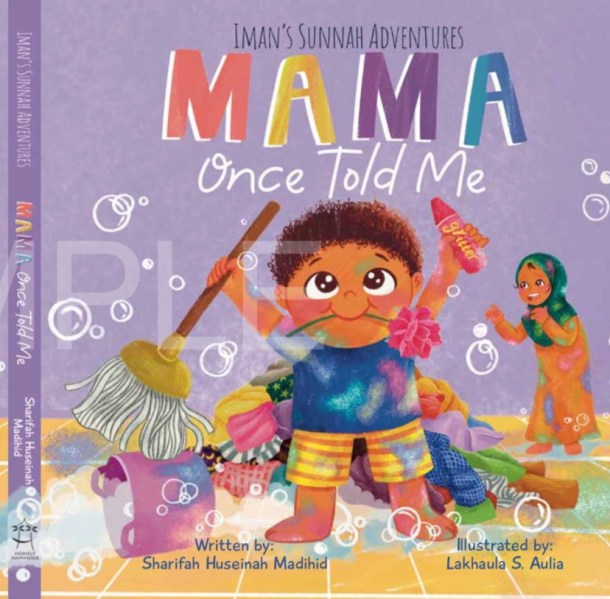
Iman’s Sunnah Adventures: Mama Once Told Me by Sharifah Huseinah Madihid illustrated by Lakhaula S. Aulia

Standard
Iman’s Sunnah Adventures: Mama Once Told Me by Sharifah Huseinah Madihid illustrated by Lakhaula S. Aulia

img_4560

This adorable 36 page board book had me laughing as a mom watching the increasing exasperation and dishevelment of the poor mother in the book page after page.  The book focuses on the sunnahs of welcoming guests, but the interpretations are the efforts and understandings of a small child being overly helpful, and the toll it takes on his parents.  The humor, the presentation, the introduction to various sunnahs is well done for little ones and their caregivers alike.  The book has not released yet, I viewed an e-version and I’m assuming the final spread is a lift the flap review of sunnahs.  Nothing is sourced, and salutations on Prophet Muhammad ﷺ are denoted by an asterisk throughout the book with a footnote at the end.  There are two books in the series and both share sunnahs, humor, and the main character Iman.

img_4561

The book starts with Iman feeling bored as his parents prepare for the arrival of guests.  Iman then remembers something Mama once told me (him), “That the Prophet* said cleanliness is half of eeman…” and with that the little one is off to help clean. Bubbles and more mess later, Iman is proud of himself and his parents are shocked and the bigger mess that greets them.

img_4562

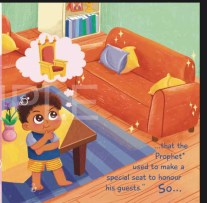
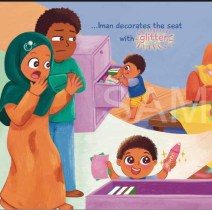
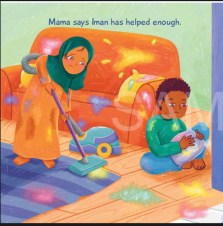
Up next is recalling that Prophet Muhammad ﷺ “would make a special seat to honor his guests” and Iman decides that glitter will be a great way to fulfill that sunnah.  When Iman is sent to get himself ready, more fulfillment occurs until Mama is exhausted and Iman finds a way to fulfill the sunnah of making his parents happy.

img_4563

The book might be a little above level of a toddler, but I think the silliness makes it a great introduction to sunnahs and will be a joy to read over and over again.

For more information about availability you can check the publisher’s website

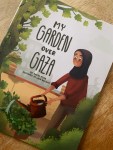
My Garden Over Gaza by Sarah Musa illustrated by Saffia Bazlamit

Standard
My Garden Over Gaza by Sarah Musa illustrated by Saffia Bazlamit

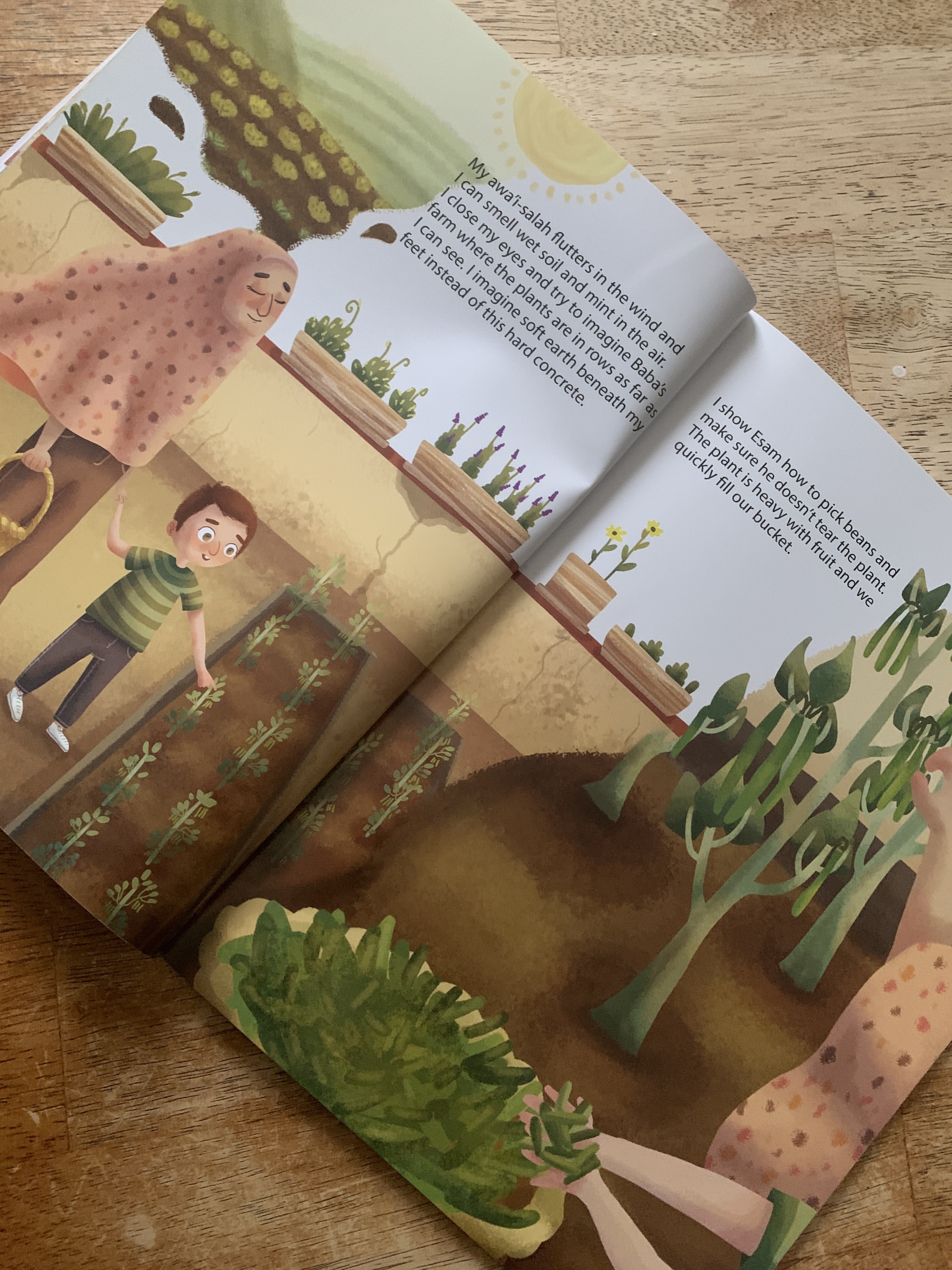
This book is hard to read, it hurts the heart, it doesn’t let you claim ignorance regarding the plight of Palestinians, and it shows cruelty,  a specific inexcusable cruelty, in a children’s book that will haunt you and infuriate you for weeks and months, if not indefinitely.  I’ve read a number of Palestine set books, but this one, in its simplicity, leaves me raw.  A child with a rooftop garden that helps feed her family is deliberately targeted by Israeli drones and destroyed.  This isn’t science fiction or dystopian, this is based on real acts.  The book itself threads in themes of hope, of not giving up, of remembering strength of a lost parent, of vowing to move forwards, but the catalyst for it all is not happenstance, and while the details of the occupation and oppression are not stressed and articulated, they are referenced and skillfully present to be discussed with children on their level with the included backmatter at the end.  This book is powerful and should be required reading. It is a difficult read and it has flags, but it is also a glimpse of the reality of our world, and the manner in which this book is told allows for the discussion to taken place with middle grade readers and up. The book is not text heavy, but the nature of the content makes me suggest it for mature children.

Noura, a young girl, is in her home in Gaza when drones are seen just out the window and she quickly pulls her little brother Esam away to safety.  To distract him she tells him about their father and his farm that he used to have in Umm An-Naser.  She explains how the wall cut them off from their land and when the drone noises fade, she takes him up to her rooftop garden to pick green beans.  Their mama works downstairs as a seamstress, and while they wish they had meat, the garden helps them have fresh vegetables.

The next day after Noura gets her little brother ready for the day they head to the roof, but drones arrive and start spraying chemicals on the growing plants, killing them, and sending Noura gasping to breathe.  She tries to cover the plants and swing a shovel at the drone, but it does little to save any of the food and Noura is devastated.

Noura’s mama reassures her daughter that the food can be regrown, but she is irreplaceable, as Noura goes to scrub the chemicals from her skin.  The frustration is real, but determination prevails as the family cleans the garden and begins again, just as their father did.

The last two page spread of the book is a basic map, general touchstones of the situation in Palestine, and the very real drones that fly in to Gaza to surveil, attack, and spray herbicides on crops. You can purchase a copy on the publisher’s website or HERE at Crescent Moon Store.

A Second Look by Hannah Matus

Standard
A Second Look by Hannah Matus

a second look

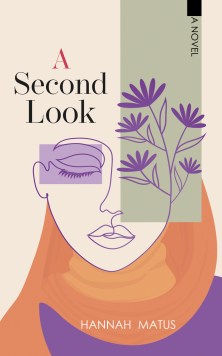
Ok, so y’all, don’t be like me, don’t judge this book by it’s cover, its inside font and spacing, or even the blurb on the back.  Judge it based on this sentence: A modern ISLAMIC Libyan cultural retelling of Jane Austen’s classic Pride and Prejudice, that is done so, so well.  It is seriously so well written and so effortlessly adapted that for those that know the original by heart you will giggle and be giddy with anticipation of how the characters and plot points are turned Islamic.  And those that have never read or watched the original or any of the many adaptations, will be sucked in and swept away by the story at hand.  Oh sure it needs a few tweaks here and there, but truly this hidden gem sat untouched on my shelf with it’s unattractive cover for way too long.  Alhumdulillah for @bintyounus giving the book a start and squealing with glee until the entire @muslimbookreviewer crew dropped everything and read the book.  Not that it was hard, once started, this book stayed glued to me as I tried to sneak minutes at dismissal, at work, while cooking, and talking on the phone to stay in the world so masterfully created.  The book is  halal, but the characters for the most part are in their twenties and I think I wouldn’t object to older teens reading it, but it is an Adult or New Adult book, in both characters’ ages and readers’ interest and appeal.

SYNOPSIS:

The five sisters in the BenTaleb family are all unmarried, balancing life, school, jobs, and daily stresses as varied Muslim Libyan young women in America. With so many girls, the parents of Jana, Elizza, Maryam, Leedya, and Kawthar are known in the small Midwest community as Abu l’Banaat and Umm l’Banaat.  When two young businessmen from Libya come in to town to teach at the local university, the eligible bachelor’s are sough after and all the drama, angst, longing, and courtship comes to fruition. Throw in a distant cousin who is an imam, a scandal with a younger sister, social media updates, and cultural expectations, and you have yourself a book full of laughs, tears, cheering, and joy.

WHY I LIKE IT:

I love how seamless the retelling is, the pop culture references, and how relatable and rich the writing is.  I was blown away by the beautiful strong Islam present that somehow never comes across as preachy, but is so thoughtfully present in presenting ideology, cultural pushback, western conflict, that Muslims and non Muslims will enjoy the story.  I’m fairly certain every Muslim Jane Austen fan has thought how similar books written so long ago mirror the courting etiquette of Muslims, and this book delivers all of those hopes and imaginings: the names of the characters, the opposing perspectives of the sisters- I really can’t stop gushing, and haven’t since I finished the 200 page book.  There is so much Islam, swoon, and it is presented so well.

FLAGS:

As an Adult book it is clean, even as a New Adult book it is clean.  I hesitate to call it Young Adult because it is about marriage, and there is a scandal with a sister, and mention of wedding nights, and STDS and lingerie, nothing is explicit, but for as halal as it all is and how practicing the character’s all are, these few mentions elevate the story from suitable for a 13 year old, to being ok for older teens.

TOOLS FOR LEADING THE DISCUSSION:

I think everyone should read it and come gush with me.  You can purchase the book here.

Basking in My Brown by Fatima Faisal illustrated by Anain Shaikh

Standard
Basking in My Brown by Fatima Faisal illustrated by Anain Shaikh

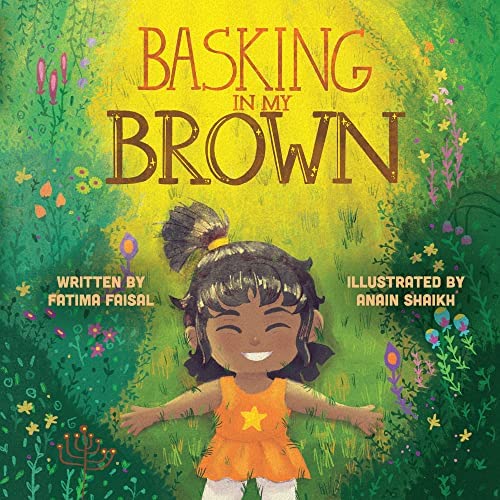
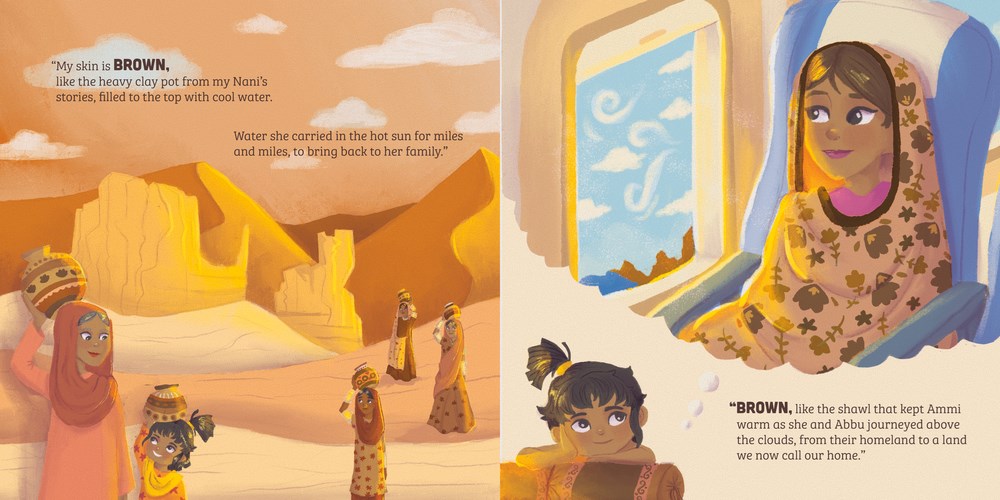
This picture book celebrating brown skin, particularly in girls, and specifically from a Desi culture point of view, takes on the notion of dark brown skin not being as ideal as compared to lighter skin.  If this is not a concept you are familiar with, I don’t think that the book will hit home, but as someone who has heard this refrain of staying out of the sun to not get darker since childhood, aimed at my friends and cousins (I turn red and burn in the sun), I do appreciate this owning and pushing back on a ridiculous colorist mindset. I don’t love the “magic” diction choice, and there is nothing Islamic in the book, save some covered heads that could be religiously inspired, or culturally, or even weather related, and I’m not sure if the author or illustrator identify as Muslim, but I’m sharing anyway because I know young Pakistani girls particularly, hear this colonial mindset messaging still, and I support undermining it.  This book is not about systemic oppression and racism and taking up space, this book is internal cultural acknowledgement of a pointless beauty notion.

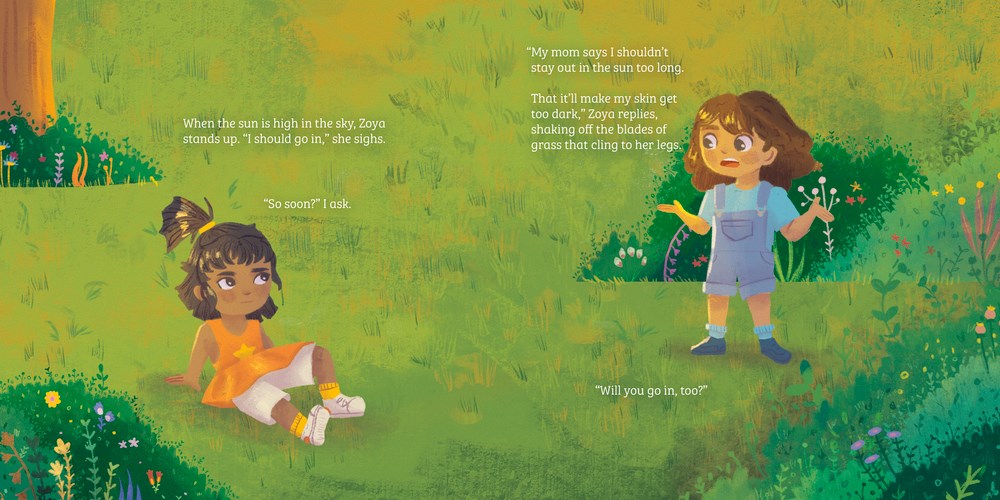
A young girl begins the book telling of things she loves: trips to Pakistan to fly kites with her Dada, her mother’s dinner parties, swimming, climbing trees, but most of all she loves basking in the sun.  One day while playing with her friend Zoya in the warm sun, Zoya abruptly says she should go in before she gets too dark.  The protagonist counters that she loves all the shades her beautiful brown turns and equates it to magic.

She holds out her hand to show her magical brown skin shimmering, and connects the beautiful brown to the brown clay pot her Nani used to carry water in, the brown shawl her mother wore when coming to a new home, the brown of the henna her sister puts on, etc..  She says her brown skin has its own story of being proud, brave, courageous, soft, sweet, and fearless.

Zoya decides she likes the magic and decides to stay and bask in the sun. The author on the final spread raches out to brown girls to own, embrace, and celebrate their brown skin.

An Andalus Adventure by S.N. Jalali

Standard
An Andalus Adventure by S.N. Jalali

andalus

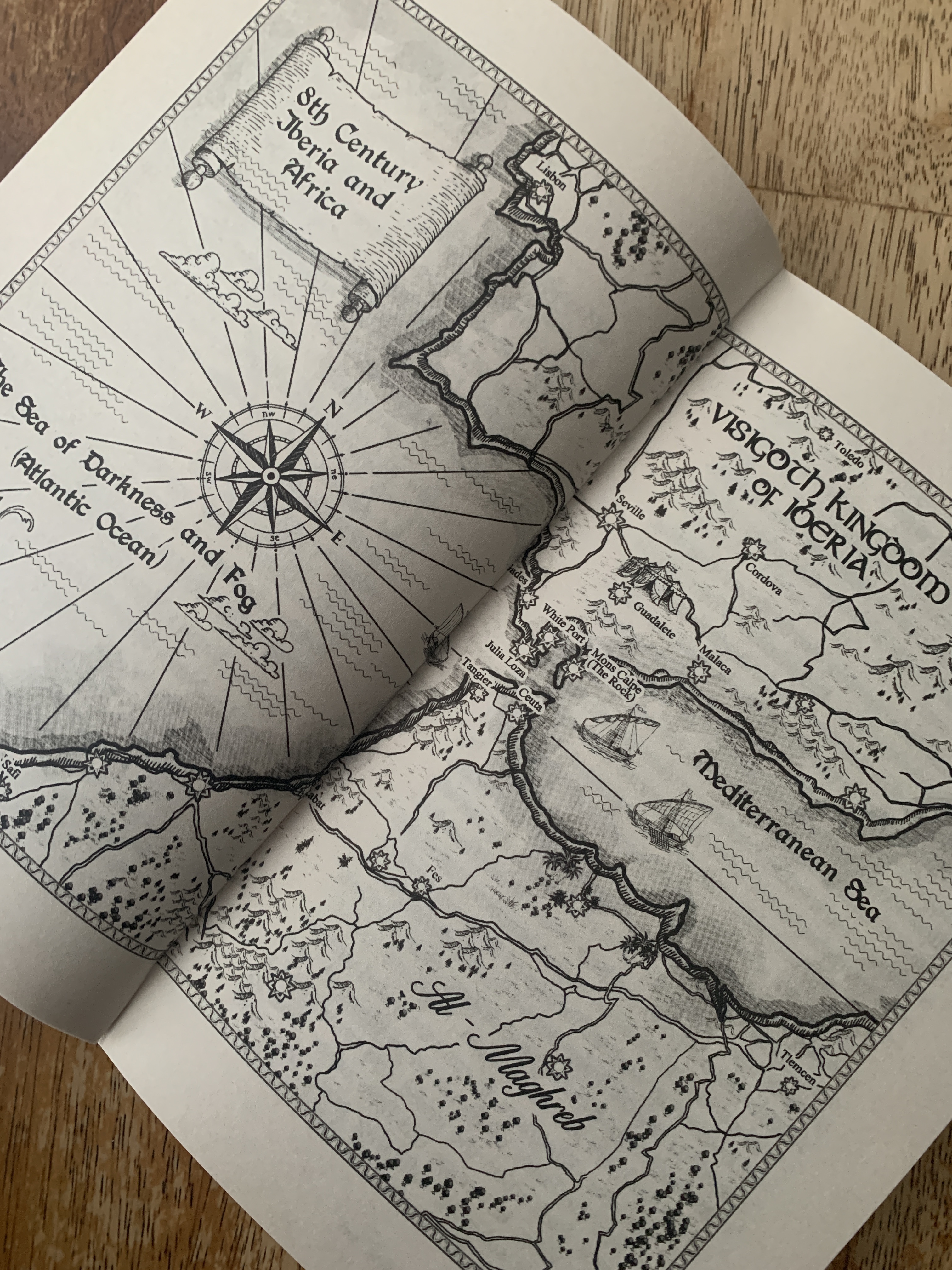
I truly am glad I read this book. I love historical fiction, visiting Spain is on my bucket list, this book has a map, details about what is historical what is fiction, has Islam woven in to the heart and soul of the story and characters, and yet it was a hard read.  The first few pages grip you, the last 50 bring it all together, but the middle 250 were hit and miss in this lower YA/upper MG book.  I honestly had to force myself to keep reading.  My teen and tween son couldn’t get past 38 pages or so, and I’ve asked around and no one I know that started the book, finished it.  I think ultimately there are just too many characters, too many points of view, that even though the history is rich, the literary points all in order, their isn’t enough character connection to hold the readers through the wandering details.  This author’s style is a bit more slow, but I think in the House of Ibn Kathir series, the setting of being in school and having friend problems is relatable to readers; boarding horses on to a boat, deciding to wage war, and going in to battle are not familiar concepts, and without the emotional connection it loses momentum.  The climax is nice but ultimately rather lackluster, and the beauty of characters taking shahada, Jews being freed, Solomon’s table, an old lady with a premonition, and a character dying are just not enough to keep the story in reader’s hands, unfortunately. 
img_4397

SYNOPSIS:

The summary might make the book seem fast paced, and while it does constantly move forward to a clear destination, it isn’t a “buckle your seatbelt and hang on” type of story.  The setting is Northern Africa and the Iberian Peninsula in 711 CE, 92 years after the Hijrah.  The book opens with two young siblings Ben and Bella, overlooking the coast, dreading their lives under Visigoth oppression, and hiding their Jewish culture and faith.  It then jumps to the Governor of Ceuta, Count Julian (Ilyan), awaiting to meet with Umayyad leader Tariq ibn-Ziyad.  He is hoping to rescue his daughter from the court of King Roderick and convince the Muslim General to enter Iberia, restore the rightful king, and free the people essentially.  Add in voices from Qasim, a young Berber, and Jacob a captured Iberian, and the stage is set to get everything in order to cross the straights, survey the enemy, take on the King, and introduce Islam to the new land.

WHY I LIKE IT:

I absolutely love the Islam and the history and the fictional liberties.  I love that the book is clean, although, I do wonder if more information about Lady Florinda would have helped the reader understand her father’s desperation, I do understand the vagueness, but it is a glaring omission that keeps the reader curious.  Ultimately I wanted more backstory.  The little given about the characters was engaging.  I loved the teasing about being a shepherd, Jacob coming to love Islam, Bella not wanting to marry, but it seemed to always stop short of sweeping me away.  I didn’t cry (SPOILER) when Hisham died, I barely knew him.  I didn’t feel the urgency to hide and escape from Leander’s proposal.  It set up to add depth regarding Old Mother Magda, the Cave of Secrets, and the unverified death of the king, but after being stated it was never mentioned again or resolved for any real purpose. 

All that aside, I think the book has value, it is just really dry in spots, a lot of spots, and given the vocabulary, the changing narrators, the choppiness between chapters, and the history, it is hard to keep reading or be anxious to pick up once you have put it down.  So with all that in mind, I think the book would be great to use in a classroom setting.  You could read a chapter Monday, and then pick it back up on Thursday and not worry that no one remembers anything because it is focusing on new characters anyway.  In a middle school, or upper elementary the book would be a great crossover between History, English, and Islam classes. The book would naturally lend itself to the students keeping character journals, the supplements and backmatter would allow for references and insight in to real history, and I think the book would do really well in this set up to connect with the audience. 

The Epilogue was nice, but a little disjointed.  I appreciated the updates on the characters and it showing Muslims and people of other faiths coexisting and being accepting even within families, but the connection to the story was a little lost.  Similarly, I love that it mentioned  Abbas Ibn Firnas, but I don’t know that most kids know enough about him to know what is being hinted at and what the outcome was of his flight at the end.

FLAGS:

Death, war, battles, killing, nothing graphic, very tame, not graphic or detailed gore.

TOOLS FOR LEADING THE DISCUSSION:

I don’t know that I could get middle school students to read the book for a book club, it would have to be motivated by a grade to get through it in a classroom setting I’m afraid.  See above to read my thoughts on how to present it.

I purchased my book on Amazon and will receive a few pennies if you decide to purchase a copy using this link.

Elephant’s Makeover by Rukhsana Khan illustrated by Ikram Syed

Standard
Elephant’s Makeover by Rukhsana Khan illustrated by Ikram Syed

img_4325

I absolutely respect and appreciate Rukhsana Khan and even my least favorite Ruqaya’s Bookshelf published book is still a good quality book, so I preordered this with such giddy delight.  And yet, when I read it the first time, I didn’t get it.  I put it away, pulled it out again weeks later and still wasn’t feeling it, I repeated this process over and over, and finally, I’ve resolved what I’ve always known: that it is ok not to love a book.  It doesn’t mean I don’t still love and respect everyone involved, but alas, it just didn’t appeal to me.  So, as always, I’m accountable for my thoughts and my thoughts only and you are free to disagree and argue with me, it isn’t personal, and I will try and point out good and problematic elements so that you can make your own decisions based on your preferences and see if the book would be a good addition to your shelves or not.

img_4326

This hardback Muslim authored, Muslim illustrated anthropomorphized book takes the shape of a moral fable in which Elephant has no friends, attributes it to her appearance, forces the insects and animals around her to give her their eyes, waist, nose, arms etc., and then when they still don’t like her is persuaded by ant to return the body parts, apologize and be content to be ant’s friend.

img_4327

My problem I think with the book is that it conflates appearance with friendship without a clear moral, and then Elephant being forced to change by Ant to have a friend seems to reinforce a questionable mindset, even if Ant is more or less in the right.  There is no self reflection on the role of appearance, or what kindness looks and feels like, or even insight into what self confidence, friendship, and body appreciation entails.  It lumps it all together, uses outside influences to get elephant a friend, but doesn’t really articulate any lessons learned or moral to be conveyed.  If I am mistaken and the book is not set to be a moral inspired fable, the climatic joy of the book is simply, what- Do as you are told to have a friend? 

img_4328

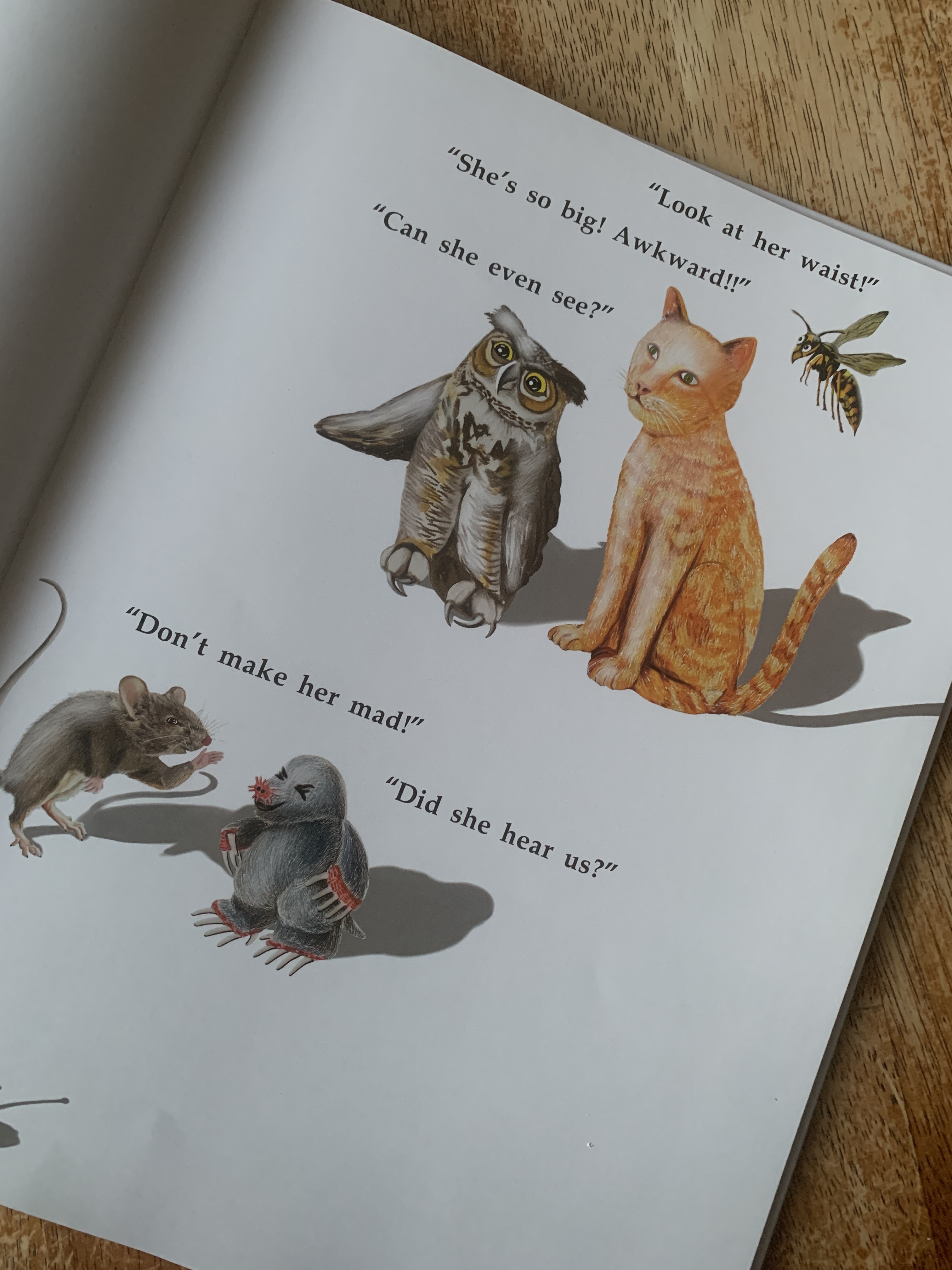
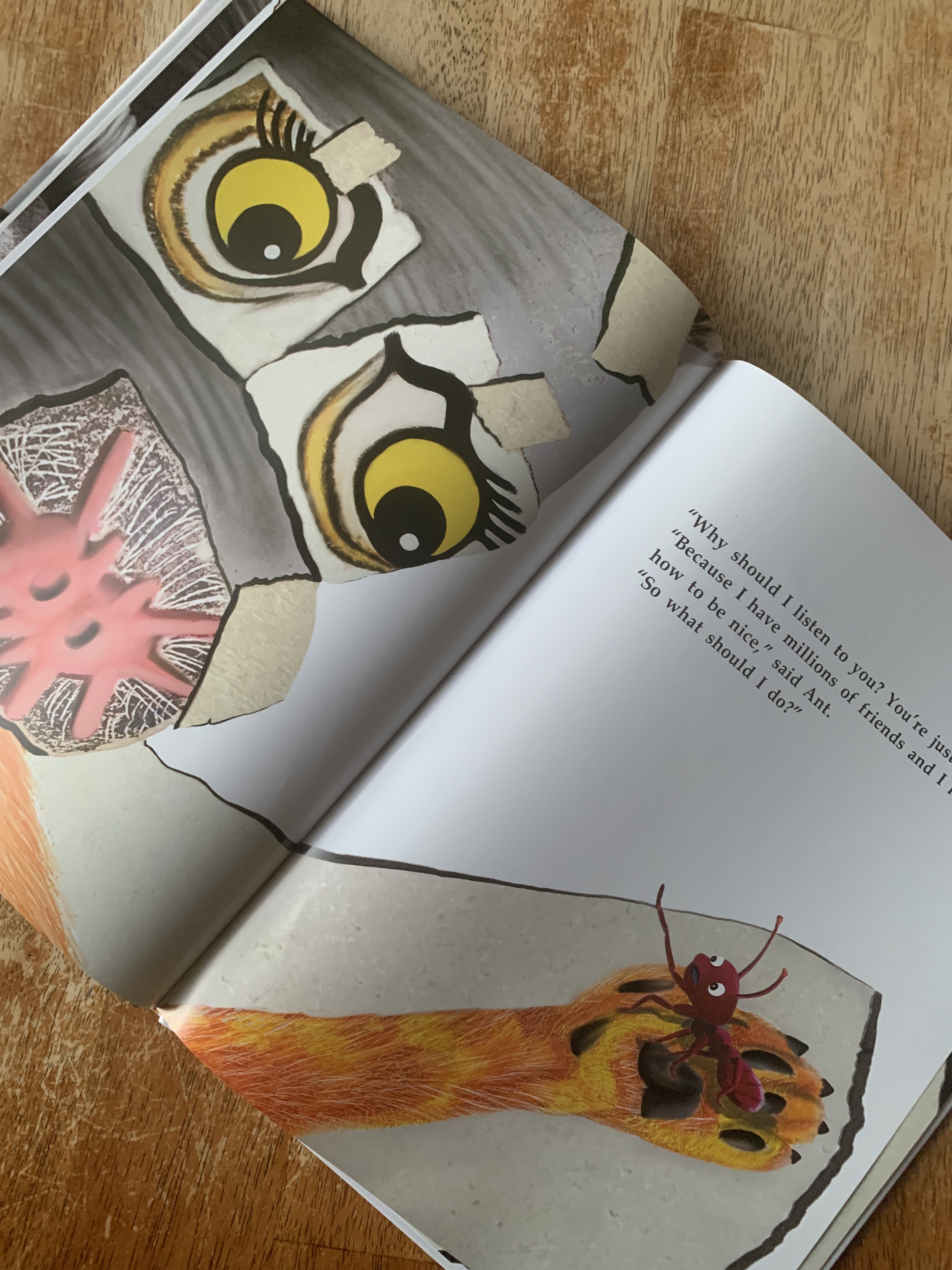
The book starts out with the other animals questioning, but essentially bullying Elephant about her size, calling her big and awkward and wondering if she can even see or hear them.  Elephant then looks in the mirror and picks herself apart, body part by body part. She tells Owl, who has beautiful eyes to switch with her. Owl doesn’t want to, Owl needs eyes to see, but the transaction occurs.  Next up is Wasp, who has a tiny waist, then Mole with a star shaped nose, etc.  The result is a bizarre looking “Elephant” and numerous unhappy, unable to move critters.  Yes, they are all friends, size, nocturnal, predator, prey not brought in to consideration.  The animals leave and Elephant is still friendless and feeling bad.  Ant pipes up that he knows what should be done.  Interestingly Elephant doesn’t want to listen because it is “just an ant.”  Ant responds, “I have a million friends and I know how to be nice.”  So now we are using appearance, having friends, and being nice as synonyms. Elephant agrees to listen, Ant forcefully convinces Elephant to give everything back and apologize. Ant agrees to go with Elephant, once the animals and insects get their body part back they race off in fear.  Elephant is left back to normal but still with no friends when Ant says that he likes her.  So, was Elephant really sorry? Did she learn to be nice? To be a friend? Did she want to give the parts back or did she do it so Ant would be her friend? Did she appreciate the function and beauty of her own body? So many loose ends that don’t show any growth, teach a moral, convey entertainment or joy, or make me get what the purpose was.  It left me, and my children confused.  And again, had we laughed along the way and been entertained, I wouldn’t need a character arc or lesson, but sadly we closed the book having not felt those feels at all.

img_4329

When the cover was revealed I’ll admit I was intrigued by the texture and tone of the elephant, but for some reason the inside pages went from creepy with poignant intent, to a little disturbing, The body parts of the animals are removed and swapped and reaffixed with masking tape.  I’m not opposed to slightly dark humor in children’s books, but I think this could really bother some younger kids that will dwell on the idea of body parts being taken unwillingly.  The text is sparse and presumably the book is for younger readers, so consider this if your children are sensitive.

There is nothing religious or Islamic in the book, nor is their scientific elements to why the animals bodies are the way they are or for what purpose.  It does not discuss environment or relationships in a non fiction manner.  The clear large simple text would suggest the book is for 4-8 year olds.


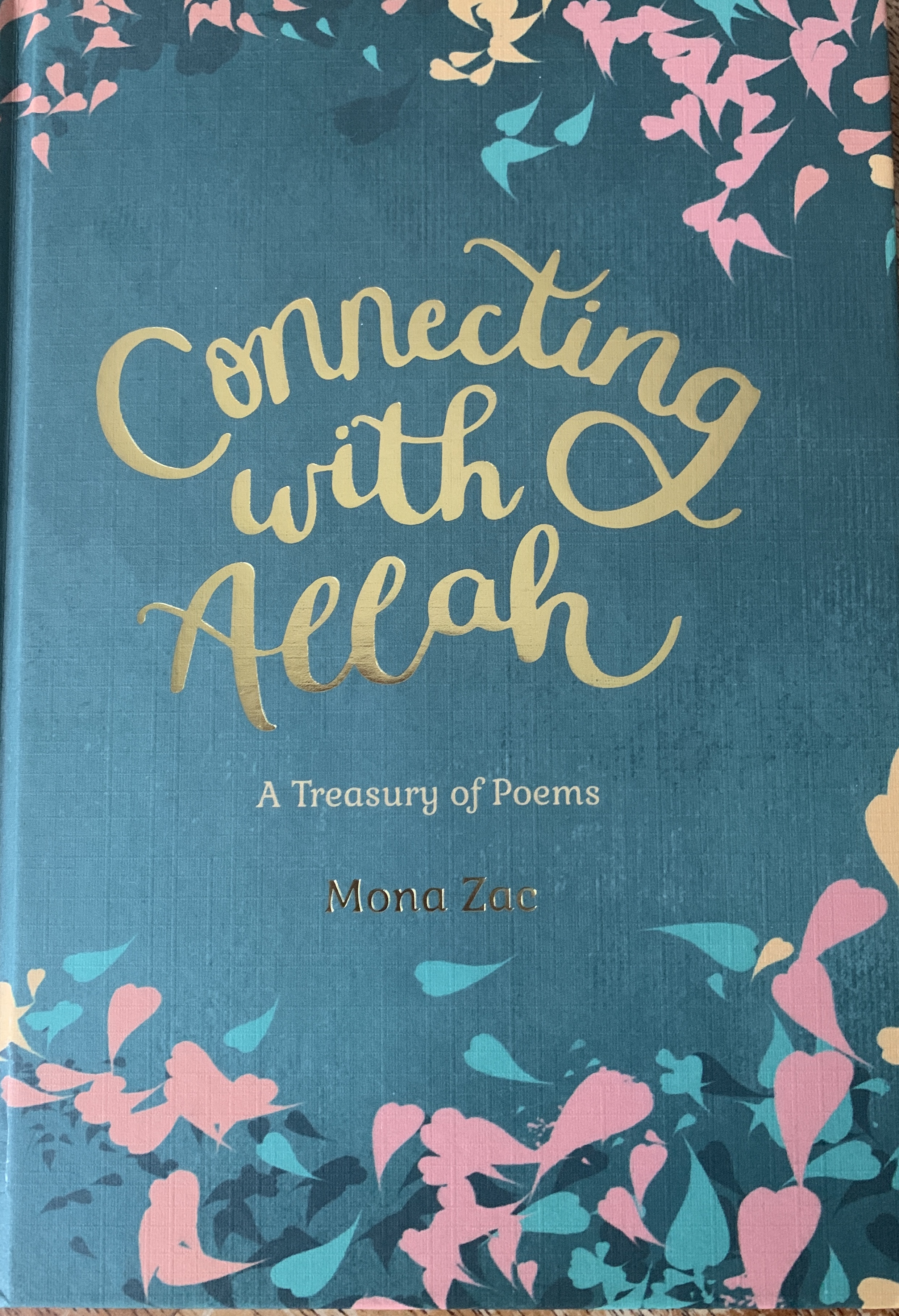
Connecting with Allah: A Treasury of Poems by Mona Zac illustrated by Neamah Aslam

Standard
Connecting with Allah: A Treasury of Poems by Mona Zac illustrated by Neamah Aslam

img_4279

Similar to Call Me By My Name, this book stands out in highlighting the Names of Allah swt.  In this collection it is the descriptive poetry, warm illustrations, urge to reflect and act, and space to think through and write up your own du’as that make this book so versatile.  I can see a middle grade to middle schooler using the book almost like a journal, just as easily as I can see an Islam teacher using the book to teach the names of Allah and have their students ponder and write their own verses.  I plan to use it with my own children when we gather up for salat-waiting for everyone to make wudu- to read a poem, discuss, and understand each name on whatever level the child is at thus bring the names of Allah swt, into our daily awareness, inshaAllah.

The book is divided into sections following a heading and seasonal imagery: Loving Allah, Asking Allah, Knowing Allah, and Blooming with Allah’s names.  The table of contents is out of order, but it isn’t an issue.  Poems are given a two page spread, some poems are one name, others are two.  At the end of each poem is a “Reflect and Act” section with bulleted items to help connect the name and the poem’s content with one’s own life and Islamic principles.

At the end of each section are two pages to write your own du’as using Allah’s names followed by Sources from the Qur’an and Hadith.  The illustrations are adorable to look at, and while on first glance the collection might seem more female appealing, I think boys and girls alike will benefit from time spent with the book and not find it targeting to only one gender.

The Asking Allah section features easy to read Arabic with harakat and even the English font is very appealing and easy to read.  Overall the hard bound book is beautiful and I hope to see it stocked in more places, hint hint Crescent Moon.  Currently in the US it is available here by the publisher.

img_4276

The Glass Witch by Lindsay Puckett

Standard
The Glass Witch by Lindsay Puckett

glass witch

Another Scholastic published book that I genuinely cannot understand why the author forced a Muslim character to be a part of, and no it isn’t just a token hijab on a character named Fatima.  It mentions she goes to the mosque, there is a Quran on the book shelf, her parents don’t understand her obsession with monsters, she is desi, and there is Urdu in the text as well.  This isn’t me just doubling down on Halloween being a pagan holiday that I’m against, this book is about witches and magic and while it does take place on Halloween, and the witches are Good(e), it is their last name, it is a weird inclusion flex for me.  The book also has the Muslim grandpa crushing on the grandma witch, he even kisses her hand and they are revealed to be soul mates.  There is evil possession, different men that could be the protagonists father, killing, and a pageant.  The book has good qualities- positive body size messaging, focus on family love, self acceptance, and is fast paced and entertaining, but even as a parent that lets my kids read fantasy books, and books that mention Halloween, this book went too far for me.  It normalizes Muslims being ok with magic, it isn’t world building and fantasy, it is very much the real world with sihr characters and practices. It positions the parents as being loving when they come around to accept their daughter’s love of monsters, it also seems to normalize men and women relationships, and for a middle grade 224 page book I just can’t support a Muslim character’s role in such a story. 

I know sometimes I’m ok with magic in books, this one just seems a bit intense, we might just have to agree to disagree if you feel differently, and I’ll own my possible inconsistency in the matter as well.

SYNOPSIS:

Adelaide is heading to her grandma’s house with her mom, and being dropped off for three months- abandoned is more like it. The family dynamic is stressed even on a good day, and today is not a normal day.  The Goode family of witches are all that remain of the witches in the town and more than three can not exist within town lines.  Additionally, if at least one witch is not always in Cranberry Hollow, all the magic will be lost.  Adelaide, doesn’t have magic though, toss in that she is a bigger girl than most other twelve year olds, and that she never feels like she is enough, and the bees within her are buzzing. 

The plan was to drop off Addie and head out of town.  The neighbors, Hakeem and his granddaughter Fatima show up though, and before Candice can sneak out, she finds herself heading to the Cranberry Hollow Halloween Festival with Fatima, Addie, and her mom.  The town loves the Goodes, they help crops grow better, cancer to be cured, and so much more.  Of course they don’t know that they are witches, but they know that they are helpful.  When the time to leave arrives, Aunt Jodie stays on the other side of the town line and they prepare to say their goodbyes and keep the fourth Goode outside the imaginary line, but Addie in a last ditch attempt to make her mother notice her, pulls her mother back across and thus sets off the curse of having too many witches in the town.  The hated Hern family is going to be possessed, and Addie will be hunted come midnight on Halloween.

WHY I LIKE IT:

The book is intense and scary at times, just toeing the line of what a MG reader can handle, I just don’t get the Muslim character.  It really seems intentional and thought out, and I would love to find out why it was a conscious choice.  There is a small passage equating Addie standing out because of her size with Fatima and her hijab, but I can’t imagine that is enough of a reason to have a practicing Muslim loving Monster hunter in the book.  I know we want representation, but this didn’t work for me, and while I know others are ok with Halloween and some with sihr in a fictional sense, having a Quran on a shelf above the book of monsters and jinn that the Nana has collected, just rubs me the wrong way.  The book is published by Scholastic and will undoubtedly be in book order offerings and in book fairs, and if you are ok with it for your children, that is your choice, I just feel obligated to share my concerns so that you can decide what is best for your family.

FLAGS:

Magic, witches, curses, killing, death, Halloween, crushes, romance, kiss on the hand, premarital sex not detailed (two options at least for who Addie’s father is), cigarette smoking, bullying, mention of a kid at the festival with two dads.

TOOLS FOR LEADING THE DISCUSSION:

I wouldn’t shelve the book in an Islamic school library or classroom.  I would also pull it from a Scholastic Book Fair display at our Islamic school.

Mama in Congress: Rashida Tlaib’s Journey to Washington by Rashida and Adam Tlaib with Miranda Paul illustrated by Olivia Aserr

Standard
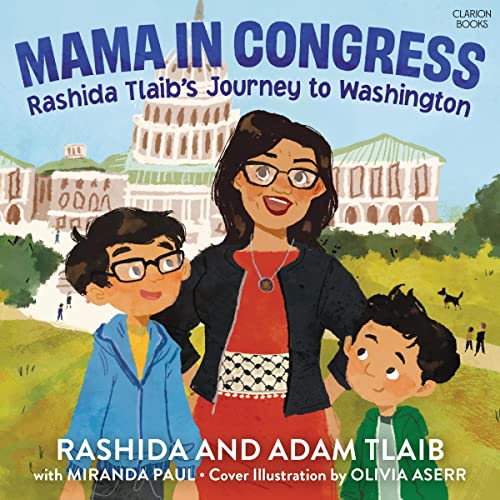
Mama in Congress: Rashida Tlaib’s Journey to Washington by Rashida and Adam Tlaib with Miranda Paul illustrated by Olivia Aserr

mama in congress

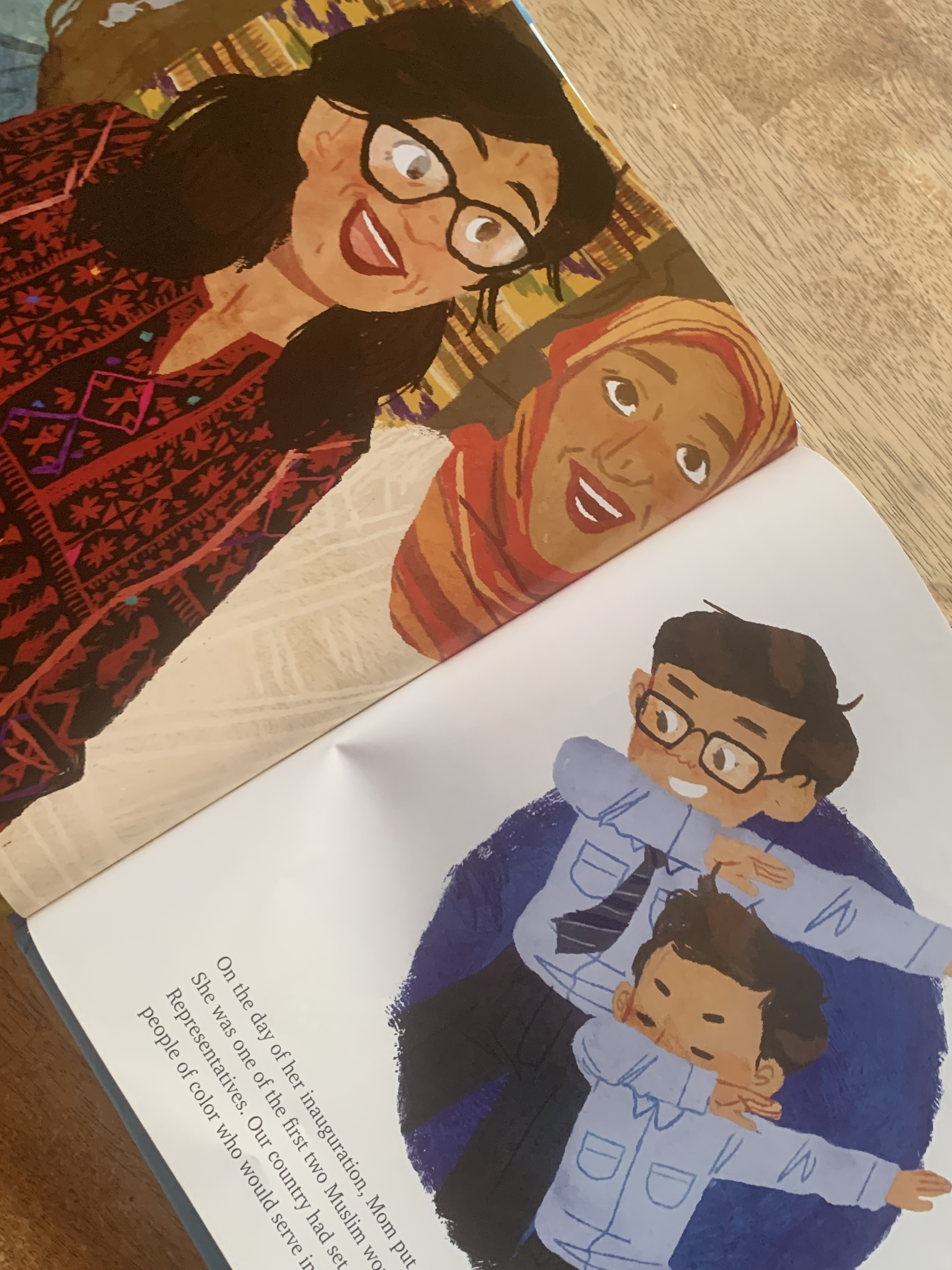
I wasn’t particularly looking forward to this book.  Books by politicians are always suspect, by a politician currently in office- more so, and a book written about one’s self can be a little self promoting to say the least, but when I saw my library had it, I put it on hold and thought to give it a shot.  Surprisingly, the book is really cute.  It is framed as her son (one of the contributors) telling his mom’s story, it owns that while yes she was one of the First Muslim Congresswomen, there were a lot of people before her that ran and paved the way.  What really shocked me was the amount of Islam in the book: Salat-al-Istikharha, actively learning about Islam not just as culture, there is an Ayat from the Quran, etc.. The book says for ages 4-8 and for the amount of text on the pages, there is no way a preschooler will sit through this. I can see this book, however, being used in an elementary classroom to teach about the American political system, and inspiring kids that they can make a difference, that they can rise to positions of leadership without compromising who they are, and that no matter their background, and that they can be successful in following their dreams.  I don’t think Congresswoman Tlaib should be put on a pedal stool for some of the policies she has supported or bills endorsed, but I think even if you don’t support her politically, her story and her accomplishments do show possibilities for minorities to reach the highest levels of government.  The fact that she is a Palestinian Muslim Women and has found success in the context of American government as told from a child’s perspective, really surprised and impressed me, and I can see it being a worthwhile story to share with young students.

The book starts with two boys on the steps of the capitol, Adam and Yousif wondering if the president is their mom’s boss, and mom, saying that no, the 700,000 people in the district she represents are.  The book then pulls back and Adam starts to tell the story of him and his brother going to work with their mom, Congresswomen Rashida Tlaib the representative from Michigan.

img_4036

Before she was elected their yama and yaba immigrated from the West Bank to America, where Rashida was born.  Eventually there would be 14 kids born and Rashida would choreograph dances, basketball games, and seek privacy to dance like a pop star, or chase after the bookmobile.

img_4037

Comments toward her well-spoken mother to learn English, embarrassment at the smell of the factory polluted environment, and an offer by a high school teacher to join the debate team, helped pave the way for Rashida to find her voice and make changes.

img_4038

Rashida was the first in her family to graduate high school and from there she went to college and then law school.  She also started to learn more about Islam and the reasons behind her family’s traditions.  Her favorite passage from the Quran became, “with hardship comes ease.”

img_4039

She started working with an elected official from the Michigan House of Representatives and started a family.  When a seat became vacant she was encouraged to run.  No Muslim had ever been elected to the Michigan House and even her own yaba didn’t think people would vote for an Arab, so she prayed Salat al-Istikhara and did a lot of thinking.

img_4040

The book shows what she wanted to accomplish and how she went door-to-door and found both success and hardship meeting with the people.  Ultimately though, she won the seat and held it for many years.  When Adam was 12 she decided to run for the U.S. House of Representatives, and he and his brother joined in to help knock on doors.

img_4041

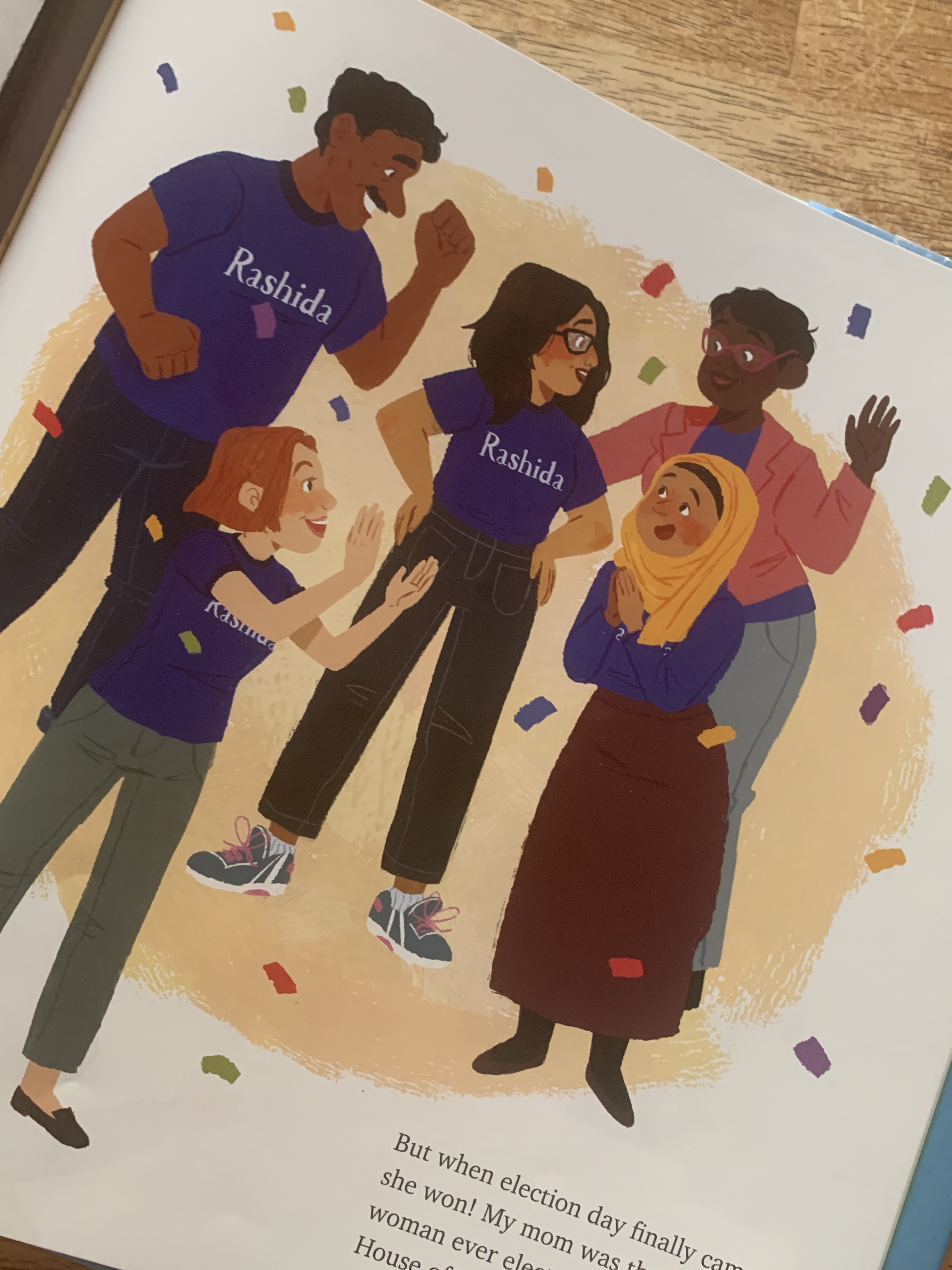
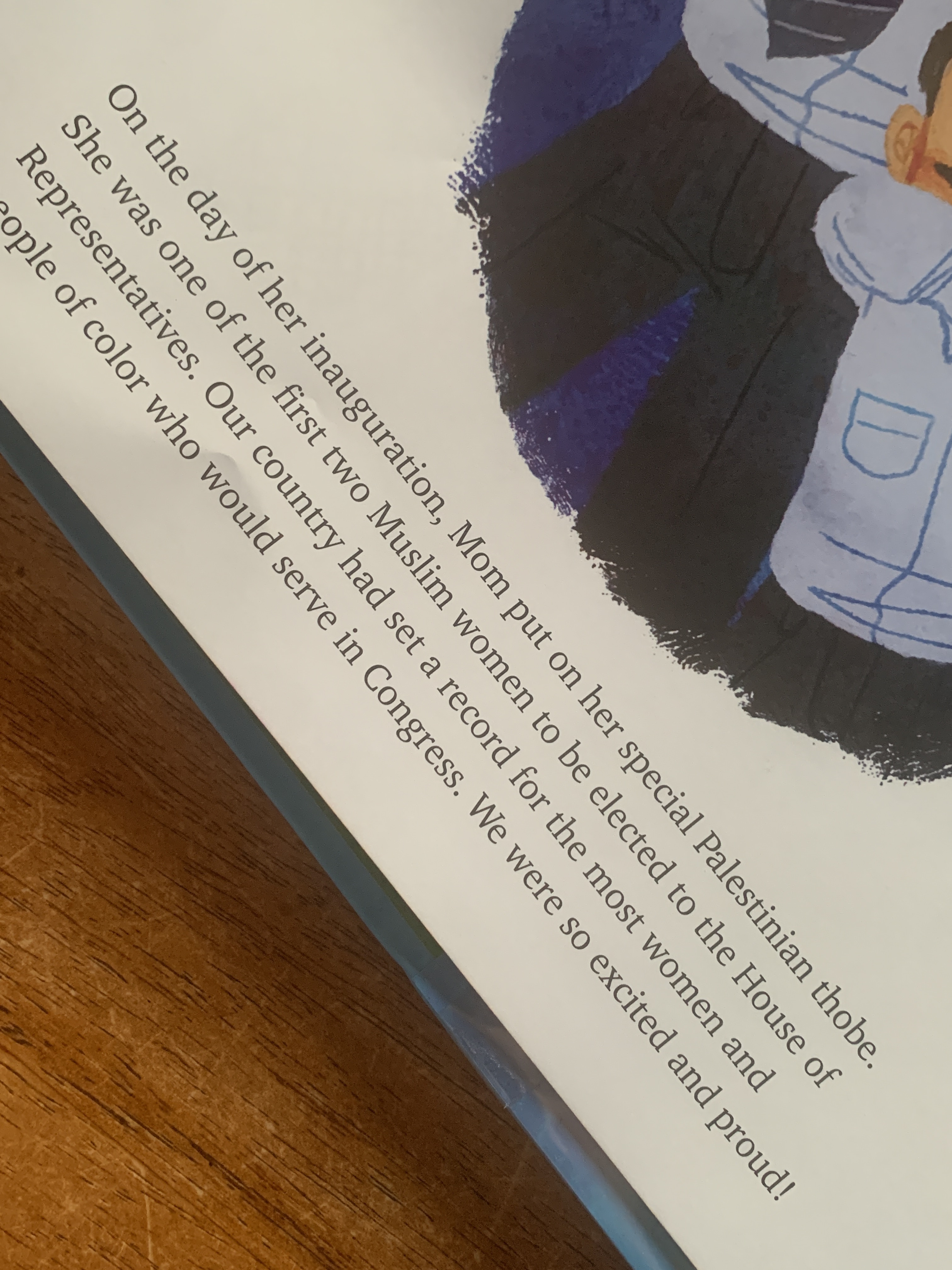
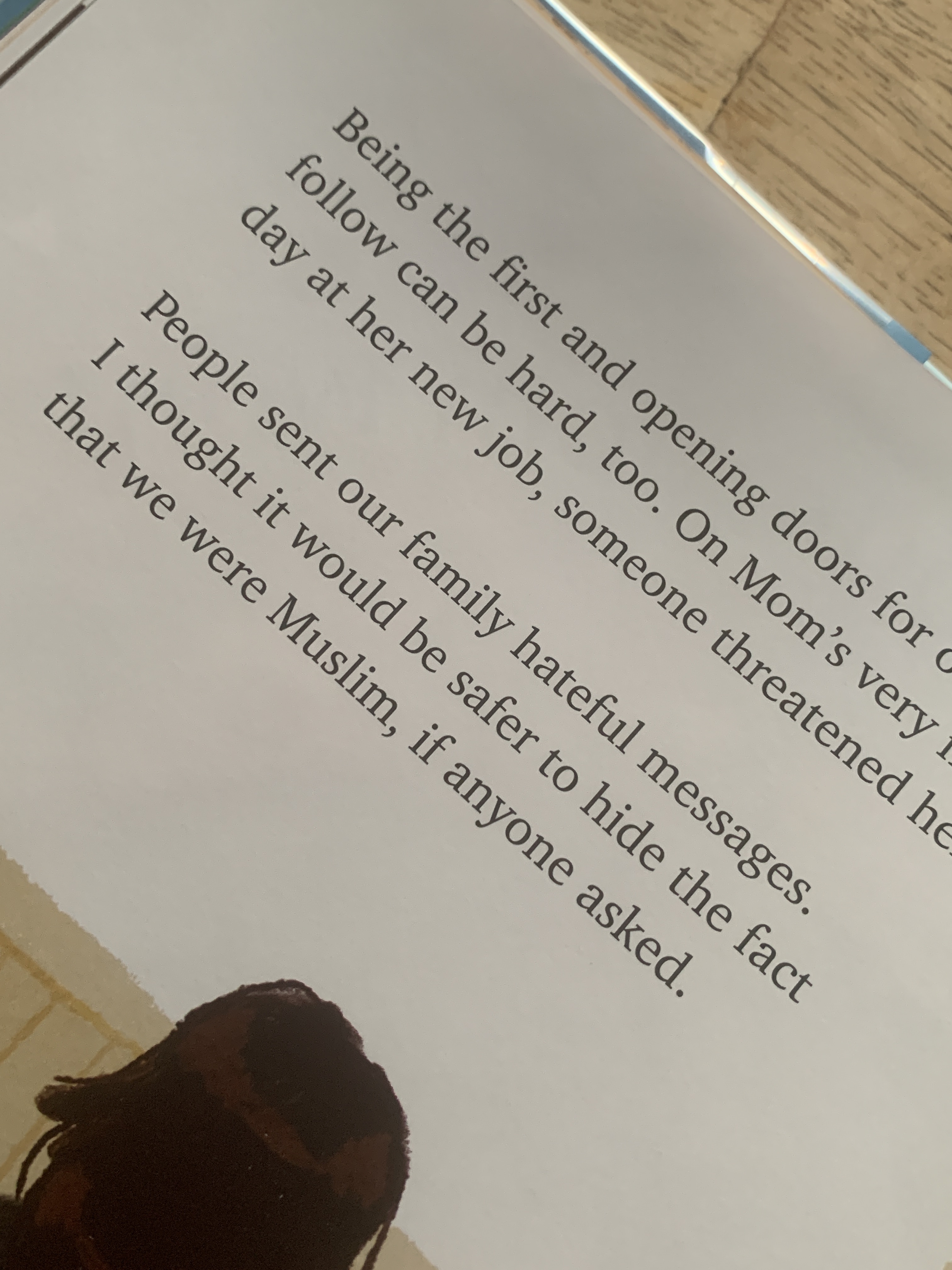
She won, and was one of two Muslim women to be elected that year.  Adam and Yousif dabbed in celebration at the inauguration as their mom was sworn in in her Palestinian thobe. On her first day, however, there were threats, and Adam though they should hide the fact that they were Muslims.  Their mom told them it is important to be their authentic selves, “that sometimes it takes many to run for there to be a first.”

img_4042

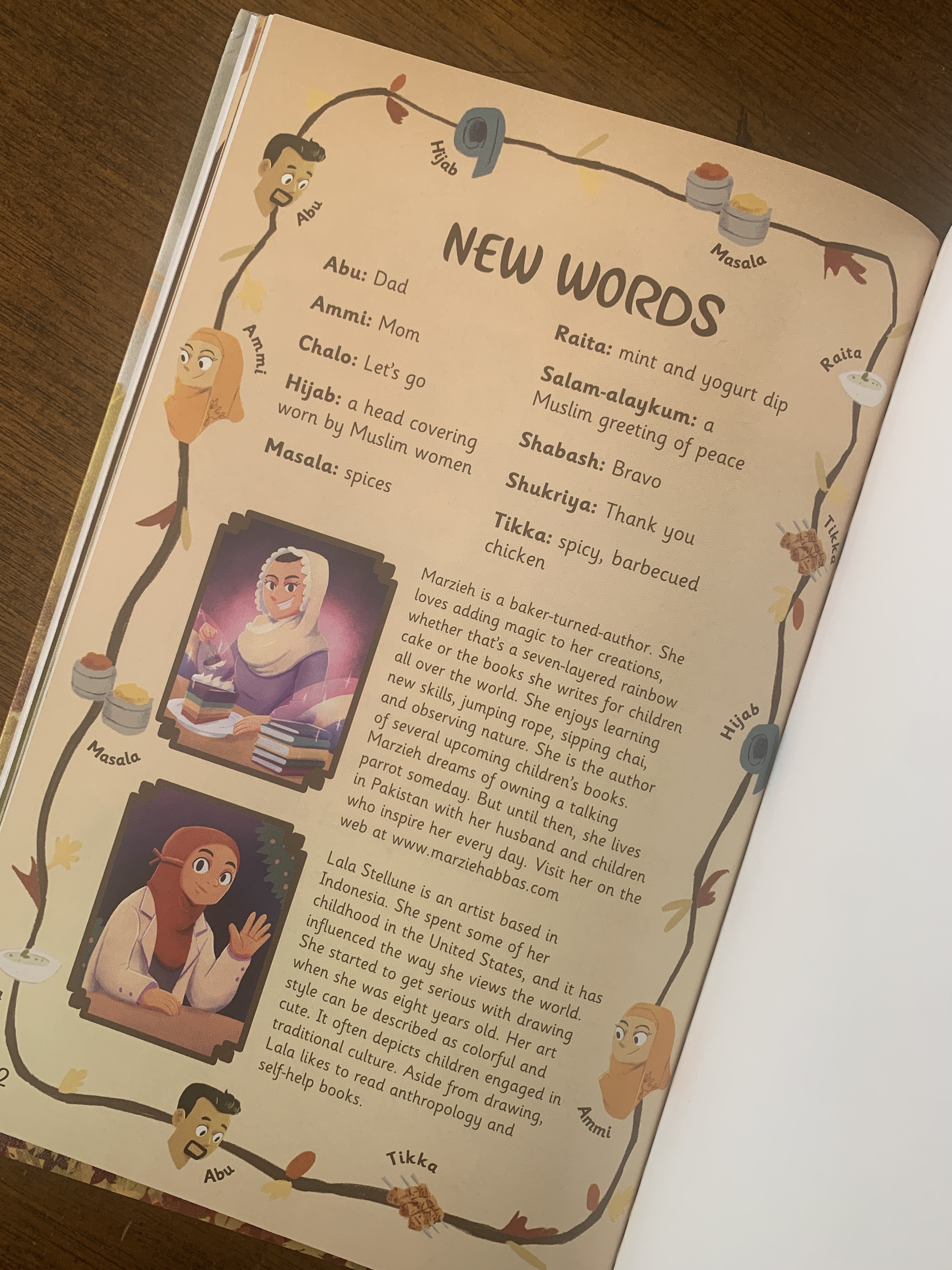
The book concludes with a glossary, an infographic of the branches of government. Can be purchased here.

Nadia and Nadir Lunch in the Leaves by Marziah A. Ali illustrated by Lala Stellune

Standard
Nadia and Nadir Lunch in the Leaves by Marziah A. Ali illustrated by Lala Stellune

nadia

This 32 page early reader is absolutely adorable with jumping in the leaves, sibling love, imaginary unicorns and dragons, yummy food, Pakistani culture and delightful illustrations.  Books in this genre aren’t particularly known for their story telling, but with chapter breaks and relatable experiences I was absolutely pulled in to Nadia and Nadir’s world and family.  My seven year old loved that he could read it independently and was delighted to see himself so reflected in the text, infact I have given in and we will be having chicken tikka and raita for dinner tomorrow, but I’m not raking the leaves, haha.

img_4006

SYNOPSIS:

Siblings Nadia and Nadir are woken up by there mother with the promise of a surprise.  The hints are crunchy and colorful, and when the kids realize it isn’t a giant bowl of cereal outside, they are excited to jump into the giant pile of leaves their abu has raked up in the yard.  The kids dive and swim and imagine themselves to be dinosaurs and unicorns as their dad grills chicken tikka and their mom watches on shelling walnuts.

The kids bump heads and decide to play something a little safer by making faces with the leaves, branches, walnut shells, and flowers.  They create a family portrait and then it is time to eat lunch and drink chai.

img_4005

WHY I LIKE IT:

I love that it is a very recognizable family: the women are wearing hijab, urdu words are sprinkled in, and Pakistani foods are being eaten, there is no othering, all kids will enjoy the story, and Muslim and desi Muslims specifically will feel seen.

I love that there is imagination and dad cooking and hanging out in a chill environment.  There is a glossary at the back, but for this demographic I actually really like it.  It allows for the independent reader to use a book tool to understand a word.  I also like that illustrations of the words flutter around the cartoon author and illustrator blurbs.

There are details about the trees dropping the leaves as well as why the leaves are changing color.

img_4007

FLAGS:

None

img_4008

TOOLS FOR LEADING THE DISCUSSION:

Too young for a book club selection, but ideal to have on the shelves of a classroom library, school library, or home library.

Well done alhumdulillah.  Paperback and library bound additions available here.  The book is part of a series, but can be purchased individually or as a set.  I plan to review each of the six books over the next few months.