This sweet, well-done 48 page picture book for early elementary aged readers shows the fear associated with being in a new place, the love of an elder family member, and the courage it takes to make new friends. The story focuses on a young Pakistani girl who has recently moved to a new country and how she tries to remember the wisdom of her Nani to blossom in her new home. The culture rich story is universal and lyrical, with hints of making duaa, greetings of salam, and the soothing sounds of the athan that make memories of home so foreign to her in her new residence. Young readers will empathize with Maya, and see the symbolism in the seeds she is anxious to plant and cultivate.
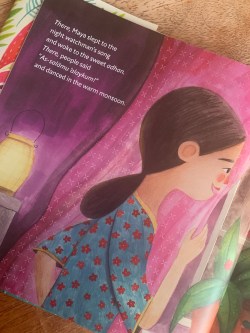
Maya finds her new home unfriendly and cold, she feels different with her food, and clothes, and way she speaks. Home to her is dancing in the warm mansoon rains, saying As-salamu ‘alykum, and waking up to the sweet athan. Nani was also there, her old home. Sweet Nani with her hundred wrinkles, smelling like flowers. When Maya left, Nani gave her a gift. Little seeds of promise, so that they and she might bloom where planted. But Maya doesn’t know where to plant them, she carries them with her everywhere she goes, but like a secret, she keeps them close.
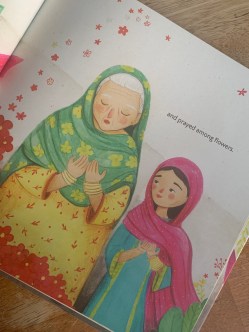
Channeling her Nani’s tenderness, she knows that she has to plant them if one day she wants to be surrounded by flowers. Maya loves flowers, dancing around them, praying among them. Maya finds a patch of earth. She longs for rain, she hopes for warmth. She makes way for the rays of the sun. The text talks of flowers, the illustrations show both the plant and the growing friendships. For days nothing happens, with the seeds or the classmates. But Maya remembers that seeds have a long journey from the ground up.

Maya nurtures her seed, just the one she dared plant, with love and kindness. She too feels ready to burst. Can she be brave enough to plant all the seeds, can she share them, and her self in her new world? Can their be warmth here, like there was over there? Can this too be home?

I love the symbolism and juxtaposition of the seeds growth with her own. The character arc and the transition of home being one place to being the other, is very well done, older readers will feel an aha moment when they grasp it and younger kids will enjoy both the surface story and the dialogue you can have with them about blossoming where planted.

Religion is not a strong thread, but Islam is present in her memories of her maternal grandmother and all the warmth and love that those memories contain. I love that the classmates were never mean, they just didn’t know her either. I wish there was a bit more diversity of skin tone and mobility in the classroom illustrations and the friend circle she is hoping to join. Overall, a beautiful OWN voice picture book that will be enjoyed for multiple bedtime, small group, and classroom readings.




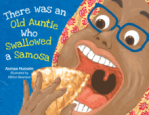

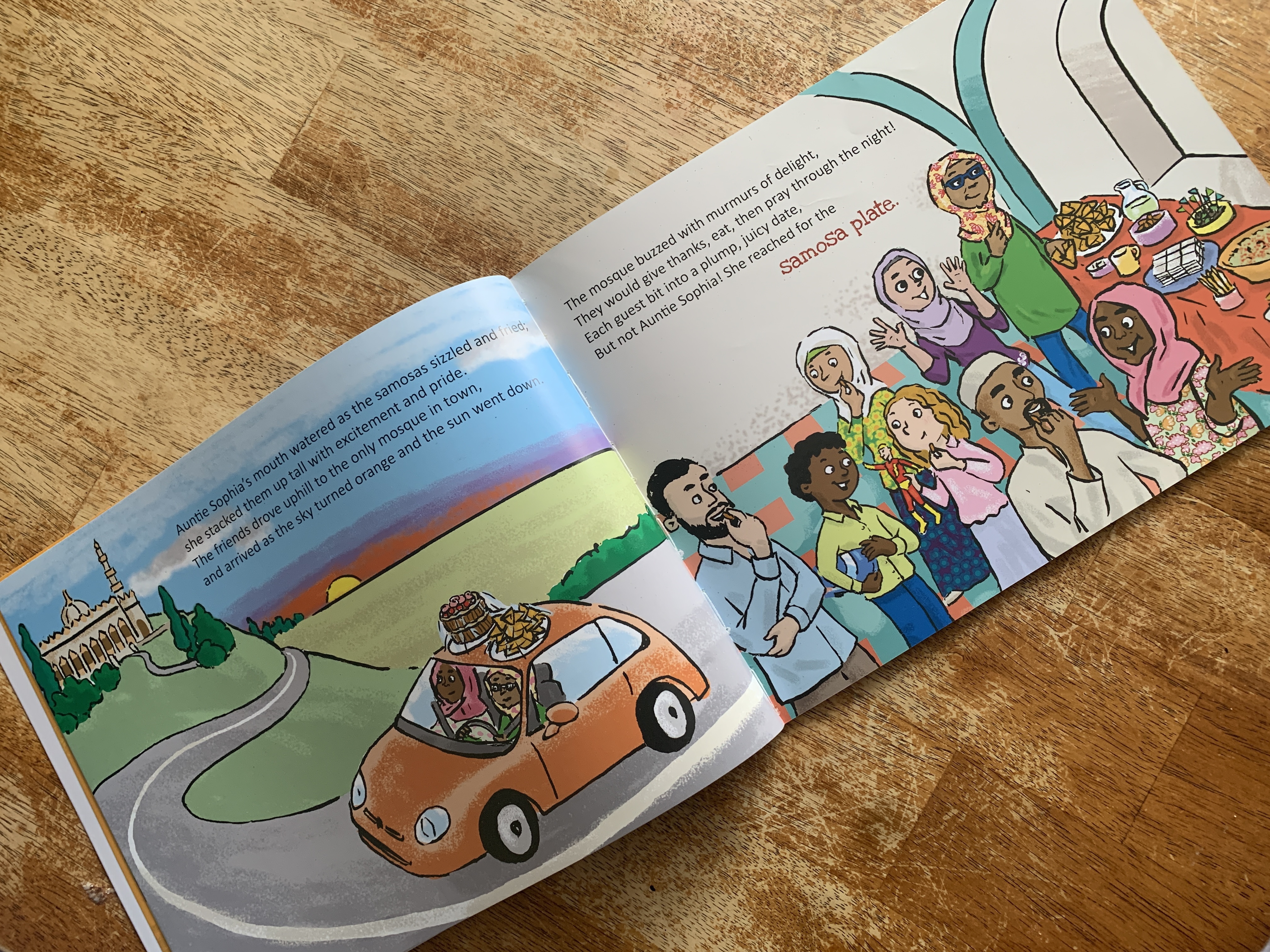
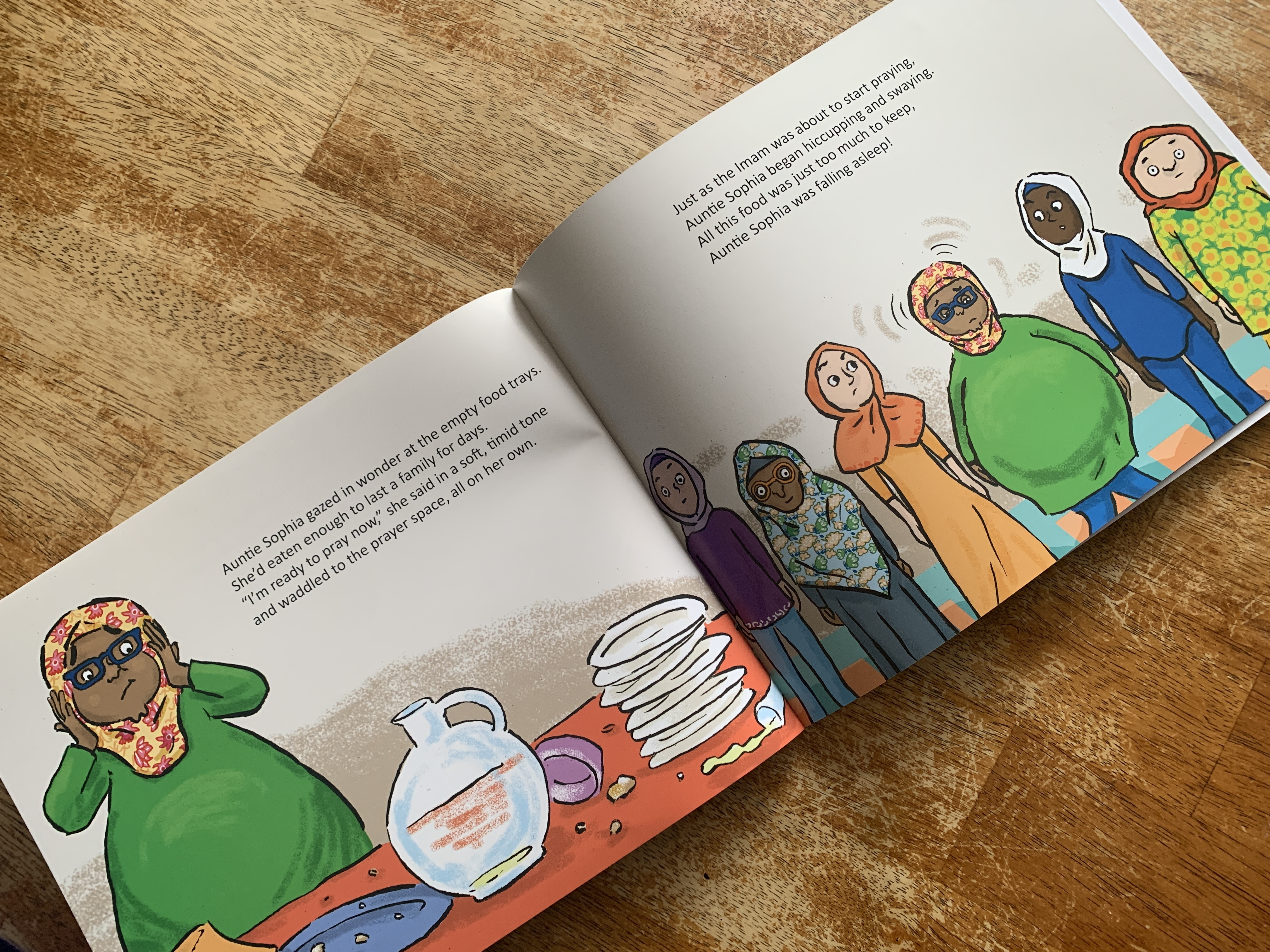
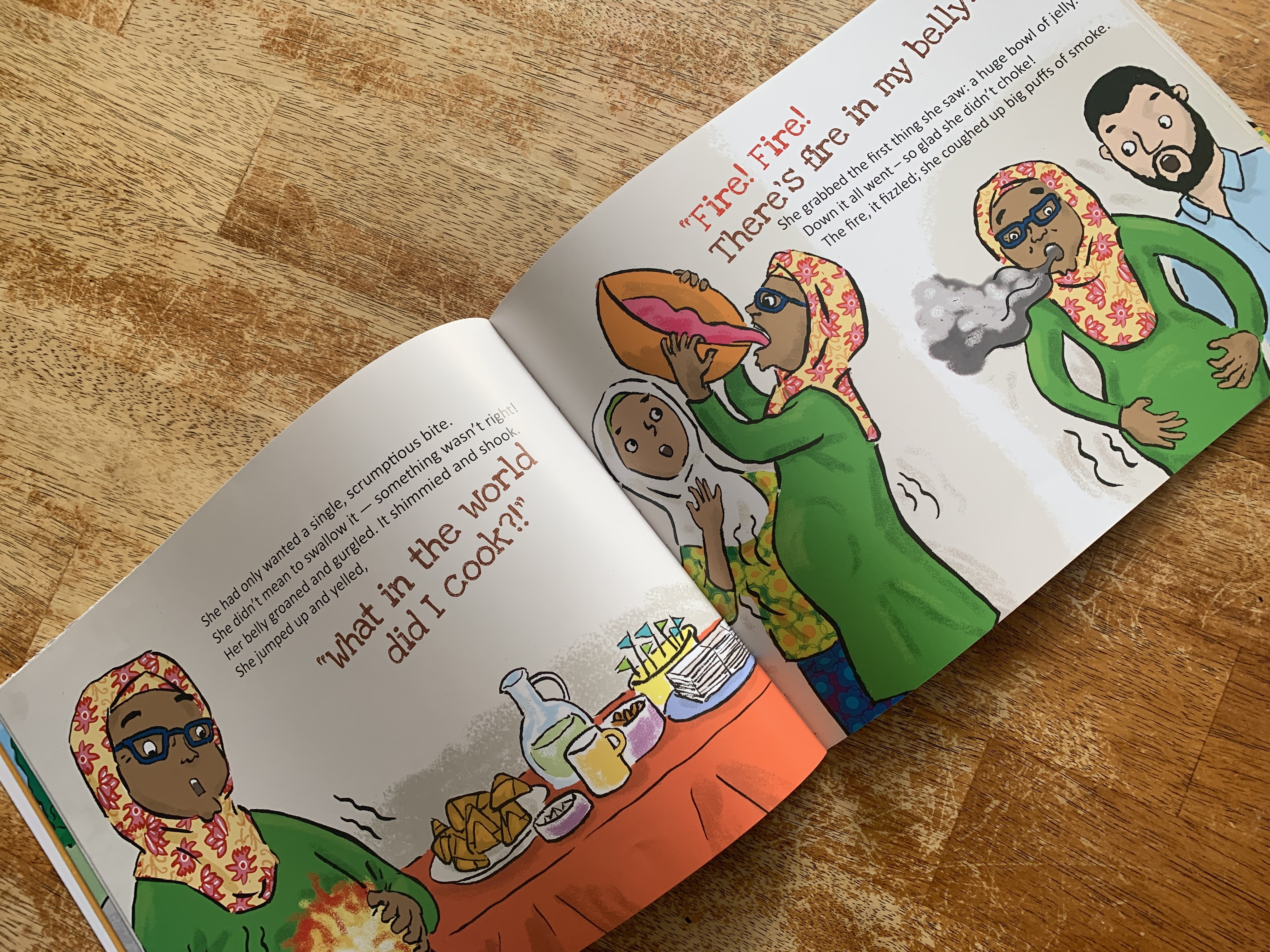

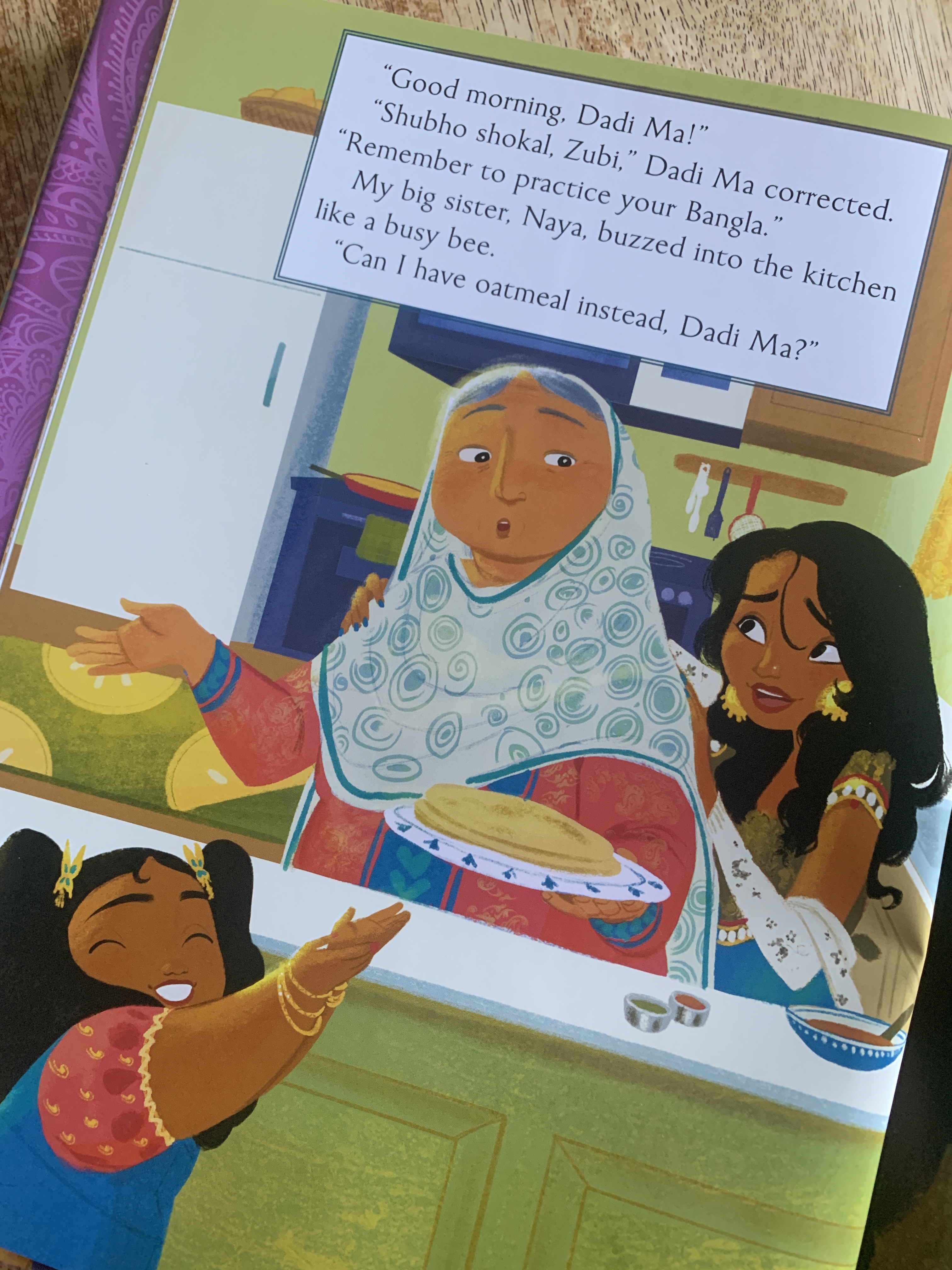
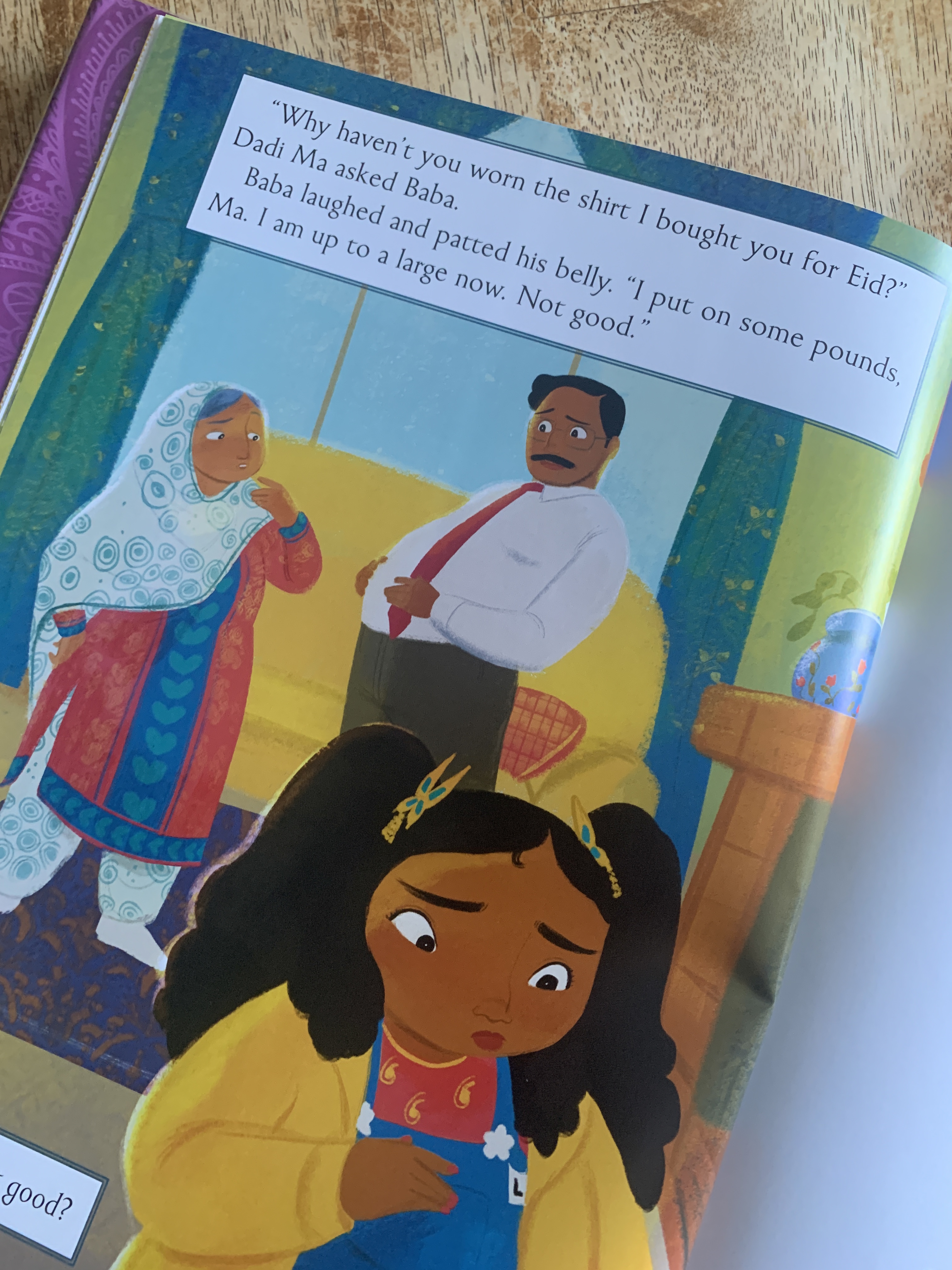
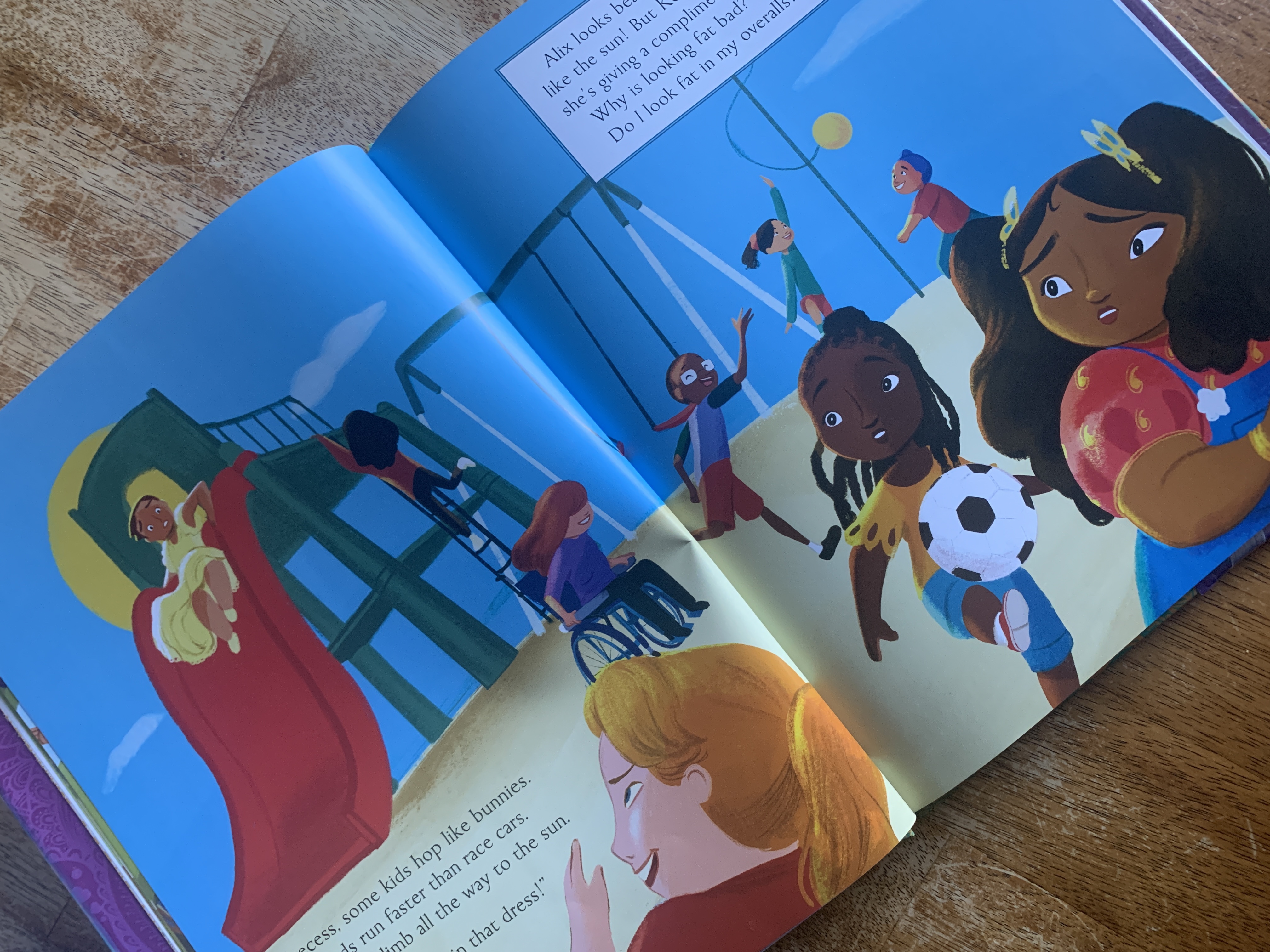
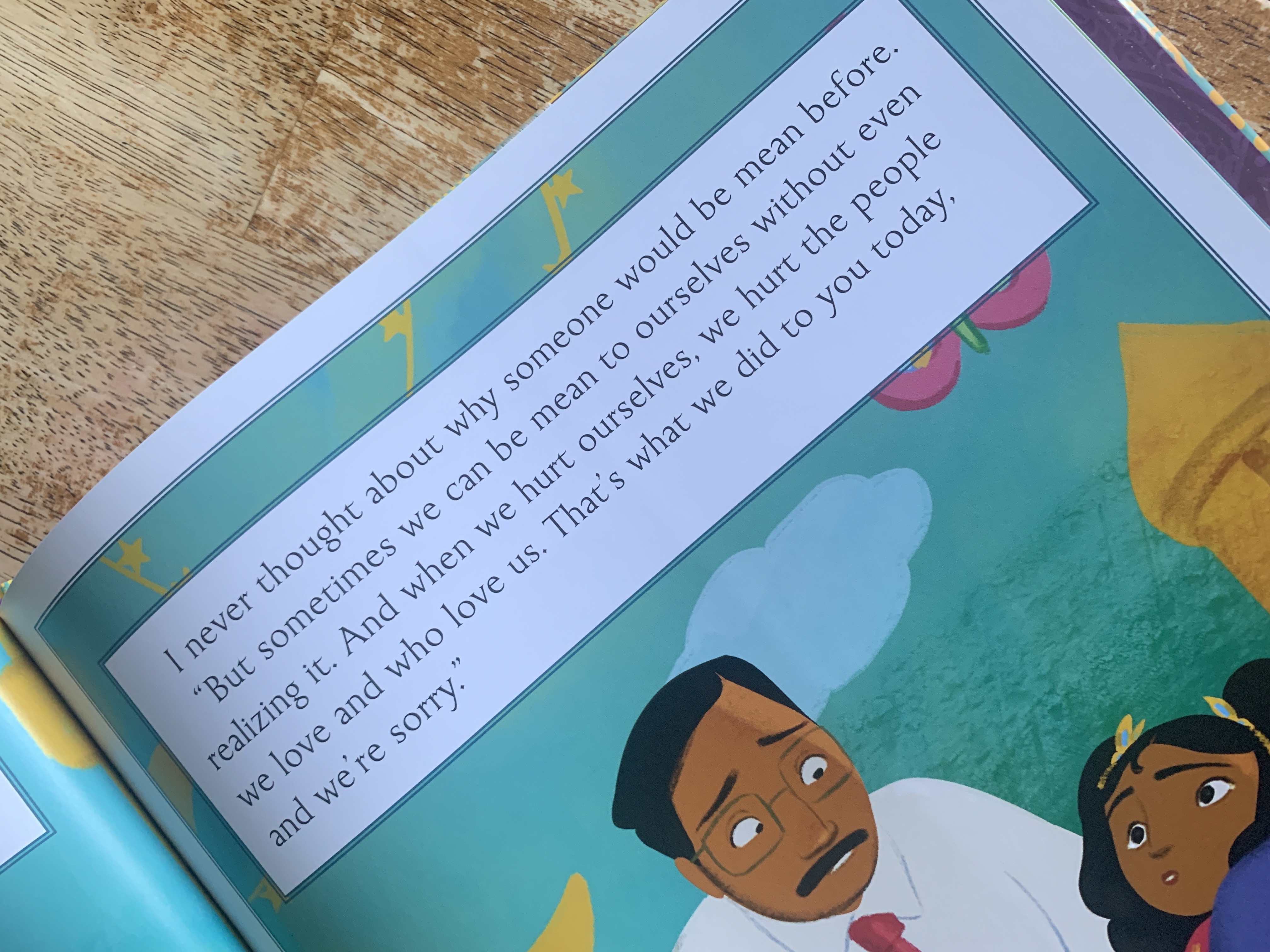
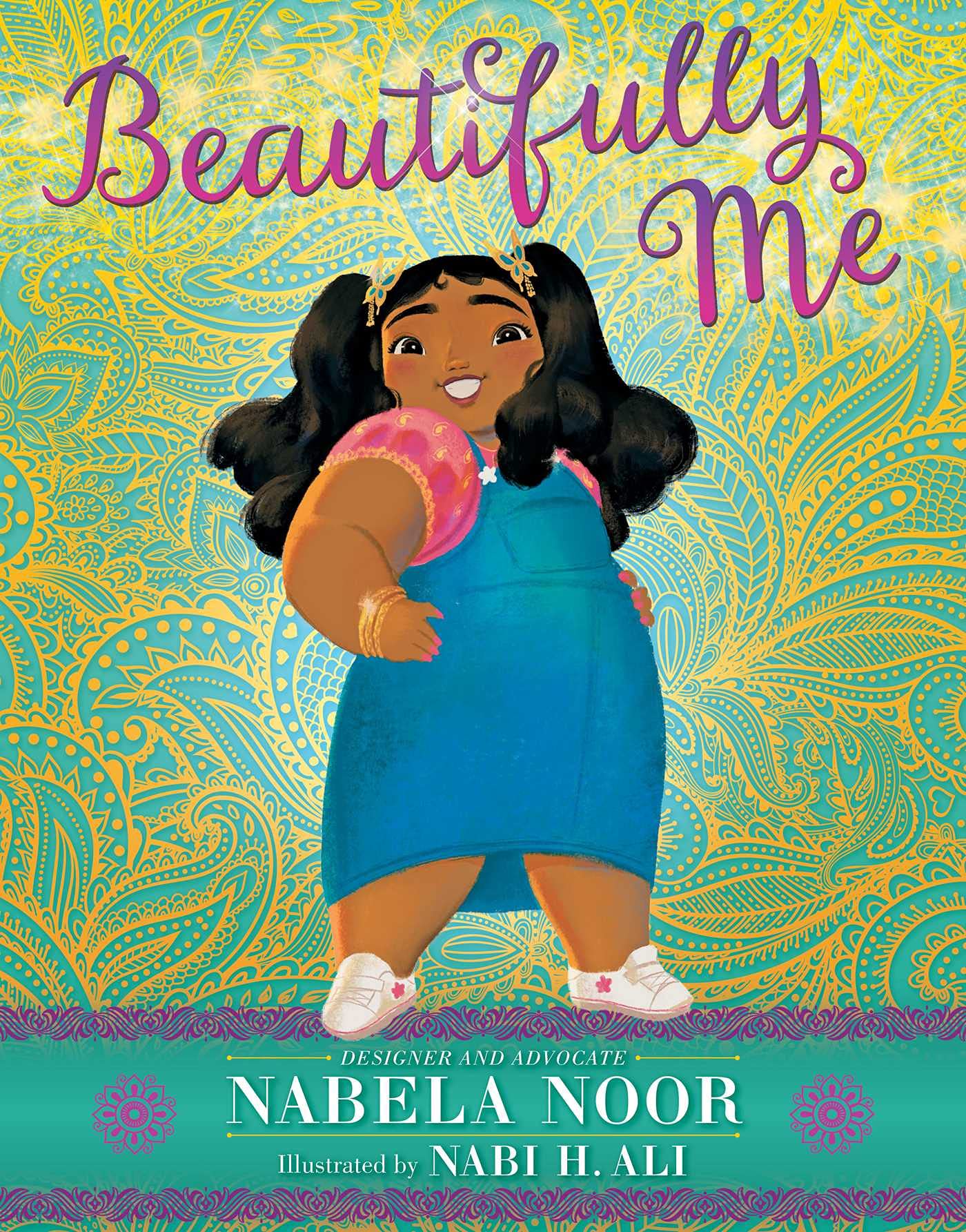 This 40 page glowing OWN voice book bursts with body size positivity, Bangladeshi culture, Islamic terminology, diversity, and a beautiful message. The illustrations and theme alone make the book worth your time and reveal how few body positive books are out there for our early elementary aged children. That being said, the book might require or benefit from some child led discussion. If your child is aware of various body shapes including their own, then this book is a great mirror to build them up and as a tool in emphasizing the critical importance of understanding and knowing people are beautiful just as they are. If your child doesn’t seem to be aware that society views individuals with a larger body size as being a negative, this book might take a little navigating as the theme is more focused on pushing back on fat shaming than it is on accepting all body types. The book also opens its self up to discussions about pronoun identity, what beauty means, why people tease or be mean to themselves and others, and being aware of how our words affect those around us.