Tag Archives: Non Fiction

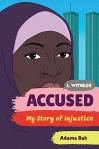
Accused: My Story of Injustice (I, Witness Series Book 1) by Adama Bah

Standard
Accused: My Story of Injustice (I, Witness Series Book 1) by Adama Bah

adama

This is the first book in a new middle grades nonfiction series and is Adama Bah telling her own story about being detained as a 16 year old and falsely accused of being a suicide bomber.  A story that sounds like a movie plot is painfully real and terrifying and hearing it in her own words is powerful and impactful.  The writing is very basic in its linear format and straightforward presentation of the experience through her eyes.  It is not sensationalized or overly explanatory about how this situation came to be, how she got out of it, or what the family had to go to to find lawyers and pay for them, for example.  It is how she felt, what she understood at the time, and how the experience shaped her.  While the writing style is sufficient for middle grades, her story is intense.  A big part of her experience is being strip searched, exposed, and seeking asylum to avoid female circumcision.  The 128 page book is a great way to show the realities of our world.  It took place in the 2000, the recent past, to a New York teenager that enjoyed different colored sneakers, chatting with her friends, and spending time with her family, no different than the readers picking up her story to read.

SYNOPSIS:

Adama was born in Conakry, Guinea in 1988 and moved to America as a child.  She attended public school until high school when she was then sent to an Islamic boarding School in Buffalo, New York.  Her family was not particularly religious, but Adama become more visibly Muslim returning home after the attacks on September 11, wearing niqab and wondering why she was being treated with such hostility at the airport.  As she resumes her education in public school, she slowly makes the choice to take off her niqab, while maintaining her hijab and modest clothing.  In 2005 she and her father are taken in to custody early in the morning from their home and detained.  During the questioning at 16 years old, Adama learns that she is not a legal US citizen.  Her father is separated from her, to be deported, and she is moved to Pennsylvania as the youngest person swept up in a terrorist roundup.  She is being accused of being a potential suicide bomber and is detained for six weeks before a plea deal is brokered.  She will wear an ankle monitor for three years and have a nightly curfew.  During this time she is responsible to care for her family as her father has been returned to Guinea, her mother speaks very little english and she has four younger siblings.  Even after the bracelet is removed she finds herself still on no-fly lists and finally after one more time being denied and detained at the airport, she sues the Attorney General, FBI Director, and the Director of the Terrorist Screening Center. When they learn of this they offer to remove her from the no-fly list if she withdraws her case. She is granted asylum and while she had to drop out of school, she dreams of going back.  She has since married, her dad has been able to return to America, and she continues to study Islam and believe that things could have been worse.

WHY I LIKE IT:

I love that it is her story, from her eyes and perspective, but I worry that some of the details are misplaced.  She details enjoying talking bad about the government with a friend after she is released knowing that they are listening in, but maintains that she is constantly in fear of being returned to jail and that she considers America her home.  I’m not saying all of those things can’t be true and co exist, but some additional context would help the choppiness in this example and others.  I appreciated that the genital mutilation was clearly attributed to culture and not religion, I think when others tell stories about cultural and religious practices they often conflate the two.  I wish there was more information about where this mysterious list came from, what happened to the Bengali girl that was taken, how the Islamic community reacted.  The story is powerful and moving, and readers will be drawn in as they see themselves in her.  There are also questions at the end that help connect readers to her situation, and the reality that this is the unjust world we live in and can easily be consumed by as she nearly was.

FLAGS:

Detailing a strip search, detailing taking off her clothes, having orifices checked, and using the bathroom in the open.  There is talk of female circumcision although it doesn’t define it explicitly.

TOOLS FOR LEADING THE DISCUSSION:

I think in a high school Social Studies class or current events discussion this book would be a great topic to explore and voice to highlight.  The book is short and can be read very quickly.  It is an important story to know, to learn from, to sympathize with, and be acutely aware of for people of all ages.

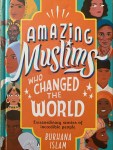
Amazing Muslims Who Changed the World: Extraordinary Stories of Incredible People by Burhana Islam illustrated by Reya Ahmed, Deema Alawa, Nabi H. Ali, Saffa Khan, Aaliya Jaleel and Aghnia Mardiyah

Standard
Amazing Muslims Who Changed the World: Extraordinary Stories of Incredible People by Burhana Islam illustrated by Reya Ahmed, Deema Alawa, Nabi H. Ali, Saffa Khan, Aaliya Jaleel and Aghnia Mardiyah

img_8359

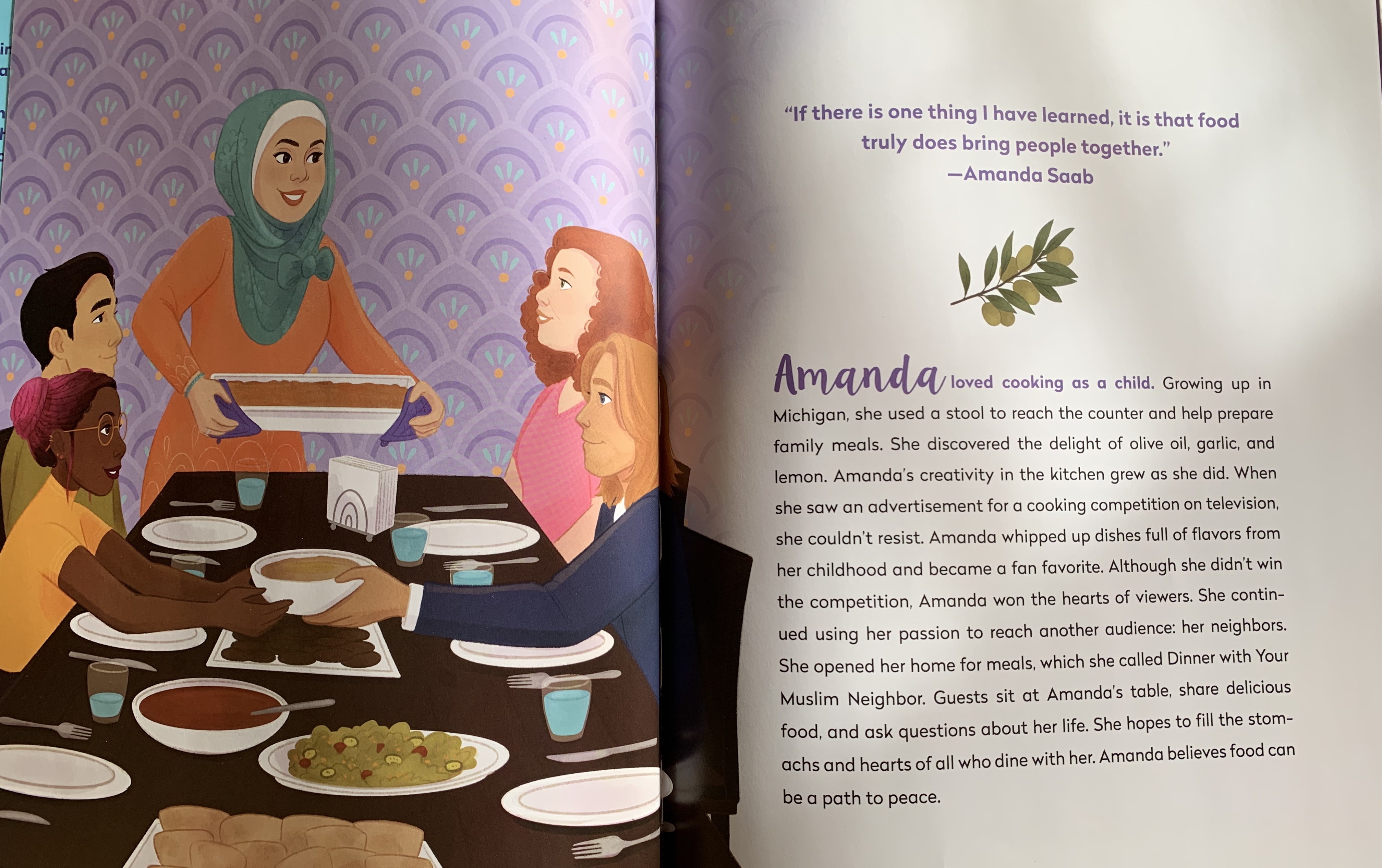
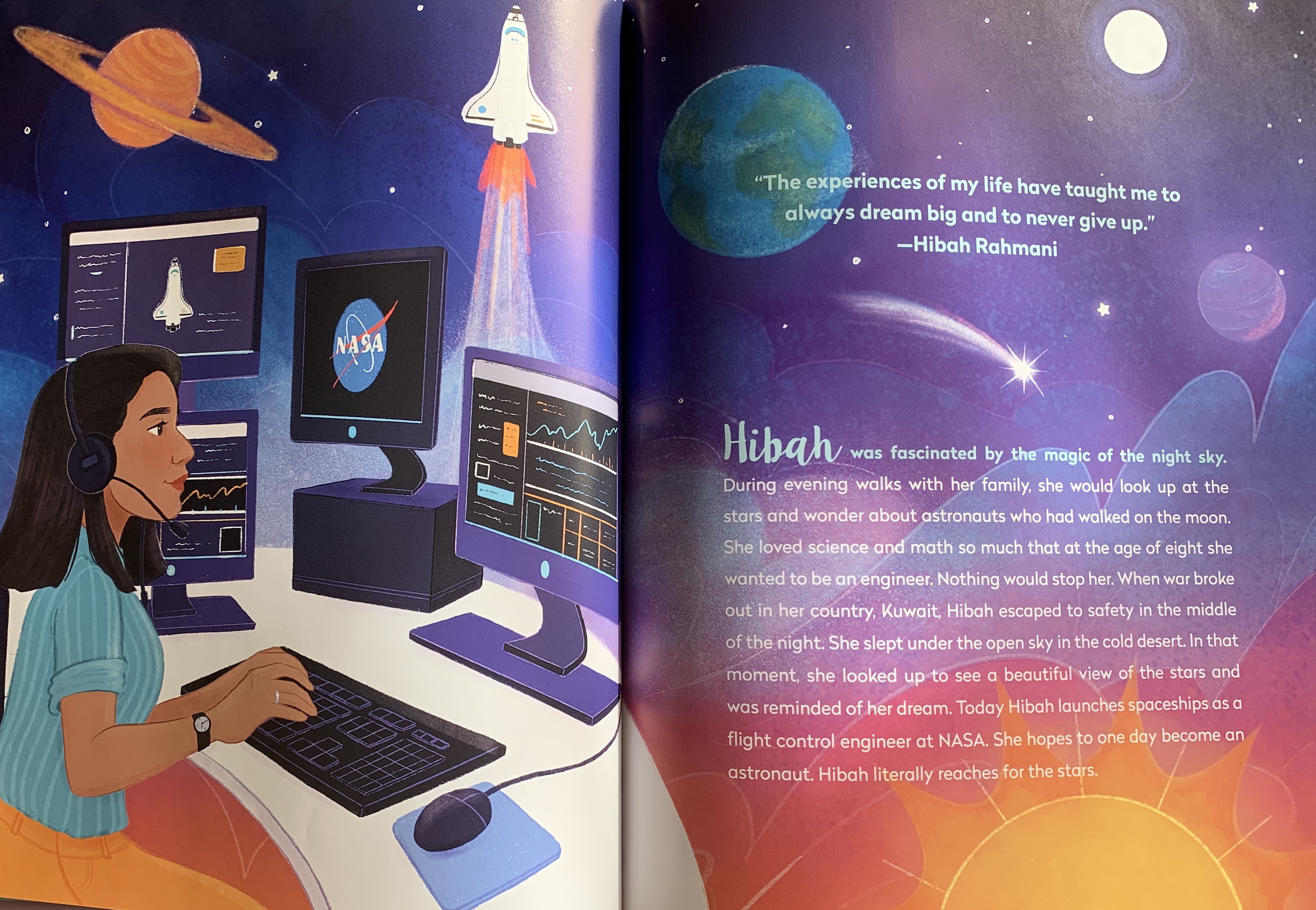
The 30 stories presented over 197 pages are inspiring, and this compilation so desperately overdue. The book is not chronological it is completely random, and at first I was confused, but as I made my way through the book, I actually grew to love not knowing who I would be reading about next.  Yes, there is a table of contents, but the point being that you don’t have to be born into royalty, or be a warrior, or have lived a long time ago to be amazing, you just have to follow your passion.  I learned so much about people I thought I knew about, and was tickled to learn about people I have never heard of: bakers, athletes, actors, educated slaves, architects, spies, singers, scientists and politicians.

img_8360

At the end of each six page illustrated blurb is an “Interesting Fact” and at the end of the entire book are some activities in the “Amazing Extras” section.  Readers can crack a code like Noor Inayat Khan who helped the Allies decode and send secret messages from France to Britain or write a poem like Rumi, a song like Yusuf Islam (Cat Stevens), draw a superhero like G. Willow Wilson, make a camera following the science of Hasan Ibn Al-Haytham, or color a picture of Muhammad Al-Idrisi.

img_8361

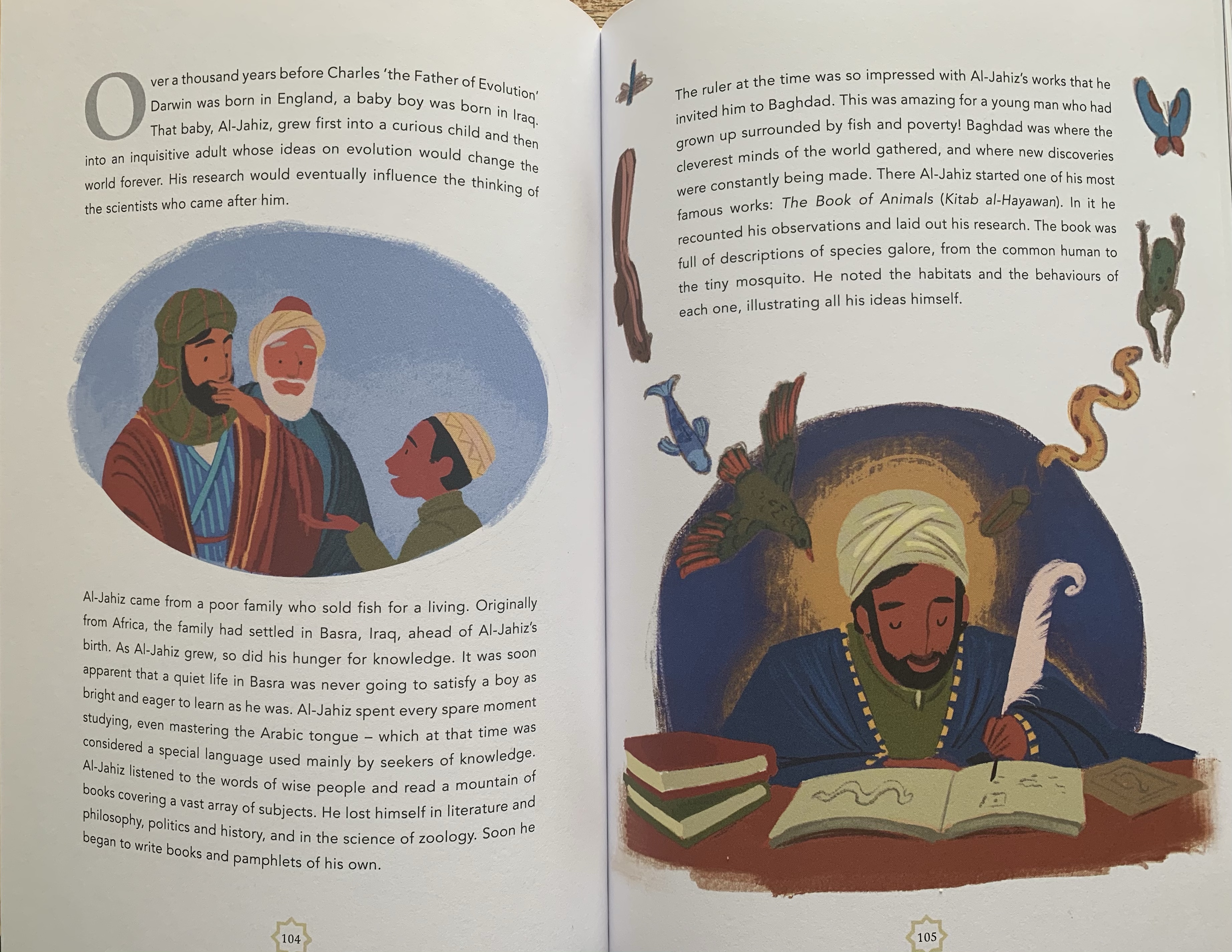
My favorite biographies were those that I knew little or nothing about before hand.  If I had to pick two favorite among all of those sections, I’d pick Khawlah bint Al-Azwar and Ayuba Suleiman Diallo.

img_8362

In 600 CE Arabia, Khawah, the masked knight, learned how to fight along side her brother and eventually served with Khalid ibn Waleed in battle.  It is said that she killed the Byzantine leader that captured her and then asked for her hand in marriage.

img_8365

Ayuba Suleiman Diallo in the 1700s in modern day Senegal was a highly educated man who was captured and forced in to slavery in Maryland, USA, interacted with James Oglethorpe, found himself being sent to England and with the help of a Thomas Bluett was able to be freed and eventually return home a free man. SubhanAllah!

img_8363

This book has it all: famous Muslim men, famous Muslim women, Black Muslims, Arab Muslims, European Muslims, American Muslims, Asian Muslims, African Muslims, Muslims who lived a long time ago, Muslims who are still alive all jumbled up and beautifully presented by a Muslim author and a handful of Muslim illustrators. This book is wonderful for 3rd graders to adults and would be a benefit on any book shelf.  It is worth noting there are no sources given, and doesn’t explain how the people were chosen to be included in the book.

Amazing Women of the Middle East: 25 Stories from Ancient Times to Present Day by Wafa’ Tarnowska

Standard
Amazing Women of the Middle East: 25 Stories from Ancient Times to Present Day by Wafa’ Tarnowska

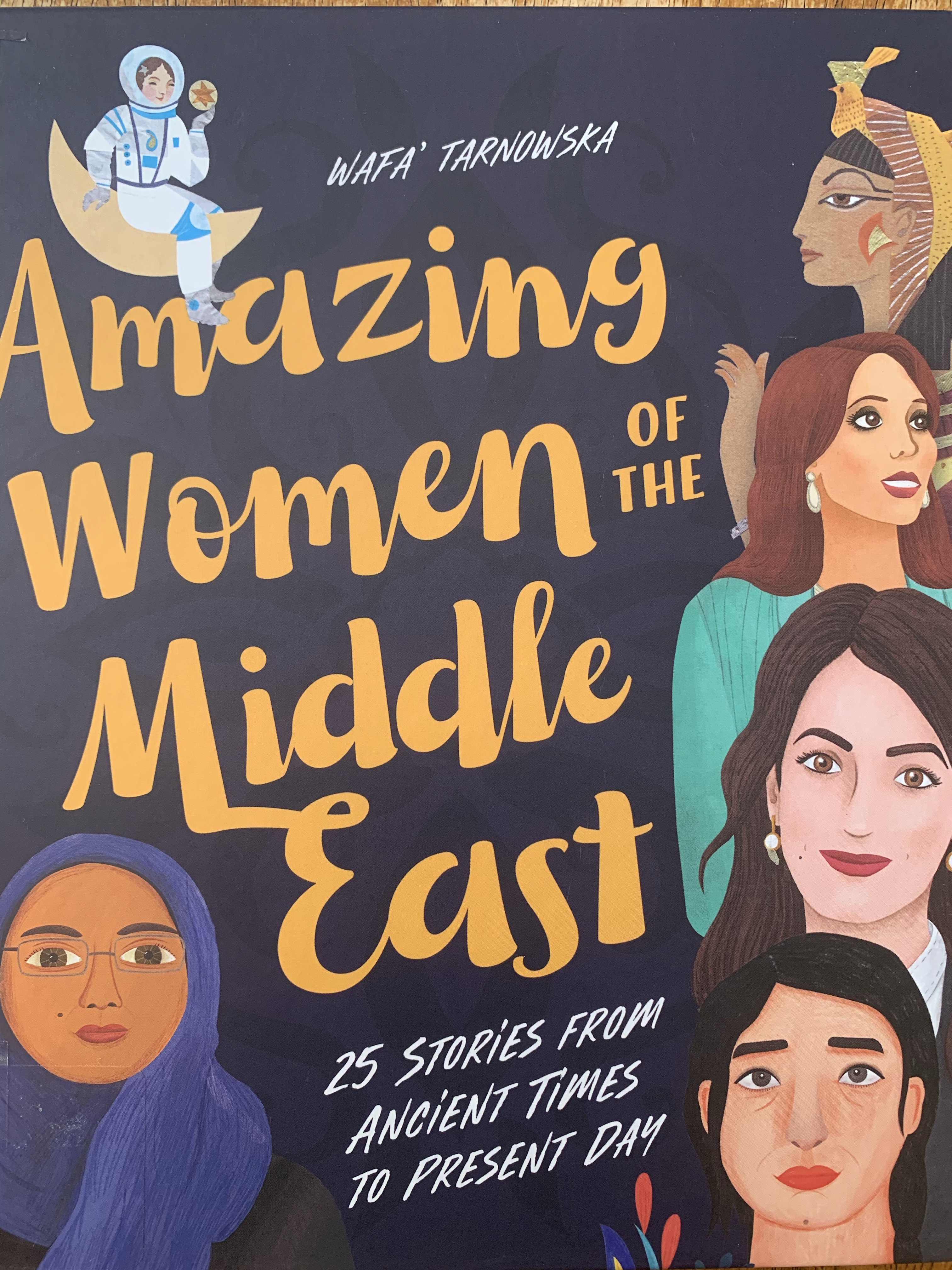
img_7464A nonfiction picture book for teens that features amazing women from ancient times to the present day.  Many of the women featured are Muslim and each entry receives a teasing summation page with a full page portrait from one of five international artists before a two page, more in-depth biography is presented.  The 112 pages feature an introduction, and a map to start the book off, and acknowledgements and a glossary at the end.  There are large time gaps that I wish would have been commented on, the geographical pool includes India which surprised me, and in one of the entries the way hijab is discussed seemed judgmental to me, but other than that the stories are absolutely remarkable.  There are amazing women in every culture and throughout all time periods, but to see one that highlights a region that is stereotypically oppressive to women is a sight for sore eyes.  I learned so much and marveled at the intellect, bravery and determination shown from being rulers of empires to intellectuals to scientists and artists everything in between.

The book starts with Nefertiti born in 1370 BCE and concludes with Zahra Lari, a hijab wearing ice skater from the United Arab Emirates born in 1995.  There are “celebrities” such as Amal Clooney, Fairuz, Cleopatra, Sheherazade and many that might not be as well known.

I particularly enjoyed learning about Zenobia the 3rd century warrior queen who conquered a third of the Roman empire in just five years.  Sufi mystic and poet Rabi’a al Adawiyya and her devotion to Allah swt.  Eqyptian Shajarat al-Durr who was nicknamed Queen of the Muslims in the 13th century.  And Hurrem Sultan from the Ottoman Empire.

Not every one featured was a ruler or married to one, and not are so far in the past, which in many ways gives the collection it’s charm.  Somayya Jabarti was the first female editor-in-chief in Saudi Arabia in 2014 and  Maha al Balushi is the first Omani woman to fly professionally for her country’s airline in 2010, examples of two women presented that cracked the glass ceiling by following their own dreams.

It is great to learn about the strength of the women from the past and see how to add to the legacy.  The book is a great reference, as well as a source of inspiration for people of all backgrounds to enjoy and appreciate.  I found the book at my local public library in the YA/Teen nonfiction women section.

The Cat Man of Aleppo by Irene Latham and Karim Shamsi-Basha illustrated by Yujo Shimzu

Standard
The Cat Man of Aleppo by Irene Latham and Karim Shamsi-Basha illustrated by Yujo Shimzu

cat man

This 40 page true story about Mohammad Alaa Aljaleel of Aleppo aka the Cat Man shows how one person can make a difference even in the middle of a war.  The amount of text on the page, the topic covered, and the detailed illustrations will most appeal to second graders and up, but younger kids, particularly those that love animals, will enjoy the story as well.

D63A0C5F-727E-427A-AF82-31AAB49F8F51

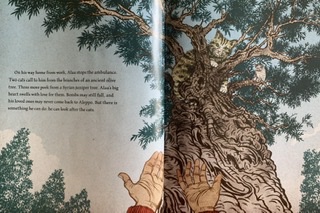
Alaa loves his city: the markets, the foods, the people.  When war comes, he doesn’t flee, he keeps working as an ambulance driver.  He has a big heart.  His sees destroyed neighborhoods where everyone has left, except for the cats.  There is no one to feed them and give them water, and Alaa feels for them.

E286EEDD-0114-4A0C-A712-DC8F162F4AC6

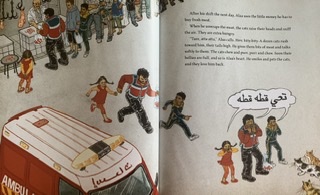
After his shift he buys meat, and feeds over a dozen cats.  He does this everyday and soon a dozen turns in to fifty and he realizes that he can no longer care for the cats alone.  He needs a place for them.

43F2DBA2-9364-4107-93F2-983172AE9191

Word spreads and volunteers and donations start pouring in.  He purchases a building with a shaded courtyard and soon cats are everywhere.  When people leave Aleppo they bring their beloved cats to him, and even other animals start arriving.  Alaa even builds a playground for the children and digs a well so everyone can have fresh water.

ABA9B59B-43F3-4EEF-83AE-8CC8461D8CAA

The book is pretty straightforward and steady, it doesn’t have much emotion for such a powerful true story, but it will still hit the mark in inspiring children to show kindness and compassion for animals and others.

6B5F68B3-1DA4-4117-A66A-7210DACC468F

There are notes from each other and the illustrator at the end that share light on their connection to the story and the situation in Syria.  There is nothing religious in the book other than a few females in hijab.

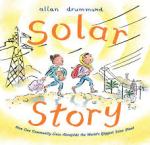
Solar Story: How One Community Lives Alongside the World’s Biggest Solar Plant by Allan Drummond

Standard
Solar Story: How One Community Lives Alongside the World’s Biggest Solar Plant by Allan Drummond

Set in Morrocco, the fictionalized framing of a children’s story about solar energy and sustainability at the the world’s largest solar plant in Ghassate will appeal to curious children in kindergarten and up. Told through the every day life of Jasmine, a little girl living near the plant, the concepts are not technical, but give a broad overview allowing readers to understand how impressive solar energy is, as well as the disparity that exists in the world. Over 40 pages with factual sidebars and an author’s note at the end, children who enjoy the story and are curious about the reality of it all will find an easy opportunity to learn more.

Jasmine and her friend Nadia live in Morocco between the High Atlas mountains and the huge Sahara desert. It is always sunny where they live.

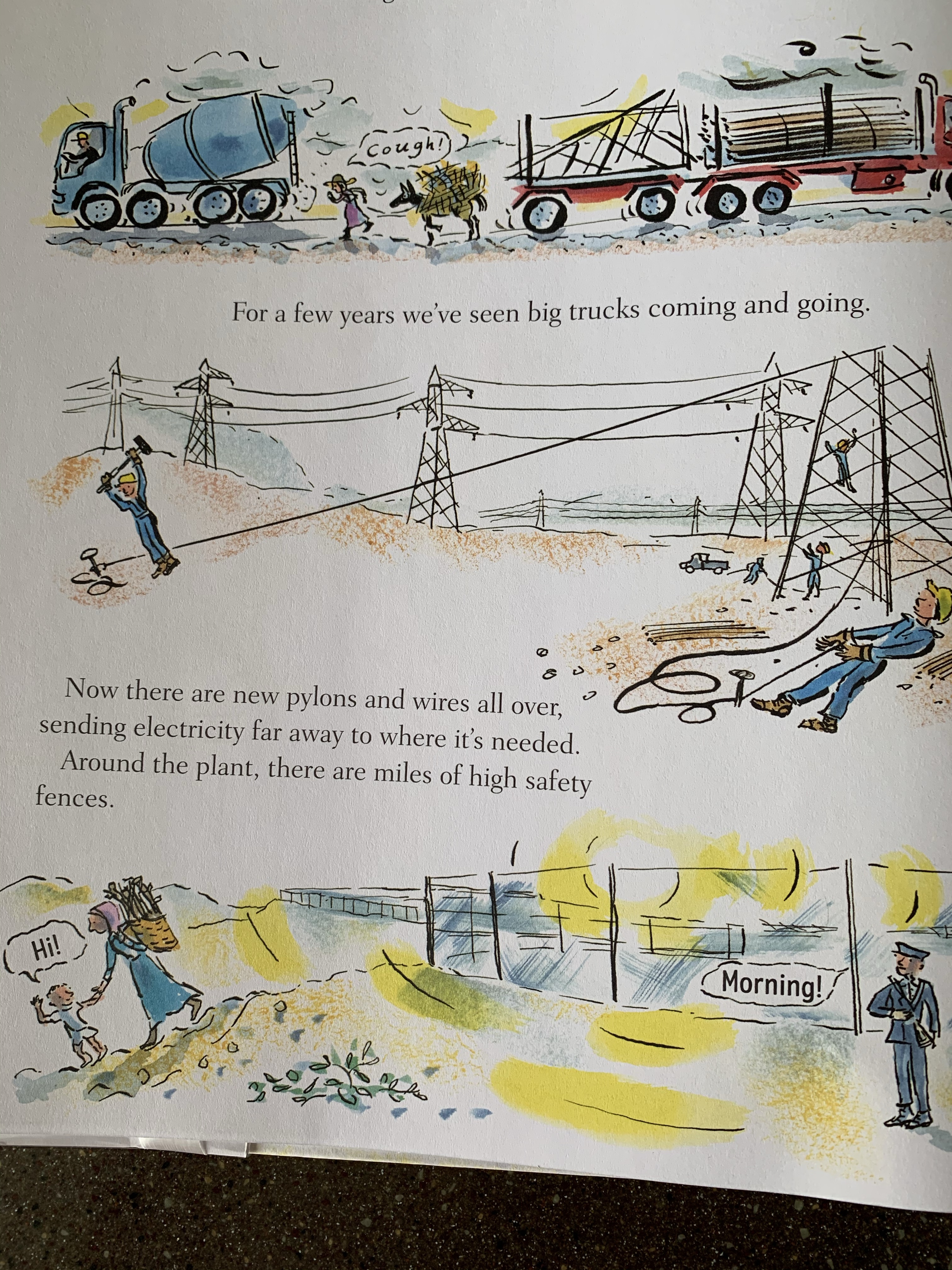
They talk a lot about making energy from sunshine as they watch trucks going and coming from the world’s largest solar plant. Their teacher likes to ask them about the big changes happening in their world.

As the villagers tend to their sheep and cows, they cook on open fires and bake bread in clay ovens all while keeping an eye on the workers making the largest solar tower in the world. Jasmine’s dad rides a mule to work and many classmates parents work at the state of the art plant. The contrast is obvious.

The next day at school Miss Abdellam the teacher asks the students about sustainability. And the book doesn’t define the concept right away. First the class goes on a field trip to the solar plant.

At the plant the size of 3,500 soccer fields they see the 660,000 mirrors that follow the sun like sunflowers and bounce the rays to the 800 ft tower. The tower gets to a thousand degrees on top and heats water whose steam powers turbines and is turned into electricity.

The kids go home to work on their sustainability homework. With no internet or computers even, they have to think for themselves. The remaining pages define and provide examples of how solar power is changing life for the villagers and improving life for people not just in Morrocco or Northern Africa but potentially the entire world.

I love that the concept of sustainability isn’t just a definition it shows how it is in every day things, and those every day things lead to big things that are both tangible and ideological. The author/illustrator acknowledges his own surprise and bias when he learned that the largest solar power plant was in Nothern Africa. I love that some of the females wear hijab, and some do not, and that the teacher and some of the parents at the solar plant are female. There is nothing religious even mentioned in the book, but the visibly Muslim characters are empowering and honest for a story about science and Morocco.

Alia’s Mission: Saving the Books of Iraq by Mark Alan Stamaty

Standard
Alia’s Mission: Saving the Books of Iraq by Mark Alan Stamaty

alia

Based on the true story of Alia Muhammed Baker, the Basra librarian who saved 30,000 books in 2003 from the destruction during the Iraq War, this 32 page graphic novel, is an AR 3.9 and while it isn’t a chapter book and isn’t just a picture book, it works well for 2nd through 4th grade readers that will enjoy a bit of history, a lot of excitement, and detailed panels that make the story come to life.  The story, as it is based on fact, is very similar to The Librarian of Basra, but with it’s different presentation style, might appeal to a larger audience to appreciate and celebrate what she did to save such precious books, naturally, I’m a huge fan!

5532A37C-C4DF-46FA-8334-5F4AA3A06AB5

SYNOPSIS:

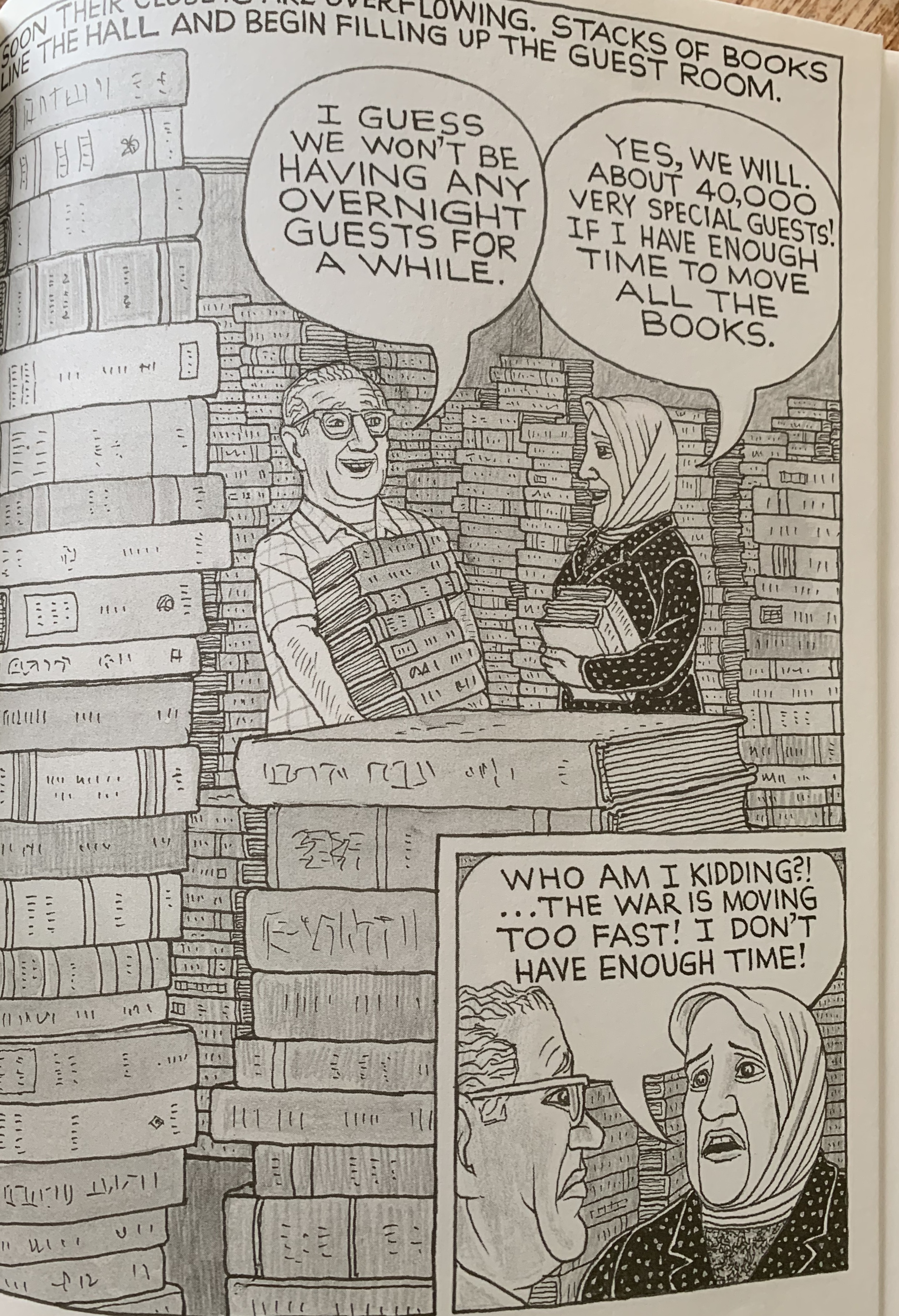
Alia is the Chief Librarian of Basra Central Library and has always loved books and learning.  As war draws closer, she tells her husband she is worried that the library could be bombed or set ablaze.  She goes to the government to voice her concerns and ask that the books are relocated, but her request is denied.  So she takes matters in to her own hands, and starts smuggling books under her shawl and in to her car, and stacks them in her home.  Every day she does this for a week, soon closets are over flowing and she starts stacking the books in her guest room.  Worried that she isn’t making fast enough progress, she gets the restaurant owner next door to help her when looters start taking the pencil sharpeners and furniture from the library.  She has a plan to have everyone possible come together to move the books, and many people come to help.

Eventually the library is set on fire, the news gives Alia a stroke.  When she recovers she learns she saved 30,000 books, and up next for this real life super hero? Building a new library, inshaAllah.

A3A17616-7940-4E80-8CA1-9798A8BA4FC8

WHY I LIKE IT:

I love that it shows the value of libraries and books, the determination of one person, and the support of a community.  People are awful during a war, yet, sometimes they are pretty amazing too.  The illustrations are detailed and varied, with inviting text and clear concise language.  It really is well done.

B0FB5A2A-7376-4F20-BCD1-6D64956B77C6

FLAGS:

Destruction of property, sneaking, looting.

TOOLS FOR LEADING THE DISCUSSION:

I think it would be great to have kids read this story and the librarian of Basra and discuss


The World is Not a Rectangle: A Portrait of Architect Zaha Hadid by Jeanette Winter

Standard
The World is Not a Rectangle: A Portrait of Architect Zaha Hadid by Jeanette Winter

rectangle

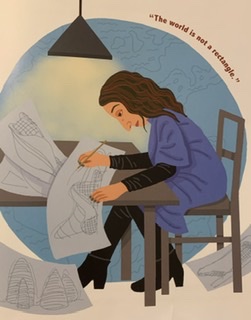
This non fiction book spread over 56 pages on an AR 4.0 level is the biography of the famed Iraqi architect’s inspiration, triumph over obstacles and accomplishments.  It doesn’t go in to great detail of her life, but gives enough information for children to become familiar with her and be inspired by all that she accomplished not only as an Arab, Muslim woman, but as an architect and trail blazer of design and structure.  The pages are beautifully illustrated and the simple text flows and dances around the pages like her buildings in real life.

0BE54CFC-BBDB-4507-9DDA-FDA54576B014

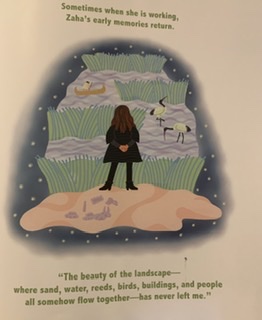
Born in Iraq where rivers flow, wind swoops across sand dunes, and cities existed thousands of years ago, Zaha finds designs and shapes throughout her home and the city of Baghdad.  She has ideas about arrangements of furniture and designs of clothing, she loves that dunes and rivers and marshes don’t have corners.

CEE97AF8-91A3-46AC-A63E-E3484F1790B1

She is a Muslim that attends Catholic school and loves math.  She goes to London for college to study to be an architect. She is relentless in her passion and fills notebooks with plans, paintings with what she sees in her mind and graduates with honors.

94EC3F0A-2584-4786-9FF8-9FE173CB04A5

She opens her own office and with a few friends, she designs buildings that swoosh and zoom and flow and fly.  The world is not a rectangle, but unfortunately no one wants to build her designs.  She keeps entering competitions, and winning, but they refuse to build her buildings.

FE2B9584-E1C6-4B19-94B8-9684A9F6BC0C

She designs buildings that come from her memory of grasses swaying, and wind blowing over dunes, and shells being cradled.  She designs an opera house like a pebble in the water, with the singer the pearl.  A ski jump that reaches the sky like a mountain.

91BAFF18-340B-4334-B856-5984A4CF1060

One by one, Zaha’s designs become buildings all over the world.  She has over 400 employees and designs buildings, shoes, doll houses, furniture, she does what she likes and urges others to do so as well.  Zaha passed away in 2016, but her visions are still carried out.


The Story of the Holy Prophet Muhammad (peace and blessings of Allah be on him): Ramadan Classics: 30 Stories for 30 Nights by Humera Malik

Standard
The Story of the Holy Prophet Muhammad (peace and blessings of Allah be on him): Ramadan Classics: 30 Stories for 30 Nights by Humera Malik

the story of prophet muhammad

I debated posting about this book for so long that Ramadan is more than half over.  But as a reference for years to come, I thought I should go ahead and throw my late support toward this Ramadan tradition and a book deserving of space on your shelf for children 4th grade and up.  I’ve seen people praising it for a few years, and finally I ordered it this year, however, I wanted to not only read it, but also test it out first: reading a story a day, discussing and asking the correlating questions with my own children, before reporting back.  I cannot and thus won’t comment on the accuracy of authenticity of the book, nothing stood out as erroneous to me and there is a bibliography at the back, but there is a reason I try and steer clear of non fiction, I’m just not qualified to comment.

SYNOPSIS:

The book starts with the birth of Prophet Muhammad (saw) and ends with the selection of Abu Bakr (ra) as the first Khalifah.  Each chapter is between one-and-a-half to two-and-a-half pages and the 30 chapters plus one Eid day chapter (so a total of 31), covers 103 pages in all.  There are a few pictures of where the Battle of Badr took place, the Cave of Hira, not many.  There are three questions at the back of the book for each of the chapters, but no answers.  The book is pretty linear, just the second chapter bounces back to Prophet Abraham (as) and Hagar and the story of Zamzam and then the rebuilding of the Ka’bah.  It is a glorified timeline, which in this case is a good thing.  It doesn’t go off on tangents or provide a ton of outside references, it is concise and general, but hits the key parts: marriage to Khadijah, first revelation, migration to Abyssinia, Taif, Hijrah, treatment of slaves, year of sorrow, Battle of Badr, Battle of Uhud, Treaty of Hudaibiyah, it talks of tensions with various tribes, coming to an agreement about the Khalifah, and more.

I think younger children might possibly be able to have the short chapters read to them and then explained, but really, it would be a lot to process.  The words are simplified and the gist of situations are conveyed, but topics aren’t necessarily shied away from.  It discusses that Prophet Muhammad (saw) had more than one wife, and that there were slaves, and there were tensions with the Jews, and Bilal was tortured, all things that picture books might skip over.

WHY I LIKE IT:

I like that even my young teen could read and involve herself without feeling like the exercise was childish.  Many of the answers are open ended in nature and require more than just a one word answer.  It allows for children to add other facts that they know about RasulAllah to the dialogue and make connections to our history with our current life very easily.  Even children that know the story of Prophet Muhammad (saw) will find the book engaging and smooth enough to read through again (and hopefully again each Ramadan) and learn new tidbits, understand concepts more clearly and be reminded about the beauty of our Prophet.

FLAGS:

Nothing

TOOLS FOR LEADING THE DISCUSSION:

If I was a teacher, I would definitely start each morning reading a chapter and doing the Q and A, whether it was Ramadan or not.  I think we need to be more connected to our Prophet and grow our love and appreciation for him, so books like this are such a great tool in accomplishing that goal.


Muslim Girls Rise: Inspirational Champions of Our Time by Saira Mir illustrated by Aaliya Jaleel

Standard
Muslim Girls Rise: Inspirational Champions of Our Time by Saira Mir illustrated by Aaliya Jaleel

rise

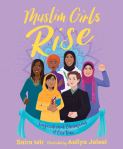
Women you have heard of, some you are meeting for the first time. Some you like, some you disagree with, women that cover, women that don’t, some young, others older, some athletic, some academic, some a little bit of both.  One fictional, a few political, but in the end, all strong women of today, all Muslim, all unique, from all over the world, all known for paving the way for others to follow.

C51C5834-B3C5-4D19-94B3-99B21ADF83EA

In 42 pages, 19 females are highlighted and illustrated to inspire Muslim and non Muslim boys and girls alike, but really Muslim girls will get the most out of it.  Sure a female gets mentioned here or there in other compilations of influential people of our time, but this one, well, this one seems mostly for us.

2D8175C8-0798-4AC1-BF15-D0A9C284AEA9

There are famous females in science, activism, fashion, film, sport, education, media influencers, make-up artists, you name it, and Muslim’s participate, so finally a book shining a light on the best of the best.  With each person getting a full two page spread, a few tidbits about who they are and what they are “famous” for are detailed in easy to read sentences that inspire, and if you haven’t heard of them before, enough general knowledge to get acquainted.  A few felt a little generic, but once you have a name, Googling them or researching them, is obviously, not difficult.

6D798E55-709C-442A-8DFF-4BA184C960E1

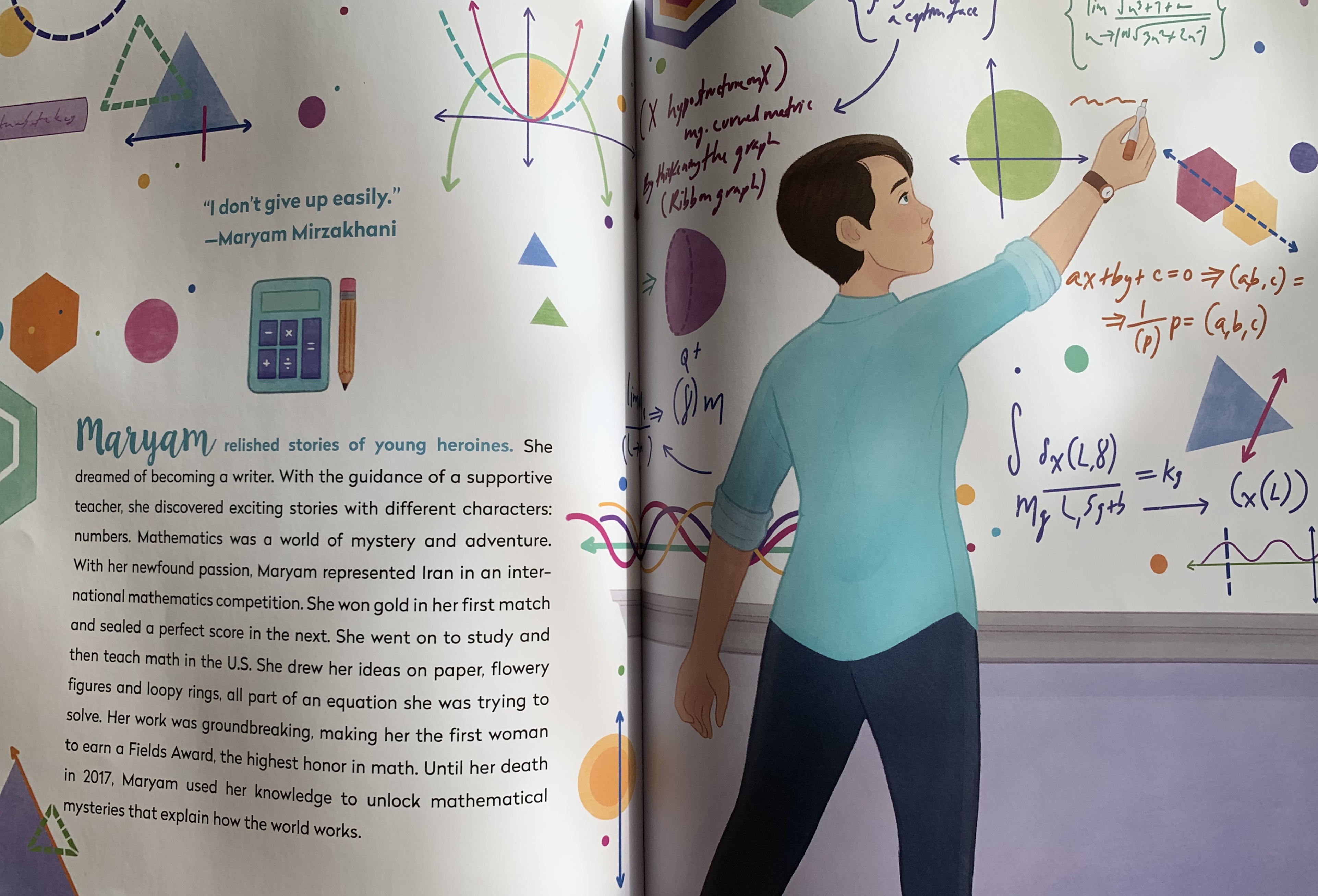
I wish there was a bit more information detailing who was chosen and why.  At first I thought it was  US or “western” movers and shakers, but then you have Maria Toorpakai Wazir, the tennis player in Pakistan, and Shirin Ebadi from Iran.  So then I thought ok, they are all contemporary, but Maryam Mirzakhani passed away in 2017.  Needless to say, one could argue that the list is arbitrary, and I think I would agree.

85FF7A9C-FD80-4F37-A1DE-B8726762E9CB

One could also argue, that these women may make history for notable things, but that they might say or do things that you might take issue with, and again, I agree.  They are people, they are fallible, and diverse, and have different perspectives and life experiences, but that’s ok, infact I think that might even be the point.  We all have different passions, and paths, and views and yet at the end of the day we should be able to lift each other up and inspire.  I think every person who reads this book will find someone that sounds or feels or looks like them, and that is a good thing, no, a great thing!

9C6EB606-F612-40BF-A947-092D2B76F1FE

My favorite was the Kamala Khan entry, because I didn’t realize the G. Willow Wilson was Muslim.  I erroneously assumed the other co-creator, Sana Amanat gave Kamala’s back story and home life its sense of OWN Voice, and I love that I learned I was wrong from a book.

2EC5EAF4-87F4-406C-B4D1-C95341536B66

The illustrations are right on and do an amazing job of conveying the character and the inspiration of the collection.  The book is much needed and I hope they do a similar style book for Muslim women in other time periods.

Special gratitude and appreciation to Gayartri Sethi (IG @desibookaunty) for gifting me this book for no other reason than to share the power and strength of women, and being a leader in that, by sending me a beautiful book.  May I learn from your generosity and pay it forward! Thank you.

Ibn Yunus: The Father of Astronomy by Ahmed Imam

Standard
Ibn Yunus: The Father of Astronomy by Ahmed Imam

ibn yunus.jpg

This book is part of a new Muslim Scientist Series featuring 24 glossy colorful 8×8 pages highlighting a great Muslim from the Golden Age of Islam.  Meant for Muslim children ages 4-7, the book sets out to teach and inspire little Muslims, and does a pretty decent job of presenting it in a memorable easy to understand way.  Adults might have to explain and help out a bit, but the book accounts for that too.

C6059DA8-08CC-41FE-9088-086C38EE07AC

The book starts off with some “Notes to Parents and Teachers” about supplemental activities and conversation starters to make the book relevant, and show how beneficial their contributions to science were and still are today.

A3210097-9DBA-49CC-B370-25187E4DCA3E

The book is a simplified biography of Ibn Yunus, and I would imagine the other books: Ibn Majid, Ibn Battuta, Ibn Al-Batar, follow the same pattern.  It tells about where he was born and when, and what he is famous for, before telling a bit about his family, an ayat from the Quran that inspired him is then given in English and Arabic and translated, before it shows how he worked toward his goal, and the accomplishments he made in his lifetime that still are used today.

938B76A9-E626-4B09-936E-446183F3141D

The fun illustrations make Ibn Yunus’s field of study easier to understand and will keep the littler listeners interested.  Adults will hopefully also learn something in the reading, and feel the same pride and inspiration of Muslim’s contributions to science.

13D95DDB-5EE2-4354-801D-85E561DABC86

It is critical to teach our children about the accomplishments and discoveries of Muslims, and this non fiction series is a great introduction to Muslim scientists, scholars, and adventurers, that they might not otherwise learn about.