Tag Archives: middle grade

Safiyyah’s War by Hiba Noor Khan

Standard
Safiyyah’s War by Hiba Noor Khan

safiyyah

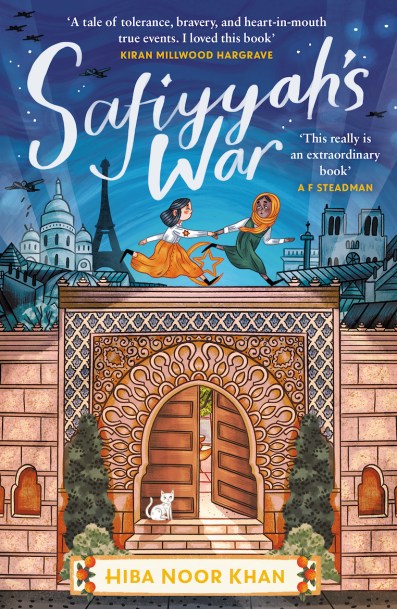
A.M.A.Z.I.N.G! SubhanAllah the subject matter is incredible, but the characters, writing, and Islamic inclusion really make this 327 page book a must read for all upper middle grade and lower middle school aged children everywhere. The book is historical fiction, set in Paris during WWII, the Nazis are invading and the Muslims at the Grand Mosque of Paris are covertly helping, hiding, and saving their Jewish neighbors.  Based on real facts, the book does not get lost in politics, or propaganda, or the enemy, the story stays on level for an MG reader with character arcs that are not confined to the atrocities at hand. The familial love, the friendships, the bravery of so many, really lingers long after the last page is read. Knowing that Muslims in France did this and that their stories have by-and-large been lost over time, makes this book all the more important to share with our own children.  This book fills such a void for children in Western countries wondering why WWII lessons in school never mention Muslims, and that this is traditionally published in the UK, soon to be in the USA, really is a benefit to us all.  I do wish the book was more strongly sourced, there are Historical Notes at the end, but I’d love to know where to go to get more facts about it all.  Little kid me would have been obsessed, adult me can’t wait to share this book with teachers and book clubs to discuss, teach, enjoy, and be inspired by, alhumdulillah.

SYNOPSIS:

Safiyyah lives in the apartments in the compound of the Grand Mosque and while Muslims are more-or-less safe from the imminent threat of the Nazi’s, because of their connections to North Africa, their world is still changing quickly. Safiyyah loves maps, helping run errands for her father, Ammo Kader, and Ammo Imam, and spending time with her Setti.  She also loves spending time with her best friend, Isabelle at school and on weekends.  When the Nazi presence is no longer avoidable, Isabelle and her family leave, errands are no longer safe and Setti’s beloved oranges are harder and harder to get. To top it all off, her father starts acting secretive and Safiyyah starts sneaking around to find out what is going on, unraveling a clandestine network helping those needing to get away.  Her family has no intention of involving her, but when soldiers start getting suspicious of the Muslims assisting the Jews, Safiyyah takes on dangerous roles that just maybe a young girl can accomplish without drawing too much attention to herself, the cause, and the Muslim community’s commitment to helping the innocent.

WHY I LIKE IT:

I love that the book is fast paced and the fear of being caught is always present, yet the book is able to flesh out relationships, character growth, and religious understanding.  Little details weave in and out, and the confidence that the writer is in control of all the threads allows the reader to be swept away, completely. The interfaith aspects are not just check marks, the story shows the ease in which the communities work together and their connections are tangible.  There is no internalized Islamophobia or othering, and the way that Islam emboldens the characters’ actions is so beautiful: from the larger commitment for justice, to the personal internal reflections of wearing of hijab, praying, listening to the athan, making duas for the deceased, etc..  Spending time to ruminate on the idea that breaking an unjust law to save lives through an Islamic lens is empowering, and knowing that this is the risk that real Muslims in Paris took is so very humbling. I love that the conflict of France and Algeria is not left out as the Kabyle protagonist and her grandmother note that they are now supporting those wearing French uniforms to fight the Germans.

FLAGS:

Wish making, lying, death, fear, occupation, war, destruction, oath taking on a Quran, tasbeehs, working with wine barrels and smugglers.  There is a strong familiarity with Christian and Jewish holidays, some crossover celebration.  Some Christian angel imagery being used by Safiyyah for Ammo. Sneaking, hiding, forgery, skipping school.

TOOLS FOR LEADING THE DISCUSSION:

Having only ever read one other book on this topic, The Grand Mosque of Paris, that would definitely be a reference I would present when introducing the book.  Whether in a classroom, a library, a home, a book club, I hope this book gets read, passed around, shared, and discussed.  Muslims and non Muslims alike will fall in love with persistent over-eager Safiyyah and hopefully remember the resistance the characters in the book and real life sought with courage and dedication for the good of humanity.

I own my UK copy and have preordered US copies for myself, my mom, my teacher friends and hope you will do the same (you can preorder here).  Please also request your local public libraries to shelve this important book.

Stand Up and Speak Out Against Racism by Yassmin Abdel-Magied illustrated by Aleesha Nandhra 

Standard
Stand Up and Speak Out Against Racism by Yassmin Abdel-Magied illustrated by Aleesha Nandhra 

stand

The very first page of this practical Muslim authored, visible Muslim featured, how-to book draws you in with the author’s conversational tone and approach.  She presents life as being a mountain we all are born to climb and articulates that we are all given different tools to do so.  The book sets out to understand how race and racism affect the climb, how we can make it more fair, and uses questions from kids in the UK as the general organization of the 128 page book for middle grade readers and up.  As a Black Sudanese born, Australian raised, immigrant London woman who speaks Arabic, is Muslim, has authored five books, is an engineer and social justice advocate, she acknowledges privilege, and injects plenty of InshaAllahs, Alhumdulillahs, and global perspective to racism, its history, and what we can do to stand up and speak out about it.  I do wish the book was sourced, but the first person perspective, and her own intersectional identities, carry confidence and OWN voice power in making the world a better place for all.

SYNOPSIS:
The book starts with a section about how racism started, then moves into what racism looks like today and how it shows up and affects us all.  It then concludes with a focus on the action of standing up and speaking up.  The book spends time reassuring the reader that the contents might create strong emotions and to breathe acknowledge your feelings and find a safe way to express them. Chapter 6 discusses religions, even though the book is about race and says it does so because it is the same social construct of grouping a very diverse group together because of something “other” that they share.  It spends time on anti-Semitism, and Islamophobia.  The book doesn’t have to be read cover to cover, it can be read in sections, in any order, there is also a glossary and index at the back to find particular topics to look at.

WHY I LIKE IT:
As an American, I love that the book is global in focus and shows the effects of colonization and attitudes, and thus realities.  I also like that it takes time to discuss internalized racism, as well as interpersonal, institutionalized, and systemic.  Pointing out schools and how many of your teachers or principals look like you, really drives the points home.  I love that there is a whole page on hijab and truly that you see the author regularly bringing in Islam to the conversation which is great.  The action steps of what to do if you see racism, what to do if it is aimed at you, are well presented in metaphors that are easy for kids to see why the course of action suggested is doable, logical, and important.  It doesn’t shy away from acknowledging that pushing back on racism escalates the situation, and encourages individuals to be safe and do what they can. There are pull-out boxes, comic strip scenarios, bolded and bulleted text, and colorful engaging illustrations and infographics that connect with 9 year old and up readers independently or in small groups.

FLAGS:

The book discusses an emotional topic, but I don’t think there are any particular flags to be noted for 4th grade and up  There are important conversations to be had based on what is shared, but nothing is overly graphic or sensationalized.

TOOLS FOR LEADING THE DISCUSSION:

I think this book would be great to share with students regularly and often.  It should be on library and classroom shelves and should be used in small groups, large groups, and one-on-one.  The variety of methods that the information are conveyed make a useful tool when concerns arise, and a great reflective piece to encourage children to think deep, better themselves, and be aware at all times about the privilege and effects of their thoughts and actions.

Available for preorder on Kindle here https://amzn.to/3PH98u2

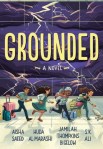
Grounded: A Novel by Aisha Saeed, Huda Al-Marashi, Jamilah Thompkins Bigelow and S.K. Ali

Standard
Grounded: A Novel by Aisha Saeed, Huda Al-Marashi, Jamilah Thompkins Bigelow and S.K. Ali

Over the years I’ve read to a lot of kids, with a lot of kids, discussed books in classrooms, and in book clubs, so when reviewing I often share what kids think or what I imagine kids will think, and I usually acknowledge when I’m being overly critical as a reviewer, but this book I will tell you, I did not read through the intended middle grade lens, I read it as a 42 year old seasoned reader.  I know this because I cried during the entire second half, and the book is not sad.  It is fast paced, joyful and adventure filled.  I cried at the ownership of identity, the pureness of friendship, the acceptance of the flaws and strengths of those closest to us, the love of family and that this book is written by four incredible Muslim women authors for Muslim kids to be seen and for non Muslims to see Muslim kids in action in a fantastic, non preachy, authentic, powerful engaging story.  In short I loved it.  I love that the voices are different, but polished and seamless in conveying a fictional story with universal themes through a variety of Muslim characters without talking down or over explaining anything. From the maps to the crossover character Hanna from S.K. Ali books, the poetry from they young lyricist to the representation and discussions of Muslims not being a monolith, and the sprinkling of a Hadith or Quranic ayat here and there (I wish there was more), the book tugged at my heart strings.  For kids third grade and up, some of those themes might resonate, or it might just be a book about a lost cat in an airport and a hodgepodge group of strangers, turning friends, stranded in an airport searching for her while dodging security and exasperated parents.

SYNOPSIS:

The end of the MONA  (Muslims of North America) Conference has lots of families at the fictional Zora Neale Hurston heading home.  Tired parents and restless kids lead Feek’s little sister Ruqi to go missing and Feek to blame.  As he searches for his little sister he meets Hanna, a girl looking for a lost cat, not her lost cat, just one she has heard about from her animal activist group that is missing at the airport.  As they search for Ruqi, Sami gets dragged along even though he’d rather be mentally keeping his anxiety in check as he prepares for the Karate competition he is heading to.  Luckily Nora, Congresswoman Najjar’s daughter, finds Ruqi and the five strangers are brought together.  When all flights are grounded because of weather, the group goes in search of the missing cat, Snickerdoodle, finding leads, security, secret corridors, self confidence, friendship, and skills along the way.

WHY I LIKE IT:

I knew the book would be good with the authors’ names on the cover and their ability to tell a good story, but I was still blown away by how real the characters were fleshed out and their “problems” articulated.  The emotional connection to each character facing their insecurities and supporting one another’s’ vulnerabilities was reflective and insightful. I love the diverse inclusion of showing Muslims that don’t speak Arabic or don’t know if they are Muslim enough, of Black Muslims and Black culture, of being an only children and struggling with siblings, understanding parental expectation and finding your voice to speak up to those you love.  The surface story is paced well and entertaining and sufficient, but the details and the story beneath the surface, really is powerful.

Again with the reviewer lens- I did wish in the middle there was a tiny bit more inclusion of a Bismillah when following a lead or an AstugfirAllah when breaking a rule or a quick prayer when running from authorities, the beginning and end was Islamically rooted, but as an Islamic School Librarian, I must admit I’d like a few more mentions during the “adventure” parts.

FLAGS:

The kids are dishonest, they break rules (possibly laws), they lie, and do some damage, they sneak and kind of talk back to their parents, nothing is normalized or accepted though and they are called to account.  There is a birthday that is celebrated with everyone singing, and possible triggers of talking about a deceased parent. The kids are 12/13 and younger, and brought together by circumstance, but by the end the girls and boys have developed close friendships.

TOOLS FOR LEADING THE DISCUSSION:

Even though the book is meant for middle grades, I think younger middle school readers would enjoy the book and find plenty to discuss as they see themselves and others in the characters, imagine what they would do in such a situation, and get swept up in the ride.

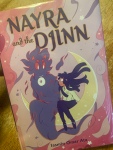
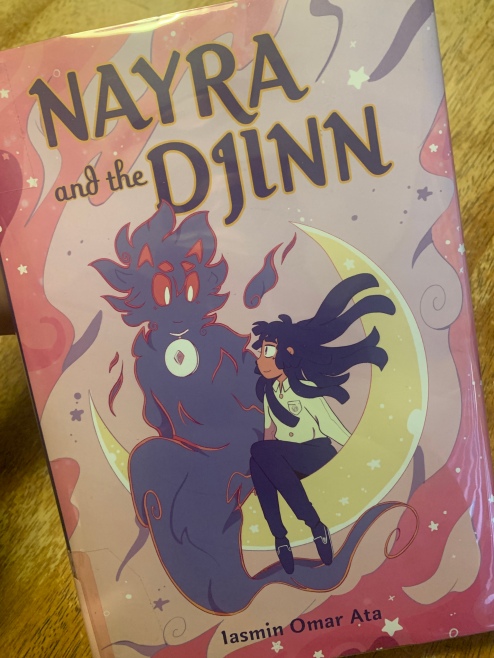
Nayra and the Djinn by Iasmin Omar Ata

Standard
Nayra and the Djinn by Iasmin Omar Ata

img_6973

Set in Ramadan this graphic novel for middle grades has a coming of age theme brought to life with fantasy, religious practices, and storylines of bullying, acceptance, and folklore.  Nayra is fasting, she prays, she says bismillah and Assalamualaikum, her  practice of her deen is never in question and by and large I don’t know that anything is “haram” in the Islamic representation.  Yes, she says bismillah in julus, the sitting position of salat, there is sihr, magic. done by the djinn, and a lot of liberties about the ghayb (you can’t really disprove them), but honestly my biggest problem with this book is that somehow even though it is a graphic novel, more visual than text, there is way too much telling and not enough showing.  The reader is told that there is bullying, but only shown that one girl calls her “baba ghanoush,” we are told over and over that she is friends with Rami and that she needs to fix the relationship, but we never see what the friendship was before, only the forced awkwardness that it is now. The inside flap of the book stereotypes the “strict family,” but we never really see them being overly demanding or difficult, and the conclusion is very naïve with both the two girls and the two djinn resolving everything on Eid. I wanted to care about the characters, but never felt a connection to their stresses, traumas, and relationships, and many mirror my own life.  In full transparency though, I must acknowledge to you all, that I do not read a lot of fantasy graphic novels or even comic books, if the choppiness, and lack of depth is what makes the genre work for others, then this book will be fun with its pink and purple pallet and tracking of the Ramadan moon.  I really might just be the wrong person to review this OWN voice djinn fantasy authored by a Palestinian Muslim who like her fictitious djinn goes by they/them pronouns.

SYNOPSIS:

Nayra is being picked on by Tanya for messing up in volleyball in PE, and gets to calling Nayra “baba ganoush.”  When the book opens Nayra fasting for Ramadan is what Tanya chooses to attribute Nayra’s lacking skill too, and Nayra is ready to find a new school.  Her family offers no support, her older siblings set the bar high and got through by ignoring the bullies, and expect her to do the same.  The one other Muslim at school is Rami, and Nayra needs a break from her, they meet to break fast every evening, but Rami is exhausting.  When an online forum somehow gets a visit from a djinn, Nayra offers to be the anchor that Marjan needs to escape the ghayb and exist in the human world.  Marjan’s past comes back to haunt them, and when Zirkouniya arrives, there is only so much protection the month of Ramadan can offer as Eid arrives and the djinn are returned to full strength.  Djinn and human alike will have to own up to their mistakes, forgive others, and rebuild the relationships that matter.

WHY I LIKE IT:

I like the Ramadan centering, and appreciate that the coming of age story line was not an identity crisis about Nayra’s faith.  I  finished the book feeling like I didn’t understand much.  There was a lot of build up for a strict family, and djinn wisdom, that just didn’t exist.  The conflict with the friends was superficial and the resolution the same.  Maybe I missed the visual resonance as I tend to enjoy lyrical writing and relatable text, but the story seemed really simplistic, and the characters flat.

I honestly don’t know if the liberties of the djinn world and djinn themselves goes too far or if folklore, mythology, and fantasy give it fictional protection.  There are details that perhaps come from culture, or are completely made up, I don’t know.  Djinn in Islam are real, they are made of smokeless fire, some are good, some are bad, they have genders, and families, and feelings, and communities.  Outside of that, I don’t know much, and do not presume to, when I sent @bintyounus some of the pictures from the book, she remarked, “Djinn are part of the Ghayb/unseen, So it’s not like we say oh none of it is true, but we also don’t take it as 100% true.”

The magic is minor just a fixing of a flower and flower pot, so in reality the only fantasy are the details about the djinn and the journey to the djinn world.

FLAGS:

Lying, bullying, magic, sneaking out.

TOOLS FOR LEADING THE DISCUSSION:

There is not enough in the book to discuss in a book club, and because of the lacking resonance, I don’t know that most kids would read the book or be interested in it. I can see it being thumbed through, but I don’t think it would be finished by Muslim kids at the Islamic school, or by my own children.  Those that know the Islamic view of djinns won’t find that enough of a hook when the story inside is about a friendship, and not a particularly deep or fleshed out one.  They might see the bullying as relatable, but being called baba ganoush doesn’t really seem that bad compared to what many endure and pining for friends, when you have a very loyal friend, also will probably be met with some confusion.

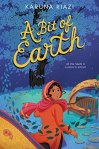
A Bit of Earth by Karuna Riazi

Standard
A Bit of Earth by Karuna Riazi

earth

This Secret Garden retelling mixes the heart of the original with a dash of modernity, the flavor of desi culture, and the lyricism of a good writer.  Over 368 pages the slow plot but rich imagery will draw readers in, hold their attention, and leave them thinking about the characters they have been fortunate to spend time with on Long Island.  Islam is practiced and normalized and naturally woven into the Muslim characters’ daily lives without othering or over explaining.  I did struggle a bit trying to keep the relationships of who was supposed to be caring for the protagonist at various points since her parent’s died clear, but once I abandoned stressing about it I was able to be swept away.  I recently reread The Secret Garden with my own children and the original is not plot heavy, nor action packed, but I watched as my own children were drawn to the slower, more grounded (pun intended) nuanced tale, and I think this book, in the same vein, will find its way in to the hearts of middle grade readers.  The book is clean, there is a possible crush hinted very slightly at the end, periods are also endured, and I do have reservations of the terrible marital relationship between Mr. and Mrs. Clayborne, but it establishes that change will occur, so at least it isn’t normalized.  There are sprinkles of magic implied regarding the house, but it is always framed without clarity and in a subtle way to set the tone and the emotions the characters are feeling more than centralizing something rooted (see I did it again) in fantasy.

SYNOPSIS:

The book updates and mirrors the original fairly well with an obstinate orphan arriving at a sprawling house, finding a prickly boy, and setting off to form a tentative toleration of one another with friendly neighbor kids in a garden that is unquestionably off limits.

Maria Latif arrives from Pakistan against her will to be taken in by a distant relative (I’m not sure how she is related), but Asra has been called away and she is forced to stay with Lyndsay, the new wife of Mr. Clayborne.  The first wife was a friend of Maria’s family, but Lyndsay is just as emotionally overwhelmed and lost as the child in her charge.  With Mr. Clayborne away on businesses, his mother Charlotte keeps them all on edge.  When Colin Clayborne is expelled and returns home, more tension erupts and the two children find themselves in an off limits garden trying to make the most of a difficult situation.

WHY I LIKE IT:

I love the mix of poetry and standard novel format.  It is beautifully written and clearly the author does a remarkable job of making her very unlikeable characters worm their way in to the reader’s heart.  Both Maria and Colin are thorny and difficult, stubborn and rude, but you seriously cheer for them, and I did shed a few tears at the end.  With the author’s writing ability apparent, I’m still not sure why the foundation of the relationships and getting Maria to the Clayborne home is so cumbersome.  It is too muddled and it drags the book down every time it is revisited.  The Dadi having the aunt’s phone number was too easy, the inconsistency of the neighbors having no relationship to the Clayborne’s for so long and Lyndsay not even pausing to think another Bangladeshi family living a few houses down might be my husband’s first wife’s friends, seems inconsistent.  Honestly Lyndsey in general needed to read like a competent woman struggling, not a teenager in over her head. I disliked her and Mr. Clayborne’s relationship and I would hate to think any reader would find it ok or normal.

I love the Islam and how it presents when the character has to pray, she goes and prays, it is part of the story and it is seamless.  I don’t think the culture is handled quite as well.  Lyndsay is a foot writer who is always cooking, yet knows nothing of desi foods? If Colin’s mom is desi, wouldn’t she at some point tried to cook familiar foods for him.  Half the neighborhood is Bangledeshi, so it seems everyone has a parent or step parent or distant relative that is desi and I loved the normalizing, but it seemed a bit assuming.  I don’t think kids will wish it was more clear, but as an adult reading it, I felt like it needed to be interjected more without explanation, or if left as is, adding some context. I also wanted to know what Maria’s parents did and a little introspection from Maria.  Again as an adult I see how her anger and grief changes how she remembers them, but from them always being away, to such soft poignant memories at the end, I think kids will need a little hand holding to understand the grief process and her understanding of them.  As it is, they just seem terrible and then all of the sudden great, and the pacing gets thrown off in the process.

FLAGS:

It seems to hint at the end that Maria might have a bit of a crush on Colin, I honestly thought up until a single line that they were making a chosen family with the people who cared for them, but that line seemed to suggest it might be more of a romantic feeling than friend or brotherly.  I read an early copy, so this is subject to change.

Maria gets her period and it is detailed what she is feeling.  I think boys and girls can and should read it.  It is presented on age and appropriately: cramps, achy, dry about blood leakage, having it start young like her mother, etc..

Implied magic (possibly), music and musical instruments being played, milaad, lying, sneaking, being kicked out of school for physical assault, close male and female friendships, ADHD stigma.

TOOLS FOR LEADING THE DISCUSSION

I think this book would work in a classroom and would appeal to readers in an Islamic or public library.  I would consider it for a middle school book club, I think readers will connect and feel empathy for Maria, Colin, and Lyndsay and be better for it.

I preordered my copy HERE and I hope you will do the same

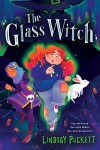
The Glass Witch by Lindsay Puckett

Standard
The Glass Witch by Lindsay Puckett

glass witch

Another Scholastic published book that I genuinely cannot understand why the author forced a Muslim character to be a part of, and no it isn’t just a token hijab on a character named Fatima.  It mentions she goes to the mosque, there is a Quran on the book shelf, her parents don’t understand her obsession with monsters, she is desi, and there is Urdu in the text as well.  This isn’t me just doubling down on Halloween being a pagan holiday that I’m against, this book is about witches and magic and while it does take place on Halloween, and the witches are Good(e), it is their last name, it is a weird inclusion flex for me.  The book also has the Muslim grandpa crushing on the grandma witch, he even kisses her hand and they are revealed to be soul mates.  There is evil possession, different men that could be the protagonists father, killing, and a pageant.  The book has good qualities- positive body size messaging, focus on family love, self acceptance, and is fast paced and entertaining, but even as a parent that lets my kids read fantasy books, and books that mention Halloween, this book went too far for me.  It normalizes Muslims being ok with magic, it isn’t world building and fantasy, it is very much the real world with sihr characters and practices. It positions the parents as being loving when they come around to accept their daughter’s love of monsters, it also seems to normalize men and women relationships, and for a middle grade 224 page book I just can’t support a Muslim character’s role in such a story. 

I know sometimes I’m ok with magic in books, this one just seems a bit intense, we might just have to agree to disagree if you feel differently, and I’ll own my possible inconsistency in the matter as well.

SYNOPSIS:

Adelaide is heading to her grandma’s house with her mom, and being dropped off for three months- abandoned is more like it. The family dynamic is stressed even on a good day, and today is not a normal day.  The Goode family of witches are all that remain of the witches in the town and more than three can not exist within town lines.  Additionally, if at least one witch is not always in Cranberry Hollow, all the magic will be lost.  Adelaide, doesn’t have magic though, toss in that she is a bigger girl than most other twelve year olds, and that she never feels like she is enough, and the bees within her are buzzing. 

The plan was to drop off Addie and head out of town.  The neighbors, Hakeem and his granddaughter Fatima show up though, and before Candice can sneak out, she finds herself heading to the Cranberry Hollow Halloween Festival with Fatima, Addie, and her mom.  The town loves the Goodes, they help crops grow better, cancer to be cured, and so much more.  Of course they don’t know that they are witches, but they know that they are helpful.  When the time to leave arrives, Aunt Jodie stays on the other side of the town line and they prepare to say their goodbyes and keep the fourth Goode outside the imaginary line, but Addie in a last ditch attempt to make her mother notice her, pulls her mother back across and thus sets off the curse of having too many witches in the town.  The hated Hern family is going to be possessed, and Addie will be hunted come midnight on Halloween.

WHY I LIKE IT:

The book is intense and scary at times, just toeing the line of what a MG reader can handle, I just don’t get the Muslim character.  It really seems intentional and thought out, and I would love to find out why it was a conscious choice.  There is a small passage equating Addie standing out because of her size with Fatima and her hijab, but I can’t imagine that is enough of a reason to have a practicing Muslim loving Monster hunter in the book.  I know we want representation, but this didn’t work for me, and while I know others are ok with Halloween and some with sihr in a fictional sense, having a Quran on a shelf above the book of monsters and jinn that the Nana has collected, just rubs me the wrong way.  The book is published by Scholastic and will undoubtedly be in book order offerings and in book fairs, and if you are ok with it for your children, that is your choice, I just feel obligated to share my concerns so that you can decide what is best for your family.

FLAGS:

Magic, witches, curses, killing, death, Halloween, crushes, romance, kiss on the hand, premarital sex not detailed (two options at least for who Addie’s father is), cigarette smoking, bullying, mention of a kid at the festival with two dads.

TOOLS FOR LEADING THE DISCUSSION:

I wouldn’t shelve the book in an Islamic school library or classroom.  I would also pull it from a Scholastic Book Fair display at our Islamic school.

Freestyle: A Graphic Novel by Gale Galligan

Standard
Freestyle: A Graphic Novel by Gale Galligan

img_3208

I one hundred percent understand that Muslims are not a monolith, but, I’m truly tempted to reach out to the author/illustrator of this upcoming 272 page middle grade graphic novel and ask her why she chose to have the female instigator in this coming of age story- that focuses on a dance crew, said girl tutoring a boy one-on-one in his bedroom, Halloween and a school dance, wear hijab? Yes there is also parental expectations, friend drama, leaving for high school stresses, and yo-yoing, but Sunna Ahmad being presented as a Muslim definitely gives me pause.  There is no romance in the book save a few background characters filling in frames holding hands, and it never articulates that Sunna or her older brother Imran are Muslim, but she doesn’t wear hijab when home with her family, does wear it when she goes out, so it definitely seems to imply it.  The cover and inside pages are bright and clear, and I think the book will be very tempting for young Muslim readers with the visible hijabi on the front.  Additionally the book is published by Scholastic, so if you are a parent whose kids get book order forms and attends a school where the Scholastic Book Fair is a big deal, you might want to read the entire review to see if it is Islamic representation that you are comfortable with supporting.

SYNOPSIS:

The Eight Bitz B Boy band is in their final year of middle school before they all go in separate directions for high school.  They want to win this year’s competition, or at least the leader of the crew, Tess, does.  Tess doesn’t want them freestyling and messing around, she wants the choreography and dancing in-synch and on-point.  Her military dictatorship is tearing the crew a part.  When Cory’s grades are not where his parents want them, he is grounded from dancing and forced to work with a tutor, Sunna Ahmad.  Sunna is weird, always writing intently in a secret notebook at school, and Cory wants nothing to do with her.  When he happens to see her throwing her yo-yo at school, though, he is impressed.  Reluctantly she trades teaching him yo-yo tricks if he agrees to do the work needed to get his grades up. Using yo-yo angles to teach geometry, it doesn’t take long before the two are friends.  It comes to a culmination when he invites her to the Halloween dance and his crew is both shocked and mad that he is hanging out with her, when he should be practicing with them.  As secrets and intentions come out, Cory has to make things right with his parents, his crew, Sunna, and himself.

WHY I LIKE IT:
I love graphic novels, they show context and setting and emotion, that often can’t be conveyed as well with words.  I absolutely love that Sunna wears different clothes on different days, from the hijab to the outfit, she has personality in her clothes as any middle schooler would, and nothing is mentioned about her hijab or her long sleeves, but the reader see’s it hopefully in a positive light. I do like the detail of her not covering at home when she is alone, or in the flashbacks when she is younger.

The story overall is decent and the added hip hop dancing and yo-yo infused details set the story apart, but some of the character building and plot points are a little rough.  When Sunna first starts tutoring Cory she feels like an adult disciplining, and reprimanding him.  She comes across as really arrogant and condescending, that he is somehow beneath her, yet they are the same age, in the same school, and are lab partners.  It reads off for no reason.

Similarly, I understand that the tension between middle schoolers and parents can be a source of contention, but the forced apology from Cory’s parents is incredible demeaning and cringe.  Sure flesh out that he shouldn’t yell at his parents, (Sunna shouldn’t either for that matter), but while the delivery was poor, the message was heartfelt and I think a book like this encouraging young kids to talk to their parents would be a great message, rather than have it almost glorified to not make the effort at all.  Not saying that the effort will always be received, but the forced apology would turn even kids with a good relationship with their parents questioning if it is worth talking to their mom and dad.

Poor communication and the stress it causes is a theme of the book, and I don’t understand why Tess keeps her choreography dreams a secret from the crew.  It seems underdeveloped, had she said that, that was the motivation, I think all the other seven members would have stepped up, not walked away.

FLAGS:

Music, dancing, girl and boys being alone with each other, girls and boys arms around each other, attending a school dance, girls and boys dancing together, Halloween being celebrated, birthday being celebrated, yelling back at parents, lying, secrets.

TOOLS FOR LEADING THE DISCUSSION:

In all honesty, I would probably not have this book on the library shelves, and would not display it during the book fair.  It normalizes a lot of gray if not haram actions for a very impressionable demographic because the character is visibly Muslim.  If the character was not visibly Muslim, I actually might be ok with shelving it and selling it.  The rep may be intended to show inclusion, but the character does not show actions that Islamically are appropriate.  If it were one or two actions, I might reconsider, but it is a lot very specific and varied activities.

freestyle3

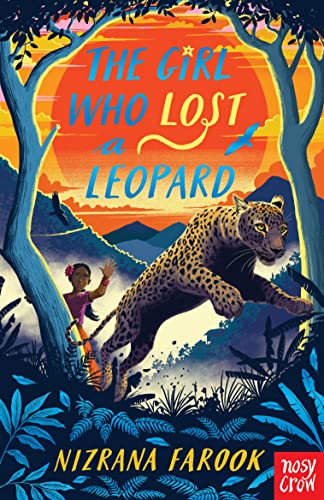
The Girl Who Lost a Leopard by Nizrani Farook

Standard
The Girl Who Lost a Leopard by Nizrani Farook

leopard

This stand alone middle grade read by Muslim author Nizrana Farook is similar to her first two books about an elephant and a whale in that it is set in Serendib a long time ago and revolves around a beautiful wild animal and clever, endearing, determined young children. This actual story is an easy read at 203 pages (the end of the book is the first four chapters of one of her previously published books).  I think seven and eight year olds will enjoy getting to know Selvi and the beautiful leopard Lakka that she considers a friend.  For me the ending took an odd turn that seemed out of place, but up until then I was enchanted by the lush imagery, sheer determination, and sweet friendship shared within the pages.  The main character is not Muslim, but presumably some of the side characters are with names such as, Amir and Salma.

SYNOPSIS:
Selvi and her mother live in a small home on the mountain.  Most days she runs wild with a golden leopard she has named Lakka.  She keeps her distance, but there is a pattern to their interactions, and when Selvi’s mother finally allows her to go to school, and she finds the other children unkind, Lakka becomes her only friend.  One day poachers are on the mountain hunting not just any leopards, which are protected by the queen, but the rare golden one that is often seen in the area, Selvi tries to interfere.  And before she knows it, they are after her.  She hides near a home, and when the poacher’s come looking for her, she is at the mercy of Amir to lie and say he hasn’t seen her.  Amir is a classmate, a mean one, but he has seen her before with the leopard, and suddenly Lakka is not so alone.

Between making friends at school, battling her uncle’s rules to start behaving more ladylike, and keeping a leopard safe, the adventure is fast paced and the story entertaining.

WHY I LIKE IT:

I love kids outsmarting adults and saving the day, it makes for good story telling.  I don’t want to spoil the ending, but I really felt like it was forced.  I truly do not understand why the children needed to take a drugged Lakka to the port and back.  Why not leave him with the new friends and go to the port without him? He is a wild animal, we have been given reasoning for so much of the human animal interactions to be believable, that this seems to be negligent.  So much could have gone wrong and for what? There was no need.  The kids wanting to see punishment handed out is motivation enough for them to make the journey in my opinion.  Sigh, I don’t know that younger kids will be as bothered as I am, but I think fourth graders and up will definitely question it and be confused.  I also don’t know that I have ever seen the sneak peak of another book included at the end, being for a book previously published.  Aren’t they usually for upcoming releases? Either way, it seemed to make the last portion of the book deflate a bit for a story that was engaging, entertaining, and hard to put down until then.

FLAGS:

Lying, poaching, abuse, threats, killing, animal cruelty, bullying.

TOOLS FOR LEADING THE DISCUSSION:

This would be a fun read aloud in a classroom or at bedtime.  The short chapters have little illustrations above the headings that hint at what is to come, and the writing style is perfect for short blocks of time.

The book is available on Amazon

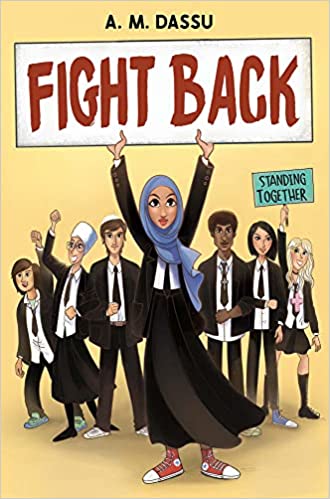
Fight Back by A.M. Dassu

Standard
Fight Back by A.M. Dassu

fight back

At 384 pages, this middle grades book takes on hijab, terrorism, Islamophobia, finding your voice, and fighting back.  At times the book was insightful and smoothly written, at other times the voice seemed childish and the writing directionless.  The inconsistencies don’t ultimately make the book good or bad for me, but rather very forgettable.  I read the book over the span of three days, but honestly remember very little about the book without looking at my notes.  The writing just isn’t particularly strong.  I never connected with the main character, and no it wasn’t because I didn’t agree with her wearing hijab out of solidarity, I accept that people make the decision for a variety of reasons, somehow I just never felt sympathetic to her as a person, or found myself cheering her on.  Her naivety vacillated too much for me to find her believable, and the pacing of the book made it hard to get revved up.  I think upper MG and middle school readers will be a better fit for the book with hate speech, assault, school bans, concert, musical references, and alt right indoctrination.  I think the book is worth shelving in a classroom/school library and I’m considering it for a book club selection, but I’m skeptical that the book would be finished, even if started, by most readers without some incentive to see it through.

SYNOPSIS:

Aaliyah and her friends are at a K-pop concert when a terrorist attack kills and injures numerous people.  A Muslim takes responsibility and with it coming on the heels of numerous London attacks, Islamophobia is at an all time high.  For 13-year-old Aaliyah, it is a stranger yelling at her mother in a parking lot, her best friend Lisa ignoring her, and her brother getting riled up in retaliation, that gets her to wonder why her mother wears hijab, when she started, and decide to start covering herself, in solidarity. As a result for Aaliyah there is now increased bullying at school which results in physical assault, and teachers turning a blind-eye.  It reaches an all time high when a religious display ban goes in to effect.  Still dealing with trauma from witnessing horrific violence, Aaliyah decides to push back.  Finding her inner strength and finding allies in a few good friends, and a secret cat adoption, she finds enough motivation to keep her plugging forward against the growing hate in her world. When she finally finds her voice will it be enough to overturn the ban and save her brother? Nope, not going to spoil it.  The fight is not a one-and-done, as anyone who has gone up against racism and systemic oppression knows, and this fictional book keeps that integrity and doesn’t give a happy ending, but rather hope and motivation.

WHY I LIKE IT:

I like that the Islam is centered in a consistent and empowering way.  At times it is a perspective that I’m not completely onboard with, but a few pages later the insight is powerful and the messaging clear.  I found it odd that Aaliyah doesn’t know when her mom started covering or why, or anything about hijab, it comes off very immature. The book keeps culture and religion separate, hijab a choice, and I like that it was Aaliyah who wants to cover even when her parents try to talk/force her out of it.  I find it a little off that she doesn’t go to the mosque, but her father consulted with masjid folks when looking for advice for handling the alt right groups.  She prays a few times in the book and it being mentioned is nice.

I like that the kids in the book think for themselves, and that the adults don’t have all the answers.  I enjoyed the passages asserting why the family came to the UK generations ago and why they have stayed, is powerful.   A few of the characters that are really strong at the start don’t ever get mentioned again.  Which is fine, but I did wonder about Harpreet and why Yusuf’s friends weren’t contacted when Aaliyah was sleuthing about.

Loved the literary shout-outs, and the hypocrisy of allowing swim caps and hats but not hijab, but sigh, didn’t love the cat thread.  I think I just don’t like fictional cats, I sound like a broken record.  I think the inclusion was to show how much Aaliyah had to keep hidden in her life and how she needed comfort, but I don’t know, sigh, I found the contrast of tone jarring to the pacing.

There is a glossary at the end, and the definition of Hijab is a bit odd, highlighting Western and South Asian terminology and not the Middle Eastern or even global use of the Arabic word.  I don’t know that the glossary is even needed as the book really tries to establish that the characters are a part of their society and don’t need footnotes and differential treatment, so the inclusion of a glossary for me, diminished the point a bit.

FLAGS:

Assault, hate speech, bullying, fear, death, injuries, bombing, terrorist attack, lying, music, mention of a transgender/gender neutral student, a rainbow pin. sneaking out.  Criticism of police, alt right indoctrination.

TOOLS FOR LEADING THE DISCUSSION:

The book is unique in showing affects of the alt right and not having it all work out in an MG book.  It shows the anxiety and fear that Muslims often feel and the determination of not becoming victims. It also does a good job of showing that something like a religious symbolism ban doesn’t just affect Muslims, but people of various faiths and culture, and thus when common ground is found, there are more allies that one often thinks.  I think it could work for a middle school book club and undoubtedly the discussions would be great, but I am given pause with the main characters view of hijab as not being something in the Quran, but rather done in protest and in solidarity.  I think once I see which kids are interested in book club I can gauge if it is something that we can work through and discuss or not.
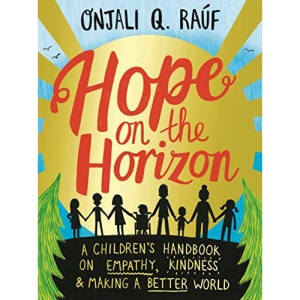
Hope on the Horizon: A Children’s Handbook on Empathy, Kindness, & Making a Better World by Onjali Q. Rauf illustrated by Isobel Lundie

Standard
Hope on the Horizon: A Children’s Handbook on Empathy, Kindness, & Making a  Better World by Onjali Q. Rauf illustrated by Isobel Lundie

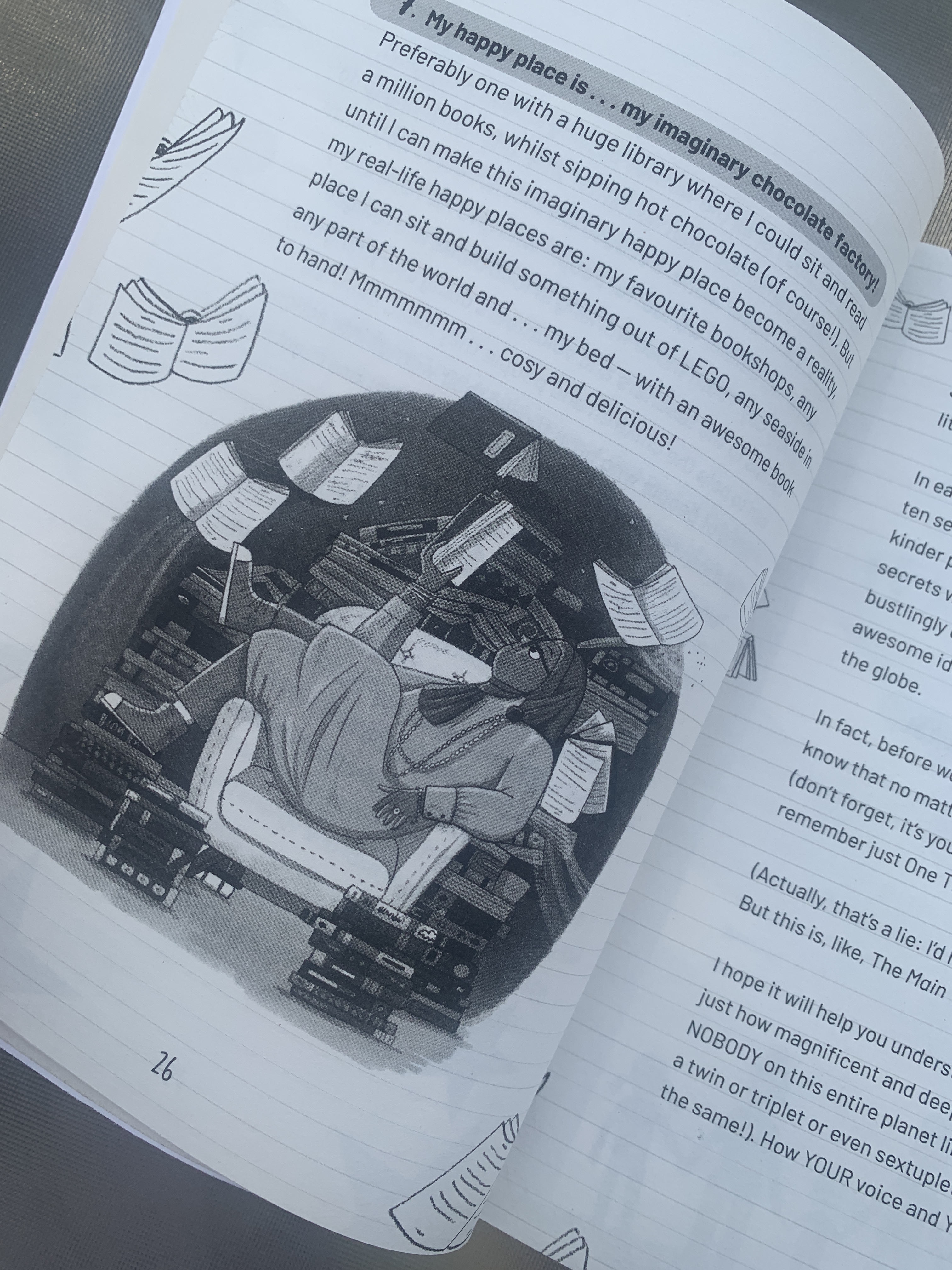
This delightful 288 page handbook pulled me in, inspired me, enlightened me, and allowed me to reminisce about incredible fictional characters from iconic books, tv shows, and movies.  Concepts such as kindness, empathy, friendship, deflecting negativity, seeing beyond labels, and asking for help, are framed around the fictional character’s strengths to introduce famous real life people from the past and present, as well as not so famous people the author personally knows and works with.  Written with the author speaking directly to the reader, there are also calls to actions, questions, prompts, and resources to help mature middle grade readers and up.

SYNOPSIS:

The book starts with an introduction about who the author is and her getting to know the reader, before introducing the concepts the book will cover and how it will go about doing so.  It establishes the super power of kindness and five golden rules.  The 10 chapters of the book then follow a loose format of introducing a fictional character and why the author admires them: Charlie Bucket from Charlie and the Chocolate Factory, Tintin, She-Ra, Superman, Samwise Gamgee, etc., her connection to them and to a theme: hope, being a ripple starter, never giving up. to name a few.  The book then highlights how the character and theme tie in to a cause that the author is passionate about, refugees, education, feeding the hungry, foster care, etc., then spotlights exceptional people the author has gotten to know personally in her activism that have made an incredible difference in the world, before offering a checklist of how you too can take action.  And finally a famous person is celebrated as being the culmination of all the strengths, characteristics, and super powers mentioned.  People such as Greta Thunberg, Albert Einstein, aerospace engineer Mary Jackson, footballer activist Marcus Rashford and more.  Often there are reflections, and the easy banter and conversation between the author and the young reader never leaves the text.  The reader and the connection to the reader is always prioritized and included in the sharing of information, motivation to action, and celebration of individuals real and pretend that have made a positive difference.

WHY I LIKE IT:

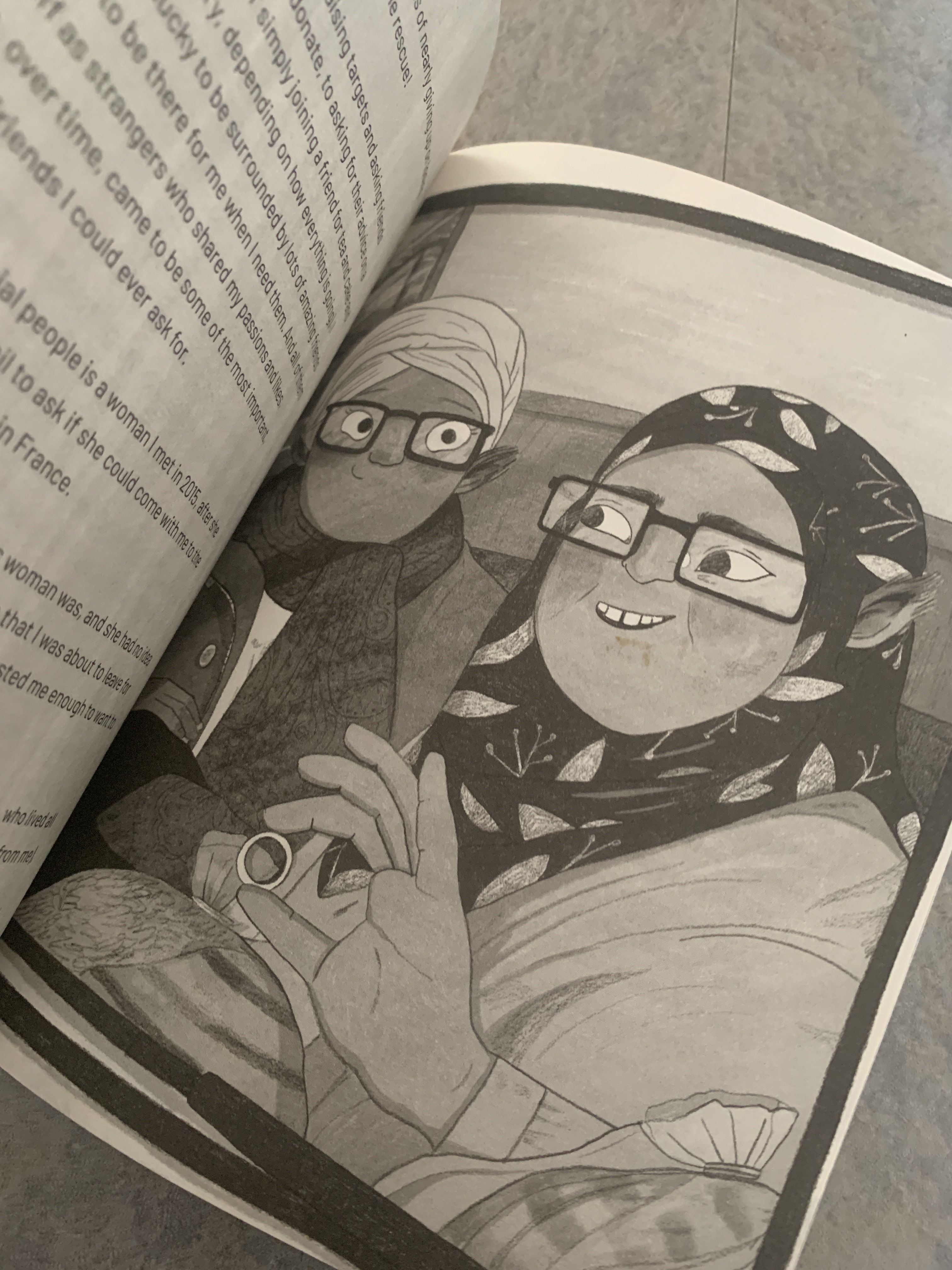
There is nothing overtly Islamic in the book, but there are Muslims featured as both famous real life examples and the author’s personal acquaintances.  Most importantly the author is unapologetically Muslim and offers glimpses of her own childhood growing up Muslim in the UK.  And as a hijab wearing Muslim, the illustrations also proudly show her smiling, eating chocolate and being an activist making the world a better place for all.

I love that the tone of the book is optimistic even when discussing difficult themes and heartbreaking realities of society.  The playfulness of the banter keeps the reader engaged and the text light.  Even if you don’t know the characters referenced, the urge to read their stories is a secondary benefit, and one that I think will further young world changers’ critical thinking skills.  Finding the good in people, even if they aren’t real, is such a lens that needs to be used more often, and the book does a tremendous job of stressing this.

FLAGS:

Talk of refugees, homelessness, food insecurities, abuse, poverty. Nothing is overly detailed, but the concepts are touched upon and explained as needed which could possibly be triggering or difficult to fully grasp to younger readers.

TOOLS FOR LEADING THE DISCUSSION:

The book can be read straight through or referenced, you can even thumb through and read sections that appeal to you.  I don’t know exactly who the book will resonate strongest with, but I’ve got my own children reading it, so I will happily report back. I think it deserves a place on every book shelf and even if only portions are shared with a class, the discussion and foundation that it could provide would be incredibly powerful.  I could see an English teacher encouraging essays about fictional character traits in the “real” world being assigned after reading, or History teachers spending time on some of the characters highlighted, it really is a great tool, a handbook, for young and old alike.