Tag Archives: Fun

Zeyna Lost and Found by Shafaq Khan

Standard
Zeyna Lost and Found by Shafaq Khan

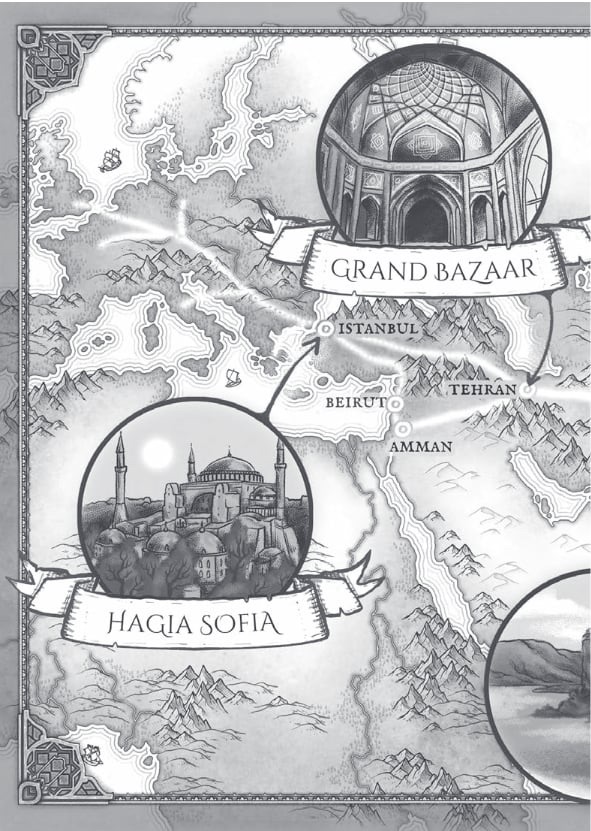
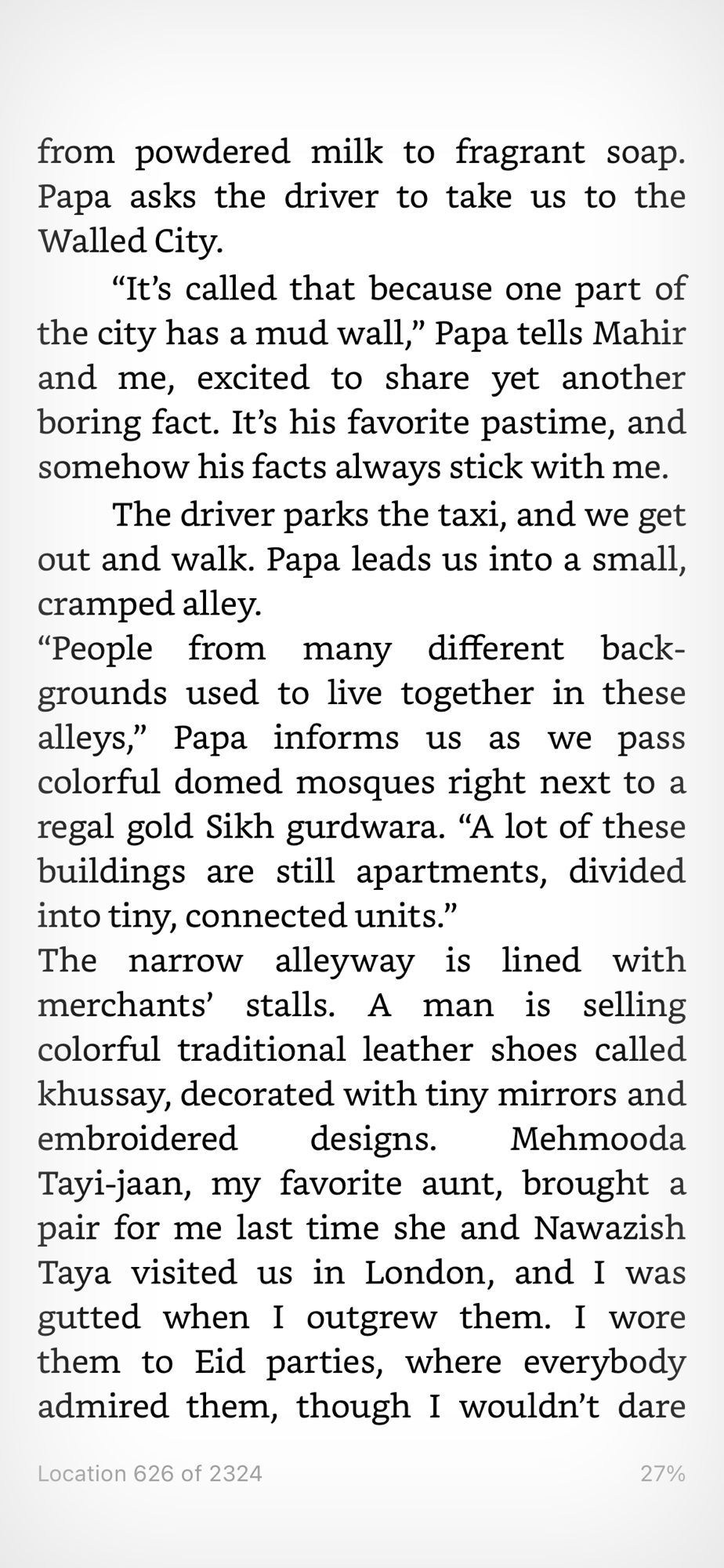
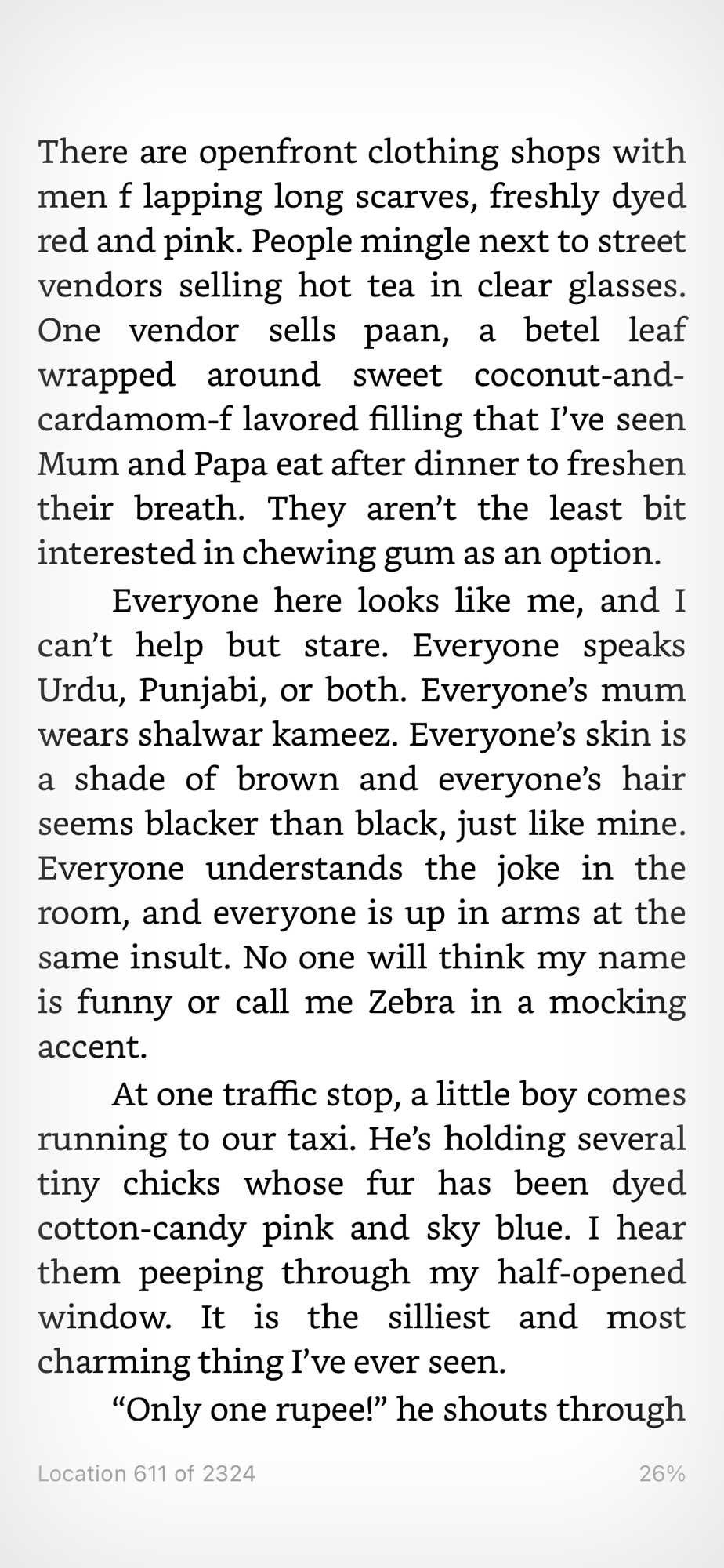
I think I needed this 336 page middle grade book that gets parents out of the way and lets a trio of kids  hop from country to country to solve a mystery, track down the bad guys and save the day. Set in the 1970s in the UK and on the Hippie Trail between Lahore, Pakistan and Istanbul, Turkey, the book is a fast paced read with humor, heart, and adventure.  I absolutely love Zeyna’s snark and voice, and her relationship with her brother and cousin, ground the story and make you cheer for them even when their antics are incredibly dangerous and improbable.  As an Islamic school librarian, my one critique with the book is that I wish there was more/any Islam. I, at one point considered that they are not Muslim, and I’m not sure what the author identifies as, but she does thank “Al-Barr, for all that is good” in the acknowledgements, and Zeyna does mention an Eid party in passing, so while I’m still on the fence, I’m going to assume they are all Muslim.  Major beats in the plot are meeting at both the Badshahi and Blue Mosque, but none of the characters ever pray, or mention the names of prayers when the athan is heard.  When they see women in burkas and chadors, Zeyna stares, not connecting the clothing to hijab, that one would hope she would know. There is only one salaam in the whole book, and the story is predominately set in Pakistan, Afghanistan, Iran, and Turkey. Granted I am sensitive, but it almost feels like a deliberate exclusion to the point of going out of the way to not let those details be present.  There are plenty of Urdu and Punjabi words and titles and cultural commentary, so it doesn’t seem that the author was concerned about watering down authenticity, a theme of the book infact is finding your place and accepting yourself.  All that aside I really enjoyed pickpocketing, imaginative, determined, sarcastic, loyal detective Zeyna, and I think kids will join me in hoping this is the first in a series.
SYNOPSIS:
Zeyna is 12, and likes to imagine she is a detective on a case, sneaking and snooping, and roping her inventing younger brother Mahir to be her Watson. The city is on edge with the theft of the Shirin Jewel, a large Persian ruby, a case involving the 15, that Zeyna would love to solve.  When she sees a man with knife in London, who later seems to be following her and her mum, and then drops a paper with their street name on it, Zeyna is convinced this her chance to prove her self. A sudden trip to Pakistan though dampens her mood as the clues to the case will be left in the UK. She doesn’t stay down long though, as her parents start acting peculiar in Lahore, meeting with strange people, lying about why they suddenly made the trip at all, and when the police show up at the familial home to arrest her parents, they all discover that her parents have vanished.  Zeyna realizes her parents and the events in London are tied to the missing ruby, and with the help of Mahir and their cousin Amina they set off to solve the case and find her parents.
WHY I LIKE IT:
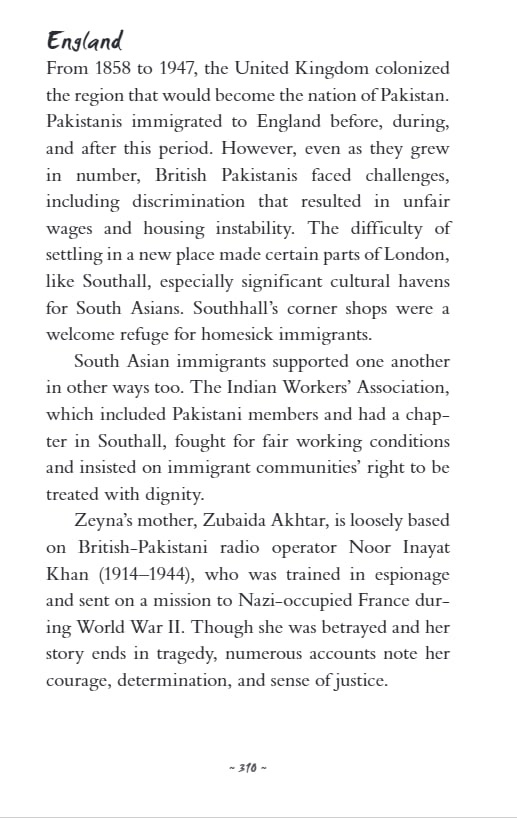
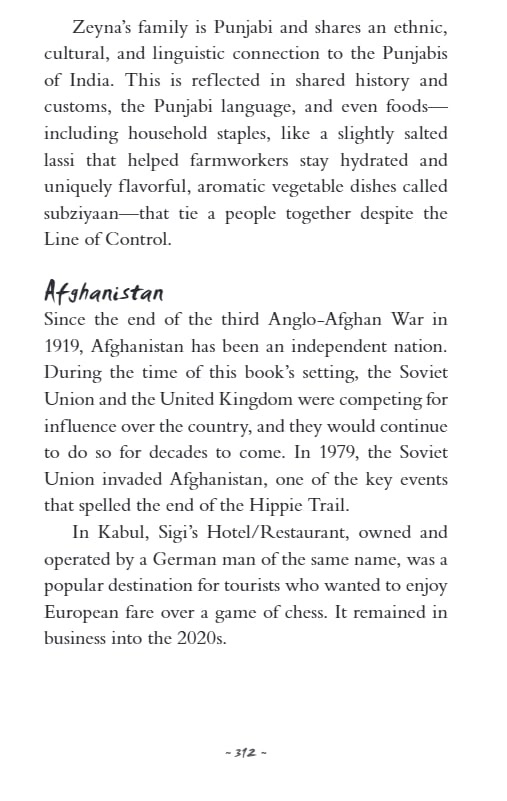
It’s hard to review a book like this without giving the twists and climax and resolution away, but more than once I gasped in delight when something happened on the page, and it crystalized where the book was going in my head.  Sure there were some particularly outlandish connections and a few plot holes, I even Googled when fax machines were invented, but I had a blast reading the book.  I loved the historical backmatter discussing the events in post partition Pakistan, a year before Bangladesh was independent, Soviet Union and UK competing over influence in Afghanistan, the discontent voices in Iran toward the shah, and the role of the Pudding House for messages in Turkey.  There are also discussion questions, a glossary, acknowledgements, and about the author at the end.

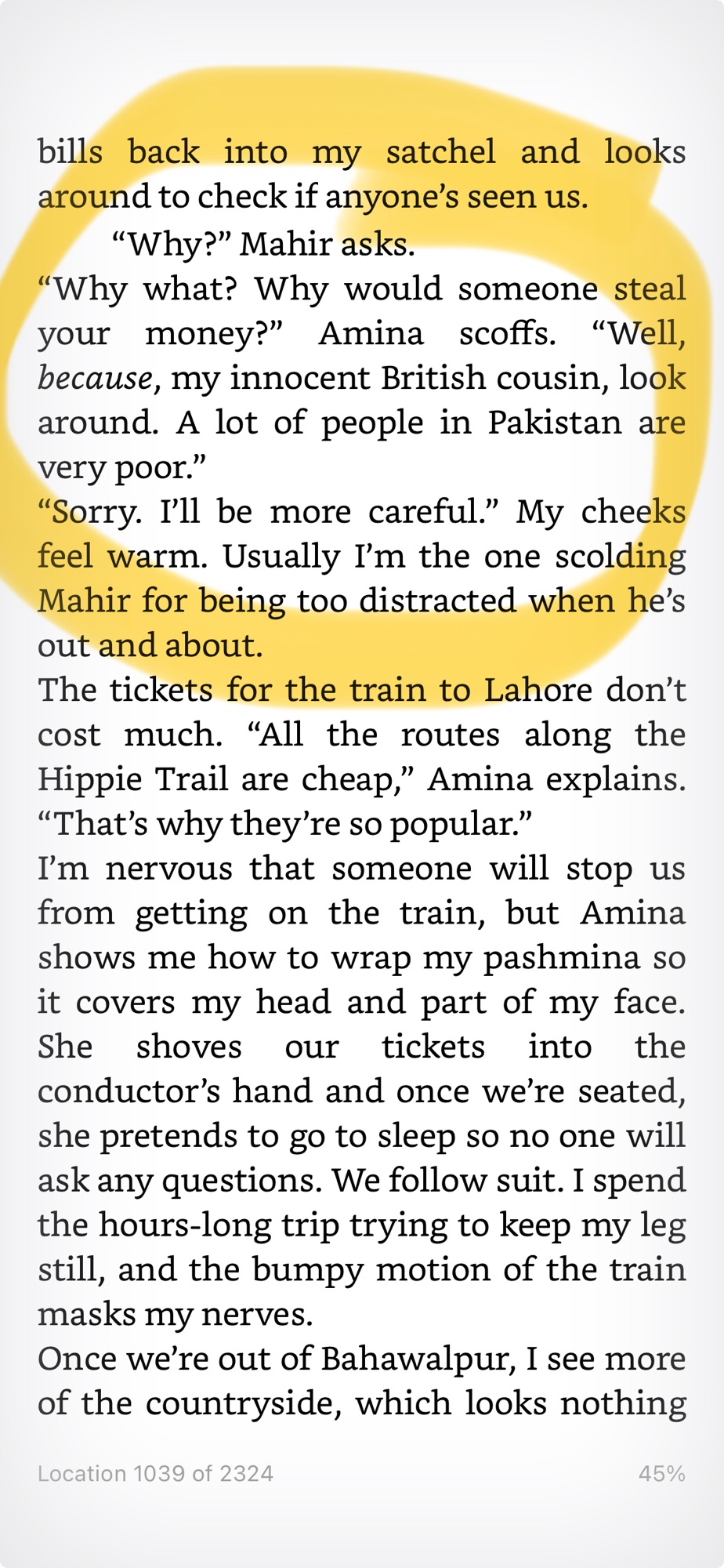
One tiny concern was the assumption that money could be stolen because the people around them are poor, it is just one paragraph, it isn’t a constant in the book, but it struck me as odd and stereotypical, and really not needed.

FLAGS:

Lying, stealing,  deception, pretending to be someone you are not, breaking and entering, eavesdropping, snooping, its a heist book!
TOOLS FOR LEADING THE DISCUSSION:
This would be an awesome book club book or novel study read, I can’t wait for it to be released in a few weeks so that I can have my kids read it.

Always Be My Bibi by Priyanka Taslim

Standard
Always Be My Bibi by Priyanka Taslim

I had pretty low expectations going into this 368 page YA romcom- as often YA is really “adult” and if the characters/author are Muslim in a “romance” it tends to become a heavy handed rebellion against Islamic principles. So imagine my surprise when the book really is meant for teenage readers. The protagonist loves her culture, and it is established really early on that they are Muslim, but aren’t religious.  Sure as an “Islamic School Librarian,” I wish the characters practiced Islam, and that the the kissing and hugging was labeled as haram, but for the fictional story on the page, that is cultural based, it is a delightfully chaotic and fun read.  Note, the kissing and haramness occurs when they are “sneaking out,” and reads as if they are sneaking out from parental rules, not Islamic ones, as they do not view the world through an Islamic lens.  The protagonist’s sister is presented as religious in that she wears hijab, and left a prestigious private school to attend a local Islamic one, but it is not a major plot point, and if anything shows that Islam is not a monolith or something forced, really though it just shows how different the siblings are.  Does that mean the writing is some literary genius? No, not really, but it is a quick light summer read that I enjoyed. The main character, Habiba, aka Bibi, reads as a Bangladeshi Cher from Clueless through and through, and while at the start it was a bit annoying, I ultimately found her endearing by the end.  There are plot holes, but I didn’t care too much given the quick pace and the nature of the book. The ending though, was drawn out and too long, and the book could have been easily 50 pages shorter. All in all it was fun to be transported to a tea estate in Bangladeshi for a wedding, and I wouldn’t have a problem with 15 – 16 year olds or so reading the book.

SYNOPSIS:

Bibi is in hot water with her father for sneaking off to prom with a boy, the deal has always been no dating until her older, perfect, law school bound, sister Halima gets married.  And her punishment for the summer is working at the family restaurant, one of the many Royal Fried Chicken locations in the chain they started that makes her family, chicken royalty. When hijab wearing, no haram dating Halima springs on her family that she is getting married, the family all heads to Bangladesh for the summer to get to know the groom’s family on the massive tea estate, and celebrate the wedding. Oh and Bibi’s punishment will be transferred from working fast food, to working in the fields under her new brother-in-law to be’s grumpy, serious, younger brother, Sohel.  Bibi also holds her father to his end of the deal and when the big book of biodatas arrives, she is ready to have her chaperoned dates as promised.

As the prickly family of inlaws look down on Bibi and her family, Bibi and surprisingly, Sohel join forces to break the pair up. As the book unfolds their mission changes, the bio data book causes drama, old flames are sought after, and the wedding takes some surprising turns.

WHY I LIKE IT:

As I write this, I’m rolling my eyes at the fact that I really did read it in two sittings and was amused. Bibi is spoiled and clueless and yet does have a good heart.  As with most romantically inclined books, a whole lot of suspension of reality takes place and side characters are not fully fleshed out.  Halima and Sunny met in college, and there families are from the same part of Sylhet, infact Baba worked on the Rahman’s tea estate before coming to America.  The grandma is woefully underdeveloped, I get that she is a side character but the girls spend so little time with this woman they love so dearly is a blaring hole. I really didn’t get some of the scenes after the midpoint, they felt like filler and they felt forced: friends coming from America, the bachelorette party turned amusement park trip, Sohel not sticking up for Bibi, the half hearted love triangle, and the Bibi Baba multiple rehashings.

I did like that the title of the book though comes from something Baba says to Bibi, and not from a love interest, that made me smile. And I liked that the “dates” were supervised, it is vague if the dates in America would have been, or if once Halima was married she would have been allowed to “date” with a western definition, but I kind of liked that it wasn’t defined.

FLAGS:

Disrespect, sneaking out, kissing, hugging, close boy girl friendships, sneaking out, language.

TOOLS FOR LEADING THE DISCUSSION:
Definitely not a book to spotlight as a book club selection, but one that I would have on the shelf and not mind older high schoolers reading.

Detective Aunty by Uzma Jalaluddin

Standard
Detective Aunty by Uzma Jalaluddin

The author may have returned to her fictional Golden Crescent neighborhood, but with her best writing yet, the focus is not romance like in her earlier books, it is a murder mystery.  If you think of it, who better to solve a mystery than an unassuming Desi Aunty with a knack for observations, getting people to talk, and prying into other people’s business? I say it with love, this book was such a fun read, I’m sure I should have paid more attention to craft and arcs and writing style, but honestly I devoured the 336 pages in two settings, and genuinely hope that Kausar is just getting started. The adult read isn’t salacious, it does feature a murder, some marital dramas, crime, fraud and the like, I think mature teens that aren’t bothered by a grandmother protagonist will enjoy the read. The first chapter is a bit dry and feels like an info dump, luckily it isn’t a long chapter and I ultimately, appreciated it getting the stage set and then slipping out of the way so the story could get good. The telling and not showing takes a while to flesh out, the author does a good job of threading it through, and by the mid point you really get a feel for the characters and appreciate the early statements that set the tone, and the book’s ability to tie up nearly every thread it presents.  There isn’t a ton of Islam, many of the characters are Muslim; the traditions and cultural expectations are plot beats in the story, even if the action and expectations are not overtly seen through an Islamic lens or with Islamic boundaries.  

SYNOPSIS:

Kausar Khan has always noticed things around her, and when needed, used those observations to position certain outcomes.  When she gets a call from her daughter in Toronto that she needs her mom to come help with the kids as he is wanted for murder, Kausar Khan leaves North Bay and returns to a city filled with memories of tragedy to try and help.  Sana asks her mom not to get involved and to just help with the cooking, cleaning, and childcare, but old friends, new secrets, and the high stakes of a murder are not going to keep this Aunty from unraveling the truth.

WHY I LIKE IT:

I love the concept, the execution, and that it didn’t unravel at the end.  I read the last few pages with the same intensity as the climax, trying to figure out whodunit.  The play on traditions and stereotypes to lure suspects in, and the wit and charm of using the religion and culture to advance the plot were flawless.  Sure, I wish the characters threw in some commentary on men and women being alone together not being ok, or some Islamic insight into marriages and rights.  It seemed intentionally lacking, and that is unfortunate. I also felt the thread with the son coming from the UK was painfully underdeveloped, the heart of the book though was strong.  And I loved the side commentary on marriage and women’s roles.  It was insightful and added depth, it didn’t come across as angry or like the author had an axe to grind, which was refreshing.  

FLAGS: 
Murder, affairs, fraud, pyramid schemes, theft, racism, gentrification.

TOOLS FOR LEADING THE DISCUSSION:
The book won’t work for a school book club, but is a perfect summer read to giggle about and chat about with friends.

The Matchmaker by Aisha Saeed

Standard
The Matchmaker by Aisha Saeed

There is no Islam, save being told a wedding took place in a mosque, in this 320 page adult book by a Muslim author.  The thriller, mystery, romance, is fairly clean, save some drugs, killings, kissing, and normalized dating, yet I would probably be fine with mature teens reading it, if so inclined.  By the end, I enjoyed the book, but it took me three attempts to get past the 30% mark as the opening was painful with its numerous characters being name dropped, the setting being established, and getting the characters into position.  But then slowly the exposition gave way to story telling and intrigue, and the second half was a decent read.  Honestly, my biggest problem with the book is that I just didn’t like the main character, or any of the characters really, and I don’t know why.  They didn’t have some clear flaw or annoying habits, they just felt distant and bland, which resulted in the plot carrying the book, and me not really caring if the protagonist was killed or harmed, I know- harsh.  I cannot deny though, that what kept me reading was to see who was behind it all and I did figure it out, but continued on just the same to be sure, and that is a testament to the author’s writing skill, even if it took a minute for the pacing, plot, twists and climax to pull me in.

SYNOPSIS:
Nura Khan runs an elite matchmaking service in Atlanta, from hands on to a dating app, her and her team match people of all backgrounds and faiths.  She herself has a long time friend who acts as a fiancé for image purposes, and a recently retired aunt who’s bad days have meant family dynamics have changed.  As a third generation matchmaker, Nura is in charge and knows what she is doing, until suddenly her image, her reputation, and her matches start faltering.  Not confined to just heartbreak, there is also stalking, threatening notes, kidnappings, and attempted murder, which suddenly thrust Nura into a world she is ill prepared for, and one that seems to put her in the crosshairs of someone determined to see her demise.

WHY I LIKE IT:

It wasn’t a heavy thriller or heavy romance, it was an easy read that didn’t “other” desi culture and I found that refreshing. That being said, I always wish her books had Islam in them.  I also liked that the climax and second half honestly didn’t feel overly forced, I’m not a writer so take it with a grain of salt that I complain that the beginning was dry and too much telling, but then the second half flew by and loose ends were more or less tied up in a satisfactory way. I’m aware that the second half was a result of what was a established in the first part, but none-the-less I hope future books will make the two halves less cumbersome and inconsistent. I also really hope future books will have more character appeal.  There was a lot of potential to care deeply about the main characters, from the aunt, to the best friend, to Nura herself, but they lacked spark, and sadly just felt like vehicles for a plot that wasn’t dependent on them, their experiences, their flaws, and their personalities.

FLAGS:

Dating and relationships of all faiths, persuasions and labels, kissing, attempted murder, killing, plotting, lying, scheming, kidnapping, drugging, physical abuse, assault, deception.

TOOLS FOR LEADING THE DISCUSSION:

With no Islam I wouldn’t do this as a high school book club, but amongst friends it would be a fun group read.

Ibraheem’s Perfect Eid by Farhana Islam illustrated by Nabila Adani

Standard
Ibraheem’s Perfect Eid by Farhana Islam illustrated by Nabila Adani

Gorgeous illustrations, joyful Islam, and a sweet story about a little boy realizing there is more to Eid than presents. The protagonists voice is really on point and a great way to counter so many of the books, and real life antics of kids equating Eid to being about gifts. This 23 page picture book for 3-6 year olds, works for both Eid al Fitr or Eid al Adha, and follows little Ibraheem as he searches for his gifts throughout his sunnah and love filled Eid day at home and at the mosque.  I love that it shows him getting drawn into the khutba, doing takbir, ruku and sajood, eating dates before going, and taking a different path on the way home.  It doesn’t have any backmatter, but if reading it to a child, I would hope the little details in the text and illustrations would be discussed. It took me a few readings to be ok with how Ibraheem discusses his gift order with Allah swt, but I think for little kids and with the consistent tone of the book, it makes it relatable.  I also don’t know why his mom and rest of the family do not go for Eid prayers. Other females are shown at the mosque in the background, and people of various ages and mobility, but alas it is just Ibraheem and his Baba at salah, and a house full of love and family the rest of the day.

The book starts with an illustration of Ibraheem hanging up his “Eid Sunnahs” chart next to his “Dear Allah” swt list of gifts that he wants. The text then starts with it being Eid day and Ibraheem looking in all the usual places for his presents, but comes up empty. He wonders if his parents forgot, if Allah forgot, but he knows that would never happen. Luckily Baba and he are off to the mosque for prayers, maybe, he thinks, the presents are there.

As the father and son walk to the mosque they greet others, and then settle in for the “Eid day stories.” I don’t love that the khutbah is referred to as such, but that is probably just me. When the iqamah is called, it is time to pray and Ibraheem copies his Baba before they make their way into “the sea of smiling faces.”

Back at home it is time to enjoy food, games, fun, and cuddles with a bustling house.  Presents still haven’t been found, but the day has been perfect, and presents can always be opened tomorrow.

I love that this is a traditionally published book, that centers Islam on Eid and radiates with joy.  The large size makes it easy to share in all settings, and the illustrations beg to be explored and appreciated.

The Eidi Bag by Shazia Afzal illustrated by Shiva Delsooz

Standard
The Eidi Bag by Shazia Afzal illustrated by Shiva Delsooz

This adorable 32 page picture book, is not just a story about celebrating Eid al fitr, it weaves in themes of culture, faith, anticipation, disappointment, change, and appreciation.  It is Sarah’s first Eid in a new country and she has made herself a new Eidi bag just for the occasion, to collect the money she will receive from friends and family to celebrate the holiday, and then use to buy treats to share.  Except other than her parents and grandfather, no one gives her Eidi.  She longs for Pakistan and the traditions that she is used to, when slowly she sees that new and different traditions can also be fun and filled with love and joy.  The slow realization and protagonist point of view are skillfully done in keeping the story engaging, the arc smooth, and the lessons nuanced.  The beautiful illustrations, tug at your heart and bring the story to life making me confident that it will be a highly sought after addition to any book shelf for story time, bedtime or independent readers, Muslim and non Muslim alike.

The book starts with Sarah running into the kitchen on Eid morning to show her Mama her Eidi bag and ask for her Eidi. Her Mama lovingly gives in and reminds her that it isn’t polite to ask for Eidi.  Sarah repeats the requests when Baba and Dada ji enter, and Mama rolls her eyes.  The family is then off to the masjid to pray, listen to the khutba and give donations.  At each turn of greeting friends, Sarah shows off her bag, and yet no one offers her Eidi, much to her confusion.  On the way home Sarah is missing Pakistan and recalling how full her bag would be if she were there.

Once home, Mama is busy in the kitchen getting ready for guests to come by. Sarah notices that they will be coming at a certain time, not in and out all day long like before.  When the guests, Muslim and non Muslim, start to arrive they each bring a gift, baklava, flowers, candies, a little plant, and even a set of 40 markers just for Sarah, that she can store in her Eidi bag.

I love that even though it could very easily come across as whiney, or with money being discussed, greedy, it doesn’t.  The book is very tender, and you feel the emotions of Sarah in a new place adjusting to what her expectations are to the reality, and adapting. Being kind of dismissed at Eid also was very reflective as children everywhere get a bit jostle with all the hugging and greetings flying around above their heads. I also love that the neighbors come, including a friend named Jessica, modeling for non Muslims what they too can expect if invited to an Eid party. Someone brings baklava, not a traditional Pakistani dish, also showing the diversity within Islam, subtly adding an additional beautiful layer to the story.

The book concludes with an Author’s note and a glossary.  A great book that will work for both Eid al Fitr and Eid al Adha.

Ramadan on Rahma Road: A Recipe Storybook by Razeena Omar Gutta recipes by Faaiza Osman illustrated by Atieh Sohrabi

Standard
Ramadan on Rahma Road: A Recipe Storybook by Razeena Omar Gutta recipes by Faaiza Osman illustrated by Atieh Sohrabi


I would not know where to shelve this 40 page in a library, it has beautiful pictures, it is informative, resourceful, useful, and interesting- I’ve only delayed sharing it because I really have had to think, how best to use this book to its maximum potential, to make it truly effective. It is formatted externally as a picture book, but it reads much like an chapter book anthology with the stories connected by the road the diverse folks live on, Rahma Road, all coming together for a communal iftar, with some fasting and some not.  The spreads feature vignettes on the left of what each house is making, including tidbits of culture, facts about Ramadan, insights about method or ingredients, with the facing page being the recipe.  The book is incredibly meticulous and intentional in appealing to Muslims and non Muslims alike, as well as a variety of ages.  It works as a book for Muslims to see themselves in, non Muslims to get a peek at iftaar excitement through, messages about community and diversity celebrated, foodies to see new recipes that they can try, cultures to explore through food and native words, a story framing to feel connection, I really could go on and on with the layers and inclusions this book provides, alhumdulillah.  I think the best way to use and share the book is going to be for me to read it with my 5 and 9 year old children a week or so before Ramadan.  Where I can read the story portion, getting us excited for Ramadan, slipping in some reminders, appreciating Islam’s global presence, and then talking about the recipes so that they can pick dishes to try in Ramadan and add needed ingredients to the shopping list (I wish I made the effort to be this organized all year long).  I then will plan to leave the book out and have my teens flip through to find any recipes that they think sound good and will commit to making.  The book would work all year long, but as a new release, I’m sharing my plan with hopes that it can help your family as well. 

The book contains 25 globally inspired recipes, featuring 11 with accompanying stories.  I absolutely love that at the bottom of the recipes are page numbers for additional items that would pair nicely, or be condiments or beverages or desserts for the dish.  This allows easy personalization, fusion meals, and more importantly a way for different age groups to be able to help each other in the preparation.  Maybe koshari is a bit advanced for your kid, but the mint lemonade paired with it might be something they can tackle a bit more independently. 

The framing of everyone on the road coming together book ends with the neighbors sharing a meal at the end,  I love the backmatter explaining Ramdan, about the recipes, even about Rahma Road.  The message to the reader and the naming of consultants really is a credit to the time and effort put into this book.

A few of the dishes and countries featured are: Atayef from Palestine, African American Sweet Potato Pie, Nigerian Puff Puff, Japanese Temaki Sushi, Morrocan Harira, Uyghur Lamp Stir-Fry, Guatemalan Dobiadas, Turkish Chicken Gozleme, Malaysian Teh Tarik, Australian Mini Strawberry Pavlovas, South African Bunny Chow, Mexican Elotes  .I can’t wait to report back if my plan was successful, if the dishes prepared were a hit, and ideas for further maximizing the use of the contents it contains.

Yours, Eventually by Nura Maznavi

Standard
Yours, Eventually by Nura Maznavi

It has been a while since I’ve read Austen’s Persuasion, and I should probably remedy that, but alas, here I am reviewing another adult, Desi-fied, Muslim tinged retelling, and am embarrassed to admit I was absorbed and invested, as if I had no idea how it would play out. Sure there were author liberties, but the heart of the story hits the same beats (that I recall) and works so well when adapted for our faith and culture. It isn’t halal halal, nor is it Muslim focused, the culture and cultural expectations are definitely more centered for the Pakistani American Muslim cast. The characters are all Muslim, a few wear hijab, they abstain from alcohol, date with intent to marry, attend Bismillahs, but they aren’t shown praying, or viewing life through an Islamic lens, or Muslim conscience. There are a few kisses and hand holds, and male/female close friendships, but for an adult read, the Muslim authored 400 page novel is pretty notably clean.

SYNOPSIS:
Asma is in her final year of Emergency Medicine residency and the pressure to get married is ever mounting. With her father making poor financial choices, he and Asma’s oldest sister Iman, are moving out of their Palo Alto mansion and heading back to Sacramento. Culture won’t let Asma live alone, so she is forced to crash on an air mattress at her youngest sister, Maryam’s house in the room of her three year old twin nephews. Asma feels it is her responsibility to take care of everyone since her mother passed away, but with the family splitting up, she has to decide for once, what she wants. Eight years ago she did what she was told and broke off her engagement with Farook. Unfortunately, she has regretted it every day since and never moved on. When of all people, Farook’s sister moves into Asma’s old house, a chance encounter brings the two face to face. When Farook starts courting Maryam’s sister in law, things get particularly tense. Throw in a dozen or more side characters, amp up the drama, and settle in to see how it all unfolds.

WHY I LIKE IT:

If my recollection of the original source material holds, it takes a while to get all the characters in their desired place and position for the story to sweep the reader away, and this version does the same. At times I worried that threads and characters were being overlooked, but by the end, most everything felt resolved. I did feel Fatima’s story was underdeveloped and showed Asma as being a bit of a bad friend, and there is no way three year olds would recognize someone from a picture taken 8 years earlier, but I know, romance books require some suspension of reality to work. The premise of the plot is even a bit shaky, but once you are rooting for the characters you aren’t too worried about why they need a second chance. For the most part the writing is fairly smooth, a fair amount of characters the author managed to keep annoying, but not completely unredeemable, and I appreciated the restraint. The pacing at times was a little sluggish, with a lot of characters that the reader needed to connect with resulting in telling and not showing, so I was a bit disappointed that end felt rushed. I wanted to bask in the resolution of all that angst, longing looks, and obstacles being overcome.

There is quite a bit of commentary about pushing back on stereotypes, expectations, and cultural weight. There are aunties doing the match making and gossiping, and plenty of folks chasing wealth above all else, it doesn’t weigh down the storyline, but it at times does get a bit repetitive and shallow.

FLAGS:

Romance, kissing, hugging, holding hands, lying, death, pyramid scheme, alcohol, consumerism,

TOOLS FOR LEADING THE DISCUSSION:
I might let this be in a school library, it is clearly adult with the characters nearly 30 years old, but high school romance lovers will enjoy this, and it isn’t overly mature for ages 16 and up.

How to Free a Jinn by Raidah Shah Idil

Standard
How to Free a Jinn by Raidah Shah Idil

This 276 page book drew me in from the first page and held my attention until the last. I can’t recall ever reading a fantasy book in a single sitting.  The Islam, heart, Malay culture, and family dynamics have me hoping that maybe there will be a sequel, and that hopefully this debut novel is a first of many from the author. Of course I have minor critiques, the book definitely in the middle had some repetition and pacing hiccups, the rising action and climax could have been stronger, and there are a few noticeable loose threads, but Insyirah is a loveable protagonist that you really hope can sort through her family secrets, save the day, and be at peace with her decisions.  There is a lot of Islam, and it is well woven into the characters’ identities, the plot, and the lens of the book.  If you are Muslim reading it, you will see the fasting on Monday and Thursday, and staying in wudu a little different than non Muslim readers, but no matter who you are, you will enjoy the plot, the adventure and fun ride that will undoubtedly become a beloved favorite.

SYNOPSIS:

Twelve year old Insyirah and her mom are moving back to Malaysia to care for her elderly grandma.  Insyirah is anxious and not thrilled to be leaving Australia.  She hardly has time to miss her old life though as family secrets, discovering she can see and interact with jinn, and learning that an old jinn with a big grudge is after her.  Navigating the seen and unseen words, the rules of her mother opposed to those of her grandmother, and figuring out what she wants will take time to ponder, learn, and reflect upon.  Unfortunately, Syirah doesn’t have that kind of time, as she keeps falling into the unseen world, realizing that a jinn bound to her blood line will soon be under her control, and that pesky jinn haunting her school is trying to get her to leave Malaysia.

WHY I LIKE IT:
I am intrigued by the the way the book holds space for Islam, culture, and fiction, and interweaves the three.  Islam is adhered to, along with the worship, and uncompromising faith in Allah swt, and while the jinn are kept as being real, as understood by Muslims,  their day to day antics cultural and fictional positioning, is richly developed and not put in conflict with deen, seemingly trying to keep everything halal.  I am not a scholar, I would not venture to proclaim that this does or does not cross lines, but the author is very aware of the threads at play, and has a solid awareness of writing craft, so the result is a great story, that feels authentic, without being “shirk-y.”

There are some pop cultural references that might age the book a bit, but I love the shootouts to Hanna Alkaf books.  For me, a Western reader, that really is my only other Malay juvenile literature reference, and the vibes are similar, so it was nice to see the connection.  

FLAGS:

Jinn, loss, death, fear, murder, threats, lies, enslavement, haunting, scaring, secrets, fighting.

TOOLS FOR LEADING THE DISCUSSION:

This book is solid middle grade, but I think older kids will enjoy the story and find plenty to relate to, learn about, and be captivated by.  I think this book will be a great addition to home, school, and library shelves, and while my copy is from Australia, I believe a US version will be available in 2025, inshaAllah.

Esma Farouk, Lost in the Souk by Lisa Boersenand Hasna Elbaamrani illustrated by Annelies Vandenbosch

Standard
Esma Farouk, Lost in the Souk by Lisa Boersenand Hasna Elbaamrani illustrated by Annelies Vandenbosch

img_7161-1

This fun and silly picture book takes place in a Moroccan shopping center, where a visiting Esma Farouk, suddenly can’t find her mother.  Lost and tearful, the community comes together to help her out: from water carriers, to a man with a monkey, the acrobats, the fortune teller, the musicians, and even the snake charmer. Esma is encouraged to be brave and together they all put on a show, and reunite Esma, Mama, and Auntie Fatima.  There is no Islam, or any religion, in the text, but their are plenty of visible Muslims in the illustrations, in this OWN voice book inspired by the author’s memories of packing peanut butter and cheese on summer trips to visit family.

The book starts with Esma and her family heading to Morocco with their bags bursting with gifts, when they get there they are emptied and quickly refilled with the gifts their family is giving to them.  Esma wants to go to her favorite place, the souk, and Mama and Auntie Fatima are happy to take her.  Mama is in her new purple djellaba’ bargaining, and Esma is watching a snake charmed by music, when suddenly she realizes, Mama is not there.  Panic sets in, but Esma is quickly surrounded by kind strangers willing to help her find her family.

I enjoyed the illustrations and the love and joy and excitement that they brought to the text.  I have no way to know if the details are accurate, but I hope they are as my kids enjoyed going back and getting lost in them, even after the last page was read.  The sense of community and kindness is wonderfully portrayed and the action at the souk, makes it seem like a fantastic place that everyone should go and visit.