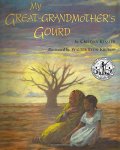

A beautiful story based on a true event in Sudan, this 32 page AR 4.2 book contains lessons about tradition, new technology, village life, culture, family, love, and community. Unfortunately it is one of those books that I doubt any child would pick up and want to read. Meant for fourth graders, there is a lot of text on each page, and the story is not quick and light, it is thoughtful and memorable. The book is a powerful one in opening one’s eyes to a different culture, environmental challenges, and innovations making it an important one for parents and teachers to share with younger children and encourage older ones to spend some time with.

Fatima’s Sudanese village has just installed a new pump, and to show how easy it is to use, Fatima is chosen to try it out first. With all the excitement over new technology, life for the village is about to get easier. No more hauling the water with camels and filling the baobab trees to store the water in for the dry season.
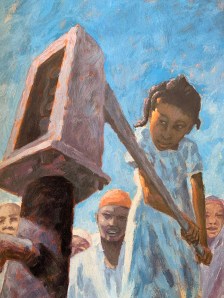
Easier for everyone except Fatima’s grandmother. She refuses to abandon the methods of the past so easily, and independently begins to prepare her tree, her great-grandmother’s gourd. Fatima tries to talk her out of it, and the other villagers mock her refusal to accept technology.
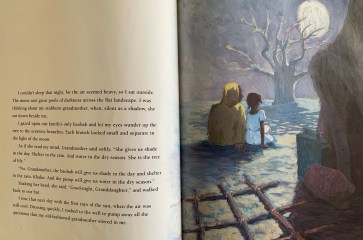
When Fatima hears the neighbor louder than the call to prayer calling her grandmother a fool and laughing at her, Fatima boldly and defiantly joins her grandmother in preparing the tree for when the rains come.

The two dig a circle, a necklace, around the old tree to catch the water in the hard red clay, when the rains come, it catches the water, and when it stops, the two move the water to the inside of the tree with buckets. All the while, the villagers shake their heads at the two hard at work.
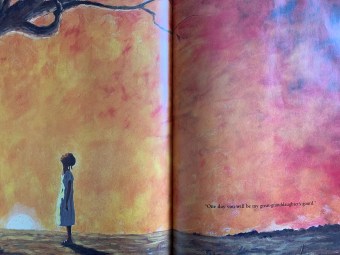
When, in the middle of the dry season, the pump breaks and it will be days before it can be repaired, the chief, Ibrahim, declares they must resort back to the old ways and Fatima and her grandma offer to share their water to hold everyone over. “Maybe it’s wise to mix old with the new,” Grandma poignantly notes. The following year the village works together to prepare the trees, just in case the pump breaks.

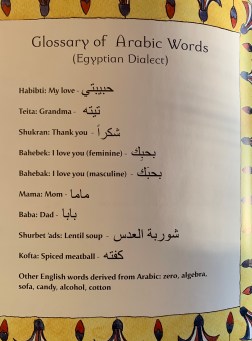
There is a glossary of Arabic Words at the beginning of the book and an Author’s note about the “Thirst Triangle” and the use of the baobabs or tabaldi trees used to store water.

There is nothing overtly religious in this culturally rich story. The women cover their head, they say “inshaAllah,” the call to prayer is mentioned and they have Islamic names: Fatima, Ibrahim, Musa, Ahmed, Ali, Osman etc..
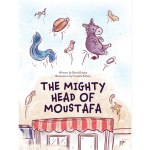


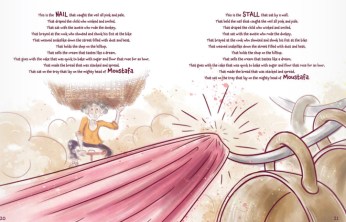
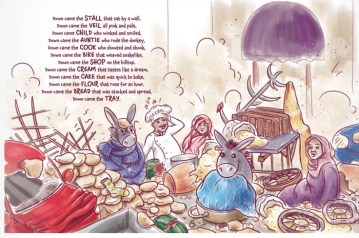

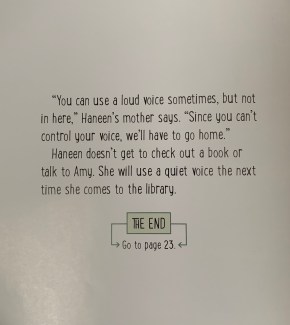
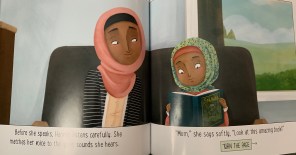
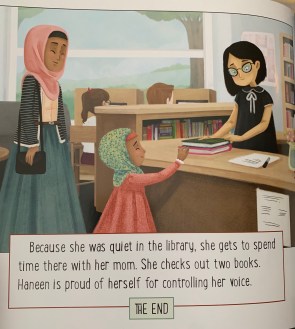
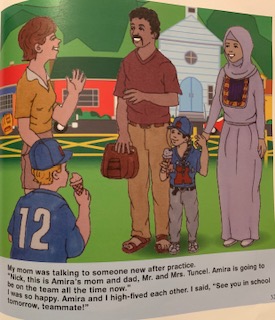
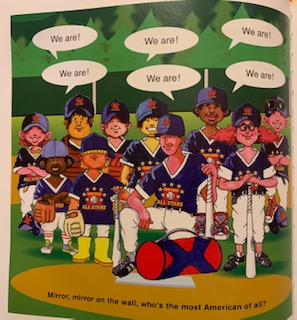
 A choose your own adventure picture book, that doesn’t have anything Islamic specific, doesn’t seem to be written by a Muslim or illustrated by a Muslim, and that was found at the public library, starring a Muslim mom and daughter. Oh hurrah for beautiful illustrations, teachable moments, volume control in a library and the fun to read the story and have control over what happens next.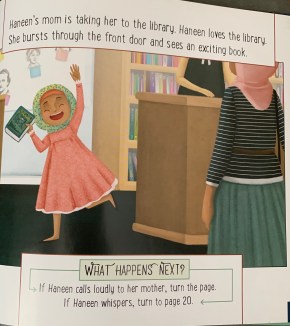



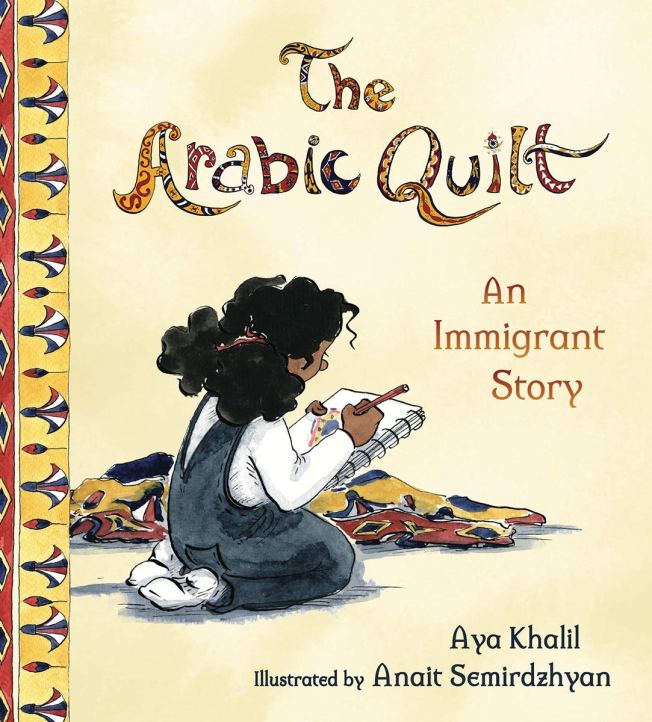





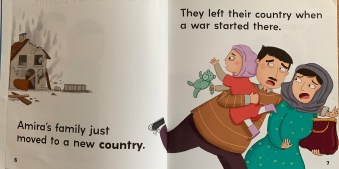
 When the family goes shopping, Amira sees an American flag, buys it, and hangs it outside their home. Amira loves her family and they love her, and it seems like they love their new home too.




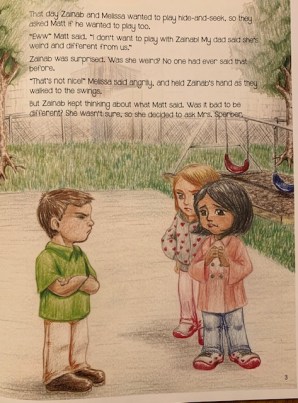
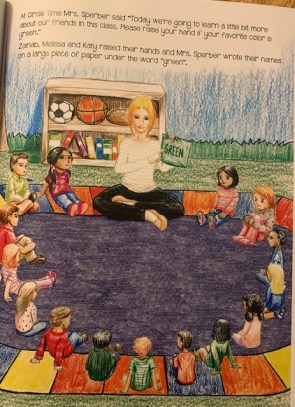
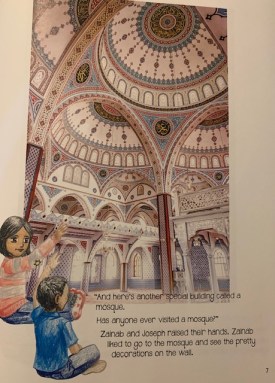
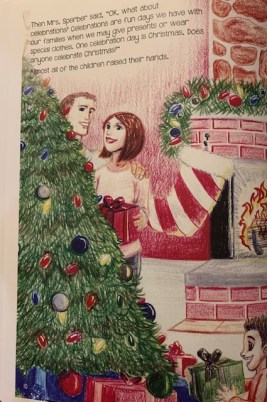
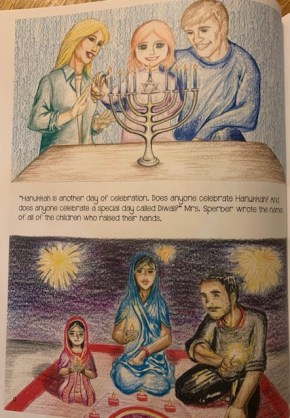
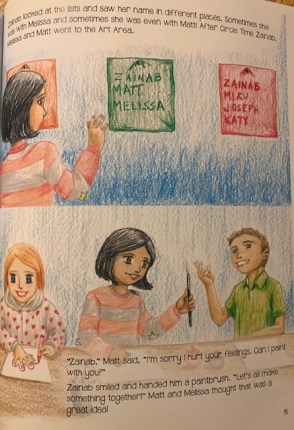
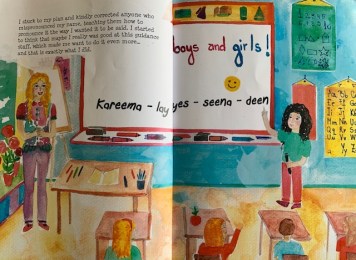
 Next she moves on to holidays celebrated, and then special clothing, only hijab is mentioned though. The teacher then discusses feelings and how things about us might be different but our feelings are the same. We like it when we are all nice to each other, and are sad when someone is mean.


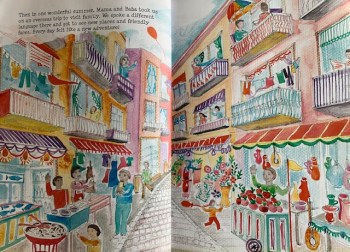







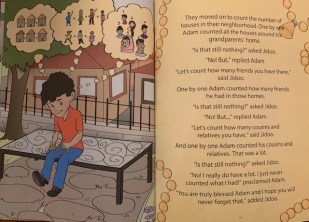
 This 20 page story is endearing and sweet for children aged 4 and up, with a great lesson. At first I thought it was an Islamic fiction book, but after thinking about it, I’m not so sure. Lots of faiths use prayer beads, although maybe only Muslims have 33, and the setting, Lebanon, is a pretty diverse place. Regardless, the character’s names, and the lessons taught are universal and children will benefit from being reminded about how blessed they truly are, in a gentle loving way.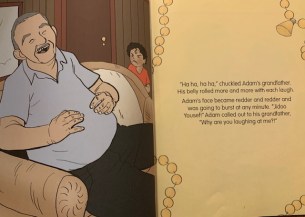



 Islamic School Librarian