Category Archives: Muslim Character

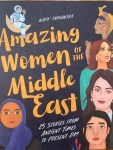
Amazing Women of the Middle East: 25 Stories from Ancient Times to Present Day by Wafa’ Tarnowska

Standard
Amazing Women of the Middle East: 25 Stories from Ancient Times to Present Day by Wafa’ Tarnowska

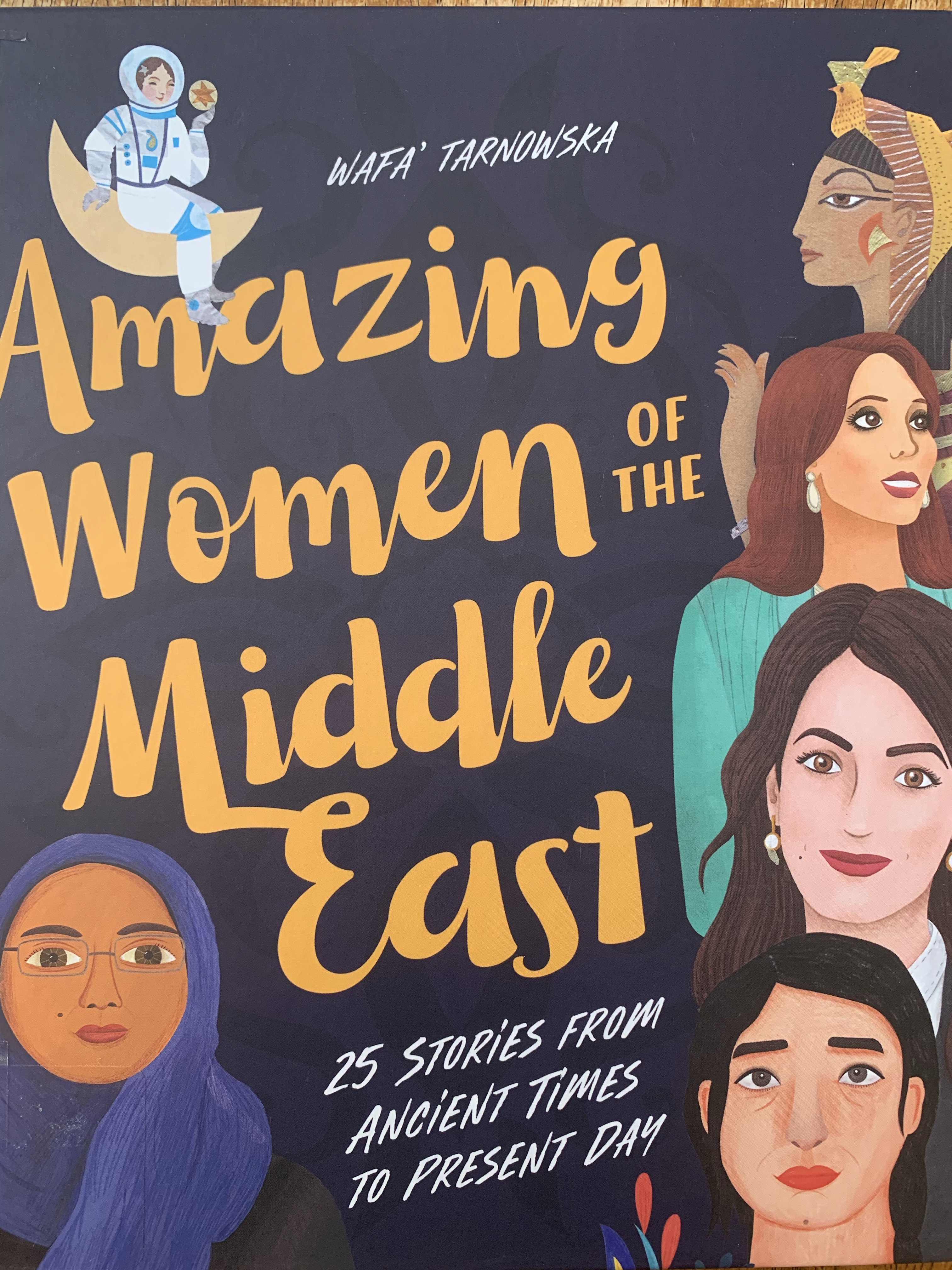
img_7464A nonfiction picture book for teens that features amazing women from ancient times to the present day.  Many of the women featured are Muslim and each entry receives a teasing summation page with a full page portrait from one of five international artists before a two page, more in-depth biography is presented.  The 112 pages feature an introduction, and a map to start the book off, and acknowledgements and a glossary at the end.  There are large time gaps that I wish would have been commented on, the geographical pool includes India which surprised me, and in one of the entries the way hijab is discussed seemed judgmental to me, but other than that the stories are absolutely remarkable.  There are amazing women in every culture and throughout all time periods, but to see one that highlights a region that is stereotypically oppressive to women is a sight for sore eyes.  I learned so much and marveled at the intellect, bravery and determination shown from being rulers of empires to intellectuals to scientists and artists everything in between.

The book starts with Nefertiti born in 1370 BCE and concludes with Zahra Lari, a hijab wearing ice skater from the United Arab Emirates born in 1995.  There are “celebrities” such as Amal Clooney, Fairuz, Cleopatra, Sheherazade and many that might not be as well known.

I particularly enjoyed learning about Zenobia the 3rd century warrior queen who conquered a third of the Roman empire in just five years.  Sufi mystic and poet Rabi’a al Adawiyya and her devotion to Allah swt.  Eqyptian Shajarat al-Durr who was nicknamed Queen of the Muslims in the 13th century.  And Hurrem Sultan from the Ottoman Empire.

Not every one featured was a ruler or married to one, and not are so far in the past, which in many ways gives the collection it’s charm.  Somayya Jabarti was the first female editor-in-chief in Saudi Arabia in 2014 and  Maha al Balushi is the first Omani woman to fly professionally for her country’s airline in 2010, examples of two women presented that cracked the glass ceiling by following their own dreams.

It is great to learn about the strength of the women from the past and see how to add to the legacy.  The book is a great reference, as well as a source of inspiration for people of all backgrounds to enjoy and appreciate.  I found the book at my local public library in the YA/Teen nonfiction women section.

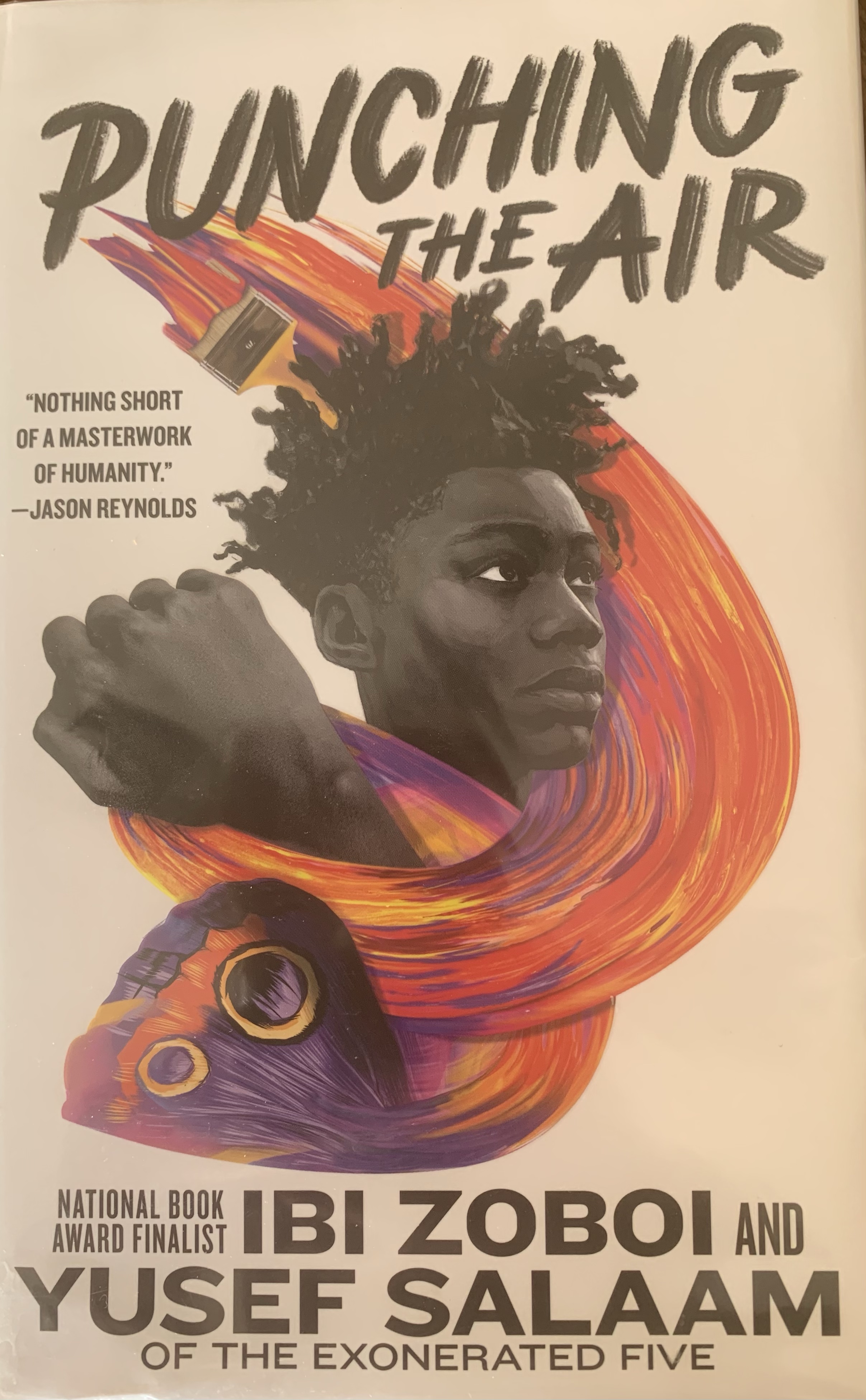
Punching the Air by Ibi Zoboi and Yusef Salaam

Standard
Punching the Air by Ibi Zoboi and Yusef Salaam

img_7268

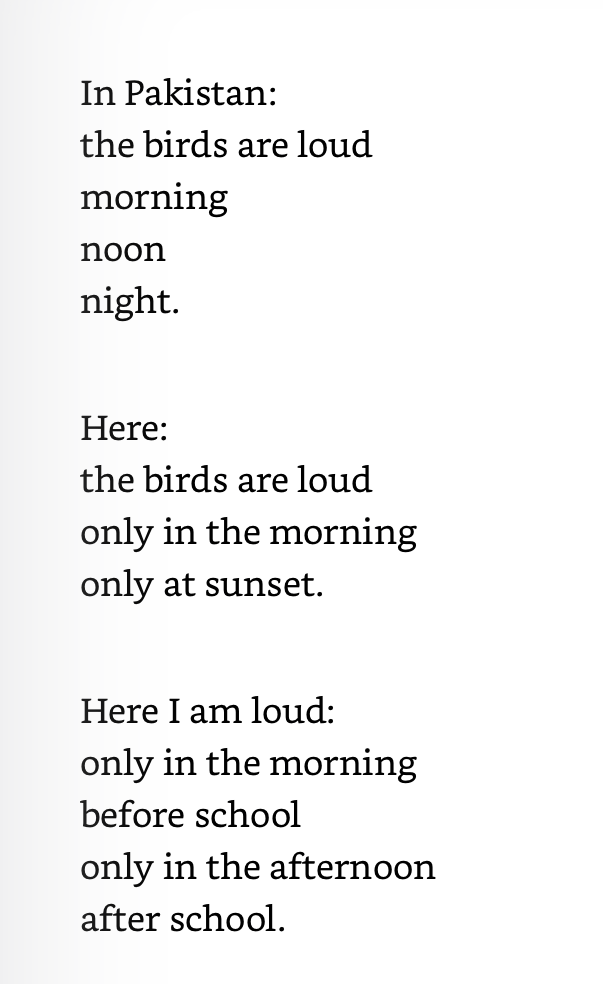
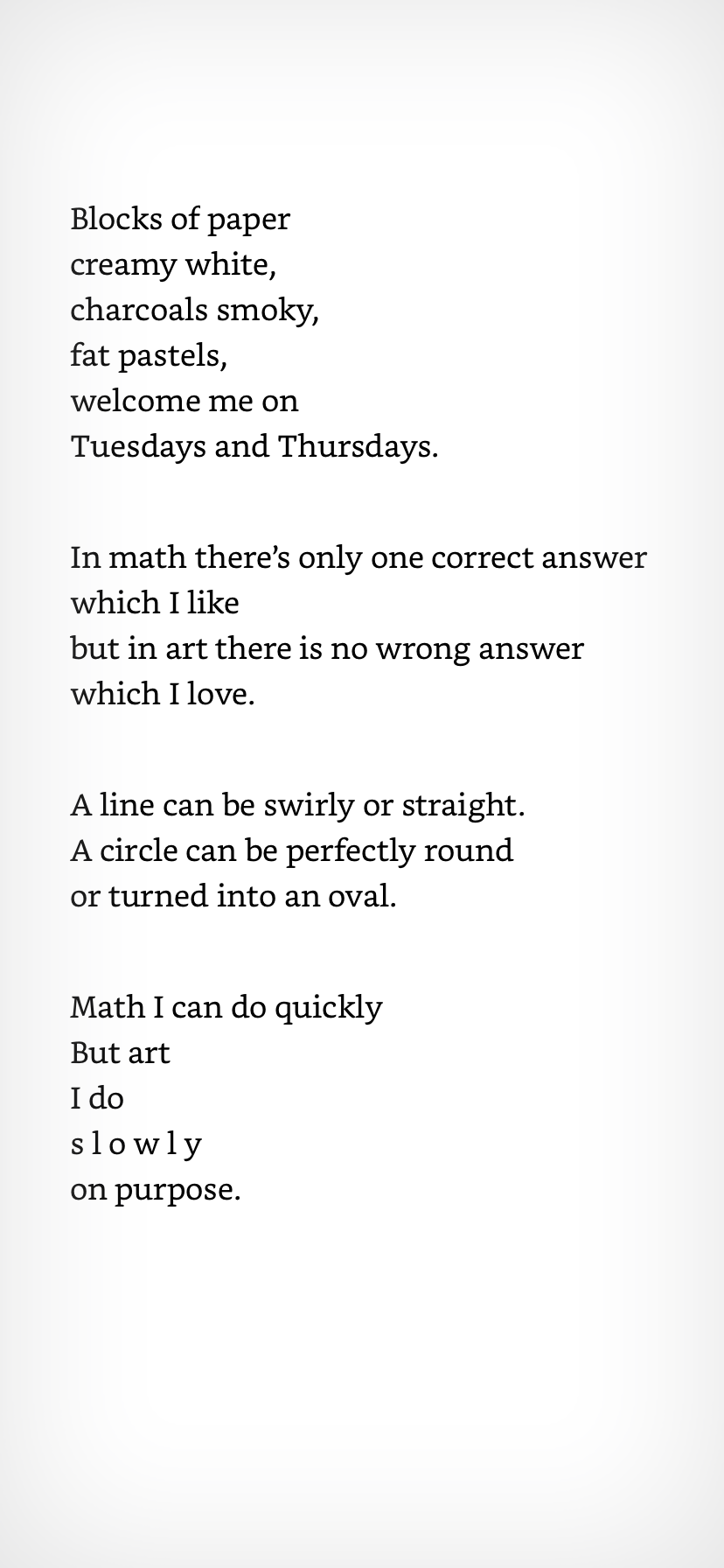
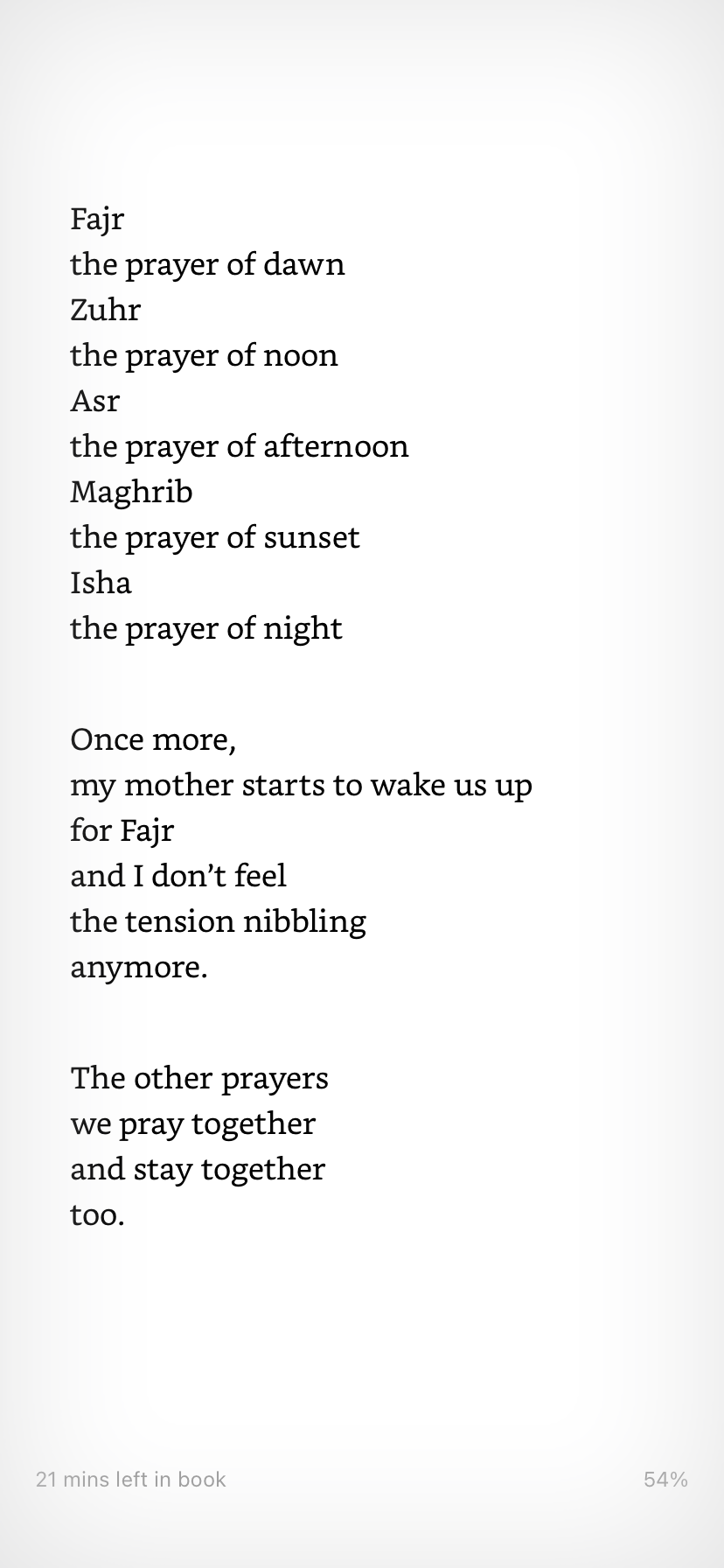
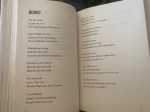
Four hundred pages of painfully powerful verse that you will have to force yourself to slow down and not rush through.  Yes, you want to know what happens to the young, black, muslim teen writing his truth, but to read it too quickly will deprive you of feeling and contemplating and absorbing the message that if, you, like me are a white (ish) person of privilege, need to surround yourself regularly with to understand.  The OWN voice narrative is co-written by one of the Central Park Exonerated Five and should be required reading for everyone 14 and up.

img_7263

SYNOPSIS:

Amal Shahid is 16 years old, and maintains he is being wrongfully accused of a crime that has left a white boy unconscious.  He acknowledges he threw the first punch, but is adamant that he didn’t throw the last.   From his trial to his incarceration in a juvenile detention facility, the narrative pushes forward as he adapts to confinement with flash backs to pivotal moments in his life.  He is a gifted artist and writer and his creativity and ability to express himself is what will hopefully provide him a way to survive.

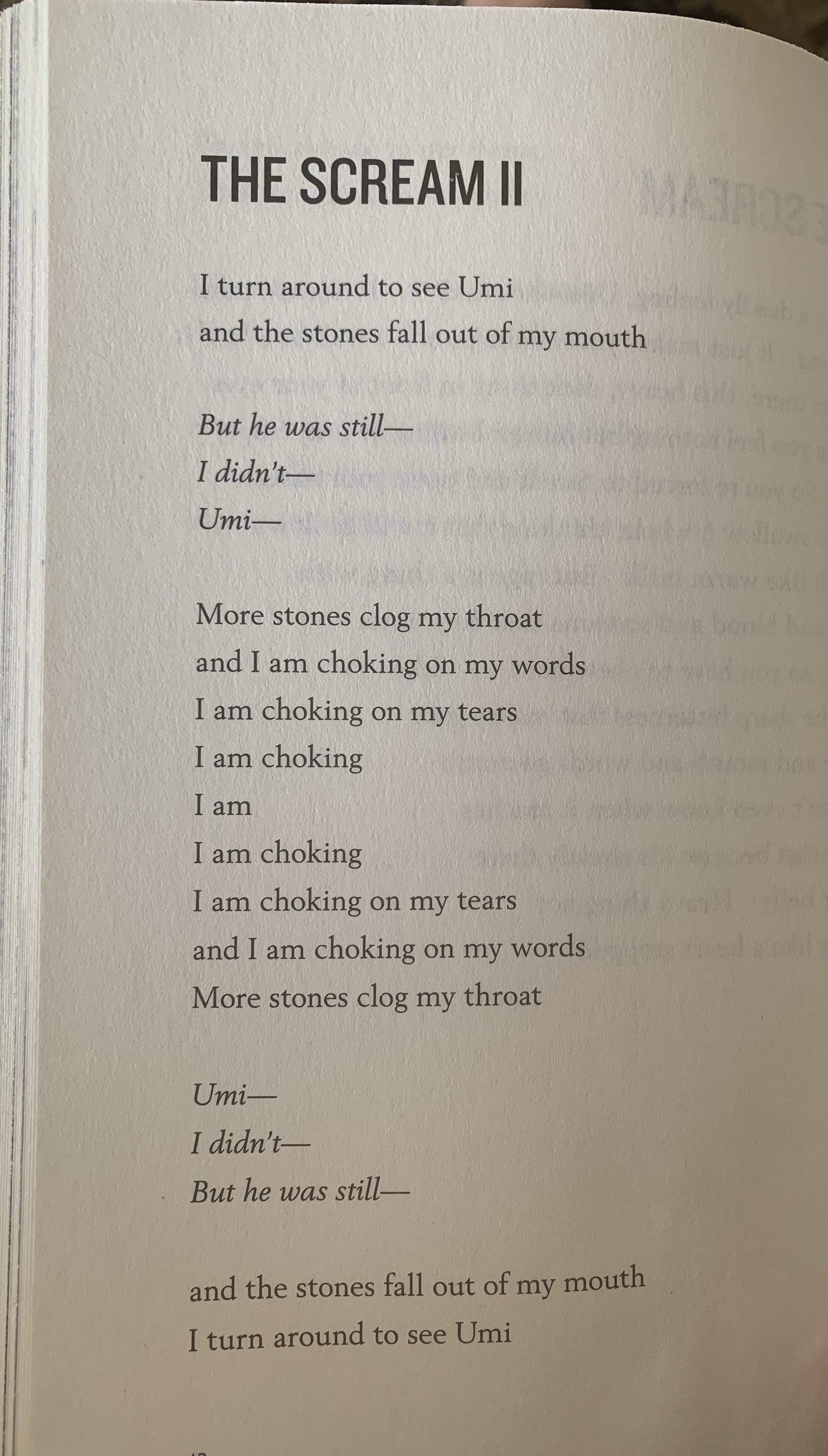
I know I’m leaving this vague, because truly I cannot do it justice.  I started taking pictures of powerful sections, and when I found myself taking pictures of nearly every page, I realized that the book is something to be experienced in its entirety and will include just a few internal pages to tempt you.


WHY I LIKE IT:

The book is impactful in that it claims only to share the protagonist’s truth, it doesn’t get off tangent from that, but allows for the reader to add to the narrative their own understanding to make it personal and resonate most profoundly.  His situation involves so many injustices plagued upon him only because of his skin color, and a system that is designed to keep racism alive and powerful.  He was at the wrong place at the wrong time perhaps, but while the book is heavy, hope is ever present.  I’d like to believe it is because of those that refuse to give up on Amal. I was swept away by the power of a mother’s love.  Truly, what strength for a young man in Amal’s situation to have the world betray him so often in his young life, to find unflinching love, support, belief, and determination in his mother.  

I love that his mother is a practicing Muslim, his grandmother attends church, and he loves them both and values their spirituality.  Allah, the Quran, and Islam are mentioned regularly.  It never is preachy, or gives much doctrine, but it is present, and is a tangible part of how Amal sees the world.

img_7266

FLAGS:

There is language and violence.  He has a crush on a girl and she writes him letters, nothing obscene.  There is racism, bullying, racial slurs.

img_7261

TOOLS FOR LEADING THE DISCUSSION:

There is so much to discuss in this book, and so many resources online.  I think the book might be too mature for my middle school book club, but I am suggesting it to the high school book club.  This book needs to be read, discussed, breathed in, and experienced.  Plus the author’s real life experiences should be incorporated into the discussion as well as the student’s understanding of how present racism is and how they can use their voices and influence to create real, lasting, change, inshaAllah.

Baba, What Does My Name Mean? A Journey to Palestine by Rifk Ebeid illustrated by Lamaa Jawhari

Standard
Baba, What Does My Name Mean? A Journey to Palestine by Rifk Ebeid illustrated by Lamaa Jawhari

img_7233

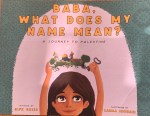
This lyrical journey through Palestine’s major cities, shares historical facts, geographical information, cultural richness, and love for a homeland that will inspire and educate all readers. There is a lot of information pressed in to 32 pages and at times the rhyming text, illustrations, and maps are powerful, and at other times overwhelming. The 8.5 x 11 horizontal paperback bound book needs to be bigger to hold all that the pages contain, and hard back to hold up to the details that need to be poured over to be appreciated. The content about the names and places in Palestine is priceless and well done, but I really wanted to love the book a bit more than I ended up feeling for it. I think trying to make it all rhyme was just a bit too much for my liking, but I would buy this book again in a heartbeat to share with my children. Even though we are not Palestinian, I think all Muslims have a piece of Palestine in our hearts and feel a deep need to celebrate the culture, fight for their freedom, and demand a quality of life that they are brutally being denied by their oppressors.

img_7234

The book starts out at bedtime with a little girl, Saamideh asking her baba what her name means. He explains to her that it means “one who is patient, persistent and one who perseveres.” She is named this because she is Palestinian, he explains and then he shows her the key to their ancestral home in Palestine. He asks her to close her eyes and imagine a white dove, named Salam, taking her on tonight’s journey.

img_7235

Salam and Samamidah prepare to journey across Palestine’s mountains, hills, deserts, and plains. They start in Areeha, one of the oldest cities in the world, and one one of the lowest points on Earth.

img_7236

They journey next to Al-Quds, the capital. They see the old city, Al-Aqsa, and more, before heading off to Nablus, Yafa, Haifa and the Akka. Learning about the cities, the food, and the history of each.

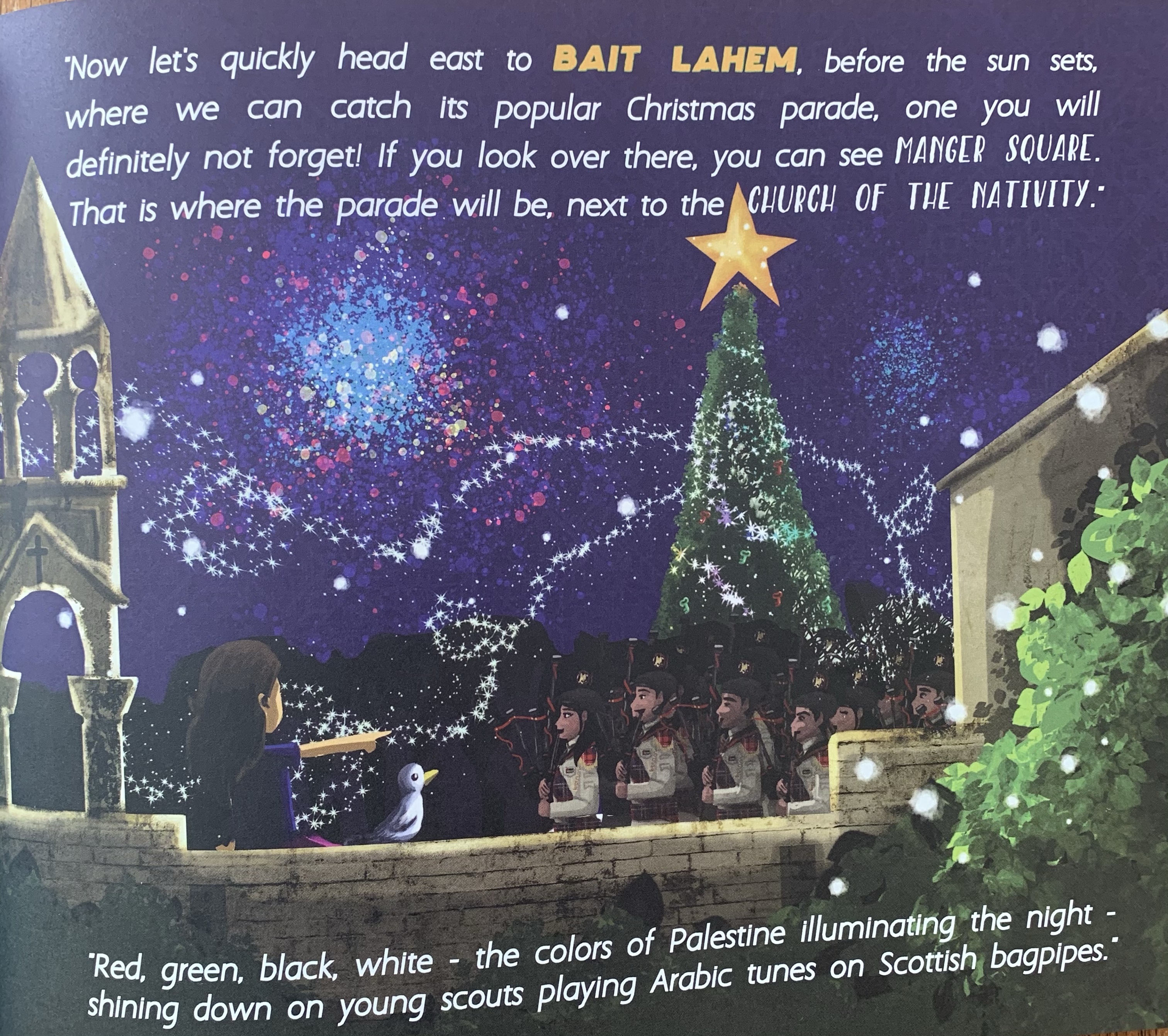
They learn about the dabkah, and the weaving in Gaza and head to Bait Lahem too. They learn about glass blowing in Al-Khalil at the Ibrabhimi Mosque, and finally they conclude their journey with the little girl dreaming of flying around the world to use her key and open people’s hearts and minds.

img_7239

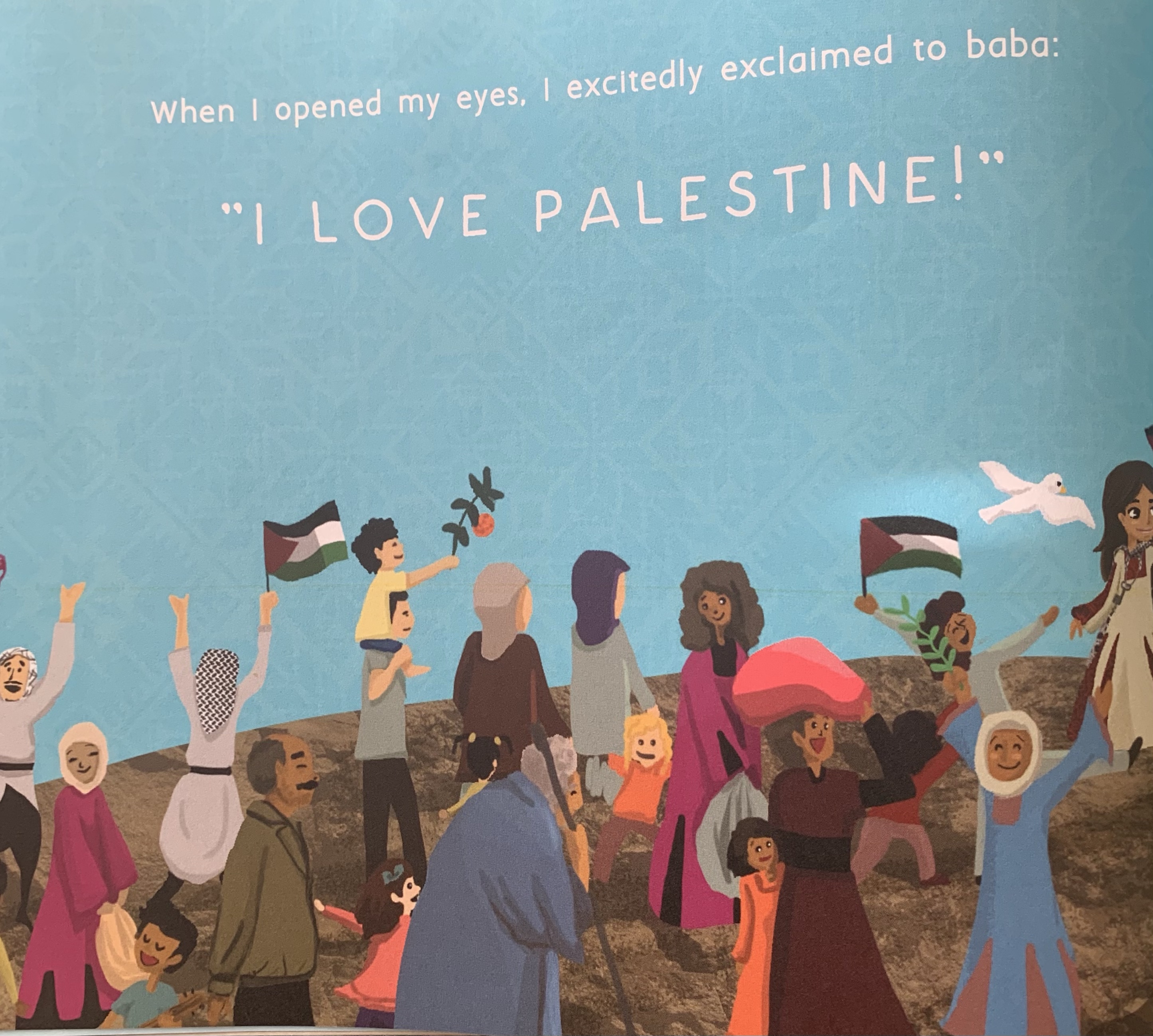
She proudly exclaims her love of Palestine and her and her baba pray that one day they will be able to return. Saamidah then asks her baba why they are refugees, and he promises to save that conversation for tomorrow’s beditme story.

img_7240

The book concludes with a list of the city names in Arabic, trasliterated in English, and then the English names. It then has discussion questions at the end.

The book is not outwardly political, nor critical. It is a celebration of a people, a culture, and land. Happy Reading!

Eliyas Explains: Angels by Zanib Mian illustrated by Daniel Hills

Standard
Eliyas Explains: Angels by Zanib Mian illustrated by Daniel Hills

img_7130

This last Ramadan I tried every day to listen to Sheikh Omar Suleiman’s Angels in your Presence series with my kids and discuss Angels with them.  I learned so much and got to wondering, why other than the 10 or 15 facts we all learn as children do we not talk about Angels more.  So when I saw the first in a new series by the absolutely fabulous Zanib Mian was about Angels I was so excited, then I forget to review it, and here we are.  The book embodies her sweet spot for personas as she writes as Eliyas, a little boy telling about what he knows about Angels with sincerity, clarity, excitement and humor.  Perfect for ages six and up, I think all children should spend a few minutes with this 81 page doodle filled book to remind us of Allah’s magnificence, Alhumdulillah.

img_7132

SYNOPSIS:

Eliyas starts the book by introducing himself and some things about him before diving in, or rather encouraging you to go put socks on so that what he is about to tell you can blow your socks off!  It starts off with him not being able to sleep so he sneaks out of bed to get cookies, because cookies solve everything, and then his dad joining him and them discussing aliens, which leads to outer space, and the knowledge of outer space being filled with angels.

Eliyas then learns about the number of wings the angels have, how strong the angels are, and some of the specific angels that do specific tasks ordered upon them by Allah swt.  The task of protecting us, appeals to Eliyas and the concept of angels the size of mountains praying with us, blows his mind.

We learn through Eliya’s dad about angels coming to Earth in human form and about angel Jibreel (as) specifically.  We also learn a dua to say when leaving the home so that the angels protecting you respond.

img_7131

WHY I LIKE IT:

I love the way that the information is presented.  It is a mix of fact and story and tied together with humor and relatability.  If you haven’t read Zanib Mian, please do, her Migo and Ali books, Hadith and Duas are all great Islamic resources, and her Planet Omar and Alien book are hilarious and warm.  I pray that the series continues, it really is a lot of fun.

img_7133

FLAGS:

None

img_7134

TOOLS FOR LEADING THE DISCUSSION:

I think this would be great to have a Sunday school class read and discuss or an Islam class offer up as extra credit.  It probably wouldn’t work as a book club selection, but it definitely has a ton of value in a classroom and in a home library.

Spell it Like S-A-M-A-R by Shifa Saltagi Safadi illustrated by Saliha Caliskan

Standard
Spell it Like S-A-M-A-R by Shifa Saltagi Safadi illustrated by Saliha Caliskan

img_7225

This 36 page book for kindergarten and up shows the role perseverance, confidence, and believing in yourself can play in conquering bullies, carving out a space for yourself and finding success.  While the book is a little predictable on the surface, older kids will understand that by winning the spelling bee, Samar didn’t just benefit by standing up to the bully, but in proving to herself what she is capable of and ultimately being more confident of her place in a new country.  The book is presented on large 8.5 by 11 full color glossy pages and features discussion questions at the end.

img_7227

Samar is in 3rd grade after recently moving to America from Syria, where she was the best student in her class.  ESL wasn’t difficult, but mainstream class is proving to be a challenge, mostly because of Jenna, the class bully.

img_7228

Jenna, snickers when it is Samar’s turn to spell words in front of the class, she teased her about her jump rope songs not being in English, and she makes fun of her for her accent.  With the help of a kind friend, Angela, the two girls decide the school spelling bee will be the best chance to prove how smart Samar is, by winning.

img_7229

The first step Samar must do is convince her teacher, Ms. Bryan to help her study.  To  show her commitment she offers to give up her recess to study.  The teacher agrees, but on the way home Jenna teases her saying she’ll never win when she can’t even speak English properly.  Deflated, when Samar gets home, she doesn’t study the flashcards and opts to watch cartoons instead.

img_7230

When later in the week her teacher quizzes her, Samar admits she didn’t study.  Ms. Bryan encourages her by sharing her own story of coming to America and having to learn English.  When Samar gets home she sees her mother, a former dentist in Syria, studying for the exams to be a dentist in America. This is the spark she needs and she studies hard, everywhere, and with anyone who will help.

On the day of the bee, Samar spells word after words correctly and after saying bismillah before spelling the final word, wins the competition and beats Jenna. The audience cheers and the next day Samar and Angela are jumping rope and Samar is singing in Arabic.

img_7231

I love that Samar and her mom wear hijab while out, but not at home, that they speaks Arabic, and Samar says bismillah.   Samar’s mom is clearly highly educated and determined and mom and dad are supportive.  I love that Samar’s drive, however, comes from her own determination, no one forces her or guilts her, it is her leading the way and understanding what her mother is going through and her teacher has gone through, and using that as inspiration.  I love that at the end she doesn’t rub it in Jenna’s face that she won, and the symbolism of Jenna just disappearing from the story makes this clear as Samar steps in to her own.  I truly love that for every Jenna in the wold there is also an Angela.  Be kind, be supportive, be a good friend!
I got this book from http://www.Ruqayasbookshelf.com and it can also be found at my favorite book store http://www.crescentmoonstore.com as well.  Happy Reading!

The Beauty of Your Face by Sahar Mustafah

Standard
The Beauty of Your Face by Sahar Mustafah

img_7145

I had debated picking up this book knowing that it isn’t labeled YA and I’m painfully behind on a stack of books I want to review, but after reading @muslimmommyblog’s review I opened the first page: that was 24 hours ago, I couldn’t put it down.  I’ve seen a lot of comments about this book being more YA than adult fiction because it tidies everything up so precisely at the end.  I’ve also seen critiques from non Muslims that it is overly preachy at times.  Many Muslims are so swept away by the rawness and presence in Islam in the book that they are making their teens read it.  So I wanted to read it and review it to determine if it is appropriate from my perspective for teens, and offer my take on it.  Ultimately I think while much of the Palestinian-American protagonist’s life story in the book occurs as a child and young adult coming of age, that the “flags” are so critical to the story and so numerous, that no matter how deftly and non specific she handles these issues and moments, that the book really is meant for more mature readers. I’ll detail it more below in the FLAGS section but to highlight a few mature spots mentioned in the book to varying degrees:  extra marital affair, alcohol, making out, groping, nudity, sex, voyeurism, killing, shooting, physical abuse, profanity, suicide attempt, bigotry, etc.  The writing is absolutely superb, and it isn’t sensationalized, but it is there and provides understanding as to why the characters often are as they are to a point that you need to understand them with a certain clarity.  I would think this 298 page book would most appeal to early college age readers where one is hopefully open minded enough to understand the characters relationship with religion whether they are Muslim or not, old enough to have some of their own life to reflect upon, and on the cusp of a new chapter that they realize the role their choices can make as they move forward.

SYNOPSIS:

Afaf’s life story unfolds out of order and with occasional interruptions from an outside point of view.  It opens with her at work, as a principal of an Islamic girls high school in Chicago as we see her dealing with parents upset with things taught at the school and the balance she tries to achieve in guiding her girls to be strong, confident, well-informed Muslims in a diverse America.  It then flips back to 1976 and begins the tale of Afaf’s life with her parents, immigrants from Palestine, her older sister and younger brother.  Not ever feeling like she fits in at school, she loses any sense of normalcy at home when her 17 year old sister Nada goes missing.   There were problems at home before: her mother never being happy, Afaf never feeling her mother’s affection, her father having having an ongoing relationship with another woman, but as days and months go by, and no clues can find Nada, it will be the event that seemingly tore the family apart.  Afaf’s mother has a mental breakdown, Afaf’s father takes to drinking, and thus Afaf and her younger brother Majeed have to navigate much of their life on their own.  In high school Majeed finds baseball and becomes the ideal student and son.  Afaf lets white boys feel her up and has a reputation for being easy.  She doesn’t cross the line, but her reputation and name on the back of bathroom stalls is fairly accurate.  When their father is involved in a car accident, he finds Islam.  The family is very cultural, but not religious at all.  Eventually Afaf and her brother accompany their father, much to their mother’s protests to the Islamic Center and while Majeed has no interest in religion let alone Islam and never returns, Afaf feels an instant peace and the opportunity to redefine herself and continues to go and study Islam.

The book jumps regularly in sections, not every other chapter, and at some point it shows Afaf as an elementary school teacher making the commitment to wear hijab and preparing to wed a Bosnian man with a broken war filled past.  It jumps and has her brother home from law school visiting and her mother attempting suicide by drinking drano and being found laying naked in a bath tub.  After recovering, her mother returns to Palestine and never returns.  In yet another vignette, it has Afaf and her husband and father preparing to go for Hajj, where her father passes away, and has her returning to find she is expecting her third child a little girl.  There are other surprises that I’ll not reveal, but some of these jumps are interrupted by a voice of a radical alt right mant who walks into the girls school and starts shooting, finding himself face to face with the principal, Afaf.

WHY I LIKE IT:

I am seriously blown away at the quality of writing, and the interweaving of religion and culture.  It is a main stream book and it has a lot of religion in it.  It isn’t so much long passages of preaching, the father would like it to be that way, but the other characters keep him in check.  But the quiet transformation of Afaf and having Islam save her from a life she was not content with.  I love that it has joy and happiness despite all the tests and obstacles.  The book could have been really heavy and drag, but it wasnt, it was compelling and hard to put down.  The characters will be with me a while and I can see myself rereading the book just to visit them again.  

I was a little confused with Afaf’s limited Arabic and her mom’s limited English.  How did they communicate? I get that perhaps it was symbolic of their broken relationship, but seriously when Afaf is seven and not understanding Arabic and her mom is not understanding the police and neighbor in basic English, something is a bit off.  I like that insight is given as to why Afaf is fooling around with any boy that wants her and that it shows it isn’t about the acts themselves.  I also like how it showed her conflicts in reporting an Arab child in her class being abused at home by her father and how the response was so sad by the community.  While Islam saves her and holds her to a higher standard, it doesn’t appeal to her brother, it doesn’t remove the hypocrisy of people who are Muslim: abuse, owning liquor stores, and it doesn’t make everything better for her.  She has to suffer consequences of her choices, she just feels that Islam gives her the tools to persevere and understand and have hope.  

I love the food, oh man, hearing all the dishes being cooked and served and cleaned up after, really made me very hungry.  The cultural elements of the music and songs and oud really ground the book and make the OWN voice value ring so true and strong.  The racism and bigotry feels very real as well.  The author is the daughter of Palestinian immigrants and the way that she articulates such pointed examples of not being given the chance to move up in the elementary reading group, side comments the high school coach makes to her, and the general stereotypes thrust upon her, are very powerful.

FLAGS:

So there is a lot, as stated in the intro, but I want to articulate a bit of why I maintain older teens for the book even though it isn’t overtly sensationalized. I’ll walk through some of the major flag themes.:

Take the drinking. The father is an alcoholic, but the mother and children hate it, Majeed drinks beer with his friends, but isn’t Muslim, yet the Khalti is somewhat religious and they pour amber drinks at Thanksgiving. So there is some moral lesson, which I think you could argue is fine in YA or even middle grades.

Relationships/sex/body: The father is having an affair with a much younger woman, they refer to her as sharmoota and everyone knows about it, no other details are given. Afaf lets boys touch her naked body, but draws the line at intercourse, she says she on some level doesn’t want to do that to her parents or something of that nature. Right before proposing marraige, her and Bilal do kiss. Once they are married it mentions them making love in the mornings. It mentions masterbating and blow jobs. The shooter and his girl friend have sex, the shooter watches an Indian neighbor nurse her baby through the door and sees her exposed breast with some detail and then goes home and masterbates. When the mother is pulled out from the tub after attempting suicide it doesn’t just mention she was naked, it comments on her pubic hair.

Violence: An Arab Muslim male classmate, drives Afaf away from her bike and the slaps her telling her basically that she should not be such a slut. Afaf punches another girl in a fight at school. A child in Afaf’s class is being hit by her father. Mother lashes out at Afaf, she ends up burned. The climax is a mass shooting where 14 students and a teacher are gunned down and killed. Self harm: car crash while drunk, suicide attempt with drano.

Minor: Yeah there is music, and Halloween,

TOOLS FOR LEADING THE DISCUSSION:

This would make a great book club selection for those in their early 20s and up. It is well done, just not for younger readers. The book is very popular and numerous author interviews can be found with a quick Google search.

Shirley & Jamila Save Their Summer by Gillian Goerz

Standard
Shirley & Jamila Save Their Summer by Gillian Goerz

img_7124

This graphic novel jammed pack with sleuthing, friendship, and diversity is perfect for ages 8 and up.  The inclusive cast shows motive and growth keeping anyone from being entirely good or completely villainous and strikes a wonderful balance of insight, community building, and relatable fun.  From the main character’s mom wearing hijab, and random hijabis in the background panels, to characters of color, and characters with social obstacles, there are also bullies, cancer survivors, a character with two moms, working parents, and a missing gecko all coming together over 221 pages to leave the reader waiting for the next book in the series.

SYNOPSIS:

Jamila has just moved to the neighborhood and with older brothers as role models, she just wants to spend her summer shooting hoops and taking it easy.  Her mom, on the other hand, wants to send her off to science camp.  Shirley, is incredibly perceptive and wants to spend her summer solving neighborhood crimes, the ones adults won’t or can’t help with, but her mother has signed her up for dance camp.  When the girls cross paths at a yard sale, Shirley uses her wits to convince her mom and Jamila’s mom to let them spend the summer together at the basketball courts, thus both girls get what they want.  The two girls aren’t exactly friends, but the arrangement benefits them both, and the days go smoothly, until a gecko goes missing and Shirley and Jamila have to decide to break their parents’ rules to leave the courts and venture to the swimming pool to investigate.  Jamila and Shirley hit a snag in their understanding of one another and realize they want to be friends, something neither of them currently have.  As they work Oliver and Vee’s case to find Enoch the gecko, the reader meets lots of neighborhood characters, from life guards to daycare informants.  And as the clues come together so do a group of kids, all needing friendship, kindness, and a little understanding.

WHY I LIKE IT:

I love the Nancy Drew, Great Brain, Encyclopedia Brown, vibe of the story.  It is funny and plausible and about so much more than just the case.  It is quick and well drawn, and really just a joy overall.  I love the diversity and teamwork and innocence of a summer and some good old fashion kids using their brains to save the day.

Other than the mom wearing a scarf when out of the home and a few hijabis in the background there is no textual mention of religion.  The mom at one point says something in Urdu and the family has Muslim names.

FLAGS:

One of the side characters mentions that she has two moms.  It is mentioned once, it isn’t dwelled on, and in many ways I think a great way to explain to your kids, if they mention it, that they might have friends and classmates with different family structures.  I love that fiction allows for this conversations to occur in the abstract so to speak, you can guide your children how to handle these differences while talking about fictional characters, and imparting your families view of such matters in an open and hopefully non judgmental or hateful way.

TOOLS FOR LEADING THE DISCUSSION:

As always with graphic novels, they just aren’t the best format for book clubs as they are usually quick reads.  The target audience for this is middle grades as well and while middle schoolers might enjoy it, they would read it in less than a half an hour and there really wouldn’t be much to discuss once the case is solved.  I would highly recommend checking your local public library for the book, that is where I found my copy, and happy reading!

The Adventures of Adam and Anisah: The Flying Carpet by Zahra Patel illustrated by Reyhana Ismail

Standard
The Adventures of Adam and Anisah: The Flying Carpet by Zahra Patel illustrated by Reyhana Ismail


img_6995I am confident that every Muslim child has imagined their prayer rug at one time or another to be a flying carpet, so how absolutely heart filling as an adult to find a book that embraces this idea, roots it in Islamic fact and presents it so beautifully for our littlest Muslim believers.

img_6996

The occasionally rhyming and constantly cadence filled picture book features a big brother preparing for and performing salat as his enamored little sister puts imagination and celebration to the act of worship.

img_6997

I absolutely love the admiration that Anisah has for her big brother and am delighted how prayer is presented not as an obligation but as an opportunity to soar and marvel in amazement.

img_7002

The book concludes with a section that provides context to the story, questions to discuss, and ways to extend the learning.  The hardback binding, 8.5 x 13 horizontal orientation and high glossy illustrations make the book a joy in small groups and at bedtime.

img_6998

This book is really, really well done in its simplicity, and I need to order the other book in the series, My Brother’s Shield from Crescent Moon Book Store, as soon as possible.  

How Much Does Allah Love Me? by Heba Subeh-Hyder illustrated by Aatena Hasan

Standard
How Much Does Allah Love Me? by Heba Subeh-Hyder illustrated by Aatena Hasan

img_6988

I waited to review this book to see if my initial response would change, and before I got around to writing up the review, the second book in the Maymunah’s Musings has come out.   So I am admittedly a bit late and quite a bit behind, and based on other people’s review I’m in the minority on my opinions.  This 40 page book is wonderfully presented with a multicultural girl asking her mother about Allah’s love for her.  I wanted to absolutely love the text as much as the playful illustrations, but I felt like it was a bit wordy in places, a bit out of order in the mom’s explanation to the little girl making it somewhat repetitive, and ultimately I wanted a bit more.  More ayats or references or even specific examples.  There is truly nothing wrong with the book, but at its price point I was a bit disappointed.

img_6989

Maymunah is looking out the window and thinking about Allah swt: what she has learned in Sunday school and about His remarkable creations.  She recalls the amazing animals, the vast number of stars in the sky, the different type of trees, and her family.

img_6991

She loves Allah, and wants to know how much He loves her.  So she rushes to find her mother, the only person that can answer that question (I’m not sure why no one else can).  Her mother lovingly and patiently situates herself with Maymunah in her lap to answer the important question.

img_6990

Maymunah’s mom explains that Allah loves her more than the billions of stars in the sky, more than all the fish in the ocean, more than all the raindrops that fall, more than the billions of people in the entire world, more than all grains of sand on the beach, and blades of grass in the meadow.

img_6993

Then Maymunah’s mom asks her if she knows how much Mama loves her. Maymunah repeats back all the examples her mother has just given for how much Allah loves Maymunah.  The mom then says and Allah loves you more than that.  

Maymunah is satisfied and reflects on how much Allah loves her and then remarks that her love for her mother and her mother’s love for her is bigger than the whole wide world. The last page of the book mentions that her love for Allah is more than that and that Allah’s love for her was even bigger, but it seemed muddled to me as it started stressing how big a mother and child’s love is.   

img_6992

I felt like the natural order would be to explain to a child how much a mother loves them, then say Allah loves you even more.  Not tell all the ways Allah loves you, then talk about how much Mama loves you with the exact same examples and then say Allah loves you more.  It doesn’t even say Allah loves you ‘the most.’  

If you don’t read it over and over and take it on the surface it is probably fine, and I realize I might be overly harsh, but with only a single ayat at the end, I really wanted to feel that a child’s curiosity would be satisfied with this book, and I think it ultimately fell short for me and my children.

Ultimately, despite all this, I don’t regret buying the book from the wonderful Crescent Moon Book Store, and I will be buying the new one too inshaAllah.  I hope this review helps you to determine if this book is right for your toddlers and preschoolers.  

Flying Over Water by Shannon Hitchcock and N.H. Senzai

Standard
Flying Over Water by Shannon Hitchcock and N.H. Senzai

This middle grades, upper elementary book is a character driven contemporary story of two friends with their own fears coming together: one a native of Tampa, the other one a refugee from Syria arriving in the US on the day Trump’s ‘Muslim Ban’ goes in to effect. In 272 pages of alternating narratives, two 12 year old girls find strength and kindness in themselves, in each other, and in many around them. Islamaphobia is focused on in the story, but the inclusion of diversity, Black Lives Matter, anti semitism, mental health, social justice, and US immigration makes the book relatable to everyone and interesting to explore. The book is remarkably similar to another book published this year, A Galaxy of Sea Stars, and I wish I had not read them so close together. Both are well done, and I honestly don’t know if one is better than the other, but space them out so you don’t find yourself comparing them. I got my copy from Scholastic, and I’m always happy when the school market shows accurate strong Muslims, so if you see this in the book order forms that come home or book fairs and are wondering if you should get it, do it, it is worth your time and your child’s, inshaAllah.

SYNOPSIS:

Noura’s family has escaped Syria and had been living in Turkey when they learn they have been granted assylum in Tampa, Florida, USA. When the book opens Noura is practicing controlling her fear of water as the plane flies over the ocean. Her twin brother, Ammar, her parents and baby brother Ismail are greeted with protesters when they land. Whisked away by a church group and local Muslims, the family is given support and assistance in a new country.

One of the members in the church group that have volunteered to help the Alwan family, is Jordyn and her mother. Jordyn is going to be Noura and Ammar’s Student Ambassador at Bayshore Middle School and Jordyn’s mom has offered to help Noura’s mom learn English. Jordyn is the state title holder in swimming, but while she was swimming her fastest race, her mom was having a miscarriage, and both have a lot to work through to function as they once did.

The two girls immediately hit it off, and the families follow. Noura’s love of birds is mirrored in Jordyn’s love of water and fish, and both have their fears and mental health coping skills to bond and confide in with one another about. The girls and Ammar are assigned a Social Studies assignment and Jordyn getting close to the Alwans is not well received by Jordyn’s close friend Bailey who’s brother was killed while fighting in Afghanistan. Other classmates also show bigotry and with the real incidents of 2017 incorporated in to the story of a mosque being burned, Jewish cemeteries being ransacked, pedestrians being run-over in France, and more, the Alwans are questioning their new country, and their friends are wondering how America has gotten this way.

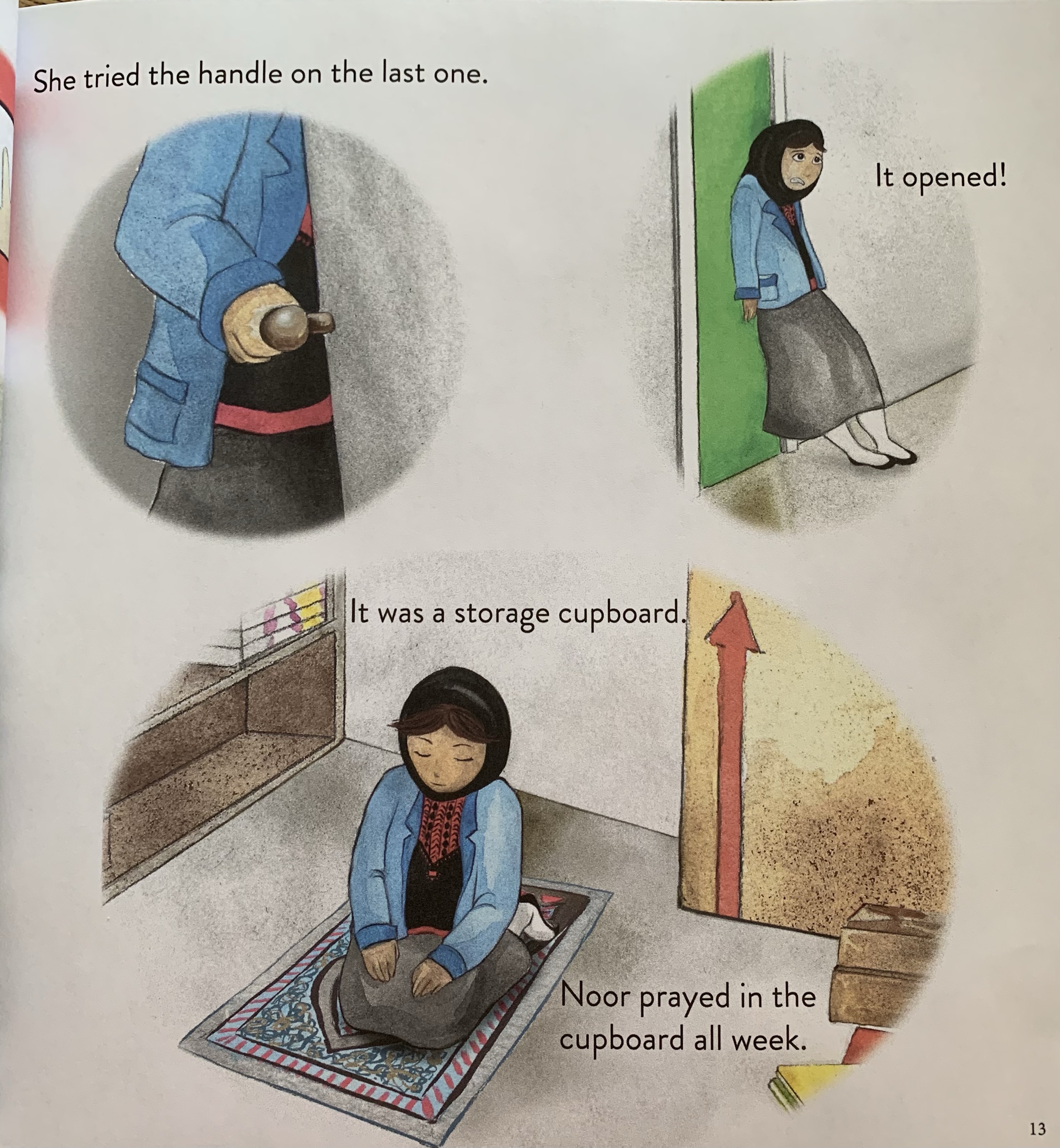
While praying at school Ammar and Noura are constantly harassed no matter where they relocate to, and finally ask the administration if there is a safe place they can worship. Florida law says a space can be set aside for all faiths to have the same access as clubs do (I’m overly simplifying), and many different and diverse students come together to turn an old closet into a place of peace, worship, freedom, reflection, and meditation. As expected, the space is destroyed, the culprits never caught and complaints to the school board mount. The ultimate climax involves the kids speaking up about what the space means to them, and waiting to see what the final school board vote is. Along the way there are smaller victories, such as Jordyn teaching Noura to swim, Ammar speaking about the white helmets saving him, and Jordyn and her mother working together to heal.

WHY I LIKE IT:

I love that the Muslim Ban is discussed in a way that it is personal, not political. By highlighting a fictional manifestation of refugees affected by such policy, even people that don’t know anyone affected, I’m certain would feel a connection to a concept and its affects in a very real way. I love that N.H. Senzai was brought on to make the story’s Islamic elements ring true and that the prayer room, a very American Muslim construct ends up being at the center of the story. Noura and her family eat halal, wear hijab, and pray. I enjoyed that other diversity and acceptance issues were carried in to the story by the supporting cast including a Jewish boy, a Cuban girl, a Hindu and more. Overall the book is well written and solid, the mental health and coping skills are so beautifully normalized. Both girls have sought help and found success with it, and both are brave in addressing their fears and opening up about them to those around them. It really is empowering.

The end of the book features more information about the real Syrian children heroes mentioned in the book: the ten year old model builder Muhammad Qutaish, the Olympic swimmer Yusra Mardini, and education activist Muzoon Almellehan. There is also information about the two authors and how their collaboration came to be.

I would love to not compare this book to A Galaxy of Sea Stars, but just to highlight a few of the near exact similarities would prove my point that had these two books not been published the same year, one would definitely be accused of copying the other. Both feature middle school girls, both have a refugee arriving to a coastal town with their families (one Afghan one Syrian), both have the American born protagonist loving water, being an only child, and have mothers going through their own life changing crisis. Both have two side kick friends, one that is very anti Muslim and one that is on the fence. Neither have a completely resolving happy ending with the three girls’ friendship and there is doubt in both books of friend’s possible involvement of hate motivated actions. Both feature a side character’s brother being killed in conflict in a Muslim majority country. Both feature an amazing teacher that is very involved in opening minds and facilitating growth regarding prejudice. Both feature PTSD issues, and fear of water issues as well as a major hobby being destroyed by an angry classmate character. The ‘ethnic mom’ in both stories is rather one dimensional but loves to cook and feed everyone. Sure they also have their differences, one alternates point of view and is tied closely to current real events, but both have remarkably similar themes of friendship, overcoming fear, and finding similarities over differences.

FLAGS:

Some mention of violence as the Alwans recall the destruction and fear of war in Syria. Mention of a cartoon drawn by a classmate mocking Jordyn getting her first bra, but it isn’t detailed. The swimming coach is a lesbian and she mentions her wife at one point.

TOOLS FOR LEADING THE DISCUSSION:

I would definitely encourage elementary teachers to have this book on their shelves and encourage students to read it and respond. I think it would be too predictable for middle schoolers to read in a critical manner, however, they would probably enjoy it as a light read. With Covid 19 still keeping me from starting up book clubs again, I have been asked to consider helping put together some side reading lists/suggestions, and this book would definitely find its way on that.

Happy Reading!