Tag Archives: Food

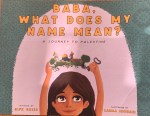
Baba, What Does My Name Mean? A Journey to Palestine by Rifk Ebeid illustrated by Lamaa Jawhari

Standard
Baba, What Does My Name Mean? A Journey to Palestine by Rifk Ebeid illustrated by Lamaa Jawhari

img_7233

This lyrical journey through Palestine’s major cities, shares historical facts, geographical information, cultural richness, and love for a homeland that will inspire and educate all readers. There is a lot of information pressed in to 32 pages and at times the rhyming text, illustrations, and maps are powerful, and at other times overwhelming. The 8.5 x 11 horizontal paperback bound book needs to be bigger to hold all that the pages contain, and hard back to hold up to the details that need to be poured over to be appreciated. The content about the names and places in Palestine is priceless and well done, but I really wanted to love the book a bit more than I ended up feeling for it. I think trying to make it all rhyme was just a bit too much for my liking, but I would buy this book again in a heartbeat to share with my children. Even though we are not Palestinian, I think all Muslims have a piece of Palestine in our hearts and feel a deep need to celebrate the culture, fight for their freedom, and demand a quality of life that they are brutally being denied by their oppressors.

img_7234

The book starts out at bedtime with a little girl, Saamideh asking her baba what her name means. He explains to her that it means “one who is patient, persistent and one who perseveres.” She is named this because she is Palestinian, he explains and then he shows her the key to their ancestral home in Palestine. He asks her to close her eyes and imagine a white dove, named Salam, taking her on tonight’s journey.

img_7235

Salam and Samamidah prepare to journey across Palestine’s mountains, hills, deserts, and plains. They start in Areeha, one of the oldest cities in the world, and one one of the lowest points on Earth.

img_7236

They journey next to Al-Quds, the capital. They see the old city, Al-Aqsa, and more, before heading off to Nablus, Yafa, Haifa and the Akka. Learning about the cities, the food, and the history of each.

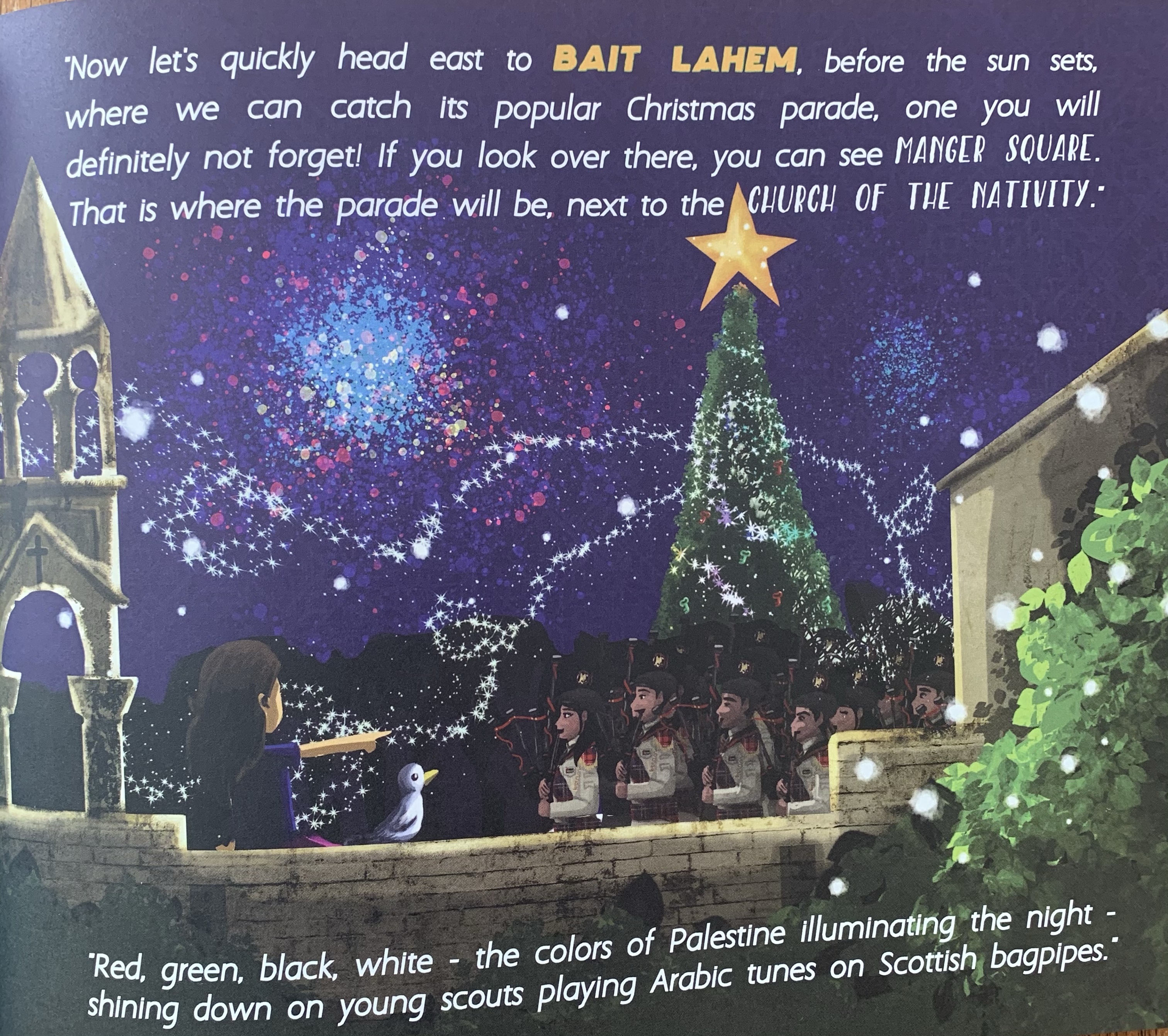
They learn about the dabkah, and the weaving in Gaza and head to Bait Lahem too. They learn about glass blowing in Al-Khalil at the Ibrabhimi Mosque, and finally they conclude their journey with the little girl dreaming of flying around the world to use her key and open people’s hearts and minds.

img_7239

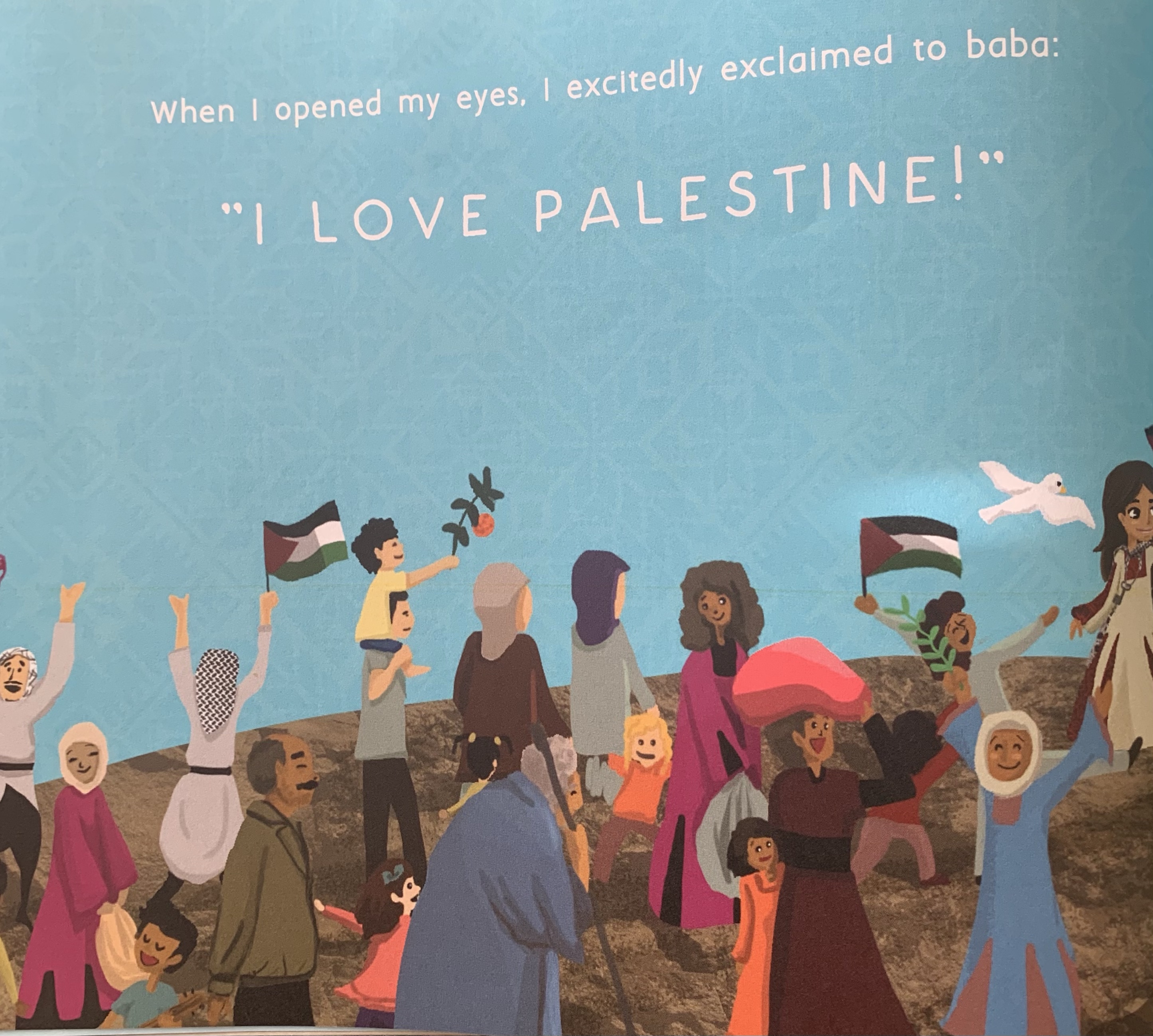
She proudly exclaims her love of Palestine and her and her baba pray that one day they will be able to return. Saamidah then asks her baba why they are refugees, and he promises to save that conversation for tomorrow’s beditme story.

img_7240

The book concludes with a list of the city names in Arabic, trasliterated in English, and then the English names. It then has discussion questions at the end.

The book is not outwardly political, nor critical. It is a celebration of a people, a culture, and land. Happy Reading!

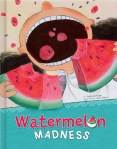
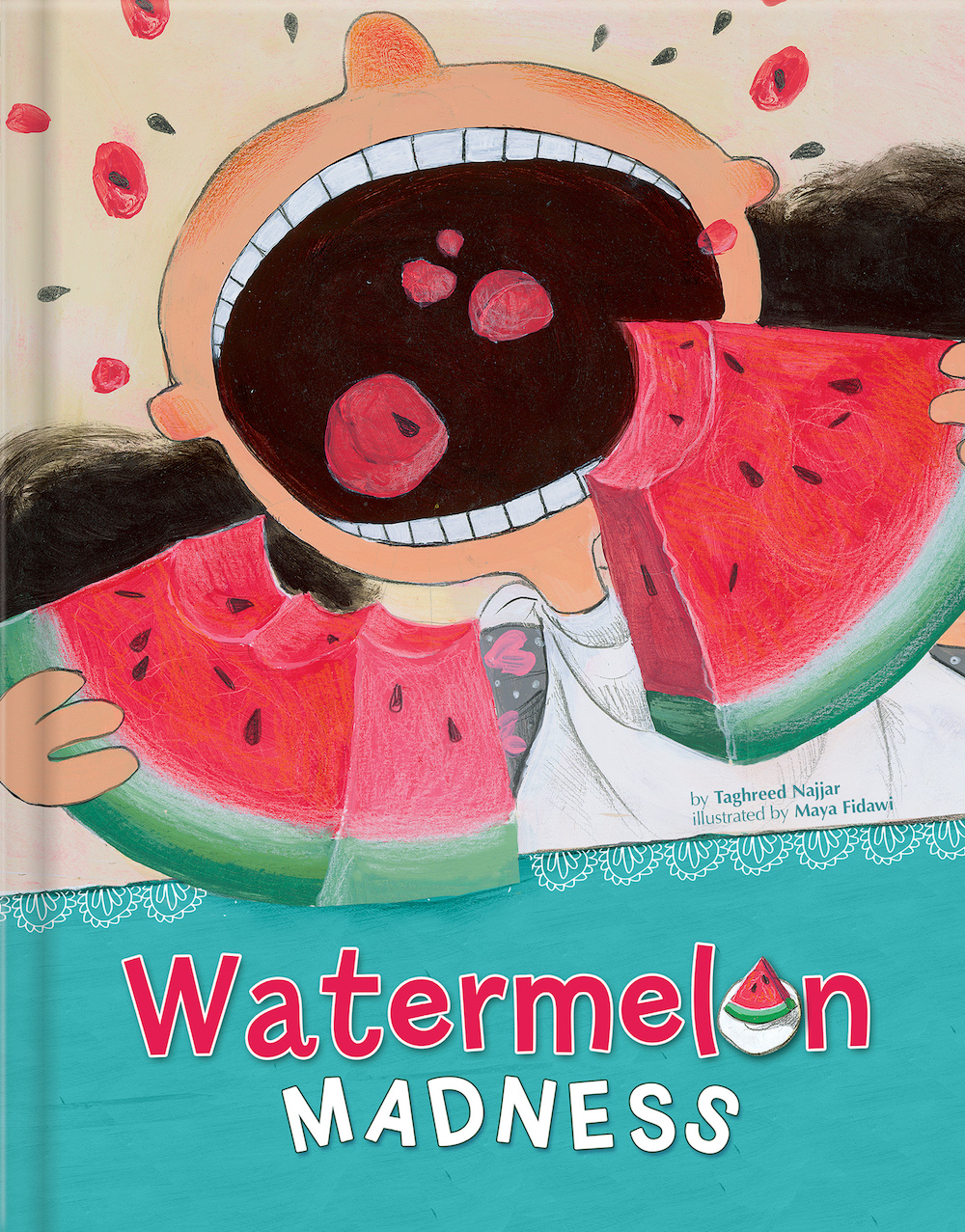
Watermelon Madness by Taghreed Najjar illustrated by Maya Fidawi

Standard
Watermelon Madness by Taghreed Najjar illustrated by Maya Fidawi

watermelon

This 32 page picture book for preschool and up is silly and fun.  There is nothing Islamic in the text or illustrations by this Muslim author, but there is Arab culture as it mentions molokhiya and zaatar. The large 8.5 x 11 hardback book is wonderfully illustrated with detail, color and expression.  The playful font and text makes reading it fun and enjoyable for little ones, who will get the message, and laugh along the way.

4E8AC43F-8392-44DF-A6DF-C9C37601C69B

Noura loves watermelon. She eats it in the morning and in the afternoon and in the evening too.  At dinner she doesn’t want to eat her chicken, rice and molokhiya, she just wants watermelon. 

3F1BEF48-B723-4654-A0F4-9D14D36B8D2F

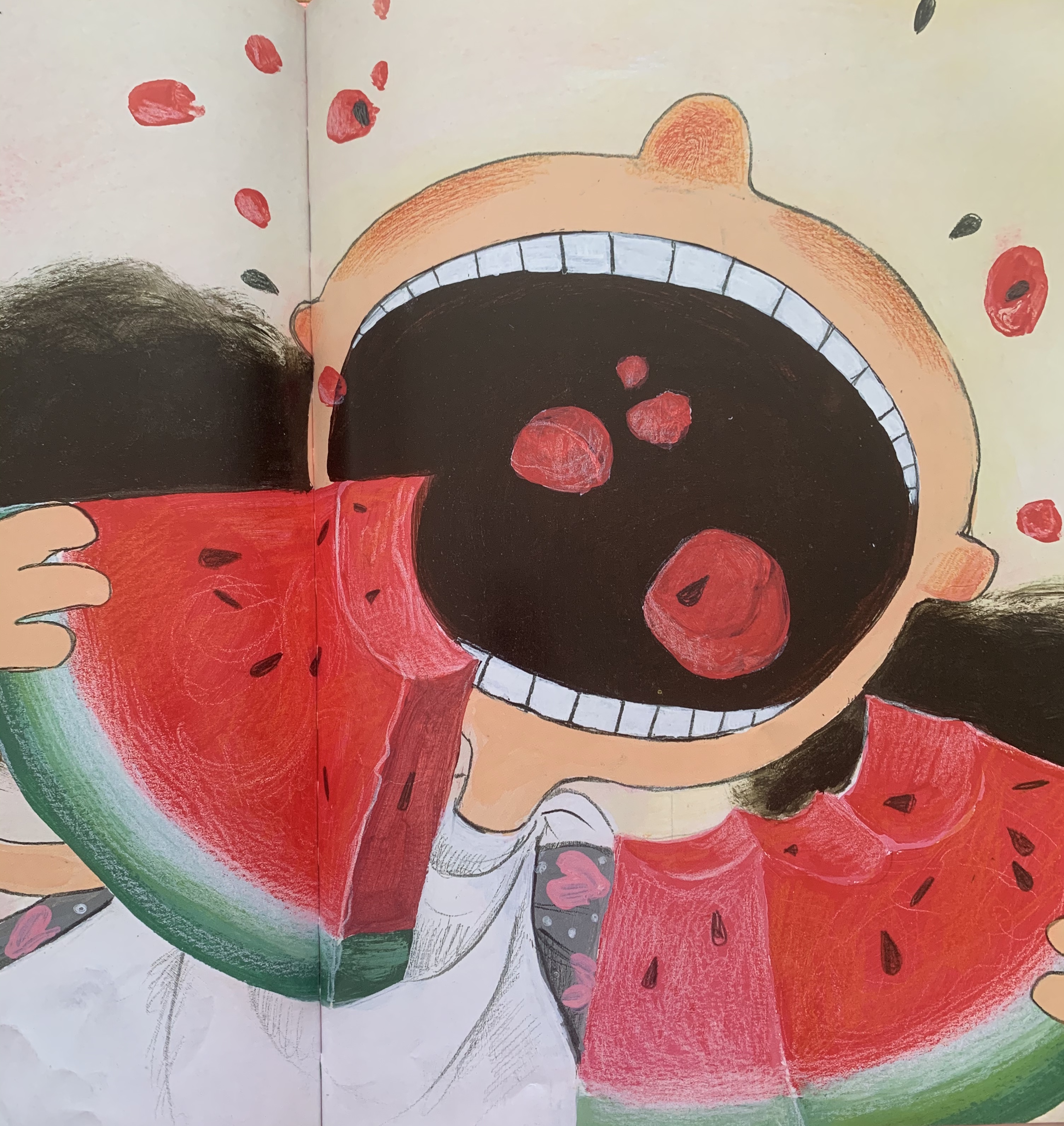
That night after dinner she sneaks to the kitchen, sees a huge watermelon on the table, and decides to take it up to her room to enjoy all by herself.  She puts the watermelon under her bed, and dreams wonderful watermelon dreams.

9BCAB418-5387-4965-BD7E-08E23A60FEBC

The watermelon gets bigger and bigger, and there is a door! She goes inside the watermelon and eats until her hearts content.  But as she gets bigger, the watermelon gets smaller.  She is trapped and her tummy is hurting.  

E420F713-D3EB-4B28-A013-A15E5E2345C6

Her mother rushes in to find a watermelon under the bed and Noura screaming from a bad dream.  Resolved to deal with the magic watermelon in the morning, Noura goes back to sleep having learned her lesson (without being reprimanded), and happily eats her breakfast of a fried egg and zaatar.  

B4149161-55C2-46E8-87AB-E8BD937DB47D

The book concludes with some information about watermelons and info about molokhiya and zaatar.  

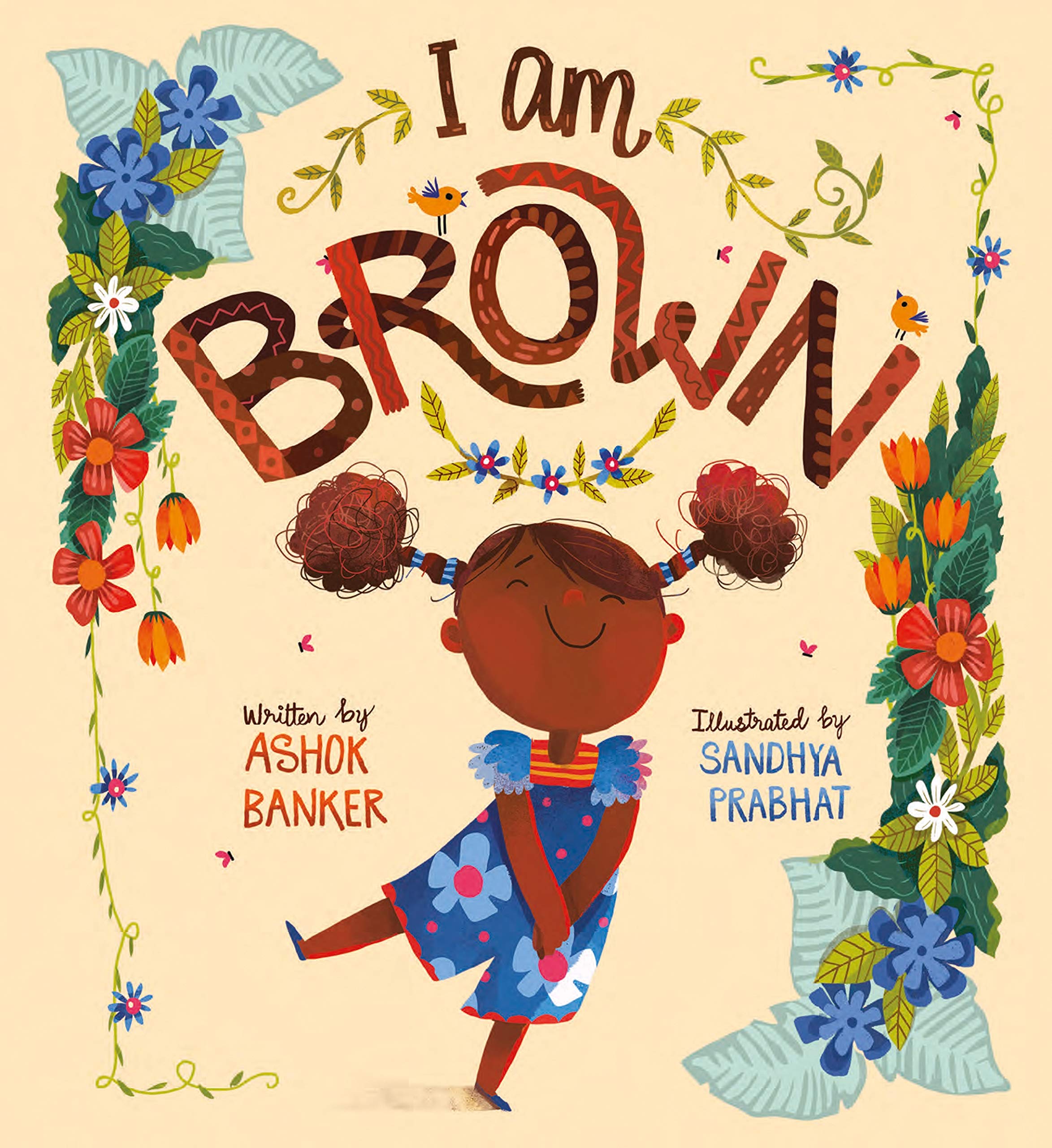
I am Brown by Ashok Banker illustrated by Sandhya Prabhat

Standard
I am Brown by Ashok Banker illustrated by Sandhya Prabhat

This 40 page celebration of diversity within the label “brown” is a sweet and powerful book that shows how the color of our skin is beautiful and perfect while at the same time making it clear that who we are and what we can be is not defined by our appearance.  The book shows adorably illustrated brown children finding strength in different cultures, clothing, religions, languages and dreams, which will hopefully empower children everywhere (and of all colors) to take labels that may have negative connotations and turn them in to positive affirmations of identity and strength.  There isn’t a story with a plot, but with the regular inclusion of a girl with a scarf on, and the mention of a mosque, I thought to highlight it.  The book is perfect for preschool and up.  

img_6226

The book starts with a little girl identifying herself as brown, beautiful and being perfect.  It then stretches to her being love, friendship and happiness.

img_6228

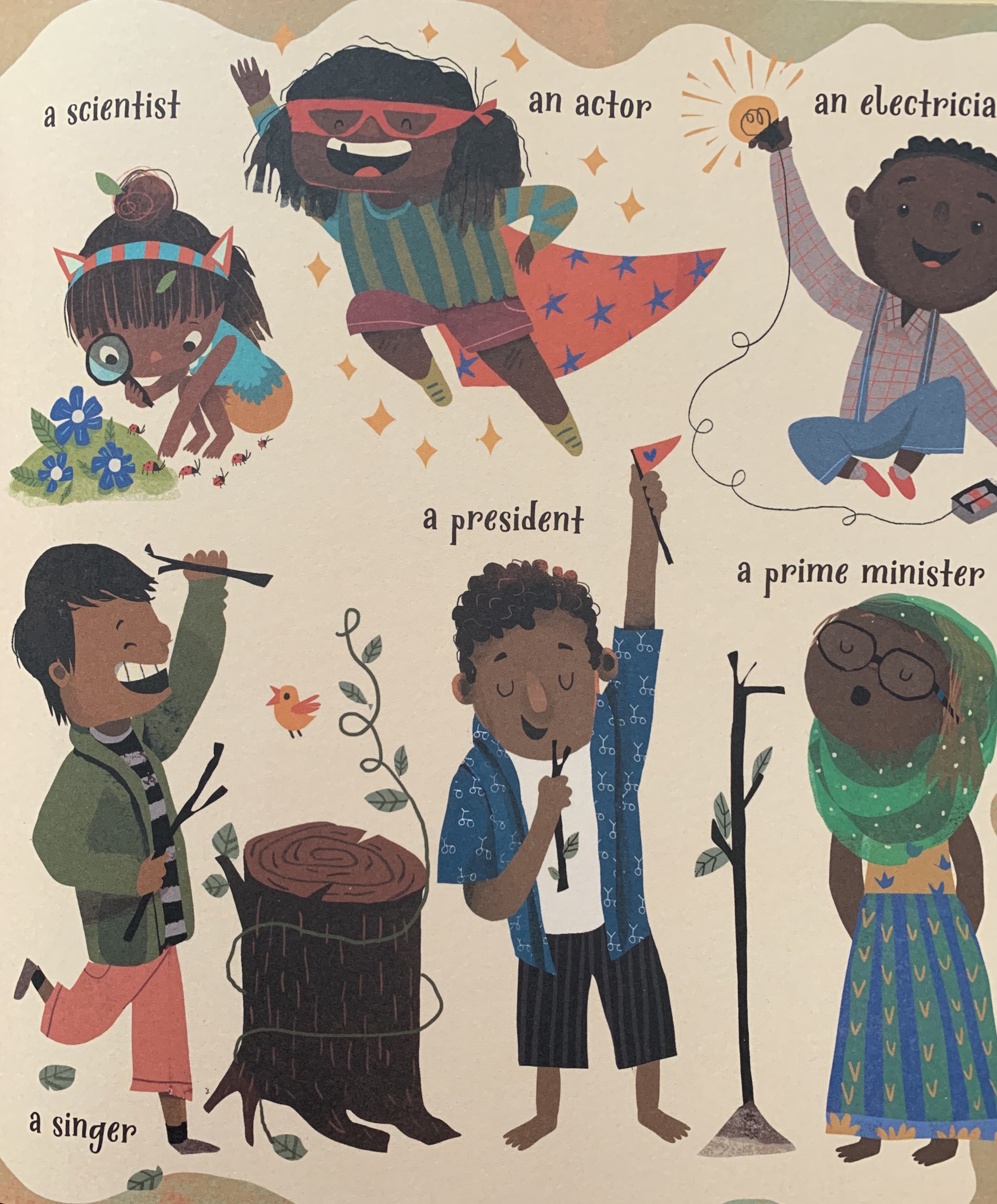
From there it branches out to a whole cast of kids identifying the variety of things they can be, from a writer to an electrician to a prime minister. the same kids then do and make and work on things before identifying where they come from and what languages they speak.  

img_6227

The kids all have different hair on their heads and faces and even no hair at all. They live in different dwellings, they like to do different things. 

img_6229

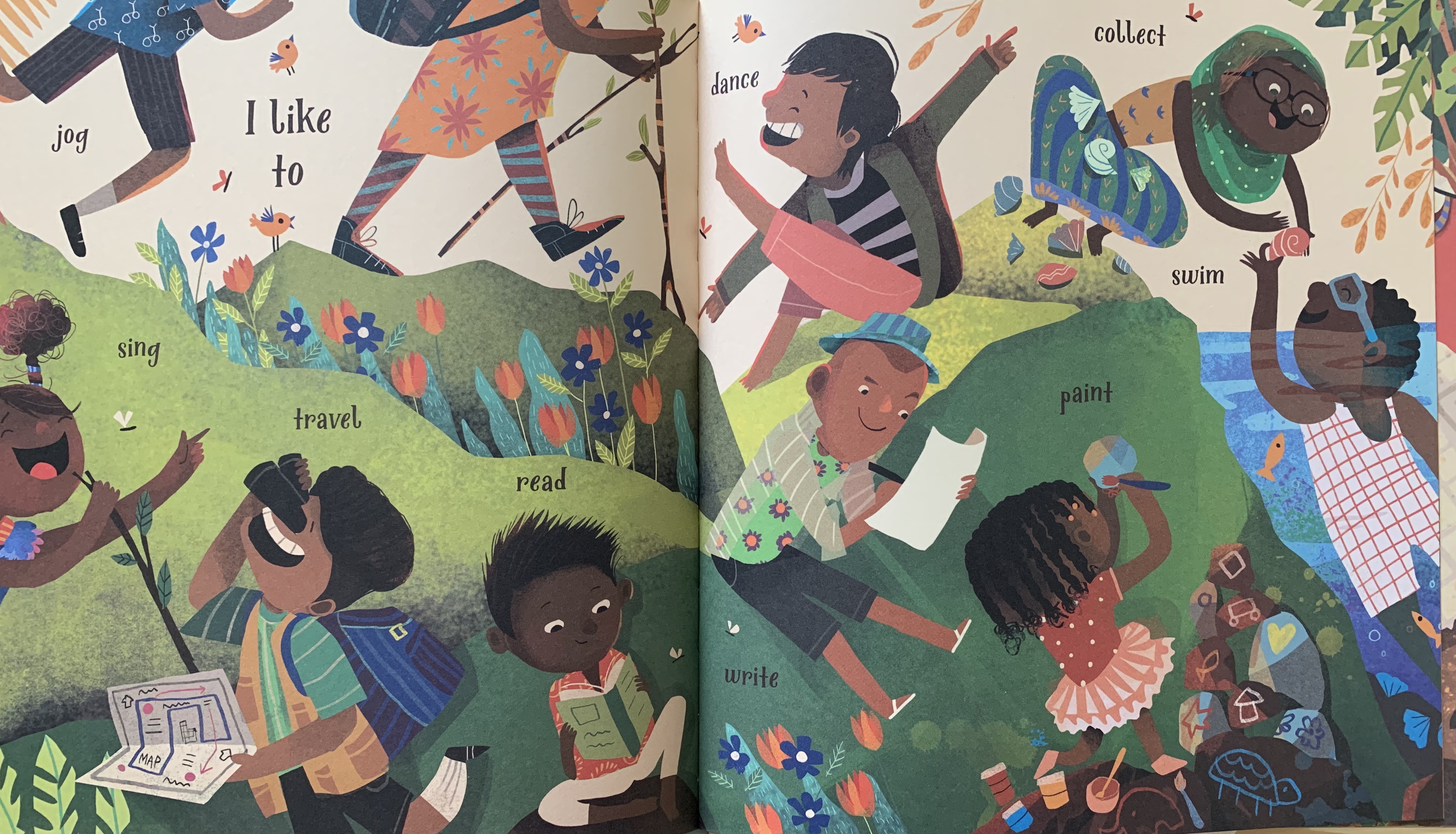
Brown people are not a monolith, the kids show that they eat different foods in different ways, that they wear different clothes.

img_6230

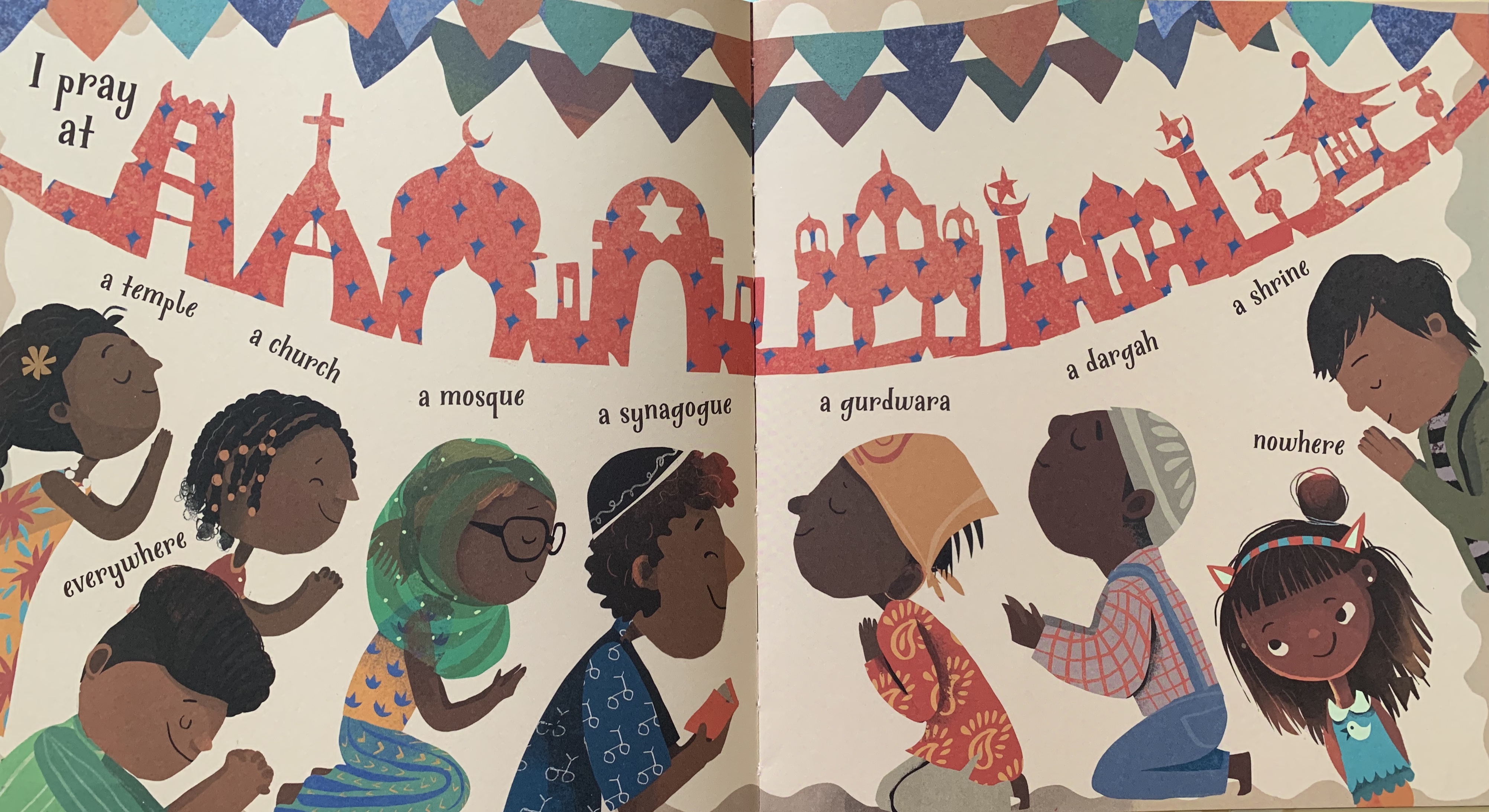
People with brown skin are roommates and teachers and friends and classmates.  Some go to temple or church, others a mosque or shrine, some not at all. 

img_6231

The book ends with a close up of three smiling faces proclaiming, “I am brown.  I am amazing.  I am You.”

img_6232

I’m sure people will argue that if you switch out white for brown the book would be deemed racist, and you are correct it would be.  But as a group that is marginalized as “other” and often the darker brown you are with in the brown subset moves you “value” and “worth” down, makes a book celebrating the strength and beauty of “brown” so necessary and heart warming.  I personally am the lightest “brown” imaginable being only half Pakistani.  So, believe me I have privilege in the desi community, but I don’t find this book offensive at all.  I’ve read this book at least a dozen times and my impressions alternate between beaming with pride and tears that so many beautiful people feel less than because of skin color and yes, anger too,  that people are MADE to feel less than.   May we all be more inclusive, more loving, and more open to the diversity of the human being. Ameen.

The Cat Man of Aleppo by Irene Latham and Karim Shamsi-Basha illustrated by Yujo Shimzu

Standard
The Cat Man of Aleppo by Irene Latham and Karim Shamsi-Basha illustrated by Yujo Shimzu

cat man

This 40 page true story about Mohammad Alaa Aljaleel of Aleppo aka the Cat Man shows how one person can make a difference even in the middle of a war.  The amount of text on the page, the topic covered, and the detailed illustrations will most appeal to second graders and up, but younger kids, particularly those that love animals, will enjoy the story as well.

D63A0C5F-727E-427A-AF82-31AAB49F8F51

Alaa loves his city: the markets, the foods, the people.  When war comes, he doesn’t flee, he keeps working as an ambulance driver.  He has a big heart.  His sees destroyed neighborhoods where everyone has left, except for the cats.  There is no one to feed them and give them water, and Alaa feels for them.

E286EEDD-0114-4A0C-A712-DC8F162F4AC6

After his shift he buys meat, and feeds over a dozen cats.  He does this everyday and soon a dozen turns in to fifty and he realizes that he can no longer care for the cats alone.  He needs a place for them.

43F2DBA2-9364-4107-93F2-983172AE9191

Word spreads and volunteers and donations start pouring in.  He purchases a building with a shaded courtyard and soon cats are everywhere.  When people leave Aleppo they bring their beloved cats to him, and even other animals start arriving.  Alaa even builds a playground for the children and digs a well so everyone can have fresh water.

ABA9B59B-43F3-4EEF-83AE-8CC8461D8CAA

The book is pretty straightforward and steady, it doesn’t have much emotion for such a powerful true story, but it will still hit the mark in inspiring children to show kindness and compassion for animals and others.

6B5F68B3-1DA4-4117-A66A-7210DACC468F

There are notes from each other and the illustrator at the end that share light on their connection to the story and the situation in Syria.  There is nothing religious in the book other than a few females in hijab.

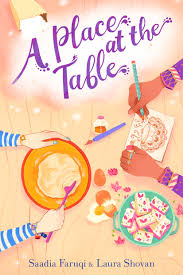
A Place at the Table by Saadia Faruqi and Laura Shovan

Standard
A Place at the Table by Saadia Faruqi and Laura Shovan

a lkace at the table

This fabulously fresh and honest book told in alternating OWN voices shows how two seemingly different 6th grade girls discover how much they have in common as they learn about themselves and their families along the way.  Sarah is a Muslim Pakistani-American, and Elizabeth is Jewish and has an English immigrant mom, the two come together over food, family stress, discrimination, and middle school social drama to form a solid friendship.  But fear not, it isn’t easy and the book will keep upper elementary/ early middle school girls hooked.  Not sure if boys will be as drawn to it, but if they can get over the brief mention of having a period, they too will enjoy the story.  The 336 page book shows how much we have in common, and how hard fitting in can be for everyone.

SYNOPSIS:

Sarah is starting a new school, a public one, having been at a small Islamic school prior to 6th grade.  She is not happy about it and to top it off, her mother is teaching an after-school cooking class at the school that she is required to attend.  Hoping to sit in the back drawing and go unnoticed, she finds she can’t sit quiet when her classmates start giving her mom a hard time.  Unaware of why she had to leave her previous school, and tired of her mom needing her help with her catering business, Sara also has to help her mom study for her citizenship test, handle two little brothers, deal with no friends at school and not being able to celebrate Halloween.

Elizabeth loves cooking. Her mother does not.   She is excited to learn Pakistani food at the cooking club even if her best friend thinks they shouldn’t be learning things from “them.” Elizabeth is admittedly nerdy, and struggling with a life-long friend finding others to spend time with, her life at home is difficult too.  Her dad is always traveling for work, and her mom is depressed with the recent passing of her mother in England, to the point of not really functioning.  With Elizabeth doing the cooking at home, and trying to get her mom to study for her citizenship test, Jewish holidays and obligations get neglected, and Elizabeth not knowing how to help her new Muslim friend handle racism,  is spiraling herself.

When the two girls decide to give each other a chance they find they might be able to be more than just cooking partners, but it seems like one of them always does something to mess it up.  Either saying something hurtful, getting defensive, or not sticking up for each other.   The girls get their mom’s together to study for their test, but it isn’t so easy for the girls, who are hesitant to trust one another.

An upcoming cooking competition, offers the girls a chance to make a cross cultural fusion dish that can wow the judges, help Sarah’s family’s financial situation, prove to the school that diversity is a good thing, and hopefully give the two girls a solid friendship.

WHY I LIKE IT:

I love how authentic it sounds and feels and how it doesn’t focus on boys or crushes, but on friendship between two girls at an awkward point in their lives and the family stresses they are experiencing.  The book is for all readers and does a great job of not going overboard with what the girls face.  I love how tolerant they have to learn to be with one another and that they have to learn to drop their defensive guards.

I read the book in two settings and didn’t want to put it down, it has enough pull that you really want to see where the book is going and are happy to overlook the slight repetitiveness of them stressing about the competition, but doing nothing but talking about the stress. Really the competition doesn’t even seem that important at the end, but considering everything going on, that to me is exactly as it should be.

I love the rich culture of Pakistan, England, Islam, and Judaism that seep in and never get preachy or dogmatic, but get celebrated and experienced.  This is why OWN voice books are so beautiful and powerful.  Admittedly, Elizabeth’s family is not super religious, but a few more similarities would have been nice.  Yes her brothers are eating pepperoni Hot Pockets, but a shout out about halal/kosher marshmallows would have really rung true for so many of us that stock up at Passover.

I also love how the side characters have substance and aren’t just used as a foil to show something about the main characters.  They get a little flesh on their own, and that enhances the richness of the story.  Seeing that they have their own struggles to overcome as well shows how none of us have it all together, and that we are all capable of improving ourselves.

FLAGS:

The girls meet during school hours when Elizabeth lies about her period starting to get out of class.  Sarah mentions that hers has already started.  Elizabeth mentions that her Jewish grandmother is visiting her son and his husband, nothing more is said, just that.  There are some derogatory things said about Sarah and being Muslim and Pakistani, but really mild.

TOOLS FOR LEADING THE DISCUSSION:

I want to find a way to do this book for a middle school book club.  I’ve already told my 13 year- old daughter it is required summer reading.  The Muslims have diversity within themselves, some wear hijab, Sarah does not.   The book is so relatable and the personas sound the age for their views and struggles and perspective.  The financial stress, the mental illness, the immigrant experience, the racism, the politics, are all wonderfully woven together, and the food, well, there is a reason I didn’t recommend this book at the beginning of Ramadan, you are welcome.  Happy Reading.


Leila in Saffron by Rukhsanna Guidroz illustrated by Dinara Mirtalipova

Standard
Leila in Saffron by Rukhsanna Guidroz illustrated by Dinara Mirtalipova

leila

I had really wanted to love this book about a young Pakistani girl living outside of Pakistan learning to love all her different parts.  Unfortunately, the book was so scattered that no point was made, no message conveyed, and sadly, no excitement at being represented in literature really felt, .

IMG_6403

This 32 page book isn’t bad, it just really isn’t memorable.  It starts out with Leila arriving at her Naani’s house for dinner as her parents and her do every Friday.  Her maternal grandmother comments that she likes Leila’s saffron buttons.  Leila beams at this because she doesn’t know that she always likes being herself.

IMG_6404

Tonight, they are joined by lots of extended family and Leila is on the lookout for parts of herself that she likes.  She feels safe with her family, and likes being told she looks like her aunt when she smiles.

IMG_6405

The book then kind of abandons the theme of finding parts of oneself to like, and moves on to cultural trinkets to enjoy.  She identifies camels on shelves and Arabic books too, and can’t wait to go on her first trip to Pakistan someday to get her own “Arabic books” and “special ornaments.”  I’m not sure why they books aren’t in Urdu, but none-the-less without any written connection to Islam, they are in Arabic, thus giving, erroneously, the reader the impression that is the language of Pakistan.

IMG_6406

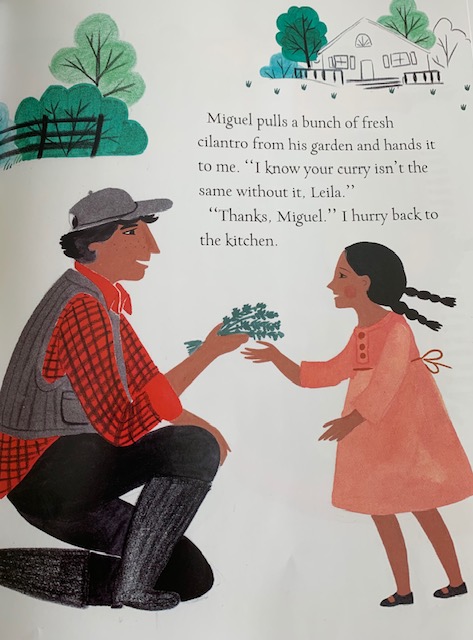
Leila then helps her Naani cook which almost seems like an additional theme of the book: the passing on of traditions.  The book doesn’t really stay here though either, and has Leila running outside to get cilantro from the neighbor Miguel.  Possibly another theme in addressing multicultural neighbors or just how to be a good neighbor, is now being brought up, but nope, the book bounces back to dinner with the family.

IMG_6407

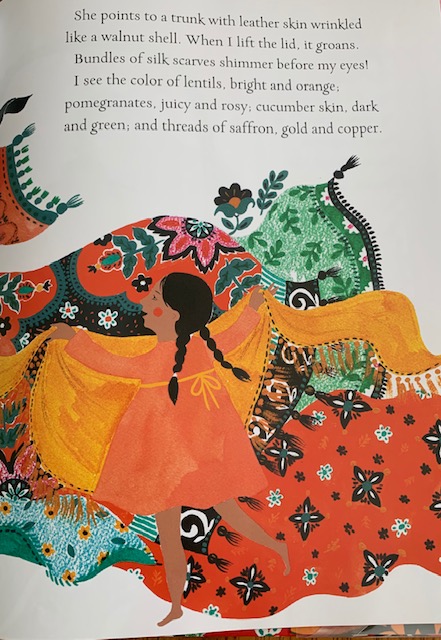
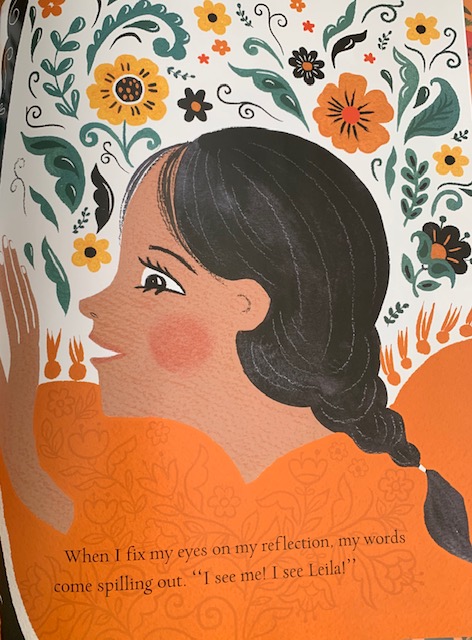
When it is time to leave, Naani invites Leila upstairs while her parents wait to leave.  Here she goes through fabric and scarves rich in color and textures and likens them to ethnic foods.  She then tries on her favorite one, but acts like she has never tried it on before or seen it before, I’m really not sure, the language is a bit awkward to me.  Anyway she opens her eyes in a surprise and likes what she sees, she likes her self, all her parts.

IMG_6408

I wish this book for preschool and kindergarteners, would have streamlined the message it wanted to convey most.  I like finding pieces of yourself and liking the completed you, but I don’t know what the pieces really are in the book.  Yes I could assume and figure it out, but I’m not 5 years old.  The book should have articulated it clearly.  Or if the book wanted to celebrate culture and family traditions, it should have stuck to that.  It really seems all over the place no matter how many times I read it.

IMG_6409

The illustrations are rich and vibrant.  They definitely give a lot to look at and the expressions on the characters faces will probably make the little ones giggle.  There are a few Urdu and Arabic words used in the story that are defined on the back cover.

IMG_6410

The characters aren’t identified as Muslim, none of them wear hijab, but they say Salam and have Arabic books, so one can assume. I picked up the book at the library and don’t regret it, but I probably wouldn’t buy it or unfortunately, check it out again.

Secret Recipe Box by Helal Musleh illustrated by Nalan Alaca

Standard
Secret Recipe Box by Helal Musleh illustrated by Nalan Alaca

recipe-box.jpg

The publisher suggests this book for ages 4 and up, but I think it’s a bit long (30 pages) and detailed for that age group, and first grade and up will benefit more from this heartfelt story.

IMG_5872.jpg

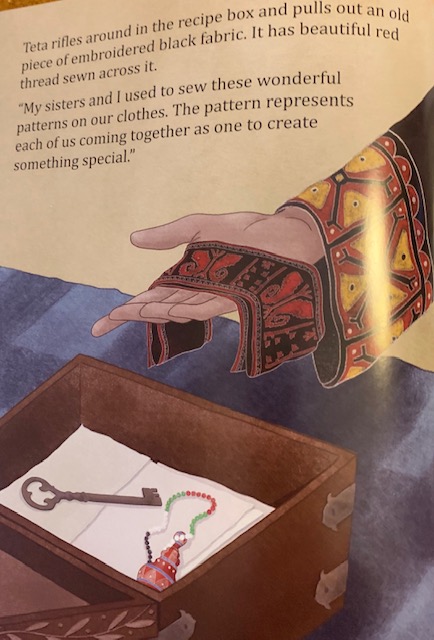
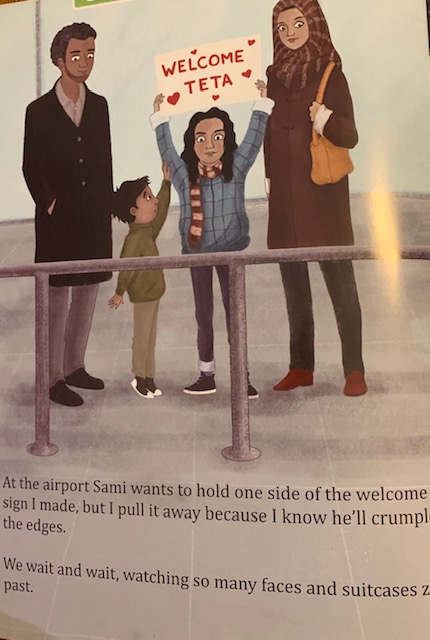
Maha is excited her Teta is moving from Palestine to live with her, her brother Sami, and parents in Canada.  Maha dreams of being a chef on a famous cooking show, and her Tata and her secret recipes will be a great way to practice.

IMG_5873.jpg

Her little brother Sami is always in the way though.  Whether it is wanting to hold a sign Maha has made, or is wanting to cook with her, she is annoyed by him at every turn.

IMG_5764.jpg

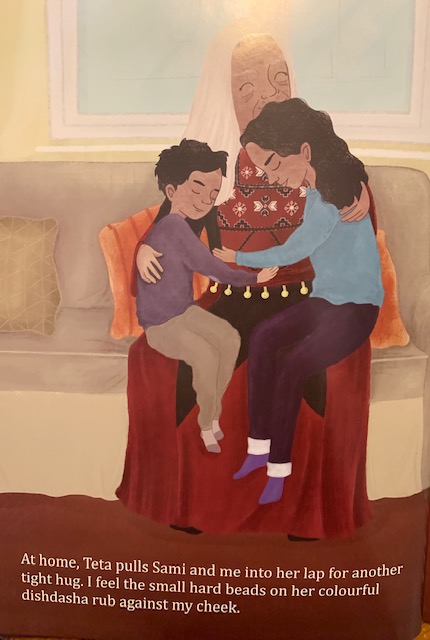
As Maha listens to Teta’s stories and learns about her life in Palestine, she starts to change in her approach to Sami and realizes that family has to take care of each other.

IMG_5874.jpg

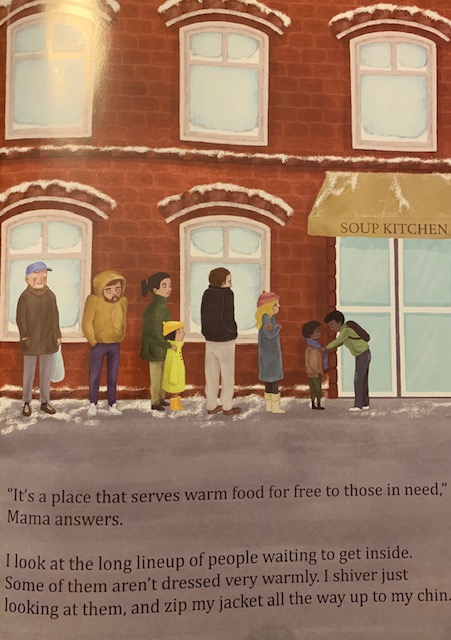
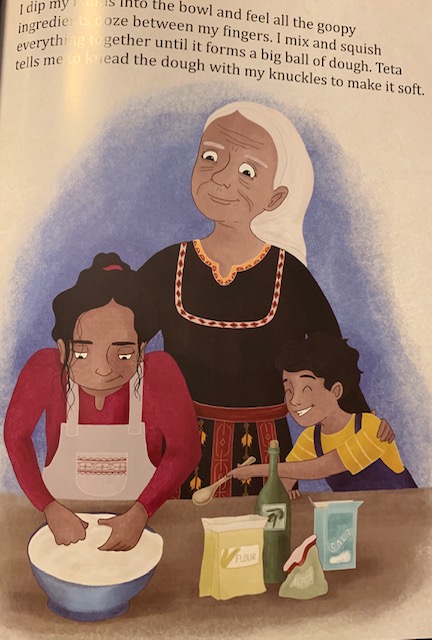
After a day of cooking together, Maha, Sami, and Teta have made too much food and decide to go and share it with those in need at the soup kitchen.

IMG_5763

The book addresses kindness, changing, compassion, immigration, taking care of one another, multi generational lessons and love, stories, life lessons, and some highlights of Palestinian culture, food, clothing, and tradition.

IMG_5761

The book is warm and well done, with the exception of a few of the pictures which seem a bit off to me.  Overall, it is a sweet story that presents with a lot of lessons, but doesn’t force them upon the reader.  The character growth is gentle and subtle and will resonate with readers.

IMG_5762

The characters mention Halal food, and the grandma wears hijab even in the house, where the mother is shown wearing it at the airport, but not in the home.  The book would work for Muslim and non Muslim readers.

Bilal Cooks Daal by Aisha Saeed illustrated Anoosha Syed

Standard
Bilal Cooks Daal by Aisha Saeed illustrated Anoosha Syed

bilal cooks daal

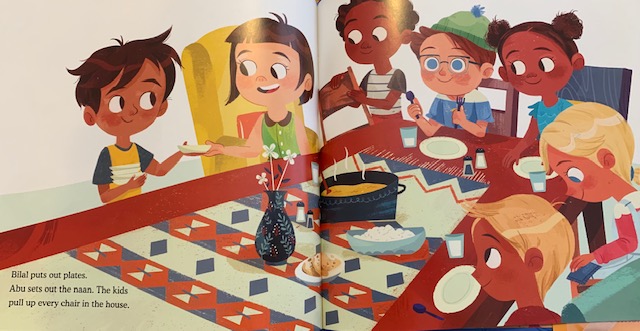
Aside from me desperately wanting to get Bilal’s family a pressure cooker this 40 page book does a good job, and follows a reliable tradition of using food to introduce a “foreign” culture while simultaneously showing universal themes that show how similar we all are when it comes to family, meals, friends and feeling loved.  

Bilal’s favorite food is daal, lentils, and when he is out riding his bike with his friends, his father calls him in to help him make it.  Confused as to why Bilal’s dad would need to start dinner so early in the day, Bilal’s friends join in, in helping make the slow cooking traditional asian subcontinent dish.

IMG_5306

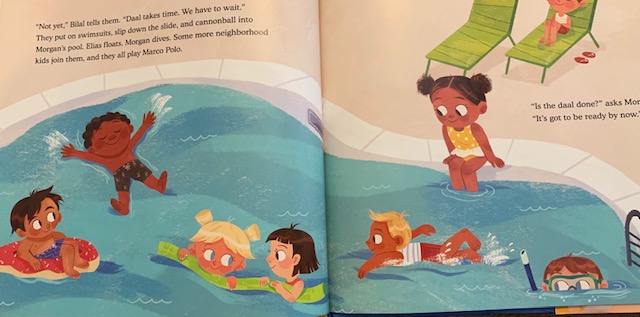
They line up the spices, they put it in the pot, and then they wait.  They put their shoes back on and play hopscotch, they go swimming, they go for a hike and it still isn’t done. 

IMG_5308

At one point Bilal is worried his friends won’t like it, but after waiting all day and gathering more friends at each activity, when the time finally comes they all dive in and love it.

IMG_5309

I love the diversity of the friends and that the dad is cooking and involving his son.  I also like that everyone is willing to try something new and give it a chance.

IMG_5307

The book would work for all kids ages 4 and up with the expressive colorful illustrations, diction, and amount of text on the page.  The book is 9×8 so it works well in small groups and at bedtime.  

IMG_5310

If you eat daal your kids will love seeing themselves in the pages, if you have never had daal there is a recipe at the end following an Author’s Note. 

IMG_5311

There is nothing religious in the book, and anyone from India, Pakistan, and Bangladesh could easily take ownership of the dish and story.  The Author’s note mentions that Bilal’s grandparents are from Pakistan and with a name of Bilal chances are he is a Muslim character.


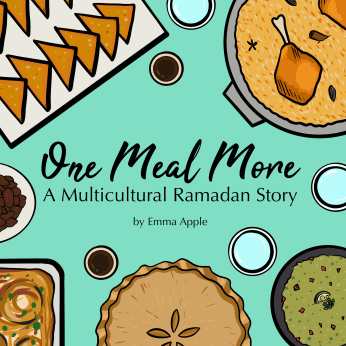
One Meal More: A Multicultural Ramadan Story by Emma Apple

Standard
One Meal More: A Multicultural Ramadan Story by Emma Apple

one meal more.png

Like many of Emma Apple’s books that she writes and illustrates, the concept is simple, the illustrations minimal, the message clear, and the price a tad bit high.

IMG_4409

At 50 pages this $17 soft bound Ramadan counting book is a little disappointing.  Had it been half the price, I would say it was great.  So, now that that is off my chest, let’s dive in.

IMG_4410

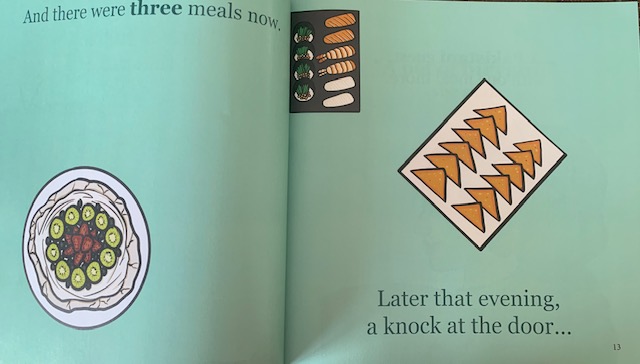
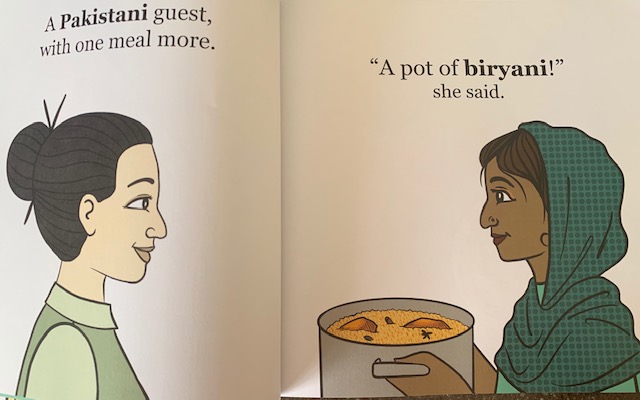
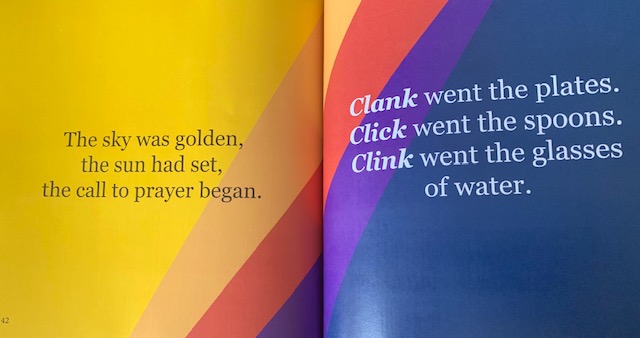
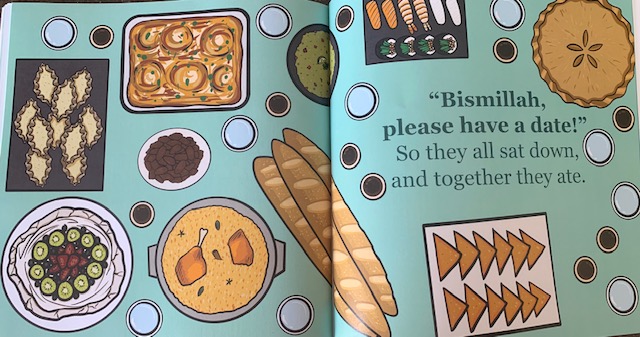
The concept and text follow a pattern that it is Ramadan, the samosas are on the table for the guests and then there is a knock at the door and someone from a different country has arrived with a traditional dish, one meal more, to add to the table for them all to share. They get to 10 and the athan is called, they start with a date and they all eat.

IMG_4411

I love that each of the women that arrive are not just from different countries, but that they are dressed different.  Some are covered, some are not, those that are covered are all wearing their hijabs differently.  The women are all smiling and the book shows diversity.

IMG_4412

One could nitpick and say that many of the visitors do not bring a meal, they bring a drink or a snack, but I think that is besides the point.  The point is that everyone from everywhere shares Ramadan, differently, but the same too.  And this book brings the world down to size on one table and with welcome arms.

IMG_4413

Muslims and non Muslim children ages 3 and up will get something out of it.  Whether it just be counting or hearing different international foods or understanding how Ramadan unites Muslims all over the world, the repetitive words and pictures will illustrate the beauty of the month in a simple way.


Ayesha Dean: The Seville Secret by Melati Lum

Standard
Ayesha Dean: The Seville Secret by Melati Lum

seville.jpg

This is the second middle grade mystery story for globe trotting sleuth, Ayesha Dean, and much like her first adventure in Istanbul, this Spanish setting is infused with rich history, delicious food, relatable characters and quick paced action.  

SYNOPSIS:

Once again Ayesha and her two friends Jess and Sara are tagging along on a business trip with Uncle Dave, Ayesha’s uncle who has raised her since her parent’s passing.  As they wait in line to board the final flight of their lengthy journey from Australia, a young man drops his contents and Ayesha and him chat, later they are seated next to each other on the plane where he discloses his travels from England to Seville are to help locate his missing grandfather.  Ayesha volunteers herself and her friends to help him and they hit the ground in Spain determined to solve the case.

The boy, Kareem, is staying with the friends his beloved grandfather was staying with when he went missing, so that is where the detectives start their work.  In searching his room, Ayesha uncovers a 400 year old diary written in Arabic, and a pamphlet from the Archeology Museum with a necklace circled, the Collar de Pajaros.  Just enough to get them started and set their adventure in motion.

The group of teens rely on Kareem to translate the Arabic in the diary and Ayesha’s wit to decide what to follow up on and how to incorporate their sightseeing with the task at hand.  As they journey through the city of Seville, learning the history and tasting the food, nefarious characters start to notice the group and things get intense.  From Cathedrals, to cafes, to Museums, and even to an ancient city uncovered in Cordobo, Madina Al-Zahra, the chase is on, not only to find Kareem’s grandpa, but to also avoid being caught themselves and maybe even solving a centuries old mystery about treasure and a necklace along the way.

WHY I LIKE IT:

I love that Ayesha in any situation stays true to her self.  She wears hijab, she prays, she is aware of the good looking guy, but doesn’t cross her own line, she is a good friend, an inquisitive person, and confident.  All amazing attributes for a fictitious hero and real ones too.  

Much like Nancy Drew and other middle grade novel series, the books don’t need to be read in order, and while they reference other adventures, they stand alone sufficiently too.  Also, like the aforementioned books there is definitely a formulaic pattern to how the author writes her books.  And while reading it I didn’t notice it intensely, as I write the review I do.  Ayesha travels abroad, she has her sidekicks that are not developed at all and truly have no barring on the story plot wise or as comic relief, they are simply foils to bounce conversation off of, there is a cute boy who could be pursued, but isn’t, someone passes out while she and her friends are sight seeing, and the spouses provide added clues, Ayesha gets locked in a small dark space, there is a twist and a surprise, a trap, and they all live to repeat the adventure in another city another day.  I don’t think I have a problem with it, but maybe because I am not the target audience age, I might get bored with it about book four or so.  As it stands right now, I’m anxiously waiting for book three.

While reading I was a little irked that Sara and Jess weren’t any more developed in Spain than they were in Turkey.  One of them could have been the one to administer CPR or to stumble on the diary in the room, something to give them some plot significance, but alas, the books do not bare their names.  I wish Kareem would have at least said “Salam” on occasion.  I like that the author shows he doesn’t know much about Islam and shows that his grandfather admits its been so long since he has prayed, but the boy is a Morisco and his parents immigrants from Algeria, he translates Arabic, he should say Salam when he meets Ayesha in her hijab wrapped head. 

The author does a much better job in this book staying with the characters and showing the city through their eyes rather than pulling them out of their scenes to convey something.  Only once at the end of a chapter did I feel there was some forced foreshadowing that was not needed, as the book is quick and chapters may end, but the pages still turn until the end is reached.  I had more trouble putting the book down than picking it up, and that is saying something as I read it online and I definitely favor physical books.

I wish there was an afterword or author’s note explaining what was real and what was fiction.  I googled Madinat al-Zahra and found it fascinating, but couldn’t find anything in English about the Collar de Pajaros.  Also a map or two would be great.

FLAGS:

None.  This book is clean and even the fights are not gory or over the top. Yay!

TOOLS FOR LEADING THE DISCUSSION:

I would absolutely do this as an elementary book club selection, and can’t wait to get a copy to my children’s school library and their classrooms.  The book is an easy read and the history and culture is seamlessly interwoven in to the story that kids will enjoy the action and find they learned something about a culture along the way.   I think boys and girls will enjoy it, even if it appeals more to the girls.   The cover, the binding, the font is all spot on for the age group and I eagerly await Ayesha’s next adventure.