
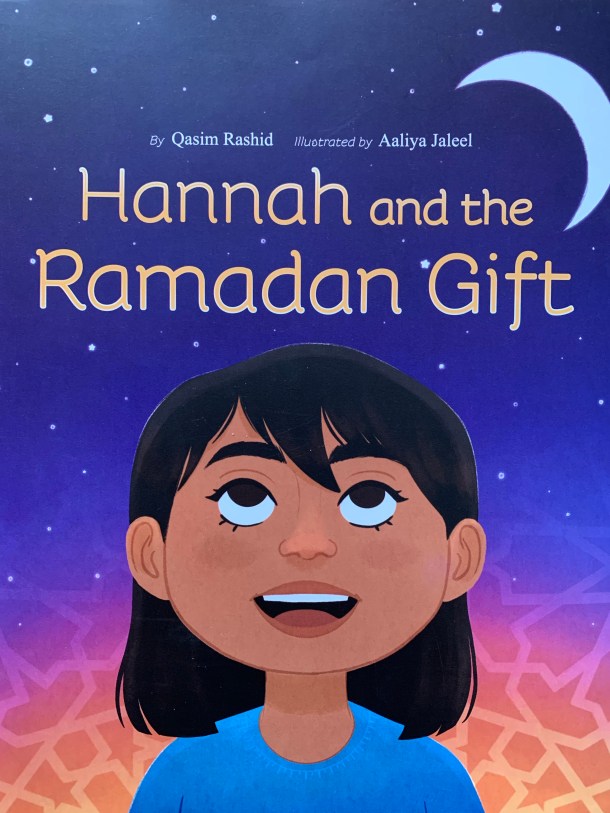
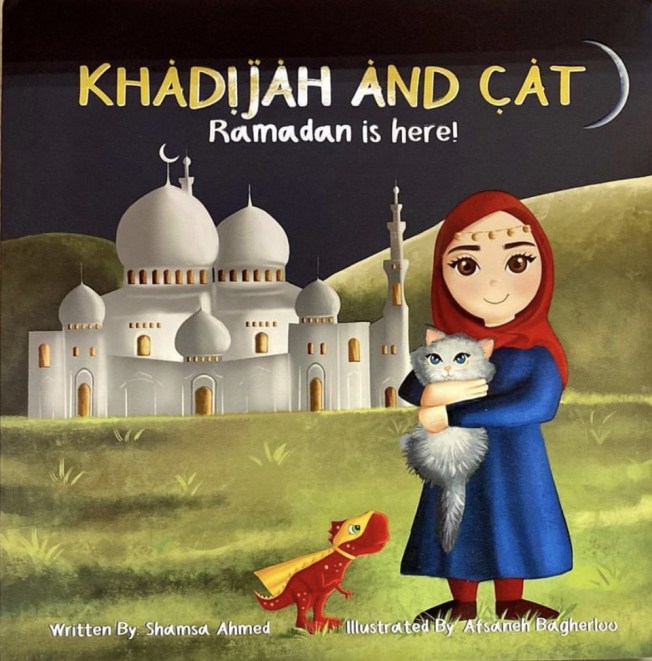
You may have seen this new 40 page Ramadan book that came out yesterday and thought, “another book about what Ramadan, is and a girl being told she is too young to fast, I’ll pass.” And I’m here to tell you, please reconsider. This book is wonderful and it is not the same-old-same-old. I know the title and cover don’t hint at the heartfelt story within, but it really does an amazing job of showing, not just telling, about the feelings and purpose of Ramadan beyond the restraining of food and drink. The text is a bit heavy, but the illustrations keep even four and five year olds engaged, and the story works for Muslim and non Muslim children alike. The OWN voice book has a Desi slant with Urdu words, Pakistani clothing and featuring an immigrant family, but the cultural tinges are defined in the text and it flows smoothly. This would be a great book to share with your children’s class to show how Ramadan is more than just going without food, or being just one day, or one act of kindness, it is an ongoing effort to show kindness to those near and far. The book shows an authentic Muslim family and presents universal themes, making Ramadan and Islam more relatable and familiar to all readers, and inspiring Muslim children to find their own ways to save the world.

The book starts with Hannah being woken up by her paternal grandfather, Dada Jaan, it is the first day of Ramadan, and she is excited. She hopes that now that she is eight years old, she is old enough to fast. Her heart sinks when she is told, “Fasting is for grown-ups, not for growing children,” but her spirits rebound when Dada Jaan tells her that she is going to celebrate Ramadan by saving the world.
The first thing Hannah and Dada Jaan do is collect cans from the pantry to take to the soup kitchen. Dada Jaan explains what a soup kitchen is, and why it is important to help those that don’t have enough food. Hannah is worried they won’t be able to help everyone in the whole world, but Dada Jaan encourages her to start with her neighbors.

Later in the day, Hannah’s friend loses a beloved family necklace, and when the bell rings she doesn’t want to be late for class, but she remembers that she is supposed to help, so she does. Hannah finds the necklace, but her teacher is not happy when she comes to class late, and Hannah isn’t even given a chance to explain.
On the 11th day of Ramadan, Hannah and Dada Jaan decide to save the world again before they head off to the science fair. They are packing up clothes to take to the shelter. Hannah is worried that the people at the shelter won’t know that they are the ones that donated the clothes. Dada Jaan says that it is enough to help people out of love and adds that the best superheroes work in secret.
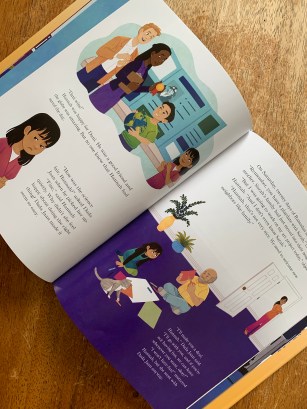
At the science fair Hannah sets up her model replica of Abbas ibn Firnas’s flying machine next to her friend Dani. When Dani runs off to see a robot, his globe rolls off the table and Hannah saves it. Dani ends up winning and she is happy for him, but she is sad that no one knows she saved his project.
Twenty days in to Ramadan, Hannah has a play date with a girl she has never met before and Hannah does not want to go. Sarah is new to the neighborhood and Hannah’s mom insists she goes. Luckily Dada Jaan strikes up a deal that he will take her and they can leave when ever she wants. Hannah and Sarah have so much fun together, Hannah doesn’t want to leave.

When they get home, Dada Jaan shows Hannah old photographs of when he and Dadi Jaan had first come and didn’t even know the language. They talk about how the kindness of others helped them, that and Dadi’s butter chicken. The night before Eid, Dada Jaan asks Hannah if she helped make the world a better place, she doesn’t think she did, but he seems to think otherwise.
On Eid day they go to the mosque, then to the cemetery to pay respect to Dadi Jaan, and when they return home they find Hannah’s whole world there to celebrate with her. Cousins, friends Maria and Dani from the church across the street and the synagog by the mosque, as well as the Sikh family that runs the soup kitchen. Dada Jaan and Hannah enjoy gulab jamun, kheer, and jalebis as they discuss if Hannah really did help the world this Ramadan.

It is hard in my heart to go wrong with a story that focuses on an amazing grandfather/granddaughter relationship that ends with them racing to get the last gulab jamun, so I might be a little bias. But I was genuinely surprised and delighted by the direction the book took and the way it presented Ramadan in everyday situations that children can relate to and imitate. I was a little disappointed that the book wasn’t larger considering the phenomenal illustrations. It is just 8.5 x 11. I love that the characters pray and read Quran, and the mom covers and the neighbors are diverse.

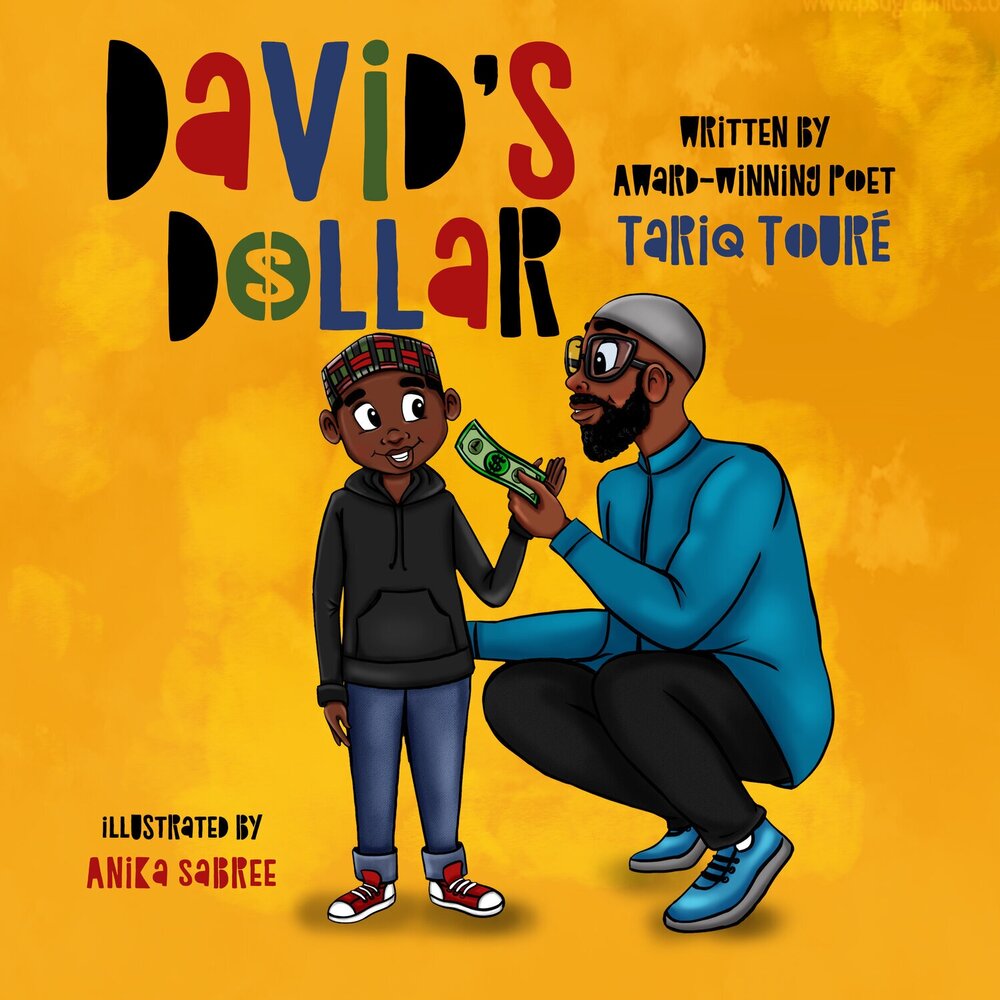

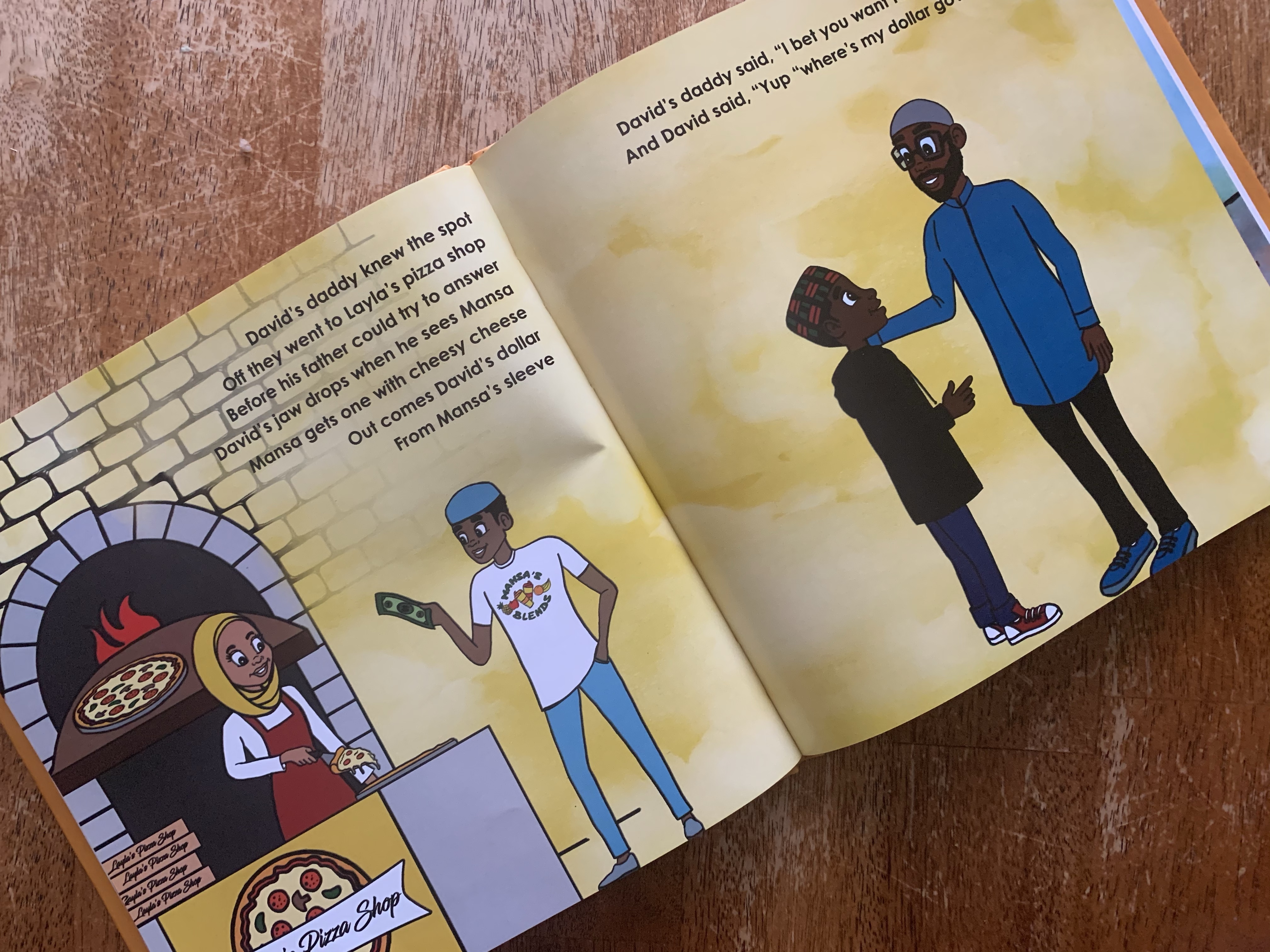

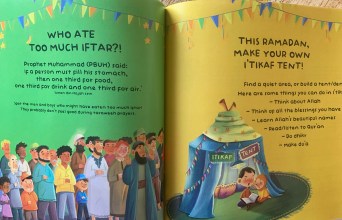
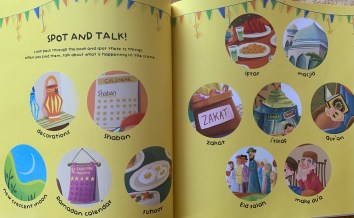
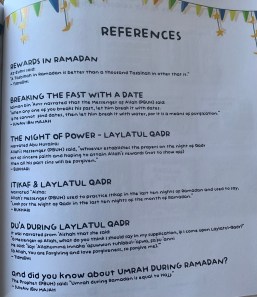
 I think the illustrations in this 40 page picture song book are my favorite of the new 2021 books. They are adorable and expressive and a big part of the story that the text alludes to, but doesn’t detail. They also are a big part of the activities at the end of the book that encourage children to go back and find different Ramadan and Eid concepts to discuss and further understand. I absolutely love that there is a glossary and a reference page that details and attributes the hadith implied in the simple sing song-y words. The chorus is to the tune of jingle bells, and while I struggled to maintain the rhythm, the chorus reappears and if you are able to sing the book, your children will love it even more, haha, my voice and lack of rhythm forced me to read it, but either way it is absolutely delightful and informative for toddlers and up.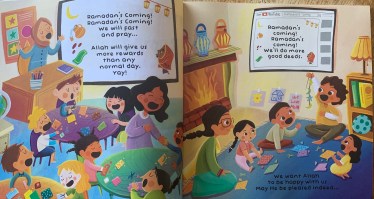


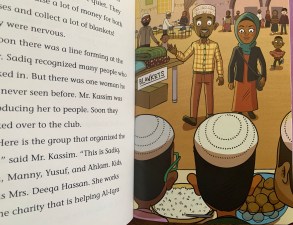
 This 65 page early chapter book in the Sadiq Series does a great job of introducing Ramadan, giving a glimpse of Somali culture, and conveying a relatable and engaging story about friends with a lesson/reminder about the values of communication. A group of boys hosting a fundraising iftar to help a school in Somalia have to figure out the logistics, the marketing, the cooking, and the execution, as they become socially aware and active in helping meet the needs of their community, both locally and afar. This OWN voice tale doesn’t shy away from authentically drawing on religion and culture to make characters and a plot that all readers can enjoy. The book is not preachy, but the characters know who they are in their manners, dress, speech, and environment. A great book any time of year for first grade and up.






 Islamic School Librarian