Tag Archives: dancing

Birthday Kunafa by Rifk Ebeid illustrated by Noor Alshalabi

Standard
Birthday Kunafa by Rifk Ebeid illustrated by Noor Alshalabi

img_4902-1

This 50 page wordless picture book allows readers to make up their own words to describe the progression of what is shown in the illustrations. With no right or wrong, the backmatter helps give context and points out key images that allow the story to resonate on multiple levels.  On the surface it is a birthday girl who is upset she cannot have kunafa, but when you truly look at the pictures, and see what is preventing her from moving from Jerusalem to Nablus, the reader is shown, she is not just a child wanting something she can’t have, but that she is being denied basic rights by an occupying force.  I love that the little girl represents so much more than just herself, and that her determination to cross checkpoints, is not just about acquiring dessert.  The book starts with a little girl on her birthday that could represent a little girl with her friends and family anywhere, but as the pages are turned you witness how beautiful Palestinian joy is, how much we take for granted the freedom to move, and how desperately we need to stand up for a free Palestine.  With no words, Islamic representation is limited to two hijabis in the illustrations.  The author and illustrator are Muslim. The book centers a birthday, there is dancing dabkah and an oud shown leaning up against a wall.

So often when thinking about Palestine, not just since October, we all find ourselves speechless.  There are no words, only tears when watching the news, reading headlines, or scrolling, and I find it incredibly timely for a wordless picture book about Palestine to be published.  There are a few labels so to speak throughout the book that I didn’t particularly find necessary, but they do not distract from the story, so they didn’t bother me.  I like that the book showed restraint in terms of the oppression that could have been shown.  It allows for the story of the little girl and her family to maintain the narrative.

The story that I understood the images to be telling is that it is a little girl’s birthday, the family is having a party, they have a birthday cake, but she wants kunafa, she tries to get some and along the way sees joy everywhere, until the checkpoints turn the images gray, and prevent her from moving forward.  So mama and her problem solve, they try and make their own, but it is not the same, so they devise a plan, and they try again.  They do not give up. There is no giving up.

The backmatter provides a recipe for kunafa, a two page spread about “Why Wordless Picture Books,” another spread about “Context Matters” giving information about Zionism and Palestinian resistance.  It is then followed by four pages entitled “Did You See?” where symbols are shown that appear in the pages and described.  Warning there are numerous sweet and savory foods shown, and it will make you very hungry.

The book is available here from Crescent Moon or here from Amazon.

Three Summers: A Memoir of Sisterhood, Summer Crushes, and Growing Up on the Eve of the Bosnian Genocide by Amra Sabic-El-Reyess with Laura L. Sullivan

Standard
Three Summers: A Memoir of Sisterhood, Summer Crushes, and Growing Up on the Eve of the Bosnian Genocide by Amra Sabic-El-Reyess with Laura L. Sullivan

three summers

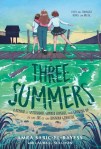
It is difficult and probably rather inappropriate for me to offer a “review” of a memoir, after all who am I to have opinions on someone’s lived experience.  And this non fiction book in particular is so desperately needed and important, as OWN voice middle grade literature about Bosnia is fairly non existent. So continue reading my thoughts with a grain of salt, suffice it to say, that I enjoyed the book, and loved the author’s YA book The Cat I Never Named, but ultimately I struggle to suggest this for the intended audience of 8-12 year olds.  As a child my family was involved with Bosnian refugees in the 90s, as an adult I understand that Islam, and being Muslim, is not a monolith, as someone who can empathize with loss and heartache, I couldn’t put the book down.  Yet, I truly doubt that many fourth graders will feel the emotional climaxes that are not shown, but told.  That they will understand the timeline and what is about to happen if the book were to continue.  That they will feel a connection to the characters who read so much older than them.  If the book was fiction, I would say the characters read YA, with the bikinis and details of body growth, kissing, making out, having boyfriends, and dancing at the discotheque, cigarette smoking, backless dresses, noting which neighbors are having affairs, and trying to become their “truest self,” but the book is a memoir, this is the author’s life when she was 11, 12, and 13.  In an environment where her maturity is noted as being heightened because of the loss of her brother and her personality, the book shows cultural norms, that will still strike contemporary reader as being much more adult in nature. Islamically, the label of Muslim and Bosniaks, is ever present.  Bosniaks were massacred for being Muslim, period.  The book never shows them praying, or mentions Allah swt or the Quran, covering is something only the older generations did, they do drink alcohol on occasion, but they have a cow slaughtered Islamically and burials are done in accordance with Islamic principles.  There is kissing, having boyfriends is not problematic unless they are Serb, the only imam mentioned does weird black magic type things.  So while the label of “Muslim” may feel to Muslims readers more like a cultural marker at times, it is none-the-less incredibly empowering to see that Amra takes pride in her Bosniak identity and doesn’t shy away from it. Other flags/triggers are domestic abuse, bullying, physical violence, attempted drowning, accidental drowning, death of a sibling, kidnapping, imprisonment, threat of war, racism, Islamophobia, music, fortune tellers, lying, threatening.  The backmatter offers a timeline and thus gives some information about the rape, torture, genocide, abuse, and destruction.

SYNOPSIS:

The book starts with a visiting fortune teller giving Amra and her family hope that her older brother Amar will be pain free soon. Amar suffers from Marfan syndrome, and is frequently weak, teased, and in pain.  But he is also wise and patient, brilliant and gentle, and beloved by so many, and Amra is broken when he passes away.  To help break her from her debilitating grief, her parents reach out to a cousin in Belgrade, who has long been estranged for marrying a Serb, to come visit for the summer.  Zana and her younger sister Vedrana, engulf Amra in warmth and adventure and the summer on the River Una is just what Amra needs.  The next summer Zana and Amra resume their idyllic adventures of swimming, make-up, crushes, and coming of age, with only a hint of fracture based on religious lines creeping in the final days.  The following summer Amra is starting to mature on her own and understand the world around her.  Her father has lost his job, been kidnapped essentially and tortured, and while nights dancing at the discotheque give laughter and light, the girls final summer, is the end of peace, and innocence for all Bosniaks.

WHY I LIKE IT:

I love the end, that there are real life updates of the people in the book.  It made me cry.  It is also so timely to what is occurring in Gaza and how no matter how clear it is that it is genocide, and it is oppression, and it is racism, some just cannot see it.  The book is joyful, but the reality of the backmatter is heavy, and real, and important.

I like that the book shows Bosnia and the culture and the traditions, the few books I’ve read focus on the war, and the rich culture and deep history doesn’t get to shine like it does here.

I do wish the book was more showing than telling.  I know it is a memoir, but at times it was just too advanced commentary and insight.  I fully believe the author is brilliant, and at 11 years old was pondering her life, but most readers just aren’t at that age, and the tangents keep the readers at arms length.  The book says it is about crushes, so I don’t want to keep harping on it, but it really is Amra and Zana and a gaggle of other female cousins quite often worrying about boys, and crushes, and kissing.  It doesn’t get obnoxious, but it isn’t a line here or there, it is the bulk of the book.

FLAGS:

Domestic abuse, bullying, physical violence, attempted drowning, accidental drowning, death of a sibling, kidnapping, imprisonment, threat of war, racism, Islamophobia, music, fortune tellers, lying, threatening, death, loss, grief, affairs, cheating, racism, bare bodies, crude jokes, crushes, kissing, making out, sneaking out, smoking, drinking, developing bodies, bullying, internalized Islamophobia, kidnapping, imprisonment, dancing, black magic imams.  The backmatter offers a timeline and thus gives some information about the rape, torture, genocide, abuse, starvation, and destruction during the Bosnian genocide.
img_4254-1

TOOLS FOR LEADING THE DISCUSSION:

I think with some context about war, about communism, the Ottoman empire even, this book could be used in a teaching setting to allow the time frame to be seen from those living it, but, for more mature middle school to early high school readers.  It is a lot for MG and that it is non fiction makes me want it to be understood and appreciated and I don’t know that for the intended demographic, even with context and guidance it would be achieved. There really isn’t a plot, it is a memoir, and the pacing and assumed context knowledge I feel like, just wouldn’t be there for the typical western middle grade reader.
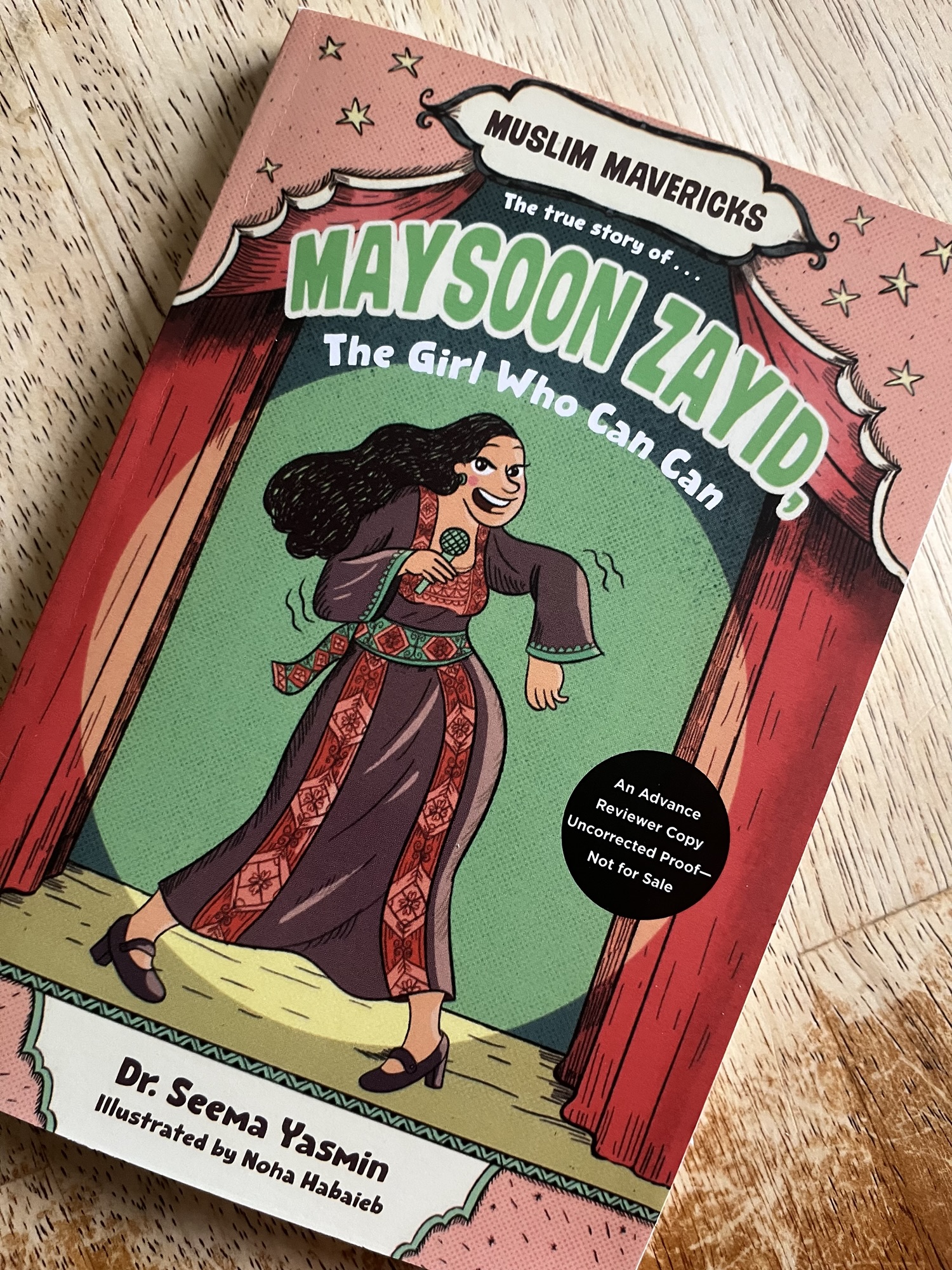
Shiny Misfits by Maysoon Zayid and Shadia Amin

Standard
Shiny Misfits by Maysoon Zayid and Shadia Amin

img_4083-1

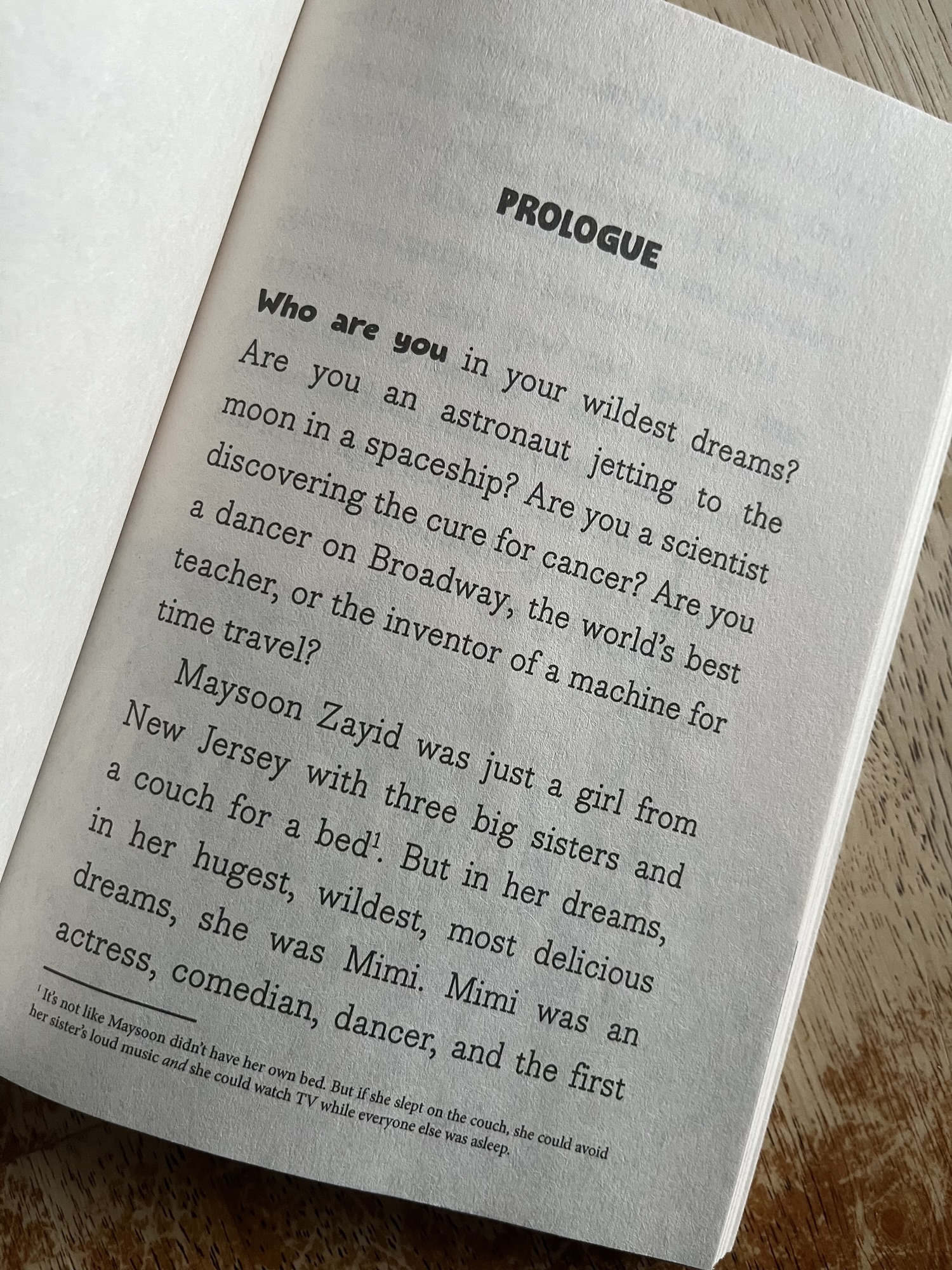
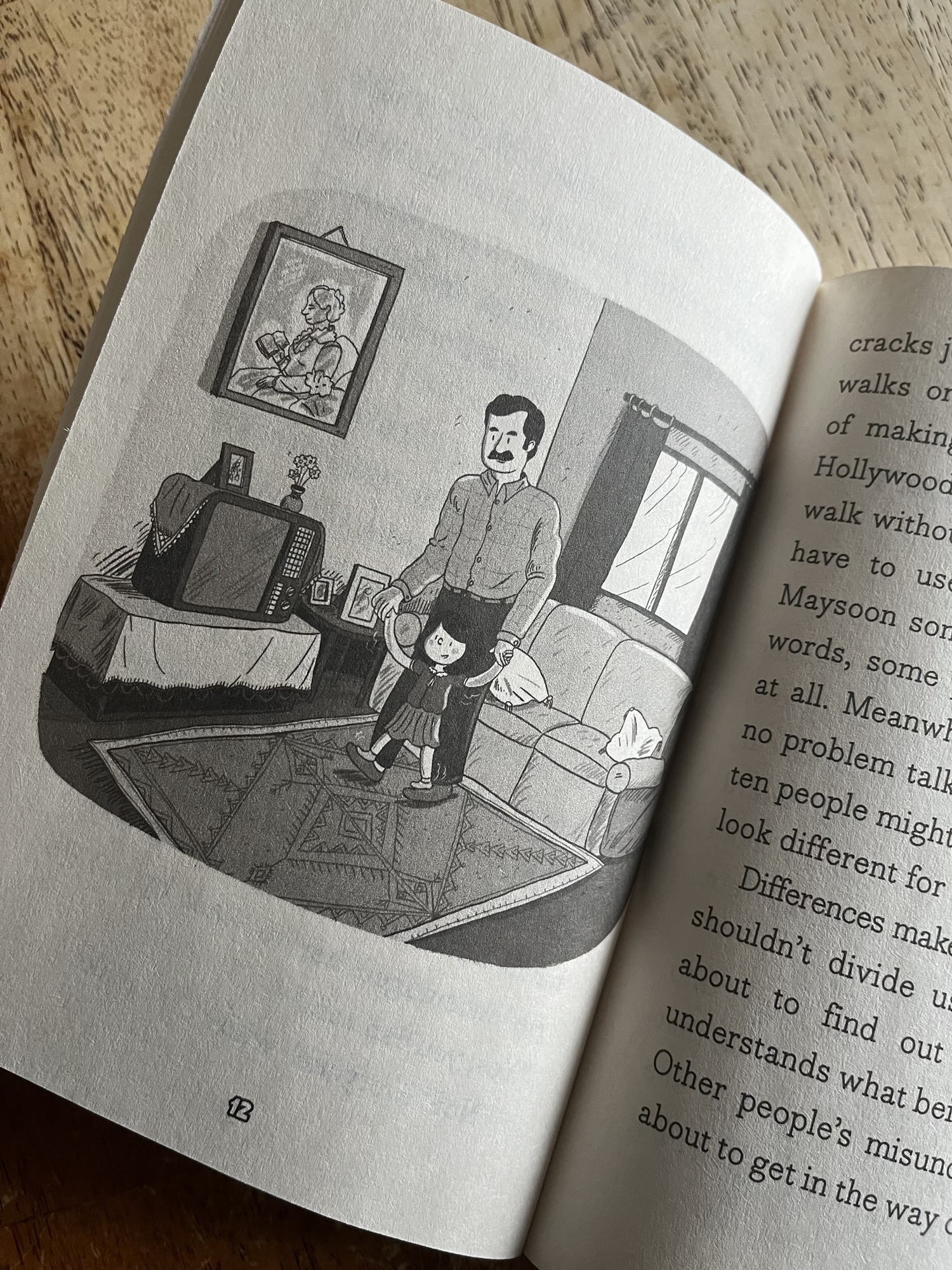
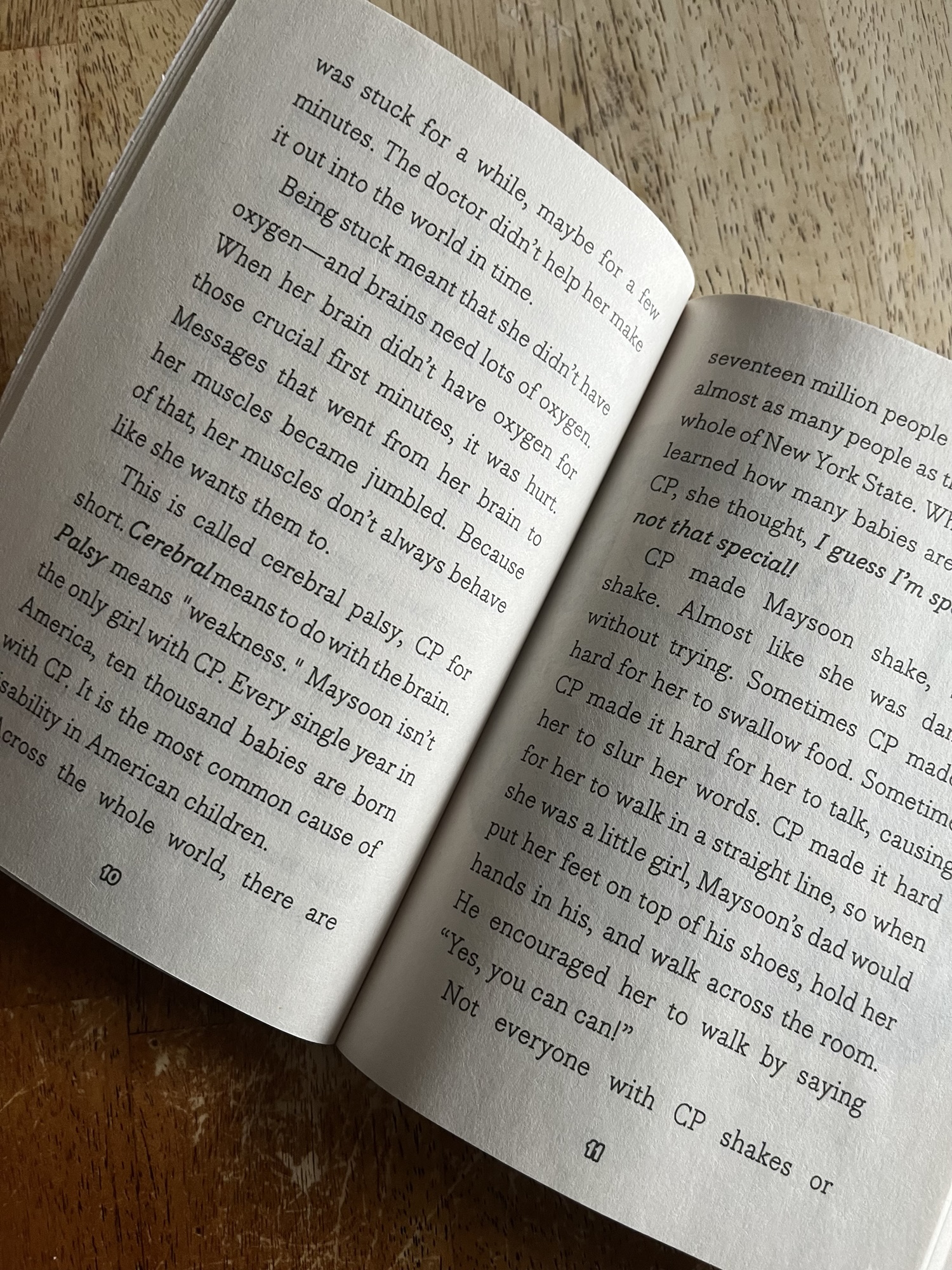
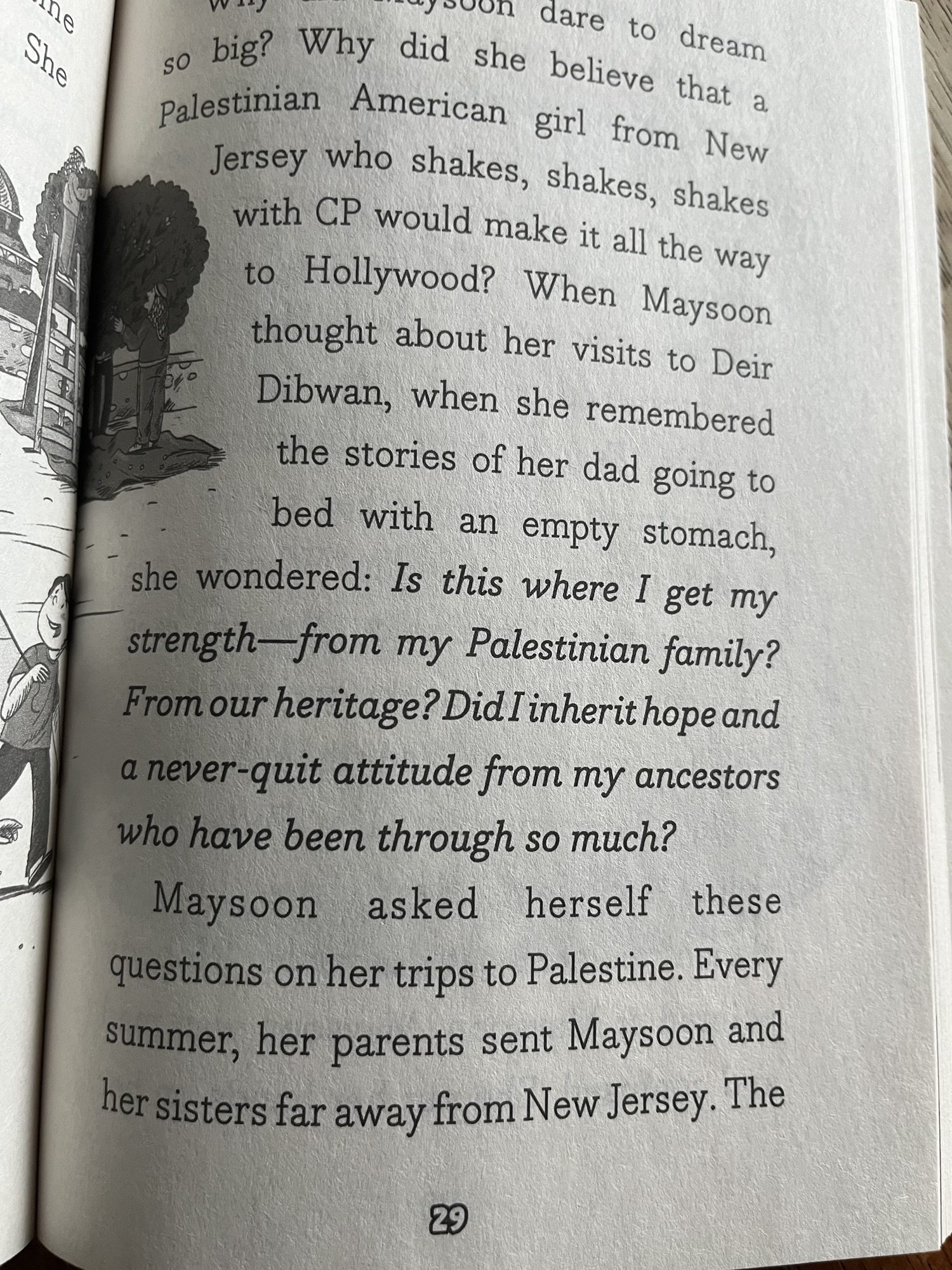
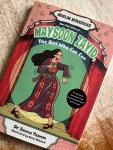
I admittedly wanted to read this book because the author is of Palestinian descent. I have seen clips of her standup and I’m not a huge fan, although I do appreciate that she doesn’t deny her culture and Islam, doesn’t let her cerebral palsy keep her from working toward her dreams, and that she is successful.  All good messages for a 256 page middle grade graphic novel that is not autobiographical, but draws on her life none-the-less.  I was surprised, though, that there are no Palestinian references in the book, very few Arab cultural touchstones either, and yet swearing on the Quran and not eating pork are presented fairly often, almost as “bits” to be laughed at.  I truly understand that the character is presented as culturally Muslim more than centering Islam in her identity, but perhaps because the protagonist, Bay Ann, is rather unlikeable, it just rubbed me the wrong way.  I love that the people in Bay Ann’s life do not caudle her, and that she is fierce and dramatic and driven, but she is an awful friend, her obsession with Alyee Maq (yes full names are used throughout) gets annoying, and I worry that some of the humor will be missed for the younger target audience and be taken as Muslim or Arab norms.  The presentation of a disability in a well illustrated graphic novel is empowering, an amazing Arab dad is nice to see, a divorced family co-parenting is important, but the foundation for much of the story is Bay Ann’s crush on Alyee Maq, he does kiss her on the cheek for social media likes, the book starts with Halloween Idol, features dancing throughout, and concludes with a Nondenominational Holiday Spectacular.  Bay Ann’s mom is not very kind or involved, and Alyee Maq’s mom, the only hijabi in the book, also is rather rough.  This is a book where I acknowledge my own overthinking, as both an adult reader and reviewer.  If you are ok with the (random) Islamic rep, kids will benefit from seeing Bay Ann as a fully capable person who happens to have a disability.  I’d suggest seeing if your local library has the book and looking through it first to see if you are comfortable passing it on to your kids.

SYNOPSIS:

Bay Ann is a tap dancer and with Halloween Idol coming up, she plans to win.  Her best friend Michelle is going to do her make-up as a zombie bride, and be her zombie bridesmaid with Davey Matt, the third in their trio, being the dead ring-bearer dog.  They can’t be her backup dancers because she is a one woman show, but she needs them to cheer her on.  When she wins, she has the spotlight stolen from her by Alyee Maq kissing her claiming he is making “a sick girls dream come true.” The clip goes viral, as Alyee Maq is a bit of a celebrity and the competition is on.  Whether it is science fair, social media posts, or the class debate, Bay Ann is determined to knock Alyee Maq down, claim the online spotlight, and  prove her talent is more than her disability.  With each attempt failing, her resolve grows stronger and her tunnel vision pushes those closest to her away, as she joins Alyee Maq with the hopes that if she can’t beat him, she will join him and achieve the fame she seeks.

WHY I LIKE IT:

I know the book is rather intentionally ridiculous, but I wanted to cheer for Bay Ann, and I never really liked her.  I don’t like how she treats Davey Matt, or even Michelle.  If she was better to them at the beginning, I think it would have shown how disconnected her mom Malak is as well as the school administrators, and made it more funny, but it truly just makes her seem like she is awful to everyone, and thus you don’t really find yourself invested in her stardom, her friendships, or her defining her own narrative.

I wish their was some Arab rep, not just a few Arabic words tossed in here and there.  I also wish there was more Islamic centering, or honestly even less. The swearing on the Quran really bothered me, Friday prayer is mentioned in passing, but there is no impact on the characters or the story, so it seemed misplaced.

The pacing of the story is rushed, and at times a bit chaotic.  I think it is intentional, but it makes it hard to connect to the characters or to grasp their motivations.  I don’t know that I truly ever understood why Bay Ann wants the spotlight, or why Alyee Maq is famous, or why Davey Matt hangs around Michelle and Bay Ann when they belittle him. It doesn’t need to be thoroughly explained, but when you finish the book, and feel exhausted, but can’t even articulate what the book was really about other than a girl that wants to be famous for her talent not her shaking, and won’t let anything or anyone get in her way, it seems like some opportunities were missed.

FLAGS:

Close male and female friendships with touching, an unwanted kiss, lying, manipulation.  Swearing on a Quran, disrespect. Using people.

TOOLS FOR LEADING THE DISCUSSION:

I don’t know that I would seek this book out to own, but in an Islamic school library if it found its way in, I would probably not object to it being shelved.

Sway with Me by Syed M. Masood

Standard
Sway with Me by Syed M. Masood

sway

This author won me over with More Than Just a Pretty Face, and his ability to celebrate and show flaws within our desi cultures while simultaneously presenting relatable Islamic experiences in a romantic comedy.   I have been yet to determine if this YA/Teen 328 page book follows in those footsteps, or cuts a little too critically and close on the Islamic presentation.  Undoubtedly the story is hard to put down, culture and Islam are present, but I don’t know what the lingering taste of Islam would be for a non-Muslim reading the book.  Would they see the faith separate from those that practice or actively don’t practice, would Muslim readers?  Literature is quickly showing how Muslims are not a monolith, but I worry that that nuance might be lost in this particular book, and the takeaway would be far more stereotype affirming, than critically thought provoking.  The packaging of the story is memorable characters and quality writing, even if the plot and purpose is a little shaky at times.  I admit for as much as I crave discussions on representation and twists and defined characters, this book has me at a bit of a loss on how to feel about the book overall.  I think it is possibly the first time I just haven’t seen myself and my experiences mirrored at all in a book with this much Islamic content. As a reviewer it makes me feel useless, but as an American born Muslim, I kind of love the uneasiness and challenge that my head is trying to wrap itself around.  The references, the language, lust, plentiful innuendos and physical abuse make the book a solid high school and up read.

SYNOPSIS:
Arsalan lives with his 100 year old Nana in Sacremento.  His mother has passed away, and his father is out of the picture in Arizona as he attempts sobriety.  Homeschooled and isolated from other kids, technology, and the world around him, he suddenly finds himself in a public high school trying to make his way.  Afraid that when his Nana passes he is going to be all alone in the world, he reaches out to the stepdaughter, Beenish, of the community match maker to see if she can help him with an arranged marriage.  She agrees on one condition, he dances with her at an upcoming competition.  He agrees, but first a makeover is required and before you know it a romance is blooming.  Awkward and formal and ever the gentleman, Arsalan uncovers that there is no competition, the dancing is required to break up Beenish’s sister’s wedding.  The girls’ biological mother was a dancer and the shame it brought on them all as it destroyed her career, her marriage, and the family has made her daughters the black sheep of the family and community.  The stepmom wants to get them out of the house as soon as possible and thus dancing of any kind is forbidden at Qirat’s upcoming nuptials.  Beenish despises the groom and hopes her dancing will not only remind the family that the mom has been banned from attending the wedding, but also hopefully prevent the wedding from taking place.  As the story moves forward with learning to dance, relationships must be reconciled, friendships developed, and growing pains felt, with some sass from Nana at every turn, more than one character will have to learn to make hard decisions and accept the outcomes that result.

WHY I LIKE IT:

Right from the start Arsalan makes it known that he is not a practicing Muslim, that he is “nominally one.”  His Nana has raised him to be a skeptic, his abusive father would beat him when feeling religious and guilty for his alcohol consumption, and his deceased mother was more spiritual than disciplined.  So, for the next few chapters, whenever Islam was mentioned I would snap a picture.  Twenty pages later and dozens of pictures of text made me stop and realize that this coming of age book is not a story about Islam, but rather the characters are dealing with their own identities and Islam just happens to be present, for all of them.  Arsalan remarks how our roots shape us as he quotes hadith, ok paraphrases them, and discusses sahaba, eventually having to accept that knowledge and wisdom and truth must be recognized, even when it comes from a source that he doesn’t favor.  Similarly, the most presenting tough guy, music and sports and appearance obsessed character is always hanging around the mosque, at the MSA, and encouraging Arsalan to come and pray.  The love interest calls out Muslims for their fake religiosity saying that her stepmom wears it as a fancy dress, she owns it, but takes it off when she wants.  Her father came to Islam late, and is relatively strict and conservative as a result, she is Muslim, but more culturally as she doesn’t seem to have sorted it out herself.  The characters dance, which involves touching and immodest clothing, at the end they do kiss.  There is language which is noted as being course and vulgar, and there really is no “model Muslim” or any characters that want to be.  So, similarly there are no haram police commenting when the characters, as individuals seemingly step out of line.  The sister character is quote unquote religious, but I don’t know if she covers, she doesn’t seem to be representative of anyone other than herself and she has her own cultural family issues, so her Islam is just stated, but not explored.  Some only eat halal, that gets included but not really opined on.   It really is the first time I feel like I’ve read so many Muslim characters in one place that represent only themselves, which is very much real life, but also a shift in Muslim rep in literature.

The story has some foundational issues which made me laugh when reading the author’s note that says he, “writes in the dark.”  Meaning he doesn’t know where he is going until he gets there.  I think it might show in this book more than he realizes. Aiza Aunty is shamed as scandalous because of her dancing in Lollywood (Pakistan’s version of Bollywood, which is India’s version of Hollywood) films.  She apparently got her sari a bit too wet in a waterfall scene, and it was too much shame to rebound from.  So why did that ruin her life? I mean any production has rehearsals, and blocking, and post editing, and retakes, why does one scene seem to fall squarely on her shoulders, every single decision maker along the way passed it through.  I’m not buying it.  I also don’t buy the whole wedding is hanging on a single thread of dancing, it tries really hard to make it make sense, and by the end the reader really is just prepared to go along with it, but holding auditions, not planning to tell Qirat, really is expecting the reader to suspend reality just a tad more than the genre should be asking one to do.

The book is smart and it expects the reader to be smart.  The references the character’s personas and need to be seen and loved is not always spelled out, it has to be pieced together and I love it.  The Thanksgiving scene, the misfit members of each family coming together and bonding with Nana and Arasalan is sweet, but actually really sad, and I love that it doesn’t say it, it shows it.

Of all the characters I love Diamond the most, I just wish we knew more about what motivates him.  He reads too nice and too puppy doggish and I wish we got just a bit more to see why he is the way he is.  Truly all the characters are memorable, and I’m pretty sure they will stay with me for a while.

FLAGS:

There is kissing, romance, crude language, lots of sexual innuendos, physical violence, physical abuse, child abuse, death, shaming, manipulation, alcohol addiction, religious zealousness, dancing, intimate dancing, body objectification, music, singing.

TOOLS FOR LEADING THE DISCUSSION:

I could never teach this book, but please, please, please, read it and help me to understand how I feel about it.

It All Comes Back to You by Farah Naz Rishi

Standard
It All Comes Back to You by Farah Naz Rishi

it all comes back to you

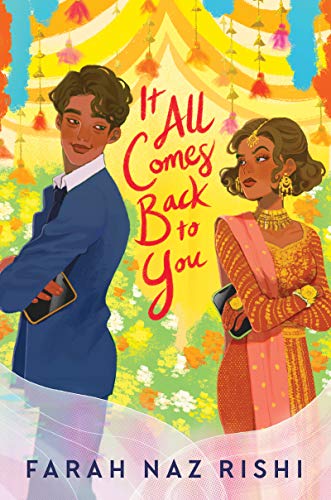
Sometimes you just want a light fun, empty-calorie read, and in that regard I feel like this book really delivered.  The characters are in college, and yet it is published by HarperCollins Children, so I wasn’t entirely sure what to expect, which perhaps added to the lack of expectation and increased forgiveness.  It reads very much like a Bollywood movie, there is dancing, angst, romance, redemption, culture, religion, and a sense that a certain arbitrary line of it all won’t be crossed to earn the book an R rating, and will keep it safe for Muslim high school teens.   I think the book is fine for Muslim’s in 10th/11th grade and will be enjoyed by those in college (and up) as well.  Over 429 pages the highly predictable tropes find their footing in their unique religious and cultural framing.  The plot is perhaps a bit on the nose and overly serendipitous, but individually the characters show range and complexities that will resonate with readers.  They have all made good and bad choices and continue to do so, but the big ones are largely in the past, and what we, the readers, get to see in many ways is them reaching for forgiveness in a contemporary whirlwind culmination of a wedding, overcoming addiction, a past felony, secrets, ex-significant others, familial expectations, loss, change, and school.  The book is not preachy, although there is a like-able imam as a side character and he gets some advice in.  The Muslim characters grapple with their faith as they would their culture; picking and choosing what to practice, but never really escaping it or wanting to completely abandon it either, it is just who they are and part of their identity. I enjoyed the book, reading it in two sittings and not feeling guilty that I lost sleep doing so, but like most rom-coms, the specifics and characters will blur over time.  It has a lot of similarities with Hana Khan Carries On, while not having quite the religious adherance of S.K. Ali’s characters or rawness of Tahira Mafi’s.  One thing that is uniquely it’s own, however, is the author’s beginning dedication, I don’t think I have ever read one quite so perfect, memorable, and possibly guilt causing.  I laughed out loud!

img_3576

SYNOPSIS:

Kiran’s mom passed away a year ago from ALS, and with her older sister Amira in law school at the time, she dealt with her mother’s illness and passing, largely alone as she additionally had just been ghosted by her first and only boyfriend, Deen.  Now that her sister is about to graduate, and Kiran is about to start university, they can finally be roommates and reunite the family.  Except, Amira has met someone, Faisal.  Someone who was there for her when her mom died, and they are planning to move across the country to California in a few months.  Devastated Kiran forces herself to be happy for her beloved older sister, until she finds out that Faisal is Deen’s older brother, and there are some gaping holes in his past.  With her sisters future on the line, promises to her deceased mother haunting her, and a serious lack of communication abilities (more on that later), she is determined to uncover the truth about Faisal and maybe even Deen in the process.

Alternating point-of-view chapters give Deen a chance to provide his side to the story: the reason he had to disappear from Kiran’s life, what happened to his brother, and the unreasonableness of his family.  As he struggles with his own conscious and stumbles around unsure of his own potential and worth, Deen comes across as selfish and arrogant, but ultimately only cares about his brother and making things up to him.  He is determined that Deen deserves to be happy and he is committed to keeping Kiran from destroying it.

In typical desi fashion, appearances matter and while all the behind the scenes sleuthing, plotting, and fighting is taking place, on the surface, wedding plans are being made and dances choreographed.

The book includes pages of texts from three years ago between Deen and Kiran as they meet at Sunday school and sneak behind the mosque.  There are also gaming dialogues between two anonymous fantasy characters that it is pretty obvious are Kiran and Deen.  The reveal isn’t a shock to the readers, only the characters, and proves a nice way to see redeeming traits in characters who’s present real actions aren’t exactly endearing.

WHY I LIKE IT:

The OWN voice representation of Desi culture and Islam is not in addition to the story, it is woven in to the characters and the plot.  The characters are largely liberal as the families are chill with dating, mixed gender hand shaking and dancing, and what not, but their Muslim upbringing is almost always close by.  The characters say “astagfirulllah” after kissing, they acknowledge that some of the Muslims drink and some have left that lifestyle, they miss visiting the mosque, they recognize that they aren’t praying, etc., while many flags are present, they really aren’t sensationalized or given more than a single word in print.  It strikes a pretty solid balance of showing where some thoughts or values come from, and where personal individuality takes over.  I don’t think Muslims will be offended, nor non Muslims confused.

The biggest issue I had with the characters is that it really could have been resolved, all of it, with a few decent sit down conversations.  Kiran and Amira, for example, are terrible at communicating and it blows this whole thing into a ginormous mess.  Sure, there is no book if there is no drama, but they never fix this.  So many lessons are acknowledged and the character arcs are shown or hinted at, this one, not so much, if at all.  They didn’t talk when their mom was sick, when she died, about what they were going through, about their dad, about their future plans, about the wedding, about the concerns with Faisal, about Kiran and Deen having a past, about moving to California,…the list really is exhaustive, and it doesn’t seem to show that they acknowledge their role in escalating everything and vowing to be better.  Sigh.

I read a digital ARC and it had a few spelling errors, it broke down the fourth wall in one paragraph, and I’m hoping the final copy will have resolved these issues.  It mentions that typically the bride and/or her family pay for the wedding in Islam, and this is erroneous, culturally possibly: the brides family would cover the nikkah and ruhksuti, with the groom covering the walima, but to put it on religion is just incorrect.

FLAGS:

Deen talks about “knowing women,” but it isn’t explored, and the groom is teased that he will be loosing his virginity card.   The kisses aren’t usually described, it is just conveyed as something that happened.  There is a bit of detail in the chemistry felt in the dances, but in true Bollywood fashion, they stop short of kissing. There is a stripper called to the bachelor party, but the characters are appalled and she is immediately escorted out. A religious character accidentally drinks alcohol and blacks out.  There is profanity, not excessive, but conversationally.  There is talk and repercussions of addiction to prescription drugs, a felony crime committed and punished for, deceit, lying, bullying, and physical altercations briefly recalled.  There are parties attended, alcohol consumed,and  at one point a female forcefully kisses an unconsenting male.

TOOLS FOR LEADING THE DISCUSSION:

I’ve gone back and forth with suggesting to the high school book club advisor to consider this book.  I think the right group of readers could really opine on the characters actions from the shy Faisal with a huge forgiving enduring heart to the nosey obnoxious Mona Khala, but there are some potential flags that might ultimately keep this book from being entirely Islamic School appropriate even for the highest grades.  Ahh, I’ll keep you posted on what I decide.

Not Quite Snow White by Ashley Franklin illustrated by Ebony Glenn

Standard
Not Quite Snow White by Ashley Franklin illustrated by Ebony Glenn


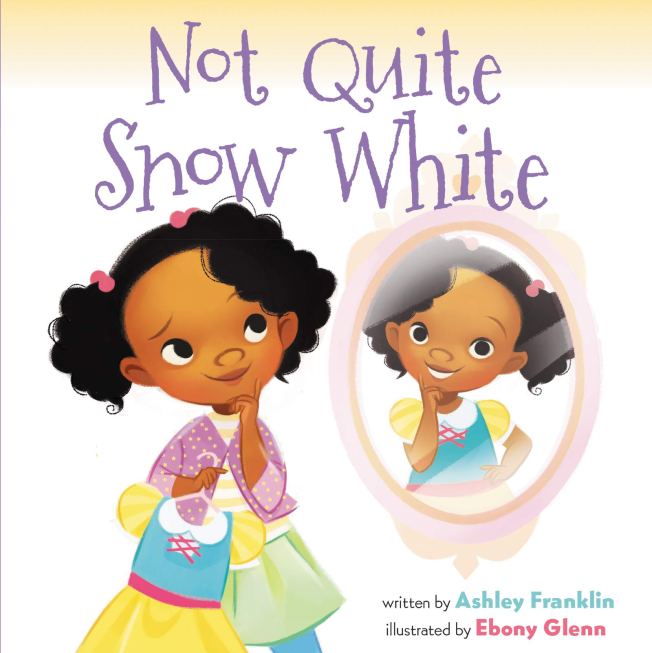
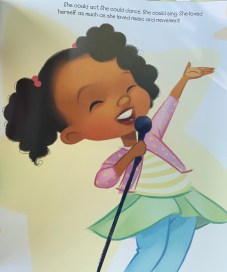
not quite snow whiteThis 32 page picture book meant for preschool to 3rd grade really should be required reading for EVERYONE.  So many lessons, so beautifully conveyed in the simple text and beautiful illustrations that I made each of my kids read or listen to it and then discuss: self confidence, nay sayers, self esteem, race, passion, body image, kindness, and perseverance to name a few. Accelerated Reader Level is 3.2 as older kids will understand a bit more than the younger ones, but I truly believe all will benefit.  Written by a Muslim woman of color, featuring a girl of color and illustrated by a woman of color, this OWN voice book has it all for girls and boys alike.
67C6C849-8C74-438C-B57D-15648F8E6136

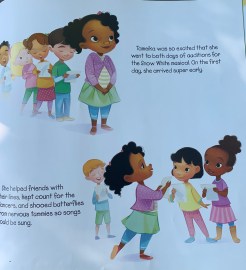
Tameika loves to sing and dance and be on stage in front of an audience (stuffed and unstuffed).  She feels like she can be anything she wants and when her school puts on a production of Snow White she can’t wait to audition to be a princess.

3A1948AB-AD83-42E1-8133-AB27C3708705

She arrives early the first day of auditions and helps her friends with their lines and nerves.  But then she hears them whispering that she can’t be Snow White.  “She’s too tall, too chubby, too brown.”

6639ED62-4406-41EB-8957-69B6268E8C75

Their words deflate her as she internalizes their thoughts about her.  She doesn’t feel like singing or dancing and she questions her appearance.  Her mom tries to build her back up.  Her father reinforces her qualities, and slowly she starts to think maybe her parents are on to something.

A06D6FE9-87FC-4A83-8F09-14D627BE9902

The next day she has to face her fears and when she steps out on to the audition stage.  She knows what she loves, she knows the joy it brings her and she has to dig deep to push the negative away and shine.

E0144101-5394-4BDC-B0AE-0441ED085ACB

Yes, I’m going to spoil the ending, she gets the part and she rocks it, ok I’m projecting based on her smile.  But it truly isn’t about getting the part and excelling at it, it is trusting that you are perfect as you are and confidently owning it.

The book is available everywhere, even the library, so please go get it, read it with your kids and get discussing! Fiction is a great start to talk about racism and fat shaming and all the other things that you think are hard, but kids need to hear and see and talk about from a very early age.