Category Archives: Muslim Illustrator

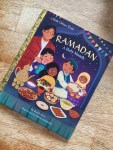
A Little Golden Book: Ramadan: A Holy Month by Malik Amin illustrated by Debby Rahmalia

Standard
A Little Golden Book: Ramadan: A Holy Month by Malik Amin illustrated by Debby Rahmalia

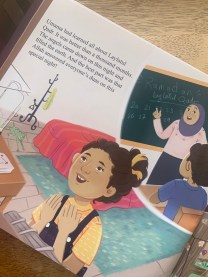
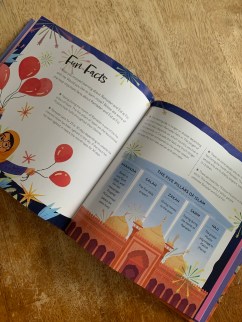
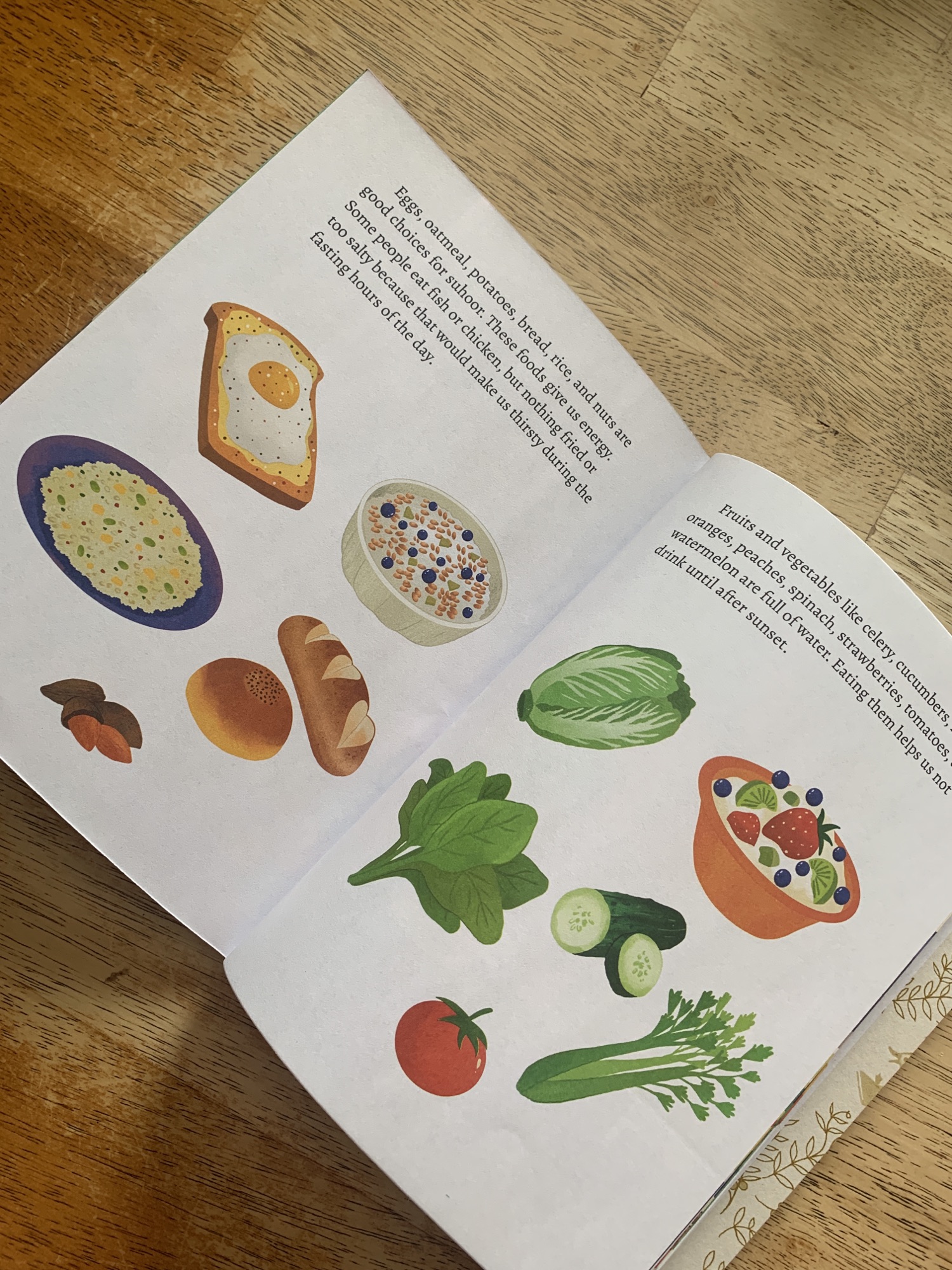
As a child I had a stack of Little Golden Books, my libraries always have a good part of a shelf with Little Golden Books, my own kids have a few dozen of them, but honestly I don’t know that I love any of them, aside from the Monster at the End of the Book.  They are a staple, they have spanned generations, but I always find them a bit abrupt, the text to small and dense, and the vocabulary a little too advanced. So, on the one hand I am thrilled that this timeless brand has a Ramadan title, but on the other hand, some of the food descriptions contain vocabulary a bit advanced for the recommended 2-5 year olds.  If you have been reading my 2024 Ramadan and Eid reviews, you will however be glad to know that this Ramadan book, does pack a lot of information into the pages, and when it asks why do Muslims fast? It says unequivocally “because it is written in the holy book called the Qur’an.” Suhoor is said to be before the sun even rises at one point, and then dawn at another, but then, however, it kind of equates dawn and sunrise, I’ll let it pass, cause it is a little vague with the equating, after saying when we eat clearly. My only real gripe are the food tangents, detailing not to eat fried and salty foods at suhoor, to they hyper specific “creamy curries, fresh soups, and rich stews. Fragrant rice dishes paired with grilled meat or kofta” at iftar.  Yeah it almost seems like the author wrote the book while fasting, with food heavily on his mind.   It does mention doing extra good deeds, more prayers, and it reads as an easy non fiction book.  It doesn’t try and interject the information into a fictionalized framing, it just tells about Ramadan.  It would be nice though, if it was sourced, but with the reasonable price point and accurate information, makes it a solid book to add to gifts and to share.

The story is told in the first person and opens with a family searching the sky for the moon. It then says in a single paragraph on a two page spread that “during Ramadan, Muslims eat and drink only when it is dark.”  It then asks why? Answering on the next spread with, “the Qur’an.”  It says that it is read in many different languages, which technically isn’t wrong, but I wish it would have said that it is written in Arabic. It continues to say that “the Qur’an tells us how to be Muslim.” To care for people, to pray. to fast, but that children and those that are sick aren’t required.

It then details foods to eat and foods to avoid for suhoor before returning to the more spiritual aspects and traditions of being kind and giving charity.  It explains Ramadan Mubarak and then finds its way back to foods, highlighting iftar drinks and foods.

Ramadan is a month, followed by Shawwal and then the celebration of Eid, making sure to note that on Eid we cook our favorite foods.

Overall, a lot of information clearly conveyed, with bright, fun, joyful illustrations.  The final page is a gloassary of words and phrases.  I purchased my copy here on Amazon.

Ramadan Kareem by M.O. Yuksel illustrated by Hatem Aly

Standard
Ramadan Kareem by M.O. Yuksel illustrated by Hatem Aly

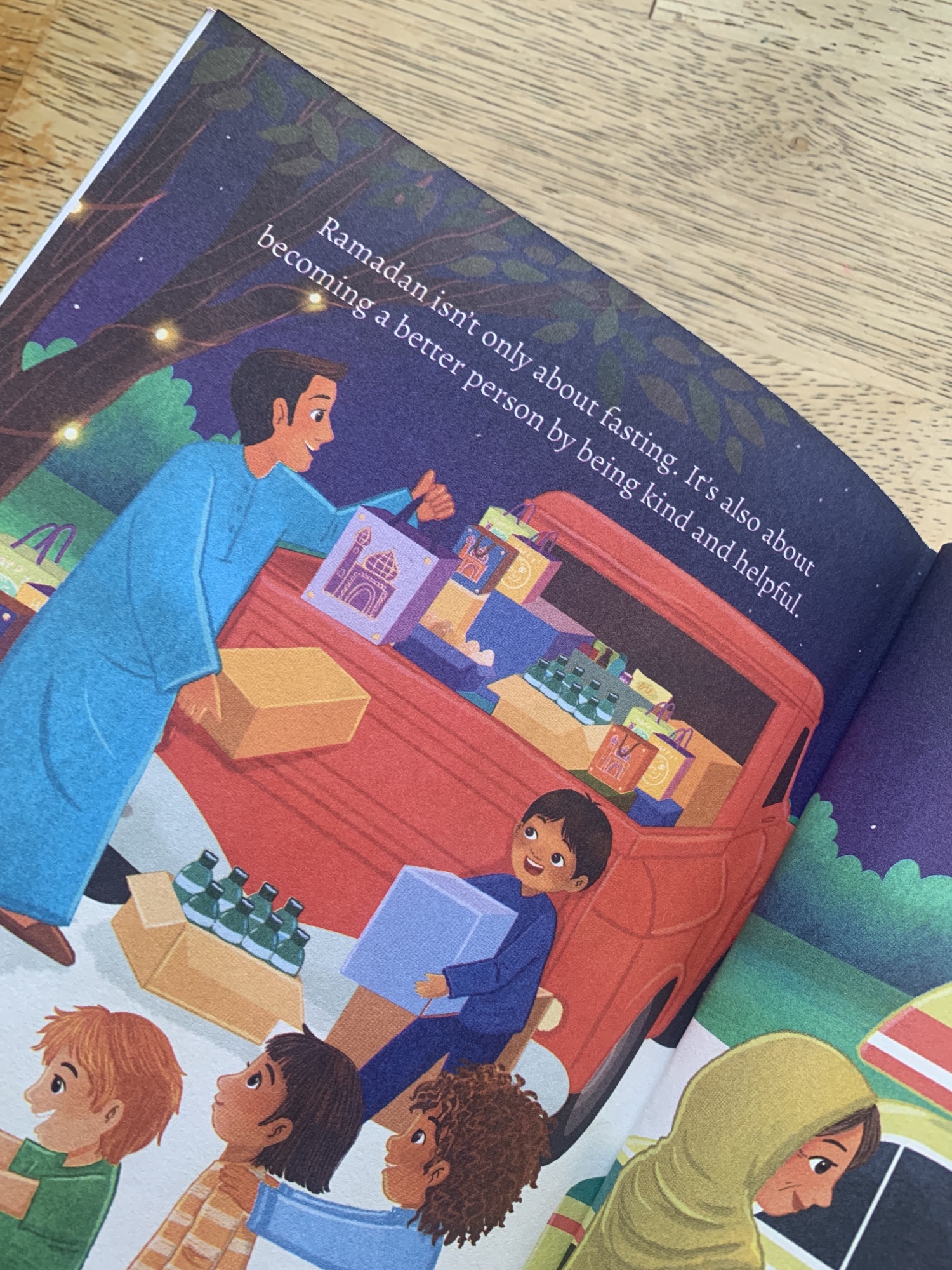
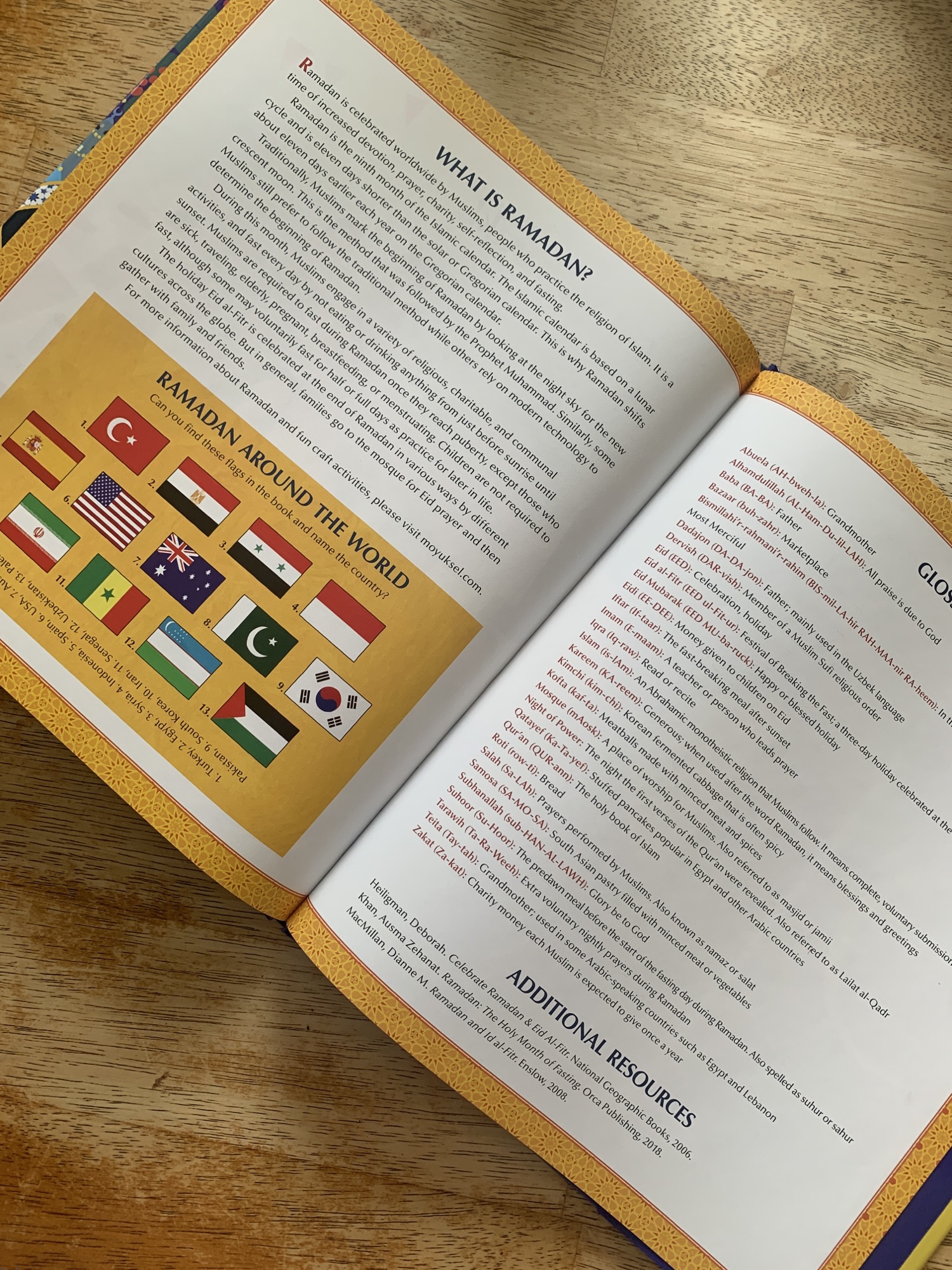
The lyrical text that shows joy, Muslim joy, all over the world during the most wonderful time of the year is felt, truly truly felt in this rich, beautiful book. The illustrations, the text, the sentiment, it all comes together so splendidly, that when you turn the last page you want to start over again. Hundreds of people are wondering what book to read to their children’s public schools this year, what book to start off masjid story times this Ramadan, what book to read every night leading up to the blessed month to get their children excited, what book to hand to your children to look through so they can have a few more minutes of sleep and alhumdulillah to all the above, I whole heartedly suggest, this one. Even with the errors.  The book states “the Night of Power is better than a thousand nights,” and should read, better than a thousand months.  The backmatter says “by not eating or drinking anything from just before sunrise until sunset.”  The story itself though has it correct and says “suhoor is a predawn meal” and notes the “sun is still sleeping.”

A universal story of celebrating Ramadan, with waking up for suhoor, greeting neighbors, having self control, praying, volunteering, iftar, community.  It is a singular story, but each two page spread showing a child in a new country continuing the narrative.  The worship uniting us all as Muslims even while our unique traditions add diversity and layers to the acts that we share.

It starts with gazing at the new moon in Turkey and mom saying that the narrator can fast. The drummer than beats her drum and it it time to wake up in Egypt. The call to prayer and remembering you are fasting reaches Syria, and donations are given in Indonesia. In Spain Qur’an is read in abuela’s lap and neighbors are visited in the United States.  Donations are packed in Australia,  friends and family are visited in Pakistan, and kimchi after dates for iftar in South Korea.  It is then off to Iran for prayers, Laylatul Qadr in Senegal, and getting ready for Eid in Uzbekistan.  Palestine is the final stop as Eid joy erupts for Muslims everywhere.

The book is widely available, you can order yours here at Crescent Moon or here on Amazon

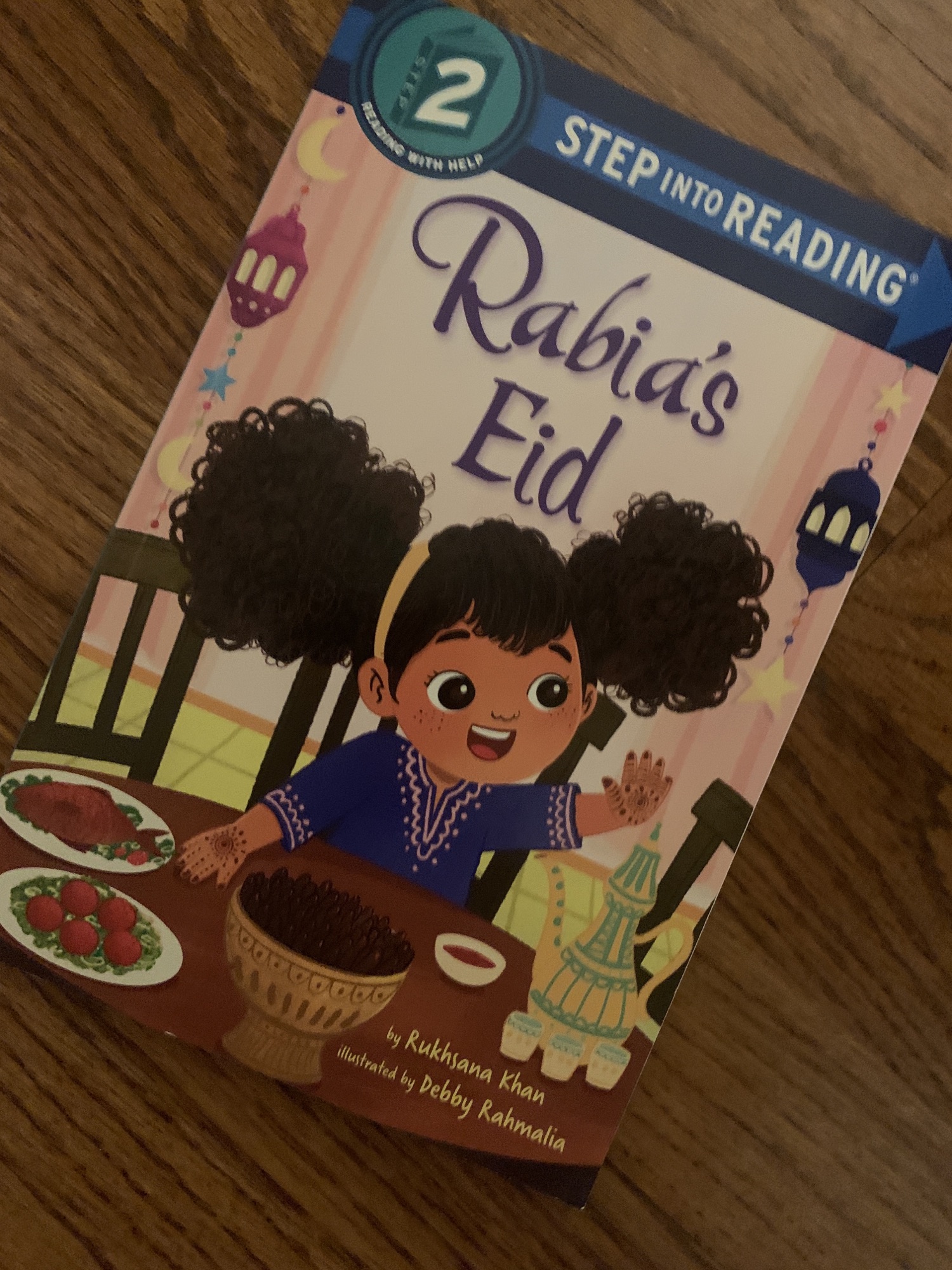
Rabia’s Eid by Rukhsana Khan illustrated by Debby Rahmalia

Standard
Rabia’s Eid by Rukhsana Khan illustrated by Debby Rahmalia

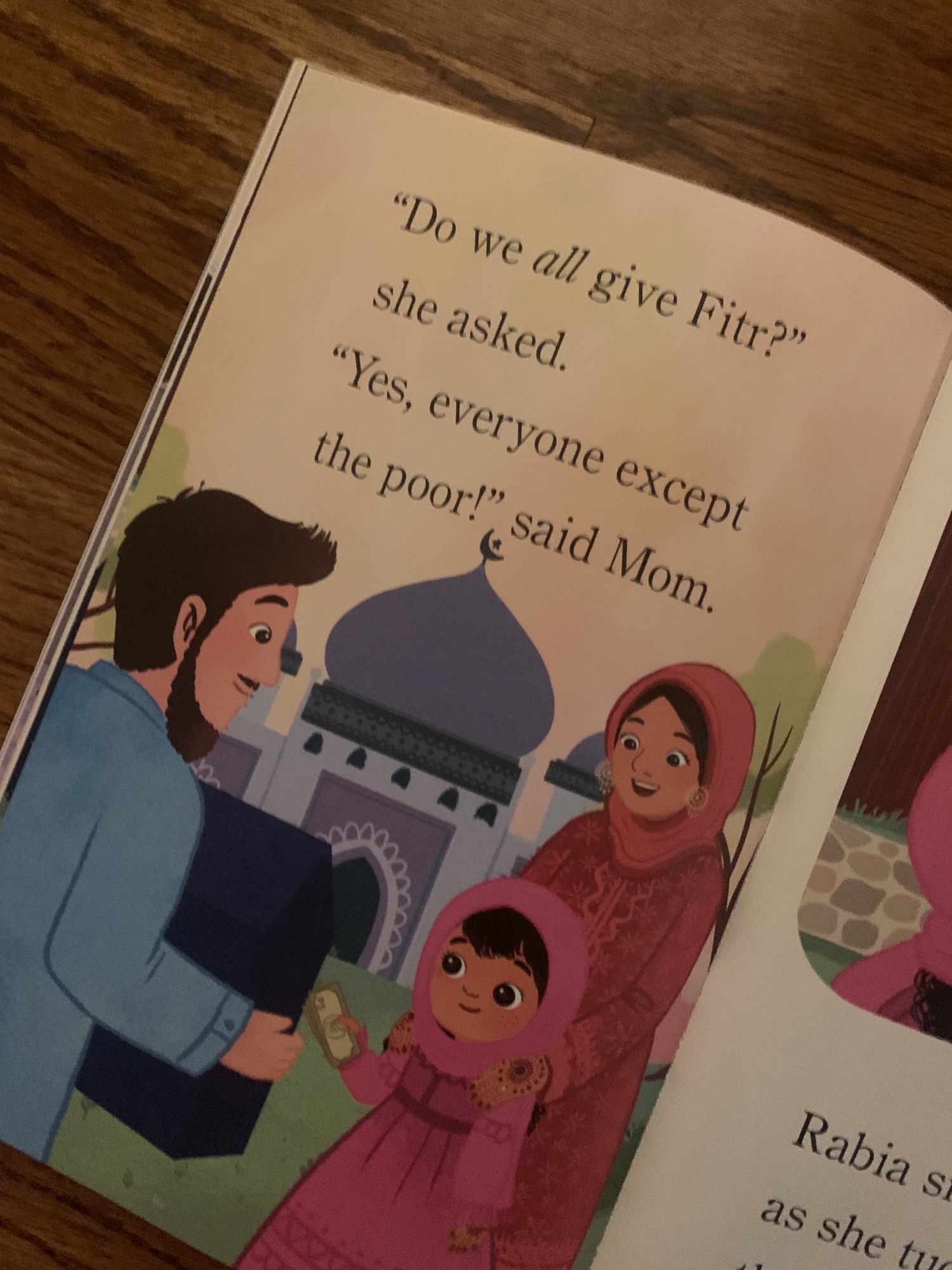
We definitely lack Islam centered leveled readers, so how exciting to see one this year focused on Eid, that contains more about Zakat al Fitr than presents no less.  The book starts on the last day of Ramadan, so there are details about both Ramadan and Eid shown, not dictated, as it stays on a Step 2 reading level.  As with most books meant to be read with help, for preschool to 1st grade, the story is a bit abrupt at times, and by not showing the Eid salat it definitely leaves some confusion as to whether Zakat was actually paid before the prayer started as required (I’m not a scholar, so please look into this), or not.  InshaAllah, if adults are reading this with their children, some basics about Zakat al Fitr would be something wonderful to discuss when you finish.  The book is joyful, the little girl wants to fast and is encouraged to do a half day, the illustrations are adorable as well, alhumdulillah. Oh and for those keeping track, this might be the first Ramadan book I’ve read in a long time that does not mention the moon, not even once.

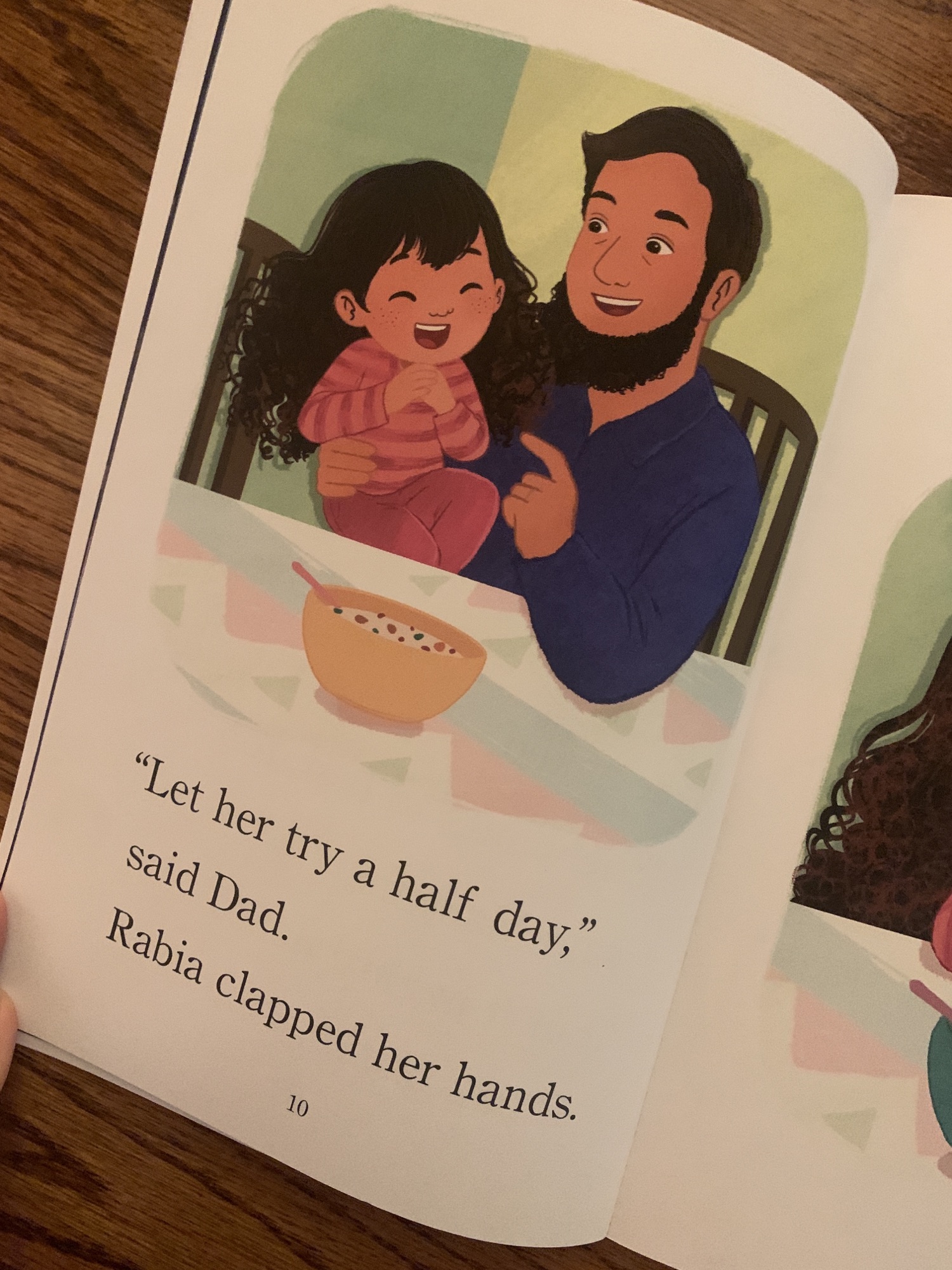
The book starts with Mom waking Maryam up for suhoor on the last day of Ramadan and Rabia wanting to fast as well.  Her sister tells her she is too young, but she joins the family for cereal in the kitchen, and Dad encourages her to try a half day.  The family then prays fajr together and the day is going great.

About lunch time Maryam is getting ready to break her fast. The family praises her on as she settles in with a cheese and tomato sandwich.  Later the rest of the family breaks their fast, and Rabia joins in with starting with a date and making duas.  Then it is time for henna and getting their clothes ready.

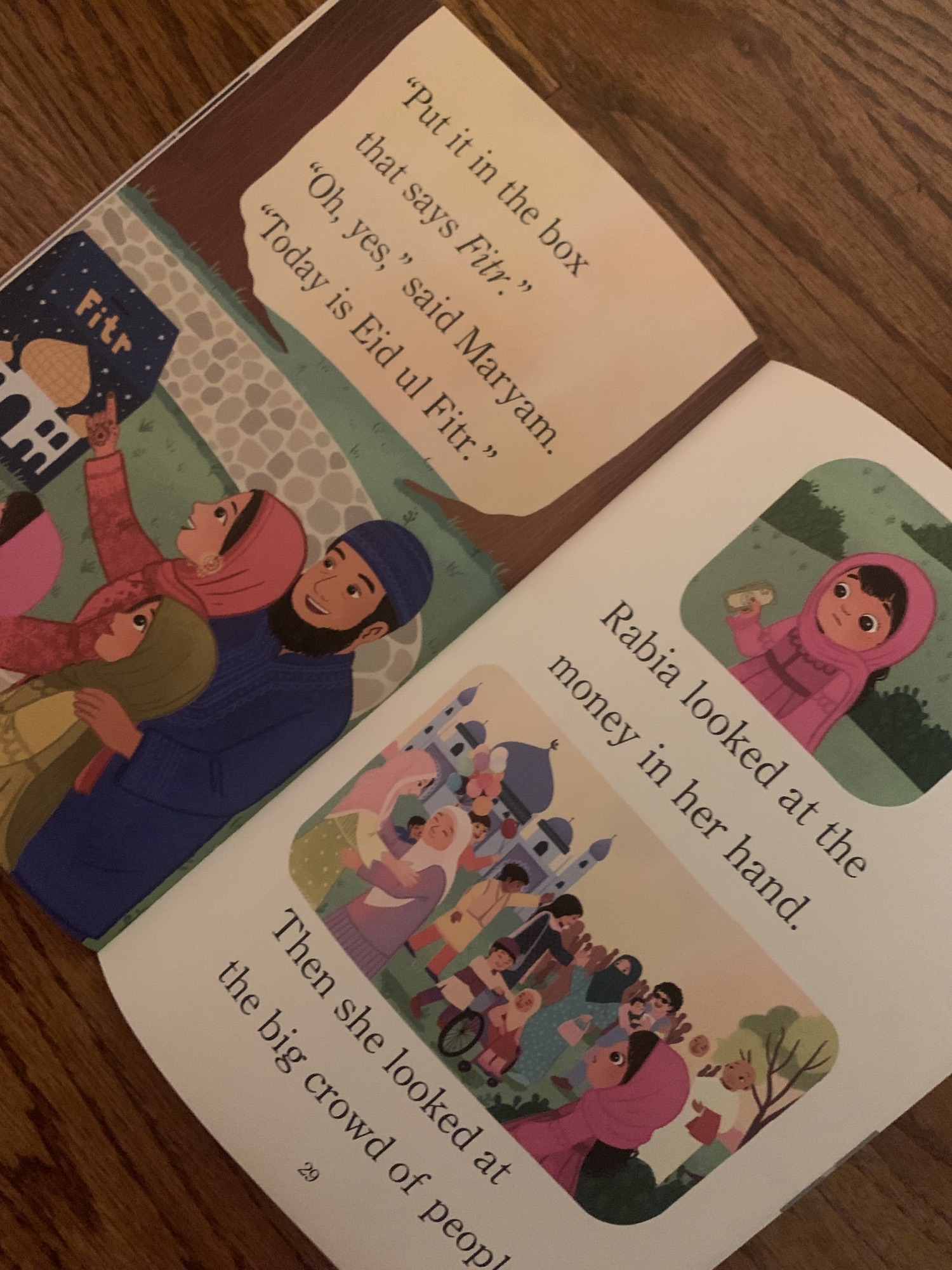
At Eid prayer everyone is dressed up, and Dad gives Rabia some money to put in the box labeled Fitr, for the poor.  Rabia wonders if everyone has to give money, and mom responds that everyone except the poor do.  The book concludes with the family smiling knowing everyone is having a happy Eid.

The book is great for Muslim and non Muslim kids, because of the size though, it isn’t a great choice for story time in big groups, but the price point makes it an awesome addition to gifts, classrooms, and to share with others in general.  I purchased my copy here.

A Ramadan to Remember by Marzieh A. Ali illustrated by Najwa Awatiff

Standard
A Ramadan to Remember by Marzieh A. Ali illustrated by Najwa Awatiff

img_2876-1

A problem solving kid that loves his faith, finds himself in a new neighborhood at the beginning of Ramadan without a mosque or a Muslim community.  I appreciate that this 32 page book actually has a bit of a plot, not just the overly done fictional story crafted around basic Ramadan facts of a child’s first fast.  Sure, it mentions most of the expected concepts in a similar manner, but it also centers acts of ibaada, shows more than tells, is brightly illustrated, and is unapologetic. The kid is a doer, a problem solver, and isn’t unsure about who he is, which is refreshing. That isn’t to say that it gets everything right, it still attributes fasting to feeling compassion for the poor.  Even when a side character challenges the notion, the character doubles down that it makes us more appreciative, which inshaAllah it does, but it isn’t WHY we fast.  Overall though, I think the book still is a benefit in Muslim and non Muslim spaces. The story and illustrations make it appealing at story times and bed times, and the backmatter is equally engaging.

img_2877-1

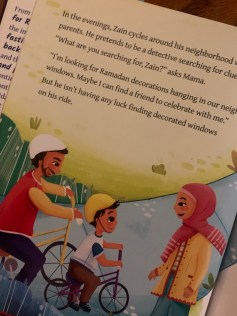
The book starts with Zain getting excited for his favorite time of year, Ramadan.  Only this year the decorations are still in boxes, Mama and Baba are busy with their new jobs, and there is no mosque or Muslims in the neighborhood.  Zain knows, he rides around looking for clues, has even checked the newspaper, and had his dad look on his phone.  It is a big change from the Islamic school he used to go to, and the busy mosque he used to volunteer at.

img_2879-1

Then Zain gets an idea, to build a mosque with all the moving boxes.  Neighbor kids come and ask questions, and Zain is happy to explain as they join in the building.  One night while praying outside under the stars in the cardboard mosque, a friend joins the family, and this Ramadan just might turn out to be pretty wonderful after all.

img_2878-1

I love that Zain doesn’t wait around for his parents to figure everything out, he is motivated. I also really like that he knows who he is, is comfortable sharing his faith and beliefs, and that the neighbor kids find connections to him, not the other way around.  I wish he would find a place to volunteer at, our charity isn’t restricted to helping only Muslims, though I might be the only one to pick up on that unresolved thread.  I also get that the kid that joins the salat for story purposes, is seen after prayer, but he didn’t join the prayer right and my older kids were sure to point that out.

The backmatter has a glossary, but in a more engaging format that I think kids will actually stick around for, and the Ramadan essentials and crafts make for a nice extension for those wanting to add a craft to the story time activity.

img_2882-1

The book is traditionally published and widely available.  You can find it here at Amazon, or here at my favorite store Crescent Moon.  It is also available in public libraries and would be a great addition to classroom and school library shelves.

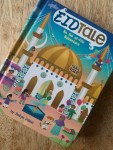
EidTale: An Eid al-Fitr Adventure by Aaliya Jaleel

Standard
EidTale: An Eid al-Fitr Adventure by Aaliya Jaleel

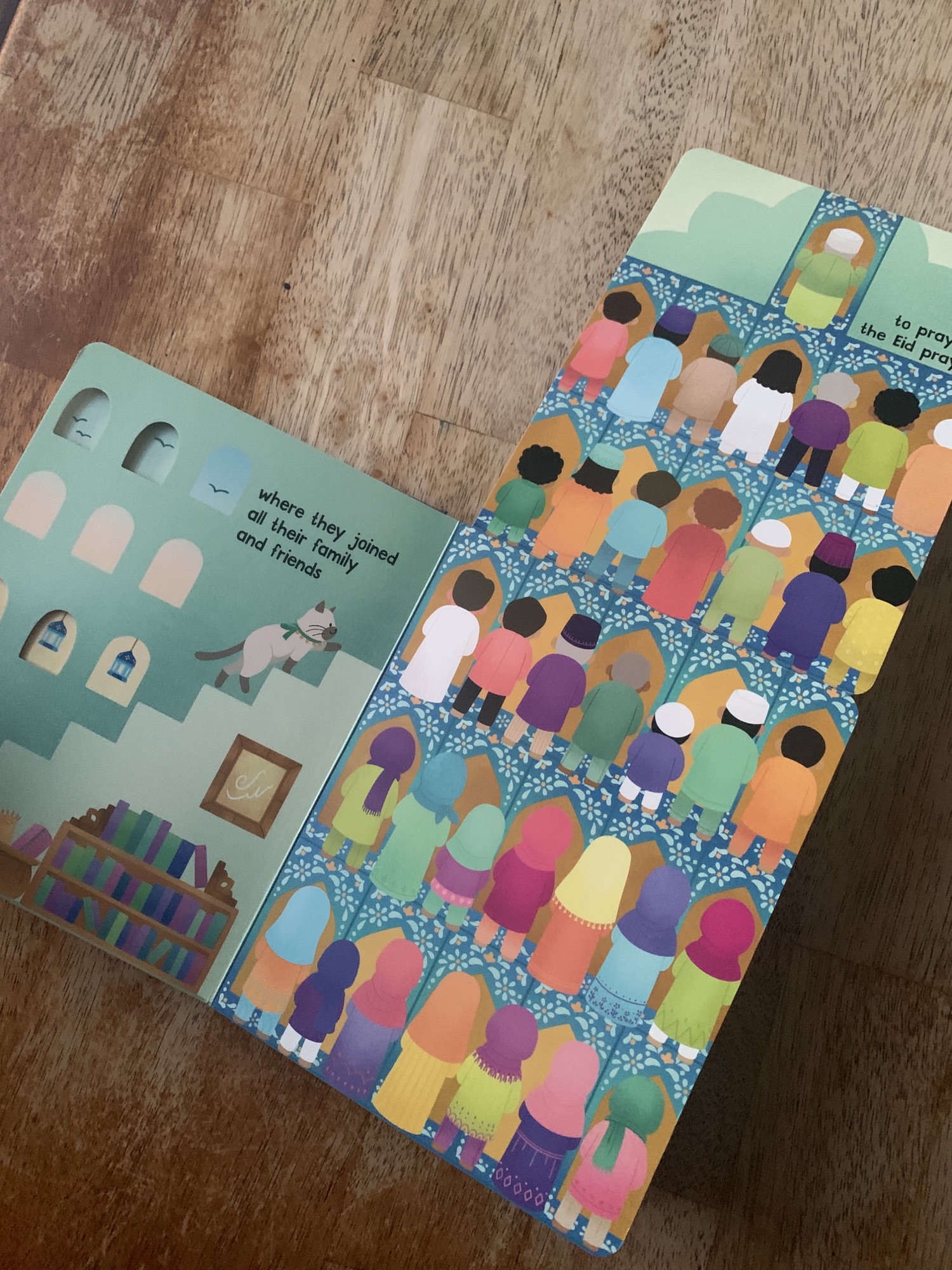
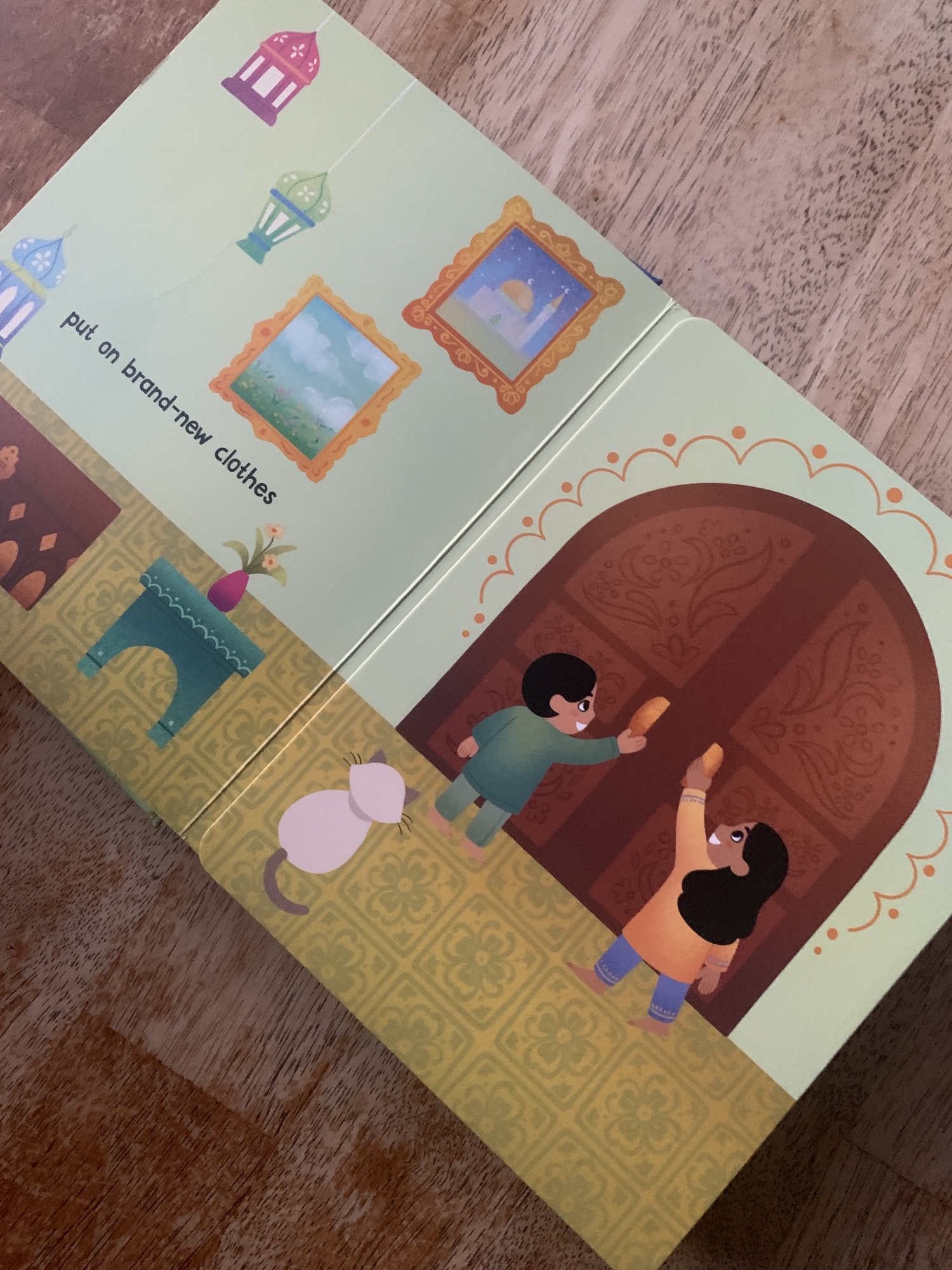
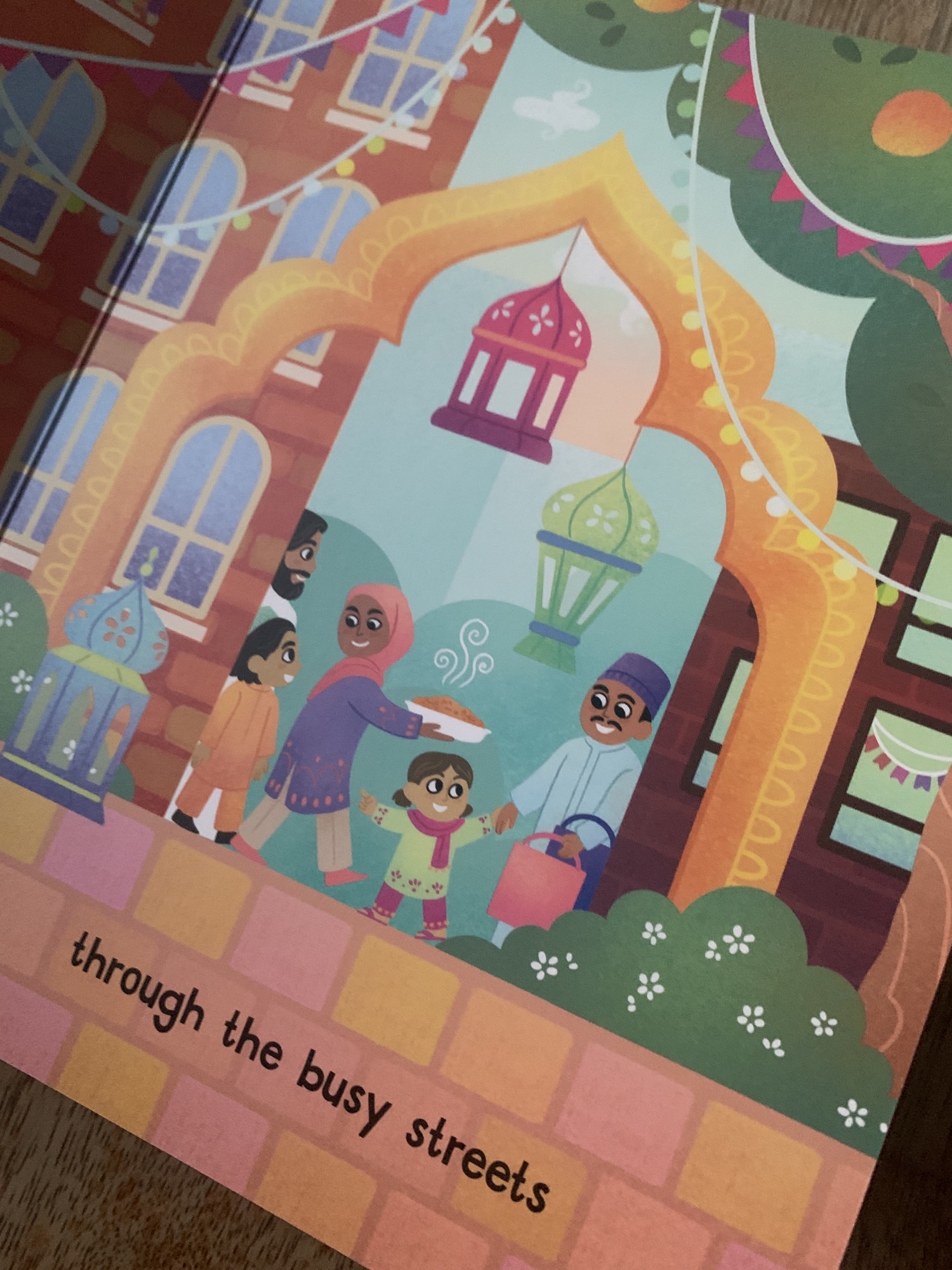
This is the thickest board book I think I have ever seen, and that it is about Eid, filled with Muslim joy, and has foldout pages, makes it one of the best as well. It even gets that Fajr salat is prayed at dawn, it uses masjid instead of mosque, and mom covers outside, but not at home, alhumdulillah.  The book is meant for littles, but I think preschoolers will enjoy the siblings getting up on Eid morning, praying, putting on new clothes, taking their Eidi to get gifts, sharing with the homeless, the aunties doing henna, the uncles drinking chai as they make their way to the masjid to pray and celebrate.  It is beautifully illustrated, with simple toddler aligning text, and is an absolute joy to read, spend time with and share.

I love that it shows generosity, and some of the sunnahs of Eid, without telling or preaching.  And yet amidst all the fun foldouts, bright colors, cute cats, and traditions, it also has a bit of a plot, that parents can talk to their kids about.  This book is unapologetic and for Muslim kids, but the authenticity is so warm that even non Muslims will be drawn to it.

I love this book, and can’t wait to gift it to some of the little people on my Eid shopping list.  The book comes out March 5, 2024 and can be  (pre)ordered here.

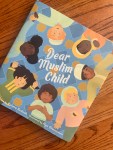
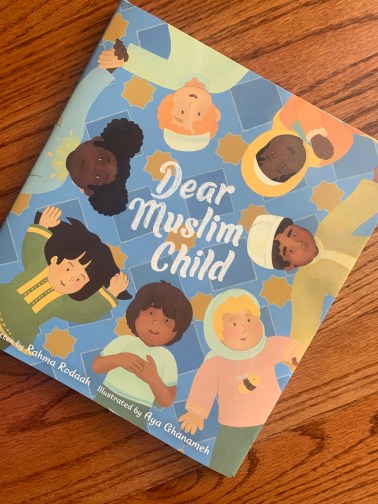
Dear Muslim Child by Rahma Rodaah illustrated by Aya Ghanameh

Standard
Dear Muslim Child by Rahma Rodaah illustrated by Aya Ghanameh

img_2280-1

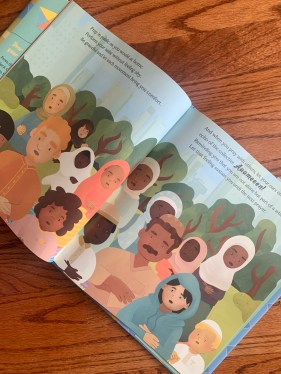
The flow, poignancy, and lyrical verses force you to slow down, take a deep breath, and immerse yourself in the concepts and ideas so beautifully presented in the text, and illustrated on the pages.  Whether you are reading it alone, snuggled up with a little one, or in a boisterous story time, this book pulls you in as it speak directly to the reader (or listener), burrowing inside and inspiring reassurance and confidence.  The tone of the text melds with the illustrations making the book appeal to those looking to understand, be seen, or to be empowered.  The short stanzas with the opening refrain of, “Dear Muslim child,” are a delight to read and share again and again, alhumdulillah.

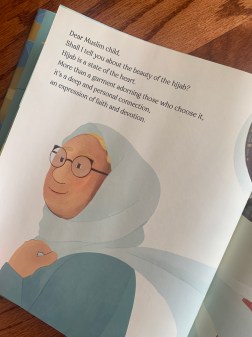
The book does not have a story or a plot, but has an organization that keeps the pace moving in a poetic way. It starts by mentioning that we were meant to be, even “before Allah spoke the universe into existence.”  It then tells us about Islam, nur, names, the power of words, purifying our hearts (with wudu), listening to the adhan, and praying.  It talks of the beauty of hijab, and community, and purpose and mattering.

img_2282-1

The centering of Allah (swt) is not shied away from, yet the book is not preachy or overly religious.  For example wudu is shown, but not named; adhan is named but not defined.  If you wish to discuss each page, there is a lot to unfold, but if you want to just read the surface it is beautiful just the same.  The book is traditionally published, and a true accomplishment of the author, and the authors that have come before that this book, this type of book, is widely available for us all to enjoy.

img_2284-1

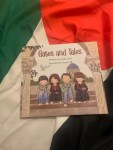
Gates and Tales by Sally Zaki illustrated by Arwa Ali

Standard
Gates and Tales by Sally Zaki illustrated by Arwa Ali

This 34 page picture book is adorably illustrated as it focuses on the gates leading to Masjid Al-Aqsa and sprinkles in culture, sights, and history about Palestine along the way.  I love the concept, it is unique, and I love that there are maps throughout of the masjid compound.  I truly learned a lot even though it is for early readers, naturally I wish there was a scannable QR code to learn more, but as an adult, with my kids, or in a classroom it would not be hard to search up Bab Al-Amud, Qubbat Al-Sakhra, Bab Al-Sahira, Salah Al-Din, Masjid Al-Qibli, Bab Al-Khalil, Al-Quds Citadel, Qaitbay’s Fountain, Bab Al-Asbat, or Qubbat Al-Silsilah.  Islam is also woven in, not just in the architecture or history, but also in mentioning the sunnah of fasting on Thursdays, quoting an ayat from the Quran in the text, and the kids meeting up to pray.  The writing isn’t super great,  it breaks down the fourth wall regularly, calling the readers “friends” and asking them to find things in the illustrations, their missing friends, and about foods and the flags of their country.  I’m not sure why the book hopes the readers are “from countries surrounding Palestine,” I found that a little off putting, and I’m not sure why we are supposed to memories the “gates by heart,” or how at the end we are now “victorious heroes.”  Even the defined words at the end, are a bit haphazard: za’atar, falafel and sido, being the only words highlighted, in a book with many Arabic words present. Presumably the reader found all the friends so they did reunite, it seemed to kind of falter, I thought they would show something they all love, or share some snacks, but the book, just kind of ended.  I like that the book is joyful and upbeat, I do appreciate that the last lines do mention that “Palestine is occupied today.  One day, insha’Allah, it’ll be free,” inshaAllah, inshaAllah, inshaAllah.

The book starts with Nidal introducing himself to the reader and letting you know he is going to take you on a special journey through four different gates.  He then asks the reader if they know where we are, before showing us Palestine on the globe.  He is going to “meet his pals at Masjid Al-Aqsa nestled east of the Old City of Al-Quds and includes the entire area inside the wall surrounding the Masjid.”  I love that it explains the area within the walls and the map on the opposite page is helpful.  

His mom has prepared him some snacks to share with his pals, and he puts on his Palestinian flag backpack before heading off.  He goes through Victory Gate.  Then his friend Aisha takes over and tells what gate she is entering through, shares details about the flower carved at Bab Al-Shira, and that her Sido would tell her about Salah Al-Din when they walked down Salah Al-Din street together to get to Masjid Al-Qibli, with its gray dome. Khaled and Jihad follow the same format and the book ends with the kids sitting in front of the Dome of the Rock asking what gate the reader will come through.  

I purchased my copy from Crescent Moon Bookstore here and if you use code ISL at checkout you will save 10%.

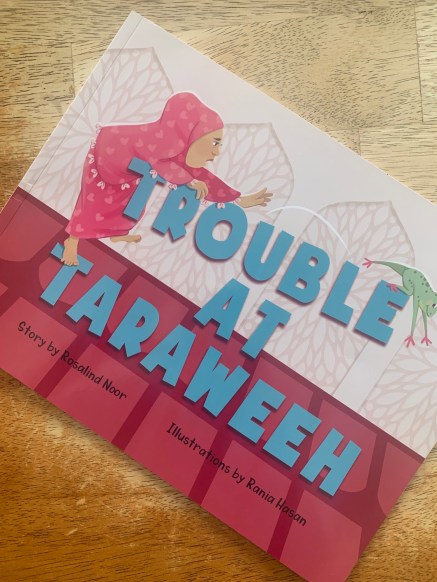
Zain and Mima Stand for Palestine by Eman Kourtam illustrated by Sophia Soliman

Standard

img_1853-1

I love this 57 page rhyming book from the perspective of a non Palestinian family pulling out their Palestine gear and taking to the streets to protest the occupation of Palestine.  Along the way the sibling duo, and thus the reader, learns about the history of Zionism, birth righters kicking people out of their homes, allyship with those on the side of Palestine, the crimes of Hitler, it shows maps of the occupation, details how movement is restricted, and even how to use BDS as a form of resistance from afar. All on an early elementary level.  There is a game at the end with an activity about resistance symbols, as well.

The book starts with Zain and Mima coming home from school tired and hungry.  They notice Mama is upset and glued to her phone, they then here noise outside and are encouraged by their mother to join the march as she hands them keffiyehs and explains that people are losing their homes in Palestine.

img_1855-1

The kids are not sure of what is going on, but notice the chanting and signs and diversity of people coming together to demand freedom for Palestine.  After the protest they head home and Mama explains the history of Palestine and answers their questions.  She explains who Theodore Herzl was and his idea of Zionism.  Why it is dangerous and evil.  She then explains how Hitler’s actions in WWII gave rise to Zionism in the aftermath. A two page spread of maps show 1947 Palestine/Israel, 1948, 1967 and 2005 in easy to understand visuals. Mama then explains, without identifying any specific country, that Israel has the best weapons and Palestinians use rocks and slingshots to defend their homes and families.  It shows walls and checkpoints controlling people’s movements, and the oppression that has resulted.  When Mima asks what we can do in addition to marching and chanting, Mama explains using our money wisely with the BDS movement.  The next day, the children empowered by knowledge, make signs and are ready to stand bravely for Palestine.

img_1858-1

This book was originally written in 2022, and sadly is still so on-point.  It is available again on Amazon after being temporarily blocked, but I hope you will purchase it from a small business such as Crescent Moon Store where my initials ISL will save you 10%.

img_1857-1

We Know What to Say: Phrases Commonly Used by Muslims by Sabria Chao

Standard
We Know What to Say: Phrases Commonly Used by Muslims by Sabria Chao

The concept behind this 42 book is really nothing new, but the presentation is wonderful.  The large hardback size, the clear inviting illustrations, and the repetition allow the book to be a delight at story time and bedtime alike.  Each Islamic term is introduced by a diverse character with a common Muslim name being asked if they know what to say in a situation.  The child gives the word, the following two-page spread restates the term and when to use it. All the terms are shown at the end in a two page spread along with a glossary and a Note to Parents.

I love the relatable scenarios: zoom calls, rain, getting sick, etc..  I also like the rhythm of the book, it reminds me a little bit of Brown Bear, Brown Bear.  The bright colors, the simple engaging illustrations and the big size make me ecstatic to share this at story time.  So many of the books that focus on Islamic terms for toddler to preschool level are small board books.  They serve a purpose, but we have long needed a large clear book for groups of children to learn, practice, and review together.

This book was nominated for the 2023 Muslim Bookstagram Awards, but you can purchase a copy here

Raisah and the Boat Trip by Nadia Ali illustrated by Fatma Zehra Köprülü

Standard
Raisah and the Boat Trip by Nadia Ali illustrated by Fatma Zehra Köprülü

img_0124

I’ve seen this book reviewed and promoted on social media.  I’ve even read the reviews.  Yet for some reason I thought the book was a refugee story. It is not.  It is a family’s trip out on a boat interwoven with what they see and ayats from the Quran.  It can be read as a simple straight forward story, or the interspersed ayats can be paused for and discussed.  Honestly the book probably will not be asked for multiple times by young children, but as a teacher, librarian, parent, you are going to reach for this book quite often.  It is a book that can be used in story times about Allah’s creation, the ocean, science, experiences, and the signs that help us know Allah swt.  And for that reason I wish the book was larger.  It is great for bedtime, but the 9 x 9 size makes it cumbersome for story times, even for small groups.  Technology can help, but I really just wish it was a bit bigger to enjoy the simple illustrations and increase the sense of wonder Raisah feels upon the vast ocean.

img_0126

The book starts with Raisah, Mama, and Papa getting on a boat and heading out on the ocean.  They observe the water getting darker the further they go out, the saltiness of sea water compared to river and lake water, and then they turn off the engine and pull out their fishing rods.

img_0125

They joke about what they will catch while dropping the fact for readers about the blue whale being the biggest creature in the ocean, before a cargo ship catches their attention and they marvel at transportation opportunities on the sea.

img_0127

There are seven ayats from the Quran included in the 28 page book and the surah number and ayat are sourced.  The book can be ordered here from Crescent Moon where code ISL saves you 10% at checkout or here from Amazon.
img_0128