Tag Archives: fasting

Amal Noor: Mission: Fasting for the First Time by Merve Ozcan translated by Muhammad Izzaddin Seif

Standard
Amal Noor: Mission: Fasting for the First Time by Merve Ozcan translated by Muhammad Izzaddin Seif

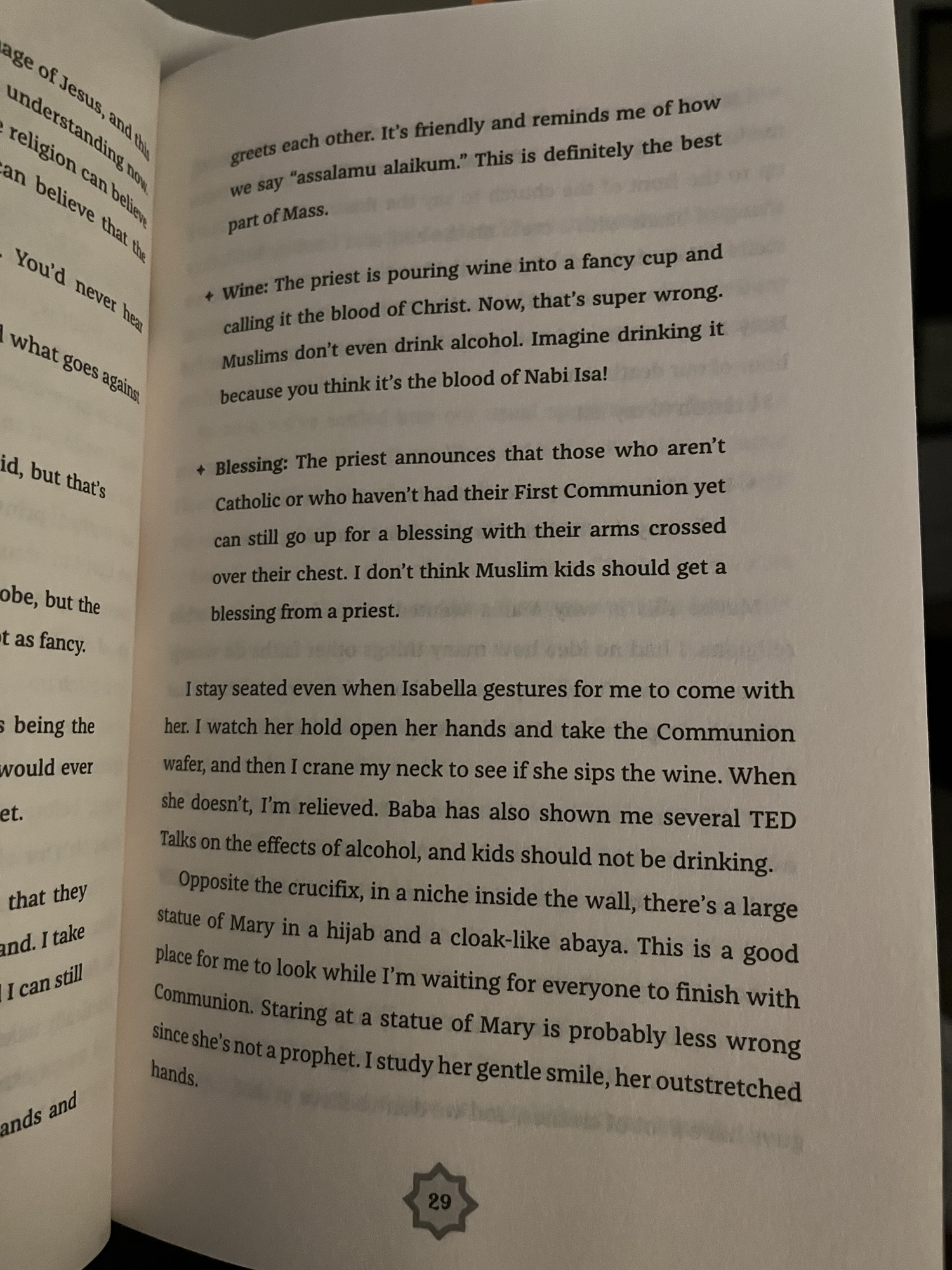
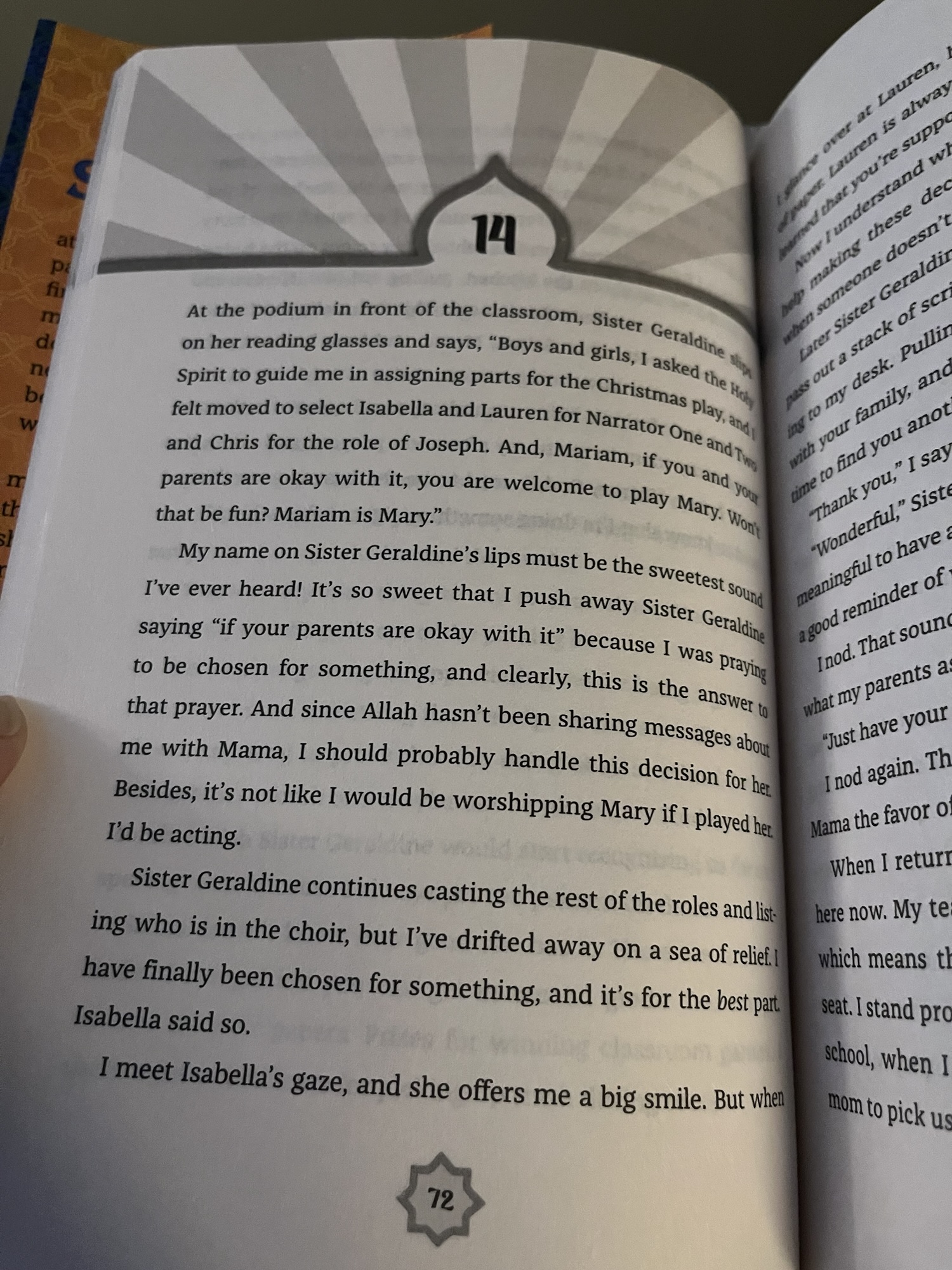
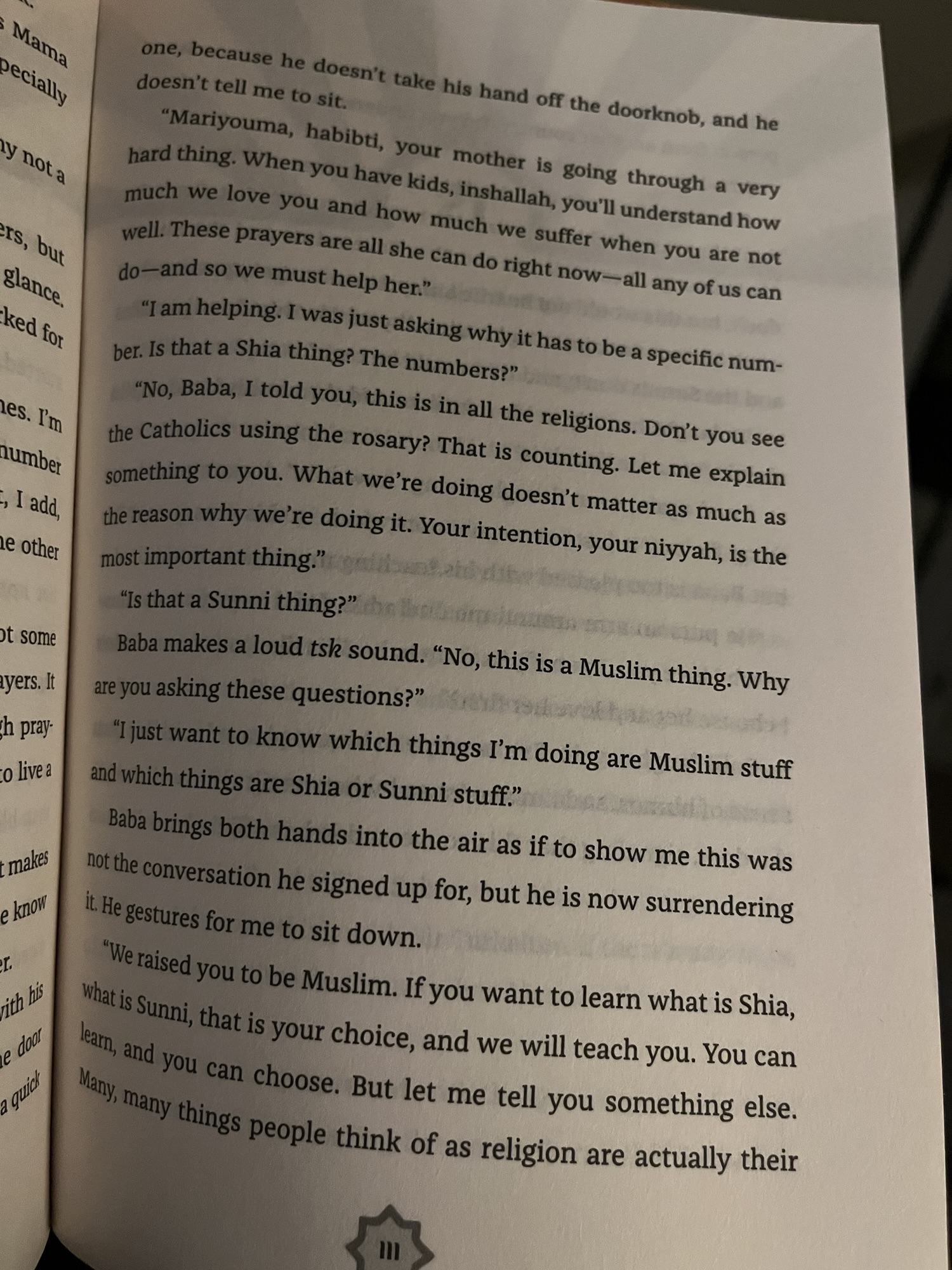
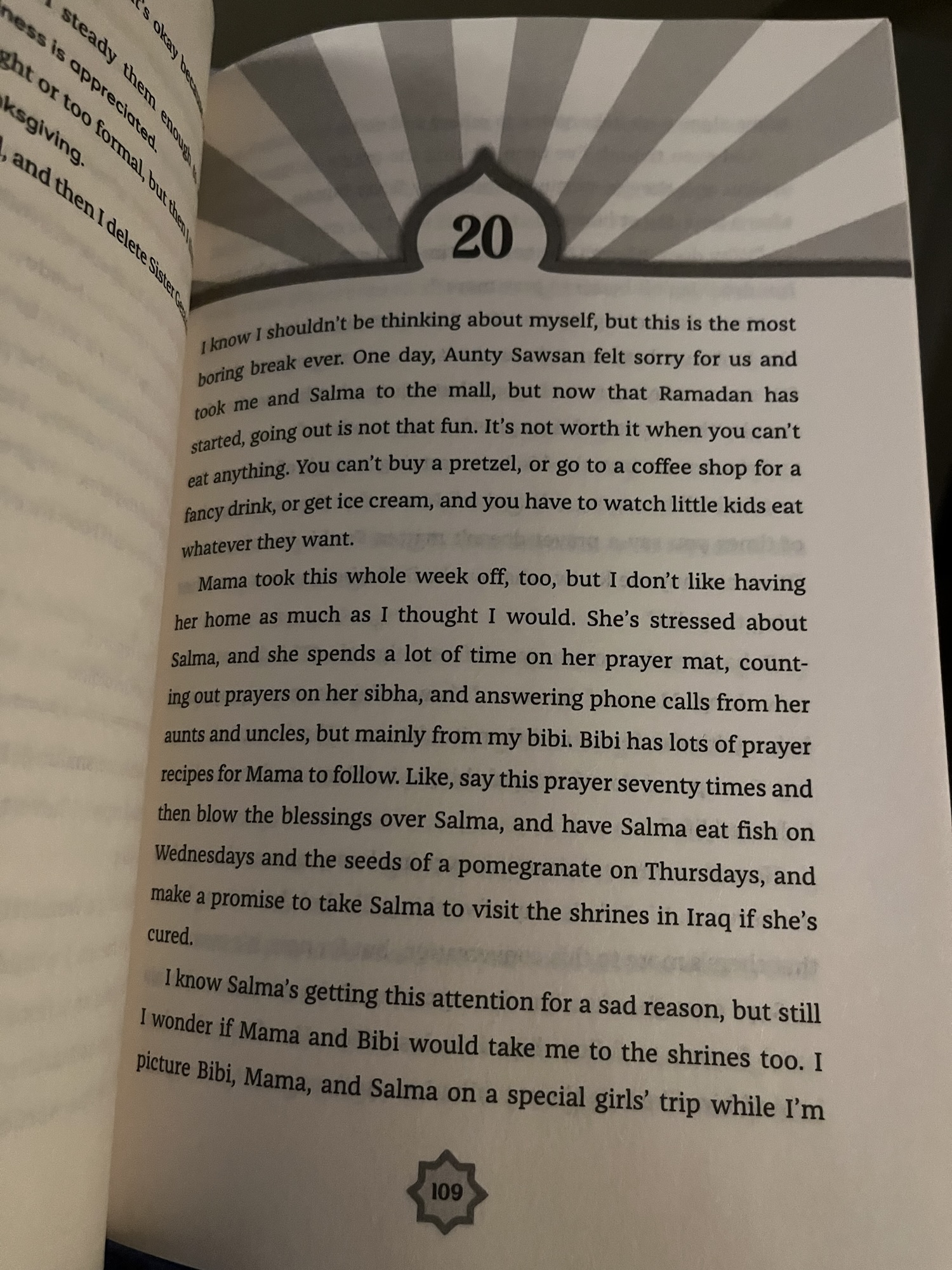
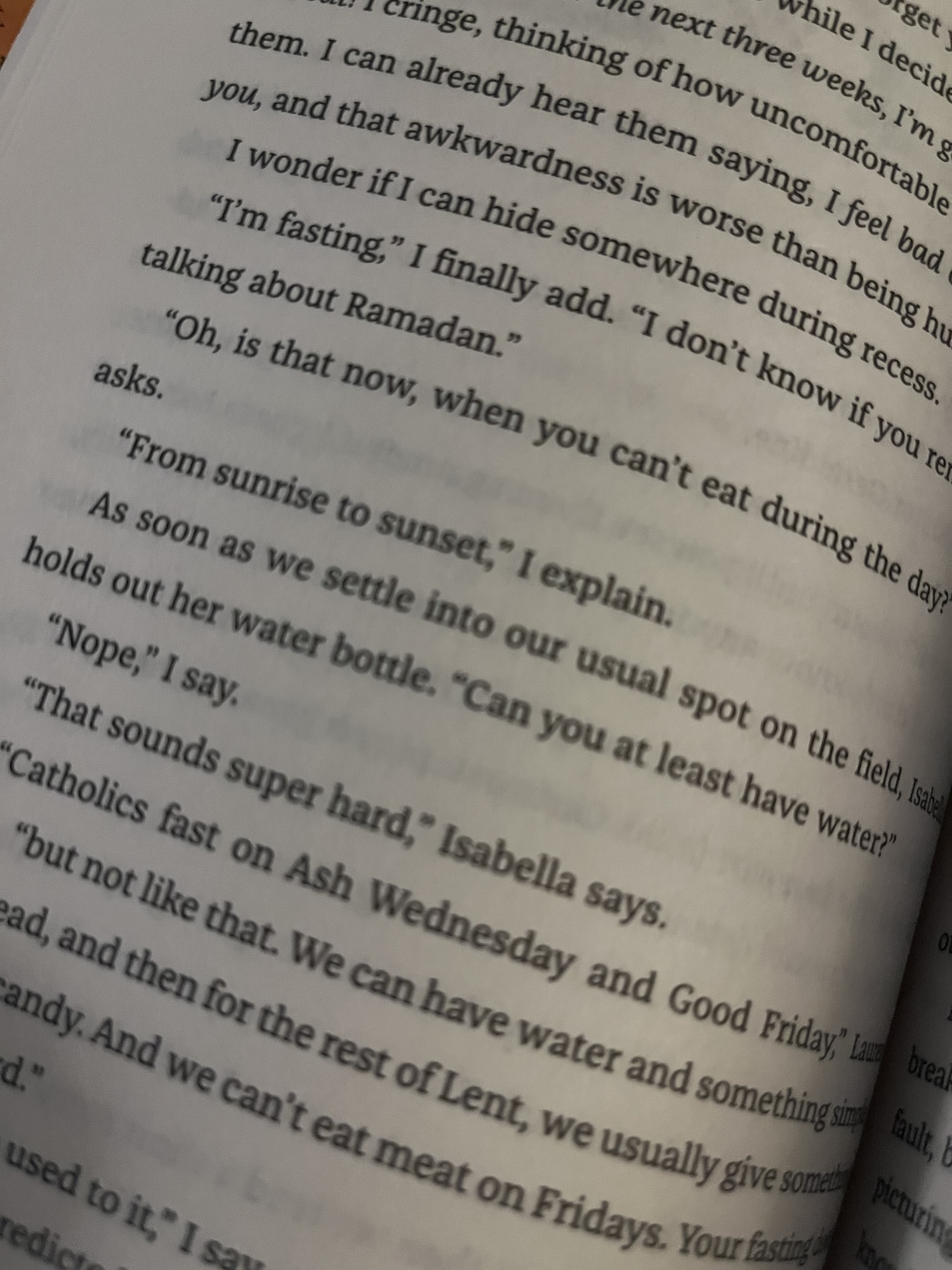
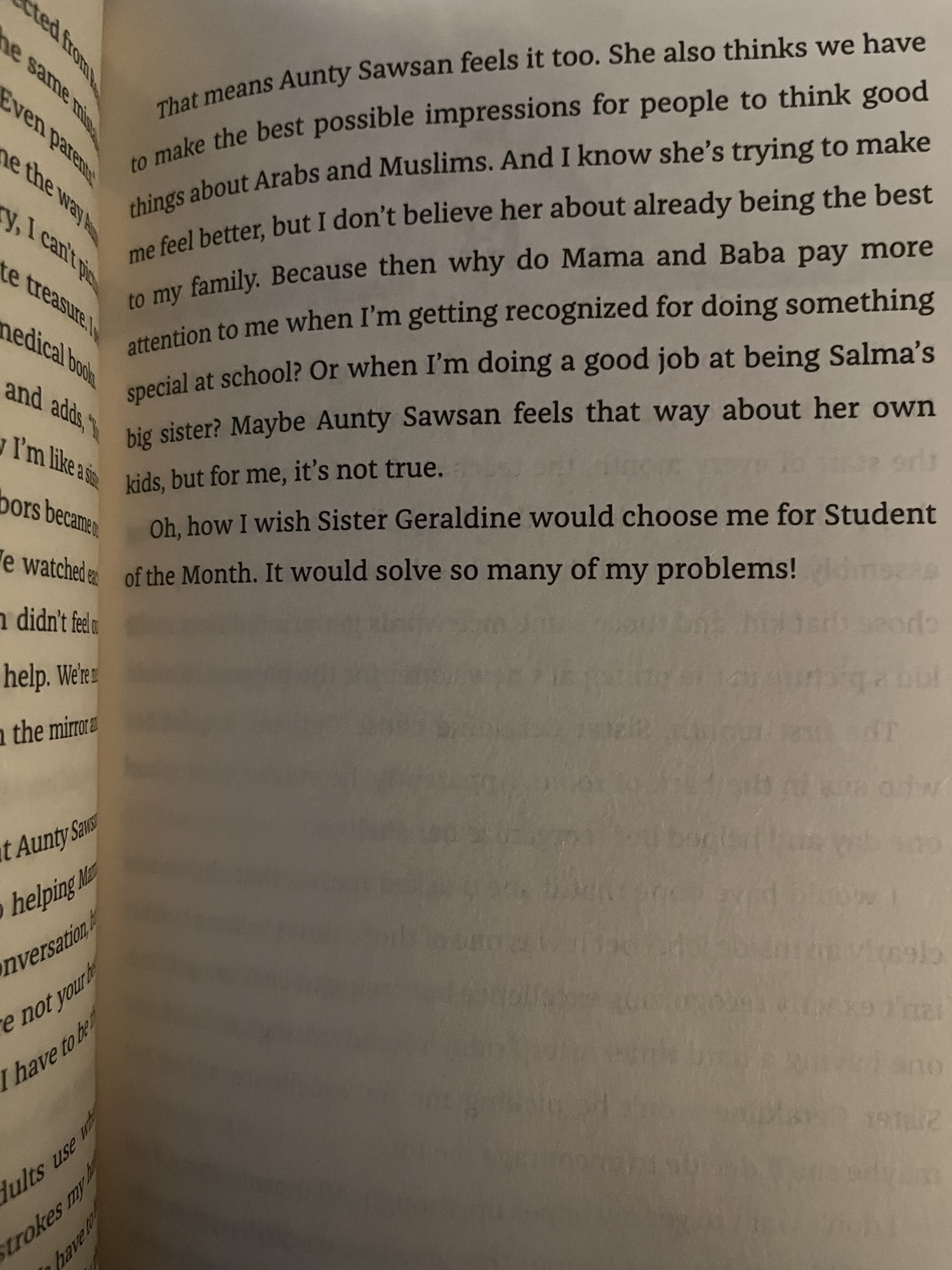
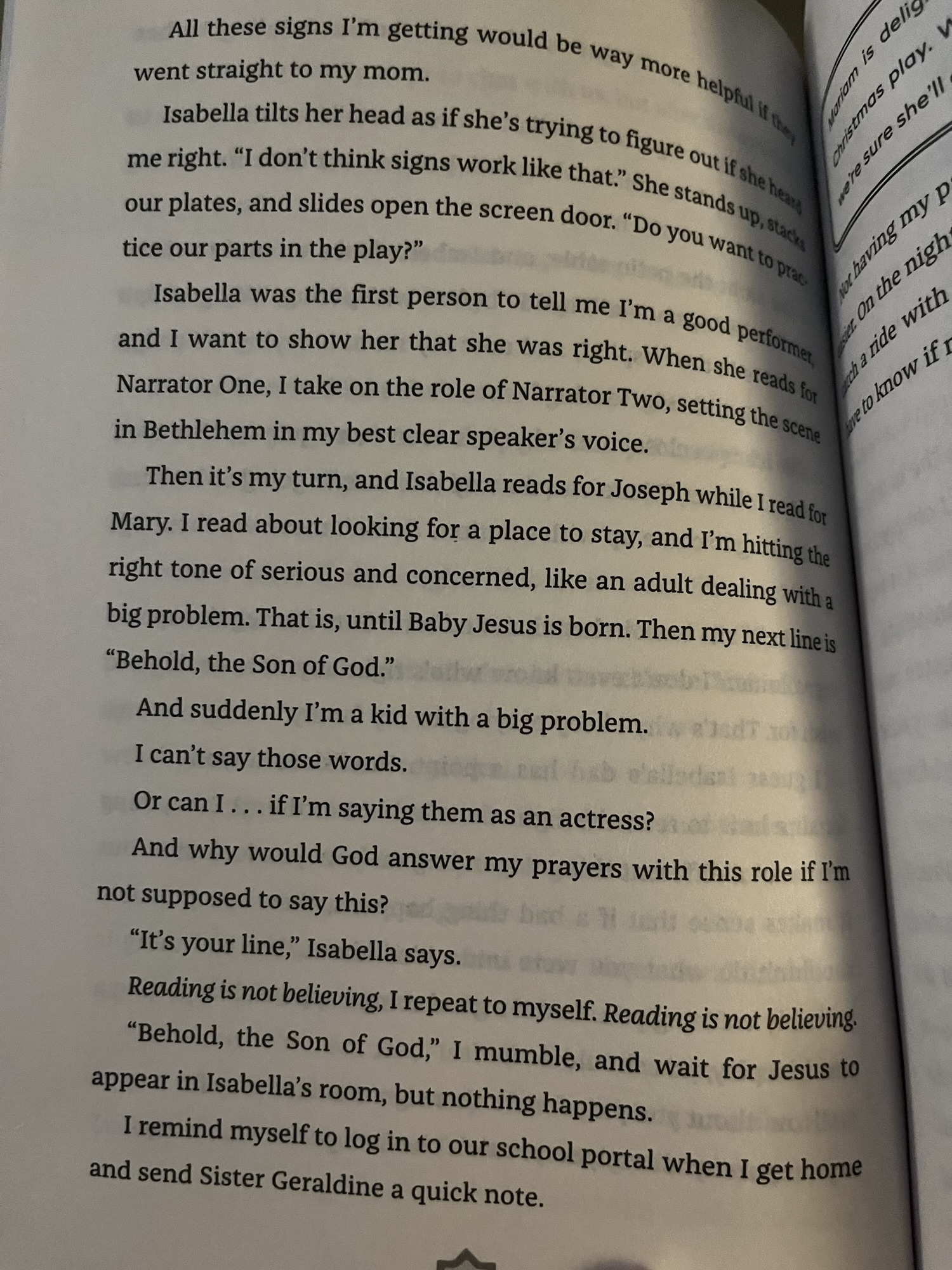
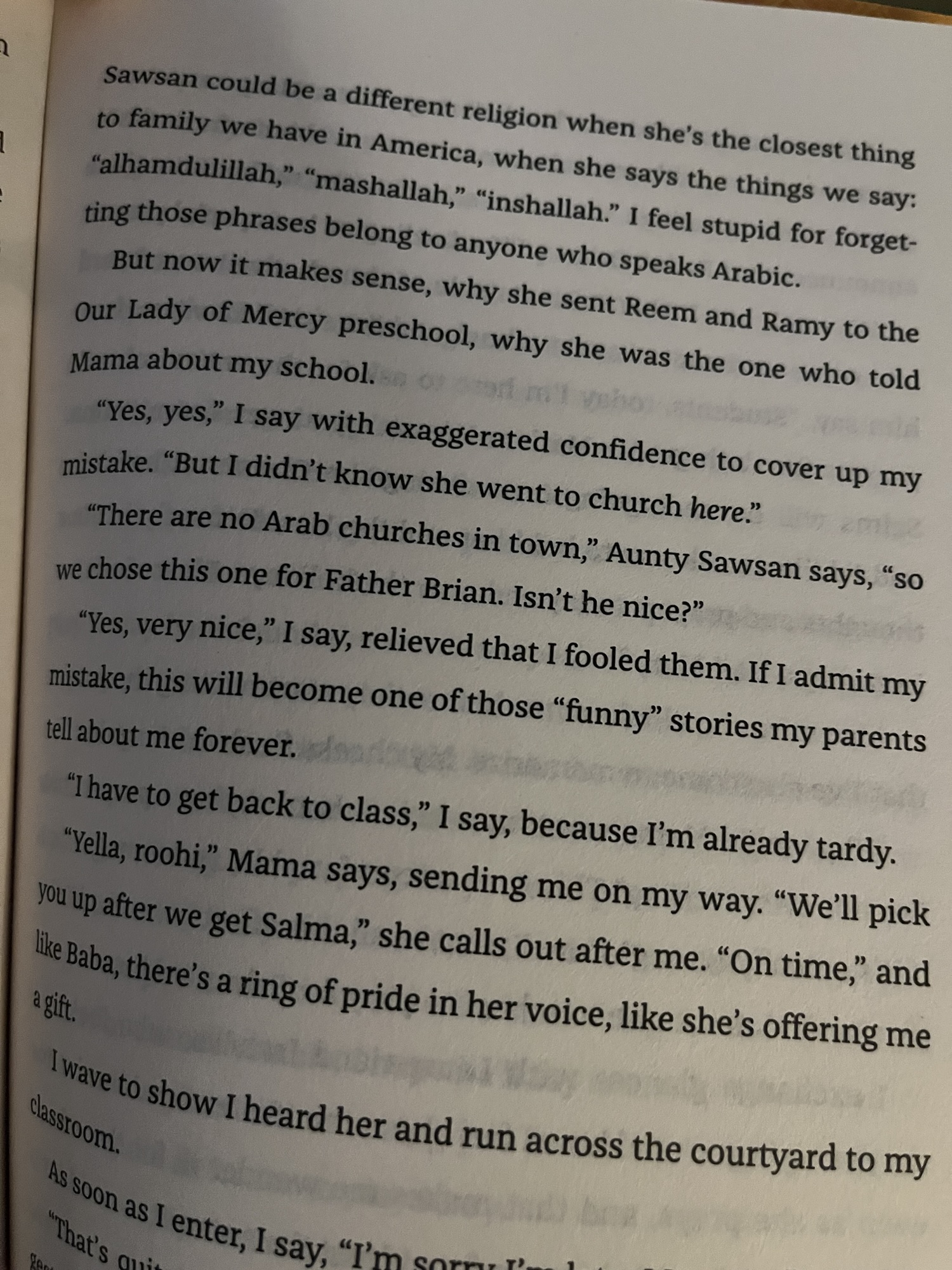
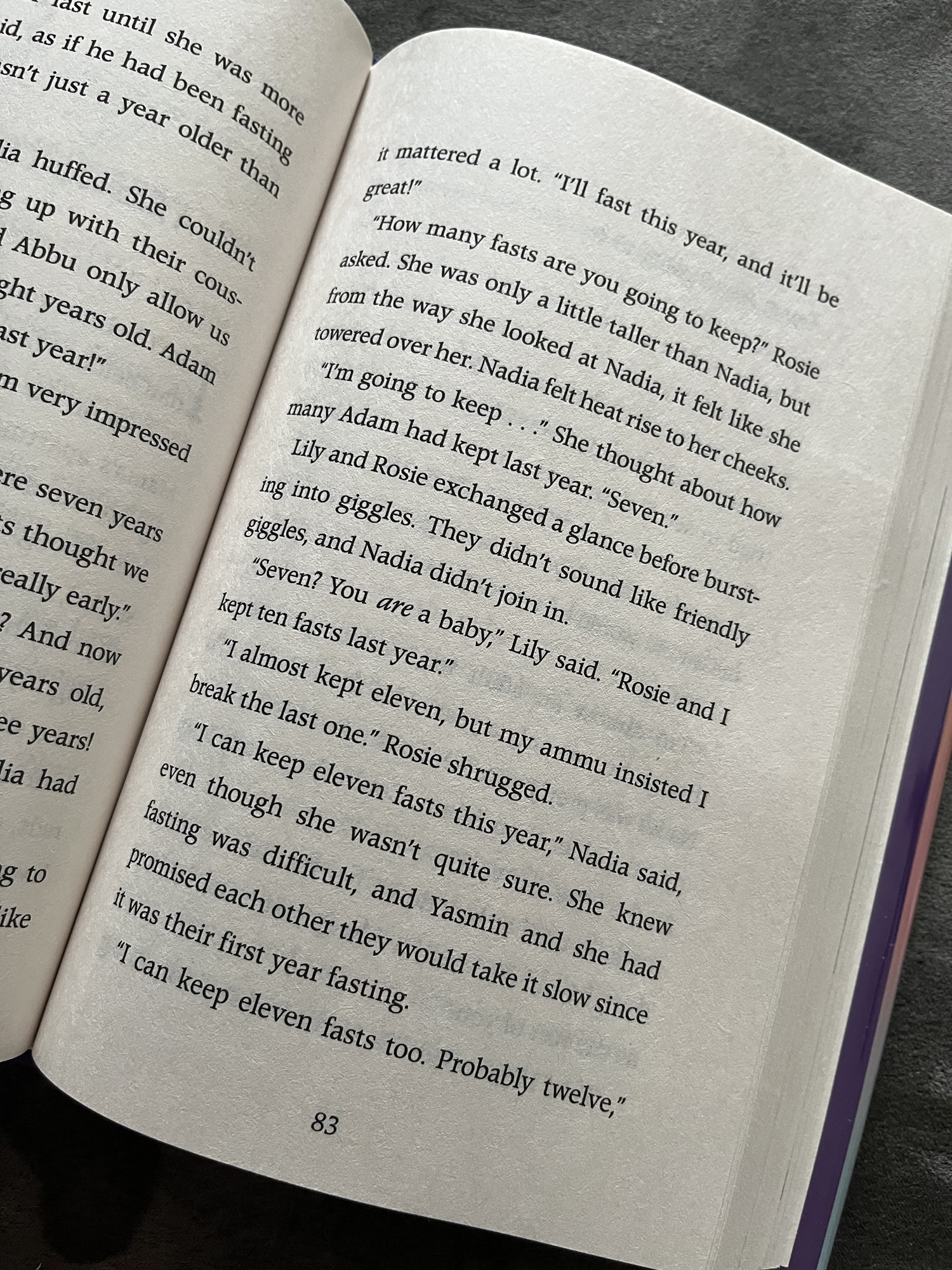
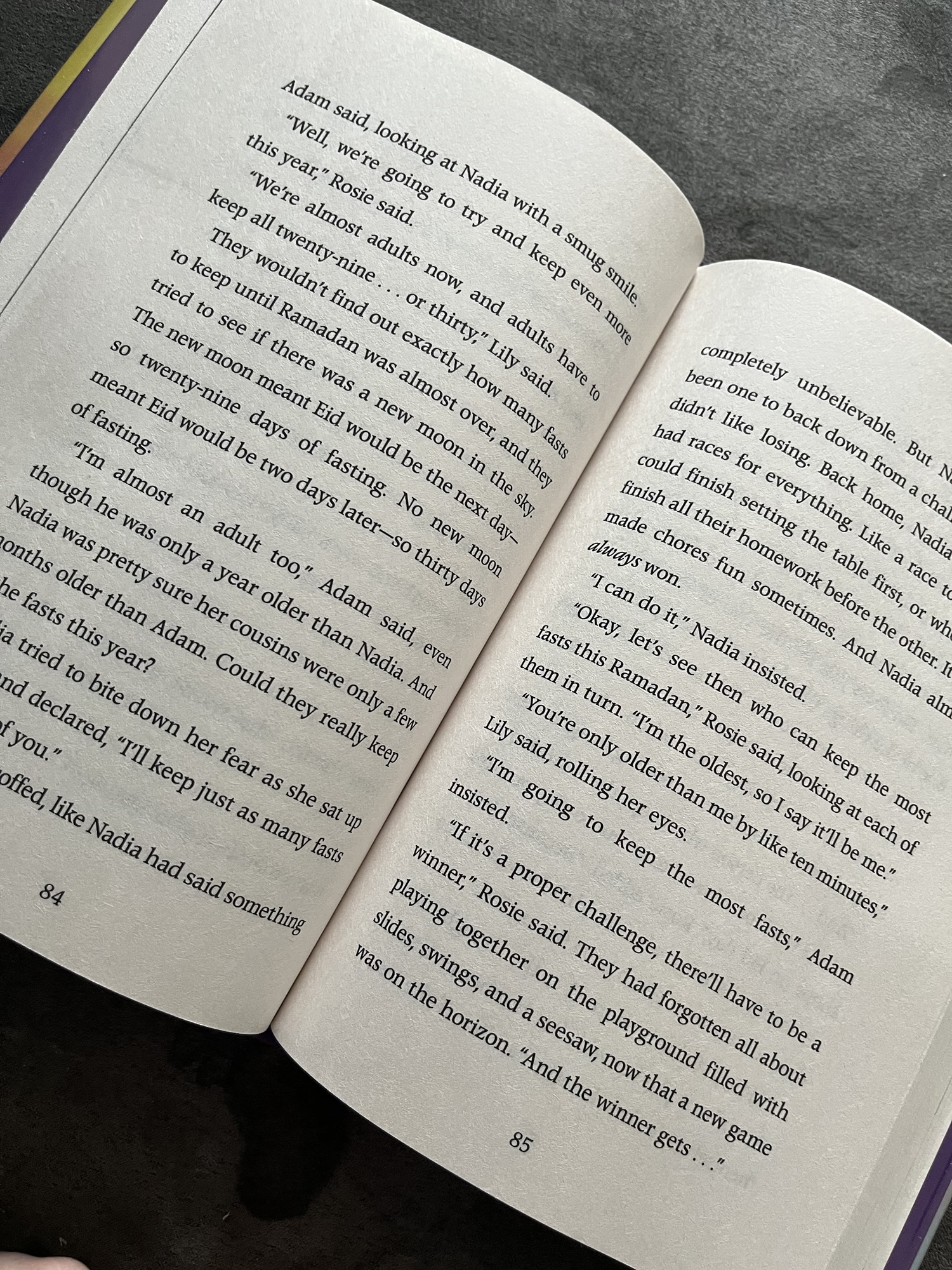
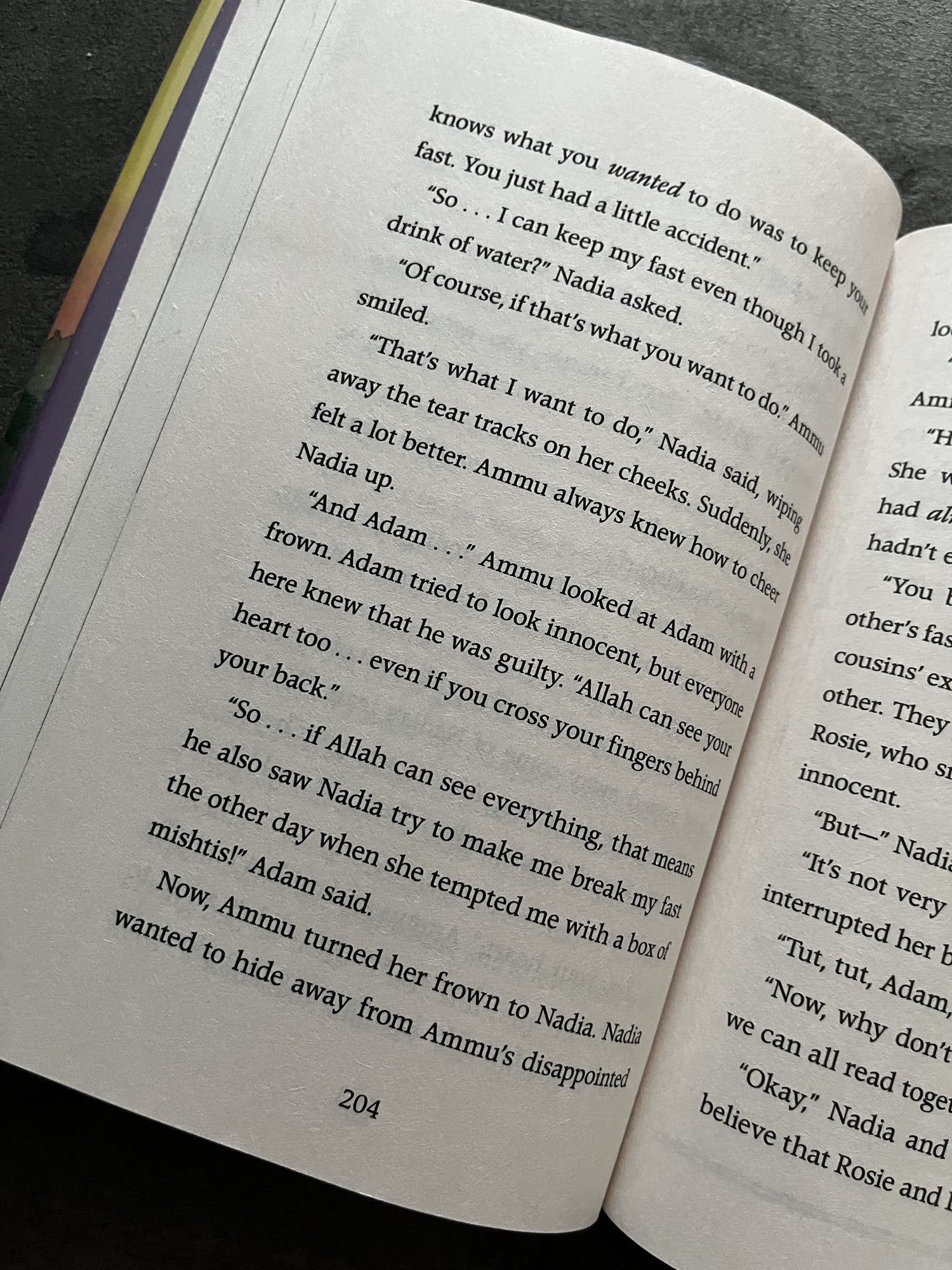
Any one who has followed my reviews for very long, knows I really dislike “first fast stories,” so when this one came recommended as being different, and funny, I was hesitant to give it a try, but I caved and purchased it.  And well, it definitely is different in that it is not a picture book, the protagonist knows what fasting and Ramadan are, and she doesn’t just stumble upon her family being up at sahoor one random day, Alhamdulillah. The funny though, well, it just feels really forced, and I can’t tell if it is part “lost in translation” or if  having read early chapter books that have literary value made this one seem, thrown together.  By the end it had a bit of heart, but getting through 93 highly illustrated pages, took a lot of effort.  Amal is obnoxious, doesn’t read her age, and doesn’t have any character growth by the end. If your child likes it, there isn’t anything “wrong” with it, it reads like an attempted imitation of Planet Omar with an annoying Clementine, Junie B. Jones type personality.  The character breaks the fourth wall speaking to the reader, and labels nearly everyone in unequivocal extremes: her mother is the most perfect, the most beautiful, etc., and accomplishing the first fast doesn’t seem to change her at all, despite all the buildup.

SYNOPSIS:

The book starts with Amal proclaiming that she is going to fast the next day, she has tried before but continually fails.  She tells everyone she knows, not just her family, but neighbors, the imam, everyone, and she imagines that it will be a defining day of life before and life after.  Her confidence and arrogance, is put to the test though when she actually has to do it.  At seven-years-old she has done a lot, she runs a charity out of the mosque, she sells items and used goods, and she wanders around independently. Fasting though has alluded her, as has praying more than a couple of rakats of taraweeh, but she is eating and drinking in anticipation of tomorrow, and determined to be successful.

WHY I LIKE IT:

I do like that she messes up and gets through it, I wish though she would have been determined to have a second fast and a third fast, the idea of the first fast being a one and done still doesn’t sit right with me, when Ramadan is a whole month of fasting.  I liked that nothing was overly explained, it is a book by a Muslim for Muslims, and presumably you know what is going on, but I do wish there would have been a little information threaded in about fasting not just being about food.  Amal and her brother Obaid tease and prank each other and with no reminder about being nice being a part of Ramadan included, it seemed like a missed opportunity.  I also thought she was mean to her grandma.  I did like the full circle of her realizing other neighborhood kids her age fasted their first fast without telling anyone, or everyone. But ultimately the book is just not the level of quality that books today have risen too.  If I read this book a few years ago, I might be a lot kinder or happier with my purchase, but even traditionally published books today by Muslim authors have a lot of normalized Islam, that this didn’t feel like it brought anything new to the shelf, and what it brought was not that well done.

FLAGS:

Mean, bragging

TOOLS FOR LEADING THE DISCUSSION:

Since I have the book, I’ll shelve it, but the small 8 x 5 inch size might mean it gets lost fairly easy, and had I not already purchased it, I’d probably not rush out to get it.

First Festivals: Ramadan: A Lift the Flap Book illustrated by Junissa Bianda

Standard
First Festivals: Ramadan: A Lift the Flap Book illustrated by Junissa Bianda

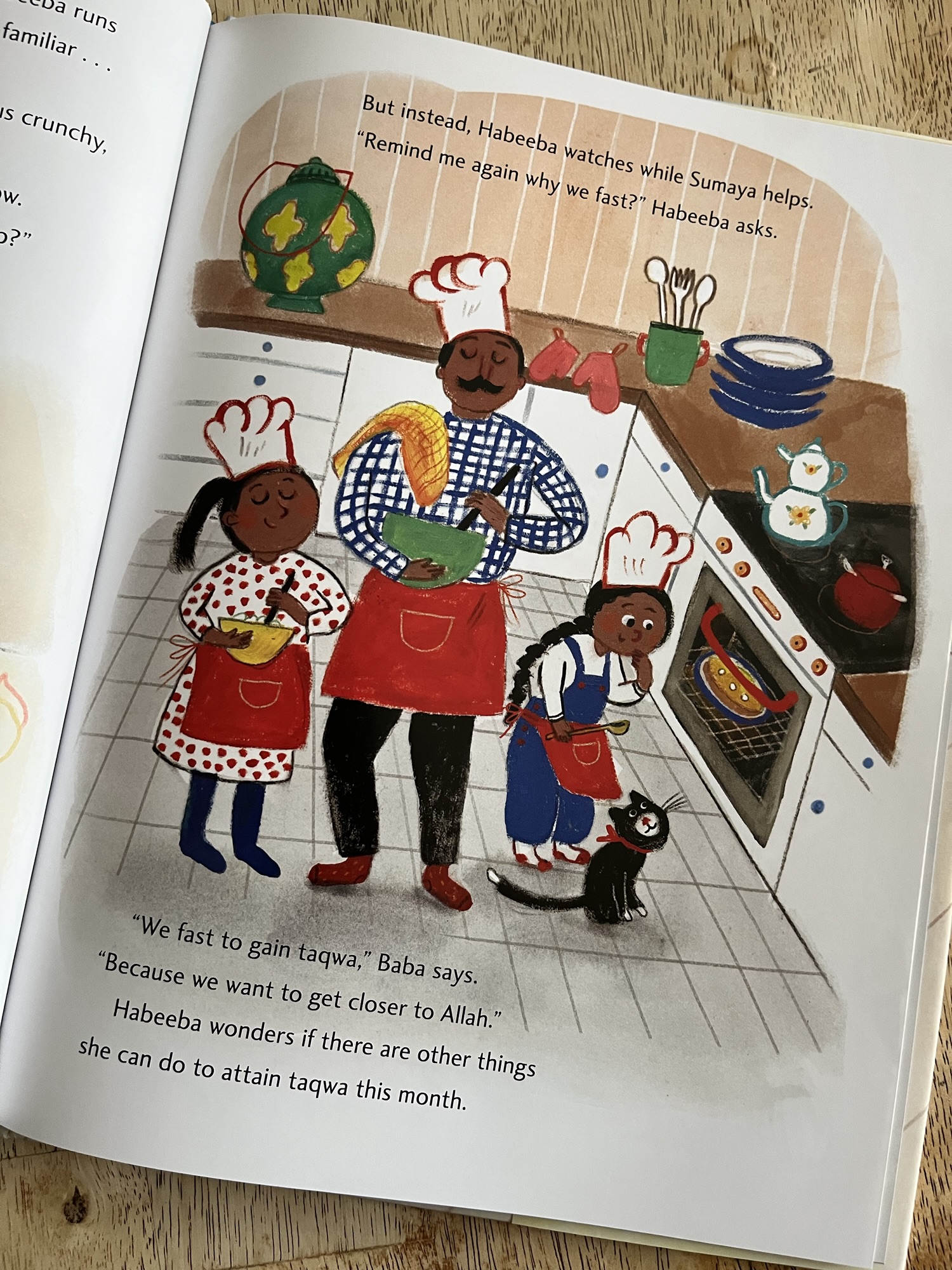
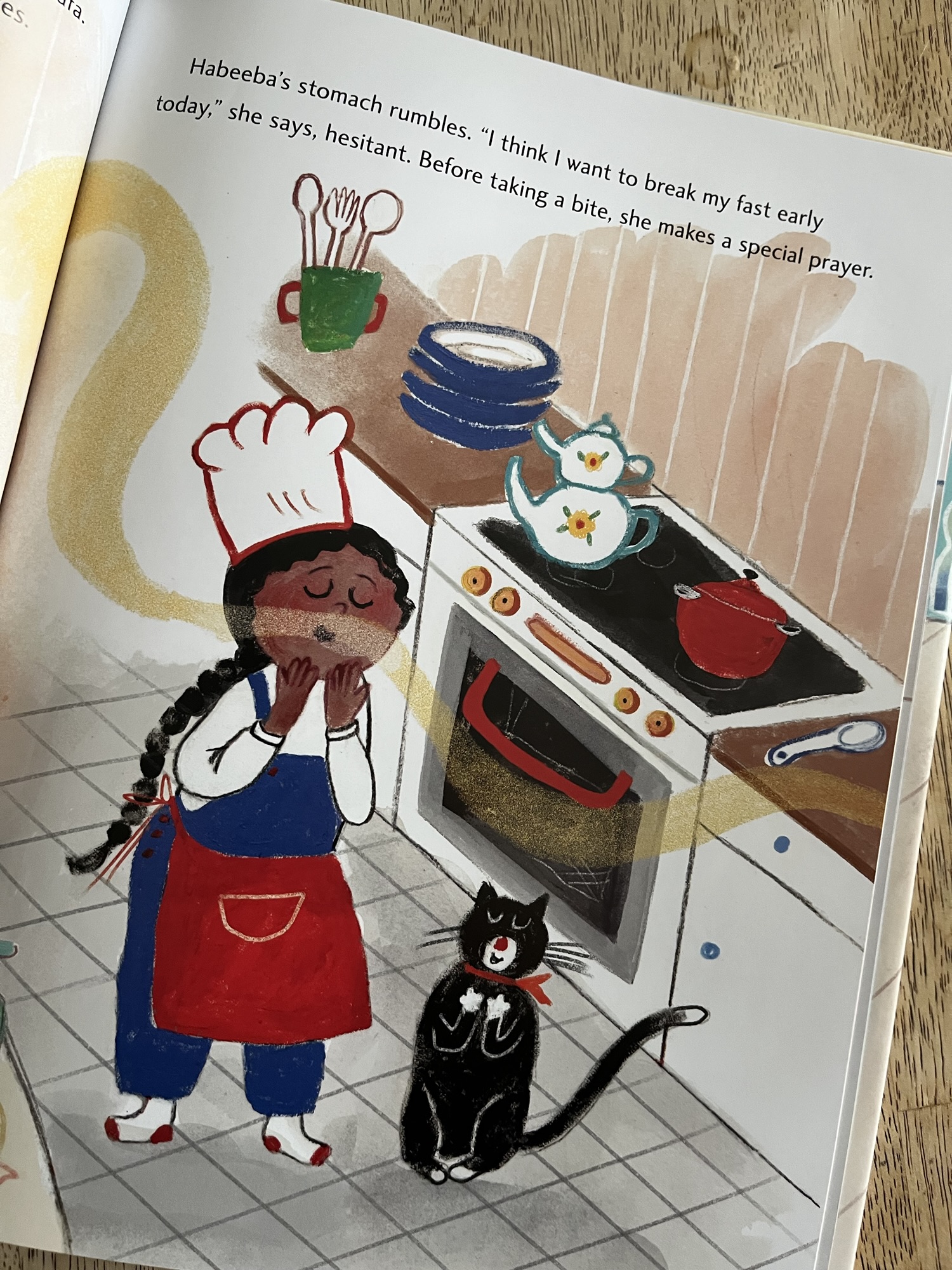
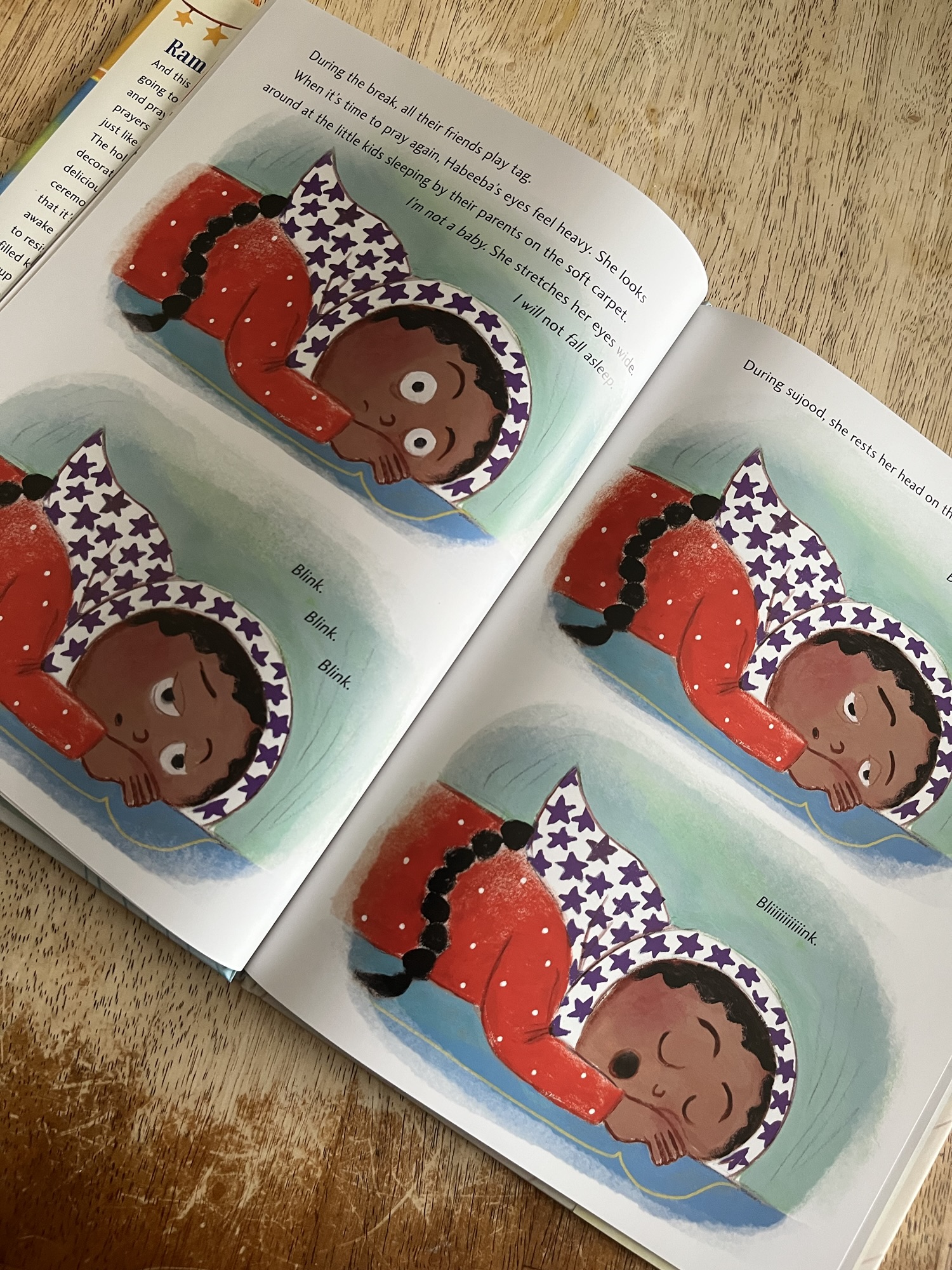
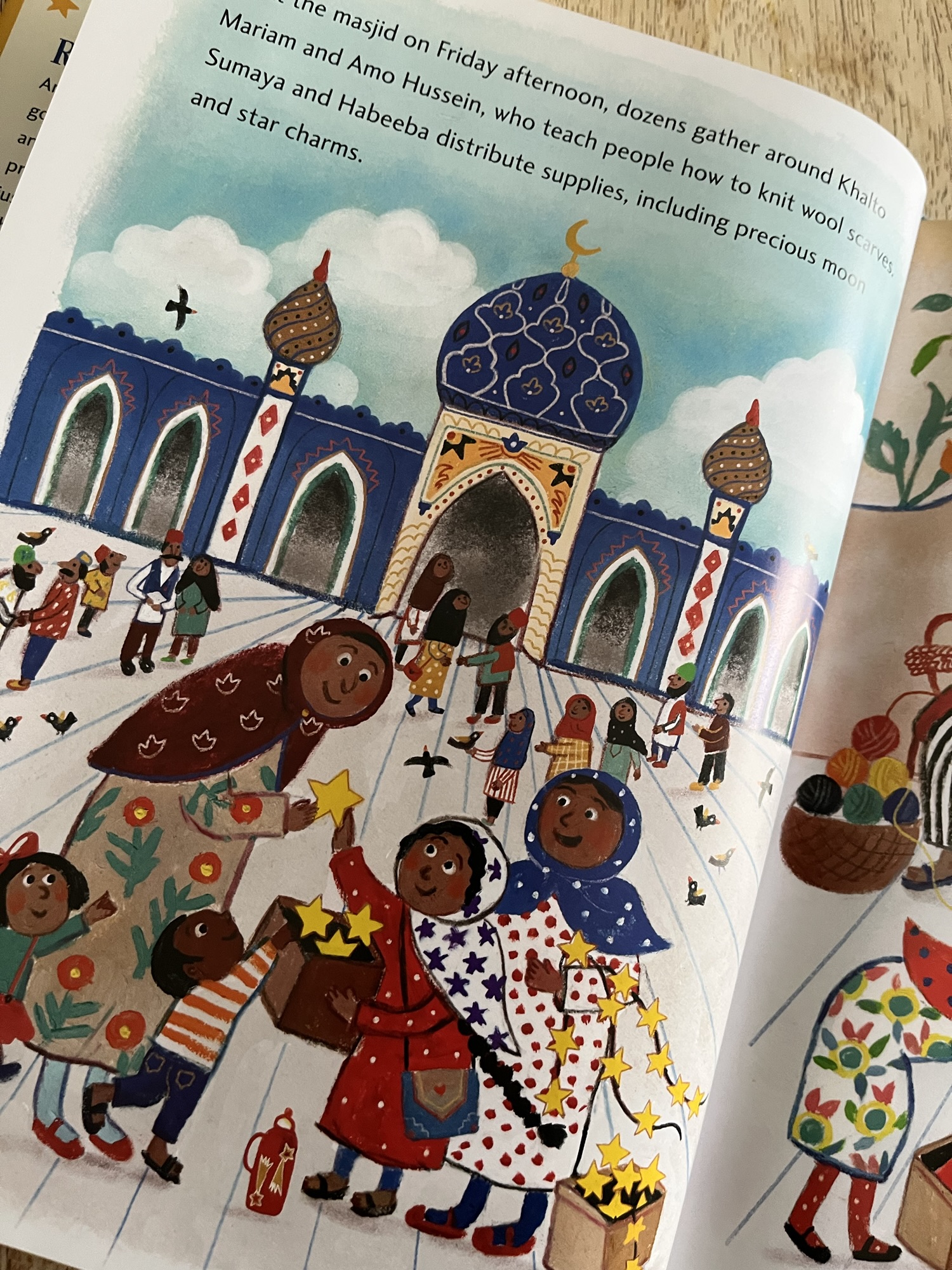
I was pleasantly surprised by the cuteness of this little (7.5 x 7.5) 12 page lift the flap Ramadan board book I got at the library. Written by committee (Ladybird Books) and part of a series, I didn’t really expect much, but the illustrations are adorable, and the salat flap made me smile. The text is simple and informative, fitting for the target demographic covering that Ramadan is a special time for Muslims to grow closer to Allah, do more good deeds, fast, fast, pray, and celebrate after prayers at the mosque with a feast.  It is positioned to teach non Muslims about Islam, so the “Muslims do, or say, or believe” framing, can inherently feel a bit othering, but being the tone of the book is to educate, I think it can easily be reworded for Muslim homes to benefit and enjoy.

The book starts with a two page spread of a family in a living room and text that identifies that “a new moon has appeared” and Ramadan is here.  The flap lifts the curtain to reveal a crescent.  It states that Ramadan is a special time for Muslims and that we grow closer to God, articulating that we call God, Allah (swt).

The remaining spreads feature diverse characters, various colors, mobility, hijab wearing and not, and cover fasting, suhoor, iftar, eating dates, praying tarawih and then celebrating Eid at the end of the month.  Flaps lift to show inside a mosque, praying and making dua, opening gifts, visiting neighbors, and eating.  The book concludes with Ramadan over and Muslims remembering what the special month taught them. Overall it does a good job of balancing, fasting, praying, and being together, not over emphasizing food, or commercializing the holy month at the expense of showing faith practices.

Join Us for Ramadan by Sana A. Faqir illustrated by Amna Asif

Standard
Join Us for Ramadan by Sana A. Faqir illustrated by Amna Asif

This 18 page chunky board book is about 7.5 x 7.5 inches and a little over an inch thick.  Each spread features interactive touch, feel, lift, slide, and rotate features that keep little toddler hands engaged, while the text shares Ramadan basics. Interestingly enough though, the back says it is not for 0-3 year olds, presumably because parts could tear and be choking hazards, but making it unusable for the demographic(?).

It starts with a slider that reveals the Ramadan moon and encourages readers to find the moon in the sky. The next spread has you lifting a cover to see what Mummy has made for suhoor.  The prayer mat is then pulled out, The Qur’an opened, Sadaqah collected, dates and chocolate rotated, masjid doors opened, and once again the moon slides into view to know it is time for Eid.  

The illustrations are cute, the manipulatives are clever and not repetitive, but the flaps on any of the lift the flap reveals are incredibly thin, and the outer strip that holds the entire book is similarly skimpy and I don’t know how long it will hold up with regular use considering the thickness of the actual pages.  

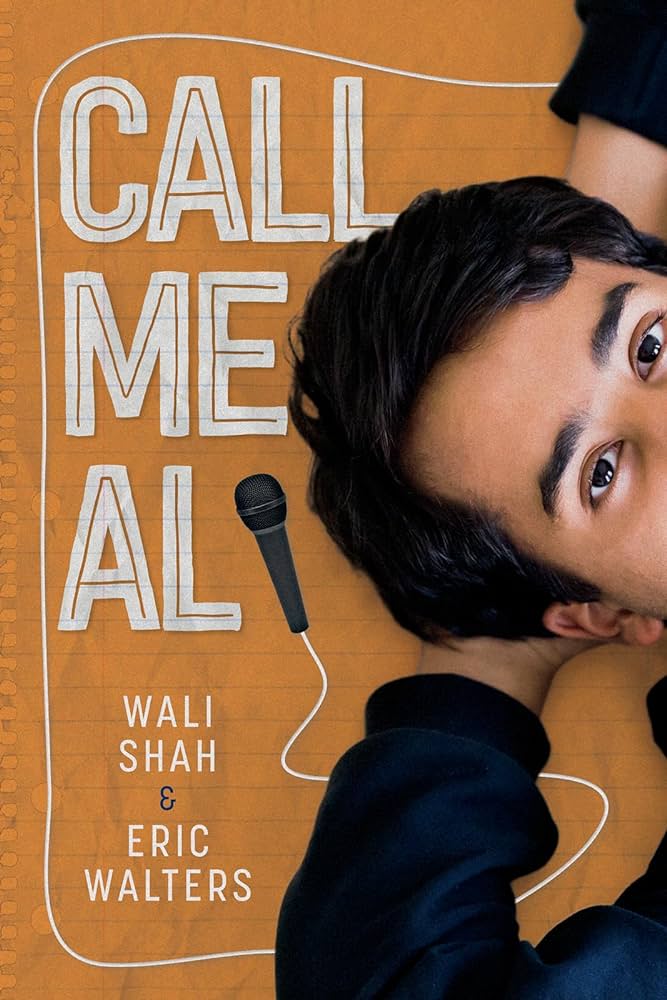
Call Me Al by Wali Shah and Eric Walters

Standard
Call Me Al by Wali Shah and Eric Walters

albook

I feel like I should have really liked this 264 page book: OWN voice, Muslim, MG, Pakistani, author is poet laureate for the City of Mississauga, Ontario, co authored by a prolific YA writer, but it unfortunately reads inconsistent and unpolished.  The characters at the beginning and their relationships with one another don’t read consistent with who they are in the middle.  Sure the character arcs from the middle to the end are nice, but it feels really disjointed from the first quarter of the book.  There are parts that feel so rushed, and other parts that are heavy handed with the preaching and the moral lessoning that I found myself skimming whole pages.  He says his family isn’t that “religious,” but Islam is centered with quotes from “the Prophet” (no salawat given, only a few times Prophet Muhammad is mentioned to identify which Prophet is being quoted) and “Imam Ali” (who the protagonist is named after), yet Al telling a girl he likes her is no problem at all.  He fasts because he has to, but tells his younger brother it is ok to sneak food, and the grandfather gives a whole speech on how the purpose of fasting is to feel empathy for the poor (face palm, in case you don’t know, it is a commandment of Allah swt).  I really struggled with how “Whites” are seen as opposites to “Muslims,” there is some push back with quotes from Malcom X on his hajj experience, but I didn’t feel like the character really ever accepted that Islam is a religion for all people, and White is a skin color.  Honestly the book reads like an early 2000 memoir.  I know it is fiction, but the cultural be-a-doctor-nothing-else-matters-stereotypes, and Islamophobic talking points that feel performative for a Western gaze, combine with a very unlikable arrogant protagonist, and result in a book that was difficult to connect with and get through.

SYNOPSIS:
Al, short for Ali does everything perfect, he has perfect grades, always listens to his parents, and respects the rules.  The book opens with him sneaking off campus with friends for lunch at the mall where he is caught by his grandfather, who seems incredibly strict, but later is the soft spot in a firm family.  His parents have moved to Canada from Pakistan, his mom used to be a teacher, but now takes care of their apartment building, his father was a physician and now drives a taxi.  It is non negotiable that Al will be a physician when he grows up.  The middle child of all brothers, his older brother Sam, short for Osama, has set the bar very high with his valedictorian status in high school, scholarships to start college, and student of the year award in middle school.  Al is in 8th grade and is expected to follow in his footsteps.  When Al’s crush on Melissa results in him writing a poem about her, he realizes he likes the written word to express himself.  His father thinks poetry is a waste of time. With a teacher that encourages creative writing, Islamophobia and hate crimes hitting close to home, and Al coming of age, the story focuses on Al’s 8th grade year as he discovers his own identity, with some help from his friends and the month of Ramadan.

WHY I LIKE IT:

I like that his friends really pushed back on him to own some of his internalized Islamophobia.  Zach is probably the most fleshed out character, and his humor, his teacher crush, his ability to apologize and make things right, is really the heart of the book.  It contrasts so greatly to how I feel about Al.  By the end he was ok, but at the beginning, his arrogance is obnoxious. I get that he is bright and a hard worker, but, yikes, he needs some humbleness.  The supporting characters are rather flat.  Al’s crush Melissa is shallow and only desired for her appearance, Dad is strict and demanding, not in an abusive way, but in a cold undeveloped way, mom is idyllic and supportive, and Ms. McIntosh is the driving motivator for Al. The other characters do little to flesh out the main players which is unfortunate.  I think some depth would have shown Al more rounded. His so called friends don’t know he is Muslim or what he eats, but they are friends, not just classmates, seems off and lacking.  The grandfather gives all the teachable moments, he starts off stern, and then is not, and the transition is jarring.  He speaks in quotes and lessons, and if it were quirky, it might help the flow of the book, but he really is the Islamic conscience of the book so to speak, but we know so little about him and his relationship with Al.

I didn’t like how fasting and Ramadan were presented. Al is embarrassed by fasting and being different.  I like that it says the family goes to the mosque, not sure why masjid wasn’t used, but there are no Muslim friends and no praying, so it has no real impact, which furthers the feeling that it is performative.  Al doesn’t seem to consider faith or culture until others question him about it, which is a missed opportunity to give Muslim kids a mirror to see themselves in the characters.  There are chapters of the book that really are wonderfully written, they just are sadly too far and few between.

FLAGS:

Crushes, Islamophobia, physical and verbal assault, racism, classism, bullying, lying, sneaking out, discussion of partition violence including great grandfather being killed. The book though, aside from the crush thread at the start and end, is quite clean, and the crush is pretty innocent.

TOOLS FOR LEADING THE DISCUSSION:
I wouldn’t seek out this book for a classroom shelf, but if it was in the library I would leave it.  I don’t think most kids would pick it up and make it past the first 25 pages though, Al is really unlikeable at the start.

Noura’s Crescent Moon by Zainab Khan illustrated by Nabila Adani

Standard
Noura’s Crescent Moon by Zainab Khan illustrated by Nabila Adani

img_3075-1

I know, I know, another Ramadan book about the moon and a little girl’s first fast, but this one is slightly different.  The moon they are searching for is the Eid moon and the focus is on whether they will see it and Eid will begin, or if there is one more day of fasting.  The story itself would not make sense if it wasn’t Ramadan and the characters Muslim, but the story only subtly sprinkles in bits of Islam, the backmatter though, is where the Islam really shines.  The tone of the book with the lyrical text and full color illustrations is very relatable to Muslims that both want to see the moon and celebrate, while at the same time being sad the the blessed month of Ramadan is over.  It comes from a Desi centric approach to the foods, and traditions, but their aren’t a lot of Urdu words used either, and those that are, are defined at the end.  The book works for Muslims and non Muslims, and would benefit both groups with a bit of discussion. Overall, not a particularly memorable book, but one that stands out for focusing on the tradition of looking for the moon and being together as a family.

I love that the notes at the end do mention that Muslims fast to “show love and obedience for the Creator,” under the Ramadan header.  The other backmatter headings are Eid ul-Fitr, Suhoor, Iftar, Chaand Raath, Pakora, Gulab Jamun, Sheer Khurma, and The Islamic Calendar and the New Moon.  A lot of space is dedicated to food, explaining those mentioned in the story.  It gets it right that Muslims begin fasting at dawn, it shows mom not wearing hijab at home, but wearing it when they go out, yet, it doesn’t just say the maghrib athan it refers to it as the “call for the twilight prayer.”  And it doesn’t mention or show them praying, which would have been a nice inclusion.

img_3080-1

The book starts with Noura playing outside and her tummy rumbling on this 29th day of Ramadan, and her first fast.  Mama, Papa and Noura all help make and pack up iftar, as they get ready to go look for the Eid moon.

img_3079-1

Before they go, Mama shows Noura her new dress, and they add some henna cones to the items they are taking, they then set out to the countryside.  All along, Noura is hoping to see the moon and her parents are reminding her how rare it is to see it.

When they get to the hill there are other families already there, and Noura has done it, completed her first fast.  Unfortunately the moon is not there as hoped, or is it?

img_3078-1

I wish some duaas or Islamic expressions, and salat would have made it into the book, but the large hardback size makes this a good book to read at story times, and a nice way to explain why we don’t know when we will miss school to celebrate Eid, or how many days we will fast.

The Ramadan Drummer by Sahtinay Abaza illustrated by Dinara Mirtalipova

Standard
The Ramadan Drummer by Sahtinay Abaza illustrated by Dinara Mirtalipova

img_3025-1

This book reads very much like an early work in progress.  It doesn’t seem to know if it wants to be a book about foods and hunger in Ramadan, or about a Ramadan drummer waking people up for suhoor, or being a fantasy where you can hear people’s thoughts in your dreams and when you awaken you can get blessings for being kind.  Sure maybe it could be all of the above, unfortunately as written, it falls short in being much of a cohesive story at all.  Many of the details have no baring on the plot, the transitions from food, and fasting and pants feeling tight to dreaming about the Ramadan drummer that he heard about once in passing, is very abrupt and none of the children I read it to ages four to eight could sit through it. With no Islamic centering it is never clear other than to “think of the poor,” why this small child is fasting, and who is going to be doing the rewarding for kindness in Ramadan.  For Muslim and non Muslim kids alike, this book will not make much sense, I’m afraid, nor be memorable, even if they can get through it. The idea of a Ramadan Drummer appears in a lot of books, and perhaps this fantasy reinterpretation could have been fun, but with the lack of Islamic content, a clear story line, and the focus being on hunger, the book doesn’t do much for me.

img_3026-1

The book starts out with Adam being hungry, his stomach is a wild beast, roaring and grumbling for food.  He is told fasting helps people think of the poor, but he can’t “think on an angry stomach.”  The next two pages are about food, then his aunt and uncle come over, wishing everyone a “blessed Ramadan,” and then they break their fast. No Salams are given, iftar is not named, but they mention a Ramadan drummer. Adam is eating so much his pants are tight, they then pull out dessert.  That night he can hardly fall asleep because he ate more cookies than he should.  The lack of self control is an odd thing to stress without any insight into moderation, especially in Ramadan when controlling the nafs is such a present test.

img_3027-1

That night he dreams he meets the Ramadan drummer, they listen to the wants and thoughts of the neighbors, he wakes up in the morning to pancakes and then he responds to what he learned in his dream.  It is sweet that he spreads kindness to the neighbors, with the Ramadan drummer only having to tell him, “during Ramadan, every act of kindness is reward tenfold.”  I have no idea if Adam is already kind and this was just extra motivation, it never says who will be doing the rewarding, I wish it shared what was being chanted to wake people up, and I wondered if this is going to be an every night occurrence, but alas there are no answers.

img_3028-1

The book ends with Adam still hungry, but his heart being full whereas his stomach is not.  There is then a lengthy Author’s Note that mentions “Muslims will not eat or drink from sunrise to sunset,” clearly getting the start time wrong.  Throughout the text it says “before sunrise” leaving the time a bit vague, but not wrong.  The Illustrator’s Note calls a Mullah, a Muslim priest, which struck me as odd.

It seems so odd to have a Ramadan book void of even basic religious mentions. Why would you stress about getting up, let alone getting up on time, if there are no rules and requirements to your fast. The whole reason for the fast is an act of worship, how the worship is done matters. By removing religion: the lack of salams, prayer, duas, connection to Allah, etc., it makes fasting seem like an act in isolation and it makes it just about food, which shortchanges the month of Mercy. Ramadan is joyful, it is so much more than a month of just being hungry.

Rabia’s Eid by Rukhsana Khan illustrated by Debby Rahmalia

Standard
Rabia’s Eid by Rukhsana Khan illustrated by Debby Rahmalia

We definitely lack Islam centered leveled readers, so how exciting to see one this year focused on Eid, that contains more about Zakat al Fitr than presents no less.  The book starts on the last day of Ramadan, so there are details about both Ramadan and Eid shown, not dictated, as it stays on a Step 2 reading level.  As with most books meant to be read with help, for preschool to 1st grade, the story is a bit abrupt at times, and by not showing the Eid salat it definitely leaves some confusion as to whether Zakat was actually paid before the prayer started as required (I’m not a scholar, so please look into this), or not.  InshaAllah, if adults are reading this with their children, some basics about Zakat al Fitr would be something wonderful to discuss when you finish.  The book is joyful, the little girl wants to fast and is encouraged to do a half day, the illustrations are adorable as well, alhumdulillah. Oh and for those keeping track, this might be the first Ramadan book I’ve read in a long time that does not mention the moon, not even once.

The book starts with Mom waking Maryam up for suhoor on the last day of Ramadan and Rabia wanting to fast as well.  Her sister tells her she is too young, but she joins the family for cereal in the kitchen, and Dad encourages her to try a half day.  The family then prays fajr together and the day is going great.
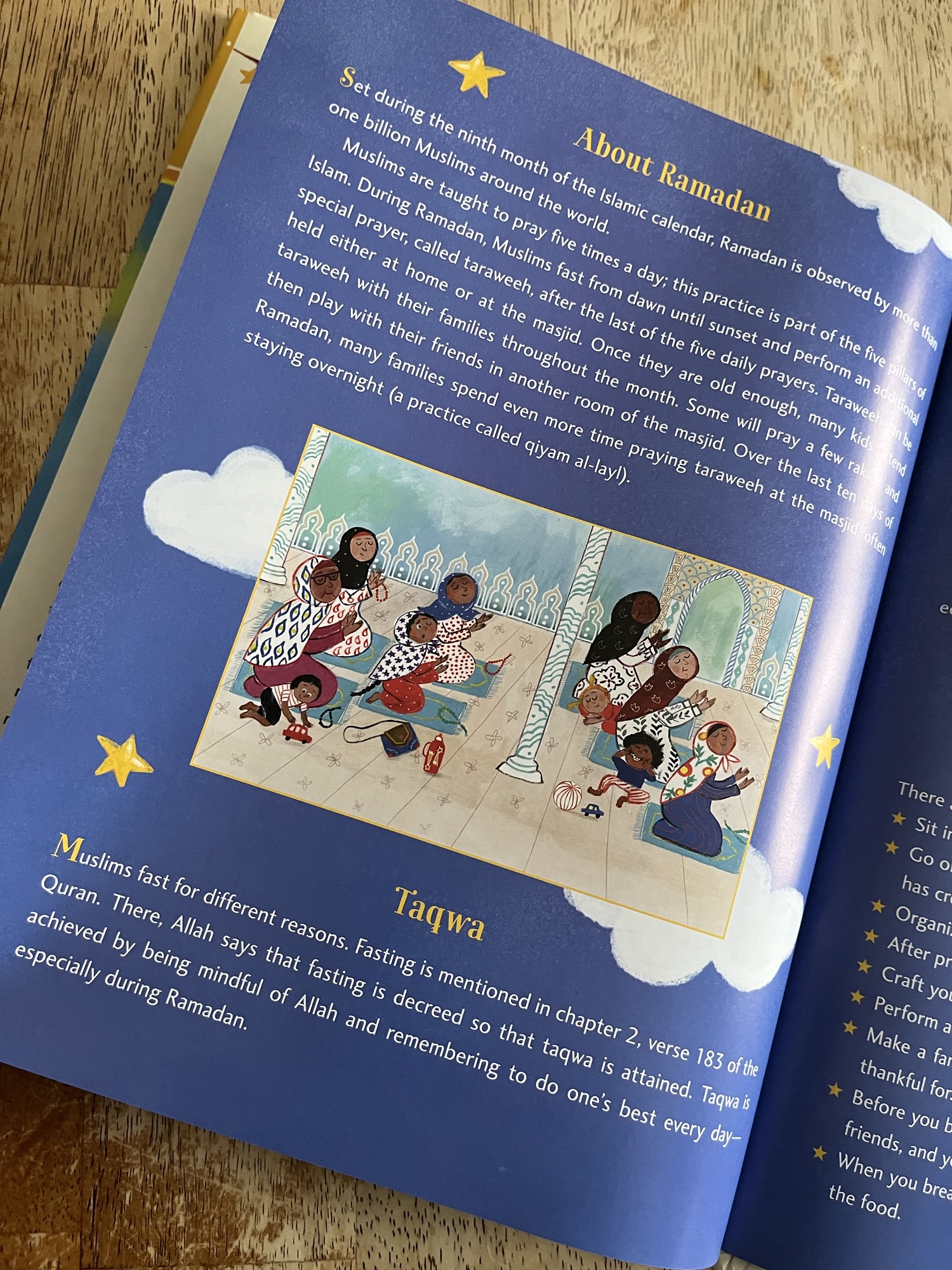
About lunch time Maryam is getting ready to break her fast. The family praises her on as she settles in with a cheese and tomato sandwich.  Later the rest of the family breaks their fast, and Rabia joins in with starting with a date and making duas.  Then it is time for henna and getting their clothes ready.

At Eid prayer everyone is dressed up, and Dad gives Rabia some money to put in the box labeled Fitr, for the poor.  Rabia wonders if everyone has to give money, and mom responds that everyone except the poor do.  The book concludes with the family smiling knowing everyone is having a happy Eid.

The book is great for Muslim and non Muslim kids, because of the size though, it isn’t a great choice for story time in big groups, but the price point makes it an awesome addition to gifts, classrooms, and to share with others in general.  I purchased my copy here.

Aliya’s Secret: A Story of Ramadan by Farida Zaman

Standard
Aliya’s Secret: A Story of Ramadan by Farida Zaman

img_2838-1

Books like this are honestly a disservice to Muslims. I know the industry means well by having a token holiday book, by an OWN voice writer, ensuring it is joyful and illustrated in a warm way, but when the information is erroneous, it really just perpetuates misinformation. This book will be on shelves everywhere and shared at story times in classrooms and libraries and non Muslims will think they are being inclusive, and Muslim kids will also learn erroneously or doubt if they are in the wrong, or best case scenario (?) have even more to explain to those around them. The book is adorable, yet the information about when we fast and why we fast is wrong, repeated throughout, even in the backmatter.  The book is for young children and pivots around lying, the character lies repeatedly with no consequences…in Ramadan no less.  Sigh, our kids deserve better.

created by photogrid

The book states multiple times, four in fact, that Muslims fast from sunrise until sunset, this is incorrect, Muslim fast from dawn to sunset. Sahoor is not eaten at sunrise, it is eaten before dawn. This is not me being picky, this is wrong. The dad perhaps has his own reasons for fasting, but Islamically we do not fast to feel what those who are hungry feel or to be grateful, those hopefully are results of fasting, but in fact we fast as commanded by Allah swt. Children are required to fast when they hit puberty, not at the age of 13 specific. Many kids fast full and partial days before puberty, and I don’t agree that their growth is stunted as suggested by the book.

created by photogrid

The set up of the story is nice, albeit another first fast book, in that at least the character and her classmates and friends know what Ramadan is and thus there is no othering. It talks about charity and praying and shows the Muslim family living their life unapologetically which on the one hand is great, but then makes the lying seem weird. Why would Aliya keep fasting a secret from her friends at school even if she is keeping it from her parents? Why would she lie about it, why would she lie and have it articulated as lying and there be no repercussions for it, in a picture book? She doesn’t even just do it once, she lies THREE TIMES.  When you do good things from a place of faith and worship, it seems off to me to have it framed in deceit with no other commentary.

Sure to some the time when fasting starts might be a small thing, but seriously is it that hard to get correct? I wish the editorial/publishing/marketing team would have hired beta/sensitivity readers, not all Muslims know Islam, and not checking the facts really is just sloppy.

My Baba is the Best by Bachar Houli illustrated by Debby Rahmalia

Standard
My Baba is the Best by Bachar Houli illustrated by Debby Rahmalia

img_7434

This 32 page horizontal picture book by an Australian footballer starts out much like a list detailing why a little girl loves her Baba, after a few pages though of more superficial delights, the book gets deeper.  It shows the family making duas at bedtime, going to the masjid on Fridays, it even gives a little insight into Eid and fasting before it then takes readers on a camping trip.  There isn’t really a story or plot, but the bouncing around fits the narrator’s point of view and will appeal to the intended target audience.  The book is mainstream published by Penguin in Australia, so I absolutely love the inclusion of Islam, the mom in hijab, the dad’s beard and the love shown between the little girl and her Baba.  Sometimes celebrity books feel a little forced, but having never heard of this athlete, I still found the book incredibly sweet and joyful, and the illustrations by a Muslim illustrator a great amplification of the simple heartfelt text.

The book starts with a little girl rushing to give her Baba a hug on the field as fans cheer in the background.  After all her Baba gives the best hugs, it then mentions that he is always doing something and shows him washing his boat and jumping on a trampoline with the little girl and her younger sister.  The trio garden, exercise, ride bikes, train and go fishing. They also watch movies at the theater or at home with the whole family. At night Baba reads special prayers to protect them while they sleep.

On Fridays, the family goes to the mosque for prayers, and the most special time is when they all go for Eid in their best clothes.  They listen to the imam and give donations to those in need. They open presents and after fasting they eat Lebanese pizza before going to visit teta and jeddo.

The best time is when they go camping.  They all set up the tent, and get sticks to roast marshmallows.  They even see kangaroos eating dinner before heading back to eat theirs.  On many of the pages it is just the girl and her Baba, but even when the whole family is present, the focus is on the strong relationship between the two.

The book is very endearing and as a daddy’s girl myself, I love seeing the relationship unfold on the pages with big things, and little things, fun things, and reflective things, and from the little girl’s point of view.  The book is not readily available in the United States, I purchased mine from Book Depository, where they offer free shipping.

Nayra and the Djinn by Iasmin Omar Ata

Standard
Nayra and the Djinn by Iasmin Omar Ata

img_6973

Set in Ramadan this graphic novel for middle grades has a coming of age theme brought to life with fantasy, religious practices, and storylines of bullying, acceptance, and folklore.  Nayra is fasting, she prays, she says bismillah and Assalamualaikum, her  practice of her deen is never in question and by and large I don’t know that anything is “haram” in the Islamic representation.  Yes, she says bismillah in julus, the sitting position of salat, there is sihr, magic. done by the djinn, and a lot of liberties about the ghayb (you can’t really disprove them), but honestly my biggest problem with this book is that somehow even though it is a graphic novel, more visual than text, there is way too much telling and not enough showing.  The reader is told that there is bullying, but only shown that one girl calls her “baba ghanoush,” we are told over and over that she is friends with Rami and that she needs to fix the relationship, but we never see what the friendship was before, only the forced awkwardness that it is now. The inside flap of the book stereotypes the “strict family,” but we never really see them being overly demanding or difficult, and the conclusion is very naïve with both the two girls and the two djinn resolving everything on Eid. I wanted to care about the characters, but never felt a connection to their stresses, traumas, and relationships, and many mirror my own life.  In full transparency though, I must acknowledge to you all, that I do not read a lot of fantasy graphic novels or even comic books, if the choppiness, and lack of depth is what makes the genre work for others, then this book will be fun with its pink and purple pallet and tracking of the Ramadan moon.  I really might just be the wrong person to review this OWN voice djinn fantasy authored by a Palestinian Muslim who like her fictitious djinn goes by they/them pronouns.

SYNOPSIS:

Nayra is being picked on by Tanya for messing up in volleyball in PE, and gets to calling Nayra “baba ganoush.”  When the book opens Nayra fasting for Ramadan is what Tanya chooses to attribute Nayra’s lacking skill too, and Nayra is ready to find a new school.  Her family offers no support, her older siblings set the bar high and got through by ignoring the bullies, and expect her to do the same.  The one other Muslim at school is Rami, and Nayra needs a break from her, they meet to break fast every evening, but Rami is exhausting.  When an online forum somehow gets a visit from a djinn, Nayra offers to be the anchor that Marjan needs to escape the ghayb and exist in the human world.  Marjan’s past comes back to haunt them, and when Zirkouniya arrives, there is only so much protection the month of Ramadan can offer as Eid arrives and the djinn are returned to full strength.  Djinn and human alike will have to own up to their mistakes, forgive others, and rebuild the relationships that matter.

WHY I LIKE IT:

I like the Ramadan centering, and appreciate that the coming of age story line was not an identity crisis about Nayra’s faith.  I  finished the book feeling like I didn’t understand much.  There was a lot of build up for a strict family, and djinn wisdom, that just didn’t exist.  The conflict with the friends was superficial and the resolution the same.  Maybe I missed the visual resonance as I tend to enjoy lyrical writing and relatable text, but the story seemed really simplistic, and the characters flat.
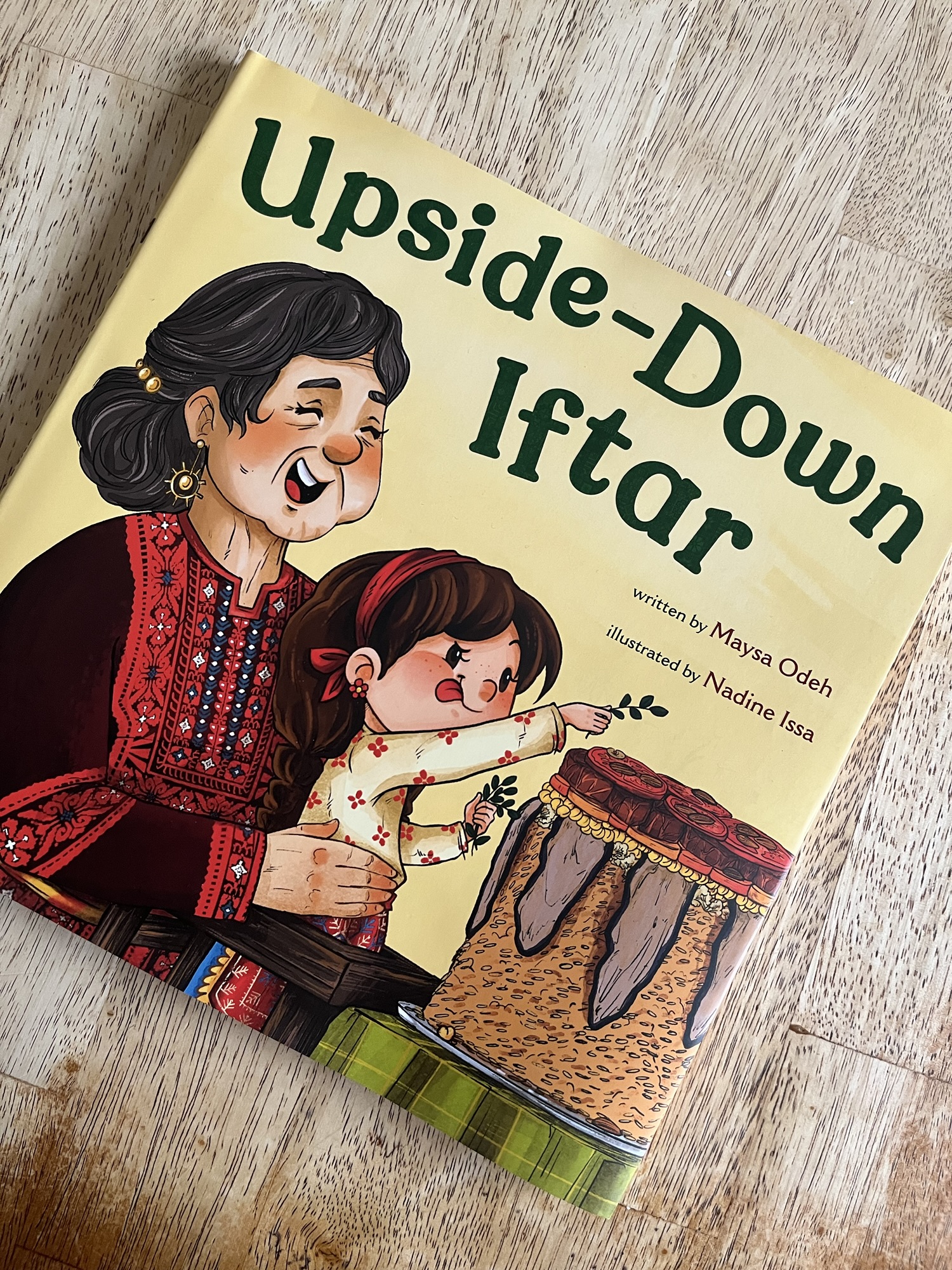
I honestly don’t know if the liberties of the djinn world and djinn themselves goes too far or if folklore, mythology, and fantasy give it fictional protection.  There are details that perhaps come from culture, or are completely made up, I don’t know.  Djinn in Islam are real, they are made of smokeless fire, some are good, some are bad, they have genders, and families, and feelings, and communities.  Outside of that, I don’t know much, and do not presume to, when I sent @bintyounus some of the pictures from the book, she remarked, “Djinn are part of the Ghayb/unseen, So it’s not like we say oh none of it is true, but we also don’t take it as 100% true.”

The magic is minor just a fixing of a flower and flower pot, so in reality the only fantasy are the details about the djinn and the journey to the djinn world.

FLAGS:

Lying, bullying, magic, sneaking out.
TOOLS FOR LEADING THE DISCUSSION:

There is not enough in the book to discuss in a book club, and because of the lacking resonance, I don’t know that most kids would read the book or be interested in it. I can see it being thumbed through, but I don’t think it would be finished by Muslim kids at the Islamic school, or by my own children.  Those that know the Islamic view of djinns won’t find that enough of a hook when the story inside is about a friendship, and not a particularly deep or fleshed out one.  They might see the bullying as relatable, but being called baba ganoush doesn’t really seem that bad compared to what many endure and pining for friends, when you have a very loyal friend, also will probably be met with some confusion.