Category Archives: ramadan

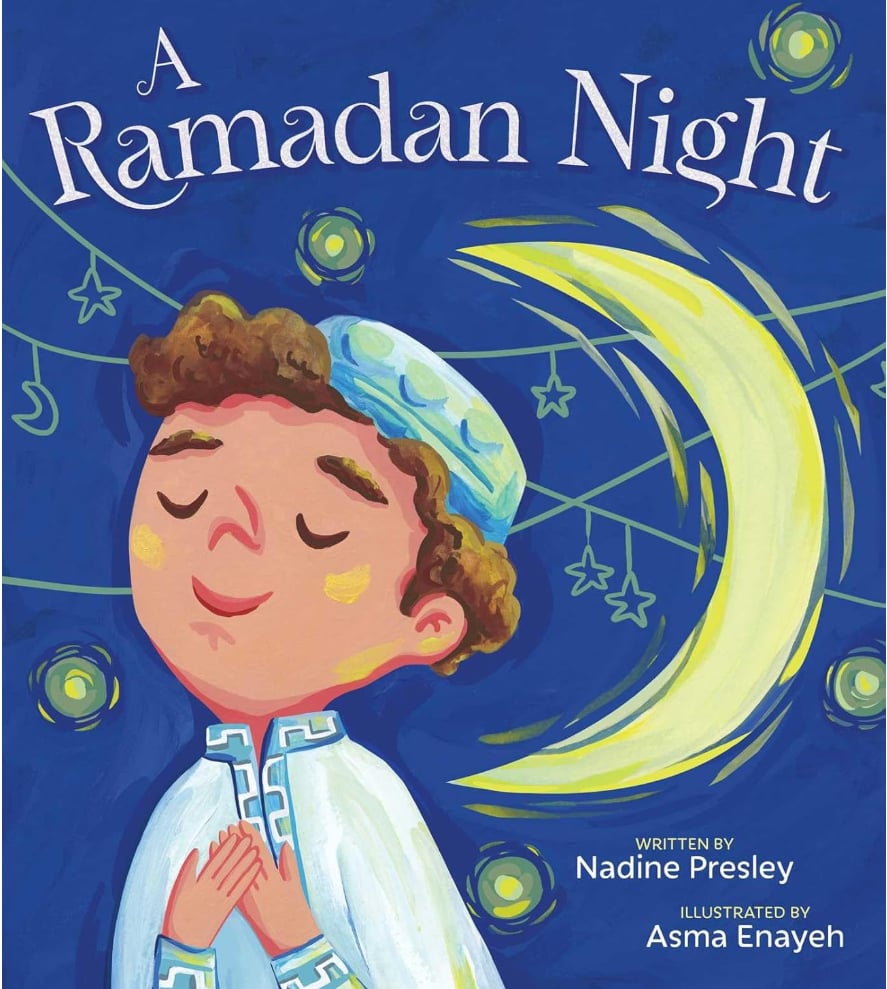
A Ramadan Night by Nadine Presley illustrated by Asma Enayeh

Standard
A Ramadan Night by Nadine Presley illustrated by Asma Enayeh


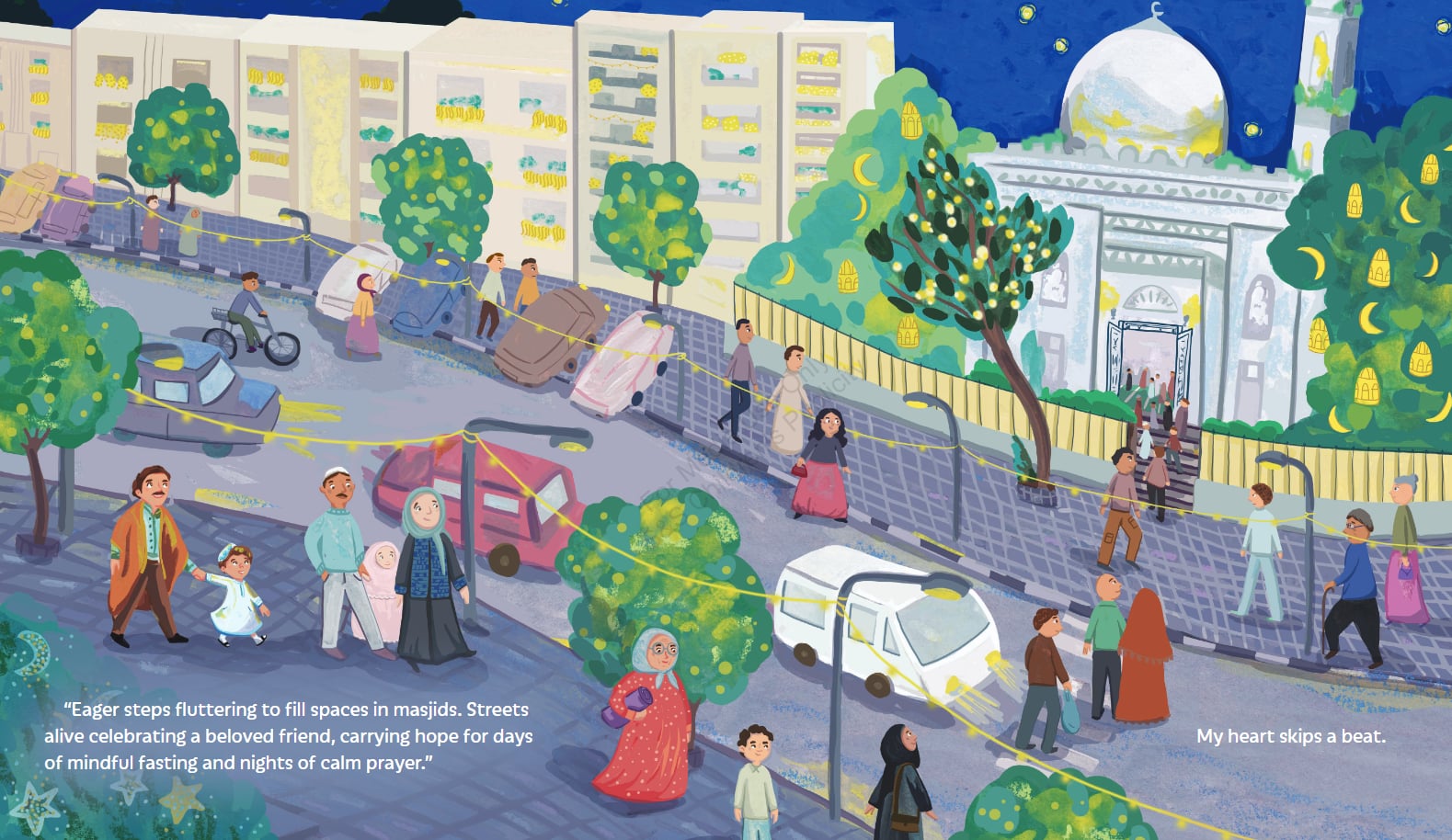
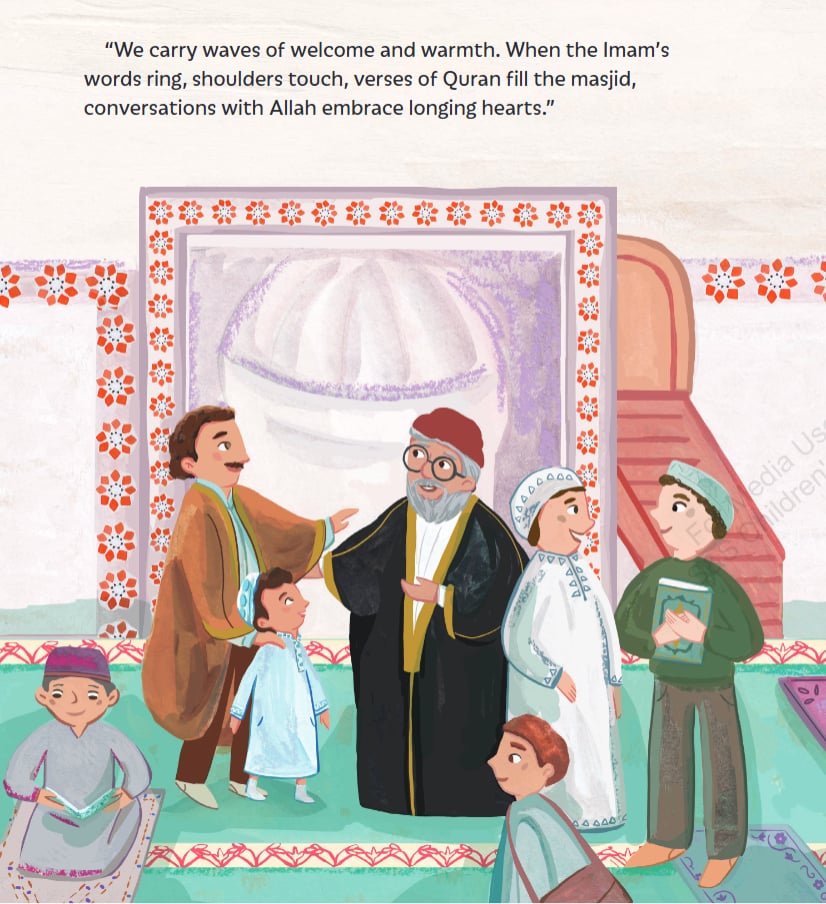
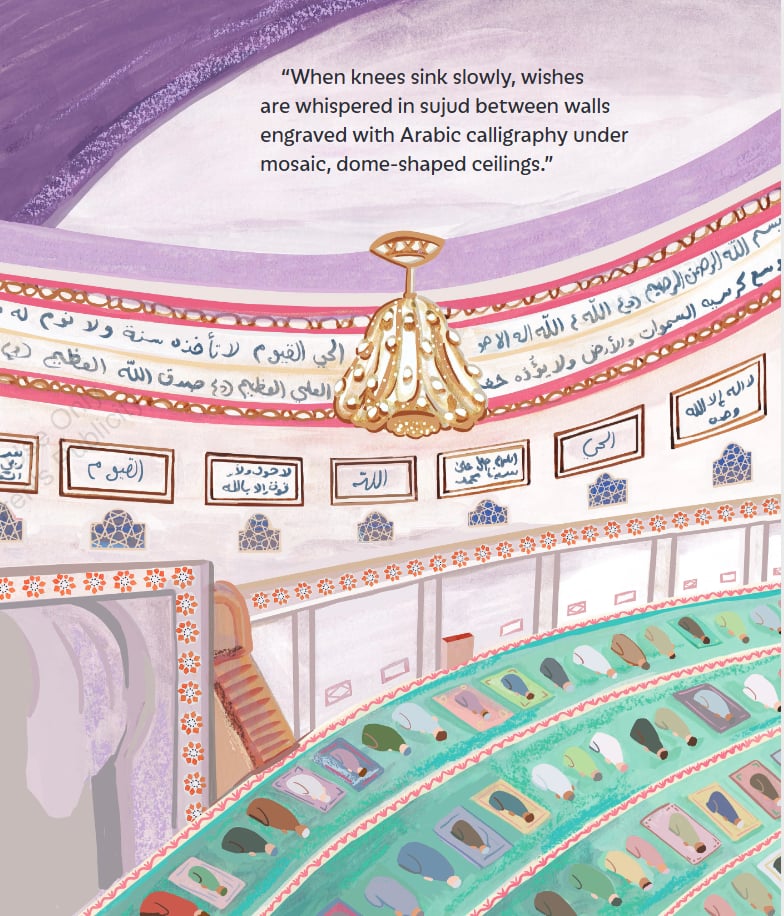
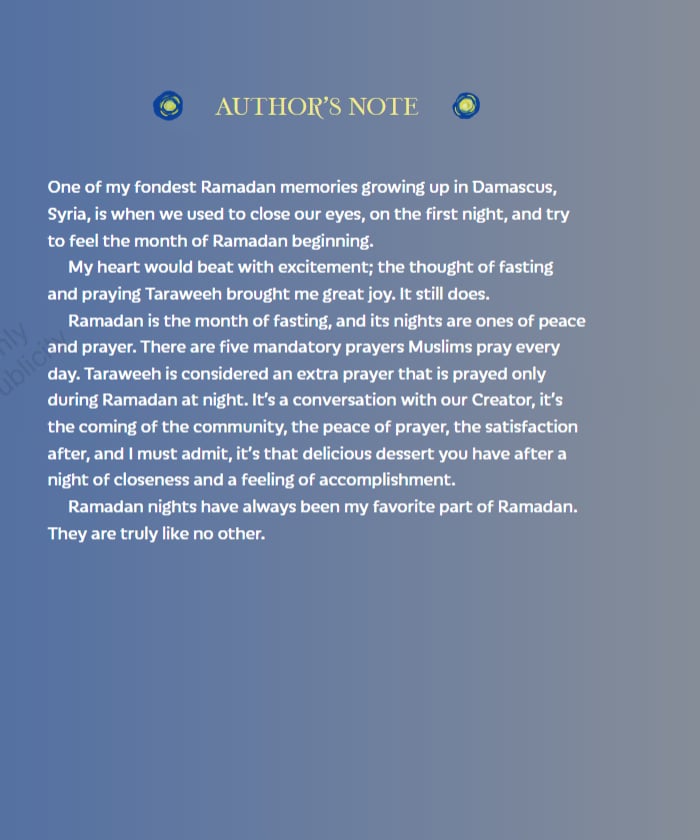
This 40 page picture book balances prose and lyrical language with touchpoints that young children will recognize and relate to.  Using the senses of sound, sight, and smell, a young boy, Sami, seeks to understand what his father means by his remark, that it “feels like a Ramadan night,” as they head off for Taraweeh at the masjid.  The silliness of the little boy asking the moon, the sidewalk, the echoes, the carpet, and more personified inanimate objects, unearths a deeper more resonate layer of faith, community, and connection. The joy felt in Ramadan through acts of fasting all day, praying all night, giving charity, and being with others, is not easy to articulate. And this book not only takes you on a journey through Sami finding his answers, but with a little prodding, will urge Muslim children, and adults, to try and describe their own emotional attachment to the blessed month, while at the same time, also being a wonderful choice to share with non Muslims who often cannot understand that even children are genuinely excited for the worship in Ramadan, that is not yet required of them.  The bright engaging illustrations and the culminating universal climax of sweets, brings the occasionally overly flowery language back to a child’s level and grounds it.  Sami finds his answer as the night unfolds moving the story along and with the unapologetic Islamic centering of the religious month, I can’t wait for my physical preorder to arrive, so that I can share it with my community this Ramadan.  The book releases in a few days and I hope you too will preorder, or request from your library, to signal to the publisher that we want unapologetic Islamic representation, and will support the books that are well crafted, appealing, and Islam centered. 

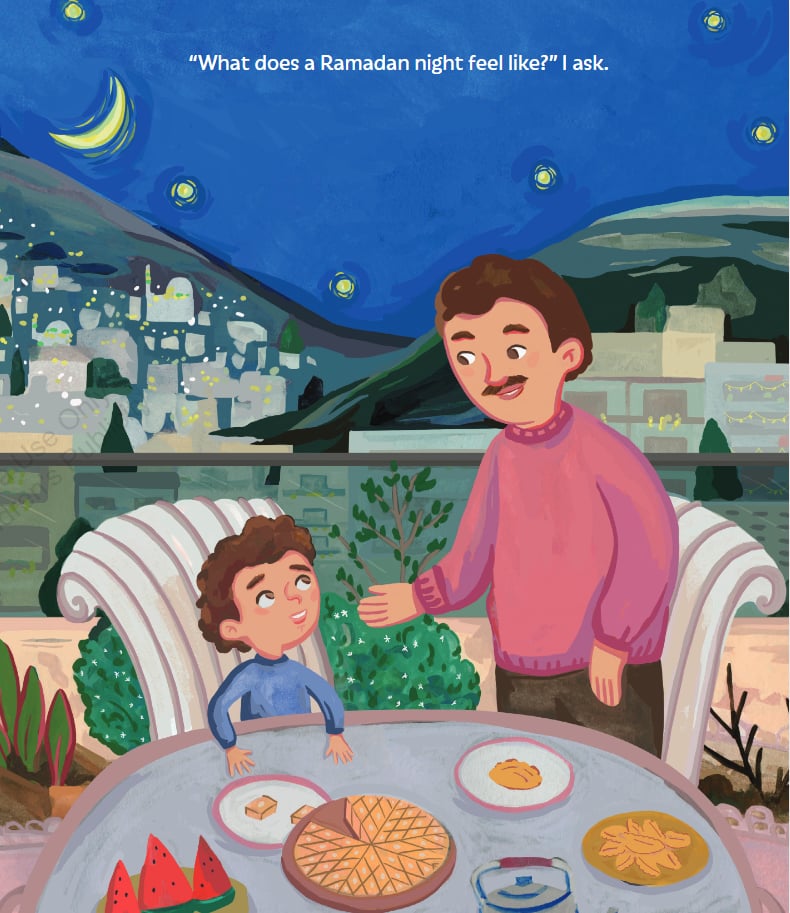
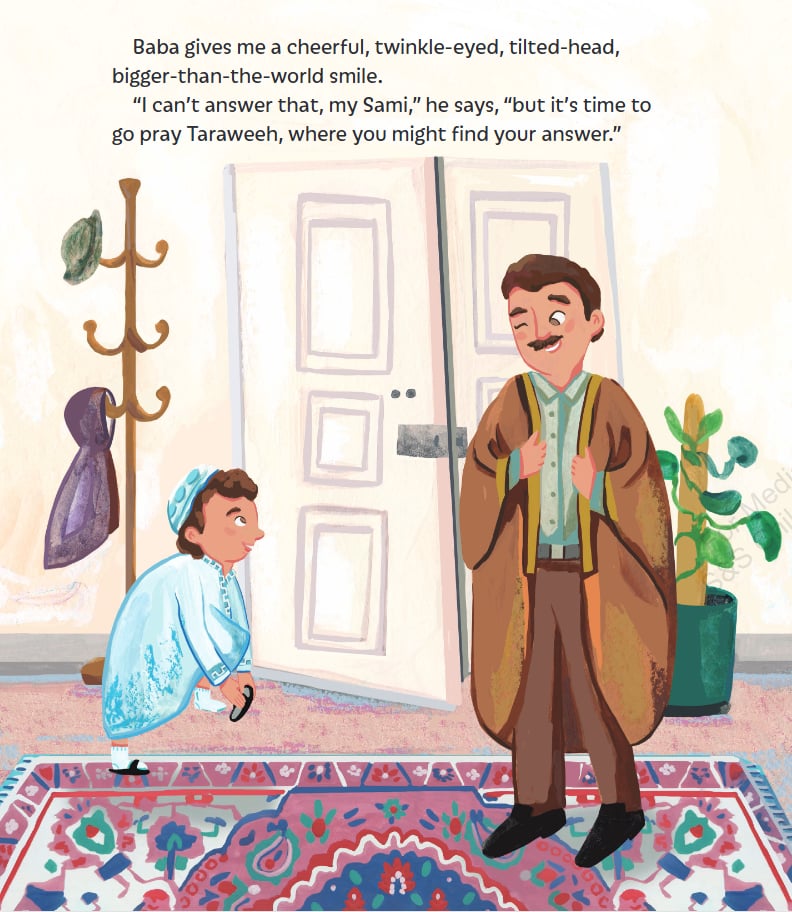
Set in Syria, the book starts with Sami and his father sitting outside eating together, when Sami’s father says that it “feels like a Ramadan night.” Sami isn’t so sure, but his father isn’t about to offer a simple reply, and instead urges him as they head out the door to Taraweeh, to find his own answer.  So Sami asks the crescent moon, who tells him that, “Ramadan nights are lights.” Sami isn’t so sure, but but he sees the golden lanterns glittering, and faithful hearts shining and eyes twinkling as his foot steps make noise on the sidewalk. This has him ask the sidewalk next.  Where he is made aware of the eager steps, and celebrating streets full of hope. His own feet bring him closer to the masjid where echoes of laughter are heard.  The echoes, when asked, speak of peace, and so Sami’s journey continues through salat, playing outside, and delighting in sweets, before returning to his “hug of a home” and knowing in his heart what a Ramadan night feels like to him.


The heartfelt warmth, contentment, and love of Ramadan radiates through the book’s language and illustrations. The melding of story, with Islamic centering, and a little boys journey makes the book authentic and delightful, alhumdulillah. 

A Golden Eid by Hiba Noor Khan illustrated by Singgih Jadmiko

Standard
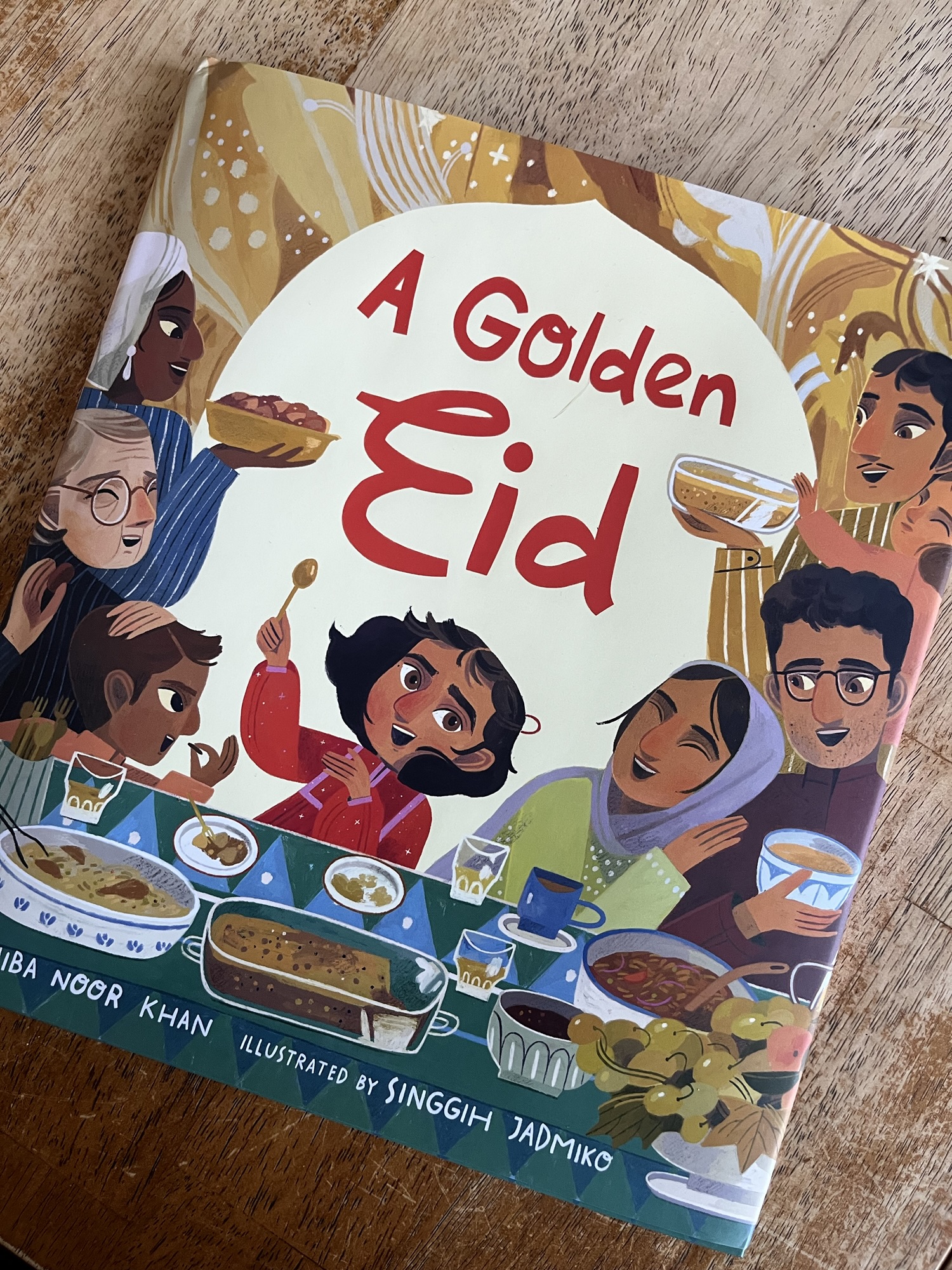
A Golden Eid by Hiba Noor Khan illustrated by Singgih Jadmiko

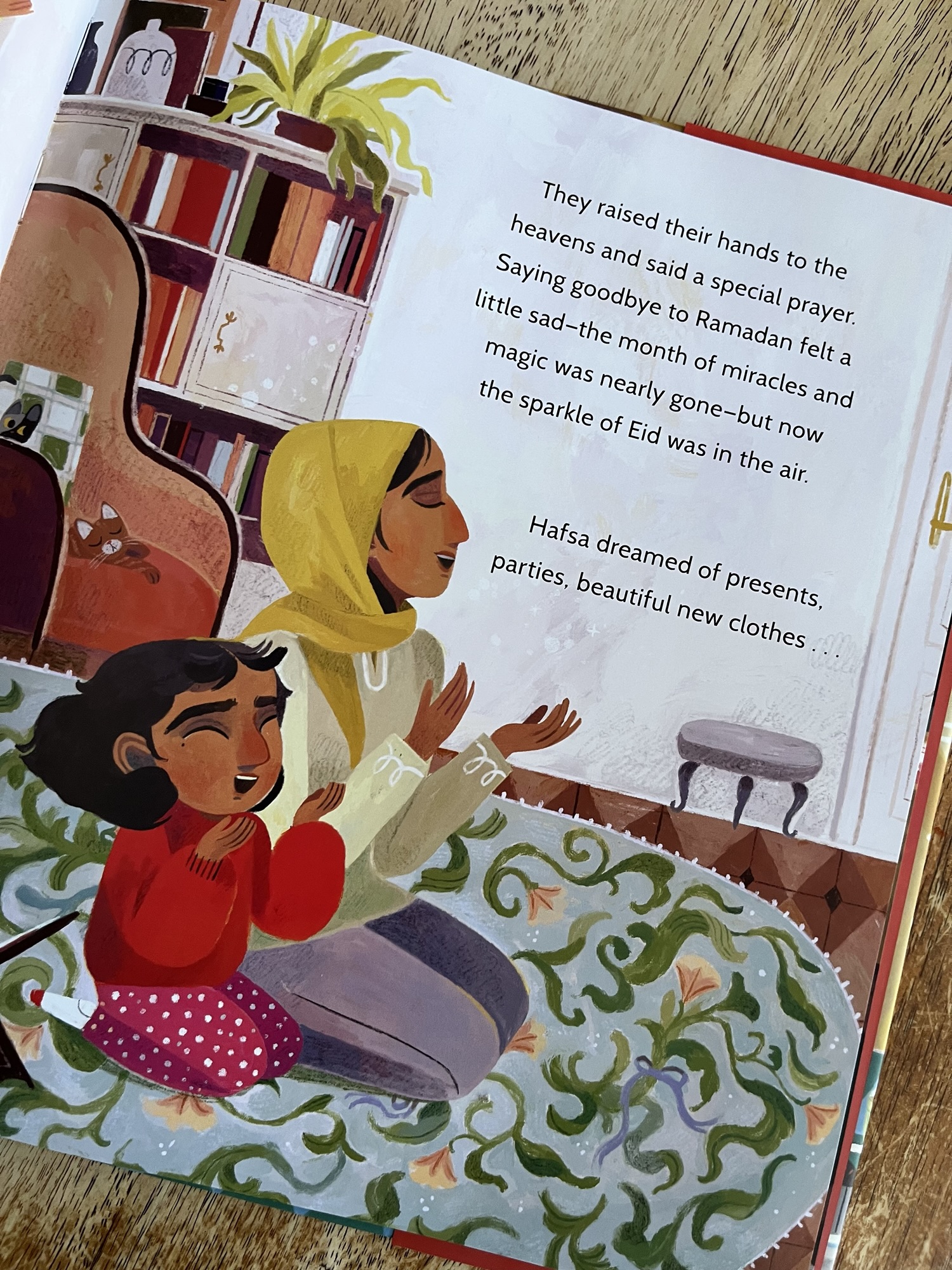
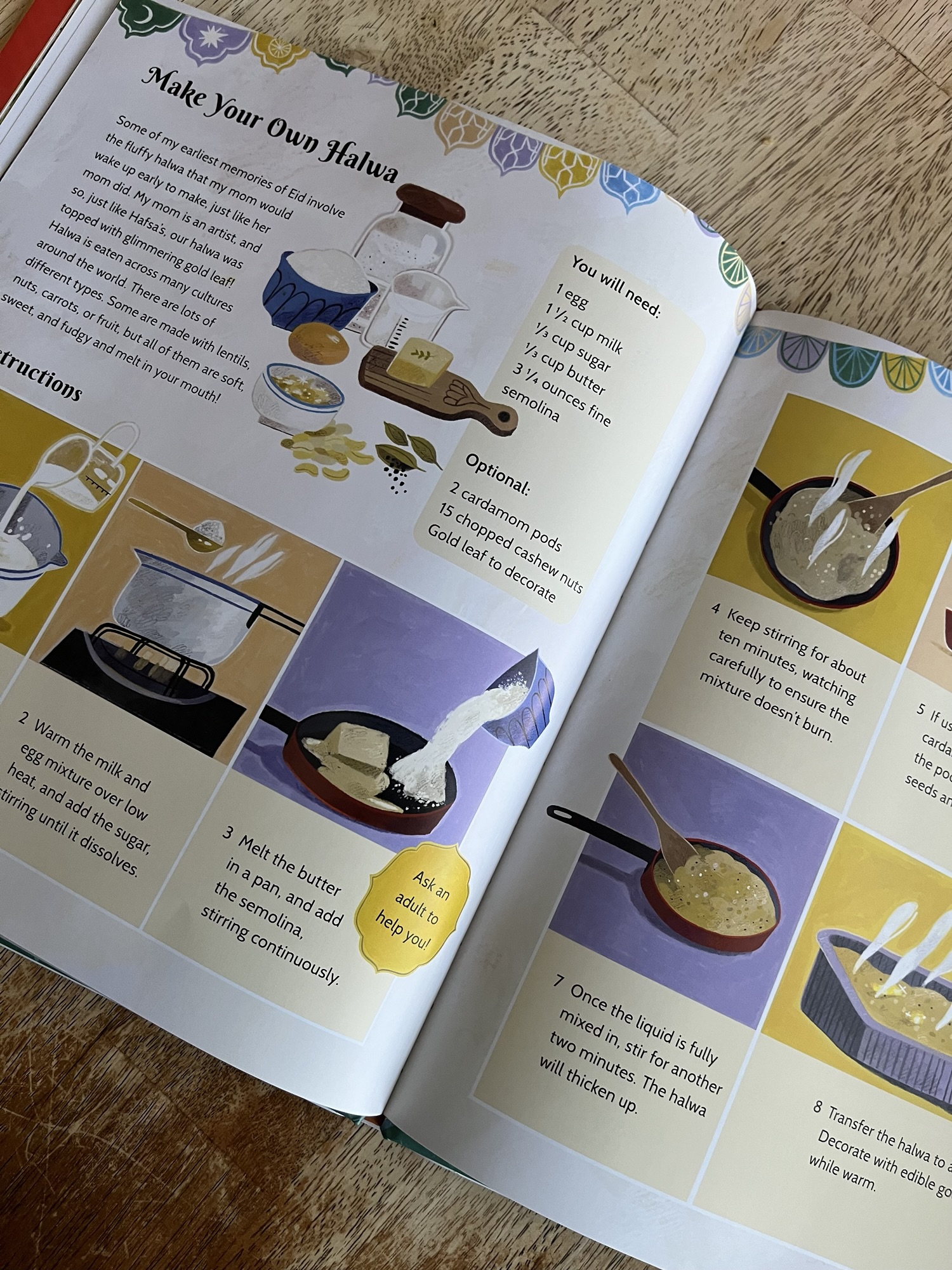
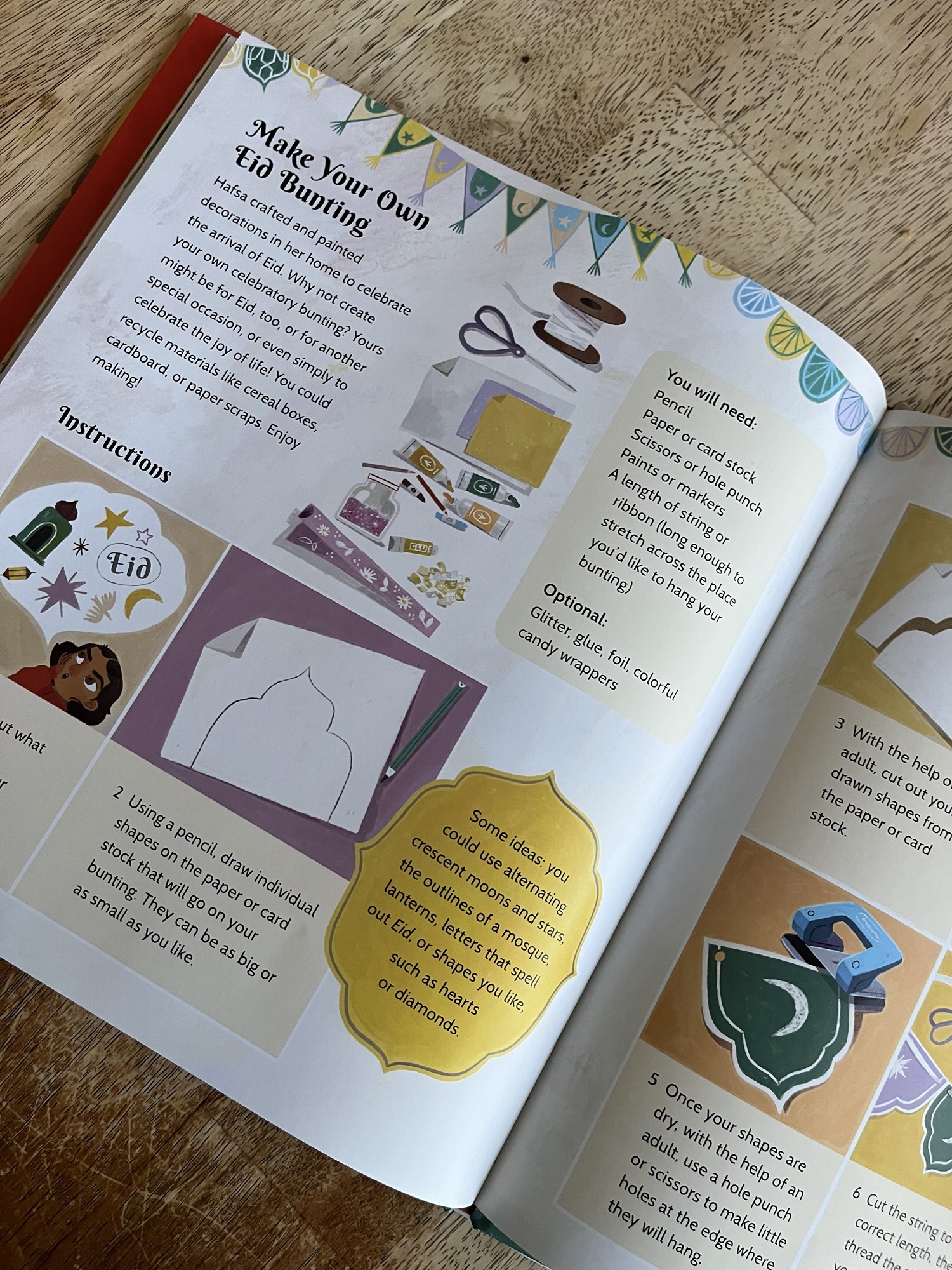
This 32 page picture book about Eid al Fitr, starts as many do with the last night of Ramadan carrying into the day of celebration itself.  The book is plot based with a soft moral message to be generous with others. It refrains from info dumping, but does show reading Quran, making duas, and going to the mosque.  I think if you are looking for a new book to read to a non Muslim class or group, the book is sufficient in opening a window and showing a relatable family celebrating Eid with hints of culture, religion, and community, but unfortunately there are predictable tropes and since I read a lot of Eid books, it ultimately doesn’t make the book stand out for me.  The focus is on food, and how the family comes together to make the beloved halwa, and then when food is taken to the neighbors, the protagonist, Hafsa, shares her beloved treat by choice, yet is sad none-the-less that there in no longer any for her.  That is until everyone shows up to return the favor and make Eid better than she could have imagined. The book features a two page spread of a recipe for halwa at the end, as well as directions to make your own Eid bunting. The illustrations are sweet and will engage readers with the book’s 11 x 10 inch size in read alouds or at bedtime.

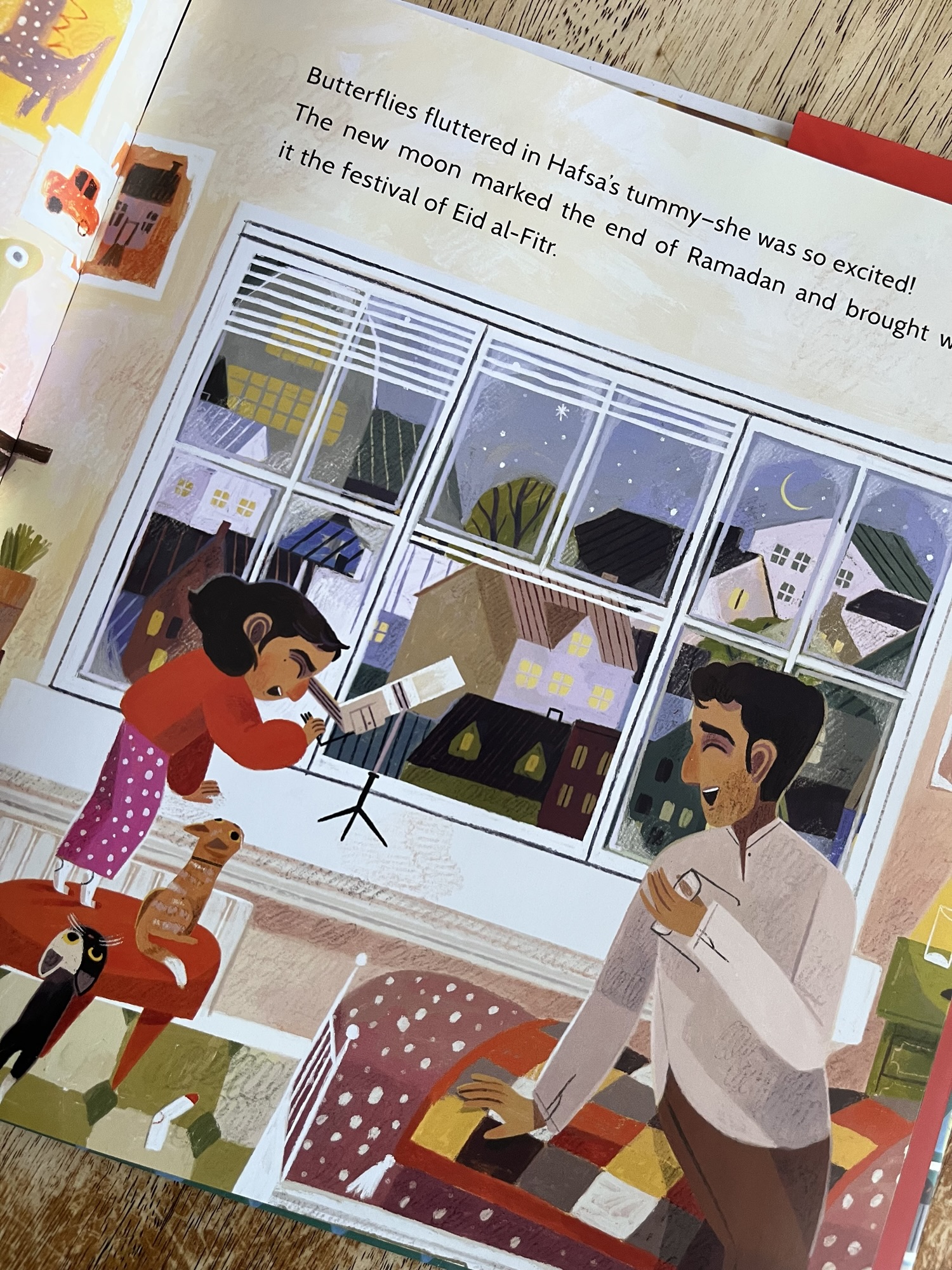
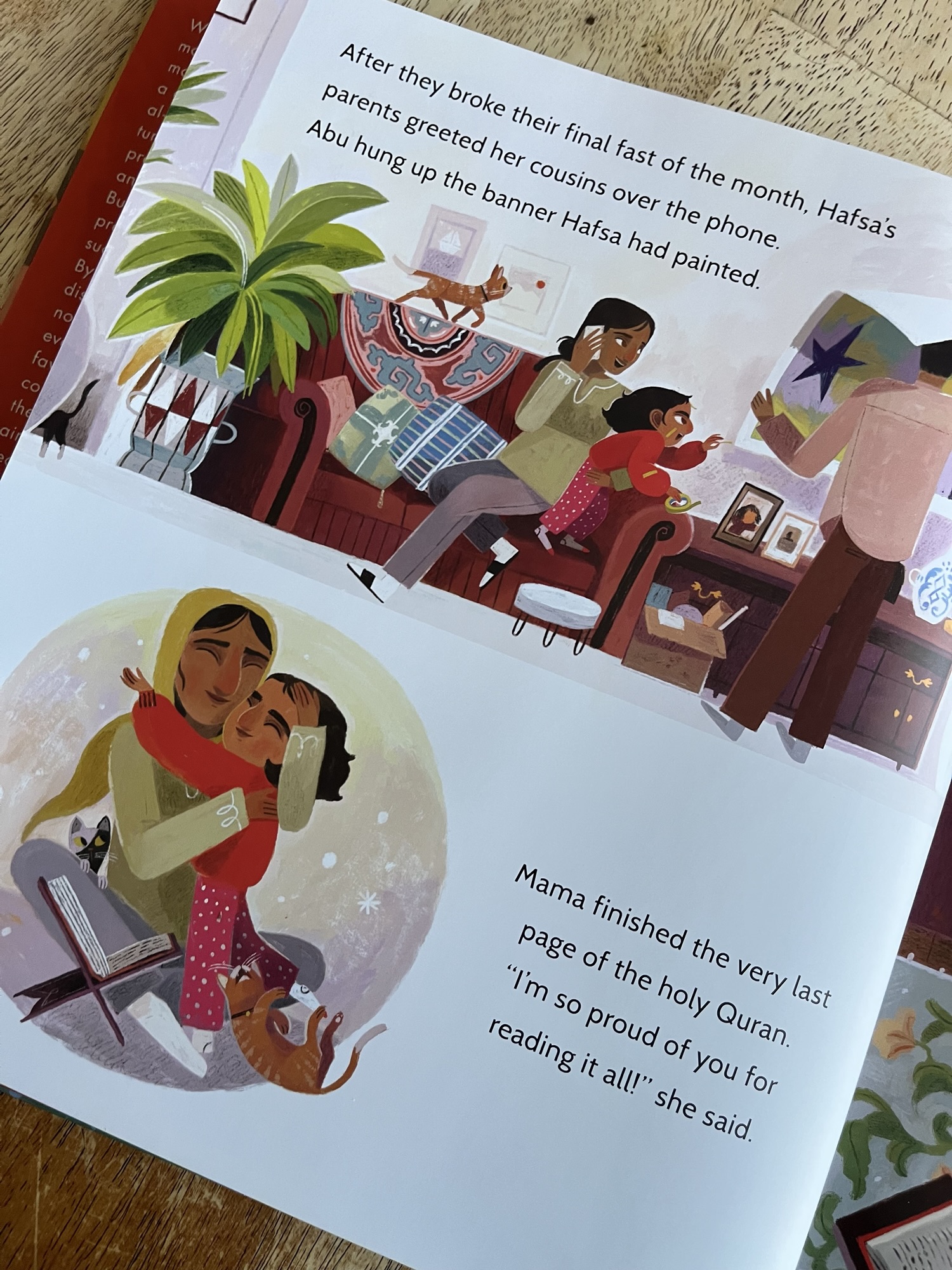
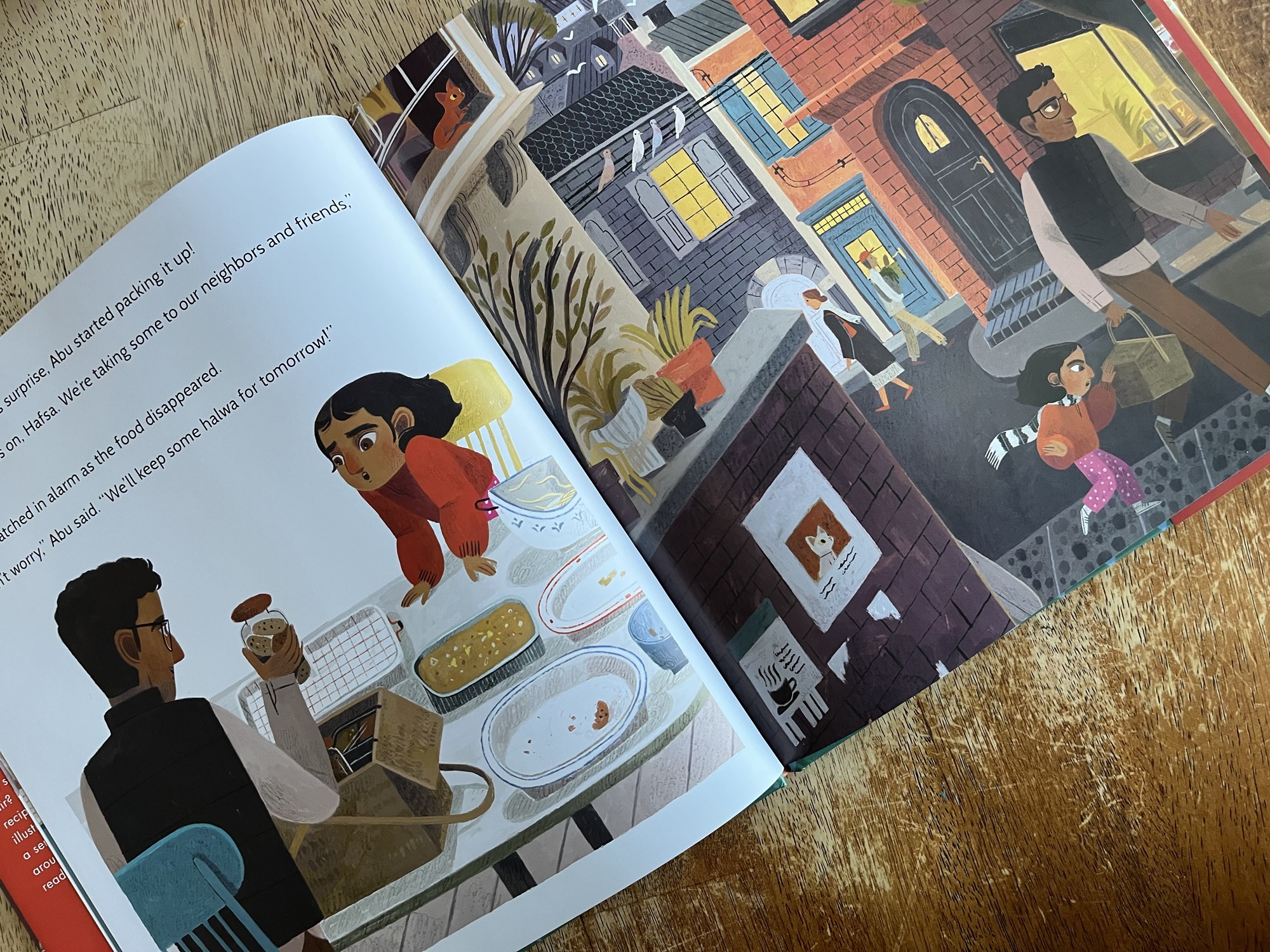
The book starts with Hafsa peering through her telescope looking for the Eid moon.  Once spotted, cousins are called, Quran is finished, duas are made, and the feast preparations begin.  It is a lot of work,  and when they are done, Abu starts packing everything up.

Shocked, Hafsa is reassured that some halwa will be kept to be enjoyed on Eid, and then Abu and her are off to share with friends and neighbors. When they get to Mrs. Adams’ house, Hafsa notices the cupcakes have run out, and runs home to get the halwa to give to their neighbor.

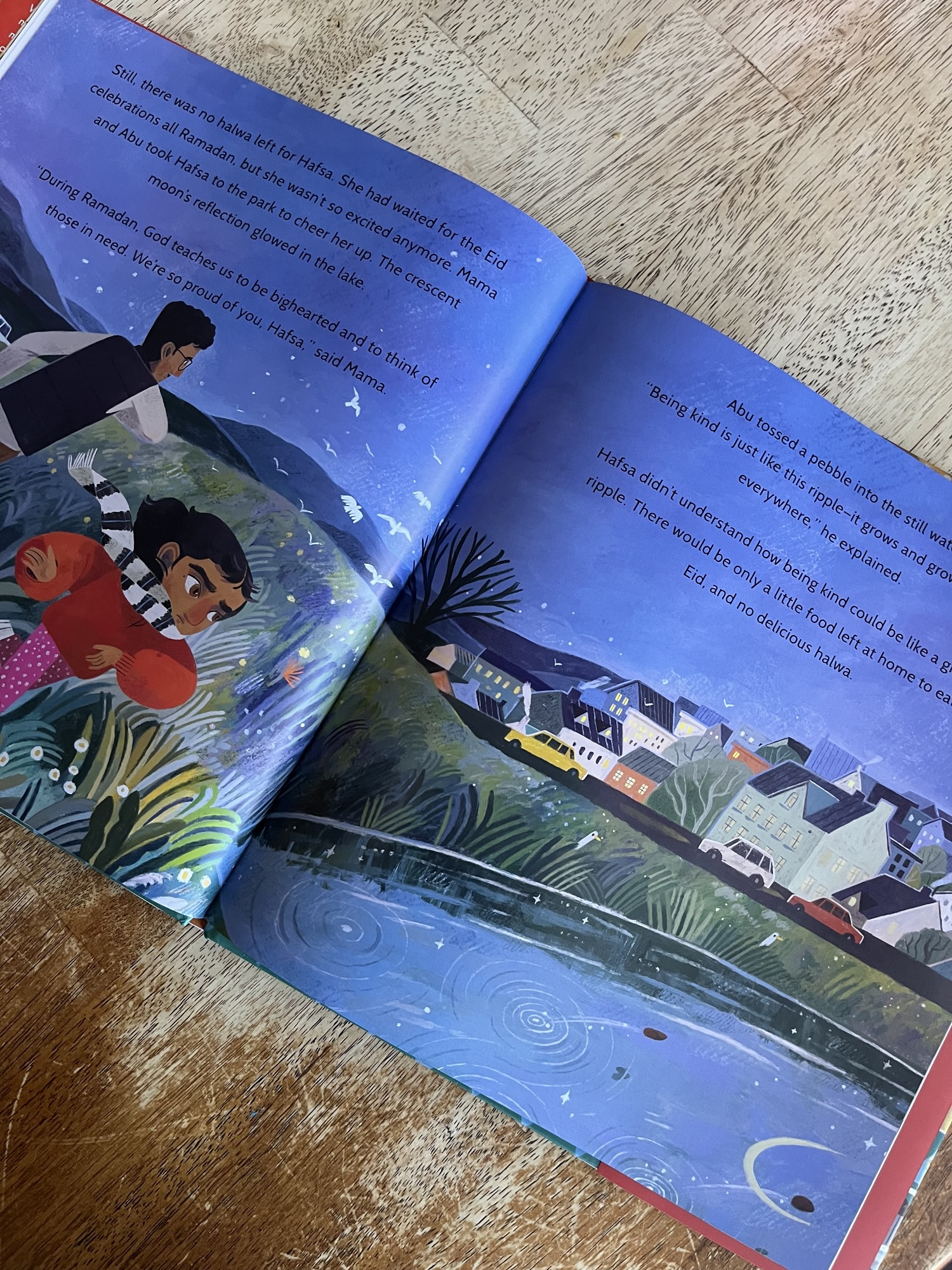
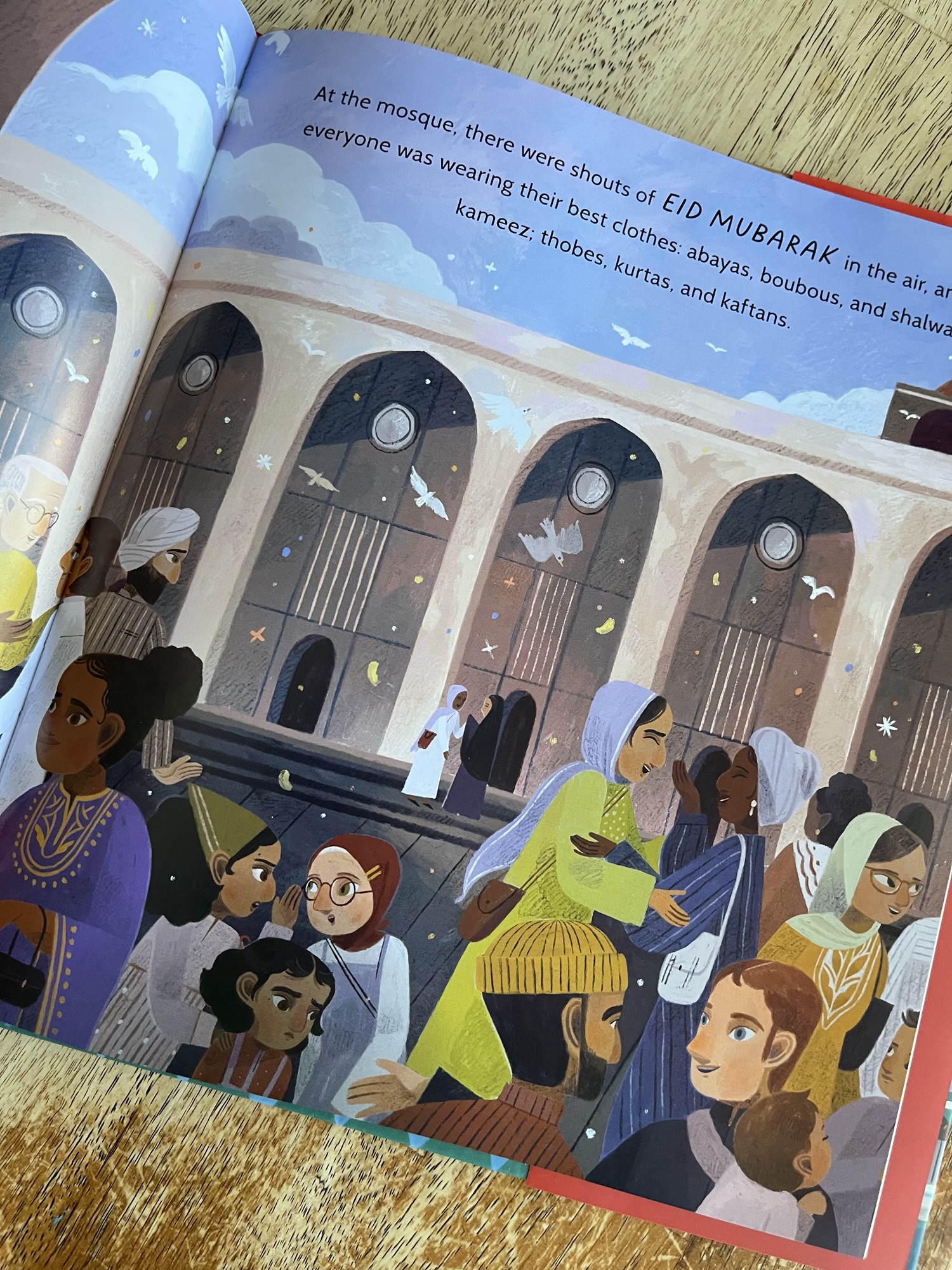
Later the family heads to the park, and a sad Hafsa is reminded that, “During Ramadan, God teaches us to be bighearted and to think of those in need.” Even the next morning though, as se puts on her fancy clothes and heads to the mosque she is feeling sad about her dessert.

Back at home as friends and family start pouring in, they come with full arms and big hearts, and Hafsa ends up with six different types of halwa to delight in.

I like that mom and dad are both involved in the food preparation and that religion is not completely sidelined.  I feel like their is a bit of a disconnect with what Mrs. Adams’ need is and was surprised little Hafsa could run back home and then come again independently.  I did appreciate that at the start when looking through the telescope the sky was not dark as the Eid moon shows for a short time, but was surprised later when hours after dark they are playing in the park under the crescent moon. That spread at the park, to me honestly didn’t seem needed, I know it was to share the moral messaging, but I felt it just indulged the food aspect of a very religious and sacred holiday, and made Hafsa seem uncharacteristically whiney about not getting a dessert, when up until that point she had shown some independence and maturity. It is one thing to be sad, but belaboring it, shifted the focus of what could have been a standout book.

Upside-Down Iftar by Maysa Odeh illustated by Nadina Issa

Standard
Upside-Down Iftar by Maysa Odeh illustated by Nadina Issa

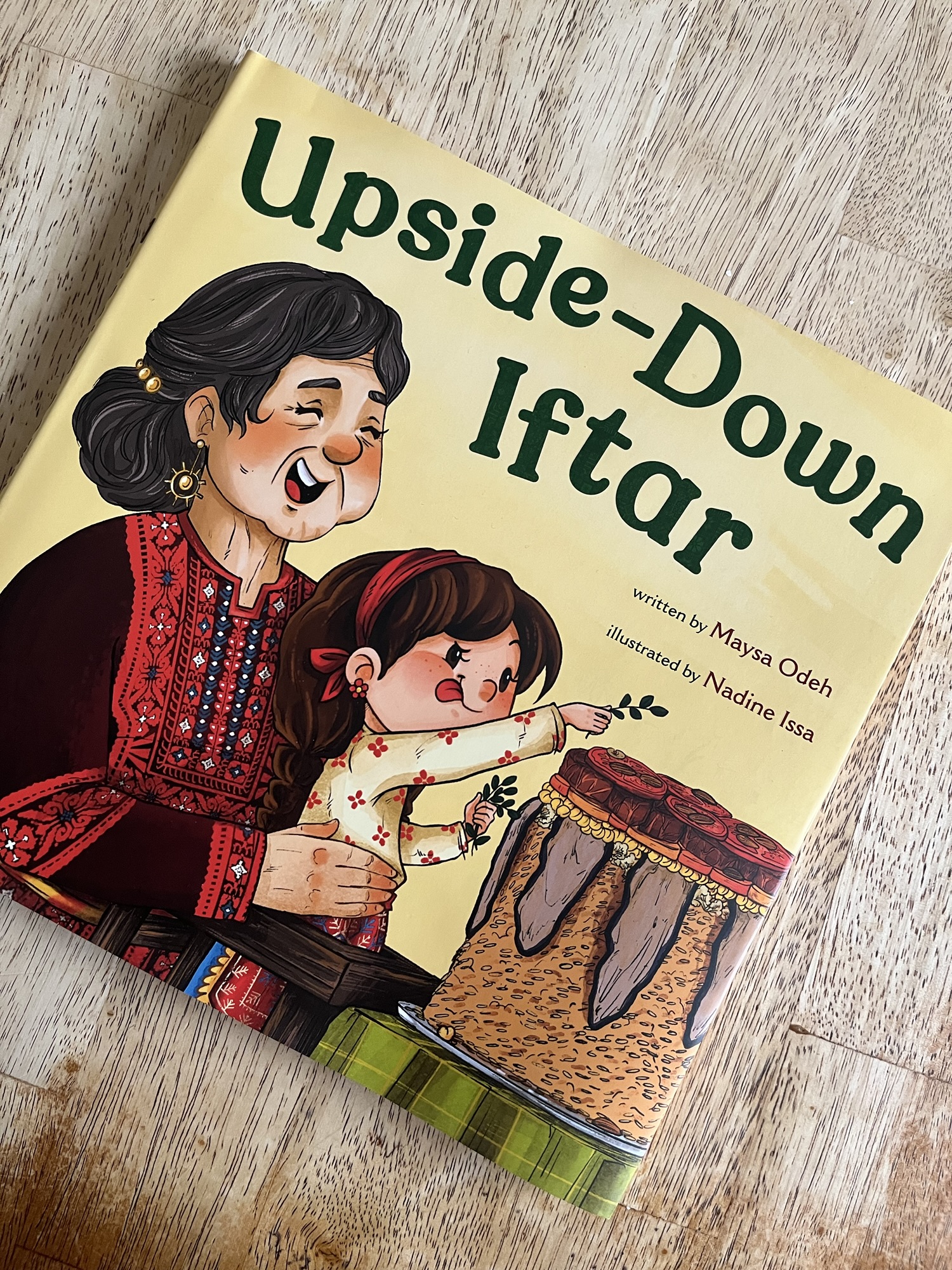
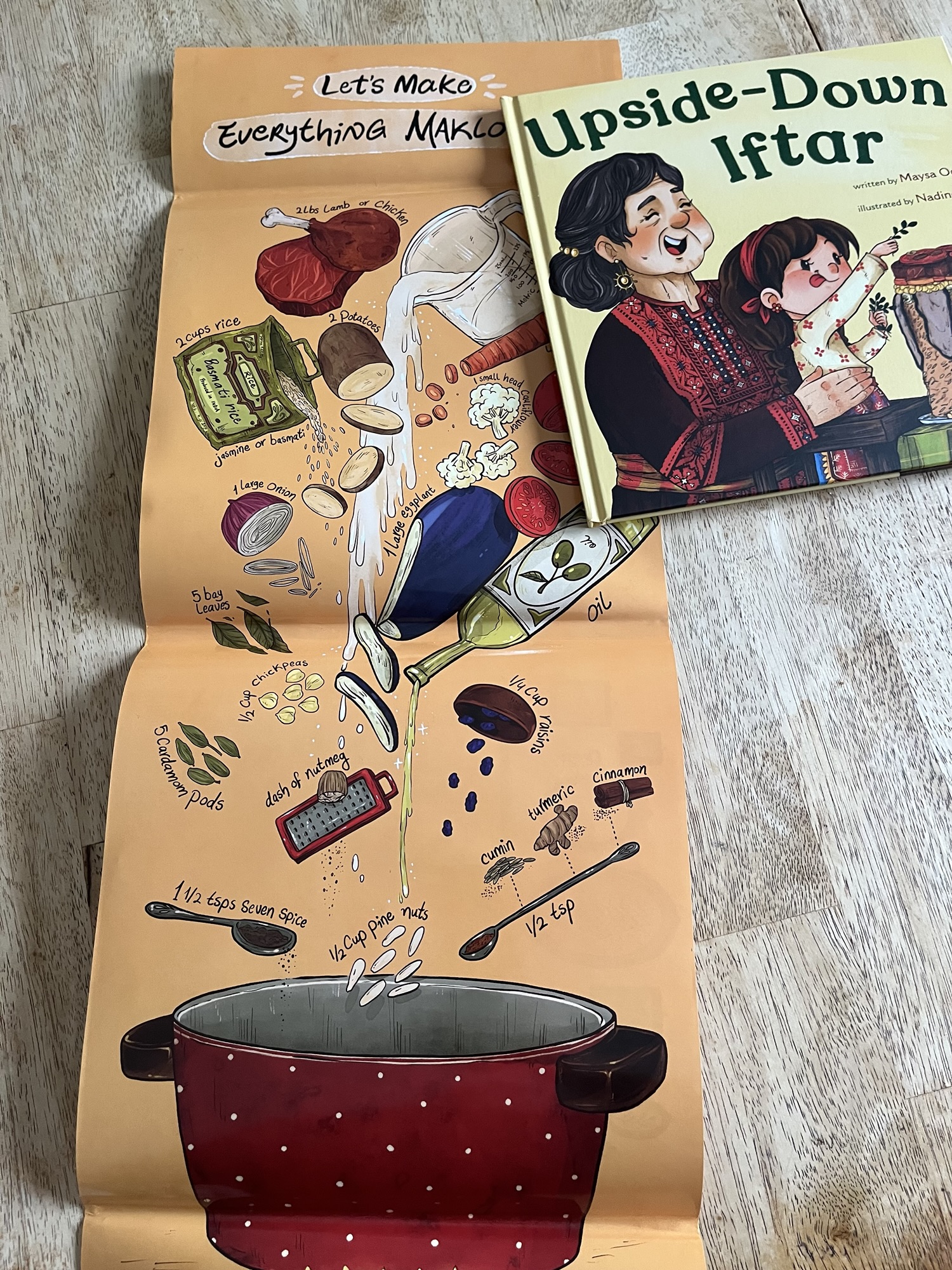
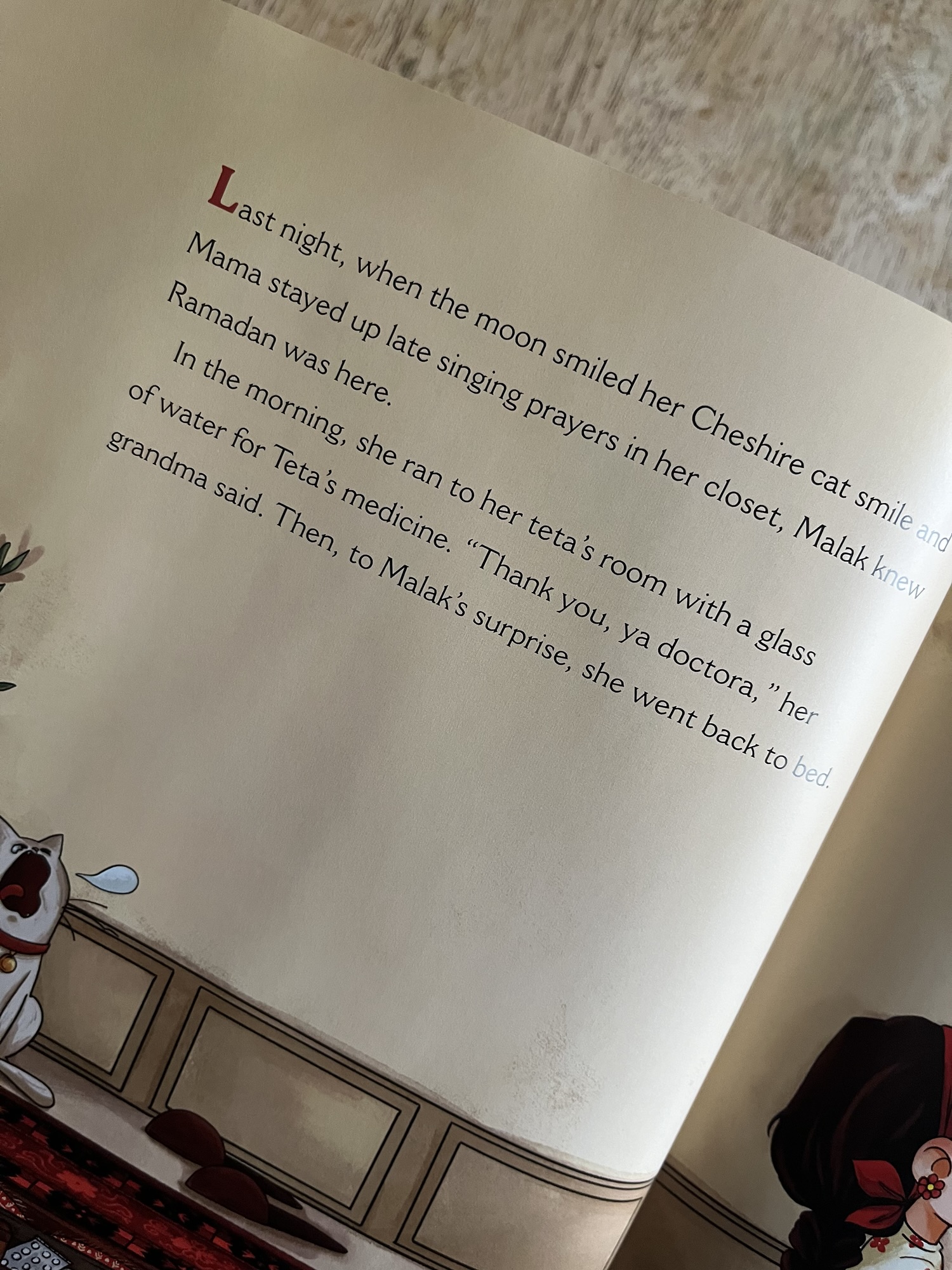
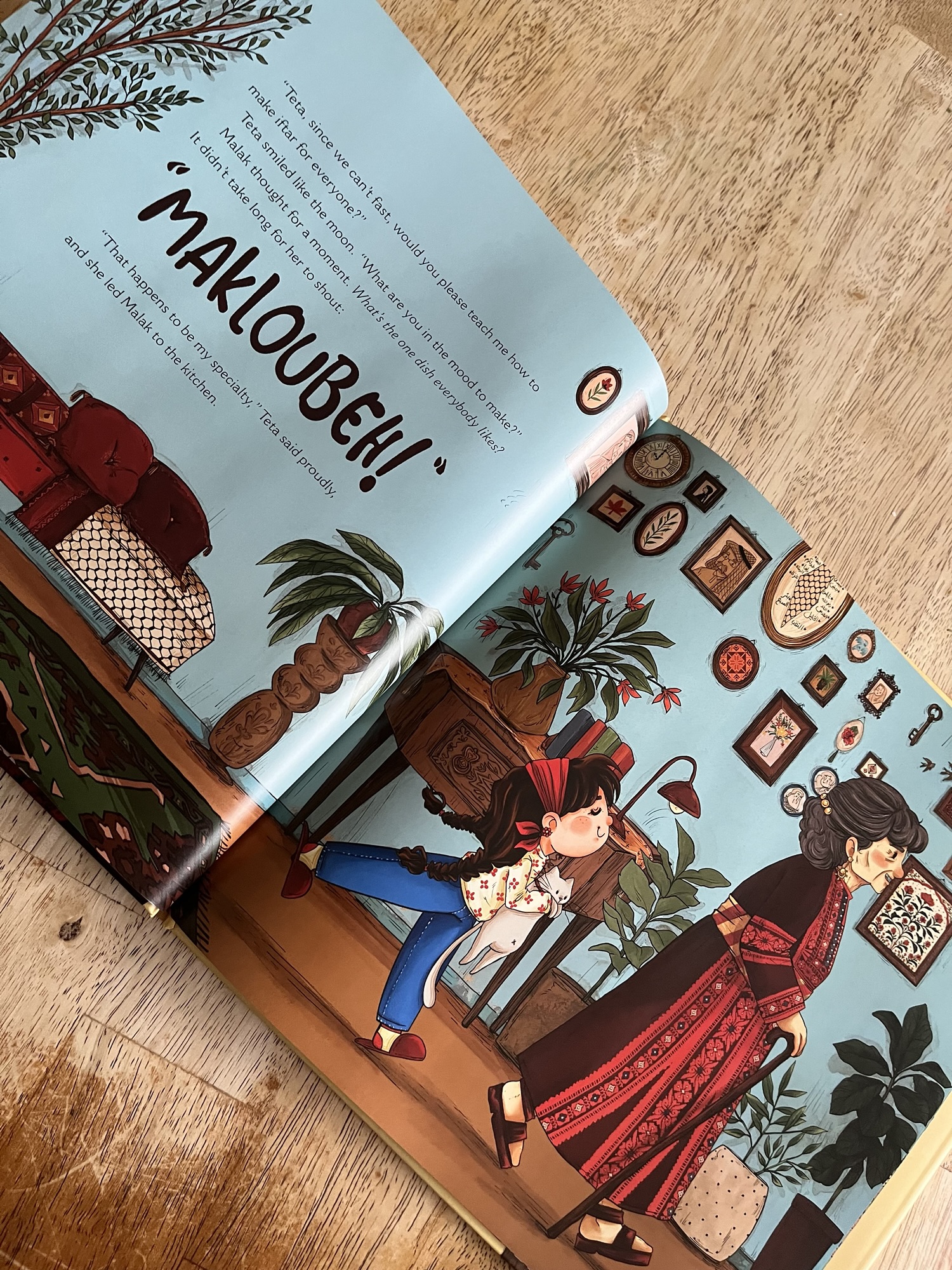
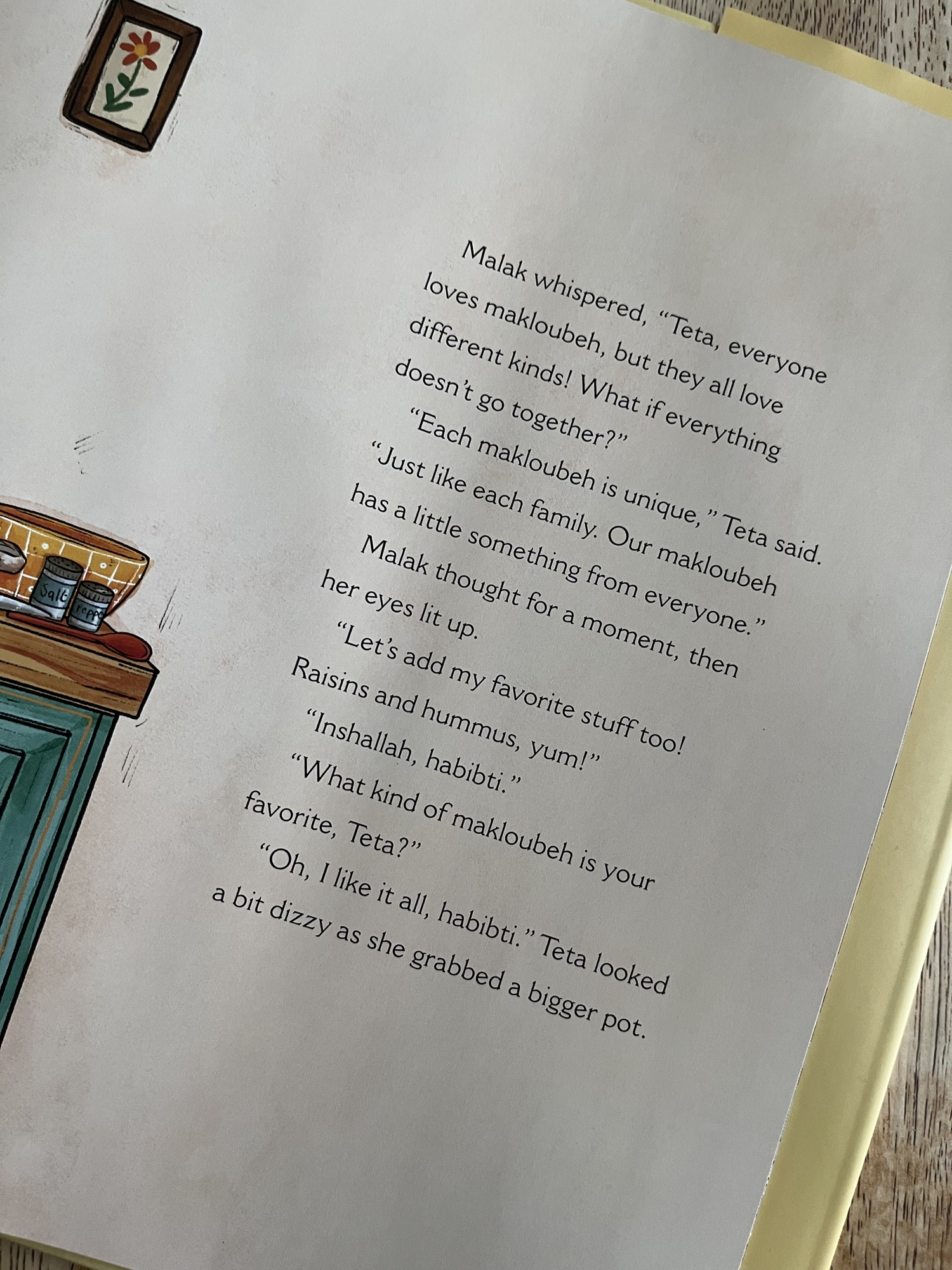
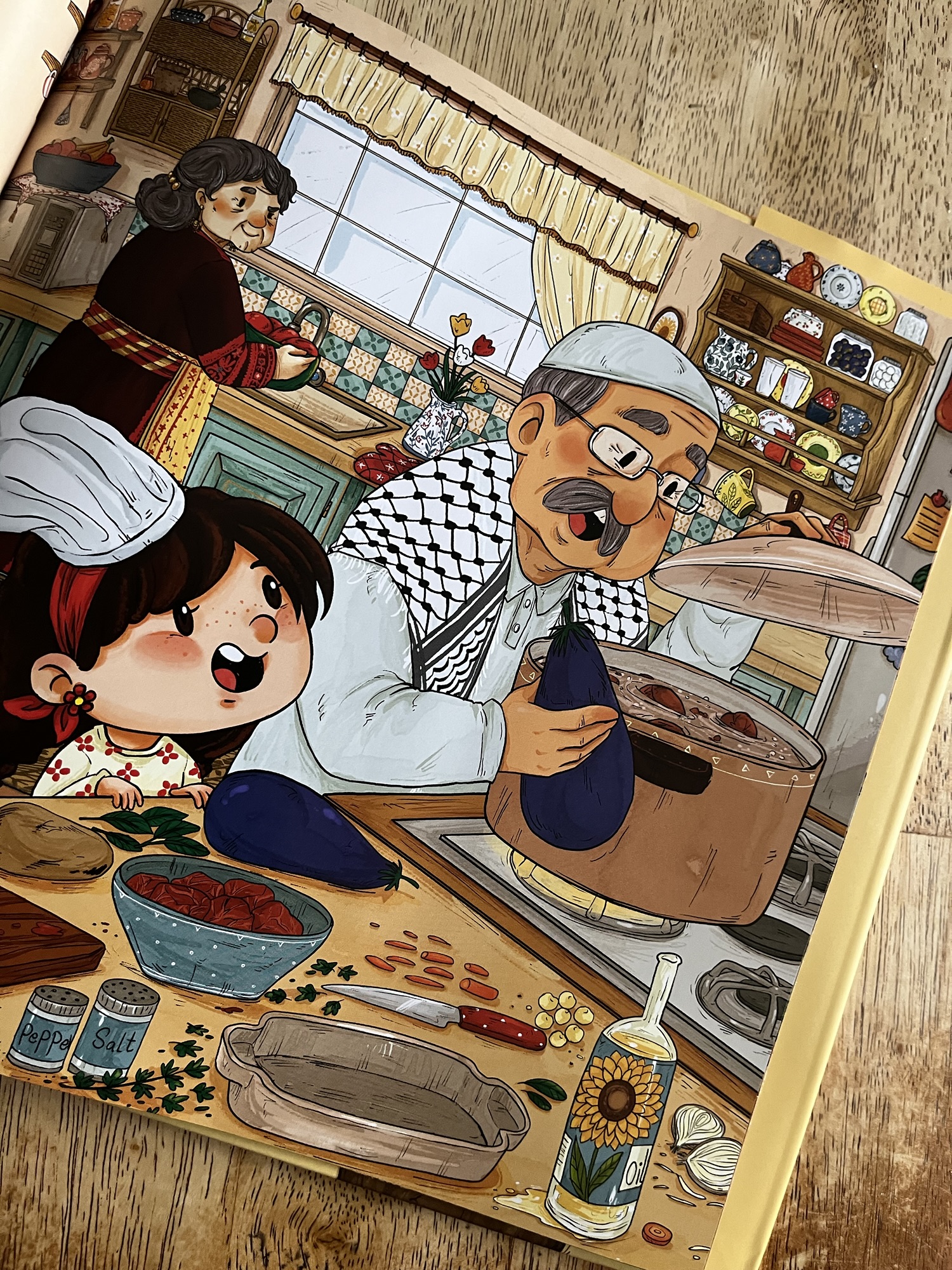
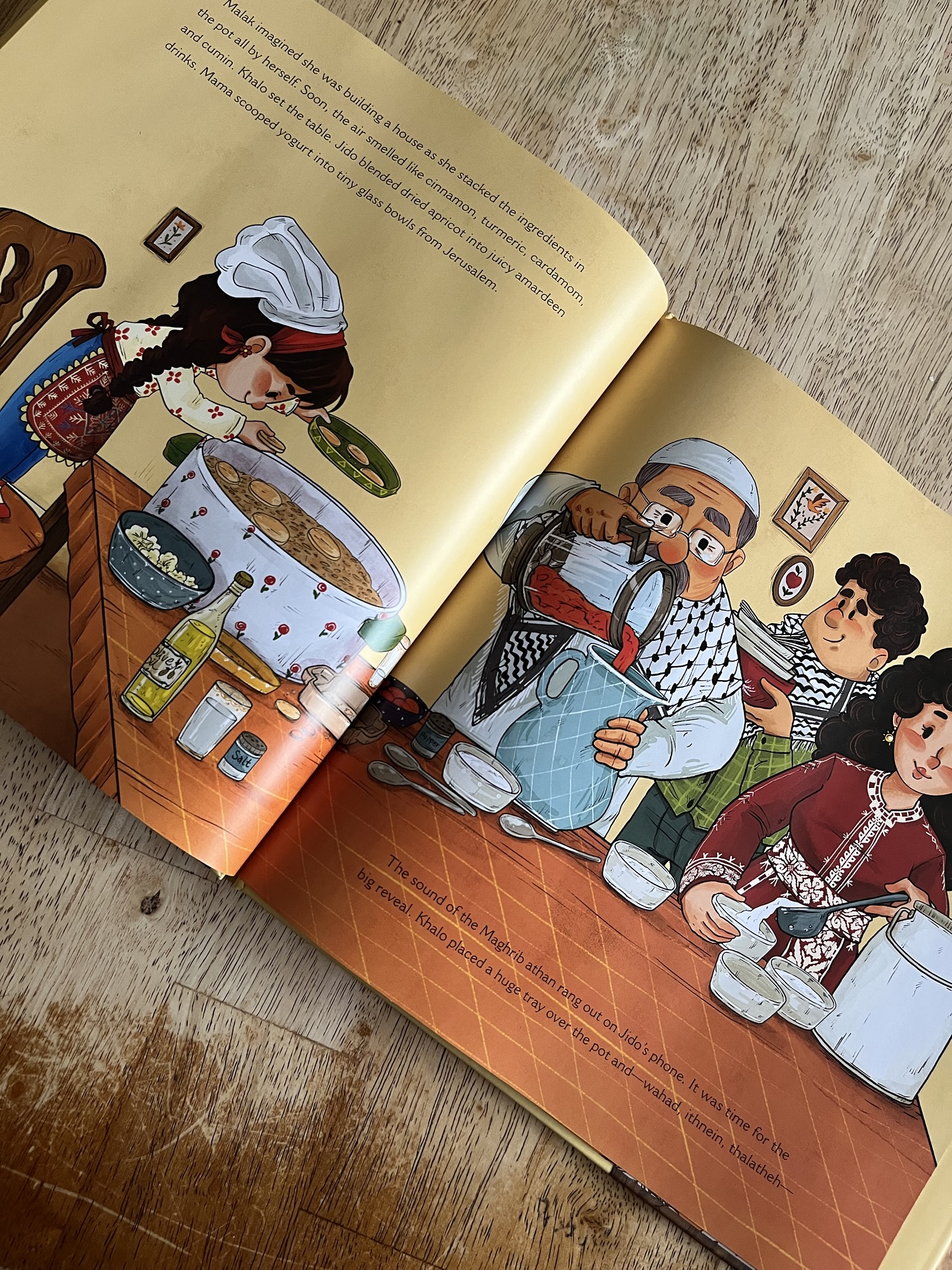
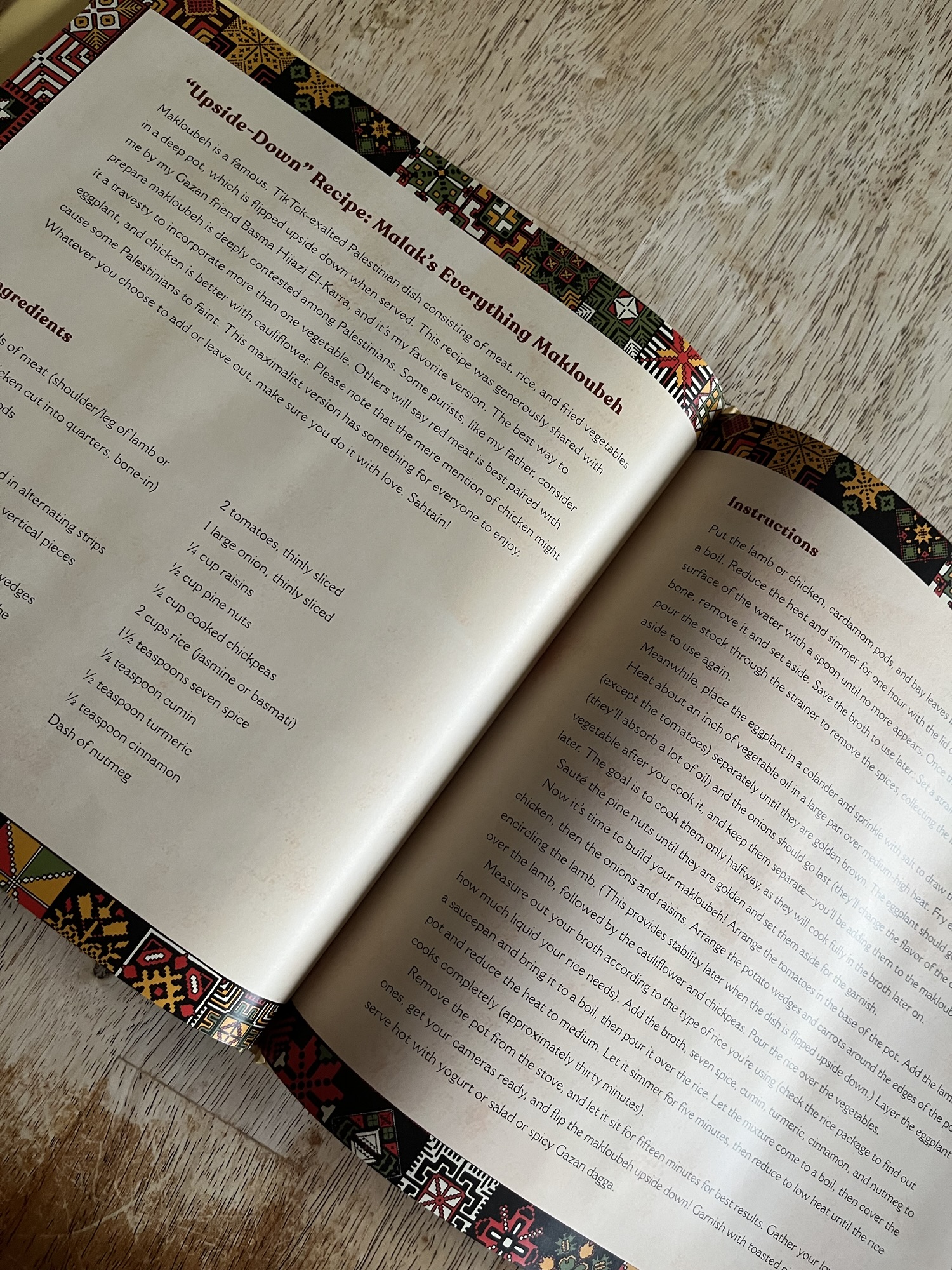
This 32 page picture book is beautifully illustrated and set in Ramadan with the premise being Teta can’t fast because of a new medication she is on, so Malak, who is also not fasting, and her are going to make makloubeh for iftar.  From there the story follows most food centered books with everyone adding their favorites until the iftar meal is one of a kind and brings the family together.  The Palestinian rep in the illustrations, and the mention of asr and maghrib salat, along with the refrain of “inshallah” and Arabic phrases threaded throughout make for a joyful read any time of the year. Unfortunately the first page was hard for me to get past.  Why is Mama staying “up late singing prayers in her closet” a sign for the little girl that it is Ramadan? Why is she singing prayers? Why is she in a closet? Alhumdulillah, the rest of the story was less awkward and I love that it highlights that sometimes ailments and medications make fasting not possible.  The messaging that every family is unique, just like makloubeh is relatable and easy for kids to grasp as well.  The backmatter contains a recipe, the dust jacket slips off to show a vertical filling of the pot with “everything Makloubeh” and the detailed illustrations will both introduce some kids to the popular dish, and celebrate a favorite familiar meal for others.

The book starts with the moon smiling her Cheshire cat smile and Ramadan beginning.  This is the first year that Teta is not fasting, and Malak decides she will have Teta teach her how to make iftar, but not just any iftar, upside down Makloubeh!

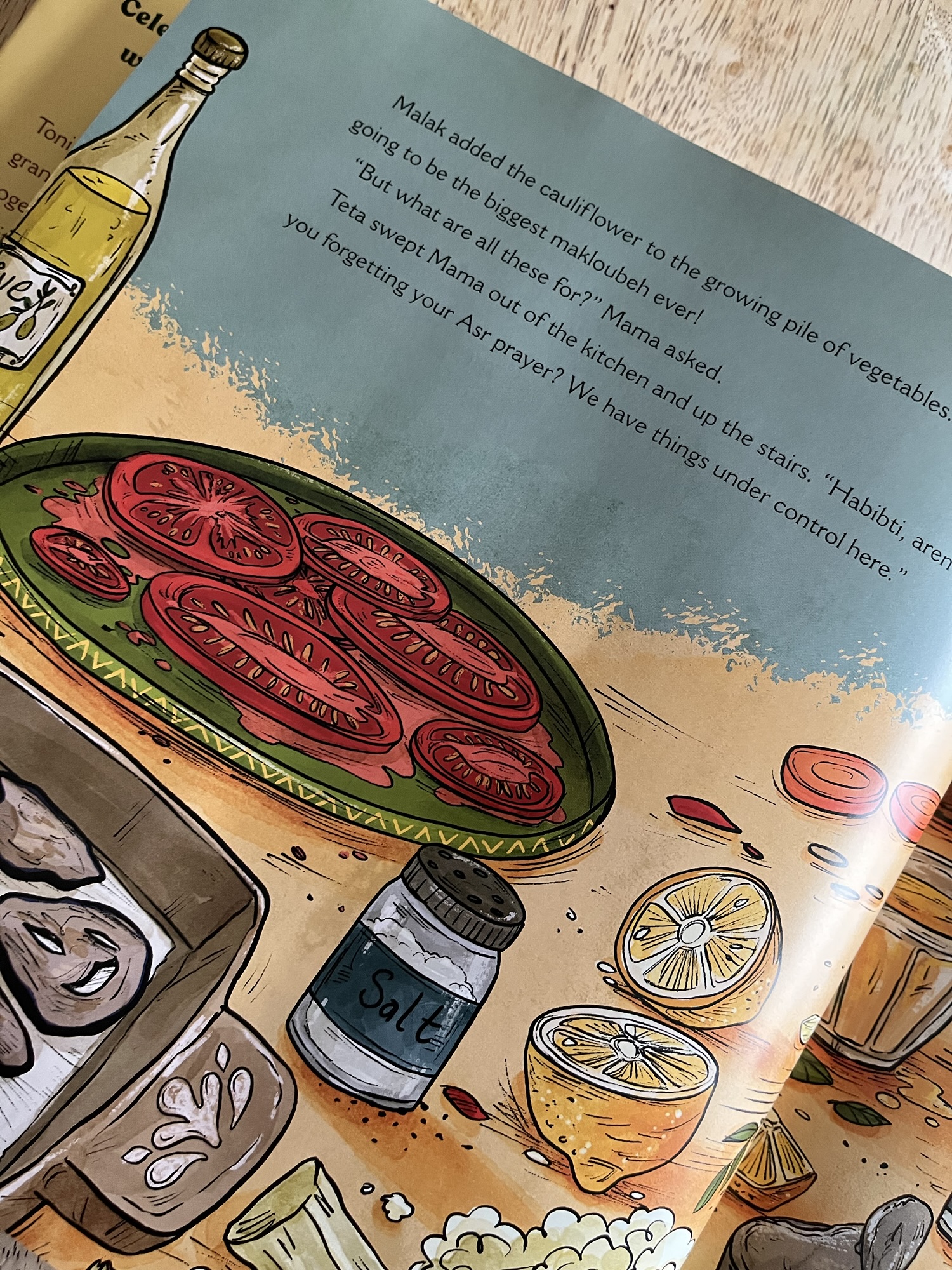
It starts out with Teta explaining the process and getting started, but then Jido comes in and wants eggplant added. Then khalo sneaks in to let them know that he likes potatoes in his. When Mama gets home from work with cauliflower, she is swept off to pray asr, and Malak decides she wants to add her favorite to the mix.

When Maghrib athan time comes, the big reveal, the flip, and then the first bites take place, revealing a “makloubeh with a little bit of everything.” A dish so yummy that Teta and Malak might be making iftar every night.

Ramadan Rain by Jamilah Thompkins-Bigelow illustrated by Aliaa Betawi

Standard
Ramadan Rain by Jamilah Thompkins-Bigelow illustrated by Aliaa Betawi

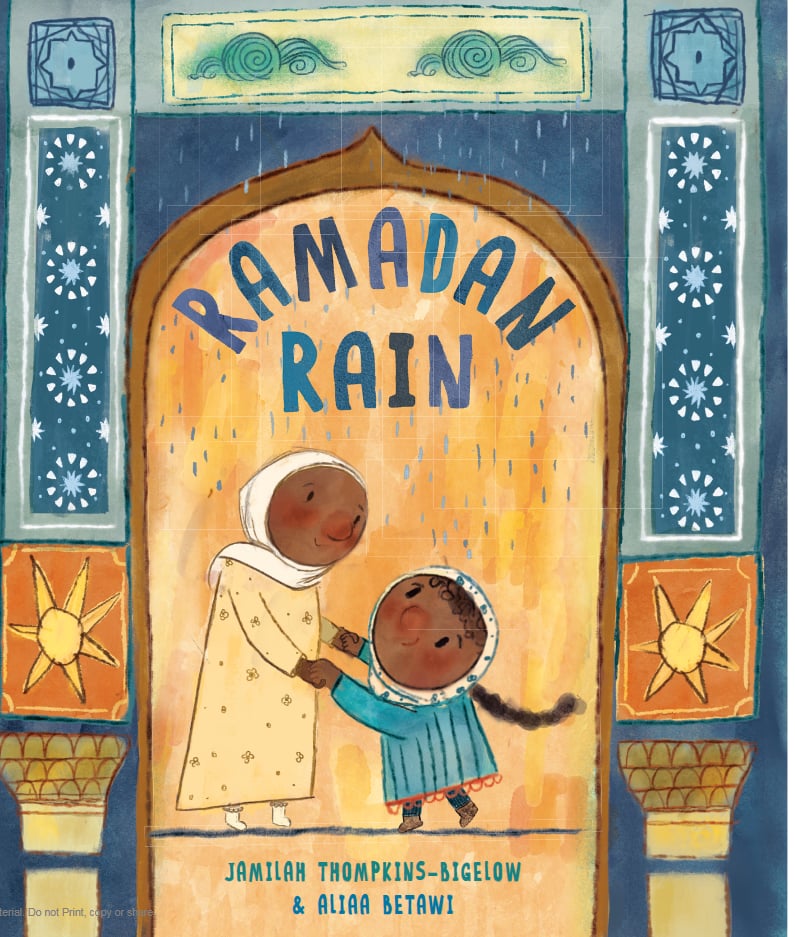
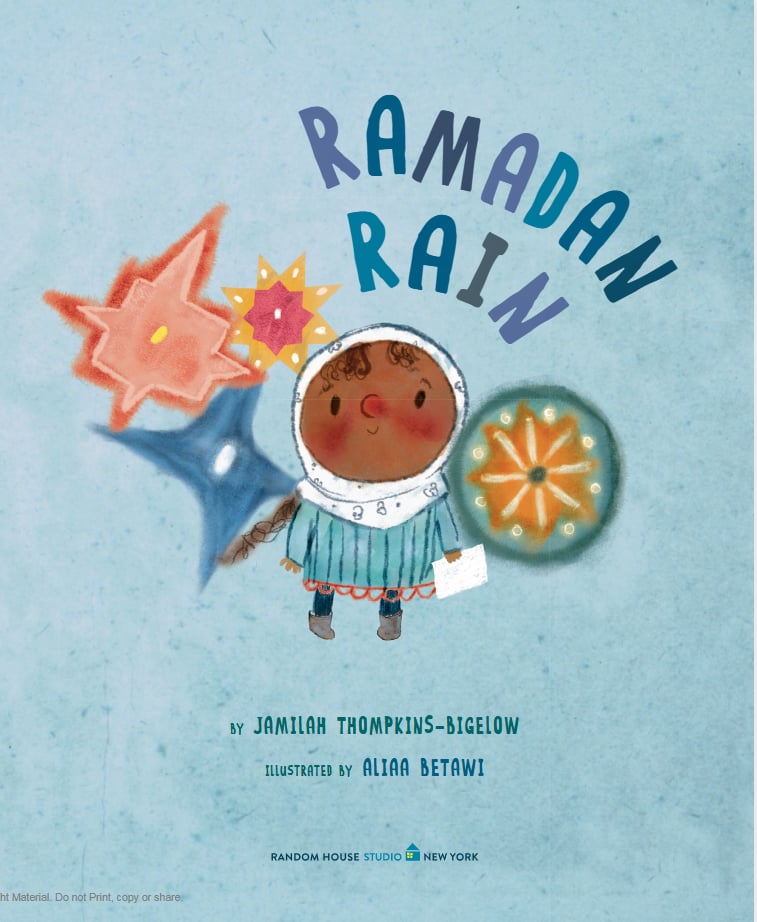
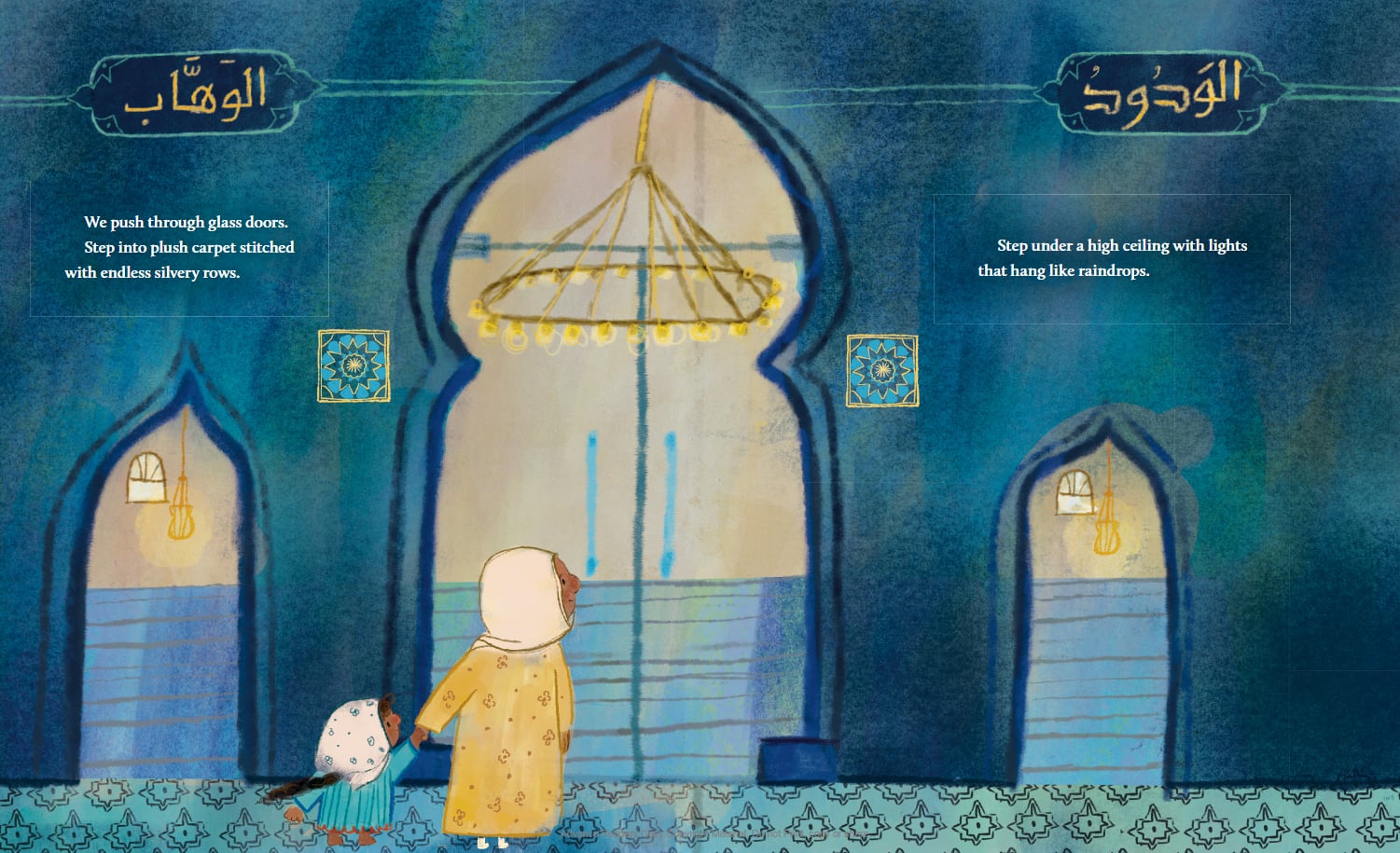
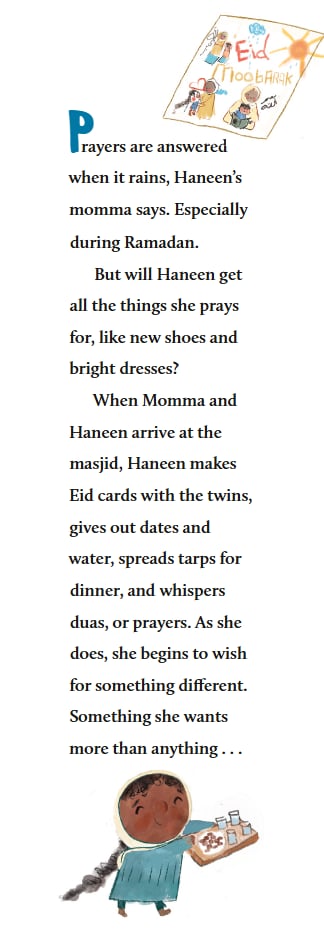
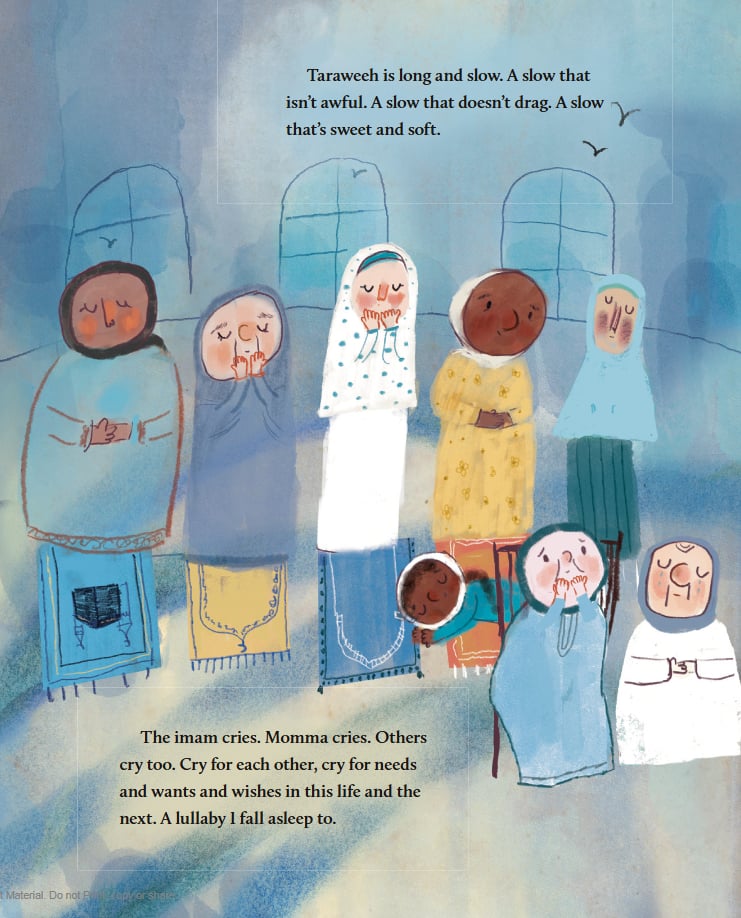
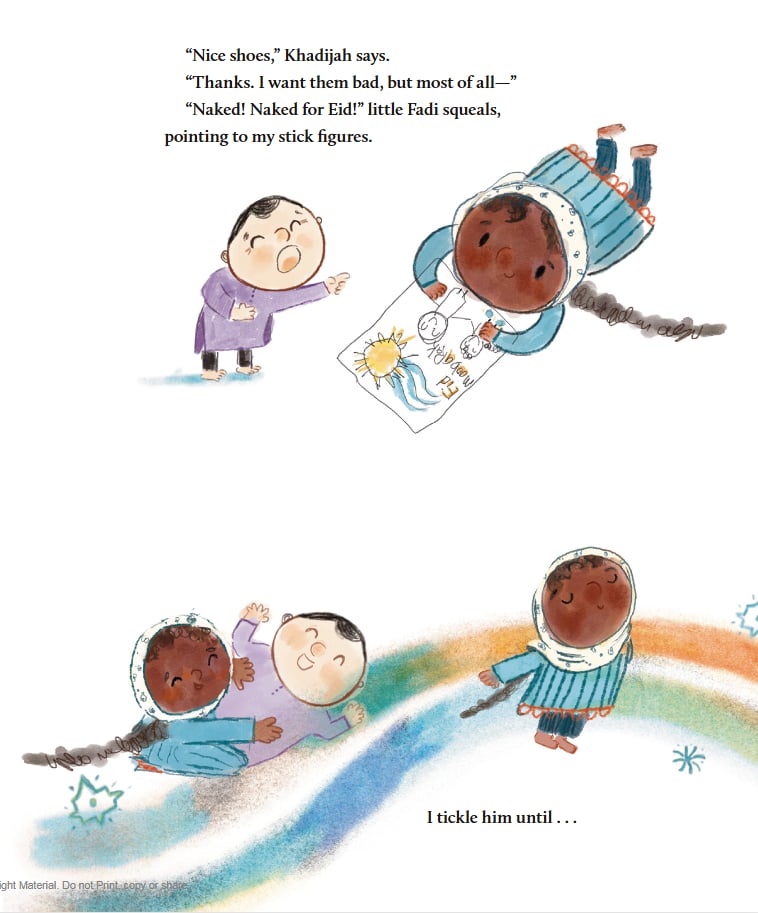
This 40 page book is all the feels as little Haneen’s Ramadan duas change from the material to the heartfelt while the rain pours down, taraweeh prayers are made, fun is had, and hearts are touched.  In true Thompkins-Bigelow fashion the book presents in layers that pull the emotional threads without turning didactic and preachy. The adorable illustrations complement the text and by the page when the characters are crying, I too, found tears in my eyes. I love that praying, duas, and practicing Islam is not sidelined, as current Ramadan and Eid books seem to do, but rather centered and celebrated as a source of comfort and joy. For the most part the external catalyst moving Haneen’s internal change were seamless, but the page with the little boy pointing and calling the drawings on her card naked, seemed a little jarring to the tone, even though I can see the function it served. I also acknowledge that a physical version might not make it as abrupt. Additionally it is worth noting the very nature of reviewing is to over think, so to be completely honest, by about the fifth reading I began to wonder, did her perspective change? There was no pivotal moment that set it in motion, it seemed she just got carried away in making the Eid card and never got to articulate what she really wanted to her mom. The initial dua is for the shoes that the family can’t afford, which I already felt was inconsistent because when asking Allah swt nothing is impossible, and the whole premise is that it is Ramadan and on top of that raining, but that aside, even when she first draws them, she states that it isn’t what “she really wants.”  So now, I’m wondering if anything really changed at all, or she just never clarified and thus the reader as well  her mom are taken along from Ramadan night to Eid day.  Also in the arc I read, it seemed a word was missing on page three that will hopefully be fixed in the final version. I love the tone and the warmth, and I know most won’t read it as deep as me, but the publication is not until March and I wonder, and hope, a few tweaks might still take place.  When my pre order arrives, I will revisit the review if need be, and yes, even with my critiques, I think this is a book that will delight all ages this Ramadan and give plenty to reflect on throughout the year.

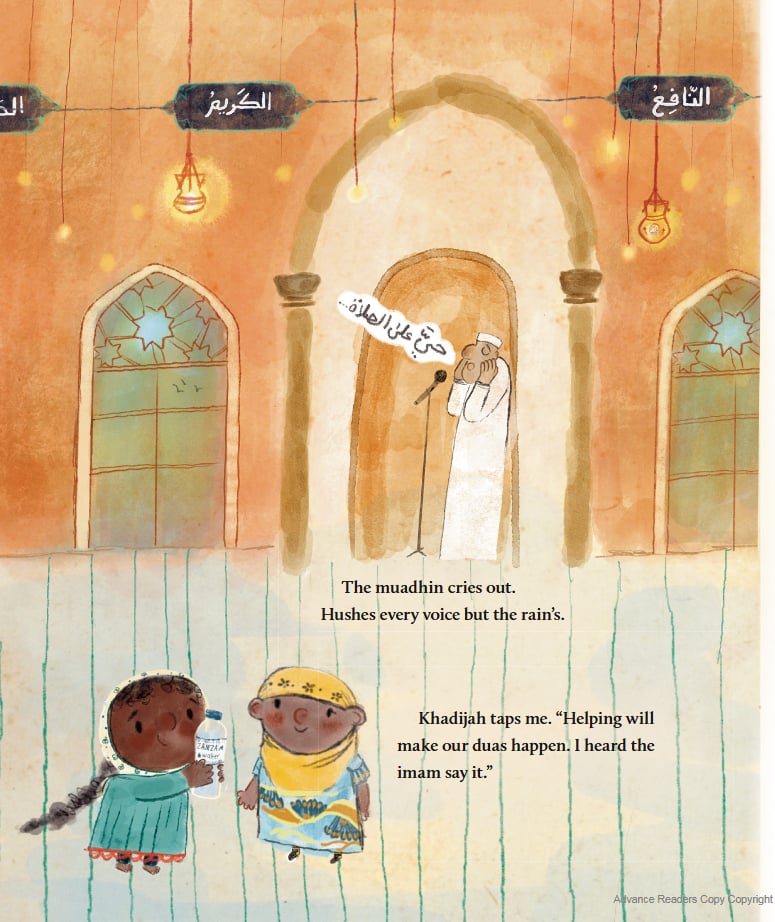
The book starts with a grumpy Haneen sitting on a bus, walking in the rain, and arriving at the masjid a little wet and muddy recalling when they had a car and things were easier.  She starts to complain but catches herself knowing that they can’t afford things, and Momma tells her that, “rain brings blessings.”  She also reminds Haneen that duas said on a rainy day get answered, especially during Ramadan.

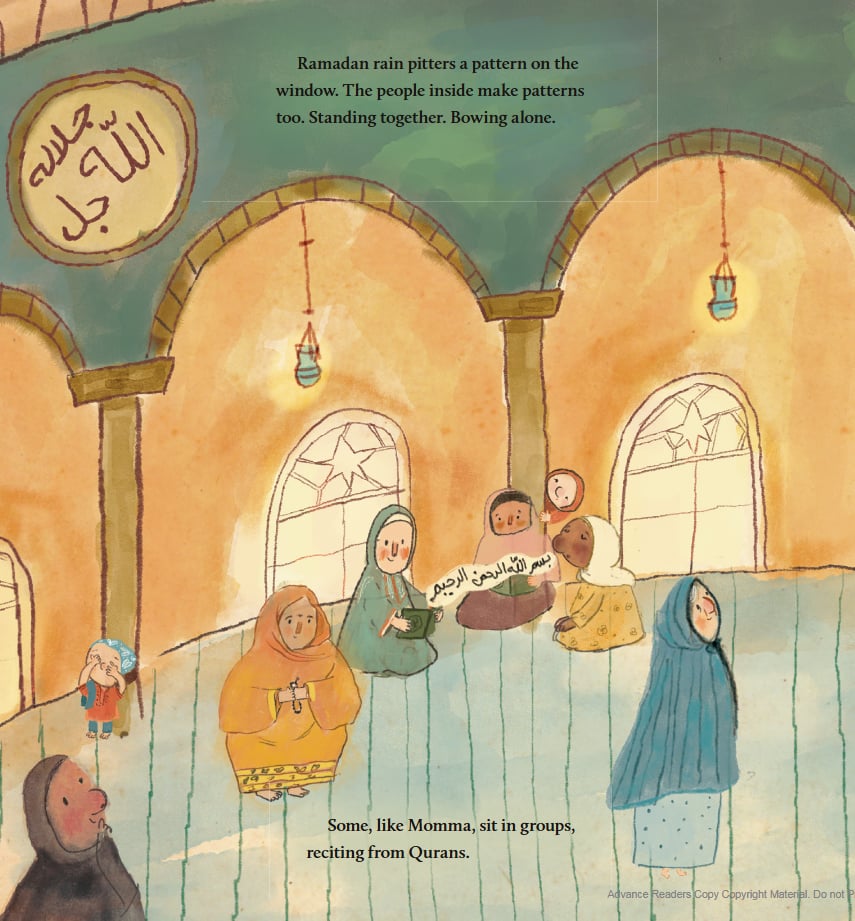
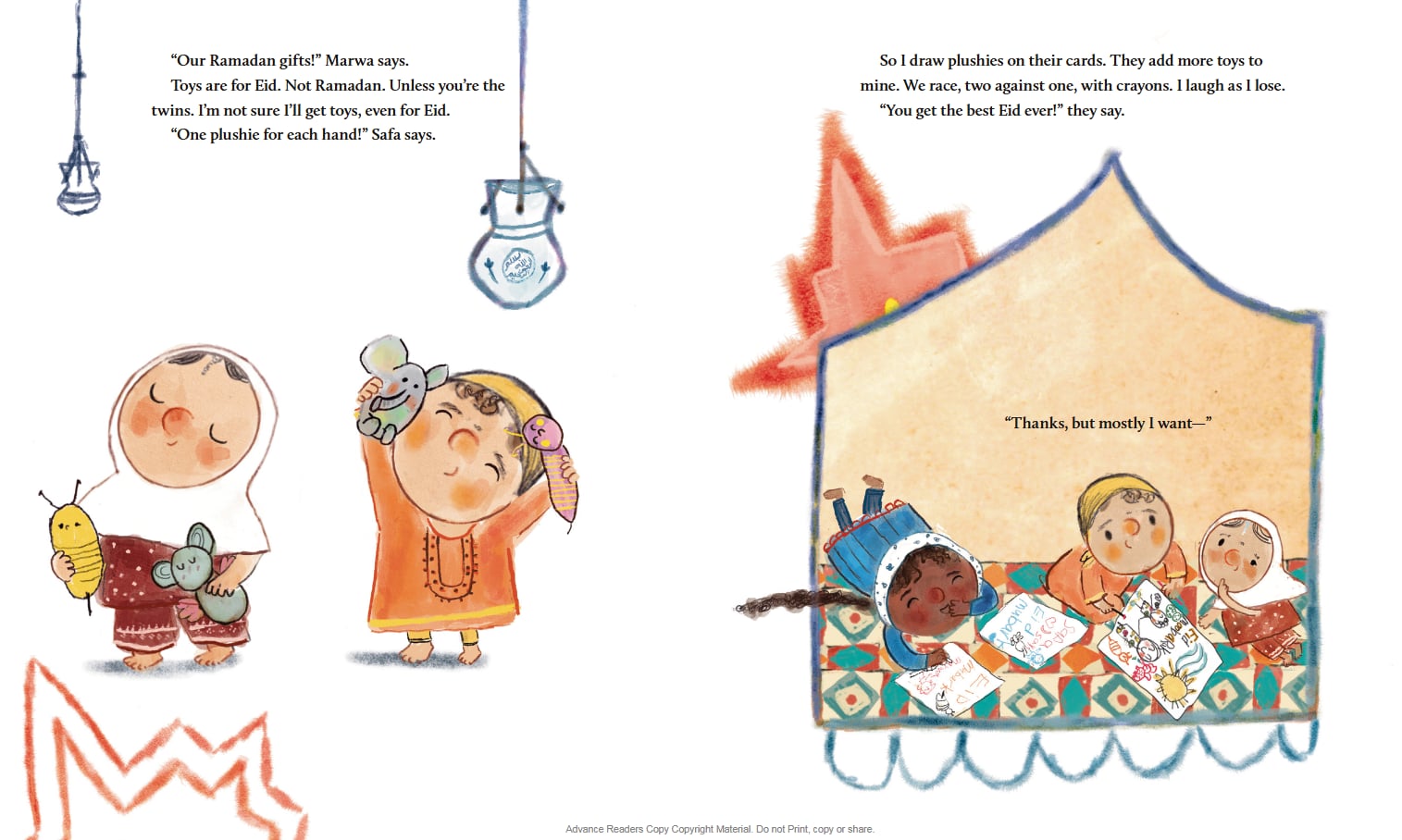
Once in the masjid, Momma reads Quran and Haneen starts to make duas for the shoes she wants but knows they can’t afford when she is distracted by friends, and they start making Eid cards. They children work together, and when it is pointed out that Haneen’s stick figure has shoes, but no cloths, she marvels at the different dressed women around her, before adding her favorite to the picture, wondering if she can get new clothes for Eid.  The pattern continues, she sees the twins with plush toys, and thus plushies are added to her wants, and filled in on her Eid card, as the congregation moves from athan, to iftar, to salat, to taraweeh.

When Eid comes, SPOILER gifts come from unexpected places, and a new card, showing what Haneen really wanted and prayed for that rainy Ramadan night are revealed, alhumdulillah.

Rooza: A Journey through Islamic Cuisine inspired by Ramadhan and Eid by Nadiya Hussain

Standard
Rooza: A Journey through Islamic Cuisine inspired by Ramadhan and Eid by Nadiya Hussain

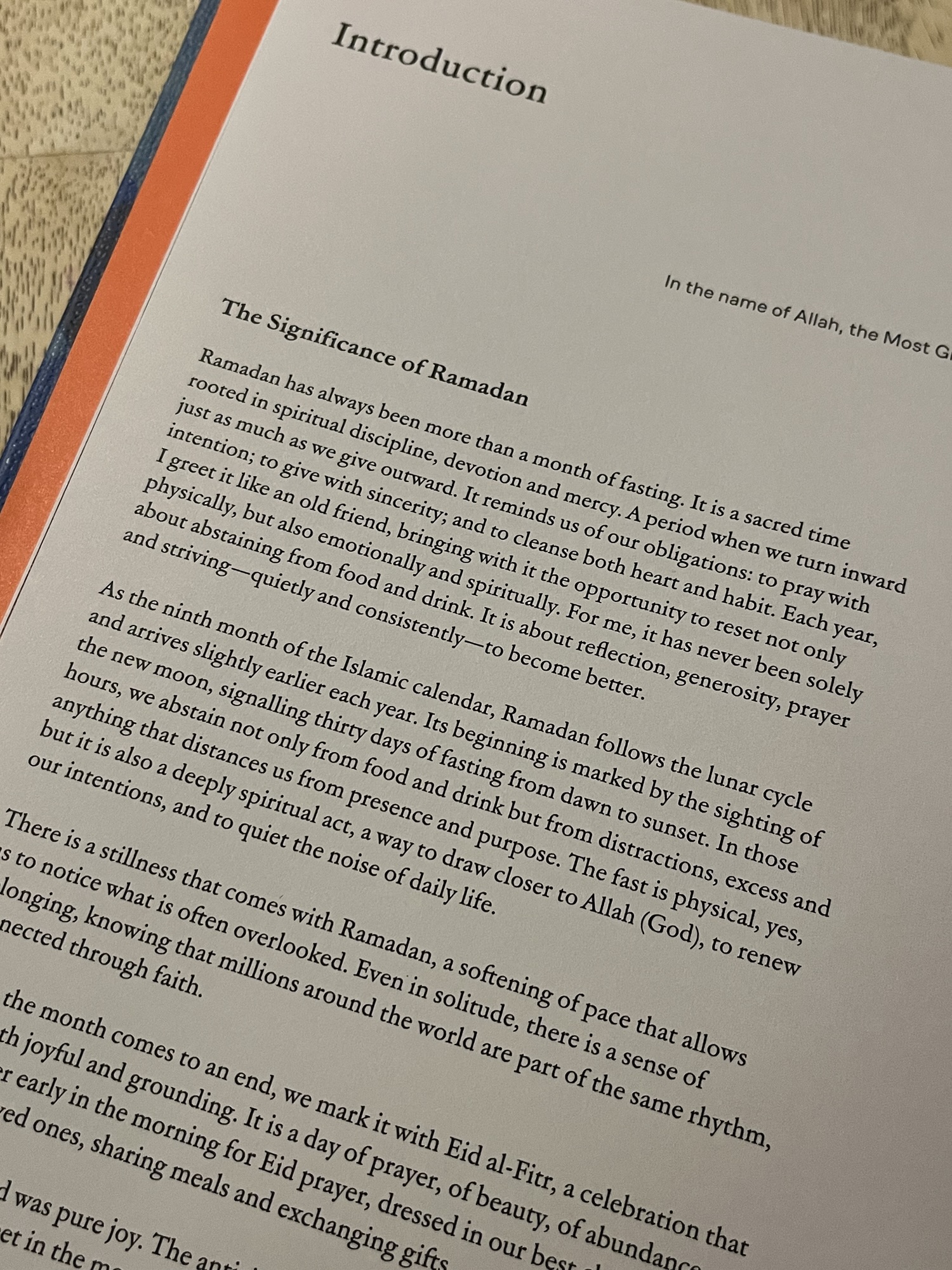
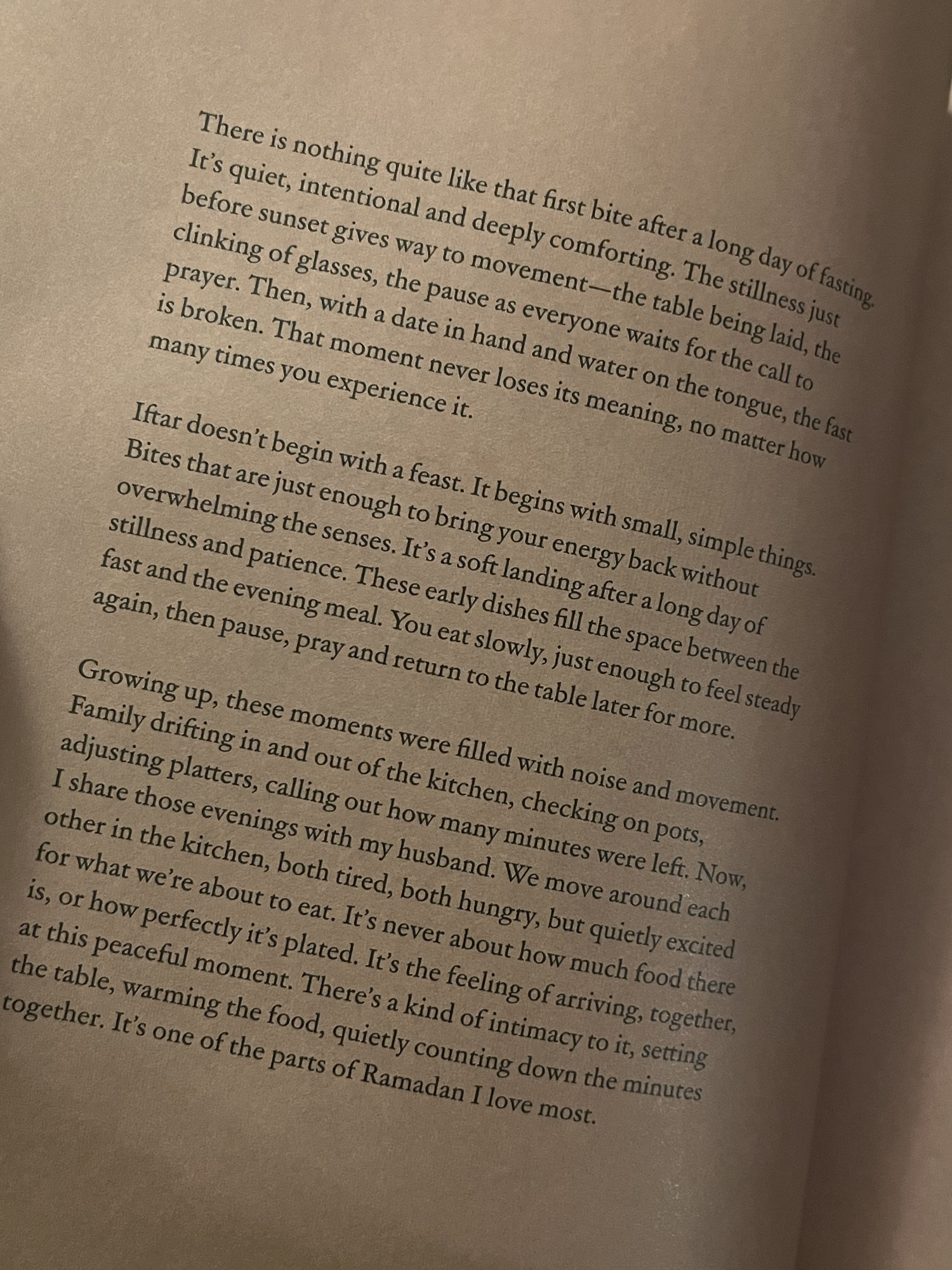
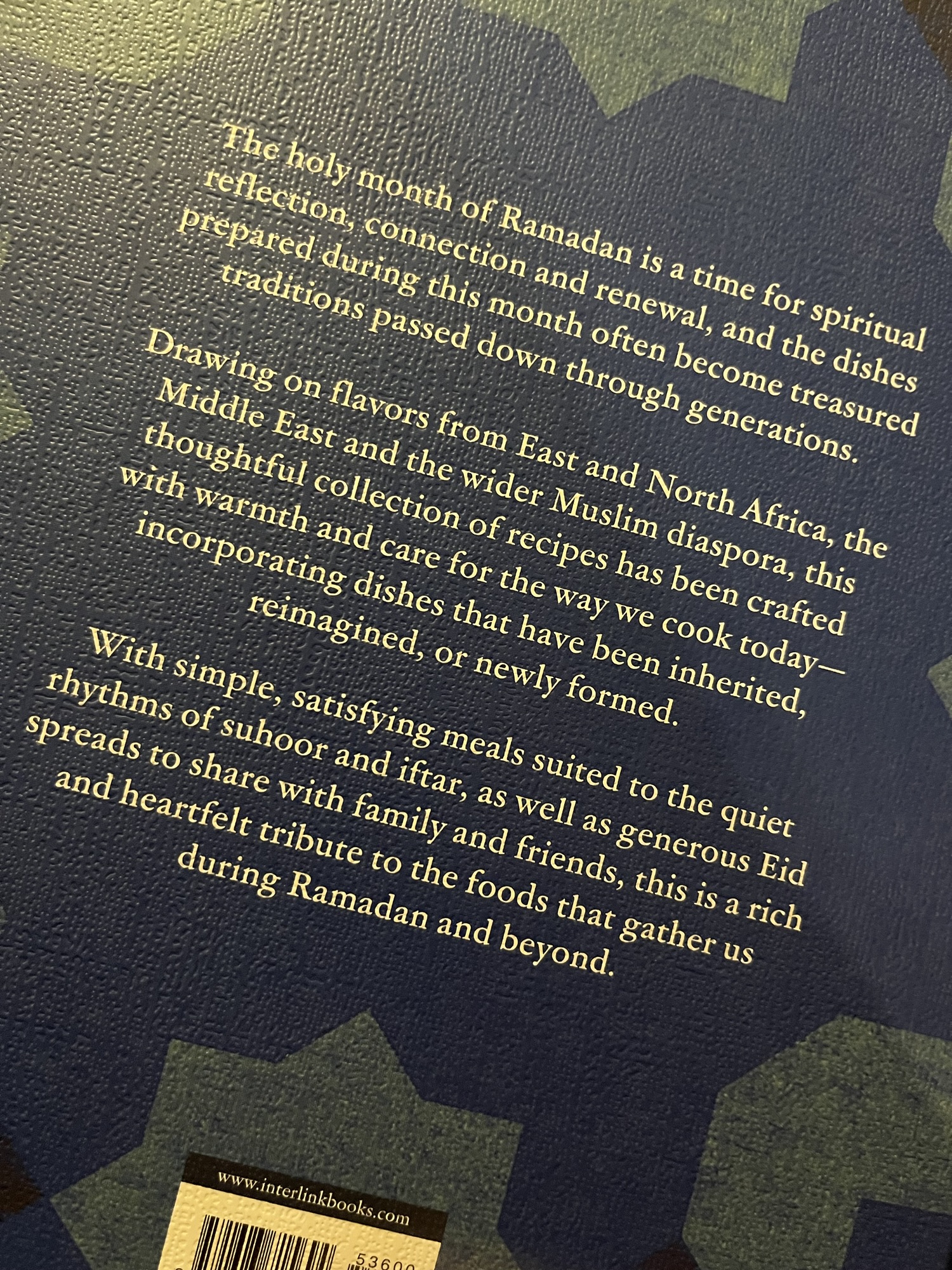
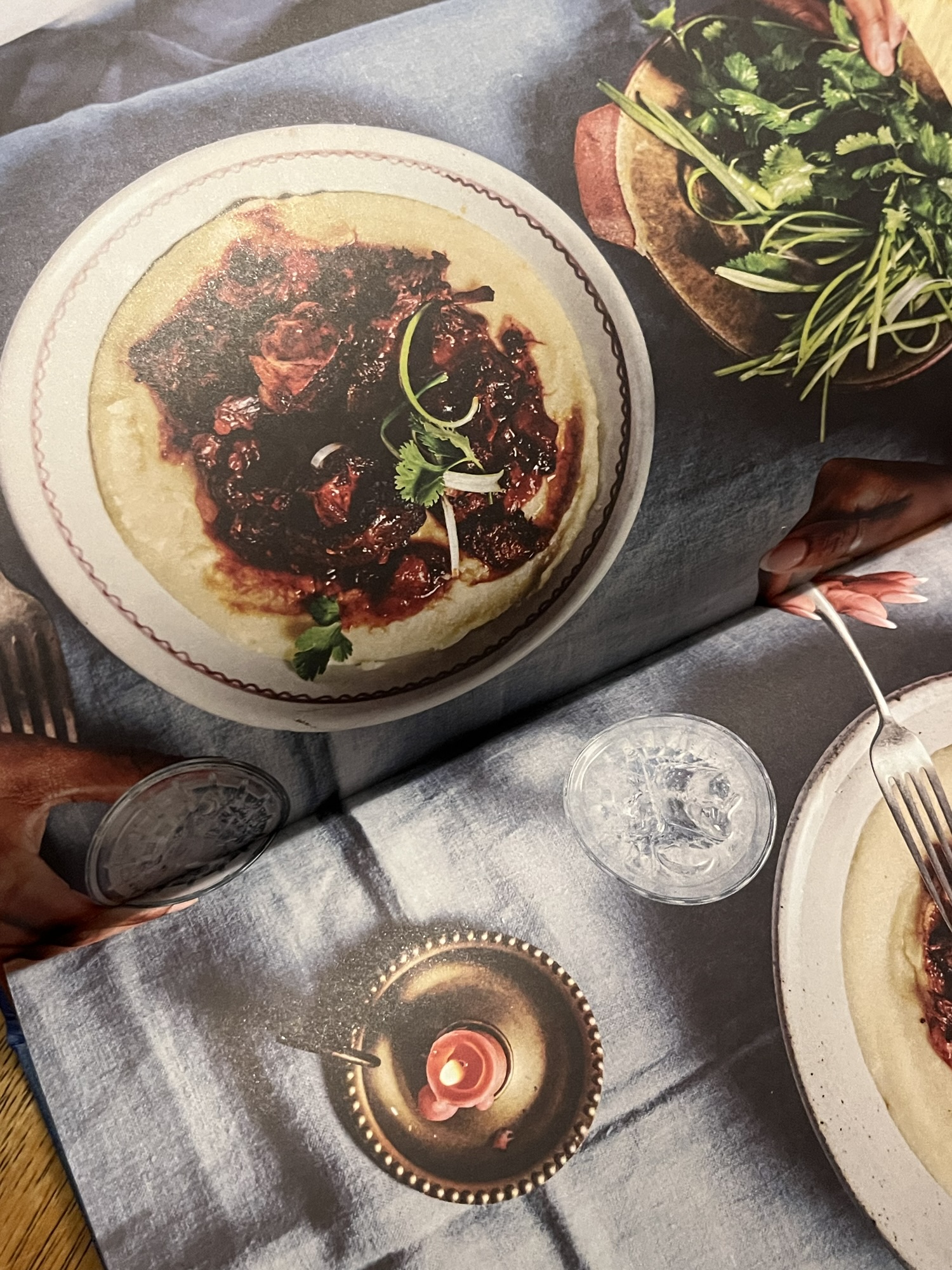
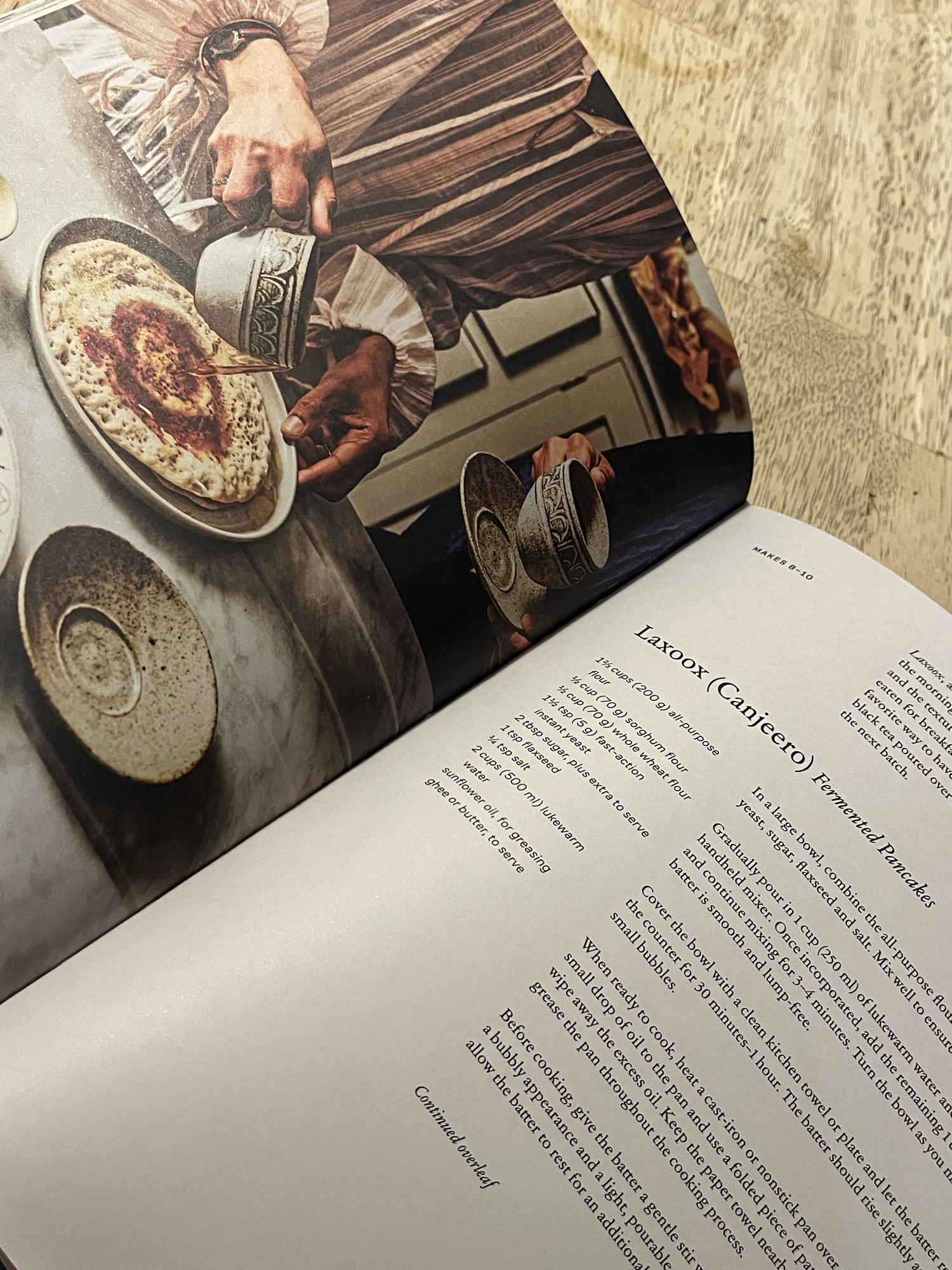
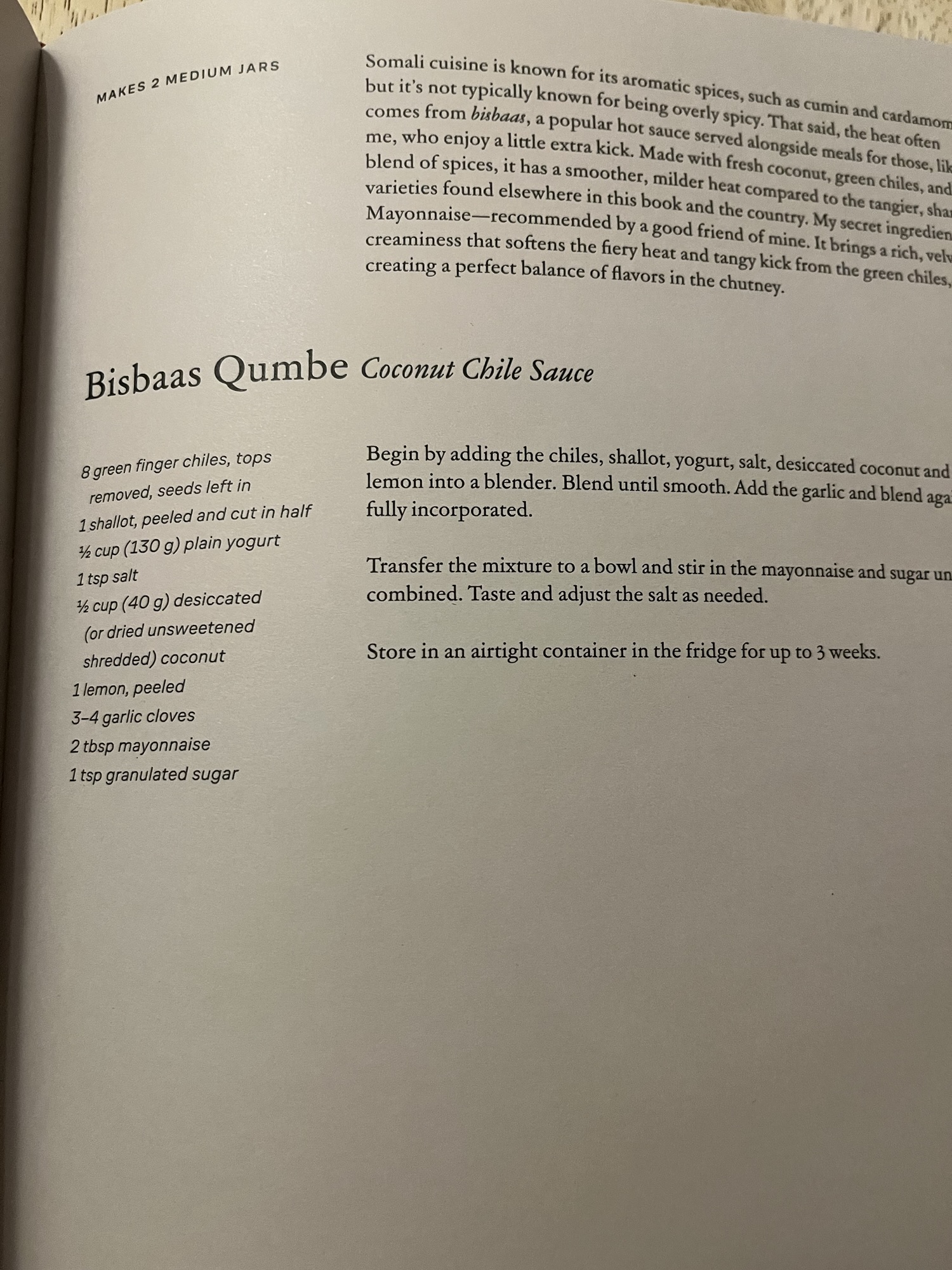
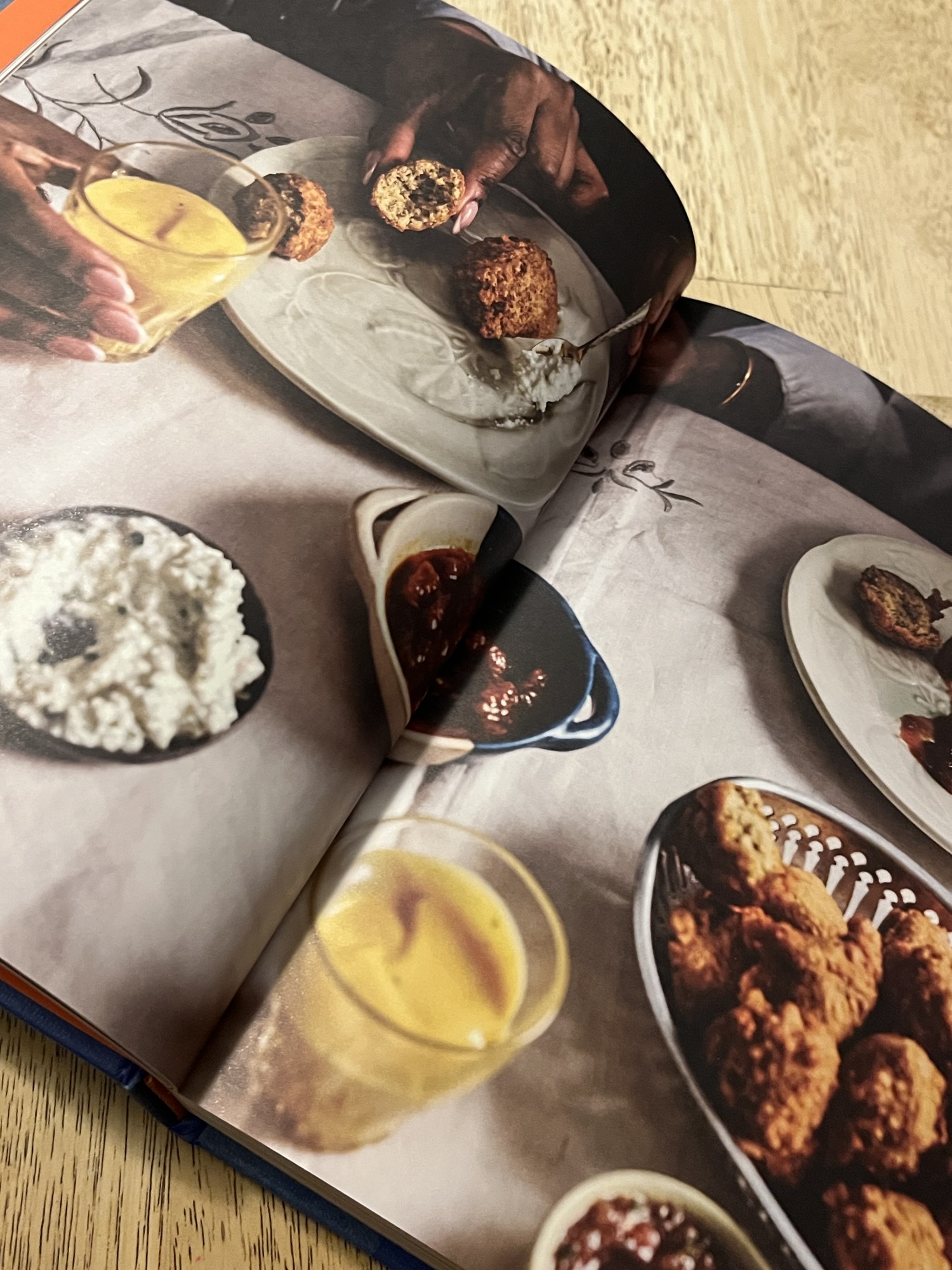
This 191 page, highly illustrated cookbook by a well-known chef and author sets out to be a journey around the world with recipes of beloved foods associated with Ramadhan and Eid.  The introduction shares some of the author’s personal thoughts on the time of the year, what it means to her and her family, and while I cringe when she says, “not eaten from sunrise,” seeing as fasting starts at dawn, the premise of what is to come allows the reader to learn a bit and be inspired too. I do wish that there was more about the food and it’s connection to Ramadan or the culture, but it really is more about the recipes, and the framing, not the exploration of Ramdhan or Eid, her relationship to the dishes chosen, how the recipes came about, and why they are included.

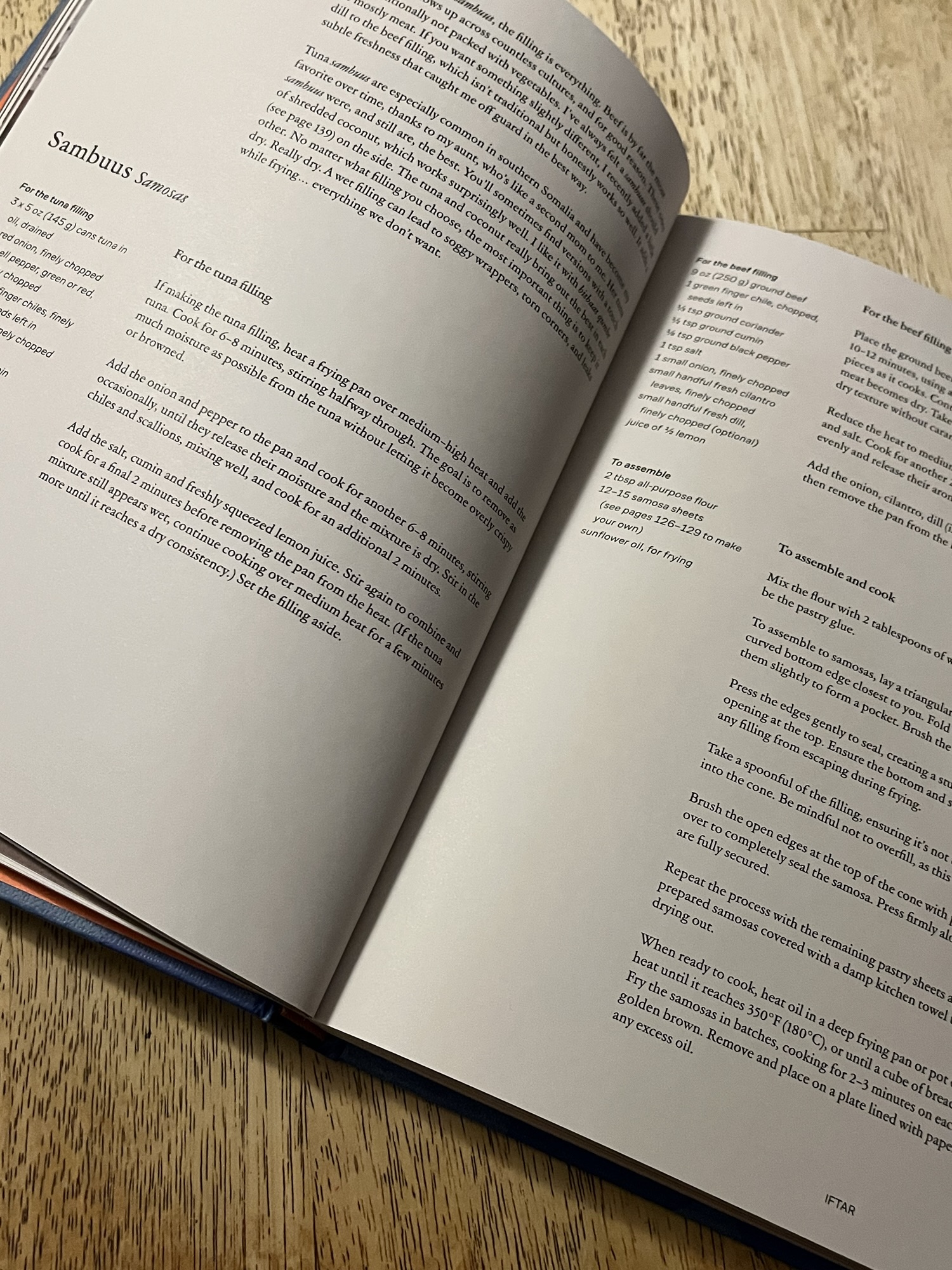
The book is not organized by appetizers, main course, and dessert, or even by ingredients: vegetables, fish, poultry, etc., it is organized arbitrarily by country, with each of the featured cuisines getting two recipes spread over a few pages with gorgeous accompanying pictures, until the Eid section where countries of origin are not attributed with the food, desserts, and snacks.

Whether you want to cook a dish from a certain country, thumb through it and be inspired by a picture, or use the index to look up a specific food or ingredient, I enjoyed reading the book cover to cover and finding dishes I soon hope to try.


Our Neighborhood: Radiant Ramadan by Marzieh Abbas illustrated by Anoosha Syed

Standard
Our Neighborhood: Radiant Ramadan by Marzieh Abbas illustrated by Anoosha Syed

This adorable 26 page board book rounds out the Celebrating Islam representation in the Our Neighborhood Series and the simply rhyming words do an excellent job of conveying the joy, worship, togetherness, and daily aspects of the glorious month. Some of the lines feel a bit forced, but I really enjoyed the size and tone of the book. The illustrations are equally well done with a keffiyeh shown on a drummer, different skin tones on the characters, and smiles throughout. It is perhaps worth noting that the prayer page does seem to have the Shia rock that is used, I missed it initially thinking it was just a design on the prayer mat, but it is hard to unsee once it is pointed out. The other Islamic books in the series by the same author and illustrator are Friday Fun and Excited for Eid.

Muzoon: From Refugee to Leader by Muzoon Almellehan illustrated by Asma Enayeh

Standard
Muzoon: From Refugee to Leader by Muzoon Almellehan illustrated by Asma Enayeh

Such a delight to see Muzoon’s story coming to children in the West in the form of a Step into Reading Biography. The approachable format aimed at second and third graders reading paragraphs tells Muzoon’s story with quotations from her middle grade biography, Muzoon: A Syrian Refugee Speaks Out.  From her life with extended family, playing soccer, studying and enjoying Ramadan, to the changes that turned her country unsafe and forced them to become refugees. It follows her to refugee camps trying to find routine and hope and the role education and encouraging other’s to study plays in her life.  Eventually her activism and efforts catch the attention of UNICEF and today she works as a UNICEF Global Goodwill Ambassador and travels the world advocating for education and refugees and rebuilding Syria.

Divided into eight chapters, the 48 page book shows how relatable Muzoon’s life is and how the political events forced her family to abandon all they knew.  The presentation, in both the text and the illustrations, show the unexpected and hardships Muzoon and her family face as they make their way to the refugee camps and work to adjust. The book is not graphic, but the weight is conveyed as readers also see the power education and learning has in providing hope and opportunity. In a fictional story, a protagonist using their voice for the good of society is something to cheer, to see it from a real life person in the middle of a war, is something to admire and be inspired by.

I particularly like the inclusion of Ramadan in the story and the details showing her family joyfully gathering to break their fast together, as well as conveying some details about the Islamic holiday.

Here’s Our Religion by Jenny Molendyk Divleli illustrated by Dasril Iqbal Al Faruqi

Standard
Here’s Our Religion by Jenny Molendyk Divleli illustrated by Dasril Iqbal Al Faruqi

This HUGE 14 page board book is such an engaging, teachable, and shareable book for toddler to early elementary aged children.  Similar to the author’s First Words in the Qur’an I can see this book being shared at story times and in classrooms regularly.  Each two page spread is literally a board book in and of itself.  With headings of: Ummah, Shahadah/Qur’an, Salah, Ramadan, Zaqat/Sadaqa, Hajj, and Prophet Muhammad (saw)/ Sunnah, kids will be able to deduce from the pictures and simple captions how the details relate to the theme, learn new information, review what they already know, and delight in the illustrations.

I don’t know that I would sit down with a toddler or preschooler and just read the book straight through very often, but when I was doing multiple story times a week, I had planned books for every theme highlighted in this book. I would have loved to be able to pull it out after a few stories had been read and used it as a review, where I could point to a picture and the kids could holler out what the illustration was teaching.  The large size would have saved me from having to make story board pieces, and the critical thinking would encourage comprehension and retention.  Example: learning about salah, and then opening to the salah spread, kids could see the vacuuming child and decode that we pray in clean places, that the picture of four people praying together is to learn/remind/teach that it is better to pray together.  


The Best Eid Ever by Sufiya Ahmed illustrated by Hazem Asif

Standard
The Best Eid Ever by Sufiya Ahmed illustrated by Hazem Asif

This book blends some facts about Ramadan and Eid with cultural practices, showing a day in the life of a family celebrating, and a sprinkling of a story line to keep elementary aged kids invested. The back of the book labels it as an introduction to Ramadan and Eid and I think that is a pretty solid summary.  Aisha is eight, and apparently too young to fast from sunrise to sunset.  I wonder if she is old enough to fast from dawn to sunset as Islamically prescribed? Yes, I’m petty, but it is wrong to say sunrise to sunset, and I’m not backing down. This year her aunt, Chachi Amal has made a scavenger hunt for her and her brother to find their Eid presents, but first there is henna to apply, decorations to hang up, Eid prayers to attend, desserts to be shared with neighbors, and lunch to be had, before the three question scavenger hunt can commence, and presents can be located.  The backmatter has information about Ramadan, Muslims, Eid, and a glossary.  The book would work well for a generic class or library story time. I don’t imagine Muslim kids will find it particularly memorable and ask for it more than once.  It is a Desi family, with the Chachi being Libyan and sharing desserts. hinting at the diversity of Muslims, and I can see kids wanting parents to hide their gifts and make a scavenger hunt, which is sweet and a nice idea to build on.

The book starts with Aisha looking outside to see if the moon can be spotted and Eid determined.  Samir and Dad come in and say that the mosque has declared Eid tomorrow.  Eid is Aisha’s favorite festival, she loves Ramadan, eating iftar with her fasting family, and she loves dates. This year her Chachi has hidden their gifts and made a scavenger hunt for the kids to follow.

Aisha can’t wait, but her Mom says they have other traditions first, and Aisha has henna painted on her hands.  They have to dry for at least two hours, so she watches a show while Dad and Samir decorate.  Then it is time for bed, and the scavenger hunt will have to wait.

Early in the morning is no time for a scavenger hunt, Mom is in the kitchen and they have to get to Eid prayers. After salat, and wishing everyone Eid Mubarak, Aisha is ready for the clues, but her and Samir are sent to deliver sweets to the neighbors.  When they return home, they can’t get to presents because it is lunch time. Finally, the scavenger hunt begins, the clues are solved, the presents found, and the day “the Best Eid Ever.”

I purchased this book from Crescent Moon Store, code ISL will save you 10%.

Amal Noor: Mission: Fasting for the First Time by Merve Ozcan translated by Muhammad Izzaddin Seif

Standard
Amal Noor: Mission: Fasting for the First Time by Merve Ozcan translated by Muhammad Izzaddin Seif

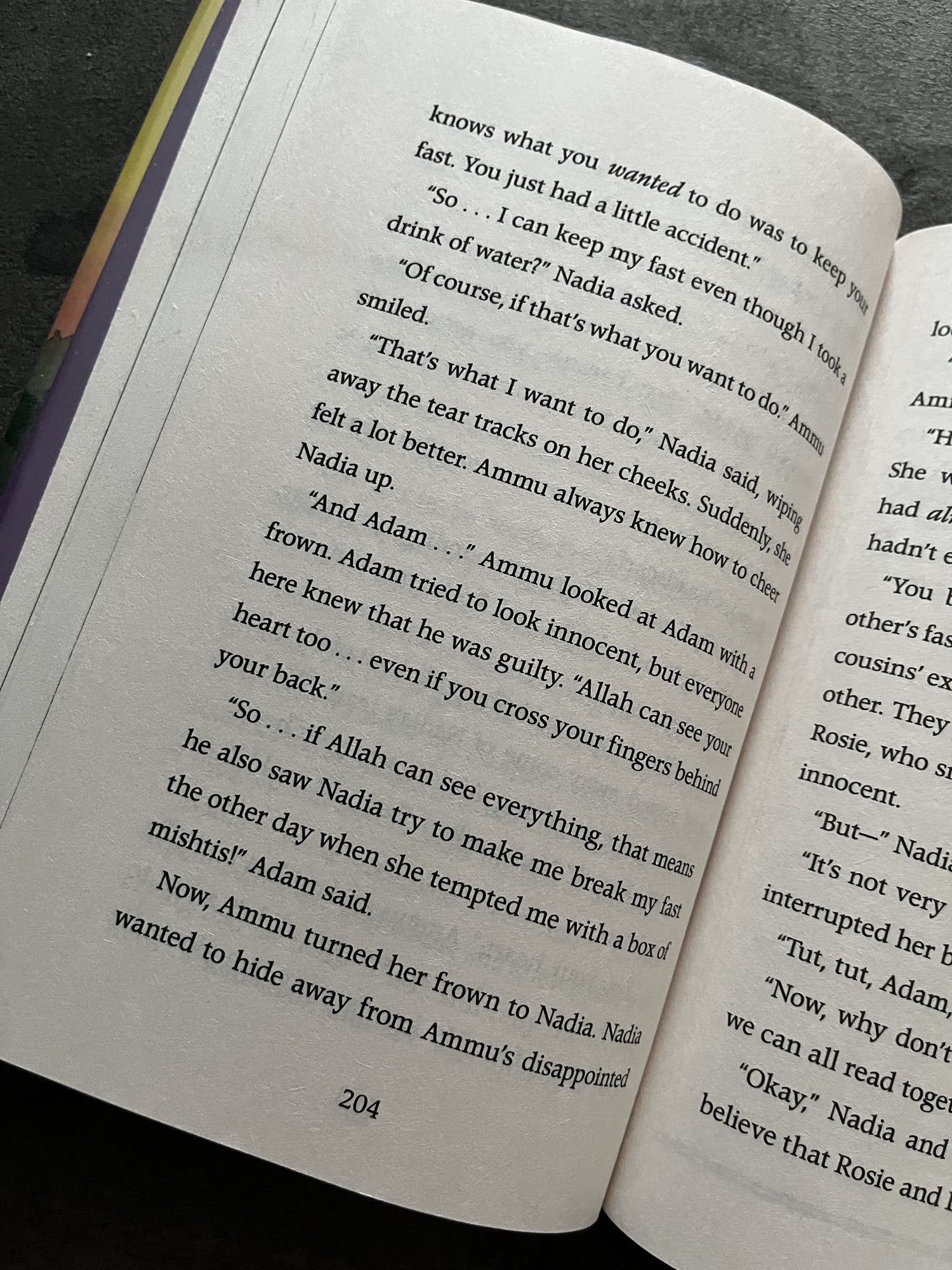
Any one who has followed my reviews for very long, knows I really dislike “first fast stories,” so when this one came recommended as being different, and funny, I was hesitant to give it a try, but I caved and purchased it.  And well, it definitely is different in that it is not a picture book, the protagonist knows what fasting and Ramadan are, and she doesn’t just stumble upon her family being up at sahoor one random day, Alhamdulillah. The funny though, well, it just feels really forced, and I can’t tell if it is part “lost in translation” or if  having read early chapter books that have literary value made this one seem, thrown together.  By the end it had a bit of heart, but getting through 93 highly illustrated pages, took a lot of effort.  Amal is obnoxious, doesn’t read her age, and doesn’t have any character growth by the end. If your child likes it, there isn’t anything “wrong” with it, it reads like an attempted imitation of Planet Omar with an annoying Clementine, Junie B. Jones type personality.  The character breaks the fourth wall speaking to the reader, and labels nearly everyone in unequivocal extremes: her mother is the most perfect, the most beautiful, etc., and accomplishing the first fast doesn’t seem to change her at all, despite all the buildup.

SYNOPSIS:

The book starts with Amal proclaiming that she is going to fast the next day, she has tried before but continually fails.  She tells everyone she knows, not just her family, but neighbors, the imam, everyone, and she imagines that it will be a defining day of life before and life after.  Her confidence and arrogance, is put to the test though when she actually has to do it.  At seven-years-old she has done a lot, she runs a charity out of the mosque, she sells items and used goods, and she wanders around independently. Fasting though has alluded her, as has praying more than a couple of rakats of taraweeh, but she is eating and drinking in anticipation of tomorrow, and determined to be successful.

WHY I LIKE IT:

I do like that she messes up and gets through it, I wish though she would have been determined to have a second fast and a third fast, the idea of the first fast being a one and done still doesn’t sit right with me, when Ramadan is a whole month of fasting.  I liked that nothing was overly explained, it is a book by a Muslim for Muslims, and presumably you know what is going on, but I do wish there would have been a little information threaded in about fasting not just being about food.  Amal and her brother Obaid tease and prank each other and with no reminder about being nice being a part of Ramadan included, it seemed like a missed opportunity.  I also thought she was mean to her grandma.  I did like the full circle of her realizing other neighborhood kids her age fasted their first fast without telling anyone, or everyone. But ultimately the book is just not the level of quality that books today have risen too.  If I read this book a few years ago, I might be a lot kinder or happier with my purchase, but even traditionally published books today by Muslim authors have a lot of normalized Islam, that this didn’t feel like it brought anything new to the shelf, and what it brought was not that well done.

FLAGS:

Mean, bragging

TOOLS FOR LEADING THE DISCUSSION:

Since I have the book, I’ll shelve it, but the small 8 x 5 inch size might mean it gets lost fairly easy, and had I not already purchased it, I’d probably not rush out to get it.