Category Archives: YA FICTION

This Is All Your Fault by Aminah Mae Safi

Standard
This Is All Your Fault by Aminah Mae Safi


img_8116I wanted to give the author another chance to win me over after really disliking her first book’s writing style and characters and while this book is an easier read, I was shocked when the Empire Records inspired story really crossed over to me to being almost plagiarism.  I was a huge fan of Empire Records as a teen in the 90s, and can quote the movie, recall with little effort when Rex Manning Day is (it was yesterday), and know what is going to  happen at 1:37 exactly, so I was really excited to see what this Muslim author did with her spin of turning a music store in to an idie bookstore and focusing the story on three high school females. I wasn’t expecting the spin to be so minor though, and to still find an AJ and a Warren in the character list, a girl shaving her head, an employee dance party on the roof, a scummy celebrity, a celebrity assistant hinted at romance, a character deciding that today is the day to tell her crush how she feels, you get the point, it is remarkably similar.  If you haven’t seen the PG 13 movie, the book isn’t terrible, but it is very scattered with three voices, a lot of side characters- often random, and unresolved story threads, the book takes place in one day after all, I don’t know that it is really worth the time to read it.  There is straight and LGBTQ+ romance and break ups mentioned, a kiss, alcohol, vape pens, marijuana, sexual assault, some violence (slapping), a theft, language and one character has Arab parents and mentions Middle Eastern poets as well as likens the book store connecting people to the concept of an Ummah in Islam.  I can’t think of a demographic that I’d really recommend the book to, nor do I think that I’d ever read it again, the author’s writing style for me improved slightly but the characters are forgettable and the story un original. In terms of appropriateness probably high school readers, 14 and up.

SYNOPSIS:

Eli is closing up Wild Nights Bookstore and Emporium and accidentally opens the manager’s computer and accidentally logs in to her accounts and accidentally learns from her emails that the book store is closing in less than two weeks.  He then sees that the bank account is still logged in and finds a petty-cash account that has $9,000 and decides that he for once in his life is going to try and help out the store and invest in something to grow the money and hopefully delay the closing.  Unfortunately he buys nine grand worth of Air Jordan knock-off shoes, and is unable to return them.  The next day when the entire staff rolls in to work, bits of the story come out, some know the store is closing, others are sensing something is amiss when boxes are being unloaded that don’t contain books, and to top it all off a famous author is doing a book signing later in the day.  

Each of the characters has something going on as well on this particular day, Rinn is going to tell AJ she loves him and use her influencer status to try and rally support for Wild Night,  Daniella is going to lift the veil on her secret poetry writing and share it, and Imogen is going to break up with her girlfriend of nine months and shave her head.  None of the girls like each other, and go out of their way to be down right nasty to one another, but eventually they come around, they support one another in the face of them losing their beloved store, and helping each other when one is sexually assaulted by the famous author.  Along the way the reader meets the quirky characters that come to the bookstore regularly, some that never leave, a manager who never seems to be there, and an owner with weird rules about technology in the store.  

The climax is the girls stepping in to their own and becoming vulnerable to who they are to one another, the world, and ultimately themselves.  The book store isn’t saved in it’s entirety, but it isn’t lost either and the direction forward looks infinitely more unified than the crazy day the they all just had.

WHY I LIKE IT:

I like that the wave of nostalgia that hit me as I recalled the regular watching and quoting of Empire Records from my younger days, but that really was about all the book gave me.  I wanted to love the girls coming together to save the day, but they were really crass and rough and while I’m glad they did get to a place of tolerance, the transition wasn’t cathartic because their original irritations with one another didn’t seem justified.  The lack of character connection made it hard to cheer for them when they broke free from what they perceived was holding them back as well.  For example, I wanted to be giddy with nerves when Daniella stepped on that stage, but the emotion just wasn’t there.  There was a lot of telling, not showing, and with three perspectives, it was just stretched too thin.

I kind of like that Islam and the concept of Ummah was referenced at the end, but really only someone like me looking for it and piecing together the poets she mentioned, her one parent being from Lebanon and the other coming to America after the six day war would even take that conversation as being in sync with the character.  She might not be Muslim, she is a lesbian has/had a girlfriend, and it is a non issue.  Religion is otherwise not mentioned in relation to her or any other character.  A French Tunisian customer calls her habibti and says ‘Handulullah.”  I probably am reading to much in to it, old habits die hard and even after writing over 500 reviews, I still get so excited to see someone in literature possibly identifying as Muslim.

One thing that really stood out to me as a hole in the story was that it never said what Danny’s plan was,  just kept hearing that it was a terrible, awful plan.  That bothered me. The pacing is also off, to have all this happen in one day you would think it was all happening so quick, but then there are really long winded tangents about cell phone cases and grape soda.  At times it is such a time crunch and at other times everyone is chilling on the roof or in the alleyway it is no surprise there is not enough business.

FLAGS:

Copied from above: There is straight and LGBTQ+ romance and break ups mentioned, kissing, alcohol consumption, a massive hangover, vape pens, marijuana, sexual assault, some violence (slapping), a theft, language. Nothing is really sensationalized though, the 

TOOLS FOR LEADING THE DISCUSSION:

Not even tempted to use this as a book club, or recommend others to do so.  There is no real literary or representation value, in my opinion.
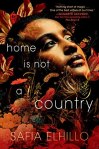
 

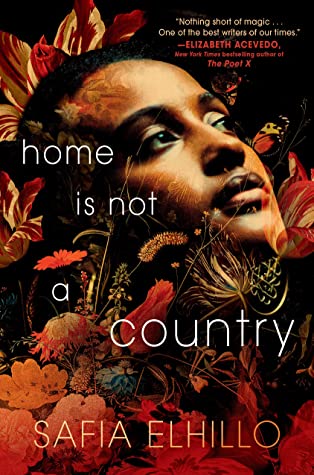
Home is Not a Country by Safia Elhillo

Standard
Home is Not a Country by Safia Elhillo

home is not a country

This upper middle school/high school 224 page novel told in verse touches on familiar themes of finding yourself and wondering about what could have been, but is anything but predictable.  Through magical realism, religion, culture, and phenomenal imagery, this book is haunting and powerful as it sweeps you into the possible alternate reality of a young 14 year-old-girl yearning to be someone else, consumed by a life that could have been, desperate for the other half of her mirrored existence, and for a home that she does not know, but so desperately longs for.  As a Muslim child of an immigrant, the daughter of a single mother, and nearly invisible at school, readers will feel her story, more than know it, and find themselves in her own awakening.

SYNOPSIS:

Nima feels like she exists in pieces.  No one understands her and she doesn’t feel comfortable in her own skin.  At school she is invisible, she is foreign and teased for it.  She has one friend, Haitham who is always there for her at home, but just a familiar wave in public.  At home Nima enjoys old Arabic songs and movies, hobbies she is teased for at weekend Arabic school, her hardworking mother is graceful and beautiful, Nima is neither.  Her world is the aunties and family in her building, but her Arabic is weak and she doesn’t fit in anywhere.  Her father passed away before she was born in a country she has never known.  Her twin sister died before birth, one for each parent in each world.  Nima imagines if she wasn’t Nima, but Yasmeen instead.  If she was bright and loud and loved and confident. The name she was nearly given, an alternate life she has become obsessed with.

When Haitham and her get in a fight, when her mother removes her headscarf and the bullying intensifies, Haitham ends up in the hospital, assaulted, barely hanging on and Yasmeen appears to help a floundering Nima escape a meal she can’t afford, a man that intends to assault her, and a world where she might find answers. The two girls travel to the homeland in the photographs to understand their parents, to understand why their mother left and Nima to the realization that only one of the girls can truly exist.  

WHY I LIKE IT:

I love that I had no idea where the story was going and how much would be spelled out and how much would be left for the reader to interpret.  It affected me in a way that I wasn’t expecting and reminded me of the blurred lines of reality from books like Beloved (Toni Morrison) and Her Fearful Symmetry (Audrey Niffenegger).  I love that the Arabic script is present and often not translated.  The unapologetic connection to the character and author is powerful and beautiful to see in a deeply introspective book.  I enjoyed that the “country” wasn’t named as it added to the concept of not knowing you home, it was frustrating, but for all the right reasons.

There isn’t a lot of practiced Islam mentioned, she doesn’t talk about praying, but does talk about the athan and longing for it.  Her mother wears hijab, but takes it off and wears a hat instead. The daily life of living in two worlds is taken to mean something very literal and the journey to both worlds is remarkable and memorable.

FLAGS:
There is physical assault, theft, lying.  Nima has to escape a man that intends to rape her, his intention isn’t detailed, but Yasmeen helps her escape when he brings her to a hotel.  Haitham’s dad has an affair with his mom and she is pregnant with him when the story flips back to the past and the couple are not married.  There is singing and music and dancing throughout. I think 14 and 15 year olds will be able to grasp the intensity of such situations while also not being shocked by them.

TOOLS FOR LEADING THE DISCUSSION:

I am on the fence if I could do this as a middle school book club, I might suggest it to the high school advisor.  There is so much to unwrap in the lyrical text that will draw the students in and force them to reflect on their own impressions to understand Nima’s reality.  I think there would be so many conflicting thoughts that the discussion would be amazing.  

Here is a better synopsis than mine: https://www.npr.org/2021/03/04/973389493/home-is-not-a-country-imagines-the-lives-we-could-have-led

Q and A with the Author: https://thenerddaily.com/safia-elhillo-author-interview/


https://www.npr.org/2021/03/04/973389493/home-is-not-a-country-imagines-the-lives-we-could-have-led

Ayesha Dean- The Lisbon Lawbreaker by Melati Lum

Standard
Ayesha Dean- The Lisbon Lawbreaker by Melati Lum

img_8735

In this third Ayesha Dean book, that can be read as a stand alone, the Australian teen sleuth finds herself on the other side of the law in the beautiful city of Lisbon in Portugal.  Over 333 pages, she must understand what she is being accused of and figure out how to clear her name, all while marveling at the beautiful historic sites, diving into the delicious food, and looking fabulous while she does it all.  Middle grade to early middle school readers will enjoy the fast pace mystery that has history, crime, adventure, and friendship.  There, as always, is a twinge of romance, but it all stays halal as Ayesha is a proud and practicing strong Muslim young woman.

SYNOPSIS:

Ayesha Dean is now 18 and has just arrived in Lisbon for three months as part of an internship program to help little kids with their english.  This is her first international trip without her beloved Uncle Day and her two closest friends Jess and Sara.  Not to worry, there are a lot of young people participating in the internship program and she will be rooming with two girls, Mara and Aveline. Things start of routine enough as Ayesha gets to know the handsome and kind Raimy from America and tries to figure out why Aveline doesn’t seem to like her.  But on her way to the school she will be working at, she finds a wallet filled with money and no identification, just a phone number.  When she calls the number and a meeting is setup, the stage is set for a series of events that will include telling Raimy off for mansplaining things to her, a man murdered, a chase scene, a necklace stolen, no memory of it all, and Ayesha being arrested.

Knowing only a few people in the city, and having just met them at that, Ayesha makes bail by getting help from her friend’s Aunt in Spain who comes to provide Ayesha a place to stay as well. She has some time before her formal hearing, and Ayesha is determined to figure out what she is being accused of and how to clear her name.  With the help of Mara, Raimy, a young girl in the elementary school Ayesha was working at, and some chance encounters, Ayesha finds herself risking her own safety in an underground environmental gang ring. I won’t spoil all the ups and downs and ultimate ending, but Ayesha Dean’s tae kwon do, faith, and wits will all be used and the last page will definitely leave you wanting more.

WHY I LIKE IT:

I feel like the writing has finally found the perfect balance between description and action, the first chapter was a bit choppy, but once it hit its stride it was smooth.  I was intrigued by the historical detail that was all new to me, and am pondering how to convince the author to lead a tour group through all these places that Ayesha visits.  As always the descriptions of food and architecture and fashion are all so spot on that you feel like you are there.  I absolutely love that religion is so genuinely a part of Ayesha, but it is for her, she doesn’t do it for any one else.  She prays, she wears hijab, she doesn’t drink, she clarifies to Raimy what she can do, she acknowledges possible stereotypes and discrimination, but chooses to move forward and not get bogged down by it.  She is physically and mentally strong, but doesn’t come off as arrogant or judgmental or unrealistic.

I like the diverse characters in this book, and in all of them.  The multi ethnic protagonist has friends from all sorts of backgrounds and it is really refreshing and natural.

FLAGS:

There is murder, assault, crime, drinking and alcohol.  Nothing is glamorized or anything a third grader couldn’t probably handle.  There is a hint of possible romance, but nothing that crosses any lines or standards.

TOOLS FOR LEADING THE DISCUSSION:

I would consider this for a middle school book club if the majority of the participants are 6th graders as it would not have the same appeal to older 8th graders.  I think they would benefit the most and enjoy the strength and cleverness of such an inspiring lead.  Of the three books in the series, I think this one would work the best for insightful discussion and empathy.  It would great to hear them imagine themselves in her shoes: a foreign country, no family, no longtime friends, minimal language skills and accused of a serious crime. Oh I can’t wait to share this book with my reading friends!

Hana Khan Carries On by Uzma Jalaluddin

Standard
Hana Khan Carries On by Uzma Jalaluddin

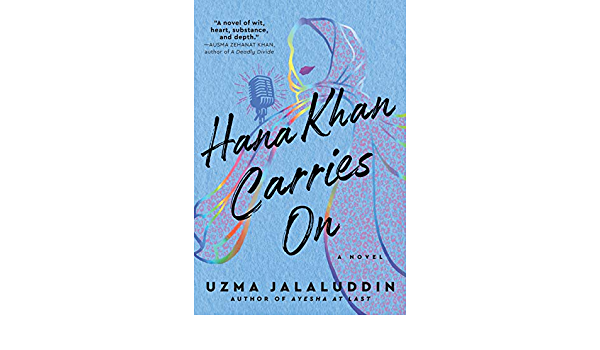
hana khanTechnically this book is adult fiction because the protagonist is 24 years old, but the halal rom-com is so sweet and considering the YA options that exist in the same genre, I think high school juniors and senior would do better to dive in to this light, enjoyable, albeit predictable, read over so many of the other options out there.  I read the 368 page book in two days, I was hooked and impressed with the strength of all the female characters, the step away from all the stereotypical tropes and the smooth writing style.  The book is for everyone and while packaged as a light read, there are some themes of immigration, family, choice, and OWN voice realizations that are presented and explored in a thoughtful and impactful manner.
SYNOPSIS:

Hana Khan’s mother owns and operates Three Sisters Biriyani Poutine in Toronto, there are not three sisters, biriyani poutine is not on the menu and business is bad, really bad.  The 15 year old restaurant that Hana named when she was nine is struggling even though it is the only halal option in the close-knit, diverse, golden crescent community.  When news hits that a new upscale halal restaurant is opening a few doors down, Hana chooses to ignore that the business was struggling and instead blames the new proprietors.  They are wealthy, corporate and insufferable.  Well, the dad is anyway, the son Aydin, he isn’t so easily defined.

Hana balances shifts at the restaurant, her internship at Radio Toronto and her own anonymous brown girl podcast.  Hana, real name Hanaan, comes from a supportive and close family.  Her dad was injured in a serious car accident, her older sister is pregnant, and her cousin from India along with a cousin-aunt have just arrived under suspicious circumstances.

As the new restaurant gets closer to opening, Hana finds herself stooping to all new lows to sabotage their success.  Encouraged by an anonymous podcast listener who she has been chatting with for quite a while, and inspired by her rebel cousin-aunt, Hana is determined to secure a permanent job in radio, save her family restaurant, and destroy the competition.  But, an attack downtown draws attention to growing Islamophobia and forces Aydin and Hana to work together.

In a fictional story where everyone knows everyone both in India and Toronto, crazy family members are endearing and loyal, it is no surprise that the main characters are more connected than they think.  As Hana finds her strength to carry on amidst change, she also figures out what direction to focus her energy, her talents, and voice.

WHY I LIKE IT:

I absolutely love the writing.  I was invested in many of the characters, not just the protagonist, and absolutely cheered as she gave a nod to so many assumptions so that she could move past them: forced marriage, hijab, acceptable professions, inclusion, etc.. The family is all about choice and not getting hung up on stereotypes show the power that OWN voices have in telling stories that resonate with everyone.  The book is full of religion, from waking up for fajr, to listening to the khutbah at jumah, going to the masjid to find peace, and believing in destiny.  It is not a preachy book by any means, but the characters are Muslim inside and out.  The traditional family does not pressure Hana to get married, her sister’s marriage was a love one.  She is often alone with her male cousin or brother in law, or best friend Yusuf.  She knows who she is and her family trusts her.

I love the food, the insight of immigrants and family.  I was particularly moved by her articulation of being told by outsiders what it means to be Muslim in Canada, or an immigrant and then not being listened to when pushed back upon. Her challenging a teacher on what the fourth pillar of Islam is and not being heard, resonated profoundly.

Within the first 100 pages or so the reader figures out who everyone is and how they are connected, save one surprise, but it is like watching a favorite movie, you keep going because it is fun, and enjoyable and the point isn’t to figure it out, but to enjoy the ride.

FLAGS:

There are relationship threads, but nothing more detailed than a hand touch after a funeral.  Her best friend Yusuf marries their best friend Lily an Agnostic, knowing that both families are against it.  There is music and racist talk and vandalism.

TOOLS FOR LEADING THE DISCUSSION:

The high school book club usually tries to include a halal romance novel for the loyal participants that clamor for it in the group and I plan to suggest this one to them.  For as light and straightforward as the book is, there is a lot to discuss when the surface is peeled back.  There would be lot to explore from her podcast, internship experience, and her hate crime experience, that the romance part will be seen as simply a vessel to more profound issues to explore.

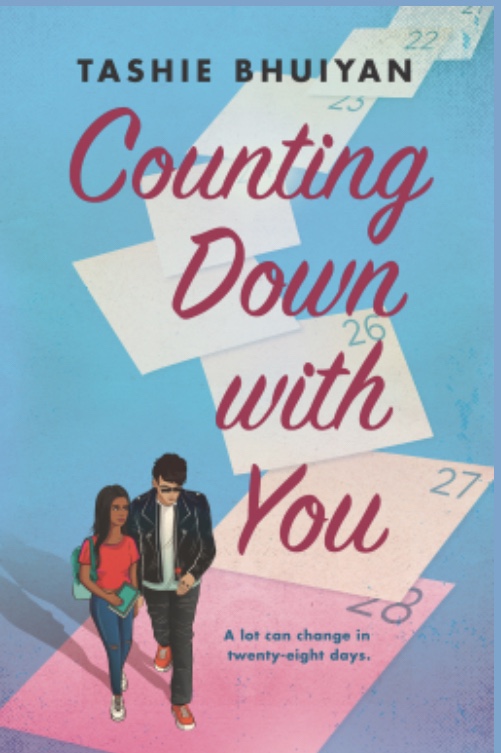
Counting Down with You by Tashie Bhuiyan

Standard
Counting Down with You by Tashie Bhuiyan

img_7940

I have to be honest that this book really held my attention and was hard to put down for about two-thirds of the 416 pages.  I was genuinely invested in the characters and wanted to see how it all resolved.  Sadly, by the end, I was disappointed with the conclusion, the predictability, the stereotypes, and the cliche’ of it all.  The author mentions in the forward that she is representing her story, not a representation of all Bangladeshi- Muslim American girls, but for an OWN voice book with such a clever premise, I really wanted to be shown more than I was told, I wanted to feel the protagonists strength, and cheer her on as she found her happiness on her terms.  But alas I felt that she let other’s fight her battles and she really only threw her religion and culture around as weighted plot oppressors, not as strands of her life that she had to decide to embrace or understand in the process of growing into herself.  There was a lot of potential to discuss mental health and family expectation, but the end unraveled all that the book could have been.  Undoubtedly the author is a good writer, and brown Muslims are not a monolith, but I feel like sometimes we need to square away who we are before we just clamor for what we want.  This book has relationships, it is a romance novel afterall, but whether the characters are straight or LGBTQ+, there isn’t more than kissing and hand holding and would probably be fine for 9th grade and up if you are ok with a Muslim lead lying to her parents and having a boyfriend.

SYNOPSIS:

Karina Ahmed is 16 and expected to be a doctor when she grows up.  Her conservative Muslim parents are immigrants from Bangladesh and very over protective of their oldest child.  Samir her younger brother, a freshman, is a robotics nerd and the pride of their family.  Karina loves English and wants nothing more to major in English in college, but her parents are insistent and despite her struggles with math and science she is determined she has no choice in the matter and must make them proud by being a doctor.  This inability to be what her parents want has caused tremendous anxiety within Karina and when her parents leave for a vacation to Bangladesh for a month, she is hoping to be able to relax and enjoy life for 28 days with her Dadu, paternal grandma, and her friends, Cora and Nandini.

The only extracurricular activities Karina is allowed are Pre-Med Society and tutoring, where she helps others with English.  Her teacher asks her to tutor a classmate one on one to prepare for the end of the year exams, and reluctantly she agrees.  Very reluctantly.  The classmate is brooding resident bad boy Ace Clyde, a beautiful slacker that seems to not care about much.  In Karina’s efforts to get Ace to study and taking advantage of limited parental supervision, Karina goes with Ace to a sweetshop and even ends up at his house where she meets his family.  Ace is not ready to admit to his incredibly wealthy family that he is seeking help from a tutor and instead introduces Karina as his girlfriend.  Ace’s older brother Xander, the Student Body Class President, isn’t buying it, so Ace announces it on social media and shows up the next day with coffee for Karina as he walks her to class determined to convince everyone that they are indeed a couple. Karina is not ok with this, but he does promise her a dozen books a week and he is aware that the “relationship” can only last 28 days, so she is in.   Karina’s friends predict that they will fall hopelessly in love and they are pretty correct.  Over the course of the next three and half weeks the two grow closer, he even comes over and spends time with Dadu and Samir.  She encourages him to fix his relationship with his family, and he encourages her to fix hers.  And somewhere in the midst of pretending they decide to make it real and then Karina’s parents return.  She at this point has been cheered on to stand her ground on confronting them about not wanting to be a doctor by Ace, Cora, Nandini, Dadu and Samir.  The conversation does not go well and Karina goes into a two week slump pushing everyone out before she *spoiler alert* resolves to date Ace in secret as long as he respects her lines, and Dadu stands up to her parents for her.  The story concludes with her going to Jr. Prom and her resolved to just stay strong for a little while longer until she is “free.”

WHY I LIKE IT:

I like that I really didn’t know if the book would turn cliche until it ultimately did.  I really liked the realness and rawness of Karina coping with her anxiety and her friends supporting her in Googling coping mechanisms and helping her test them out.  I feel like it was a missed opportunity for Karina’s parents to not reach out to her, or for Karina to even mention that they were missing it.  I think readers that see themselves in Karina would have hoped to see that story thread play out and give them hope of getting help and support or at least getting it out in the open to normalize it.  I love the growth of Samir once Karina make him aware of the double standard, but I feel like he doesn’t read with a consistent persona.  He has a job, he has friends, he likes a girl, but he reads like he is clueless and maybe 10 years old at best, not in high school.  A bit off for me.  And of course you have to love Dadu, a wise old woman who supports her grandchildren and sticks up for them.  I wish Karina would have taken her cues from her beloved grandmother and stood up to her parents with Dadu in the room rather than let Dadu fight the fight and just stand there.  I thought the big climax would be Karina standing up to her parents, so I felt let down when she let someone else fight her fight.  Yes Karina tried and failed, but I think her grandmother should have backed her up in round two, not taken over.

Karina throughout says she is Bangladeshi-Muslim and uses it as a reason to fear her parents and feel obligated to not date or study English.  She does say she isn’t against religion, and actually likes being a Muslim and praying and knows Allah loves her, but that it is the tradition that blindly is followed that gives her trouble.  Her maternal grandfather is an Imam and her mom is much stricter than her father, but he follows her lead in raising the kids.  My critique isn’t so much to argue with the author’s perspective about religious standards, but more a literary one, when the character says she is Muslim and uses that to reason why she has lines, but yet is never seen praying or wresting with what she wants and what she believes.  Never asking Allah for help with her anxiety or confronting her parents or anything for that matter.  As soon as her parents leave she is in a crop top, so where is the religious line and where is the cultural one?  Where is her understanding of her culture and where it fits in her life and where she wants it to fit in her future? Is she Muslim because her parents are or because she believes it? She won’t eat ham, and eats halal, but later eats meat at Ace’s house? Everyone, even fictional characters, get agency, but in a book where the premise is a fake relationship turned real turned rebellious because of religion and culture, a little introspection seems warranted.

The conclusion after hundreds of pages of being called lionhearted and brave and strong seemed diminished when going to prom and lying to parents and having grandma fight your battle is the happy ending.

FLAGS:

Relationships: The main couple hold hands and kiss. There is a supporting character that is bisexual as is a cousin, one is gay, they hold hands and kiss as well. Nothing more than that or detailed. There is lying and deception.

TOOLS FOR LEADING THE DISCUSSION:

I don’t think I would do this as an Islamic School book club selection because it would imply agreement with lying and going behind your parents backs.  Granted her parents are difficult and her grandma is aware and ok with the situation, but I still think it would send the wrong message to endorse such behavior from a religious school perspective.

Punching the Air by Ibi Zoboi and Yusef Salaam

Standard
Punching the Air by Ibi Zoboi and Yusef Salaam

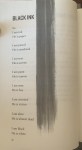
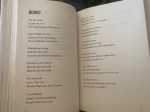
img_7268

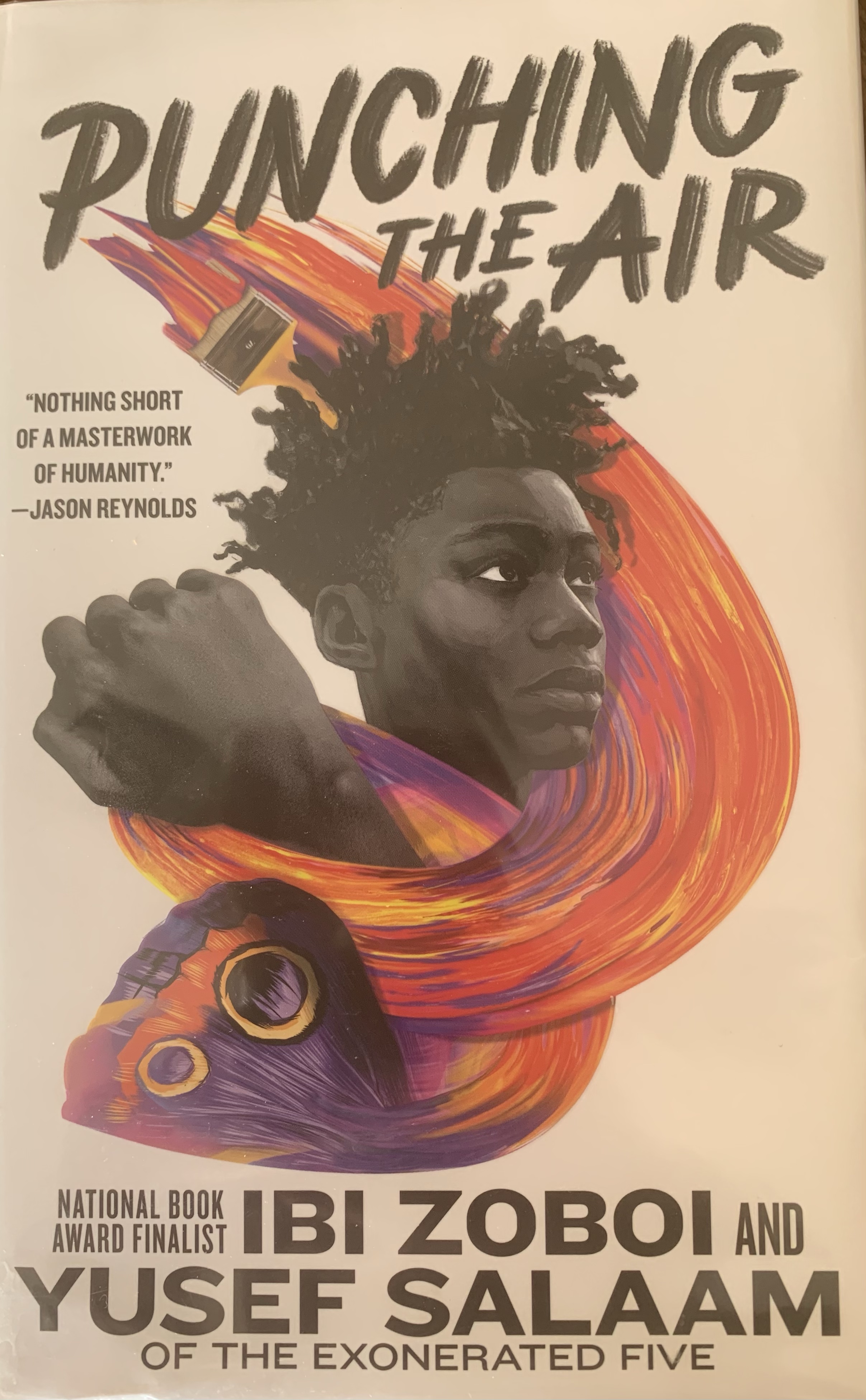
Four hundred pages of painfully powerful verse that you will have to force yourself to slow down and not rush through.  Yes, you want to know what happens to the young, black, muslim teen writing his truth, but to read it too quickly will deprive you of feeling and contemplating and absorbing the message that if, you, like me are a white (ish) person of privilege, need to surround yourself regularly with to understand.  The OWN voice narrative is co-written by one of the Central Park Exonerated Five and should be required reading for everyone 14 and up.

img_7263

SYNOPSIS:

Amal Shahid is 16 years old, and maintains he is being wrongfully accused of a crime that has left a white boy unconscious.  He acknowledges he threw the first punch, but is adamant that he didn’t throw the last.   From his trial to his incarceration in a juvenile detention facility, the narrative pushes forward as he adapts to confinement with flash backs to pivotal moments in his life.  He is a gifted artist and writer and his creativity and ability to express himself is what will hopefully provide him a way to survive.

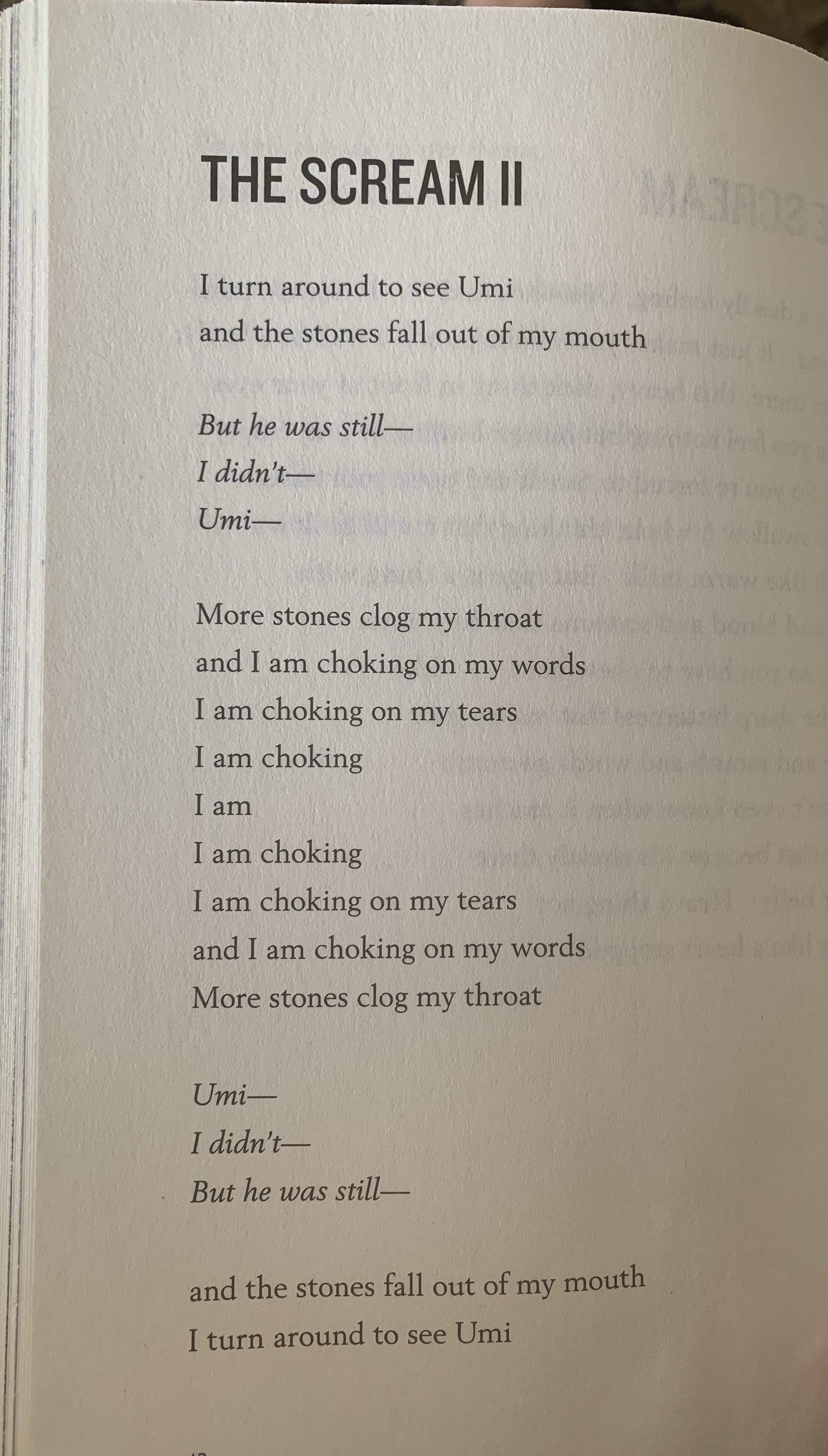
I know I’m leaving this vague, because truly I cannot do it justice.  I started taking pictures of powerful sections, and when I found myself taking pictures of nearly every page, I realized that the book is something to be experienced in its entirety and will include just a few internal pages to tempt you.


WHY I LIKE IT:

The book is impactful in that it claims only to share the protagonist’s truth, it doesn’t get off tangent from that, but allows for the reader to add to the narrative their own understanding to make it personal and resonate most profoundly.  His situation involves so many injustices plagued upon him only because of his skin color, and a system that is designed to keep racism alive and powerful.  He was at the wrong place at the wrong time perhaps, but while the book is heavy, hope is ever present.  I’d like to believe it is because of those that refuse to give up on Amal. I was swept away by the power of a mother’s love.  Truly, what strength for a young man in Amal’s situation to have the world betray him so often in his young life, to find unflinching love, support, belief, and determination in his mother.  

I love that his mother is a practicing Muslim, his grandmother attends church, and he loves them both and values their spirituality.  Allah, the Quran, and Islam are mentioned regularly.  It never is preachy, or gives much doctrine, but it is present, and is a tangible part of how Amal sees the world.

img_7266

FLAGS:

There is language and violence.  He has a crush on a girl and she writes him letters, nothing obscene.  There is racism, bullying, racial slurs.

img_7261

TOOLS FOR LEADING THE DISCUSSION:

There is so much to discuss in this book, and so many resources online.  I think the book might be too mature for my middle school book club, but I am suggesting it to the high school book club.  This book needs to be read, discussed, breathed in, and experienced.  Plus the author’s real life experiences should be incorporated into the discussion as well as the student’s understanding of how present racism is and how they can use their voices and influence to create real, lasting, change, inshaAllah.

The Theft of Sunlight by Intisar Khanani

Standard
The Theft of Sunlight by Intisar Khanani

img_7254

Breathe, deep breaths, exhale, phew.  This book is good, like really good, but it ends on a cliff hanger and I was not prepared for it because I read a digital copy and didn’t think 528 pages had gone by.  Needless to say I was not emotionally prepared for there not to be a resolution.  Then the afterward said it was a duology, and I may have freaked out and contacted the wonderfully patient author and had her talk me down, because such words could imply that Thorn was book one.  Also, when I’m frantic I don’t read clearly, but now all is well, she assured me there will be a conclusion, inshaAllah, to Rae’s story.  Picking up chronologically where Thorn left off, this book is a companion in the Dauntelss Path series, but follows a different protagonist and while I highly suggest reading Thorn first, it is not necessary to understand this original tale.  So, phew, I am breathing again, and happy to venture back to Menaiya to share my review of a lovely story, written by an amazing Muslim who once again weaves such an engulfing tale that doesn’t drag or have holes in the narrative, is filled with strong female characters, and text that reads so effortlessly it just sweeps you away.  Truly it is fun for middle school and up (13+), and clearly I’m not passionate about books and fictional characters and don’t need to get a reality check.  

SYNOPSIS:

The book opens in a small village where Rae is in the market with her littlest sister Bean and their friends, Ani and Seri, when the unspeakable happens: Seri goes missing.  This isn’t a tale of a child who has wandered off, it is about a child taken by the snatchers and the materialization that the rumors and horrors they have been hearing of children being taken, becoming very real.  Niya, Rae’s middle sister is a secret mage who tries to track Seri, but can’t break through the mark that keeps her hidden.  As the townsfolk exhaust all resources and resolve she is just another child lost, Rae gets an opportunity to find answers.  Her pregnant cousin has invited her to spend the summer at the royal court and attend the wedding of Prince Kestrin and Princess Alyrra.  Convinced that the palace must have more information about the snatchers, Rae reluctantly agrees to go and investigate what is being done to stop the country’s loss of children.  Rae is nervous to leave her horse ranch, afraid of the teasing she will receive because of her twisted clubbed foot, but above all desperate to help her friend’s family.  

Everything about Tarinon baffles Rae: the extreme poverty on the outer skirts of the palace, the vacant stares of the children, the ignorance of the courtiers, the politicking and secrets.  She doesn’t get much time to ease into this new role though, because she is thrust head first in to it when asked to be one of Princess Alyrra’s attendants. She once again reluctantly agrees, with the hope of getting answers to help recover Seri and other lost children.  After tests to gage if the princess can trust Rae, the two join together to secretly unravel what is going on.  This work in and of itself is incredibly dangerous as those that ask questions often go missing.  Her work is compounded when the princess sends her to get information from the head of a thief ring, Red Hawk, and his informants.  The closer Rae gets to answers, the more perilous situations she gets in and out of, often having to count on her bravery, determination, and wit to stay alive.  She finds an unlikely ally in Red Hawk’s right hand man Bren, help and friendship in an employee in the tax office, Kirrana, and the need for favors from a Fae mage and his Cormorant.  As the investigation progresses, it leads to battles with neighboring thief rings, Rae held hostage at one point, getting her finger chopped off at another, the Circle of Mages seeming guilty, and royalty within the palace duplicitously involved.  All this while a week long royal wedding is underway and the princess’s brother is attempting to kill the princess.  No wonder 500 plus pages still ends with a cliffhanger, eh?

WHY I LIKE IT:

I love the world building and detail and speed of the story, but I’ve really delayed writing this review as I try and pinpoint and articulate what it is about the characters that I truly am invested in.  And the answer is, I really don’t know, it probably it isn’t just one thing.  They are believable, and flawed, yet so very strong.  Rae in particular has her own self doubt and questioning, but she is a force and she makes mistakes, yet is still gracious and humble, she really is well rounded. There might be some romantic twinges between Rae and Bren, but she isn’t going to compromise one bit of who she is for him or anyone for that matter, which doesn’t mean though that she isn’t still growing and learning.  The book absorbs you right away, there aren’t dull parts that you skim over, or character’s that you mess up and have to go back and clarify.  Unequivocally, the writing is superb.    

The snatchers are inspired by the slave trade and child trafficking that unfortunately is not fiction and is all too real.  I think the edginess and intensity is heightened when that realization occurs for the reader to see that it isn’t just a fictitious conflict within a fantasy plot.

There is nothing Islamic in the book, the characters have their own religion that pops up as Speakers are involved in healing the recovered children and Alyrra goes to pray at one point, but it doesn’t detail what that looks like.  The author is Muslim.

FLAGS:

The book is remarkably clean, especially for the genre.  It does mention that some of the girls snatched end up in brothels, and the guards sent to investigate take advantage.

TOOLS FOR LEADING THE DISCUSSION:

I think I would absolutely do this for a middle school book club book.  To open the students eyes to quality writing, taking a real problem and nesting it in fiction to be sorted out, and just to see their response to the journey that Rae under takes would make for a great lunchtime discussion.  The book has not been released yet, so there aren’t a lot of reader’s guides or author interviews about it, but I suspect there will be soon.

The Servant by Fatima Sharafeddine

Standard

img_6859This 157 page young adult book is translated from Arabic and while at times the story seems intentionally choppy, at other times it seems that the translation is making it more jarring than it needs to be.  I found the book interesting and powerful, in much the way a short story can be, but the length was awkward, as it was too long for a short story, and not long enough to really read as a novel with detail and depth and connection.  I love the growth and retaking of control that the protagonist embodies and I absolutely love the ending being left intentionally unresolved.  There is no mention of religion in this story set in Lebanon, until nearly the end when it states that she is Muslim.  I wonder if the translation took out some of the ‘Salams’ and ‘inshaAllahs’ that would have clarified it a bit even if prayer, or the athan or any outward signs of being a Muslim are clearly absent.  The book is probably fine for ages 13 and up.
SYNOPSIS:

Faten is essentially sold in to servitude by her family.  Her family lives in a village outside Beirut and when money gets tight she is forced to go and work as a house keeper/maid for the Zein family.  Once a month Faten’s father comes and collects her salary showing little to know affection for the eldest of his children. The small Zein family has two daughters and lives in a flat.  While the girls are in school, Faten cooks and cleans and dreams of being a nurse.  The family is not particularly cruel to Faten, they often refer to her simply as ‘girl,’ but they are not particularly kind to her either.  The highlight of Faten’s day is watching a young man across the street that drives a dark blue car, come home, study, and play piano.  On occasion she catches his eye, so he knows she exists, but the two know nothing about one another.  On Faten’s 17th birthday she decides she is going to gift her self something, and writes a letter to the blond man across the street.  She has her only friend in Beirut, Rosalynn, a much older house servant in the apartment downstairs from Sierra Leon, deliver the letter which asks the boy to meet her so that she might seek his help in a very important manner.

When Faten and Marwan meet, Faten asks him to obtain information about how she might study nursing and change her future.  The two secretly meet with Rosalynn’s help on Sunday’s, Faten’s one day off.  Faten borrows May’s books to study as she learns what exams she must take to make her dream a reality.  Marwan helps her with questions she needs assistance with and Faten and Marwan become close friends, with both feeling some attraction for one another just beneath the surface.  One day however, they are discovered by a friend of Mrs. Zein at a beach side cafe, drinking coffee and Faten is forbidden from leaving the apartment as a result.  With the oldest girl, May, married now, and nothing to look forward to on her days off, Faten dives in to her studies and is more determined than ever to pass her exams.

To even take the multiple day exam requires a few lies, a few favors, and the willingness to take a huge risk.  When the Zein’s find out she is let go, and now must face her parents back in the village.  With the help of her childhood friend, Faten clings to hope, confidence in her ability, and determination to pave her own way on her own terms.

WHY I LIKE IT:

I love that while Faten is the victim of cruel parents, and an unfortunate circumstance, she rises up and fights for control.  I love that she has feelings for Marwan, but that they don’t overshadow her future goals, nor does she become overly dependent on him.  I really love her strength in handling the situation with him when it is good, when it is tested, and when she has to walk away.  There are elements of it being a love story, but that is just one thread of the book, her charting her own path is much more the central story line.  I wish her religion and his religion would have come to the surface more, and sooner.  Lebanon is a diverse place and just saying they were of two different faiths could have provided a lot of insight and fleshing out of the culture and the dynamics the two would have faced.  The classism is a bit obvious, but even when that is explored it provides a better understanding to the characters and to the arc they are moving on.  I like that her childhood friend and family are so loving and that her mom is not completely written off as a passive flat character.  Overall, I like the story and the book, set in the 80’s it really could have gone a lot of ways, but it held close to the theme and provided enough side details that it felt grounded, believable and ultimately was enjoyable to read.

FLAGS:

When May is entertaining suitors there is some ogling that young kids might question.  There is a lot of lying and deception and the possible romance between Faten and Marwan that in the text is pretty clean, but there is some hand holding if memory serves and implied desire for the friendship to be more.

TOOLS FOR LEADING THE DISCUSSION:

The book offers a lot in terms of classism and forced labor to be discussed and the cliffhanger ending between Marwan and Faten would allow the readers to decide if they could be together despite their different faiths, economic status and families, or not.  I probably wouldn’t do it as a book club, but if I were a high school teacher, I might offer some sort of extra credit assignment involving the book, as the ending really lends itself to the reader projecting the characters’ futures based on their own perspectives which would be fascinating to hear.

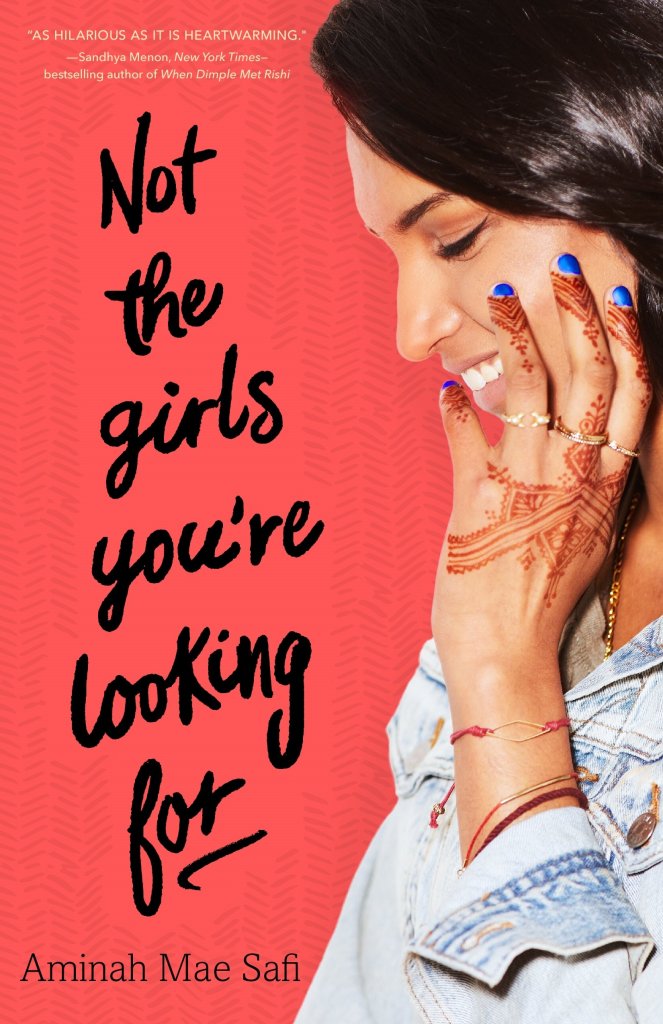
Not the Girls You’re Looking For by Aminah Mae Safi

Standard
Not the Girls You’re Looking For by Aminah Mae Safi

This book did not work for me. Despite the fact that the main character is Muslim and it is Ramadan, no matter how much I wanted to connect with this multicultural lead and her friends, and see myself in her as she navigates high school, I just could not. The writing was choppy 3rd person which distanced the main character for me, the crude language on every page, the drugs and alcohol in every scene, the detailed sexual encounters throughout, the lacking growth of the characters and the muddled point of the book in general made the book difficult to read. The book is an AR 4.9 but content wise is more suited for mature 18 year olds. Even this review might be a little too much, I’ll do my best to keep it clean. Ultimately this book missed the mark for me in showing females defining themselves, celebrating friendships and diversity, or even just creating characters to cheer for as they navigate life.

SYNOPSIS:

Leila is half Iraqi Muslim from her dad’s side and half American Catholic from her mother. She doesn’t know how to pray as her father isn’t religious, but celebrates Ramadan and Christmas and defines the world on her own terms. She is fearless and owns herself, hence she hates her name and goes by Lulu instead. The book opens with her making out with a boy in a closet which she kind of regrets and then goes to join up with her friends at the party to drink and get high and attack one another for their poor choices resulting in drama. In this instance Lulu’s anger pushes a boy in the pool, and then the four friends devise a way to get home and work out the lies they will need to tell to the parents involved. This scenario with only slight variations repeats five or six times in the book.

Lulu is the fearless one, Lo, short for Delores, is the leader, Audrey is an alcoholic math whiz and Emma, not to be underestimated and often is forgotten (literally) is coming out in her first lesbian relationship. Yes these labels are limiting and stereotypical, especially in a book calling for girl power or what not, but sadly that is really the only space they flesh out, not a whole lot more is known about them. The girls defend each other fiercely to outsiders, but are truly awful and angry to one another all the time. They break apart and Lulu doesn’t really know why, so the path back to one another isn’t really cathartic. They pull a prank to get back at a boy that crossed the line with Lulu, but it fizzles when the threat of what the prank could do is enough to keep him away and they don’t have to complete it completely.

Between the parties there are some sub plots that weave in and out. Lulu has to spend time with Iraqi family friends who don’t accept her and are critical, in Arabic, of her mother. This gives some cultural layer to the story, but the characters are pretty flat and petty and hypocritical. The bombings in Paris a few years earlier, and the resulting bullying by classmates hardened Lulu, but there isn’t much info on how awful they treated her or how it defined her, so not much sympathy is garnered by the event nor does it help the reader get inside Lulu’s head. There is also a sweeter love story brewing than the one night stands that define Lulu, but then she goes with her mother to get birth control so she can sleep with him all while making it clear that he isn’t her boyfriend, she just wants to have sex with him- which she does on her seventeenth birthday.

Eventually the girls are back together and gushing with tales of sorrow and personal growth and vows that they will always be like sisters.

WHY I LIKE IT:

I don’t mind the premise so much as the execution of it. I get that people practice Islam differently, but I really don’t get the need to even bring her religion in to such a story. Culture maybe, but even that is a stretch. I don’t know if the story would be better if it was first person, I would like to think so, as not connecting with the main character was such an obstacle for me. I wanted to see her grow and change or at least have clarity in her decisions even if I didn’t agree with them or couldn’t relate to them. I wanted to feel her remorse or the weight of her decisions, but was often just told in passing that something scared her or was hard for her, not shown it. The theme of not belonging anywhere is a legit one, but I don’t know that this book explored it, it just sort of brushed by it almost as a trial to see if the emotions would stick. Which for a character built up to be unapologetic and unafraid to suddenly want a victim label without any real emotional ties, didn’t work for me. There are such holes in the story, that at times things didn’t seem believable or details were so specific with no context that I didn’t get their purpose. I would have loved to know more about her brothers and the tests they went through, or why her family was so loyal to the Arabs around them. I desperately wanted something that showed a different side of Lulu not just the anger and “F everyone who wants to change me” mantra. People are scared of her and she enjoys that power, but I don’t get why they are scared and why she enjoys it. It seems like a big part of her story and of the book in general to miss. Yes she is independent, and I get that can be misread, but she almost seems one dimensional and flat which defies the concept of defining yourself on your own terms and carving out where you want to belong among groups that see you as other, right?

The character is pretty open that she knows little about Islam, she also claims she isn’t interested. She fasts not so much because it is a commandment but more to appreciate poor people. She says this, but actions don’t seem to back it up. She tries not to drink during Ramadan but she still smokes, gets high, makes out, and lies once the sun goes down. At one point she calls a bride and her mother whores, and refuses to apologize, so her dad gets a fatwa issued. Lulu’s mom mentions that something went all Shiite on the situation, so I’m not sure if the fatwa issuing for such a specific thing is a shiite thing or something I’m just not aware of or familiar with as a tool for handling family dramas.

FLAGS:

The whole book really. Sex, drugs, alcohol, sexual assault, lying, cheating, blackout drunk, vaping, talk of orgasms and going down, lesbian relationship, hetero relationships, sexual encounters, language etc etc etc.

TOOLS FOR LEADING THE DISCUSSION:

Would never cross my mind to share or suggest this book. Even religion representation issues aside, I don’t know that there is really a single “healthy” relationship highlighted among the main characters, some of the side characters maybe, but not enough information is given to really make that case. The characters just all seem so angry, not saying teenage years aren’t angry and messy, but this one doesn’t seem to add much perspective to that singular thought unfortunately.

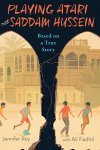
Playing Atari with Saddam Hussein: Based on a True Story by Jennifer Roy with Ali Fadhil

Standard
Playing Atari with Saddam Hussein: Based on a True Story by Jennifer Roy with Ali Fadhil

atari

This 165 page AR 3.9 book about the 42 days in 1991 that Iraq was at war with the United States is told from an 11 year old half Kurdish Christian boy’s perspective, but he mentions that he has friends that are Muslim and culturally and historically the book is relevant, important, and engaging as well.  I had my 9, 11, and 13 year old read it to gain perspective of the Gulf War, the difference between politics and people, and to see diverse religions co-existing despite stereotypes, especially in the middle east.

SYNOPSIS:

Ali gets the highest score on his Atari console the day that the bombs start falling.  Ali and his brothers Shirzad and Ahmed, and sister Shireen along with their parents retreat to the safest room in the upper middle class home to hopefully stay safe.  With experience of surviving the Iran-Iraq war which ended just three years earlier, the kids camp out at night in the room farthest from the nearby school and spend their days playing soccer in the abandoned streets.  The safe room was determined by knowing that Saddam uses his own people as human shields and places military installments in public service locations so that he can use propaganda to try and convince people that the enemy is bombing schools and hospitals intentionally to harm the innocent.

When the electricity goes out and the water cuts off, the family is forced to accept government rations.  Their dad is a dentist, but as he is essentially property of the state, he is forced to work as a medic and is often absent from home.  The family lives in Basra, which is in southern Iraq and near to the invaded Kuwait, thus all the troops pass through the city and the children spend their days keeping up their house, playing soccer with their friend Mustafa and trying to avoid the bullies Omar and Umar who’s father is in Saddam’s Ba’ath Party.

Ali speaks English because of his love of American TV and feels that if he can meet some US soldiers he will convince them that he should be in America not in Saddam’s Iraq.  He loves Superman, video games, soccer, his family, and his country, but the people, not the leader, he loathes Saddam, even though he knows he can’t ever speak ill of him.

A trip to get rations results in Ali seeing public executions and a colleague of his math professor mother’s getting hauled away.  A visit from their cousin gives them news that their father is missing. Life is not easy for the family, and yet they know they have it better than a lot of other people.  After the war, once again the family will have to put back together their lives and carry on.

The book concludes with a 14 year jump and Ali translating at the trial of Saddam Hussein where the leader who has been hiding is found guilty and sentenced to be killed by hanging.

WHY I LIKE IT:

I love that Ali is so relatable, he could really be a kid anywhere which makes what he sees and hears and experiences all the more intense.  The way that the book shows how the soldiers are forced to be soldiers, the citizenry at the mercy of the government, and the inability to speak freely so very real and frightening, is strong, but not traumatizing to the reading audience.  Even Ali being forced to observe the killing of  people in the street is handled with the target audience in mind.  They are Kurdish and had to deal with that within Iraqi society, which is a nice added layer to understanding that Iraqis are not a single monolith.  I love how the family had to go to the governor’s house and how nice his son was, even though, they are all Ba’ath Party members and part of the larger oppressive system.  It shows that things aren’t always black and white, and to convey all this to eight and nine year olds so clearly is quite remarkable.

I also like that the book holds up over time.  My kids had no idea what Atari is or was, but they could understand that it is a video game, and that it was an escape during the night for Ali to imagine he was playing a game trying to catch the falling bombs as a way to be brave and endure.

FLAGS:

Execution, death.

TOOLS FOR LEADING THE DISCUSSION:

I would consider this for a middle school book club, it is a bit short and definitely more middle grades, but it would allow kids to identify and imagine and discuss war through the fictional characters and voice their understandings of an authoritarian government structure, which would be interesting.

Author’s Reading Guide: http://www.jenniferroy.com/wp-content/uploads/2017/05/Playing-Atari-Teacher-Guide.pdf