Tag Archives: teasing

The Unlovable Alina Butt by Ambreen Butt-Hussain

Standard
The Unlovable Alina Butt by Ambreen Butt-Hussain

img_9079

This middle grade book in many ways reads like a memoir, it isn’t, it is OWN voice fiction, but the chapters often come across like short stories with their own climax or punchline.  The lacking continuity of smaller threads being resolved means if you put the book down, you aren’t necessarily itching to pick it back up to see what happens next.  There isn’t a larger pressing conflict driving much of the book, yes the girl is bullied, but by one kid, and she has a great group of friends and a supportive family, so the intensity is just not present.  I do like the growth of the character toward self-acceptance, but I don’t know that the target audience will get the 90s references of Spice Girls,  CDs, lava lamps, and gel pens.  The book hits most of the stereotypical immigrant tropes of feeling othered by one’s name, clothes, food, and while she works through them to deal with the bully and find her own confidence, she unfortunately never deals with her internalized Islamophobia, which is disappointing.  She puts Islam on her parents as something they practice, and only begrudgingly seems to acknowledge she too is Muslim when she doesn’t eat pizza with non halal meat.  She is embarrassed when her friends see Islamic calligraphy at her house, hear the athan, she doesn’t reply to her parents salaams, she calls her mother “the most devout in our family” as the reason she has to wear tights under her skirt: she only seems to ok with being Muslim when outsiders give their approval.  The book for me is mediocre, nothing to rush out and buy, nor anything to pull from shelves.  I’ll send my copy to the Islamic school library shelves as the book is fairly clean: a few giggles about naked statues at the museum and very lightly hinted at boy/girl crushes. The older sister deals with a boy who wants to date her and harasses her to the point of affecting her personality, but I think if a 10 or 11 year old picked up the book and read it, they would be ok to see the characters finding their voice, good friends, and sibling support.

SYNOPSIS:

Eleven year old Alina Butt is in her fourth school in three years since arriving in England from Pakistan.  She never fits in, and never has friends, but she is determined that if she can keep her last name a secret, she might have a chance.  One the third day of 6th grade though, her last name becomes known and Adam Atkins has his eyes set on giving her a hard time.  With encouragement from her older sister and love from her baby brother, Alina puts herself out there to make friends and when the teacher assigns her a new group, she finds herself among three girls happy to welcome her in.  The new group also puts her sitting across from Adam, but at least now she doesn’t have to face him alone.

At home, she navigates life as an immigrant trying to blend her worlds.  Her loving family lives above the grocery store they own and face Islamophobia and settling in together as they each have to find their strength and voice and resilience to drive, stand up to harassment, and for Alina, to love herself.  Alina gets the courage to try out for the school play, but when she lands the part of Gus in Cinderella, she has to dig deep to be happy for her friend, forgive a bully, and step in to the spotlight.

WHY I LIKE IT:

Alina is likeable enough, and I love that she grows to love herself too, I’m not sure she was ever unlovable though as the title suggests.  I don’t like that potentially really big plot points are mentioned and then abandoned.  She cuts her bangs way too short, her mom says something and no one else ever mentions it, and she never brings it up again.  Her dad is so sick he leaves the truck on the side of the road and sleeps and the mom takes care of everything, and what was wrong with the dad is never revisited.  These are just two examples of rising action that present that they are going to be important that are seemingly undermined by the lack of follow through.

I love that she finds a way to stand up to the bully and she even helps her sister deal with the boy antagonizing her.  It is strong and resonates with the reader, but it should also be noted that as soon as she has friends, they are gossiping and being rude to Adam too.  I’m not saying it isn’t warranted, and he definitely is worse, but if she is modeling behavior she should perhaps at least feel bad teasing him even before she knows that he has a bit of a rocky home life.  Plus he is one kid with two stereotypical sidekicks, yeah he is annoying and mean, but she has friends and family and teachers that are completely on her side too.  And Adam bullies her about her name, but no one else even acknowledges it or asks her about it.

I didn’t quite get the schooling, but it is probably because I am American.  She is in middle school, but she has one teacher all day and they play on the soccer fields at break and her kg aged brother does field day with her?   The 90s references were fine for me, but I don’t know that the target audience will get some of them, and it might be a little annoying to get through for younger readers.

Ultimately, the way Islam was presented was really disappointing.  It feels like we should be past the internalized othering of our faith.  The culture was worked through and appreciated internally for Alina, but for some reason, religion was only ok when the outside influences deemed it acceptable, and I’m not sure that in 2023 this angle of narrative is doing anyone any favors.  She loves her mom, and part of the character arc is seeing and appreciating her mother’s strength, but very early on mom is labeled as “devout” even though they are all Muslim.  And this self othering to be the reason her mom is keeping her from dressing like everyone else left a bitter taste in my mouth.  Never once does it feel that Alina has a connection to Allah swt, no matter what she is going through there is no bismillah, or prayer, or dua to ask for help, and strength, or show appreciation.  I absolutely get that not every story will have that, but the way Islam is presented as something foreign and never circled back on or portrayed as something that she embodies, makes all the mentions of faith seem deliberately othering, and as a Muslim book reviewer, I feel it is an important point to mention about this book. I wonder if it was intentional or an oversight sensitivity reading would have helped resolve.

FLAGS:

Birthdays, music, bullying, harassment, teasing, othering, mention of naked statues, some sneaking and dishonesty.

TOOLS FOR LEADING THE DISCUSSION:

I wouldn’t use this as a book club selection, and as stated above I wouldn’t rush out to buy the book to shelve at home, in a class or school library, but if it found its way to the shelves I would not remove it.  The book has heart, I just feel like along the way the messaging of finding your voice and putting yourself out there to make friends, the book also hints that the Quran on your walls, modesty, the athaan, eating halal, are all things that are weird, unless your friends think it is cool, then it is ok- and that is not messaging I would really want to spread.
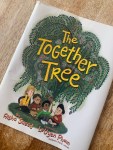
The Together Tree by Aisha Saeed illustrated by LeUyen Pham

Standard
The Together Tree by Aisha Saeed illustrated by LeUyen Pham

img_7924

Being the new kid, not having friends, and being teased are not new themes in literature (or life), so if you are going to write a book about them, take a lesson from Muslim author Aisha Saeed and make sure the story is heartfelt, emotional, and well-told.  There is no Islam in the book, no foreign culture, or teasing because of skin color, it is a boy named Rumi who has moved from San Francisco to the other side of America and his shoes, with their drawings and colorings, that cause the kids to stare and start bullying.  Rumi seeks solace under a willow tree and fellow classmate Han has to be brave to put a stop to the mistreatment by finding his voice and not simply staying silent.  The text and illustrations provide a lot of opportunities for children to see themselves in the story, in the various characters, and ruminate over the actions and feelings from different points of view.  The book is lyrical, it is not heavy handed or preachy, and the Author’s Note at the end is equally touching and hopeful.

img_7925

Rumi is quiet, and on his first day in Ms. Garza’s class the kids stare at him as he stares out the window.  At recess he wanders off to sit beneath the willow tree when Asher, Ella and Han leave the swings to see what he is up to.  Asher and Ella start to make fun of Rumi, Han is uncomfortable, but stays quiet.

Rumi recalls coloring his shoes with his friends, and how different it was to where he is now, he picks up a twig to twirl as the hurt grows. In music class when the giggling starts, he tries not to cry.  At recess he retreats to his refuge under the tree.

When the bullying escalates, and tears fall, Han speaks up and breaks the cycle. Others follow and see the world Rumi has created with his twig and are drawn to it and to Rumi.  Forgiveness is asked for, and granted and the tree becomes a place of friendship and togetherness.

img_7928

The Author’s Note shares the real life observations of the author about her son in kindergarten and how while heartbreaking, there was also hope in the concern shown by other kids that simply weren’t sure what to do.  I love that even though Rumi is being teased for his shoes and being different, he doesn’t stop wearing his shoes or try and clean the drawings off.

img_7926

I think this book is a must read in classrooms and homes were kids can slowly peel back the pieces and see where they can relate, how they can plan to act, and what parts they identify with.  The book is deliberate and slow, and while a child could read it on their own and enjoy the story and illustrations at hand, the real power it has, is being a catalyst for discussion and empathy and speaking up.

Pre order/order here on Amazon

img_7927


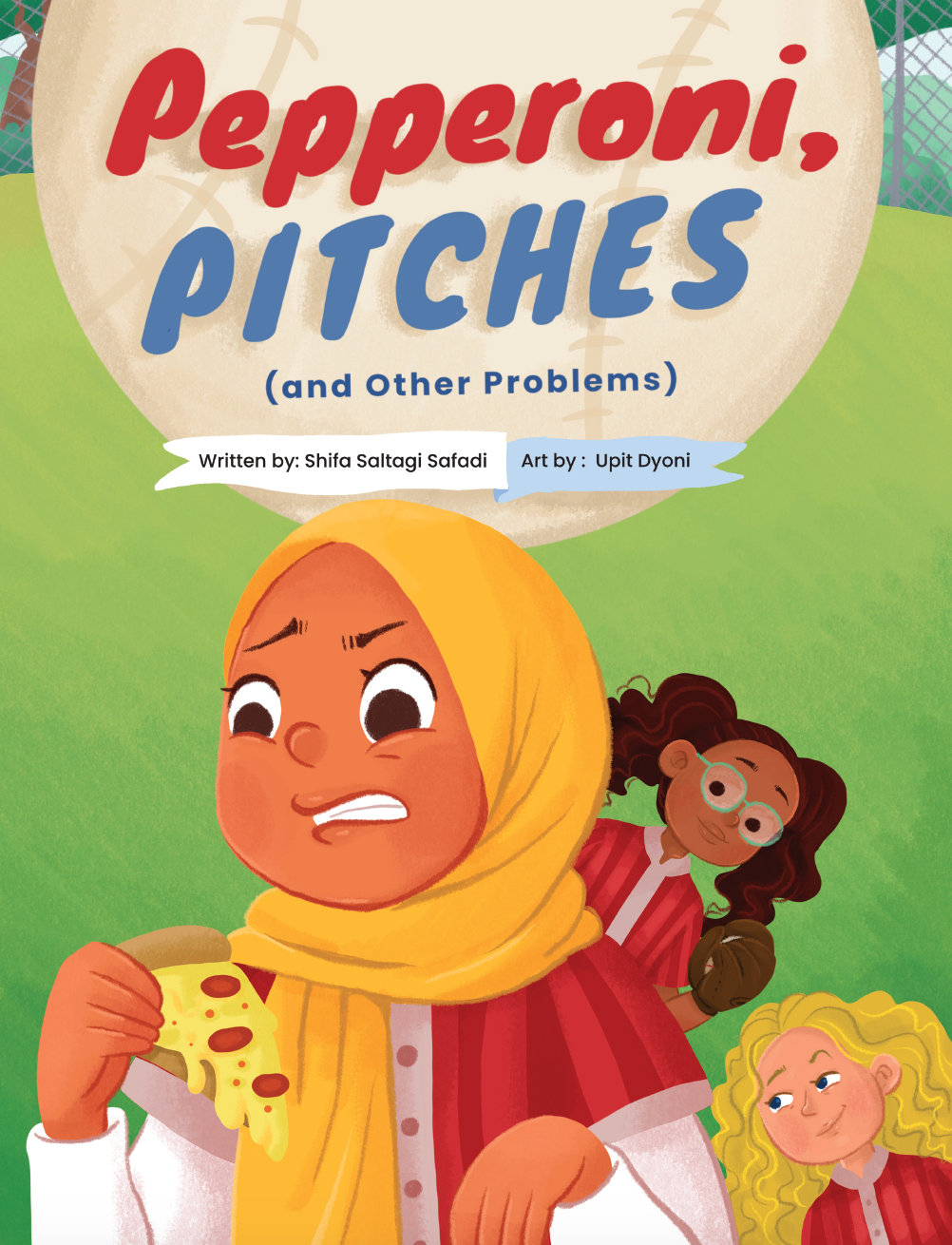
Pepperoni, Pitches (and Other Problems) by Shifa Saltagi Safadi illustrated by Upit Dyoni

Standard
Pepperoni, Pitches (and Other Problems) by Shifa Saltagi Safadi illustrated by Upit Dyoni

pitches

I absolutely love how smart this book is, and how it allows for elementary aged readers to feel that “aha moment” when they read it, get it, and realize that they need to remember the lessons because it could happen to them.  The illustrations are an added bonus and are perfectly aligned with the tone and text of the story.  My only issue, is the title.  Pitches reads as a euphemism for another word and since the book involves girl drama, teasing, and misunderstandings, it really is hard to not have that thought zap your brain when you see the title.  Perhaps if the “and Other Problems” would have used a bigger font on the word “Problems” the alliteration would have been more obvious, and hidden the word “Pitches” a bit.  If I’m alone in this, I apologize to the author and publisher, (I’ve mentioned my concern to them), but for others that saw the word and questioned the content, rest assured it is about baseball and the book doesn’t have even a speck of questionable content.

img_4682

Amira is at a new school, and luckily it is Tuesday, Pizza Tuesday to be exact, and she can’t wait to dive into a cheesy slice.  Unfortunately, Olivia takes the last cheese piece and when Amira asks if she will let her have it, Olivia says she had it first.  Stuck with an egg salad sandwich that smells, Amira sits alone and broods.

In gym they are playing baseball, but no one knows how good Amira is, and she is picked last.  When Amira is up to bat, Olivia is the pitcher and her pitches are terrible.  Amira still mad about lunch and afraid that the others will blame her for not hitting the unhitable balls, shouts, “you’re supposed to aim at my bat.”  Everyone laughs, but Olivia runs off clearly upset.  The new pitcher sends a decent throw and Amira hits a home run.  The captain of the team praises her, and Amira is hopeful she’ll have someone to sit with her at lunch.  After class, Amira sees Olivia crying in the bathroom and no one asking her if she is ok, Amira doesn’t feel so well, and doesn’t ask either. On the bus ride home Amira is greeted with cheers for her home run, but Elena the captain, isn’t among them.

img_4683

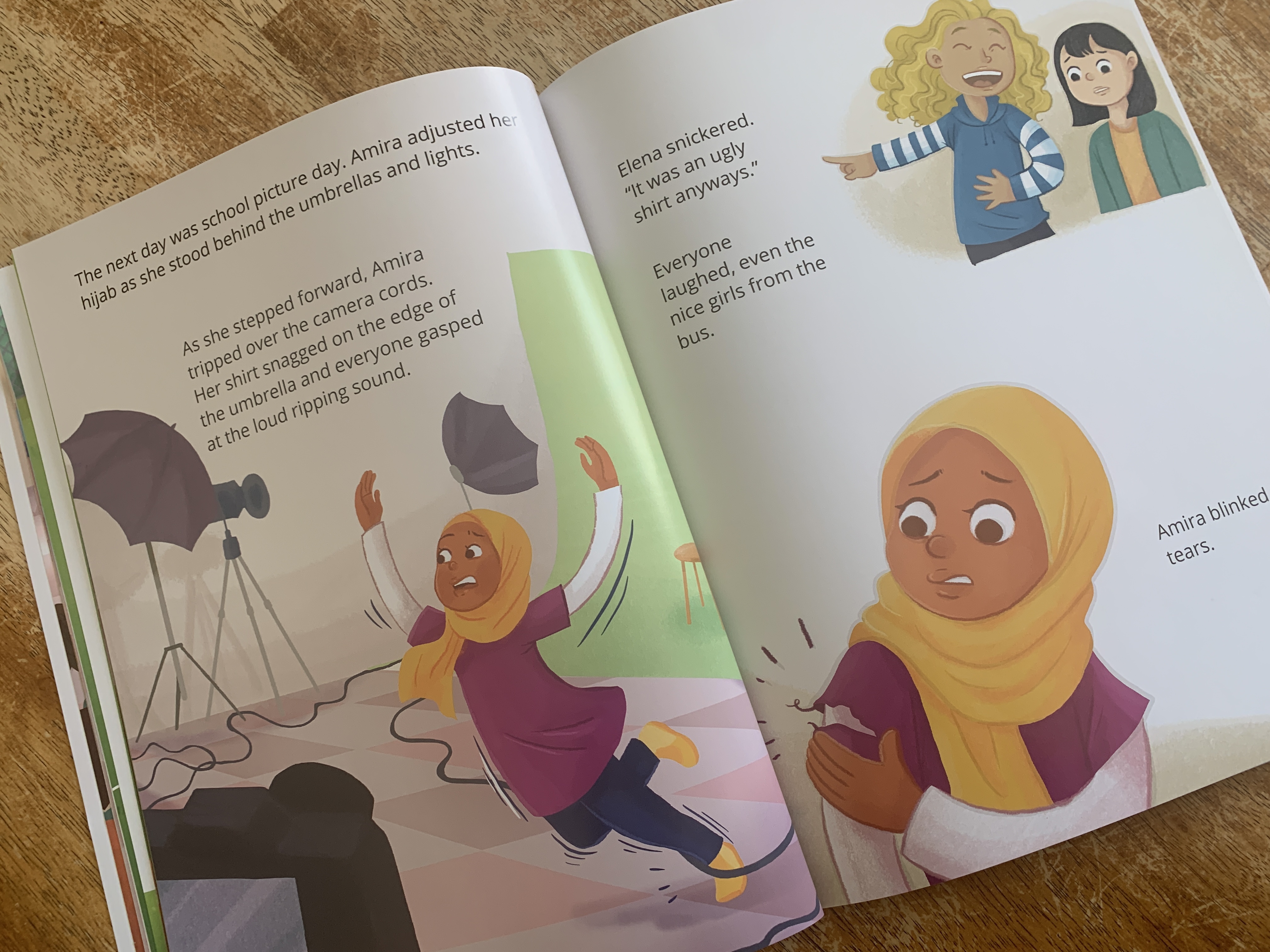
The next day is picture day, and Amira trips and rips her shirt.  Everyone laughs, Elena says, “it was an ugly shirt anyways.”  Only one person offers her help.  Could Amira have misread the whole class dynamics?  How should she move forward?

Sorry, I’m not going to spoil the ending, but the message about owning up to your choices is stressed, along with making kind decisions, and sometimes needing to take a step back and understand things from someone else’s perspective.

img_4684

Like nearly all Ruqaya’s Bookshelf books, the story is universal, but the characters, illustrations, and point of view is a relatable Muslim one that allows our young Muslim readers to feel seen and celebrated.  The reliable large glossy pages make the book a great deal for your money and is available on the publisher’s website: http://www.ruqayasbookshelf or from my favorite bookstore http://www.crescentmoonstore.com

img_4685

Llama Out Loud by Annabelle Sami illustrated by Allen Fatimaharan

Standard
Llama Out Loud by Annabelle Sami illustrated by Allen Fatimaharan

llama

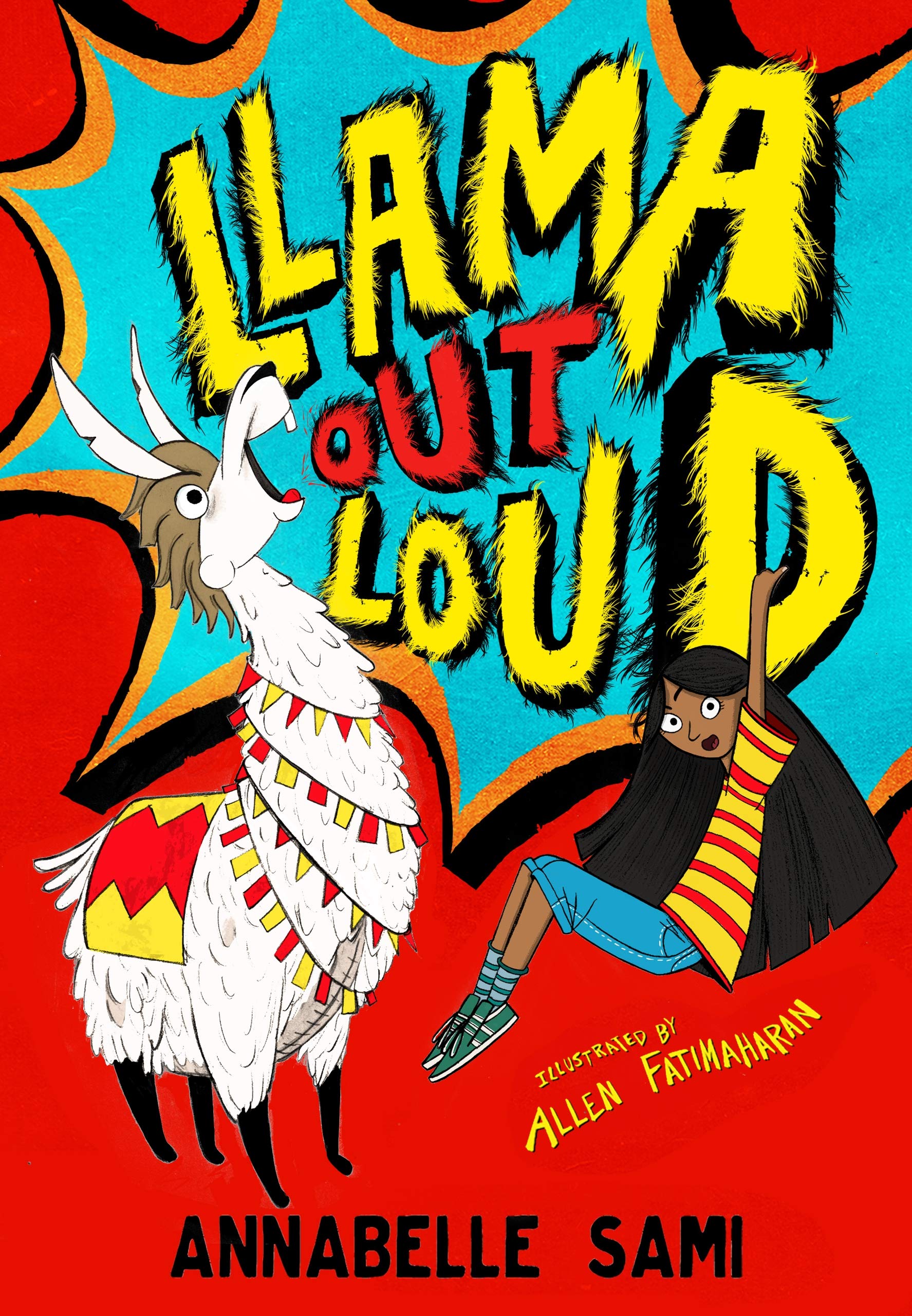
This 245 page middle grade doodle filled novel features a Pakistani-British protagonist as she endures life with a family that yells, brothers that prank, aunts that meddle, and now a magical talking obnoxious stuffed llama.  Yasmin Shah stopped speaking years ago, and a 10th birthday wish has brought about Levi, a llama who uses highly unconventional methods to help Yasmin stand up for herself and find her voice.  At times funny, tender, and relatable, the book similarly often feels really forced as it relies on predictable jokes for cheap laughs:  bum worms, wee wee taunts, the threat of being sent to Daadi in Pakistan as a punishment, bras and knickers being thrown around, etc..  The overall message is good and silly, and middle graders will probably feel some anxiety and frustration with Levi, but ultimately enjoy the book, and look forward to future books in the series.  

SYNOPSIS:

Yasmin lives in a full loud home.  It is her 10th birthday and she feels completely unseen.  Her mom has made her a lovely cake, but when her brothers use pepper to make her sneeze, the cake gets destroyed and she once again meets the wrath of her family.  She wishes she could stand up for herself, and just like that her life gets a whole lot crazier.  A stuffed old stained llama she saw in the market and her aunt decided to gift her, has sprung to life and won’t stop talking.  Levi seems determined to make Yasmin’s life even more miserable.  He shows up in her backpack at school and his misguided help gets her detention, he doesn’t want her to be friends with the octogenarians she plays checkers with at the local senior center and embarrasses her and gets her banned, life at home is more miserable too as he takes revenge on Yasmin who keeps trying to get rid of him.  At times it is hard to know if Levi is really trying to help and is just really misguided, or if he is out to get her.  As Yasmin loses her elderly friends and the chance to be checkers champion at the OLD home, she slowly lets new kid Ezra wear her down and possibly be her friend.  The climax reveals not just her voice, but a remorse for Levi that further helps Yasmin determine what her life will look like moving forward.

WHY I LIKE IT:

Antics aside, the story is about Yasmin being pushed/encouraged to be heard in her life.  The jokes amplify the need for her to find her voice and defend herself, her love of the old people and determination to win the checkers tournament is endearing, and her struggles with kids her own age shows real heartache.  I absolutely love Ezra and his mannerisms.  He is new at school, trying to meet Yasmin where she is at, and encourage her all while trying to focus, channel his energy, and fit in as well.  Yasmin’s family redeems itself and I think readers will get the exaggeration of much of the antics, but really Levi is annoying and while younger readers might find him hilarious and well-intentioned, I think anyone older than the intended audience will just want to strangle him.  

The illustrations, the comic strips, and the little flourishes on the pages are wonderful.  They bring the book to life and provide the charm and humor that the text needs to connect with the readers.

The only religious thing mentioned is Eid at the beginning.  Some of the women in Yasmin’s family wear a scarf on their head and her teacher wears hijab, it isn’t mentioned in the text.  I could not find if the author or illustrator identify as Muslim, I read that the author’s father is Pakistani so culturally and perhaps experience wise it is OWN voice, and reads with a lot of authenticity.  

FLAGS:

Possible verbal abuse, anxiety and bullying.  Mention and illustrations of undergarments.  Plotting and planning to harm/destroy a magical talking toy.  Practical jokes, threats, lying, deception, back talking, deceit.

TOOLS FOR LEADING THE DISCUSSION:

I don’t think I’d use this as a book club selection as it is for younger children than middle school.  But I think it is a fun book to have around the house and classroom for middle grade readers to pick up and chuckle over.

I Can Help by Reem Faruqi illustrated by Mikela Prevost

Standard
I Can Help by Reem Faruqi illustrated by Mikela Prevost

i can help cover

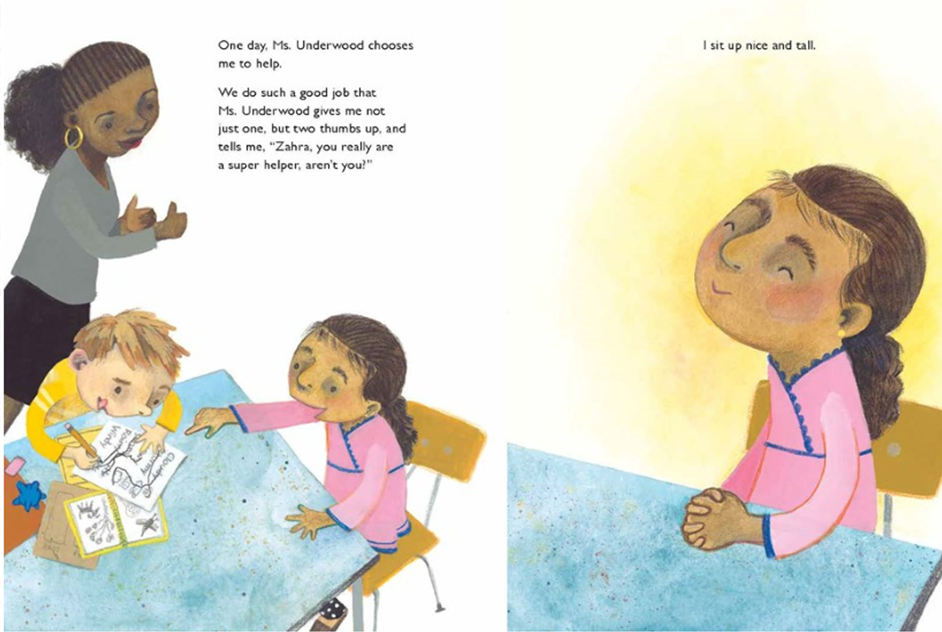
This 44 page early elementary book is absolutely beautiful: the message, the relatability, the representation, the heartfelt author note.  Reem Faruqi is brilliant.  Once again she takes something so personal to her and allows the readers to see pieces of themselves in her OWN voice narrative.  This book at it’s core is about peer pressure, but the way it stays with the reader will resonates deeply and powerfully.  Readers will remember the choice Zahra made and the way it changed not only her relationship with Kyle, but also her own view of herself, while forgetting the names of the classmates that teased her and made her question herself.  It is not the outside reprimanding that gives this book it’s strength, but the guilty conscious that such a young character has to come to terms with as she moves forward.

  i can help 3

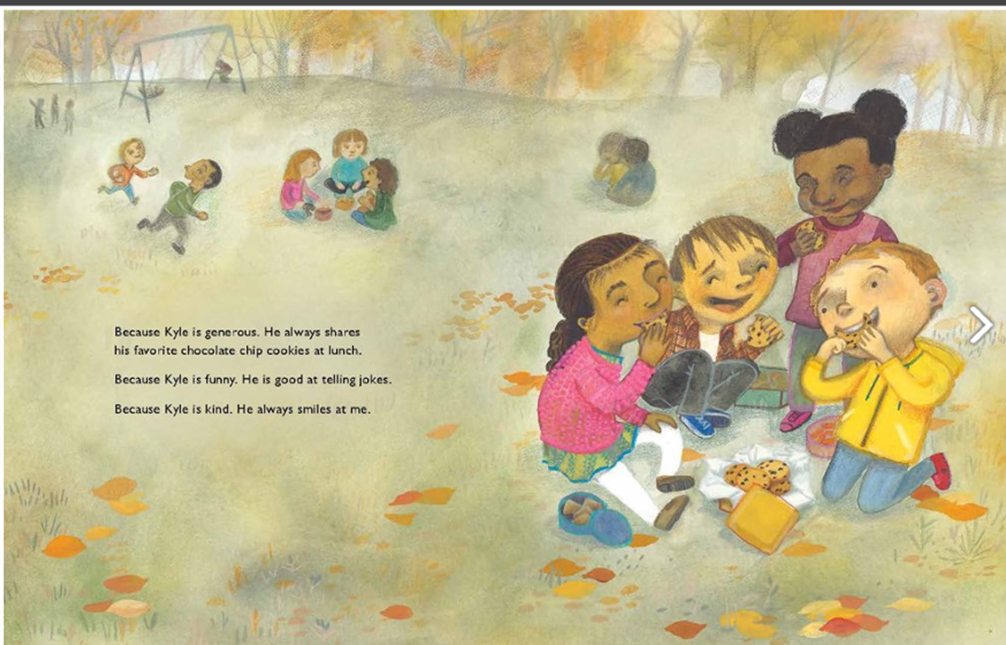
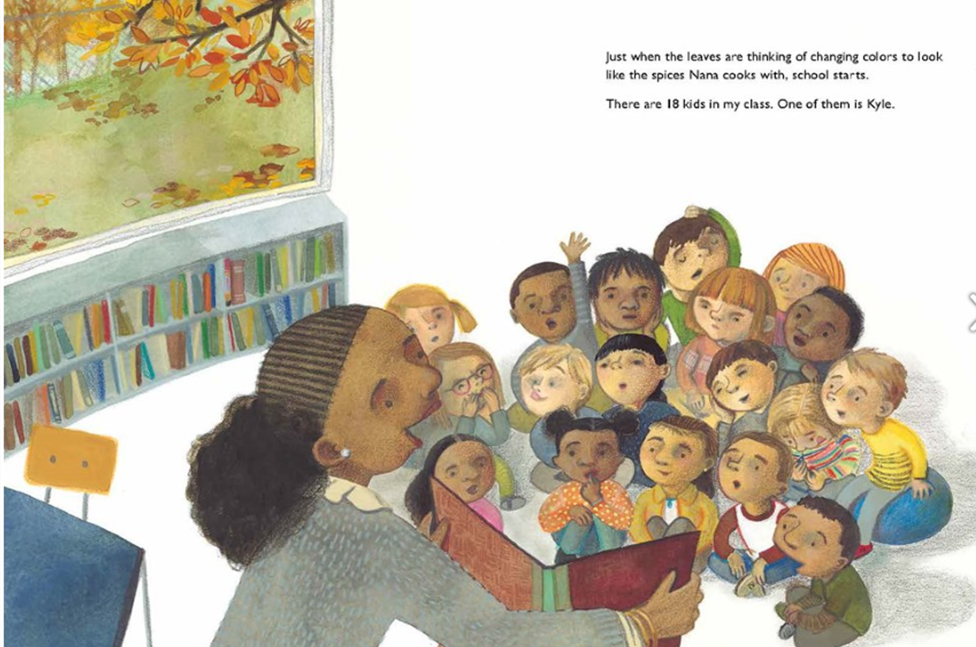
There are 18 kids in Zahra’s class in early fall, when the leaves are about to be the color of Nana’s spices.  One of the kids is Kyle.  Kyle often needs a helper, and Zahra is happy to help him with his cutting and gluing and writing.  The two have become friends.  Kyle is funny and nice and shares his cookies.

i can help 2

Zahra also likes the praise she gets for being such a good helper.  One day when the leaves have darkened, Zahra is climbing a tree and hears some of the girls making fun of Kyle.  She doesn’t want to listen, but her ears want to hear.  When she comes down, they ask her why she helps him.  She doesn’t really know.

i can help1

When she is helping him later, she sees the girls staring at her, and she snaps at Kyle.  The next day Ahmed helps Kyle instead.  Zahra misses being around Kyle, but he says that she is mean and he doesn’t know her any more.  Zahra doesn’t know herself any more either.

i can help 5

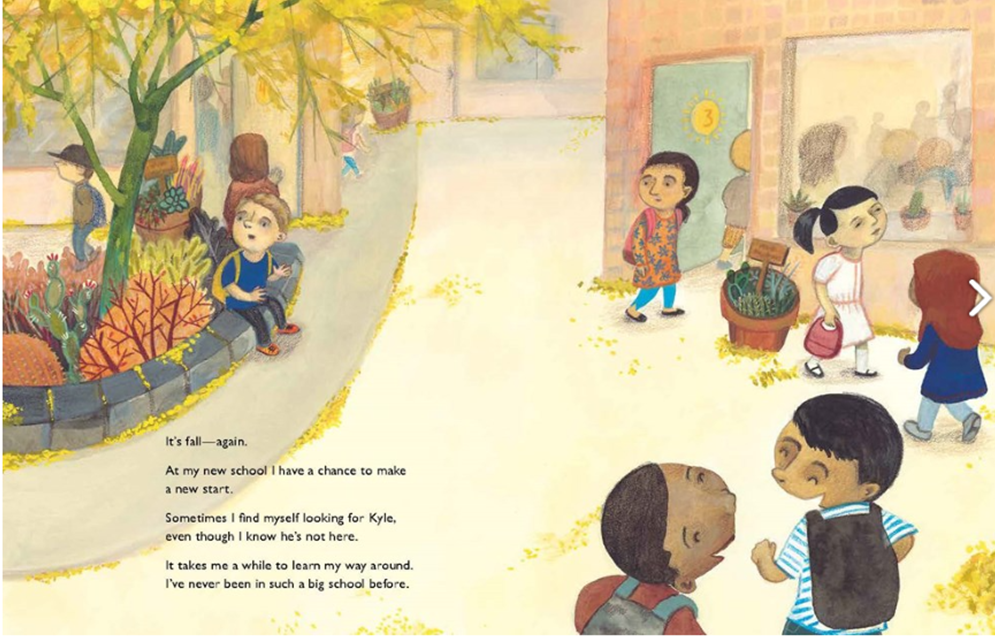
The next year finds Zahra at a new school, and when the opportunity presents itself for her to help someone, she jumps to offer herself as a helper remembering Kyle and finding her voice, one that she recognizes.

i can help8

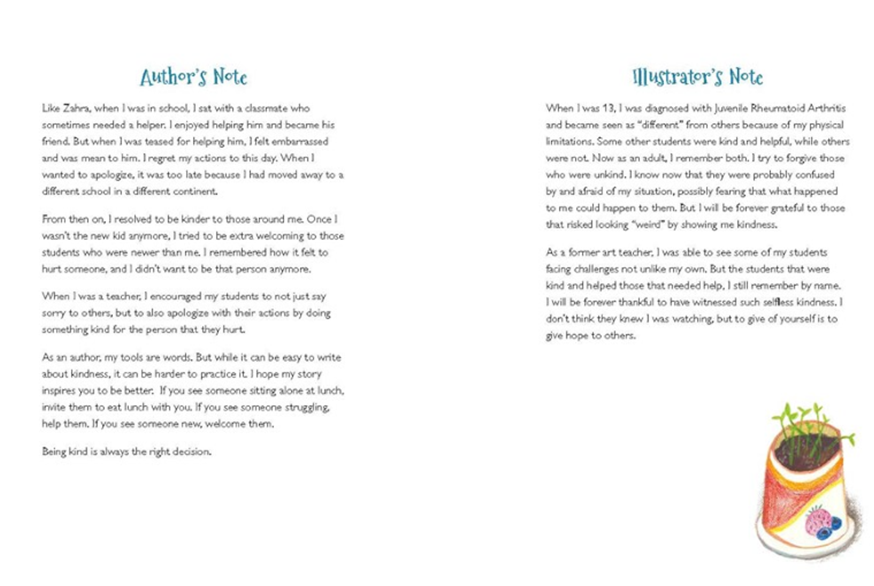
The book is inspired by the author’s own experience, and the rawness and relatability shines through.  The illustrator also relates to the book and needing help with physical limitations.  There is nothing overtly religious or cultural other than the mention of the spices, Zahra’s and Ahmed’s names, and the term for Zahra’s grandfather.  The diverse kids in the classroom and the universal messaging make this book a must read for every kid and big person.  Be kind, always be kind.

i can help 9

Fatima’s Great Outdoors

Standard
Fatima’s Great Outdoors

fatima's great outdoors

As a partially brown person who enjoys camping and does it frequently, I have been anxiously waiting to get my hands on this beautiful 40 page, kindergarten to fourth grade picture book. So, trust me, I’ve read it multiple times to myself, to my children, and even to a Muslim storytime group to try and figure out why I like it, but, unfortunately, really don’t love it. Ultimately, I think it is because there is just too much going on.

Everything about this book is wonderful: the idea to encourage brown people to go camping, to highlight that time in the wilderness is for everyone and doesn’t have to look a certain way, that bullying and micro aggressions are oppressive, that immigrants have diverse and full lives in their home countries and work hard when they come to America, that culture and language and food and music is diverse, yet universal, that learning new skills and trying hard things makes you a super hero, that dad’s can cook and mom’s can be great fire starters and critter catchers, truly it is all so powerful and affirming, it is just a lot for one book.

It could easily be a three book series with just the information and layered themes presented, and I really wish it was spread out. If you are a 4th grade desi kid who has been camping or desperately wants to go camping this book is a great glimpse to mirror your place in the hobby without compromising your unique spin on it, but I think for anyone not in that demographic, many of the little celebrations, messages, themes, and cultural nuggets will simply be lost.

I wanted to hear the campfire stories and jokes, and laugh at the lyrics being belted out, not just told about them. I wanted to feel Fatima’s accomplishment at helping set up the tent and maybe see her struggle and rebound, not just be told she suggested reading the directions. The book has a ton of industry praise and personally came with a lot of expectation for me, so perhaps I’m overly critical, but kids in my storytime were struggling to stay focused when they couldn’t relate to the cultural touchstones being tossed out, they didn’t get the “not being good at math stereotype,” they needed the non text pictures to be explained to grasp their impact on the story, and they wanted to know why of all the Islamic things a Muslim family could do while camping, halal bacon was the only Islamic reference and came with precious little contextual defining.

The story starts with a Fatima and aapa waiting to be picked up after a terrible week of school to go camping for the first time. The Khazi family has immigrated from India and their father has told them that camping is an American pastime. During the week Fatima has been teased for her pronunciation and lunch, had her hair pulled and done poorly on a math test. But when her parent’s pull up with a packed car and the girls jump in to enjoy samosa and Bollywood songs, the weekend holds promise.

When they get to the campsite, Fatima and her dad tackle the setting up of the tent. Dad cannot seem to figure it out, and after the week she has had, Fatima is scared to help, but after a while she suggests looking at the directions and it seems that does the trick. The family enjoys shami kabab and rotis from home for dinner, before the girls climb in the tent.

A spider on the outside of the tent is magnified inside, and has the girls terrified it is a monster. Mom, the ever brave lizard and scorpion disposer in India reassures them that it is nothing and sends them off to brush their teeth before settling in for the night.

The next morning mom shows the girl the small spider keeping the mosquitos out and they all share a laugh while dad is cooking anda and roti on a gas grill. He calls the girls to come out in urdu to attempt a campfire to cook the halal beef bacon on like other American’s do. Dad and Fatima can’t get it to light, so mom, who is from a smaller town in India has to show them how it is done. Along the way Fatima looks at the other campers and is annoyed that they aren’t having trouble and that her family always is so different. The other families it is worth noting are white.

The Khazi family then starts to pack up and then they go for a hike, play in water and when the time to leave comes Fatima is sad. She doesn’t want to go back to the life they live where they are different and teased and her parents have to work two jobs each. But aapa suggests she share her fun at show and tell, and the family reassures her that they will be back.

The book ends with Fatima telling her class she is a superhero because she can build fires and tents and isn’t afraid of spider monsters. There is no glossary to define the urdu words used and spoken, but there is a reference at the end about the author’s @brownpeoplecamping initiative.

I think the book is rather remarkable and ground breaking because of its subject matter. The illustrations are wonderful, and the book a great reminder that camping and being outdoors is for all. I just wish it focused on a theme or two and highlighted them for this Indian American Muslim Family with relate-ability for other types of minority groups. The book set its own standard in what it wanted to achieve and convey, and sadly I think it missed the mark.