Category Archives: How-To

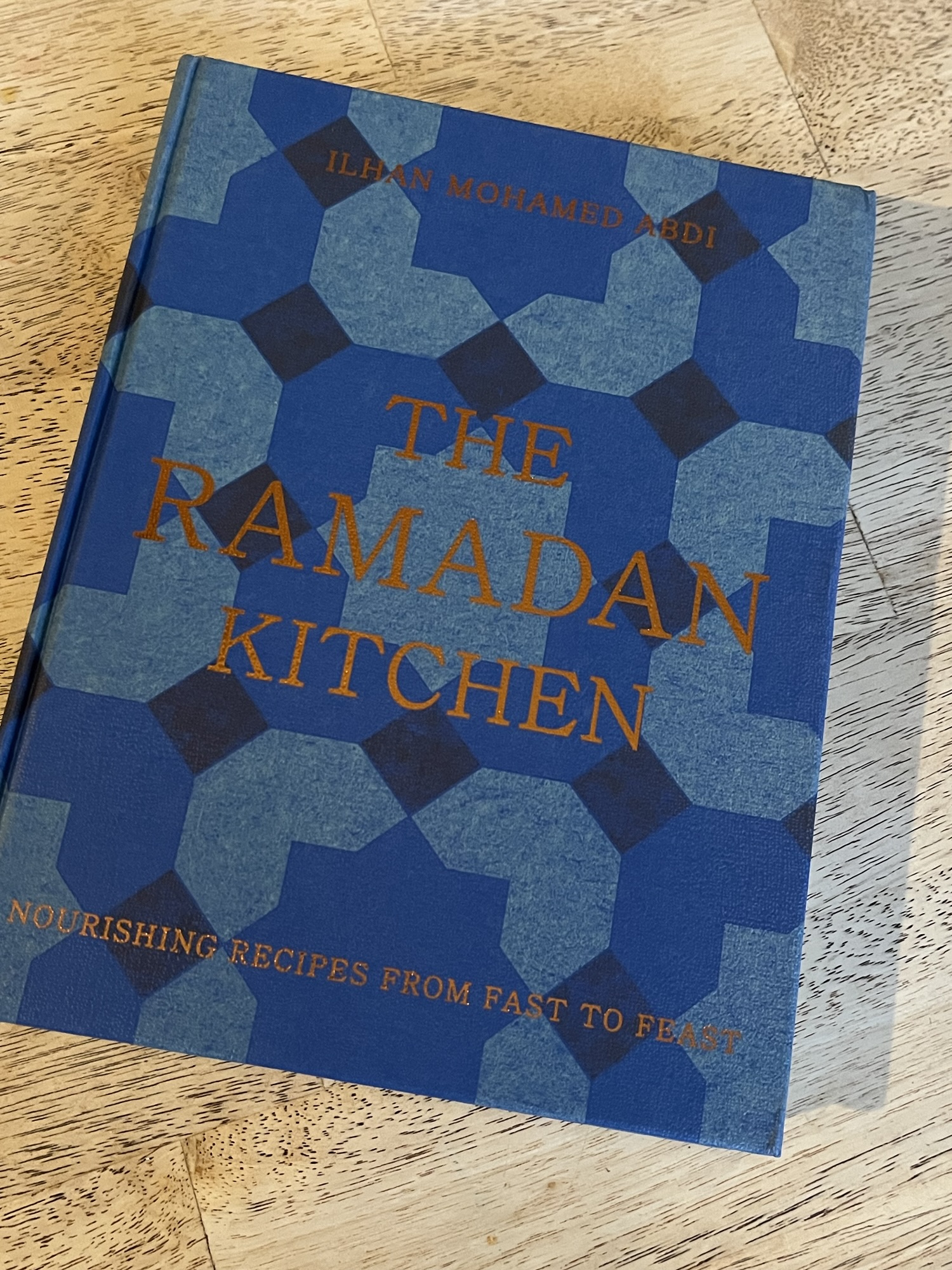
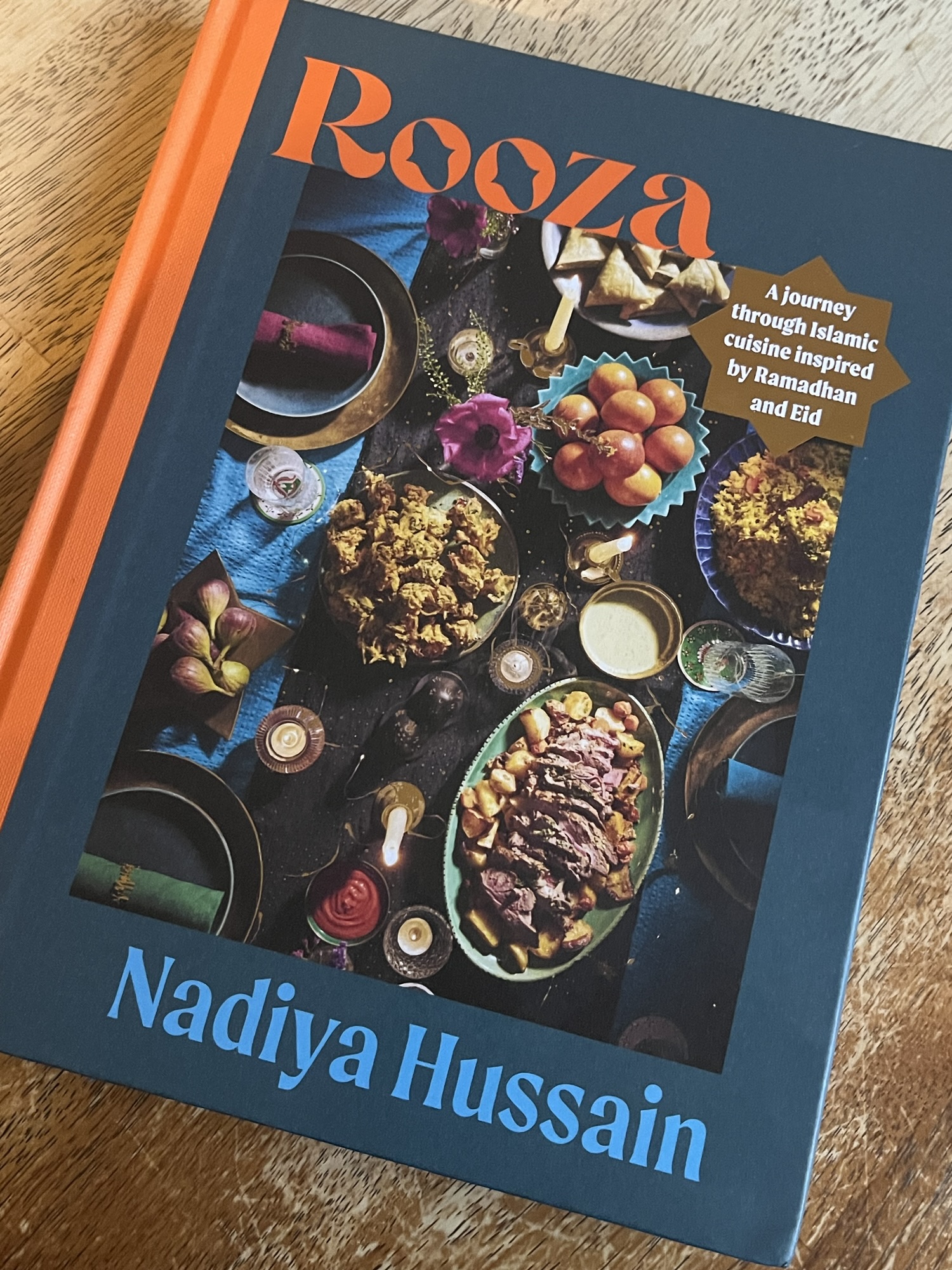
Rooza: A Journey through Islamic Cuisine inspired by Ramadhan and Eid by Nadiya Hussain

Standard
Rooza: A Journey through Islamic Cuisine inspired by Ramadhan and Eid by Nadiya Hussain

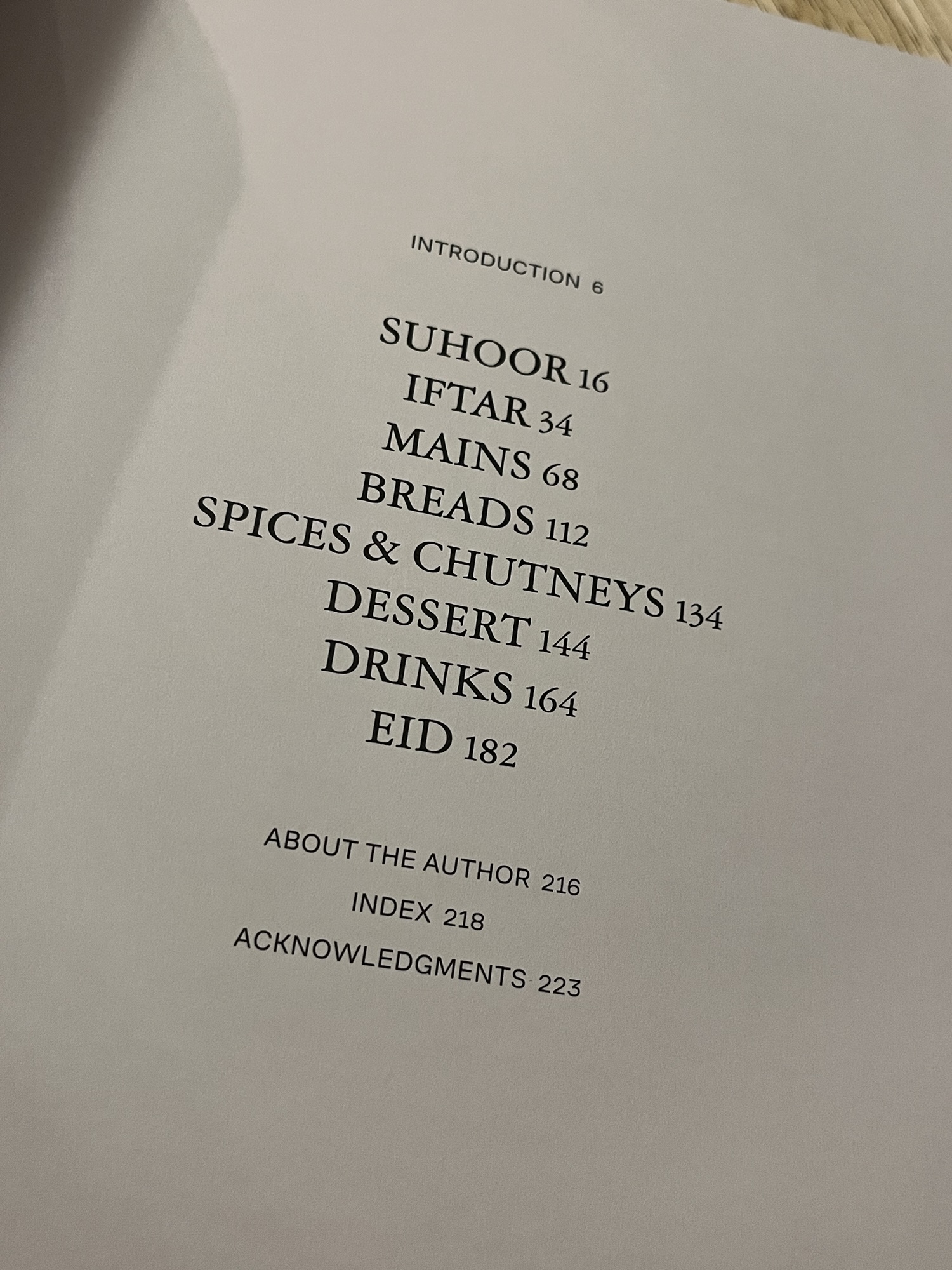
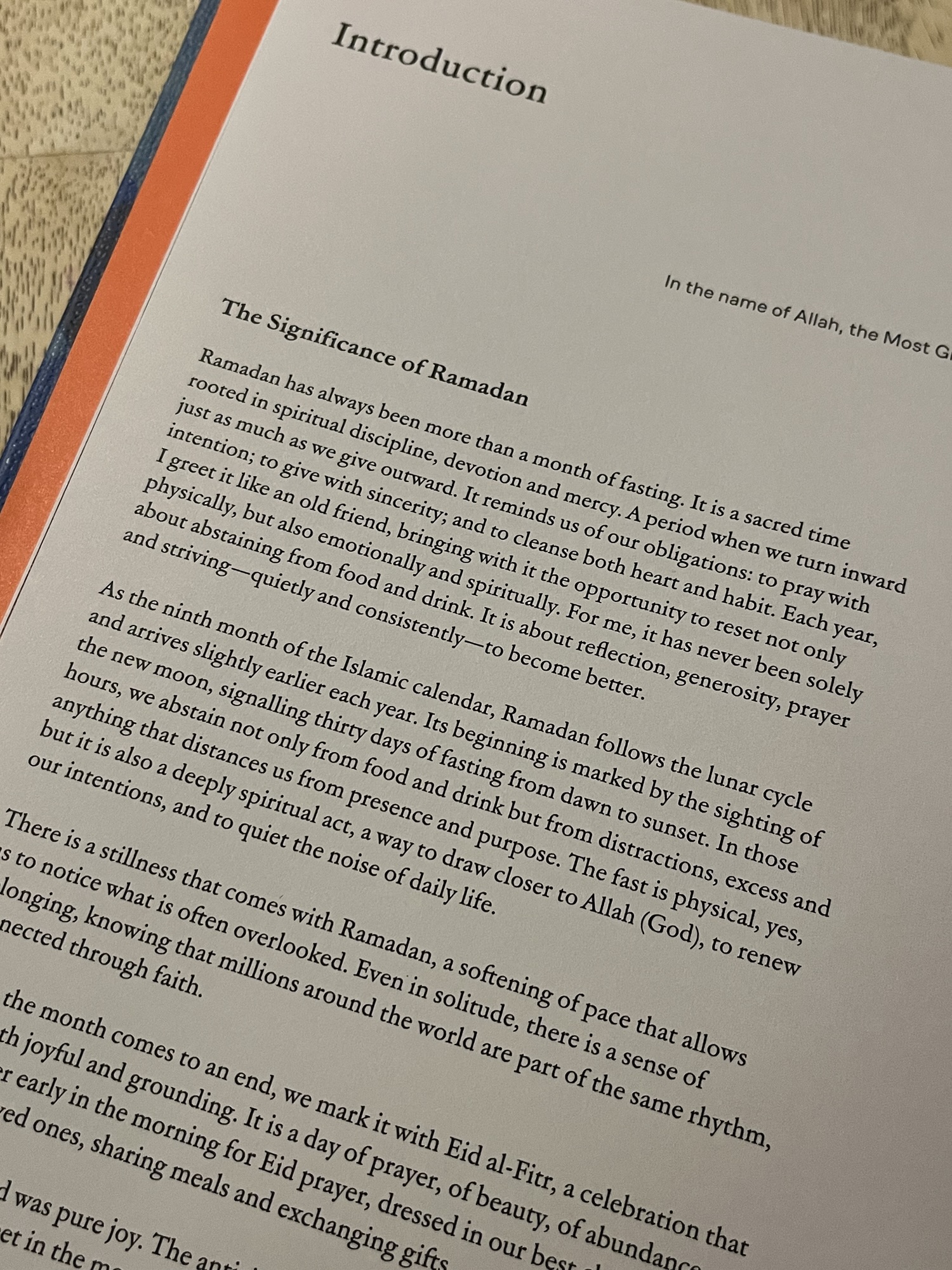
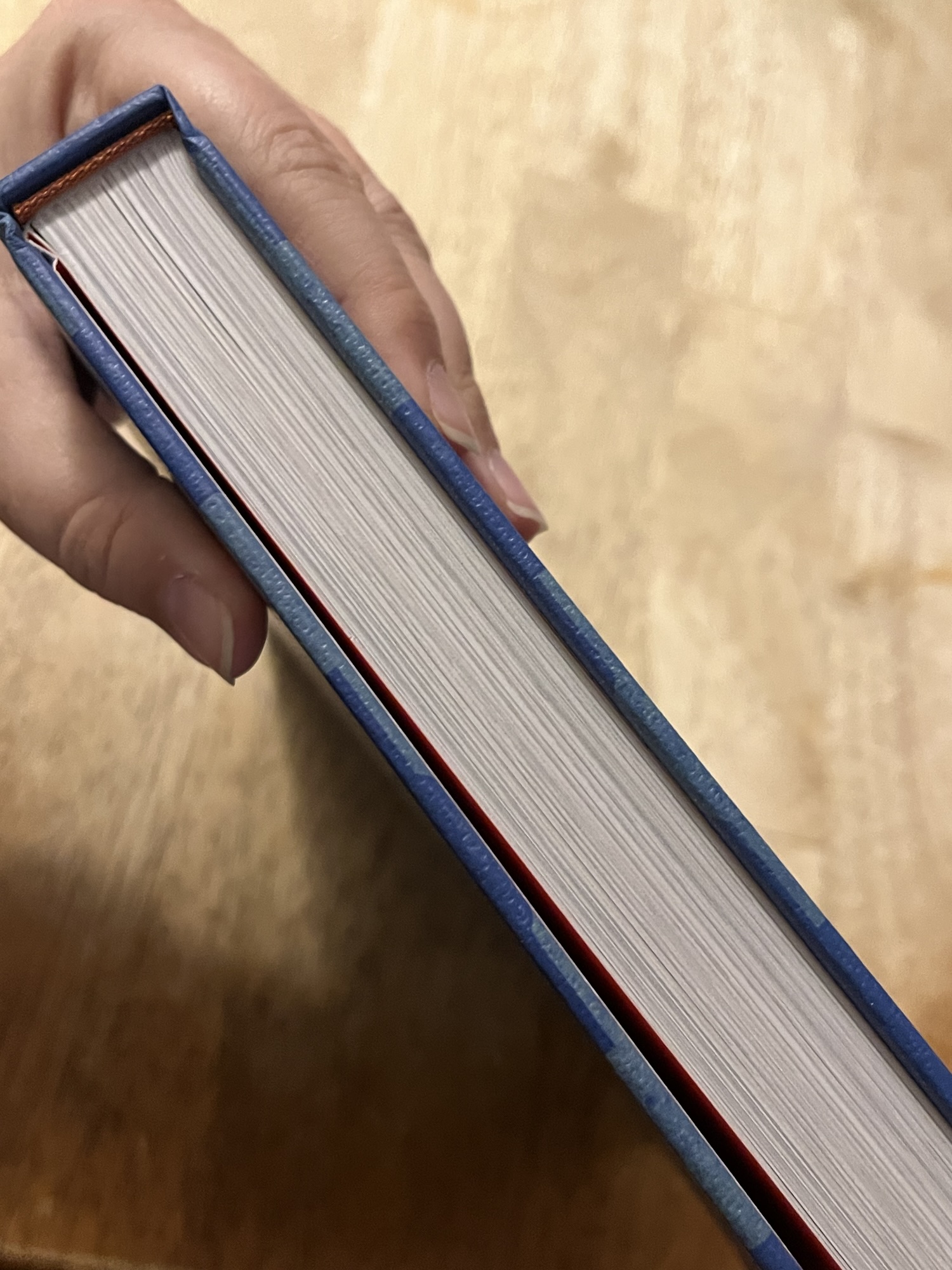
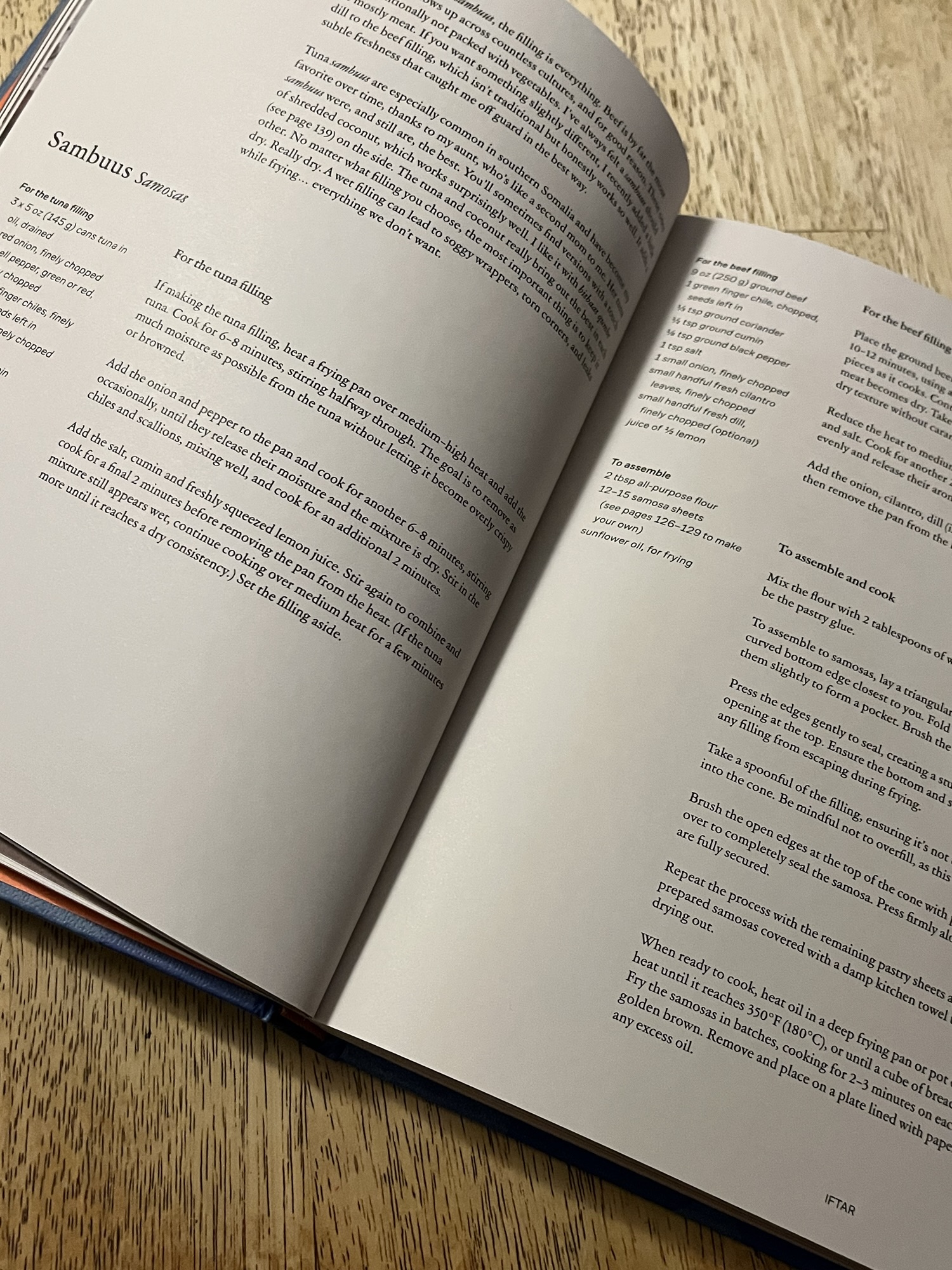
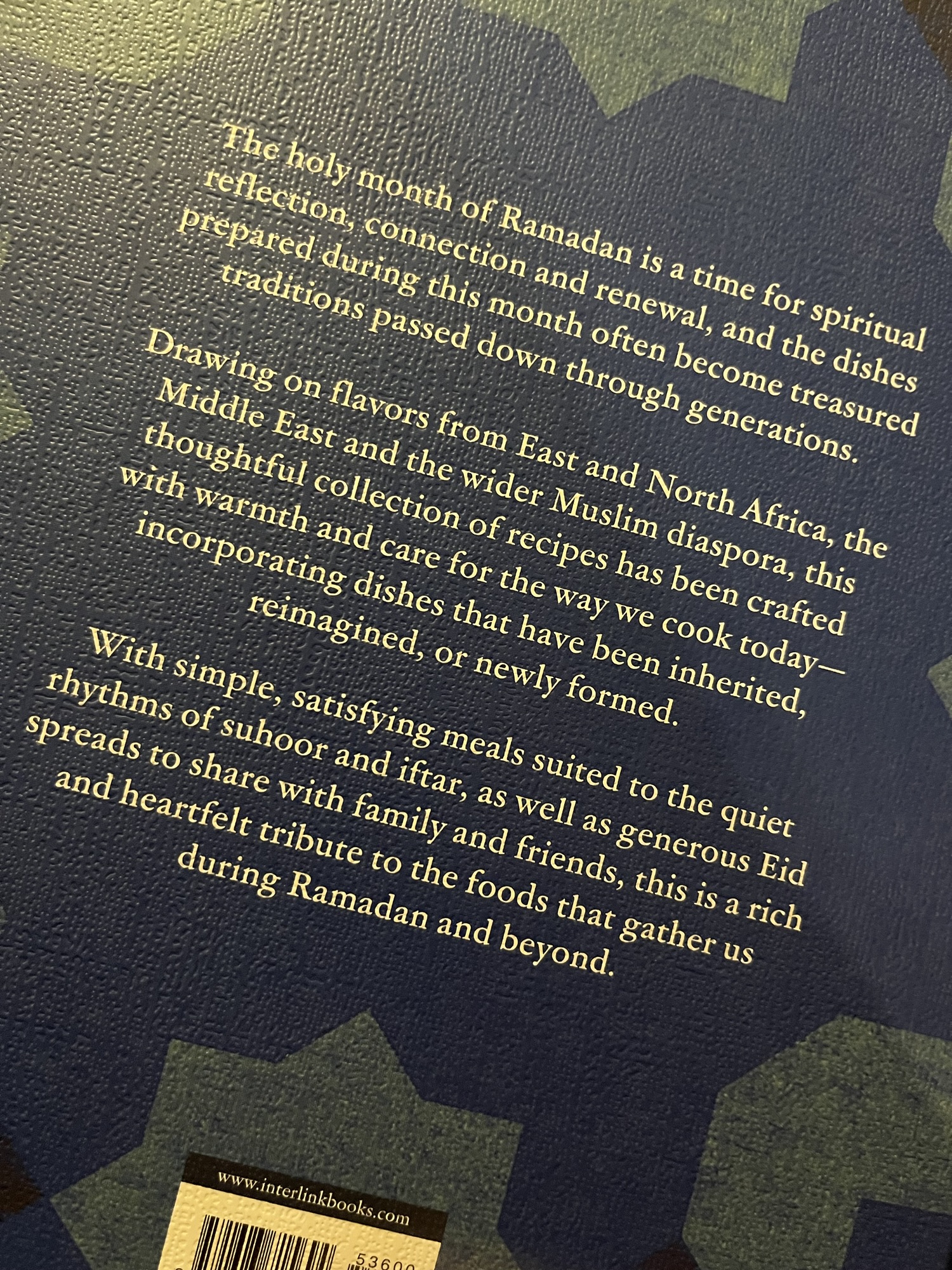
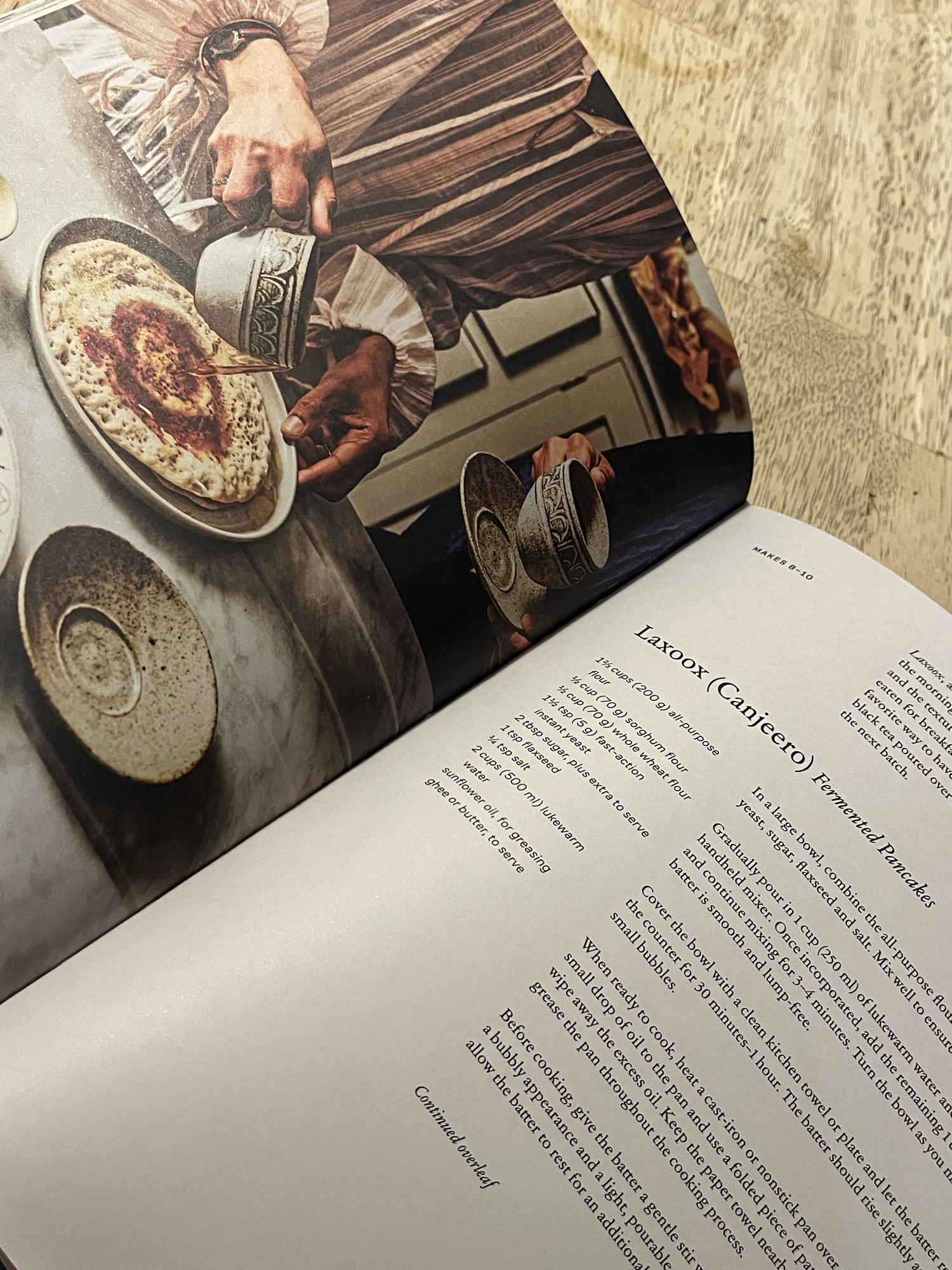
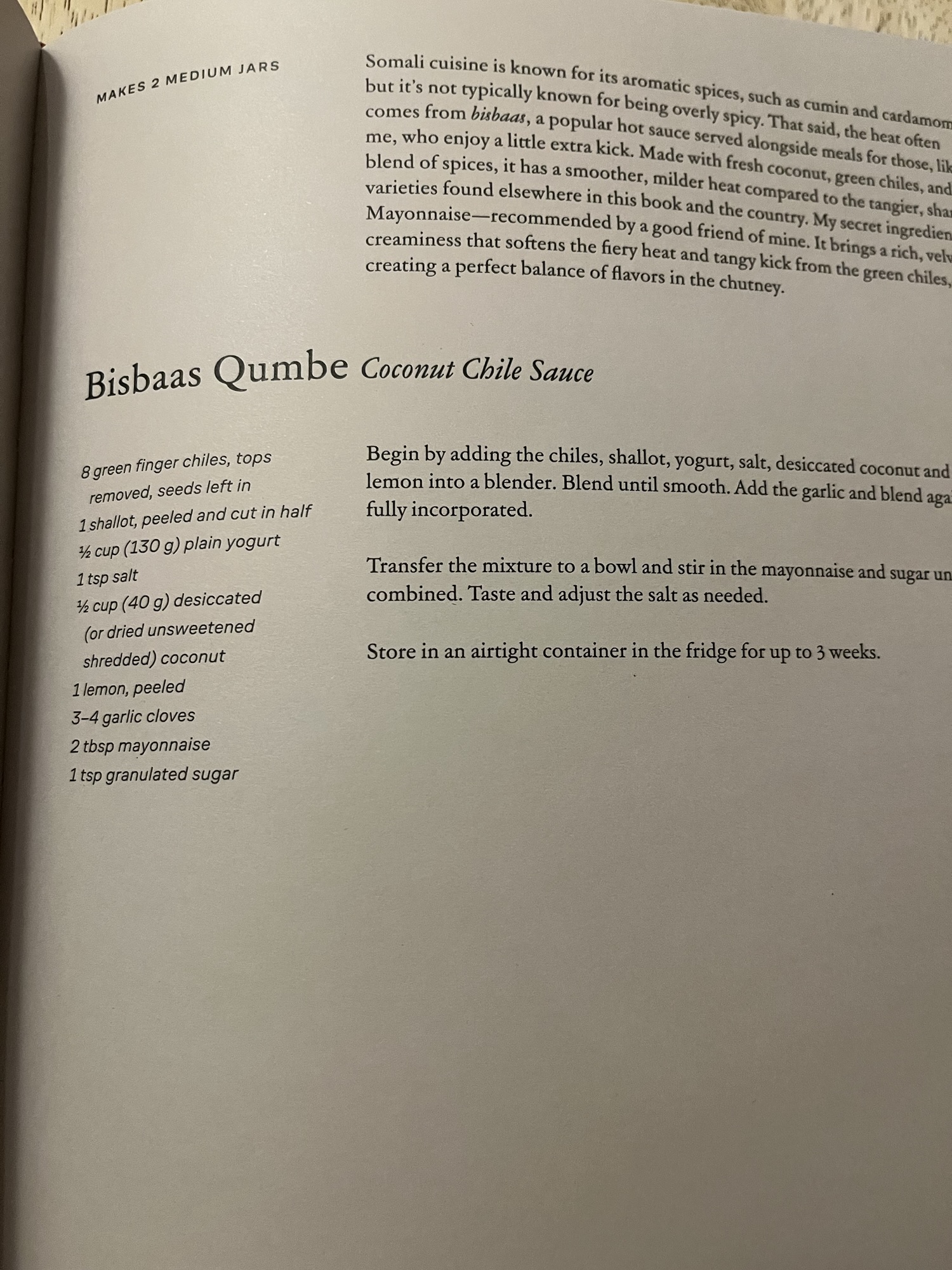
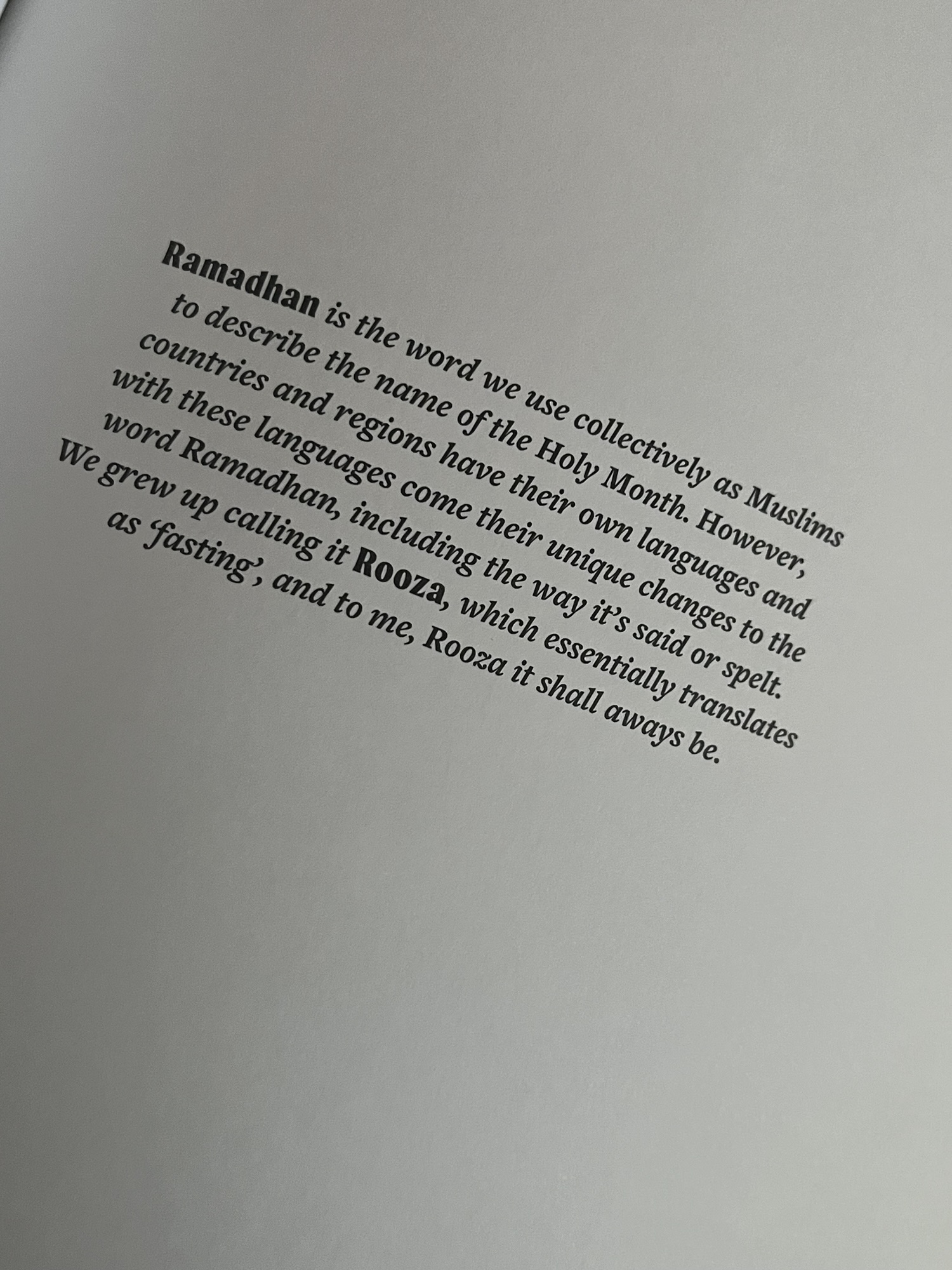
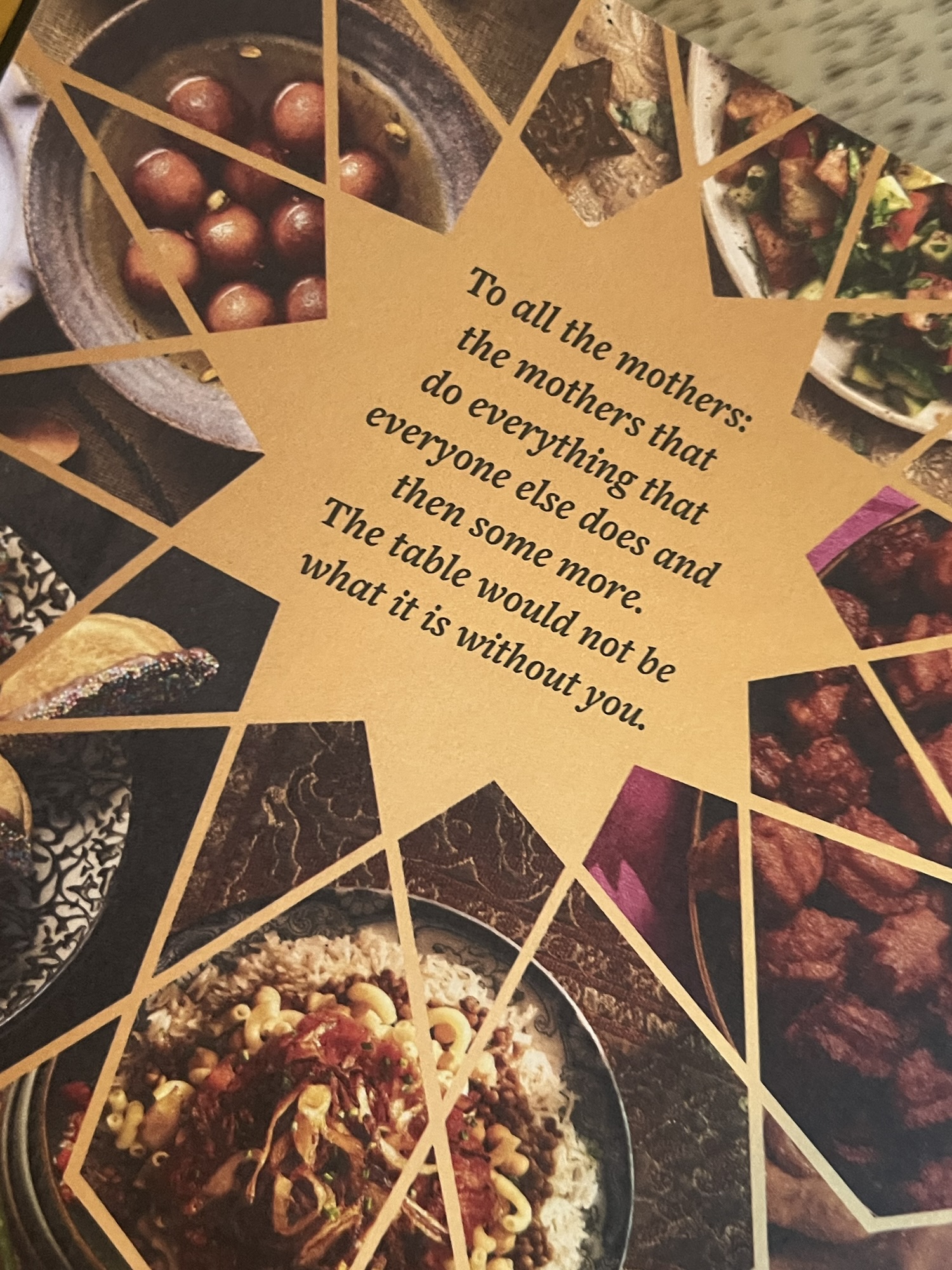
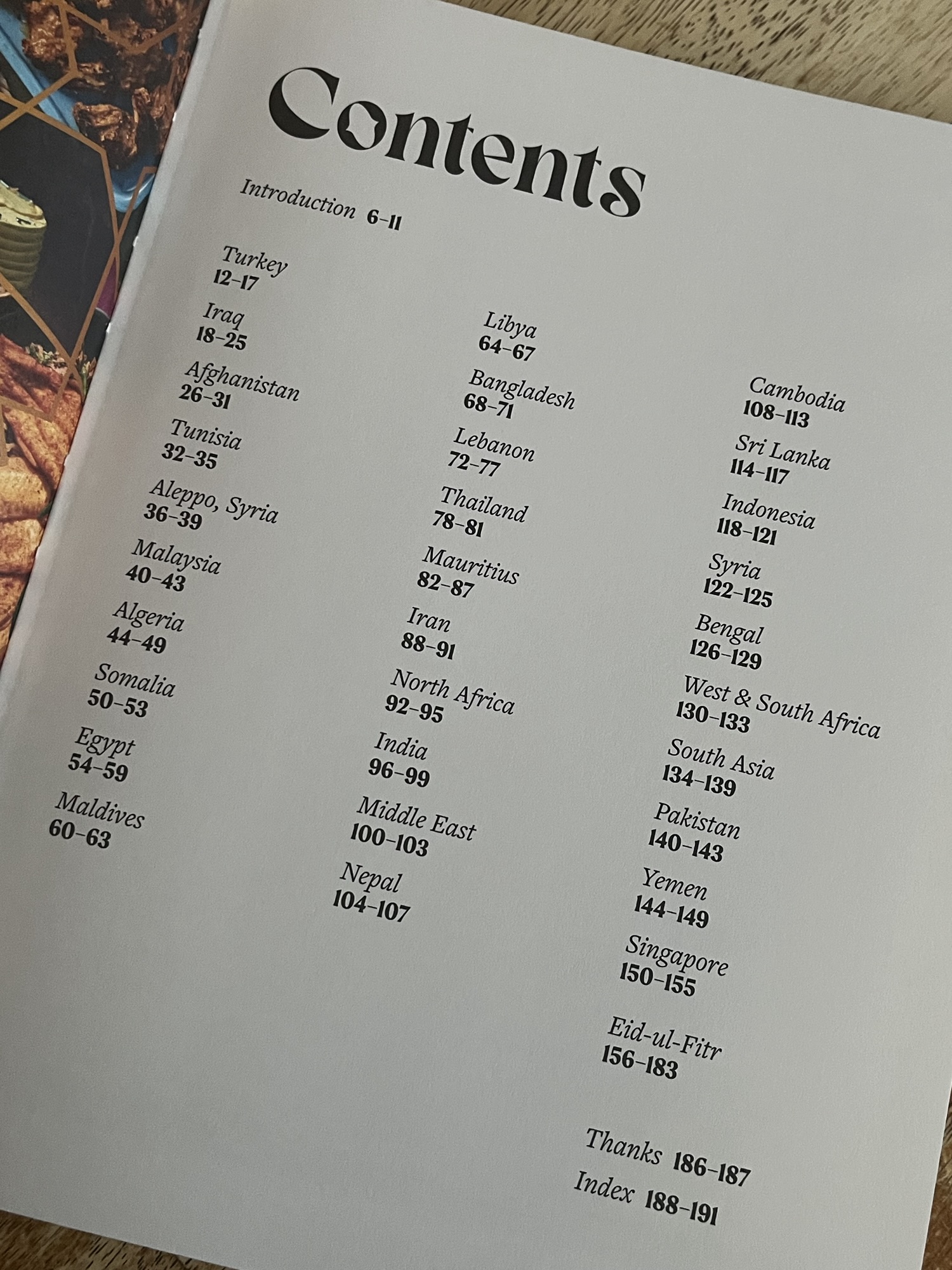
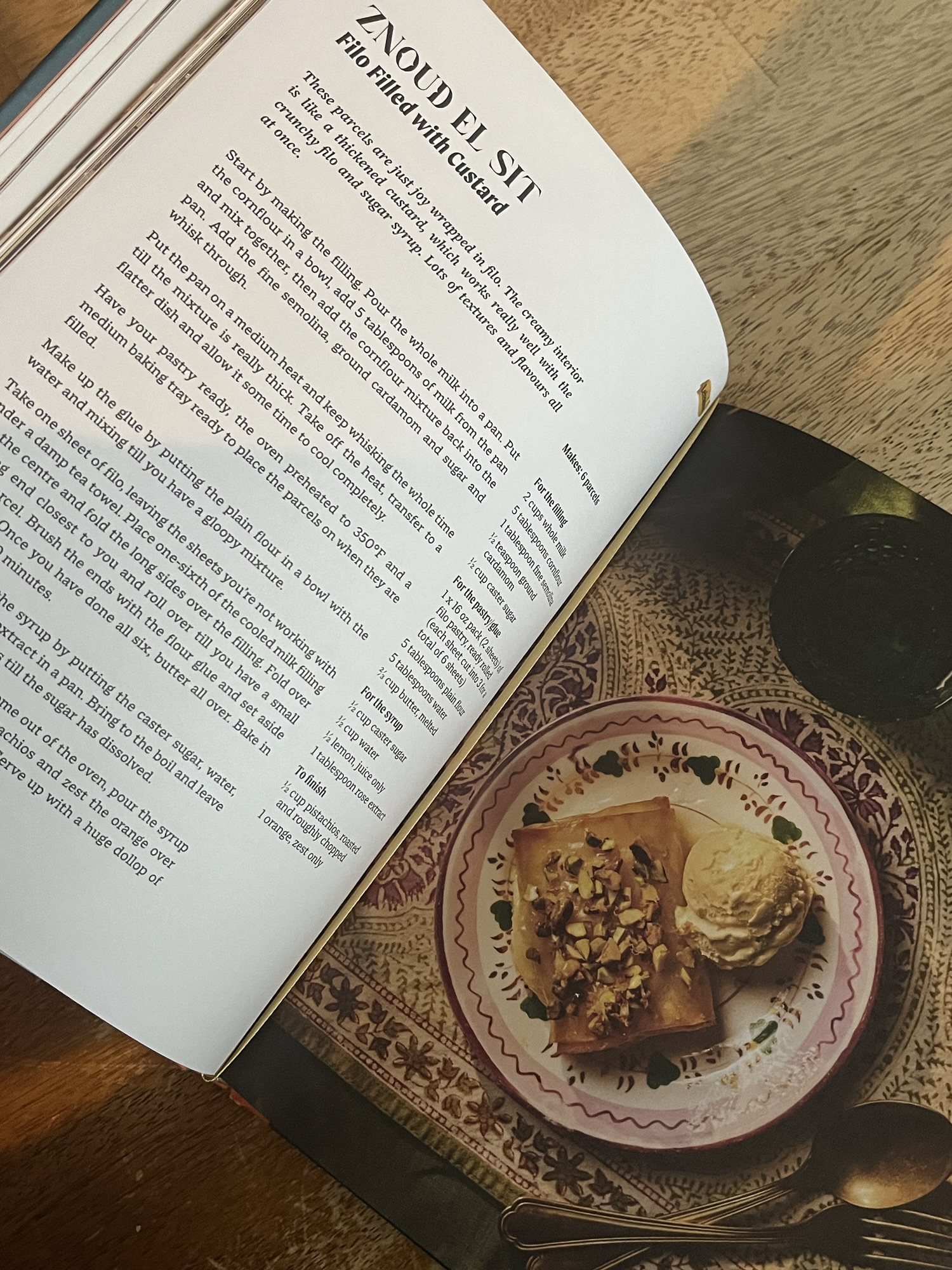
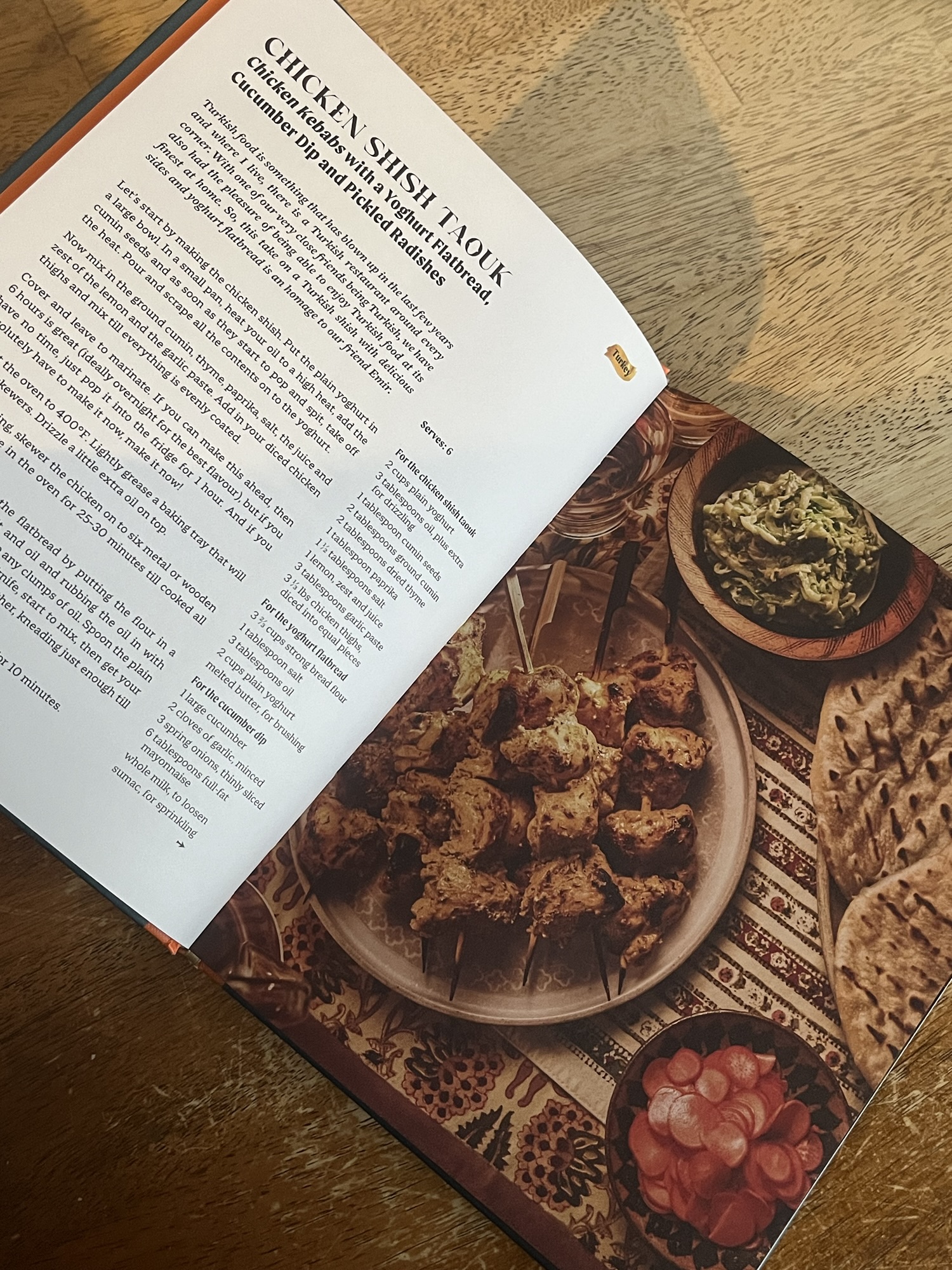
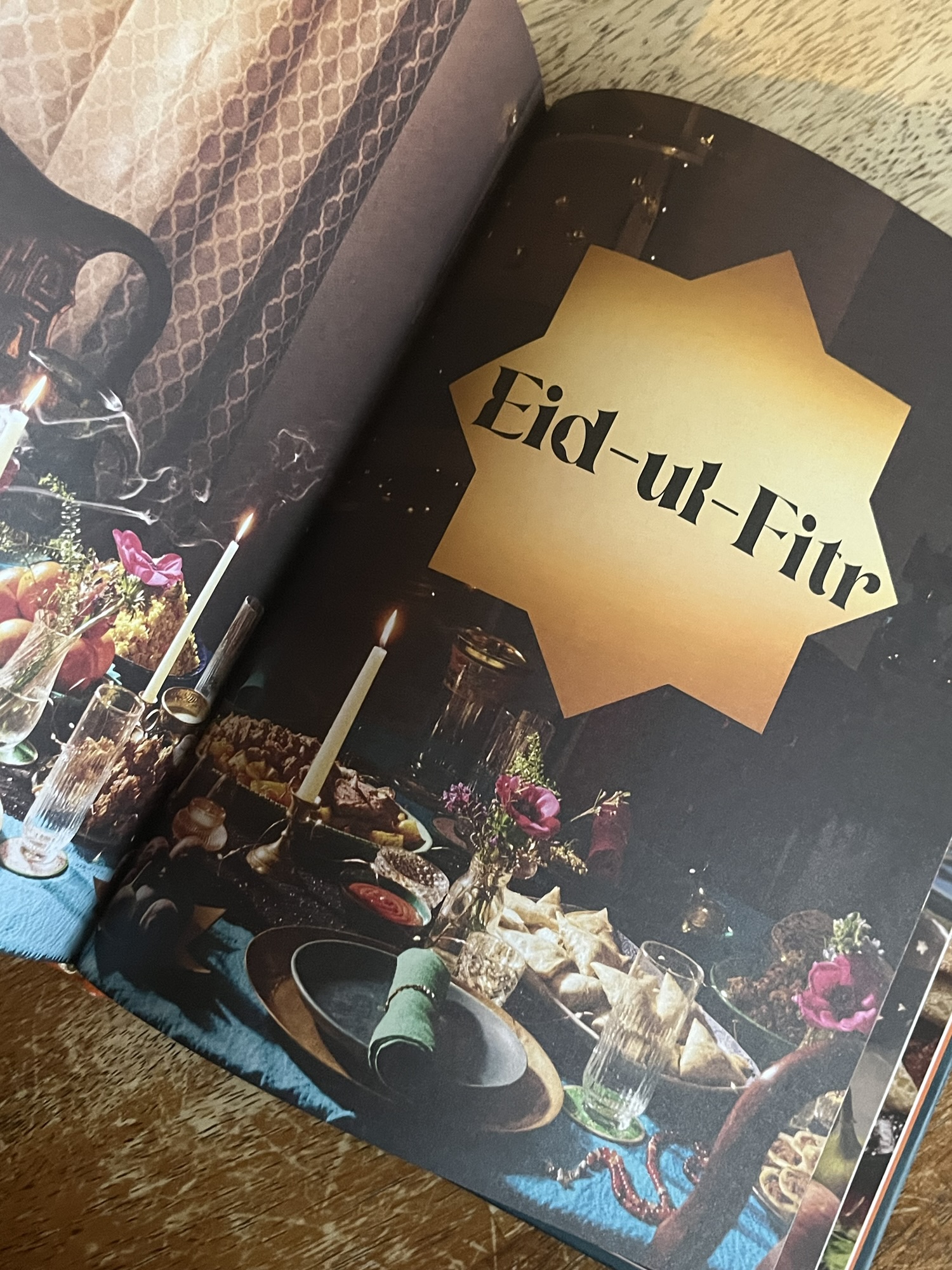
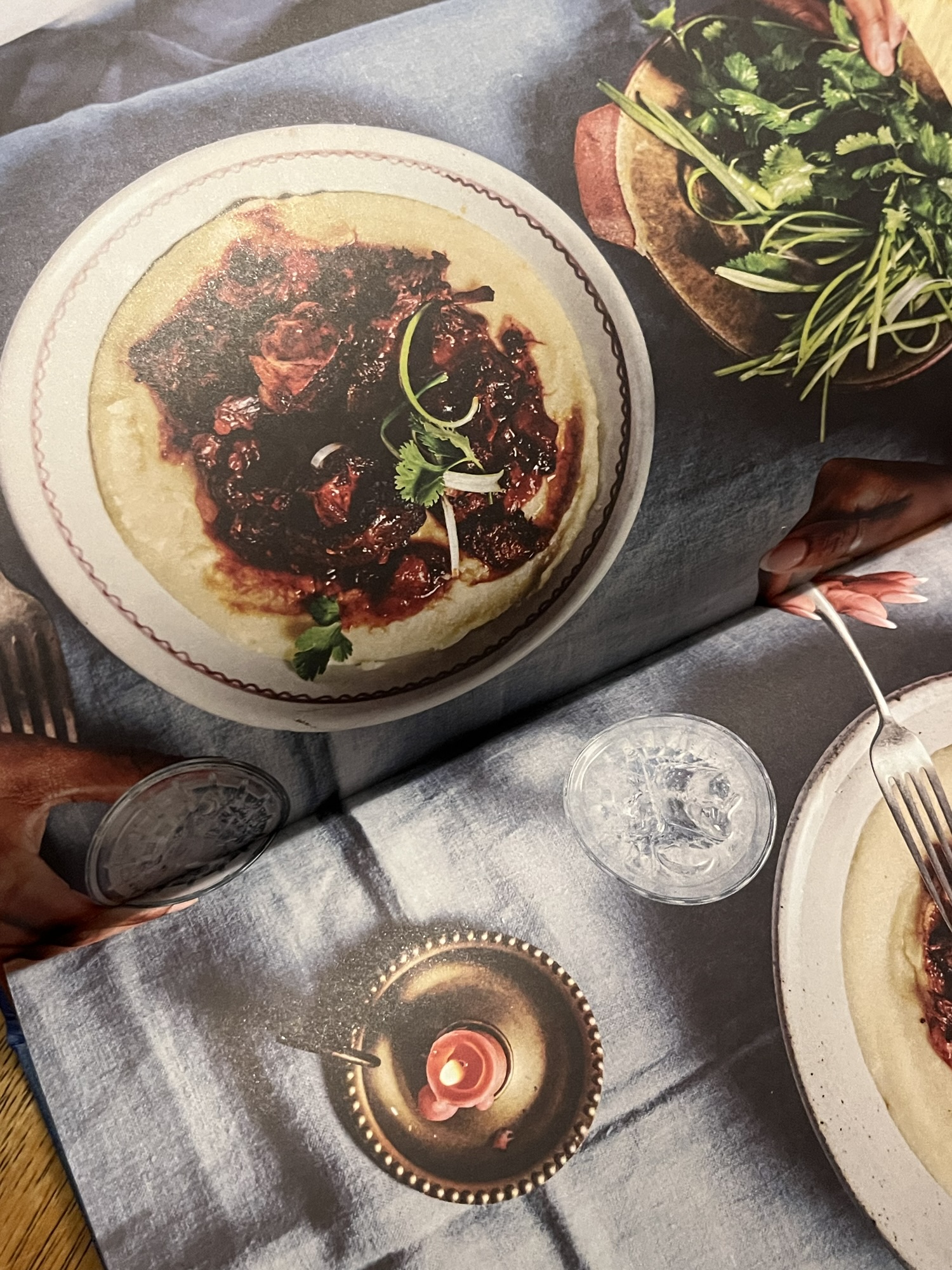
This 191 page, highly illustrated cookbook by a well-known chef and author sets out to be a journey around the world with recipes of beloved foods associated with Ramadhan and Eid.  The introduction shares some of the author’s personal thoughts on the time of the year, what it means to her and her family, and while I cringe when she says, “not eaten from sunrise,” seeing as fasting starts at dawn, the premise of what is to come allows the reader to learn a bit and be inspired too. I do wish that there was more about the food and it’s connection to Ramadan or the culture, but it really is more about the recipes, and the framing, not the exploration of Ramdhan or Eid, her relationship to the dishes chosen, how the recipes came about, and why they are included.

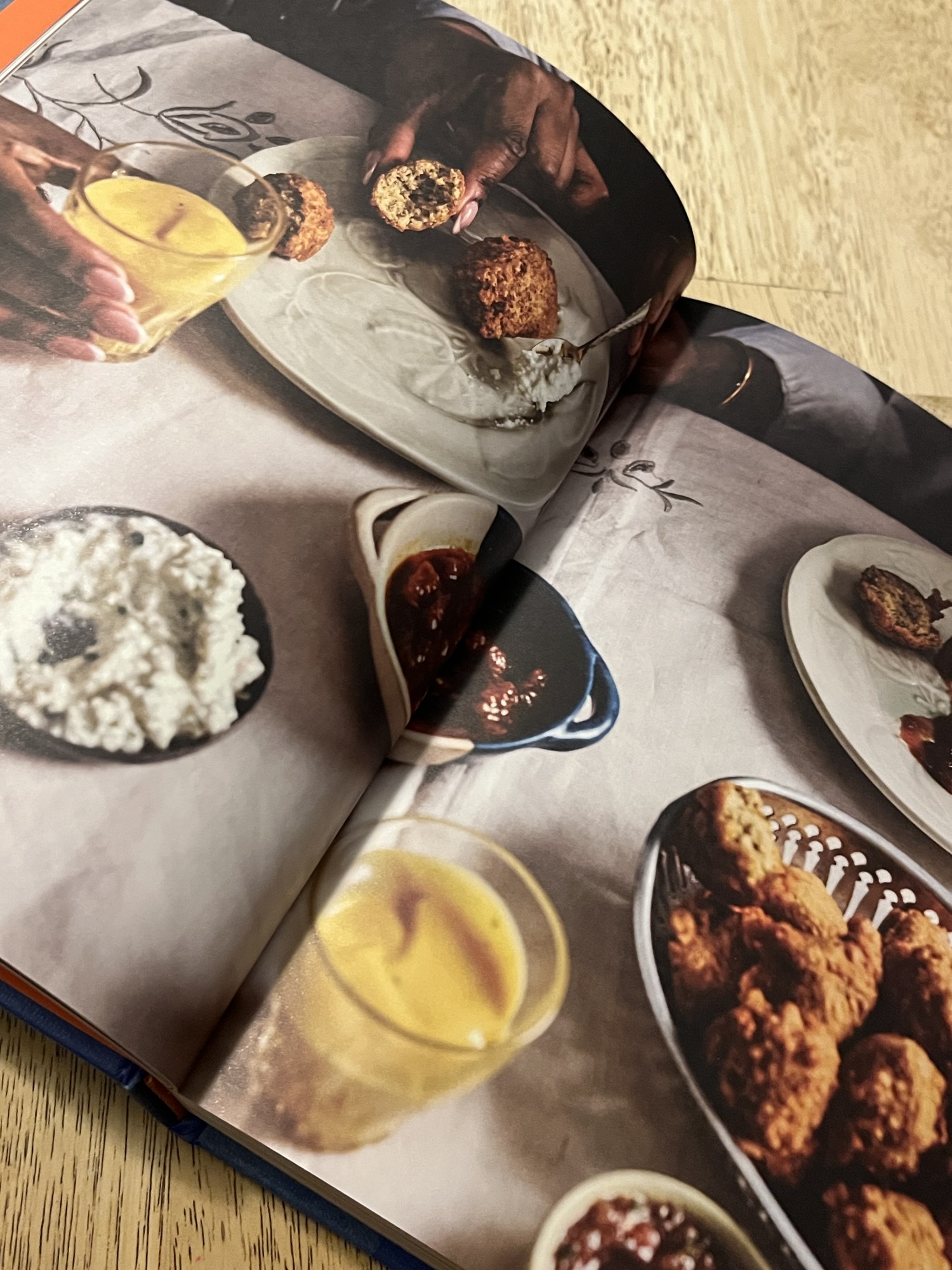
The book is not organized by appetizers, main course, and dessert, or even by ingredients: vegetables, fish, poultry, etc., it is organized arbitrarily by country, with each of the featured cuisines getting two recipes spread over a few pages with gorgeous accompanying pictures, until the Eid section where countries of origin are not attributed with the food, desserts, and snacks.

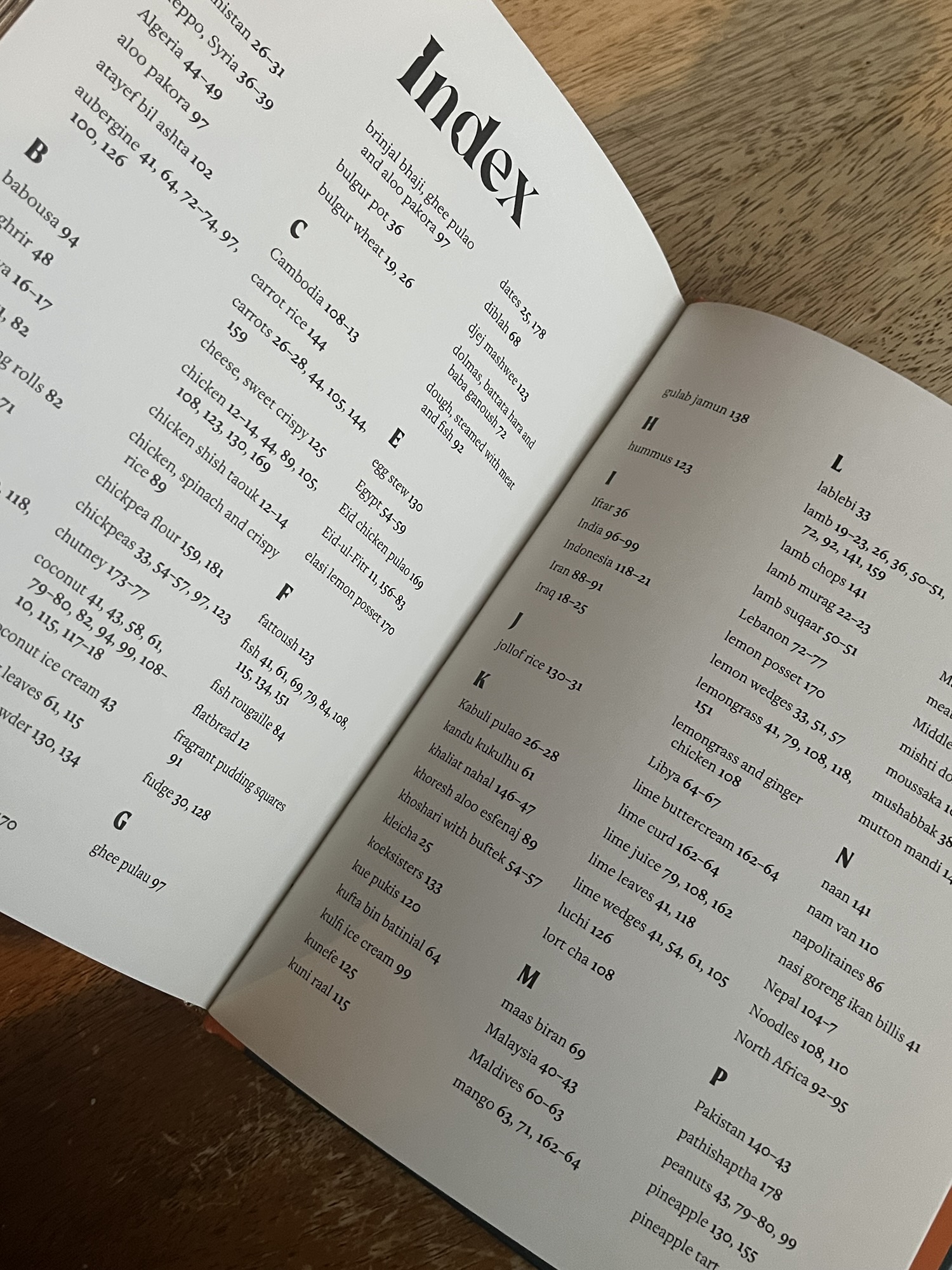
Whether you want to cook a dish from a certain country, thumb through it and be inspired by a picture, or use the index to look up a specific food or ingredient, I enjoyed reading the book cover to cover and finding dishes I soon hope to try.


Ramadan Reflections: A Guided Journal by Aliyah Umm Raiyaan

Standard
Ramadan Reflections: A Guided Journal by Aliyah Umm Raiyaan

I had started this book on the first day of Ramadan thinking I could double up some days and finish it early with enough time to offer up a review for those wanting to know if they should acquire the book  and take advantage of it during the blessed month.  But alas, here I am nearly 10 days post Eid, finally finishing, and getting around to sharing my thoughts.  The 277 page book spans 30 days, it is divided into three parts, with each chapter/day covering a theme with the author’s personal connection, outside sourcing illuminating the thought, then moving on to a section entitled, “Let Your Heart Ponder,” followed by a “Dua Invitation” and then a few pages of guided journaling prompts, questions, and considerations.  I did not write in the book, I struggle to mark up pages since leaving school, and even annotate by taking pictures and attaching notes on my phone.  But even not using the journal as intended, the book requires you to slow down, to savor the reflections and insights, and put them in to practice.  To read it in one sitting, or to rush the chapters would not accomplish for the reader what the book sets out to do.  Even the chapters that did not directly resonate with me, I found still offered nuggets of empathy, or consideration, and the short chapter style allows it to not be a burden to spend time with.  The days that hit me the hardest, that taught me something, or reminded me of something long forgotten, or inspired me to be better, more intentional, more forgiving, more present, I look forward to discovering again and again in future Ramadan rereadings.  That isn’t to say that this book can only be read in Ramadan, or that next Ramadan chapters that I found unremarkable, won’t suddenly hit different, but there are some chapters that felt rather repetitive and memoir style anecdotes that were not developed enough to reach the reader beyond surface level understanding.  Had the whole book been like that, perhaps I wouldn’t remark on it as the Islam centered hadith, ayats, and quotes are consistently strong, but when the author’s personal reflections on her own life, and those close to her, were more deeply explored, a deeper resonance to the theme of the chapter emerged.  Perhaps because I read more fiction, but when character development, so to speak, was present, the connection to the message, and the empathy to others and one’s self bloomed very naturally, and thus those chapters became more memorable.  

I felt the latter half of the book was stronger than the beginning, perhaps intentional as the end of Ramadan draws near and our hearts desperate to cling to the closeness of Allah swt.  I love the thorough glossary at the end, I believe it is the same one in the author’s second book, “The Power of Dua” and it is such a benefit to truly understanding the words used that non Arabic speakers might think they know, but can benefit from having clearly articulated. 

It is never fair to compare books, but having read the author’s two books nearly together, I anxiously await and sincerely hope that there is a third.  I read them out of order, and the second is definitely stronger, but I struggled with the “memoir” style in both.  Reflections was the author’s own story, and Power of Dua was other people’s stories, and both felt forced and distracting for me more often than not.  I hope if there is a third book, that disconnect can be resolved and the author’s commentary and Islamic references in her signature palatable style can be expressed without being contingent upon a story that the reader may or may not relate too, or more personal info will be shared so that if the reader can empathize more readily.  The repetition of hearing the name Solace UK and that she started a charity from scratch, started to feel almost promotional, as I still am not sure, two books later, what the day to day work of the charity is, or what topics Honest Tea Talk seeks out to cover, only that they are constantly name dropped.  I would love to know who the author studied with and where.  The little snippets make the reader wanting to Google, but I think it distracts from the connection to the words in the moment.

Overall a solid addition to spend time with in Ramadan, or any time, and to reference when the heart needs to feel connections.  The writing makes for an easy read, the duas and parts to ponder allow you to put in to practice the teachings immediately, alhumdulillah.
 

My First Salah Book: Why and How we Pray by Learning Roots

Standard
My First Salah Book: Why and How we Pray by Learning Roots

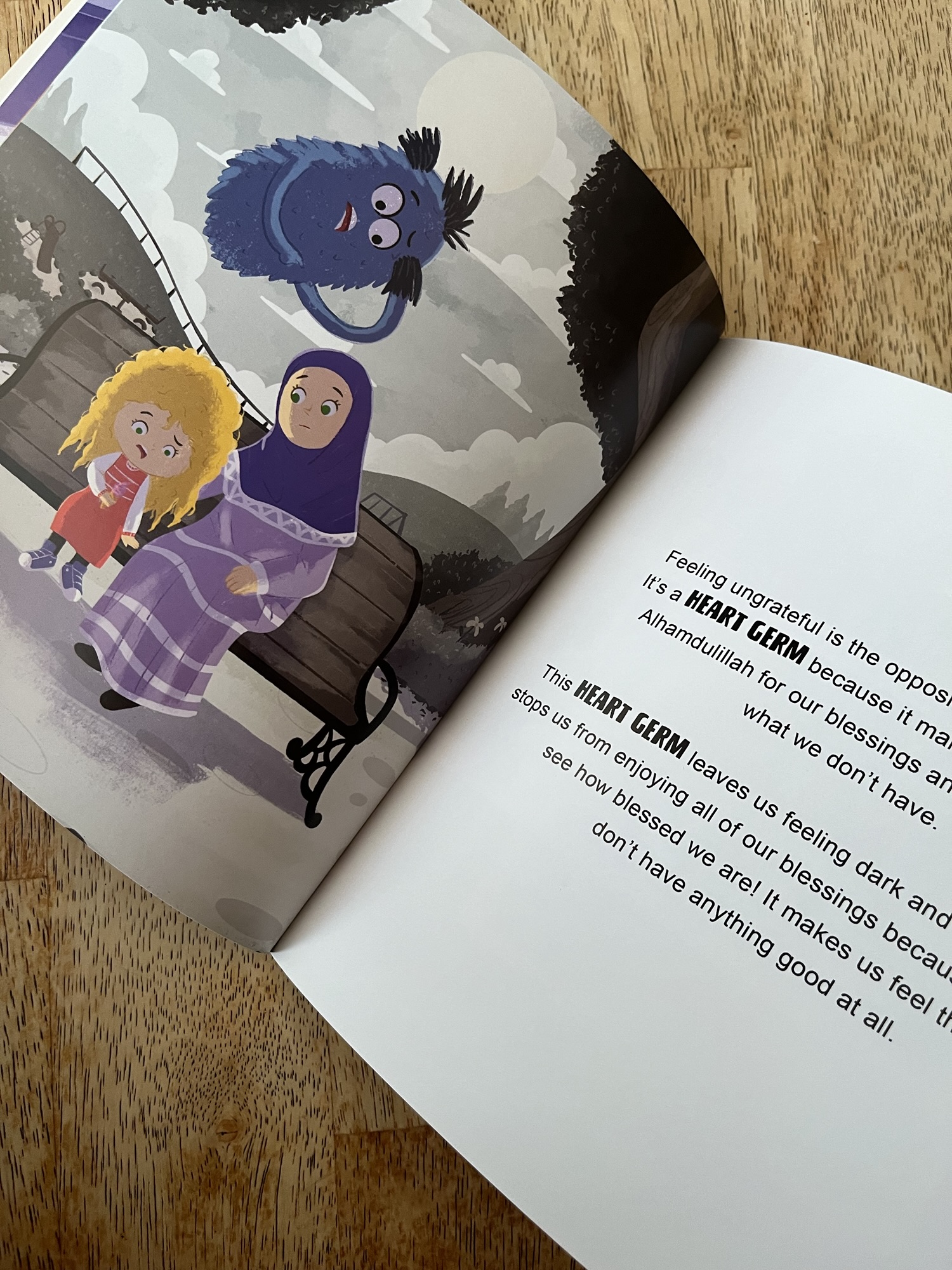
Over 91 pages this informative book tells “The Story of Salah” through the miraculous night journey, how to do wudu and its benefits, step by step how to make salah, and then a story style portion of “Life with Salah.” I do not have the digital “kitab” pen that allows readers to have the book read to them and activities made interactive without parental involvement, but even with out it, the book is a pretty solid resource.  The hardback binding, and full color pages are not crowded, they introduce nine characters at the beginning and feature them throughout the pages learning the steps, imagining witnessing the events, and putting the lessons into practice.  Some of the recent Learning Roots books have the characters watching or imagining themselves in story’s of the Sahabas and Prophets, that make me uncomfortable.  The first chapter of this book, is more limited as it illustrates a light in the sky as the Buraq being seen by some children, not the characters in the book, and a silhouetted tree as Sidrat al-Muntaha.  As I am not knowledgeable enough to know if it is “right” or “wrong” to have a child seeing the silhouetted tree and pointing to it, or who it is meant to be, I’ve included pictures for you to decide what is best for your family.  I particularly like that on the pages where Arabic is spoken it is found written in easy to read Arabic with English translation and transliteration.  Within the text there are attributions of hadith and after each chapter there is an activity and questions.  The book concludes with a glossary.

Whether as a tool to learn for the first time, or a book to revise with children already praying, the approach is gentle and easy, inviting children to engage with the pages.  The four chapters are packed full of information, but the illustrations, diagrams, and steps, also allow the book to be referenced, or read cover to cover.

The last chapter, “Life with Salah” shows the character group engaging with salah in a very idyllic way, but given the tone of the book, it works, and will allow readers to see salah as more than just an obligation, which is important.

I got my copy from crescent moon store, if you use my initials (ISL) at checkout you can save 10%.

Ramadan on Rahma Road: A Recipe Storybook by Razeena Omar Gutta recipes by Faaiza Osman illustrated by Atieh Sohrabi

Standard
Ramadan on Rahma Road: A Recipe Storybook by Razeena Omar Gutta recipes by Faaiza Osman illustrated by Atieh Sohrabi


I would not know where to shelve this 40 page in a library, it has beautiful pictures, it is informative, resourceful, useful, and interesting- I’ve only delayed sharing it because I really have had to think, how best to use this book to its maximum potential, to make it truly effective. It is formatted externally as a picture book, but it reads much like an chapter book anthology with the stories connected by the road the diverse folks live on, Rahma Road, all coming together for a communal iftar, with some fasting and some not.  The spreads feature vignettes on the left of what each house is making, including tidbits of culture, facts about Ramadan, insights about method or ingredients, with the facing page being the recipe.  The book is incredibly meticulous and intentional in appealing to Muslims and non Muslims alike, as well as a variety of ages.  It works as a book for Muslims to see themselves in, non Muslims to get a peek at iftaar excitement through, messages about community and diversity celebrated, foodies to see new recipes that they can try, cultures to explore through food and native words, a story framing to feel connection, I really could go on and on with the layers and inclusions this book provides, alhumdulillah.  I think the best way to use and share the book is going to be for me to read it with my 5 and 9 year old children a week or so before Ramadan.  Where I can read the story portion, getting us excited for Ramadan, slipping in some reminders, appreciating Islam’s global presence, and then talking about the recipes so that they can pick dishes to try in Ramadan and add needed ingredients to the shopping list (I wish I made the effort to be this organized all year long).  I then will plan to leave the book out and have my teens flip through to find any recipes that they think sound good and will commit to making.  The book would work all year long, but as a new release, I’m sharing my plan with hopes that it can help your family as well. 
The book contains 25 globally inspired recipes, featuring 11 with accompanying stories.  I absolutely love that at the bottom of the recipes are page numbers for additional items that would pair nicely, or be condiments or beverages or desserts for the dish.  This allows easy personalization, fusion meals, and more importantly a way for different age groups to be able to help each other in the preparation.  Maybe koshari is a bit advanced for your kid, but the mint lemonade paired with it might be something they can tackle a bit more independently. 

The framing of everyone on the road coming together book ends with the neighbors sharing a meal at the end,  I love the backmatter explaining Ramdan, about the recipes, even about Rahma Road.  The message to the reader and the naming of consultants really is a credit to the time and effort put into this book.

A few of the dishes and countries featured are: Atayef from Palestine, African American Sweet Potato Pie, Nigerian Puff Puff, Japanese Temaki Sushi, Morrocan Harira, Uyghur Lamp Stir-Fry, Guatemalan Dobiadas, Turkish Chicken Gozleme, Malaysian Teh Tarik, Australian Mini Strawberry Pavlovas, South African Bunny Chow, Mexican Elotes  .I can’t wait to report back if my plan was successful, if the dishes prepared were a hit, and ideas for further maximizing the use of the contents it contains.

The Power of Du’a by Aliyah Umm Raiyaan

Standard
The Power of Du’a by Aliyah Umm Raiyaan

img_8062-1

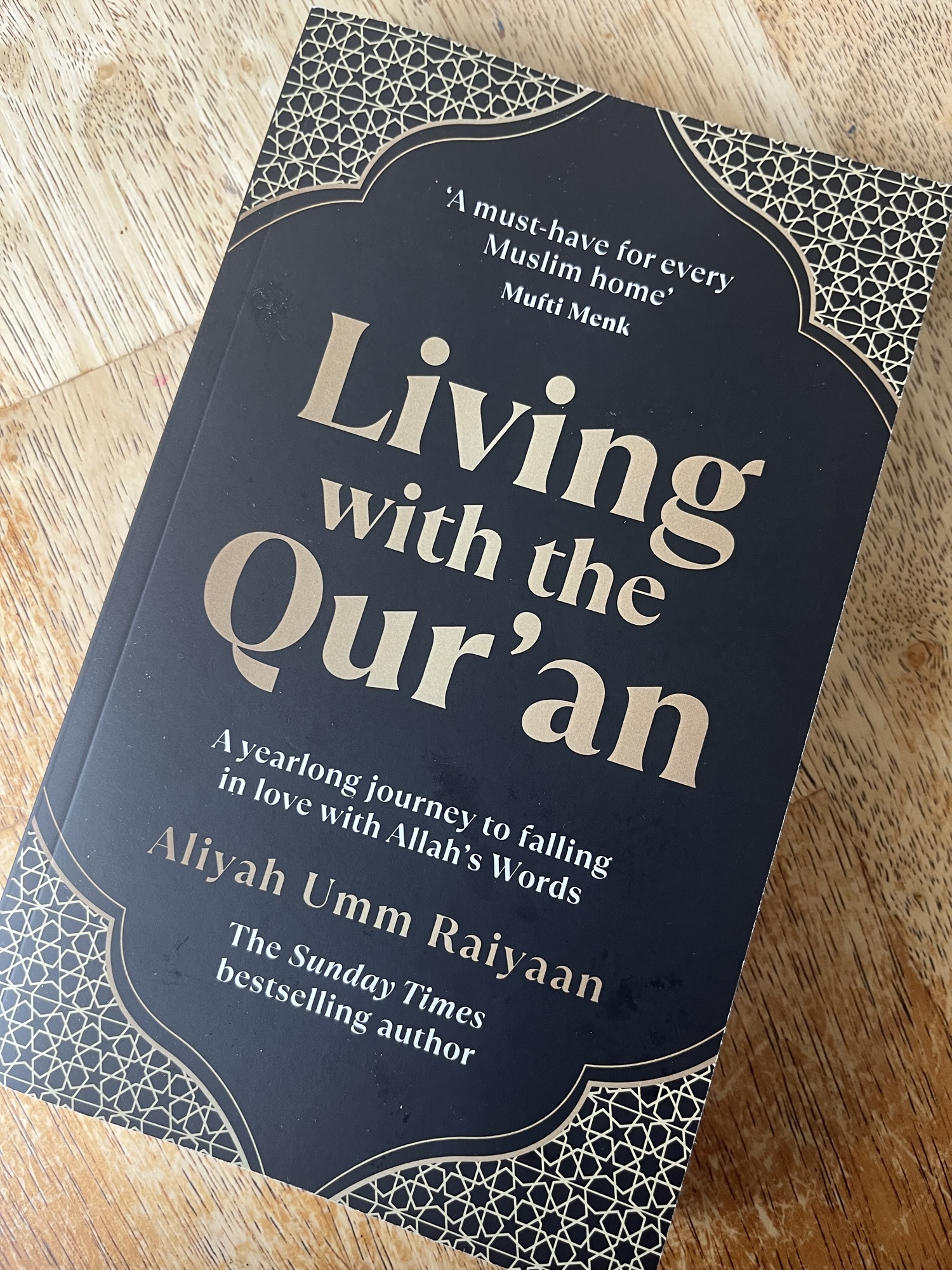
Having not read the author’s first book, Ramadan Reflections, I wasn’t sure what to expect with this non- fiction/memoir/anthology/self help/spiritual focused book. Alhumdulilah the tone is easy to read, the chapters consistent in their format, the quotes and passages sourced, the personal stories relevant, and the information often moving and inspiring.  At times it did feel repetitive, but ultimately the book has staying power, and now that I have read it once cover to cover, I can see myself picking it up and reading a chapter or two at random and being again drawn in again.  While nothing in the book seemed “off” I did find myself wondering though, what qualifications are needed to write a book such as this, and did not find the author’s bio satisfying in providing that information.  Yes, there is a statement of praise by Mufti Menk on the cover, but similarly I don’t know if that means he “checked” and “approved” the book, or just liked the concept of it.  Ultimately, I don’t know that it matters, but I do feel it is worth disclosing, since it did linger in my mind, and I would have appreciated some transparency in the matter.  The 258 page book is meant for adults, but older teens will find it valuable too, even if a number of the stories are related to pregnancy.  I love that this book is traditionally published in the UK, it is for Muslims by a Muslim, but the glossary at the back and the way it is written, would allow even non Muslims to be drawn to the beauty of conversing with our creator, subhanAllah.

The book is divided into four parts: Du’a of Need and Want, Before Du’a, The Du’a, After Du’a, and each of the parts has multiple chapters that explore, develop, and illuminate the concept heading.  Each chapter starts with an ayat, or hadith, or quote, then gives a personal reflection of what the chapter sets out to do, and how the story about to be shared came to the author.  A personal du’a story from a real person is then shared.  The author then uses examples from the story, along with hadith, examples from the Qur’an, and/or guidance from scholars to build the case of the chapter’s intended goal.  Often there are then action items in a pull out box of suggestions the reader can do to “Develop Your Du’a” or strengthen one’s connection.  The final paragraph of the chapter is, “Allah, Transform My Du’a” where an example is given of a how to phrase your du’a.

I love that you can implement every single bit of knowledge into your du’a and your day, immediately.  If you read a chapter, you have something to ponder and act on, if you read multiple chapters you have more.  The implementation is easy and accessible, because of how it is presented.

Many of the stories, and the lessons from them are emotionally humbling.  I often found tears on my cheeks as I saw my own vulnerability, fears, worries, and hopes expressed on the pages.  And the passages that moved me today, I could see having a different effect on me if I reread them in the future.  Similarly, pages I skimmed, I have no doubt could truly grip me in the future as well.

I’m glad I own the book, glad I read it, and can see me recommending it, suggesting it, and gifting copies to others. The importance of du’a and the balm it provides is something we all know, but how to go about it to make the most of it, is often something we need assistance with and can be facilitated by this book, alhumdulillah.
Bilal’s Bad Day by Neelum Khan illustrated by Alice Larsson

Standard
Bilal’s Bad Day by Neelum Khan illustrated by Alice Larsson

img_7727-1

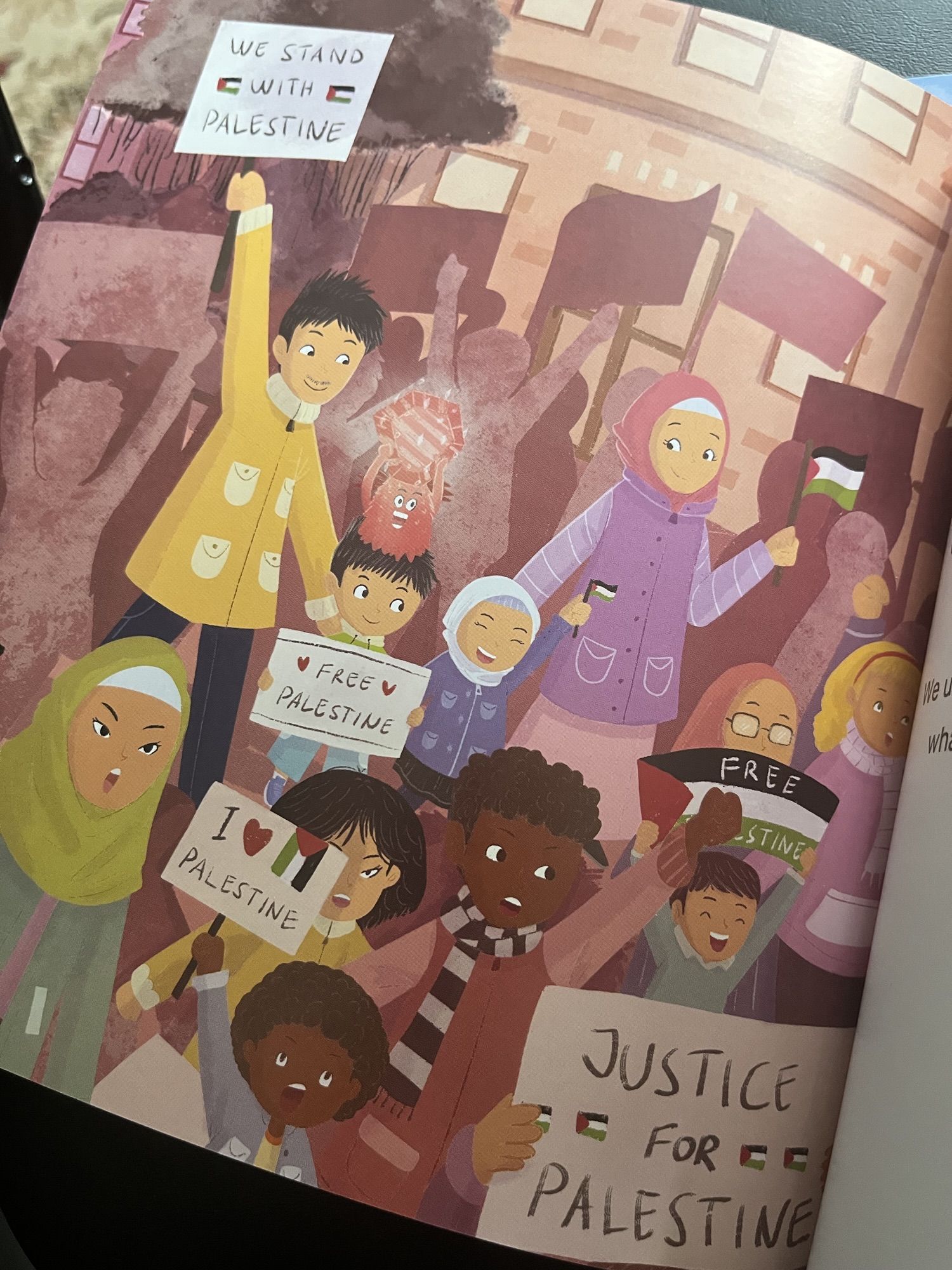
I like the concept and presentation of this picture book that involves spinning a spinner at the midway point to determine what page you should “jump” to, to continue the story. I can see this being a great tool to introduce and practice different calming strategies to use when times are tough.  I love that some of the ideas of faith based, and some are not, and that a thorough introduction of how to use the book and strategies precedes the fictional story.  BUT, oh come on you knew it was coming, I don’t know if the information is sound.  Translation, I don’t have to use calming strategies, and the book does not disclose if the author is qualified to be giving them.  I can’t imagine the strategies would cause harm, and we can always benefit for de-escalating and centering, and truth be told I don’t even know if one would have to be “qualified” to give this advice.  I simply put it out there for you all to decide for you and your little ones.

The book starts with Bilal opening his eyes to the sounds of his siblings squabbling, breakfast disappoints when they are out of his favorite cereal, and dad’s joke about his hair is not appreciated.  Top it all off with news that guests with a baby were coming over for lunch, and Bilal knows it isn’t going to be a good day.  With cleaning, itchy clothes, and the smell of food building as the day passes, the doorbell ringing sends him over the edge and mum and dad need to find a calming strategy to help him.  This is when the reader gets to spin the arrow and jump to the page to see what and how to use the different options.

The book has whatever option picked work to calm Bilal down, but notes at the beginning that multiple options and repeats are often more the reality.  The story then has Bilal later that evening reflect on the day before asking the reader to reflect on their own similar experiences as well through six bulleted considerations. The 40 page book concludes with hadiths.

This book needs to be read and discussed before the moment of need arises, and be aware the spinner at bedtime is too much of a distraction.  The book is best with dialogue, understanding, and practice.

Auntie Aisha Answers: The Tween Muslim’s Ultimate Guide to Growing Up by Aisha Hussain Rasheed illustrated by Magdelena Zareba

Standard
Auntie Aisha Answers: The Tween Muslim’s Ultimate Guide to Growing Up by Aisha Hussain Rasheed illustrated by Magdelena Zareba

Kids have questions, and in today’s world it is easier than ever to get answers, however parents need to parent and help provide CORRECT answers for their children. This 100 page book is a great resource to facilitate conversation, hand to tweens to read independently, or just have on the shelf for when a child is curious and knows the internet might not be the best resource.  For boys and girls, this book takes a conversational tone of answering questions that tweens are thinking about, and maybe some that they should be thinking about.  I love that it is not just a body or maturation or puberty book, it discusses boundaries, emotions, hygiene, wellness, it weaves Islam in for context and reassurance and direction, and also has workbook type activities to engage the reader.  The balance of facts and conversation keep it from not being dry, or overly heavy handed, which is also quite impressive.  The text, illustrations, size, and pacing make the information available in pieces or cover to cover.  We tend to have more female focused “growing up” books for our Muslim girls, and this one really is for both.  It provides insight into one’s own body and as well as understanding and compassion for the opposite gender.  If nothing else it normalizes that changes are nothing to be ashamed or embarrassed by and allows real conversation with proper terminology to be discussed in an age appropriate and Islamically rooted manner;  yeah, the Islamic references are sourced! If you have kids, go order this already, you will be glad you did, alhumdulillah.
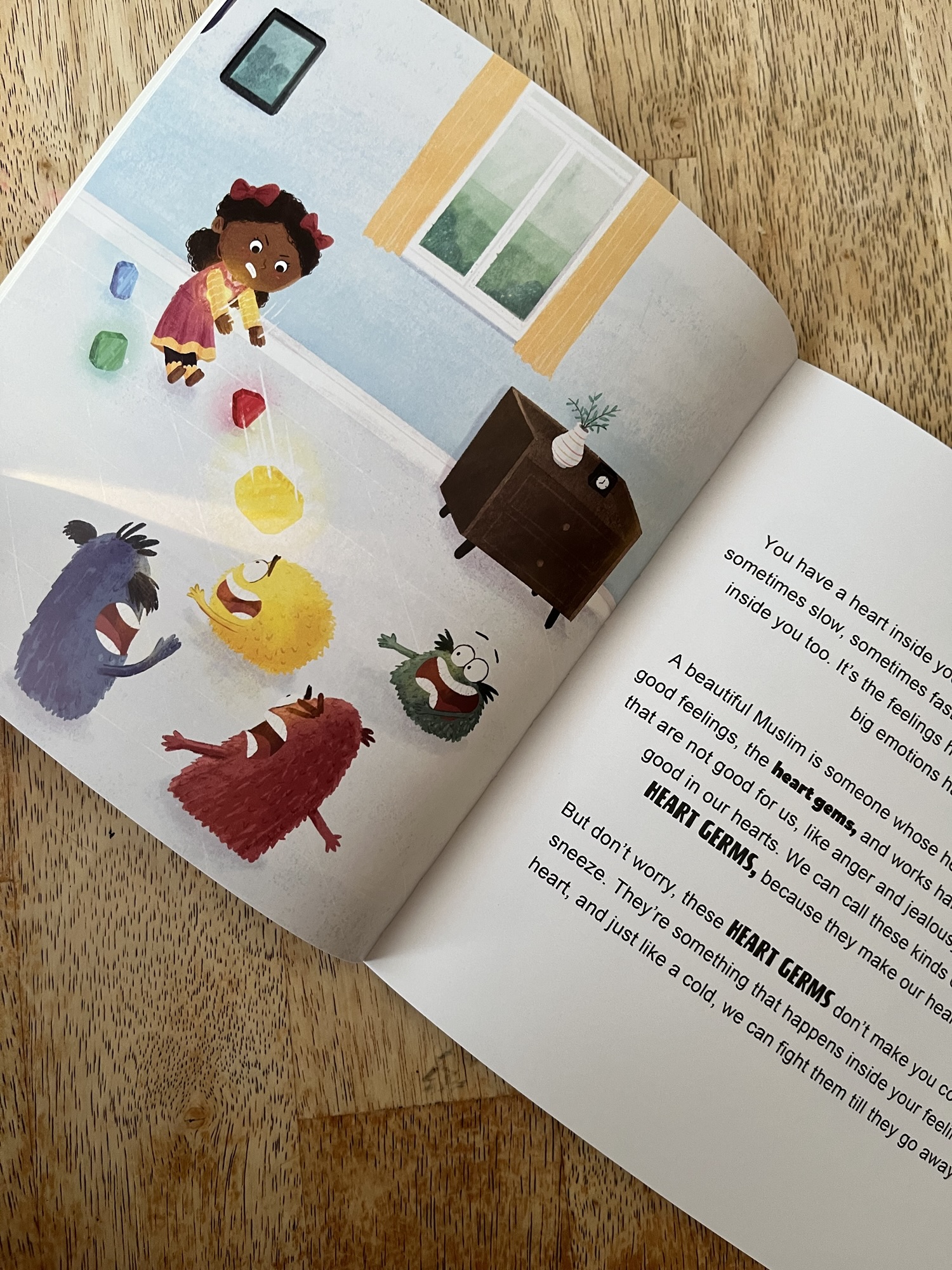
The book starts with discussing the blessing of one’s body and moves into discussing abilities and disabilities before moving into male and female bodies.  The first section really focuses on the body: privacy, care, autonomy, healing.  The second section is called “Growing Pains” and discusses the changes the body undergoes.  Before opening the book, I for some reason, assumed it would be framed as questions and answers, and it is not, it is chapters, but the chapters have illustrations, activities, bolded words, and are visually engaging.

Ultimately I love that the book is easy.  The topic matter can seem intimidating when you are faced with discussing some of these topics with tweens, and this book really will put parents and children at ease in the way it approaches, discusses, and walks readers through concepts that Islam has provided resources and answers for in the Quran and Sunnah, in a contemporary tween friendly way. 

Eliyas Explains + Bite-Size Journal: Why Does Allah Let Bad Things Happen? by Zanib Mian illustrated by Daniel Hills

Standard
Eliyas Explains + Bite-Size Journal: Why Does Allah Let Bad Things Happen? by Zanib Mian illustrated by Daniel Hills

img_3601-1

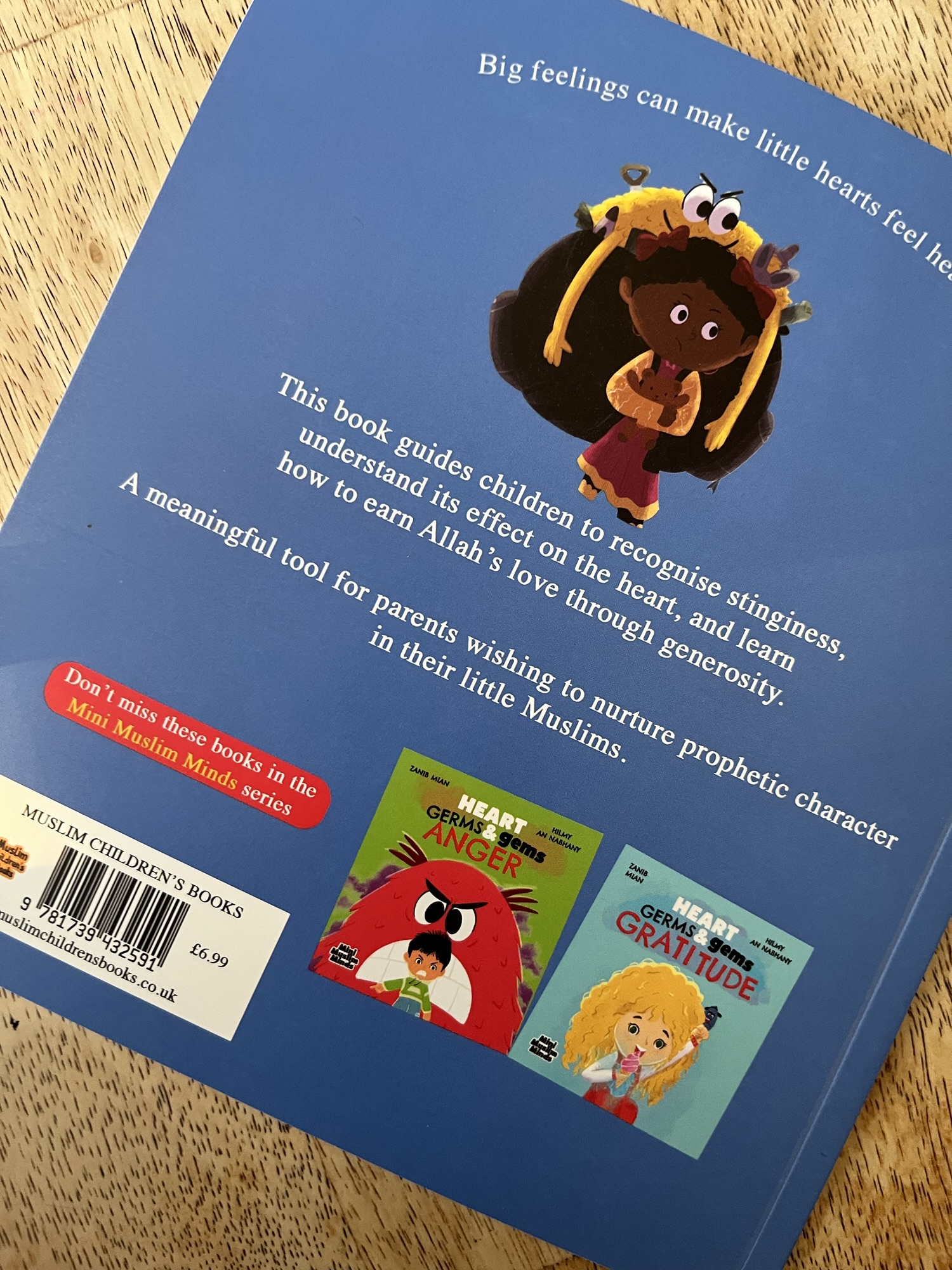
The book stems from the genocide occurring in Gaza, but expands to cover the more general concepts of qadr (destiny), tests, and sabr.  The book assumes that what is happening in Palestine is known and does not discuss specific details, allowing the book to be both timely, yet universal.  As with all the books in the series, the conversational humorous approach appeals to children as foundational Islamic concepts are broken down and explained.  The book is 73 pages with the journal portion starting on page 33. In some of the other books, the journal feels more of a hands on to already shared information, or an accompanying workbook of sorts.  In this book however, I feel like the second half continues to explain the topic at hand, and convey key components in understanding why Allah swt, lets “hard” things happen, how we should view the tests, approach difficulties, and inshaAllah triumph. The book has been checked by a Shaykh, and I highly recommend this important book for elementary, middle grade, and even middle school children. The concept of qadr is difficult, I struggle to truly grasp what we can and cannot change, but this book helps readers focus on what we can change and how to view terrible things that happen to us and to others.

The book starts with Eliyas introducing himself and his family, and then wondering why “Israel is being able to do what they’re doing in Gaza.  Why isn’t Allah stopping it?” As with all Eliyas books, mom and dad are sought out, food is somehow worked in, and time and space are given to Eliyas and his siblings to be given an answer. His parents start by being glad that Eliyas’s heart is soft for the Palestinians and that he is bothered by what is happening to them, before explaining that a lot of understanding is trusting and truly believing that Allah swt knows best.

img_3625-1

The book uses hadith, ayats from the Quran, it even shouts out other Zanib Mian books, The Mindful Book of Wellbeing, for seeing the bigger picture and Eliyas Explains Why Should I Pray my Salat on how to make yourself strong to get through the struggles of this duniya.

The book talks about why Allah swt didn’t make everyone good, and it is clear in saying that being mad and sad are ok too, as long as we are not questioning Allah swt. There are prompts and questions (with answers) and the book is not heavy, despite the subject matter, the tone and approach stay on level and allow readers to connect, alhumdulillah.
You can get your copy here at Crescent Moon Store.

The Muslim Girl’s Pocket Guide to Growing Up by Yasmin El-Husari illustrated by Noon Eltoum

Standard
The Muslim Girl’s Pocket Guide to Growing Up by Yasmin El-Husari illustrated by Noon Eltoum

I still get asked fairly frequently about maturation books for Muslim kids. Boys are another story, but for girls, I’ve always had to settle on a non Muslim book that gives an introduction and some conversation starters, bur rely on the adult to provide the Islamic perspective.  Alhumdulillah, those days are over, I can now recommend this 47 page book as a great resource to hand to a young Muslim girl to read independently and/or together with a trusted adult.  The conversational text, the Islamic centering, the complimentary subtle illustrations, allow the book to be informative, but not intimidating.  For girls on the cusp of puberty it shows them what to expect and it normalizes what they are going to experience in terms of body changes and hygiene, all within an Islamic framework.  I do wish that it noted if scholars approved the text.  The author is a teacher and the illustrator an MD, but a statement at the beginning asserting the accuracy would give additional credibility to the contents.  In full disclosure, the author was my daughter’s teacher, but none of my kids are currently in her class, and I purchased the book on my own.  Truly the book is so desperately needed, the fact that it is well done is something I am happy to share, and inshaAllah, inshaAllah a book for boys will be forthcoming.

The book starts with an introduction from the author and then a table of contents.  Growing Up, Seeing Spots, A Hairy Situation, Body Safety, A Sweaty Dilemma, Tahaarah!, Periods: The Big Change, Periods in Islam, Discharge, Feminine Protection, Bra Measuring Guide, and Glossary.  There is not a lot of talk about moods, emotions, friendships (relationships), it really is streamlined to cover the body’s changes and practical tips through an Islamic lens.

The tone is very reassuring that what a girl is experiencing or about to experience is normal, something all women go through, nothing to be embarrassed about, and nothing to feel isolated by.  Even the glossary reinforces this this tone by explaining the medical terms and Islamic terminology used.  If a girl reads it alone, she will get that messaging, and hopefully feel empowered to embrace her changes and reach out if needed.  If one is reading it with an adult, the book lends itself easily to discussions that can be more specifically tailored to the young girl, or even a group of girls.

It talks about hijab and provides a chart about who can see you with and without, I’m a bit confused by young children being in both categories, I’m not sure if I am missing something or if it is a mistake.** I also feel like the chapter headings and the section subheadings are not clear as the font, color, and text size are often the same.  The book is small and short, it can be read in one sitting or thumbed through, so the chapters are not particularly necessary, but if it has a table of contents and headings, I feel they should be different in appearance for consistency and ease.

The book is currently available here on Amazon.

**UPDATE FROM AUTHOR:

*Correction Post
Assalamu Alaikum readers both past and present. Jazakum Allahu Khairan for your support and engagement with The Muslim Girl’s Pocket Guide. We had a reader reach out to us pointing out a typo in the text last week. Alhamdulillah that mistake is now corrected. Any book ordered after March 14th should be the correct version of the text. If you bought a copy with the printed mistake it can be returned to Amazon and repurchased inshallah. Again, I appreciate all of your support and Jazakum Allahu Khair 🦋
The Ramadan Cookbook: 80 Delicious Recipes Perfect for Ramadan, Eid, and Celebrating throughout the Year by Anisa Karolia

Standard
The Ramadan Cookbook: 80 Delicious Recipes Perfect for Ramadan, Eid, and Celebrating throughout the Year by Anisa Karolia

img_3081-1

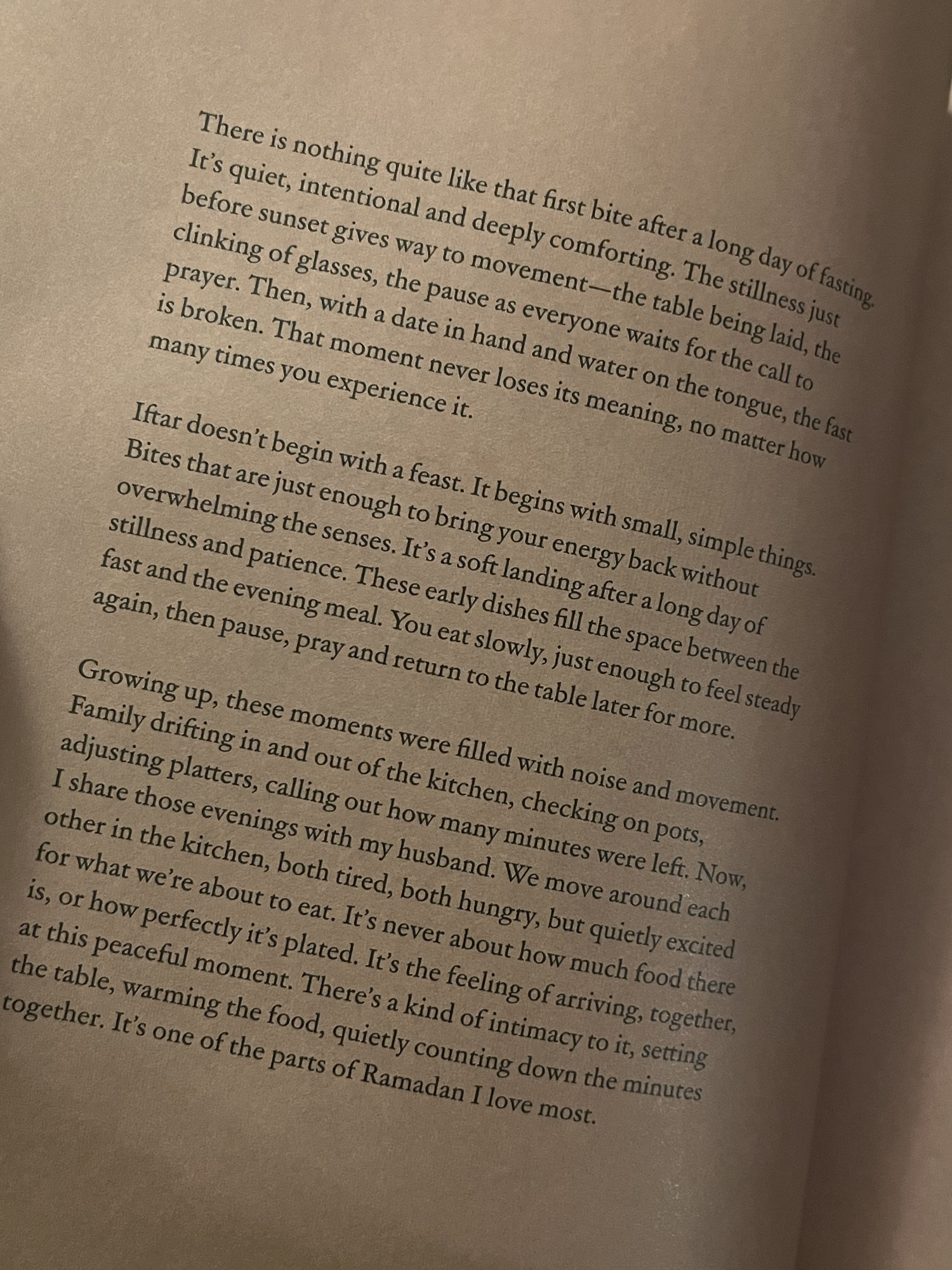
Another surprising library find, this 2023 published cookbook shares meals for all the time, but organizes them with Ramadan in mind.  Unlike many online recipe pages, there is not a lot of backstory about the culture behind the recipes, or how the author has made them her own, it really is pretty direct and to the point.  The author is Desi, and the bulk of the recipes Indian, but it isn’t all of them.  I found myself flipping through the pages hoping to be inspired, but sadly most of the recipes were fairly basic.  That isn’t too say they are not good, I have not tried them, but being of Pakistani decent and that I have been cooking multiple meals a day for too many years to count, I didn’t feel compelled to check the kitchen for ingredients.  I think a big part of it is, I need pictures of the food to spark interest, and not every page had images of the food.  I think the book is fun to look through, maybe remind you of something you tried once and enjoyed, or give you ideas of something you and your family might like to try.  I would say it is for beginner cooks, but without step-by-step directions, you have to have some basic skills, perhaps it is more a family friendly cook book as she makes comments of what her children like, or dishes them come together quickly and easily.
Clearly I am not a foodie, or a cookbook reviewer, I was just excited to see a Ramadan cookbook available at the library and wanted to share.  The author shares her thoughts on Ramadan, and interjects some thoughts on the section pages. Apparently she is a famous blogger, so if you follow the author and there is something I should try, please let me know.