Category Archives: Eid Al Fitr

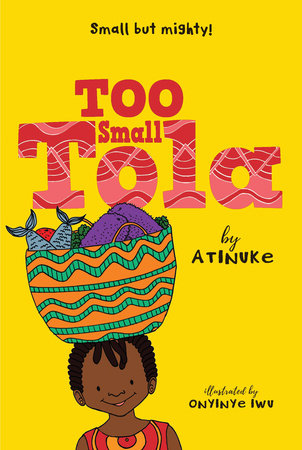
Too Small Tola by Atinuke illustrated by Onyinye Iwu

Standard
Too Small Tola by Atinuke illustrated by Onyinye Iwu

9781536211276

This AR 3.6, 89 page early chapter book features three stories set in Lagos, Nigeria.  The main character and her family are Christian, but many of the neighbors are Muslim, and the third story is set in Ramadan with Easter and Eid falling at the same time.  The sense of community throughout the book, the OWN voice detail and charm make this book silly, warm, and delightful for first through third grade readers.

img_9777

SYNOPSIS:

In the first story Tola heads to the market with her Grandmommy.  Not the fancy mall, but the muddy market further away.  Her older brother Dapo is too busy playing soccer to help, her older sister Moji is busy with homework, that leaves little Tola to carry the items on her head with her tough as nails little grandmother.  Everyone says she is too small, but Grandmommy knows she can do it.  As they purchase the items, and neighbors call to have them pick up items for them too, the duo have to take lots of breaks on their way home, but Too Small Tola does it and proves to herself and others that she might be small, but she is strong.

The second story once again focuses on life in Lagos and the one bedroom apartment the family shares.  One morning both the power and the water are out and the jerry bottles need to be filled at the pump.  When some bullies trip Tola and the water spills, an elderly neighbor lady patiently waits for the right time to get her revenge on Tola’s behalf, and when the bully challenges the woman, the entire line stands together.  Tola may be small, but she stood for something and made a difference.

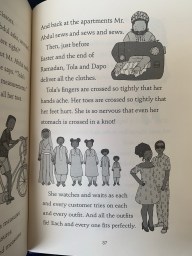
The final story involves the neighbor, Mr. Abdul, the tailor who lives downstairs, coming to measure Tola and her family for their new Easter clothes.  He let Tola measure everyone last year and praises her as the best measurer in Lagos, and Tola is eager to take the measurements this year.  When the tailor breaks his leg, he is worried he will not be able to ride his bicycle to his clients and will not be able to prepare the Eid feast and pay rent.  Tola knows they have been fasting all Ramadan and between her, Grandmommy, and Dapo they come up with a plan to help.  Dapo will peddle the bike and take Tola to measure everyone for their orders.  Tola may be small, but she can save the day for the Abdul family.

WHY I LIKE IT:

I love little Tola and her sassy grandma.  The book would lend itself so wonderfully to be read aloud as it bursts with personality and dialogue.  I love the sense of community in such a day-to-day life that would seem to stark and hard to most western readers.  Tola’s draws on those around her to find her strength, from her Grandmommy, to her neighbors, they may tease her that she is too little, but they also build her back up and stand with her.  I love the diversity in Tola’s world.  She seems so excited that Eid and Easter will be aligned and that after her services they will be joining the Abdul’s feast, such a great lesson of tolerance and respect without being preachy about tolerance and respect.  Young readers will enjoy Tola and the insight into Nigeria.

FLAGS:

Grandmommy lies when a neighbor calls her in the market to ask her to pick up his TV, she pretends the battery dies as she and Tola laugh at how ridiculous them carrying a TV would be in addition to everything else they are carrying.  There is bullying when Tola is tripped and then when Mrs. Shaky-Shaky trips the bully.
img_9781

TOOLS FOR LEADING THE DISCUSSION:

This wouldn’t work for a book club, but would be ideal in small groups, or to be read aloud.  There would be a lot to discuss as children would relate to Tola and find themselves cheering her on.
It’s Ramadan and Eid al-Fitr! by Richard Sebra

Standard
It’s Ramadan and Eid al-Fitr! by Richard Sebra

img_9007

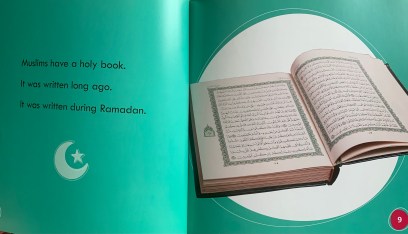
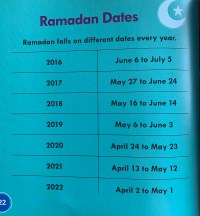
Sigh, another erroneous children’s nonfiction book from a holiday book series targeting classrooms.  This 24 page book is meant for pre-school to first grade and in addition to being vague and repetitive, states that Muslims have a holy book that was written in Ramadan.  It never states the Quran by name, and clearly it wasn’t written, it was revealed in Ramadan.  It later also states that Eid al-Fitr is the last day of Ramadan, failing to acknowledge that it falls on the first of Shawwal, when Ramadan is over.  The table of Ramadan dates at the end spanning from 2016-2022 is also problematic if you are trying to explain that we often don’t know until the night before when Ramadan and Eid will be because we need to sight the moon.  These errors may appear minor, but when they seem to fill every recently published children’s nonfiction book, it really makes the correction of such assumed facts that much harder to overcome.  If our non-fiction books are so consistently flawed, our sense of reality is being shaped erroneously, and imagine what else we have consumed as fact that isn’t accurate over the years.  Please speak out when you come across these errors, in Islamic books and all non-fiction works.

img_9008

The book is filled with simple short sentence and often repeats the same basic information on multiple pages.  The two page spreads contain the text on one side and a realistic photograph on the other with critical thinking prompts to consider.

img_9009

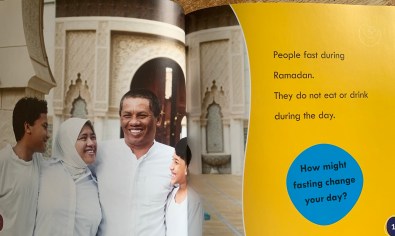
It starts off by establishing that Muslims have a calendar based on the moon, that Ramadan is the ninth month and it is a holy month.  The next page again reasserts that Ramadan is not one day, but a whole month before introducing the idea that families get together to pray.  The erroneous page about the Islamic holy book follows and then the concept of fasting: not eating or drinking during the day is presented.  The critical thinking point asks readers to consider how fasting might change your day.

img_9010

There is then a page about prayer which includes that we kneel on rugs, pray everyday, but pray more in Ramadan.  I’m not sure why this page didn’t follow the page that first mentioned prayer, especially since the next page goes back to talking about food which probably should have followed the page on fasting.

img_9011

The page about Eid being on the last day of Ramadan is then followed by more sentences over a few pages about Eid being a festival, there being food, and gifts. There is a table of Ramadan dates at the end, as well as an index and books to further read.  There isn’t a proper glossary because there really isn’t any vocabulary presented  in the vague descriptions, but there is a picture glossary with words such as celebrate, dates, gifts, and prayers.

img_9012

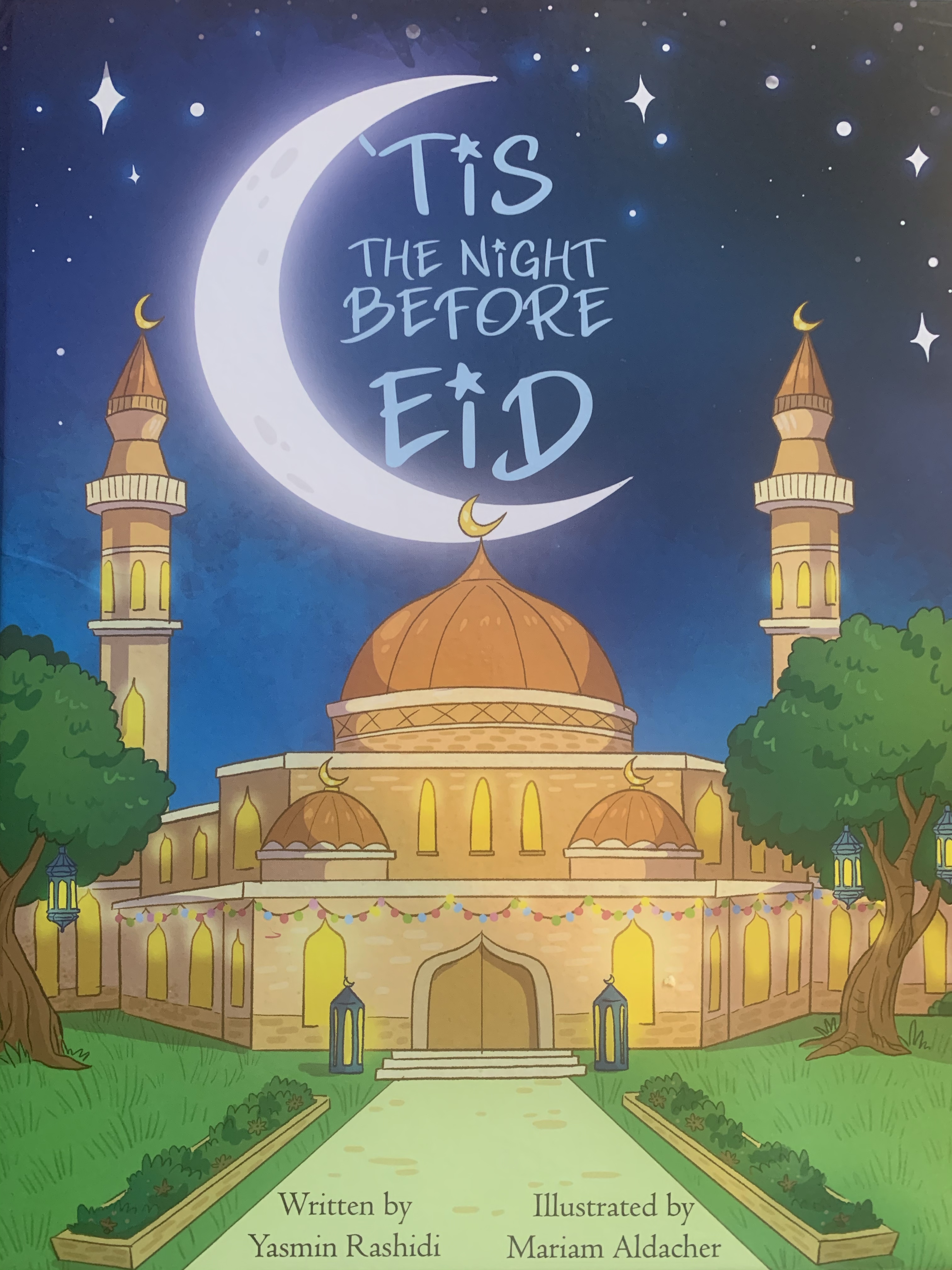
‘Tis The Night Before Eid by Yasmin Rashidi illustrated by Mariam Aldacher

Standard
‘Tis The Night Before Eid by Yasmin Rashidi illustrated by Mariam Aldacher

img_8995

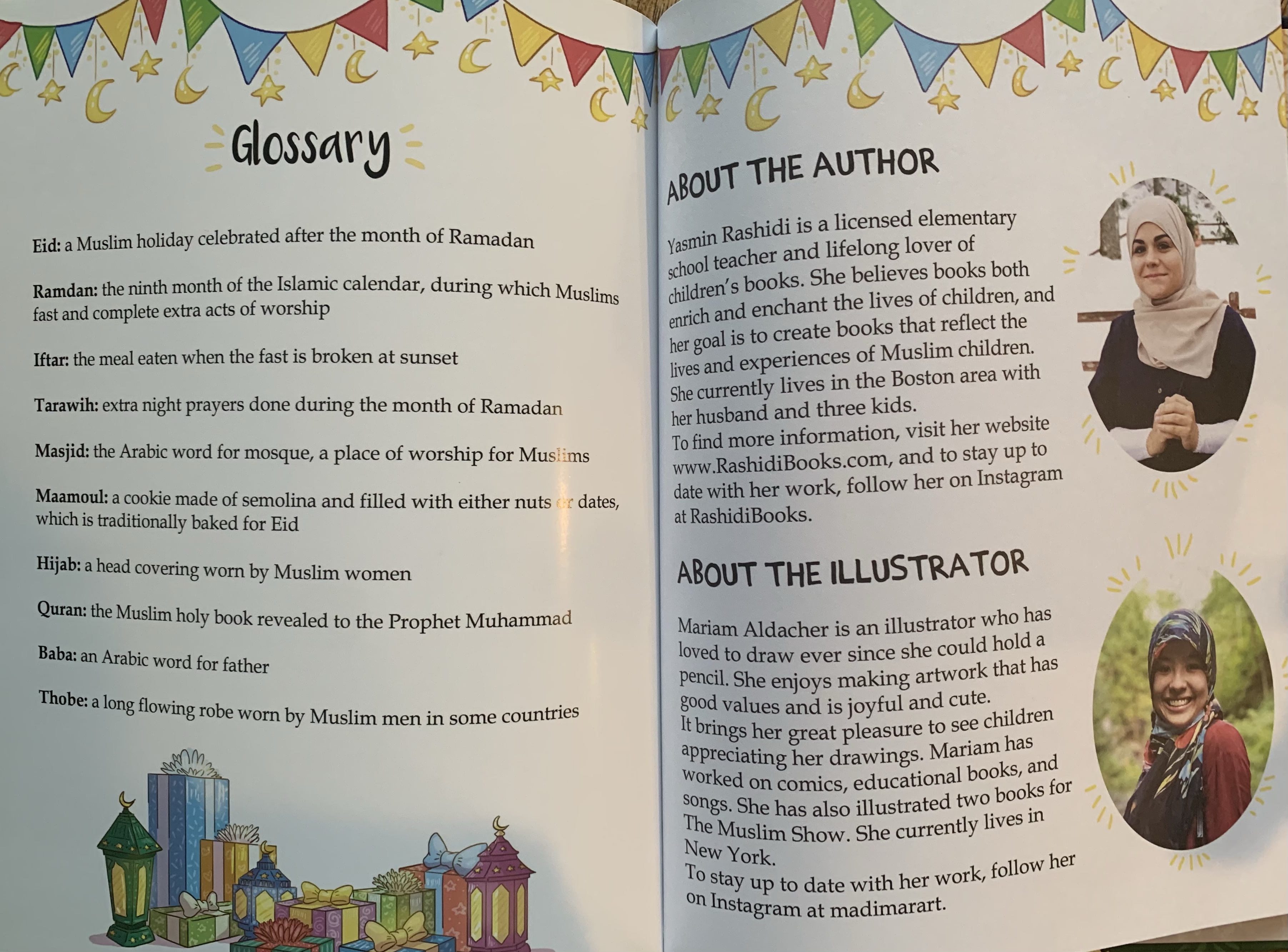
On the surface this 32 page inspired re-imagining of the classic Christmas poem might not seem that impressive, but it is really quite effective in highlighting general key points of Ramadan, the mix of sadness that Ramadan has gone too quickly with the excitement of Eid, and showing the diversity of Muslim families and communities.  The large 8 x 10 hard bound pages showcase fun and relatable illustrations that would help inform those unfamiliar with the holiday, while also mirroring and encouraging Ramadan and Eid excitement.  It is already a favorite at our house and with simple rhyming lines, the book can lend itself easily to more in-depth discussions (there is a glossary at the back) or be kept as a sweet flowing story that you don’t mind reading repeatedly at the prodding of toddlers and preschoolers alike.

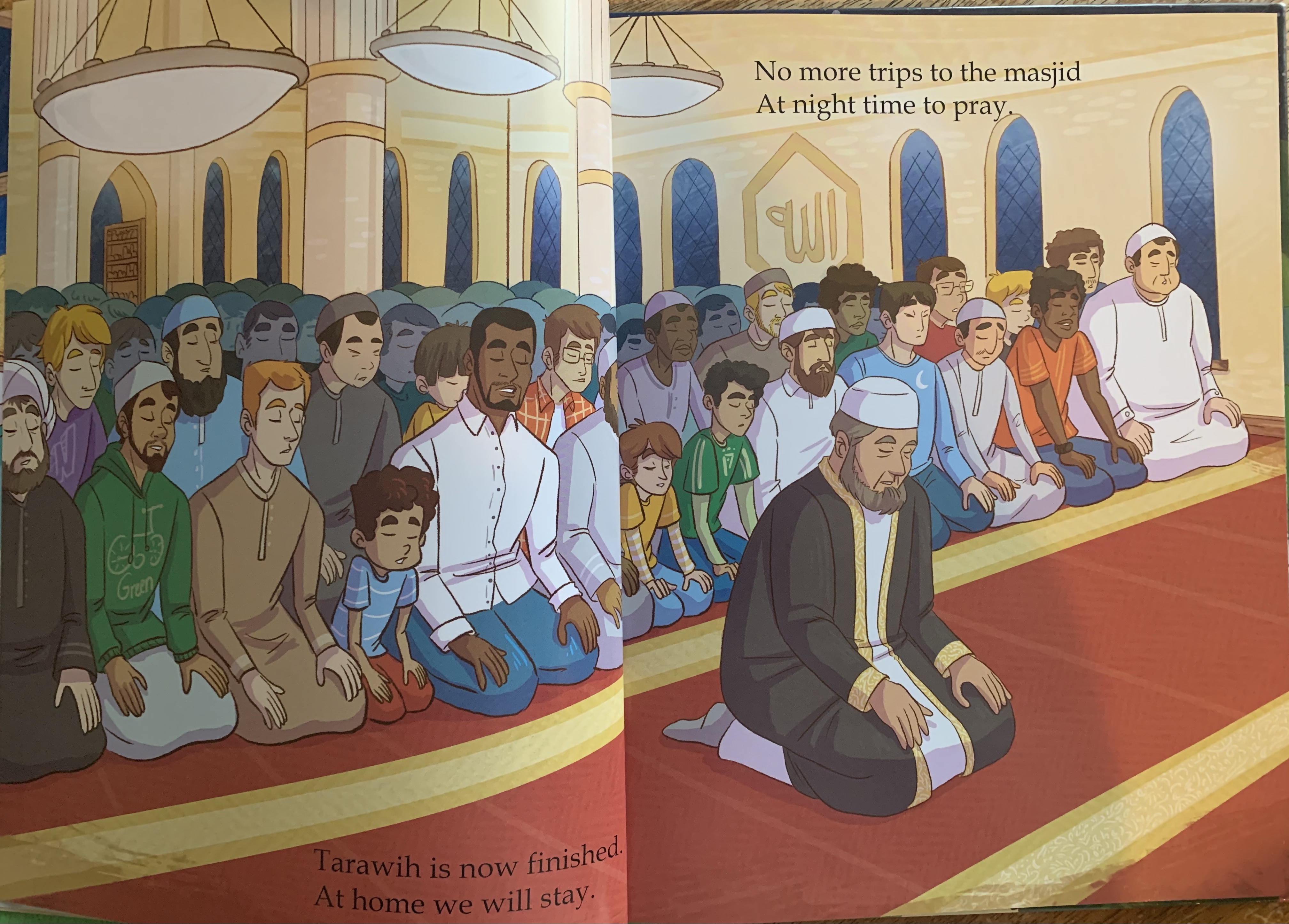
img_8997The story starts with it being the night before Eid.   Ramadan has flown by, iftar eaten, dishes are put away, trips to the masjid for Taraweh have concluded and now it is time to prepare for Eid.  The house is cleaned, clothes ironed, sweets prepared and dreams of gifts filling the kids minds.
img_8998

The narrative bounces back to Ramadan to explain that fasting is not eating til sundown for 30 days, that Quran was revealed during the blessed month and that we hold on to the lessons of Ramadan all year long.

I pre-ordered mine from the author’s website https://rashidibooks.com/home , but it is also available at Crescent Moon Store https://crescentmoonstore.com/products/twas-the-night-before-eid.  There are also printables on the author’s website.

img_9002

Ramadan and Eid Al-Fitr: Traditions and Celebrations by Melissa Ferguson

Standard
Ramadan and Eid Al-Fitr: Traditions and Celebrations by Melissa Ferguson

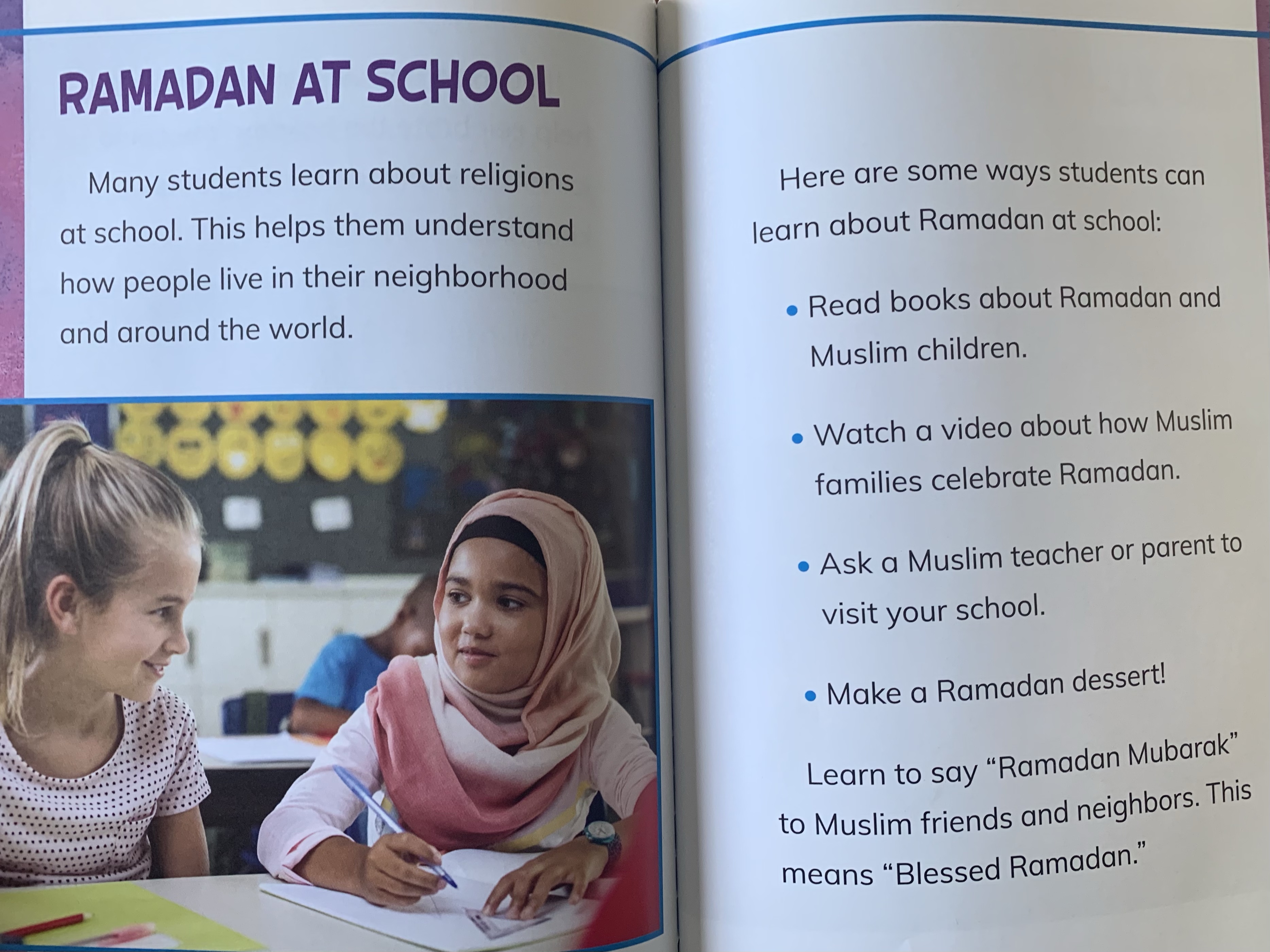
This 2021 nonfiction middle grade book about Ramadan and Eid al-Fitr breaks sections down by key concepts and the use of stock image photographs. The information is fairly accurate, no major flags, just a few awkward stresses: that kids look for the moon, that meat is so important at iftar, but most of the information is conveyed well. There is a glossary, more books to check out, internet sites to visit, an index, and pronunciation guide. The Capstone published, 32 page book, shows diversity in the pictures- some women with hijab and some without, different skin tones as well, and while it might not be the most tempting book to pick up, the text is inviting for non Muslims to understand Ramadan and Eid, how to join their Muslim friends in being kind and forgiving, and answers a lot of questions in a straightforward manner. Muslim children will also enjoy seeing their beliefs explained in a positive manner to readers in a book that stays religion focused and doesn’t get distracted by culture.

The book sections are: What is Ramadan?, When is Ramadan?, What does Fasting Mean?, Suhoor, Iftar, The Qur’an and Prayer, Acts of Kindness, Ramadan at School, and Eid Al-Fitr. It starts by introducing a fictional character named Ayesha reading the Quran with her family. It is the start of Ramadan, a month of praying, fasting, spending time with loved ones, and trying to be better people.

It then explains the lunar calendar before discussing that fasting is a choice to not eat or drink from dawn until sunset. It also notes that children and the sick and elderly are not required to fast.

It talks about eating healthy foods early in the morning before praying the first prayer of the day. It details iftar being dates and water, followed by the sunset prayer and then a large meal after that.

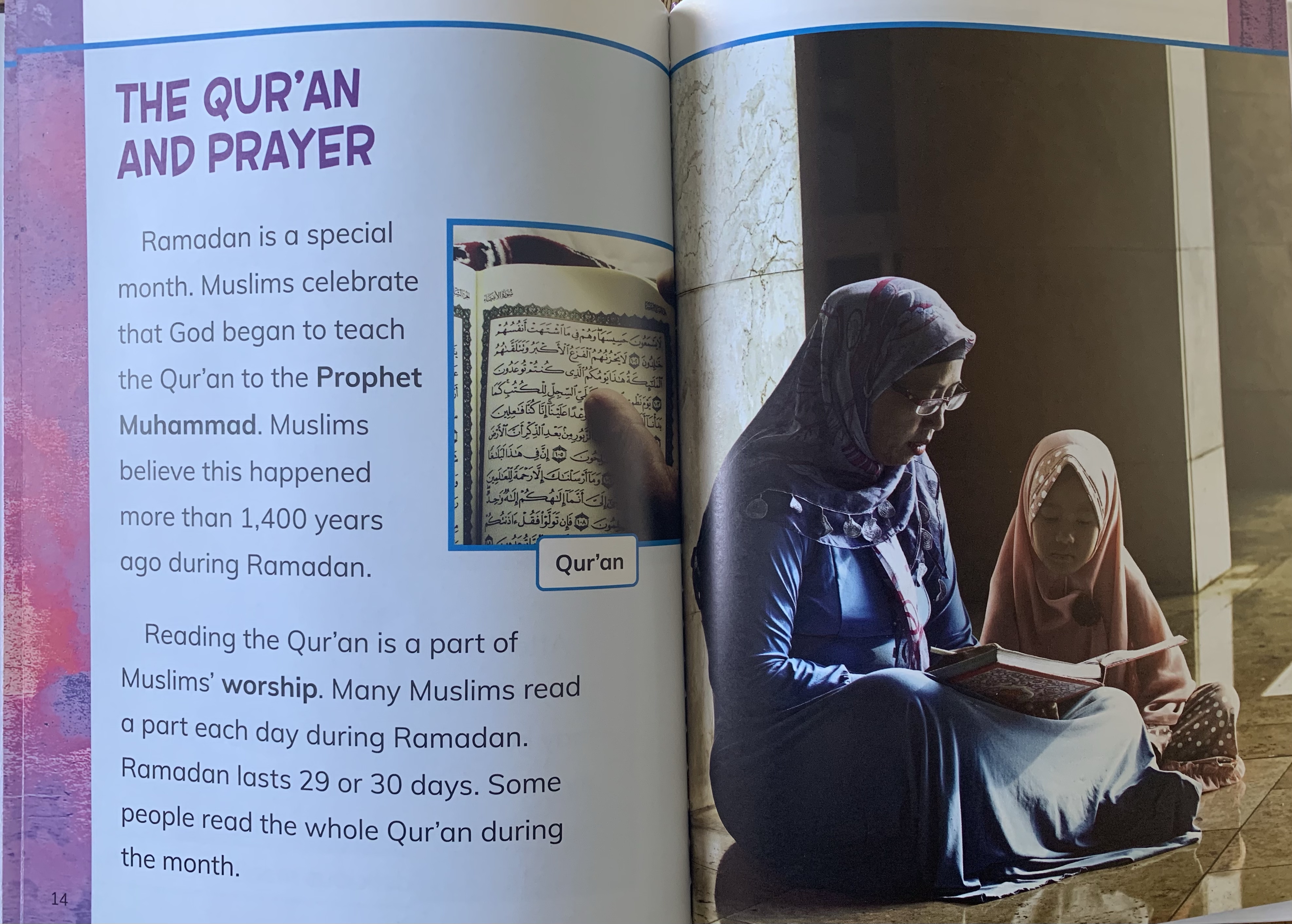
It is very clear in explaining that Muslims believe it was during Ramadan that God began to teach Prophet Muhammad the Quran more than 1,400 years ago. It identifies our five prayers and that people can pray at home or in mosques and that children learn to pray with their parents as they grow up.

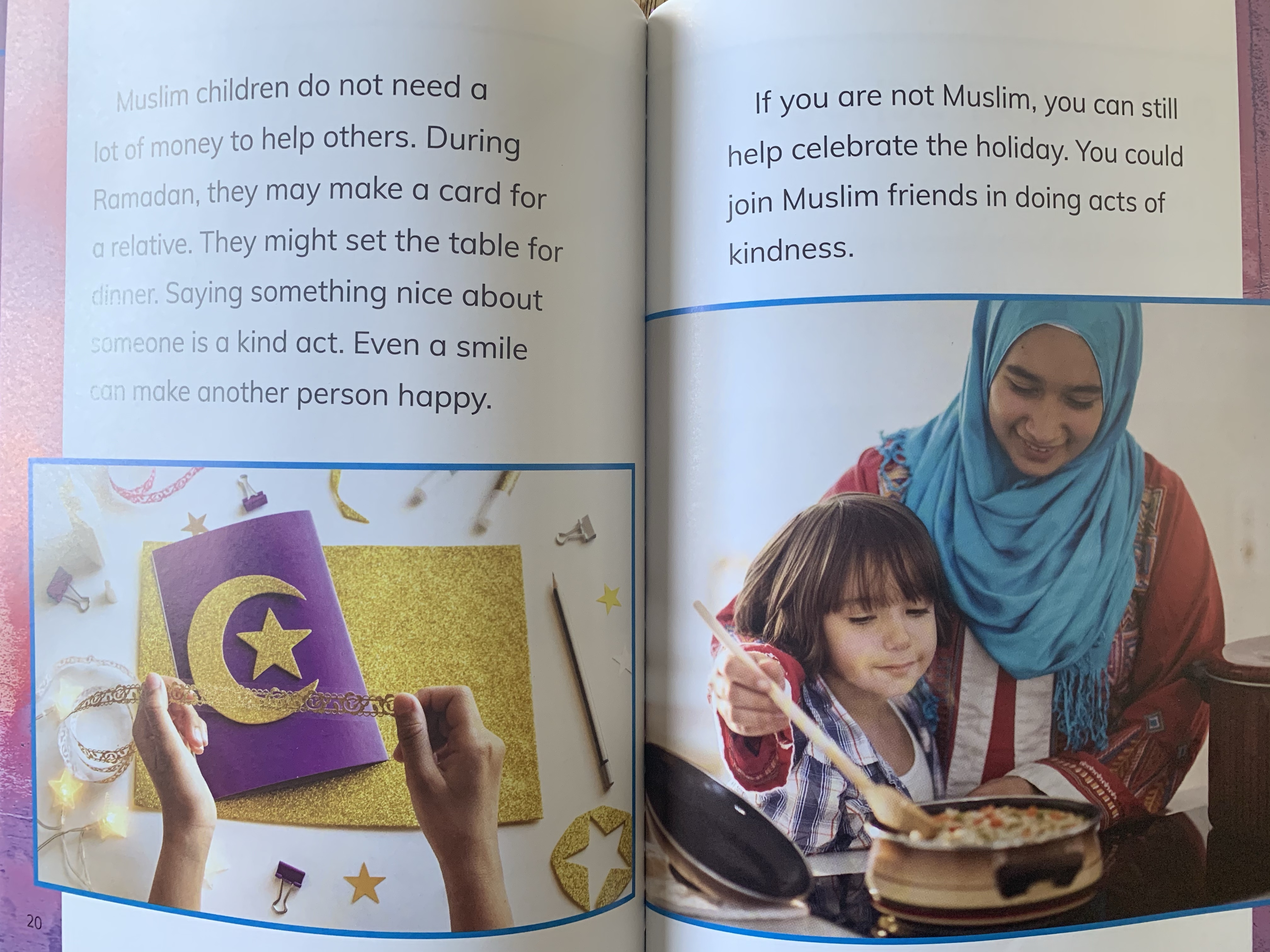
The book then becomes a little more unique as it gives time to the aspect of kindness in Ramadan. It gives examples of what Muslims do, from raising money and hosting large dinners, to buying and donating a toy. It even dedicates a whole page to children doing kind acts with little to no money: setting the table, making a card, smiling. It encourages non Muslims to join a Muslim friend in doing an act of kindness too.

The next section, is similarly unique in talking about Ramadan at school and how often at school we learn about different religions in our neighborhood. It gives bulleted suggestions on how to learn about Ramadan in school and how to say Ramadan greetings. The book concludes with Eid Al-Fitr and coming back to Ayesha and her family celebrating.

Zara’s New Eid Dress by Nafisah Abdul-Rahim

Standard
Zara’s New Eid Dress by Nafisah Abdul-Rahim

img_8802

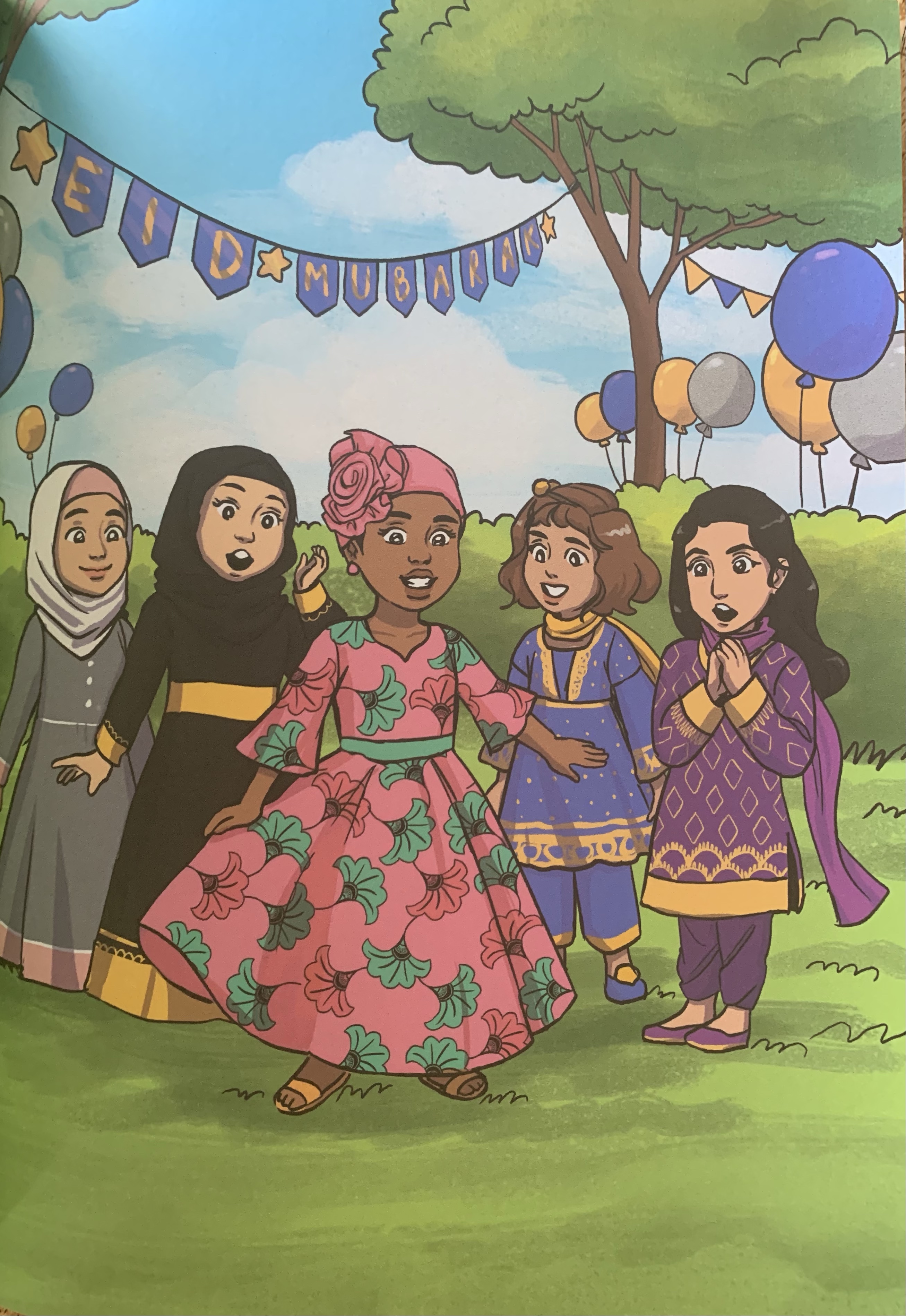
The search is on for an eid dress that reflects Zara’s African American Muslim culture.  This much needed representation highlights more of looking for a dress and the process of having one made, than providing information about Eid or the African American Muslim experience over its 30 pages.  Iftar is mentioned on one page in parentheses, so if you omit that word it could reflect either Eid preparation.  The book is cute if you are looking for a slice of life and coming together of a child, mother, and grandmother over the creation of a dress that has what Zara is wanting: pink, fluffy and containing flowers.  It falls short if you are looking for a book to learn about Eid, Ramadan, what a cultural African American Muslim dress would look like, or a peek into an under represented culture.  The illustrations are sufficient.  I felt the girl looked younger in some of the depictions, and I was surprised that the girl’s rain boots and clothes were worn over multiple days in her search for a dress, picking out fabric and inside her house when the dress is completed.  Similarly, on Eid day while her dress is stunning and fabulous, her friends are wearing the same eid clothes they wore at the start of the book from years past.

img_8804

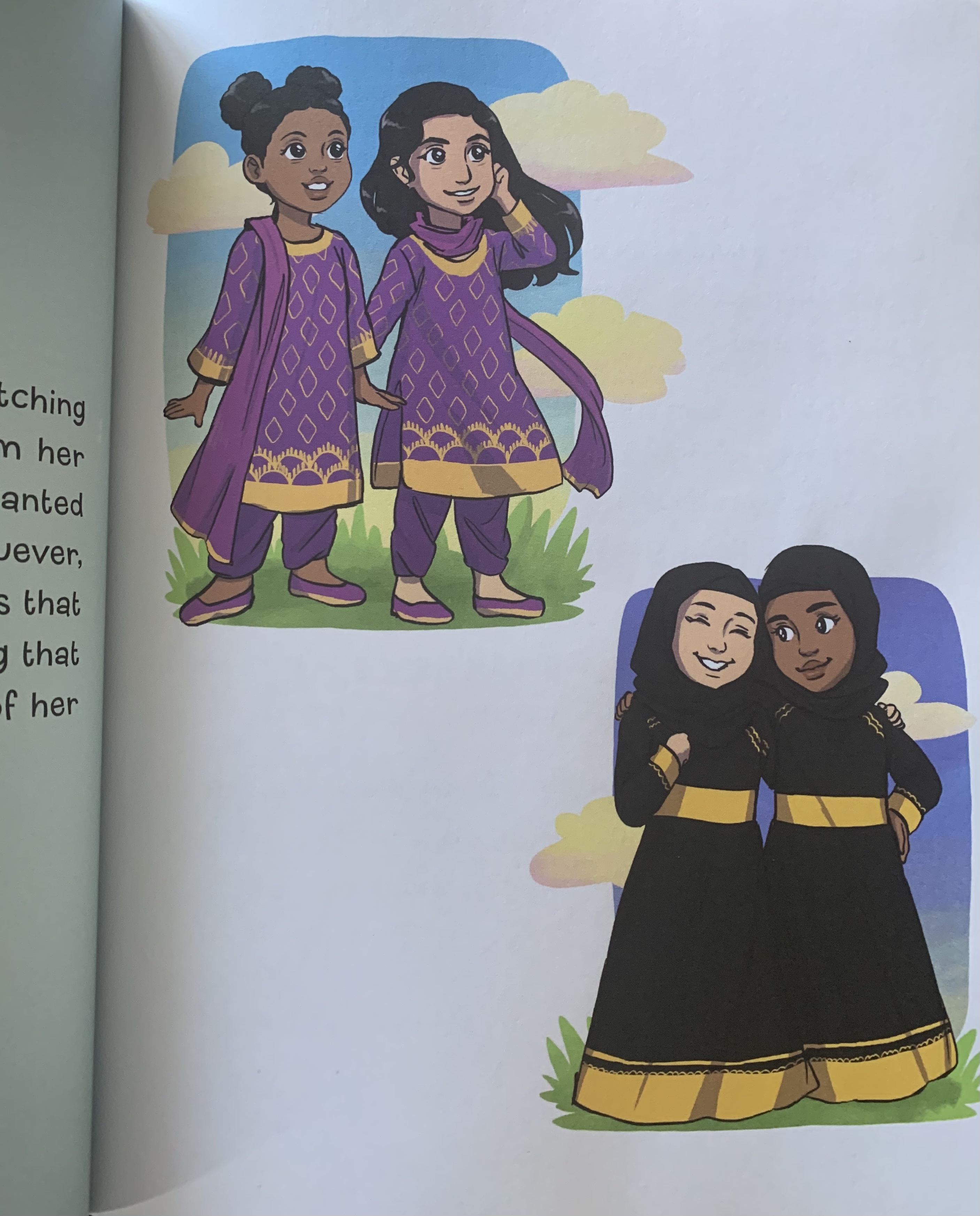
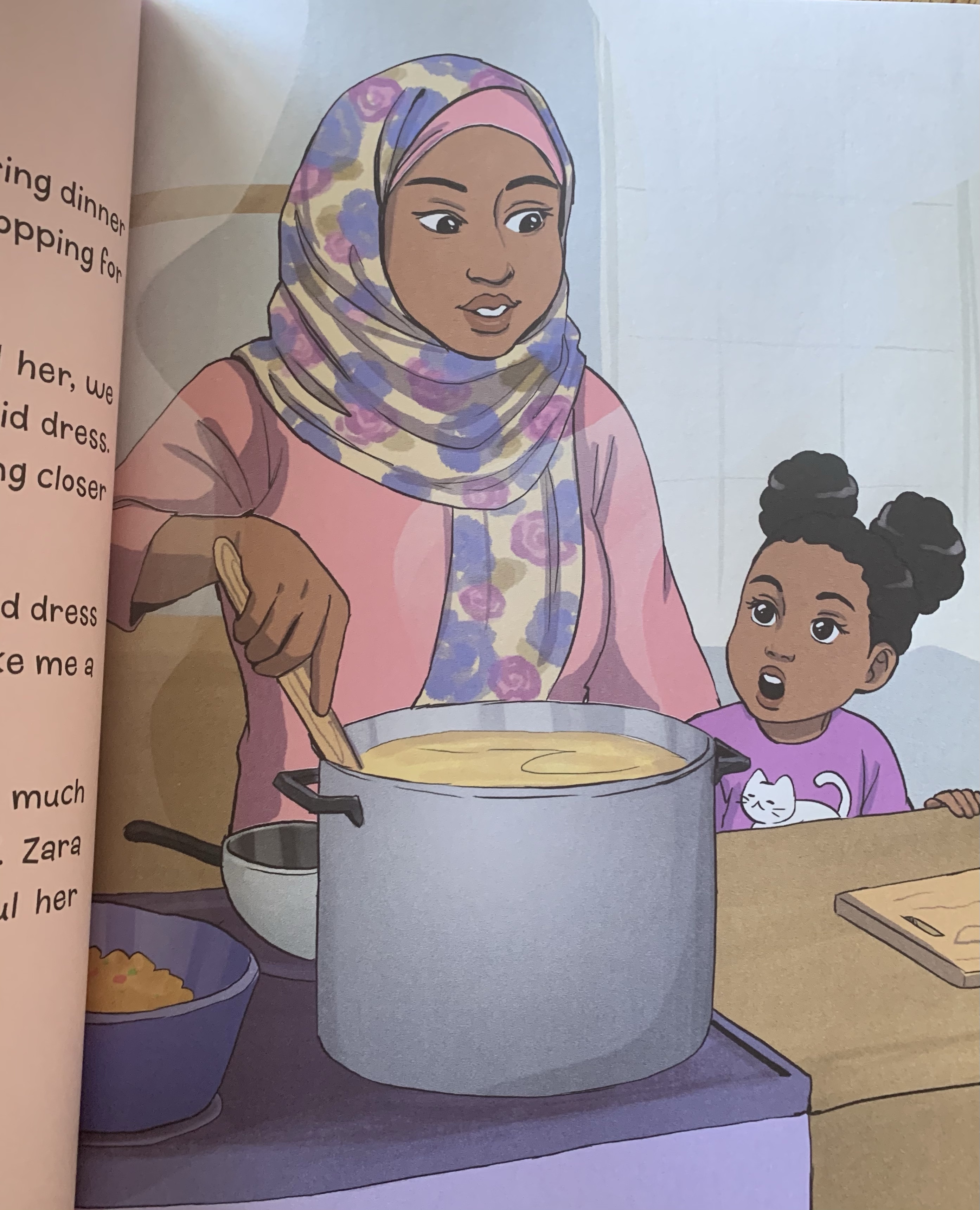
Zara has worn a salwar kameez from Pakistan with her friend Sana, an abaya like her friend Noura one year too, but this Eid, she wants a dress that shows “her own style, her heritage, a reflection of her culture as an African American Muslim.  As her mom is preparing iftar she asks when they can start shopping for her Eid dress.  She knows it won’t be easy to find and convinces her mother to start looking this weekend.

img_8805

She pulls on her rainboots as they head out the door to find “something bright, pink, fluffy, and has flowers on it.” They go to several stores and kind find anything just right.  Her mom suggests asking Nana to make it.  Zara’s mom recalls the fabulous dresses her mom used to make her to wear on Eid.

img_8806

Nana and Zara head out to the fabric store the next morning. First they find the pattern, then they find the fabric.  After a few days of hard work for Nana, the dress is complete.

img_8808

On Eid day, Zara meets up with her friends in her dress that is uniquely her own.

img_8812

Eid al-Fitr: Festivals Around the World by Grace Jones

Standard
Eid al-Fitr: Festivals Around the World by Grace Jones

img_8875-1

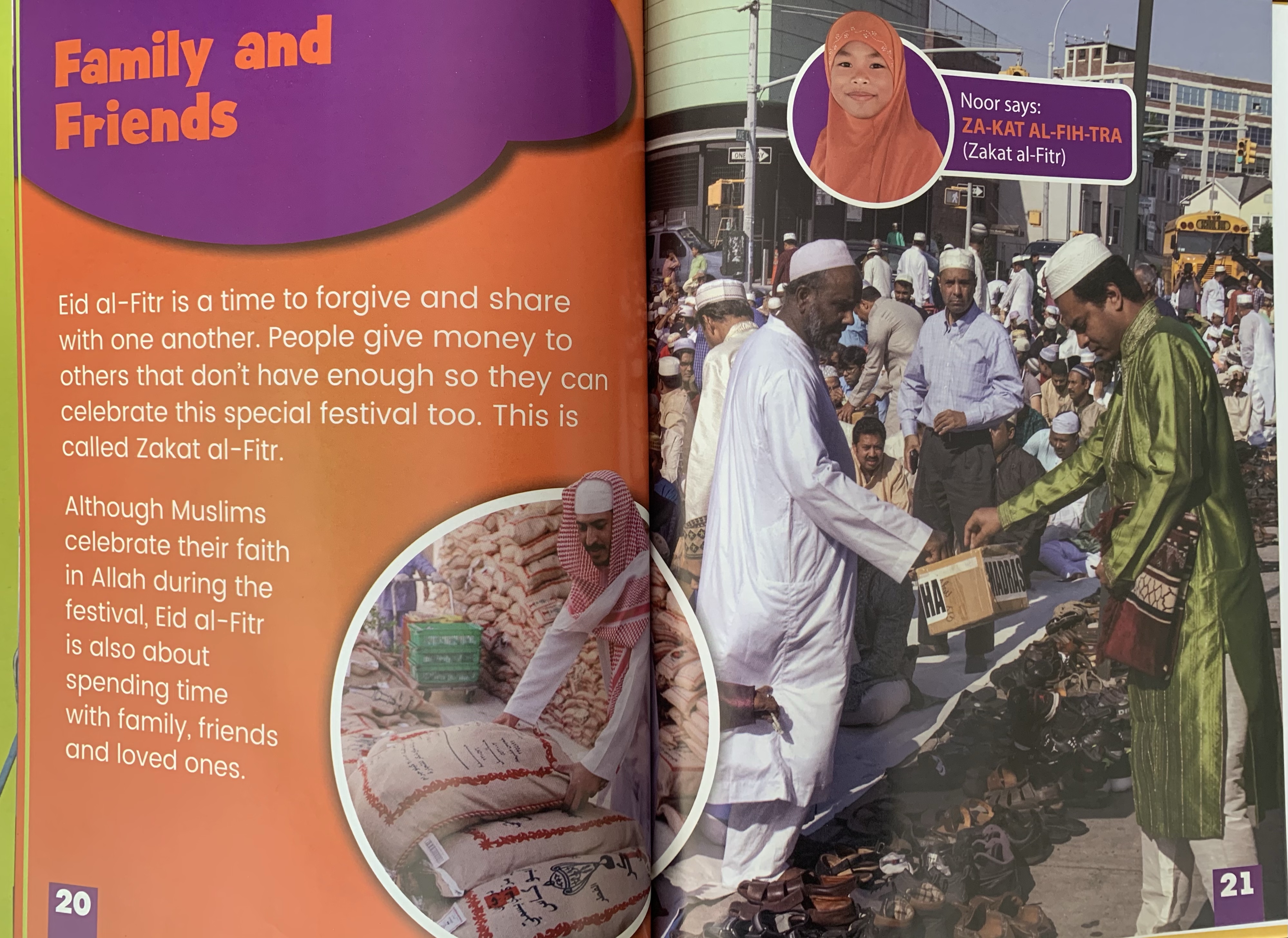
NO! NO! NO! NO! NO! Seriously, astagfiraAllah! This 24 page middle grades non fiction book about Islam and Eid published in 2018 with smart-board connections and QR scan media enhancements on its surface would seem to be a great classroom all-in-one to learn about the basics of celebrations, Islam, Ramadan, and Eid.  BUT, NO! The information is all sorts of off, and there is an illustration depicting Prophet Muhammad (saw).  How is this sort of ignorance even possible? This isn’t even a Karen Katz My First Ramadan depiction where you can possibly argue and stretch that it isn’t a depiction of the Prophet, but just of the people.  Every picture in the book is a photograph, except on the page talking about the first revelation, it is an illustration and there are no other people on the page, just a picture of the Quran.  I encourage you all to see if your public library shelves the book and ask them to pull it. ****UPDATE: My library pulled it, and the publisher has halted sales of it. Alhumdulillah! We must remember we can use our voices to make a differences, that people are receptive and willing, not always, but we won’t know unless we try.  ****

img_8873-1

The book covers nine topics on two page spreads ranging from the generic what is a festival, to what is Islam to prayer and worship and festival food.  The book has a little girl Noor that pops up on pages to tell you how to say a word and has a glossary with her definitions at the end.  Even the definitions at the end about the foods are wrong, they seem to have switched ma’amoul and sheer khurma.  To it’s credit the book has a photographs of a lot of diverse Muslims celebrating Ramadan and Eid, unfortunately so much is wrong, from little things saying that “Sheer Khurma is traditionally eaten for breakfast during Eid,” to “Muhammad spread Allah’s words to other people by writing them down in a holy book…”.  

img_8869-1

It has in quotes that a voice from the sky called to Muahmmad, “You have been chosen to hear Allah’s words.”  This quote and its source are nor footnoted or referenced, clearly they are not from surah Al Alaq.  I’m not sure where they are getting this from.  There are no salutaions after Rasulallah’s name nor is Prophet before it.

img_8872-1

Other informative sentences are vague and suggest misinformation.  It says that we believe in Allah and pray to him in a mosque, which yes is fine, but we also pray to him in other places five times a day and the way it is worded, I don’t think that would be understood.  I feel like the role of the imam is also overly elevated in the book.  The takeaway I assume would be that only an Imam can lead a prayer and we must always pray in a mosque.  

img_8870-1

Ultimately the biggest problem I have in the book is the depiction of our beloved Prophet.  I can forgive that they assume eating a random dish for Eid is religious and not just cultural, but I can’t forgive such basic ignorance in a book that presumably is trying to teach about a faith to reduce ignorance and misunderstandings.


Ramadan’s Coming by Rabia Bashir illustrated by Laila Ramadhani

Standard
Ramadan’s Coming by Rabia Bashir illustrated by Laila Ramadhani

img_8785I think the illustrations in this 40 page picture song book are my favorite of the new 2021 books.  They are adorable and expressive and a big part of the story that the text alludes to, but doesn’t detail.  They also are a big part of the activities at the end of the book that encourage children to go back and find different Ramadan and Eid concepts to discuss and further understand.  I absolutely love that there is a glossary and a reference page that details and attributes the hadith implied in the simple sing song-y words.  The chorus is to the tune of jingle bells, and while I struggled to maintain the rhythm, the chorus reappears and if you are able to sing the book, your children will love it even more, haha, my voice and lack of rhythm forced me to read it, but either way it is absolutely delightful and informative for toddlers and up.
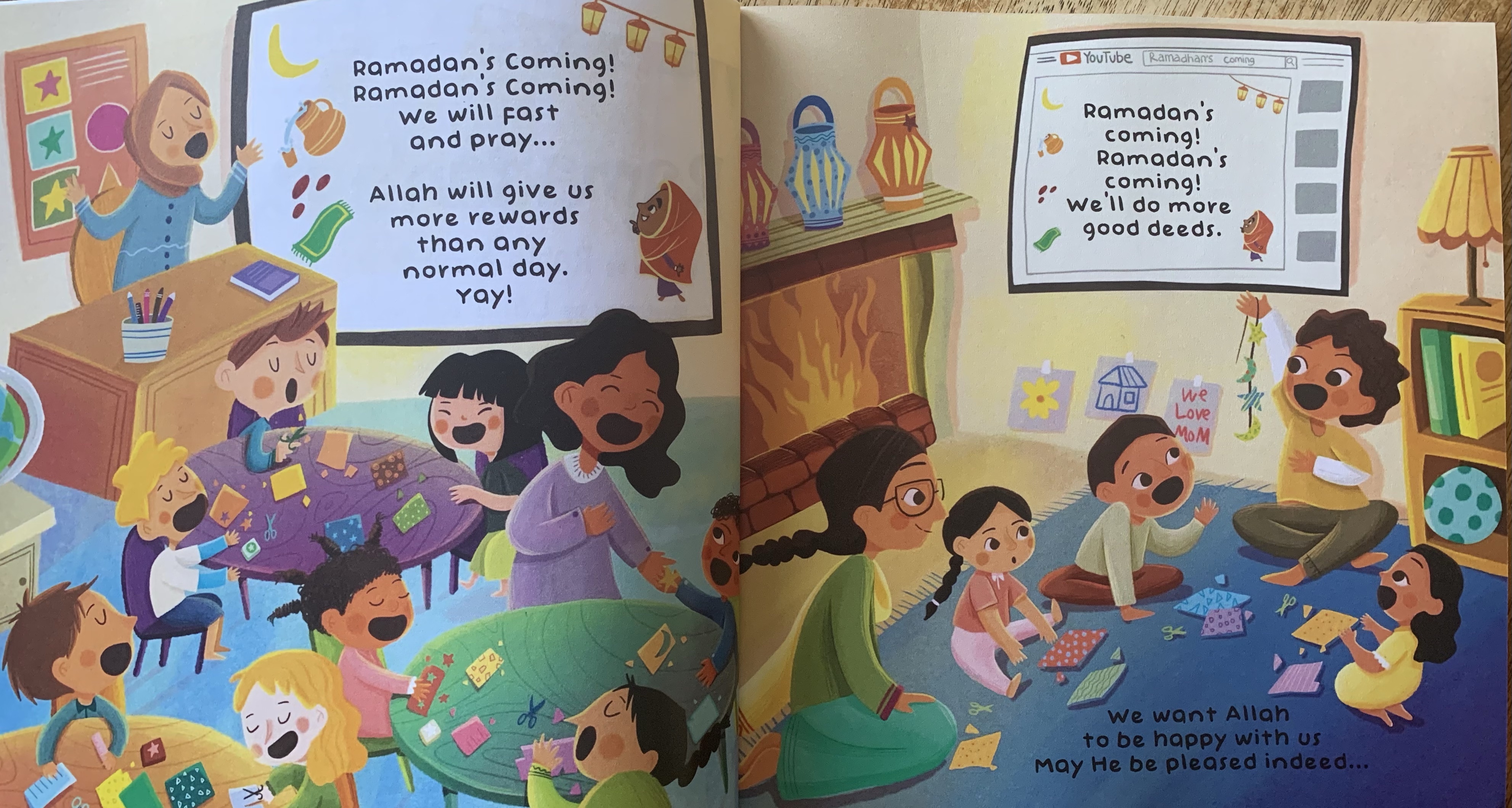
img_8787

It starts out with the refrain that Ramadan is here and we will fast and pray and that Allah (swt) will give us more rewards and we will do more good deeds, than on normal days.  It then shares that Ramadan is the month after Shaban when the Qur’an first came down and that we look for the crescent moon to know when Ramadan is here.  It is important to note that the words flow and are so concise you don’t even realize that much information has been conveyed.

img_8788

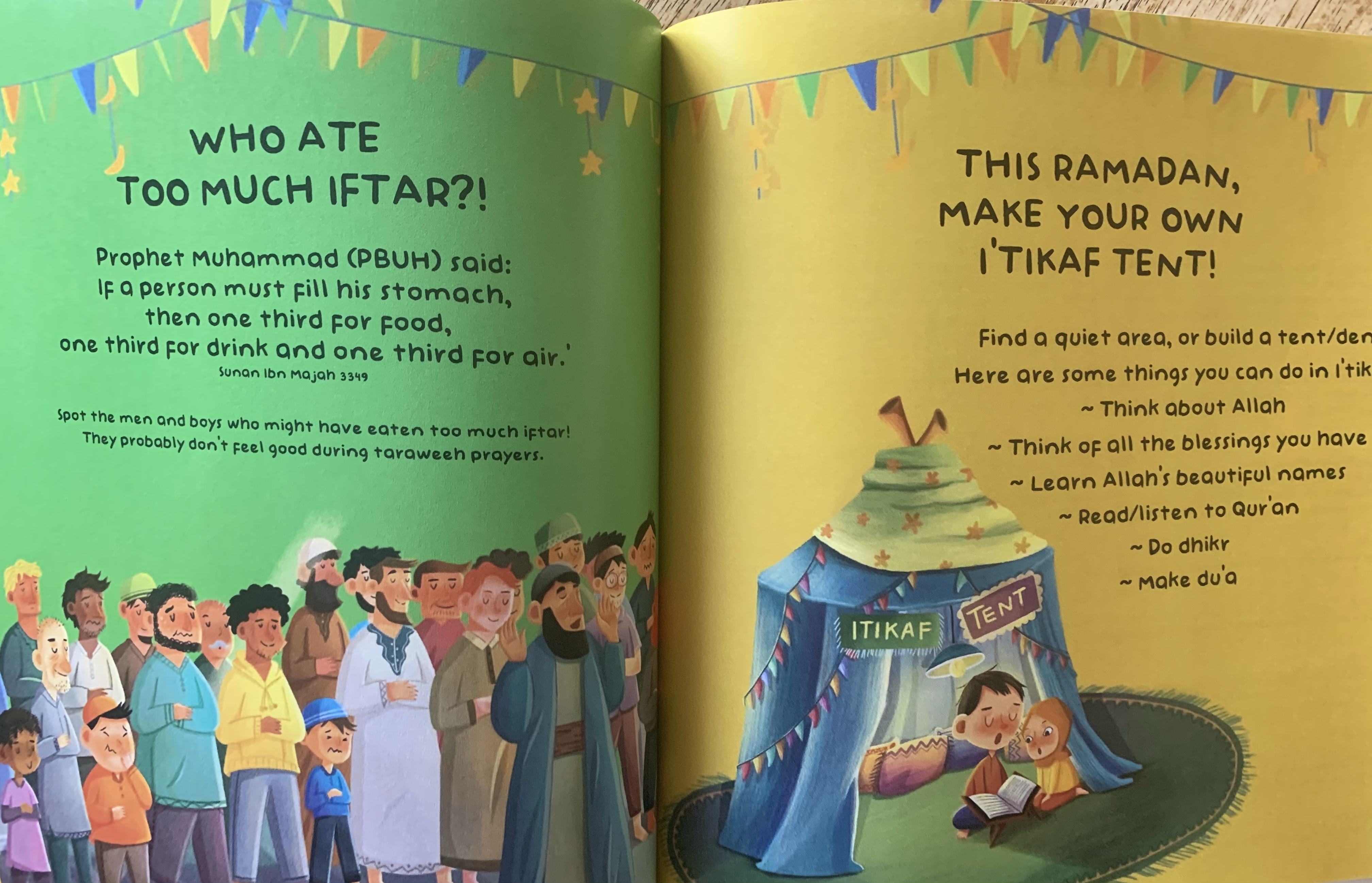
The chorus repeats and shows a family praying, kids helping vacuum, and giving socks to homeless.  The family then wakes up early for a healthy suhoor, no food or drink, thinking about how the poor must feel and then having iftar with a sticky sweet date and water.  Sometimes you eat so much your belly protrudes (a great vocabulary word for little ones). The next page has salat starting and those that ate too much wishing they would have left space for air and water.

img_8792

The chorus repeats again showing zakat being given, iftars being eaten in segregated large groups, before looking for Laylat ul Qadr takes place and some children read Qur’an in an itikaf tent. Then it is time for Eid hugs, salams, prayer, food and fun.

img_8791

On one page, the grammar of one line seems off, perhaps an extra word was added.  I contacted the author to see if it is an error as it is part of the chorus, but only appears wrong in one place and one time.  Even with the error, I would happily encourage this book for families with toddlers, preschoolers, and kindergarteners.  It will be read multiple times, and the pictures will hopefully offer something new with each reading as understanding increases.

img_8793

The copy I purchased from Amazon is 8.5 by 8.5 paperback, I’m not sure if they will be available from the publisher as a board book or without faces like so many of their books are.

10 Things I Love about Ramadan by Firhana Imam illustrated by Ali Gator

Standard
10 Things I Love about Ramadan by Firhana Imam illustrated by Ali Gator

img_8692

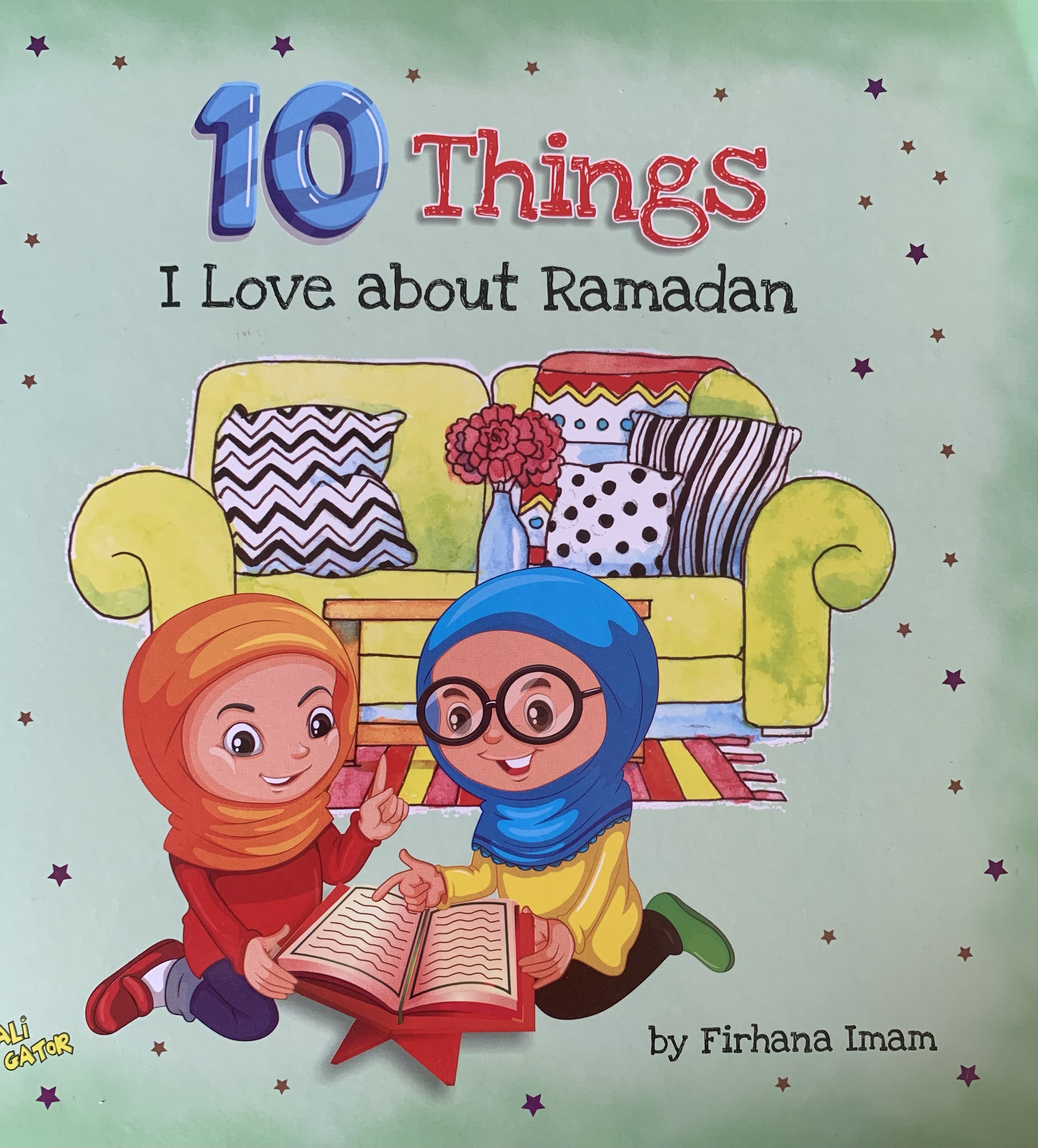
After a while a lot of Ramadan books seem repetitive with the information being more or less the same, this 24 page kindergarten and up book however, manages to present the information in a numbered format that allows for the information to flow without being constrained by an overly forced story.  The result is a fun little read that children will enjoy as they master some of the key concepts of Ramadan.  This book doesn’t have activities at the end, but would lend itself very easily to games, memorization challenges and discussion topics if read frequently for even the littlest Muslims. It would also work as an introduction to the month for non Muslims.  I know I get asked a lot for suggestions of books to be read to children’s classes in public schools, and this would definitely work for that too.

img_8694

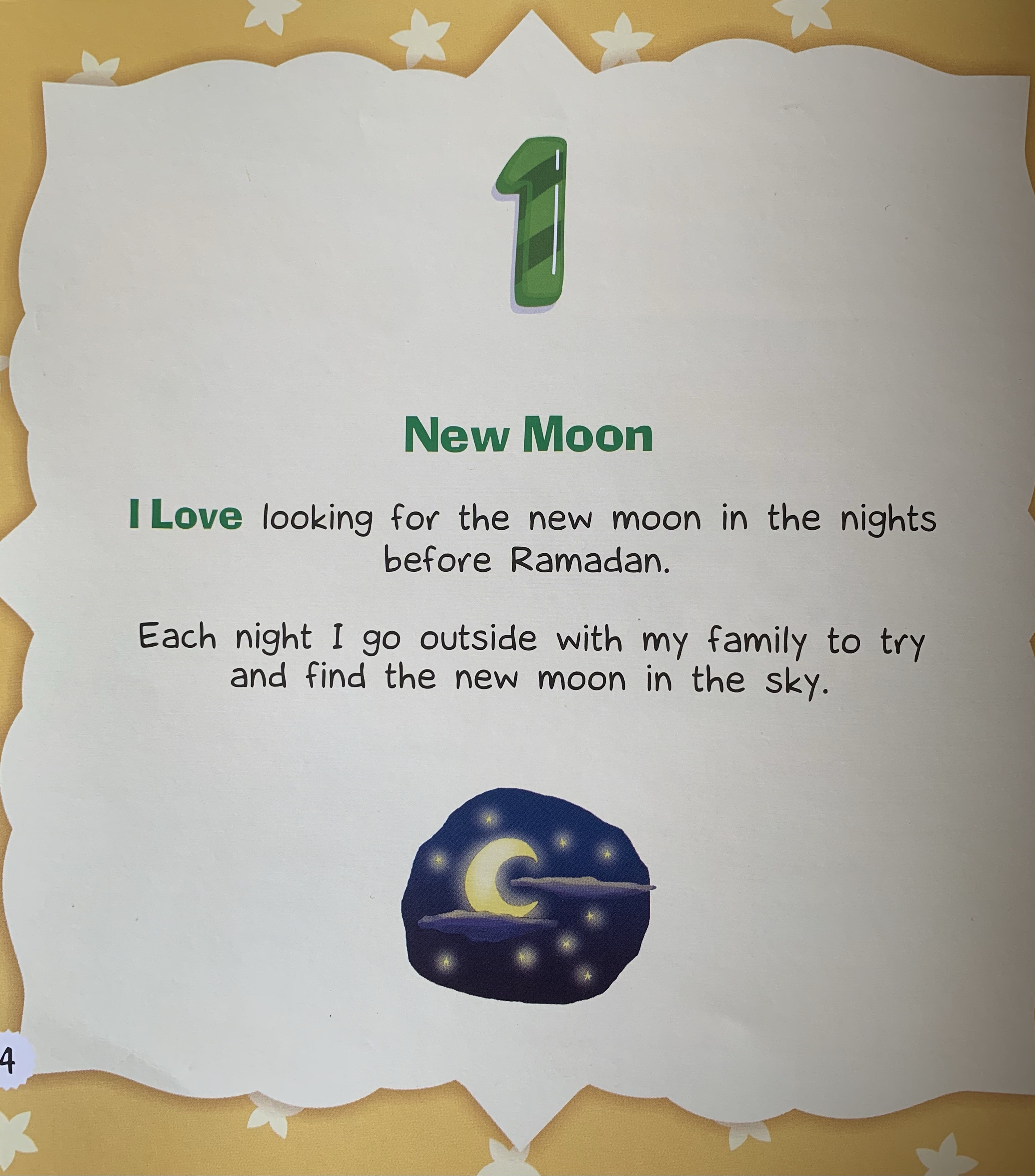
The book starts out with an introduction to Nabeela as this is her list of 10 things that she loves about Ramadan.  She starts with Assalamu Alaikum before diving in with some facts and getting started with number one.  Each number is a two page illustrated spread, there are footnotes for any Arabic or religious terms used, and the bright colors and large fonts make the book easy for early readers to follow along with and attempt on their own.

img_8695

She starts by loving the new moon that her family looks for before the start of Ramadan. She loves Suhur: helping prepare for it the night before and eating her favorite pancakes early in the morning.

img_8696

Number 3 is iftar.  She loves pies and samosas and explains to us that she always has dates and water because that is the Sunnah.  Along the way she shares her love of family, making du’a because a fasting person’s du’as are always accepted, and reading Qur’an even though it is difficult because she knows she will get more rewards for trying so hard.

img_8699

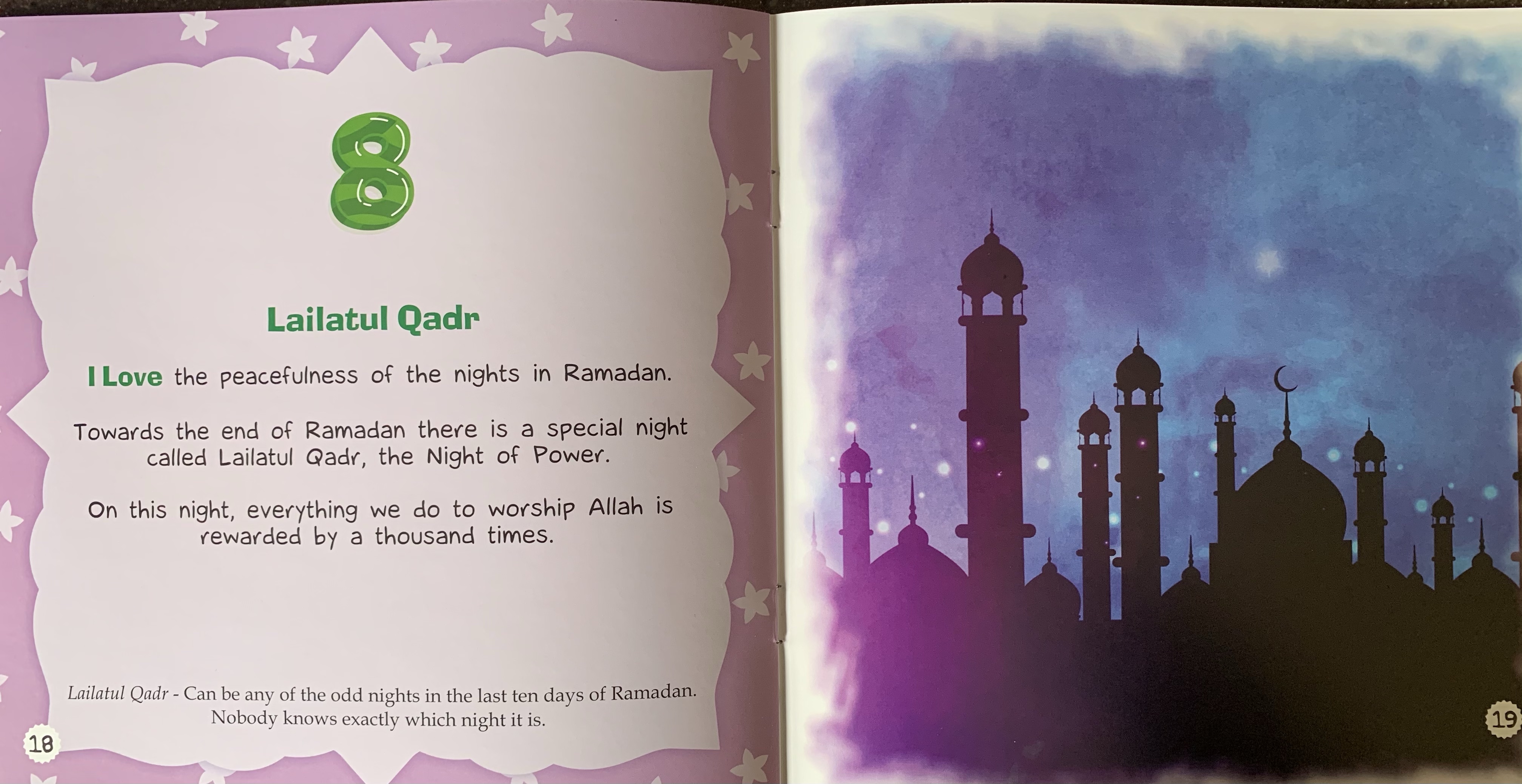
She also loves Tarawih prayer whether at the mosque or at home, and the peacefulness of Lailatul Qadr.  She loves that her father and brother stay at the mosque the last ten nights of Ramadan in Itikaf and finally at number 10 is Eid!

img_8700

The book concludes with some verses from the Qur’an about Ramadan in English.  I thoroughly am impressed at how succinctly so much is conveyed and the adorable manner in which it is done, Alhumdulillah!

Crayola Ramadan and Eid Al-Fitr Colors by Mari Schuh

Standard
Crayola Ramadan and Eid Al-Fitr Colors by Mari Schuh

img_8546

This 32 page non fiction children’s book uses colors to introduce the very basics of Ramadan and Eid from a non Muslim point of view to a non Muslim audience.  The book is done decently and shows diverse Muslims and bright colors interwoven with facts about the month, but by-and-large it is forgetable and just discusses the broader sense of celebration.  There is very little that is religious outside of the photographs showing Muslims that are used to illustrate the book.  Even the concept of colors in a book by Crayola is a little lacking.  Yes, dates are brown, but just to say that “colorful designs cover prayer rugs,” and that “people shop for red and green vegetables, and many orange and brown fruits are used for meals too,” seems really vague and half hearted.  

img_8547

The book starts out with explaining what Ramadan is and defines what a crescent moon is in a blurb under a picture of one. It then explains what happens in Ramadan and dedicates two pages to lanterns that are purple, red, blue and green and used to hang in streets and homes.

img_8551

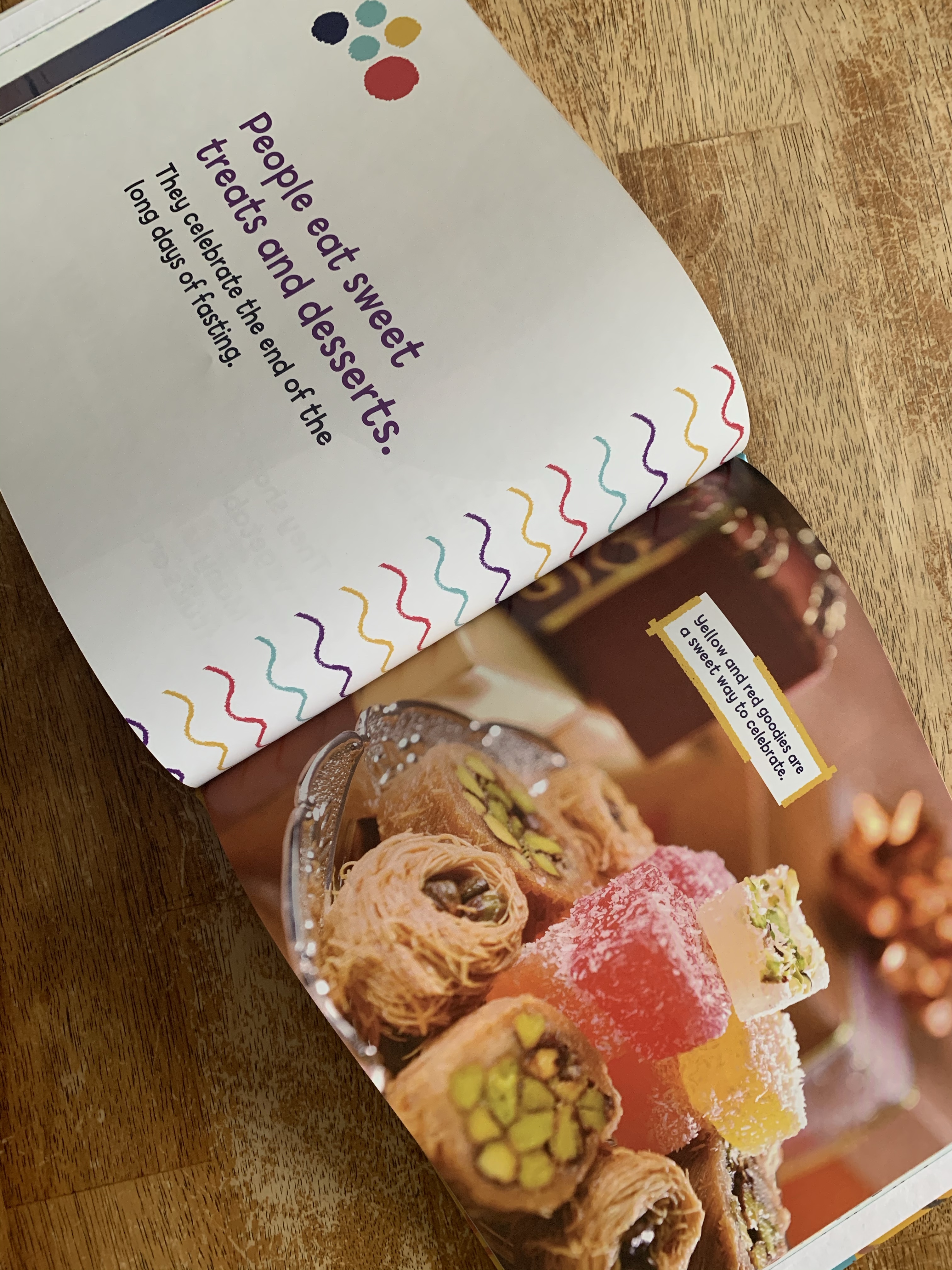
It then moves in to the celebrating of Eid Al-Fitr.  It shows children playing and having fun and receiving gifts and toys to celebrate. It talks about the food and mentions colors of the food without naming or describing them, it then does the same for desserts.

img_8548

When explaining the clothes that people wear on Eid, it says that sometimes they are colorful. It then repeats that gifts and money are given, but adds in that they are also given to those in need.

img_8550

The book concludes with a page that you can copy and color, a glossary, suggestions to learn more, and an index.

img_8549

A much better, color driven albeit not Ramadan and Eid specific choice would be Golden Domes and Silver Lanterns: A Muslim Book of Colors  by Hena Khan on in my opinion. Both are widely available in public libraries, maybe check them both out and let me know what you and your children think.

One Perfect Eid Day and No More Cake! by Suzanne Muir illustrated by Azra Momin

Standard
One Perfect Eid Day and No More Cake! by Suzanne Muir illustrated by Azra Momin

img_8587

This lovely counting book celebrates the end of Ramadan and the festivities of Eid Al-Fitr by counting up to 10 and counting back down.  Over 24 pages of rhyming lines, adorable illustrations will bring the holiday to life as a group of children and a little white cat celebrate.  Aside from the title that for some reason I don’t love, the rest of the book is happy and festive and perfect for toddlers to preschoolers.

It starts with one month coming to an end, then henna cones and designs take over, before five pots and six trays of cake are prepared, decorations are hung, clothes are made ready and ten eager eyes watch the new moon rise.

Then ten sleepy cousins have to get up early for morning prayers with presents waiting, rotis are prepared before seven family members squeeze in the van. Friends are met at the masjid and coins are jingling as lunch parties are attended and fun-fair rides are riden. Two tired friends can’t stay away on this one perfect day, and no more cake.

I love the flow of the book, I’m not sure what the four henna designs are or what cousin doesn’t get a present and who doesn’t get to go for prayers, but little kids probably won’t over think it.  The little cat is delightful on each page and the book sets a marvelous tone of what one can look forward to and enjoy on this splendid holiday with friends, family, festivities, and food.