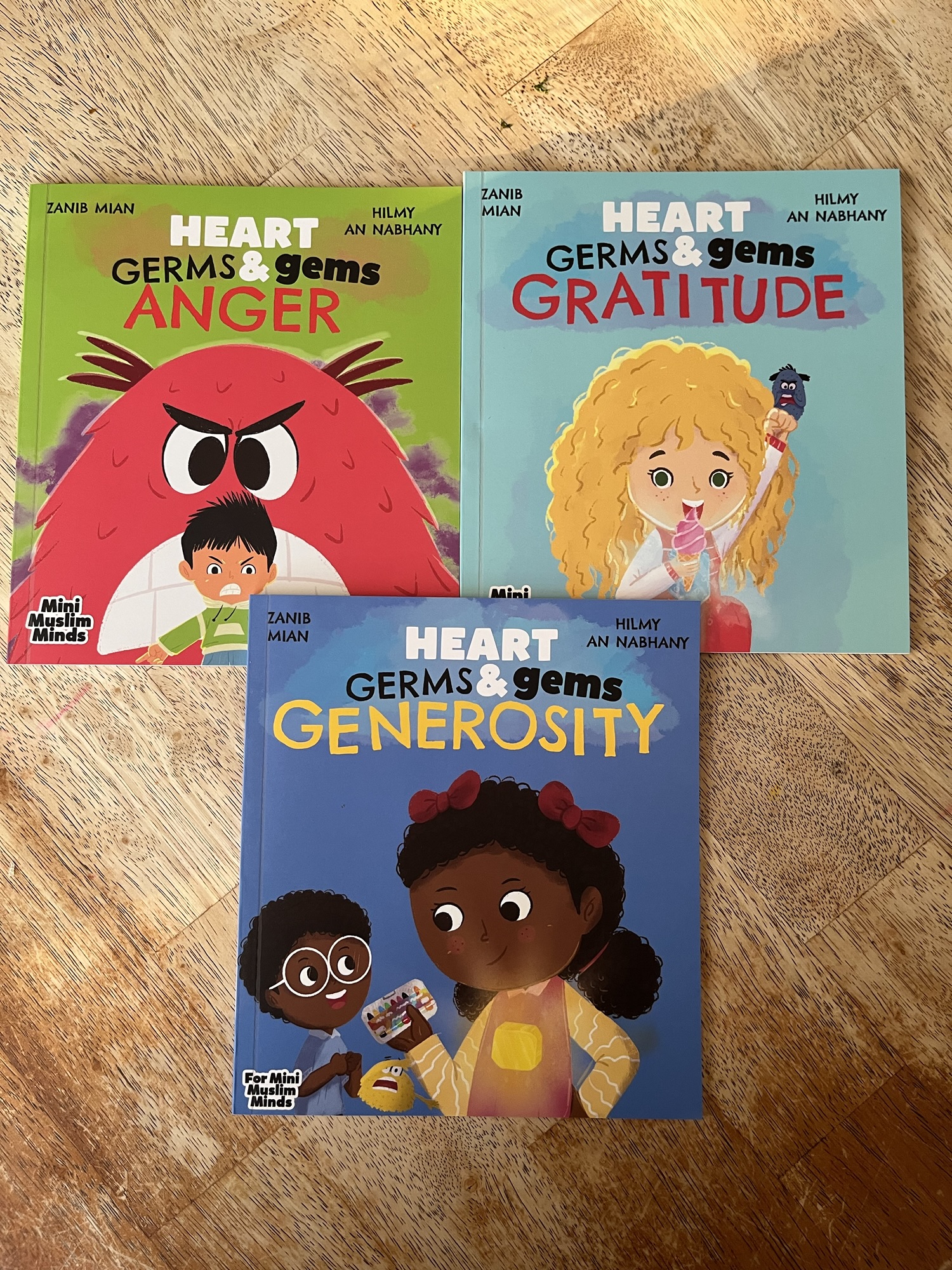
These are not books that you hand to an elementary aged child to read independently, they are meant to facilitate conversation, gently guide, and be a tool in shaping awareness and emotional intelligence for our little believers. I love that once again the author has filled a gap in our repertoire and made the information accessible, age appropriate, and easy to engage with. We often use words like generosity, gratitude, stinginess, and fail to properly explain what they mean, what they look like, what they feel like, and how to counter them or make them grow. These are not fictional stories with heavy moral themes, these are non-fiction self help books for little kids, that require the adults to share and tailor to the child(ren) or situation at hand. With Eid around the corner I have spent a few evenings going through the generosity and gratitude books with my six year old and referencing it as his Eid list continues to grow out of control. And the format and voice, even though text heavy, work great one-on-one, I can also see this series working well in small groups and classrooms as they are short and relatable in presenting emotional intelligence. InshaAllah these are just the first three installments of the series.
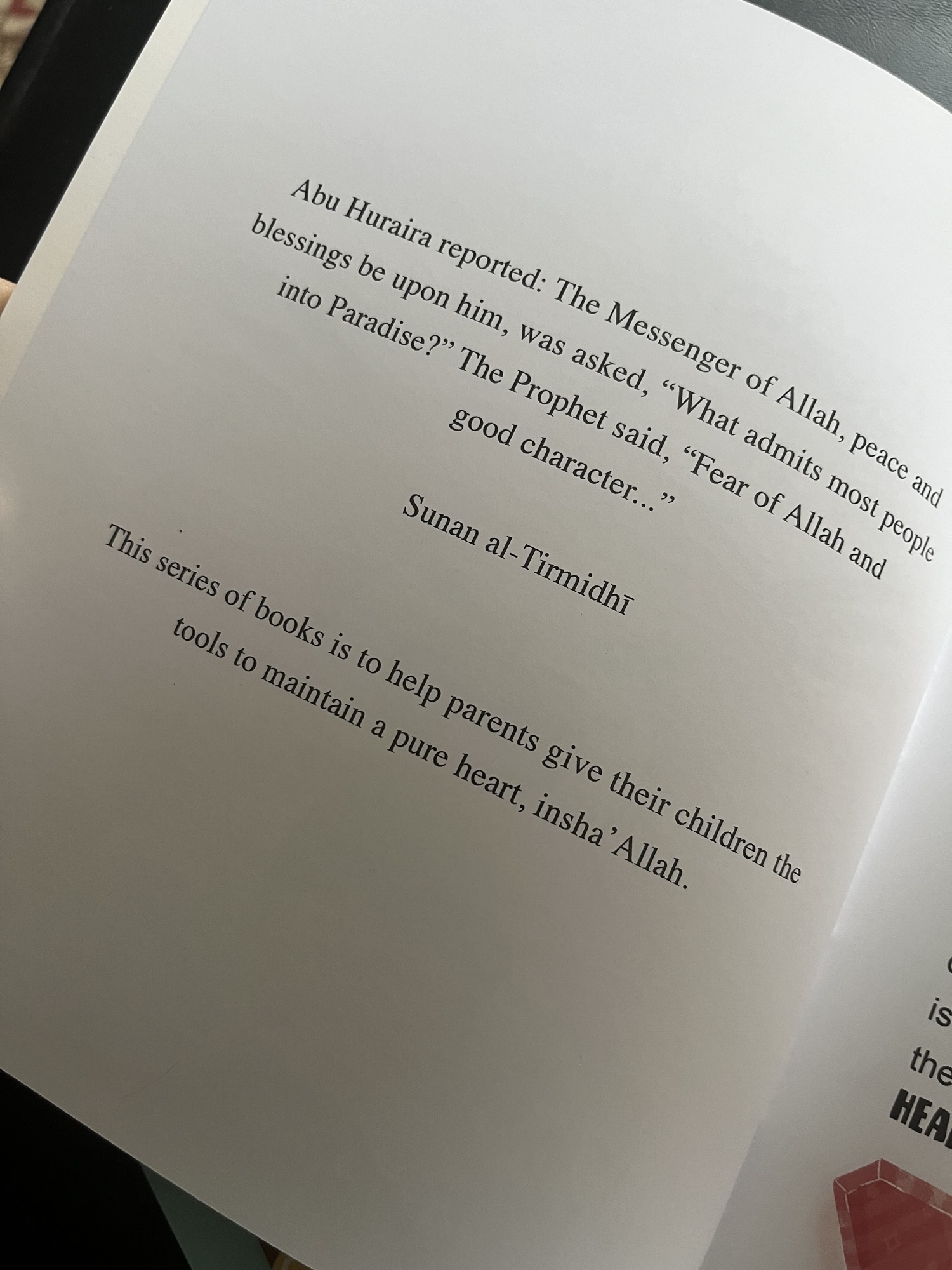
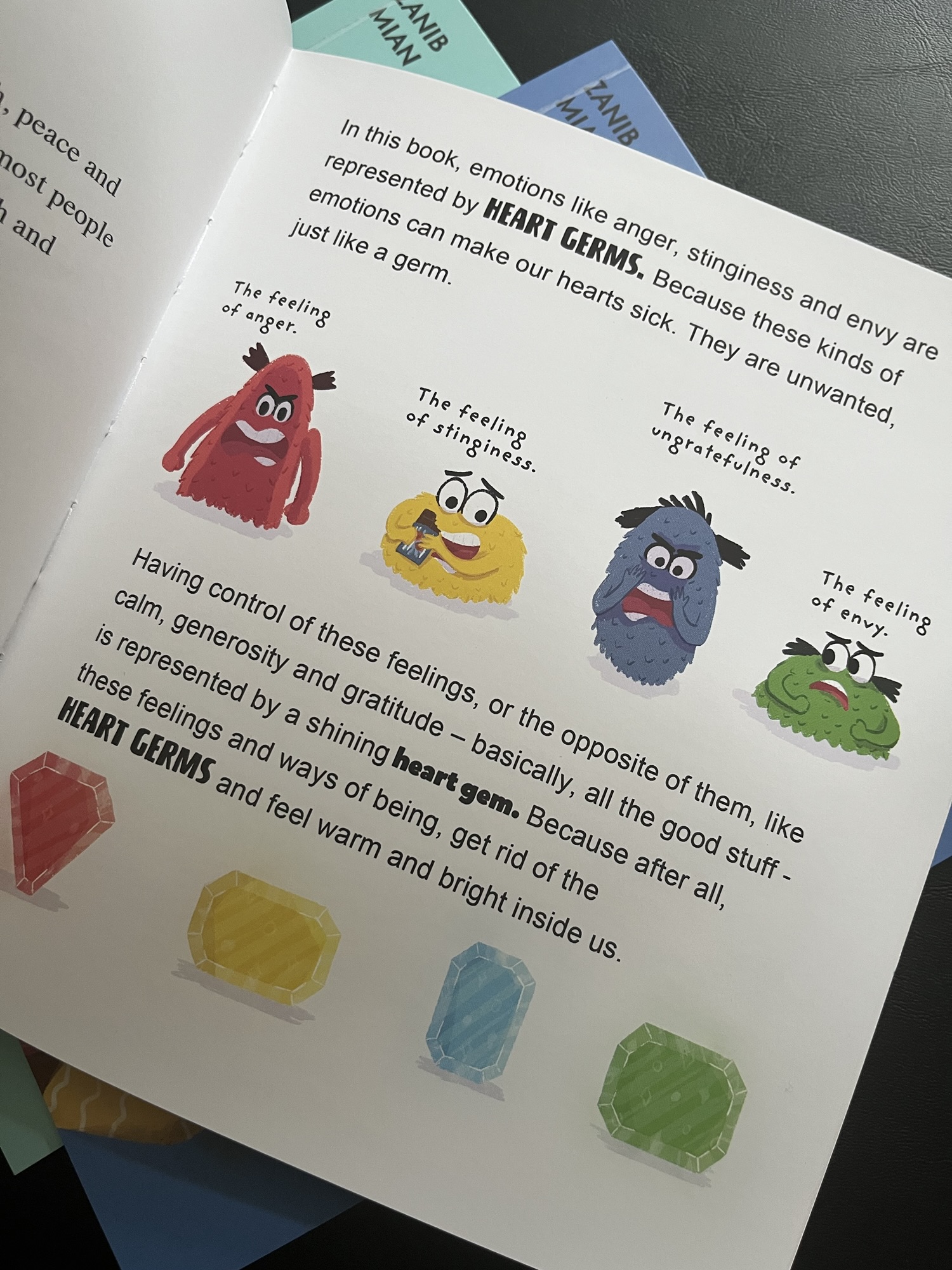
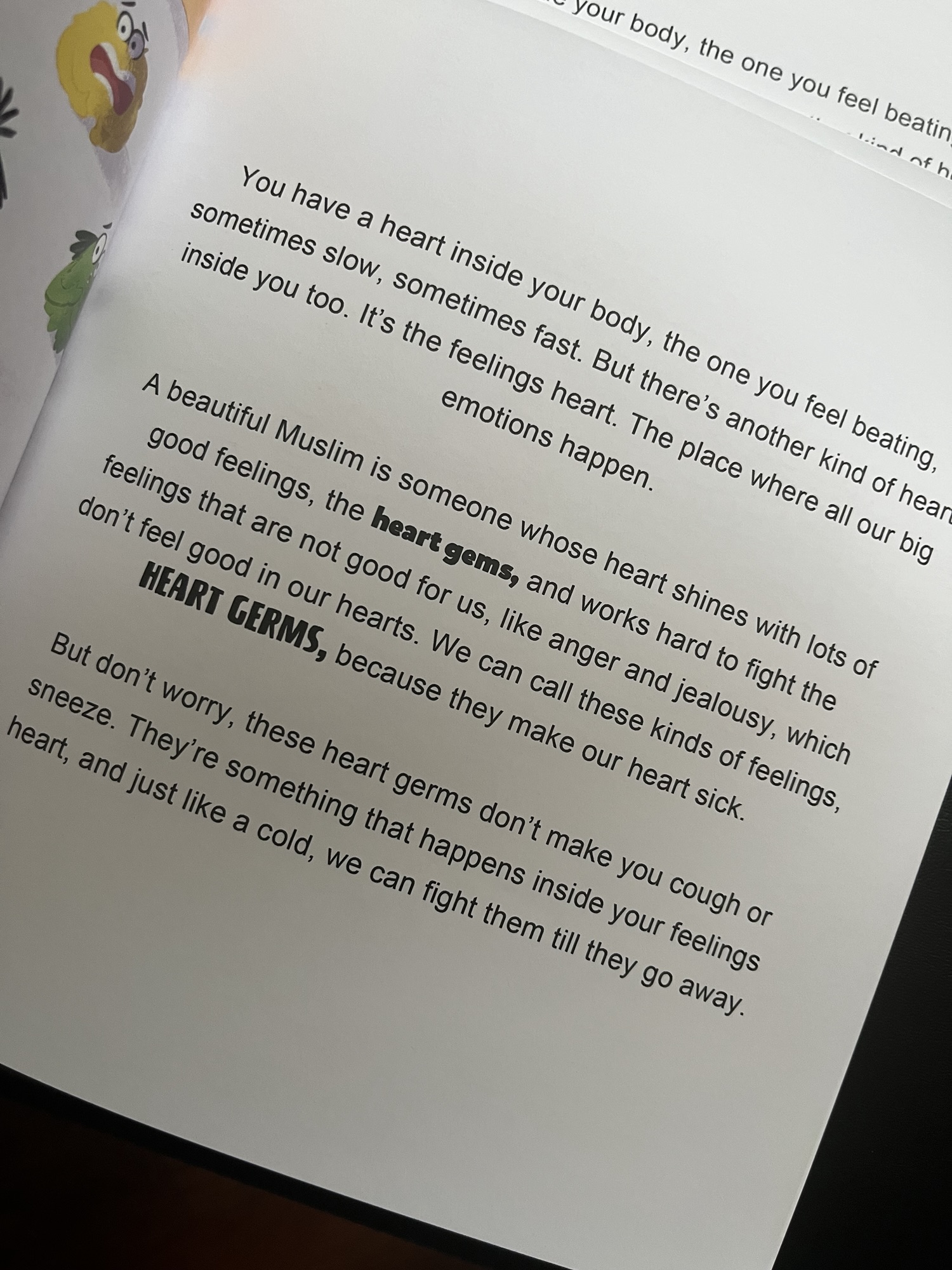
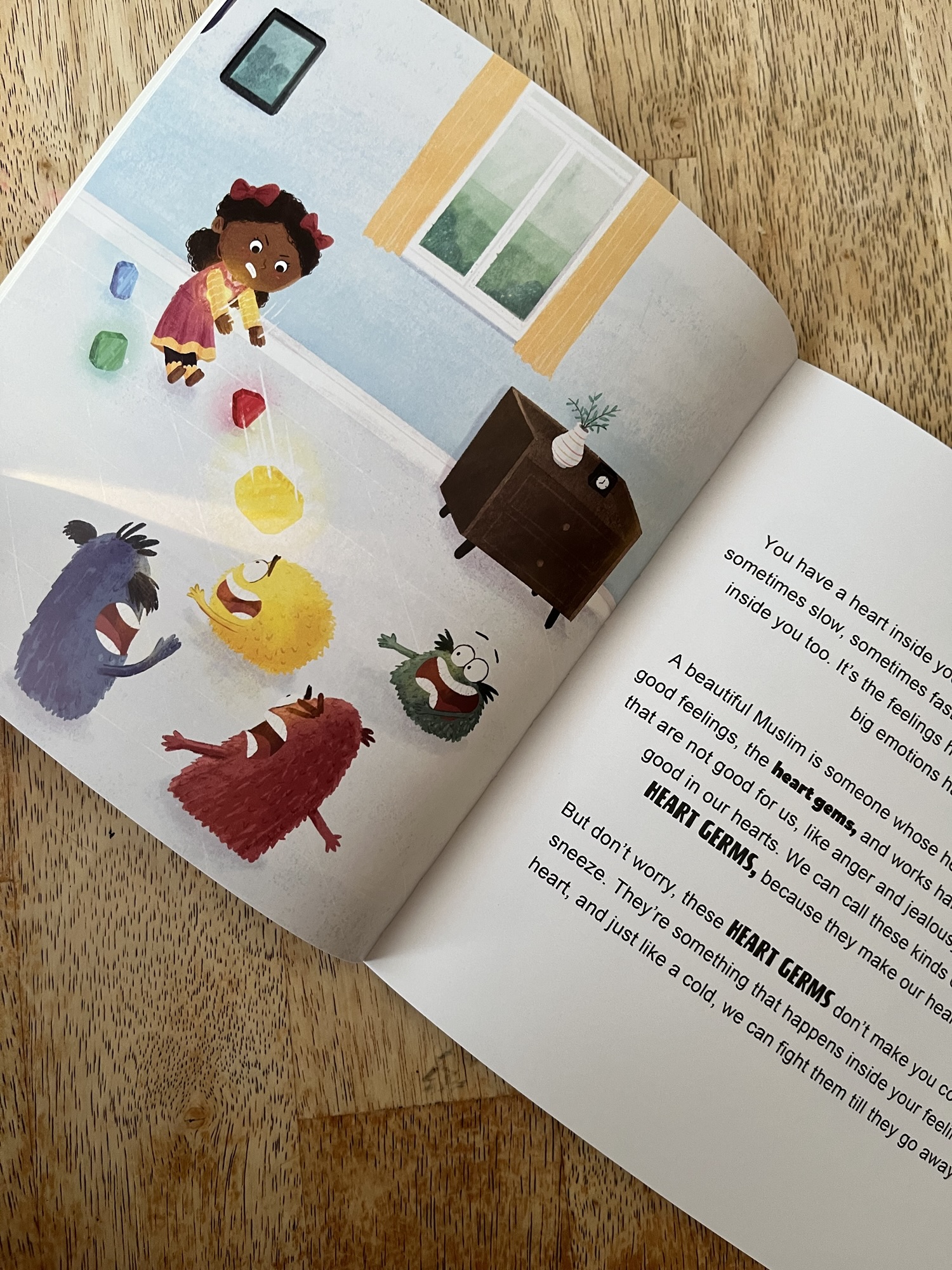
The first few pages of each 24 page book are the same: A reference to a Hadith regarding good character admitting people into Paradise, explaining the concept of Heart Germs and Heart Gems, and giving time to explaining that there is the heart that beats, and the one that is the “place where all our big emotions happen.” The format has the illustrations on the left and the text on the right in the small 7.5 x 8 soft bound books.
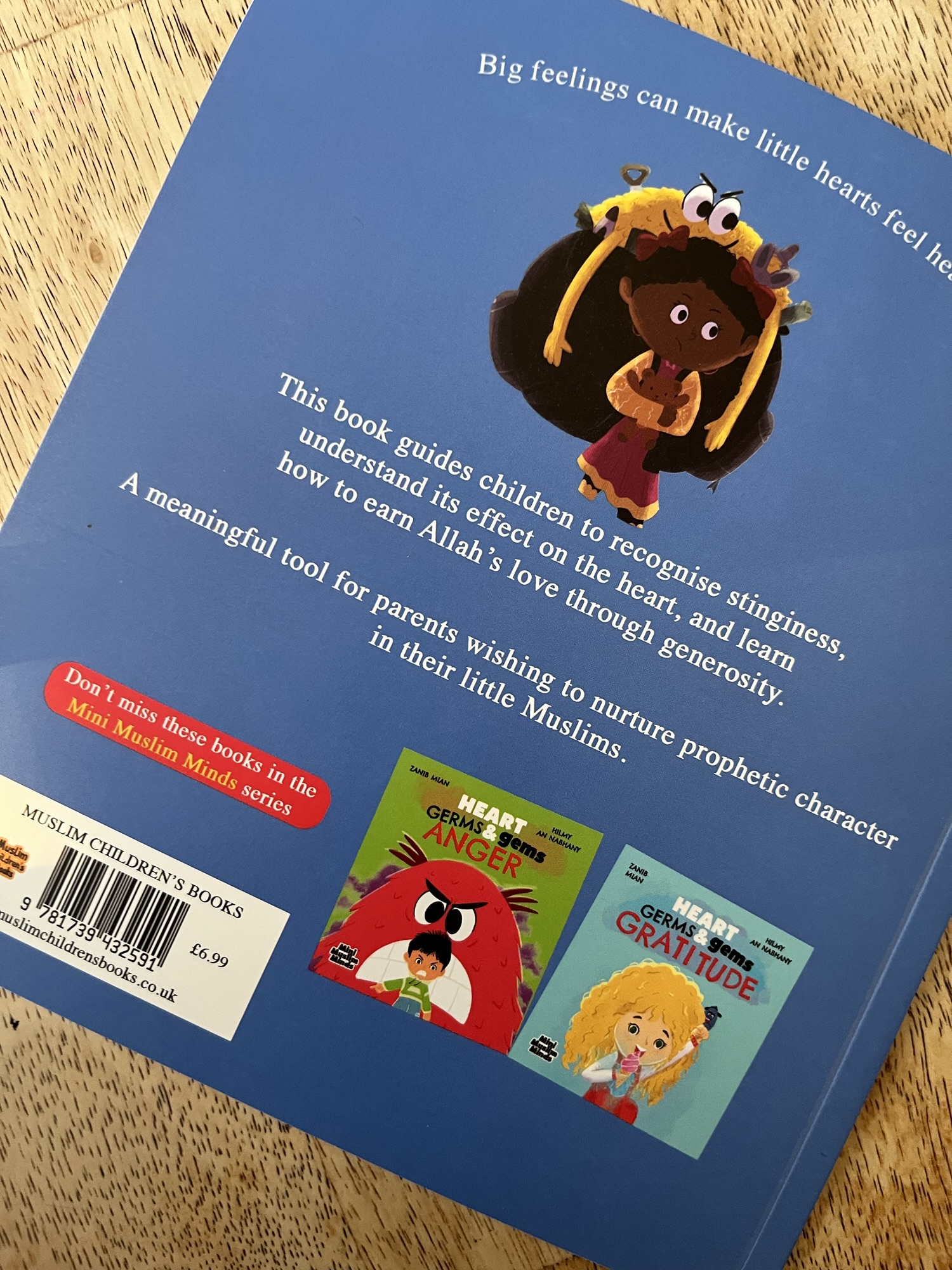
Heart Germs & Gems: Generosity: The book first explains the concept of stinginess and links it to being afraid that you won’t have enough. It shares ways to help determine if you are being stingy, and how it makes you feel. It then explores how to cure that Heart Germ with Generosity. It provides little ways to start small and how it brings joy to others, pleases Allah swt and can lighten the heart, as you truly learn that everything comes from Allah swt.
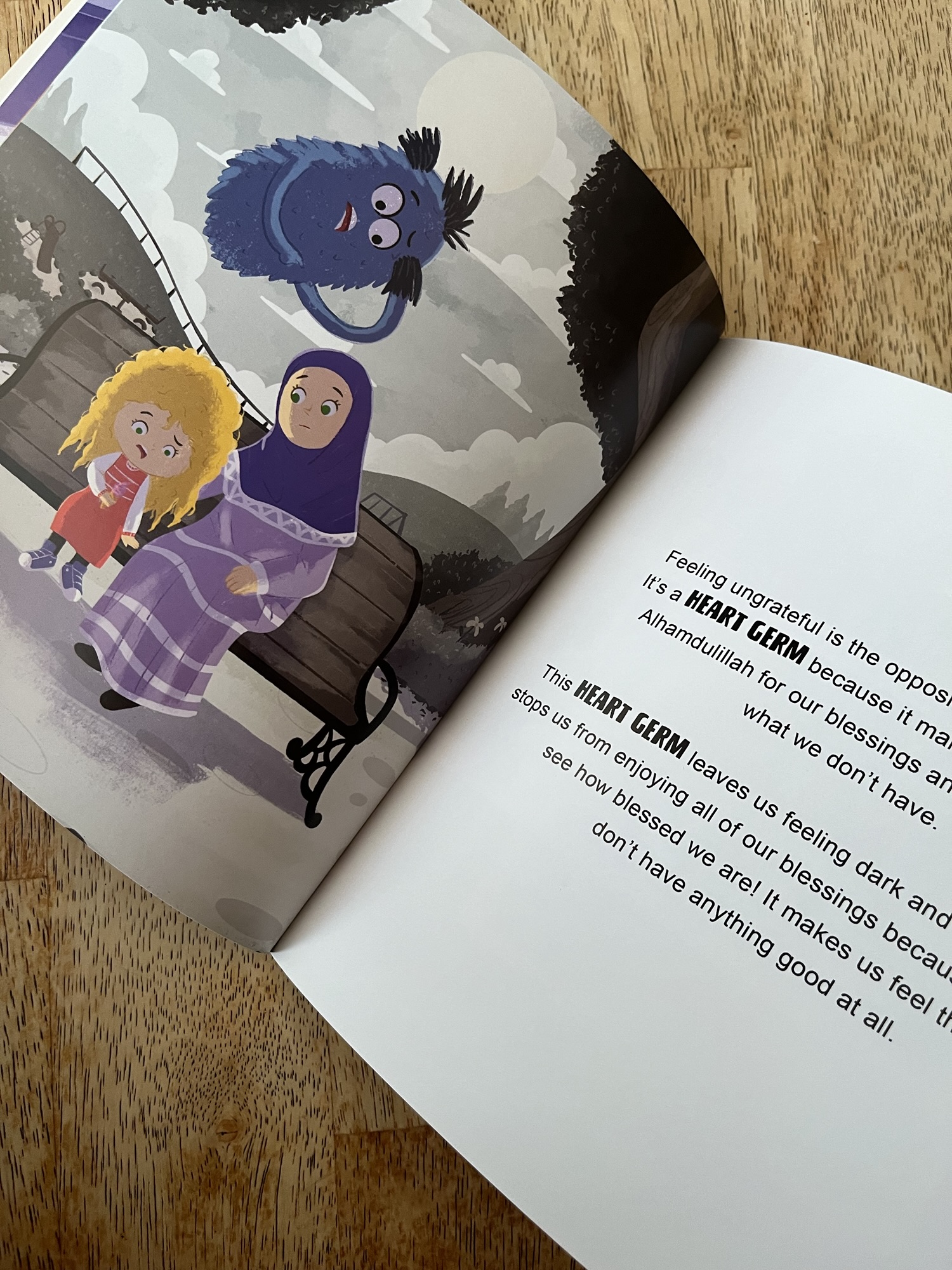
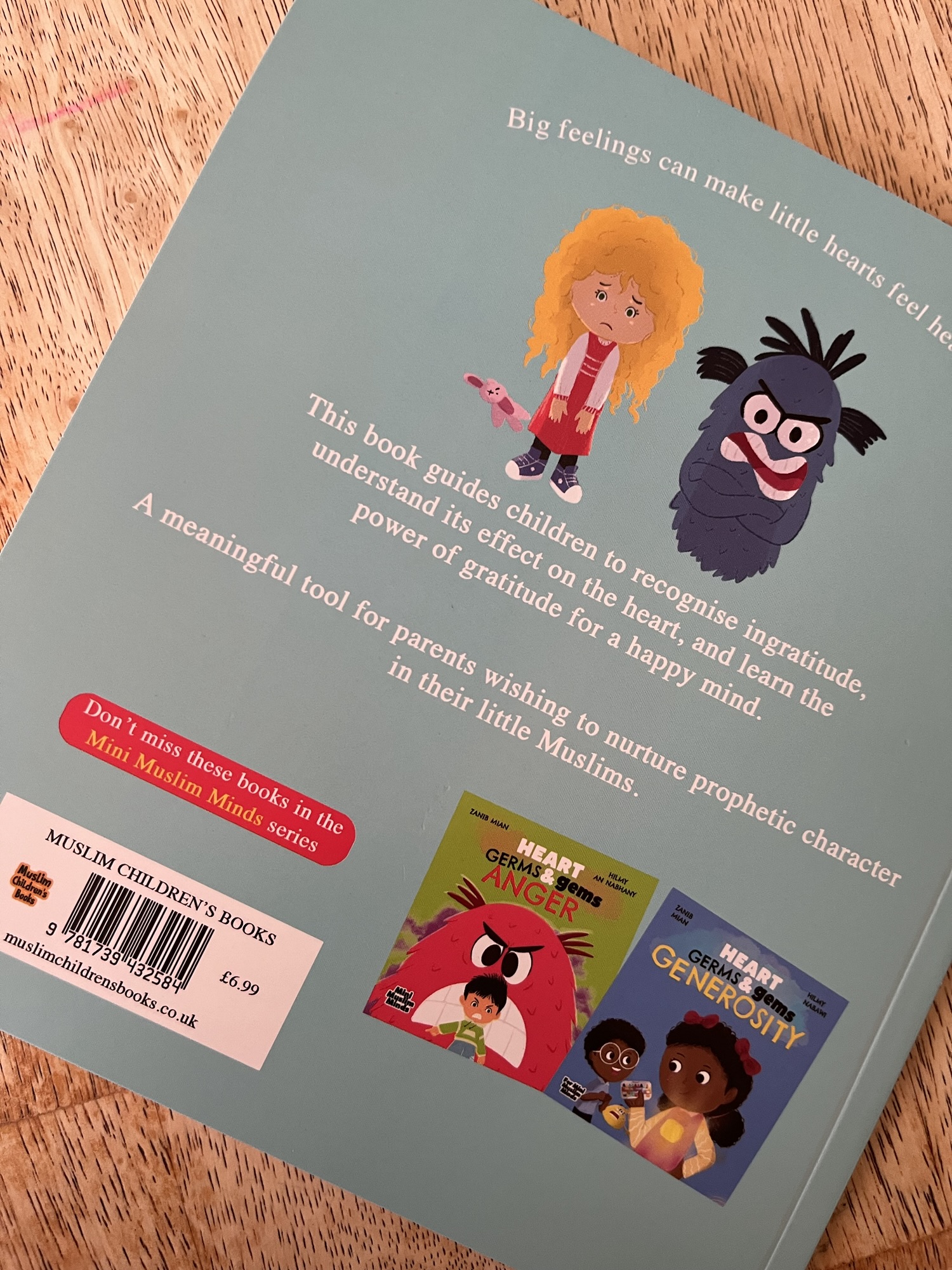
Heart Germs & Gems: Gratitude: Alhumdulillah is not just knowing that everything is a gift from Allah swt, it is feeling happy and thankful for all of it. The book explains gratitude and then the opposite, the germ in the heart, of being ungrateful. It provides ways to be more grateful, encouraging that one notices the blessings in life. There is an English translation of the verse in the Qur’an, Surah Ibrahim, “If you are grateful, I will give you more,” and then explains it in action and highlights how true happiness does not come from riches, but from gratitude and contentment.
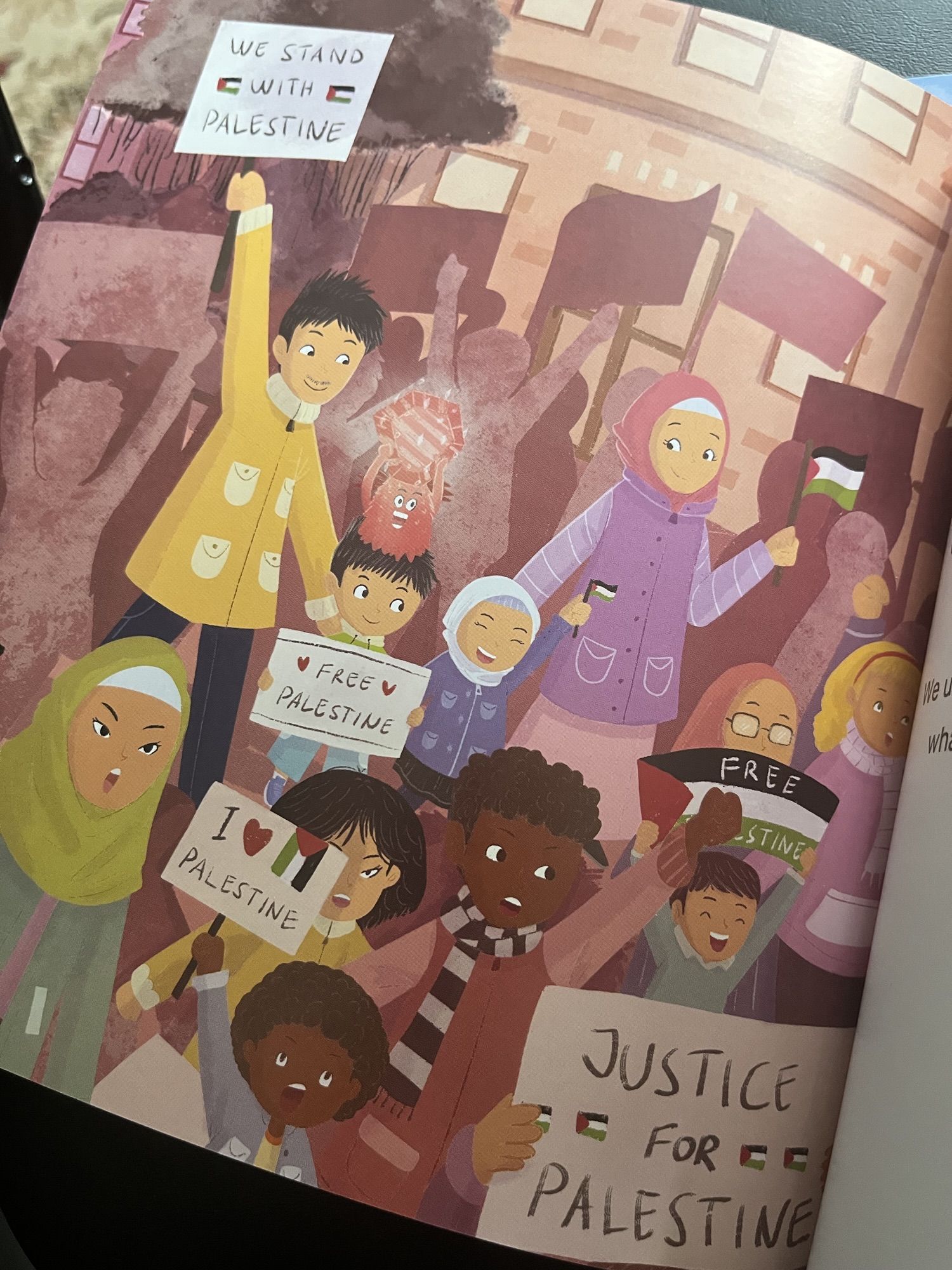
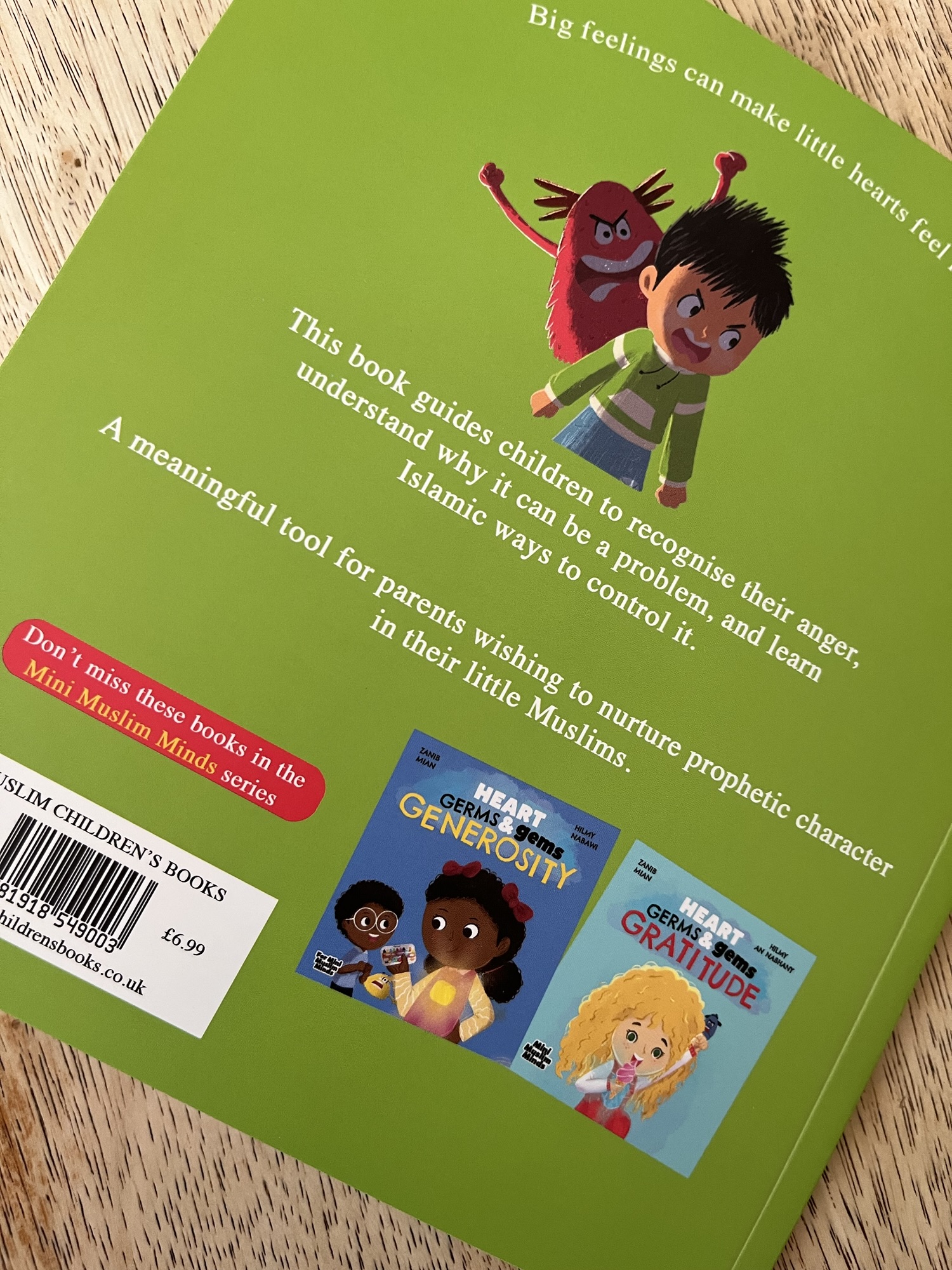
Heart Germs & Gems: Anger: The book starts with how to calm your anger by first understanding why you got angry, how it feels, and how to calm it before it grows. It then takes a page explaining why controlling one’s anger is important, and what can happen when we don’t. It teaches Audhoobillhi minashaytan nirajeem as a tool to help along with taking deep breaths, changing our position, and making wudu. It then normalizes that anger is a something that everyone deals with and references that controlling it makes Allah swt happy and that Prophet Muhammad saw, said that those that can control their anger are strong. The book also shares that anger isn’t always bad and can motivate us to stand up for what’s right, and as long as we are in control of the emotion, it can be good.


 Islamic School Librarian