
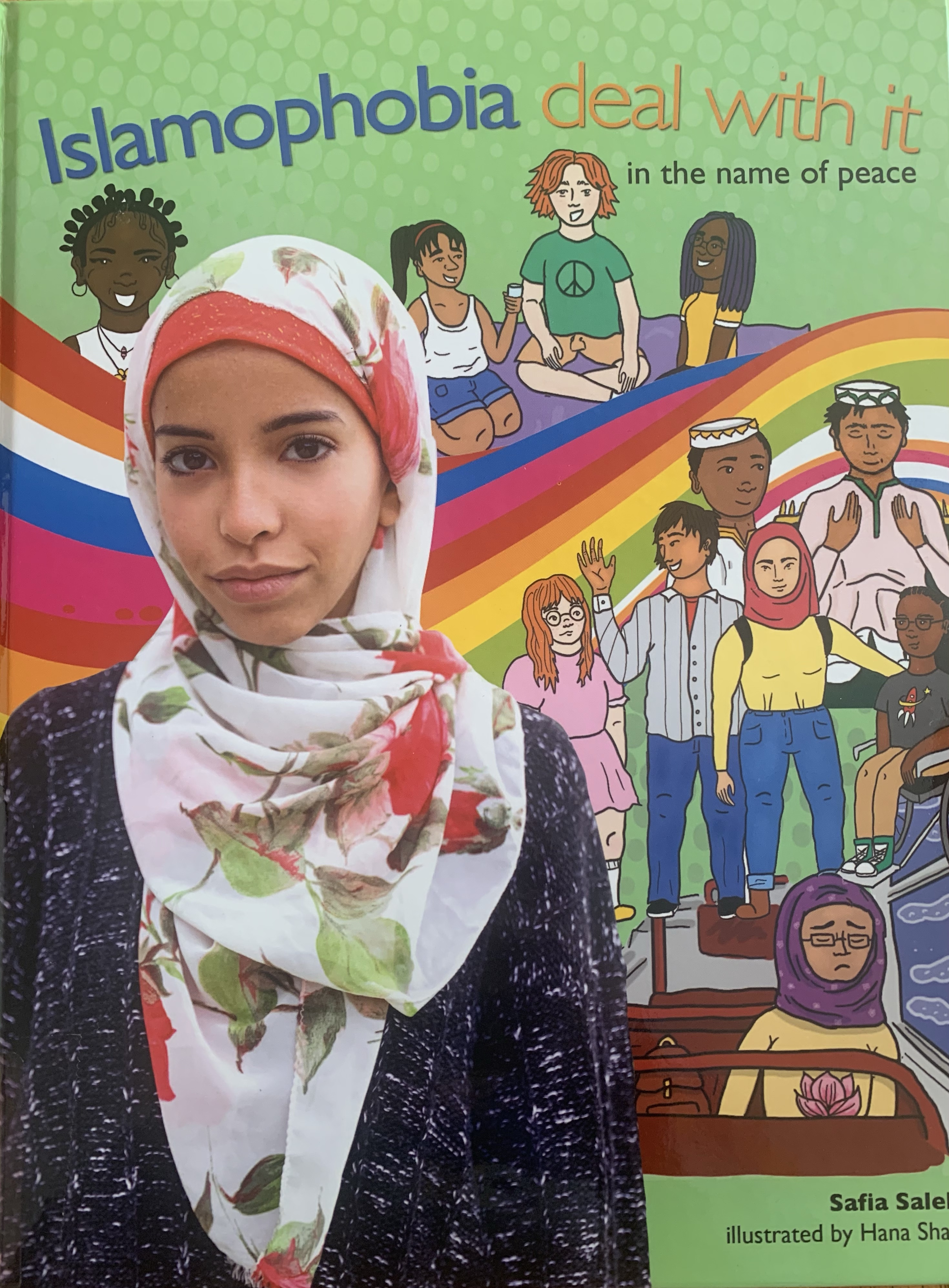
This nonfiction book has given me pause. The information, the approach, the presentation, the importance, is all really well done, I just can’t really grasp how to use the book. It is broken up in to four sections: Islamophobia 101, The Believer, The Intolerant, and The Bystander. In each sections it has scenarios, comic strips, quizzes, infographics, advice columns and so much more spread out over 32 pages. After it explains what Islamophobia is, it offers believers (Muslims) ways to see if what they are facing is classified as Islamophobia. It has quizzes and questions and advice for people that are intolerant, and then if you are just around Muslims and intolerant folk what you can and should be aware of and do. I think in a classroom all sections could be gone over, but I’m not sure in which grade and in what context. In an Islamic youth group I think it could be really thought provoking to look at different sides and encourage the members to share their personal experiences, but I don’t know. If you are a bully, would some quizzes and graphics be enough for you to recognize your own bias, could it make you change your attitude? I’d love to hear from others that have read this book, I checked mine out from the library. It says it is for ages nine and up and other books in the series cover topics such as: consent, homophobia, transphobia, anxiey, racism, and freedom of expression.

The first section: Islamophobia 101 starts off with a scenario of a girls first day of school after the summer and her first day wearing hijab. No one really says anything, but there are whispers, her best friend asks if everything is ok at home. It defines Islamophobia as “a kind of intolerance, or a refusal to accept and respect ideas and views that are different from your own. It is the belief that Muslims, or people who follow the religion of Islam, are a group to be fearful of.” It goes on to explain in examples what Islamophobia is while giving facts about Islam and things to think about. There are graphic comic type scenarios showing what Islamophobia can look like based on ignorance, stereotypes, then assumptions, and finally fear. The section then offers a 10 question quiz, followed by questions and answers to a fictitious counselor in an advice column format. Finally there are myths and a Did You Know Section.

The next section: The Believer, starts with a scenario of a Muslim holding their breath while watching the news. Of being proud of your family and faith, but being tired of convincing people you are a Muslim and a good person. An advice column about handling halal food, terrorism, hijab and sports is next followed by tips to not feel alone and an infographic on dos and don’ts to not be overwhelmed by your experiences.
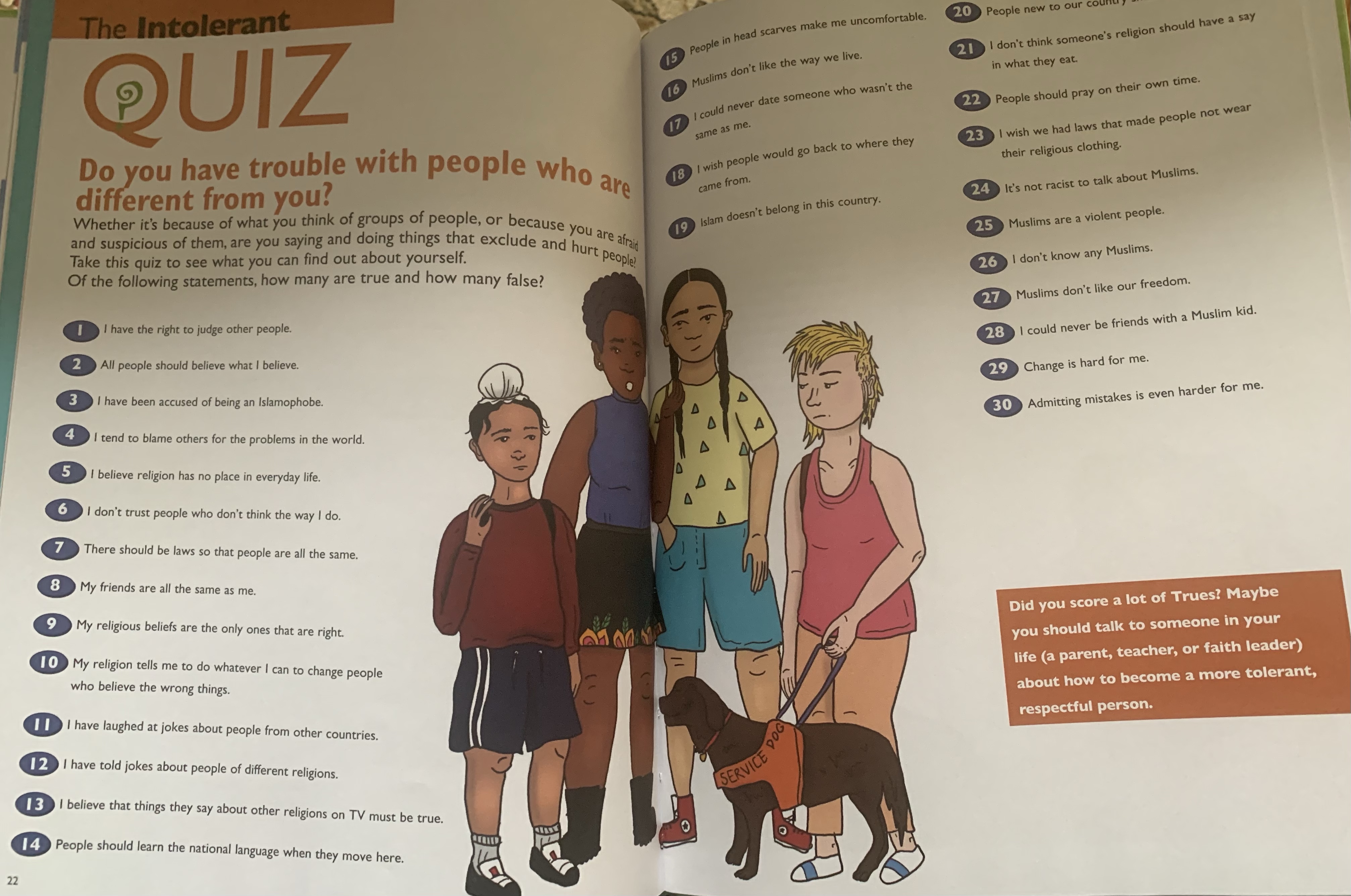
The third section is The Intolerant which asks if other people’s religions bother you, or if you question why religion has to be part of daily life and not kept personal. There is a a 30 question true and false quiz, then a challenge to be part of the problem or part of the solution, with information on what you can do. There is a sidebar about the role of social media as well as some highlights of current Muslim sports figures.

The Bystander section asks if you’ve seen someone bullied or harassed for being Muslim, if it bothers you to hear people talk about immigrants and refugees as a threat, and what you can do to speak up. There are dos and don’ts a 10 question quiz, some more Islam facts and some direction to get more information.

Overall the book is well done, and I had my kids look through it to see a way to facilitate anything they experience and how to articulate how they are treated and might treat others.



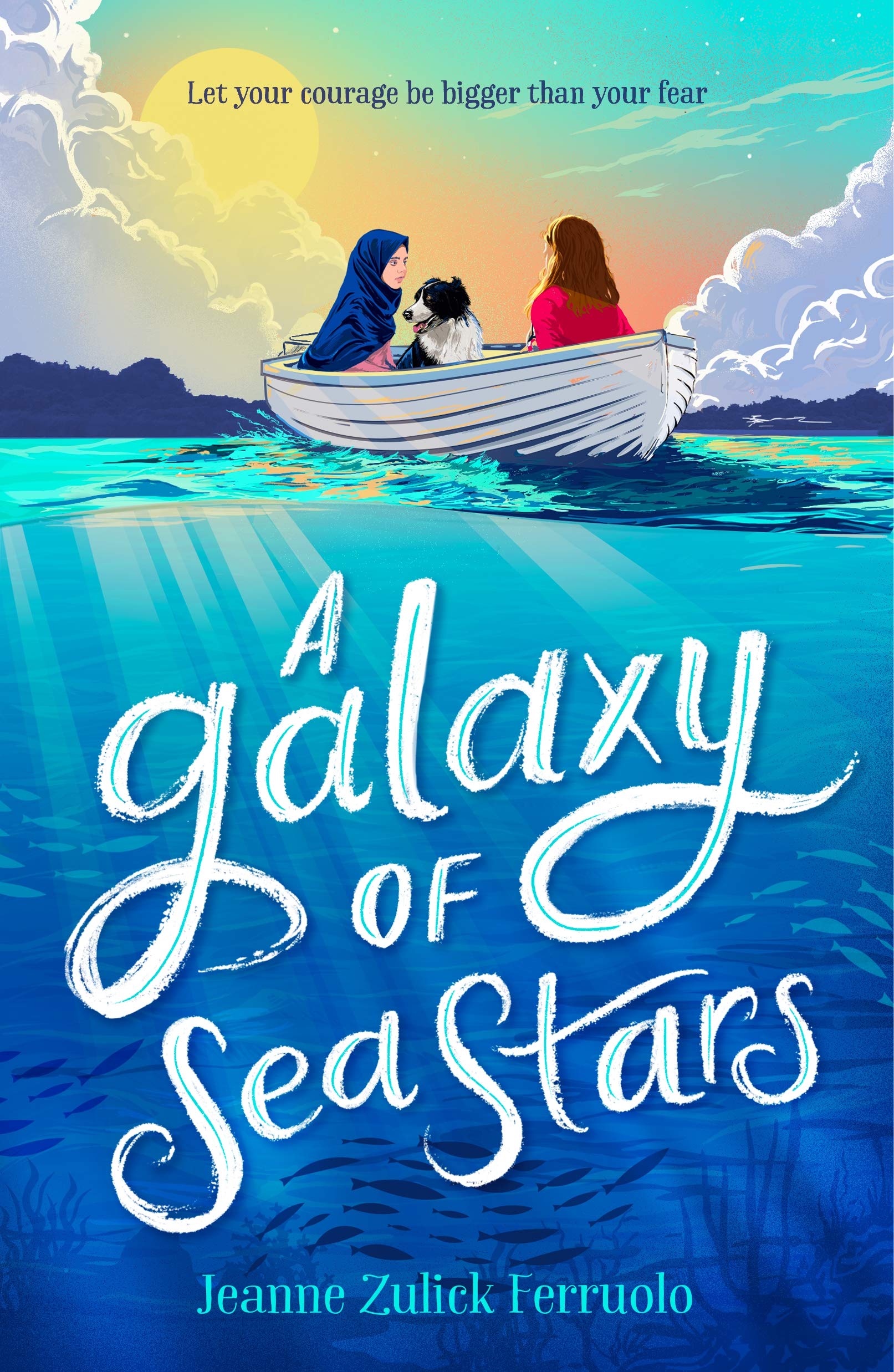
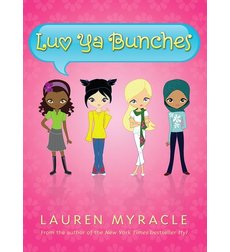 A book about 5th grade friendships told from the perspective of four different girls in a variety of styles: instant messages, chatroom conversations, video scripts, and traditional text. The author seems to have a checklist of diverse characters and afflictions that all must make an appearance in the 335 page story. It is written on an AR 4.4, but with one of the main characters having two moms, details of a suicide mentioned, talk of pole dancing, male anatomy joked about, thongs, crushes, and mental illness, four girls coming together to form friendships and take down a bully, might raise more questions for young readers than they are ready to handle. Yasaman the Muslim girl in the group, also borders on perpetuating more stereotypes than she breaks, and while I definitely don’t think this book is a good fit for 4th and 5th graders, I don’t really recommend it for readers of any age, there are just better books out there.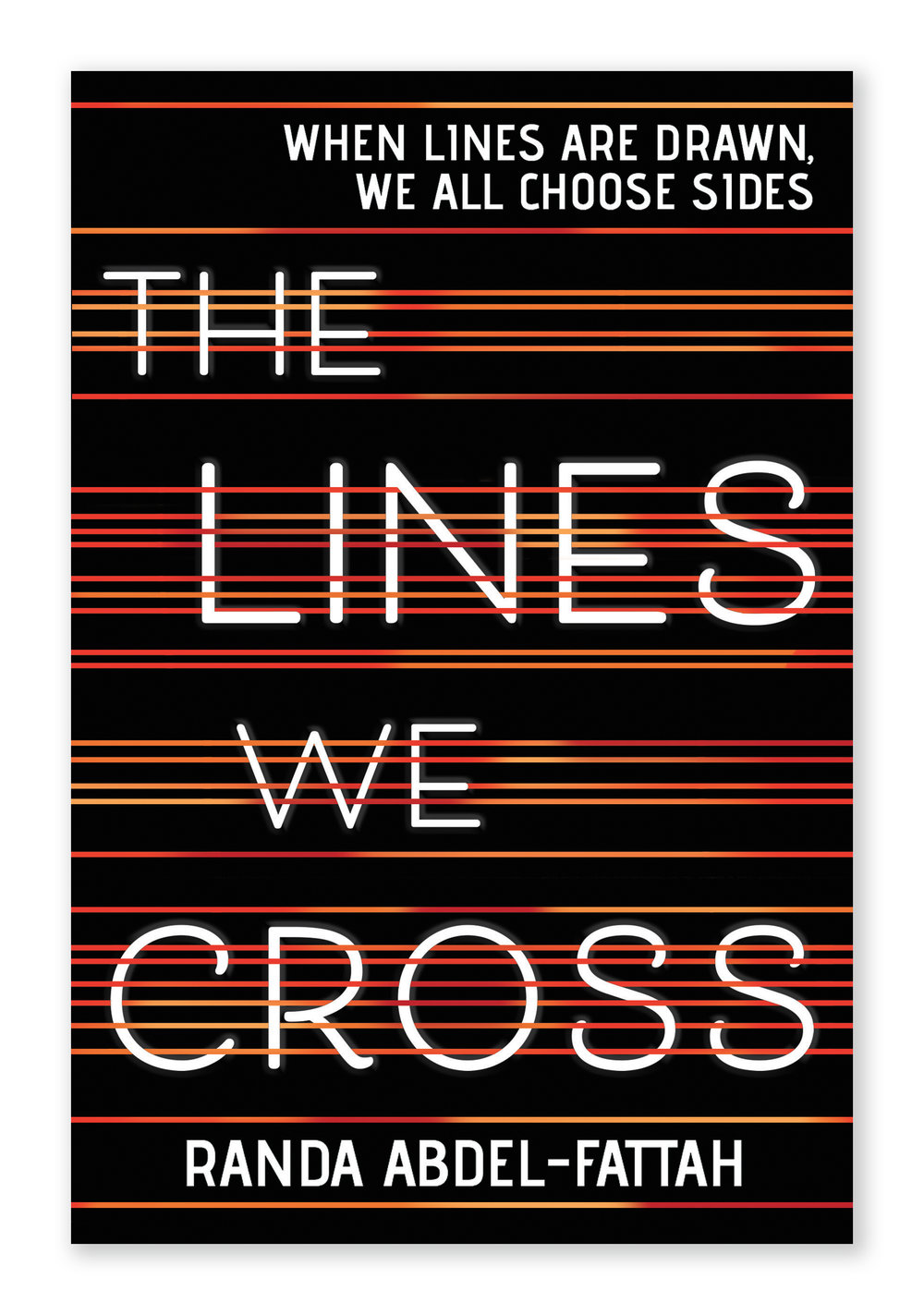


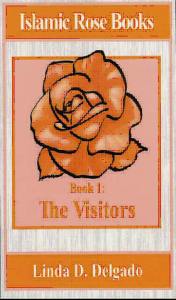 has appendixes in the back that include a glossary and recipes and facts about Islam as well as Arizona. The newer version (as pictured at the top of the post) doesn’t include everything and refers those looking for more to see a website. That website however and all other links to online study guides and reader guides are no longer available or now have different owners. I’m not sure what happened to Linda Delgado, and if anyone knows how to contact her, I’m hoping you will let me know.
 Islamic School Librarian