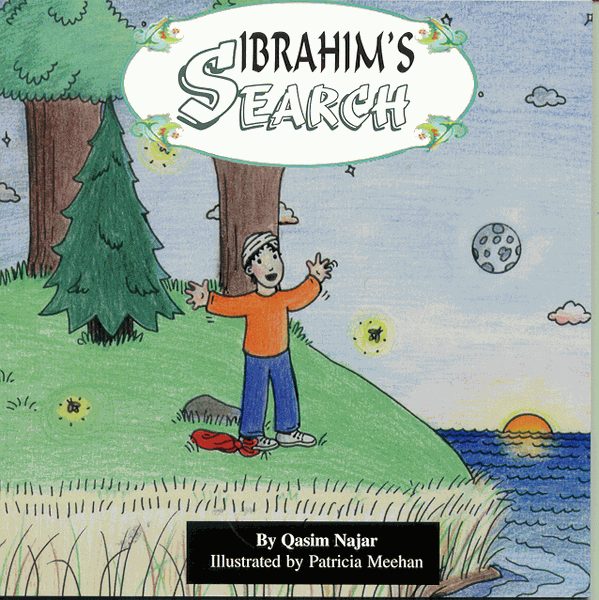
What a surprisingly insightful book, mashaAllah. The pictures look like they are done with crayons and colored pencils, and the type set is completely uninviting. The text is a bit too wordy, yet somehow it does a decent job overall of conveying how a child might understand Allah (swt) in a logical, critically thinking manner. The book works well for four year old children to maybe about 2nd grade. There are 40 pages and the story takes on a insightful repetitive pattern as young Ibrahim searches for Allah.
The book opens with a humorous nod to moms everywhere. Ibrahim learns that Allah is the creator of everything and wants to see Allah. His teacher says he can’t show him Allah, so Ibrahim goes to find someone who can, his mom. Ummi tells him that we understand Allah swt through his creations all around us, but Ibrahim is not satisfied with her answer either. And because Muslims are encouraged to ask questions and seek knowledge, Ummi allows Ibrahim to go search for Allah so that he might thank him.
Ibrahim sees a mountain, and thinks perhaps something so big and strong is Allah, then he notices the stream running through the mountain and wonders if then the water is Allah. When the water evaporates, he wonders if the sun is Allah, this goes on and on until he realizes that the one who made the world, holds it together, and keeps it in balance is Allah. He also appreciates that his mother was right and goes home to tell her, Alhumdulillah.
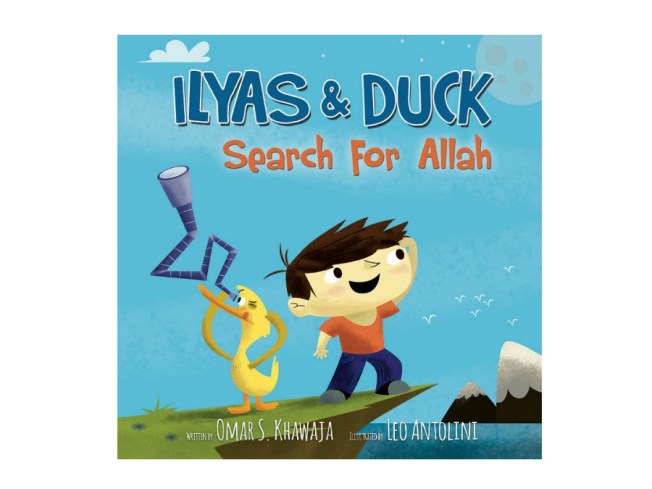
This book goes well with Ilyas & Duck Search for Allah and Allah Created Everything if you are doing a story time, as they all convey the same information in different ways and appeal to the same audience more or less.

 Whether you have students or children that are naturally curious and have asked where they can find Allah or not, this book is engaging and fun and one the kids want read to them over and over again, alhumdulillah.

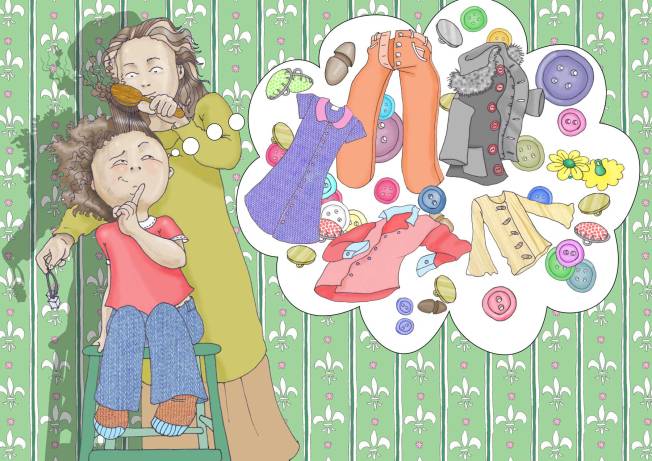 The illustrations are bright and colorful and have a lot going on. The expressions on the character’s faces compliment and complete the text seamlessly to tell a well thought out story. They keep the audience’s attention even after the text is read, with the kids telling me to “wait” so that they could soak it all in before I turned each page. The mom and teacher’s expressions on the last page amused the daycare through Kindergarten students and made them feel like they were in on the silliness.

 The real treat of the book however, is how it all comes together: the words, pictures, sentence structure, font, size, and diction all compliment each other on the same level. I read a lot of books aloud as a children’s librarian, and while the rhyming ones are great for the littlest listeners, there is often a void of read-out-loud stories for the kindergarten and first grade levels. And I am talking about all books, not just Islamic ones. Most picture books in my experience are written on a third grade level, with longer blocks of texts, smaller fonts, a wider range of vocabulary and longer sentences. These books are often beautiful and very tempting, however when I read them during story time I end up “summarizing” them, and telling the story rather than reading it. Similarly, early readers often find them frustrating and too difficult to read independently. Bismillah Soup strikes a wonderful balance, mashaAllah.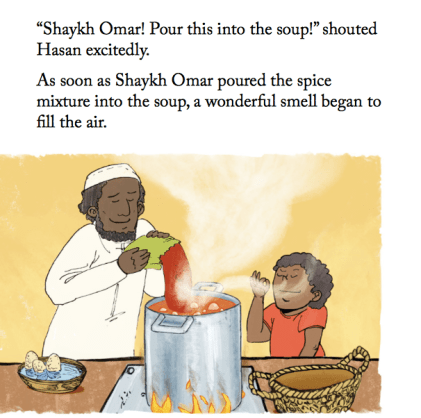

 Islamic School Librarian