

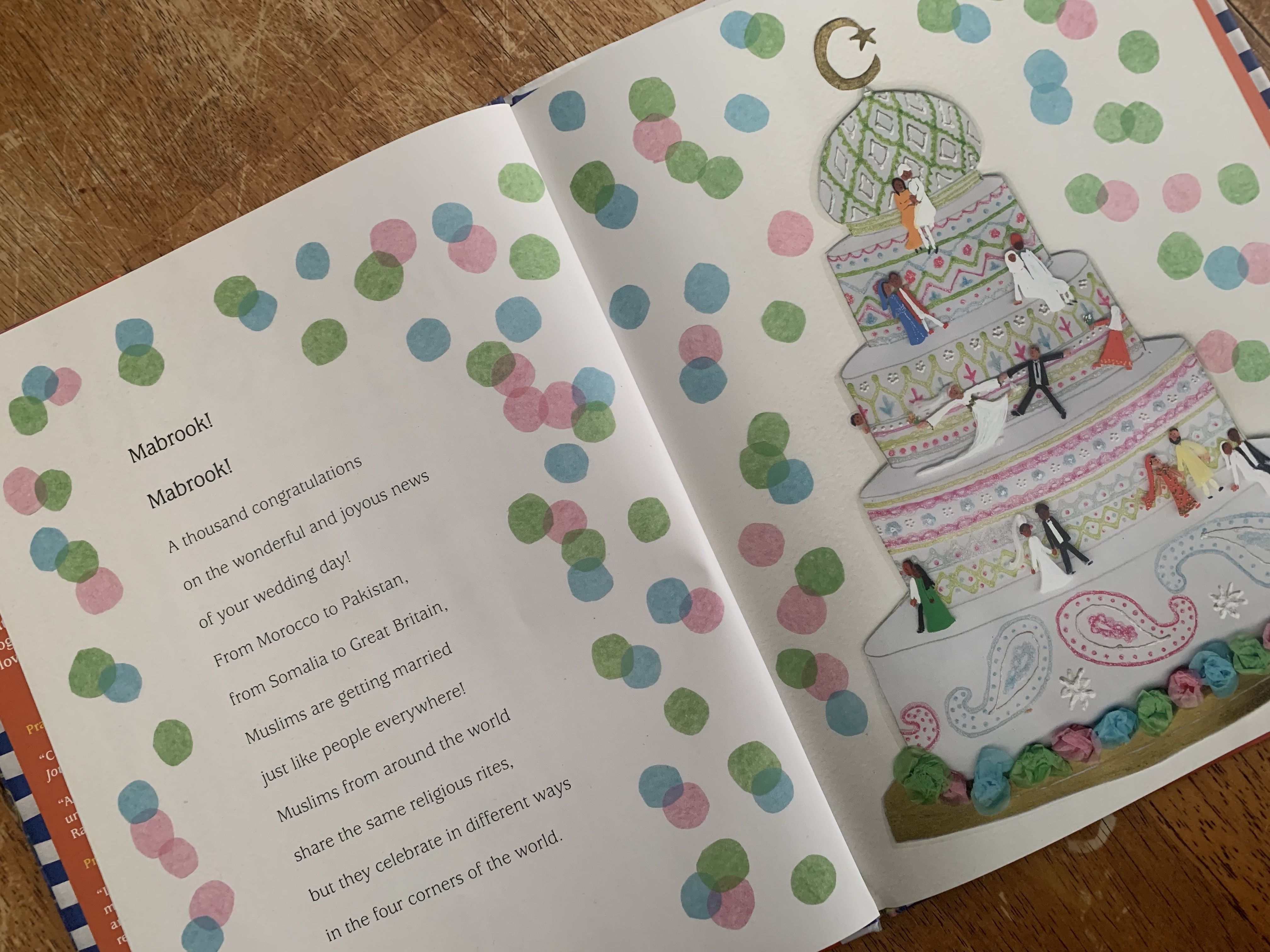
This adorable 40 page culture focused picture book explores a Desi tradition with layers of competition, frustration, mystery, problem solving, kindness, and joy woven in. Lulu likes the groom and his family, but at her cousin Amirah’s wedding, the games are about to begin, and she has a plan to win the money for team bride, and prove she is old enough to share in the spotlight. Each of the traditional teasing games though find Lulu pushed aside, until the joota chupai, where the shoes go missing. With Nani’s encouragement to stay true to herself, Lulu gets a chance to shine by doing it her way, and bringing the families together. There are a few visible hijabis in the illustrations of this Muslim author/illustrated book and the backmatter really makes the traditional references accessible to all readers. As a Pakistani American, my children haven’t attended cultural weddings with all the traditions, fun, and games, and this book is already a favorite in discussing what this family does, where our families might do it a bit different, and how they can twist it to fit an upcoming wedding we have this summer. The bright large pages, add to the text and illustrations truly conveying the excitement, emotions, and colors of South Asian weddings. By focusing on one tradition, and not trying to include everything about the multiday affairs, the book stays on message and maintains an in the moment tone, keeping the readers engaged, well done.


The book opens at the mehndi ceremony of Lulu’s cousin, and while the dances are taking place, Lulu is scheming. She knows the next day there will be chances to make some prize money from blocking the groom and stealing his shoes, and she is determined to capitalize. Normally it is just the bride’s side against the groom’s side, but Lulu has to battle her own cousins for a role in the games. Tarek says she is too little. Zara is clever at negotiating, and Farah is athletic and gets places fast. In the past, Lulu hasn’t been included, but this time, this wedding, she is ready.


On the groom’s side it is Kamal, Sameer’s little brother that serves as Lulu’s biggest competition, and who trips her as she heads for the shoes. Frustration and sadness have damped the festivities for Lulu, yet she still is helpful and kind. With the games wrapping up, a dejected Lulu finds solace in her grandmother’s lap. When Nani shares why the shoe stealing tradition still is carried out, Lulu knows just what to do to find the spotlight her way.


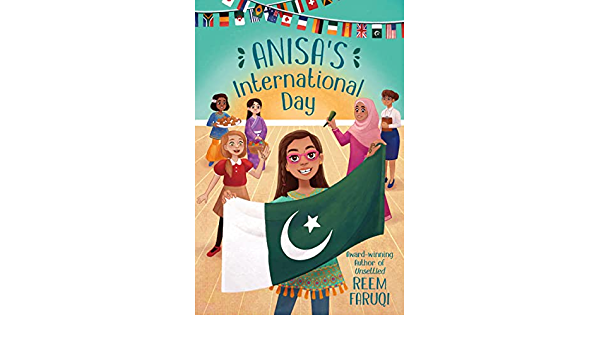




 This engaging and fun early middle grades detective story set in England, features a female protagonist of Pakistani origin who stumbles on a crime at her cousins mehndi party. Over 231 pages with illustrations and flourishes, Agent Zaiba along with her younger half brother Ali and best friend Poppy will have to solve a case, avoid a nosy cousin, try not to ruin their clothes and so much more while stuffing their pockets with samosas and pakoras, and making sure they make it back for all the traditional events as well. There is nothing Islamic in this culture rich book, but with names like Fouzia, Samirah, Tanvir, Mariam, Maysoon, and Hassan, Muslim children or readers with sub continent familiarity, will feel an immediate reflection of themselves in the story. I have no idea what religion the author identifies as either, but from what I can Google, it seems to be an OWN story book and the richness and integrity of the minor details would suggest first hand knowledge. Anyone looking to see a strong minority female lead with good friends, an open mind, and impressive sleuthing skills, should hold on tight as the agents assemble to get to the bottom of a theft and save the day for a beloved cousin.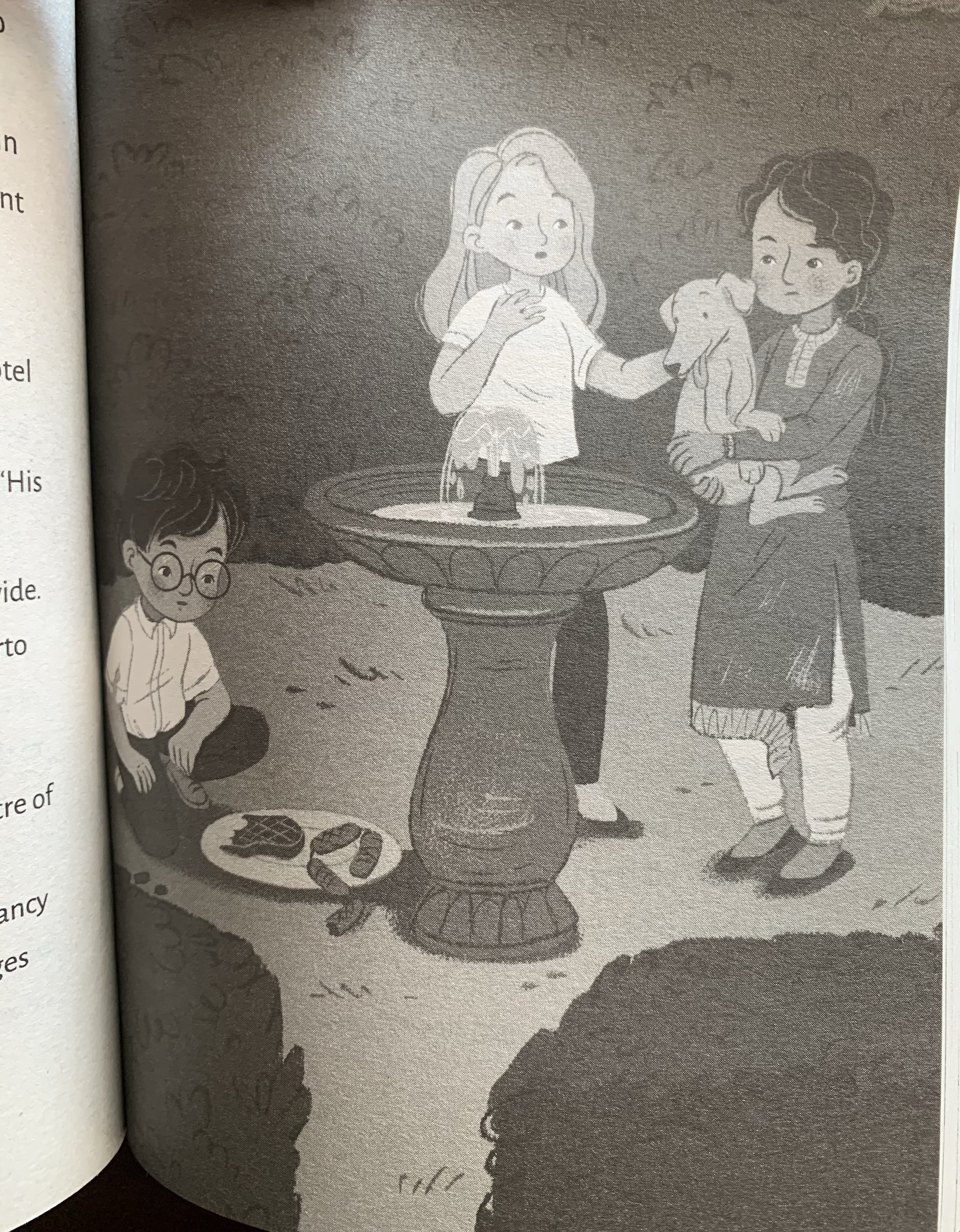

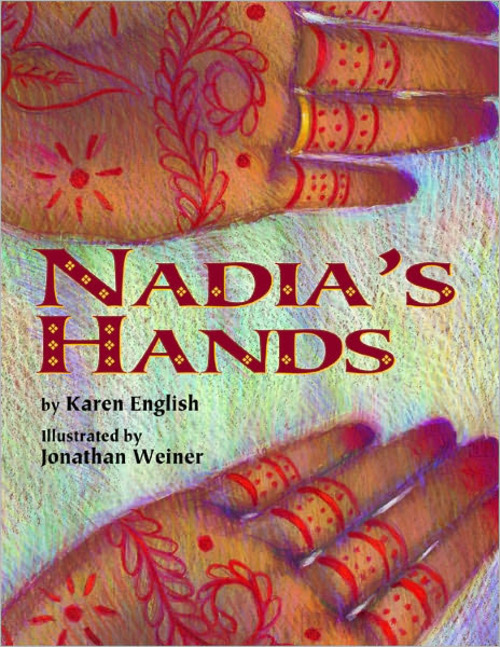 Nadia’s aunt is getting married and she gets to be the flower girl in the Pakistani-American wedding. She also will get mehndi put on her hands for the big event. Her cousins warn her that she might mess up and even in the midst of her excitement she begins to worry what the kids at school will say when they see her hands on Monday. As her aunt prepares the mehndi and the application process begins, various uncles peek in on her and her aunt gifts her a beautiful ring. The mehndi has to sit on the skin for a while to set and as Nadia practices sabr, patience, I couldn’t help but think something seemed off in the story. I’ve been at, in, and around a lot of Pakistani and Pakistani-American weddings, and this story didn’t seem to reflect the tone of such occasions. The book doesn’t reflect the hustle and bustle and near chaos, it doesn’t sound like the tinkle of jewelry and laughter as the women sit around chatting and getting mehndi put on together, the pots on the stove are referenced but not described so that the reader can smell the sauces thickening and hear the pans crashing and taste the deep rich flavors. It is lonely. Nadia is lonely and filled with anxiety about Monday. Durring the wedding she is walking down the aisle and suddenly freezes when she looks down and doesn’t recognize her hands. Her cousins seem to show unsupportive “I-told-you-so” expressions as she searches for some comforting encouragement to continue on. When she finishes her flower girl duties, her grandma asks if she understands why looking at her hands makes her feel like she is “looking at my past and future at the same time.” Nadia doesn’t understand and the author doesn’t explain. At the end she is ready to embrace that her hands are in fact hers and that she will show her friends on Monday. But the reader has no idea how it goes, or what exactly the significance of her painted hands are. The book fails to give any insight or excitement for a culture bursting with tradition at a time of marriage.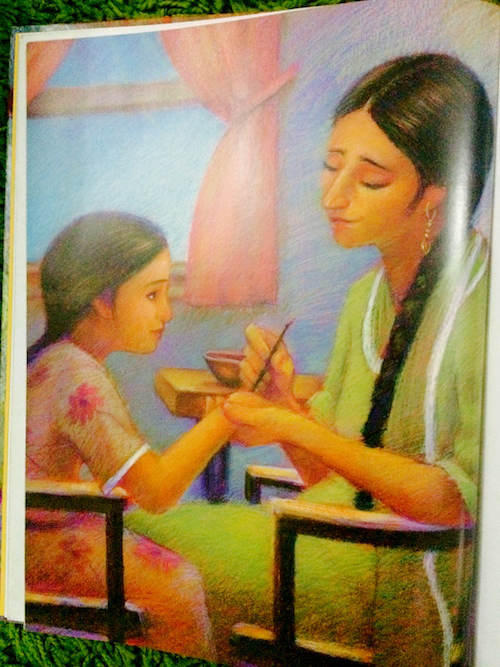
 Islamic School Librarian