
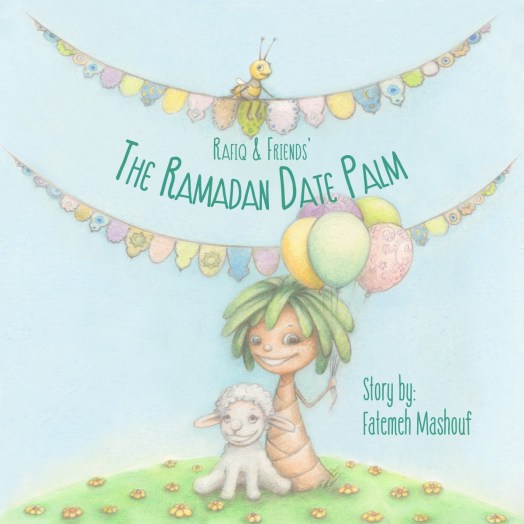
It is nearly Ramadan, inshaAllah, the most blessed time of year. I don’t normally do product endorsements and thus I didn’t review this book that comes with a whole Ramadan kit last year when my cousin gifted it my children. However, as I look for Ramadan Story Time books, I reread this and while it references the activity cards, it really offers a lot as a stand alone book too. So, yes I am going to review it and plug the kit as something your kids up to age 9 or so will really enjoy, at least mine did and even went searching last week for all the components….without being asked! That’s a pretty strong endorsement right there.

Rafiq is a date palm tree that is so excited for Ramadan and is going to get you excited too. He starts off by mentioning the fun you will have with the daily activity cards, and the role you will play in serving iftar dates on the special plate. The reader is then introduced to the cast of characters, Najjah the sheep, and later Asal the bee.

The middle of this 36 page book are my favorite, the illustrations are so sweet and welcoming you want to hang them up in your children’s rooms. This is where the “story” begins, it talks about Ramadan and how the Quran was revealed to Prophet Muhammad (saw), and fasting, and praying and patience and having fun with friends and playing too. It then moves on to Eid and all the different yummy foods that are eaten all over the world. It ends on a note of community and how we all pray the same with our families and use the word salam.
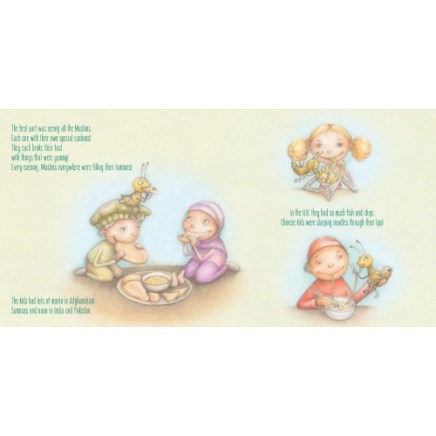
The book is visually beautiful from one hard back cover to the next. It is written in rhyme and most of it flows without feeling ridiculously over forced, but there are definite sentences that are awkward, and the rhythm seems to vary a bit that you have to stay alert when reading it out loud or you will get tongue tied. I think if you just skip the lines that reference the cards at the beginning and end, the book can work without the kit and accessories. Kids might be confused, but I think the bulk of the book is engaging and the pictures are stunning, that kids will be able to grasp on to the overall message of the book and forget about the “product placement” so to speak. There is a glossary at the back, and it works for ages 3-10.
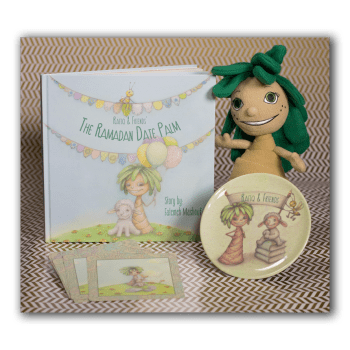
(I wasn’t paid or asked to do this review, I wish I was, but it really is fun for multiple aged children, and gives a bit of daily Ramadan connection for those of us that want to make every day in Ramadan a craft and spiritual extravaganza, but know realistically we just won’t be able to do it all https://www.rafiqandfriends.com/)

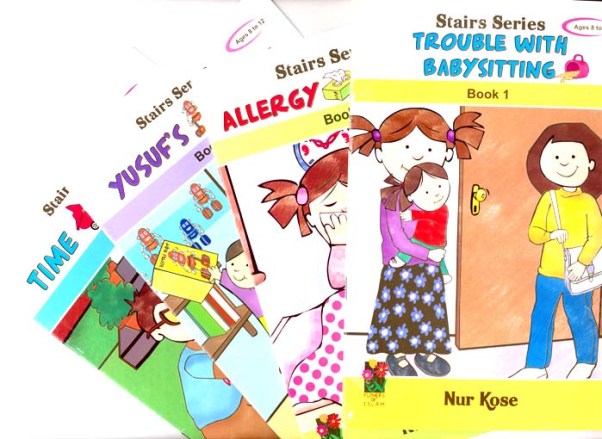





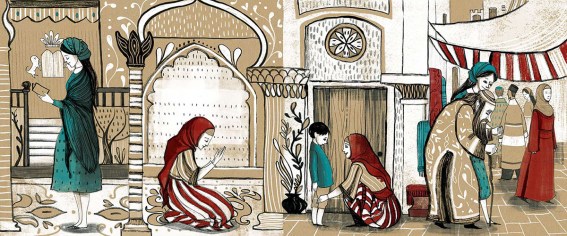

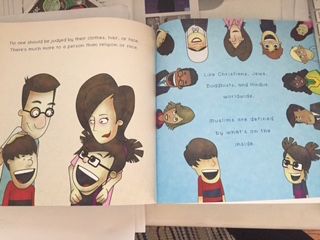
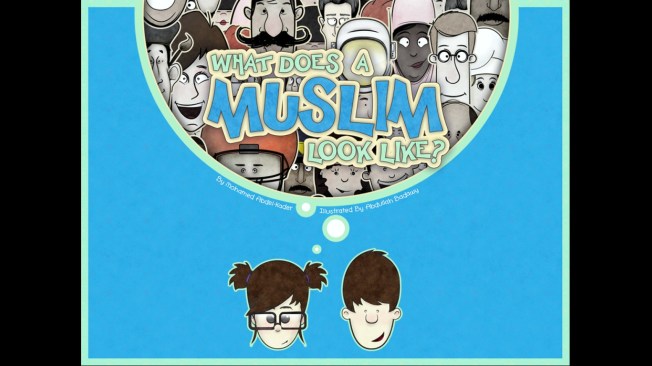 This 22 page, simplistic book written in rhyming couplets, is such a timely and necessary book. Much like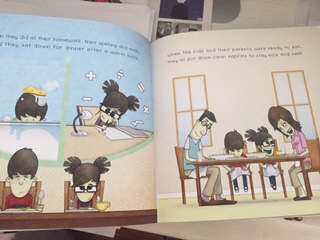





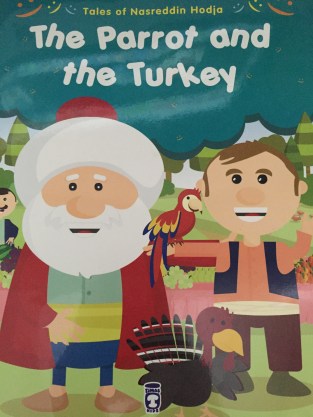 I ordered this book a while ago online. There is a whole series of Nasreddin Hodja, so I picked a title at random. I read it when it arrived and the story seemed to wander more than my attention span could follow. So naturally, I had my children read it, and they said it seemed funny, but they didn’t understand it. I glanced through it again and figured maybe it was one of those beloved cultural characters that just lost some of their charm in translation. In this case, Nasreddin Hodja is a folktale type character born in the 13th century from Konya, Turkey, who is the star of short stories that teach a point in a silly way. The opening page tells a bit about him and what you can hope to learn in the story, but it didn’t help understand why the book was so fragmented.


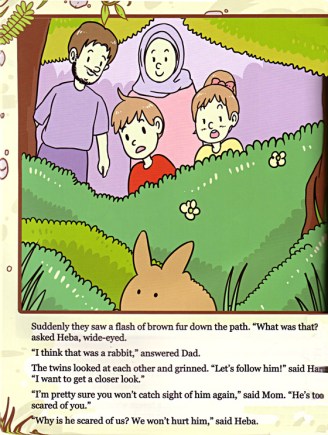 I really like how when discussing Jannah, they talk about the rivers of milk and honey, and I absolutely loved how they talk about Grandpa (hopefully) being in Jannah and being young and strong. I couldn’t figure out why when in the woods and marveling at nature the characters didn’t use Islamic expressions like, mashaAllah, subhanAllah, and inshaAllah, and when I read it aloud I had to add them when we got to the pages about Grandpa. It seemed awkward not too. The book is clearly for Muslim children, there is a reference page in the back with the ayats from the Quran and hadeeth that tell us about Paradise, and the characters are discussing an Islamic concept, so I’m not sure why their language isn’t reflective of that.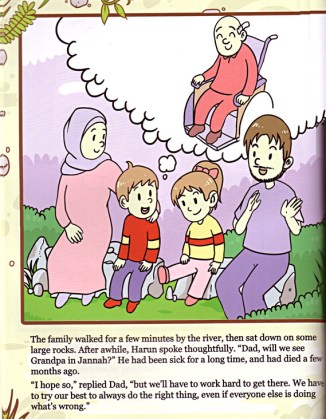

 Islamic School Librarian