

This 29 page (four chapter) middle elementary book about understanding sickness, old age, and a bit of death, makes some good points about sabr and dua and Allah testing us with illness. The story, however, is really dry and never becomes more than just a vehicle for conveying the author’s message of how Islam views elders and the challenges often brought upon as they age.
SYNOPSIS:
Hafsah, age 8, and her 11 year old brother Hasan are meeting after school so that they can join their parent’s in the long drive to Devon to check on their sick grandfather. The drive is apparently really long, but being that we don’t know where the kids live or how long the drive is, we just know it is a long, painful, miserable drive. The family is silent with worry about the grandfather on the trip, but no indicators as to what his diagnosis or symptoms are is given, just that he is ill and as the night and drive progress, the children worry he is dying. Hasan, in the darkness of the car, sheds some tears about losing his fun granddad, but no details about the adventures they go on, or why he is fun are shared. Their mom encourages them to continue to make dua and tells them that maybe the illness is a blessing, but the children don’t understand what she means by that.
When they arrive, the children are told it is too late bother their granddad and to wait til morning to see him. The next day the doctor tells them he had an asthma attack and is on new medicines that are helping. Seems like there should be more to the illness, as asthma once the attack is over can be controlled, and no other mention of heart problems or pneumonia or other diseases are indicated. Hafsah and Hasan finally get to see him and are surprised he is awake and talking and they learn that sometimes Allah tests us by giving us hardships and that their duas and prayers were helping. He shares the hadith, “No Muslim is afflicted with an ordeal, be it an illness or something else, without Allah thereby causing his sins to drop away just as a tree sheds its leaves.” Unfortunately, the hadith is not footnoted or attributed, but the characters and readers understand the lesson and find peace in knowing that every hardship is an opportunity not a punishment.
WHY I LIKE IT:
I love the concept of the book, just not the execution of the principles it instructionally conveys. Kids need books that explain some of the big concepts that they can’t necessarily understand or even ask about, such is why do we get sick, what is going to happen to our grandparents etc. The book really just needed more showing and less telling. It details how the kids chase each other home from school, but doesn’t tell of the adventures that granddad and Hasan go on, it just tells us that they miss having these adventures. There is no character development, and there is definitely space for the reader to feel for the grandpa and the concern of the kids, but it is glossed over in words not in anecdotal sharing.
The book is British, and some of the words and phrases might be confusing to American kids, such as the description of the grandfather being poorly used repetitively.
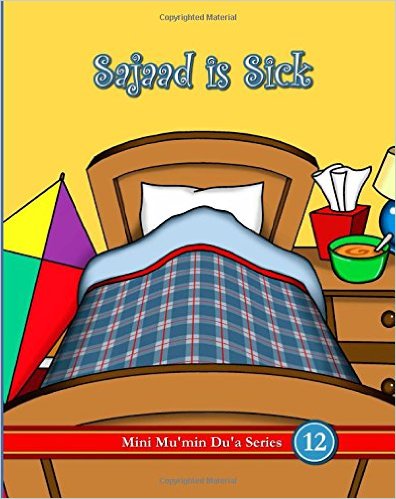
The book is presented well with clear font and spacing on glossy pages bound in a hard illustrated cover. There are small detailed life-like pictures throughout the story that show the kids and family. The females are in hijab and the family is clearly Muslim.
FLAGS:
None
TOOLS FOR LEADING THE DISCUSSION:
This is probably a decent book to have in an Islamic School library, it would function as a reference book more than a novel or book kids would naturally pick up. If doing a theme on aging or sickness, or tests from Allah, this book would fit in nicely in adding to a discussion, but outside of that, I can’t see that kids will even remember the book or what it is about.


 Islamic School Librarian