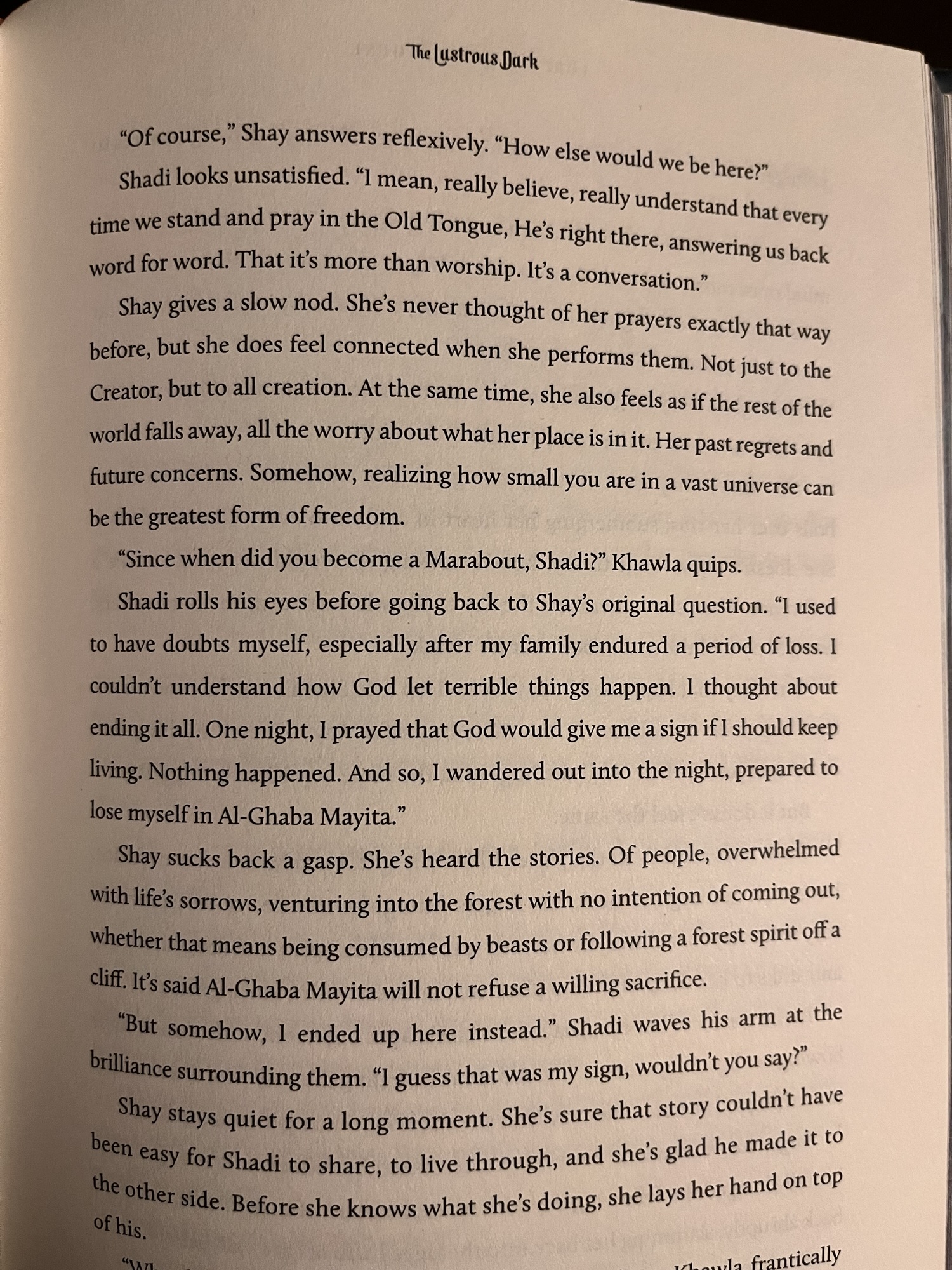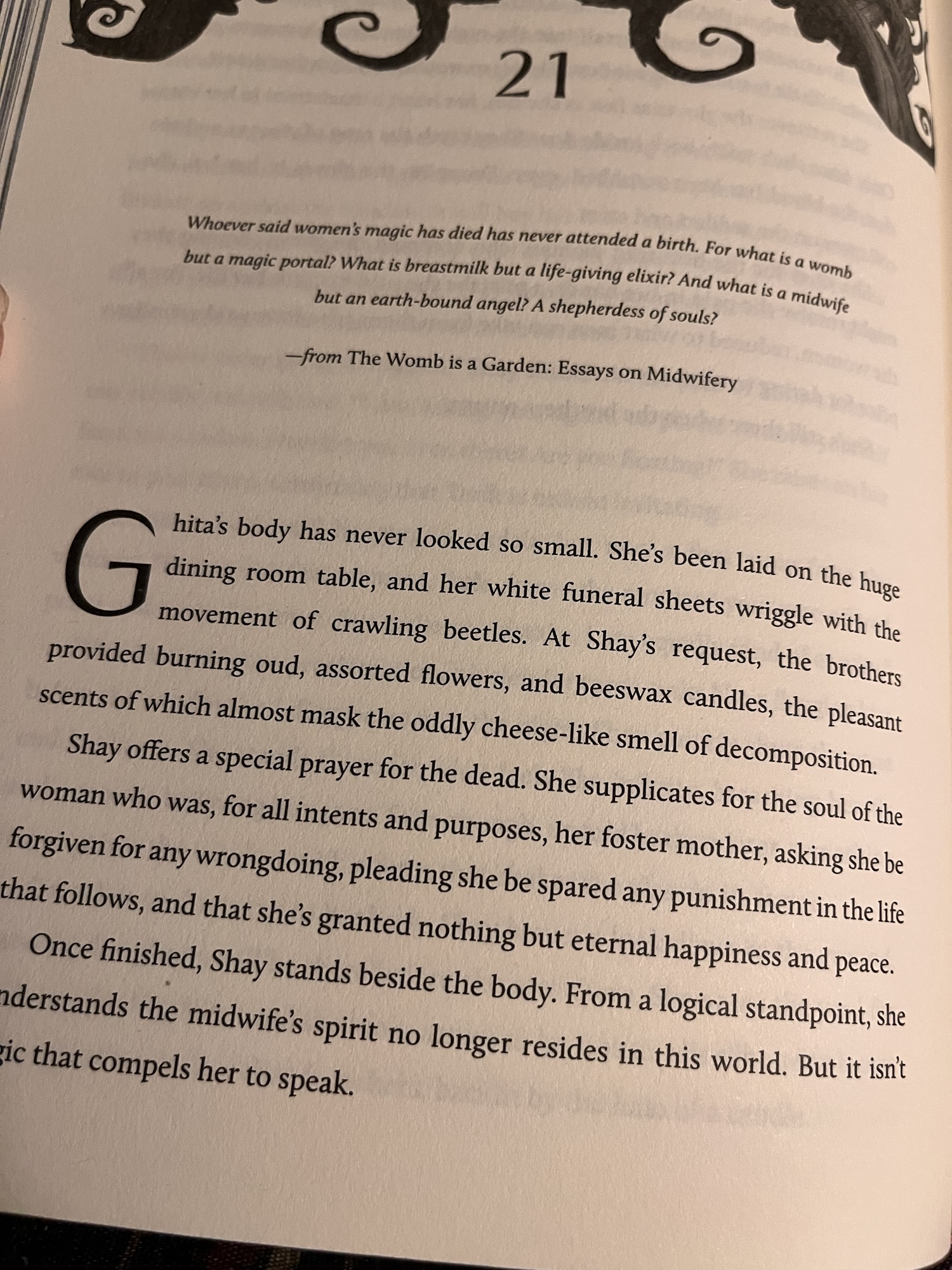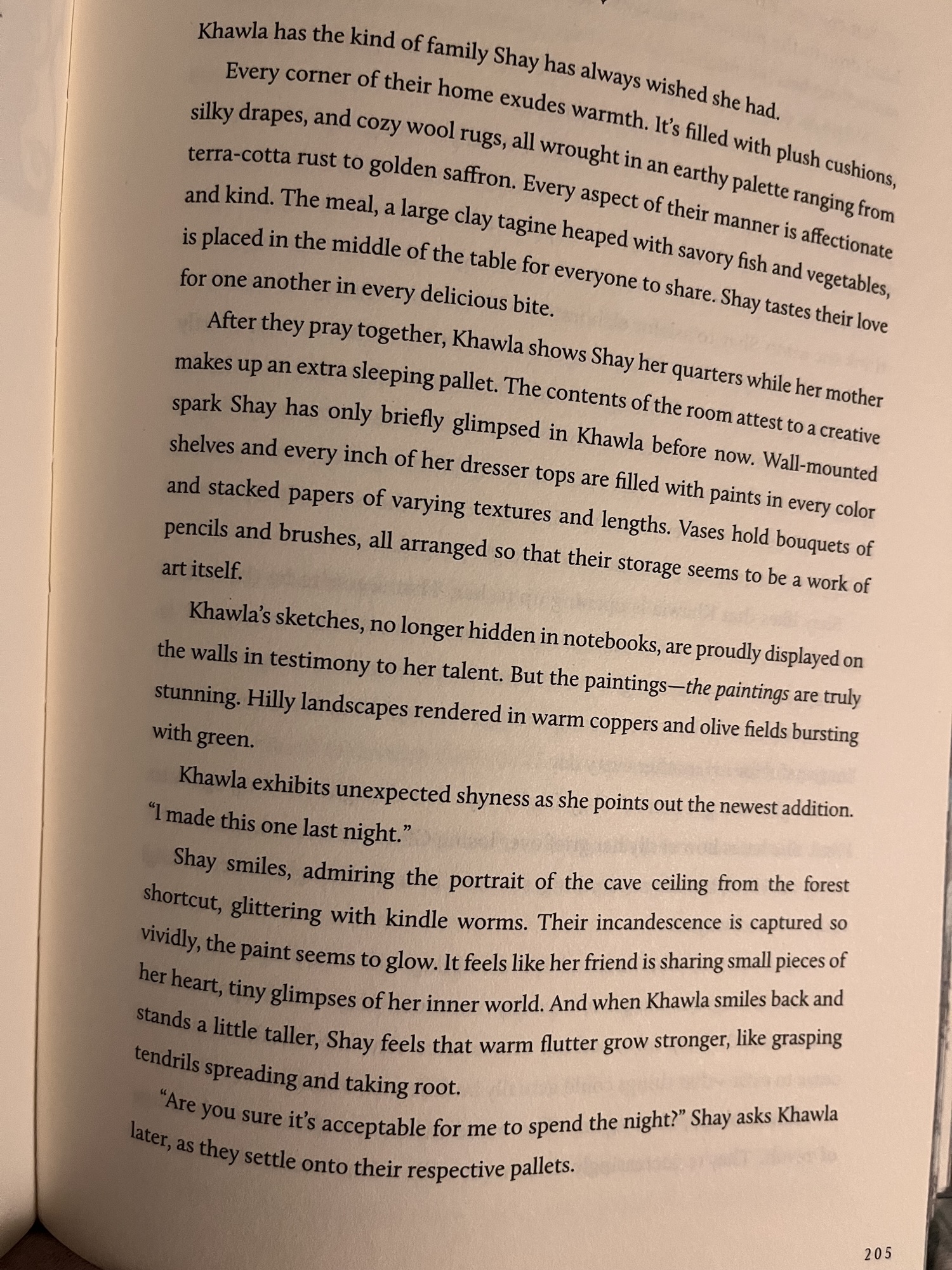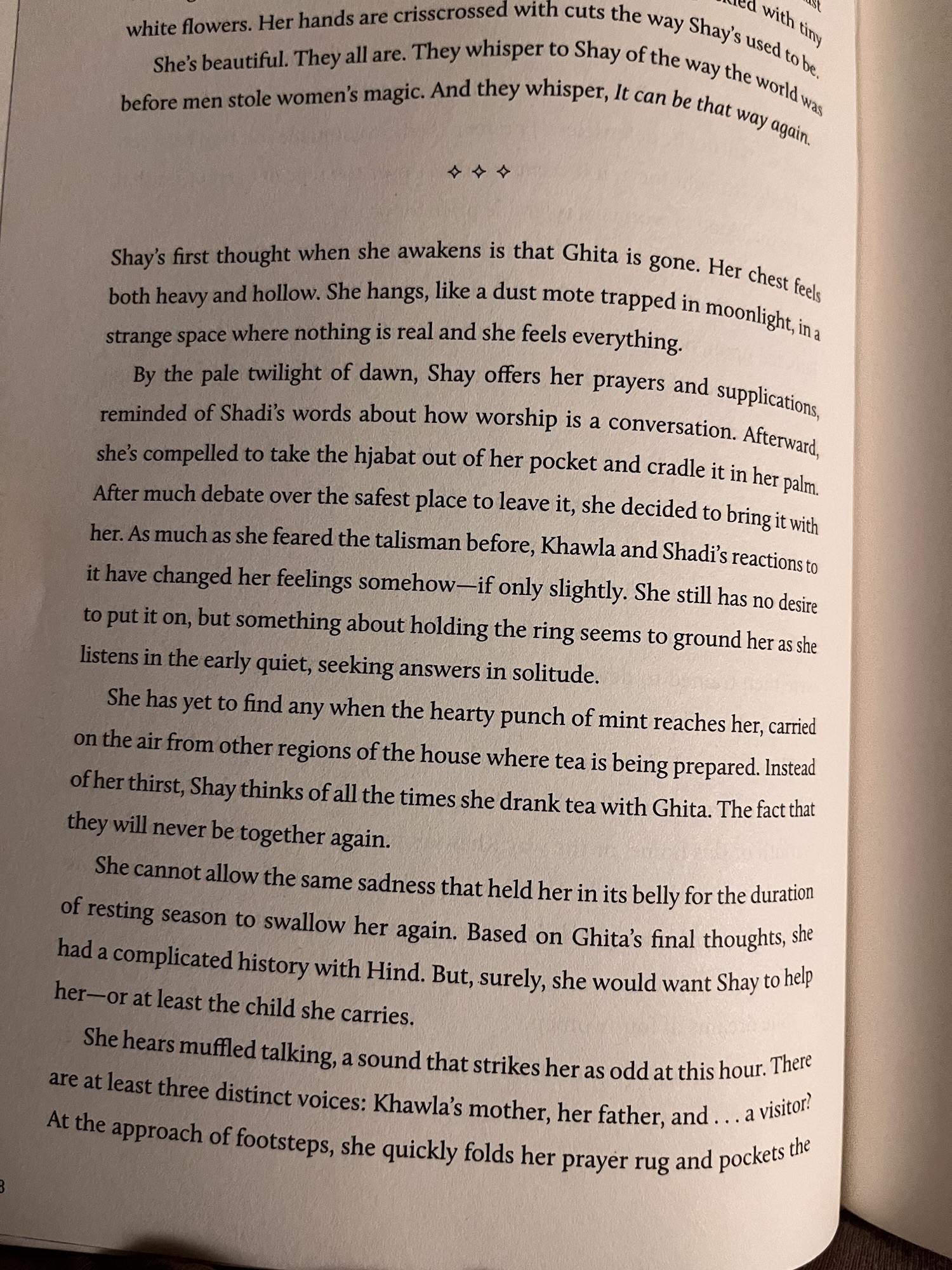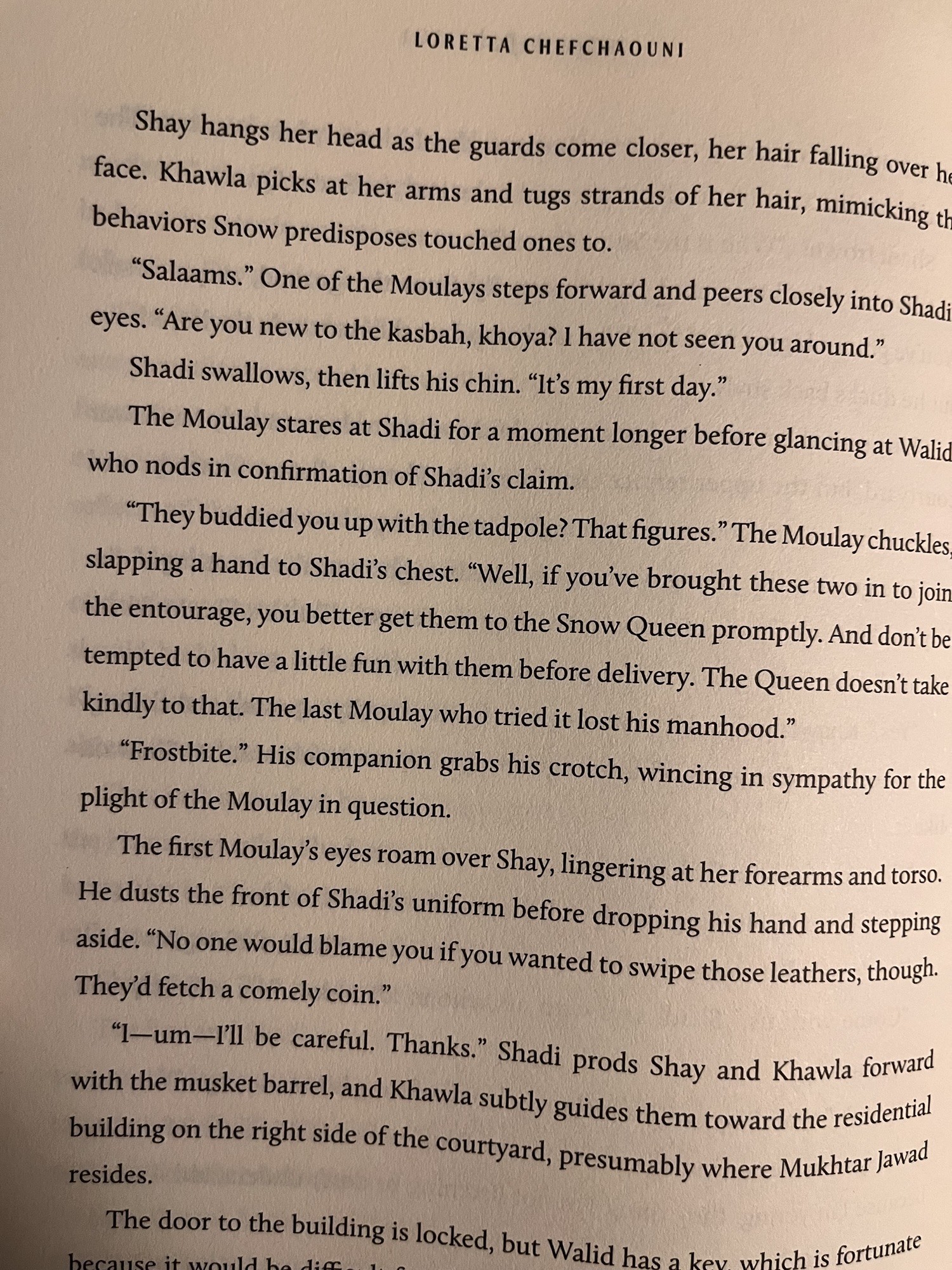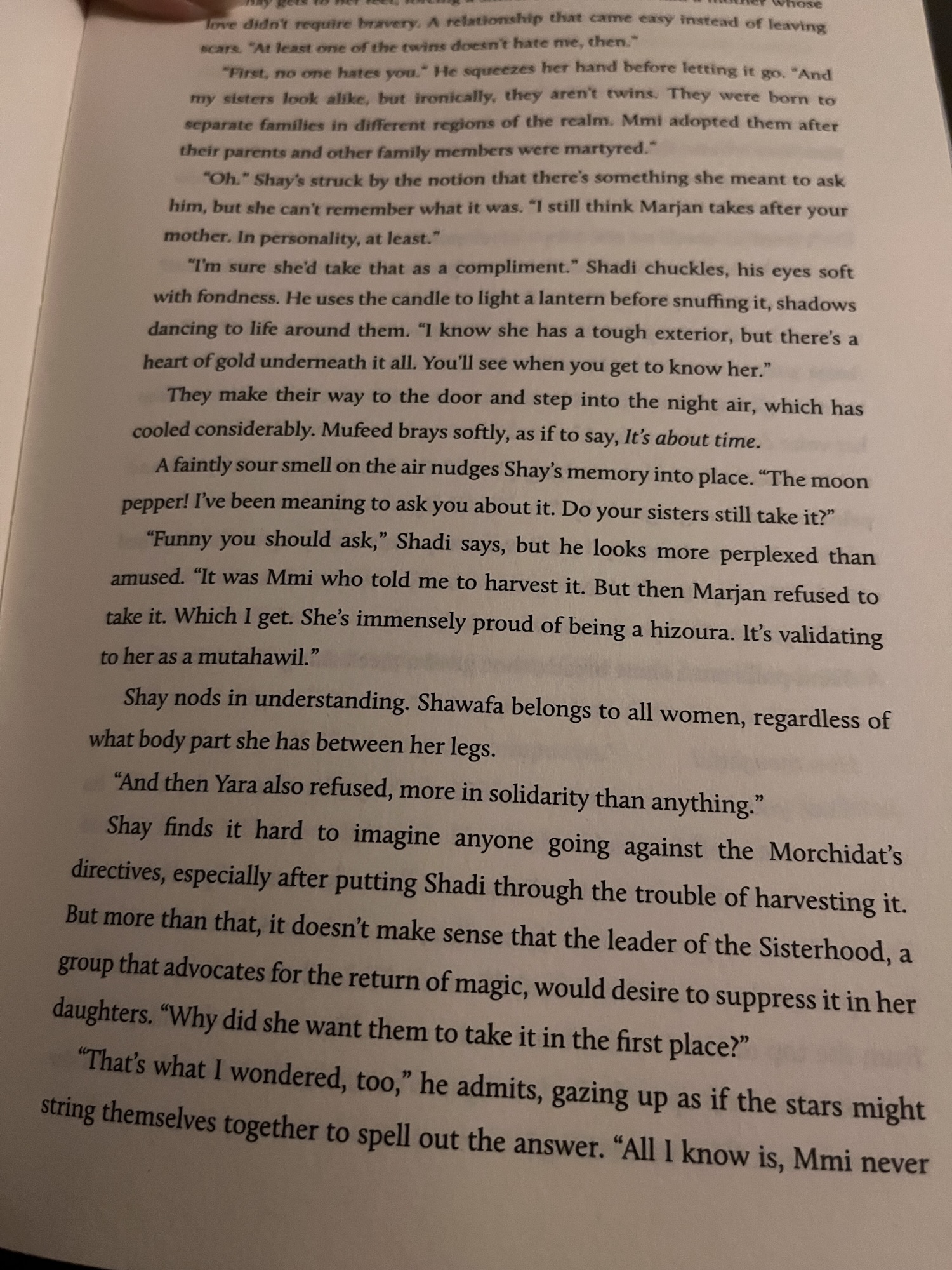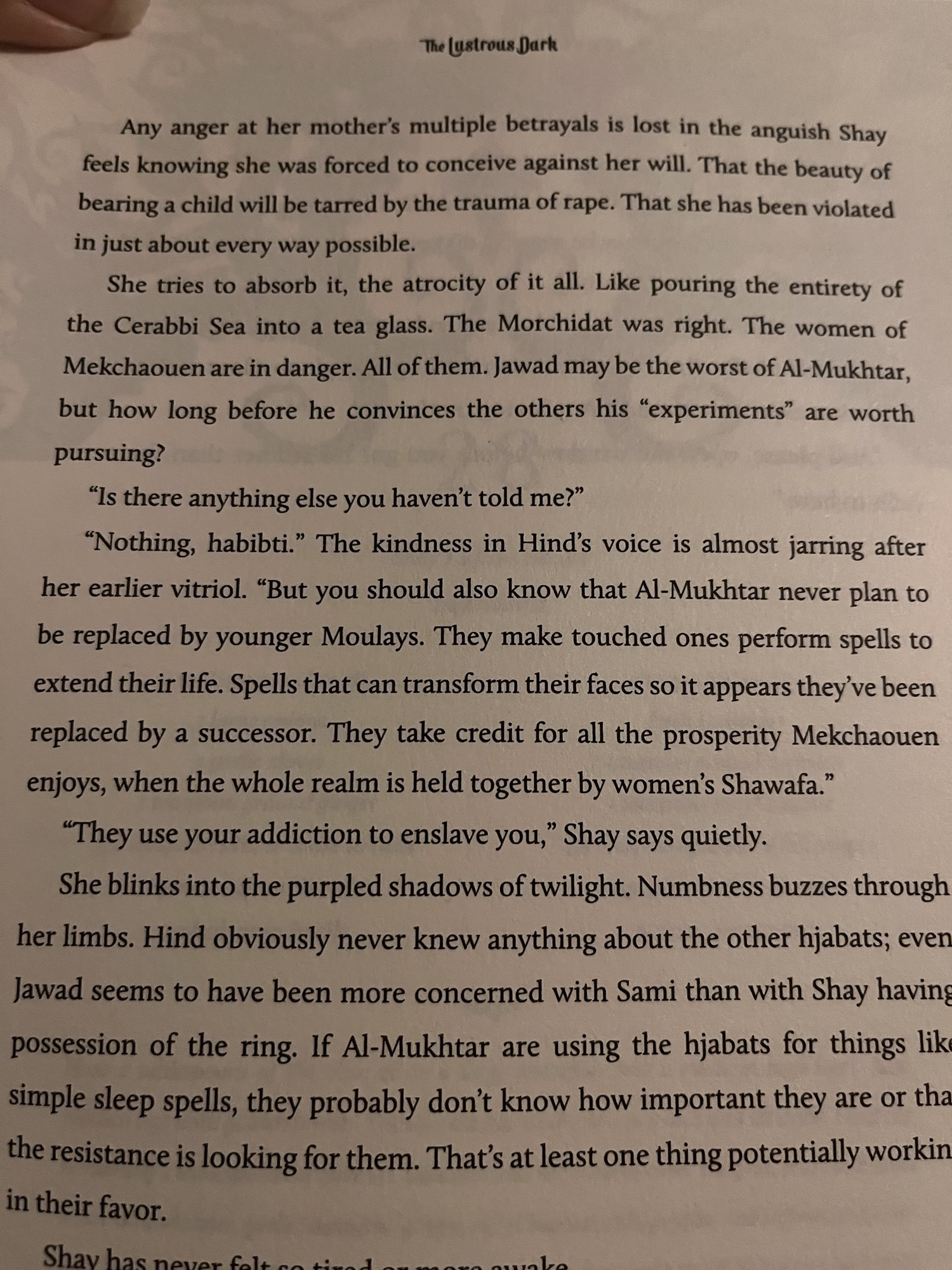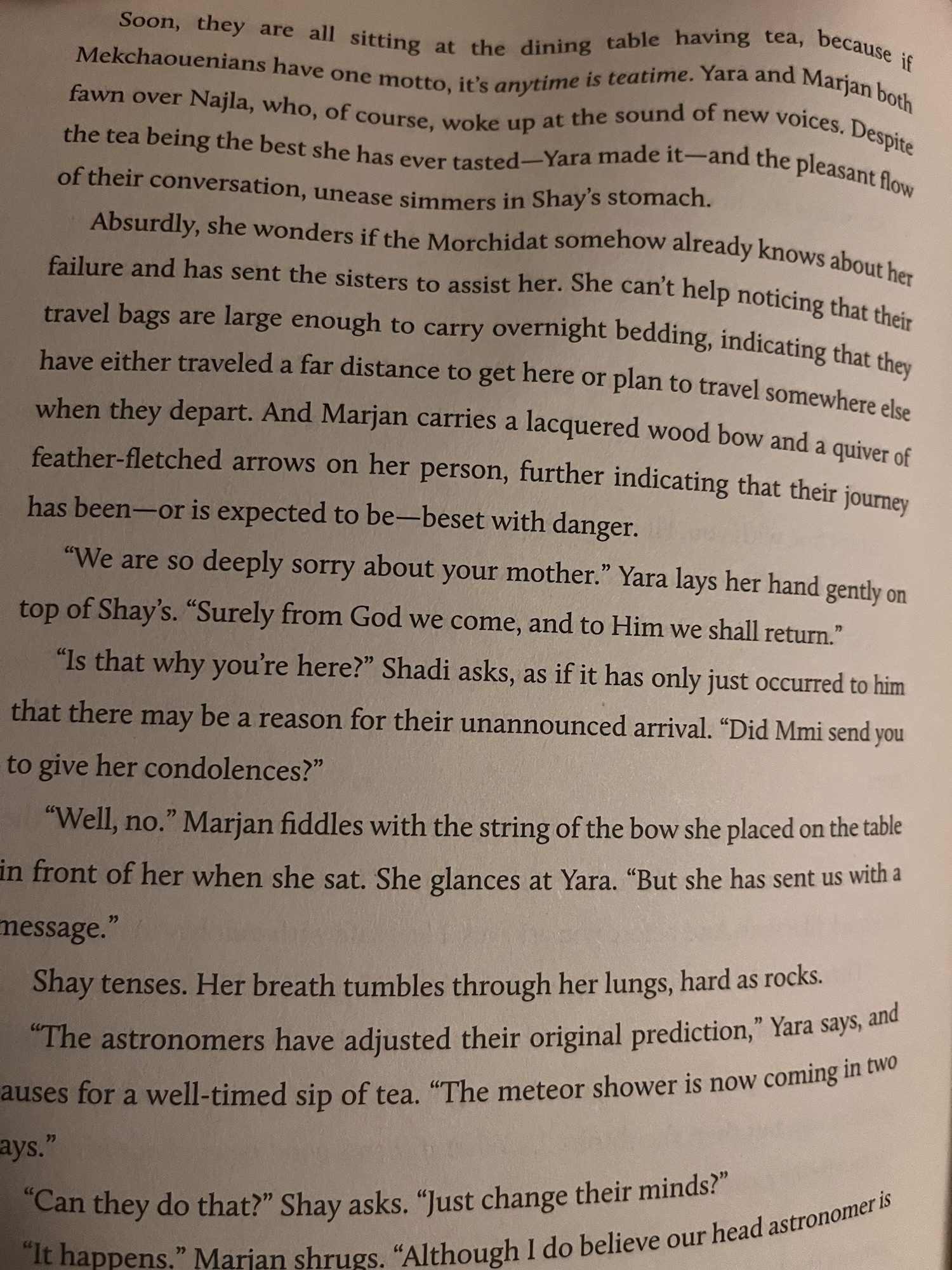
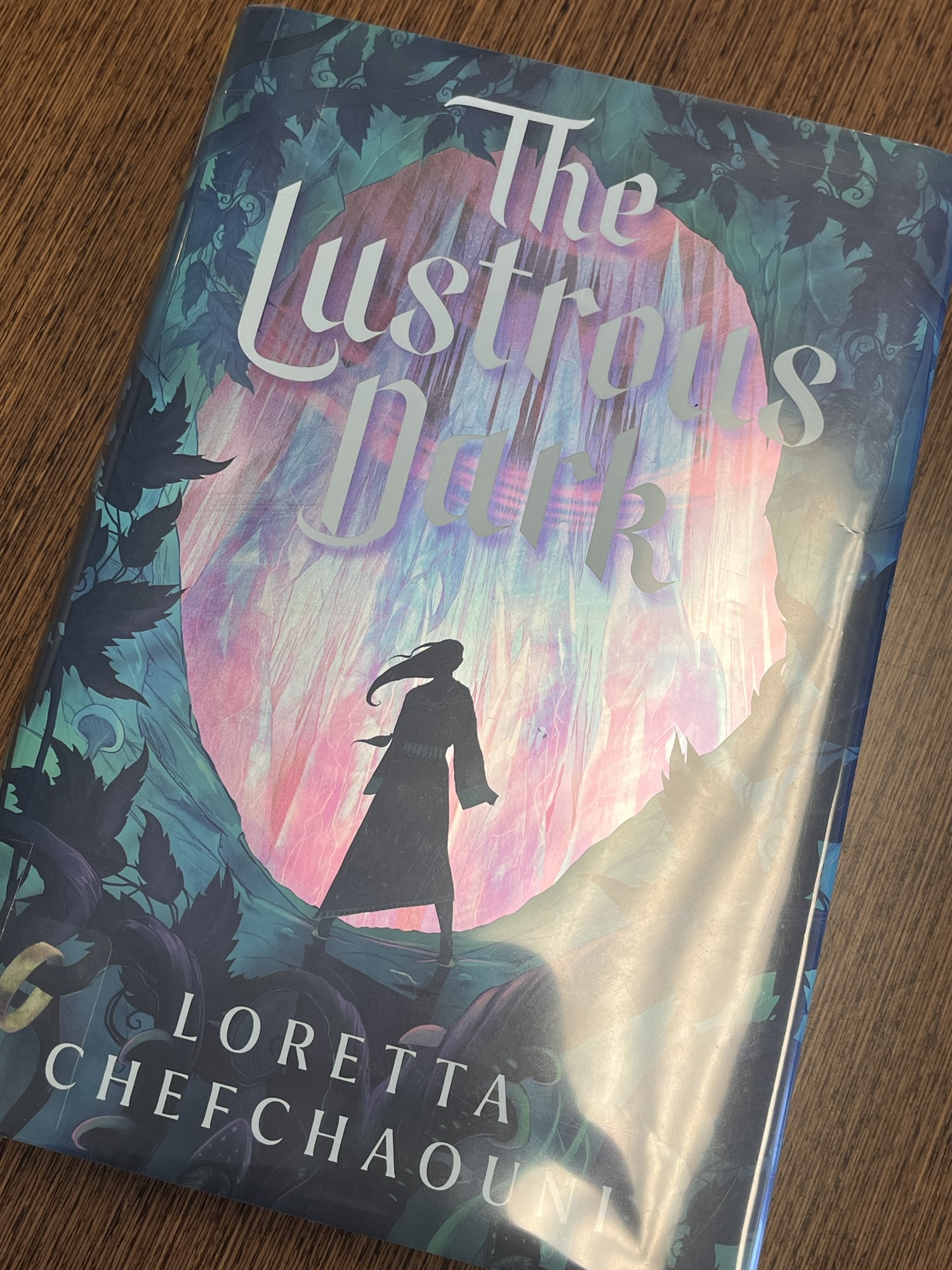
Parts of this 368 page YA fantasy were gripping and impossible to put down, other parts slow and disjointed making the book hard to pick back up. The book almost seems to function in acts, with the first act being the midwife premise, the second act in the forest with the campy/creepy version of the seven dwarfs and a vampire, and the third being the rushed climax of what presumably is the plot that will carry into the second book in the duology. The choppiness and inconsistent pacing made me feel like the world building at times took over the story, at the risk of understanding exactly how the threads of themes and characters were meant to make this a feminist fantasy. I appreciated the abandonment and found family aspects, but the political positioning and fighting the patriarchy aspects read painfully forced and underdeveloped. As for the fairy tale retelling, I found it silly and inconsistent with the amazing night hag creatures. If the back of the book blurb didn’t position this as covering all the aforementioned themes, I might have enjoyed it more, it seemed to force themes that didn’t naturally come from the characters, plot, and prose naturally. I do acknowledge that the second book may illuminate some of the telling in a more showing manner and resolve the lost plot critique I’ve asserted, but I honestly don’t know if I am compelled to see how the second half of the story plays out. The book is a mature read with death, drug addiction, hangings, rape, violence, an assortment of relationships and gender identities, oppression, threat, etc. I do not think this qualifies as OWN voice for the Moroccan cultural rep, the author I believe is not Arab, but I think the characters might be Muslim just not by name, which would qualify it as such. The protagonist prays “predawn prayers” in the “old tongue” and translated phrases after death reflect on the one-ness of the creator, and at times the characters even opine on their thoughts of Muslamic concepts. I don’t know if that was the author’s intent or if it is meant to come from the Morrocan culture, but I don’t know that it ultimately matters. The world created within the pages is rich and unique, I just didn’t connect with the story or characters. If someone 16-17 and up wanted to read it that enjoyed fantasy, I wouldn’t dissuade them, but for novice fantasy readers like myself, it was at times difficult to get through.
SYNOPSIS: TAKEN FROM THE PUBLISHER:
For fans of Sabaa Tahir and Guillermo del Toro comes The Lustrous Dark, a sweeping YA fantasy inspired by a Moroccan folktale, in which a young midwife’s apprentice rises up to take back the power that’s been stolen from women.
Orphaned as a baby, Shay has spent her life training as the midwife’s apprentice. Her role grants her stability, yet Shay has always yearned for more. Namely, motherly affection and answers regarding her mysterious birth—neither of which the midwife deems practical to provide.
After Shay discovers her birth mother, Hind, is still alive and addicted to a magical drug called Snow, she determines to get the woman clean. But when Hind betrays Shay to get her hands on more Snow, Shay’s abandoned within a deadly forest and forced to rely on a band of monstrous ghouls for safety.
Shay’s realm has long stood on the brink of war between the men who control magic and the revolutionaries who want to eliminate it. But in the forest, Shay hears the pleading call of ancient spirits who claim that not only has magic been stolen, but she has the power to return it. With the help of a spitfire revolutionary and the boy who’s winning over her heart, Shay discovers the horrific truth of who produces Snow and will have to decide for herself whether to heed the spirits’ charge or fade into obscurity.
This emotionally raw and gorgeously rendered fairytale combines the lush worldbuilding of This Woven Kingdom with the mother trauma of Snow White and a dash of Tim Burton. Steeped in mysticism and mythology, The Lustrous Dark confronts injustices against women with a righteous scream that’ll inspire readers to rally against the patriarchy and oppressive regimes worldwide.
Perfect for readers who love Political Revolutions, Fighting the Patriarchy, Toxic Mothers, Reawakening the Gods, Ancient Magic, Bone-Chilling Monsters, Haunted Forests, Female Friendships, Fairytale Retellings, North African Folklore, and Cinnamon Roll Love Interests.
WHY I LIKE IT:
I really liked many of the parts in isolation, the midwife beginning, the ending with the night hags, even at times the bone eaters, but as a cohesive story I feel it leaves too much to be desired. Why was the forest such a plot point to navigate early on, but largely not a threat after the midpoint? Where did Khawla just appear from, and did her family live in the forest? And then suddenly the two girls, Marjan and Yara, who are perceived to be quite young and shy suddenly are transversing the forest alone and emerging as strong capable decision makers. The age of many of the characters seems inconsistent, or maybe rather their maturity, at times even the protagonist feels very young compared to other times. Ultimately the women’s magic and reclaiming it for women specifically, seems so forced that it took me out of the story. I get that Shadi is an ally, but seems like he is the most honest of the bunch. Multiple women are manipulative and corrupt, the mothers come to mind, and I think it could have been shown more how they were made that way by systems, but I felt it just kept telling us that Jawad is bad, and that men took the power, rather than showing it being more systemic and patriarchal in nature. Routinely the book seemed to build up to big plot points and then just have Shay go along with it, to the detriment of giving her a clear character arc of growth and coming in to her own, which sadly kept me from ever clearly cheering for her, or knowing what I hoped she could accomplish.