Tag Archives: arts

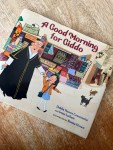
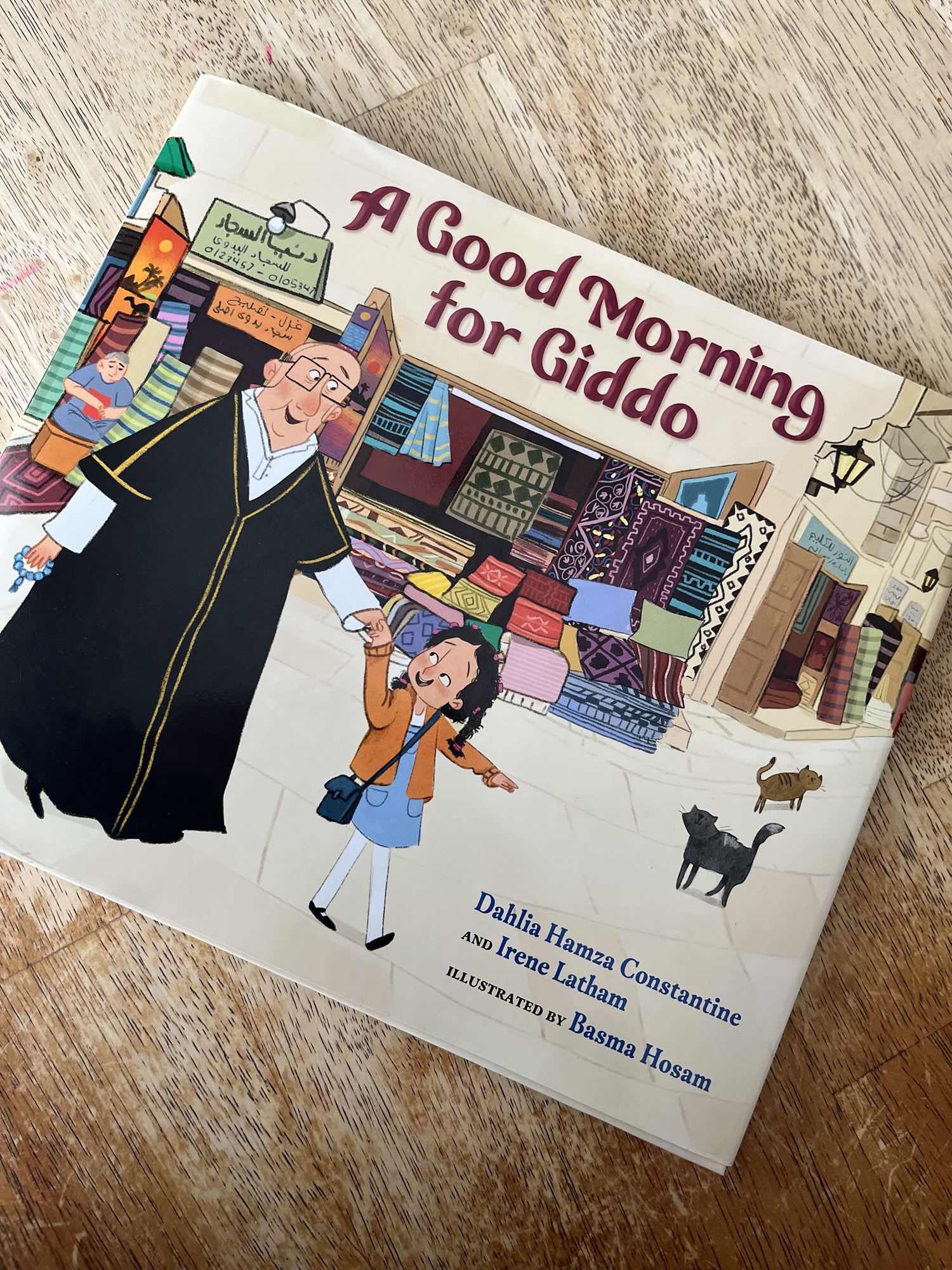
A Good Morning for Giddo by Dahlia Hamza Constantine and Irene Latham illustrated by Basma Hosam

Standard
A Good Morning for Giddo by Dahlia Hamza Constantine and Irene Latham illustrated by Basma Hosam

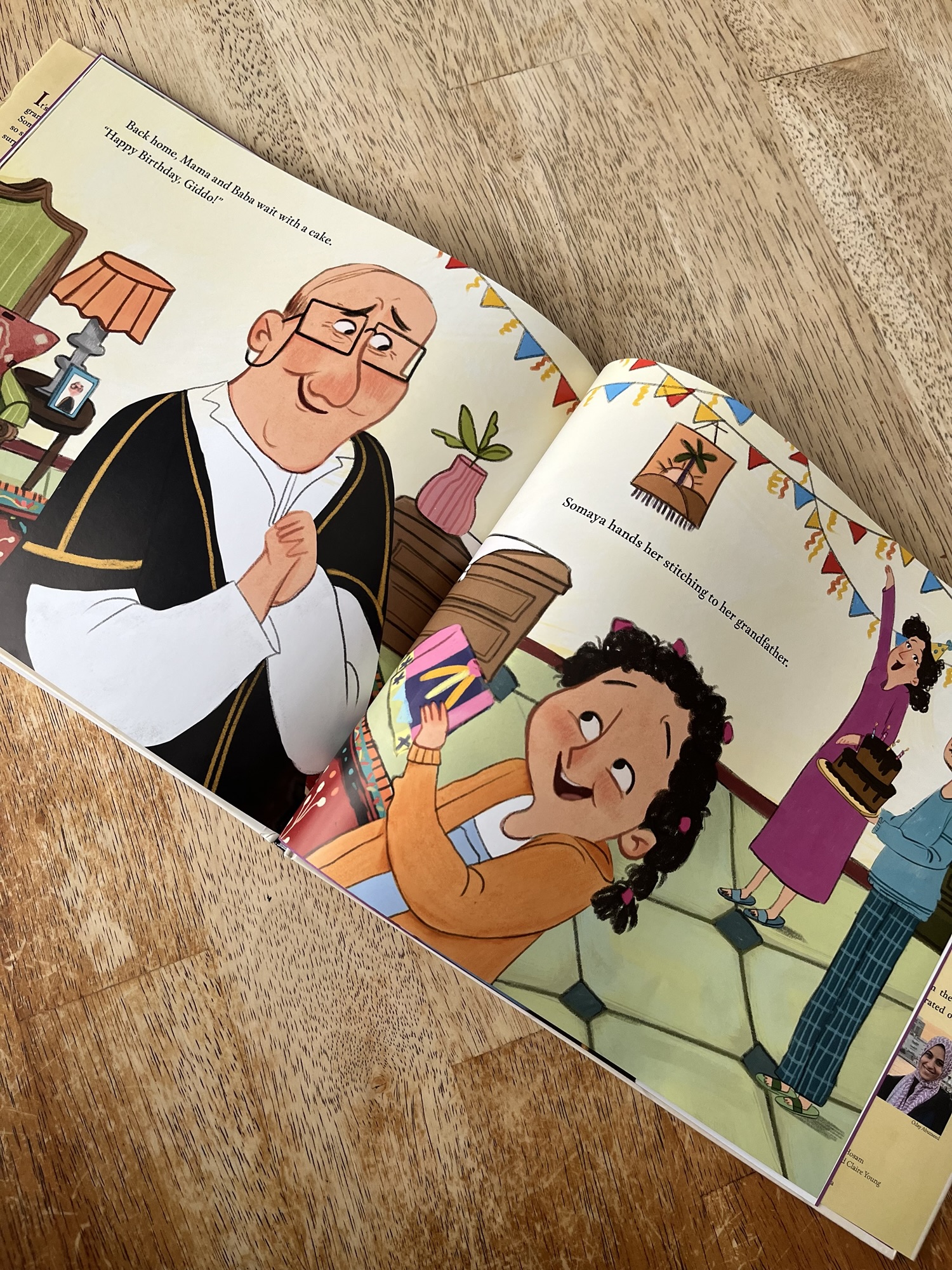
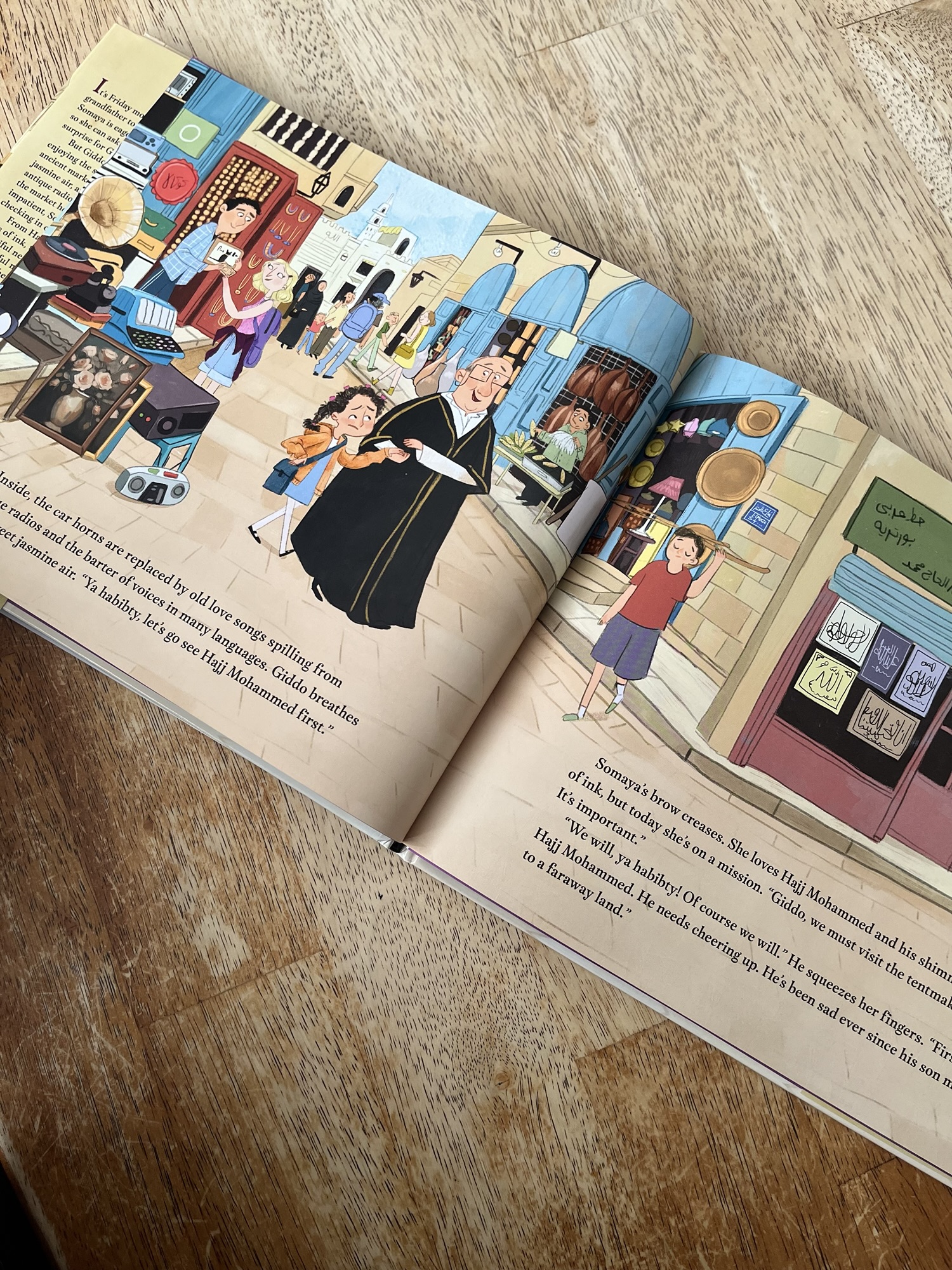
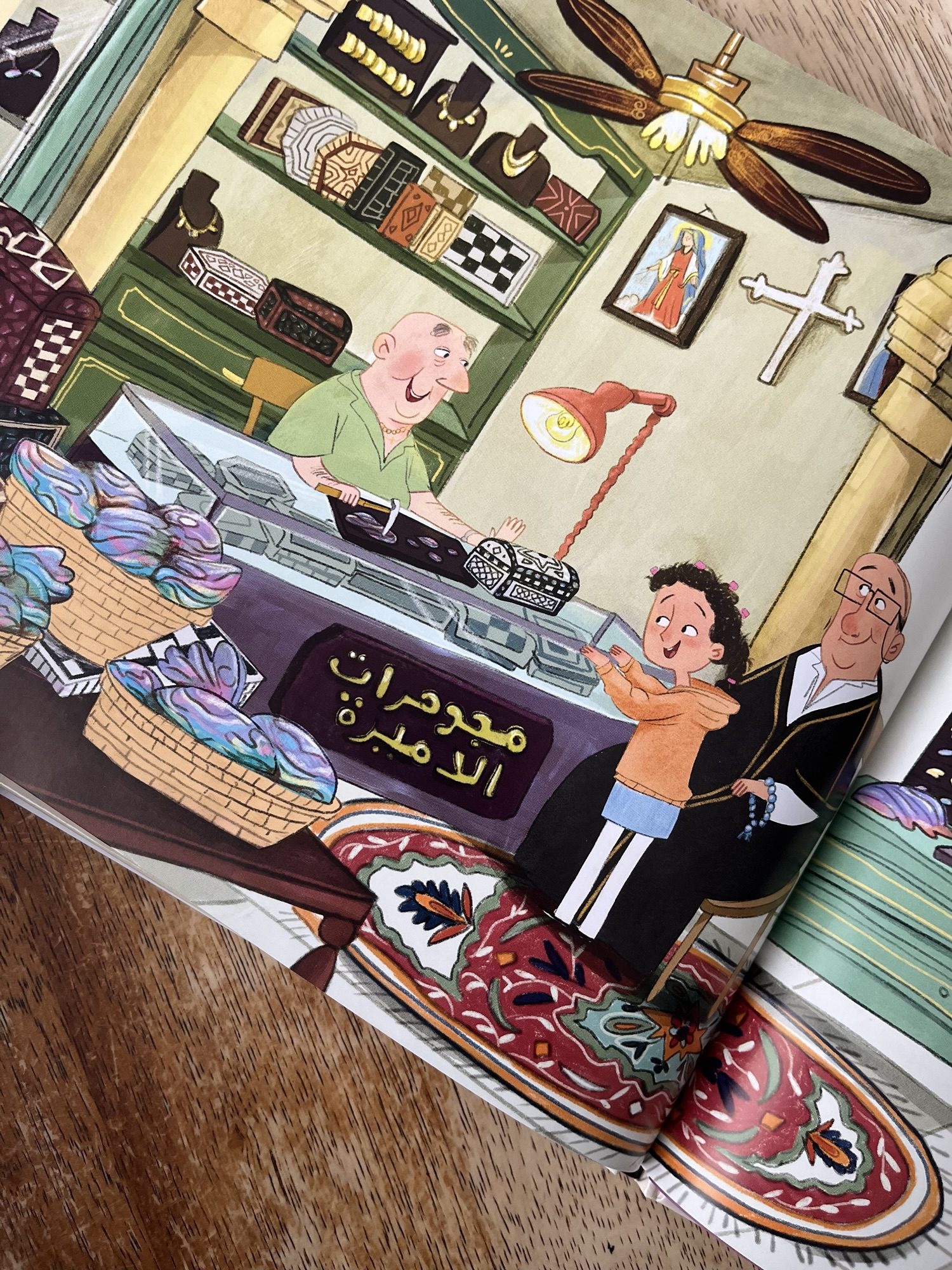
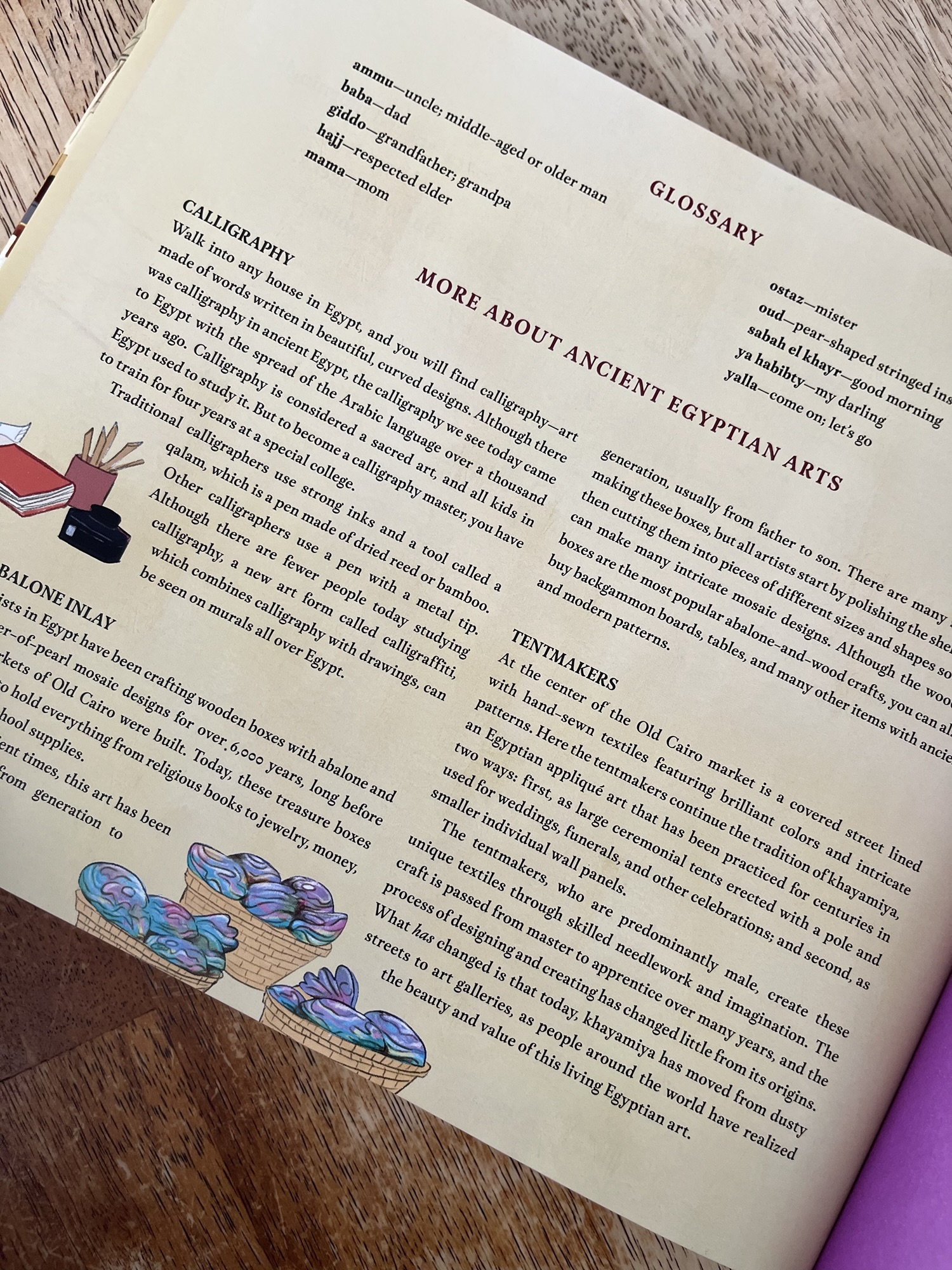
Hold on, it is Friday morning, not super early, the sun is up, Giddo and Somaya stop in to visit a friend and when the athan is called from multiple minarets, the men pause to pray in his shop? At the end of the book, it is still morning, the parents are in their pajamas, so um, WHAT SALAT WAS THAT? Why mention that it is Friday if they are not going to salatul Jummah? Yeah, I review from an Islamic perspective, I know this is not the point or plot or theme of the book, but it is an early detail in a 32 page picture book, and I’m having a hard time getting past it, clearly. The book is beautifully illustrated by a Muslim, and the cultural story is by one Egyptian and one author who has visited Egypt, so I have no reason to question the OWN voice accuracy, but none-the-less, it doesn’t make sense and makes me wonder why we can’t get basic Islamic rep correct in a picture book.  The story itself is a shout out to Egyptian culture showing calligraphy, tourism, mosaic handicrafts, tentmaking, friendships amongst people of different religions, a sweet grandfather and grand daughter relationship, all in their morning quest to get to the tentmakers at the market. The plot unravels though at the end for me, I think it sounds good to have SPOILER Somaya need a little help with her surprise birthday gift for her Giddo, but it seemed rushed in its conclusion for as flowy as the build up was. And that she needed help with a final knot, seemed a little weak of a premise for the urgency to get to the tentmakers at all. I know I’m being picky, but sensitivity readers exist precisely for these details, and it should not go unchecked.  The end has a “Glossary” and a “More About Ancient Egyptian Arts” section, but I really was hoping for something about the one upping thread of greeting that is present throughout the book, “good morning,” “good morning with roses,” good morning with roses and jasmine,” etc. as I think that is a tidbit of Arab culture that readers will wonder about while reading, but maybe not quite fully grasp.
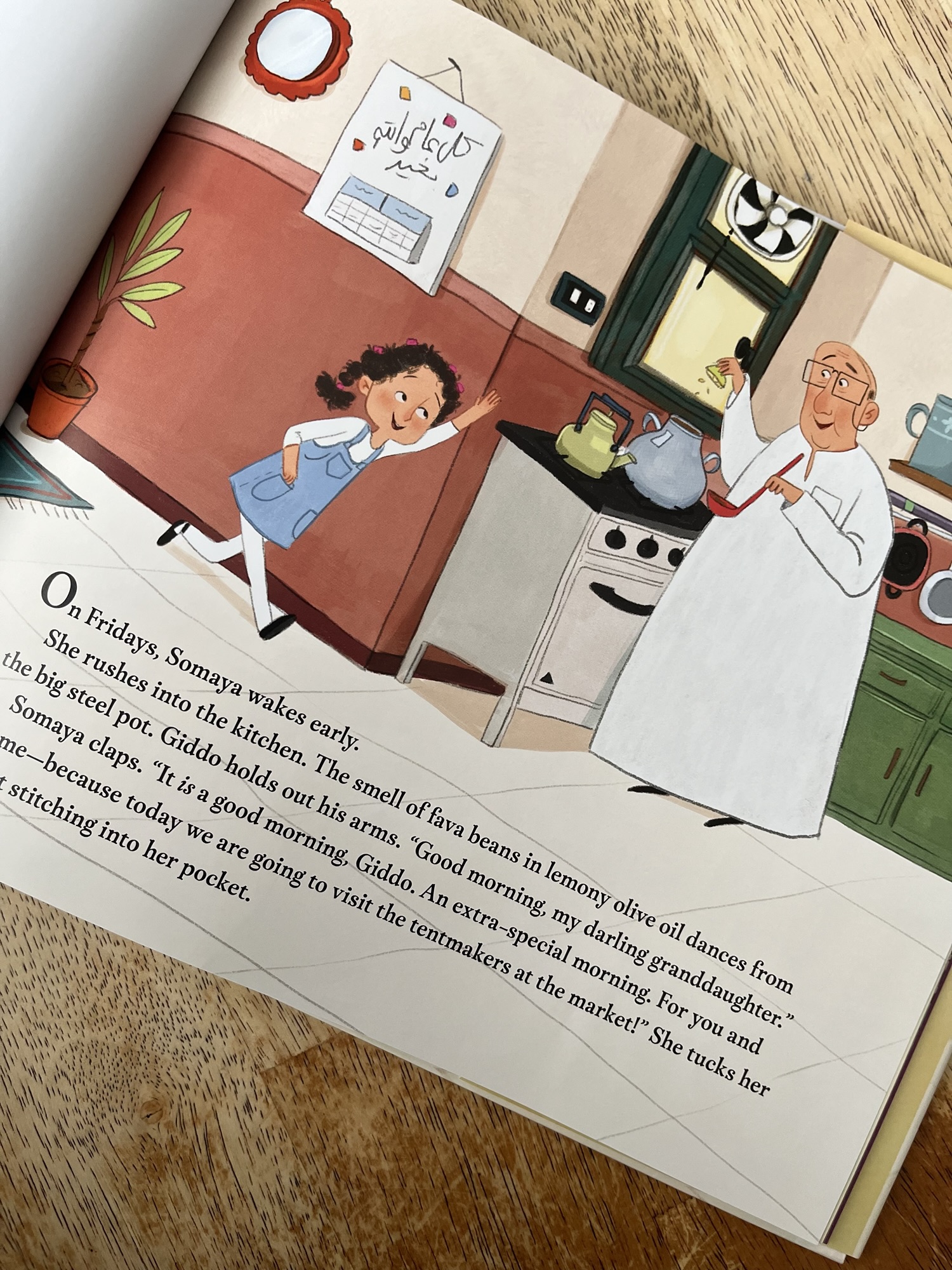
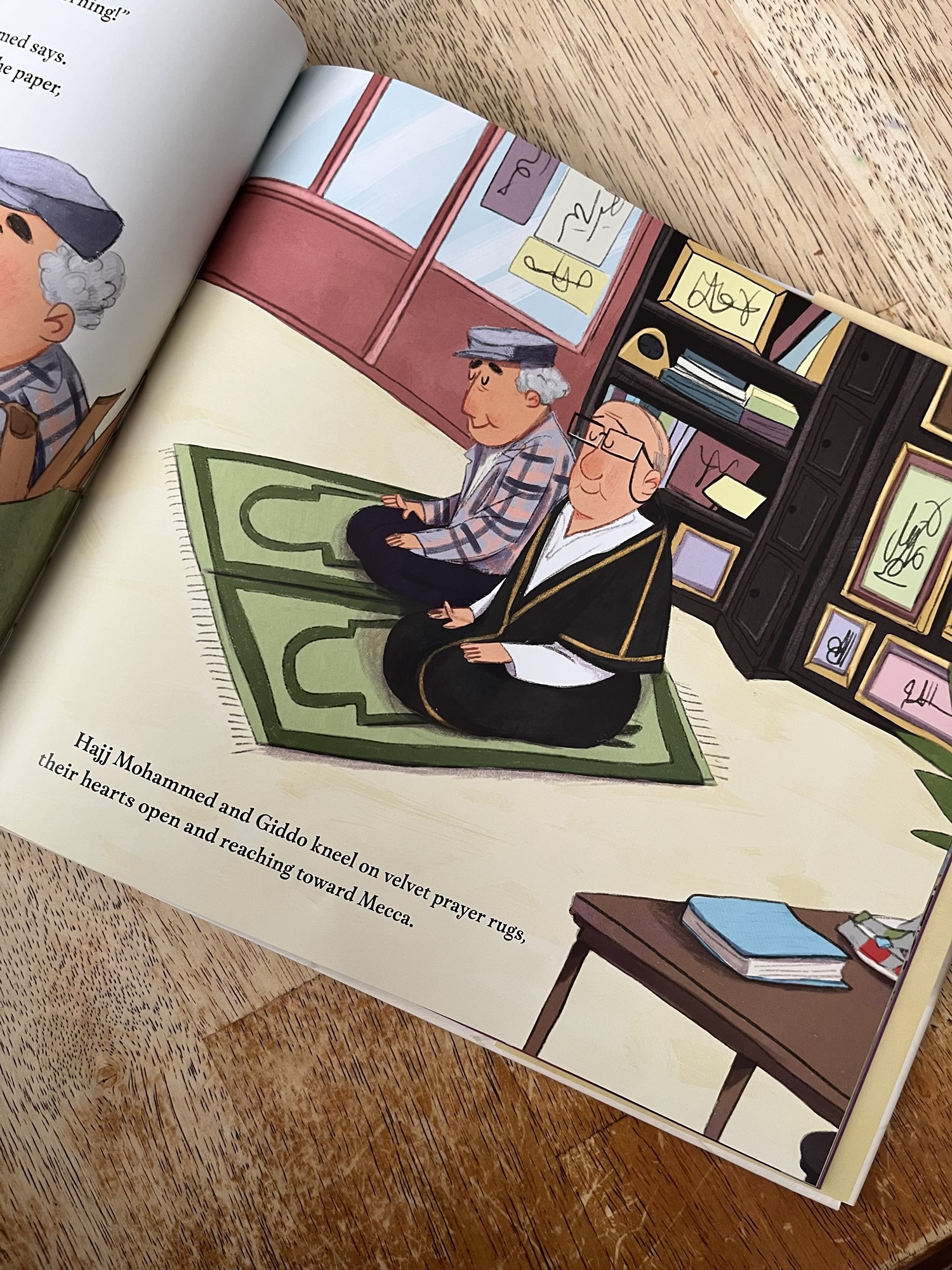
The book starts with Somaya rushing into the kitchen to great her Giddo and get to the tentmakers with him.  Her grandfather though is not in any real hurry.  They head in to the old market, taking in the sights an sounds and then head in to Hajj Mohammed’s shop.  He has been sad since his son moved, and after he encourages her to write, and he and Giddo pray (not sure why Somaya does not join them), they are back in the market heading toward the tentmakers.  But first they wave to Ismail on his bike, and then stop in “for only one minute” to have tea with Ostaz Gergis and Mariam and see their abalone inlays.
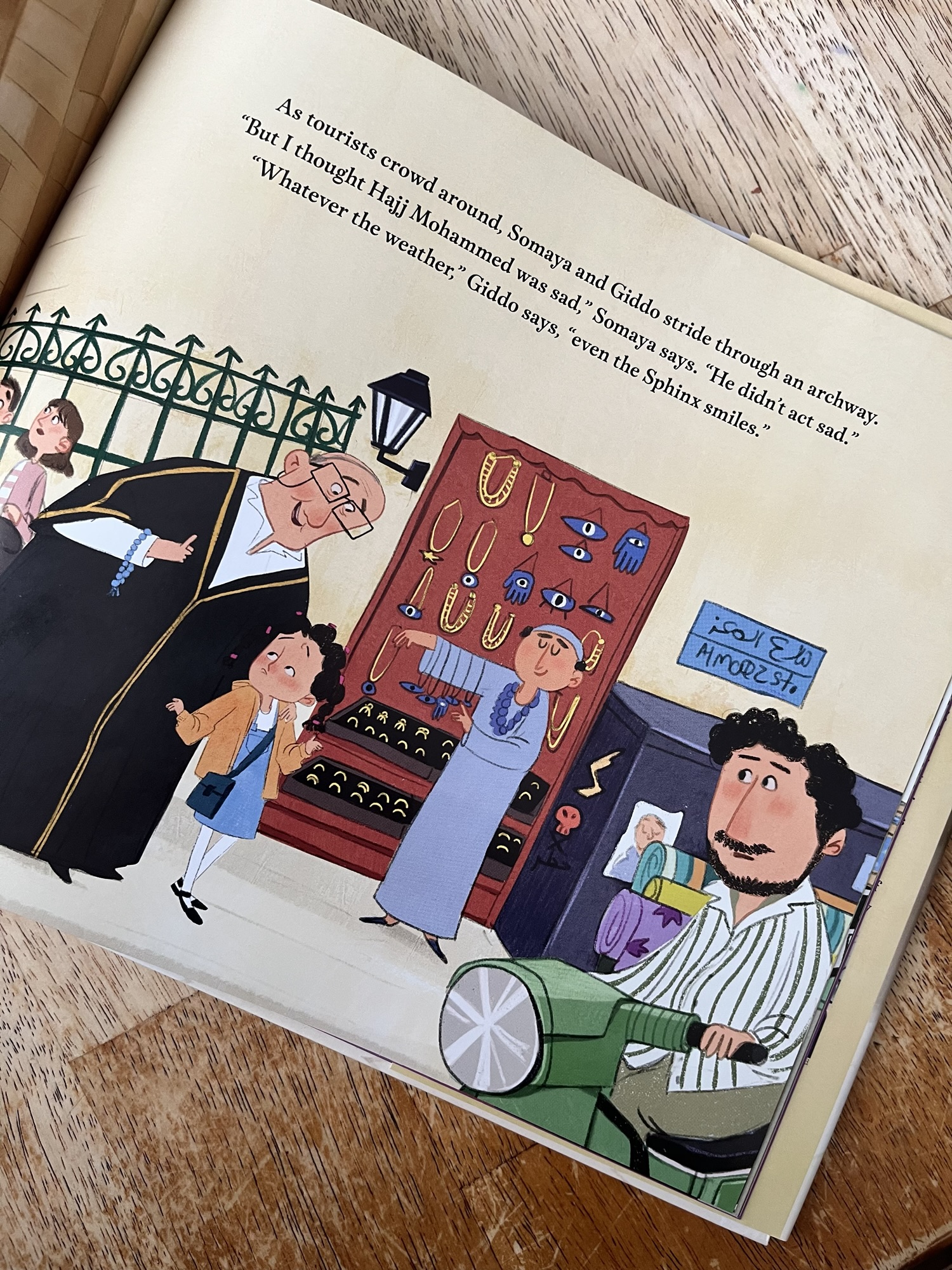
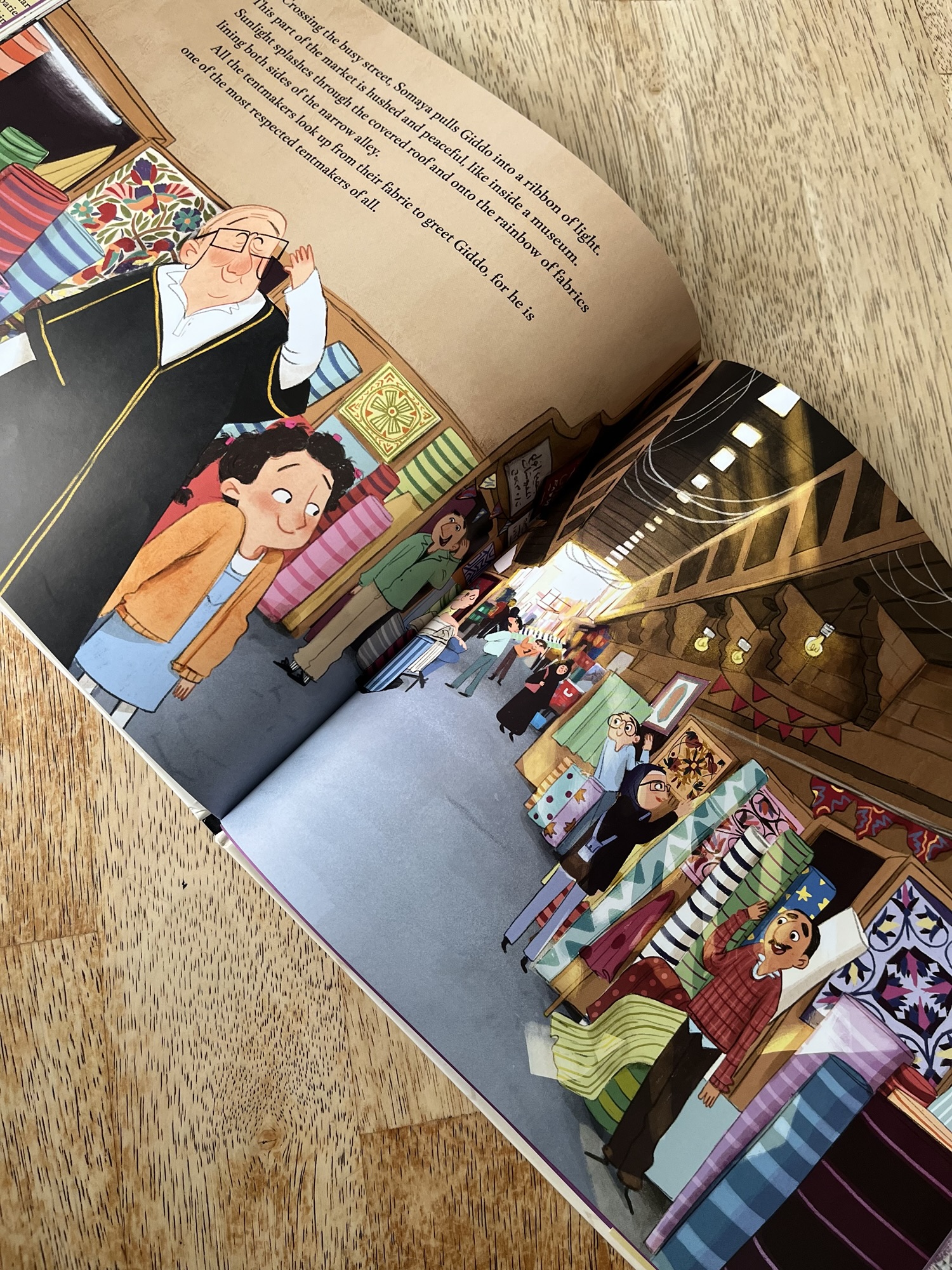
When they finally reach the tentmakers in the market, it is revealed that Giddo is a most respected tentmaker, and when someone asks him a question, Somaya uses the distraction to get help with a final knot on a piece she has been working on.  The pair head home and are greeted with Mama and Baba holding a cake and wishing Giddo a happy birthday. Somaya gifts her piece to her grandfather and proclaims that she too is now a tentmaker.

The story is sweet, the illustrations adorable, it just needed a lit more polishing, some tweaking to get the Islam right, and more fleshing out of the ending, so that it felt satisfying and not rushed.
 

Brave with Beauty: A Story of Afghanistan by Maxine Rose Schur illustrated by Patricia Grush, Robin Dewitt, and Golsa Yaghoobi

Standard
Brave with Beauty: A Story of Afghanistan by Maxine Rose Schur illustrated by Patricia Grush, Robin Dewitt, and Golsa Yaghoobi

brave

This 44 page fictionalized retelling of Queen Goharshad, a 15th century monarch of the Timurid dynasty in Afghanistan should really be a larger book than 8 x 8 to appreciate the artwork that is detailed and stunning.  The story of Goharshad, wife of Emperor Shah Rukh, and her influence on art, music, culture, higher education, and architecture, is one that we should be more familiar with, but the actual text and manner in which the story is conveyed isn’t consistent for me and I wanted more details about the society she stepped in to to rule,  I know it is fiction, and meant for 2nd to 4th graders, but I would like to think that readers will want to know what obstacles she had and what support she enjoyed and from where.  That they will question if it was a rich kingdom that she could pay musicians to play everywhere, and wonder if families sent their daughters to the University she built, ask why it wasn’t for women to design a  Masjid, and what was the name of the smaller mosque that bore an older woman’s name? The book at times overly summarizes and at other times is haltingly detailed.  It is a good read to reflect a strong woman and her influence on her land, but unless assigned, I don’t know that seven to ten year olds will pick up the book and be inspired by it enough to change their perception of the Afghanistan that they may see on the news.

img_0171

Seven centuries ago Goharshad loved beautiful things such as painting and the texts of Rumi.  Her brothers played at being like Genghis Khan and teased her for not being brave.  She vowed to be brave with beauty even though she didn’t know what that even meant.  At age 14 she was given in marriage to the king, Shah Rukh, in Herat.  She ruled with her husband and had resources and time to spread her beauty by speaking up and being brave.

img_0172

Her first act of beauty was by filling the kingdom with music.  She wanted music every day in the court and beyond. Music that was playful and pious, music that painted pictures in the listeners minds and brought joy like the laughter of God.  She next sketched and designed a beautiful and enchanting garden to be built.  It doesn’t say where it was, but that people came from all around to enjoy it.

img_0173

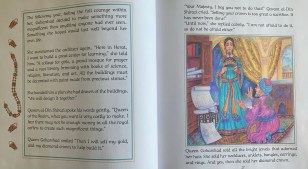
Feeling braver she turned her sights on building a mosque in the western city of Mashhad.  She designed it and called the court architect, Qavam al-Din Shirazi to discuss.  He doubted if it was right for a woman to design such spaces, but she assured him that she had the talent for it, so construction began.  An elderly woman refused to sell her cottage for the new project unless a mosque with her name was built.  The advisors wanted the old woman put to death or imprisoned, Goharshad disagreed appreciating the woman’s strength and instead agreed.  The big mosque was built with Goharshad’s name and a smaller one on the property with the old lady’s.

img_0175

With such an accomplishment complete, the Queen again summoned the architect and expressed her desire to build a great center for learning.  A college for girls, a grand mosque for prayer, and a vast library.  She wanted the structure decorated with paint from precious stones and sold her crown to finance the project.

img_0174

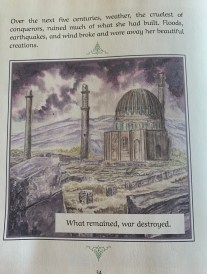
After her husband died Goharshad reigned, but sadly after she died, much of her accomplishments died as well.  Over time, harsh weather and war, nearly all her buildings disappeared and those that remain, do so in ruin.  The book ends with hope that memories of her will endure, A guide to some of the words in the story,  an Author’s note, and a Guide for Parents and Educators.

img_0176

There is not a lot of Islam in the story, just the building of masajid .  Some may take issue with her stress and celebration of music, and likening it to God laughing, but if you look at it as her story, it should be able to be appreciated even if you disagree.

img_0177