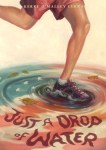

Thankfully the adult in me won out as I resolved to read a book whose cover and title did nothing to tempt me. I know, I know, never judge a book by its cover, but seriously a kid running on the American flag with major Muslim characters, written by a non-Muslim about September 11th? I was hesitant and nervous to know what messages would be spread in the 304 pages to children on an AR 4.0 grade level. But alas, I was nervous for nothing. The book is wonderful, and I want to read it again with my 5th grade daughter so we can discuss it. It is hard to believe 9/11 is now taught as history, but as someone who lived through the tragedy as a college student, this book hit on so many of the defining moments of that horrific morning and the days that followed. The book isn’t overly political, or judgemental, or preachy, and in retrospect, most people on September 11th and the days immediately following, weren’t either. We were confused, scared, and unsure, a tone the book reflects and magically presents on an elementary level without getting overwhelming with the enormity of it all . The book was published two years ago, and I’m very tempted to contact the author or editor and urge them to reconsider a cover and title change because truly the story deserves it.
SYNOPSIS:
Jake and Sam have been friends their whole lives. They bonded in the sandbox with their little green army men and have been planning battles and missions together ever since. Told from Jake’s perspective the reader sees what life is like for these two 8th grade boys. They push each other in cross-country, their parent’s come together for Jake’s 13th birthday, neighborhood boys swing by for pizza and front yard football games. But there are stresses too: siblings, busy parents, not getting named captain of the team, friends that play dirty. Then September 11th happens and worlds are shattered. The boys learn that one of the hijackers, Mohammed Atta, was from their town, and although Sam has only been to the Mosque a few times with his grandparents, and his parents are culturally American not Saudi, the school bully Bobby is determined to get rid of Sam. Jake makes it his mission to defend his friend with his fists and his words, but when his parents urge him to stay away from Sam, the stakes are raised. President Bush says, you are either with us or against us. But what is Jake to do? Secrets about Sam’s dad come out and the FBI takes him away for questioning. The town is gripped in fear and 8th grade boys on both side are determined to change the world, to be the drop of water creating ripples of change. As Sam and Jake pull away from each other, Sam starts going to the mosque to learn about what he is being accused of being and begins to identify as Muslim. Jake’s frustration with his parents continues to grow as does his impatience with Sam, but when Jake overhears Bobby plotting something serious, Jake will have to decide where he stands and how strong he is.
WHY I LIKE IT:
I like that the author crafts a story that is complex, but not overwhelming. She sticks to focusing on getting inside Jake’s head and succeeds. He is frustrated and confused and determined, but alas he is only a kid and can’t foresee his actions or articulate them the way an adult can. He is likeable and fallible and she doesn’t belittle him, thus making his plight tangible and relatable. I was a little disheartened when about a quarter of the way in it was made clear that Sam knows nothing of Islam or his culture, but it works so well in the story to show that he was pushed to go learn about his roots, since others were treating him as if he represented Arabs and Muslims. This is so real, I knew so many non practicing Muslims that suddenly started coming to the mosque or reading books on Islam because they realized they should know where they come from. Many resumed a secular life over time, but many also became more practicing, a phenomenon, the US media and politicians have seemingly failed to acknowledge as Islamaphobia is rampant and so many people pick up a Quran to see how a religion painted so negatively, can simultaneously be one of the fastest growing religions in the world. The author doesn’t even touch on what Muslim’s believe, but she does include that they abhor violence and disavow the attacks. The Sheikh is presented as nice enough and there is no negative judgement or tone from the author, aside from the xenophobic characters.
The title of the book comes from a song that Jake’s grandma likes and she often tells Jake, “just a drop of water.” Jake takes it to mean that something is insignificant, but she has him listen to the song and explains that it makes ripples that grow. The imagery is great, and the line becomes powerful, I guess I just felt it wasn’t devolved or woven in enough to make a strong, clear statement to be the title of the book. I’m sure many would disagree with me, but as I stated earlier the title along with the cover photo didn’t pull me in. The book appeals to both girls and boys as both are presented very positively. There are a handful of side stories that add depth to the characters and narrative that I haven’t touched on, but they are all charming in their own way. There is a Boo Radley type character, there is a whole tangent about Jake’s grandfather and the details surrounding his grandfather’s death, and the overall messages about friendship, and doing what’s right that make the book relevant to a wide spectrum of readers of all ages.
FLAGS:
The book is remarkably clean considering it is about an act of terror followed by bigotry. There is some hate speech and violence, and some lying and cheating, and mention of getting pantsed. But, overall clean and no concerns for 4th grade and up.
TOOLS FOR LEADING THE DISCUSSION:
There are a lot of resources online and it doesn’t surprise me. This book would do great as a novel study, as it is historical fiction. It would also work well as a book club selection for any elementary or middle schoolers, not just those in an Islamic school.


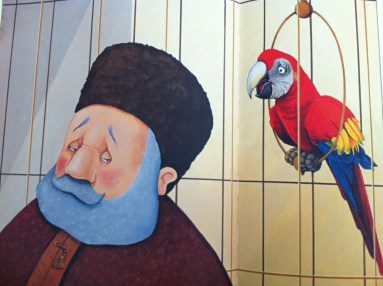
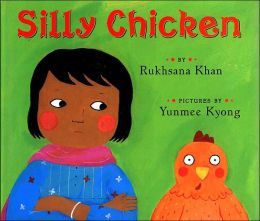


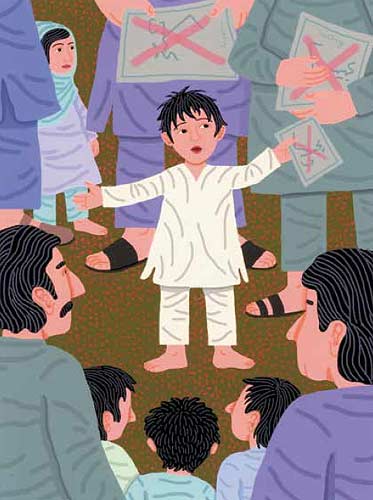
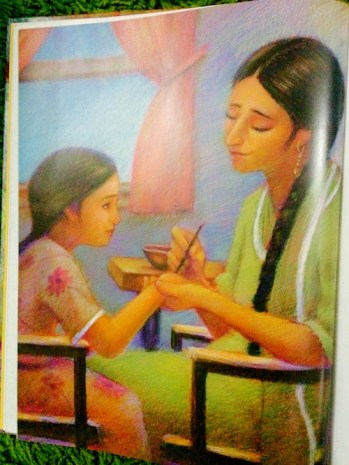
 Nadia’s aunt is getting married and she gets to be the flower girl in the Pakistani-American wedding. She also will get mehndi put on her hands for the big event. Her cousins warn her that she might mess up and even in the midst of her excitement she begins to worry what the kids at school will say when they see her hands on Monday. As her aunt prepares the mehndi and the application process begins, various uncles peek in on her and her aunt gifts her a beautiful ring. The mehndi has to sit on the skin for a while to set and as Nadia practices sabr, patience, I couldn’t help but think something seemed off in the story. I’ve been at, in, and around a lot of Pakistani and Pakistani-American weddings, and this story didn’t seem to reflect the tone of such occasions. The book doesn’t reflect the hustle and bustle and near chaos, it doesn’t sound like the tinkle of jewelry and laughter as the women sit around chatting and getting mehndi put on together, the pots on the stove are referenced but not described so that the reader can smell the sauces thickening and hear the pans crashing and taste the deep rich flavors. It is lonely. Nadia is lonely and filled with anxiety about Monday. Durring the wedding she is walking down the aisle and suddenly freezes when she looks down and doesn’t recognize her hands. Her cousins seem to show unsupportive “I-told-you-so” expressions as she searches for some comforting encouragement to continue on. When she finishes her flower girl duties, her grandma asks if she understands why looking at her hands makes her feel like she is “looking at my past and future at the same time.” Nadia doesn’t understand and the author doesn’t explain. At the end she is ready to embrace that her hands are in fact hers and that she will show her friends on Monday. But the reader has no idea how it goes, or what exactly the significance of her painted hands are. The book fails to give any insight or excitement for a culture bursting with tradition at a time of marriage.