Tag Archives: iraqi

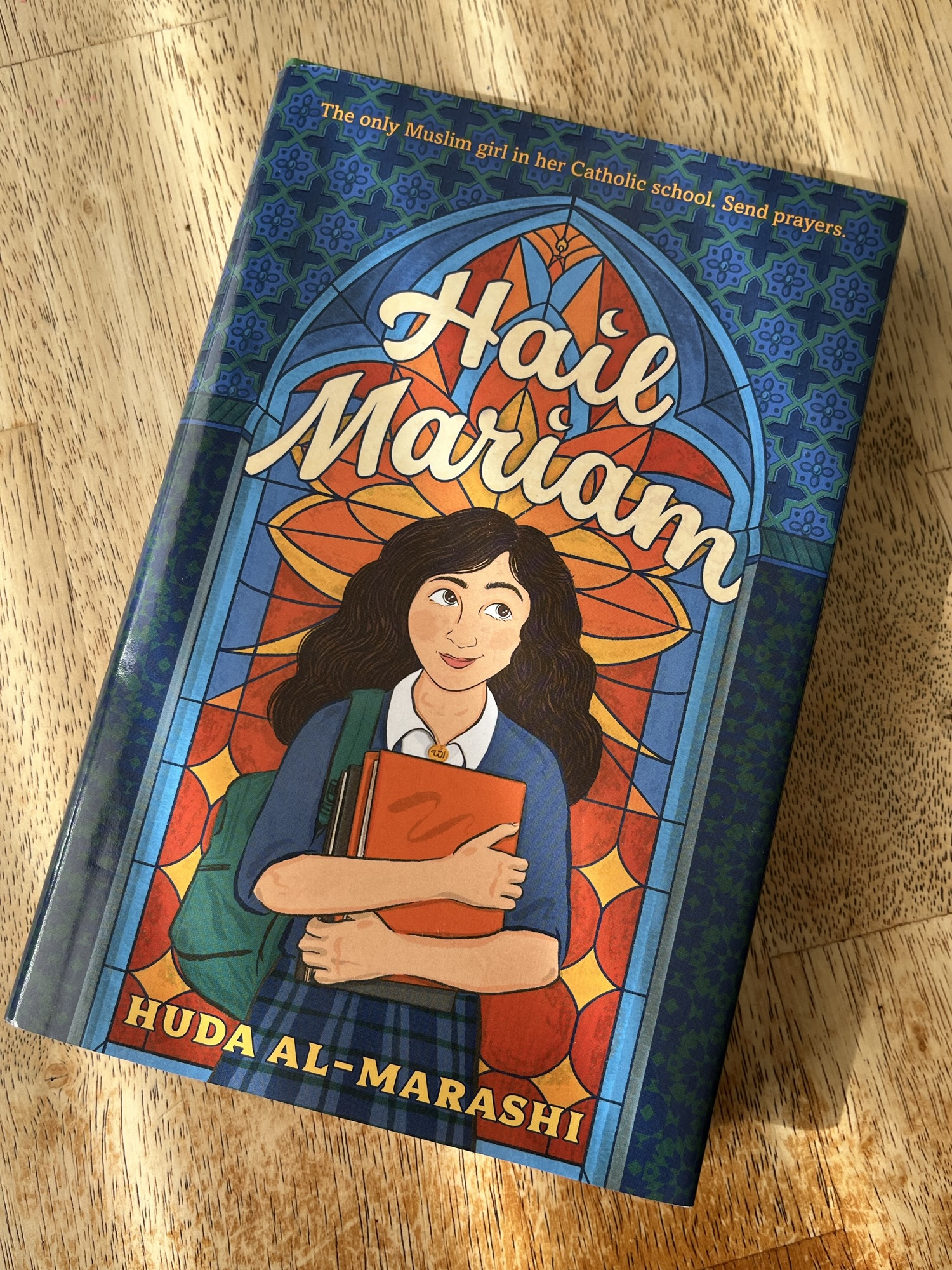
Hail Mariam by Huda Al Marashi

Standard
Hail Mariam by Huda Al Marashi

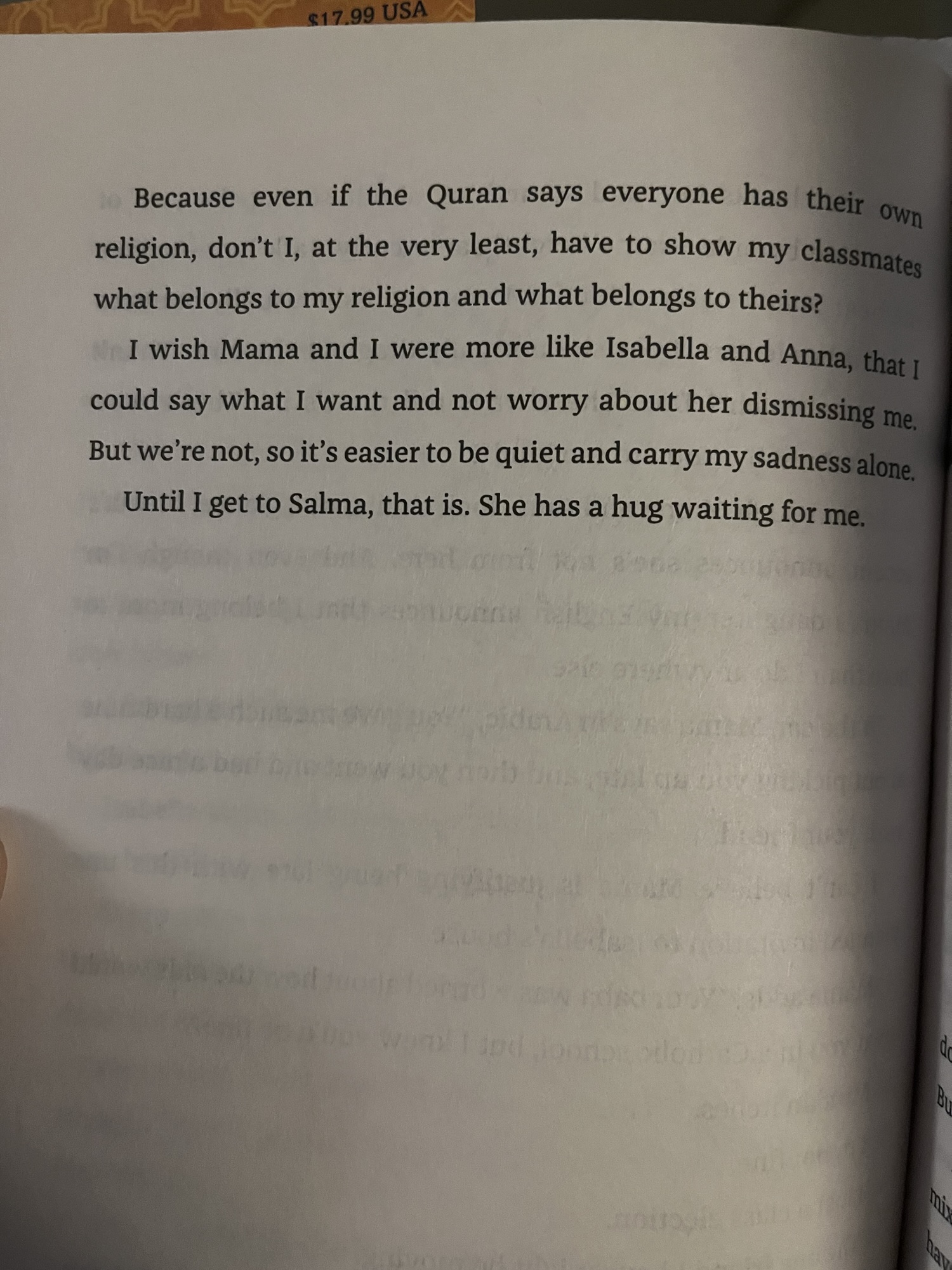
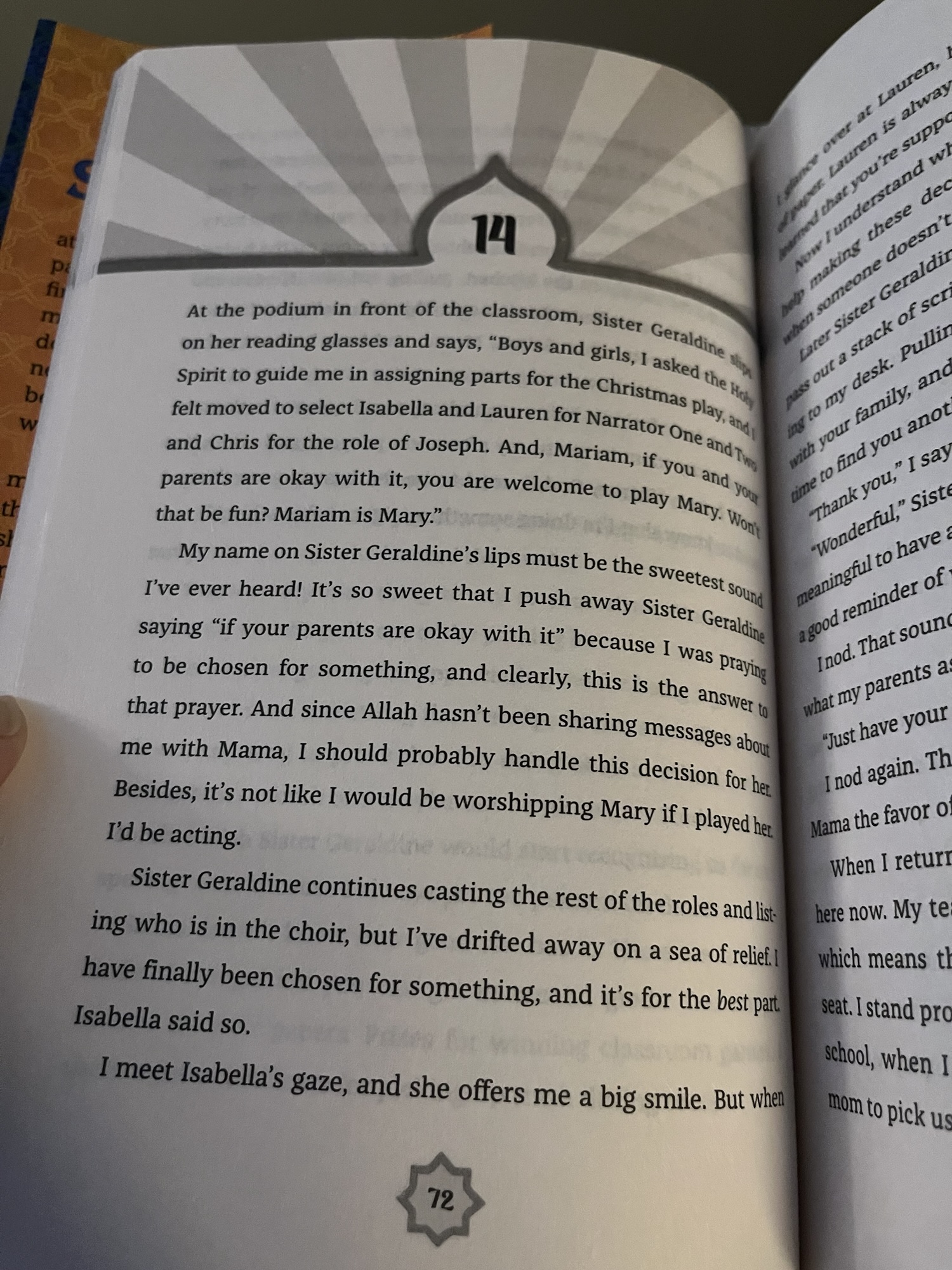
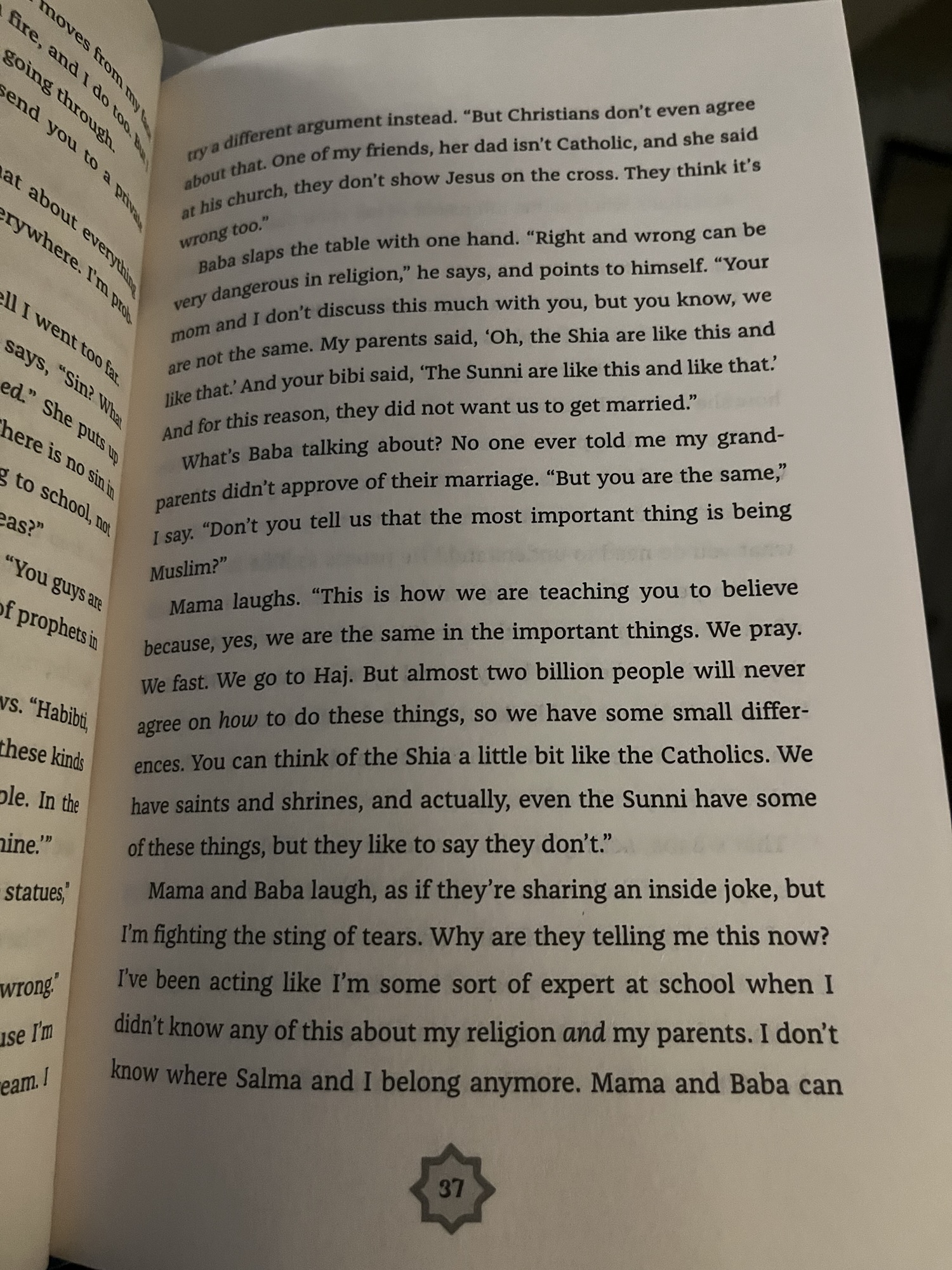
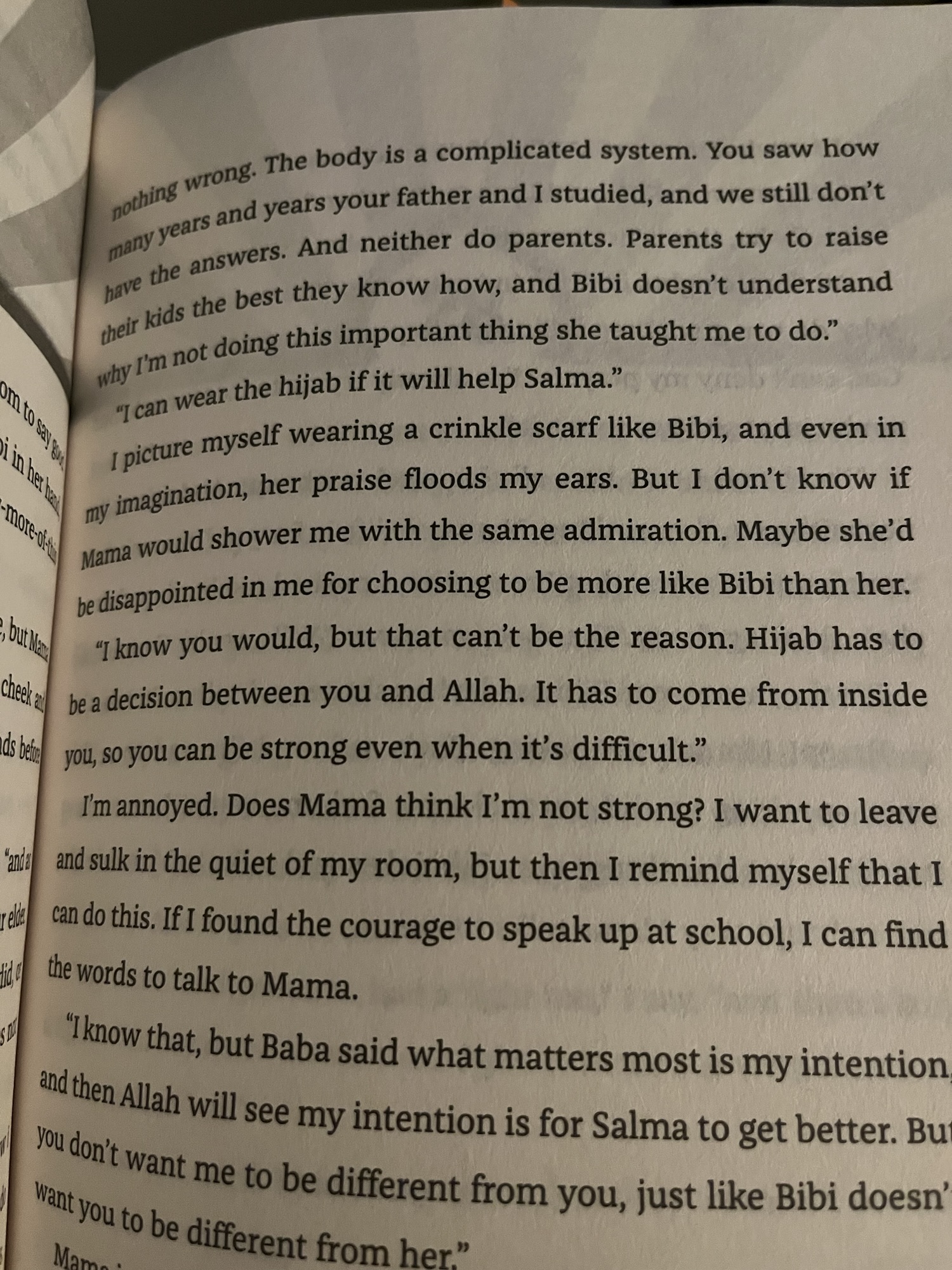
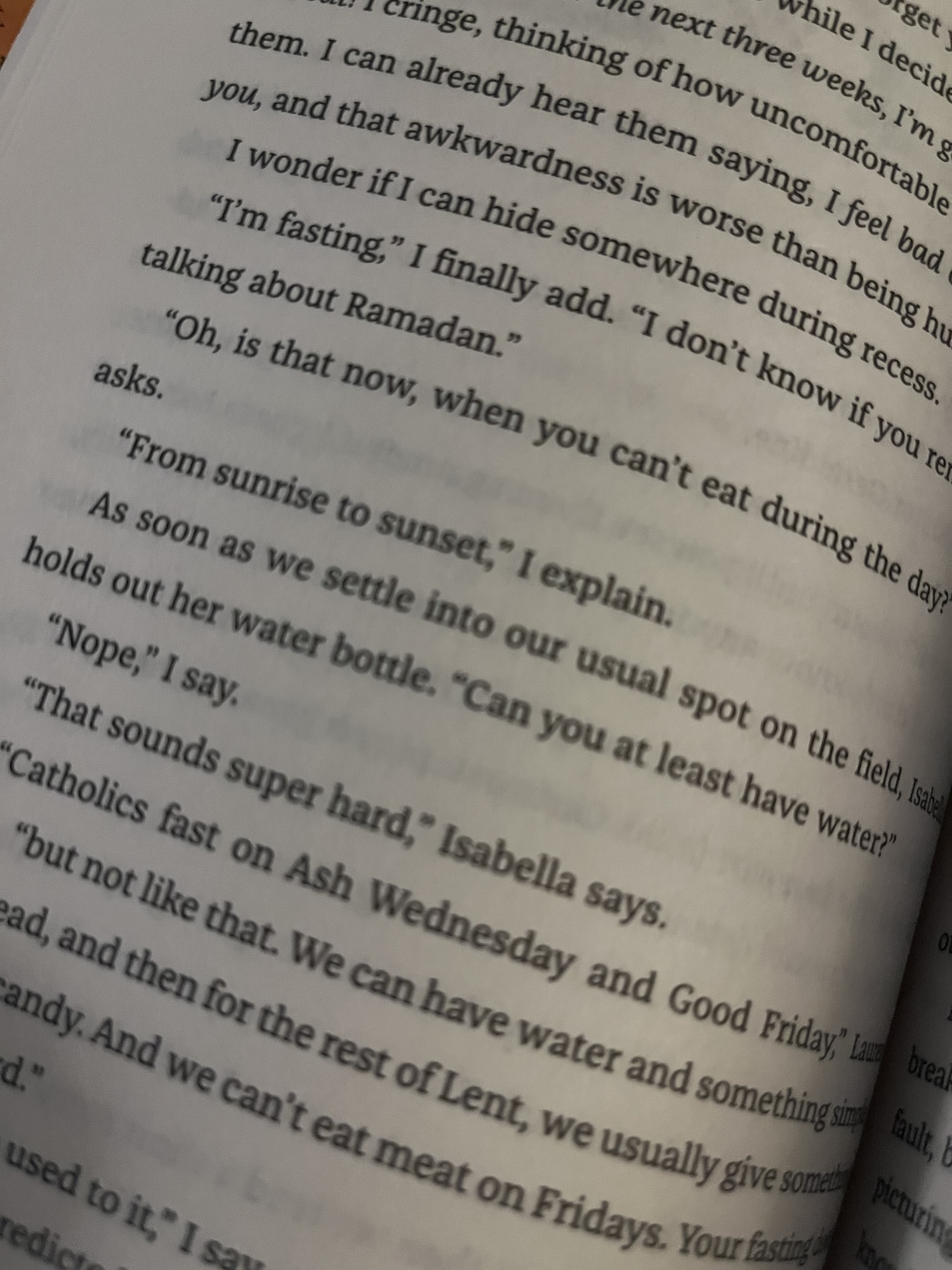
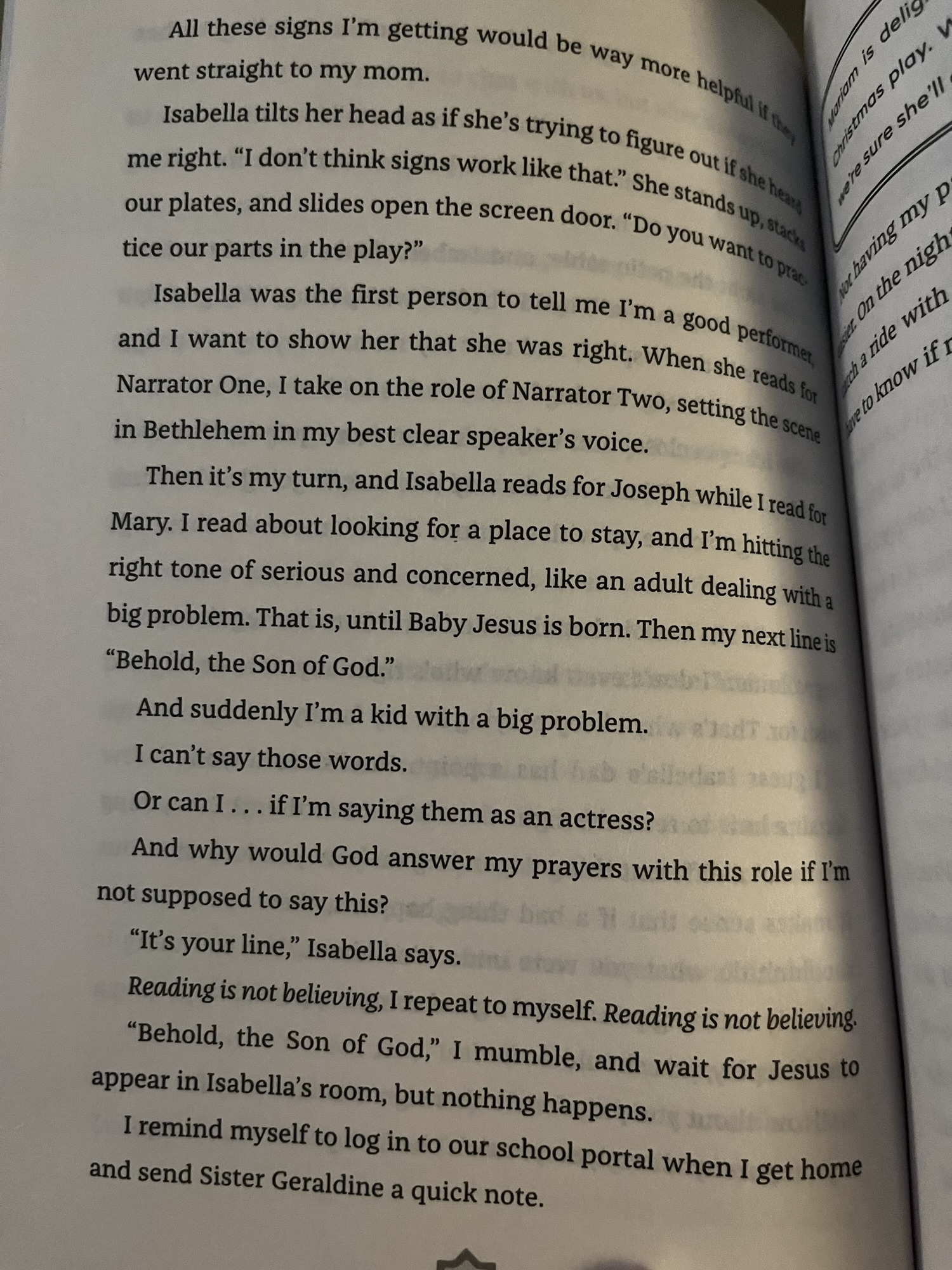
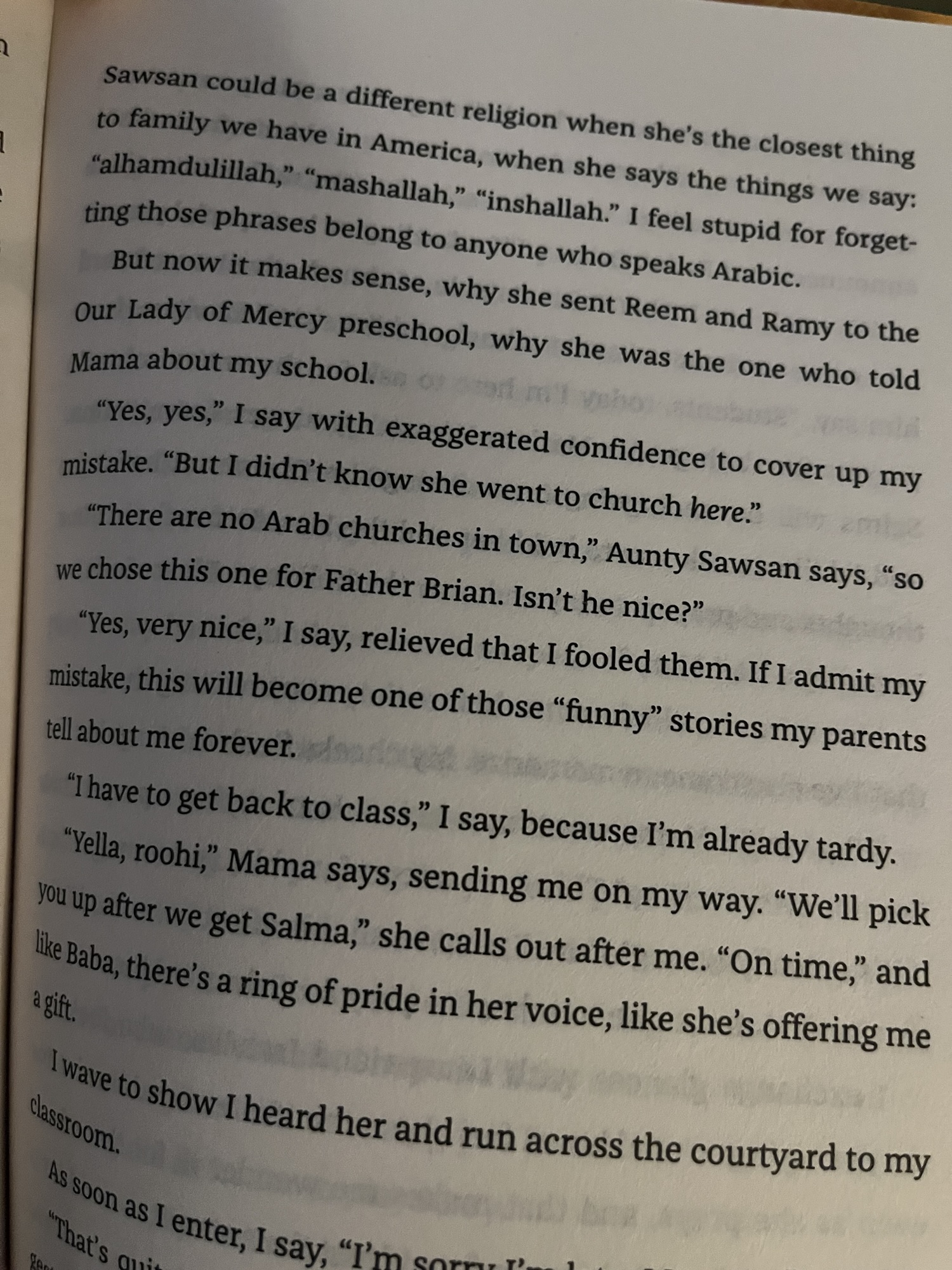
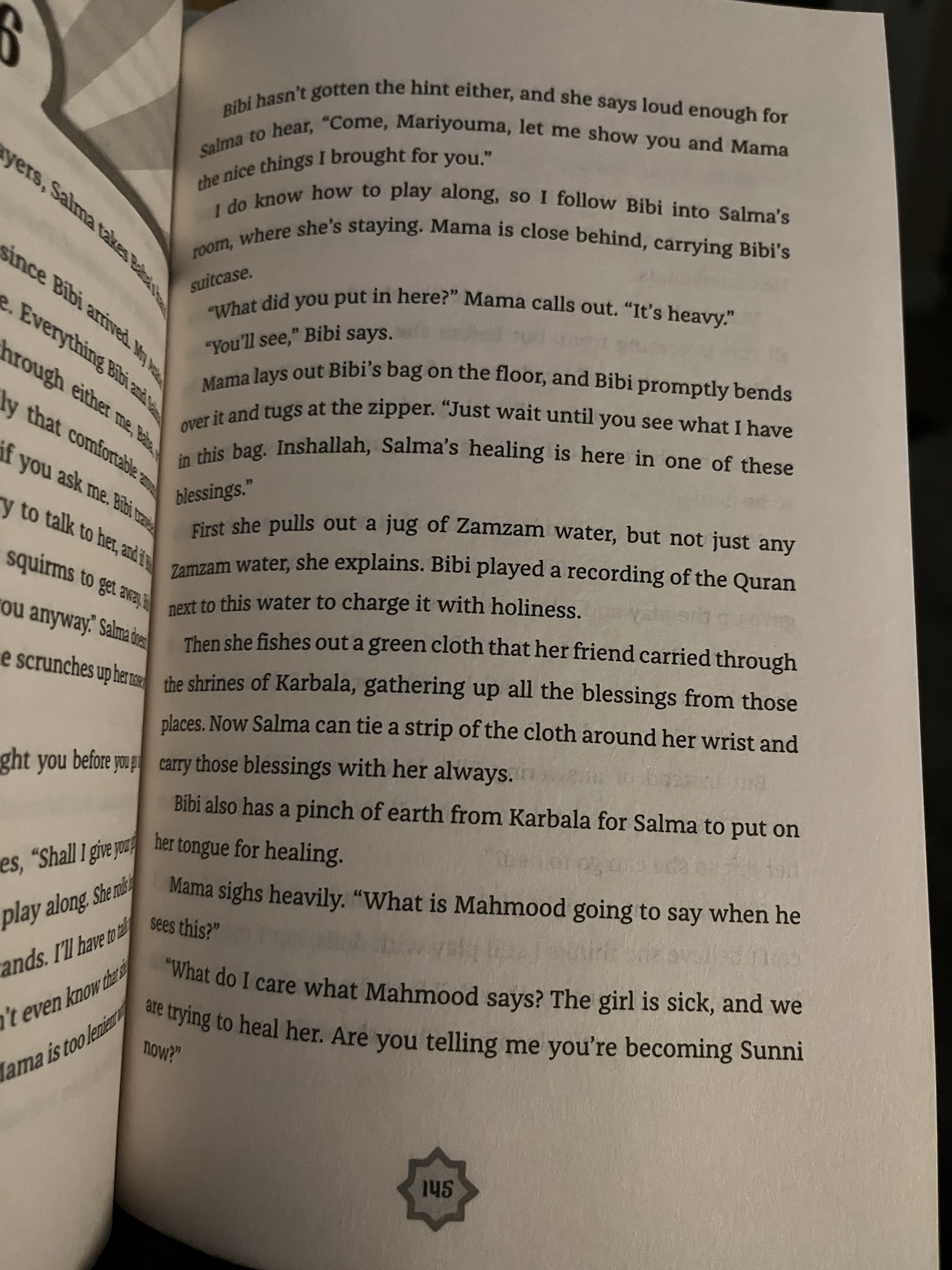
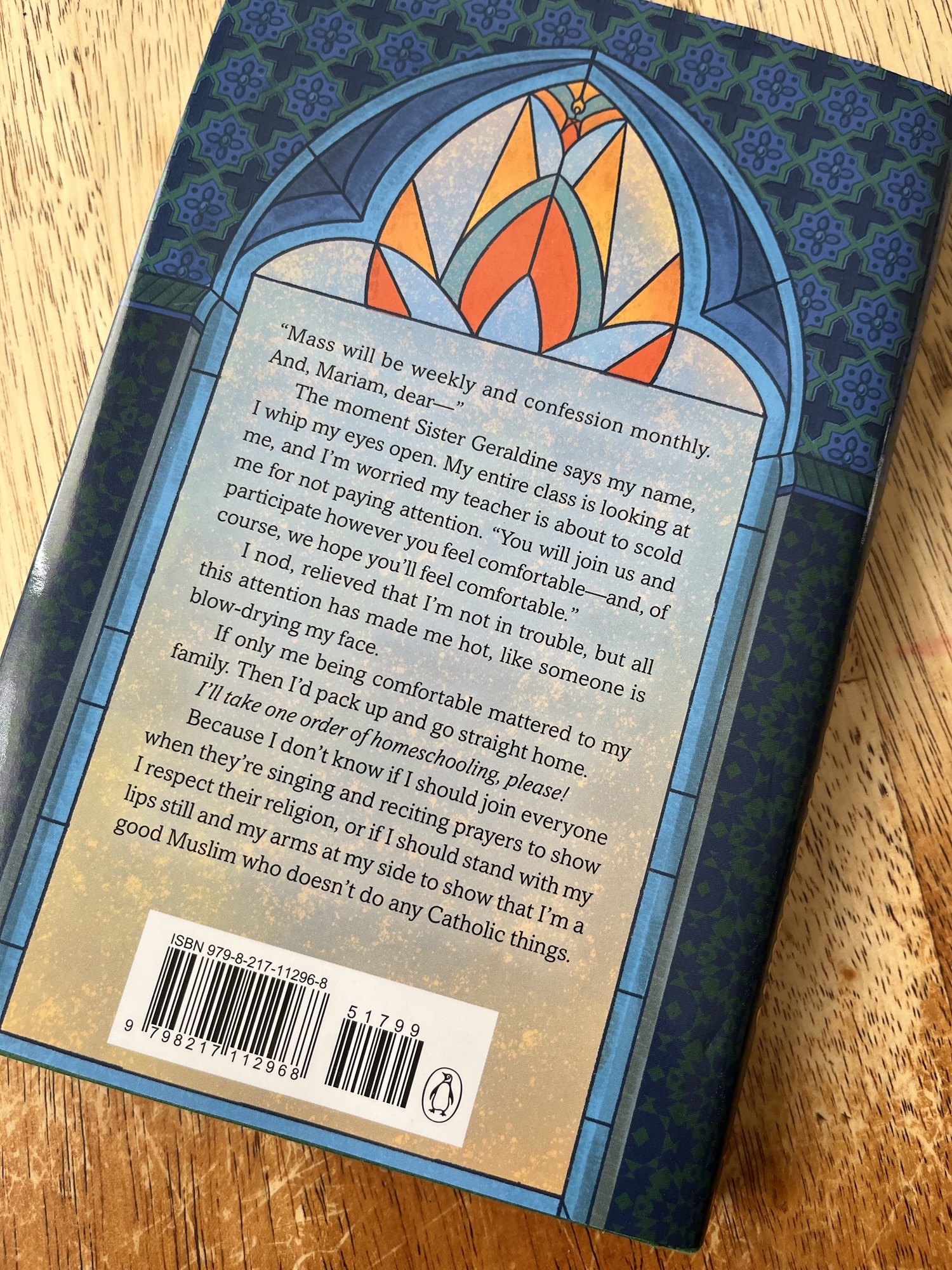
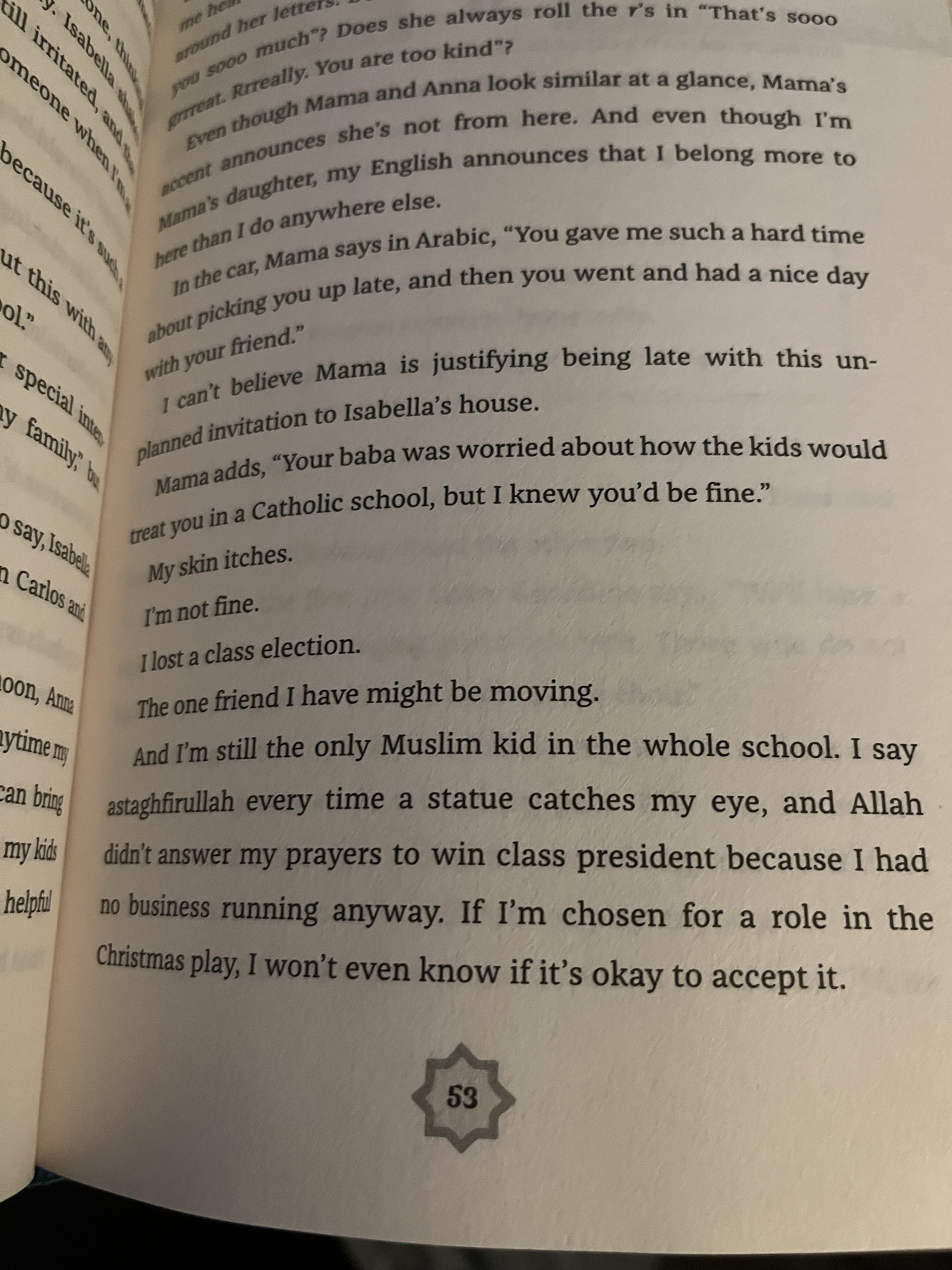
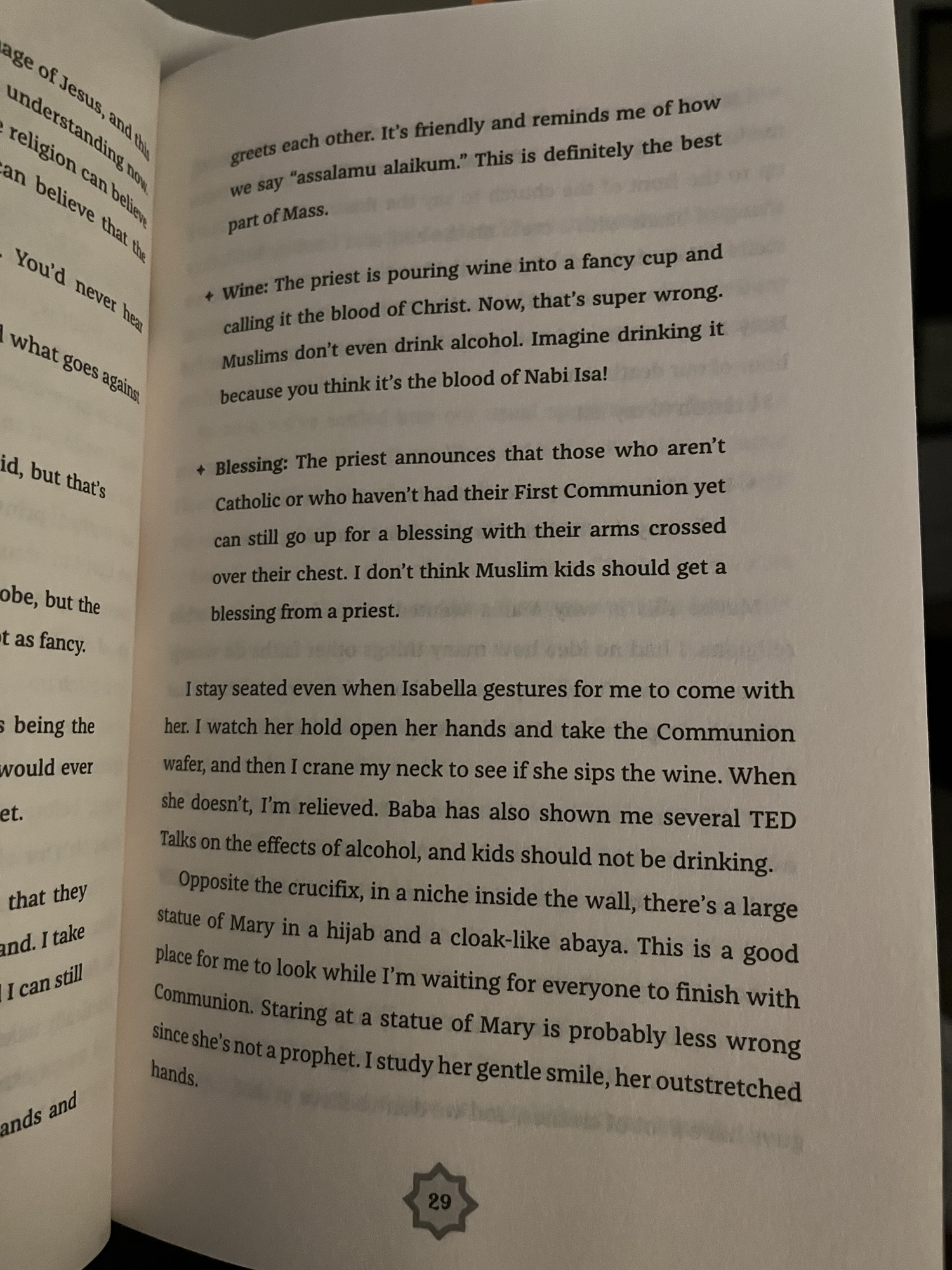
In 188 pages, this middle grade book packs a lot in: immigrant children expectations, the similarities and differences between Catholics and Muslims, Sunnis and Shias, culture and religion, all while sixth grader Mariam is starting a new school, a Catholic one- as a Muslim, having her first period start during church, and handling her sister’s health crisis.  Throw in Ramadan, Bibi coming to visit, family dynamics, friendships new and old, and a school Christmas play, and phew, just writing all that out seems exhaustive, yet somehow the book doesn’t get bogged down in the heaviness of it all.  It stays relatable, funny even, interesting.  The book’s short chapters, Mariam’s voice, and the author’s ability to make this Mariam’s story, not an expectation or explanation of how all Muslims, or Iraqis, or immigrants, etc., should be, really is well done. Written first person through Mariam’s perspective, allows even her lens of comparing what she is seeing at her Catholic school with her Muslim upbringing, to not come across as critical or overly agenda filled, it is just a girl leading with her heart and making sense of life.  A lot, according to the backmatter, is based on the author’s own life, and readers should know they may or may not agree with her conclusions, and her families practices, but I think this book has a lot of potential to be enjoyed on the surface, and start dialogue and understanding if one chooses to look deeper.  I additionally think with Ramadan and Christmas aligning again in a few years, that this book will continue to have wide appeal and be a great resource to remind us that we often have more alike than we think. Just one scene really bothered me, but, I’ll delve into that more below.
SYNOPSIS:
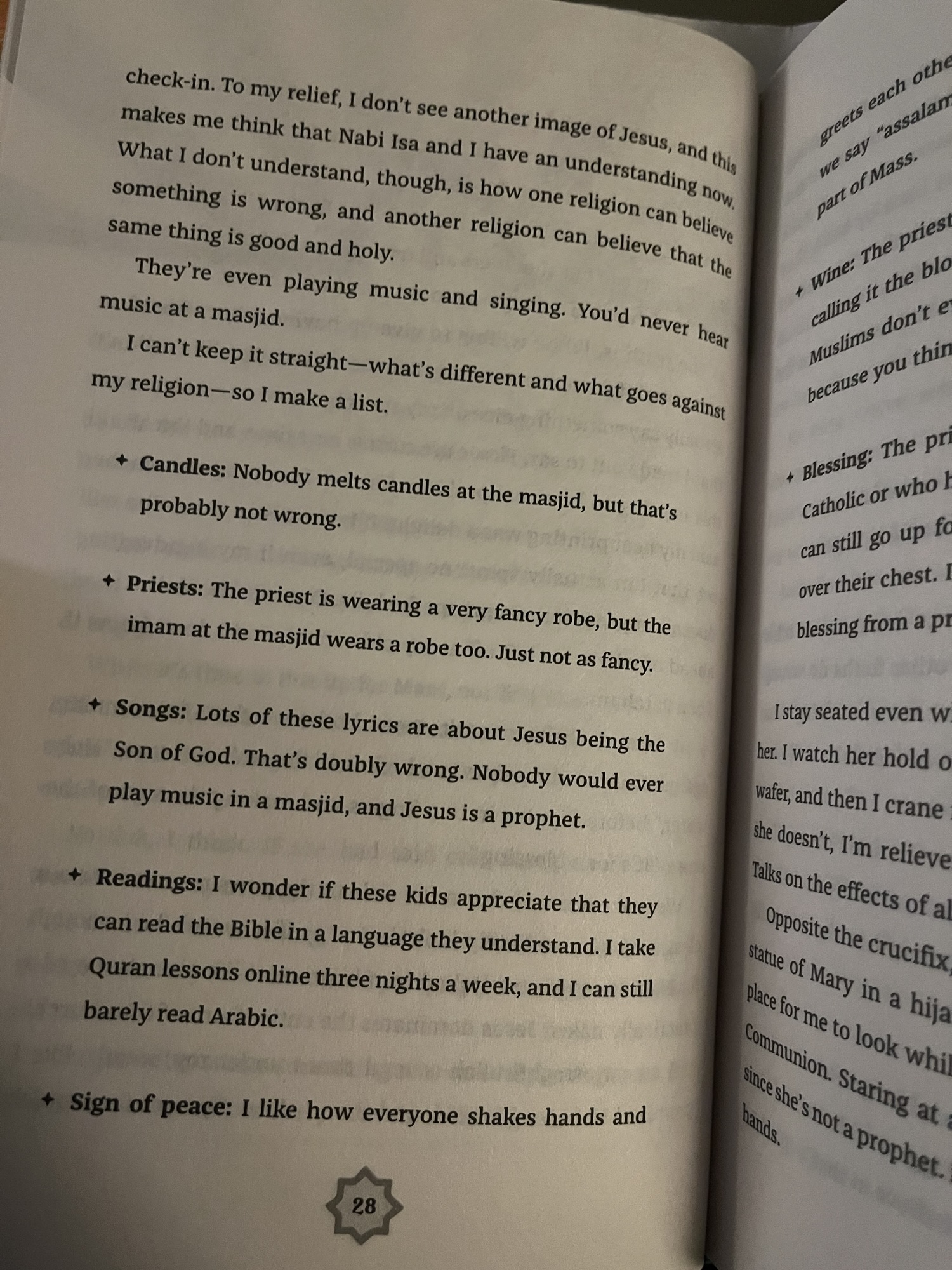
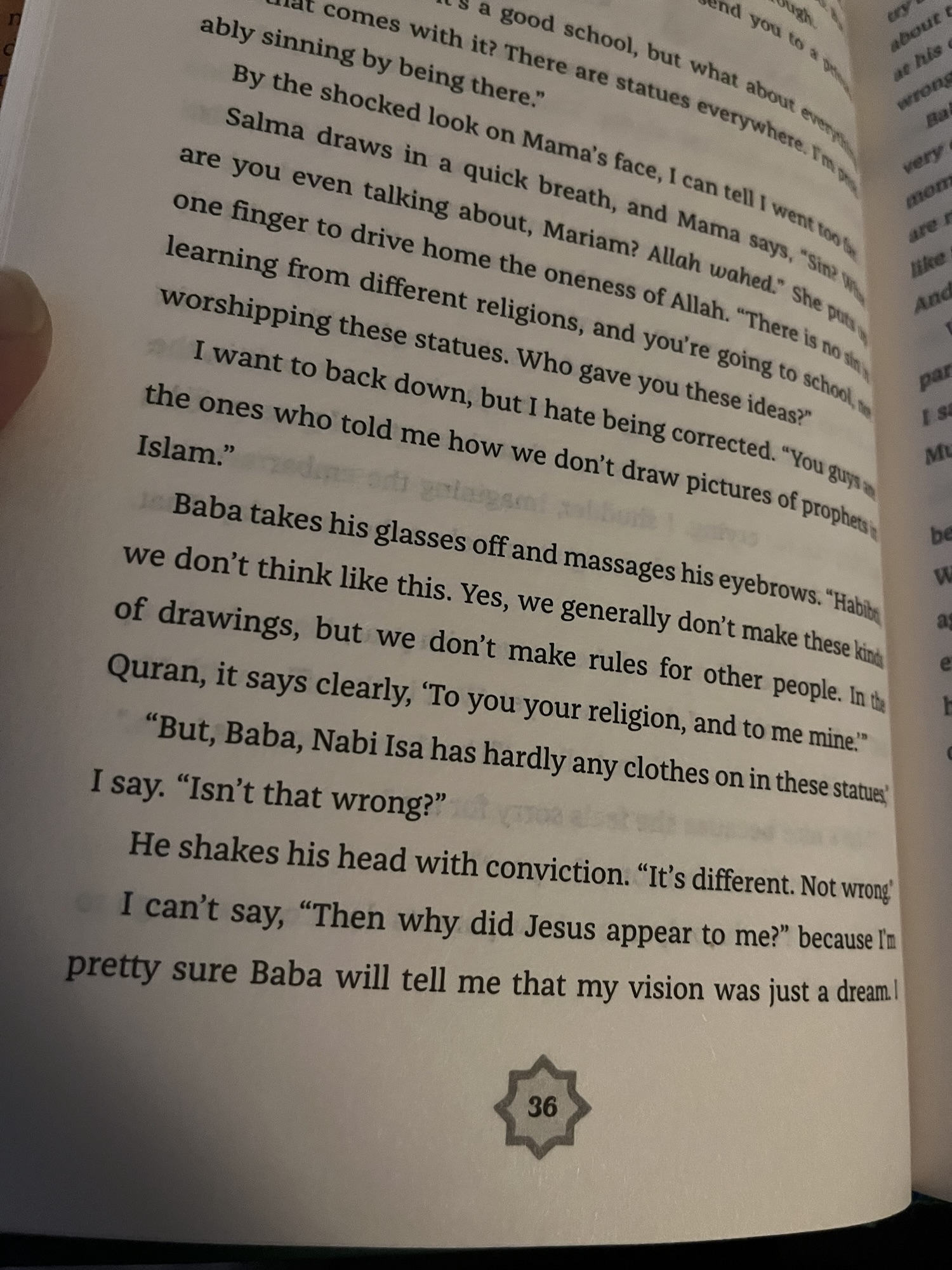
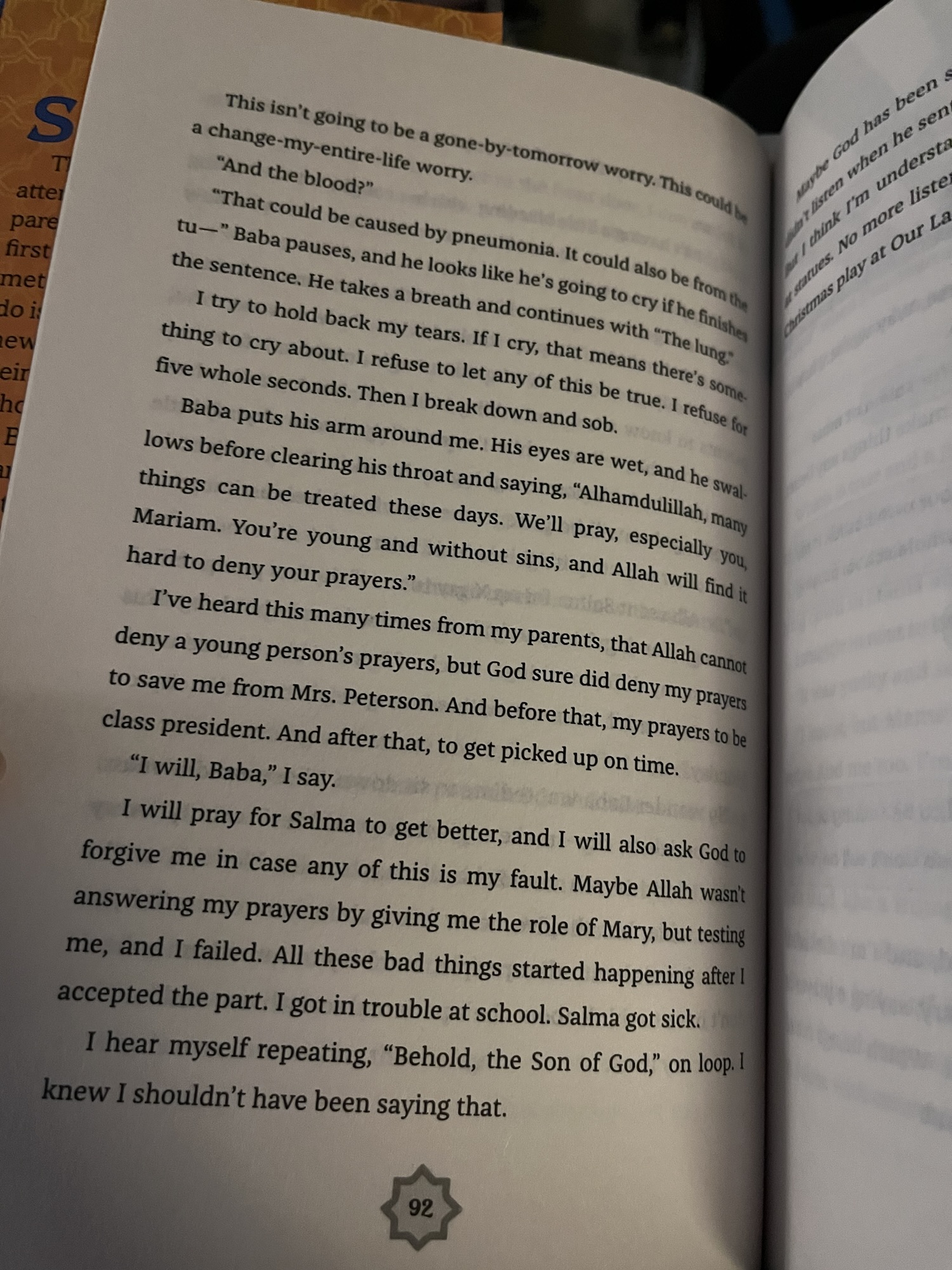
Mariam is the eldest daughter of two Iraqi immigrant physicians, and she has been informed that she is starting a new school, a Catholic one. She would love to discuss this with her mother, but her mom doesn’t seem to have time for her, only her younger sister, Salma, nor understand why a more rigorous school isn’t a good thing. Mariam is expected to be able to handle everything, and for the most part does, to be the best example of Arabs and of Muslims, and to be a great big sister.  But idols of Nabi Isa around every turn and being chosen for the part of Mary in the school play, has Mariam confused about what is ok and what is not, and how to handle it all.  When Salma’s health starts deteriorating, the weight of Mariam’s decisions escalate in her head and she doesn’t want to mess up.  When she learns her Aunty Sawsan is Catholic, her Mom is Shia, and Dad is Sunni, she is even more determined to find common ground, to keep those closest to her happy, her sister healthy, and Allah swt pleased with her.
WHY I LIKE IT:
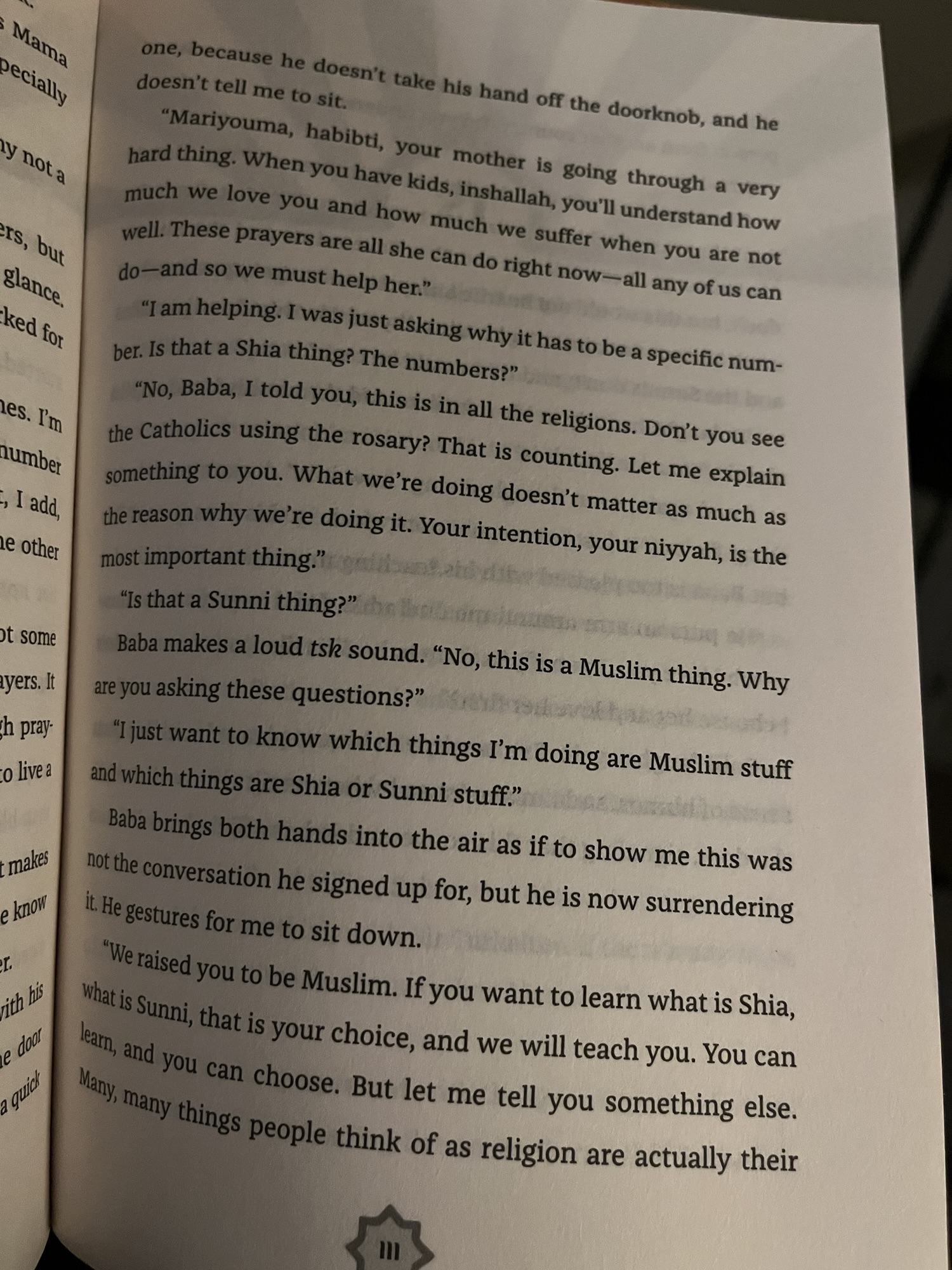
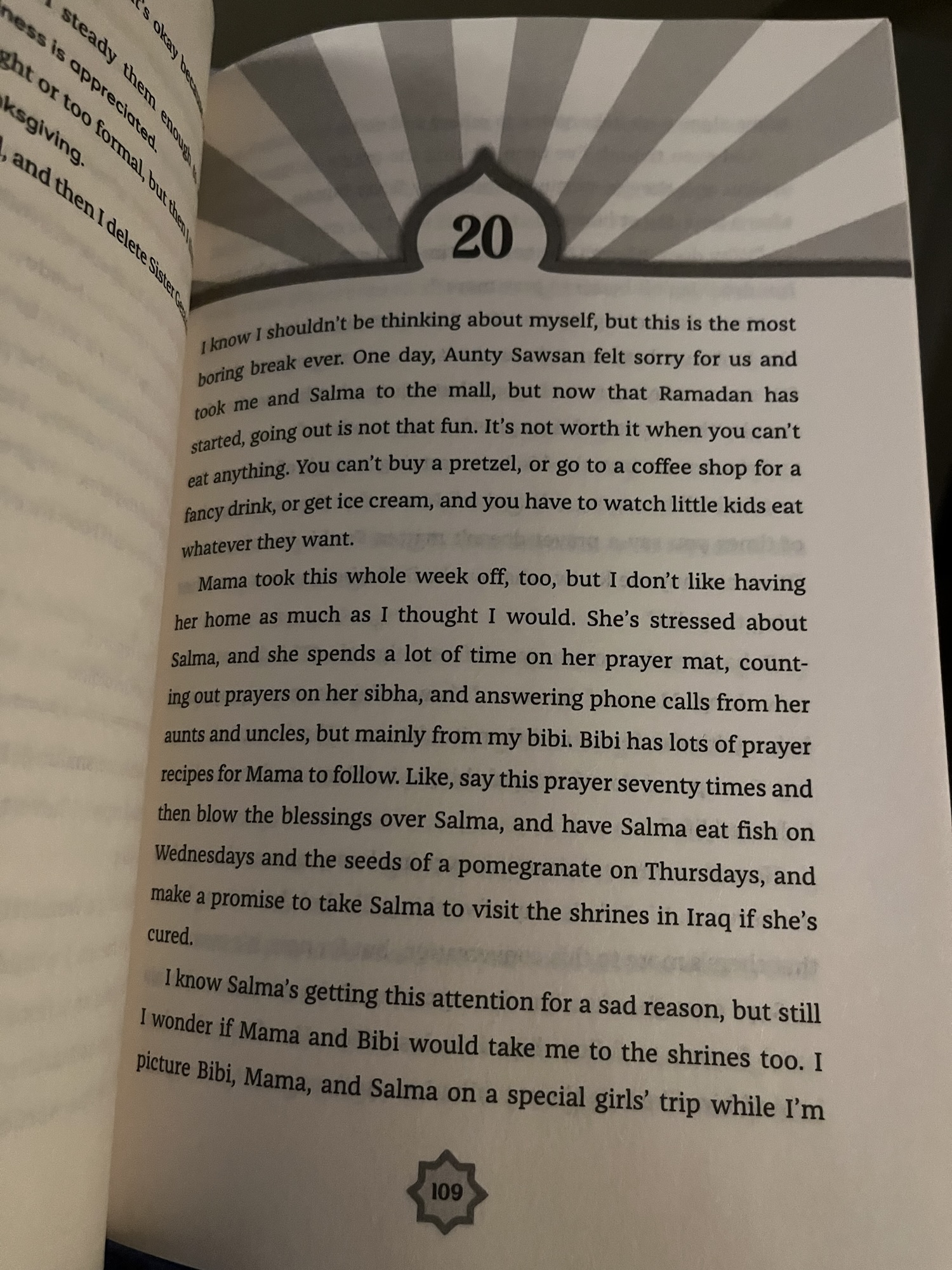
There is a lot of Islam in the book, and while Mariam sorts through what she thinks is right and wrong, I didn’t feel there was internalized Islamophobia or that she was ashamed of her faith. She doesn’t necessarily have all the answers about how to navigate the situations at hand, but she doesn’t hide her religion, or question the core of it. It is  something she values and believes in.  She does get a little hard on her mom’s accent and culture gets a little confusing, but even when she questions her grandmother’s prayer recipes, I didn’t feel that it was insulting or disrespectful.
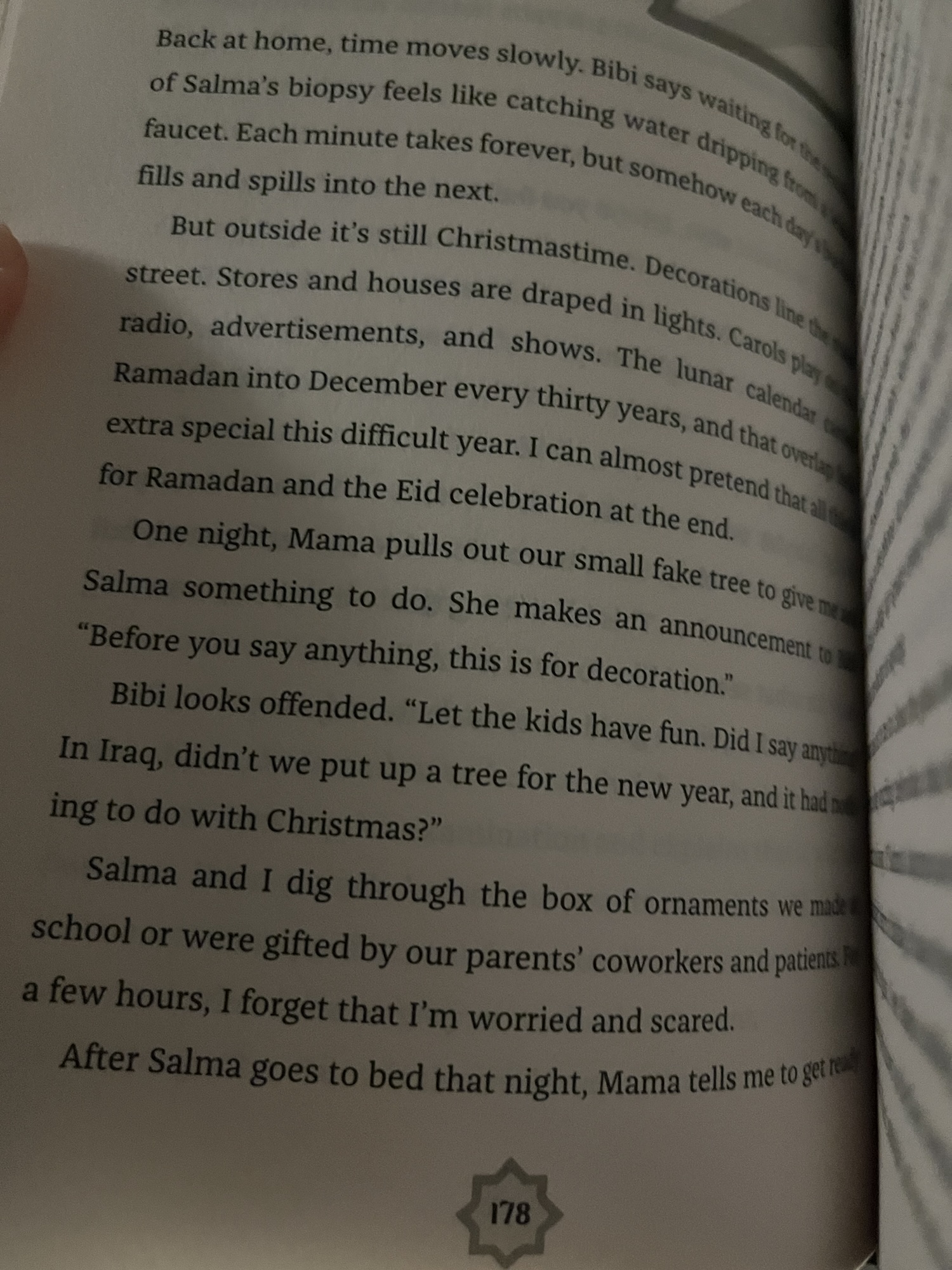
The only scene I felt was off was when at the end the family put up a Christmas tree, I get craft wise that it was perhaps to highlight the religion vs culture thread, but I took it as undermining so much of Mariam’s battles at school.  By the family partaking in a clearly Pagan based Christian adopted practices when not prompted by any environment or outside expectation, I felt it was a bit forced in perhaps trying to justify that it is something a lot of Muslims do.  Mariam through much of the book was trying to be respectful to her school and their practices while staying true to herself, the family got gifts for the Christian “family,” and they brough Eid gifts to them, so blurring the line when it wasn’t needed, seemed like so much of Mariam’s stress was for not.  I feel the conversations about culture and religion were sufficient.
FLAGS:
Mariam has a crush on a hospital volunteer, religious discussions, period starting, lying, impersonating her mom in school emails, jealousy, medical worry, illness.

TOOLS FOR LEADING THE DISCUSSION:

No tools are needed, just read, and the discussions will happen
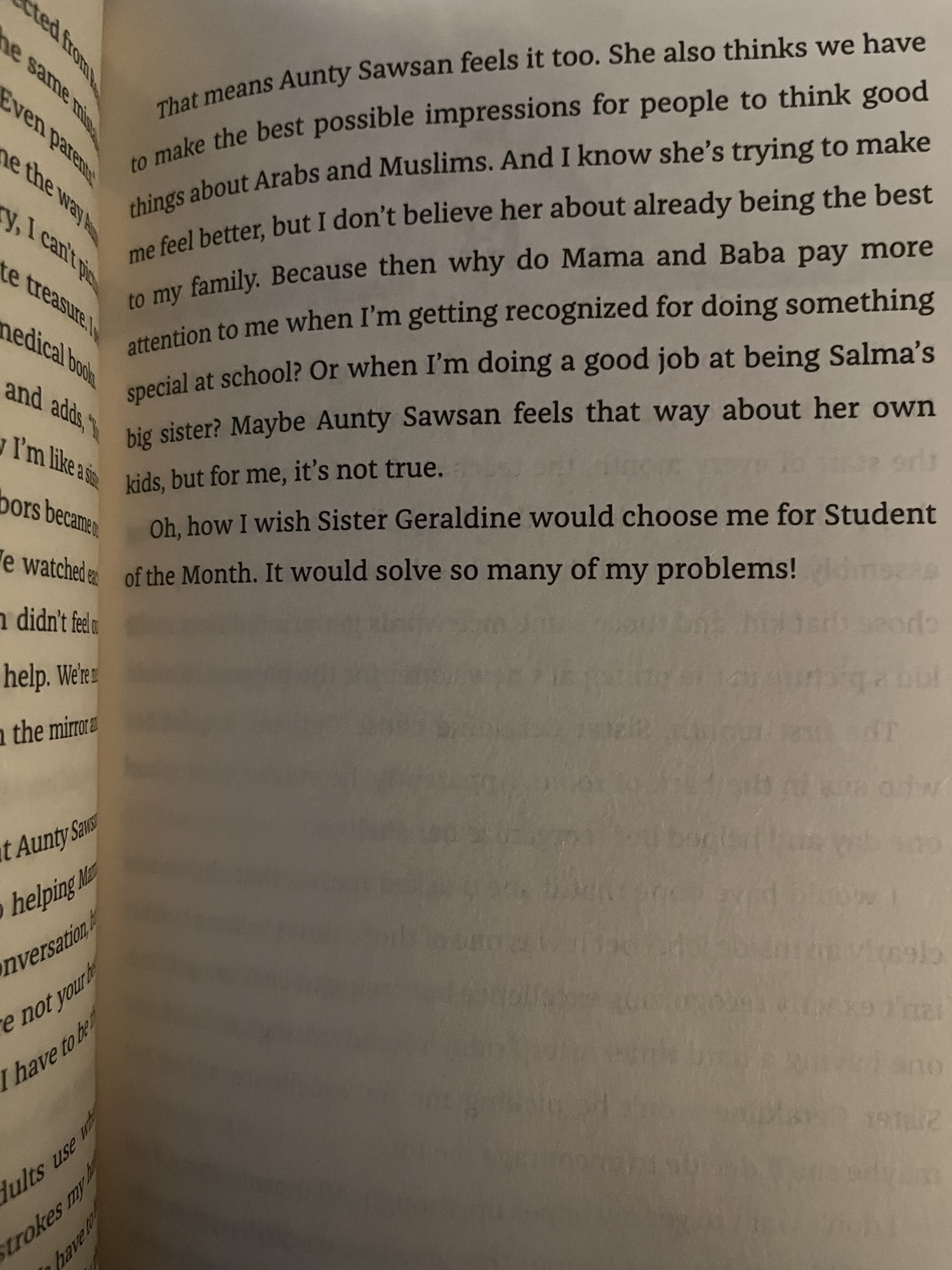
 

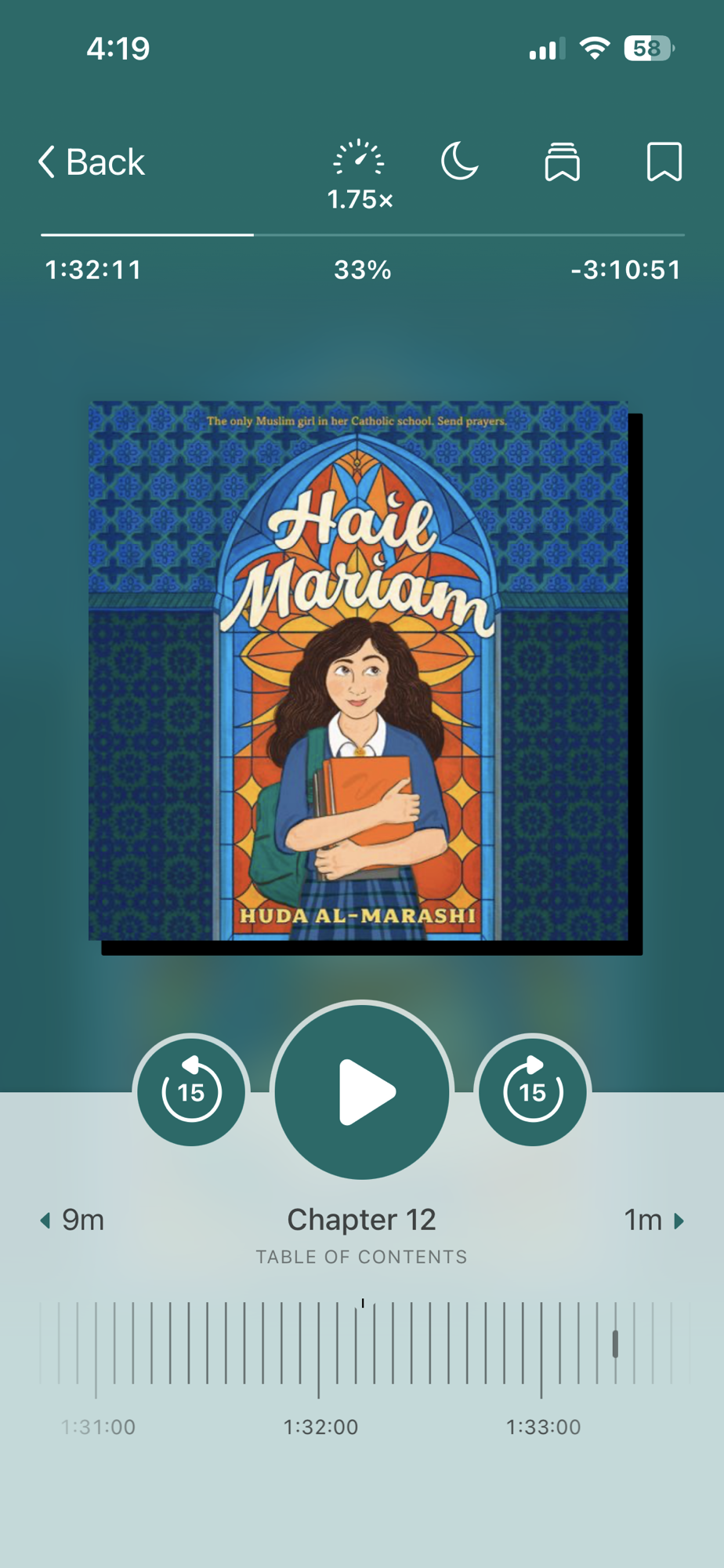
I read and listened to the audio, both were great.
 

Not the Girls You’re Looking For by Aminah Mae Safi

Standard
Not the Girls You’re Looking For by Aminah Mae Safi

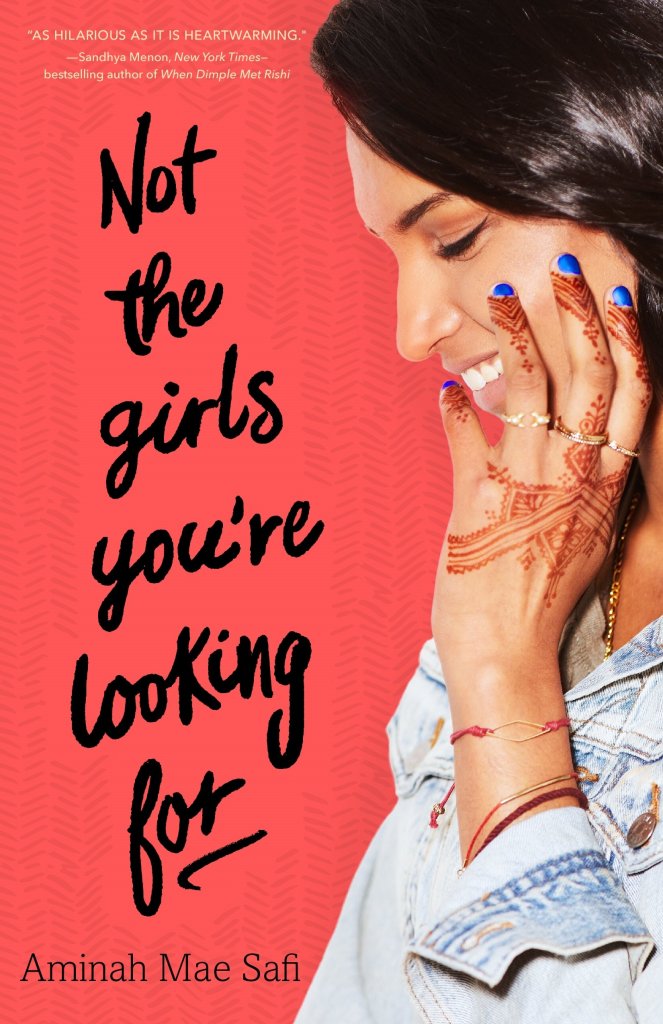
This book did not work for me. Despite the fact that the main character is Muslim and it is Ramadan, no matter how much I wanted to connect with this multicultural lead and her friends, and see myself in her as she navigates high school, I just could not. The writing was choppy 3rd person which distanced the main character for me, the crude language on every page, the drugs and alcohol in every scene, the detailed sexual encounters throughout, the lacking growth of the characters and the muddled point of the book in general made the book difficult to read. The book is an AR 4.9 but content wise is more suited for mature 18 year olds. Even this review might be a little too much, I’ll do my best to keep it clean. Ultimately this book missed the mark for me in showing females defining themselves, celebrating friendships and diversity, or even just creating characters to cheer for as they navigate life.

SYNOPSIS:

Leila is half Iraqi Muslim from her dad’s side and half American Catholic from her mother. She doesn’t know how to pray as her father isn’t religious, but celebrates Ramadan and Christmas and defines the world on her own terms. She is fearless and owns herself, hence she hates her name and goes by Lulu instead. The book opens with her making out with a boy in a closet which she kind of regrets and then goes to join up with her friends at the party to drink and get high and attack one another for their poor choices resulting in drama. In this instance Lulu’s anger pushes a boy in the pool, and then the four friends devise a way to get home and work out the lies they will need to tell to the parents involved. This scenario with only slight variations repeats five or six times in the book.

Lulu is the fearless one, Lo, short for Delores, is the leader, Audrey is an alcoholic math whiz and Emma, not to be underestimated and often is forgotten (literally) is coming out in her first lesbian relationship. Yes these labels are limiting and stereotypical, especially in a book calling for girl power or what not, but sadly that is really the only space they flesh out, not a whole lot more is known about them. The girls defend each other fiercely to outsiders, but are truly awful and angry to one another all the time. They break apart and Lulu doesn’t really know why, so the path back to one another isn’t really cathartic. They pull a prank to get back at a boy that crossed the line with Lulu, but it fizzles when the threat of what the prank could do is enough to keep him away and they don’t have to complete it completely.

Between the parties there are some sub plots that weave in and out. Lulu has to spend time with Iraqi family friends who don’t accept her and are critical, in Arabic, of her mother. This gives some cultural layer to the story, but the characters are pretty flat and petty and hypocritical. The bombings in Paris a few years earlier, and the resulting bullying by classmates hardened Lulu, but there isn’t much info on how awful they treated her or how it defined her, so not much sympathy is garnered by the event nor does it help the reader get inside Lulu’s head. There is also a sweeter love story brewing than the one night stands that define Lulu, but then she goes with her mother to get birth control so she can sleep with him all while making it clear that he isn’t her boyfriend, she just wants to have sex with him- which she does on her seventeenth birthday.

Eventually the girls are back together and gushing with tales of sorrow and personal growth and vows that they will always be like sisters.

WHY I LIKE IT:

I don’t mind the premise so much as the execution of it. I get that people practice Islam differently, but I really don’t get the need to even bring her religion in to such a story. Culture maybe, but even that is a stretch. I don’t know if the story would be better if it was first person, I would like to think so, as not connecting with the main character was such an obstacle for me. I wanted to see her grow and change or at least have clarity in her decisions even if I didn’t agree with them or couldn’t relate to them. I wanted to feel her remorse or the weight of her decisions, but was often just told in passing that something scared her or was hard for her, not shown it. The theme of not belonging anywhere is a legit one, but I don’t know that this book explored it, it just sort of brushed by it almost as a trial to see if the emotions would stick. Which for a character built up to be unapologetic and unafraid to suddenly want a victim label without any real emotional ties, didn’t work for me. There are such holes in the story, that at times things didn’t seem believable or details were so specific with no context that I didn’t get their purpose. I would have loved to know more about her brothers and the tests they went through, or why her family was so loyal to the Arabs around them. I desperately wanted something that showed a different side of Lulu not just the anger and “F everyone who wants to change me” mantra. People are scared of her and she enjoys that power, but I don’t get why they are scared and why she enjoys it. It seems like a big part of her story and of the book in general to miss. Yes she is independent, and I get that can be misread, but she almost seems one dimensional and flat which defies the concept of defining yourself on your own terms and carving out where you want to belong among groups that see you as other, right?

The character is pretty open that she knows little about Islam, she also claims she isn’t interested. She fasts not so much because it is a commandment but more to appreciate poor people. She says this, but actions don’t seem to back it up. She tries not to drink during Ramadan but she still smokes, gets high, makes out, and lies once the sun goes down. At one point she calls a bride and her mother whores, and refuses to apologize, so her dad gets a fatwa issued. Lulu’s mom mentions that something went all Shiite on the situation, so I’m not sure if the fatwa issuing for such a specific thing is a shiite thing or something I’m just not aware of or familiar with as a tool for handling family dramas.

FLAGS:

The whole book really. Sex, drugs, alcohol, sexual assault, lying, cheating, blackout drunk, vaping, talk of orgasms and going down, lesbian relationship, hetero relationships, sexual encounters, language etc etc etc.

TOOLS FOR LEADING THE DISCUSSION:

Would never cross my mind to share or suggest this book. Even religion representation issues aside, I don’t know that there is really a single “healthy” relationship highlighted among the main characters, some of the side characters maybe, but not enough information is given to really make that case. The characters just all seem so angry, not saying teenage years aren’t angry and messy, but this one doesn’t seem to add much perspective to that singular thought unfortunately.