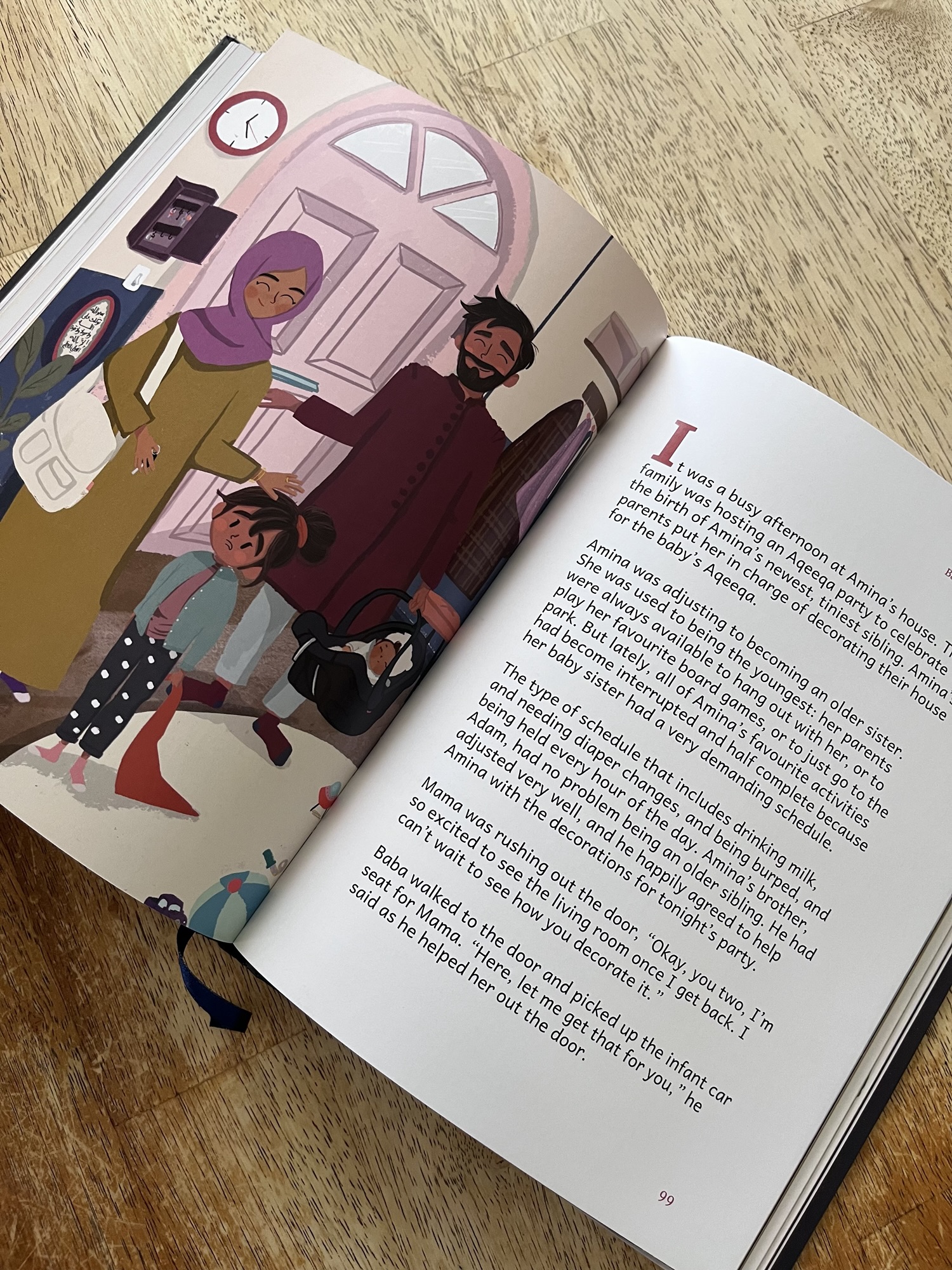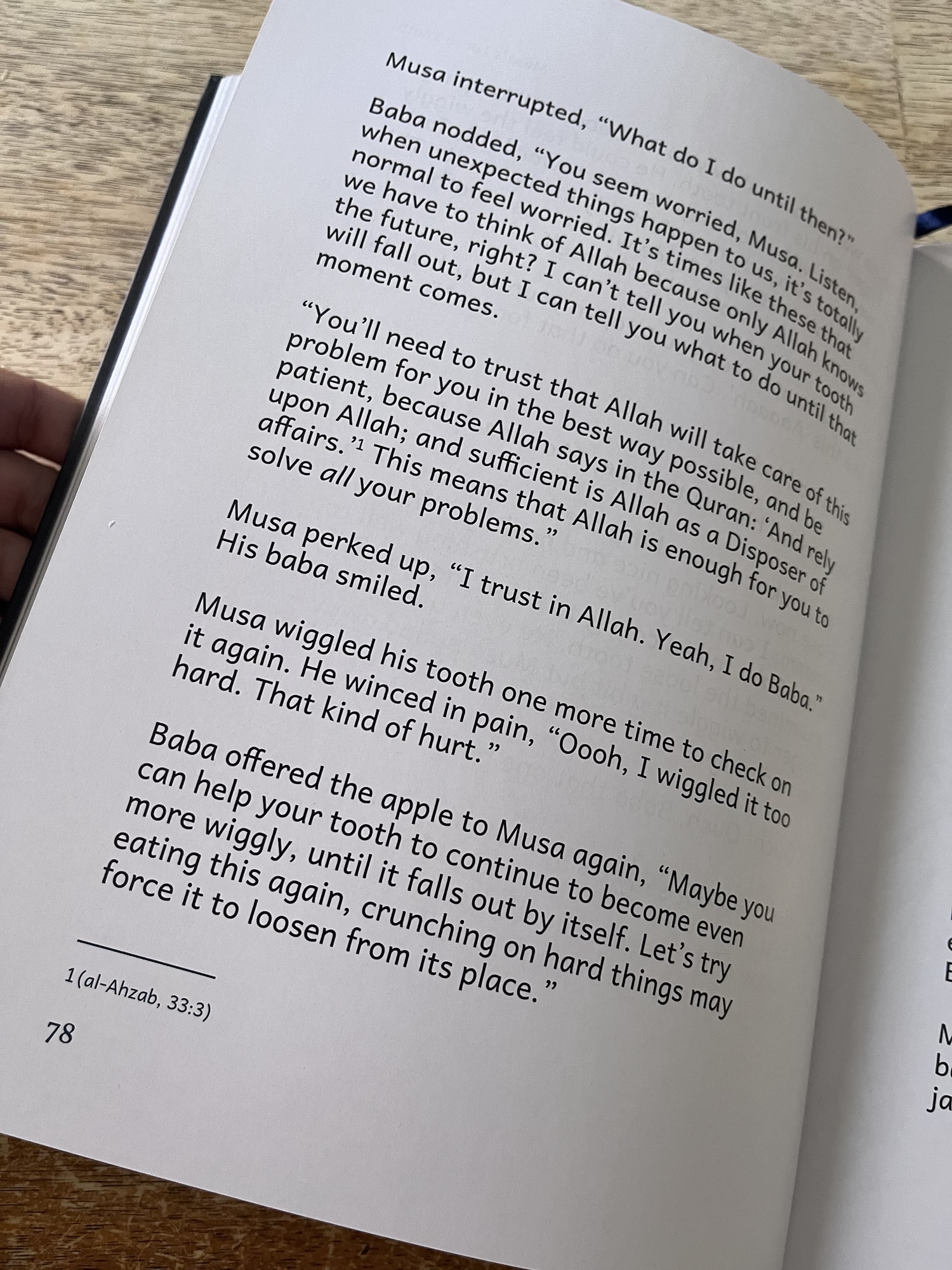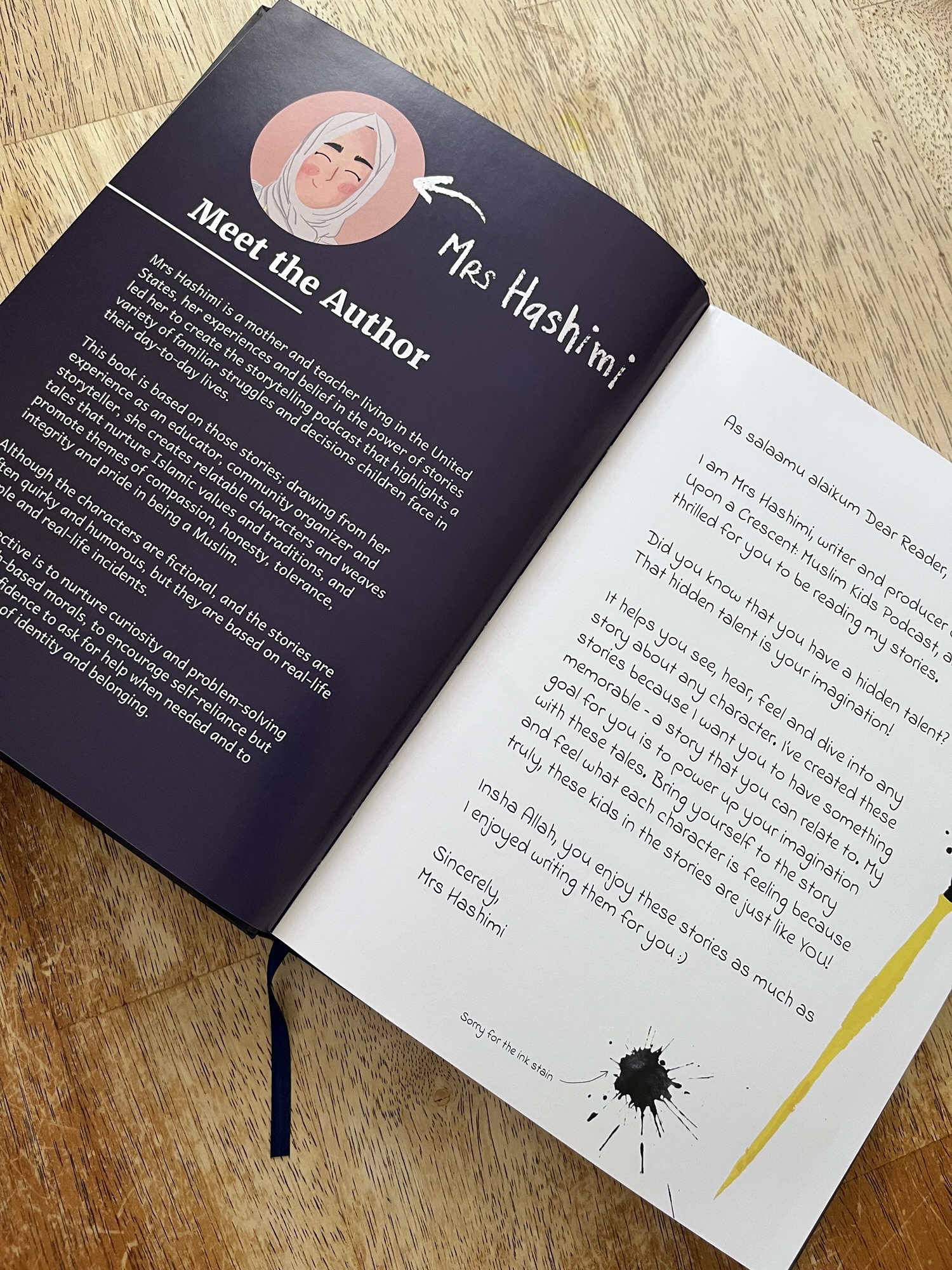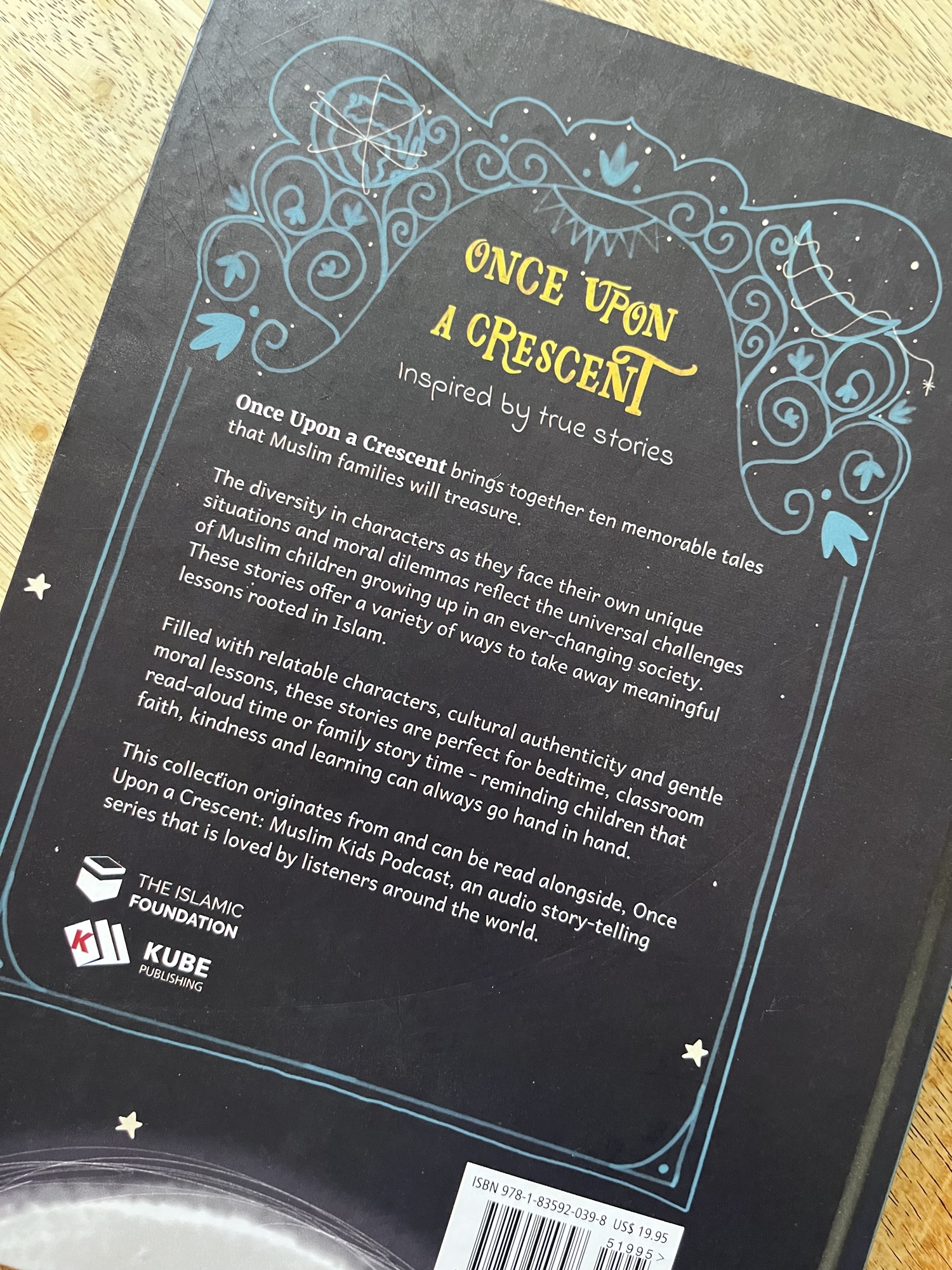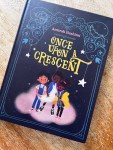
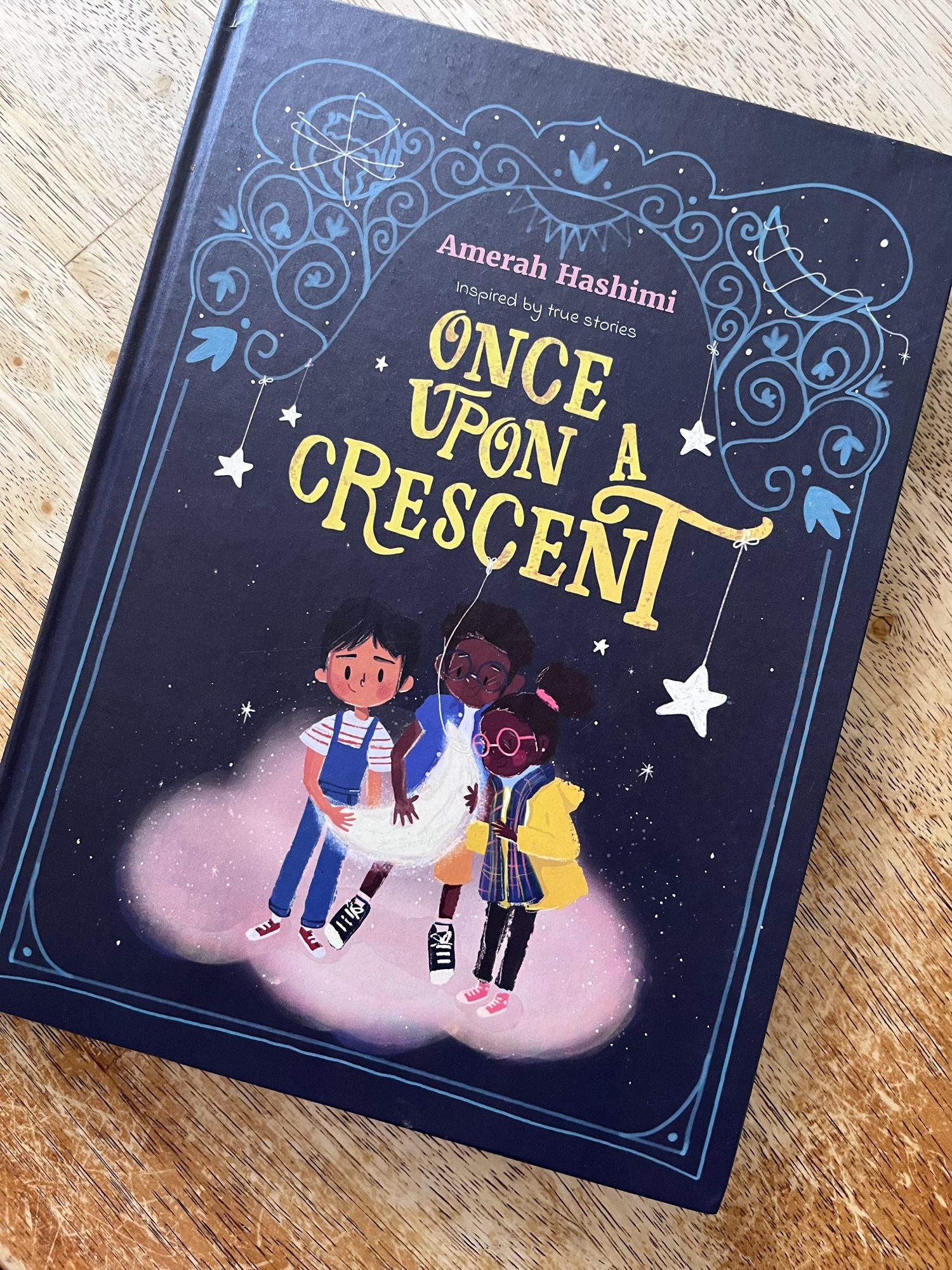
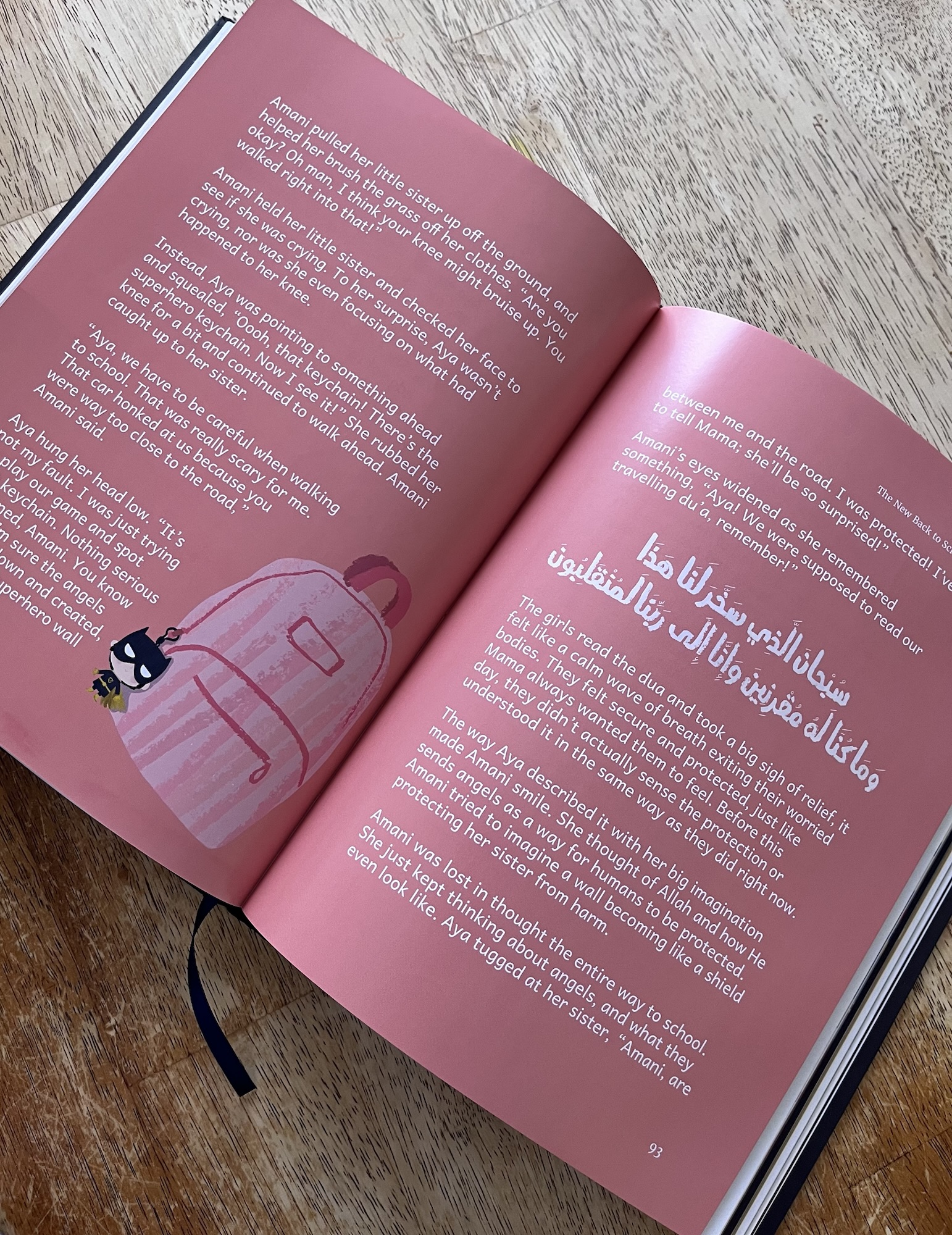
At 165 pages, broken up into 10 stories featuring Muslim families and faith based morals, the beautifully hard bound book complete with an attached ribbon bookmark and QR codes for each story that link to the author’s podcast, kids are given relatable scenarios based on real events that read like fiction and offer takeaway tools and solutions. As with all collections some will resonate more than others with elementary aged children, but as a whole the book accomplishes what it sets out to do, and based on my own children: the mix of being able to listen, listen and follow along, or read interdependently, keeps them engaged in the book and asking for it at bed time and in the car. The Islamic touch points are woven in and Hadith, Quranic ayats, and practical applications are definitely goals, but not overly out of touch or preachy. The balance feels real and even if as an adult I found some on the nose, the stories are not long or overly wordy and the lessons are worth hearing. My only suggestion would be to have the hadith and ayats mentioned at the back of the book or even as a QR code that families could then print out to use. Having the Islamic elements shown in action is what makes this book powerful, so whether kids are seeing the Hadith or dua or ayats as a reminder in a new setting or wanting to learn it for the first time, the real legacy of the book is having the kids remembering to recall them in their own daily lives.
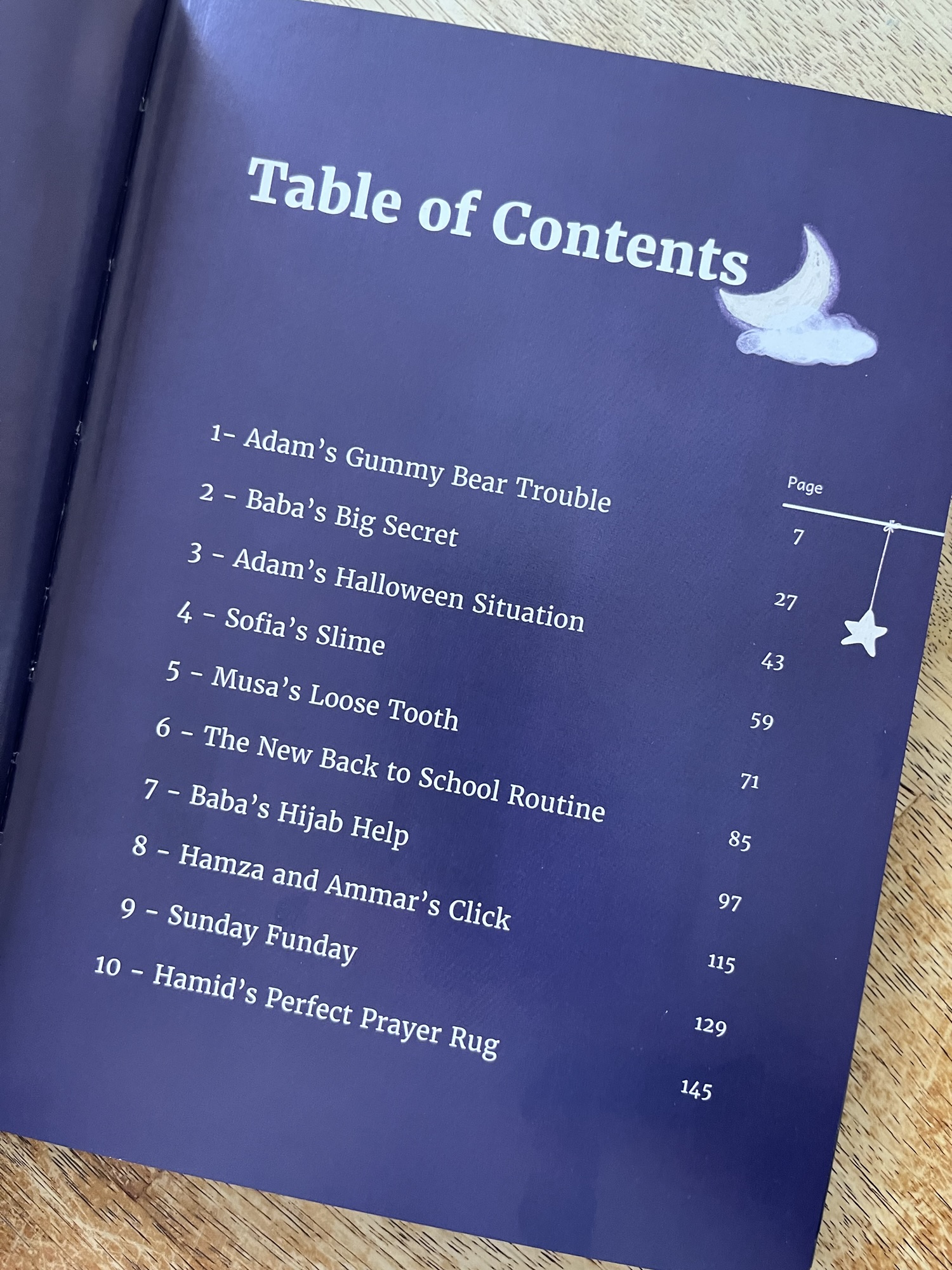
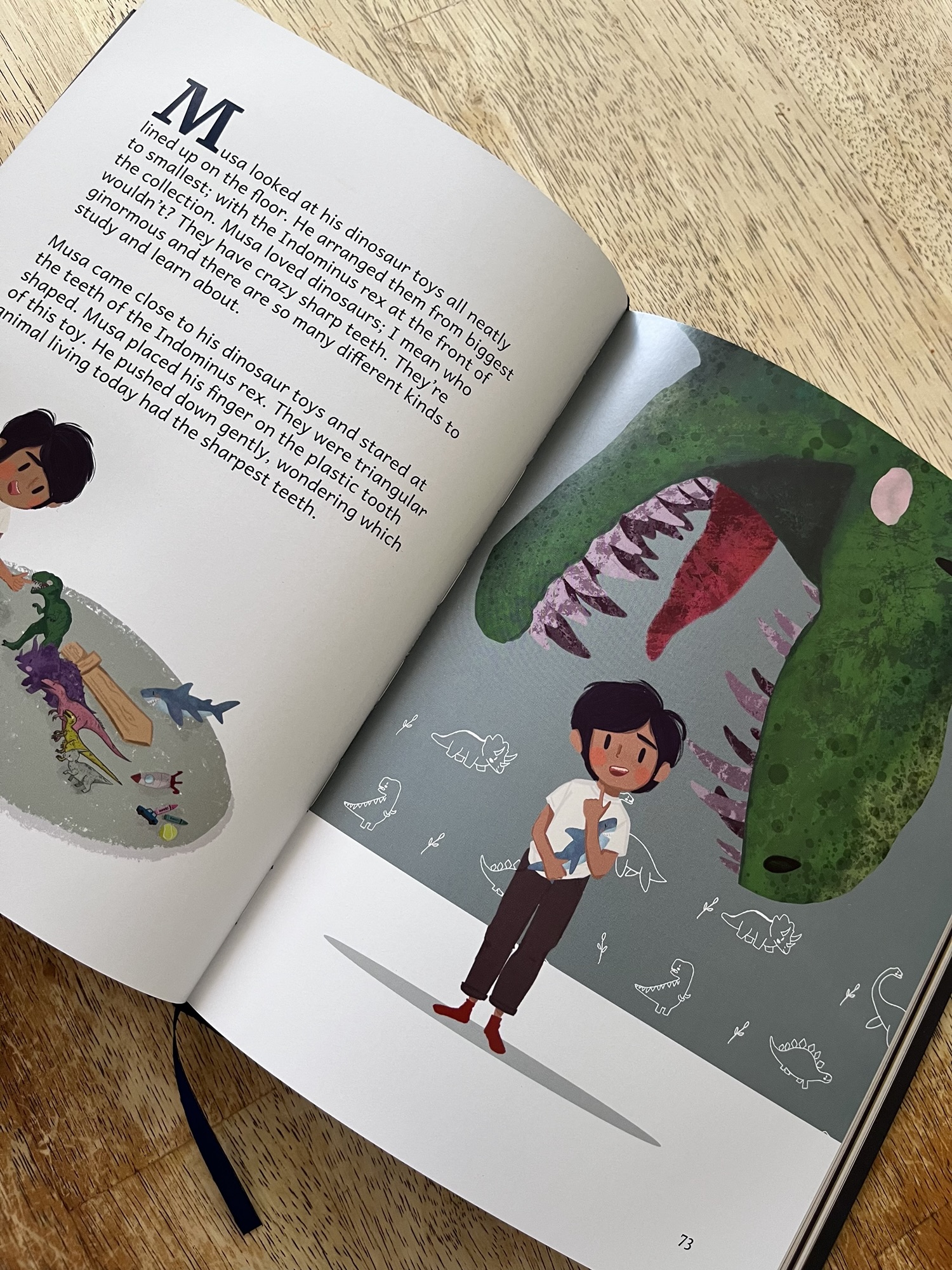
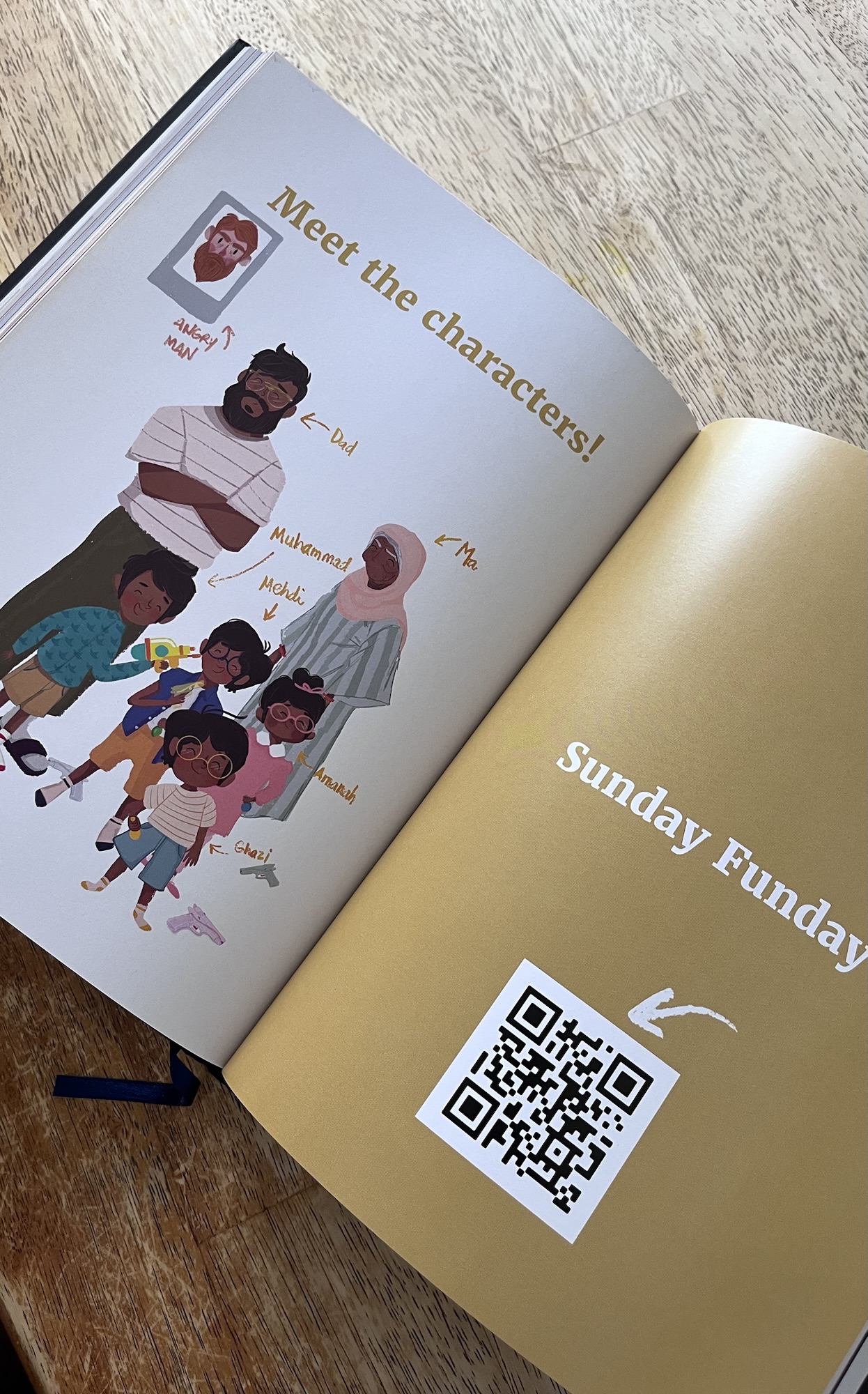
I didn’t love that the first story had to have halal equated to kosher to somehow be more palatable, to make the author’s point, but the rest of the stories did a good job of offering Muslim children a way to be seen in a relatable and gentle way. Whether your kids are in Islamic schools or are religious minorities in their classes, all of the families are Muslim, but many have interactions with non Muslims which I think is what really connects with the audience: it feels like it is for them without apology. I particularly liked that the Halloween story normalized that Muslim kids don’t celebrate Halloween, but that was done in one sentence, the story moved on from that and made it about being uncomfortable with the scary vibes of the season and how to navigate being afraid.